
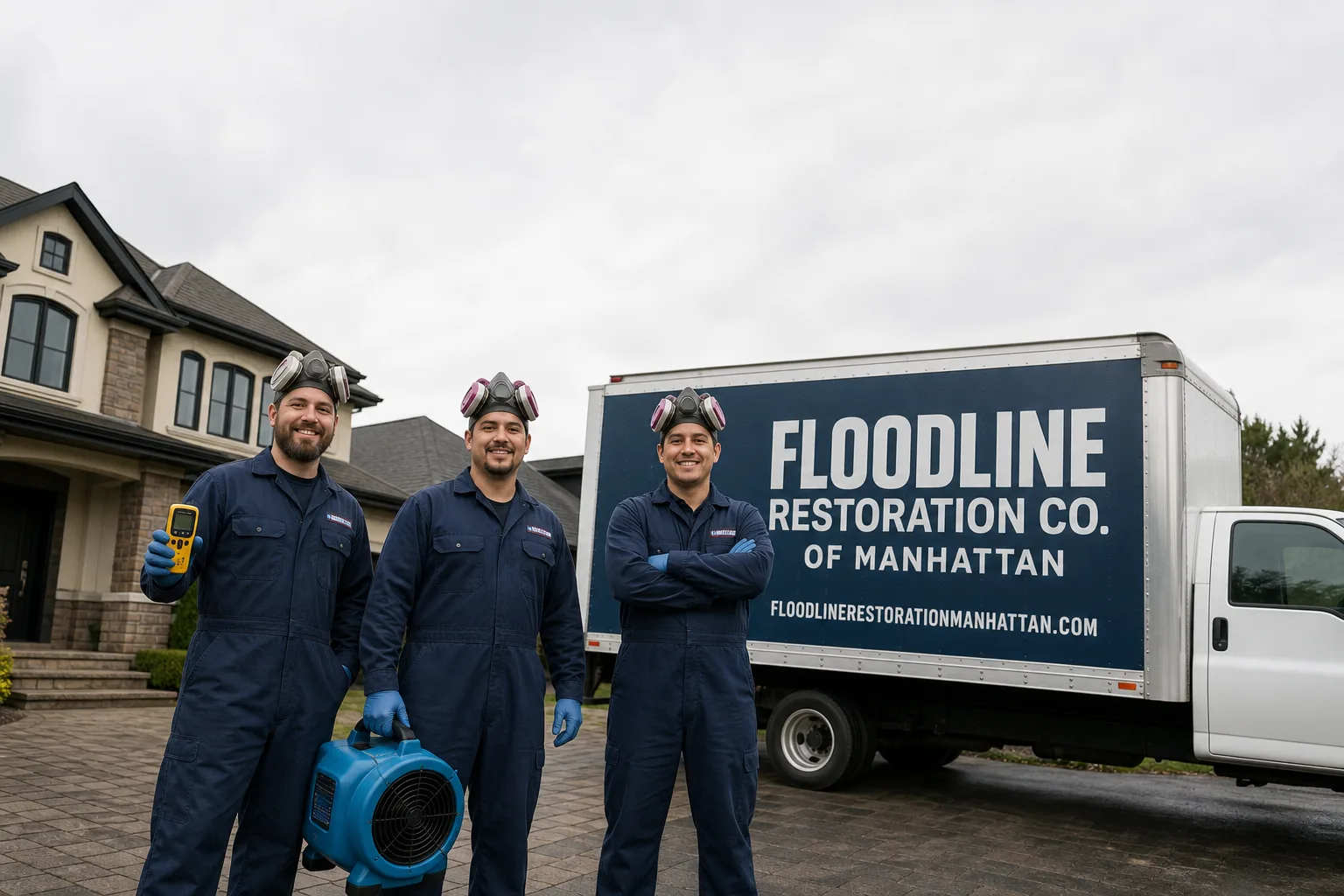
Free visual inspection and a written scope of work before any mitigation begins - photos, moisture readings, and drying logs go in your claim file
The scope we write is the scope we bill. Anything new gets shown to you, in writing, before we touch it.






 Before
 After
After Before
 After
After Before
 After
After24/7 Emergency Storm & Disaster Restoration in Elmhurst
Storm damage in Elmhurst rarely waits for business hours, and neither do we. When a nor’easter tears roofing off a 1930s row house on 54th Avenue or a summer thunderstorm backs the combined sewer into a basement on Justice Avenue, you need a crew that answers the phone at 2 a.m. and gets extraction running the same visit. Call (917) 924-4221 and a live dispatcher picks up, not a recording. We dispatch certified crews to Elmhurst around the clock, every day of the year, and the first hour after a storm decides how much of your home survives.
Our Storm & Disaster Restoration team arrives with professional-grade Dri-Eaz and Phoenix equipment, thermal imaging cameras, and the experience to know that in Elmhurst’s attached brick housing stock, water and wind damage never stays where it started. The free visual inspection gives you a straight answer about what you’re facing, not a sales pitch.
Understanding Storm & Disaster Restoration Severity in Elmhurst Properties
The severity scale we use on every Elmhurst job starts with water category: Category 1 is clean supply-line water, Category 2 carries significant contamination, and Category 3 is grossly contaminated, which includes sewage backup from the combined sewer system that serves this part of Queens. In Elmhurst, a heavy rainstorm that surcharges the municipal lines can push Category 3 water into basement-level units within minutes. That water contains bacteria, viruses, and whatever the street carried into the system, and it demands full containment, extraction, and sanitization protocols rather than a simple drying job.
What makes Elmhurst severity assessments different is the building stock. Original plaster-and-lath walls over load-bearing masonry party walls trap moisture far longer than modern drywall. A wall that reads 28% moisture content on a gypsum board might dry to standard in three days. That same percentage in Elmhurst’s 1920s brick-and-plaster construction can take six or seven days, and pulling air movers too early leaves the cavity wet enough for microbial growth. We moisture-map every affected surface on day one and log daily readings until the dry standard is met, with the log handed to both you and your carrier.
Why Elmhurst Property Owners Choose Floodline Restoration Co. of Manhattan
- 45-minute response commitment: We tell you when the crew will arrive, and we’ll be there when we say. For storm emergencies in Elmhurst, that typically means under an hour from your call.
- 24/7 live answer: A real person picks up the phone at 2 a.m., every day, every night. No automated system, no callback later. You speak to someone who can dispatch immediately.
- IICRC-certified crews: Our technicians hold WRT, FSRT, and AMRT certifications and work to RIA and IFA standards. Background-checked, uniformed, and identified before they enter your home.
- Free visual inspection: We assess the scope before any work begins, so you get a clear picture of what’s needed and what it will cost. No obligation, no obligation pressure.
- Direct insurance billing: We communicate directly with your adjuster, provide the documentation they need, and bill the carrier directly. You don’t play messenger between us and the insurance company.
- One team from extraction to reconstruction: The same certified crew that reads the moisture map on day one handles daily readings, hands the log to you and your carrier, and rebuilds what needs rebuilding. No mid-job handoff, no inherited crew.
Our Storm & Disaster Restoration Process
Inspection & Assessment
We map every affected surface with thermal imaging and penetrating moisture meters. In Elmhurst’s attached row houses, that means checking both sides of shared party walls before we scope anything. We determine whether the basement unit is a legal permitted space or an informal conversion, because that changes what insurance will cover and how we document the loss.
Extraction/Stabilization
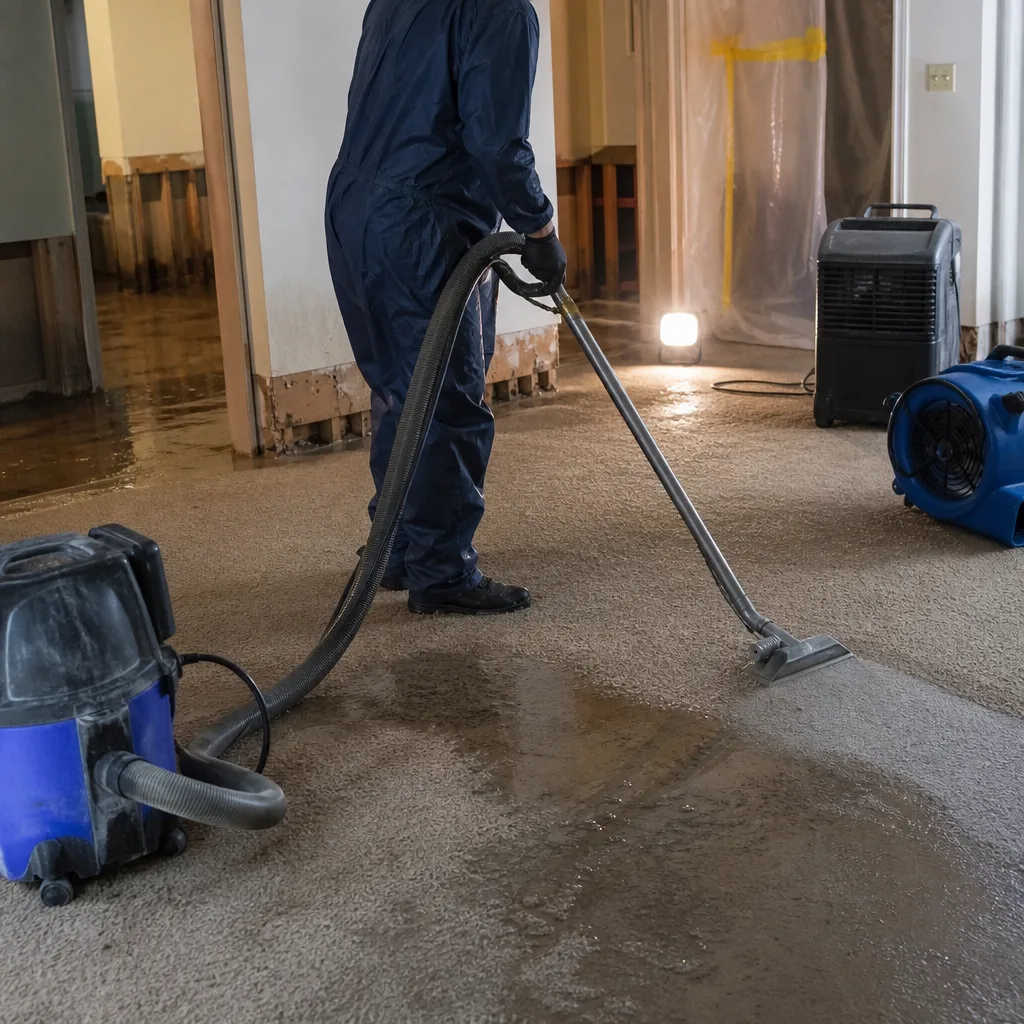
Standing water comes out first using truck-mounted extraction and professional-grade submersible pumps. If storm winds have opened the roof or blown out windows, we stabilize the envelope with emergency board-up and roof tarping before extraction begins, so the elements can’t keep adding damage while we work.
Drying & Dehumidification
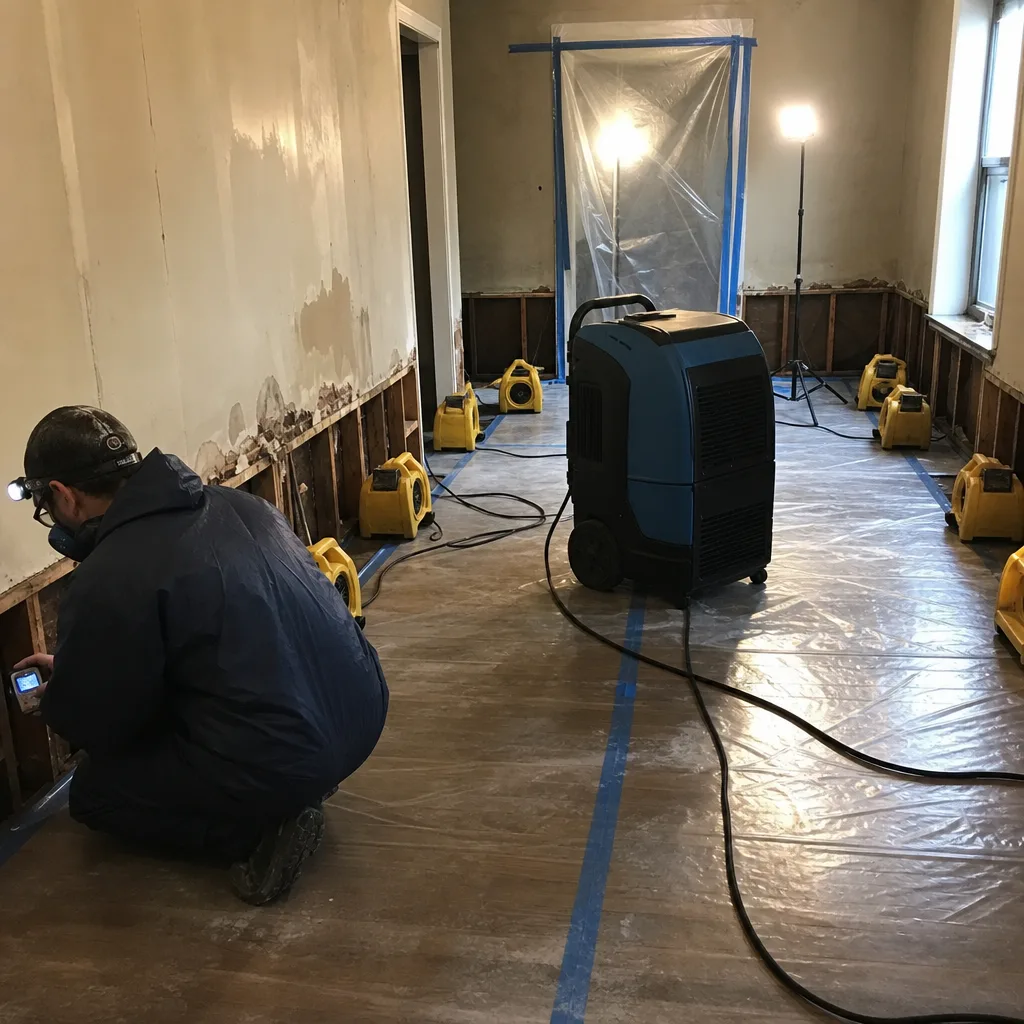
We calculate the drying chamber’s cubic footage and place Dri-Eaz and Phoenix air movers plus dehumidifiers against the moisture map. In Elmhurst’s plaster-and-lath over masonry construction, we run longer drying cycles and check daily with hygrometers until the dry standard is met, not a guess. The moisture log is updated every visit.
Cleaning & Sanitization
Category 3 water from combined-sewer backup requires antimicrobial application, HEPA vacuuming, and containment air scrubbing. We clean, sanitize, and deodorize all affected surfaces, including subfloor cavities and the interior of wall assemblies that drywall wouldn’t reveal.
Specialty Treatment for Storm Damage
Storm losses in Elmhurst often involve multiple damage types: wind-driven rain, sewage backup, and debris impact. We treat each according to its category, using Injectidry for slow-drying masonry cavities and containment chambers for contaminated areas, all documented for your carrier.
Repairs & Restoration
The same crew that handled extraction handles the rebuild: replacement plaster, repointing masonry where water weakened mortar joints, new flooring, trim, and paint. We don’t hand the job off to a different company. The finished work carries our 90-Day Done Right Promise in writing.
Need Emergency Storm & Disaster Restoration in Elmhurst Now?
Crews minutes away, answering live 24 hours a day. The sooner we start, the less it costs.
Working With Your Insurance Company
Storm and disaster claims in Elmhurst are complicated by the age of the housing stock, the prevalence of informal basement conversions, and the fact that a single loss often spans multiple addresses through shared party walls. We’ve handled enough of these claims to know what adjusters need. From the first hour, we document the loss in the way insurance companies require: photos room by room, moisture readings with time stamps, and a detailed line-item scope of work. Our team communicates directly with your adjuster, so you’re not stuck relaying questions between a contractor and a carrier. Direct billing means the carrier pays for covered work, and you’re never left holding a bill while the claim processes.
What We Provide Your Insurer
- Thorough documentation of the loss
- Photos of all damage, room by room
- Moisture readings and drying logs
- A detailed, line-item scope of work
- Direct coordination with your carrier
Built for Elmhurst’s Loss Calendar
Elmhurst’s storm damage follows a predictable rhythm through the year, and we’ve spent years learning it. January and February bring the deep freezes that burst supply lines in unheated basement extensions and behind exterior walls of 1920s brick row houses. A frozen pipe on the second floor of a two-family home on 51st Avenue can run water through the plaster-and-lath ceiling and into the neighbor’s basement before anyone notices. March and April bring the thaw cycle, when saturated ground and aging brick facades start leaking at the parapet and roofline, and those same combined sewers start backing up with snowmelt.
July and August are thunderstorm season in Queens. Flat, low-lying Elmhurst has minimal natural drainage gradient, and the combined sewer system surcharges quickly under intense rain. That’s when we see the highest volume of Category 3 basement losses, especially in the informal conversions that define so much of this neighborhood’s housing stock. September through November brings nor’easter season: wind-driven rain, torn roofing, and debris impact to windows and siding. Whatever the season, the same rule applies: the first hour after the loss decides how much of the damage is reversible.
Storm & Disaster Restoration Across Elmhurst’s Neighborhoods
Response routes through Elmhurst shape how quickly we can be on your block. From the Elmhurst Avenue corridor north of the Long Island Expressway, we can reach the row-house blocks around 54th Avenue and Justice Avenue in minutes, and we know those streets well: the two- and three-family brick homes there share masonry party walls that make lateral water migration the single biggest risk in any storm loss. Down around Broadway and Queens Boulevard, the older walk-up apartment buildings hold original plumbing, and a burst riser line can flood three floors before the water finds the basement.
The blocks east of Junction Boulevard near Newtown High School see their share of storm losses too, often wind-driven rain through aging parapet walls that have decades of freeze-thaw cracking behind them. In the attached two-family homes west of 74th Street, a roof tear-off on one address means we check the adjoining roof immediately, because the water has likely been running down the party wall into the neighbor’s top-floor ceiling. Elmhurst is dense, and storm damage doesn’t respect property lines. Our scoping reflects that every time.
Specialized Storm & Disaster Restoration Services We Offer in Elmhurst
Flood Damage Restoration
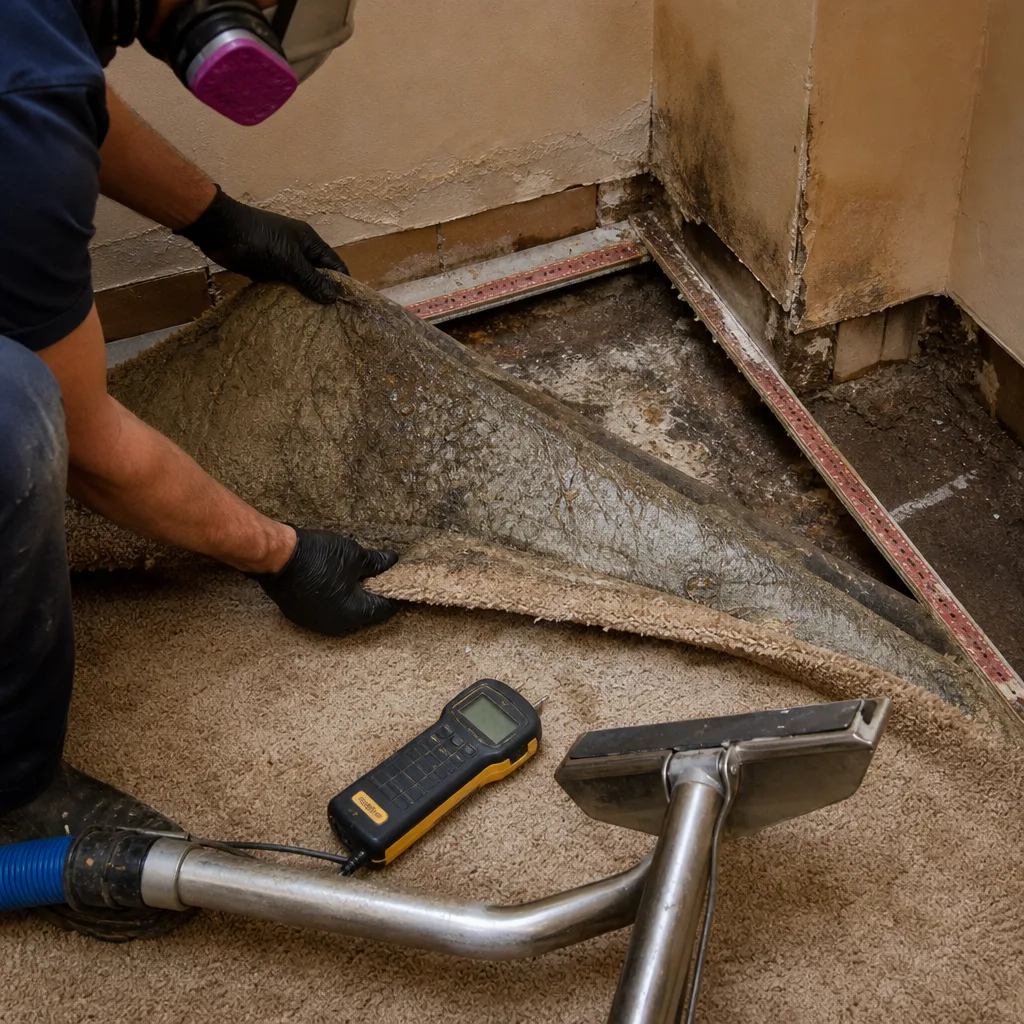
Flood water in Elmhurst is rarely clean. Whether it’s storm surge into a basement on 52nd Avenue or combined-sewer backup on Justice Avenue, we treat flood losses as contaminated until proven otherwise. Extraction starts the same visit, and we run containment before we disturb any material that could aerosolize contaminants.
Storm Damage Cleanup
After a nor’easter or summer thunderstorm, Elmhurst streets are full of debris: downed branches, stripped roofing material, broken glass, and wind-carried trash. We clear the property, secure the envelope, and document everything for your carrier. What looks like cleanup often reveals hidden water damage behind broken windows or under lifted shingles, and we scope for that before we call the job done.
Emergency Board-Up
A blown-out window on the ground floor of an Elmhurst row house is an open invitation. We board up openings with heavy plywood, secured properly to the masonry, and we do it fast enough to keep the weather and unwanted visitors out. Board-up is a stabilization step, not a repair, but it buys time to plan the real restoration.
Roof Tarping
When wind tears shingles or a branch punctures a roof on a 1930s Elmhurst home, the water starts moving through the structure immediately. We tarp the damaged area, anchored against the wind, to stop the water while the full scope is written. In attached homes, we check the adjoining roofline too, because the leak rarely stops at the property line.
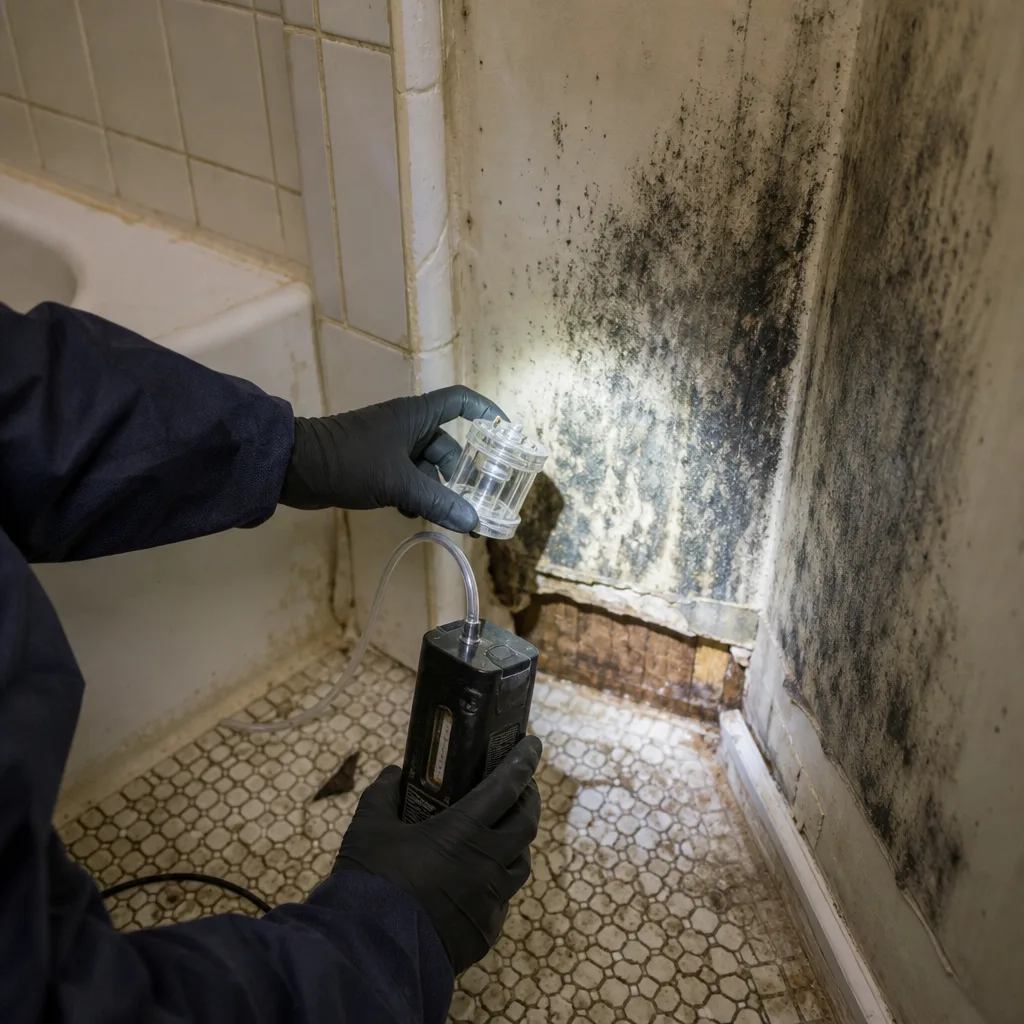
Debris Removal
Storm debris in Elmhurst yards and driveways isn’t just unsightly; it’s a hazard and often hides additional damage. We remove it, haul it off, and document the condition of the property before and after, so your insurance claim reflects the full scope of the loss.
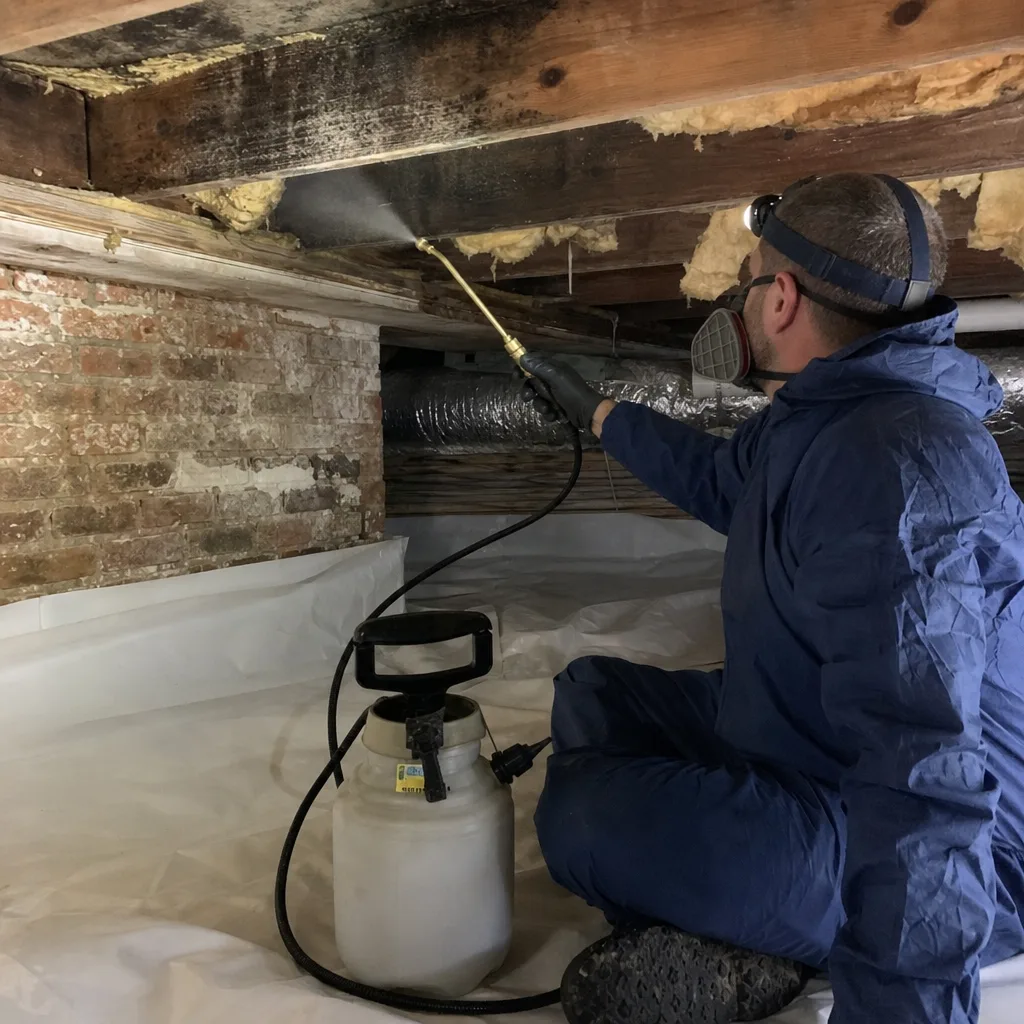
What happens when you call
- 1
A real person answersNo phone trees - you reach a local pro.
- 2
You get an upfront price rangeHonest numbers before anyone is dispatched.
- 3
A background-checked tech heads outLicensed & insured, dispatched right away.
- 4
You approve before work beginsNothing starts until you say go.
Storm & Disaster Restoration Costs in Elmhurst, NY
A typical storm damage cleanup in Elmhurst runs $1,200 to $3,800 depending on the extent of debris, the size of affected areas, and whether contaminated water is involved. Flood damage restoration for a basement loss in one of the neighborhood’s two-family homes typically runs $4,500 to $18,000, with the higher end reflecting Category 3 sewage backup that requires full containment, sanitization, and possible removal of unpermitted finishes that complicate the claim. Emergency board-up services run $350 to $1,200, and roof tarping typically runs $450 to $1,500 depending on roof access and damage area.
What moves the price in Elmhurst? Party-wall involvement is the biggest multiplier. A loss that spans two or three addresses through shared masonry means multiple containment zones, extended drying time, and more documentation. Informational basement conversions also affect cost, because the restoration scope has to address what’s actually there, not what should have been built. The best way to get a firm number is a free visual inspection. We write a line-item scope before work starts, so you know exactly what you’re paying for and what the carrier will cover.
We Also Serve Cities Near Elmhurst
Our crews work throughout this part of Queens, including Elmhurst and the surrounding communities of Rego Park, Corona, Jackson Heights, and Middle Village. If you’re in any of these neighborhoods and need storm or disaster restoration, the same live dispatcher, the same certified crews, and the same 90-Day Done Right Promise apply. Call (917) 924-4221 and we’ll have someone on the way.
Elmhurst Storm & Disaster Restoration Questions, Answered
How do Elmhurst’s attached brick row houses change the scope of a storm restoration compared to a detached home in Queens?
In a detached home, water damage generally stops at the property line. In Elmhurst’s attached brick row houses, shared masonry party walls and subfloor assemblies act as conduits, so water from a burst pipe or roof leak migrates laterally into the adjoining property. A single-unit loss routinely becomes a multi-address restoration spanning three or four neighboring properties, and the scope has to account for drying and sanitizing spaces on both sides of the party wall before mold takes hold in the cavity.
What does your crew do differently when a storm backs up the combined sewer into an Elmhurst basement?
We treat it as Category 3 contamination from the first moment. That means full containment before any material is disturbed, HEPA air scrubbing during the work, and antimicrobial application after extraction. We also check whether the basement unit is a legal permitted space, because that determines what the insurer will pay to restore and what must be flagged for the city. Sewage backup demands a different protocol than clean-water flooding, and we don’t cut corners on it.
How do you handle a basement restoration in Elmhurst when the unit is an informal conversion without a certificate of occupancy?
We document the facts as they are. We tell the property owner honestly what an unpermitted finish means for the insurance claim, what can be restored, and what the city may require before occupancy can resume. We don’t hide anything from the carrier, and we don’t walk away mid-job. The scope gets written to address what’s actually there, and the owner gets a straight answer about what they’re facing, including any code work that will need to happen before the restoration is complete.
Why does drying take longer in Elmhurst’s pre-war plaster-and-lath walls compared to modern drywall?
Plaster-and-lath over masonry holds moisture far longer than gypsum board. Drywall can reach the dry standard in three days under proper airflow. Elmhurst’s 1920s and 1930s plaster walls over brick party walls can take six or seven days, sometimes longer, because the masonry itself absorbs and retains water. Pulling air movers too early leaves the wall at 20% plus moisture content, and that’s how microbial growth starts weeks after the restoration crew has left. We run daily readings until the dry standard is actually met, not until the schedule says it’s time to move on.
What should an Elmhurst property owner do in the first hour after a storm blows out a window or tears off roof shingles?
Call us at (917) 924-4221. Then, if it’s safe, move valuables away from the opening and shut off power to affected areas if water is entering near electrical fixtures. Don’t try to tarp a roof yourself in storm conditions, and don’t enter a flooded basement if the water may be contaminated. Take photos from a safe distance for your records. The faster we arrive, the faster we can board up, tarp, and extract, and the less the damage spreads through party walls and subfloors.
How fast can you actually get to an Elmhurst address after a storm?
Our response commitment is 45 minutes to most Elmhurst addresses. Because we dispatch from a central Queens location and our crews know the local streets, that’s realistic in all but the worst storm conditions, when every restoration company in the borough is stretched thin. Even then, we’ll tell you honestly when the crew will arrive, and we’ll be there when we say. A live dispatcher takes your call day or night and gives you a straight answer.
Will my insurance cover storm and flood damage in Elmhurst, or is this out of pocket?
Most standard homeowners policies cover wind damage, roof damage from storms, and water damage from burst pipes. Flood damage from combined-sewer backup or surface water typically requires a separate endorsement or flood policy. The informal basement conversions common in Elmhurst complicate coverage because unpermitted finishes may not be covered at all. We document everything thoroughly, communicate directly with your adjuster, and bill the carrier directly for covered work, so you’re not guessing.
Can I stay in my home during storm restoration work in Elmhurst?
It depends on the scope. For isolated water damage where containment is properly set up and the affected area can be sealed off, many Elmhurst homeowners stay in place. For Category 3 sewage backup, for losses that span party walls into multiple addresses, or when demolition of contaminated material is underway, we often recommend temporary relocation until containment is removed and the space is safe. We’ll give you a straight answer after the free inspection, and we’ll document whatever the carrier needs for additional living expense coverage.
Serving Elmhurst, NY - Our Local Coverage Area
We’re based in the Elmhurst area and know this community well. Use the map below to see our service coverage - if you’re nearby, we can almost certainly help.
Storm Damage in Elmhurst Doesn’t Wait. Neither Do We.
If a storm has opened your roof, flooded your basement, or blown out your windows, call (917) 924-4221 now. A live person answers, and a certified crew is on the way. The free visual inspection gives you a square deal: a written scope, direct insurance billing, and the 90-Day Done Right Promise in your hands. Done right, and backed in writing.
Written by Curt Bowman, Owner at Floodline Restoration Co. of Manhattan, serving Elmhurst and surrounding Queens communities.