
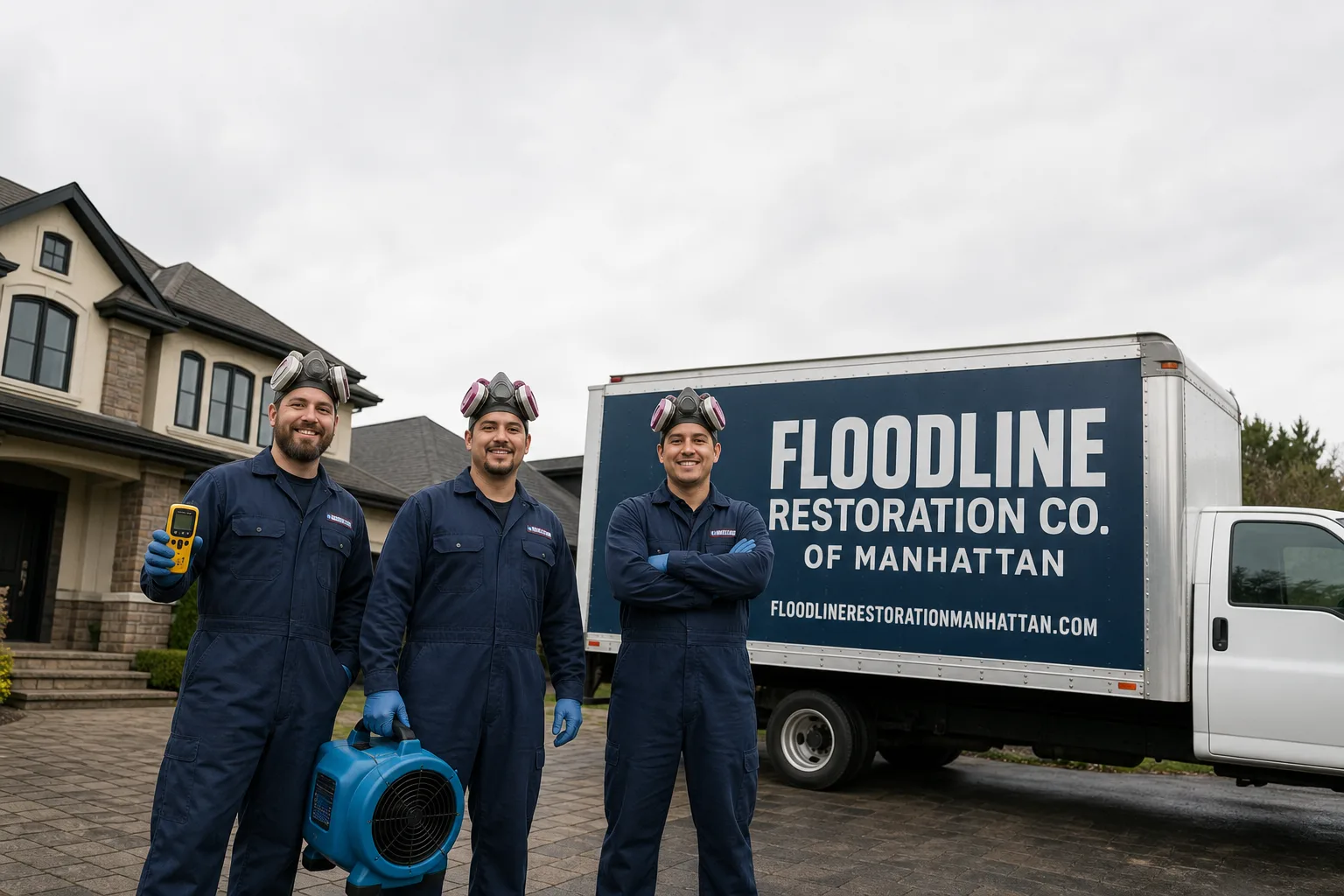
Free visual inspection and a written scope of work before any mitigation begins - photos, moisture readings, and drying logs go in your claim file
The scope we write is the scope we bill. Anything new gets shown to you, in writing, before we touch it.

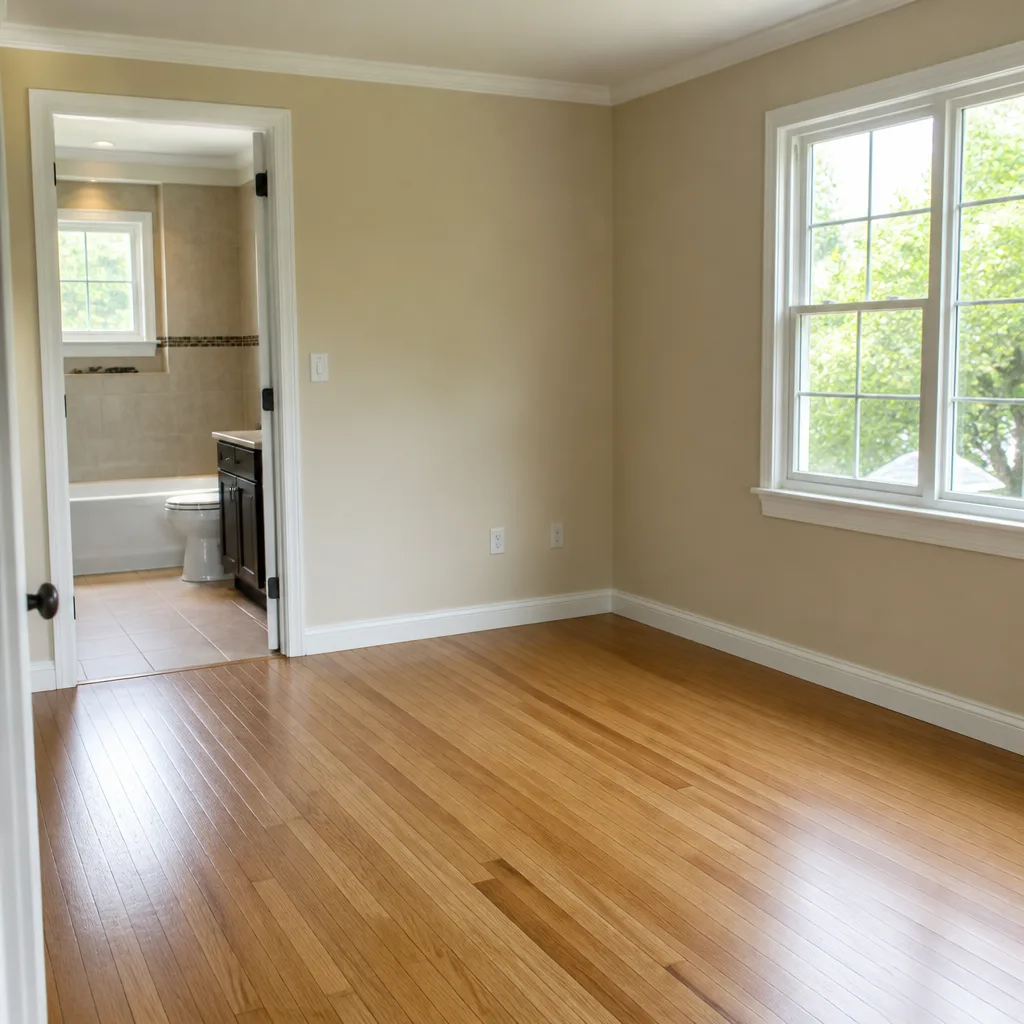
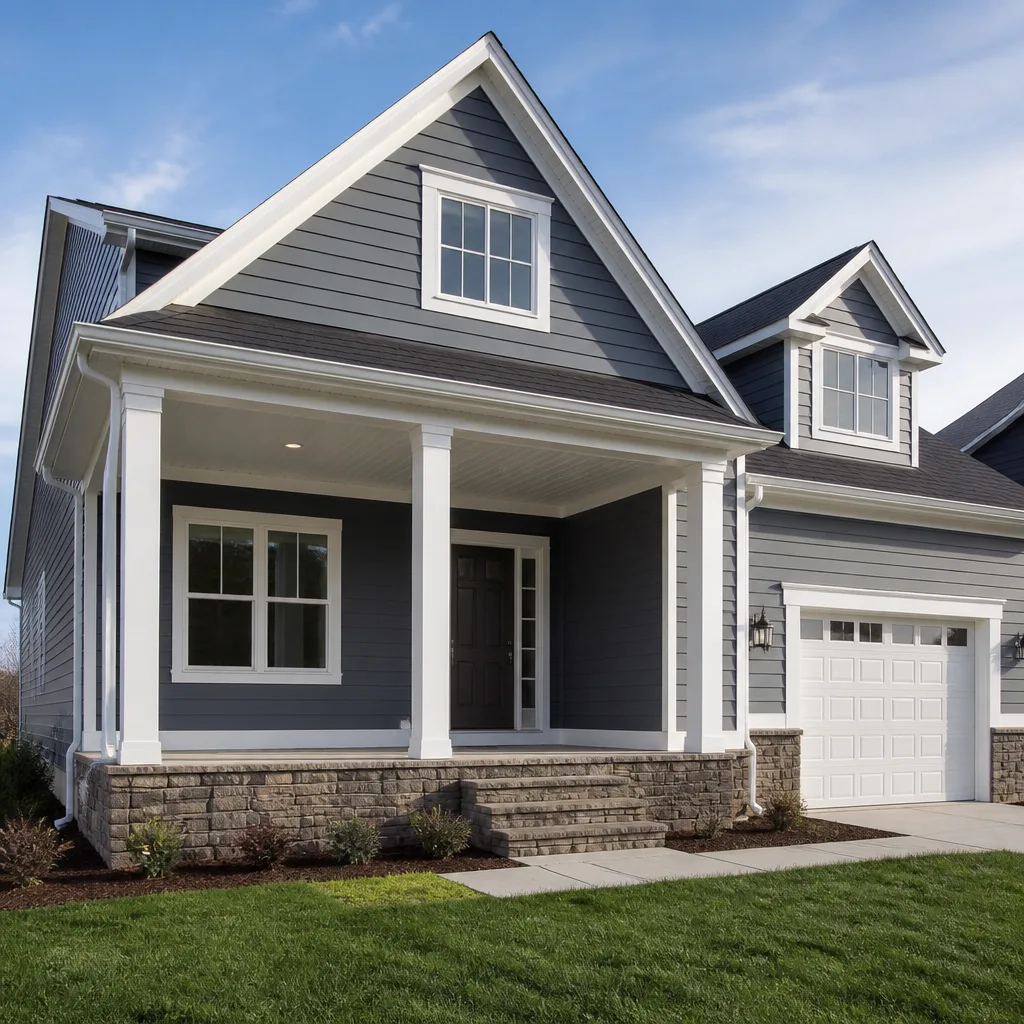
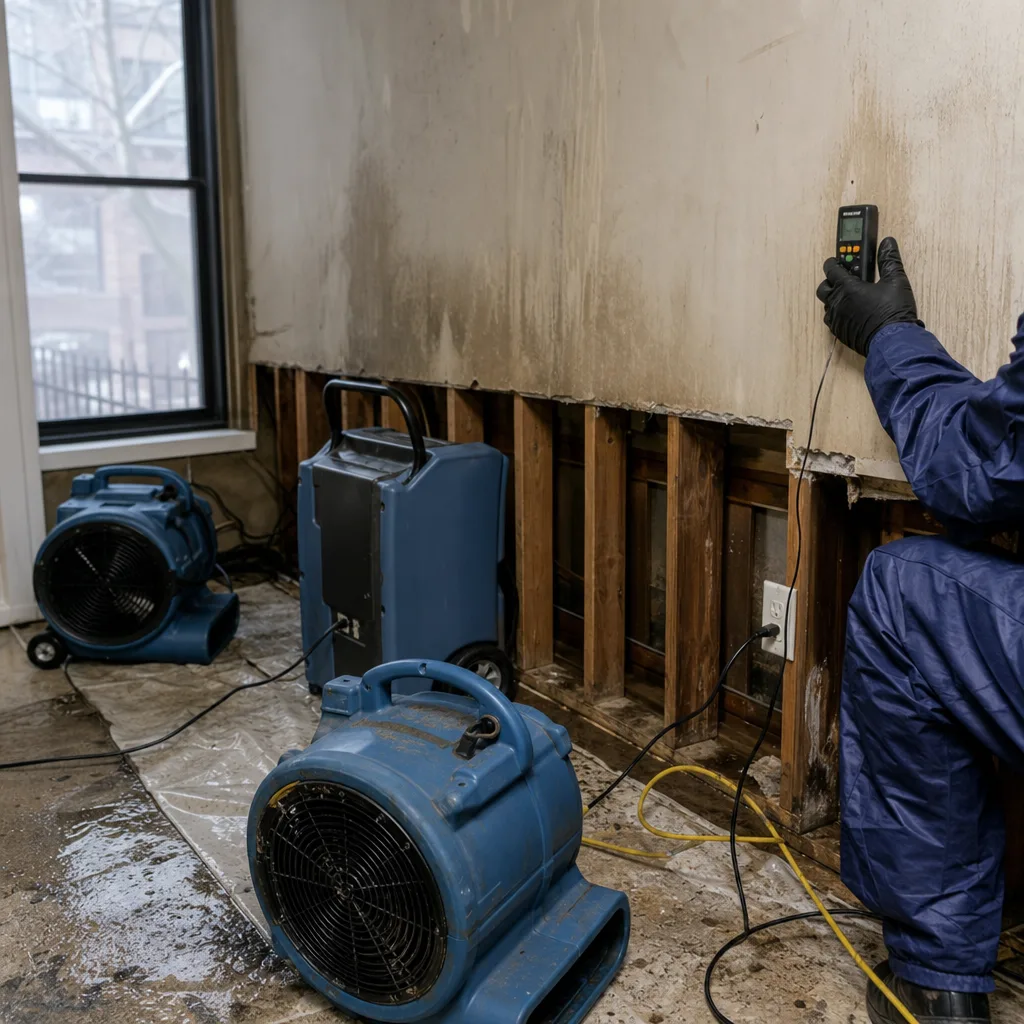 Before
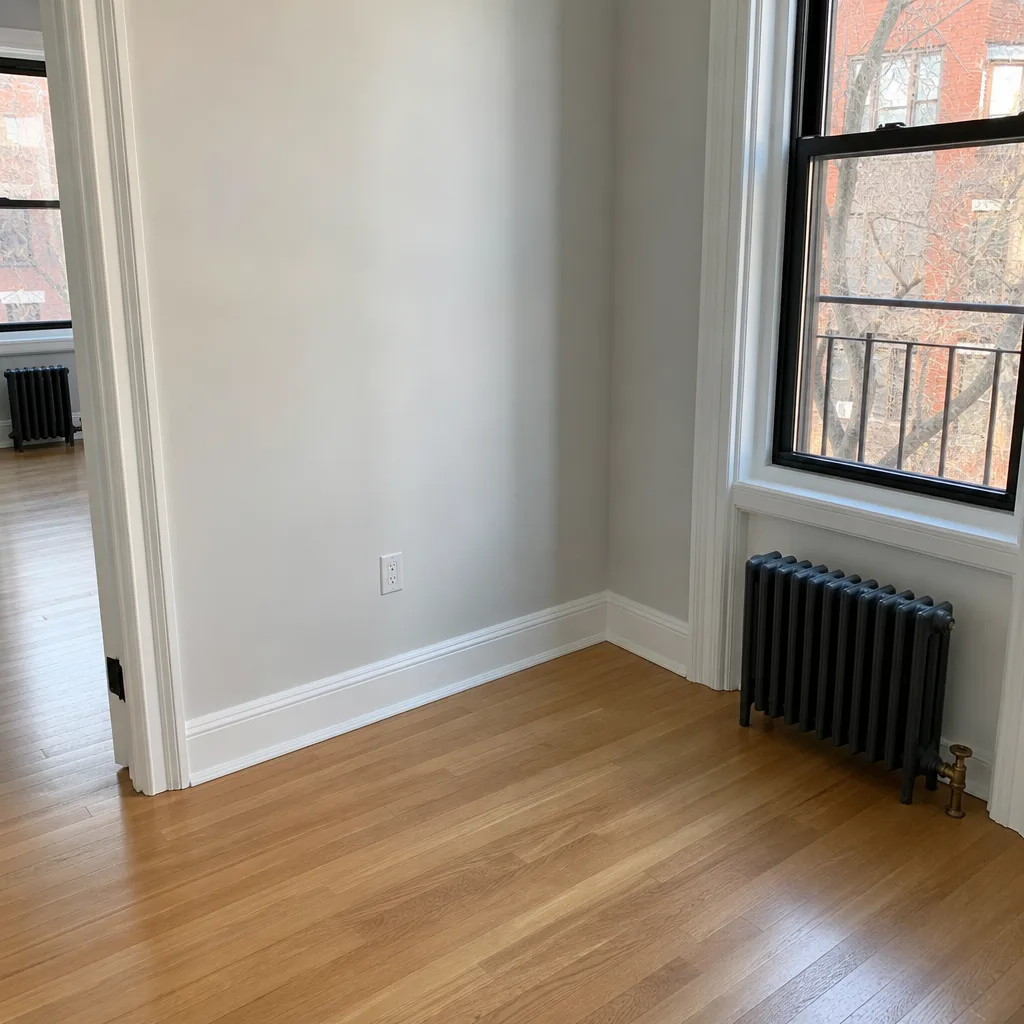 After
After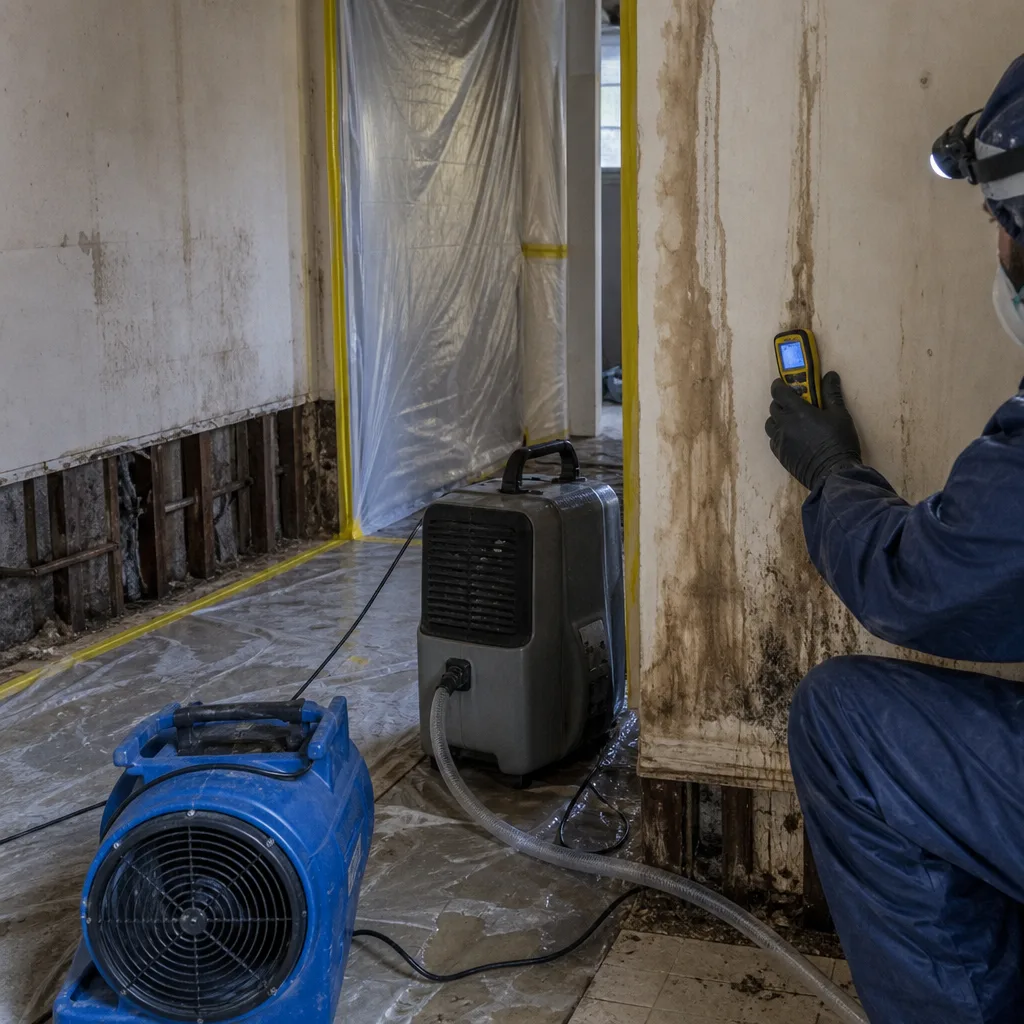 Before
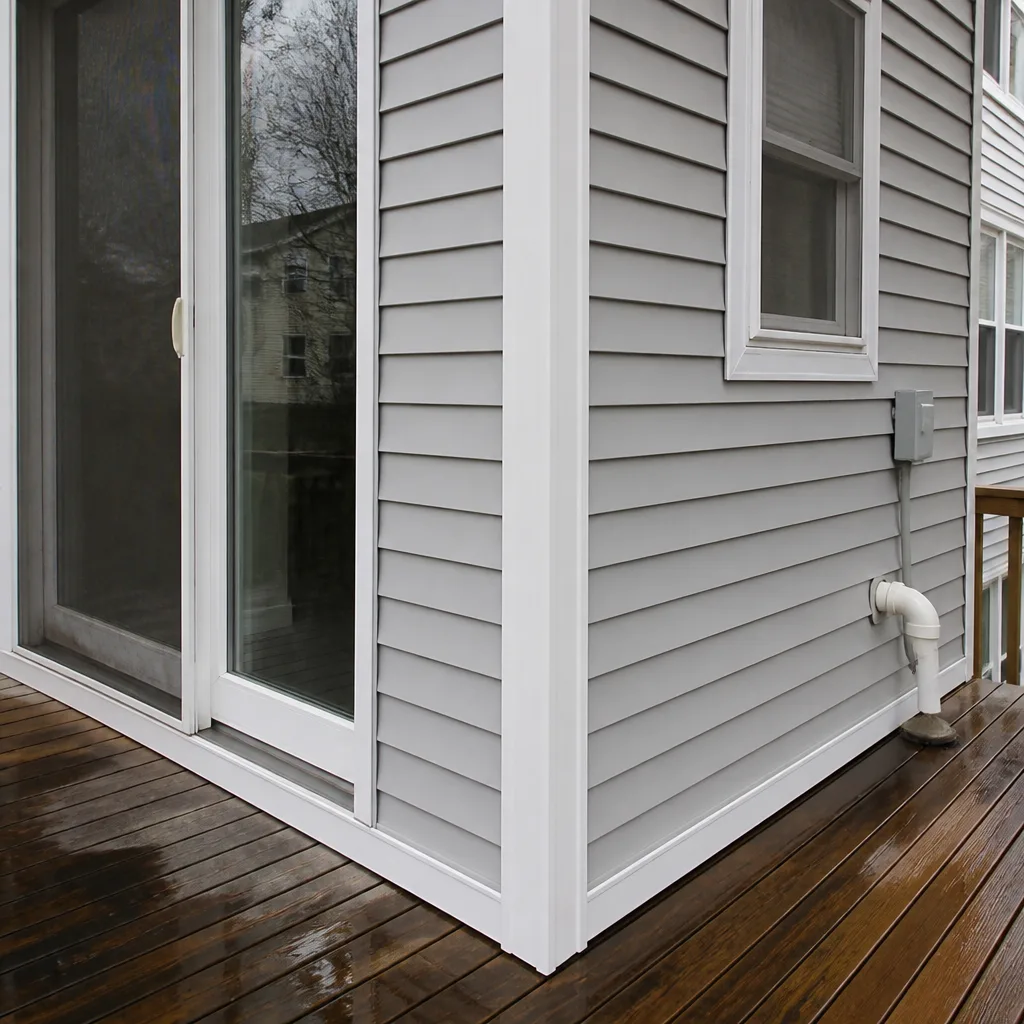 After
After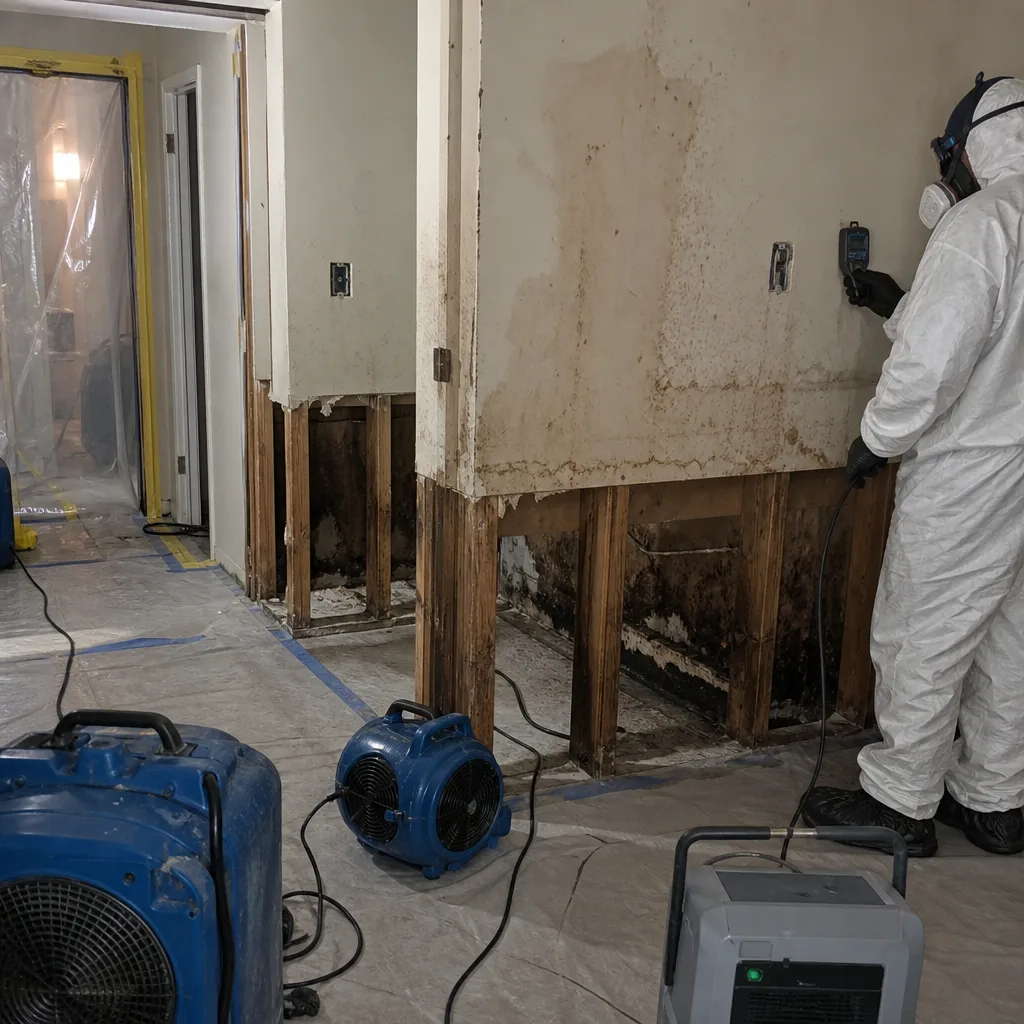 Before
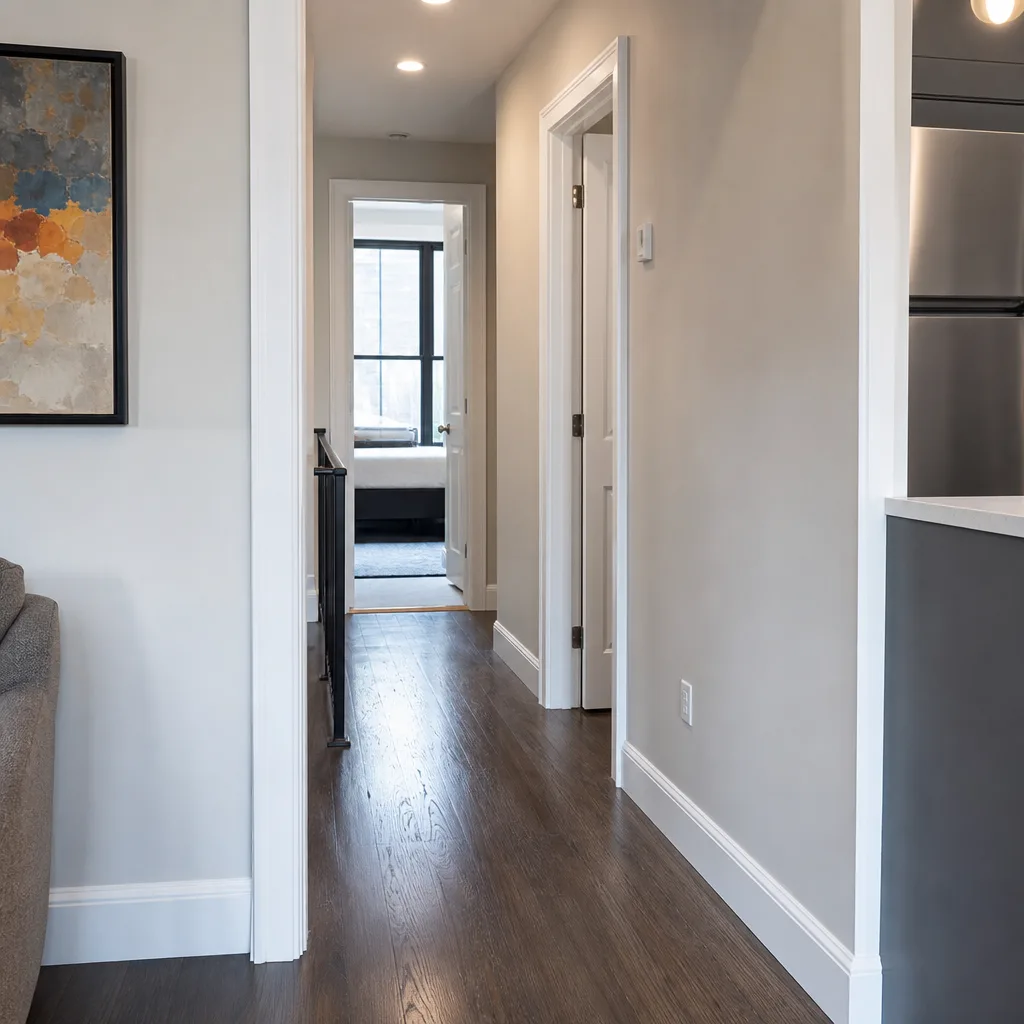 After
After24/7 Emergency Storm & Disaster Restoration in Flatlands
Storm damage in Flatlands rarely starts with the storm. It starts with the water table underneath the neighborhood, the one that never quite drains. When a nor’easter or heavy convective rain hits, basements that were already damp become flooded, and the clock starts on structural damage and mold. Floodline Restoration Co. of Manhattan answers the phone live at 2 a.m. with a real dispatcher, and our crews reach Flatlands fast. Call (917) 924-4221 the moment water appears or wind opens your roof. A free visual inspection tells you what you’re facing, and starting extraction the same visit means the difference between drying out drywall and replacing it. The first hour is not exaggeration. It’s the window before Category 2 water becomes Category 3.
Understanding Storm & Disaster Restoration Severity in Flatlands Properties
Flatlands sits on former tidal marshland at near-sea-level elevation directly inland from Jamaica Bay. Much of the neighborhood is mapped inside FEMA Special Flood Hazard Areas, but the real severity driver is what’s under the slab. The postwar detached homes here, mostly 1950s to 1970s brick capes, colonials, and ranches, were built with full finished basements on concrete block or poured foundations. Those foundations sit in persistently high water-table soil. When storm surge or heavy rain arrives, water enters as Category 1 or 2 initially. Within 48 hours, standing water in a warm below-grade space degrades to Category 3, meaning sewage-adjacent contamination, and that changes everything about the restoration protocol. We classify water by IICRC standards, run moisture mapping with thermal imaging and hygrometers, and treat the basement not as a single flooded room but as a below-grade envelope with four walls, a slab, and a ceiling all holding moisture. In Flatlands, the block walls themselves are often the reservoir. That’s why surface extraction alone, without structural drying and groundwater-aware mitigation, fails within days.
Why Flatlands Property Owners Choose Floodline Restoration Co. of Manhattan
- 45-minute response commitment. Our crews are staged to reach Flatlands addresses quickly, from East 57th Street to Avenue N, with a live dispatcher tracking every truck.
- 24/7 live answer. A real person picks up the phone at (917) 924-4221. No automated system, no “leave a message.” At 2 a.m., you talk to a human.
- IICRC-certified crews. Technicians hold WRT, FSRT, and AMRT certifications, and every job is documented to the dry standard with daily moisture logs.
- Free visual inspection. Before any work begins, we walk the property and give you a straight read on severity. No charge, no obligation.
- Direct insurance billing. We bill your carrier directly and coordinate with the adjuster, so you’re not playing messenger between us and the insurer.
- One team from extraction to reconstruction. The same Floodline crew that pulls water and runs the Dri-Eaz unit also rebuilds the walls. No mid-job handoff, no inherited crew.
Our Storm & Disaster Restoration Process
Inspection & Assessment
We walk the property, identify the water classification, and map moisture in walls, floors, and ceiling cavities with thermal imaging. In Flatlands, we specifically check for pre-existing groundwater intrusion, not just storm-driven water.
Extraction & Stabilization
Using truck-mounted Dri-Eaz extraction units, we remove standing water immediately. If wind damage is present, we board up openings and tarp the roof to stop further entry.
Drying & Dehumidification
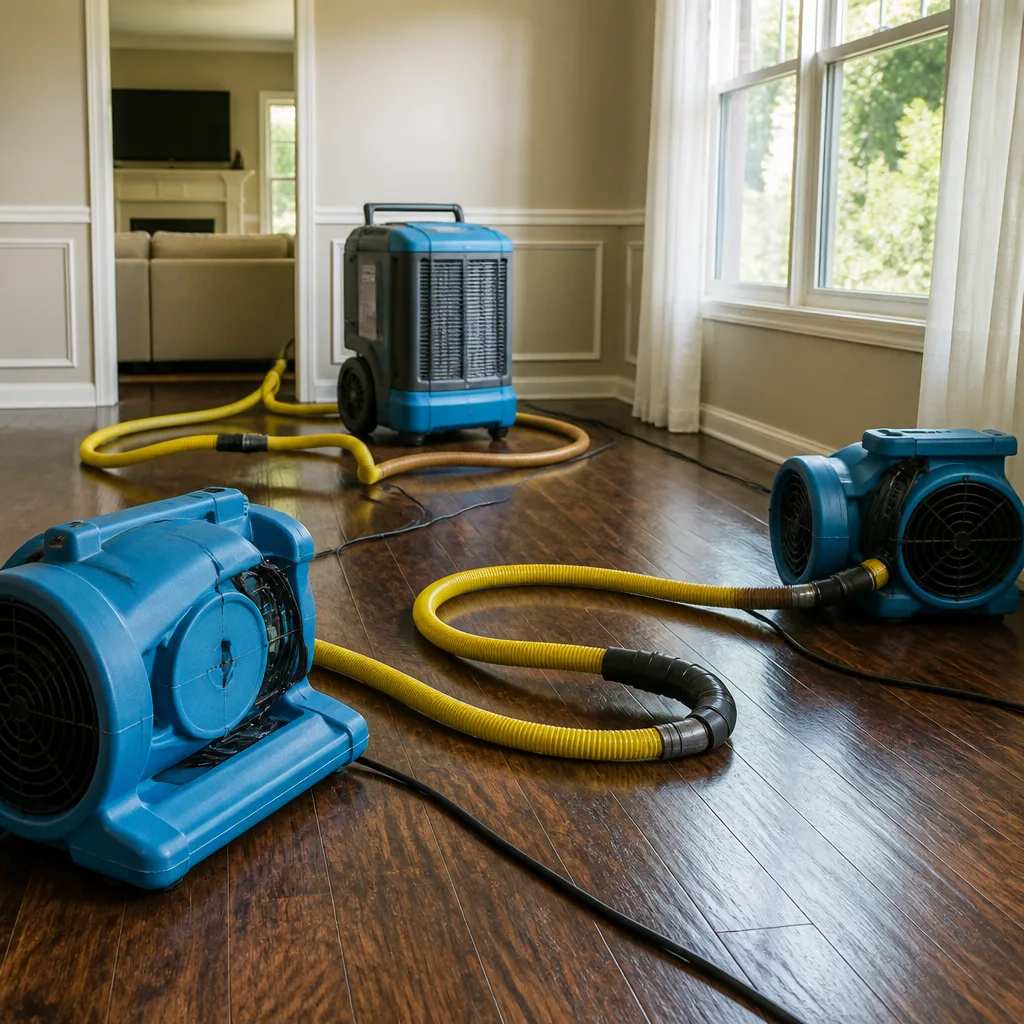
Phoenix air movers and dehumidifiers are placed based on the moisture map, not guesswork. We log readings daily until the dry standard is met, not when the surface feels dry.
Cleaning & Sanitization
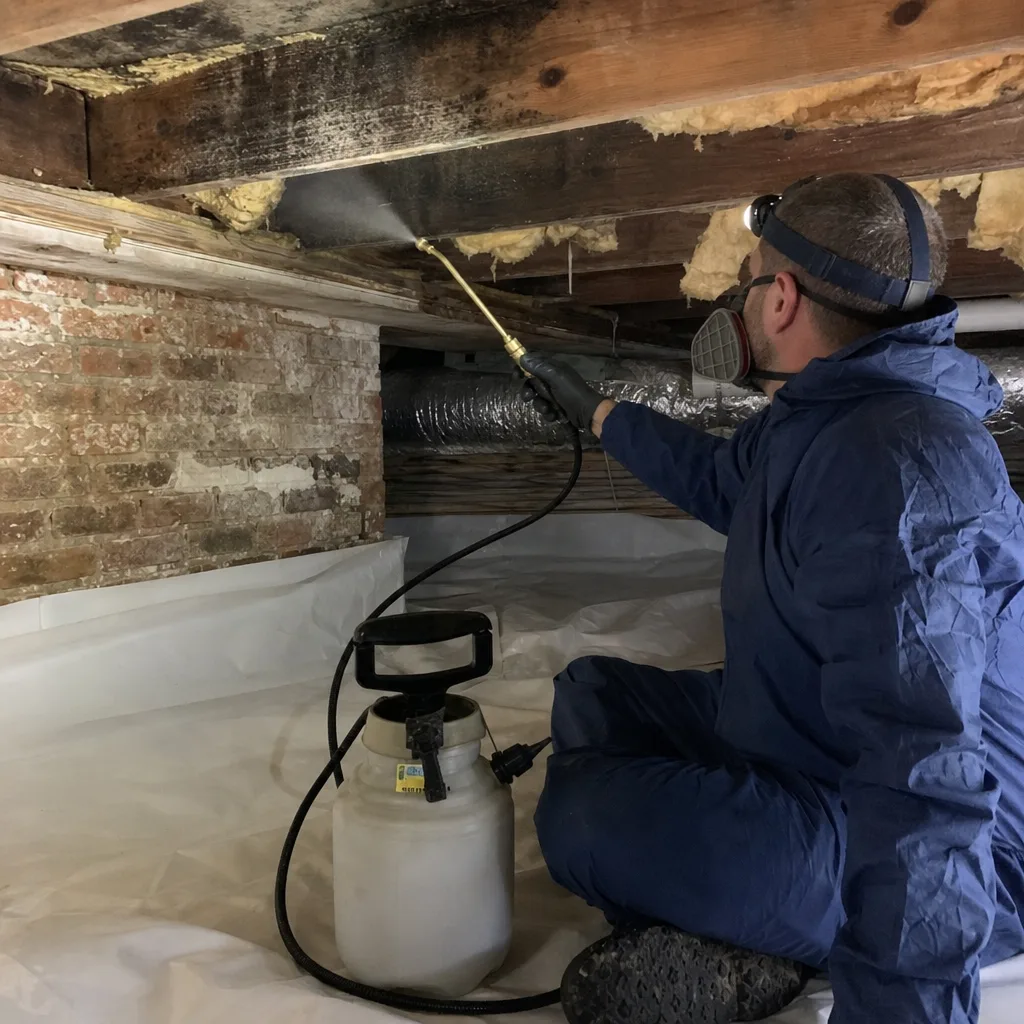
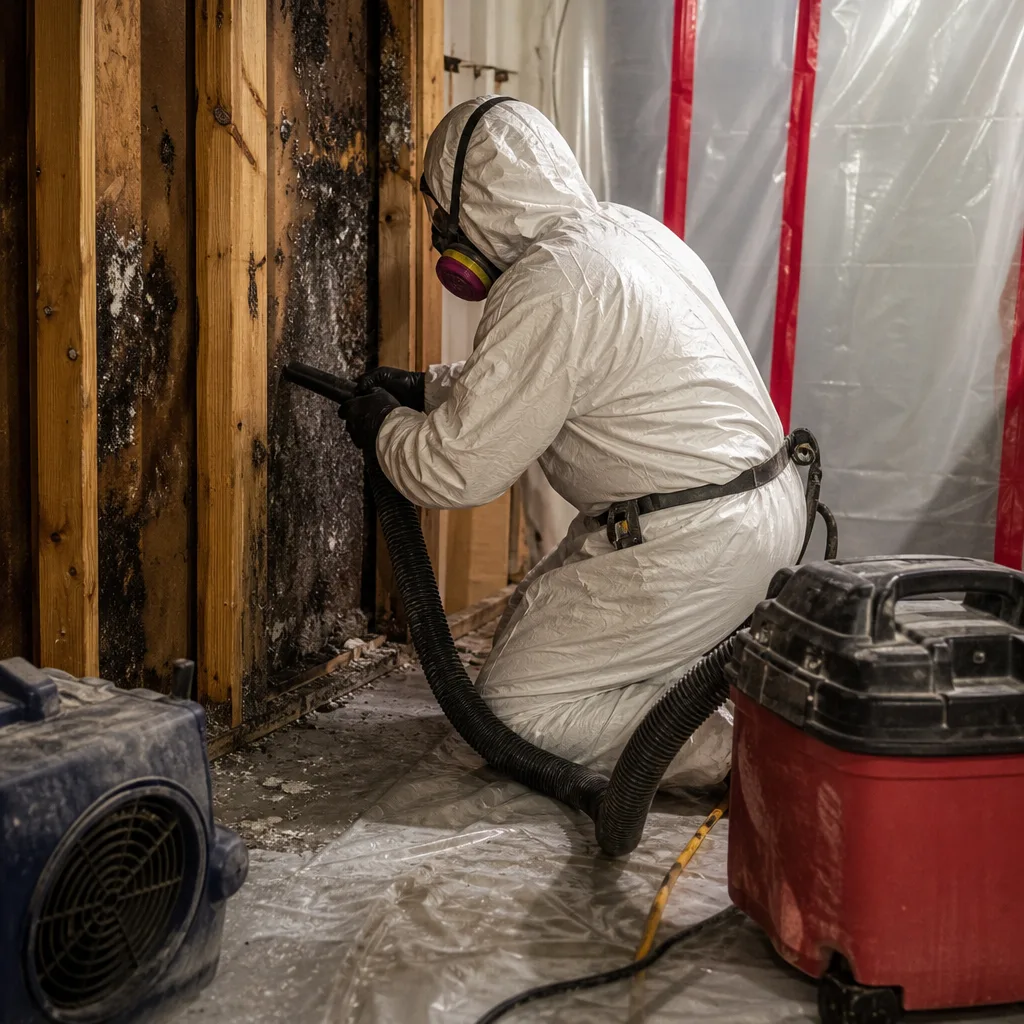
We apply antimicrobial treatment to affected surfaces and run HEPA air scrubbers where mold spores are present. In Flatlands basements, this step almost always includes addressing efflorescence and hidden colony growth behind finishes.
Storm-Specific Treatment
We address what a generic water company misses: failed sump check valves, corroded discharge lines, groundwater seepage at the cove joint, and post-Sandy drywall hiding second-generation mold.
Repairs & Restoration
The same crew rebuilds what needed removing. Drywall, insulation, trim, and flooring go back to pre-loss condition, backed by our 90-Day Done Right Promise in writing.
Need Emergency Storm & Disaster Restoration in Flatlands Now?
Crews minutes away, answering live 24 hours a day. The sooner we start, the less it costs.
Working With Your Insurance Company
Most Flatlands storm and flood losses are covered under a standard homeowners policy, though flood-specific coverage for Jamaica Bay surge events depends on your NFIP or private flood policy. We document everything from the first hour: photos room by room, moisture readings with time stamps, and a line-item scope of work built to the same standard your adjuster uses. You don’t negotiate. We do. We coordinate with your carrier directly, bill them directly, and hand you the drying log so there’s a paper trail on every day of the claim. Curt Bowman built this company around a dispatch board, not a sales desk, which means the person answering the phone knows exactly what your claim needs.
What We Provide Your Insurer
- Thorough documentation of the loss
- Photos of all damage, room by room
- Moisture readings and drying logs
- A detailed, line-item scope of work
- Direct coordination with your carrier
Built for Flatlands’s Loss Calendar
Flatlands does not have a single storm season. It has a water calendar. January and February bring deep freezes that split supply lines in exposed foundation runs. March and April thaw saturated ground, and the high water table pushes groundwater through block walls at the cove joint. July and August deliver convective thunderstorms that dump two inches of rain in an hour, overwhelming the flat terrain’s nonexistent drainage gradient and ponding water at basement doors and window wells. Nor’easters from September through December drive storm surge from Jamaica Bay up through the streets, and that’s when we see the full pattern: surface flooding on top of groundwater intrusion, the two layers compounding. Hurricane Sandy in 2012 remains the reference point, but the neighborhood’s chronic water problem is not an event. It’s the marsh underneath. A basement waterproofed after Sandy and never touched again is, in our experience, hiding something.
Storm & Disaster Restoration Across Flatlands’s Neighborhoods
We run response routes down Flatbush Avenue to Avenue N to Kings Highway, and the damage patterns shift block by block. Over by Flatlands Park, the 1950s brick capes on concrete block foundations show the classic cove-joint seepage, where groundwater rises and enters where floor meets wall. Near East 57th Street and Flatlands Avenue, the finished basements with original block walls are the ones where post-Sandy drywall hides second-generation mold behind fresh paint. Up toward Kings Plaza, the lower-lying streets closest to the old marsh basin hold surface water longer after a nor’easter, and sump pumps run for days. Along Flatbush Avenue’s commercial corridor, older mixed-use buildings show a different profile: wind-driven rain entering through parapet gaps and flat-roof seams before water ever reaches the basement. This is not guesswork. It’s what forty-two years of answering calls in Flatlands teaches you.
Specialized Storm & Disaster Restoration Services We Offer in Flatlands
Storm Damage Cleanup
We remove storm debris, fallen limbs, and wind-scattered material, then assess what water came with it. In Flatlands, cleanup almost always turns into a groundwater conversation once we open the basement door.
Flood Damage Restoration
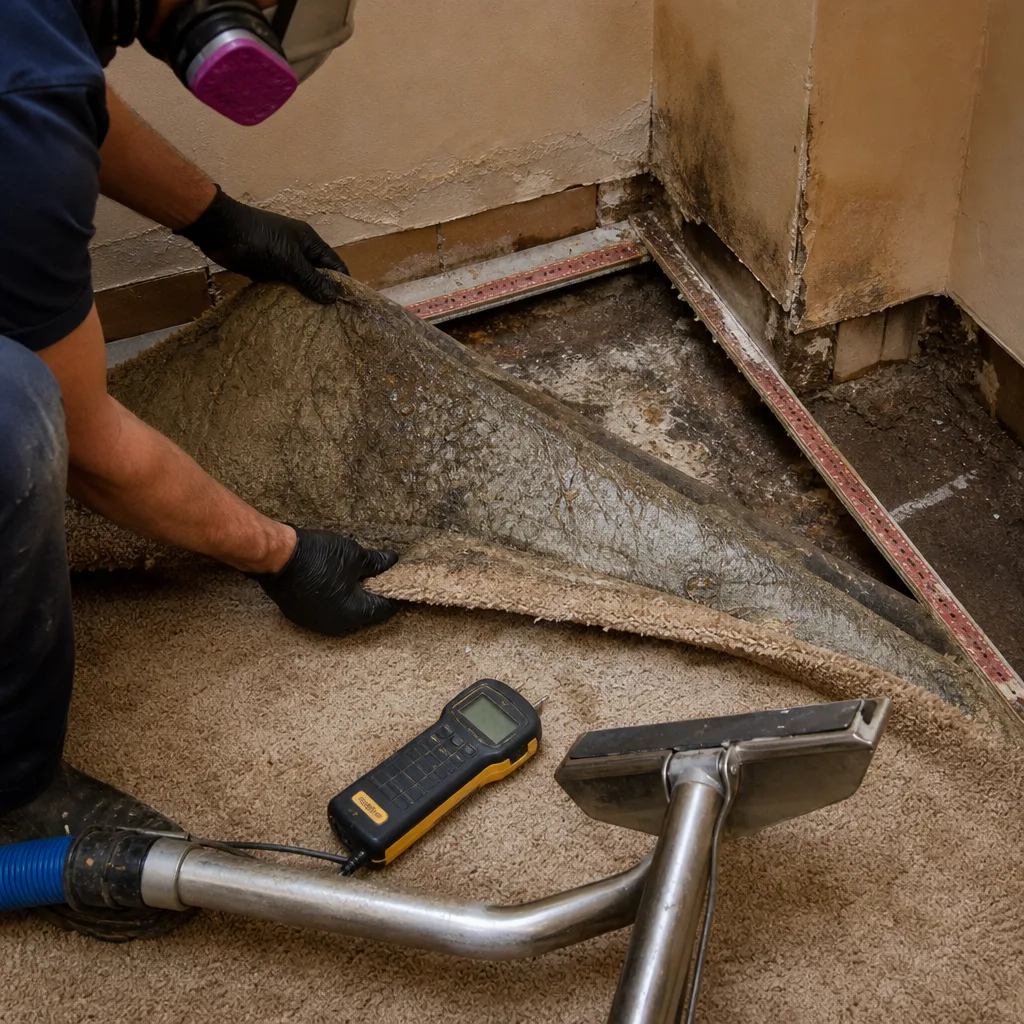
This is the core of our work here. The high water table and former marsh substrate mean every flood job in Flatlands requires groundwater-aware mitigation, not just extraction. We address the cove joint, the sump check valve, and the wall reservoir, not just the standing water.
Water Extraction
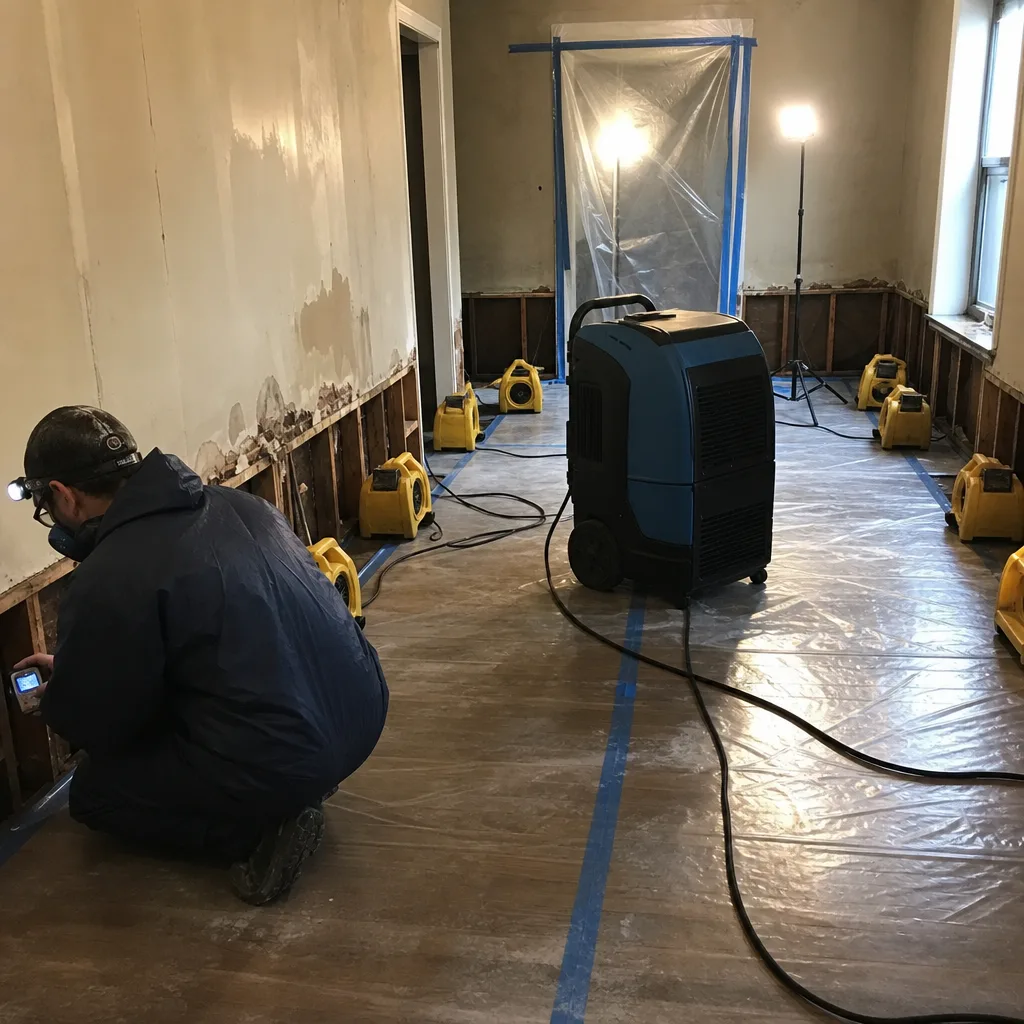
Truck-mounted Dri-Eaz units pull standing water fast, and XPOWER air movers begin the drying process the same visit. In a Flatlands finished basement, speed on extraction is what determines whether drywall survives.
Emergency Board-Up
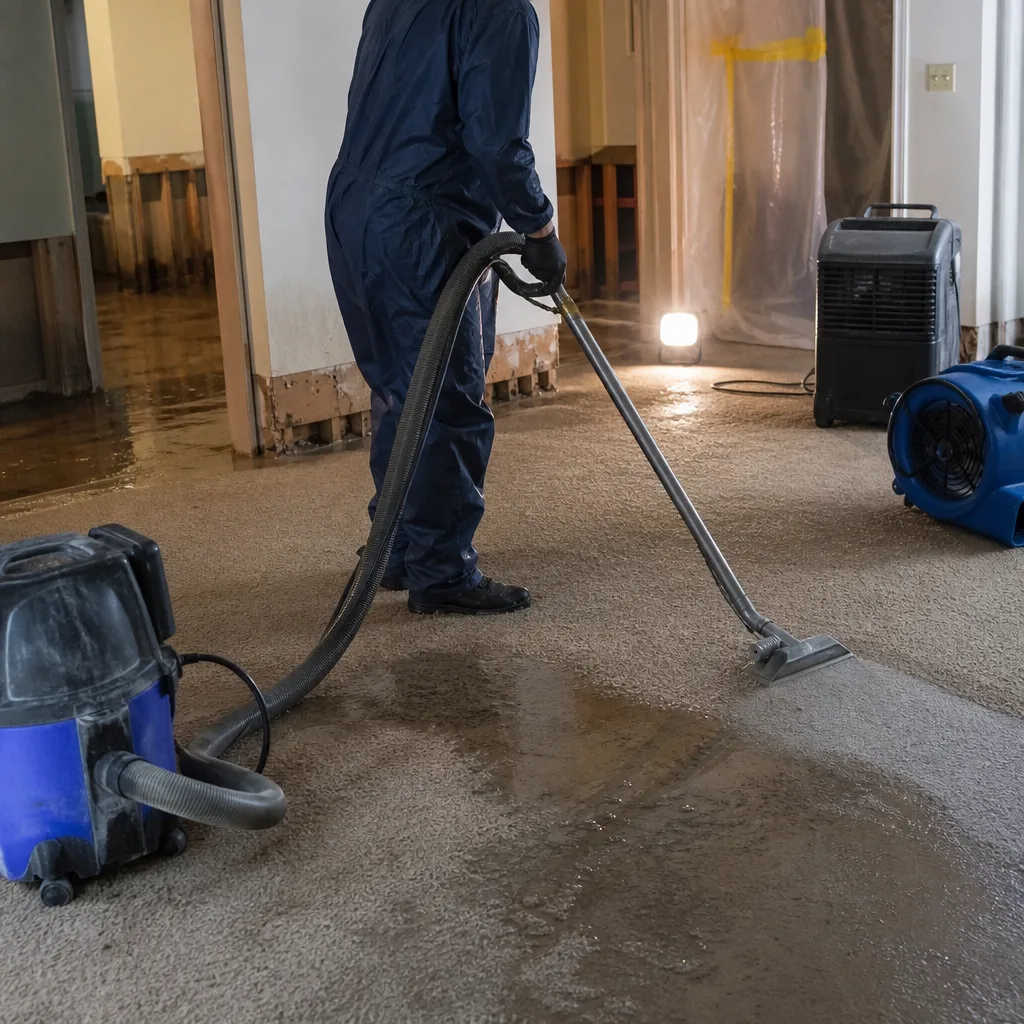
Wind damage to windows, doors, and siding gets secured immediately. A tarp on a Flatlands roof is not a repair. It’s a stop-loss so the next rain doesn’t turn a roof issue into a full flood restoration.
Roof Tarping
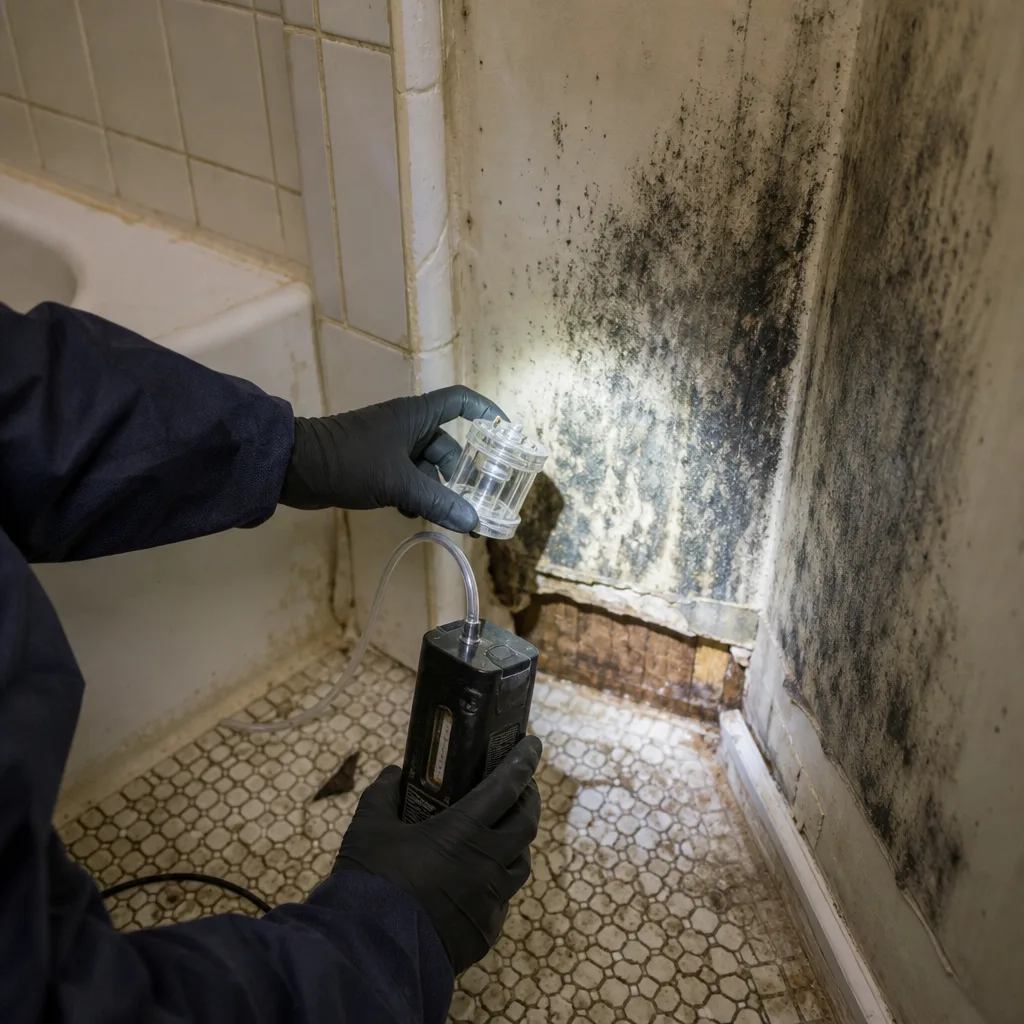
Nor’easters peel flashing and lift shingles. We tarp to stop entry, then document for your carrier so the permanent repair is scoped correctly.
Debris Removal
Storm debris blocks drains and traps water against foundations. Removing it is the first move, not an afterthought, especially on Flatlands streets where the terrain doesn’t drain on its own.
What happens when you call
- 1
A real person answersNo phone trees - you reach a local pro.
- 2
You get an upfront price rangeHonest numbers before anyone is dispatched.
- 3
A background-checked tech heads outLicensed & insured, dispatched right away.
- 4
You approve before work beginsNothing starts until you say go.
Storm & Disaster Restoration Costs in Flatlands, NY
A typical water extraction and structural drying job in Flatlands runs $1,800 to $4,200, depending on the square footage of the below-grade space and whether finished drywall needs removal. Storm cleanup with debris removal and board-up starts around $850 to $1,500. Full flood restoration, including drywall replacement, antimicrobial treatment, and repainting, typically lands between $4,500 and $12,000. The wild card in Flatlands is the Sandy sandwich: if we open a wall and find post-2012 drywall over active efflorescence with mold behind it, the mold remediation layer adds $1,200 to $3,500. Insurance covers most storm-driven losses; groundwater seepage through block walls falls in a gray area on standard policies, which is why we document the cause precisely and bill your carrier directly. Our free inspection gives you a firm scope before any work starts. Call (917) 924-4221 for an exact quote.
We Also Serve Cities Near Flatlands
Our crews serve Storm & Disaster Restoration across the surrounding area, including Fairview, Harrison, East Bronx, and Hunts Point. The same live dispatch, the same certified team, the same 90-Day Done Right Promise.
Flatlands Storm & Disaster Restoration Questions, Answered
Why does my Flatlands basement get wet even when there’s no storm or heavy rain?
Your basement sits in former tidal marshland with a water table that stays high year-round. Groundwater presses against the block foundation, enters at the cove joint or through wall cracks, and shows up as dampness, white powder, or standing water without any rain event. This is a chronic condition in Flatlands, not a one-time storm problem. Call (917) 924-4221 and we’ll confirm it with a moisture map, not a guess.
What is a ‘Sandy sandwich’ and how does it affect my storm damage restoration?
A Sandy sandwich is what we call the common Flatlands basement wall assembly: original pre-2012 block foundation with active efflorescence, covered by post-Sandy cosmetic drywall that was never properly waterproofed, now hiding a second generation of mold. When we open the wall for any storm restoration, we check for this condition. It changes the scope and the price, and it’s why a visual inspection before restoration is not optional. Call (917) 924-4221 and we’ll tell you if your basement has one.
How quickly should I start water extraction after my Flatlands basement takes on water from a nor’easter?
Within the first hour if possible. Category 1 water degrades to Category 2 within 24 to 48 hours, and standing water in a warm below-grade space can reach Category 3, meaning sewage-adjacent contamination. Faster extraction means less drywall removal, less mold risk, and a smaller claim. Call (917) 924-4221 the moment water appears. Our crews reach Flatlands fast and start Dri-Eaz extraction the same visit.
Can you dry out a finished basement in Flatlands without tearing out all the drywall?
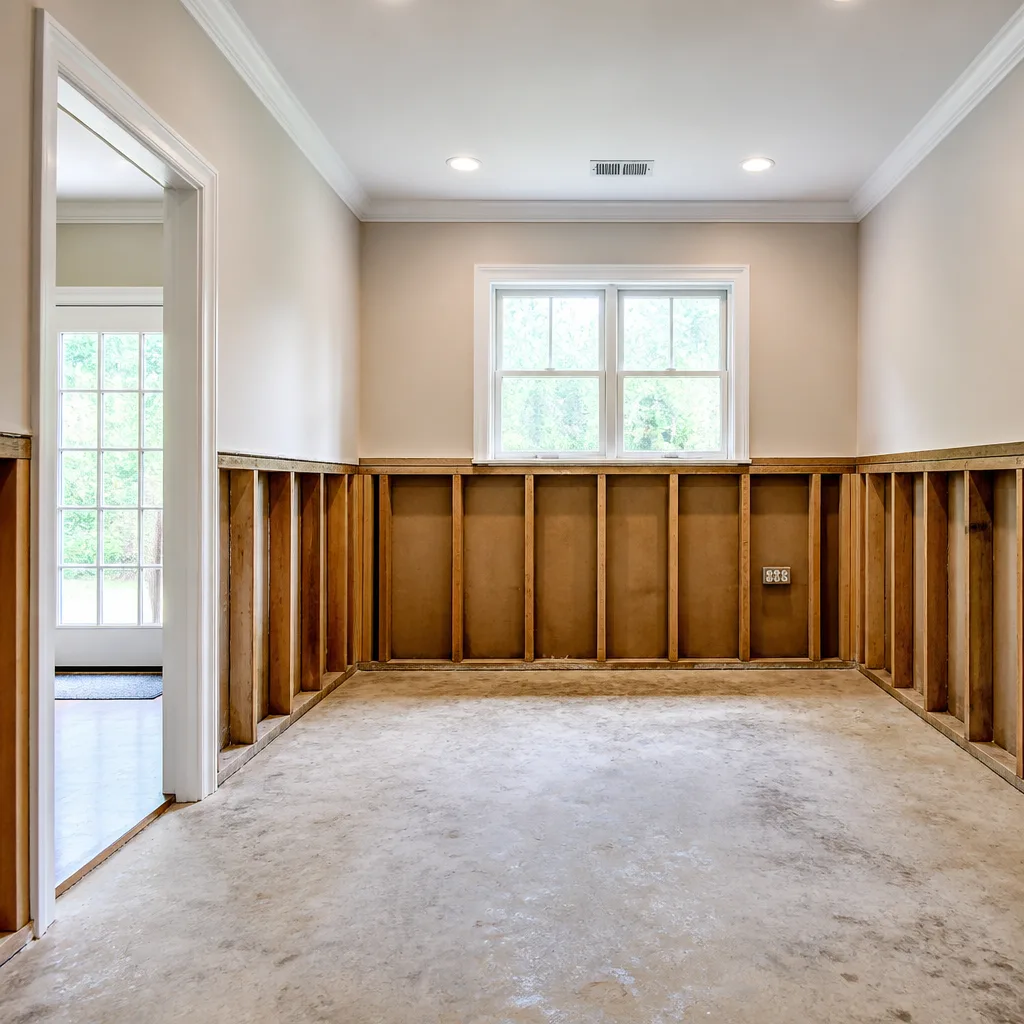
Sometimes. If the water is Category 1, caught early, and moisture mapping shows the drywall has not wicked moisture above the baseplate, we can dry in place with Phoenix air movers and dehumidifiers. But if the water is Category 2 or higher, or if the drywall is hiding a Sandy sandwich, removal is the only way to prevent mold. We’ll show you the readings and tell you straight. The decision is yours. Call (917) 924-4221 for a free inspection.
Why do my basement walls show white powder and smell musty months after a flood restoration?
White powder is efflorescence, salts left behind as groundwater moves through the block and evaporates. It means water is still entering the wall from the soil side. The musty smell means moisture is trapped behind finishes, usually post-Sandy drywall over original block. In Flatlands, this is groundwater-driven, not a one-time flood event. A proper restoration addresses the water source at the cove joint or with a drain tile, not just the surface. Call (917) 924-4221 to have it properly assessed.
Do I really need full storm restoration, or can I just clean it up myself?
If the water came from storm surge or street flooding, it’s Category 3 and carries sewage-adjacent contamination. A mop and a fan won’t address what’s behind the drywall or inside the block walls. A free visual inspection from Floodline Restoration Co. tells you whether you’re looking at a cleanup or a restoration. Call (917) 924-4221 and we’ll give you a straight answer.
Will my insurance cover storm damage and groundwater flooding in Flatlands?
Storm-driven water and wind damage are generally covered under standard homeowners policies. Groundwater seepage through block walls is often excluded, which is why documenting the exact source matters. Flood insurance through NFIP or a private carrier covers Jamaica Bay surge events. We photograph everything, log moisture readings, and bill your carrier directly. Call (917) 924-4221 and we’ll coordinate with your adjuster from day one.
Who deals with my adjuster, and what does that actually look like?
A Floodline Restoration Co. technician walks the property with you and photographs every affected room. We build a line-item scope of work, send it to your carrier, and speak with your adjuster directly. We hand you the drying log and daily moisture readings so the claim has a paper trail. You don’t play messenger. Call (917) 924-4221 and we’ll start the paperwork the same day.
Serving Flatlands, NY - Our Local Coverage Area
We’re based in the Flatlands area and know this community well. Use the map below to see our service coverage - if you’re nearby, we can almost certainly help.
Contact Floodline Restoration Co. of Manhattan
If your Flatlands basement has water in it right now, call (917) 924-4221. A live person answers, day or night. We’ll walk you through the first steps on the phone, dispatch a crew to your Flatlands address, and start extraction the same visit. The 90-Day Done Right Promise means the work is guaranteed in writing. No arguing, no chasing. Just the Keystone Standard: Krafted right, Every time, Your home first, Standing behind it. Serving Flatlands with the same full-cycle team, from first extraction to finished rebuild. Estimates are free. The phone call is the fastest way to stop the damage.
Written by Curt Bowman, Owner at Floodline Restoration Co. of Manhattan, serving New York City since 2010.