
Free visual inspection and a written scope of work before any mitigation begins - photos, moisture readings, and drying logs go in your claim file
The scope we write is the scope we bill. Anything new gets shown to you, in writing, before we touch it.






 Before
 After
After Before
 After
After Before
 After
After24/7 Emergency Storm & Disaster Restoration in Forest Hills
Storm damage in Forest Hills moves fast. Water finds its way through torn roofing, broken windows, and compromised flashing within minutes, and by the time you see a stain on the ceiling, the damage has already spread into insulation, joists, and plaster. Floodline Restoration Co. of Manhattan answers live at (917) 924-4221 around the clock, every day of the year, with crews dispatched to Forest Hills properties within 45 minutes of your call. We do a free visual inspection, we bring professional-grade drying equipment on the first truck, and we start extraction the same visit. The first hour after storm damage determines whether you’re dealing with a cleanup or a full gut-and-rebuild, and we treat it that way. Call (917) 924-4221 and talk to a person who knows what to do next, not a recording.
Understanding Storm & Disaster Restoration Severity in Forest Hills Properties
Storm losses in Forest Hills split into three categories, and the category dictates everything about how we respond. Category 1 water from a broken supply line or rainwater entering through a fresh opening starts clean but degrades fast. Category 2 carries contaminants from roof runoff, sump failures, or a backed-up drain. Category 3, what we call black water, includes street sewer backflow and river surge, and that’s the kind of water that saturates pre-war basements along Queens Boulevard during heavy downpours when the city’s combined sewer system overtaxes. The age of Forest Hills housing stock changes the severity equation, too. Lath-and-plaster ceilings from the 1920s and 1930s absorb water differently than modern drywall: they hold more moisture longer, sag unpredictably, and hide damage behind multiple layers of paint and paper. Cast-iron stacks in pre-war apartment buildings fail under storm stress, sending Category 2 water through walls and across floors. Whether it’s a flooded garden-level unit off Continental Avenue or a wind-ripped section of slate roof inside Forest Hills Gardens, we use moisture mapping and thermal imaging to find what you can’t see, because what you can’t see is what causes rot, mold, and structural damage weeks after the storm passes.
Why Forest Hills Property Owners Choose Floodline Restoration Co. of Manhattan
- 45-minute response commitment. When you call about storm damage in Forest Hills, we dispatch a crew from our New York City office that reaches your property fast. Extraction equipment runs the same visit.
- 24/7 live answer, always a person. No automated phone tree. No “leave a message.” A live dispatcher picks up at 2 a.m. on a Sunday and starts the process.
- IICRC-certified crews trained to WRT and FSRT standards. Water damage and fire/smoke restoration technicians who know how to read moisture maps and follow the dry standard, not just run fans.
- Free visual inspection. We assess the loss, explain what we found in plain English, and hand you a written scope before any work begins. No pressure, no oversell.
- Direct insurance billing. We document everything from the first hour, we talk to your adjuster directly, and we bill your carrier. You never play messenger between us and the insurance company.
- One team from first extraction to finished rebuild. The same Floodline crew that stabilizes your Forest Hills property also handles reconstruction. No mid-job handoff, no inherited strangers.
Our Storm & Disaster Restoration Process
Inspection & Assessment
We arrive with thermal imaging cameras and moisture meters, map every affected area, and classify the water category. You get a written scope with line-item pricing before we touch anything.
Extraction & Stabilization
Professional-grade pumps and extractors remove standing water fast. We board up broken windows, tarp damaged roofing, and remove unsafe debris the same visit when conditions allow.
Drying & Dehumidification
Dri-Eaz and Phoenix dehumidifiers and air movers run on a moisture-mapped schedule. We take daily readings, log them, and keep drying until we hit the dry standard, not until the surface looks fine.
Cleaning & Sanitization
Contaminated surfaces get treated with appropriate antimicrobials. We run HEPA air scrubbers to pull storm debris particulates and mold spores out of the air during and after the drying phase.
Specialty Treatment for Forest Hills Properties
Inside Forest Hills Gardens and other landmark-designated areas, we coordinate with the Landmarks Preservation Commission, match period materials, and document every step for your file.
Repairs & Restoration
The same crew rebuilds what the storm took apart: ceilings, walls, flooring, trim. We stand behind every repair with the 90-Day Done Right Promise, in writing, no arguing.
Need Emergency Storm & Disaster Restoration in Forest Hills Now?
Crews minutes away, answering live 24 hours a day. The sooner we start, the less it costs.
Working With Your Insurance Company
Storm damage claims in Forest Hills move smoother when documentation starts before the adjuster ever walks the property. We photograph every affected room from the first visit, we log moisture readings daily through the entire drying phase, and we prepare a line-item scope that speaks the insurance industry’s language. Floodline Restoration Co. of Manhattan talks directly with your carrier so you don’t have to spend your evenings relaying messages. When your adjuster has questions about whether that plaster ceiling needed to come down or why we ran dehumidifiers for four days instead of two, we answer with data, not opinion. The 90-Day Done Right Promise extends to the insurance relationship: if something isn’t done correctly, we make it right at no additional cost to you.
What We Provide Your Insurer
- Thorough documentation of the loss
- Photos of all damage, room by room
- Moisture readings and drying logs
- A detailed, line-item scope of work
- Direct coordination with your carrier
Built for Forest Hills’s Loss Calendar
Forest Hills takes its storm losses in predictable seasons, and each season brings a different damage profile. January and February deep freezes split supply lines in pre-war brick apartment buildings along Queens Boulevard, sending water down through lath-and-plaster ceilings before anyone notices a drop in pressure. March and April thaw cycles push groundwater into foundations and garden-level units, while nor’easters tear flashing and ridge caps from the flat roofs and low-pitched slate roofs that dominate the neighborhood. Summer thunderstorms hit hard and fast: the combined sewer system backs up into basements off Metropolitan Avenue and Continental Avenue, turning Category 2 rainwater into Category 3 sewage backups in a matter of hours. September and October bring remnant hurricanes and coastal storms that stress the older rowhouse stock near Yellowstone Boulevard and Austin Street. Every season has a pattern, and we’ve learned the patterns by answering calls in Forest Hills through all of them.
Storm & Disaster Restoration Across Forest Hills’s Neighborhoods
Forest Hills spreads across several distinct pockets, and each one changes how we approach a storm loss. Forest Hills Gardens, the landmarked enclave south of Queens Boulevard, demands the most careful handling: Tudor Revival homes with original slate roofs, leaded glass windows, and hand-built woodwork require LPC coordination and period-material sourcing before any exterior repair can be signed off. The pre-war co-ops and apartment buildings along Queens Boulevard, particularly between 71st Road and Ascan Avenue, present a different challenge: multi-story water migration through cast-iron risers, wet plaster over wire lath, and units stacked above and below the loss. The attached brick rowhouses that line the blocks around Austin Street and Yellowstone Boulevard share party walls, so water from one home’s roof leak travels sideways into the neighbor’s ceiling. And the garden apartments near Metropolitan Avenue sit low, making them the first to flood when storm drains back up. A crew that knows the building types in each pocket gets to the right diagnosis faster, and a faster diagnosis means a smaller restoration job.
Specialized Storm & Disaster Restoration Services We Offer in Forest Hills
Storm Damage Cleanup
Wind-driven rain, downed trees, and blown-out windows leave behind a mix of water, glass, and organic debris that can’t wait. We extract, dry, clean, and remove, with HEPA filtration running to pull particulates from the air. For Forest Hills Gardens homes, our Storm & Disaster Restoration team documents every affected surface before removal so the restoration file matches what the LPC will want to see.
Emergency Board-Up
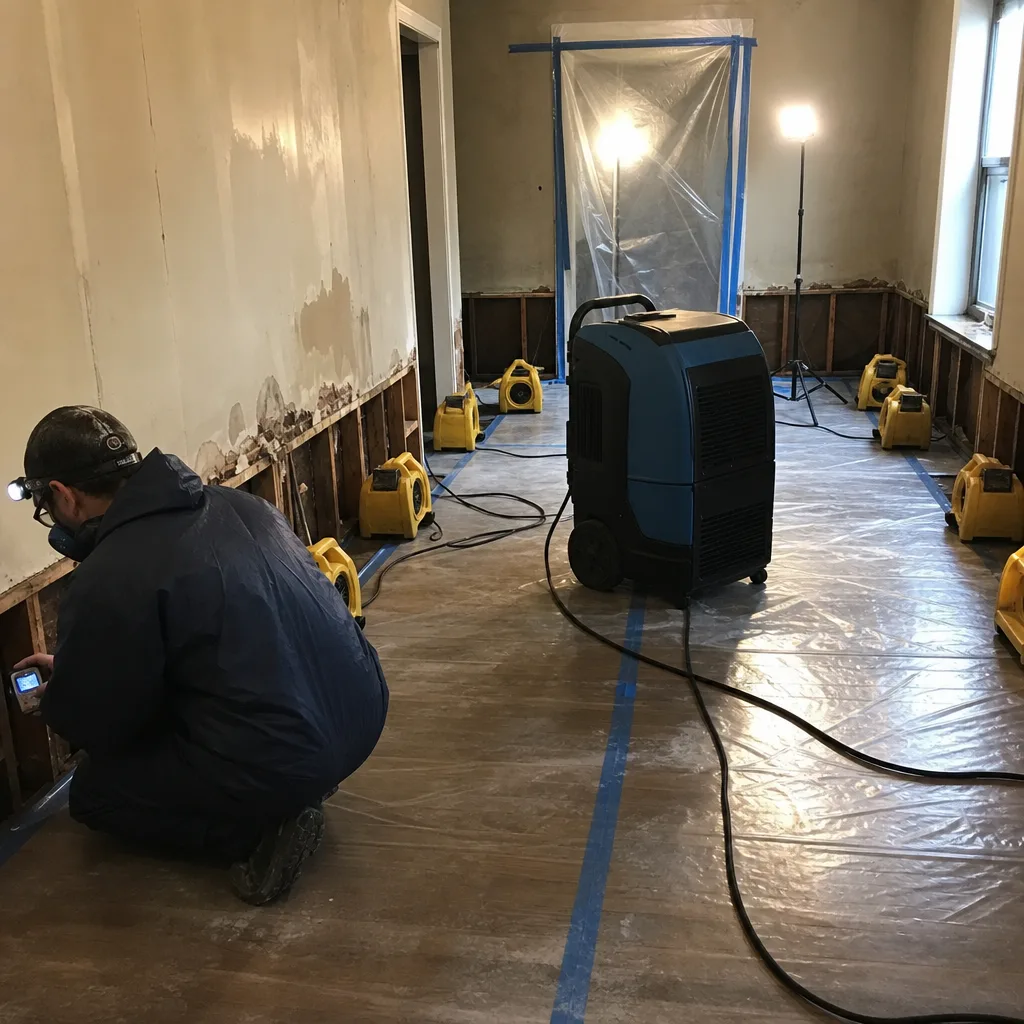
A broken window on the first floor of a rowhouse near Austin Street is an open invitation to both the next rainstorm and anyone walking by. We board up exposed openings with weatherproof materials the same day we’re called, and we do it in a way that protects the surrounding masonry and trim, not just the hole.
Roof Tarping
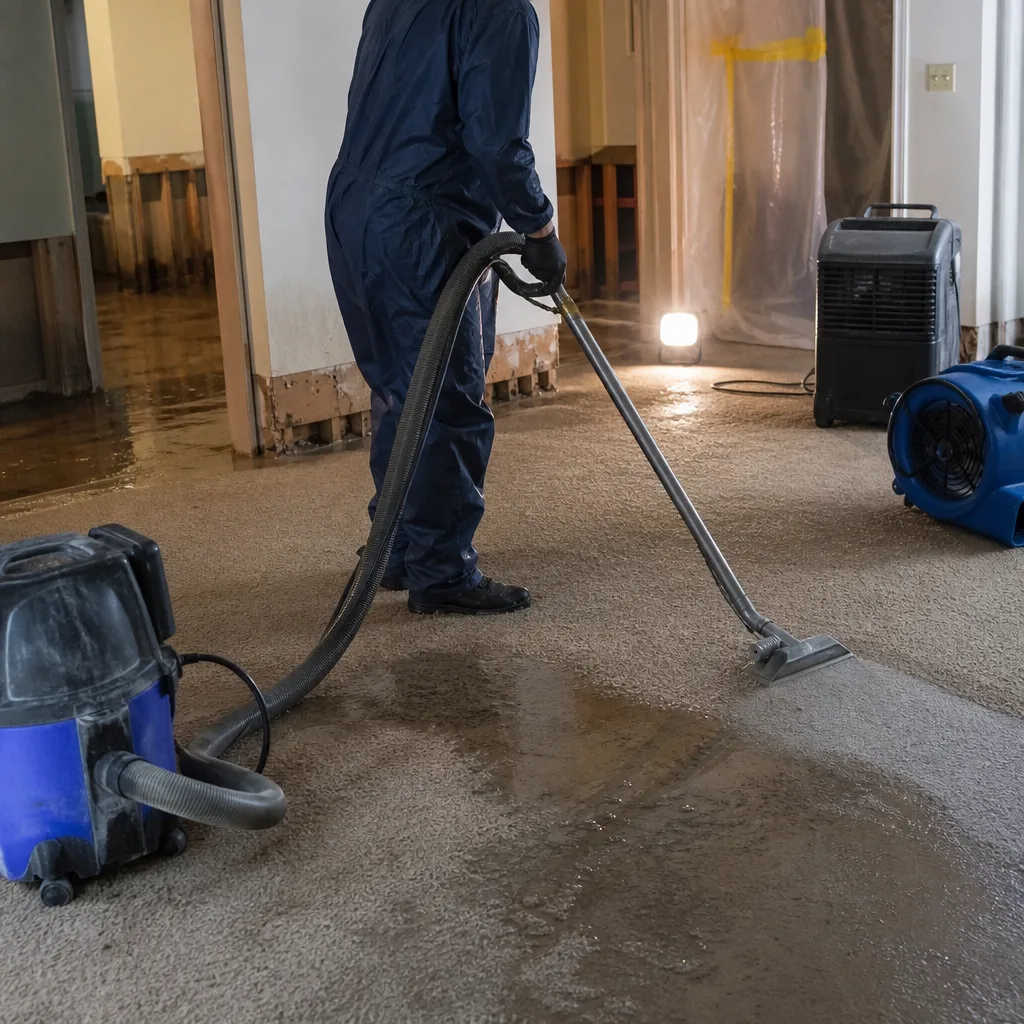
Nor’easters tear flashing and lift shingles off the flat and low-pitch roofs common throughout Forest Hills. We tarp damaged sections with heavy-duty material and secure the edges so wind can’t get underneath. If we’re working on a landmarked property, we position the tarp to avoid further damage to original slate or copper work until permanent repairs can be approved.
Flood Damage Restoration
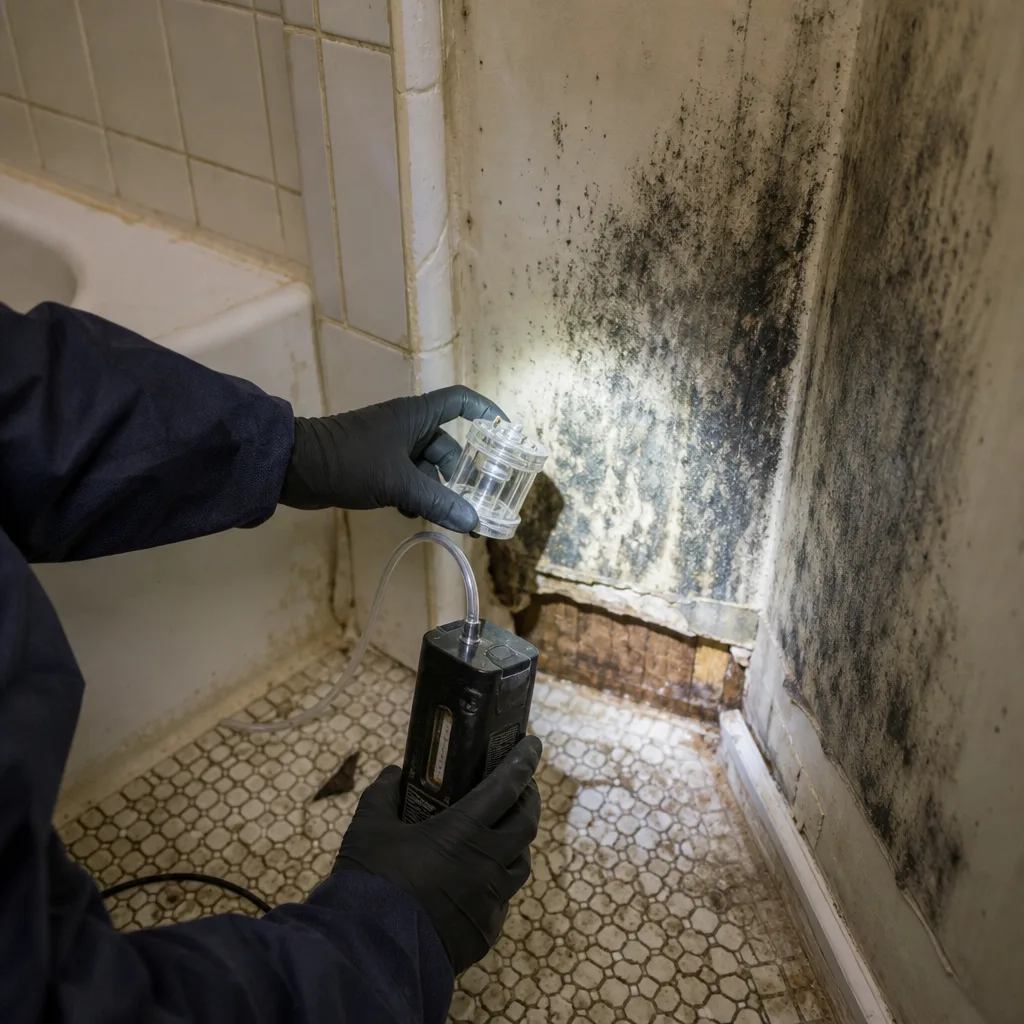
Basement flooding in Forest Hills usually means contaminated water. We classify it, extract it, treat the affected materials, and dry the structure to the standard. Our crews use professional-grade Dri-Eaz and Phoenix equipment to bring the moisture content down and keep it down.
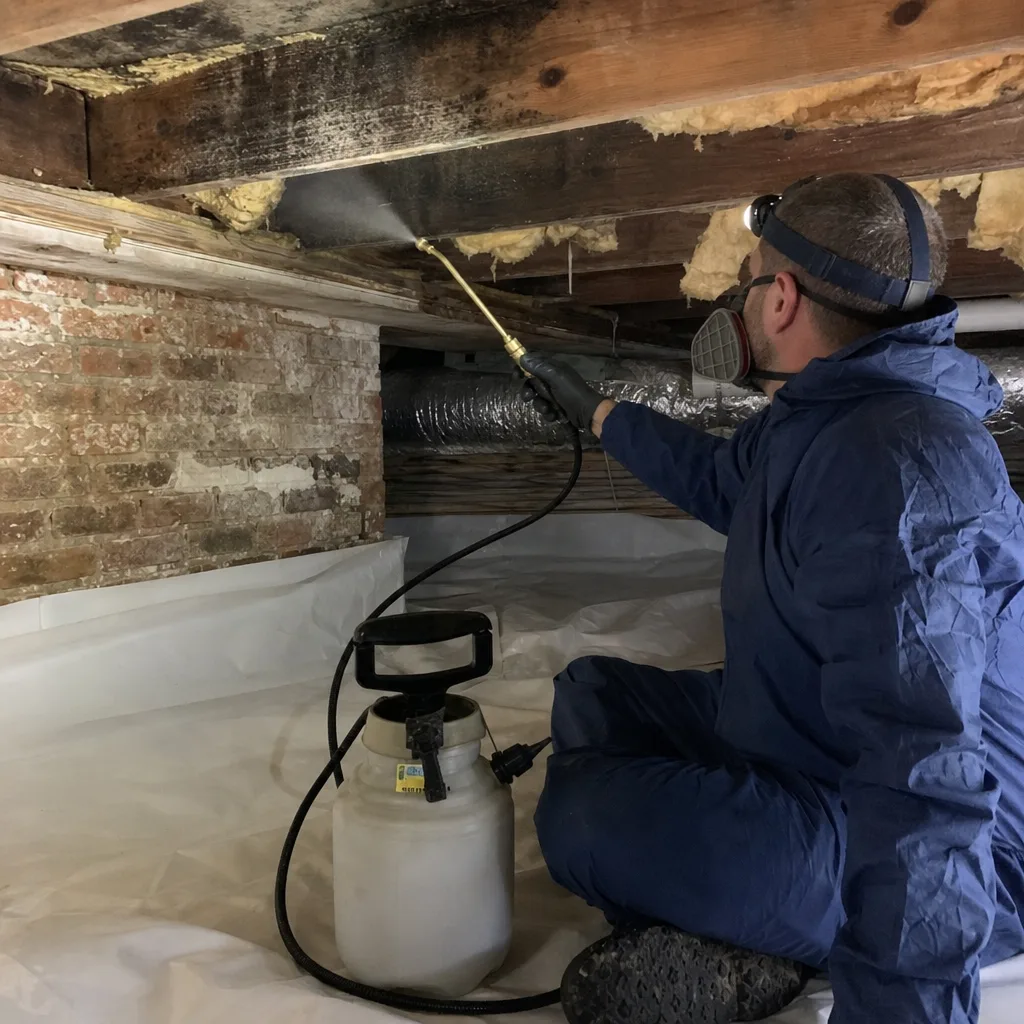
Debris Removal
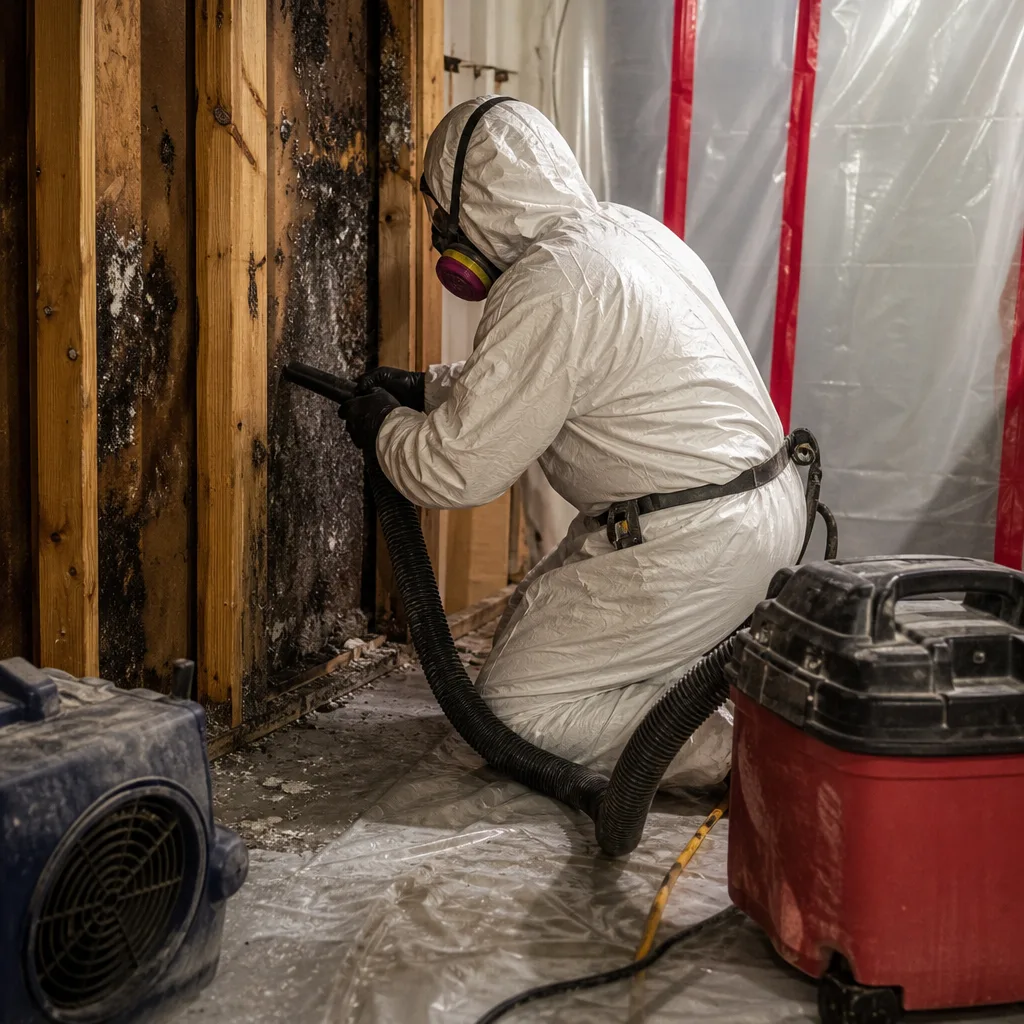
Branches, torn roofing, broken glass, and waterlogged drywall come out fast, but the removal has to be safe and complete. We cart everything away, separate what’s salvageable, and leave the work area clean enough to start drying. When a tree limb smashes through an original Tudor window frame in the Gardens, we handle both the glass and the wooden frame pieces with the care the house deserves.
What happens when you call
- 1
A real person answersNo phone trees - you reach a local pro.
- 2
You get an upfront price rangeHonest numbers before anyone is dispatched.
- 3
A background-checked tech heads outLicensed & insured, dispatched right away.
- 4
You approve before work beginsNothing starts until you say go.
Storm & Disaster Restoration Costs in Forest Hills, NY
Storm damage restoration in Forest Hills typically runs from $2,500 to $8,000 for a contained basement flood with extraction and drying. A roof leak that saturates a lath-and-plaster ceiling in a pre-war apartment often falls between $4,000 and $12,000 once you account for controlled demolition, drying, and plaster repair. Emergency board-up and roof tarping usually run $450 to $1,200 as a standalone response. Full storm restoration inside Forest Hills Gardens, where LPC approval and period-matched materials are required, commonly lands between $15,000 and $40,000 depending on the scope of exterior and interior work. What moves the price: the water category, the age of the plaster, whether asbestos testing is required, and whether period materials must be sourced. We give you a written scope with line-item pricing before work begins, and for insured losses we bill your carrier directly. Call (917) 924-4221 for a free estimate, and you’ll know exactly what the job costs before you approve a dollar of work.
We Also Serve Cities Near Forest Hills
Floodline Restoration Co. of Manhattan answers storm calls across the surrounding Queens neighborhoods: Forest Hills, Rego Park, Kew Gardens, Corona, and Middle Village. If a storm hit your block and you need someone who knows the local building stock, call (917) 924-4221.
Forest Hills Storm & Disaster Restoration Questions, Answered
Do I need Landmarks Preservation Commission approval for storm damage repairs on my Forest Hills Gardens home?
Yes. Forest Hills Gardens is a New York City Landmarks Preservation Commission-designated district, so any exterior alteration beyond like-for-like replacement of damaged materials requires LPC approval. Interior work that opens walls and changes original finishes may also trigger review. Our team documents the loss, prepares the LPC paperwork, and sources period-matched materials like specific masonry blends and custom millwork before work proceeds. Call (917) 924-4221 and we’ll walk you through what your specific repair needs.
How quickly can you start drying out a flooded basement in a pre-war Forest Hills brick apartment building?
We dispatch crews to Forest Hills within 45 minutes of your call, and extraction starts the same visit. Pre-war basements with cast-iron pipes and original lime mortar need careful drying to avoid spalling brick, so we use moisture mapping and daily readings rather than just blasting air. Call (917) 924-4221 and we’ll have a truck rolling.
What category of water usually backs up into Forest Hills basements during heavy rain?
Category 3, or black water, when the city’s combined sewer system overtaxes and sewage backs up through floor drains. That water contains pathogens and requires full containment, antimicrobial treatment, and disposal of saturated porous materials. Our Storm & Disaster Restoration crews handle Category 3 losses with the same protocol every time. Call (917) 924-4221 for an assessment.
Can you match the original Tudor-style wood trim if a tree limb smashes a window frame in the Gardens?
Yes. We’ve sourced custom millwork and period trim for Forest Hills Gardens homes before, and we work with craftsmen who understand Tudor Revival profiles. The LPC requires period-matched materials, so this isn’t optional for homes inside the district. We handle the documentation and the sourcing. Call (917) 924-4221 to discuss your specific window or trim damage.
What’s the right way to handle a storm that soaked the plaster ceiling in my 1920s Chelsea Court apartment?
First, contain the area and get extraction running. Then, map the moisture across the lath and plaster because water travels further than the stain suggests. We dry to the standard, not to the surface, and we document every reading. For Chelsea Court apartments, water often migrates from a roof or upstairs unit, so finding the source matters as much as drying the visible damage. Call (917) 924-4221 and we’ll start the inspection.
How long does storm damage drying and restoration take in Forest Hills?
Most contained basement floods dry in 3 to 5 days. Lath-and-plaster ceiling losses in pre-war buildings often take 5 to 10 days because the materials hold more water and dry more slowly. Full restoration including rebuild typically runs 2 to 6 weeks depending on scope. We give you a day-by-day drying log, not a guess. Call (917) 924-4221 for a timeline on your specific loss.
Can we stay in our Forest Hills home during storm restoration?
It depends on the extent. A contained basement flood usually allows you to stay on upper floors. Category 3 sewage backup or widespread smoke and water damage may require temporary relocation. We’ll tell you straight what’s safe and what isn’t, and we’ll document it for your insurance carrier. Call (917) 924-4221 to talk through your situation.
What should I do in the first 30 minutes after storm damage hits my Forest Hills property?
Call (917) 924-4221 first. Then, if it’s safe, shut off water to the affected area, move valuables to higher ground, and stay out of standing water that could be energized or contaminated. Don’t run household fans on wet surfaces, don’t open walls yourself, and don’t touch anything that looks like sewage. A live dispatcher answers and walks you through the next steps while a crew heads your way.
Serving Forest Hills, NY - Our Local Coverage Area
We’re based in the Forest Hills area and know this community well. Use the map below to see our service coverage - if you’re nearby, we can almost certainly help.
Storm & Disaster Restoration for Forest Hills Gardens: What Makes This Neighborhood Different
Forest Hills Gardens is not like the rest of Queens, and pretending otherwise leads to botched restorations. This 1909 Russell Sage Foundation planned enclave of Tudor Revival homes designed by Grosvenor Atterbury sits under a New York City Landmarks Preservation Commission designation. What that means in practical terms: if a nor’easter tears flashing from your roof, you cannot simply call any roofer and have them install whatever’s on the truck. The LPC requires that exterior repairs match original period materials, which means specific blends of masonry mortar, custom millwork profiles, and lath-and-plaster finishes that standard restoration suppliers do not stock. Inside the Gardens, even a burst-pipe repair that opens a wall can trigger a requirement to source a skilled horsehair-plaster artisan and file LPC documentation before the patch is approved. This is not optional, and it is not faster to skip it. When a nor’easter tore flashing from a Forest Hills Gardens carriage house on Ascan Avenue, our crew mapped moisture readings across the original lath-and-plaster ceilings, set up containment and dehumidification to stabilize the water extraction and structural drying, then filed LPC documentation and sourced a horsehair-plaster artisan to match the pre-loss condition of the walls before the patch was approved. That is the standard workflow inside those gates, and it is the workflow we carry as standard practice. Floodline Restoration Co. of Manhattan is the only Storm & Disaster Restoration team serving Forest Hills that accounts for the Landmarks Preservation Commission approval process and the period-material sourcing required to restore a Tudor Revival home to its pre-loss condition. We don’t treat the Gardens like any other zip code, because the LPC doesn’t either.
Written by Curt Bowman, Owner at Floodline Restoration Co. of Manhattan, serving Forest Hills since 2010.