
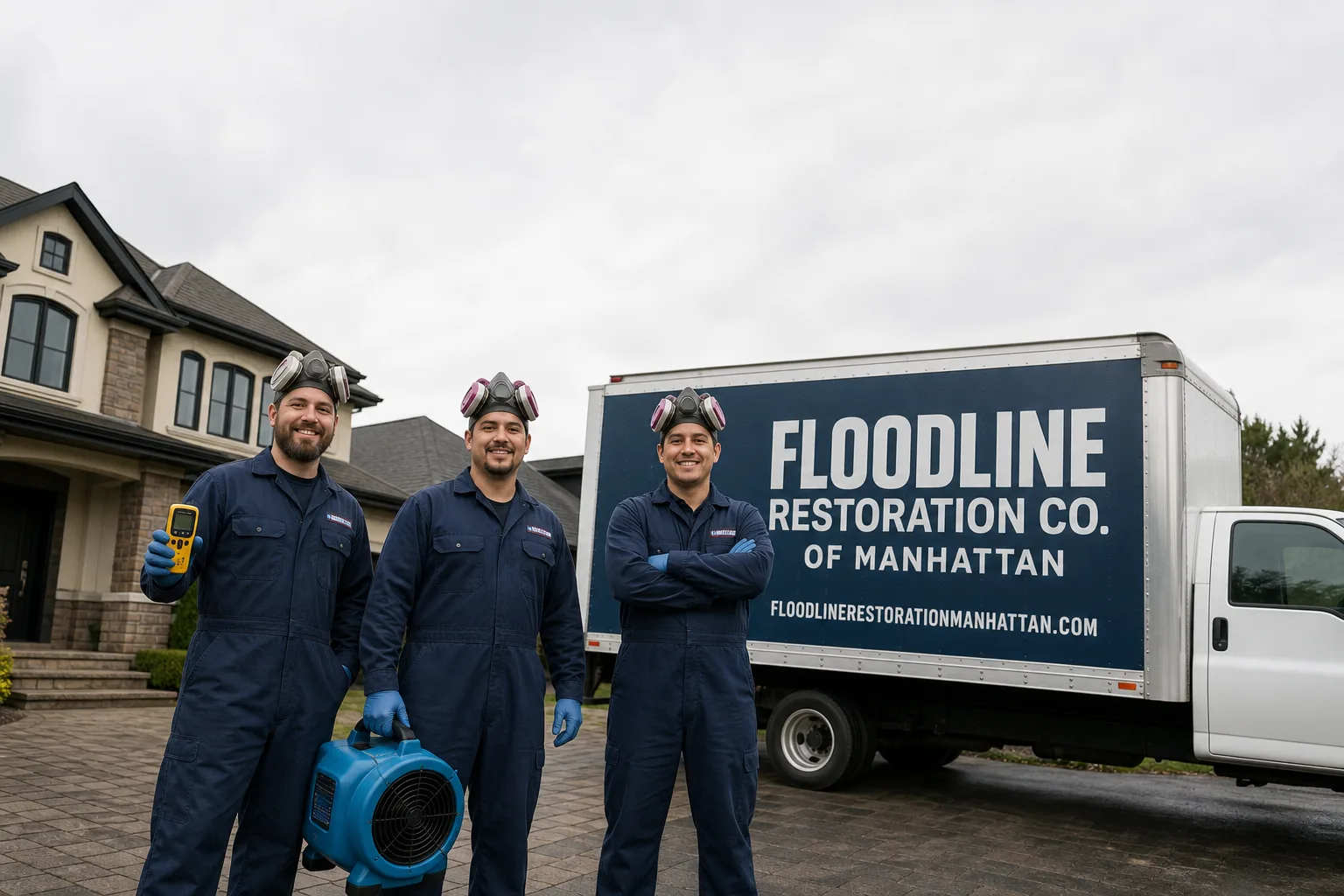
Free visual inspection and a written scope of work before any mitigation begins - photos, moisture readings, and drying logs go in your claim file
The scope we write is the scope we bill. Anything new gets shown to you, in writing, before we touch it.
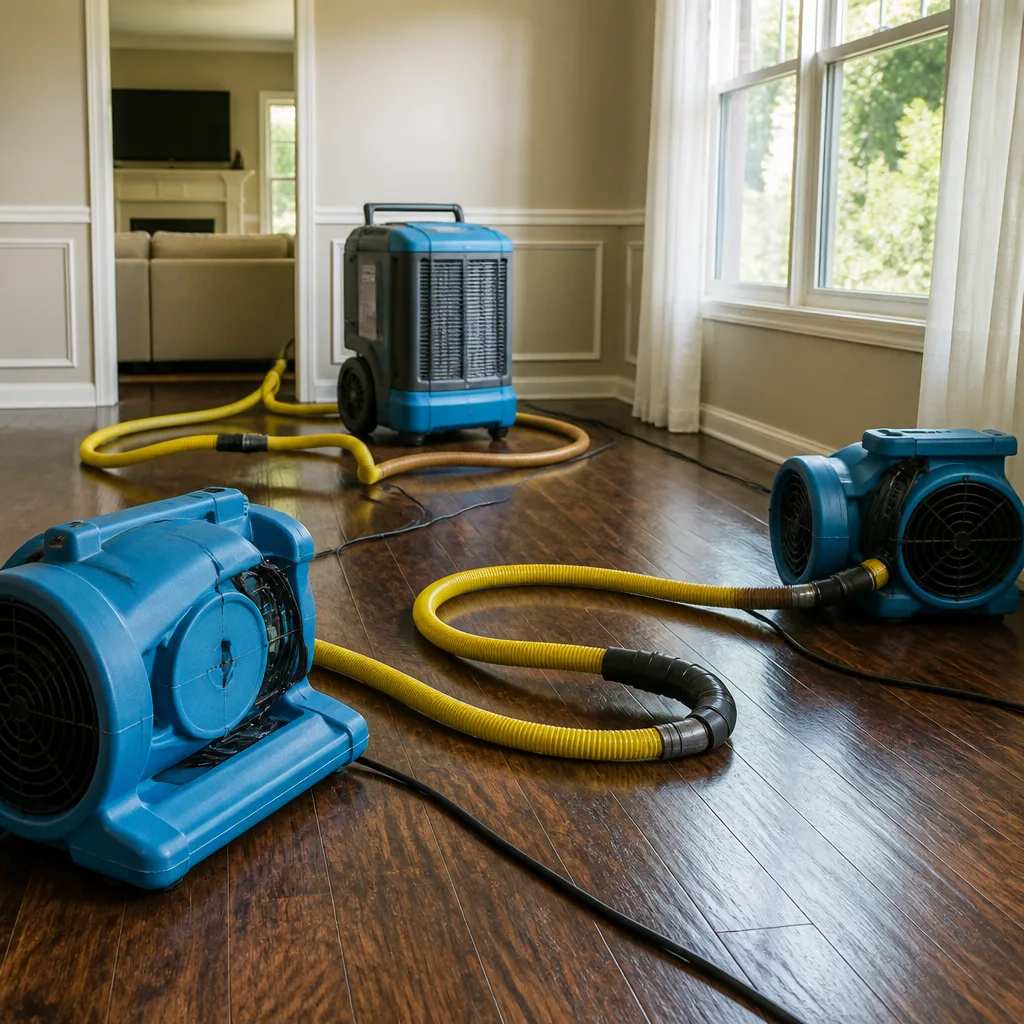
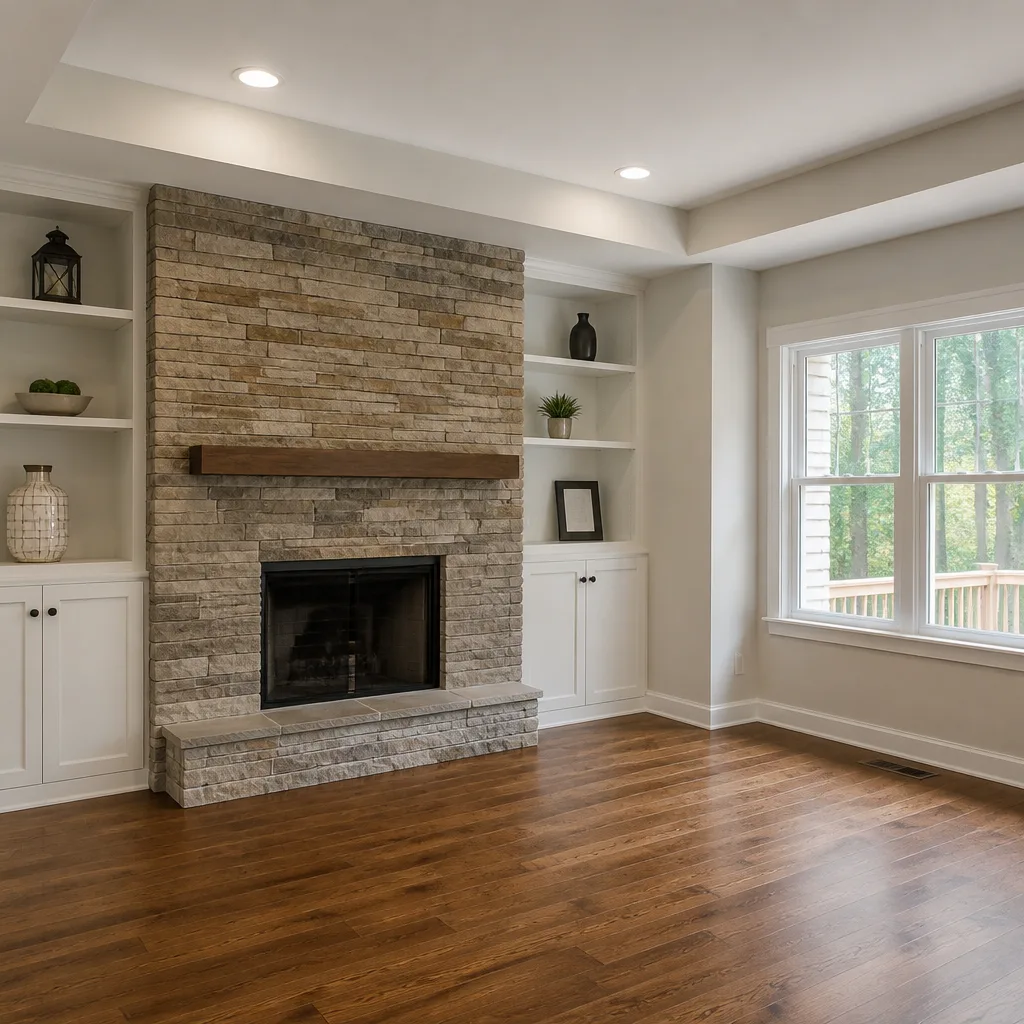
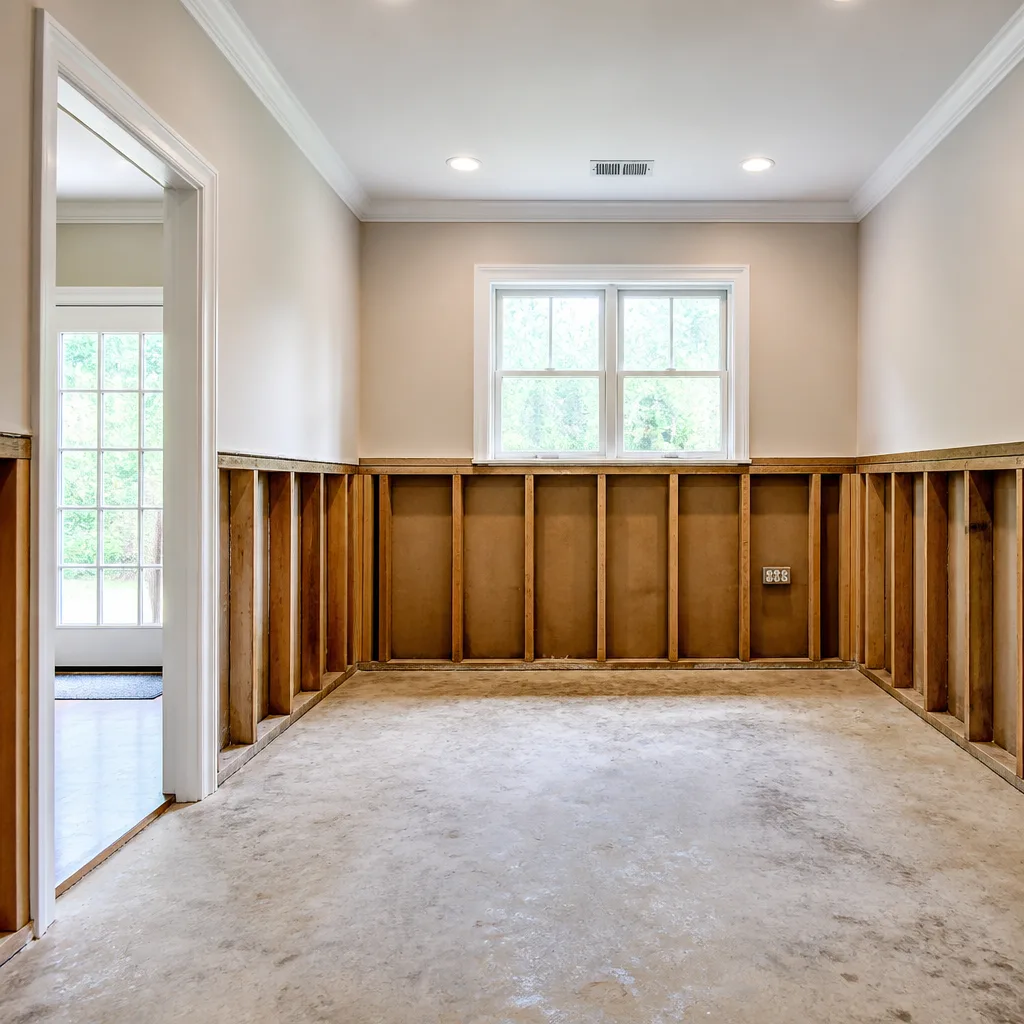
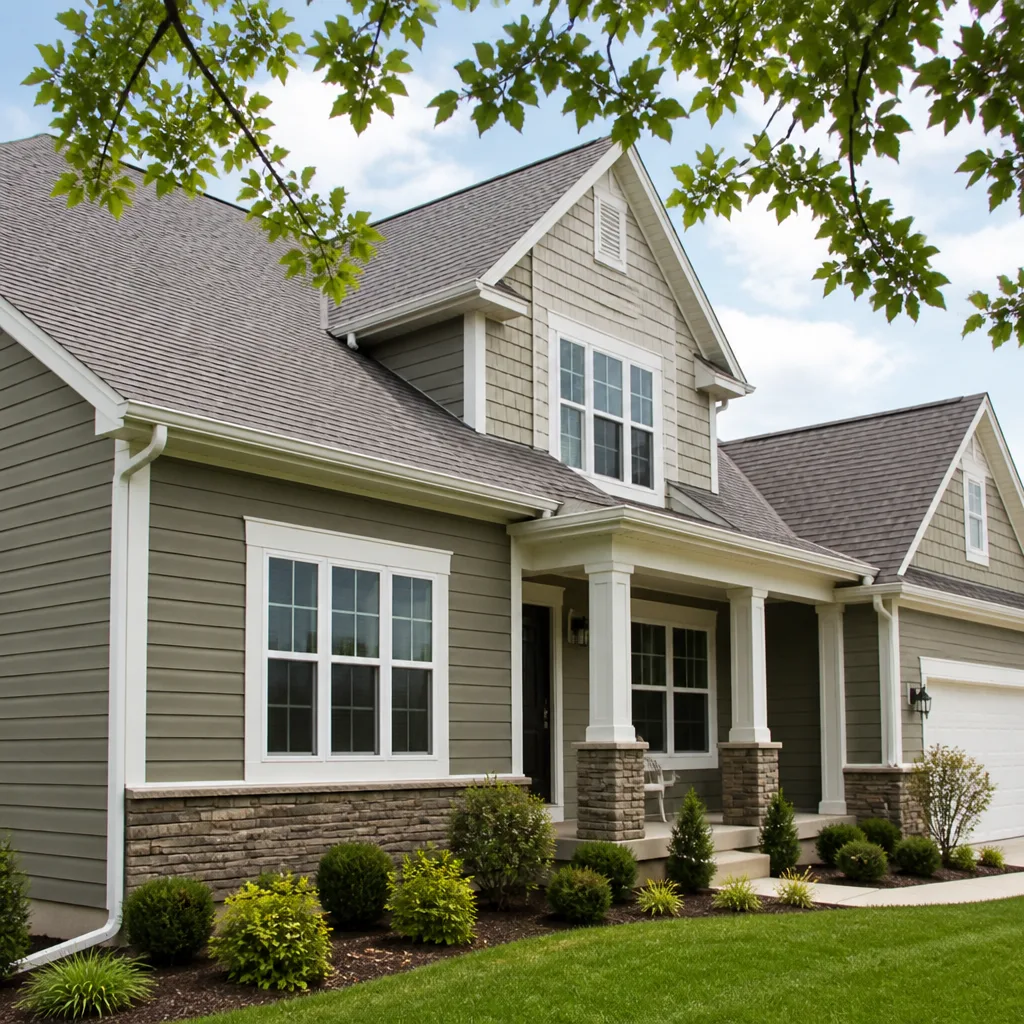
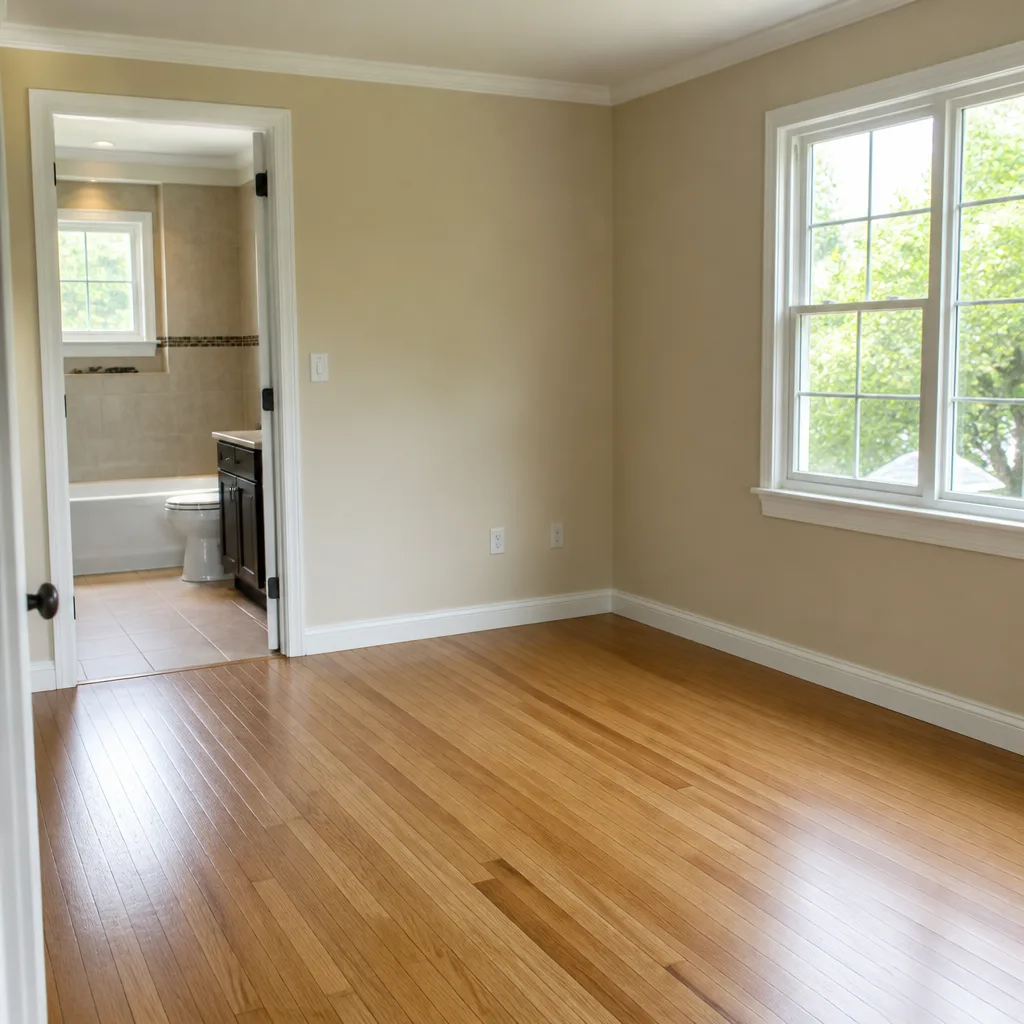
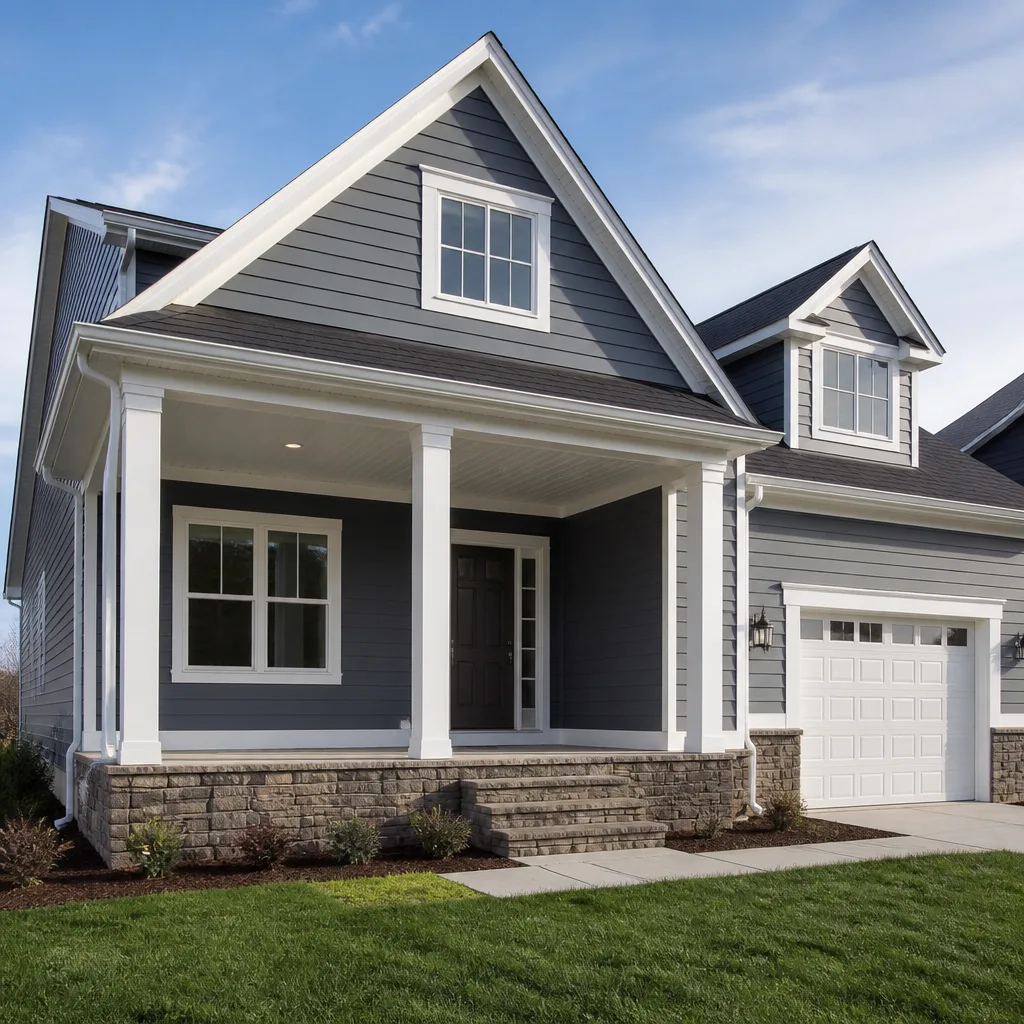
 Before
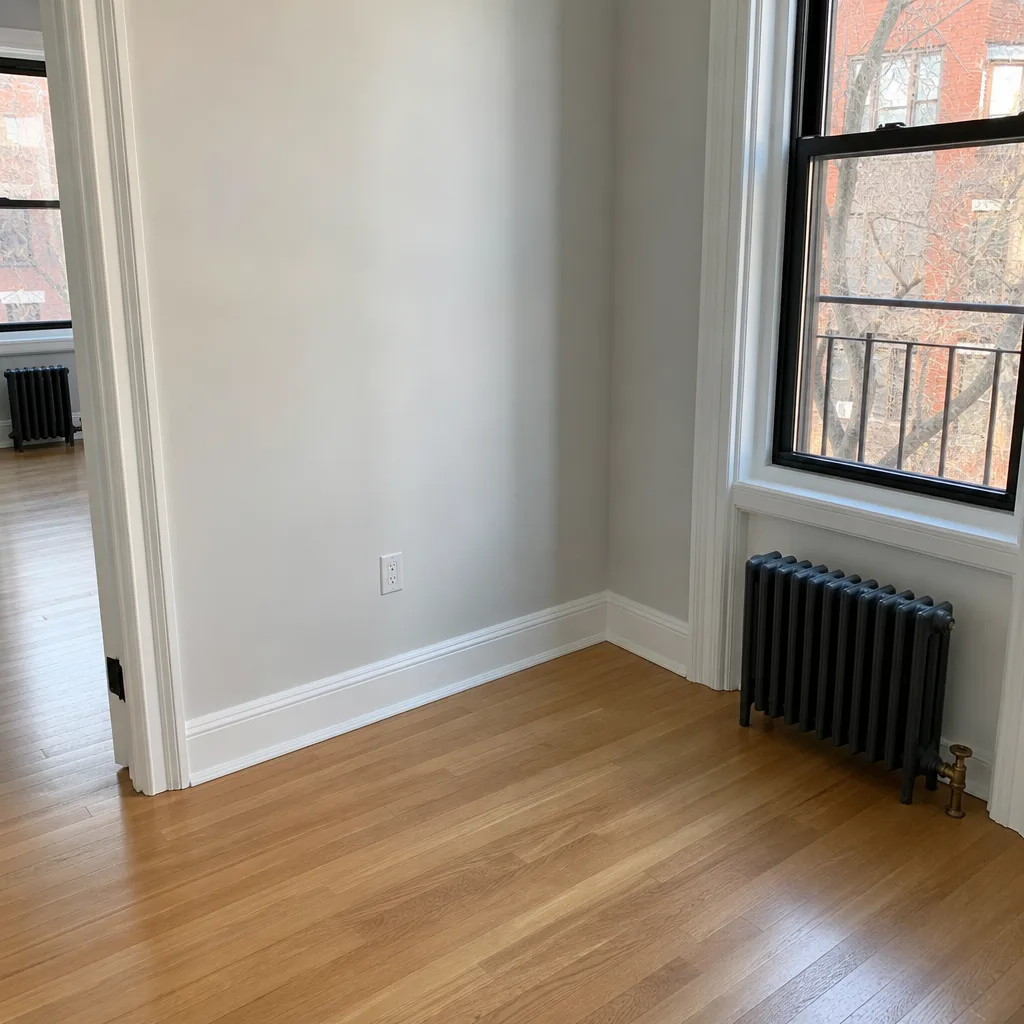 After
After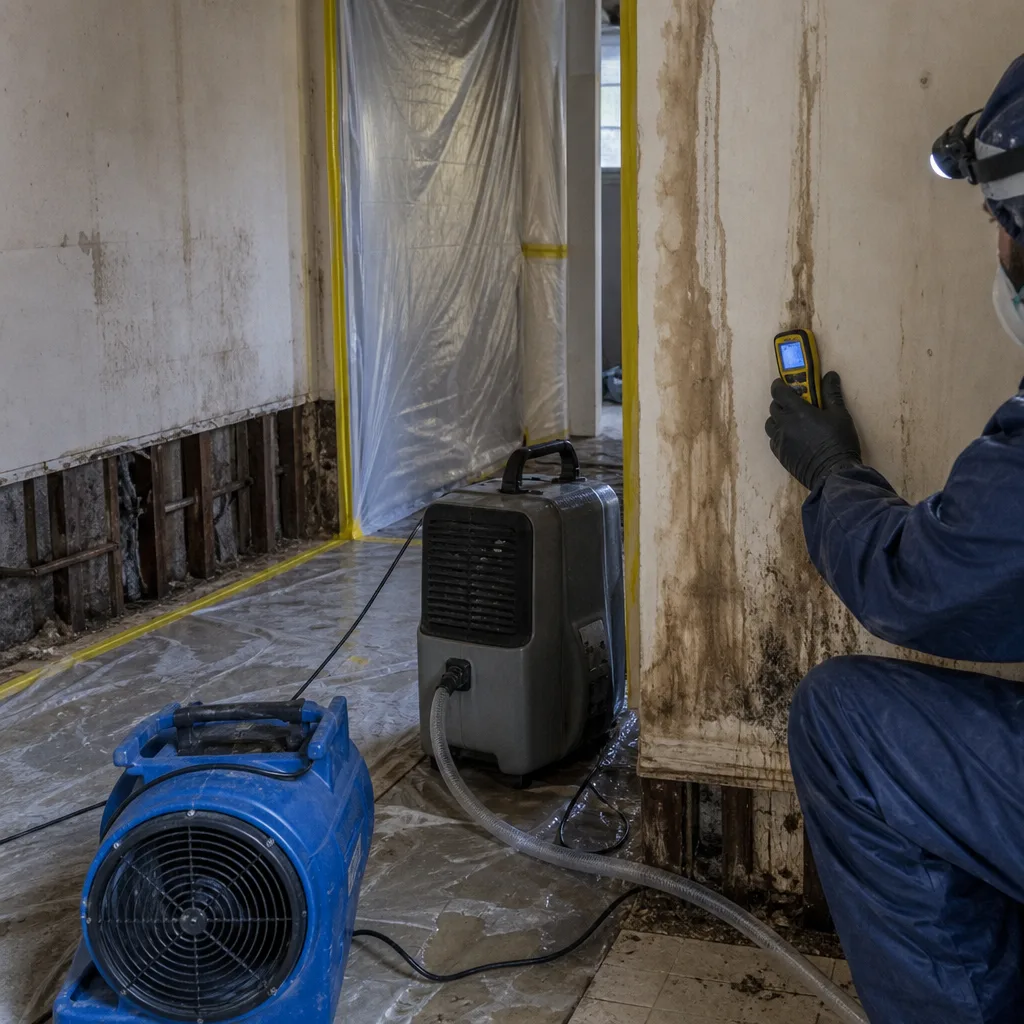 Before
 After
After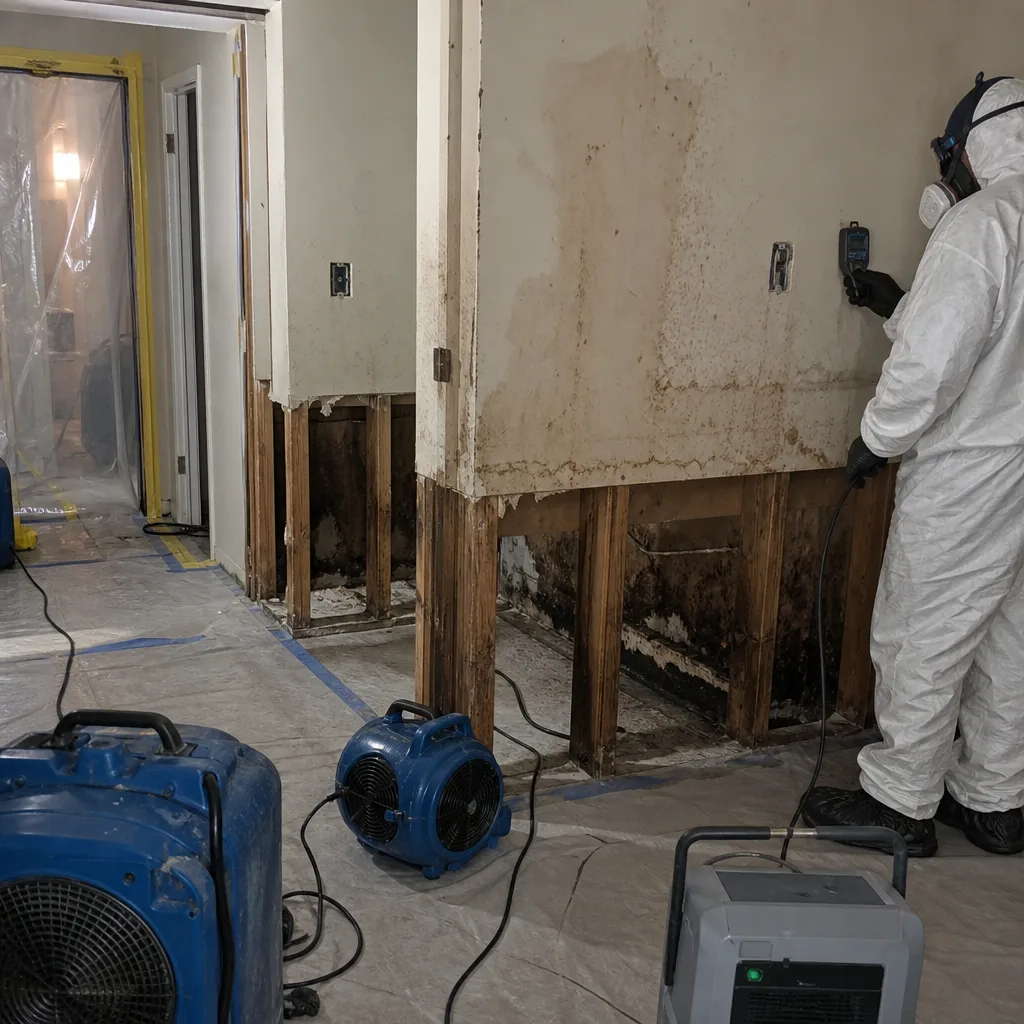 Before
 After
After24/7 Emergency Storm & Disaster Restoration in Howard Beach
Storm damage in Howard Beach moves fast, and so do we. If a nor’easter just pushed Jamaica Bay water into your garage or a summer squall tore shingles off your Cross Bay Boulevard roof, call (917) 924-4221 right now. A live dispatcher answers at 2 a.m., not a recording, and a background-checked crew can reach your street within 45 minutes. The first hour matters because saltwater from the bay starts corroding door hardware, framing, and electrical connections long before you can see the damage. We’ll do a free visual inspection the same visit and start extraction immediately if water’s standing.
Understanding Storm & Disaster Restoration Severity in Howard Beach Properties
Most Howard Beach homes are 1950s to 1970s Cape Cods and ranch-style houses sitting at or barely above sea level on slab-on-grade foundations. When Jamaica Bay overflows during a nor’easter or a hurricane track pushes surge up Cross Bay Boulevard, the water that enters is Category 3: salt-laden, contaminated with bay sediment and whatever the tide carried in. That changes everything. Category 3 water requires full removal of affected porous materials, antimicrobial treatment, and structural drying that accounts for salt residue left behind after the water’s gone. We moisture-map every wall cavity and floor assembly with thermal imaging cameras and pin-type meters, not just a visual walk-through. In a Howard Beach garage, that means checking behind track brackets, inside wall cavities, and under the slab edge where saltwater wicks upward into drywall and framing. Slab-on-grade construction has no crawl space to ventilate, so trapped moisture turns into mold colonization within 48 to 72 hours in the coastal humidity that sits over this neighborhood from June through October.
Why Howard Beach Property Owners Choose Floodline Restoration Co. of Manhattan
- 45-minute response commitment to any Howard Beach address, from Hamilton Beach to Lindenwood. We dispatch from the NYC metro office and crews know the streets.
- Live person, 24/7: You call, a person picks up. Not a phone tree, not a callback service. At 2 a.m. during a nor’easter, that matters.
- IICRC-certified crews trained to WRT and FSRT standards, plus RIA and IFA certifications. They read the moisture map, not just the surface.
- Free visual inspection before any work begins. You’ll know what’s actually damaged - sometimes it’s structural drying, not a full gut.
- Direct insurance billing: We deal with your carrier and your adjuster, with photo documentation and line-item scopes. You don’t play messenger.
- One team from extraction to reconstruction: No mid-job handoff to a subcontractor who wasn’t there on day one. The crew that extracts also dries, treats, and rebuilds.
Our Storm & Disaster Restoration Process
Inspection & Assessment
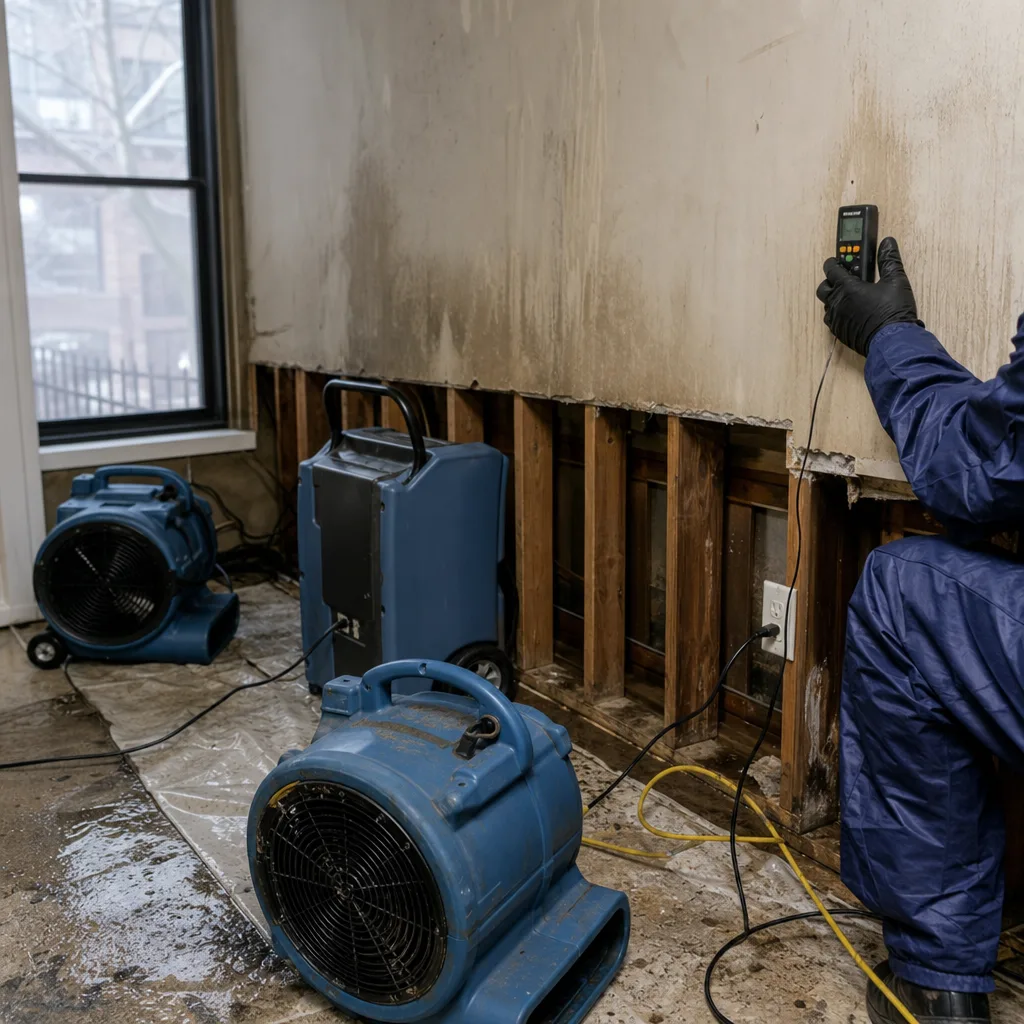
We start with thermal imaging and moisture meters across every affected room, garage bay, and wall cavity. Saltwater intrusion in Howard Beach means checking below the waterline, not just at it. You get a written scope before any demolition starts.
Extraction & Stabilization
Standing water comes out first, using truck-mounted extractors for flooded basements and garages. We stabilize the structure - tarping roofs, boarding broken windows, shutting off compromised electrical. Emergency board-up happens this visit if the home’s exposed.
Drying & Dehumidification
Dri-Eaz dehumidifiers and Phoenix air movers run around the clock until we hit the dry standard on every reading. In a saltwater flood, we also flush wall cavities with fresh water to remove corrosion-causing salt residue before structural drying begins.
Cleaning & Sanitization
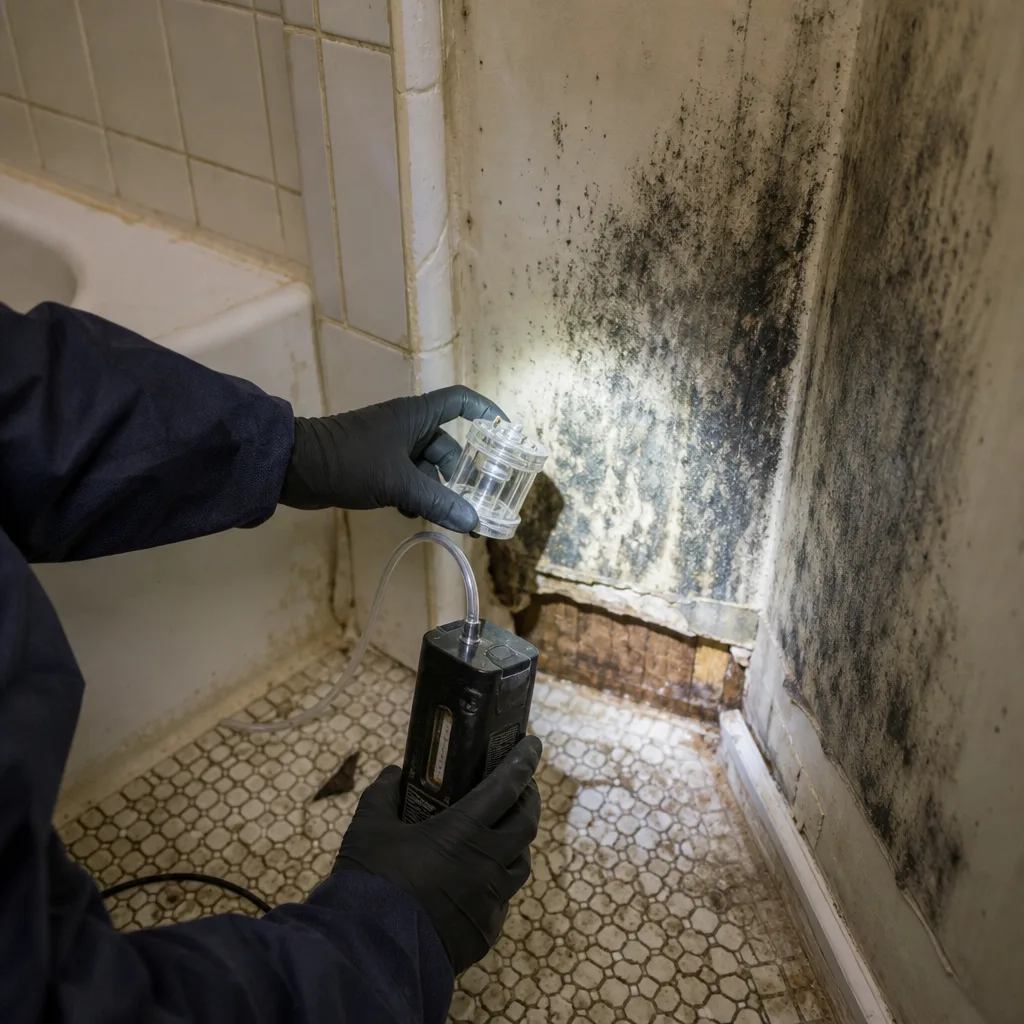
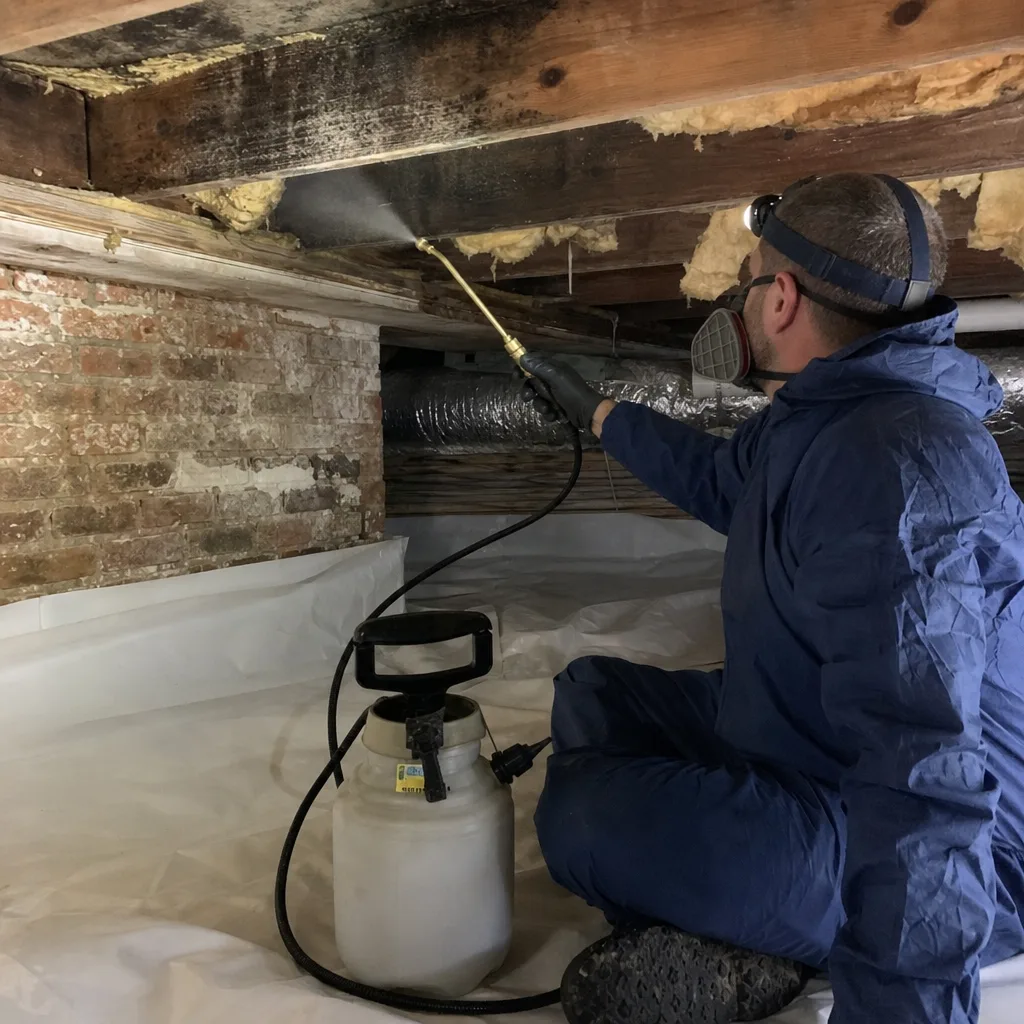
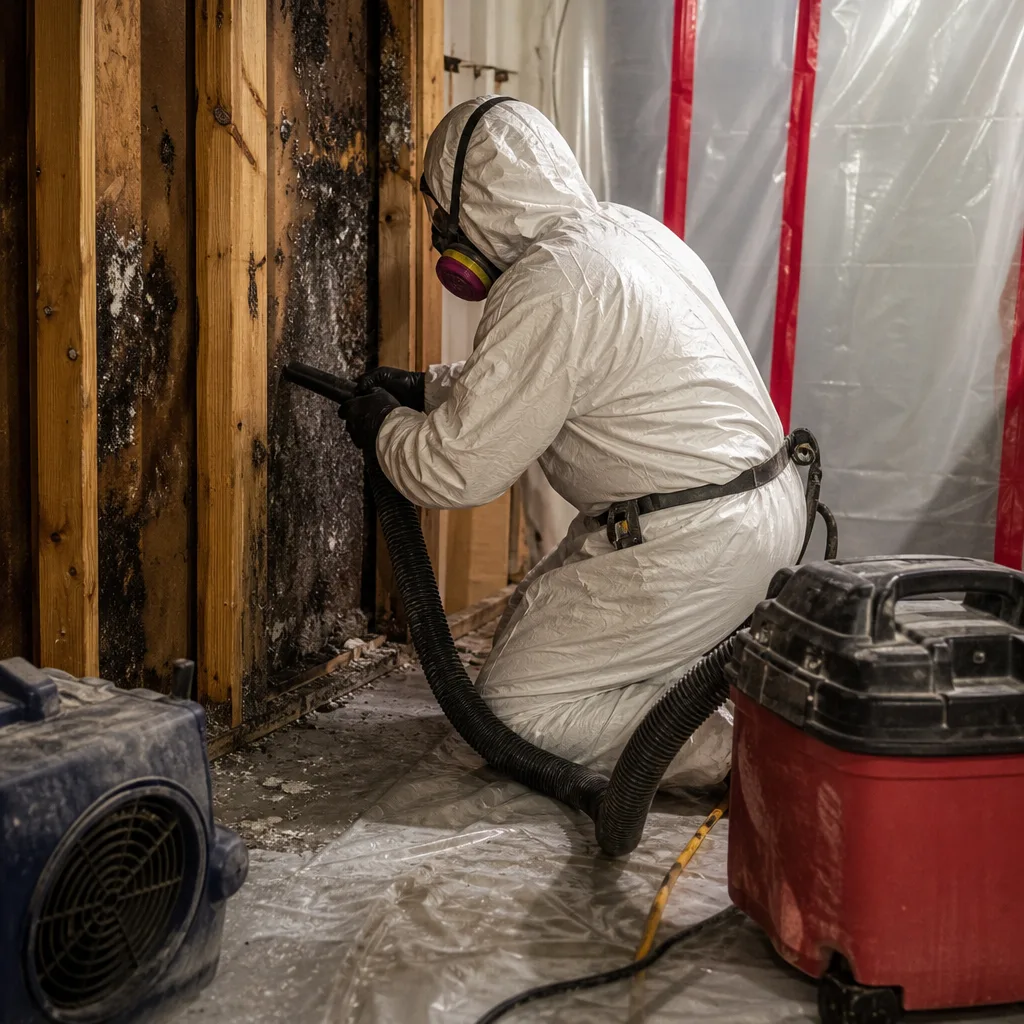
Category 3 water means antimicrobial treatment on all affected framing and masonry. HEPA air scrubbers run during the open-wall phase. We don’t just dry the surface - we treat what the bay water left behind.
Coastal Corrosion Treatment
Any metal in contact with saltwater gets assessed: door hinges, track brackets, fasteners, and opener chains. We remove corroded components, treat what’s salvageable, and recommend coated or stainless replacements rated for Howard Beach’s salt-air environment.
Repairs & Restoration
Drywall, insulation, flooring, trim, and any structural elements come back new. If a garage door track or spring system failed during the storm, we coordinate that repair so the home is whole again - one crew, one scope, one guarantee.
Need Emergency Storm & Disaster Restoration in Howard Beach Now?
Crews minutes away, answering live 24 hours a day. The sooner we start, the less it costs.
Working With Your Insurance Company
We document from the first hour: photos of every affected room, moisture readings before and during drying, thermal images showing what the eye can’t see, and a line-item scope of work your adjuster can read without asking forty questions. If your Howard Beach home was flooded by bay water during a named storm, flood insurance and homeowners coverage may both come into play. We coordinate directly with your carrier and your adjuster so you’re not explaining drying logs over the phone. The paperwork’s ours.
What We Provide Your Insurer
- Thorough documentation of the loss
- Photos of all damage, room by room
- Moisture readings and drying logs
- A detailed, line-item scope of work
- Direct coordination with your carrier
Built for Howard Beach’s Loss Calendar
Howard Beach doesn’t have a storm season - it has a storm calendar. January and February bring nor’easters that stack water against Jamaica Bay and push it over bulkheads and onto streets like 84th and 157th Avenue. March and April add spring rains on top of saturated ground, so basements and garages that never flooded start wicking moisture through slab edges. July and August mean violent thunderstorm cells that drop two inches of rain in an hour, overwhelming street drains and sending sheet water toward low-lying homes. September through November is the hurricane window, when storm surge is the real threat - Sandy taught everyone in Howard Beach that. And every month, the salt air works on exposed metal: door hinges, track fasteners, opener chains, electrical connections. We schedule our Howard Beach work around this calendar because we’ve been answering these calls for Storm & Disaster Restoration emergencies long enough to know what hits next.
Storm & Disaster Restoration Across Howard Beach’s Neighborhoods
Howard Beach reads like three different neighborhoods when we’re routing a crew. Old Howard Beach, west of Cross Bay Boulevard, has the original 1950s Cape Cods and narrow lots - when water gets into a garage there, it’s usually a finished basement or ground-level family room that takes the hit. Hamilton Beach, out toward the bay on the west side, sits lower and closer to the water line; homes there flood first and dry last, and we’ve pulled saltwater out of crawl spaces and slab-edge wall cavities that looked dry from the outside. Lindenwood, north of the Belt Parkway, runs more toward garden apartments and attached homes - that changes the drying strategy, because shared walls mean moisture can migrate into a neighbor’s unit if it’s not caught early. And along 156th and 157th Avenues near the Cross Bay Boulevard corridor, post-Sandy elevated homes sit next to unrenovated originals, so a nor’easter will flood one house and spare the house next door. That patchwork means our initial assessment has to be property-specific every single time. We’re not working off a playbook; we’re reading the moisture map.
Specialized Storm & Disaster Restoration Services We Offer in Howard Beach
Storm Damage Cleanup
After a nor’easter or summer squall, Howard Beach homes are left with water, debris, and sometimes structural exposure. We remove standing water, pull out wet insulation and drywall, haul debris, and set up containment so the rest of the house stays livable while we work. Because Howard Beach sits directly on Jamaica Bay, our cleanup always includes salt residue flushing from structural cavities - skip that step and corrosion keeps eating at framing and fasteners for years.
Flood Damage Restoration
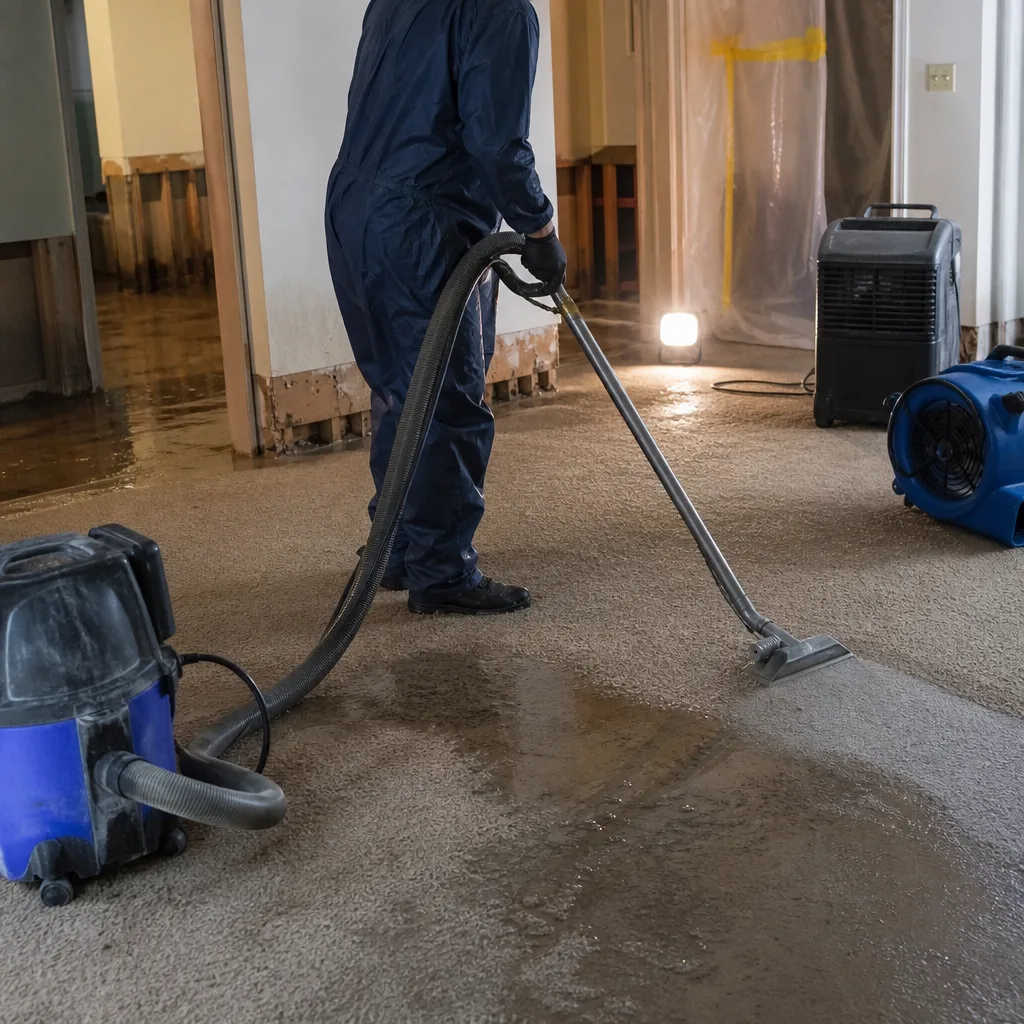
This is the core of what we do in Storm & Disaster Restoration in Howard Beach. Bay water, tidal flooding, and storm surge all bring Category 3 contamination into your home. We extract, flush salt from wall cavities, dry to the structural dry standard, treat for microbial growth, and rebuild what came out. The 90-Day Done Right Promise applies to every flood job: if it’s not done right, we make it right, in writing, no arguing.
Emergency Board-Up
When wind tears a window out or a tree limb punctures a roof over a Howard Beach garage, the opening has to be secured tonight - rain and salt air don’t wait for adjusters. We board windows, secure doors, and tarp roof breaches the same day we get the call. A secured home also means the insurance claim stays a weather claim, not a vandalism claim on top of it.
Roof Tarping
A single missing shingle over a Howard Beach flat roof or a punctured membrane on a Cape Cod can pour water into wall cavities for days before anyone notices. We tarp the damaged area immediately after storms, then document the condition for your carrier so the eventual roof repair or replacement is covered properly. Tarping is temporary, but it has to be done right - a loose tarp becomes a sail in the next nor’easter.
Debris Removal
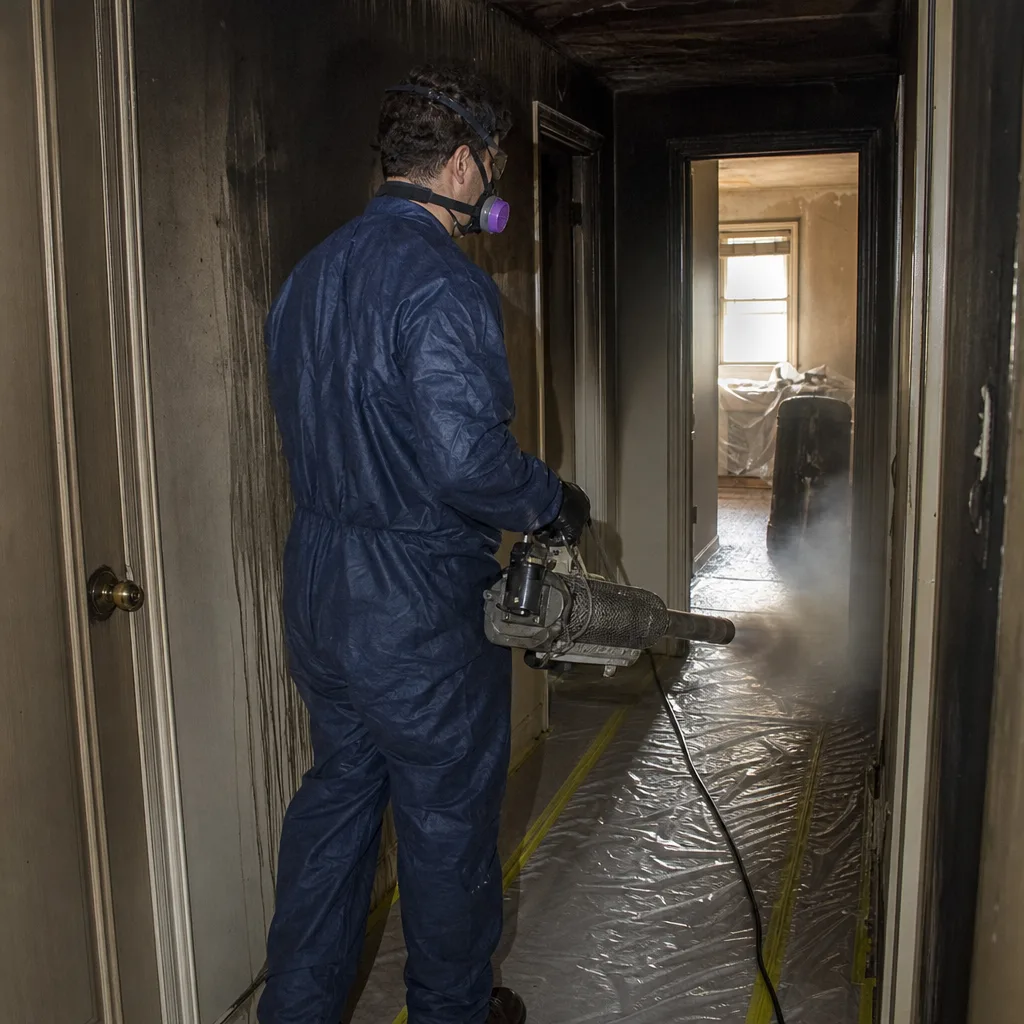
Storm debris in Howard Beach isn’t just branches - it’s bay debris, construction material from damaged neighboring structures, and the contents of flooded garages and basements. We haul it, separate it properly, and document everything for insurance. If hazardous material’s involved, we handle that containment too, with the same certified crew.
What happens when you call
- 1
A real person answersNo phone trees - you reach a local pro.
- 2
You get an upfront price rangeHonest numbers before anyone is dispatched.
- 3
A background-checked tech heads outLicensed & insured, dispatched right away.
- 4
You approve before work beginsNothing starts until you say go.
Storm & Disaster Restoration Costs in Howard Beach, NY
Honest numbers help you plan. Storm damage cleanup in Howard Beach - extraction, a few days of drying, minor drywall removal - typically runs $2,500 to $7,000 depending on square footage and how long the water sat. Full flood damage restoration on a flooded garage with wall cavity treatment and rebuild runs $8,000 to $25,000. Roof tarping alone is $400 to $900. Emergency board-up for a window or door breach runs $350 to $700 per opening. What moves the price in Howard Beach specifically is salt water: flushing salt from framing adds labor, and replacing corroded fasteners, tracks, and garage door components adds material cost above what an inland Queens flood job would require. Most of these costs are covered under flood or homeowners insurance when the damage is sudden and accidental, and we bill your carrier directly. Call (917) 924-4221 for a free visual inspection - you’ll get a firm written scope, not a guess.
We Also Serve Cities Near Howard Beach
Our crews cover Howard Beach and the surrounding Queens neighborhoods: Jamaica, South Ozone Park, Ozone Park, and South Richmond Hill. If you’re a few blocks over the line, call anyway - chances are we have a crew minutes from you.
Serving Howard Beach, NY - Our Local Coverage Area
We’re based in the Howard Beach area and know this community well. Use the map below to see our service coverage - if you’re nearby, we can almost certainly help.
Howard Beach Storm & Disaster Restoration Questions, Answered
Why does saltwater from Jamaica Bay corrode garage-door hardware faster in Howard Beach than in Forest Hills?
Saltwater conducts electricity and accelerates galvanic corrosion wherever two different metals touch - like plain steel fasteners in galvanized tracks. Forest Hills sits miles inland with no marine aerosol, so the same hardware lasts years longer there. In Howard Beach, the bay’s salt-laden air and repeated tidal floods cut that lifespan by half or more. We recommend coated springs, stainless fasteners, and nylon rollers for any garage within a quarter mile of the bay.
After a nor’easter flooded my Howard Beach garage, how quickly should I have the opener chain inspected for salt damage?
Within 48 to 72 hours. Saltwater starts corroding an uncoated opener chain the same day it’s submerged. If white corrosion bloom is already visible on the chain, the metal’s actively failing and the opener’s working against pitting on every cycle. We inspect the chain, track, and brackets during the initial flood assessment. Call (917) 924-4221 and we’ll be there same day.
Do I need to replace my garage-door rollers after every tidal flood in Howard Beach, even if they still turn?
Not every flood, but after any saltwater submersion, yes. Salt grit works into nylon roller bearings and accelerates wear that you won’t feel until the door starts jamming mid-track. Steel rollers are worse - the salt pits the rolling surface and the bearing race. If the rollers were submerged in bay water, we recommend replacement. If the door stayed dry but sits in coastal air, inspect every six months for pitting and track misalignment.
Why did my Howard Beach home’s garage-door track rust through in one spot near the bottom after Sandy, while the rest of the track looked fine?
That’s the saltwater line. After a flood, saltwater sits in the lowest track sections and at the bottom bracket connection points, where standing water lingers longest. The salt draws moisture from the air even after the visible water’s gone, so corrosion continues for months. We’ve seen tracks rust through at the bottom leg while the upper track still has factory paint. This is why we flush salt residue from track assemblies after every flood and check the bottom brackets with a flashlight, not just a glance.
My elevation contractor sealed the garage-door track mounts with standard silicone. Will that protect the fasteners from Howard Beach salt air?
Standard silicone slows the process but doesn’t stop it. Silicone degrades with UV exposure and salt can still creep underneath through capillary action, especially at the fastener holes. The better fix in Howard Beach is stainless steel fasteners with nylon washers at every track connection, plus coated track assemblies rated for coastal exposure. We’ve seen silicone-sealed fasteners seized solid within three years because salt water wicking through the drywall found the back side of the fastener. Call us for a corrosion inspection if you’re not sure what’s behind the seal.
How fast can someone actually get here for storm damage in Howard Beach?
We commit to 45 minutes for any Howard Beach address. Our dispatchers know the local streets - Cross Bay Boulevard, 157th Avenue, 84th Street - and crews are staged near the neighborhood during storm events. The sooner we get water extracted and drying started, the less invasive the restoration. Call (917) 924-4221 and a live person will confirm the crew’s ETA.
Will insurance cover storm and flood restoration in Howard Beach?
It depends on the cause of the water. Homeowners insurance generally covers wind-driven rain, a tree through the roof, and sudden plumbing failures. Flood insurance - separate - covers rising bay water and storm surge. Howard Beach homes inside the FEMA flood zone typically carry both policies. We document every loss the same way regardless: photos, moisture maps, drying logs, line-item scopes. We bill your carrier directly and coordinate with your adjuster so you don’t play middleman.
Can we stay in our Howard Beach home during storm restoration?
It depends on the extent of the damage. If water was limited to the garage or a single room, you can usually stay while we contain the work area with HEPA air scrubbers running. If Category 3 bay water touched living areas, the kitchens, bathrooms, and bedrooms, we’ll advise you on whether the home’s safe to occupy during remediation. We’ll be straight with you either way - and the decision goes in the written scope before work starts.
Written by Curt Bowman, Owner at Floodline Restoration Co. of Manhattan, serving Howard Beach and the surrounding Queens neighborhoods.