
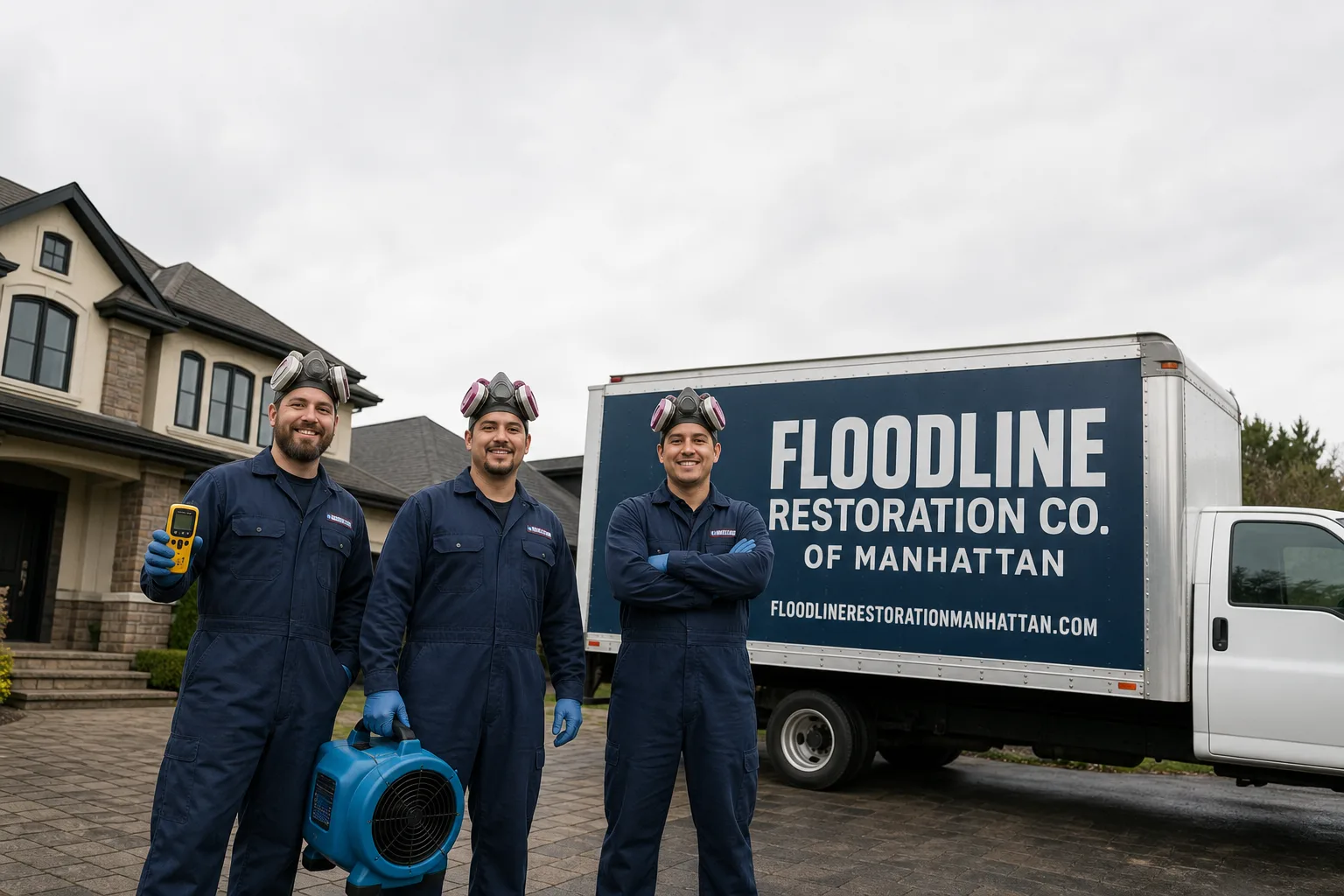
Free visual inspection and a written scope of work before any mitigation begins - photos, moisture readings, and drying logs go in your claim file
The scope we write is the scope we bill. Anything new gets shown to you, in writing, before we touch it.
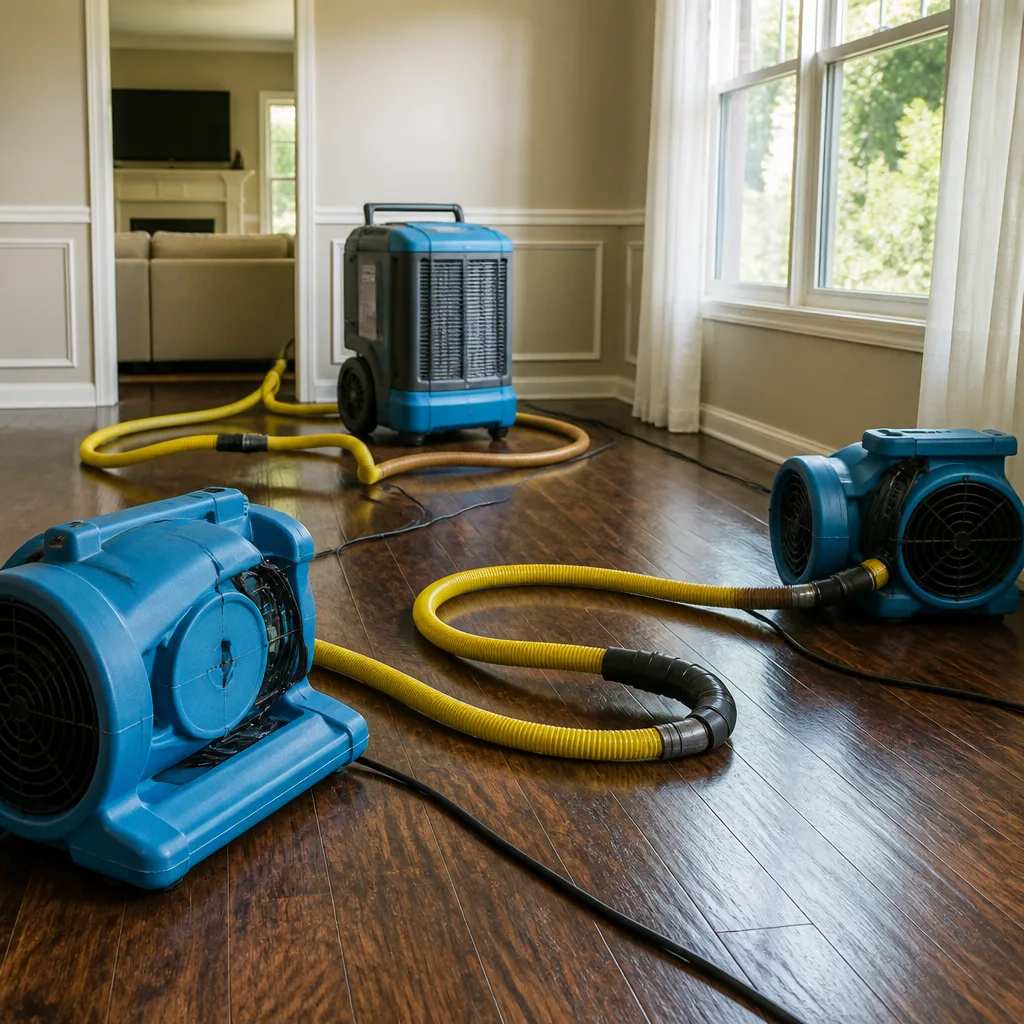

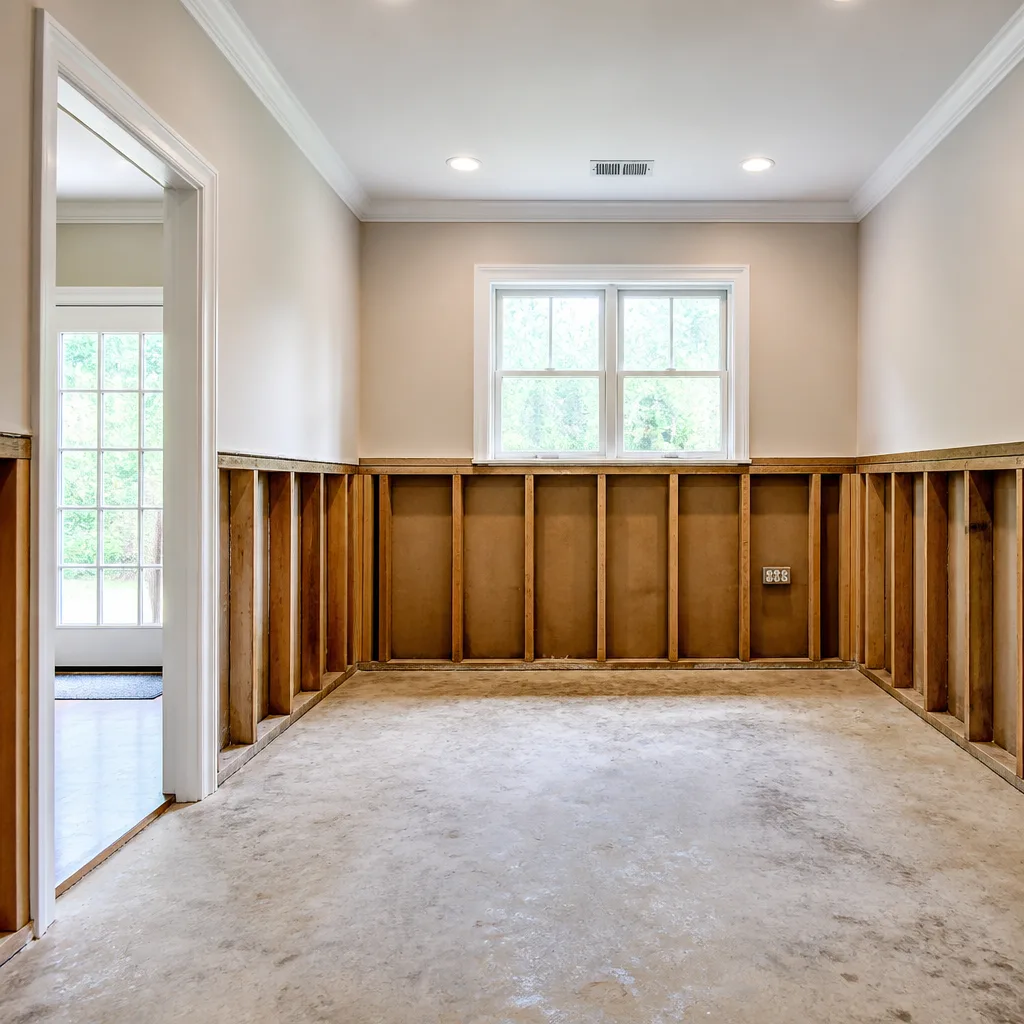

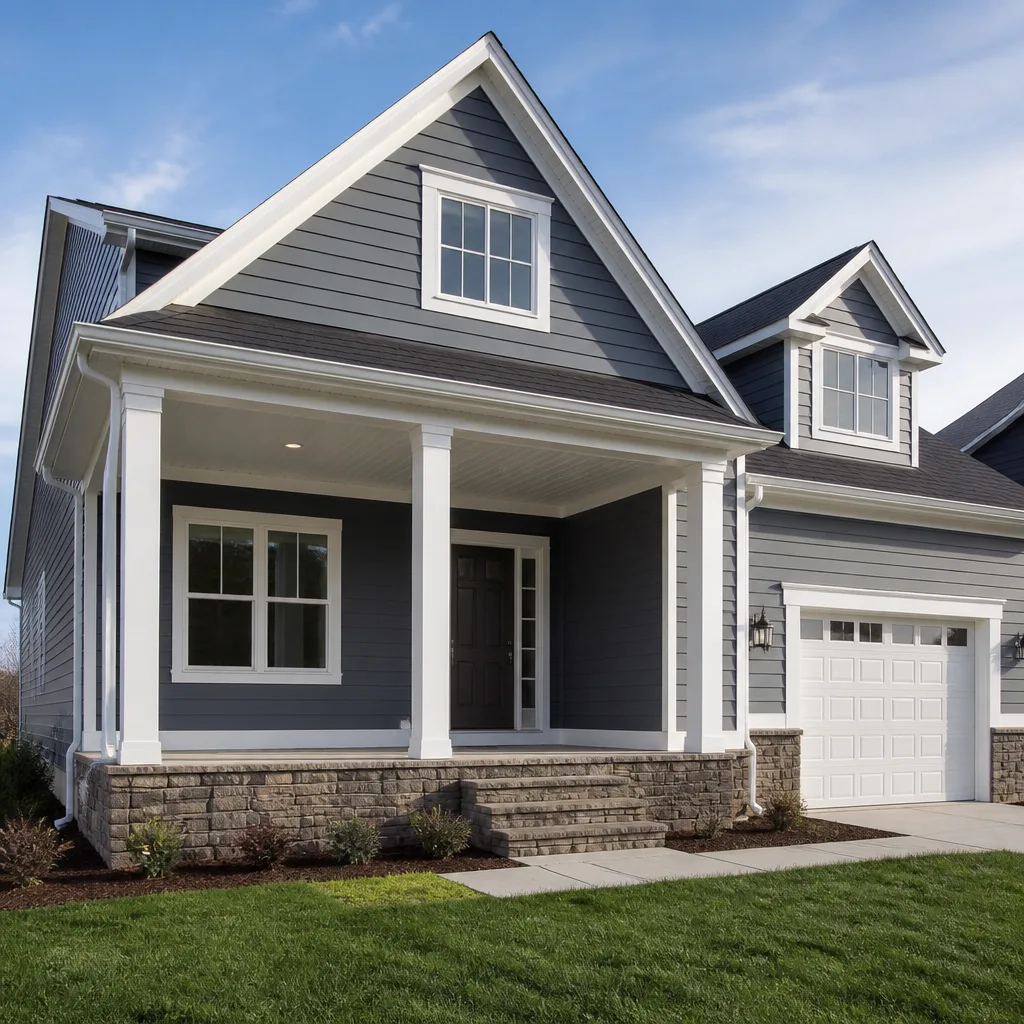
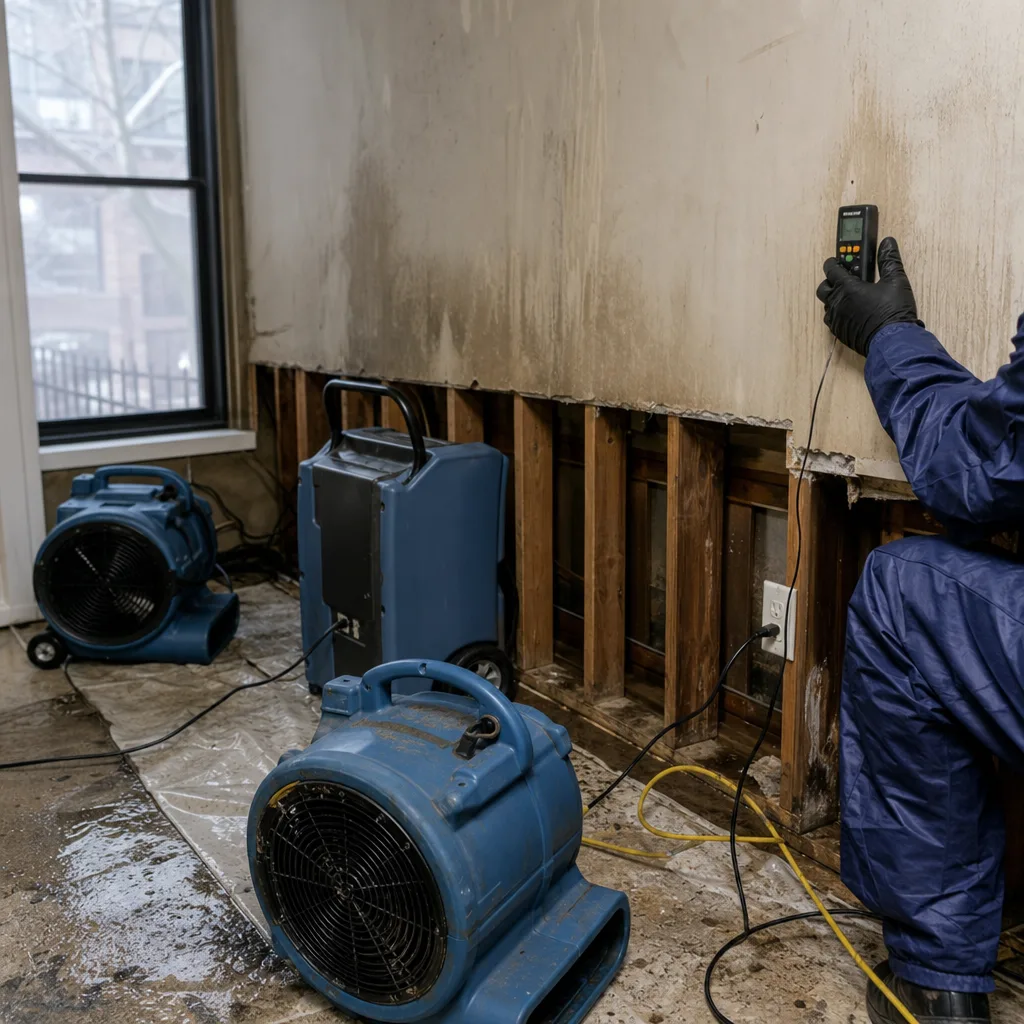 Before
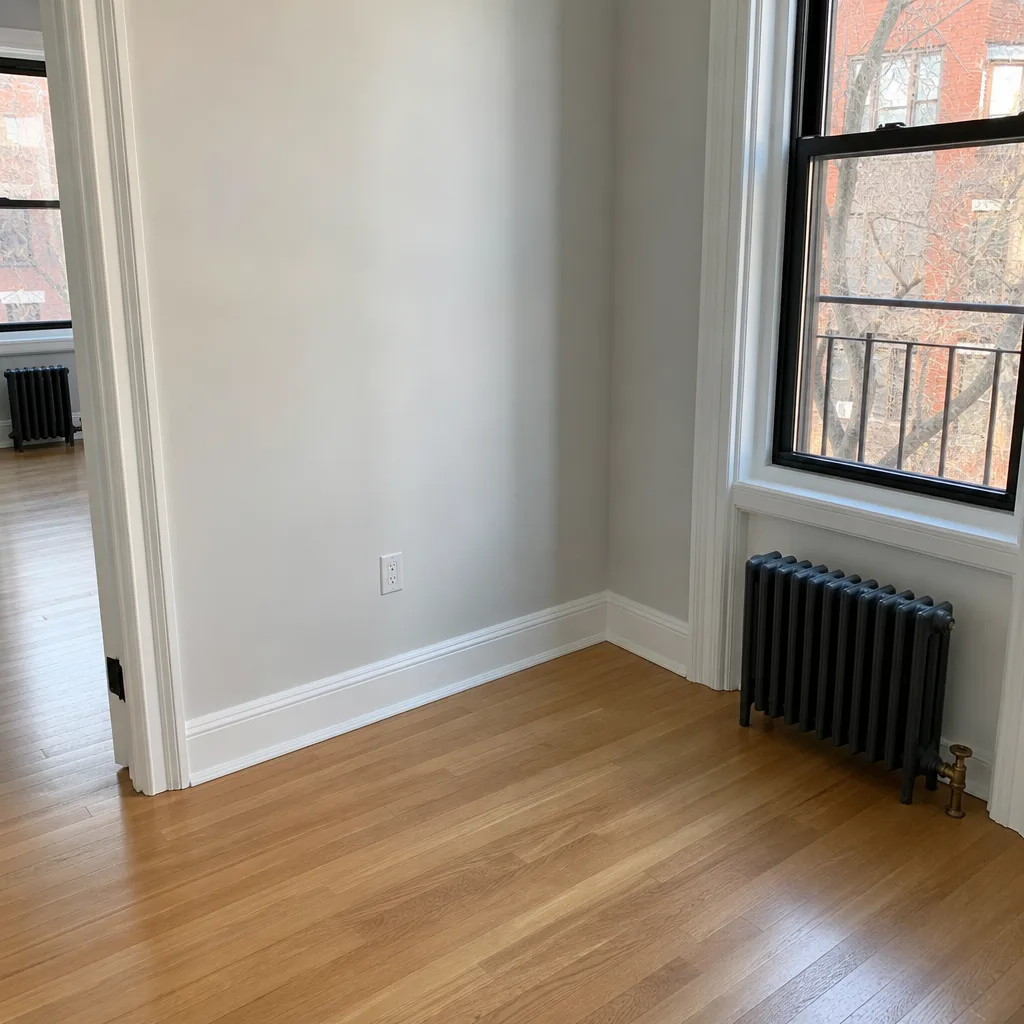 After
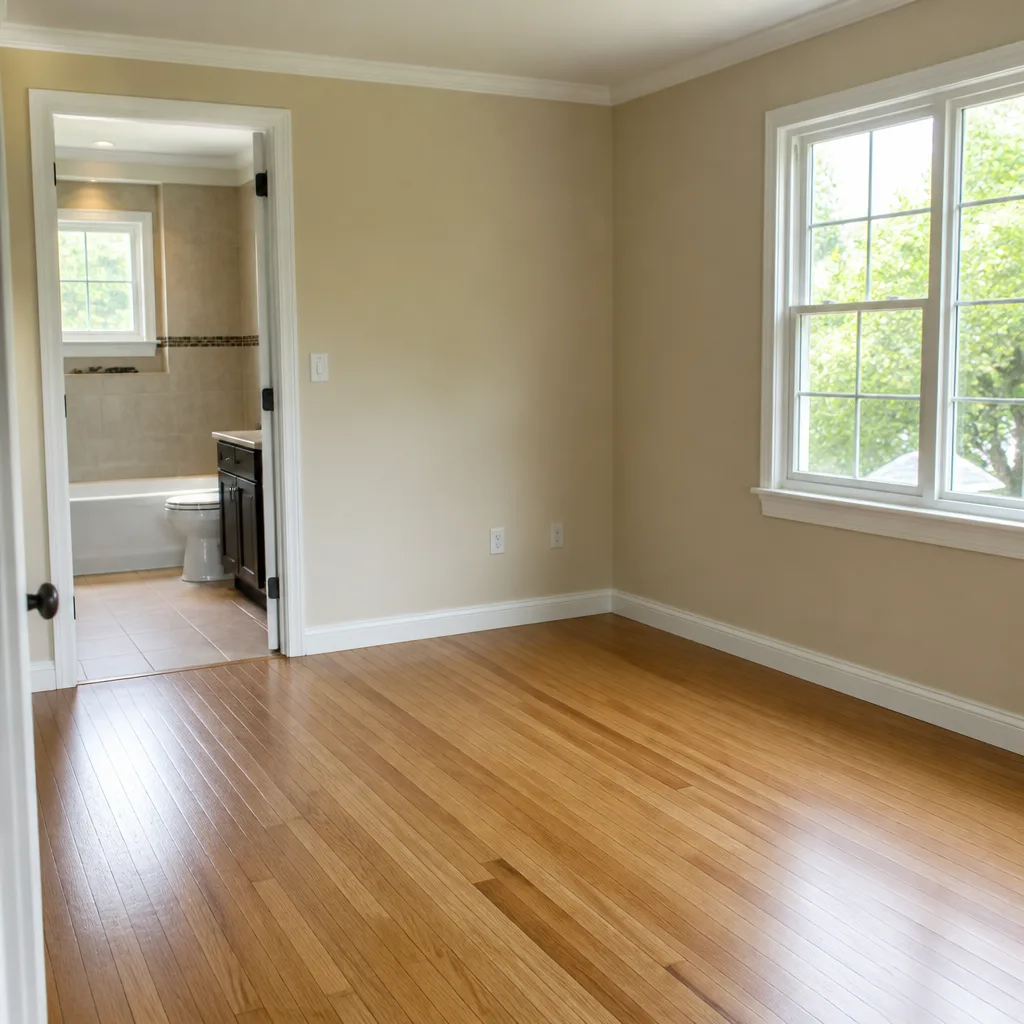
After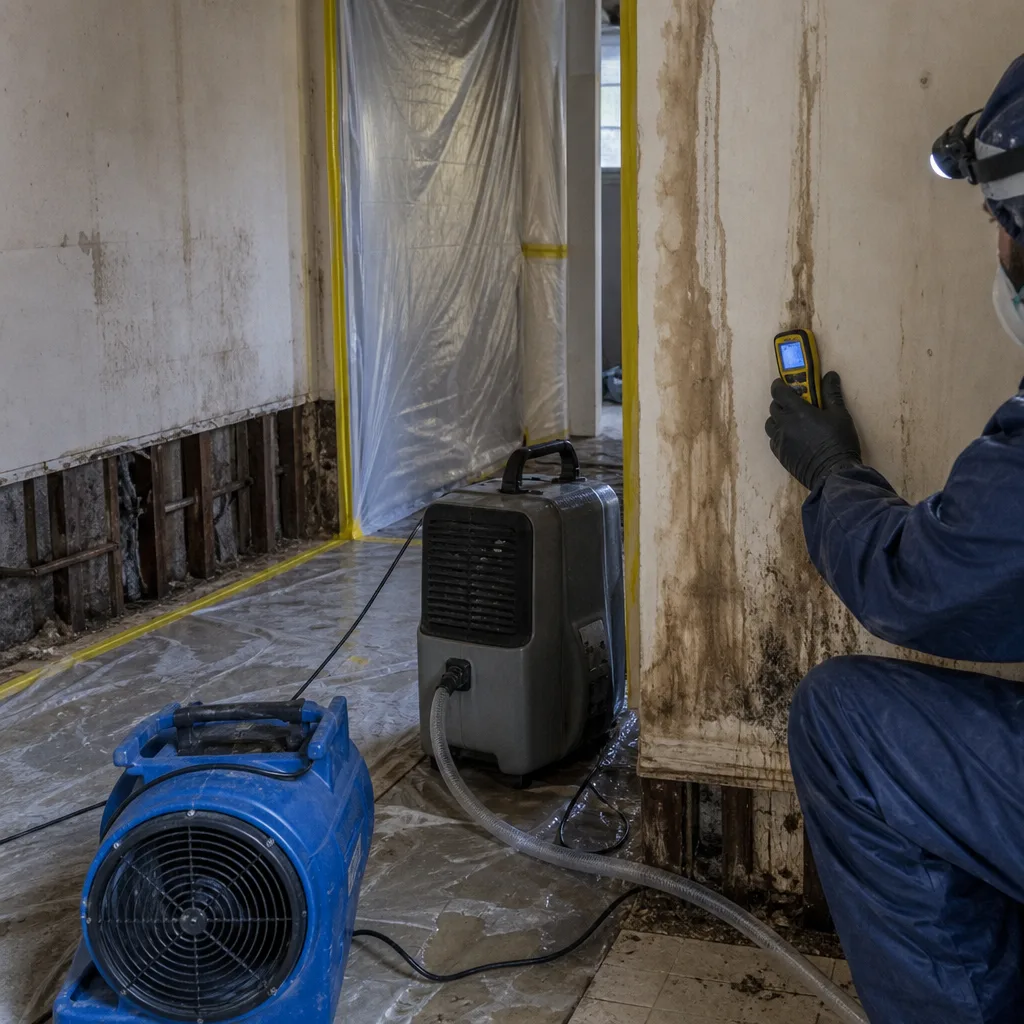 Before
 After
After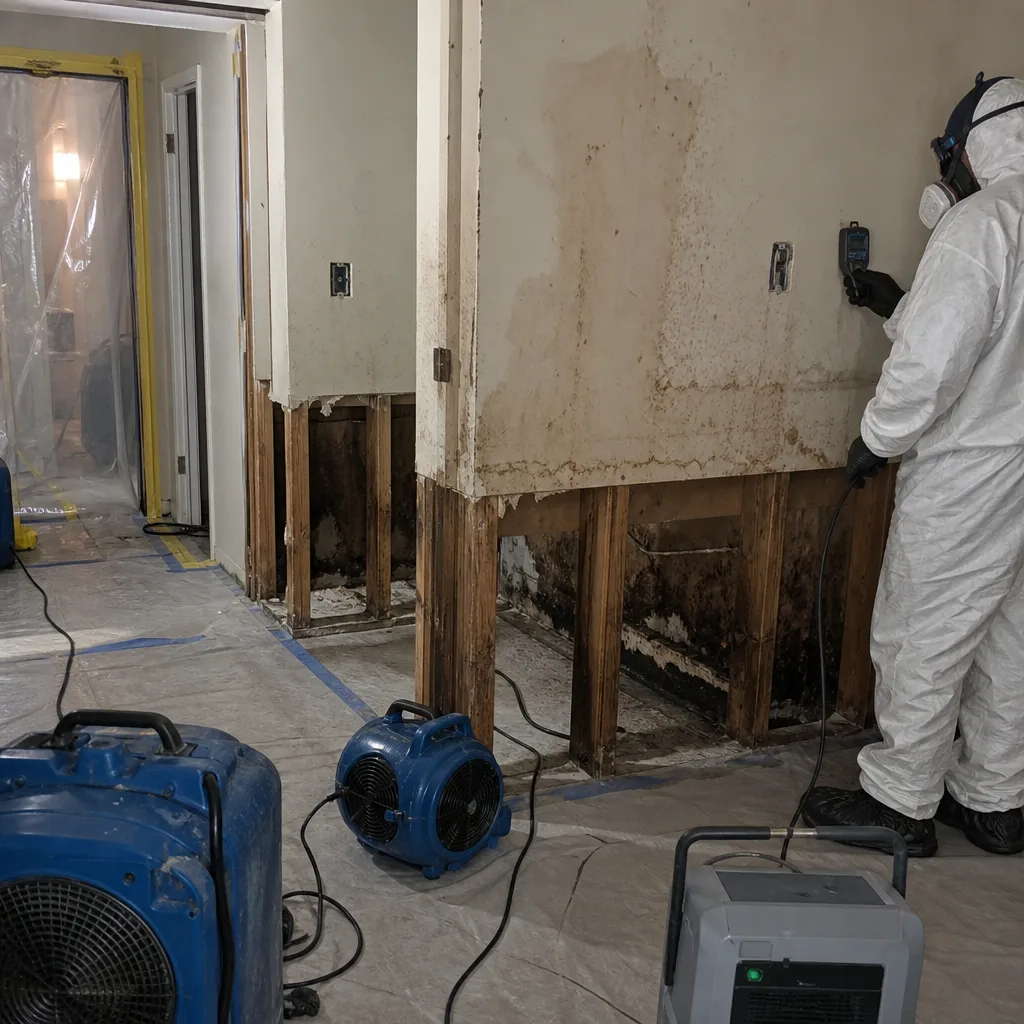 Before
 After
After24/7 Emergency Storm & Disaster Restoration in Pelham Bay
Storm damage in Pelham Bay doesn’t wait for business hours, and neither do we. When a nor’easter pushes Eastchester Bay over its banks or a summer squall drops three inches of rain in an hour, basements along the tidal blocks flood fast. Call (917) 924-4221 and a live dispatcher answers at two in the morning, every time. Within 45 minutes, a certified crew is rolling toward your block, not a voicemail. The first hour after water intrusion decides whether you’re looking at drying or demolition. Saltwater accelerates that clock. Every minute tidal water sits against brick foundation walls, cast-iron plumbing, and finished basement drywall, the scope of work grows. A free visual inspection tells us exactly what you’re facing, and we tell you straight: what needs to happen now, what can wait, and what it’ll cost before we touch a tool.
Understanding Storm & Disaster Restoration Severity in Pelham Bay Properties
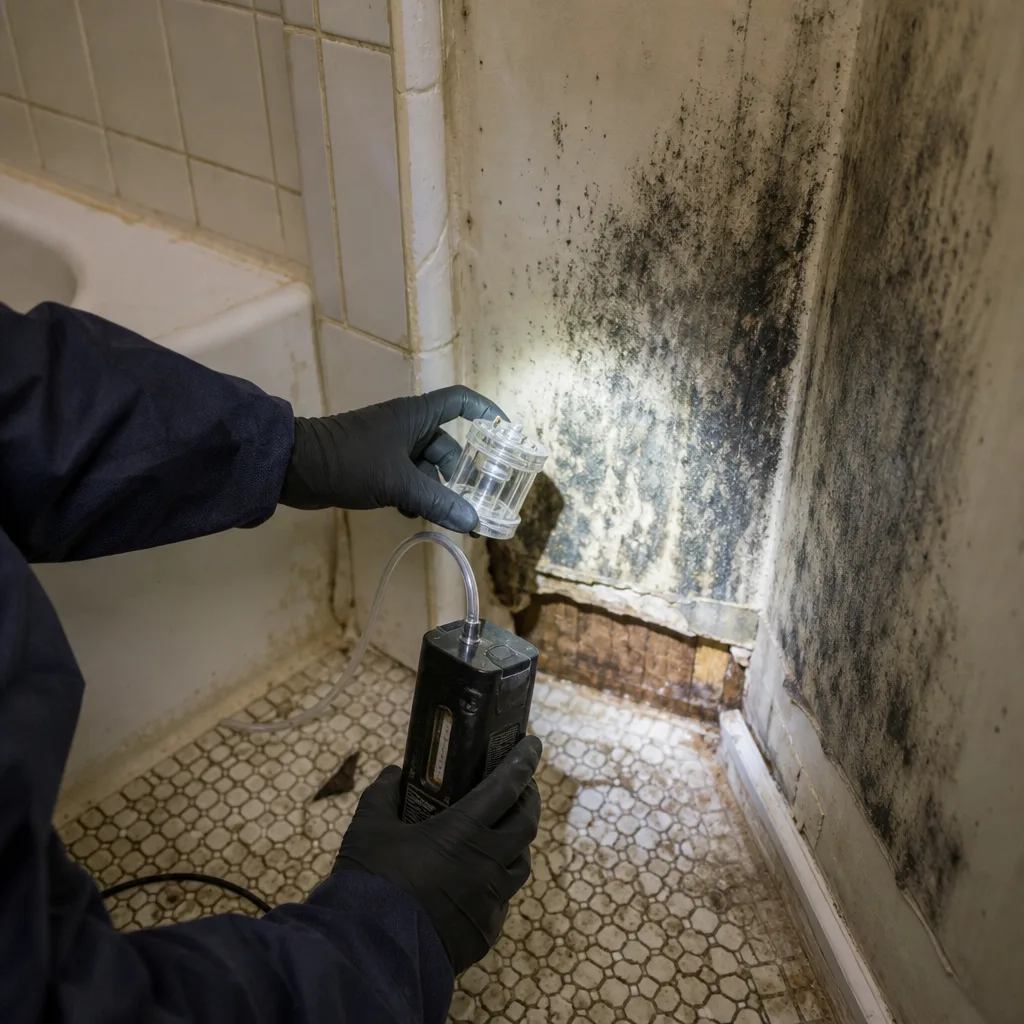
Storm damage comes in categories, and Pelham Bay’s geography regularly pushes jobs into the most serious one. IICRC standards classify water into three categories: Category 1 is clean water from a burst supply line, Category 2 carries significant contamination, and Category 3 is black water, meaning sewage, tidal backflow, or floodwater with biological hazards. Many Pelham Bay basements that look like plain rain water test as Category 3 because the neighborhood’s combined sewer infrastructure mixes storm runoff with sanitary waste when the system backs up during a nor’easter. Add the salt from Eastchester Bay surge, and you have a damage profile that demands full material removal, antimicrobial treatment, and structural drying protocols, not just a mop and some fans. Moisture mapping matters here more than in most places. Pelham Bay’s 1920s to 1950s attached brick rowhouses hold water in the mortar joints and behind parging where you can’t see it, which means a wall that feels dry to the touch can still be wicking groundwater from a foundation that never fully dried after the last storm.
Why Pelham Bay Property Owners Choose Floodline Restoration Co. of Manhattan
- 45-minute response commitment: We dispatch crews from our New York City base directly into Pelham Bay, and we show up when we say we will. No two-hour windows.
- 24/7 live answer: A real person picks up the phone at any hour, including holidays. You’ll never navigate an automated menu while water rises.
- IICRC-certified crews: Our technicians hold WRT and ASD certifications and follow Category 3 protocols the way the standards require, not the way a shortcut suggests.
- Free visual inspection: We assess the damage before any work begins, explain what we found in plain language, and hand you a written scope. No pressure, no obligation.
- Direct insurance billing: We document everything from the first hour, file the claim details directly with your carrier, and coordinate with your adjuster so you’re not the messenger.
- One team, start to finish: The same certified crew that runs extraction handles drying, remediation, and reconstruction. No mid-job handoff to strangers.
Our Storm & Disaster Restoration Process
Inspection & Assessment
We start with thermal imaging and moisture meters to map where water actually traveled. In Pelham Bay basements, that often means finding hidden moisture behind parging and inside wall cavities that never got addressed after a previous storm.
Extraction & Stabilization
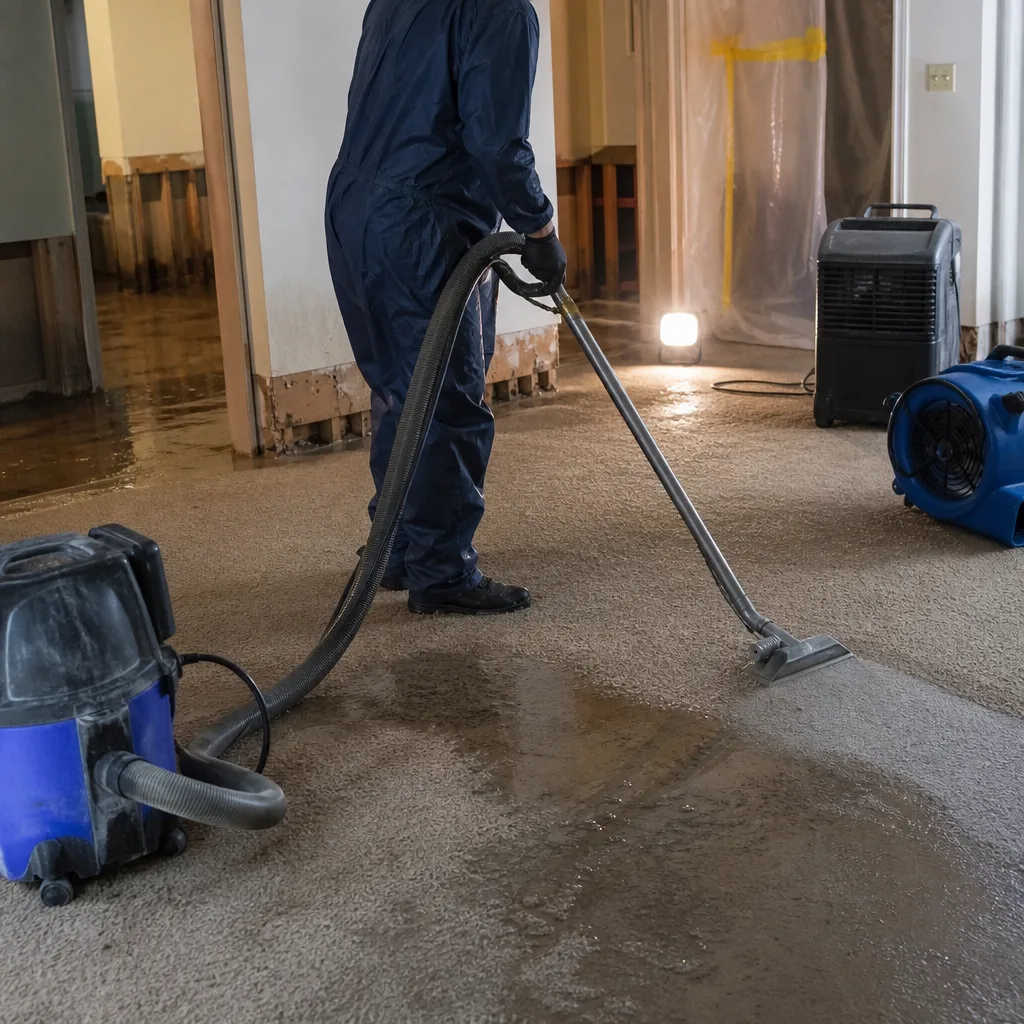
Professional-grade pumps and extraction units remove standing water immediately. If the storm damaged windows, doors, or the roof, we board up and tarp before interior work begins so no more weather gets in.
Drying & Dehumidification
We set Dri-Eaz dehumidifiers and XPOWER air movers to structural drying standards, taking daily readings with hygrometers until the dry standard is met. Saltwater jobs need extra attention here; salt holds moisture longer than freshwater.
Cleaning & Sanitization
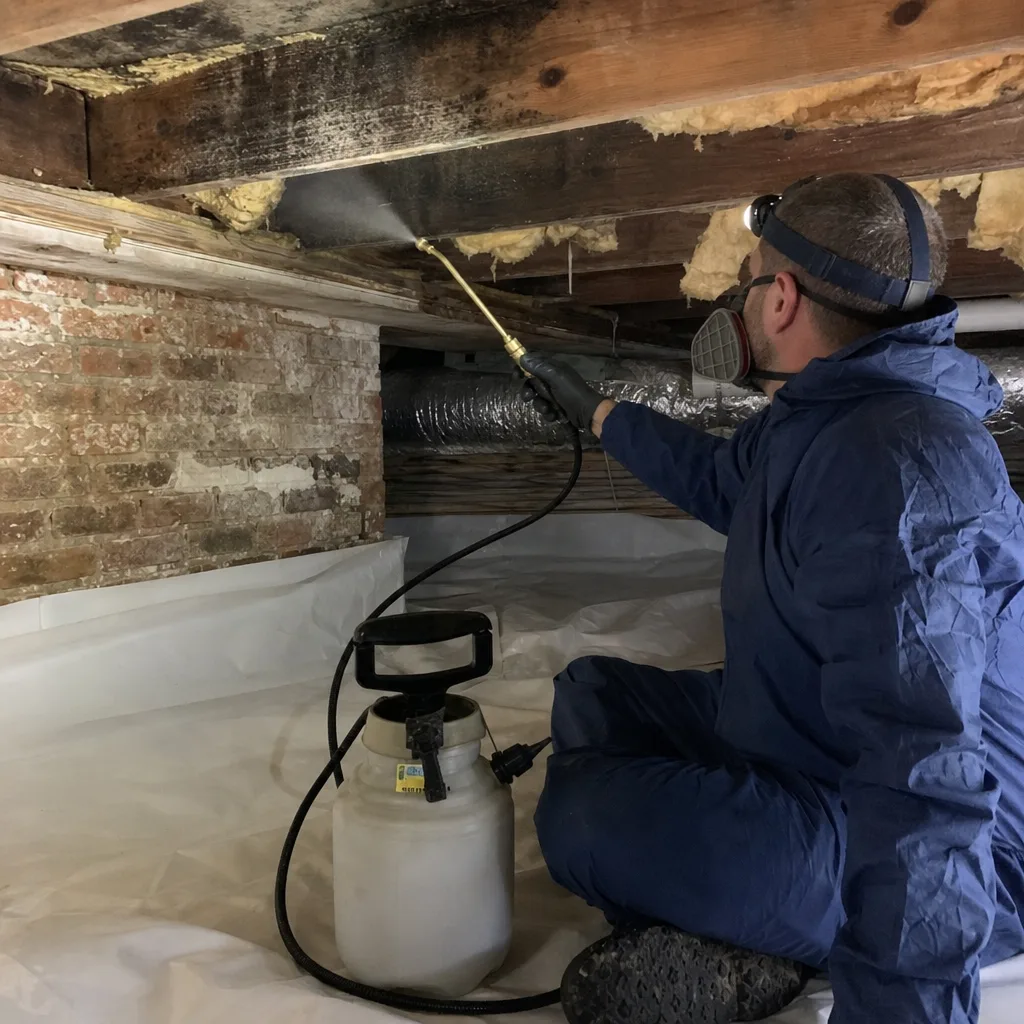
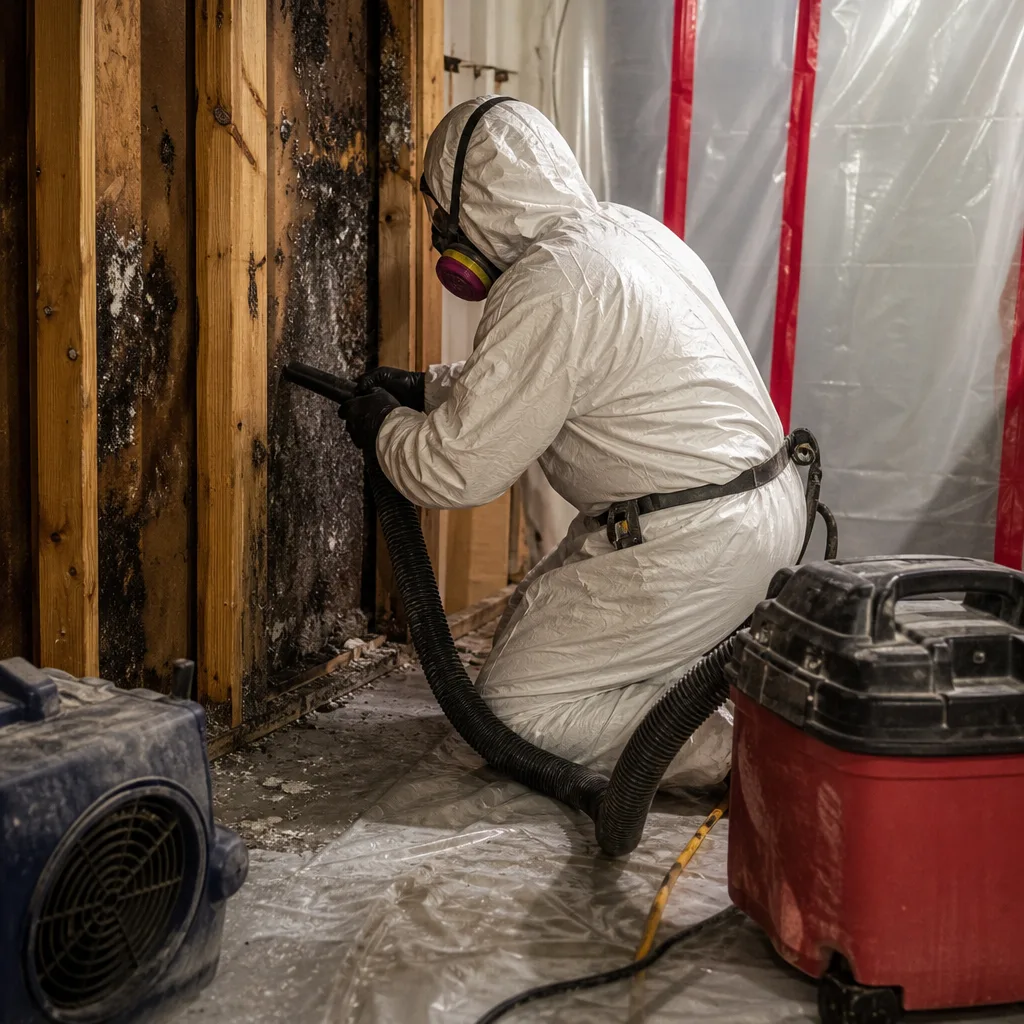
Category 3 water requires antimicrobial treatment and full removal of saturated porous materials, which is why many property owners rely on our Biohazard & Crime Scene Cleanup - Pelham Bay expertise. We follow IICRC protocols exactly, including containment and air scrubbing to prevent cross-contamination.
Saltwater-Specific Treatment
In tidal-adjacent blocks, we treat exposed masonry and metal surfaces for salt residue before any rebuild. Skipping this step lets corrosion keep working inside walls long after the visible damage is gone.
Repairs & Restoration
We handle the Reconstruction & Cleanup - Pelham Bay too, replacing drywall, flooring, and electrical up to code, with FEMA flood zone compliance accounted for on waterfront blocks. The same crew that did the drying does the rebuild.
Need Emergency Storm & Disaster Restoration in Pelham Bay Now?
Crews minutes away, answering live 24 hours a day. The sooner we start, the less it costs.
Working With Your Insurance Company
Storm damage claims in Pelham Bay get complicated fast. Coastal surge, sewer backup, and wind damage often fall under different coverage lines, and carriers want documentation that separates one cause from another. We’ve handled thousands of these adjustments and speak the carrier’s language. That means we photograph every room before we move anything, log moisture readings daily, and write a line-item scope using industry-standard estimating software your adjuster recognizes. If your policy includes flood insurance through FEMA’s NFIP program, we know what the compliance requirements demand and we build the restoration scope to satisfy them. You shouldn’t have to decode your policy at three in the morning, so call (917) 924-4221 and we’ll start the documentation while we’re still on the way.
What We Provide Your Insurer
- Thorough documentation of the loss
- Photos of all damage, room by room
- Moisture readings and drying logs
- A detailed, line-item scope of work
- Direct coordination with your carrier
Built for Pelham Bay’s Loss Calendar
Pelham Bay’s calendar of disasters follows a pattern local homeowners learn by experience. January and February bring deep freezes that burst supply lines in uninsulated basement walls, especially in the 1920s-era rowhouses where original plumbing still runs through exterior masonry. March and April mean spring thaw and rain saturating the ground, which pushes groundwater against foundation walls already stressed by tidal pressure from Eastchester Bay. June through August delivers the thunderstorms: flash downpours that overwhelm the combined sewer system along low-lying blocks, sending Category 3 water into basements through floor drains and sump pits. And then comes autumn. Nor’easter season is Pelham Bay’s hardest test, when storm surge adds ocean water to rainfall and the neighborhood’s position at the northeastern tip of the Bronx puts it square in the path of every coastal system that tracks up the Atlantic. Hurricane Sandy taught the lesson permanently; tidal surge reached blocks a half-mile inland, and saltwater intrusion became a regular restoration challenge not just a once-in-a-generation event.
Storm & Disaster Restoration Across Pelham Bay’s Neighborhoods
The blocks around Pelham Bay Park’s wetland edges, where Bruckner Boulevard bends and the streets slope toward Eastchester Bay, flood differently than the higher ground along Westchester Avenue. Homes near the park’s tidal fringes sit closer to the water table, and their basements take groundwater even when the storm drains hold. Up near the Pelham Parkway corridor, wind damage becomes the bigger story: mature street trees drop limbs onto attached rowhouse roofs, and a single fallen branch can open a row of three homes to the weather before you can say emergency board-up. The residential streets running east from the Hutchinson River Parkway toward the water, blocks with names like Middletown Road and Stadium Avenue, are dense attached brick construction where fire or flood in one unit shares walls and risk with the neighbors. And the older semi-detached frames along the southern blocks near the elevated tracks carry a different vulnerability: shallow foundations and crawlspaces that flood faster than full basements and dry slower because airflow under a 1940s frame house is limited. Our Pelham Bay crews know these blocks by their response routes, because every neighborhood inside this zip code loses to storms a little differently.
Specialized Storm & Disaster Restoration Services We Offer in Pelham Bay
Flood Damage Restoration
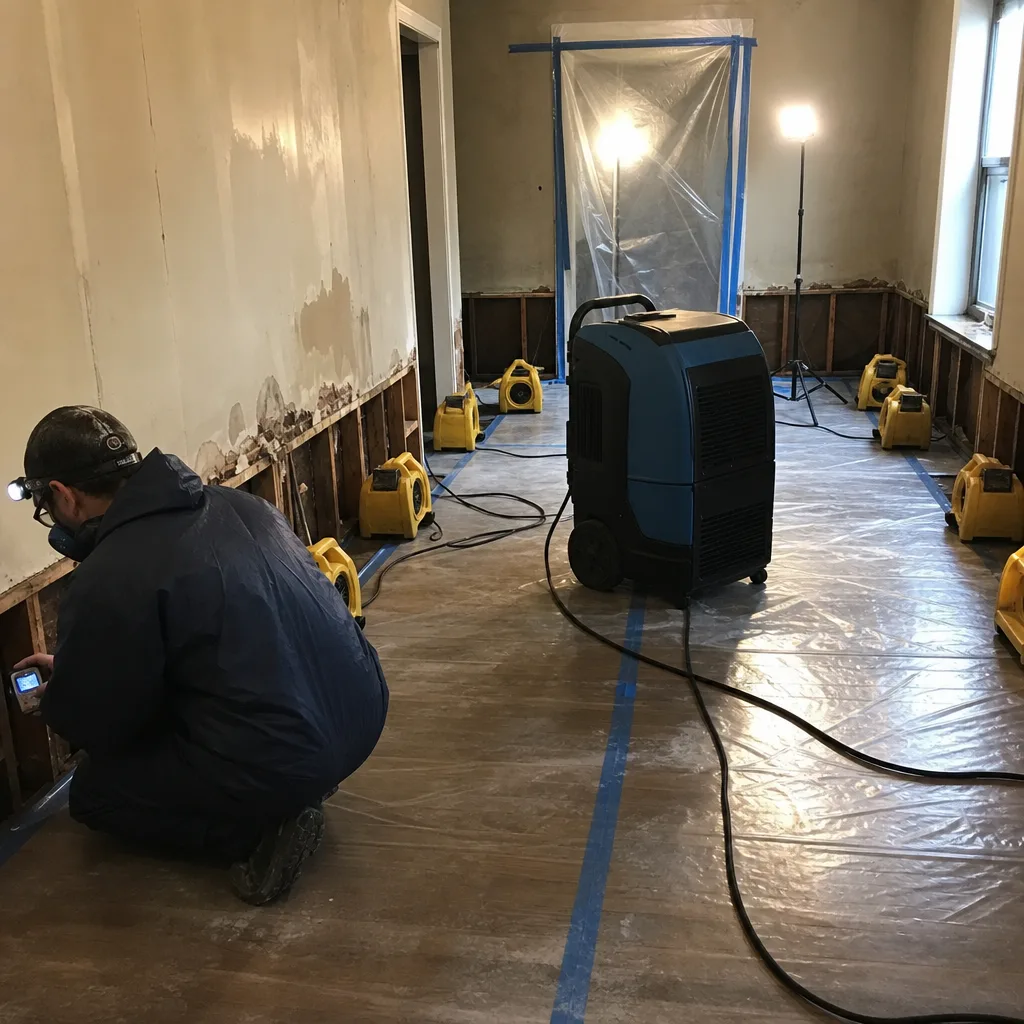
Coastal storm surge and sewer backup produce water profiles no inland crew trains for. We test every flooded Pelham Bay basement for Category 3 contamination before deciding what can be dried and what must be removed, because combined sewer overflows in this neighborhood routinely mix sewage with tidal water. After extraction, we run structural drying with Dri-Eaz equipment and log readings until materials meet the dry standard, not until they look dry.
Storm Damage Cleanup
Wind-driven rain, downed trees, and flying debris create a different kind of loss than standing water. We remove storm debris, stabilize structural openings, and address water that entered through wind-damaged roofs and windows. Salt spray from Eastchester Bay storms adds a corrosion factor on exposed hardware, so we treat fasteners and frames before closing up walls.
Emergency Board-Up
On attached brick rowhouse blocks, a blown-out window or compromised door leaves your home and your neighbor’s shared wall exposed. We board up using plywood and fasteners suited to brick masonry, and we can have a crew on Westchester Avenue, Middletown Road, or any Pelham Bay block within 45 minutes of your call. The goal is to stop additional water and wind from widening the original damage.
Roof Tarping
Flat and low-slope roofs common on Pelham Bay’s attached brick houses tear under nor’easter winds or get punctured by falling limbs. We tarp before interior drying begins, and we tie the tarp properly to brick parapets so it holds through the next wind event, not just the first night. If the roof needs replacement, we coordinate that through the same crew.
Debris Removal
Storm debris in Pelham Bay often includes salt-soaked drywall, flooded carpet, and damaged building materials that harbor contamination after Category 3 exposure. We haul it properly, following disposal requirements for contaminated materials, and we document everything for your carrier. You shouldn’t have to figure out where flood-soaked waste goes or whether it’s safe to touch.
What happens when you call
- 1
A real person answersNo phone trees - you reach a local pro.
- 2
You get an upfront price rangeHonest numbers before anyone is dispatched.
- 3
A background-checked tech heads outLicensed & insured, dispatched right away.
- 4
You approve before work beginsNothing starts until you say go.
Storm & Disaster Restoration Costs in Pelham Bay, NY
A typical Category 1 water extraction and drying job in a Pelham Bay basement runs $1,800 to $3,500. When Category 3 black water is involved, which is common in the low-lying blocks near the park’s wetland edges, the scope jumps to $4,000 to $9,000 because saturated drywall, insulation, and flooring must come out and antimicrobial treatment goes in. Saltwater intrusion adds another layer: masonry treatment and hardware replacement for salt corrosion typically adds $800 to $2,000 depending on how much of the basement was affected. Emergency board-up runs $300 to $700 for a standard rowhouse window or door opening. Roof tarping runs $400 to $900 for a typical attached-brick flat roof section. These numbers are honest ranges for Pelham Bay’s housing stock, not a national average. The only way to know your real number is a free visual inspection, which we provide before any work begins and before any invoice exists. Insurance coverage changes the math considerably when sewer backup or flood riders apply, and we’ll work that out directly with your carrier. Call (917) 924-4221 for a straight answer.
We Also Serve Cities Near Pelham Bay
Storm systems don’t respect municipal borders. Floodline Restoration Co. of Manhattan covers the entire eastern Bronx and southern Westchester edge, including Storm & Disaster Restoration for property owners in Fairview, Harrison, East Bronx, and Hunts Point. If you’re a few blocks outside Pelham Bay proper, the same 45-minute response and the same written guarantee apply.
Pelham Bay Storm & Disaster Restoration Questions, Answered
Why does Pelham Bay need Category 3 water protocols for basement flooding that looks like plain rain water?
Pelham Bay’s combined sewer system mixes storm runoff with sanitary waste, so when the system backs up during a nor’easter, what comes into your basement is sewage plus tidal surge, not just rain water. IICRC standards classify this as Category 3 black water, which requires full material removal and antimicrobial treatment. Treating it as clean water leaves biological contamination sealed inside walls. Call (917) 924-4221 and we’ll test the water before making any drying-versus-disposal decisions, drawing on our Sanitization Services in Pelham Bay to ensure proper decontamination.
How quickly should I start water extraction after a coastal storm in Pelham Bay?
Immediately. Saltwater begins corroding cast-iron plumbing, electrical connections, and masonry fasteners within hours, not days. Every hour of contact expands the scope of work and increases the likelihood that finished materials like drywall and carpet cannot be saved. Our crews reach Pelham Bay within 45 minutes of your call, and extraction is running the same visit.
Do roof tarping and emergency board-up work differently for Pelham Bay’s attached brick rowhouses?
Yes. Attached rowhouses share wall lines with neighboring structures, so an opening in one home exposes the party wall and the neighbor’s interior to weather. Board-up and tarping have to seal against brick masonry, not wood framing, which requires different fasteners and sealing techniques. Our crews work on these brick attached homes every week and carry the right materials for masonry anchoring.
What makes saltwater flood damage in Pelham Bay worse than freshwater flooding inland?
Salt is hygroscopic, meaning it draws and holds moisture long after the standing water is gone. It also accelerates corrosion on cast-iron plumbing, electrical panels, and masonry ties. Walls that feel dry can still be wicking salt-laden moisture for months. Restoration has to include salt residue treatment on exposed surfaces and metal, or the damage continues invisibly behind the rebuild.
Does FEMA flood zone compliance change what materials we can use in a Pelham Bay basement restoration?
On blocks inside FEMA-designated flood zones, which include much of Pelham Bay’s waterfront edge, restoration must use flood-resistant materials below the base flood elevation: pressure-treated framing, closed-cell insulation, tile or concrete flooring instead of hardwood, and elevated electrical. Skipping these requirements fails inspection and can leave the property uninsurable. We build to the zone requirements the first time.
How fast can a crew actually reach my Pelham Bay home?
Our commitment is 45 minutes from your call to a dispatched crew’s arrival anywhere in Pelham Bay. We answer the phone live 24/7, so there’s no gap between you calling and us rolling. For coastal surge events when demand is highest, we prioritize by severity: standing water, active intrusion, and structural compromise get the first crews.
Can we stay in our home during storm damage restoration?
It depends on what the water tested as and how far it spread. Category 1 jobs in an isolated area often allow you to stay while we work. Category 3 black water jobs, common in Pelham Bay’s sewer-backup blocks, usually require you to stay out of the affected area during removal and drying because of contamination and air quality. We’ll tell you honestly, based on the test results and the containment setup.
What should I do in the first 30 minutes after discovering storm flooding in Pelham Bay?
Call (917) 924-4221 first. Then, if safe to do so, kill power to the affected area at the breaker; never step into standing water that may be in contact with electrical outlets or devices. Don’t try to pump the water yourself if it may be sewage-contaminated; a sump pump running Category 3 water sprays contamination onto every surface it touches. Close off the area, keep children and pets out, and wait for our crew. The first 30 minutes don’t need heroics; they need the right call.
Serving Pelham Bay, NY - Our Local Coverage Area
We’re based in the Pelham Bay area and know this community well. Use the map below to see our service coverage - if you’re nearby, we can almost certainly help.
Pelham Bay Homeowners Deserve a Straight Answer
We’ve pulled finished basements apart on Middletown Road, tarped roofs on the hill blocks off Pelham Parkway, and set containment in attached rowhouses near the park’s wetland edge. On a cramped row house block near the wetland edge, our techs pulled a 1950s brick attached home’s finished basement after a nor’easter backed up the combined sewer. Moisture mapping showed groundwater wicking through failed parging, while the floodwater tested Category 3, sewage mixed with tidal backflow. We set containment, ran Dri-Eaz dehumidifiers and XPOWER air movers for structural drying, then full material removal and antimicrobial treatment back to pre-loss condition. That’s the job when Eastchester Bay meets the sewer system, and it’s the job we do more often than any other kind in Pelham Bay. We’re the full-cycle Storm & Disaster Restoration team that starts at the floodline and doesn’t hand the work off until the rebuild passes inspection. Our 90-Day Done Right Promise means if it’s not done right, we make it right, in writing, no arguing. Curt Bowman built this company around a dispatch board, not a sales desk, and the people who answer our phones work for that same standard. Call (917) 924-4221 for a free estimate. A live person answers, every time, at any hour.
Written by Curt Bowman, Owner at Floodline Restoration Co. of Manhattan, serving Pelham Bay and the surrounding Bronx communities.