
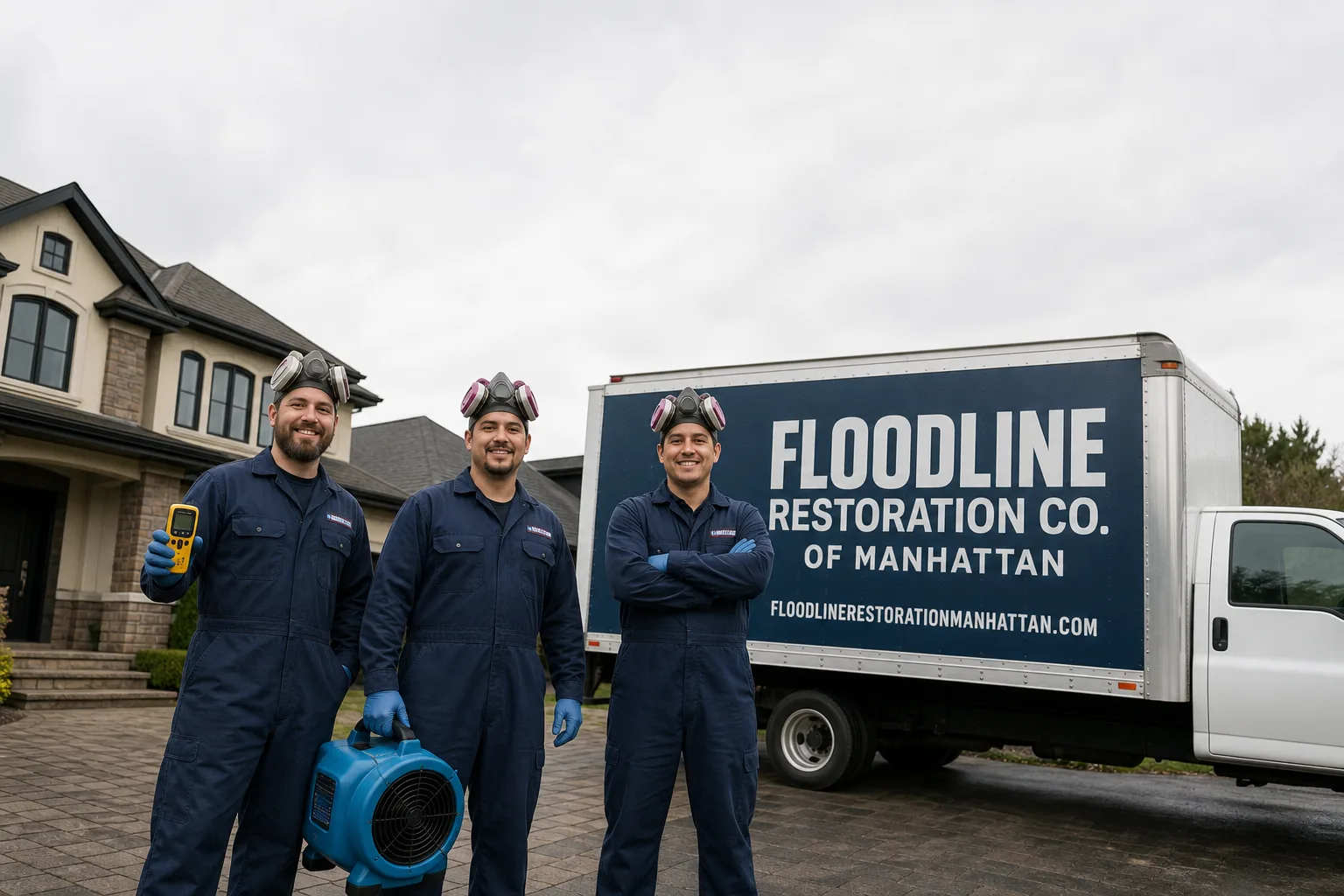
Free visual inspection and a written scope of work before any mitigation begins - photos, moisture readings, and drying logs go in your claim file
The scope we write is the scope we bill. Anything new gets shown to you, in writing, before we touch it.
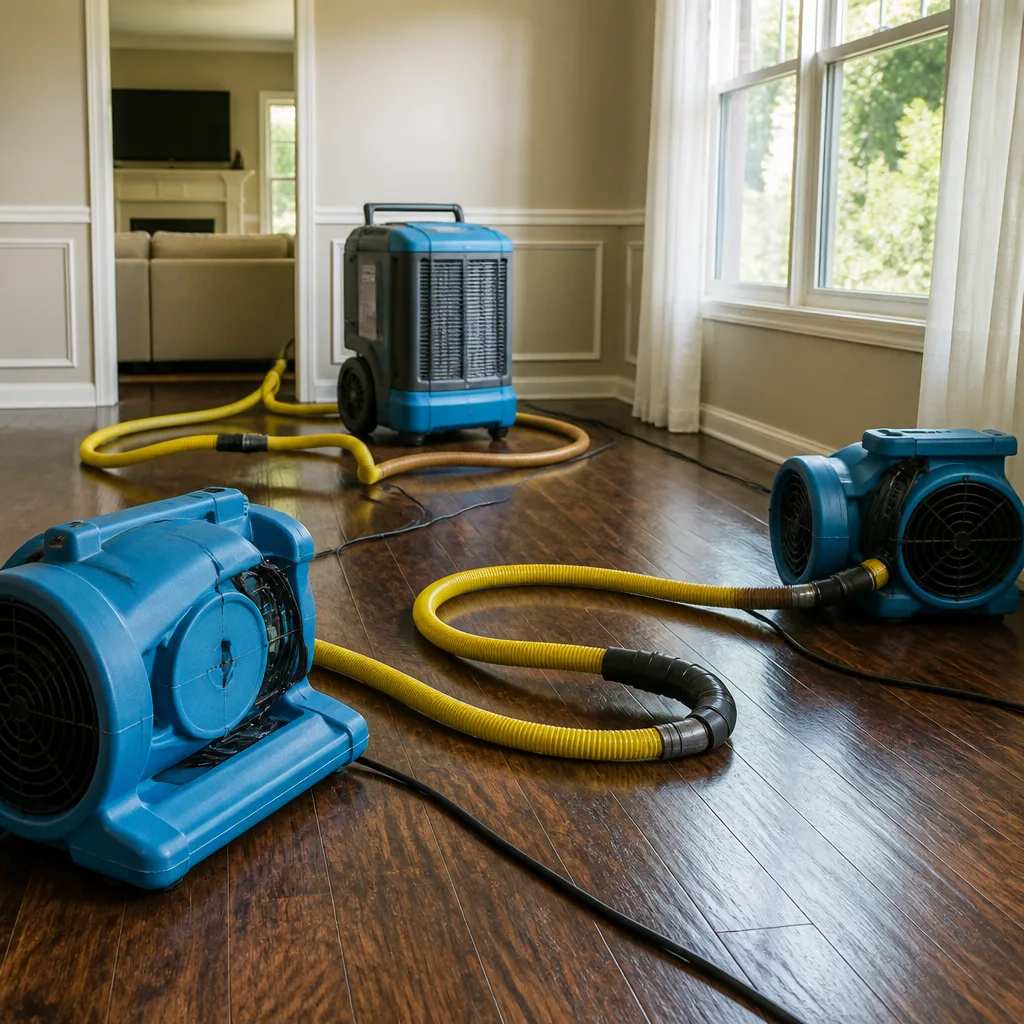

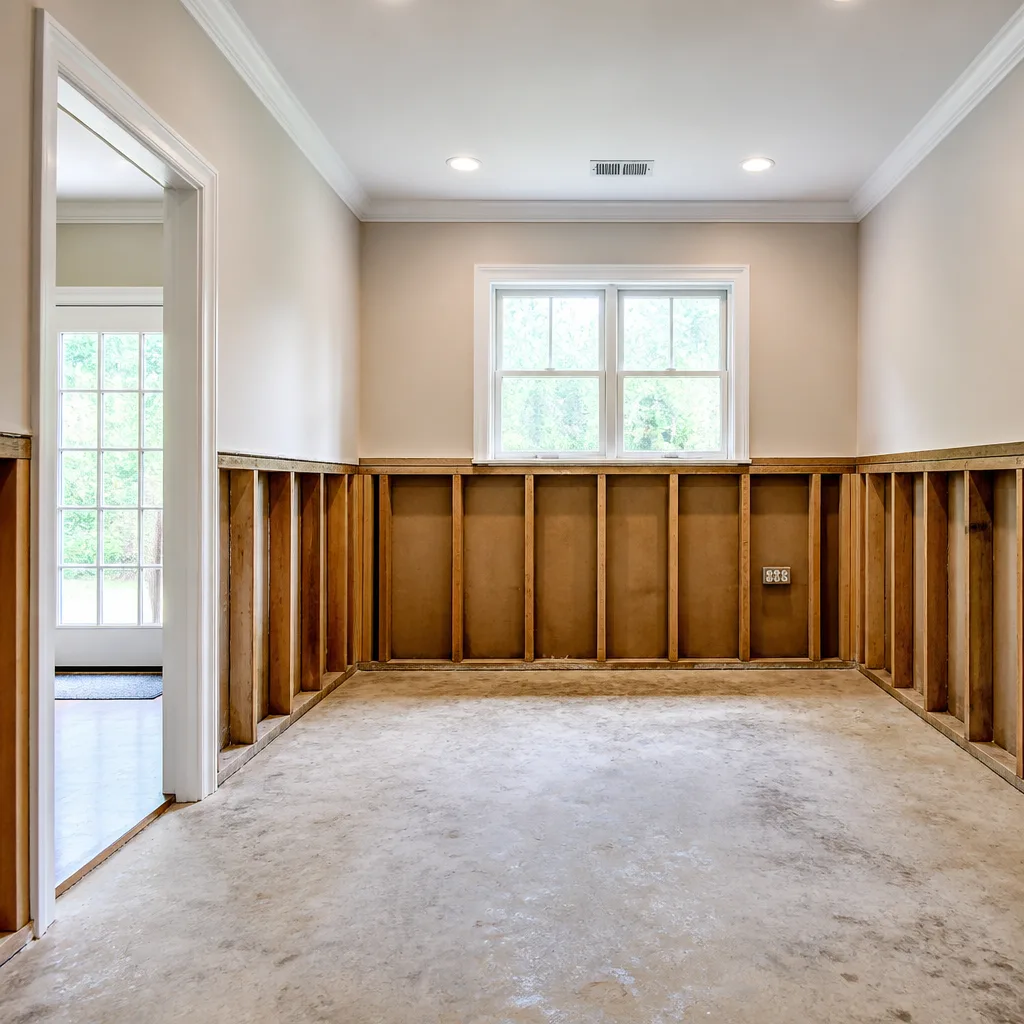


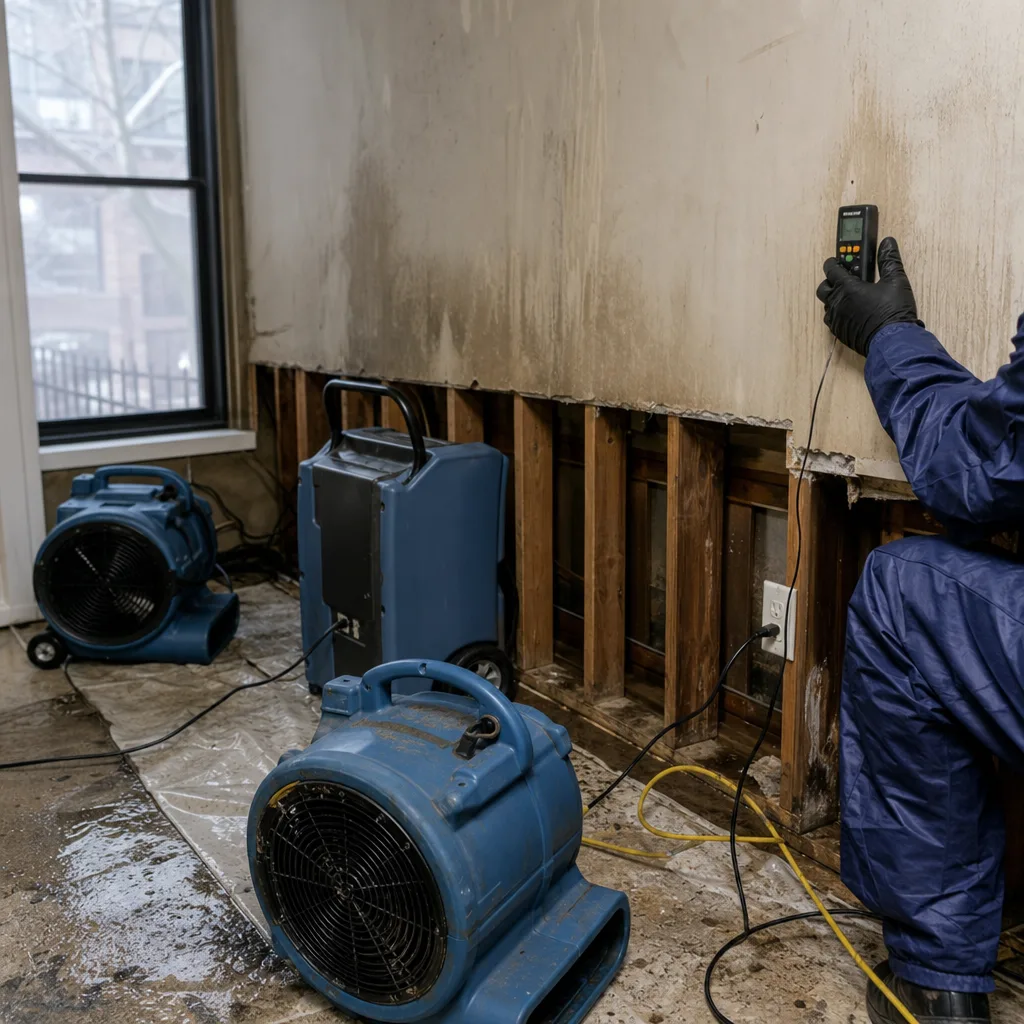 Before
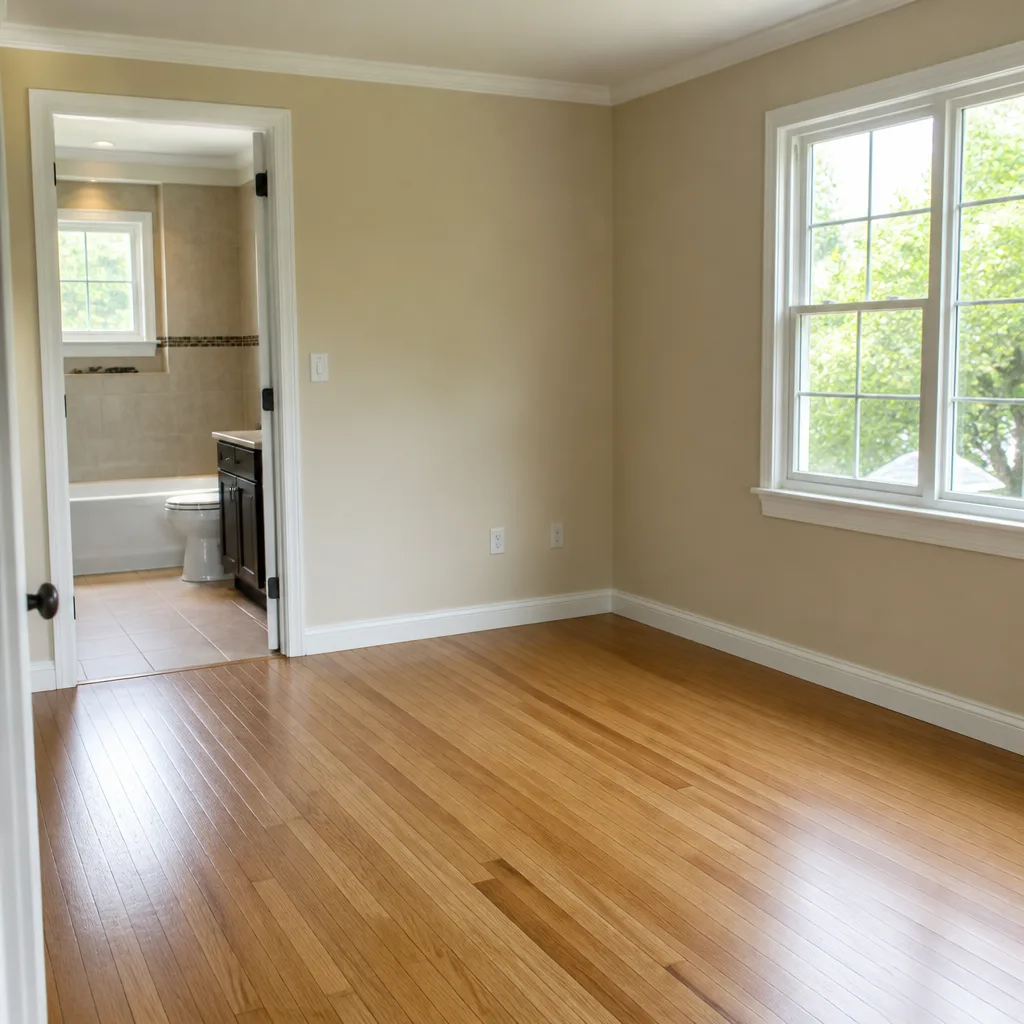
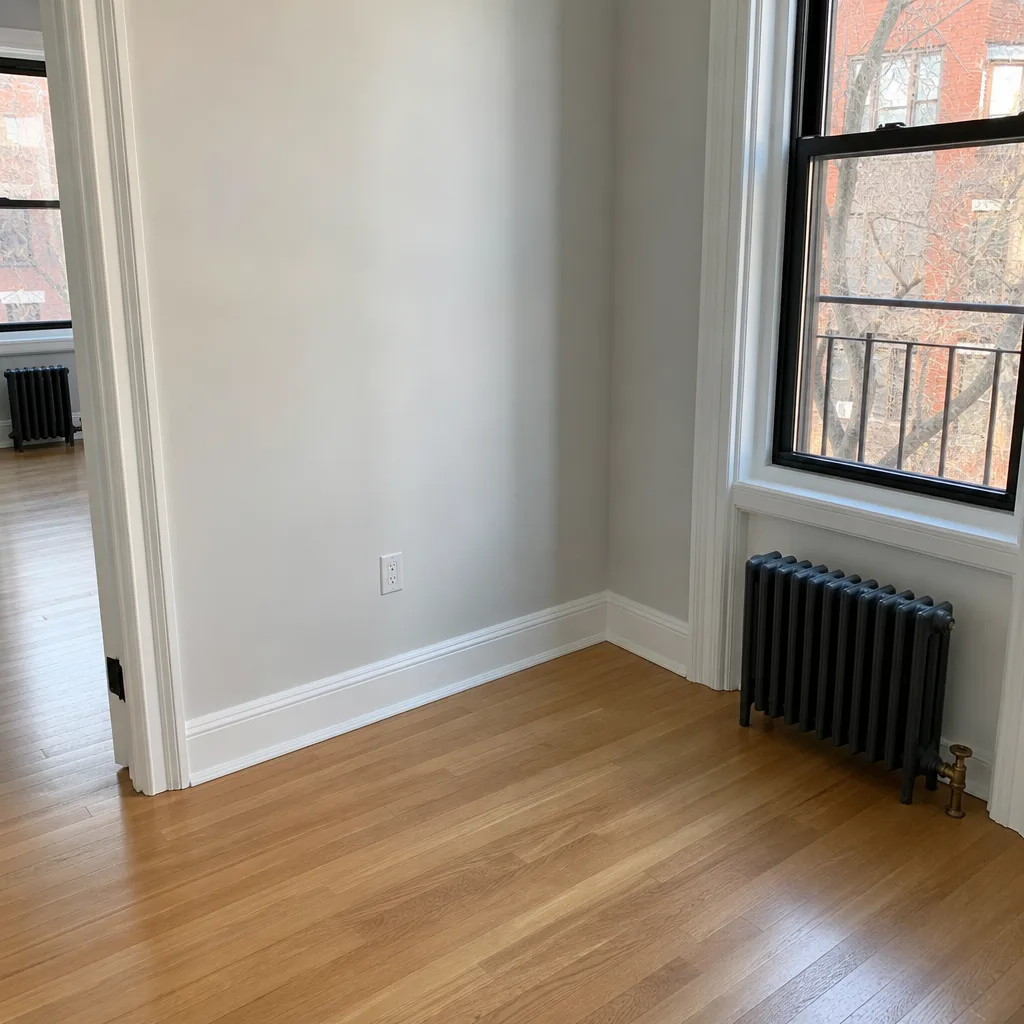 After
After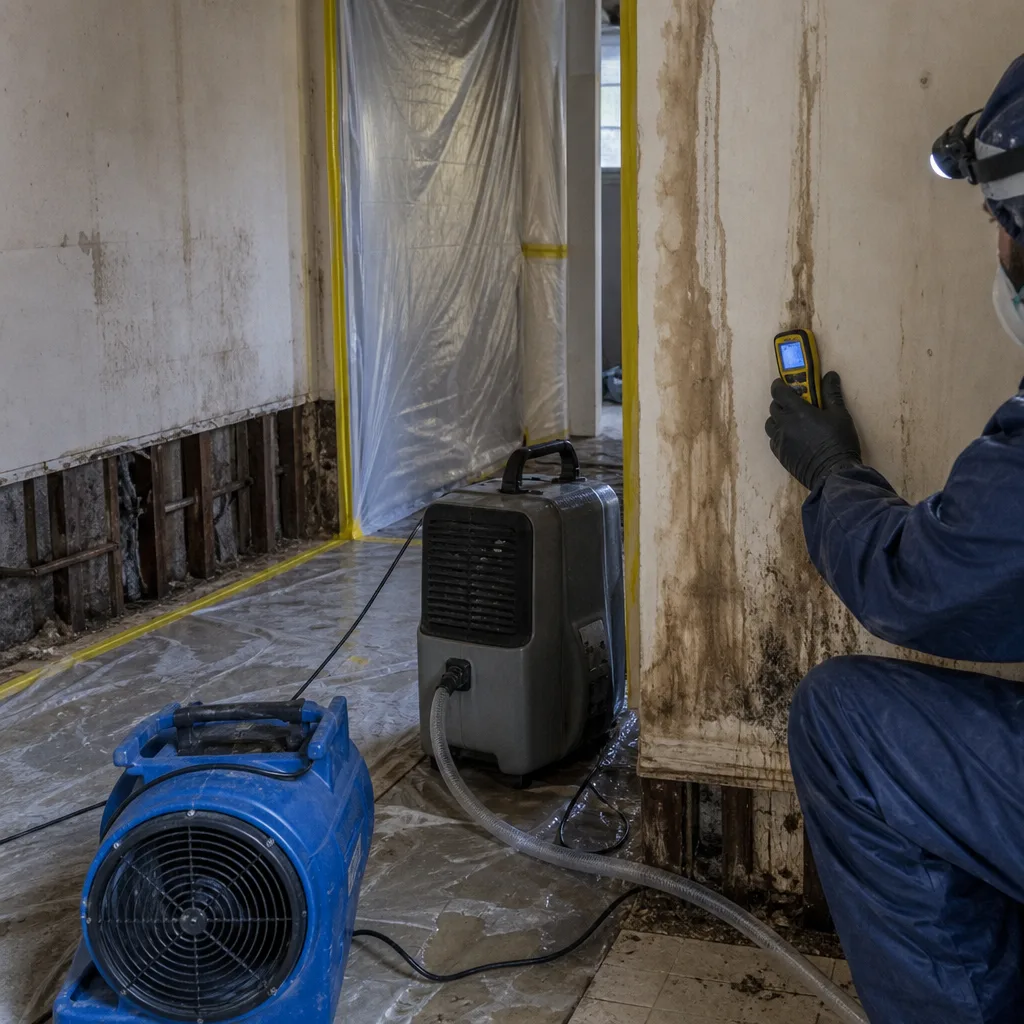 Before
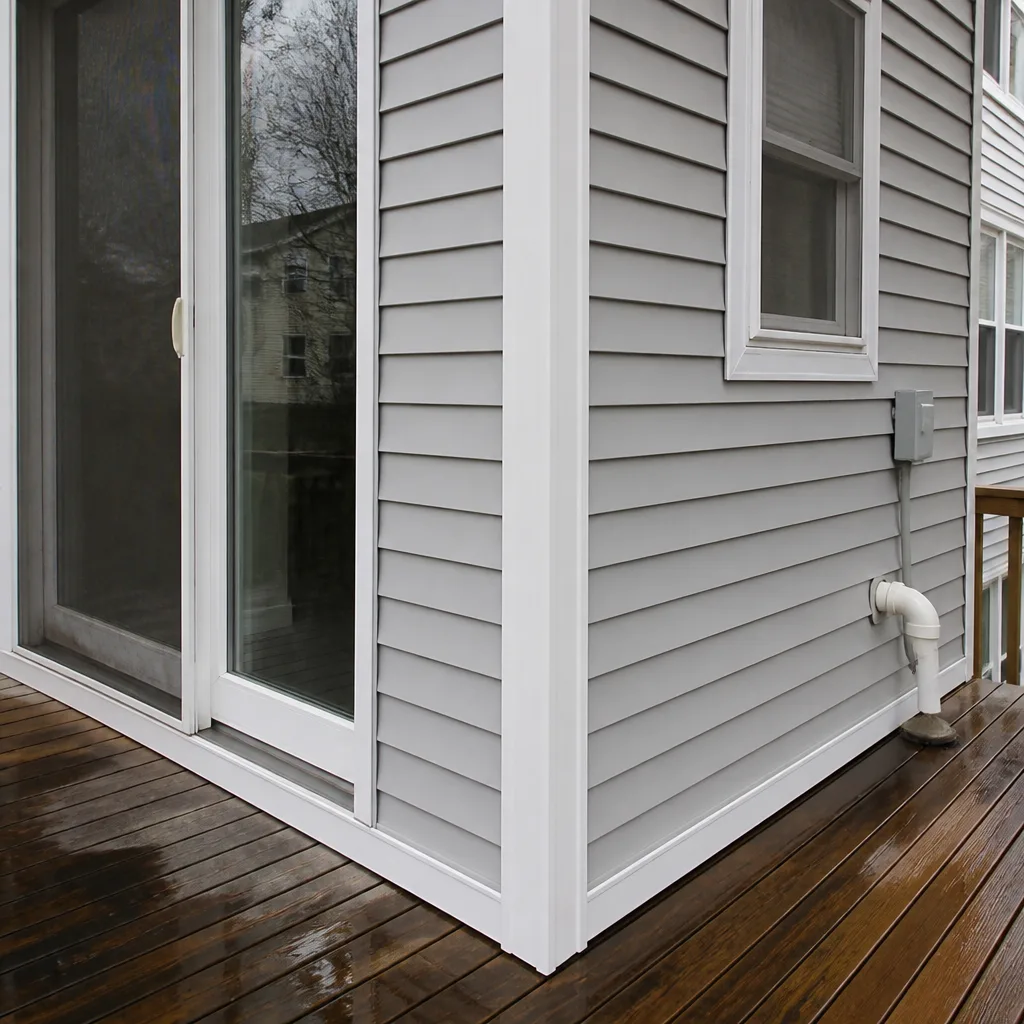 After
After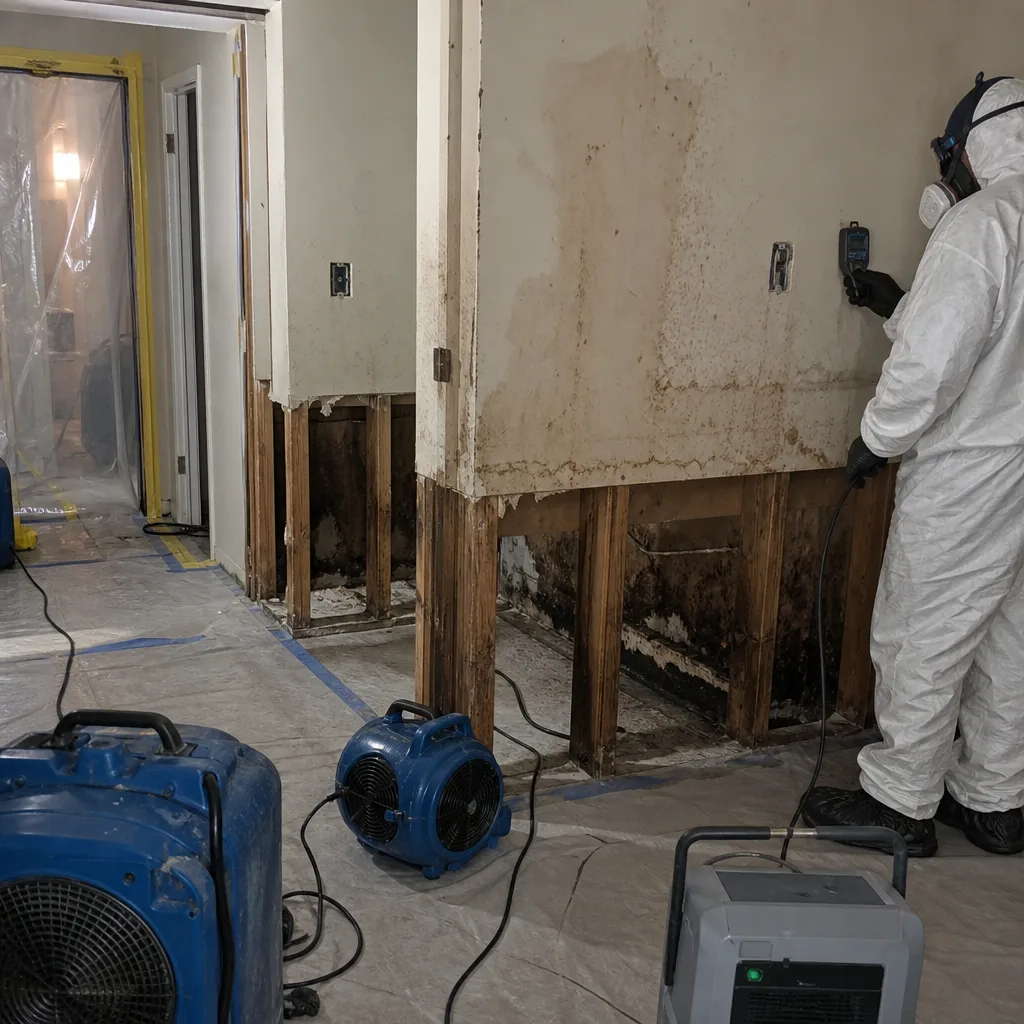 Before
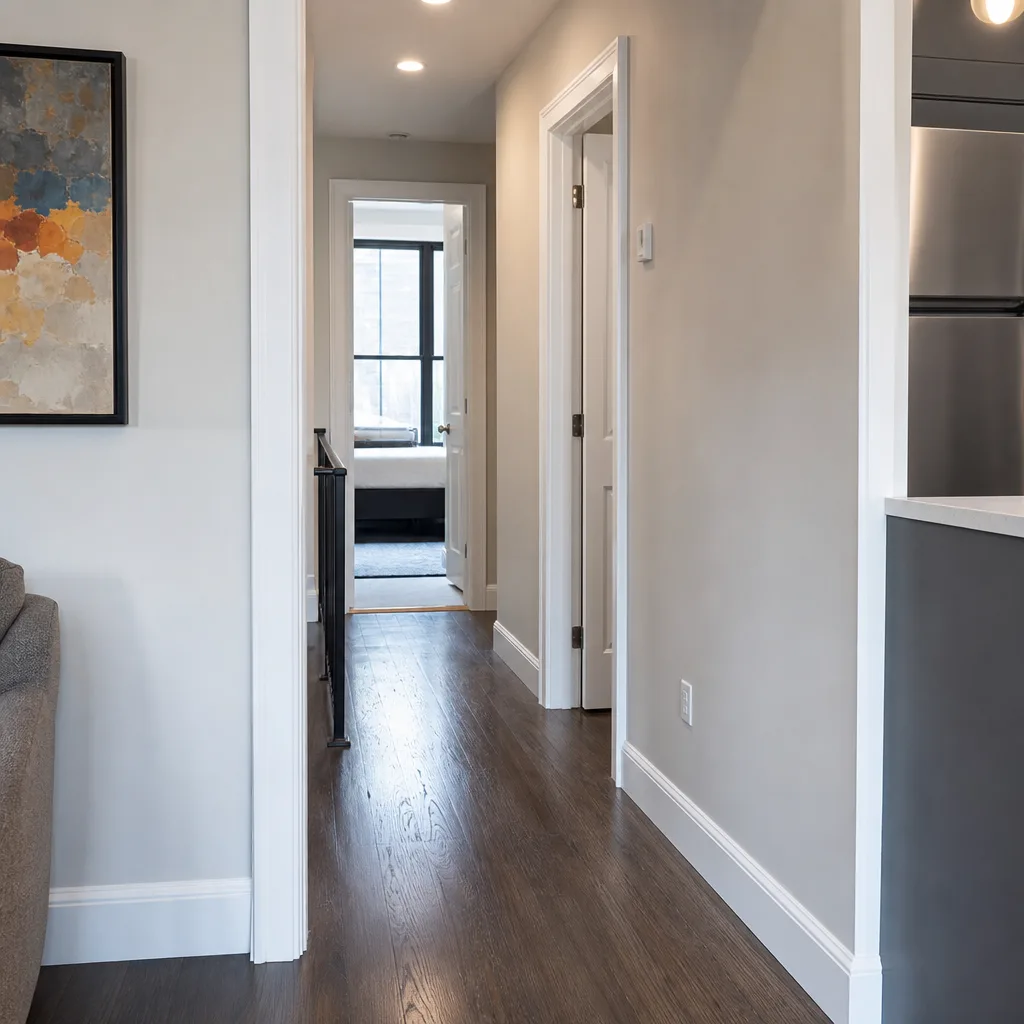 After
After24/7 Emergency Storm & Disaster Restoration in Pomona
Storm damage in Pomona doesn’t wait for business hours, and neither do we. Floodline Restoration Co. of Manhattan answers live at (917) 924-4221 around the clock, every day of the year. When a nor’easter tears through the Ramapo foothills or an ice storm drops limbs onto your Conklin Road split-level, our crews dispatch from staging points minutes outside the village, not from a regional office two counties away. The first hour after storm water enters a Pomona basement matters because that water is already pressing against block foundations sitting on shallow bedrock. A free visual inspection gets a certified technician to your front door fast, with a moisture meter in hand and a plan in place before extraction starts. Most emergency calls in Pomona see a crew on site the same visit, extraction running, and the clock stopped on further damage.
Understanding Storm & Disaster Restoration Severity in Pomona Properties
Storm damage restoration in Pomona carries a different severity profile than what you’ll find in flatter Rockland County towns. The village sits on the eastern flank of the Ramapo Mountains, where shallow Precambrian bedrock sits just a few feet below the surface. That rock shelf blocks vertical drainage, so nor’easter rain and snowmelt travel laterally instead of downward, straight into the concrete-block foundations of the 1960s through 1980s ranches and split-levels that make up most of Pomona’s housing stock. The water that arrives in a Pomona basement after a storm is rarely clean. Category 1 water from a burst supply line can degrade to Category 2 within 48 hours as it picks up soil, bacteria, and whatever it crossed on its way through a cracked parged wall. Category 3 water, the kind that arrives with sewage or ground runoff, requires full antimicrobial treatment and often selective demolition. We map moisture with thermal imaging and hygrometers, not guesswork, because a surface that feels dry behind a parged Pomona wall can still hold 20 percent moisture in the stud cavities five days after the rain stopped.
Why Pomona Property Owners Choose Floodline Restoration Co. of Manhattan
- 45-minute response commitment. We commit to a response window, not a voice prompt. A live dispatcher picks up at 2 a.m. and a Pomona crew is moving toward you in under an hour.
- 24/7 live answer, every time. No automated system, no callback queue. You reach a person who can dispatch a team on the first call.
- IICRC-certified crews trained to WRT, FSRT, and AMRT standards. Our techs carry the certifications for water damage restoration, fire and smoke restoration, and applied microbial remediation. On Pomona jobs, all three matter.
- Free visual inspection with moisture mapping. We don’t charge to walk your basement, read your walls, and tell you the truth about the scope. The inspection is free, written, and yours to keep.
- Direct insurance billing. We bill your carrier directly and handle the adjuster conversation. You don’t play messenger between us and the insurance company.
- One team from extraction to reconstruction. The same certified crew that packs out your Conklin Road workshop and dries your framing is the crew that rebuilds the finished walls. No mid-job handoff, no inherited subcontractor.
Our Storm & Disaster Restoration Process
Inspection & Assessment
We start with a full walkthrough and moisture mapping of your Pomona property. Thermal imaging and penetrating hygrometers find the water hiding behind block walls and in rim-joist cavities. You get a written scope before any work begins.
Extraction & Stabilization
Truck-mounted and portable extraction units pull standing water from basements and lower-level living spaces. If storm damage compromised a roof, we tarp and board up immediately to stop further intrusion. Stabilization always comes first.
Drying & Dehumidification
We run professional-grade Dri-Eaz and Phoenix dehumidifiers with XPOWER air movers sized to the affected square footage. On Pomona jobs, we extend dry times because the perched water table keeps re-wetting foundations. Daily readings get logged until the dry standard is met.
Cleaning & Sanitization
Storm water brought in whatever it crossed on the way down the Ramapo slope. We clean and apply antimicrobial treatment to affected framing, stud cavities, and surfaces, then HEPA-vacuum and air-scrub the space.
Storm-Specific Specialty Treatment
Mold does not wait for a separate contractor in Pomona. We treat fungal growth where the moisture map shows it, not just where it is visible, with containment and clearance testing when the scope calls for it.
Repairs & Restoration
We rebuild what the storm took: drywall, framing, flooring, trim, and fixtures. If a sump pit failed against the perched water table, we install a heavier-duty pump. You get one team, one timeline, one written guarantee.
Need Emergency Storm & Disaster Restoration in Pomona Now?
Crews minutes away, answering live 24 hours a day. The sooner we start, the less it costs.
Working With Your Insurance Company
Storm and flood claims in Pomona get complicated because the damage is rarely a single event. A nor’easter arrives, water moves laterally into your foundation, and then mold establishes itself over the following week. Your carrier needs documentation that connects those dots, not a patchwork of invoices from three different contractors. We photograph every affected room before we move anything, log moisture readings daily, and produce a line-item scope that uses standard restoration industry pricing. Our team communicates directly with your adjuster and bills your carrier directly. You get a copy of everything. If the adjuster wants to see the moisture log or review the drying plan, we walk them through it by phone or in person. The 90-Day Done Right Promise we put in writing covers the work, not the claim, but the claim goes smoother when one company holds the whole file.
What We Provide Your Insurer
- Thorough documentation of the loss
- Photos of all damage, room by room
- Moisture readings and drying logs
- A detailed, line-item scope of work
- Direct coordination with your carrier
Built for Pomona’s Loss Calendar
Pomona’s storm damage calendar is shaped by elevation and trees. Nor’easters that track up the Atlantic coast slam into the Ramapo Mountains northwest of the village, dropping more rain here than the radar suggests for Rockland County as a whole. Winter brings ice storms, and Pomona’s mature canopy, heavy with oak and maple, turns freezing rain into falling limbs and roof damage. Cold snaps in January and February burst supply lines in ranch homes with uninsulated garage-adjacent plumbing, a pattern we see every winter on the village’s aging housing stock. Spring thaw is the forgotten emergency: snowmelt percolates to bedrock and travels sideways into block foundations, weeks after the last storm. Summer thunderstorms overload the same shallow drainage systems. The common thread is water against concrete block. If you live in Pomona, the question isn’t whether the foundation stays dry. It’s when the next weather system finds the weak spot in the parging.
Storm & Disaster Restoration Across Pomona’s Neighborhoods
Our Storm & Disaster Restoration team routes through Pomona constantly, and the loss patterns shift by neighborhood. The split-levels along Conklin Road and the winding streets off Campbell Avenue deal with the same perched water table, but the older 1960s builds near Ladentown Road tend to have more parging failure and deeper rim-joist intrusion. Homes up against the wooded slopes near the Palisades Interstate Parkway corridor catch more falling-limb damage during ice storms, which means roof tarping calls cluster there first. The ranch homes between Grandview Avenue and the Pomona stretch of Route 306 typically see slower-developing basement floods, water pressed against foundation walls for days before anyone notices the carpet is wet. And the larger acreage properties off Old Route 202 have detached workshops and long drives that complicate access during heavy snow, so our crews plan equipment loads differently. We serve all of Pomona, and we’ve learned which streets need the extra dehumidifier and which need the tarp first.
Specialized Storm & Disaster Restoration Services We Offer in Pomona
Flood Damage Restoration
Flood damage in Pomona means groundwater, not just rain. The perched water table above the shallow Precambrian bedrock pushes moisture against block foundations for weeks after a storm, so proper restoration means drying the wall system, not just the floor. We run extended structural drying with Dri-Eaz and Phoenix equipment, take daily moisture readings, and treat fungal growth before it spreads into framing. A Pomona basement flood and a mold remediation call are almost never separate jobs.
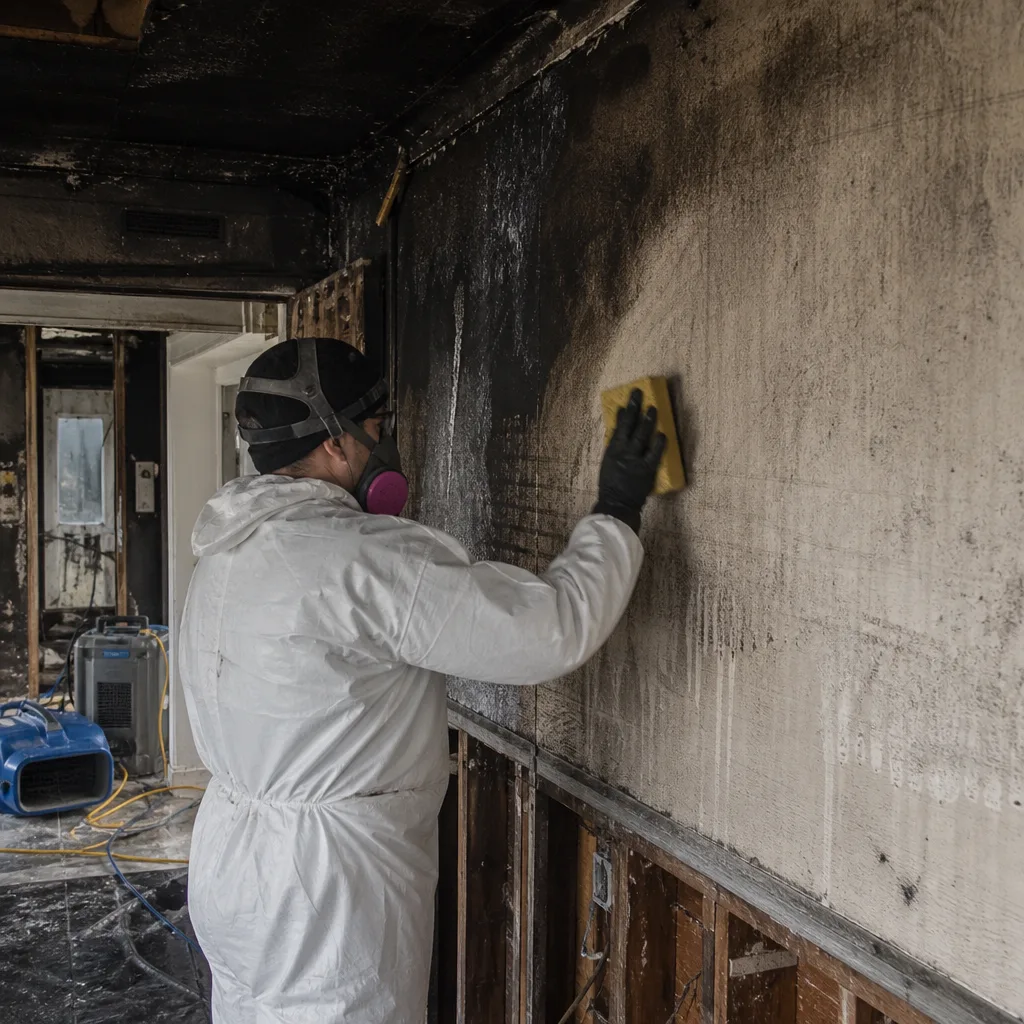
Storm Damage Cleanup
After a nor’easter or ice storm, cleanup in Pomona includes the debris the wind brought down: limbs, leaves, sometimes whole sections of canopy. We handle full debris removal along with extraction and drying, including the hanging limbs that other crews leave behind and that become roof puncture hazards in the next wind event. One crew, one visit, one clean property.
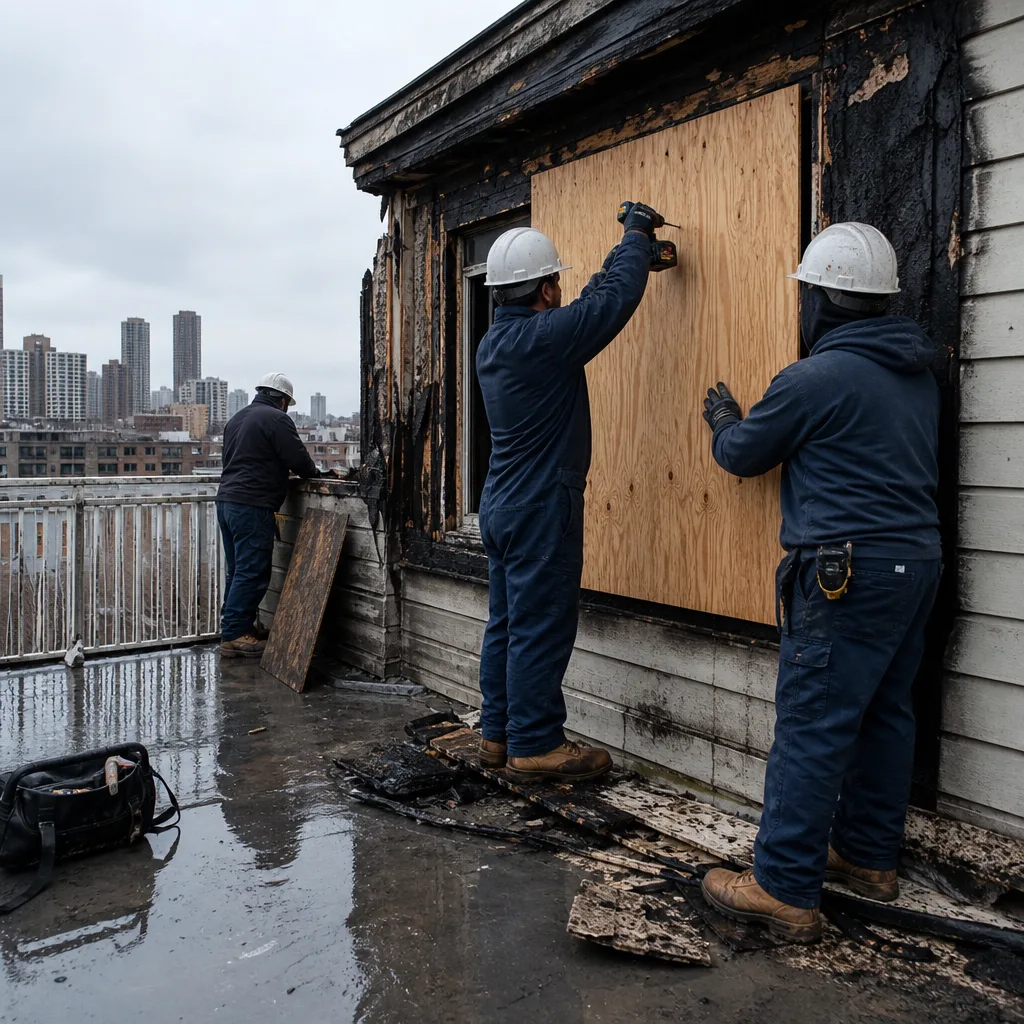
Roof Tarping
Pomona’s tree cover means storm damage usually starts at the roofline. We tarp and secure damaged sections fast, before rain gets into the attic and finds its way down into the block foundation below. Proper tarping on a Pomona split-level means anchoring to the ridge and sealing penetrations, not just throwing a blue cover over the hole. The goal is to stop the storm from becoming a weeks-long moisture problem in the walls.
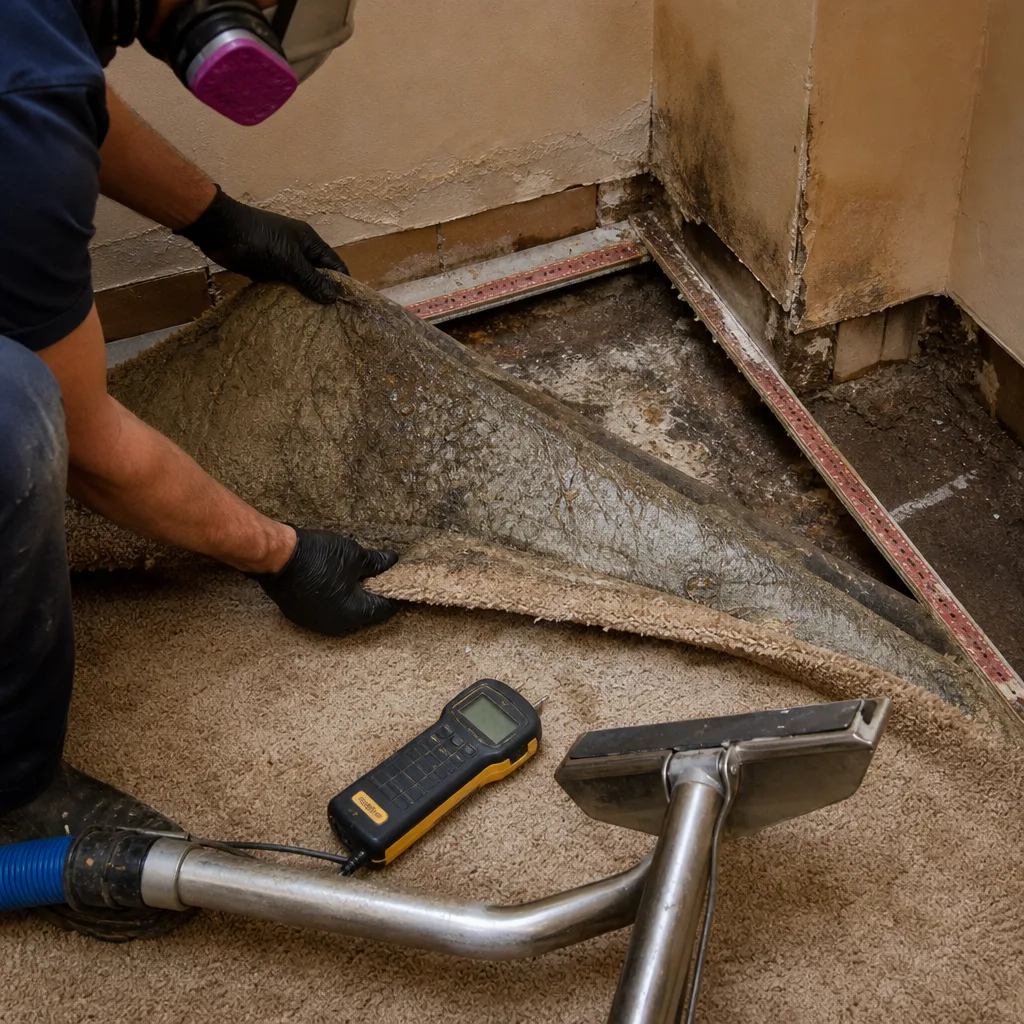
Emergency Board-Up
When wind-driven debris takes out a window or door on a Pomona ranch or colonial, we board up immediately. The board-up keeps rain and animals out and buys time to order the right replacement rather than settling for whatever the big-box store has in stock. It also keeps the house secure until the insurance scope is approved.
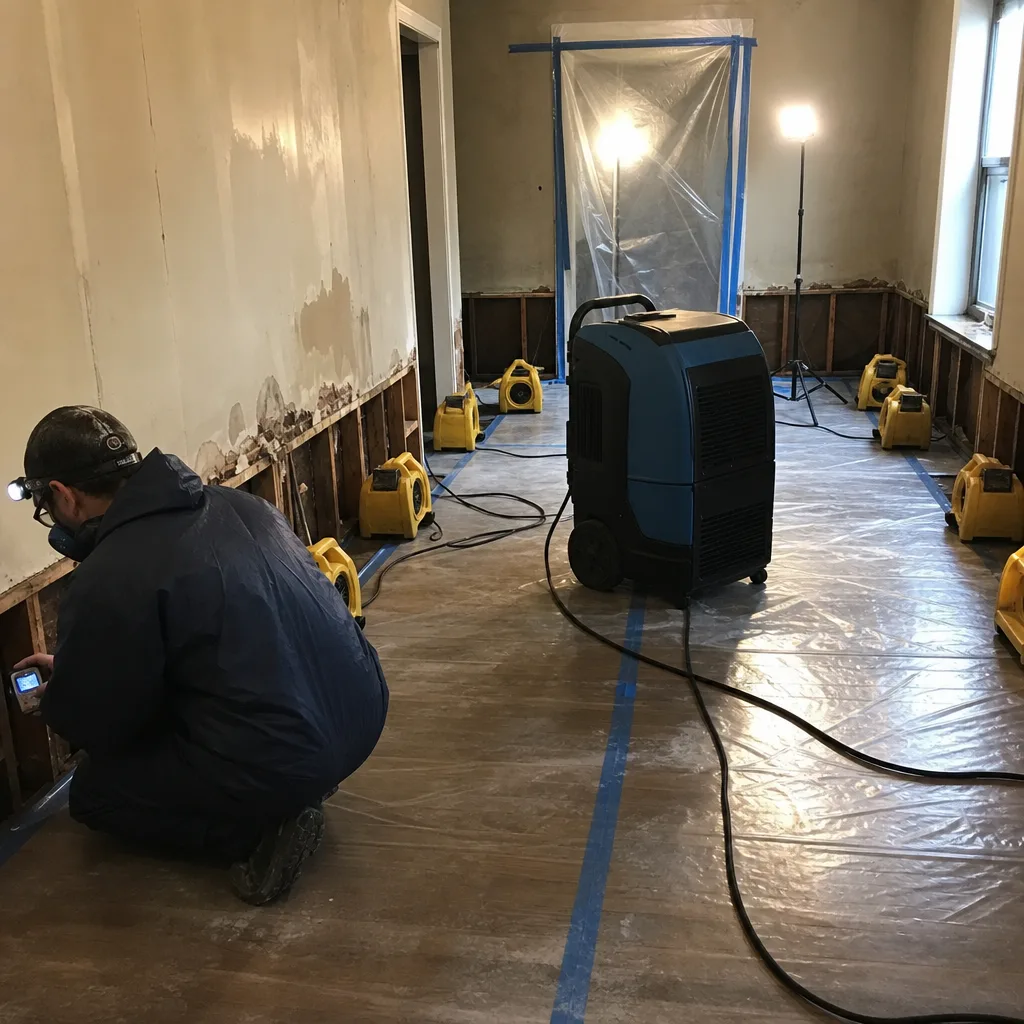
Debris Removal
Heavy canopy cover on Pomona’s wooded lots means ice storms and high winds leave more than leaves behind. We remove downed limbs, broken branches, and storm debris from roofs, driveways, and yards, including the hanging limbs that pose a secondary hazard. Full cleanup means looking up, not just down.
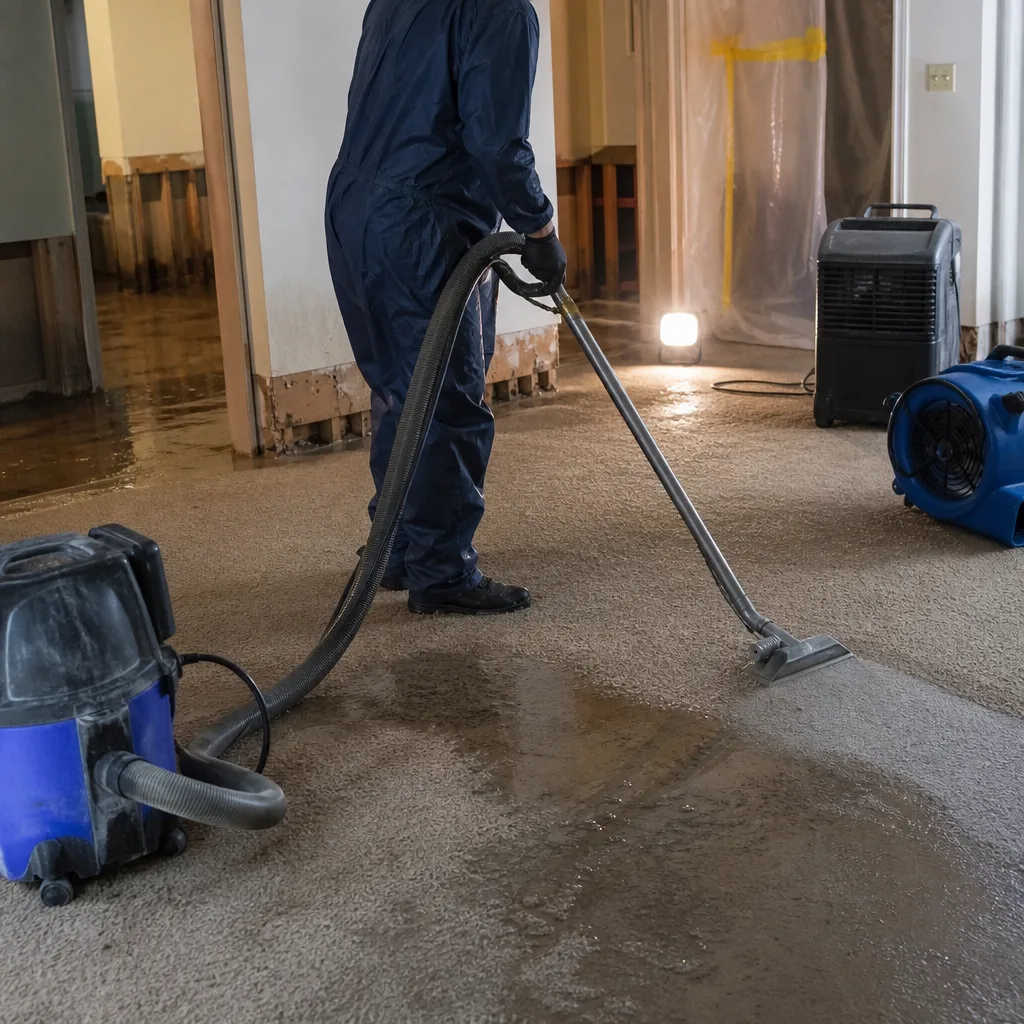
What happens when you call
- 1
A real person answersNo phone trees - you reach a local pro.
- 2
You get an upfront price rangeHonest numbers before anyone is dispatched.
- 3
A background-checked tech heads outLicensed & insured, dispatched right away.
- 4
You approve before work beginsNothing starts until you say go.
Storm & Disaster Restoration Costs in Pomona, NY
Storm restoration pricing in Pomona runs higher than the Rockland County average for one reason: the shallow bedrock. Drying a block foundation that keeps re-wetting from groundwater takes more equipment days than drying a slab-on-grade home in Nanuet or Spring Valley. A typical flooded basement in Pomona with Category 2 water and no structural damage runs $3,200 to $6,800, including extraction, structural drying, and antimicrobial treatment. Roof tarping after ice storm damage typically runs $450 to $1,200 depending on roof pitch and access. Full storm damage cleanup with debris removal averages $900 to $2,500 on a standard village lot. Mold remediation inside rim-joist and stud cavities adds $1,800 to $5,000 when it is caught early, more if it has spread behind finished walls. The free visual inspection gives you a firm written scope before any work starts, so you know exactly where the bill lands. Call (917) 924-4221 for an exact quote.
We Also Serve Cities Near Pomona
Floodline Restoration Co. of Manhattan covers Pomona and the surrounding Rockland County communities. Our crews regularly work in Thiells, West Haverstraw, Stony Point, and New City. If you’re in one of these areas and dealing with storm or flood damage, the same live dispatch, certified crews, and written guarantee apply.
Serving Pomona, NY - Our Local Coverage Area
We’re based in the Pomona area and know this community well. Use the map below to see our service coverage - if you’re nearby, we can almost certainly help.
Pomona Storm & Disaster Restoration Questions, Answered
Why do Pomona basements stay wet so long after a storm compared to other Rockland County towns?
Pomona sits on shallow Precambrian bedrock that prevents water from percolating downward, so snowmelt and storm runoff travel laterally into block foundations instead of draining away. The perched water table keeps moisture pressed against those foundations for weeks, which means drying takes longer and requires extended structural drying rather than a few days of fans.
How quickly can mold develop behind Pomona’s block foundation walls after a flood?
Mold can establish in as little as 48 to 72 hours when moisture is trapped behind parged block walls in the warm, dark rim-joist and stud cavities. By the time most Pomona homeowners notice a flooded basement, mold is often already active in the framing. This is why we treat flood and mold as one job, not two.
What water category is typical for Pomona basement flooding, and how does that change the restoration scope?
Pomona basement flooding is usually Category 2 water: storm water that has traveled through soil and picked up bacteria and contaminants before entering through foundation cracks. That means the restoration scope includes antimicrobial treatment and often removal of wet wall materials, not just extraction and drying.
Why does my Pomona split-level need roof tarping and debris removal after every ice storm, even when the roof looks intact?
Pomona’s mature tree canopy means ice storms deposit significant weight and falling limbs on roofs. A roof can look intact from the ground while the underlayment has been punctured by a limb that bounced off. We tarp and remove debris because the next rain event turns a small unseen puncture into a soaked attic and eventually a wet basement wall.
Do I need a separate mold remediation company after a Pomona basement flood, or can one crew handle both?
One crew can handle both, and in Pomona it should. The perched water table means flood and mold are almost never separate events, and splitting the job between a water restoration company and a mold company leaves gaps in the moisture log, the treatment plan, and the insurance documentation. Our certified techs carry both WRT and AMRT certifications.
How fast can you actually get to my Pomona home after I call?
We commit to a 45-minute response window from your call to dispatch, and most Pomona properties see a crew on site the same visit. A live dispatcher answers at (917) 924-4221 24 hours a day and sends the nearest available certified team immediately.
Will my insurance cover storm and flood restoration in Pomona?
Most homeowners’ policies cover storm and wind damage, including roof tarping, board-up, and resulting water damage. Groundwater seepage is sometimes excluded unless you carry a separate flood policy. We document everything from the first hour, bill your carrier directly, and coordinate with your adjuster so the claim reflects the full scope of what happened, including the mold that followed the flood.
What should I do in the first 30 minutes after discovering storm damage in my Pomona home?
Call us first at (917) 924-4221. Then shut off the power if water is near outlets, move valuables to higher ground, and avoid walking through standing water that may be contaminated. Do not try to pry open swollen doors or use household fans on flooded wall cavities. The first call stops the damage clock.
Written by Curt Bowman, owner of Floodline Restoration Co., serving Pomona and greater Rockland County with live 24/7 dispatch and the 90-Day Done Right Promise in writing.