
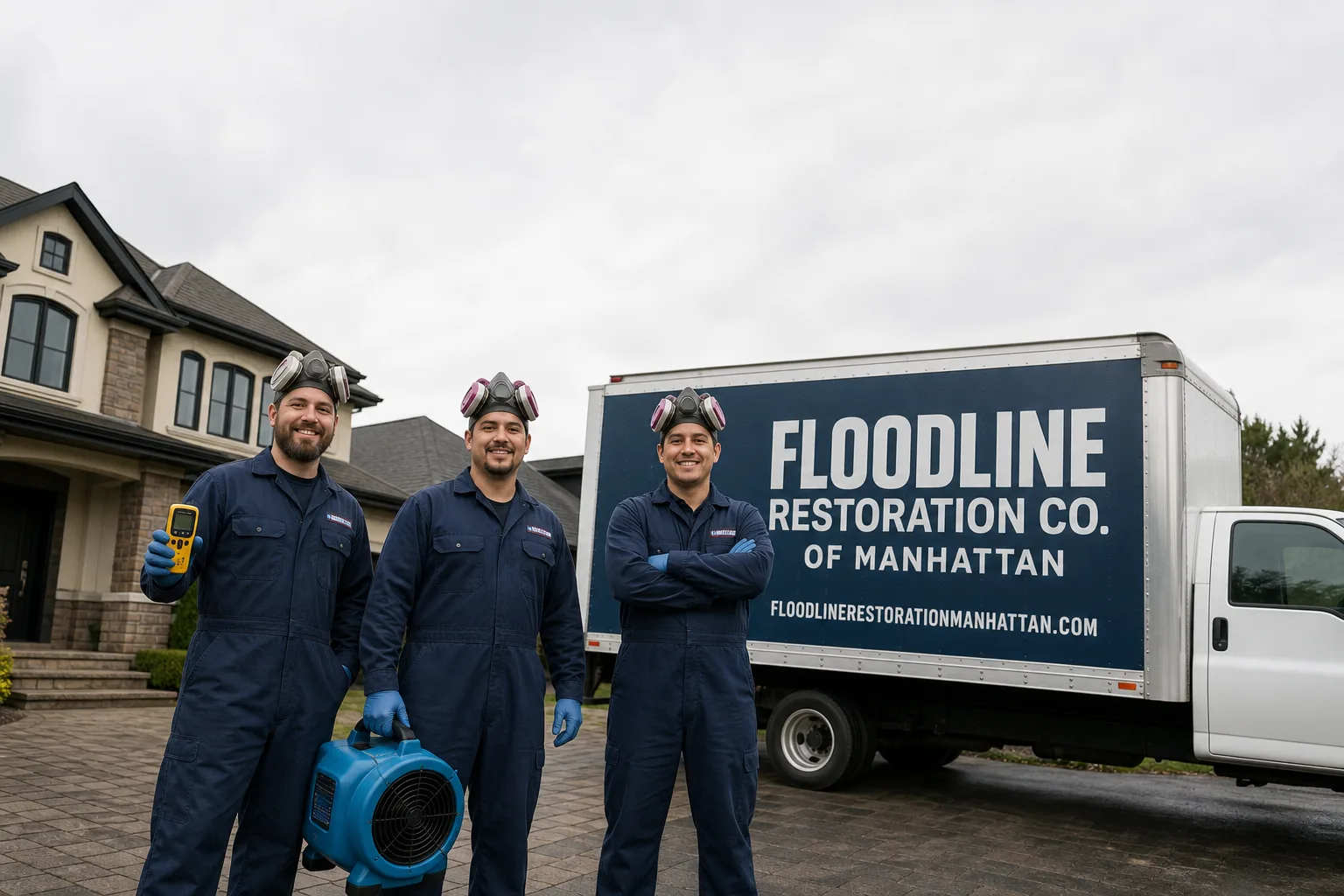
Free visual inspection and a written scope of work before any mitigation begins - photos, moisture readings, and drying logs go in your claim file
The scope we write is the scope we bill. Anything new gets shown to you, in writing, before we touch it.






 Before
 After
After Before
 After
After Before
 After
After24/7 Emergency Storm & Disaster Restoration in Rockaway Park
Storm damage in Rockaway Park moves fast. Water, wind, and salt air don’t wait for business hours, and neither do we. Our crews answer live around the clock and can reach most Rockaway Park blocks within 45 minutes of your call. The first hour after a storm breach or surge flood is when the real damage is decided: saltwater wicking into drywall, hidden electrical corrosion starting, and garage-door hardware seizing up from spray and debris. Call (917) 924-4221 and a live dispatcher picks up. We’ll walk you through immediate steps over the phone, send a crew from our Storm & Disaster Restoration team, and start a free visual inspection the moment we arrive. Extraction, board-up, tarping, and moisture mapping all start the same visit. The line the water left is where we start.
Understanding Storm & Disaster Restoration Severity in Rockaway Park Properties
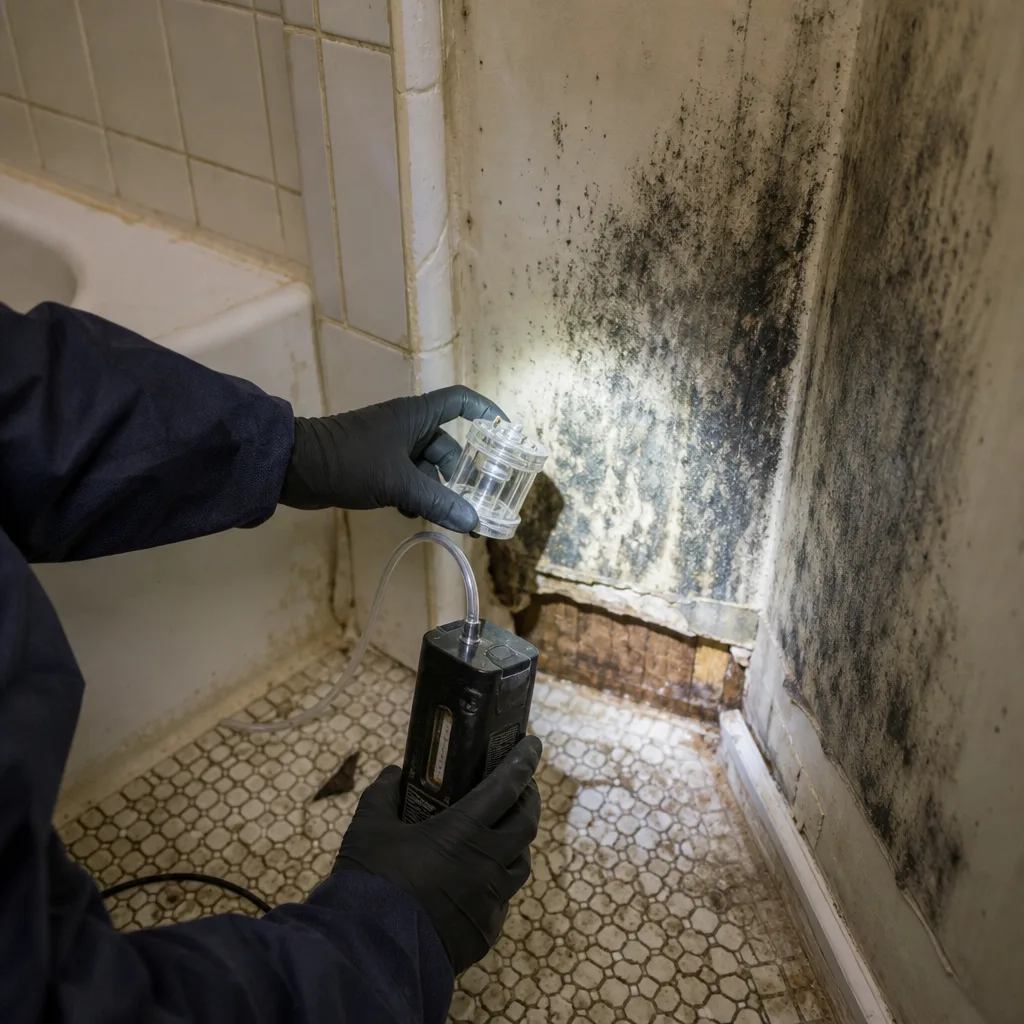
Not every storm job in Rockaway Park is the same severity, and the difference often comes down to water category and building age. Category 1 water is clean rainwater from a roof breach. Category 2 carries contaminants, like the gray water that backs up through street drains during flash flooding. Category 3 is what we see most often after a bay-side or ocean-side surge: saltwater, sewage, and whatever the storm pushed through the neighborhood. That Category 3 water in Rockaway Park is salt-heavy, which changes the entire restoration protocol. Salt wicks higher into drywall than freshwater. It stays hygroscopic, meaning it keeps pulling moisture from the air long after the visible water is gone. And it accelerates corrosion in hidden places: outlet boxes, junction splices, garage-door springs, and fasteners inside wall cavities. On the peninsula’s older wood-frame bungalows, many of which predate modern flood-resilient construction, we routinely open walls higher than the visible water line because moisture meters tell us the chloride-laden material extends further than the stain suggests. We use thermal imaging and Dri-Eaz moisture meters to map that hidden spread before we set drying targets. That’s the difference between a restoration that holds and one that fails a year later.
Why Rockaway Park Property Owners Choose Floodline Restoration Co. of Manhattan
- 45-minute response commitment for Rockaway Park. When a nor’easter or surge hits, we dispatch immediately from the NYC metro office, with crews positioned to reach the peninsula fast.
- A live person answers, 24/7. Not a recording. At 2 a.m. on a Saturday, a real dispatcher picks up and starts your file while the crew is loading equipment.
- IICRC-certified technicians on every job. Our crews hold WRT (Water Restoration Technician) and FSRT (Fire & Smoke Restoration Technician) credentials, and we train to IFA standards for flood-loss assessment.
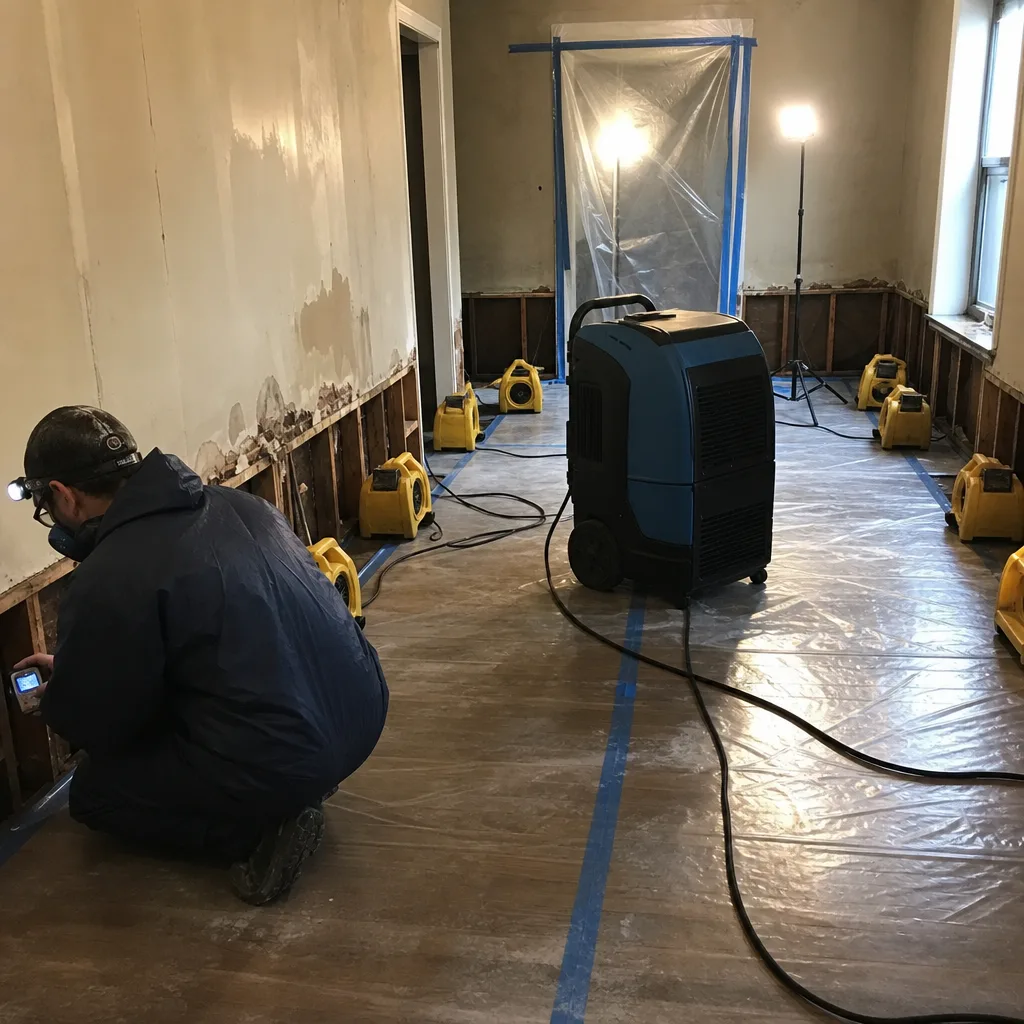
- Free visual inspection with moisture mapping. We don’t guess. We bring Dri-Eaz meters, Phoenix dehumidifiers, and XPOWER air movers, and we show you the readings before we write a scope.
- Direct insurance billing, no middleman. You never play messenger between us and your carrier. We document, we communicate, we bill directly.
- One team from extraction to reconstruction. Floodline Restoration Co. doesn’t hand your house off to a different subcontractor after drying. The same certified crew that reads the moisture map on day one handles daily readings, logs, and the rebuild.
Our Storm & Disaster Restoration Process
Inspection & Assessment
We arrive, walk the property, and document everything. Thermal imaging finds water behind walls. We test for salt contamination and check electrical panels, garage-door tracks, and structural framing. You get a written scope before any work beyond emergency mitigation begins.
Extraction & Stabilization
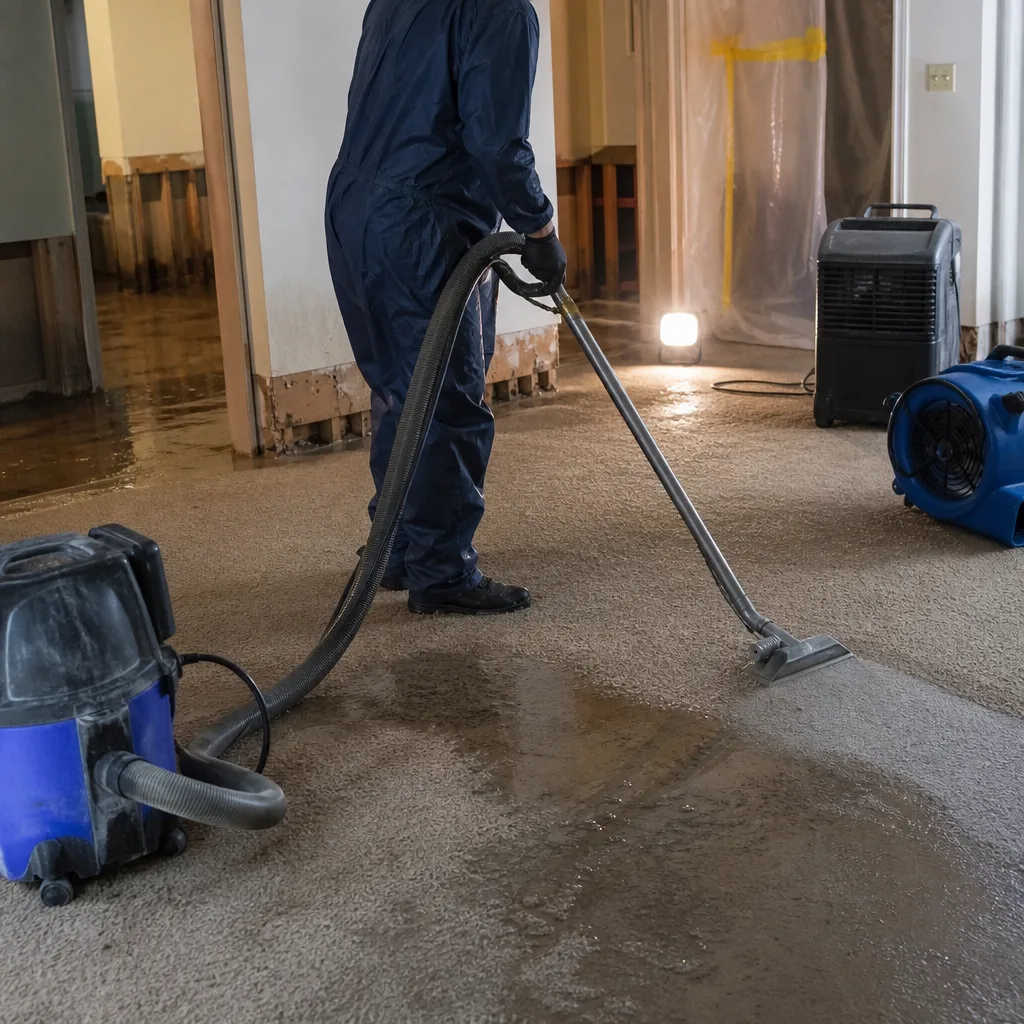
Standing water comes out first. Then we board up broken windows, tarp roof breaches, and brace anything unstable. At the same time, we start extracting water from floor cavities, wall bases, and anywhere the storm pushed it.
Drying & Dehumidification
Phoenix dehumidifiers and XPOWER air movers run continuously, positioned from the moisture map we built in step one. We take daily readings with Dri-Eaz meters until the dry standard is met. You and your insurer get that log in writing.
Cleaning & Sanitization
After drying, we clean and apply antimicrobial treatment. Salt residue gets neutralized, not just wiped away. We’re looking for hidden contamination in wall cavities, floor systems, and anywhere Category 3 water reached.
Salt & Corrosion Treatment
In Rockaway Park, this step gets its own focus. We inspect and treat corrosion on fasteners, junction boxes, garage-door springs and hinges, and any metal that saltwater or salt air has compromised. Galvanized and stainless replacements go in where needed.
Repairs & Restoration
The same crew rebuilds what was torn out. Drywall, flooring, trim, door hardware, garage-door components, paint. You get one team, one scope, one 90-Day Done Right Promise in writing when we hand the house back.
Need Emergency Storm & Disaster Restoration in Rockaway Park Now?
Crews minutes away, answering live 24 hours a day. The sooner we start, the less it costs.
Working With Your Insurance Company
Storm and flood claims in Rockaway Park come with real paperwork. FEMA flood zones, elevation certificates, adjuster inspections. We handle the documentation from the first hour. Our team photographs every room, logs moisture readings daily, and writes a line-item scope that your carrier can process without back-and-forth. We work directly with adjusters, so you don’t have to translate restoration terminology into insurance language. Direct billing means the carrier pays us for covered work; you’re not fronting cash and chasing reimbursement. For homeowners who remember the post-Sandy insurance fights, that’s the difference between a claim that closes in weeks and one that drags for months.
What We Provide Your Insurer
- Thorough documentation of the loss
- Photos of all damage, room by room
- Moisture readings and drying logs
- A detailed, line-item scope of work
- Direct coordination with your carrier
Built for Rockaway Park’s Loss Calendar
Rockaway Park’s damage calendar is shaped by water on two sides. January and February bring deep freezes that burst supply lines in the peninsula’s older bungalows, many of which still run original plumbing through uninsulated crawl spaces. March and April thaw brings groundwater seepage into slab-on-grade and shallow pier foundations. Summer thunderstorm season hits fast: flash flooding overtaxes the street drains along Beach 116th Street and the lower blocks near Jamaica Bay, pushing Category 2 water into basements and garages. Then comes nor’easter season, from October through April, when the double-fronted geography of Rockaway Park means surge can come from the ocean side, the bay side, or both at once. That’s the risk no inland Queens neighborhood shares. Every season on this peninsula has a storm-related failure mode, and we’ve worked all of them. Curt Bowman founded Floodline Restoration Co. to run on a dispatch board, not a sales desk, because this kind of work doesn’t fit into business hours.
Storm & Disaster Restoration Across Rockaway Park’s Neighborhoods
Rockaway Park’s blocks each have their own storm personality. Along the ocean side of Beach 116th Street and the numbered beach blocks south of Rockaway Beach Boulevard, wind-driven rain and sand infiltration are the recurring problems, plus salt spray corrosion on door hardware and fasteners. The bay-side blocks, from Newport Avenue north toward Jamaica Bay, see the worst surge flooding, and the 1950s beach bungalows there sit low on slab foundations. West toward the Neponsit border, the housing stock shifts to larger mid-century homes, many with newer elevation work. East near the Belle Harbor line, we see more post-Sandy rebuilds with flood vents and elevated mechanicals, but still find original wiring in pre-1980s homes that got submerged and never fully inspected. Beach 108th Street and the streets near PS 114 are particularly tight for equipment staging, so our crews bring smaller extraction units and run hoses strategically. The common thread across every Rockaway Park neighborhood is this: salt air has been working on the building envelope for decades, and the storm that breaks a window or floods a garage is usually the moment that latent corrosion finally fails.
Specialized Storm & Disaster Restoration Services We Offer in Rockaway Park
Flood Damage Restoration
Saltwater flood restoration on the Rockaway peninsula is different work than freshwater flood restoration in Howard Beach or Jamaica. Salt wicks higher. It attacks studs, fasteners, and electrical connections. We strip based on moisture readings, not just visible staining, and we treat for chlorides before we rebuild. On the bay-side blocks off Beach 116th Street, where surge can arrive from both directions in a single storm, we assume Category 3 until testing proves otherwise.
Storm Damage Cleanup
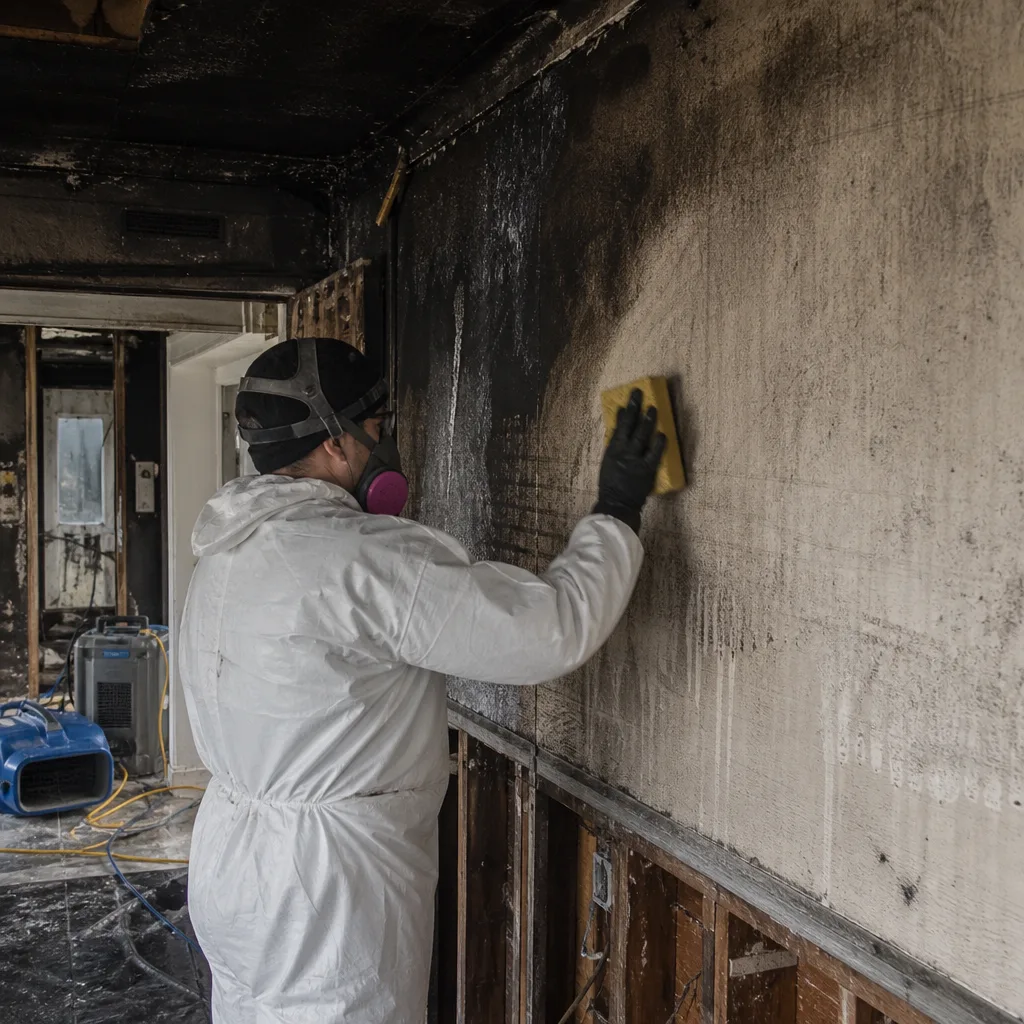
Wind, debris, and water leave a mess that’s more than cosmetic. Broken glass, sand drifts, soaked insulation, and storm-tossed debris all need to come out before drying can work. Our crews handle removal, sanitation, and debris hauling in the same visit that starts extraction. We don’t leave you with a pile and a phone number.
Wind Damage Repair
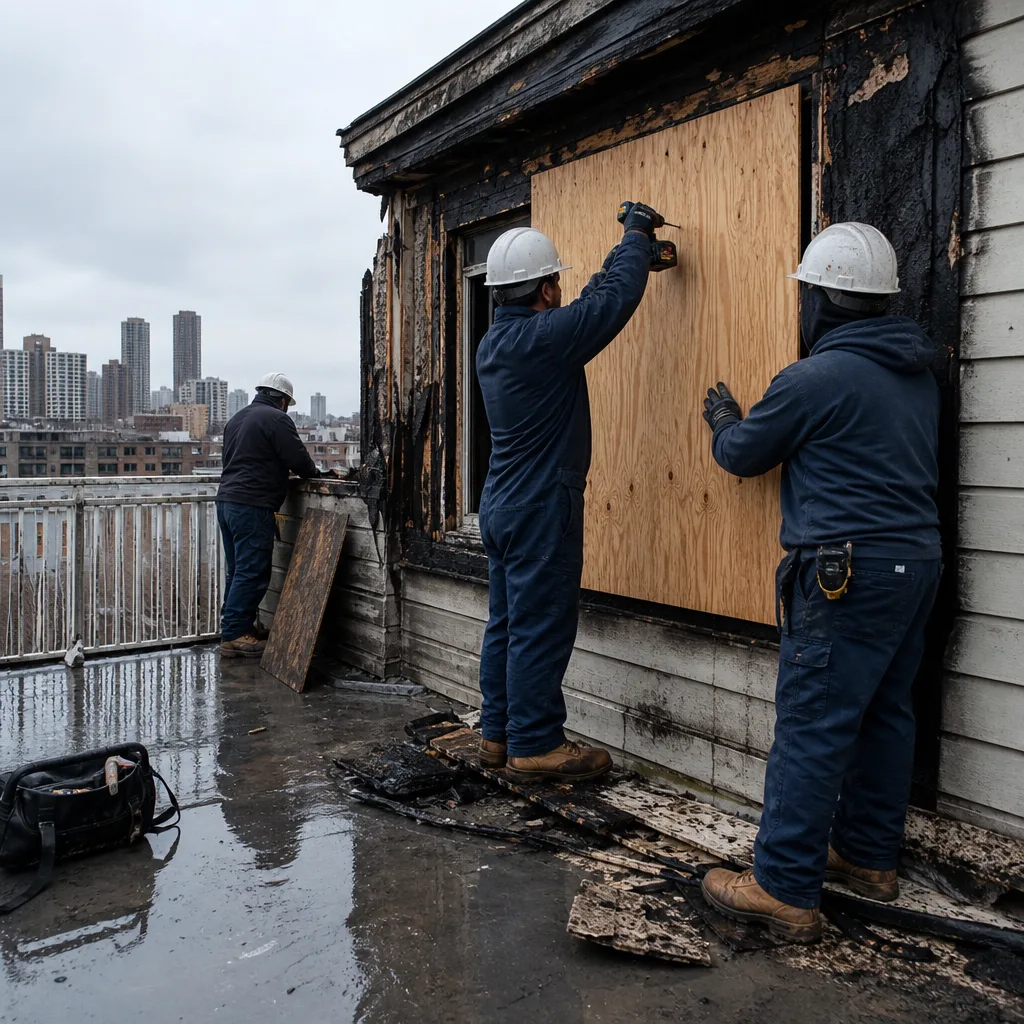
Nor’easters and summer squalls tear at Rockaway Park’s aging roof edges, siding, and garage doors. We repair structural damage, replace fasteners with corrosion-resistant hardware, and rebuild envelope breaches so the next storm doesn’t find an easy way in. On pre-elevation bungalows, we check the connections between add-ons and original framing, which is where wind damage usually separates first.
Emergency Board-Up
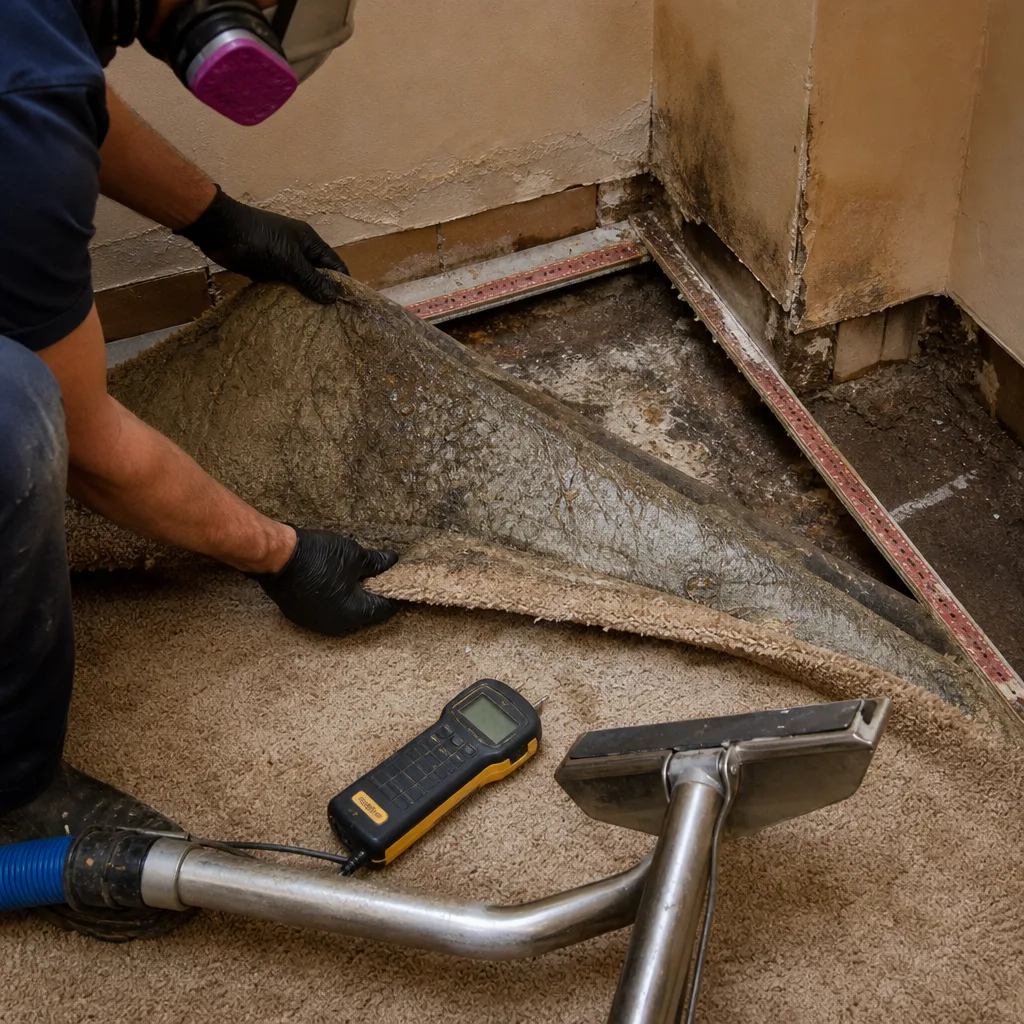
When a storm blows out windows or doors, we board up the same day. That stabilizes the structure, keeps out more weather, and satisfies the security clause in most insurance policies. Our 24/7 dispatch means the board-up happens before the next front moves through, not after.
Roof Tarping
A breached roof in Rockaway Park is an open invitation to Atlantic rain and salt spray. We tarp it properly, with fastening that holds through wind, not just blue plastic flapping loose. Then we document the temporary repair for your carrier and schedule the permanent fix.
Debris Removal
Storm debris in Rockaway Park often includes sand, salt-soaked drywall, and yard debris blown from blocks away. We haul it, separate it where the carrier requires, and keep the property safe and accessible for the drying and rebuild phases.
What happens when you call
- 1
A real person answersNo phone trees - you reach a local pro.
- 2
You get an upfront price rangeHonest numbers before anyone is dispatched.
- 3
A background-checked tech heads outLicensed & insured, dispatched right away.
- 4
You approve before work beginsNothing starts until you say go.
Storm & Disaster Restoration Costs in Rockaway Park, NY
Storm damage restoration in Rockaway Park typically runs $2,500 to $12,000 for most single-family storm events, and flood damage restoration on the peninsula’s bay-side bungalows usually lands between $4,000 and $18,000 depending on how high saltwater reached and how much wall and floor we have to open. Emergency board-up is $350 to $900, roof tarping $450 to $1,200. Debris removal runs $400 to $2,000 depending on volume and weight. What moves the price most is category of water, height of the salt line, and whether electrical or garage-door hardware needs replacement. A free visual inspection gets you exact numbers in writing before non-emergency work starts. Insurance typically covers storm and wind damage when flood-damage coverage exists, and we bill your carrier directly. Call (917) 924-4221 and we’ll put a firm scope on your loss.
We Also Serve Cities Near Rockaway Park
Floodline Restoration Co. serves the whole Rockaway peninsula and the surrounding shore communities. We respond to storm, flood, and wind damage in Far Rockaway, Jamaica, Howard Beach, and Inwood, with the same 24/7 live dispatch and 45-minute response commitment. The salt-air and surge dynamics shift once you cross the Cross Bay Veterans Memorial Bridge, but the standard of work doesn’t.
Serving Rockaway Park, NY - Our Local Coverage Area
We’re based in the Rockaway Park area and know this community well. Use the map below to see our service coverage - if you’re nearby, we can almost certainly help.
Rockaway Park Storm & Disaster Restoration Questions, Answered
After a bay-side flood in Rockaway Park, how high do you need to cut the drywall when saltwater is involved?
We cut based on moisture readings, not a fixed rule. Saltwater in Rockaway Park typically wicks 18 to 30 inches above the visible water line, so on a bay-side bungalow where three feet of water sat, we often cut four to five feet. Chlorides stay in the material and keep degrading it. We test, map it, and show you the numbers before we cut anything you didn’t already plan to lose.
Do you handle the FEMA flood zone paperwork for storm repairs on Beach 116th Street?
We coordinate directly with your carrier and provide documentation that meets FEMA flood zone and elevation certificate requirements for Rockaway Park. We don’t file FEMA applications on your behalf, but our scope and drying logs are written to satisfy what your adjuster and the flood program require. Call (917) 924-4221 and we’ll walk through what your specific claim needs.
My bungalow was built before Sandy and I think the original wiring got wet. What do you check after a storm?
We inspect all accessible junction boxes, splices, and outlet connections in the affected area, looking for the green corrosion and pitting that saltwater causes. In pre-1980s Rockaway Park bungalows, hidden electrical corrosion is common after subsurface flooding, even when the cosmetic restoration was done years ago. If we find compromised wiring, we recommend a licensed electrician before the circuit is re-energized.
How does salt air affect my garage-door opener after a storm?
Salt spray pits the metal in opener chains, hinges, and torsion springs. After a storm passes, the first cold snap often snaps a corroded spring that’s been weakening for years. We inspect garage-door tracks, hinges, rollers, springs, and opener chains as part of every storm job on the peninsula, and we replace components with galvanized or stainless hardware where corrosion is advanced.
Can you start emergency board-up and tarping the same day a storm damages my Rockaway Park house?
Yes. Board-up and tarping are emergency mitigation steps, and we start them the same visit, usually within hours of your call to (917) 924-4221. Stabilizing the structure stops further water and wind intrusion and satisfies your carrier’s duty-to-mitigate language.
How fast can a crew actually get to Rockaway Park after I call?
Our commitment is 45 minutes or less for most addresses in Rockaway Park, day or night. We carry equipment on the trucks for immediate extraction and moisture mapping, so the first visit isn’t just a look-around; it’s the start of the mitigation.
Does insurance cover storm and flood damage in Rockaway Park?
Wind and storm damage are covered under standard homeowners policies. Flood damage depends on whether you carry a separate flood policy, often through the NFIP. On the peninsula, where FEMA AE/VE zones are common, many homeowners have it. We help you determine what your specific policy covers and bill your carrier directly for covered work.
Can we stay in the house during restoration?
For moderate water damage with no electrical compromise, you can often stay in parts of the home while drying equipment runs in the affected rooms. For Category 3 flood water or significant structural or electrical concerns, we recommend relocating until the contaminated material is removed and the space is sanitized. We’ll tell you honestly on the first visit, not after you’ve already tried to tough it out.
Written by Curt Bowman, Owner at Floodline Restoration Co., serving Rockaway Park and the wider New York City area since 2010.
If you’re dealing with storm or flood damage in Rockaway Park, call (917) 924-4221 now. A live dispatcher answers, and a crew can be on the way within the hour. The estimate is free, the scope is in writing, and the work is backed by our 90-Day Done Right Promise.