
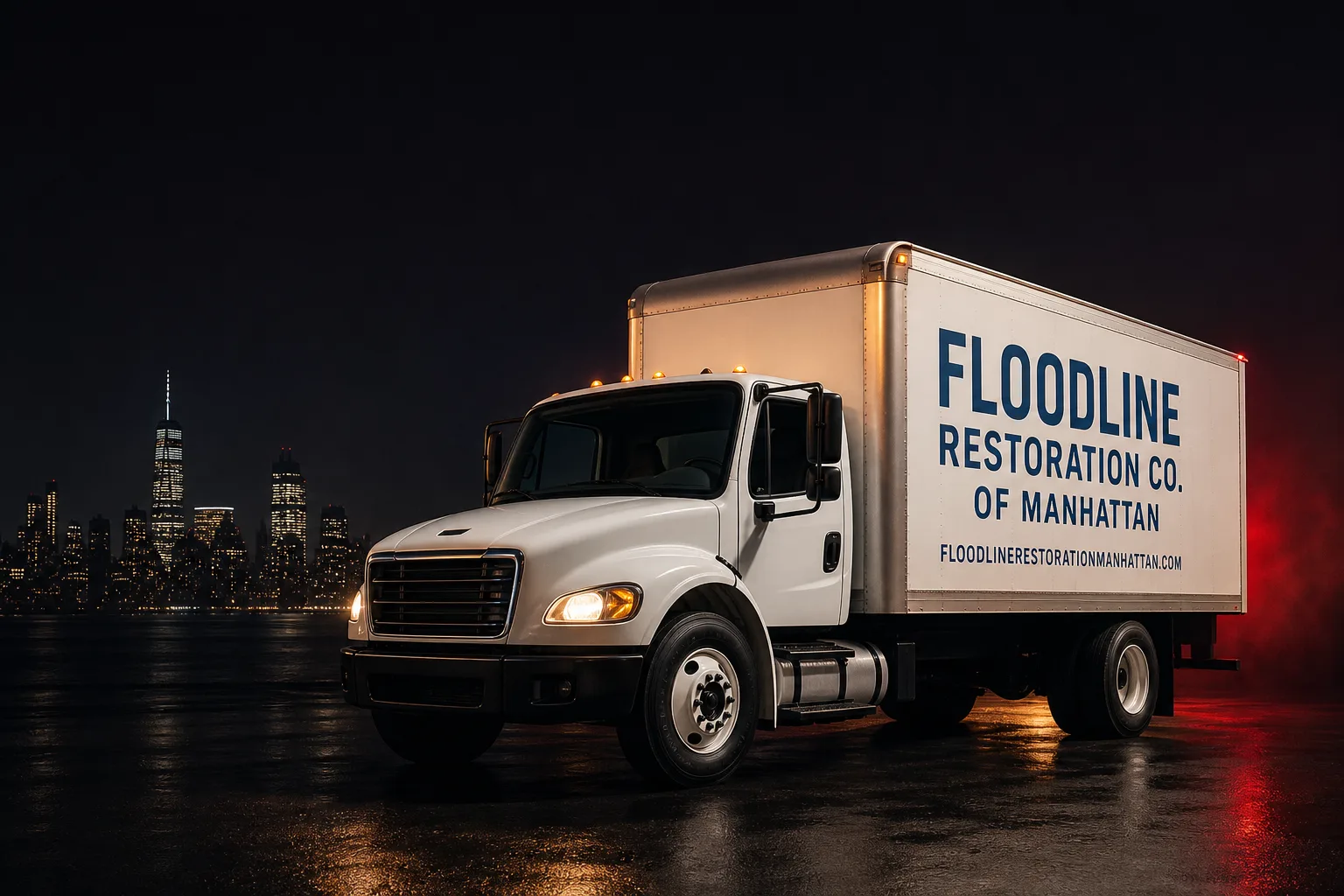
Free visual inspection and a written scope of work before any mitigation begins - photos, moisture readings, and drying logs go in your claim file
The scope we write is the scope we bill. Anything new gets shown to you, in writing, before we touch it.






 Before
 After
After Before
 After
After Before
 After
After24/7 Emergency Storm & Disaster Restoration in Sunset Park
Storm damage in Sunset Park moves fast, and so do we. When a nor’easter pushes surge water up from Upper New York Bay into the low-lying blocks around Industry City, or when heavy rain sends runoff cascading down the glacial ridge into basement apartments along 5th Avenue, the first hour determines whether you’re dealing with a cleanup or a gut-and-rebuild. Our crews answer live 24 hours a day and dispatch into Sunset Park within 45 minutes. Call (917) 924-4221 the moment you see water where it shouldn’t be, a compromised roof, or storm debris against a door or window. We arrive with moisture meters, thermal imaging, and professional-grade Dri-Eaz and XPOWER equipment ready to run the same visit. The first visual inspection is free, and we give you a written scope before any equipment gets plugged in. In Sunset Park, the difference between a contained loss and a multi-unit restoration event is usually measured in minutes, not hours.
Understanding Storm & Disaster Restoration Severity in Sunset Park Properties
Storm restoration in Sunset Park is rarely a single-source problem. The neighborhood’s housing stock, mostly attached 3-to-5-story brick row houses and tenements built between 1895 and 1930, absorbs water differently than newer construction. Plaster-and-lath walls wick moisture upward and sideways, often carrying Category 2 and Category 3 water into wall cavities that were never designed to dry quickly. We classify floodwater strictly: Category 1 is clean supply water, Category 2 carries contaminants, and Category 3 includes storm surge, sewer backflow, and anything that has touched the street or a flooded basement drain. In Sunset Park’s lower blocks, storm surge backflow through aged floor drains routinely produces Category 3 conditions. Above the ridge, rain penetration through flat built-up tar roofs creates Category 2 saturation that travels laterally through shared party walls into adjacent units. Our techs use Dri-Eaz and Phoenix dehumidifiers, XPOWER air movers, and Protimeter moisture mapping to establish a drying baseline and log daily readings until the dry standard is met. That data goes to you and your carrier, so nobody guesses about hidden moisture behind 100-year-old plaster.
Why Sunset Park Property Owners Choose Floodline Restoration Co. of Manhattan
- 45-minute response commitment in Sunset Park. We dispatch from our New York City office the moment your call ends, and a live person tracks the crew until they’re on your block.
- A real person answers, 24/7. No phone trees, no answering service that takes a message. Call at 2 a.m. during a storm and a dispatcher picks up.
- IICRC-certified crews trained in water and storm damage. Our techs hold WRT and FSRT certifications and use the same drying protocols on every job, from a flooded basement apartment near 4th Avenue to a commercial space near 8th Avenue.
- Free visual inspection with a written scope. Before any work begins, you see exactly what we found, what we recommend, and what it will cost.
- Direct insurance billing. We document everything, coordinate with your adjuster directly, and you never play messenger between us and the carrier.
- One team from first extraction to finished rebuild. No handing you off to a reconstruction crew you never met. The same certified team handles the entire job.
Our Storm & Disaster Restoration Process
Inspection & Assessment
We walk the entire property with thermal imaging and moisture meters, mapping how far water has traveled through walls, floors, and shared party walls. In Sunset Park rowhouses, that means checking adjacent units too, because water doesn’t respect property lines in 100-year-old masonry.
Extraction & Stabilization
Standing water comes out first, using truck-mounted and portable extraction units. If structural stability is a concern after wind or impact damage, we stabilize before anything else. Emergency board-up and roof tarping happen in this phase when the building envelope is compromised.
Drying & Dehumidification
We set Dri-Eaz and Phoenix dehumidifiers and XPOWER air movers on a drying plan sized to the affected square footage and the material type. Plaster-and-lath dries slower than drywall, so Sunset Park jobs often need injection drying into wall cavities rather than surface air movement alone.
Cleaning & Sanitization
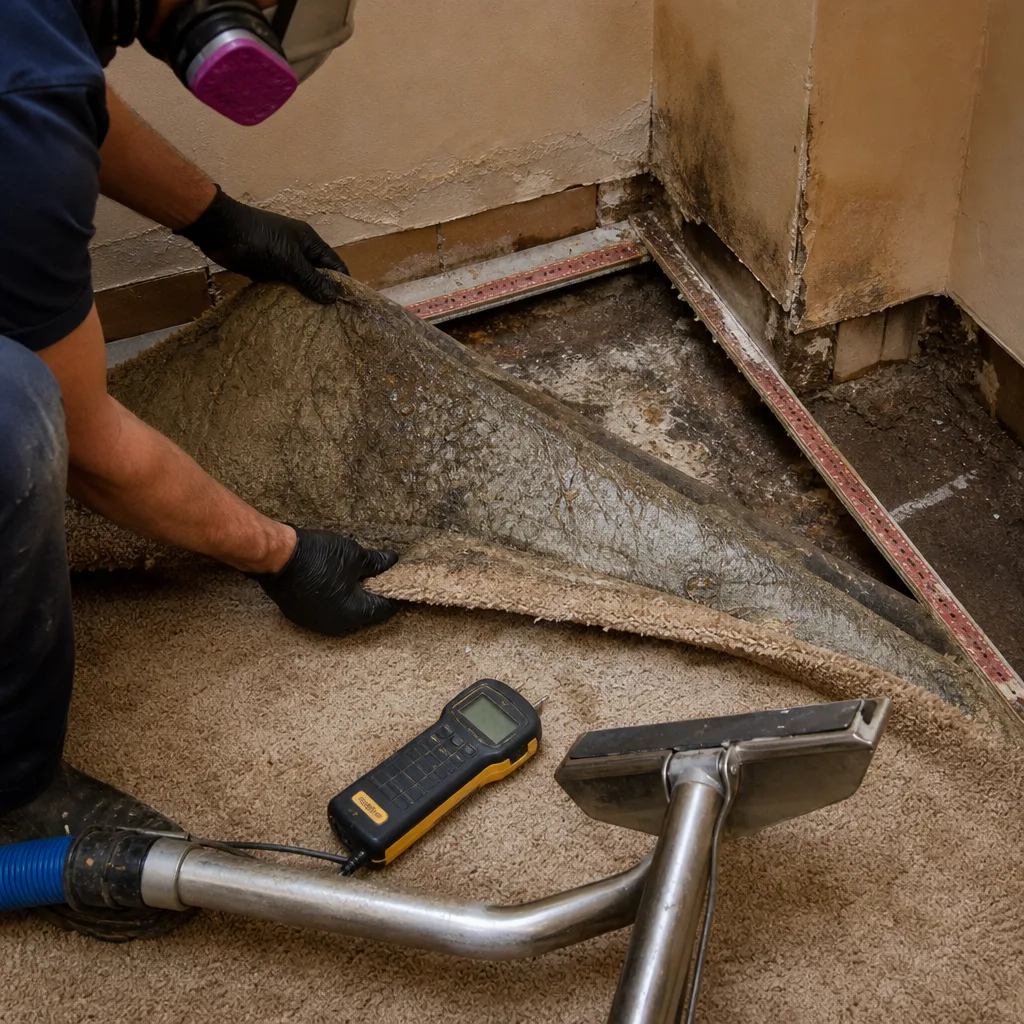
Every surface that touched floodwater gets cleaned and treated with appropriate antimicrobials through our Sanitization Services in Sunset Park. In Category 3 situations, which are common in lower Sunset Park after storm surge, that means full pack-out of affected contents, removal of saturated materials, and treatment of all remaining framing and masonry surfaces.
Specialty Treatment for Storm Damage
Depending on what the storm brought in, we may run HEPA air scrubbers, set containment during demolition, or apply specialized drying to hardwood floors, joist cavities, and fire-blocking between units. Every step gets logged into a drying record that you and your adjuster receive.
Repairs & Restoration
We rebuild what was removed through Reconstruction & Cleanup - Sunset Park, matching materials appropriate to a pre-war Sunset Park building rather than forcing modern components where they don’t belong. New drywall, plaster repair, flooring, trim, and paint - the same crew finishes the job, and the 90-Day Done Right Promise is in your hand before we leave.
Need Emergency Storm & Disaster Restoration in Sunset Park Now?
Crews minutes away, answering live 24 hours a day. The sooner we start, the less it costs.
Working With Your Insurance Company
Storm and disaster claims in Sunset Park get messy when documentation is thin. We start building your claim file from the first hour: photos of every room, moisture readings before anything is removed, and a line-item scope that matches what your carrier expects. Our estimators speak adjuster, and our crew leaders document every step with photos and logged readings. You won’t be stuck translating what “drying to standard” means in an email chain at midnight.
What We Provide Your Insurer
- Thorough documentation of the loss
- Photos of all damage, room by room
- Moisture readings and drying logs
- A detailed, line-item scope of work
- Direct coordination with your carrier
Direct insurance billing means we work with your carrier on payment. Your only job is getting your home dry and restored. Call (917) 924-4221 and we’ll handle the claim paperwork from the first visit.
Built for Sunset Park’s Loss Calendar
Sunset Park’s storm season isn’t a season. It’s a calendar of overlapping exposure windows, and each one produces a different type of loss in this neighborhood’s specific geography. January and February bring deep freezes that burst aging galvanized and cast-iron supply lines in uninsulated pre-war basements, flooding basement apartments before anyone knows a pipe failed. March and April thaw the deep freeze and bring the first heavy rains, which sheet down the glacial ridge from the residential blocks into the lower-lying industrial-conversion spaces without sump coverage. July and August thunderstorms dump inches of rain in an hour, overwhelming the aging sewer laterals and sending water back up through floor drains. And from September through December, nor’easters push storm surge from Upper New York Bay into the FEMA flood zone along the waterfront, flooding basements and ground floors with Category 3 water while wind strips flat built-up tar roofs above. Each event type requires a different response, and after 42 years of handling them, our crews know what’s coming before the storm makes landfall. We plan for Sunset Park’s loss calendar so you don’t have to.
Storm & Disaster Restoration Across Sunset Park’s Neighborhoods
Sunset Park’s geography changes block by block, and a restoration crew that doesn’t know the difference will misread the job. Around Industry City and Bush Terminal, where the FEMA Special Flood Hazard Zone runs along the waterfront, storm surge flows through older industrial floor drains and concrete-block foundation walls, and we respond with Category 3 protocols from the first visit. Up near 54th Street between 4th and 5th Avenues, where attached three-family brick rowhouses share party walls, roof water from a flat built-up tar roof saturates one ceiling and migrates laterally into two neighboring units before anyone notices. Along 8th Avenue, the dense concentration of Chinese restaurants and mixed-use buildings with residential units above means storm damage often starts as a kitchen suppression discharge or a backed-up grease trap that travels upward through unprotected shaft spaces. On 5th Avenue, the Latin American eateries and ground-floor retail spaces sit under residential floors with the same vertical migration risk. The blocks east of 5th Avenue toward the park itself run on the ridge, where runoff flows downhill toward the lower cross streets and basement entrances. Each of these zones needs a different drying plan, a different demolition approach, and a different insurance conversation. That’s the value of a crew that knows Sunset Park by its streets, not its GPS pin.
Specialized Storm & Disaster Restoration Services We Offer in Sunset Park
Storm Damage Cleanup
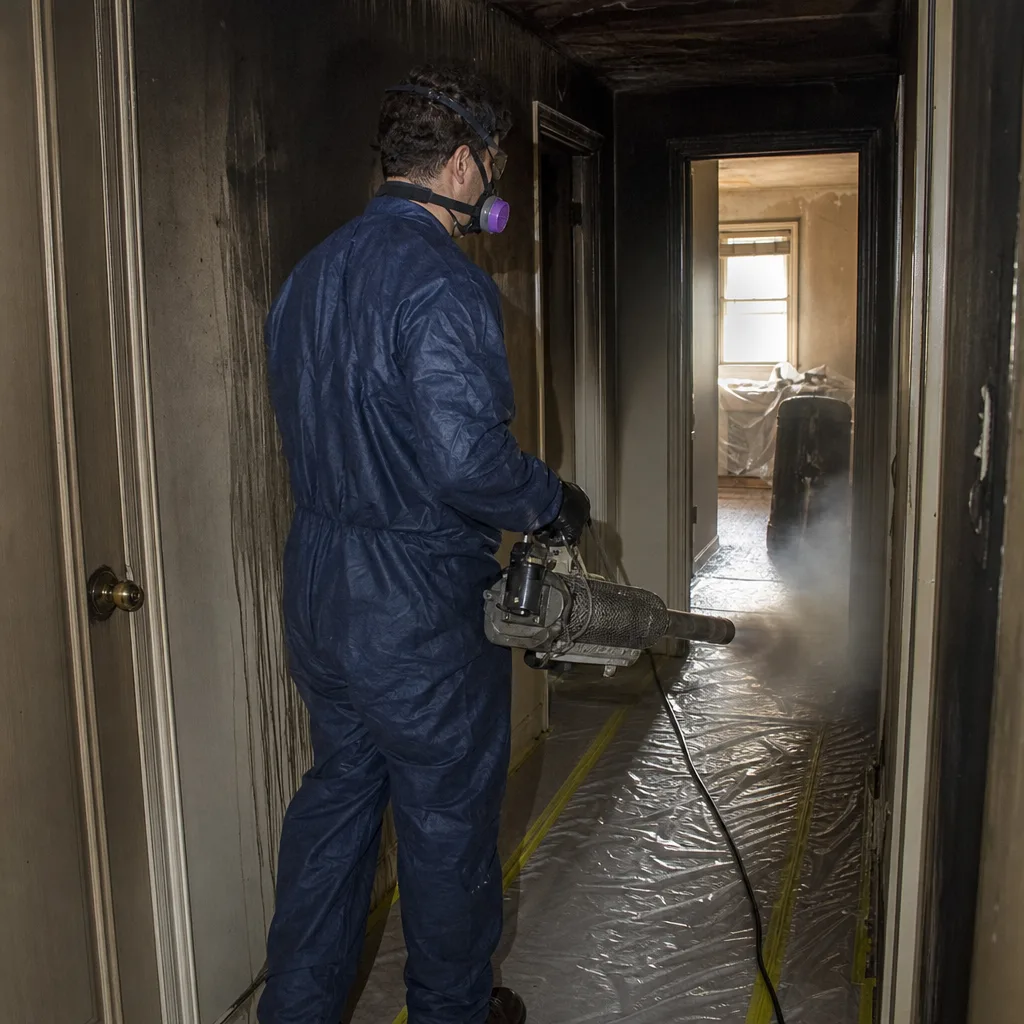
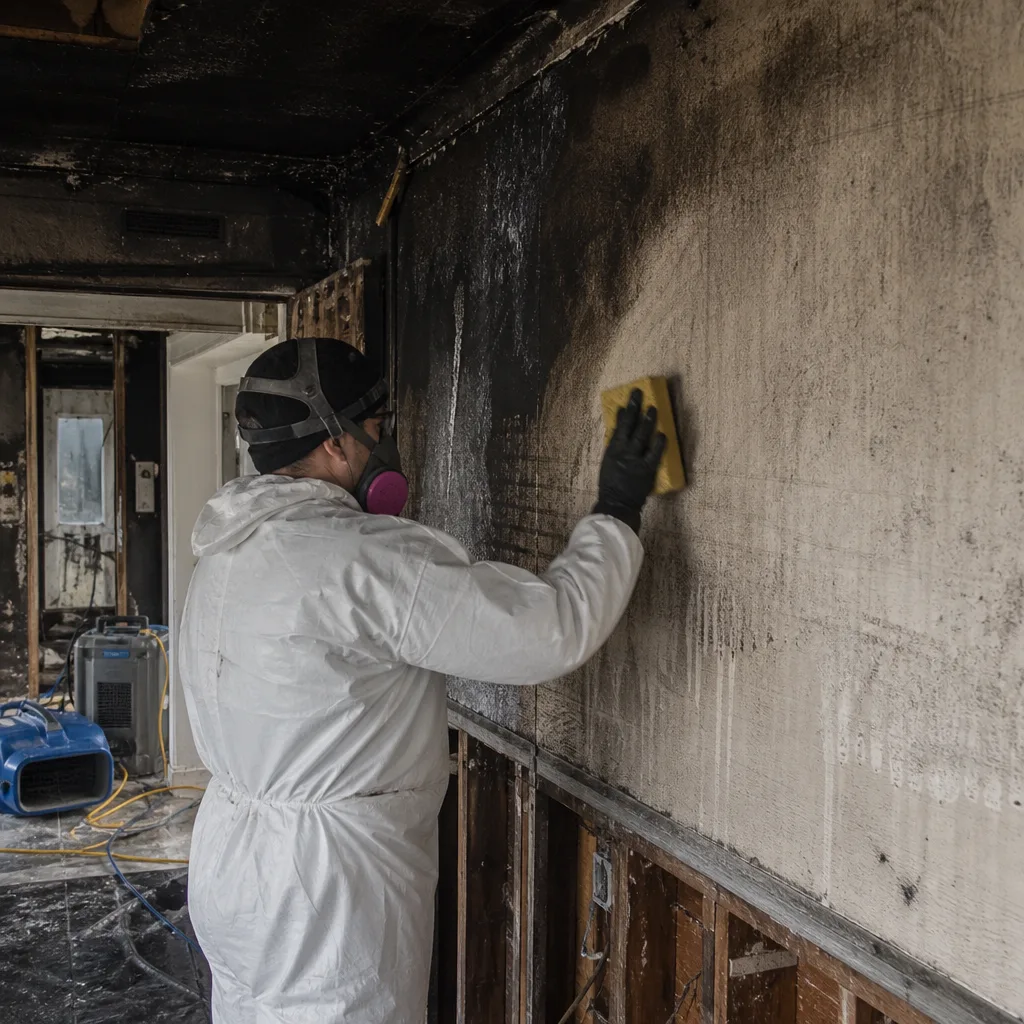
After a nor’easter blows through Sunset Park, the damage isn’t limited to water. Wind-blown debris breaks windows on 3rd Avenue retail fronts, tree limbs punch through flat roofs over brick rowhouses, and detritus clogs roof drains until water backs up under the membrane. We clear the damage, secure the building, and start drying the same day.
Flood Damage Restoration
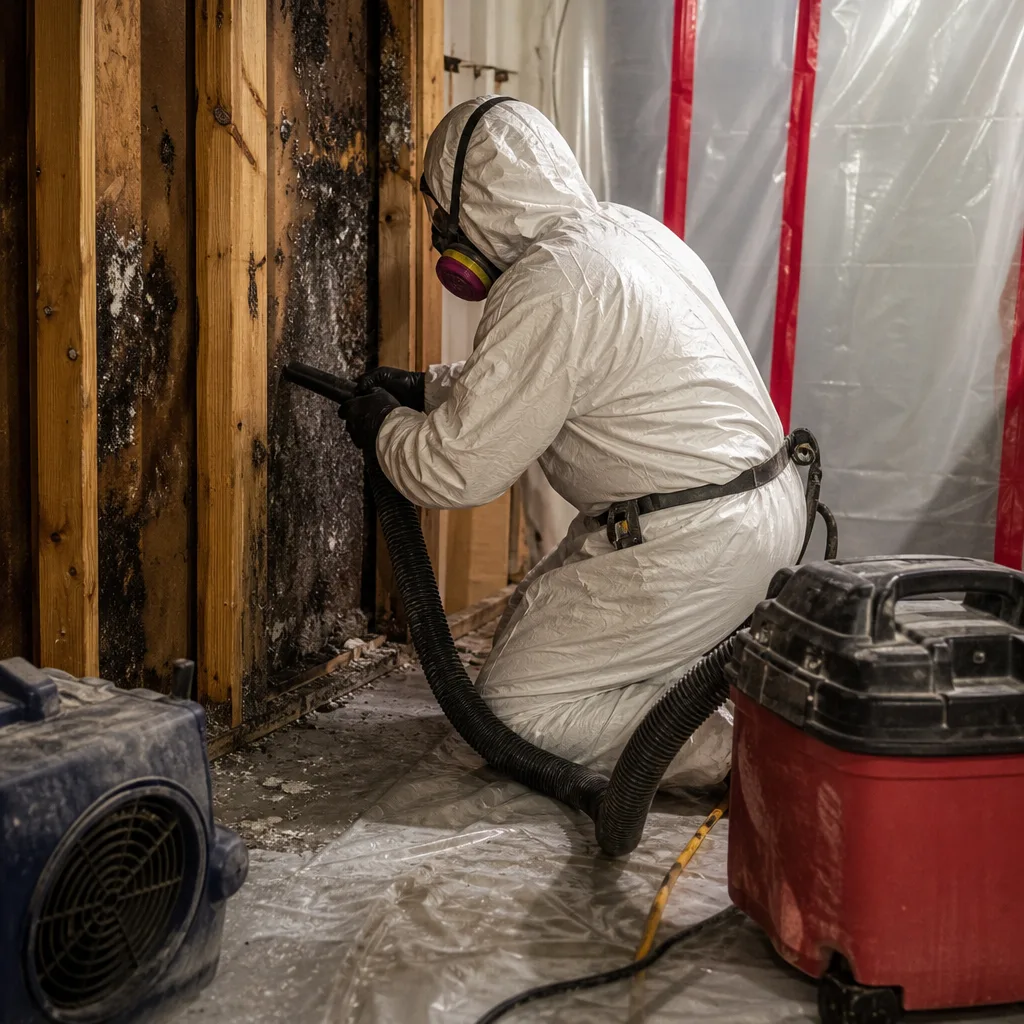
When surge water from Upper New York Bay overcomes the bulkheads and fills a basement on 1st or 2nd Avenue, this is a Category 3 event. We handle it with full containment, antimicrobial treatment, and structural drying mapped to the masonry and timber framing of the building. The water comes out fast, but the drying plan runs as long as the materials require.
Roof Tarping
The flat built-up tar roofs on Sunset Park’s pre-war rowhouses fail in the same places: around parapet walls, at the scuppers, and where the roof meets the party wall. After wind damage or impact, we install water-tight tarps that stop further water entry while you and your carrier decide on the permanent repair. A good tarp keeps a $4,000 roof repair from becoming a $40,000 wall-and-ceiling restoration.
Emergency Board-Up
Broken windows, blown-out doors, and storm impact damage leave a Sunset Park property exposed to looters, weather, and further loss. We board up openings the same day we’re called, using materials appropriate to the building’s age and facade. The board-up is temporary; the security it provides is immediate.
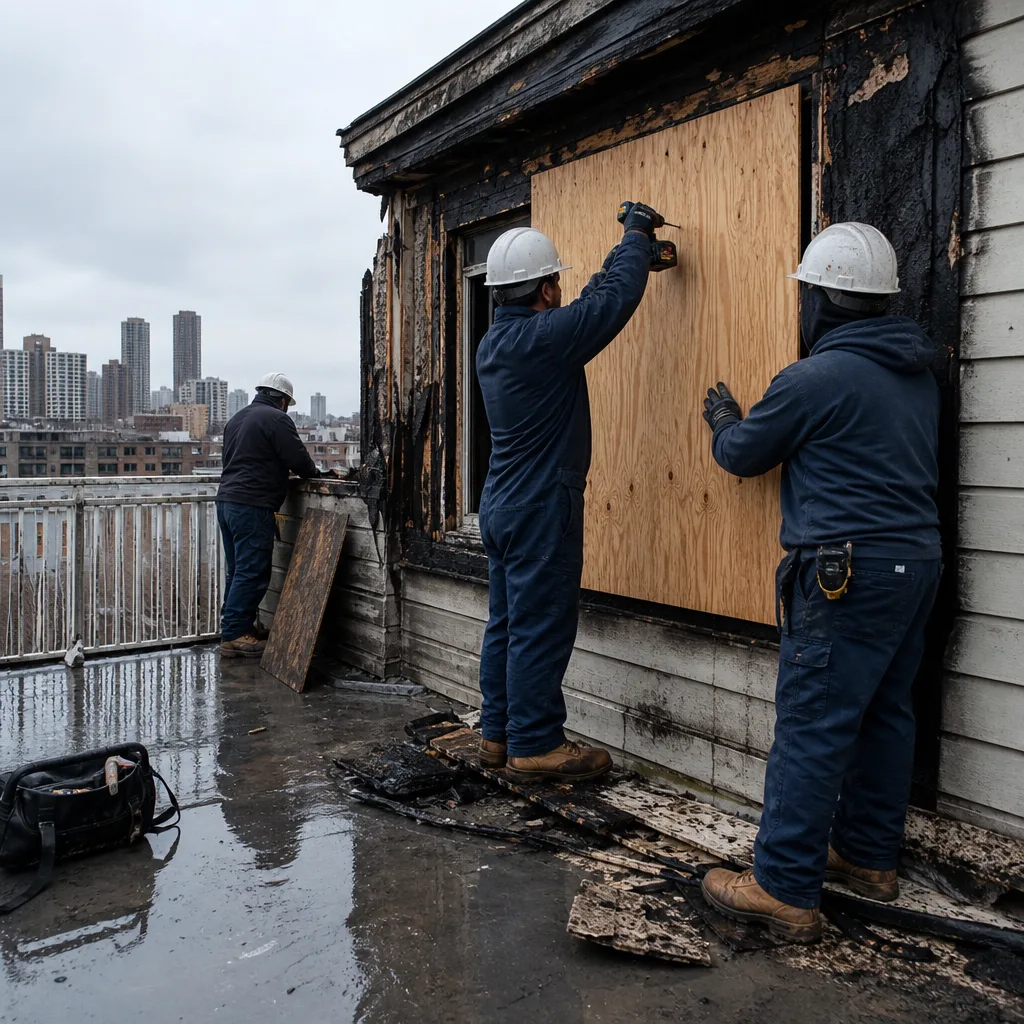
Storm Damage Cleanup
Downed tree limbs, blown-in debris, and flooded crawl spaces all need methodical removal and disposal. We haul away storm debris and document everything for your claim, matching the loss photos to the debris removed so your adjuster sees exactly what left the property and why.
What happens when you call
- 1
A real person answersNo phone trees - you reach a local pro.
- 2
You get an upfront price rangeHonest numbers before anyone is dispatched.
- 3
A background-checked tech heads outLicensed & insured, dispatched right away.
- 4
You approve before work beginsNothing starts until you say go.
Storm & Disaster Restoration Costs in Sunset Park, NY
Restoration costs in Sunset Park run on real numbers, not vague estimates. A flooded basement apartment in a pre-war rowhouse typically runs $3,200 to $8,500 for extraction, drying, and antimicrobial treatment, depending on square footage and how long the water sat. Storm surge flooding in a ground-floor commercial space near 8th Avenue can push $12,000 to $35,000 once pack-out, Category 3 materials removal, and structural drying are included. Roof tarping on a flat built-up tar roof runs $500 to $1,800 for the emergency seal, with the permanent repair priced separately. Emergency board-up typically runs $400 to $1,200 per opening, depending on size and access. What moves the price most in Sunset Park is shared party walls. When water crosses a property line and affects multiple units, the cost multiplies, and so does the claim complexity. A free visual inspection with a written line-item scope tells you exactly what you’re facing before any work begins. Most insurance policies covering storm damage reimburse the loss portion; our team walks you through what’s covered and what isn’t, and we bill the carrier directly for covered work.
We Also Serve Cities Near Sunset Park
Our crews work throughout the surrounding area. In addition to Storm & Disaster Restoration in Sunset Park, we serve Fairview, Harrison, East Bronx, and Hunts Point. The same certified crews, the same 45-minute response commitment, and the same 90-Day Done Right Promise apply everywhere we work.
Sunset Park Storm & Disaster Restoration Questions, Answered
How does Sunset Park’s split geography-FEMA flood-zone waterfront plus uphill brick rowhouses-change a storm restoration job?
It means every call starts with a classification question that other neighborhoods don’t ask. Below 3rd Avenue, we assume Category 3 storm surge until proven otherwise, with full containment and antimicrobial protocols. Above the ridge, the water is usually rain-fed and Category 2, but it travels laterally through shared party walls, so the affected area is often larger than the visible wet spot. The geography dictates the drying plan before we even arrive.
What is the typical cause of storm damage in Sunset Park’s attached brick rowhouses-roof or basement?
Both, but they happen in different seasons. Nor’easter season damages roofs - flat built-up tar systems fail at parapets and scuppers, then water saturates plaster ceilings and travels through party walls. Summer thunderstorm season hits basements, when runoff channels down the ridge and overwhelms sewer laterals and floor drains. A rowhouse with both problems at once is common in October and November, when a nor’easter brings wind-driven rain and coastal surge together.
Why do Sunset Park restoration crews set up containment so early on storm calls in mixed-use buildings along 8th Avenue?
Because 8th Avenue’s mixed-use buildings combine commercial kitchens below and residential units above, connected by unprotected shaft spaces and shared wall cavities. Storm water that mixes with grease-laden commercial waste, or suppression-system discharge from a storm-related kitchen event, becomes Category 3 quickly. We set containment before demolition so contaminated materials don’t spread dust and spores through the entire building and into the neighboring unit. Early containment protects the residents who didn’t have the loss.
Can you dry a pre-war plaster-and-lath wall after a storm, or does it always need to be opened?
In most Sunset Park rowhouses, plaster-and-lath can be dried in place with injection drying into the wall cavity and careful moisture monitoring. It dries slower than drywall - often 5 to 7 days instead of 3 - but the legacy plaster survives intact, which matters because replacing it with modern drywall in a 100-year-old rowhouse changes the building’s character. We only open walls when the plaster has deteriorated, the Category 3 contamination requires it, or the structural framing behind the plaster shows damage.
How do you handle a storm-surge flood in a Sunset Park basement apartment with a shared party wall?
We treat the basement as a Biohazard & Crime Scene Cleanup in Sunset Park Category 3 loss, remove all saturated porous materials, and treat every remaining surface with antimicrobial before drying begins. Then we moisture-map the shared party wall from both sides, because in attached brick rowhouses the water has likely wicked into the adjacent unit’s wall cavity. We set containment on the flooded side, inject drying into the shared wall from both units where access exists, and document everything for a multi-unit claim if needed. Call (917) 924-4221 and we’ll walk you through the exact process for your building.
How fast can you actually get to a Sunset Park storm call?
Our response commitment is 45 minutes from your call to a crew on-site anywhere in Sunset Park. During active nor’easters, we stage crews near the waterfront and the ridge so response time stays tight even when the BQE and local streets are congested. The sooner extraction starts, the less time water has to wick into plaster, masonry, and shared party walls.
Will my insurance cover storm damage restoration in Sunset Park?
Most standard homeowners policies cover wind-driven rain, roof damage, and burst-pipe flooding. Storm surge and sewer backflow often require specific endorsements or flood insurance, especially in the FEMA flood zone along Sunset Park’s waterfront. We review your policy with you during the free inspection, document the loss to match what your carrier needs, and bill the insurance company directly for covered work. You’re not left fighting the claim alone.
What should I do in the first 30 minutes after storm water enters my Sunset Park home?
Call (917) 924-4221 first. Then, if it’s safe: shut off power to affected areas from the breaker panel, don’t walk through standing water if any electrical outlets or appliances are submerged, and move valuables to higher ground if you can do so without risk. Don’t attempt to pump out a flooded basement yourself - the water may be Category 3, and removing it improperly spreads contamination. Take photos of everything before anything is moved. Then wait for our crew to arrive with the right equipment and the right drying plan.
Serving Sunset Park, NY - Our Local Coverage Area
We’re based in the Sunset Park area and know this community well. Use the map below to see our service coverage - if you’re nearby, we can almost certainly help.
Sunset Park’s Split Geography, One Restoration Standard
Sunset Park is the only Brooklyn neighborhood where FEMA Special Flood Hazard Zone storm-surge blocks sit immediately below a dense ridge of pre-war attached brick row houses, forcing restoration crews to toggle between groundwater and storm-surge jobs in lower industrial-conversion spaces and multi-unit water-intrusion calls that spread laterally through shared party walls in century-old masonry rowhouses. No adjacent neighborhood combines both flood-zone waterfront exposure and this density of attached pre-war residential masonry in such compressed proximity.
On a nor’easter call at a three-family brick rowhouse on 54th Street between 4th and 5th Avenues, our techs found Category 3 storm surge water had wicked through the shared party wall from the flooded basement apartment into the adjacent unit’s plaster-and-lath wall cavities. We ran moisture mapping with Dri-Eaz and Protimeter gear, set up containment and injected structural drying into the shared wall, and replaced the galvanized supply lines that had failed - restoring both owners to pre-loss condition without a full gut that the legacy plaster would not have survived. That’s the job we do in Sunset Park: respecting what’s old, removing what’s damaged, and drying what can be saved.
When you need Storm & Disaster Restoration in Sunset Park, call (917) 924-4221. We answer live, we show up on time, and we stand behind every job with the 90-Day Done Right Promise, in writing. Led by Curt Bowman, the Sunset Park crews at Floodline Restoration Co. have been handling storm, flood, and disaster recovery with the same standard since day one. Your home is old enough to deserve a restoration crew that knows how to treat it.
Written by Curt Bowman, Owner at Floodline Restoration Co., serving Sunset Park and surrounding communities since 2010.