
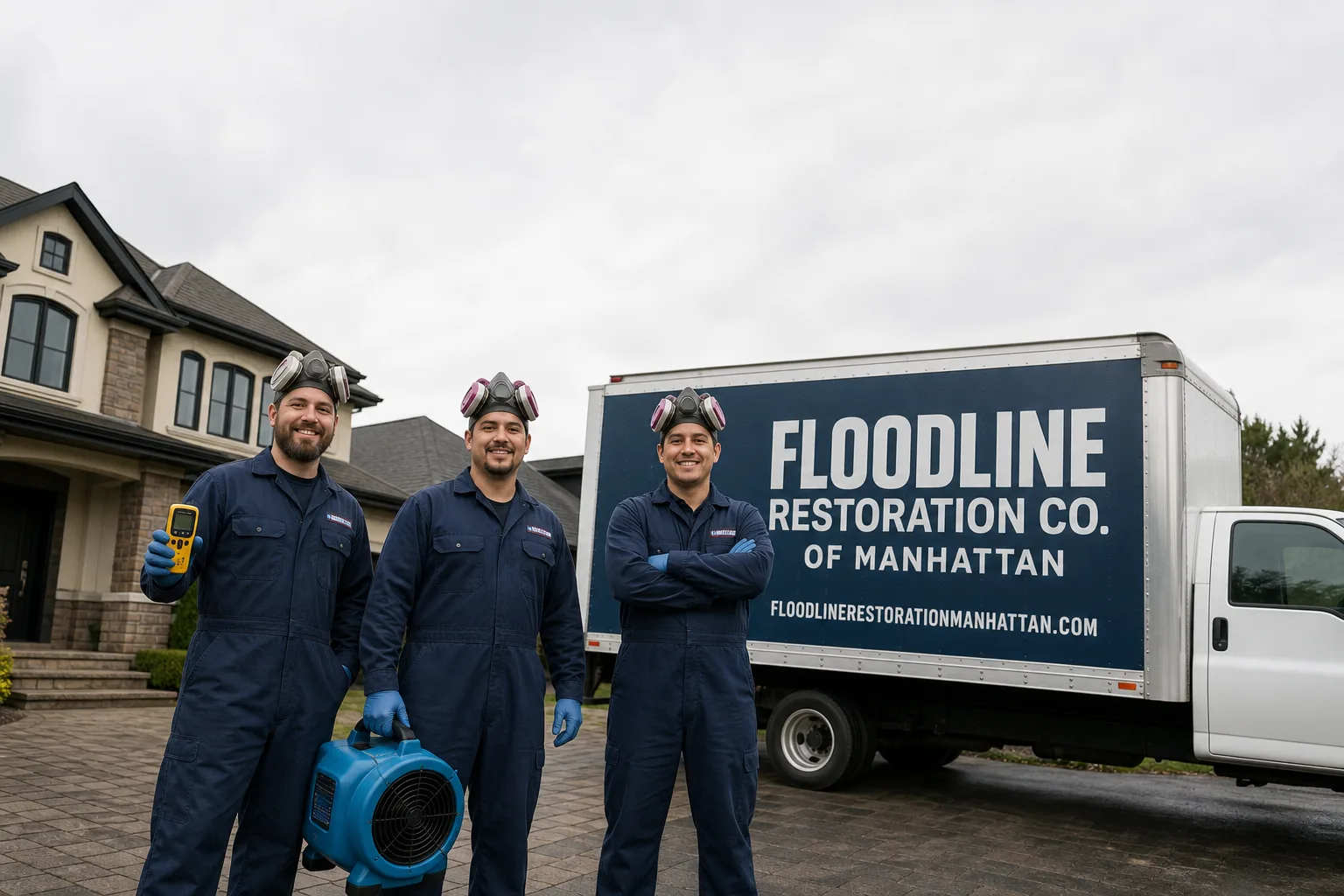
Free visual inspection and a written scope of work before any mitigation begins - photos, moisture readings, and drying logs go in your claim file
The scope we write is the scope we bill. Anything new gets shown to you, in writing, before we touch it.
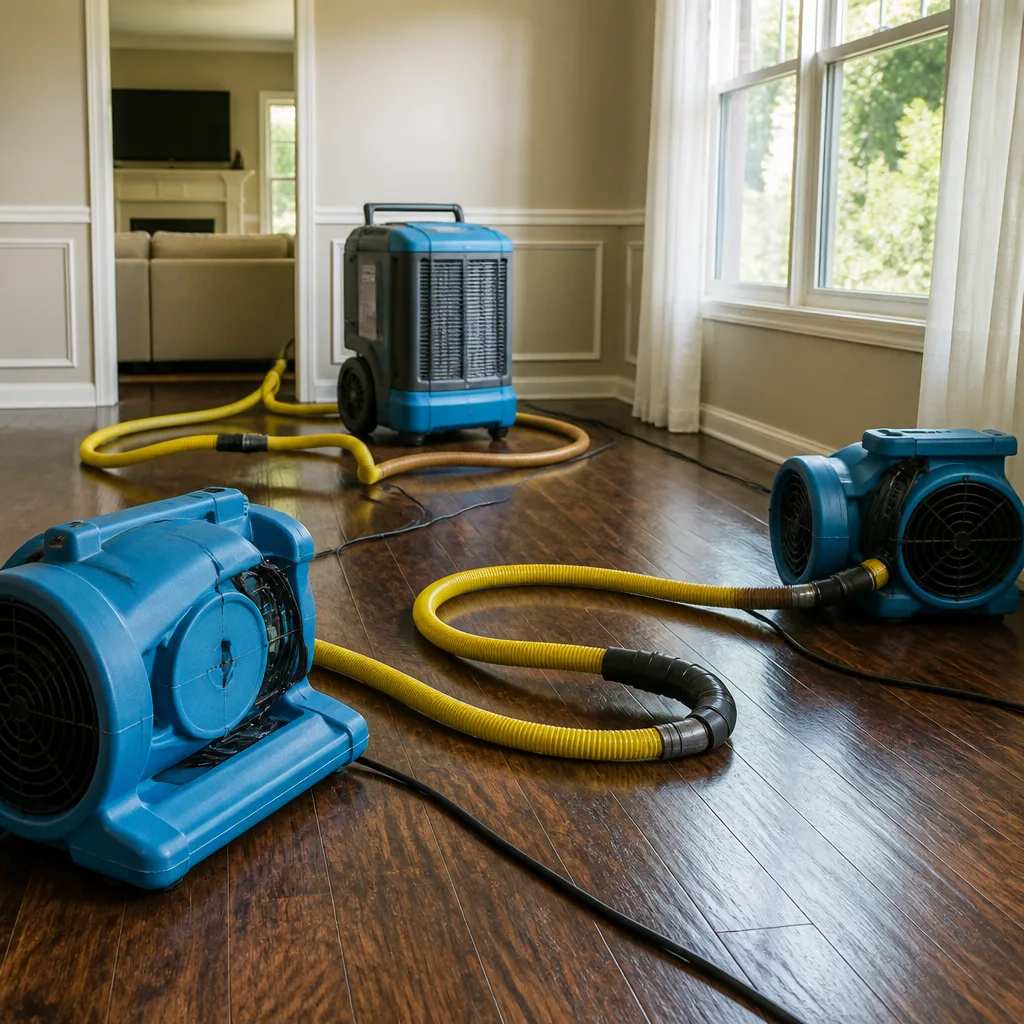

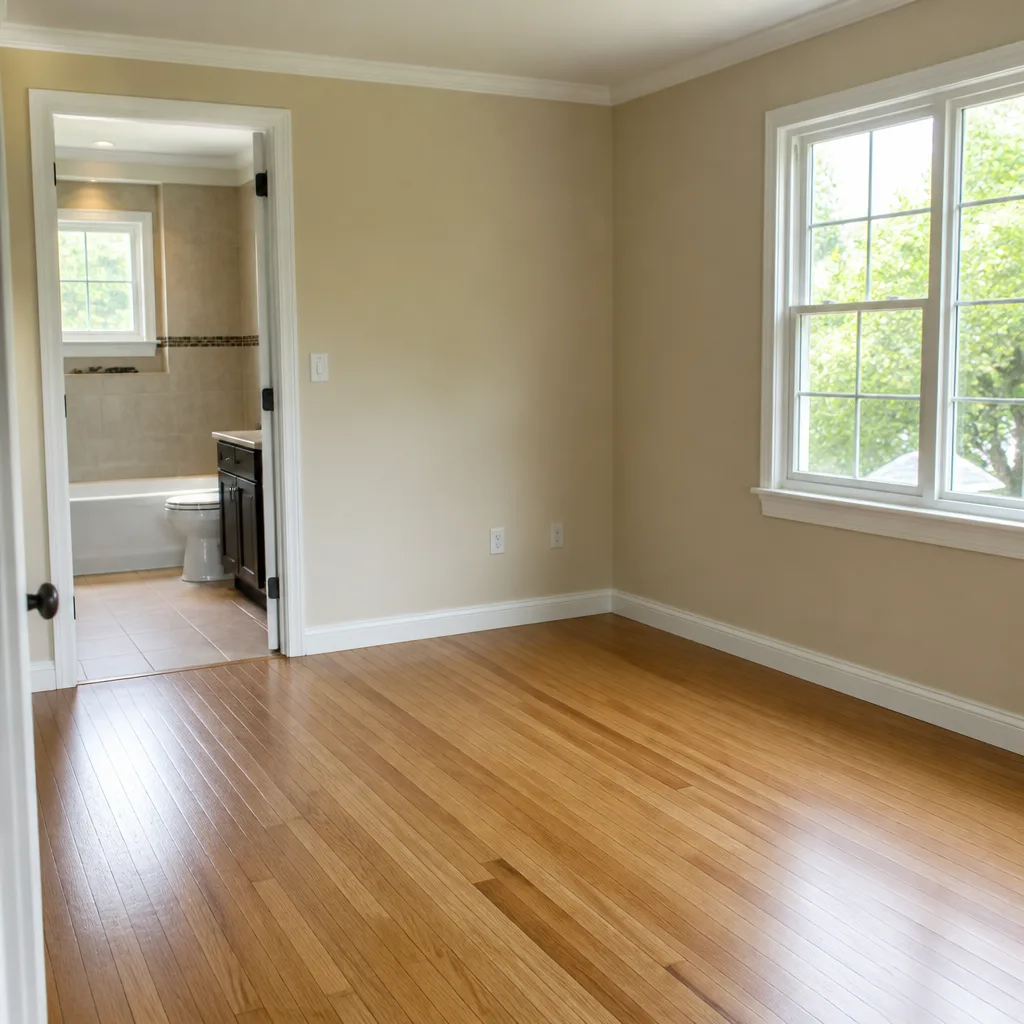
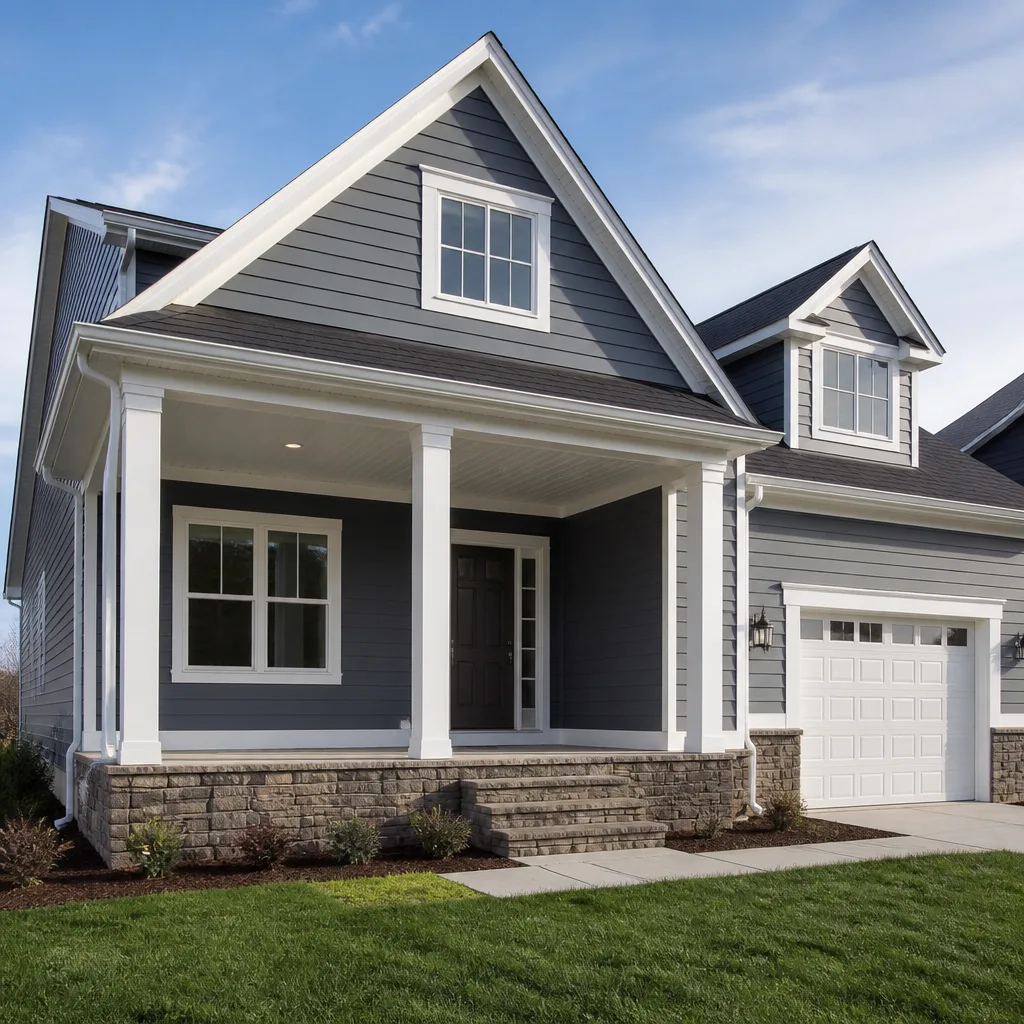
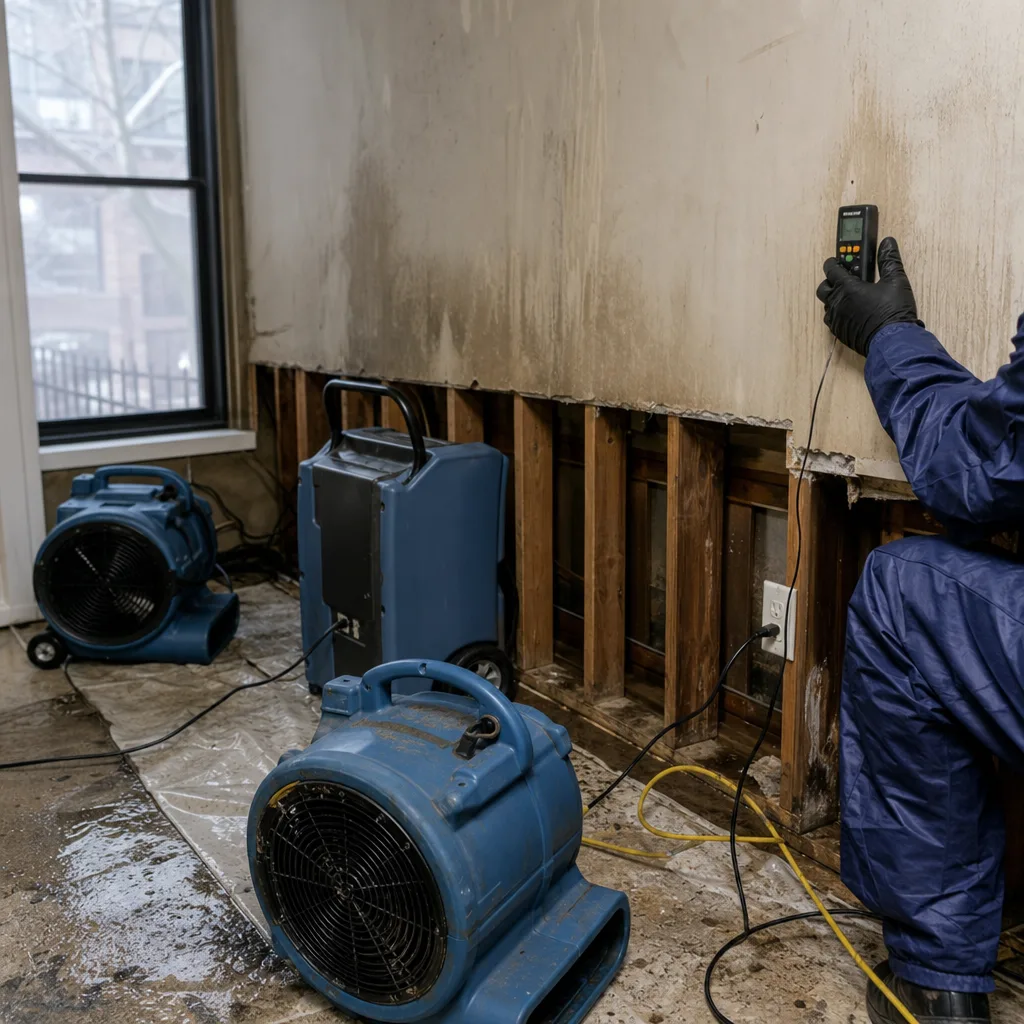 Before
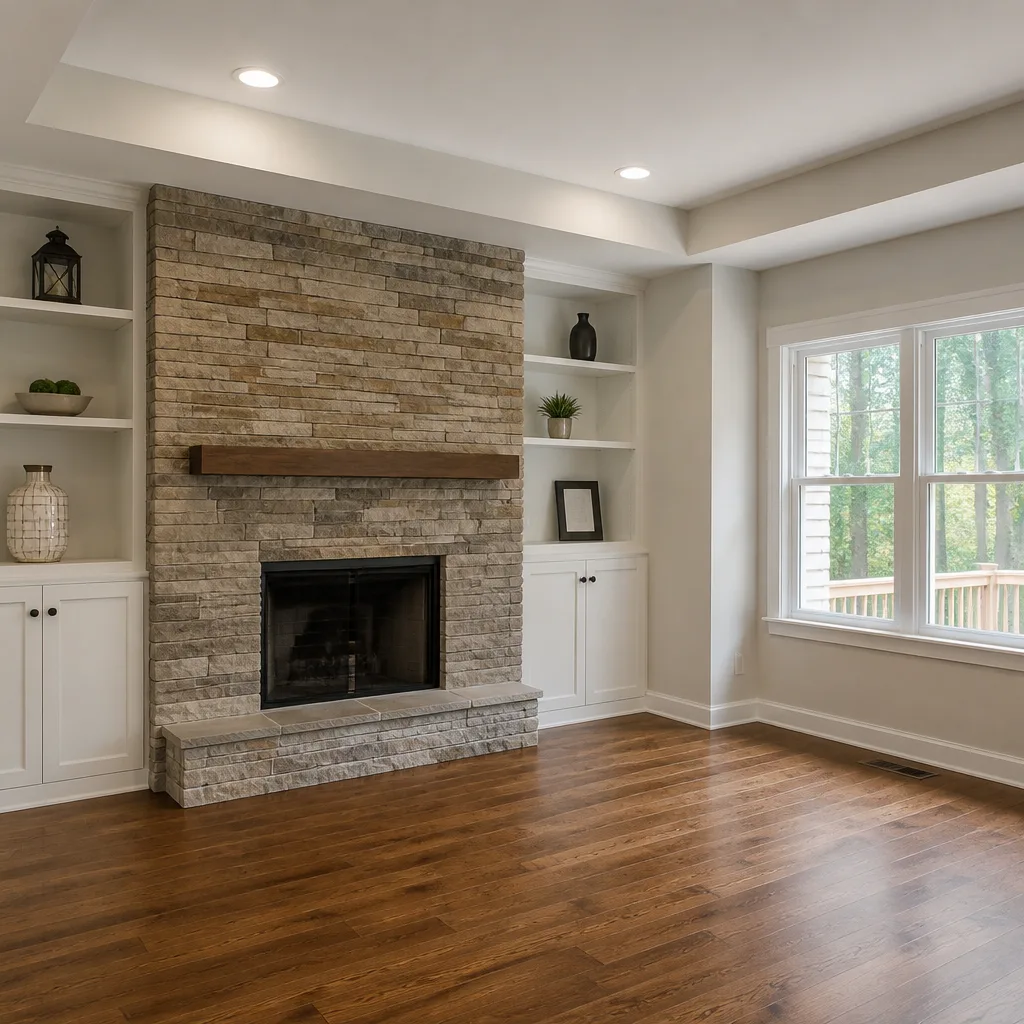
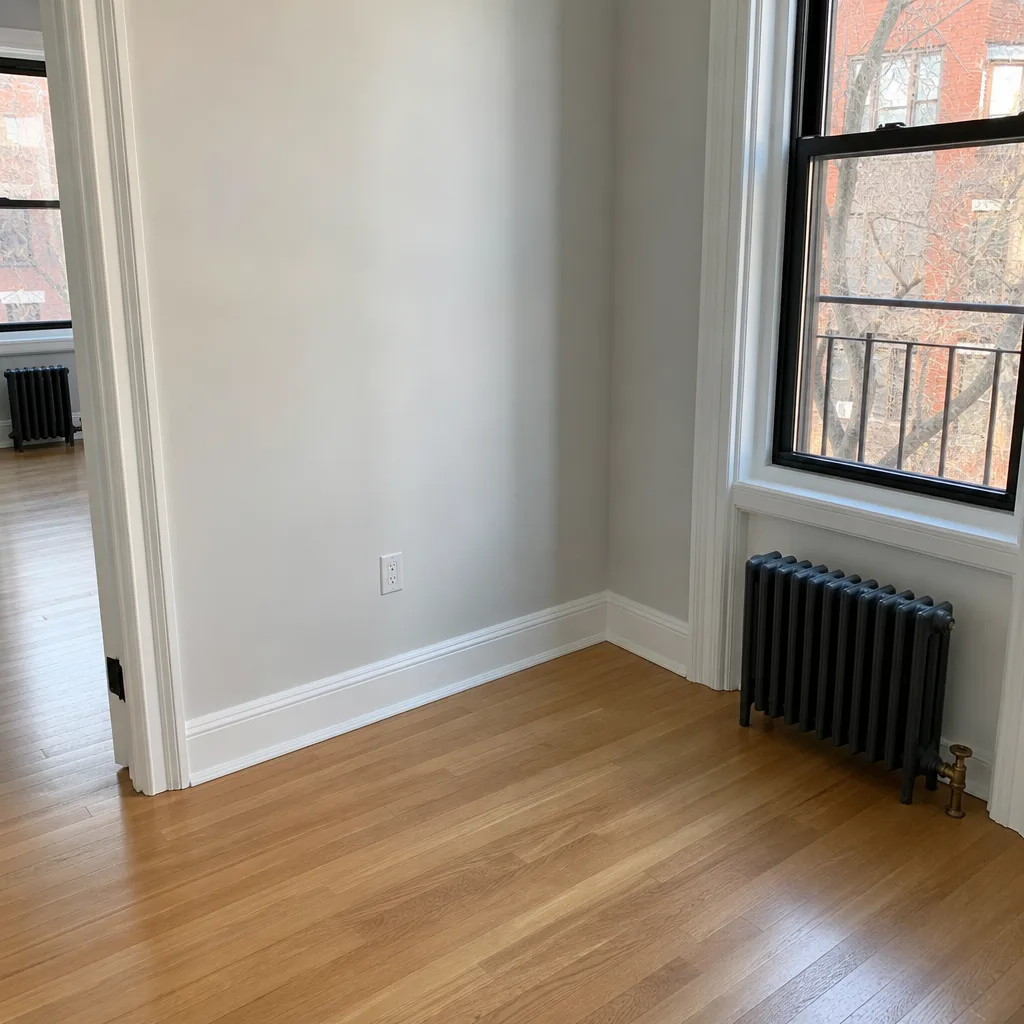 After
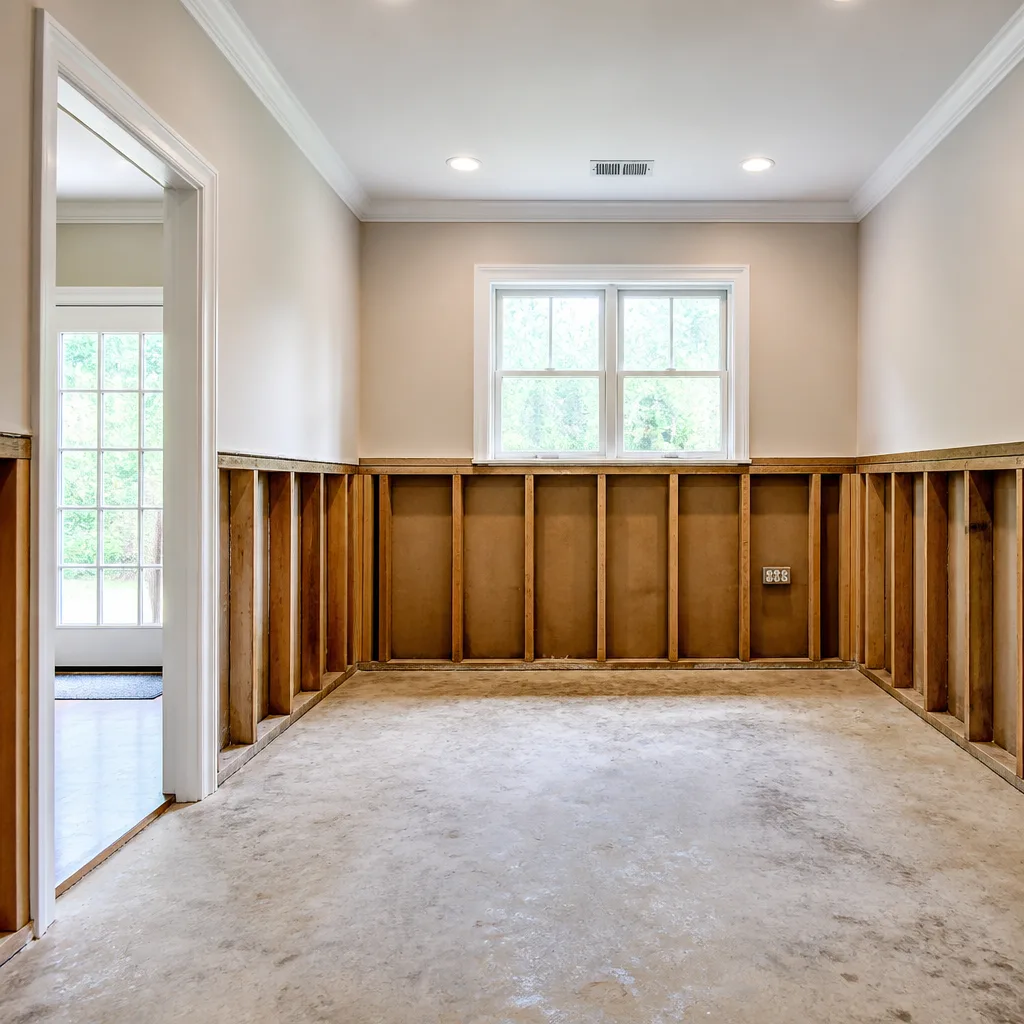
After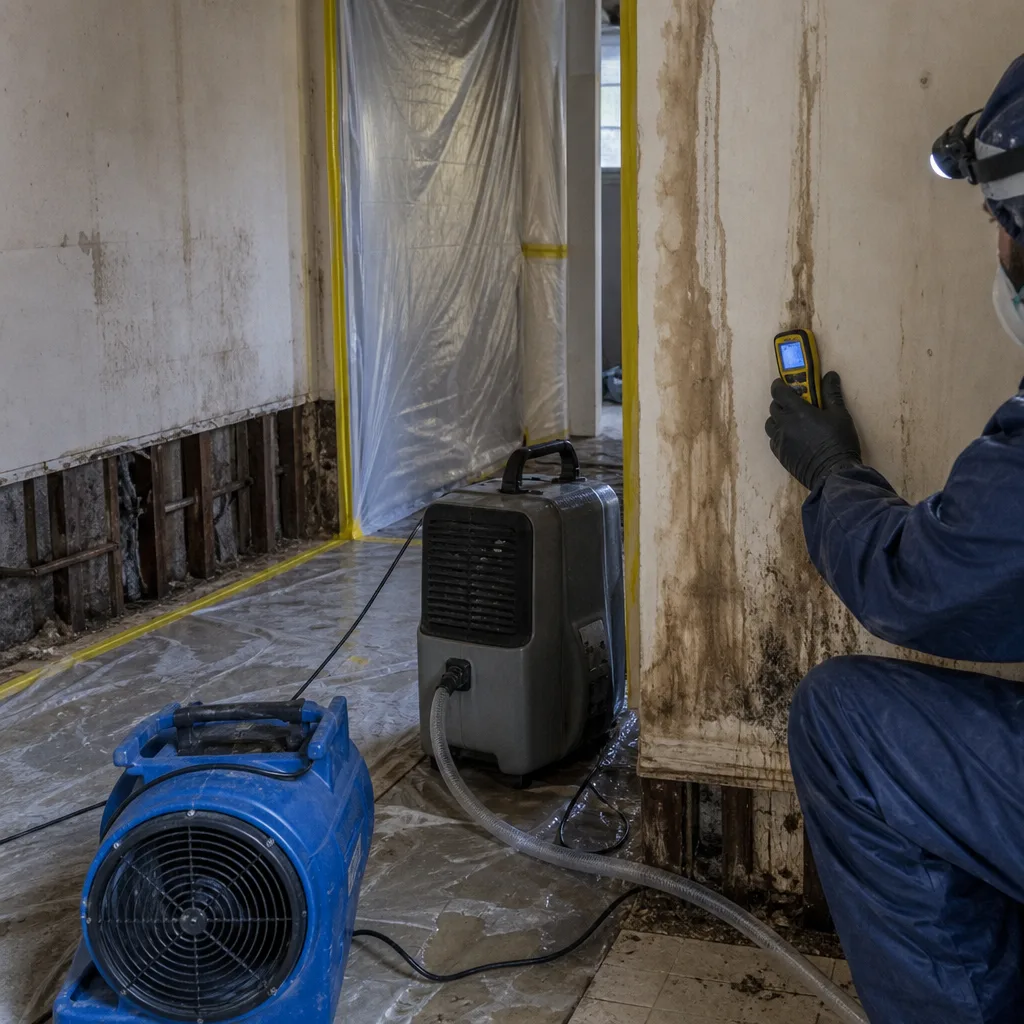 Before
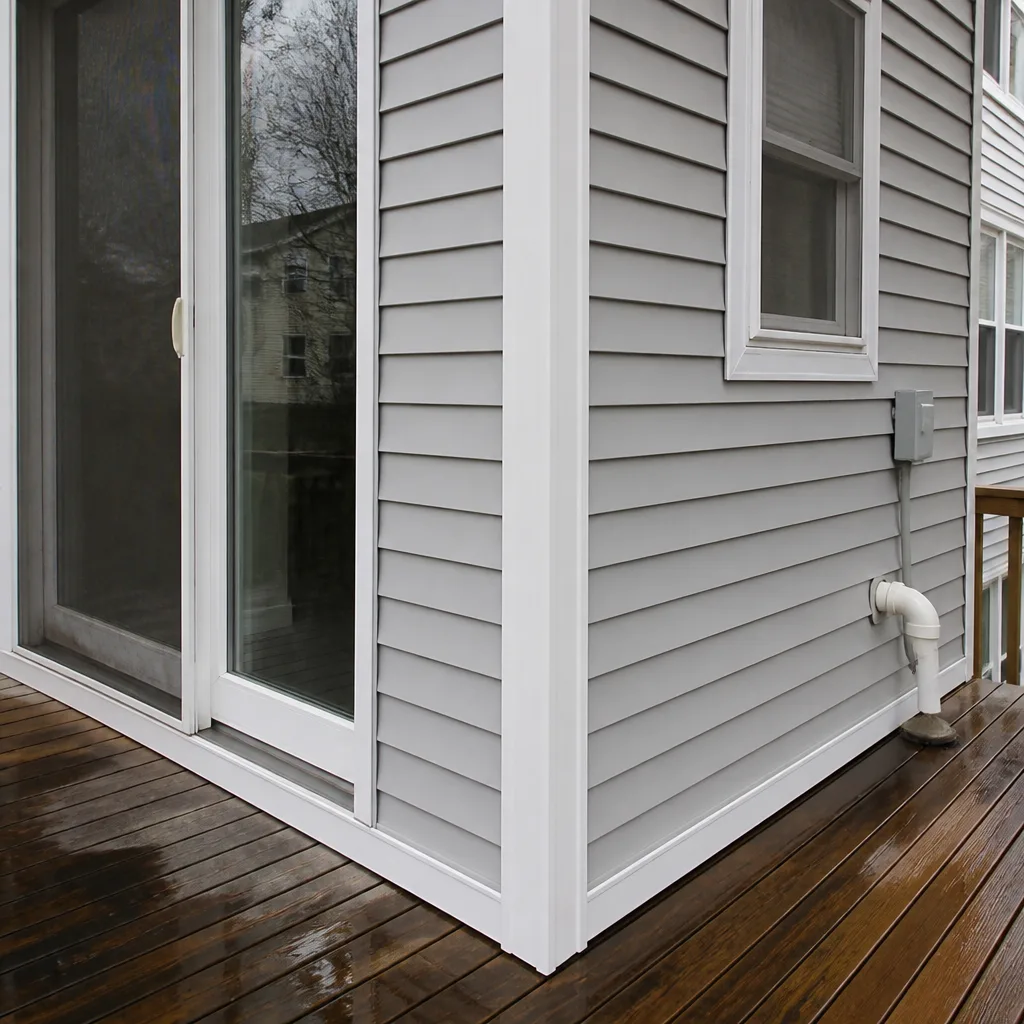 After
After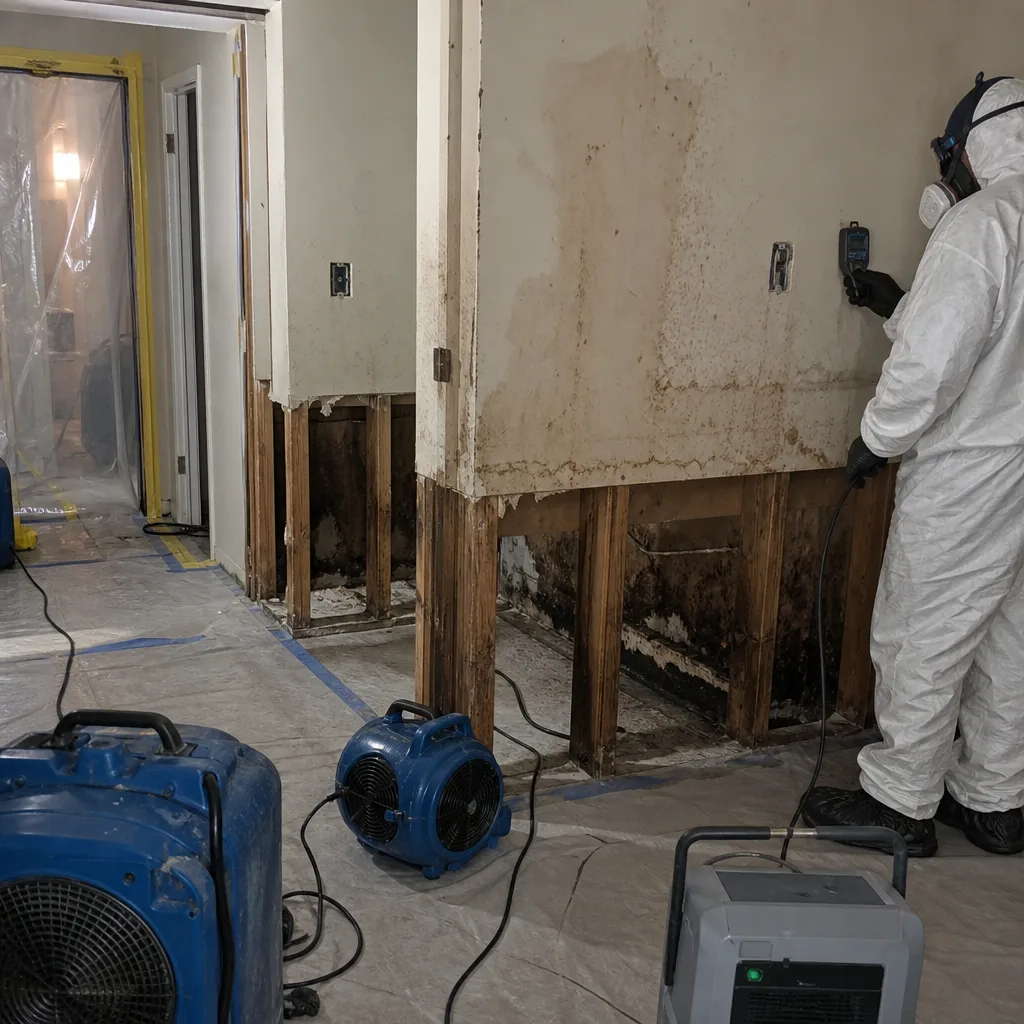 Before
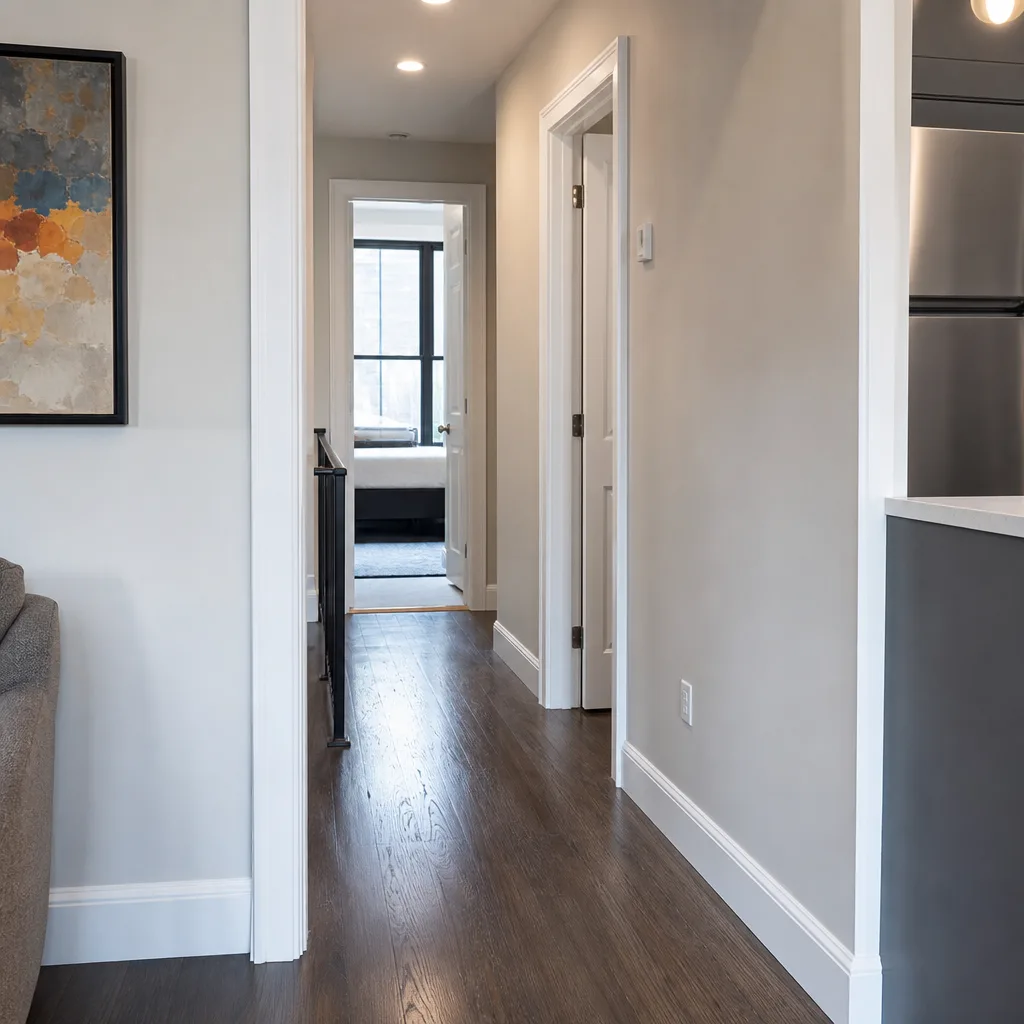 After
After24/7 Emergency Storm & Disaster Restoration in Thiells
Storm damage in Thiells moves fast, and the first call you make determines whether a wet basement becomes a finished-room rebuild. We answer live at (917) 924-4221 at any hour, every day of the year, and our certified crews dispatch into Thiells, West Haverstraw, and Stony Point without routing through a call center. When a nor’easter drives four inches of rain off the Ramapo ridge and into the valley floor, extraction equipment needs to run the same visit, not the next morning. Our Storm & Disaster Restoration team arrives with a moisture map, containment plan, and industrial drying equipment already staged on the truck. The free visual inspection we perform before any work begins gives you a straight read on what category water you’re dealing with, what gets dried versus what gets cut out, and what the restoration scope actually is. No sales desk, no recorded menu, no waiting for a callback while water wicks up drywall.
Understanding Storm & Disaster Restoration Severity in Thiells Properties
Thiells presents a specific restoration profile that flatter Rockland County hamlets don’t share. The housing stock, predominantly 1960s to 1980s split-levels and raised ranches, was built on clay-heavy glacial soils that drain poorly and hold water against foundation walls for days after a storm passes. When stormwater funnels down from the Ramapo Highland ridge into the Thiells valley, hydrostatic pressure builds against those basement walls and finds the weakest seam. That’s usually the original cove joint where slab meets wall. We classify the resulting water by category. Category 1 is clean stormwater from roof or window intrusion. Category 2 carries significant contamination, which is common once runoff has crossed a driveway or saturated garden soil before entering the basement. Category 3, the worst, includes sewage or creek overflow from the Minisceongo Creek watershed backing up during heavy rain. Each category dictates a different protocol under IICRC standards. Thermal imaging and penetrating moisture meters tell us where water has migrated behind baseboards and under vinyl flooring, and structural drying continues until hygrometer readings meet the dry standard, not until the surface feels dry. In Thiells, pulling air movers too early because the floor looks fine is how mold appears behind trim three weeks later.
Why Thiells Property Owners Choose Floodline Restoration Co. of Manhattan
- 45-minute response commitment. When a Thiells homeowner calls with water moving across a basement floor, our crews are in the valley within 45 minutes, not at the end of a two-hour dispatch queue.
- 24/7 live answer, no automated system. At 2 a.m. during a nor’easter, a real dispatcher picks up. That person routes a certified crew to your address while you’re still on the phone.
- IICRC-certified crews. Our technicians train to WRT and ASD standards for water damage, FSRT for fire and smoke, and AMRT for mold, and they carry the RIA and IFA certifications that your insurance carrier recognizes.
- Free visual inspection. Before any work begins, we walk the damage with you and explain what we’re seeing, what we’re going to do, and what it will cost. No surprises, no pressure.
- Direct insurance billing. We bill your carrier directly and handle adjuster communication from first documentation to final invoice, so you never play messenger.
- One team from extraction to reconstruction. The same certified crew that sets up drying on day one rebuilds what needs rebuilding. No mid-job handoff, no inherited subcontractor, and the 90-Day Done Right Promise in writing when we finish.
Our Storm & Disaster Restoration Process
Inspection & Assessment
We walk the full affected area and map moisture with thermal imaging and penetrating meters. You get a category classification for the water, a written scope, and an honest answer about what gets dried versus what gets removed.
Extraction & Stabilization
Standing water comes out immediately with truck-mounted extraction units. We then stabilize the structure: tarp any exposed roof, board any broken window or door opening, and isolate electrical hazards. For wind-damaged garage doors, we secure or remove the track so the opening isn’t left exposed overnight.
Drying & Dehumidification
We set Dri-Eaz dehumidifiers and B-Air air movers on a calculated layout, not scattered at random. Daily hygrometer readings are logged until the structure reaches the dry standard established on day one. In Thiells’s clay soils, we know that standard often takes longer to reach than a surface reading suggests.
Cleaning & Sanitization
Affected surfaces are cleaned with antimicrobial treatment appropriate to the water category. If category 2 or 3 water was present, we remove porous materials that cannot be adequately sanitized, including saturated drywall, baseboard, and carpet pad.
Storm-Specific Treatment
For Thiells storm damage, this means addressing the failure points that let water in: rebuilding cove-joint seams with proper drainage, reinforcing wind-rated door tracks and panels, and correcting grading where runoff is directed at the foundation.
Repairs & Restoration
Once the structure is dry and stable, the same Floodline crew rebuilds. Drywall, trim, flooring, door replacement, and structural repair happen in sequence, and the work carries the 90-Day Done Right Promise in writing.
Need Emergency Storm & Disaster Restoration in Thiells Now?
Crews minutes away, answering live 24 hours a day. The sooner we start, the less it costs.
Working With Your Insurance Company
Storm damage claims in Thiells go smoother when documentation begins in the first hour. Our crews photograph every affected area room by room before touching anything, log moisture readings throughout the drying process, and generate a line-item scope of work that speaks the language adjusters expect. We communicate directly with your carrier and adjuster, so you’re not stuck relaying technical questions about drying standards or cove-joint failure modes. If your adjuster has a question about why category 2 water requires drywall removal, we answer it with documentation, not argument. The written guarantee and daily moisture log go to your carrier as part of the file, and you get the same copies.
What We Provide Your Insurer
- Thorough documentation of the loss
- Photos of all damage, room by room
- Moisture readings and drying logs
- A detailed, line-item scope of work
- Direct coordination with your carrier
Built for Thiells’s Loss Calendar
Thiells’s storm damage isn’t spread evenly across the year. It arrives in seasonal pulses. January and February bring deep freezes that pool cold air in the lower terrain along the base of the Ramapo ridge, repeatedly stressing pipe joints and roof assemblies. Freeze-thaw cycling splits exterior hose bibs and old copper supply lines, and a burst line on the first thaw weekend is a classic Thiells call. March and April thaw the clay-heavy glacial soils, and the snowmelt plus spring rain drives groundwater up against foundation walls, bringing basement seepage through cove joints in a pattern we see every year. June through August thunderstorm systems roll off the highlands with flash flooding that overwhelms the Minisceongo Creek watershed and sends runoff down hillside-facing streets. September through November is nor’easter season, when coastal systems drop four to six inches in a matter of hours and the topographic funnel effect does its worst. The owners of 1970s split-levels who skipped a pre-storm inspection of their basement seam and wind-rated doors are the calls we take at 2 a.m. in October.
Storm & Disaster Restoration Across Thiells’s Neighborhoods
Thiells sits at the base of the Ramapo Highland ridge, and the stormwater behavior changes block by block. Homes on hillside-facing streets east of Rosman Road take the direct runoff hit, especially the 1970s split-levels with original cove-joint basement floors that wick water inward hours after heavy rain stops. The clay soil holds saturation, hydrostatic pressure builds against the foundation wall, and the slab-to-wall seam fails predictably. We’ve been to the same addresses after multiple nor’easters because the underlying drainage issue was never corrected. Over near the Minisceongo Creek corridor, homes sit closer to the water table, and even a moderate storm can push groundwater up through sump pits and floor cracks. On the flatter streets off Thiells Mount Ivy Road, wind exposure matters more than flood risk: garage door tracks and panels take the full brunt of nor’easter gusts funneled along the ridge. West of Route 202, older homes with mature trees see roof damage and debris impact from limbs that have spent forty years reaching toward the house. Knowing which failure mode your block produces means we arrive with the right equipment staged and the right questions already answered.
Specialized Storm & Disaster Restoration Services We Offer in Thiells
Flood Damage Restoration
The defining restoration peril in Thiells, full stop. When the Ramapo runoff funnel sends stormwater down into the valley, basements on hillside-facing streets flood through cove joints, window wells, and sump failures. Our crews extract standing water the same visit, map the full moisture footprint, and dry the structure to the IICRC dry standard using Dri-Eaz dehumidifiers and B-Air air movers sized for the square footage, not the visible puddle.
Storm Damage Cleanup
After a nor’easter pushes through, the cleanup scope in Thiells usually includes saturated drywall, ruined carpet pad, waterlogged insulation, and the mud and debris that rode in with the runoff. We handle removal, containment, and sanitization in one pass, with HEPA air scrubbing running during demolition to keep airborne particulate from migrating into unaffected rooms.
Emergency Board-Up
A broken window or wind-damaged door leaves a house open to wind, rain, and everything else during the next band of a storm system. We board and secure openings the same call, using proper fastening that holds through follow-on gusts. If a garage door track is bent beyond function, we secure the panel or remove the damaged section so the opening isn’t flapping in the wind while the rest of the response is underway.
Roof Tarping
When a tree limb from a mature Thiells lot punches through a roof deck, the next rain turns a small patch into a ceiling collapse. We tarp the damaged section with reinforced poly fastened to code, watertight against the next system. Tarping is a stabilization measure that buys time for a proper roofing repair or replacement, and we document everything for your carrier.
Debris Removal
Storm debris in Thiells often includes tree limbs, wind-blown shingle material, and whatever the runoff carried down the ridge. We clear the property, separate materials for insurance documentation, and haul what needs to go. You shouldn’t be dragging a downed limb off your driveway while your adjuster waits for photos.
What happens when you call
- 1
A real person answersNo phone trees - you reach a local pro.
- 2
You get an upfront price rangeHonest numbers before anyone is dispatched.
- 3
A background-checked tech heads outLicensed & insured, dispatched right away.
- 4
You approve before work beginsNothing starts until you say go.
Storm & Disaster Restoration Costs in Thiells, NY
Storm restoration pricing in Thiells tracks the local housing stock and the specific failure mode. A typical basement flood from a cove-joint failure on a 1970s split-level, involving category 2 water extraction and structural drying, runs $3,800 to $7,500 depending on finished square footage and how far water migrated behind trim and under flooring. Emergency board-up for a broken window or door opening is generally $350 to $900, including materials and same-visit labor. Roof tarping on a typical Thiells ranch or split-level runs $500 to $1,400 depending on pitch and access. Storm debris removal on a standard lot runs $400 to $1,800. The biggest cost driver is water category and how long it sat before extraction started; category 3 water from creek or sewer backup always costs more because porous materials must be removed rather than dried. Insurance typically covers most storm-related losses, and we bill your carrier directly. The free visual inspection gives you a firm, line-item scope before any work begins, so there’s no open-ended hourly billing and no surprise. The 90-Day Done Right Promise applies to every job we complete in Thiells, and the $50 Off Any Repair Over $250 and Senior & Veteran 5% discount apply to storm restoration work, just as they do to any Floodline job.
We Also Serve Cities Near Thiells
Storm and disaster restoration dispatch from Thiells reaches the surrounding Rockland County communities on the same call. We regularly respond in West Haverstraw, Stony Point, Pomona, and Haverstraw, bringing the same certified crews, same equipment, and same written guarantee to homeowners dealing with wind damage, floodwater, and structural intrusion.
Serving Thiells, NY - Our Local Coverage Area
We’re based in the Thiells area and know this community well. Use the map below to see our service coverage - if you’re nearby, we can almost certainly help.
Thiells Storm & Disaster Restoration Questions, Answered
Why does my Thiells basement flood hours after the rain stops, even when the storm was not a major event?
The clay-heavy glacial soils around Thiells hold water like a sponge and release it slowly, while the Ramapo ridge runoff funnel keeps feeding water downslope for hours after the rain ends. Hydrostatic pressure builds against your foundation walls, and the original cove joint where slab meets wall is the predictable failure point. The water you see at 2 a.m. is often groundwater that started moving hours earlier. Call (917) 924-4221 as soon as you see seepage, and we’ll be there within 45 minutes to map the intrusion and start extraction.
What wind rating should a storm door or garage door have in Thiells for nor’easter season?
For Thiells exposure along the base of the Ramapo ridge, we recommend a minimum of a wind-rated door designed for 90 mph gusts, and impact-rated if the opening faces the ridgeline or sits within a wind funnel corridor. The nor’easter gusts that funnel along the ridge have bent standard residential garage door tracks repeatedly. If your existing door predates current wind standards, a pre-storm inspection can tell you whether reinforcement or replacement is the smart call before the next system arrives.
After a nor’easter, how fast will mold start on wet drywall in a Thiells basement?
In Thiells’s humid valley climate, mold growth on saturated drywall can begin within 24 to 48 hours if the moisture isn’t actively being removed. That’s why our crews don’t wait until morning to respond. Proper structural drying with Dri-Eaz dehumidifiers running continuously is what prevents a wet basement from becoming a mold remediation job. If water has been sitting for more than a day before you call, we treat the affected area as a potential mold site, not just a drying job.
My garage door track was bent by high wind during the last storm. Can it be repaired, or does it need full replacement?
It depends on the deformation. A slight track misalignment can often be straightened and re-secured. But if the panel is dented, the rollers are binding, or the track pulled away from the header, a partial repair may leave you vulnerable during the next wind event. We assess the door’s wind rating, the extent of track damage, and the panel condition, then give you a straight recommendation. If it’s a pre-storm situation, we’ll secure or remove the damaged section that night so your opening isn’t exposed, and schedule the proper repair with a written scope.
How fast can a Storm & Disaster Restoration crew actually reach my Thiells home during a major storm?
We commit to a 45-minute response within the Thiells valley and surrounding Rockland County hamlets, even during active nor’easter conditions. Our dispatchers are local and our trucks are staged for the storm path. You call (917) 924-4221, a live person answers, and a crew is rolling while you’re still on the line. The first hour is when extraction makes the difference between a drying job and a rebuild.
Will my insurance cover storm and flood damage in Thiells?
Most homeowner policies in New York cover storm-related water intrusion from wind-driven rain, roof damage, and falling debris. The key distinction is rising groundwater and creek overflow, which typically require separate flood coverage. We document everything from hour one, generate a line-item scope, and bill your carrier directly. If the adjuster says something isn’t covered, we’ll show you the specific documentation and help you understand your options. The goal is a square deal, not a fight.
Can my family stay in the house during storm damage restoration?
That depends on the water category and how far the damage extends. Category 1 water from a clean roof leak is often manageable with containment while you stay in unaffected rooms. Category 2 water, common with Thiells runoff that crossed soil and pavement before entering the basement, calls for containment and air scrubbing, and we may recommend staying elsewhere until drying is complete. Category 3 water from creek or sewer backup means the affected area is a health hazard until full sanitization is finished. We’ll give you a straight answer during the initial inspection.
What should I do in the first 30 minutes after storm water enters my Thiells home?
Call (917) 924-4221 first. Then, if you can do so safely, shut off power to the affected area at the breaker and avoid walking through standing water that may be carrying contamination. Don’t run a shop vacuum on a wet carpet, don’t lift saturated carpet pad yourself, and don’t start pulling drywall. The water category matters, and moving wet materials wrong can spread contamination and void coverage. Our crew will be there within 45 minutes and take it from there.
Thiells sits at the base of the Ramapo Highland ridge, and the topography doesn’t change. The stormwater that funnels down into this valley will keep coming every nor’easter season, and the clay-heavy glacial soils will keep holding that water against foundation walls. What can change is whether a wet cove joint becomes a filled-in waterproofed seam, whether a wind-bent garage door gets reinforced before the next system, and whether a flooded basement gets dried to standard rather than just dried to touch. Curt Bowman founded Floodline Restoration Co. in 2010 to run exactly these jobs, start to finish, with one certified crew and a written guarantee. If your Thiells home took storm damage, or if you want to prevent the next one, call (917) 924-4221 for a free estimate. We answer live, we arrive fast, and we stand behind the work.
Written by Curt Bowman, Owner at Floodline Restoration Co. of Manhattan, serving Thiells and the surrounding Rockland County communities.