
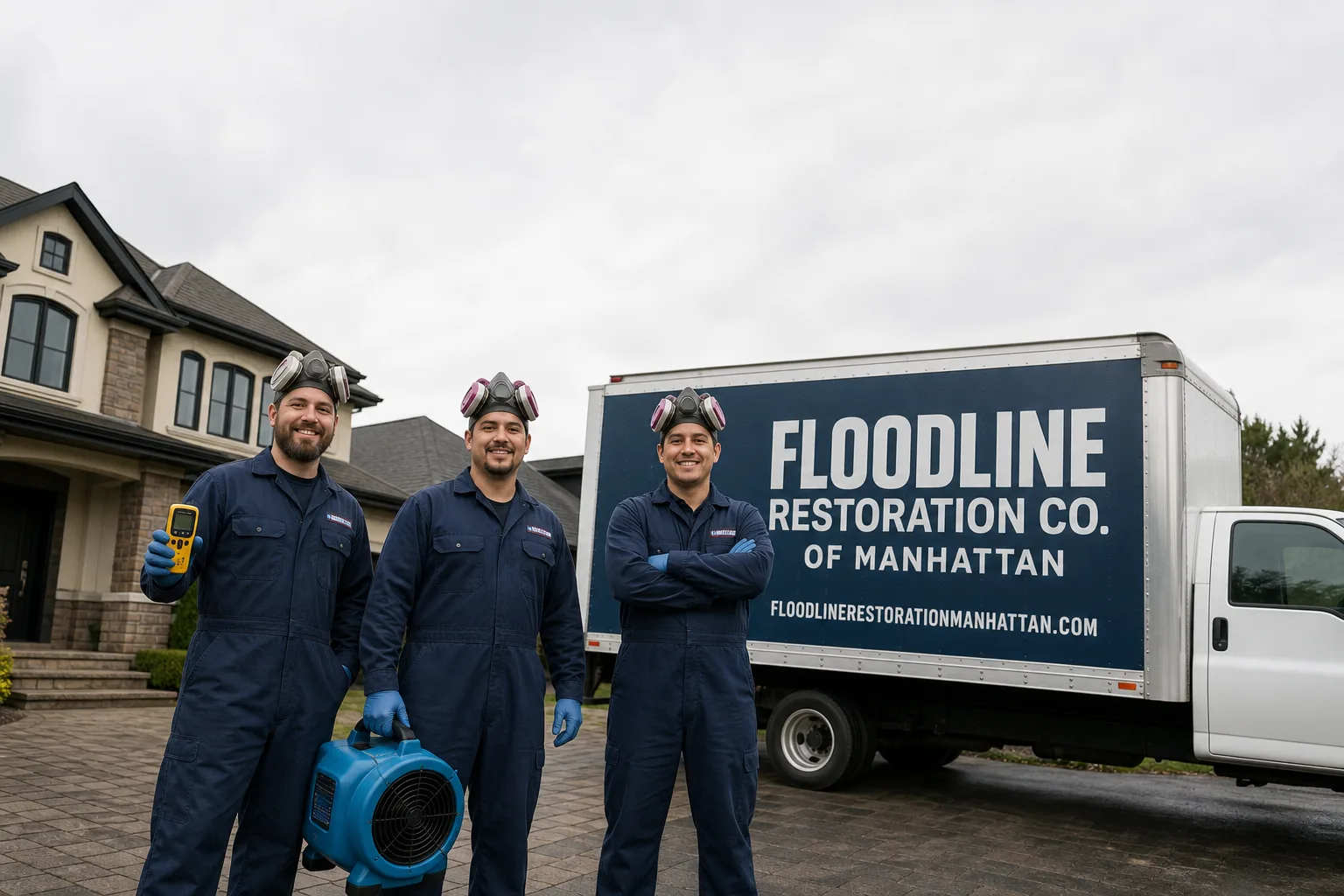
Free visual inspection and a written scope of work before any mitigation begins - photos, moisture readings, and drying logs go in your claim file
The scope we write is the scope we bill. Anything new gets shown to you, in writing, before we touch it.
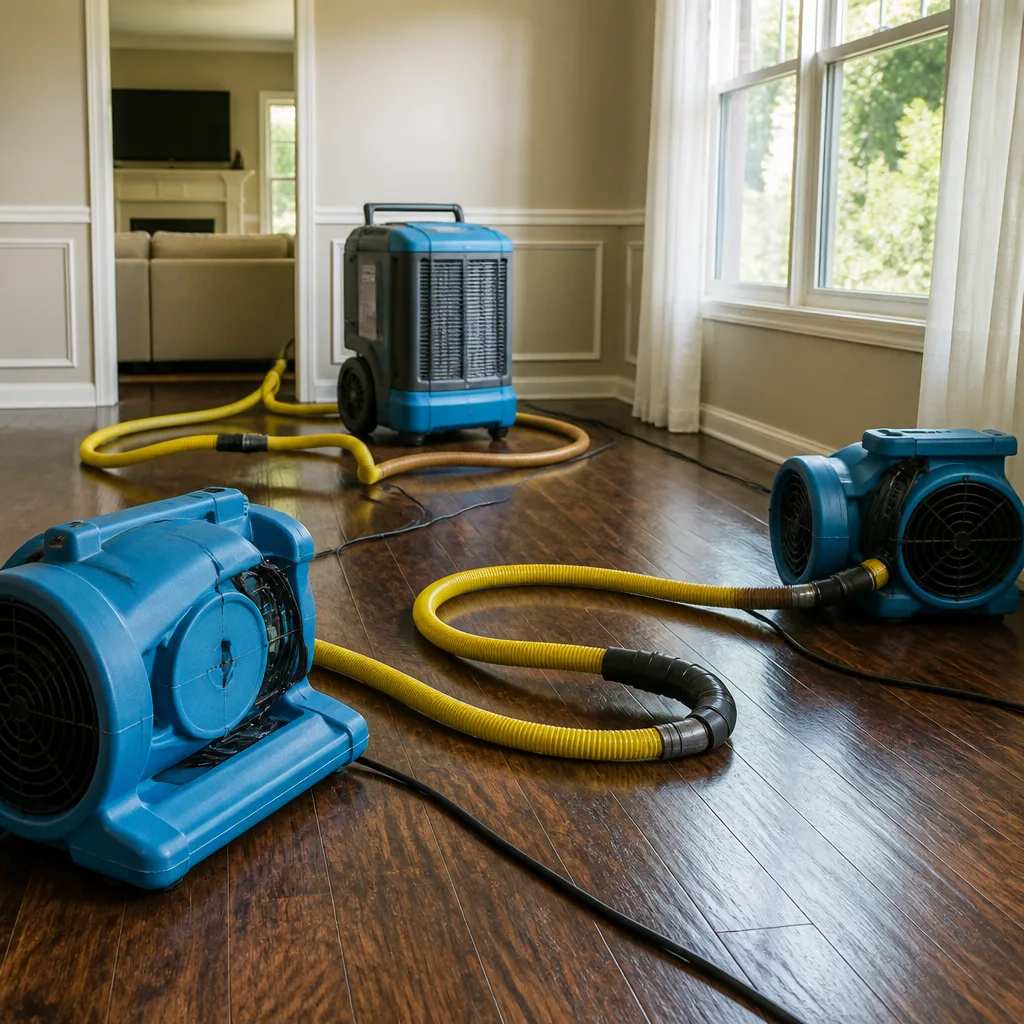
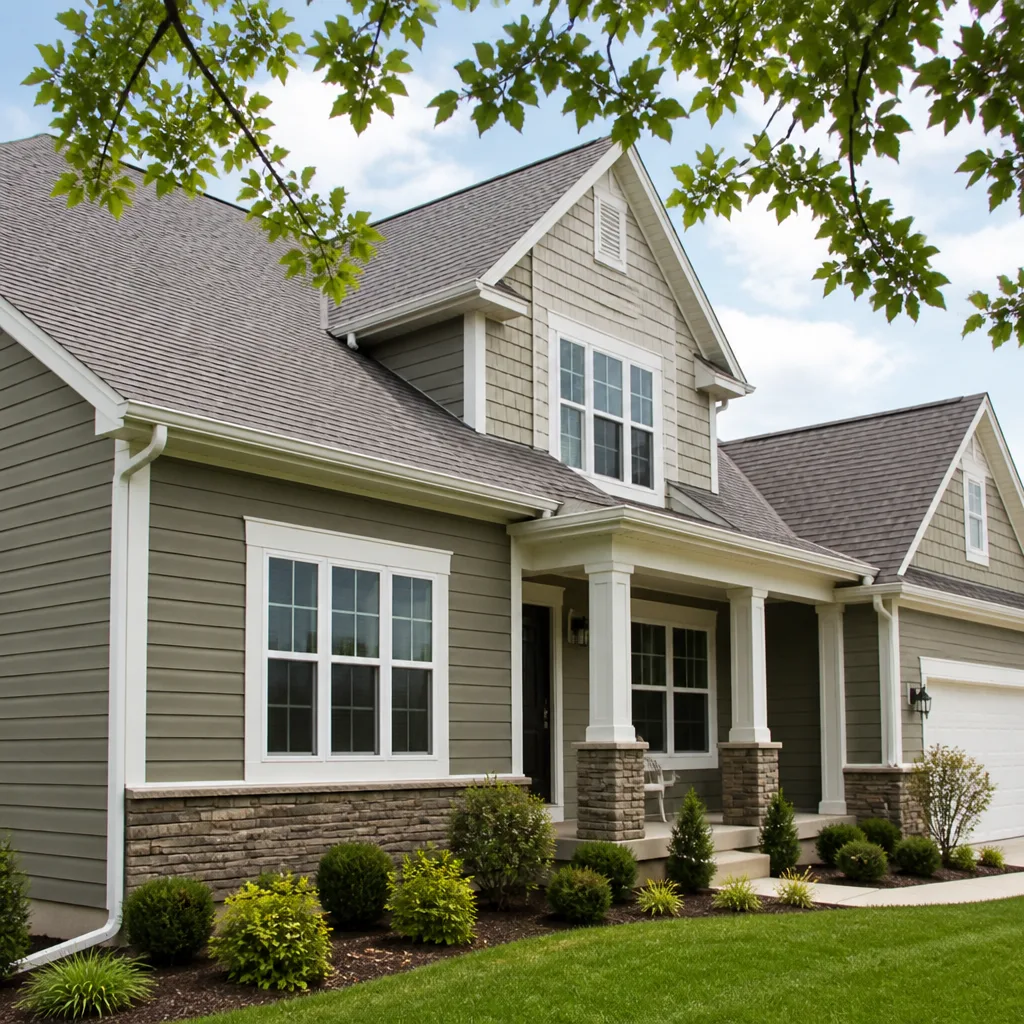
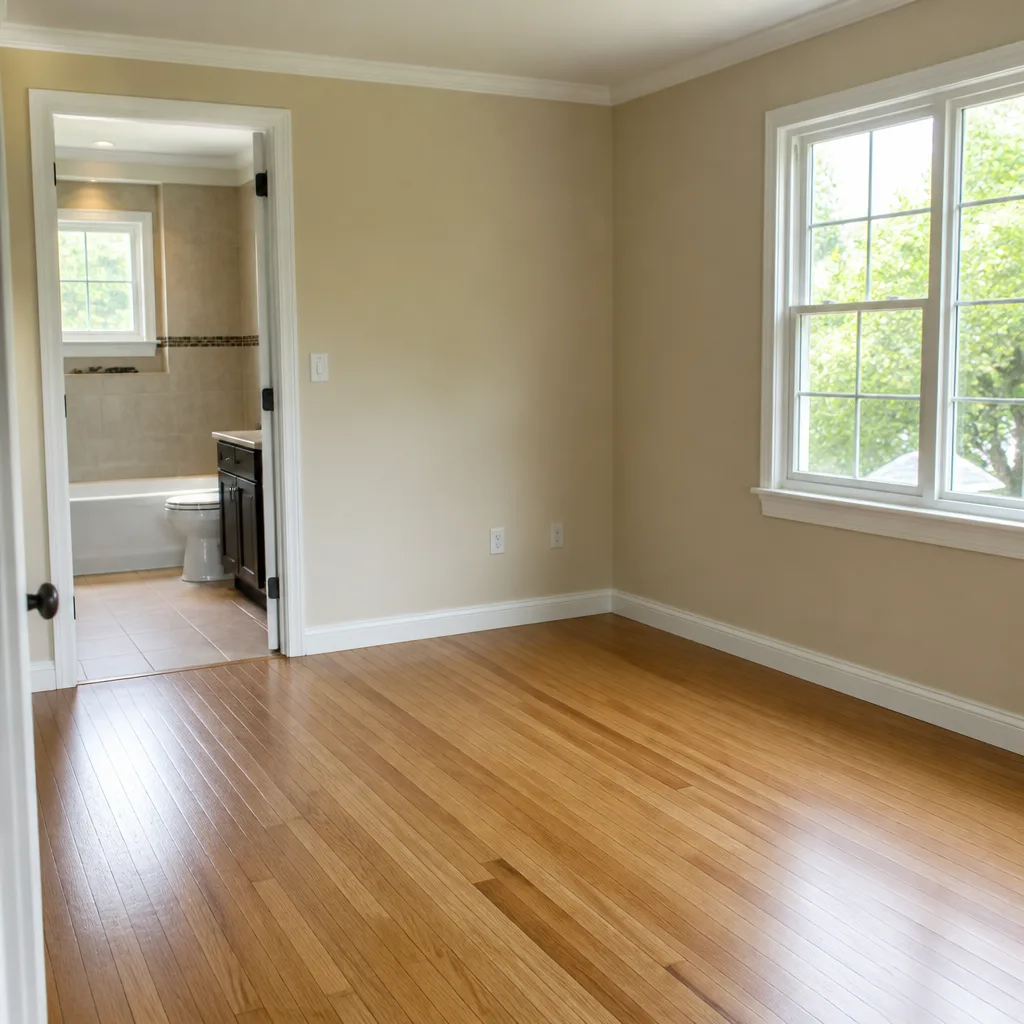
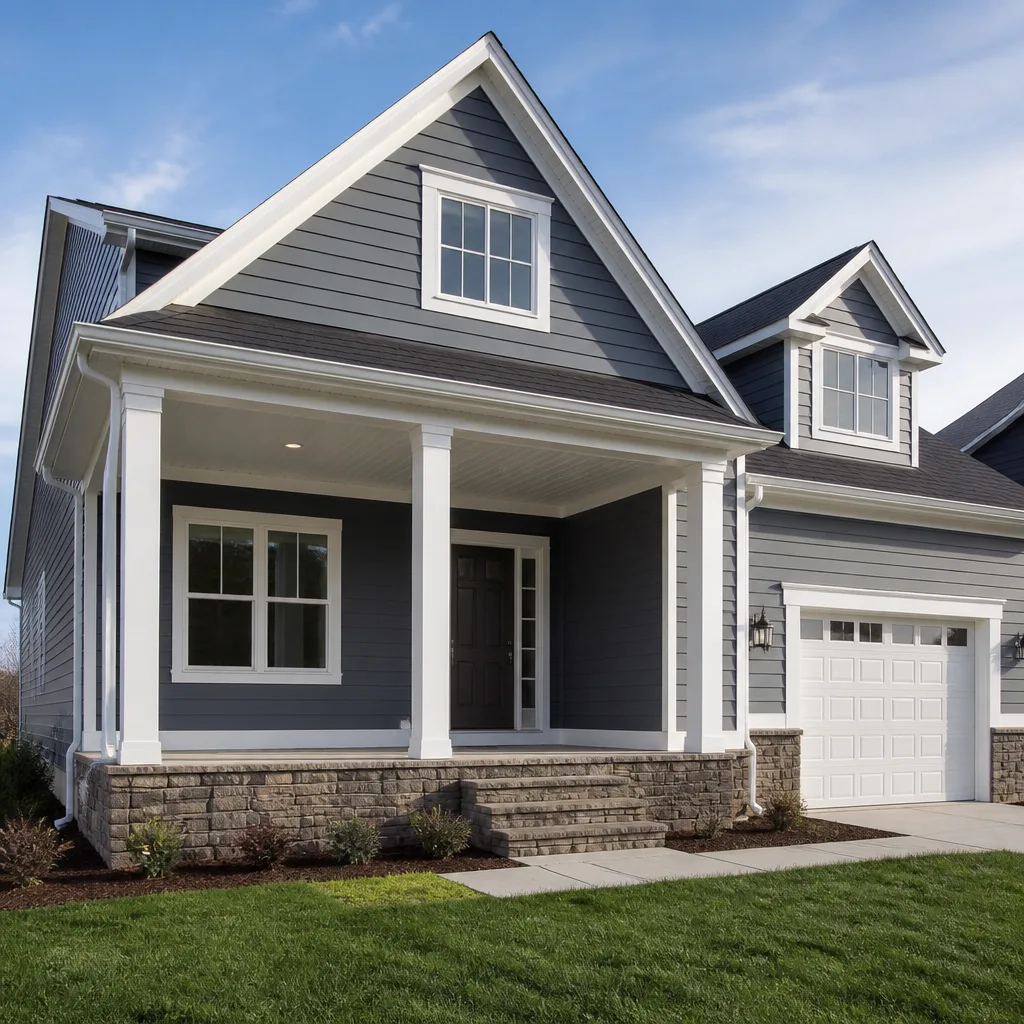
 Before
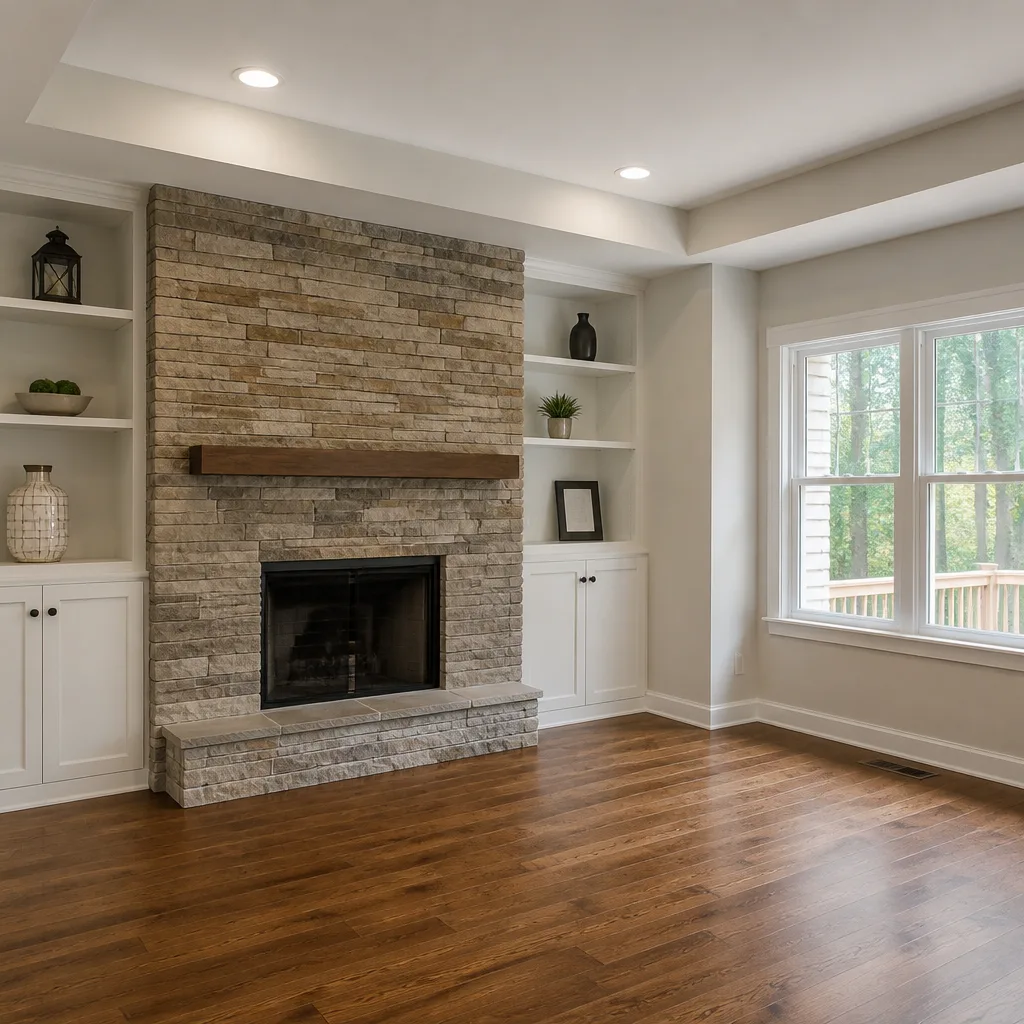
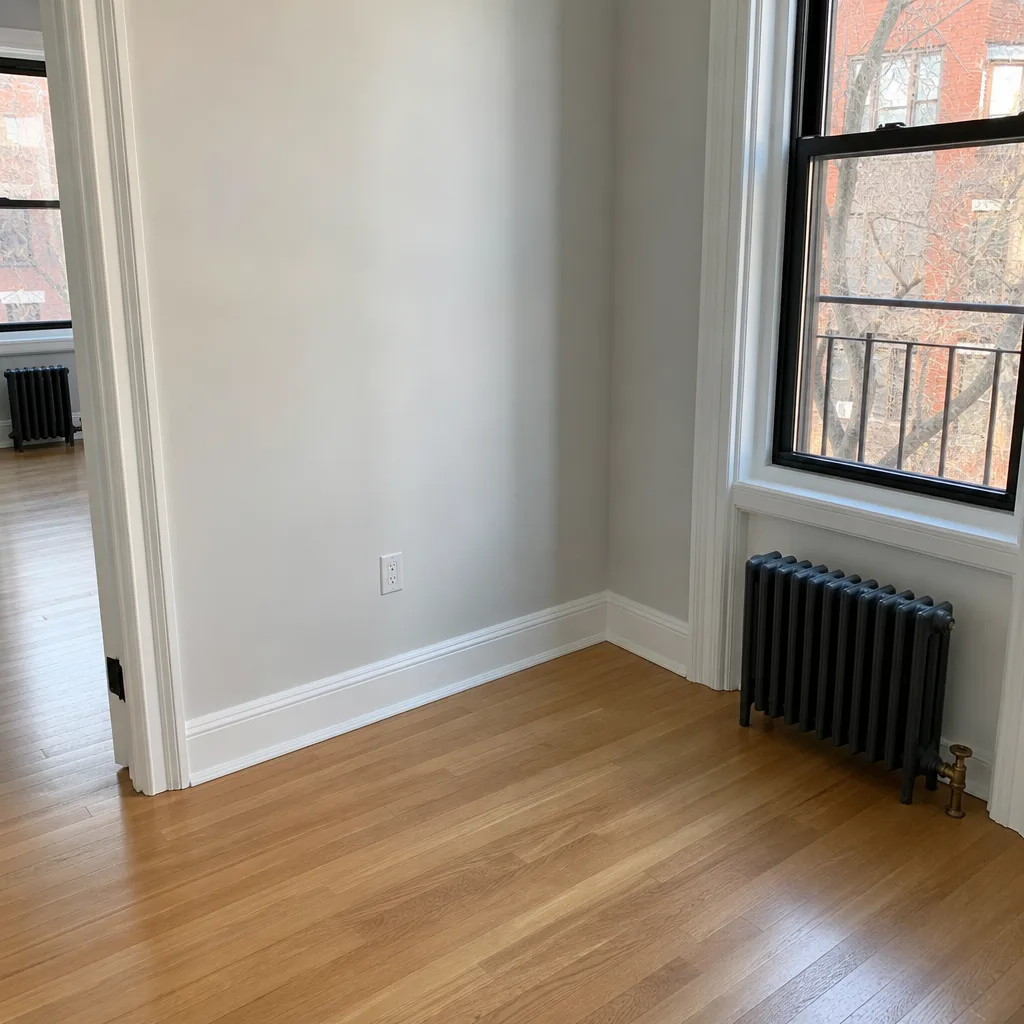 After
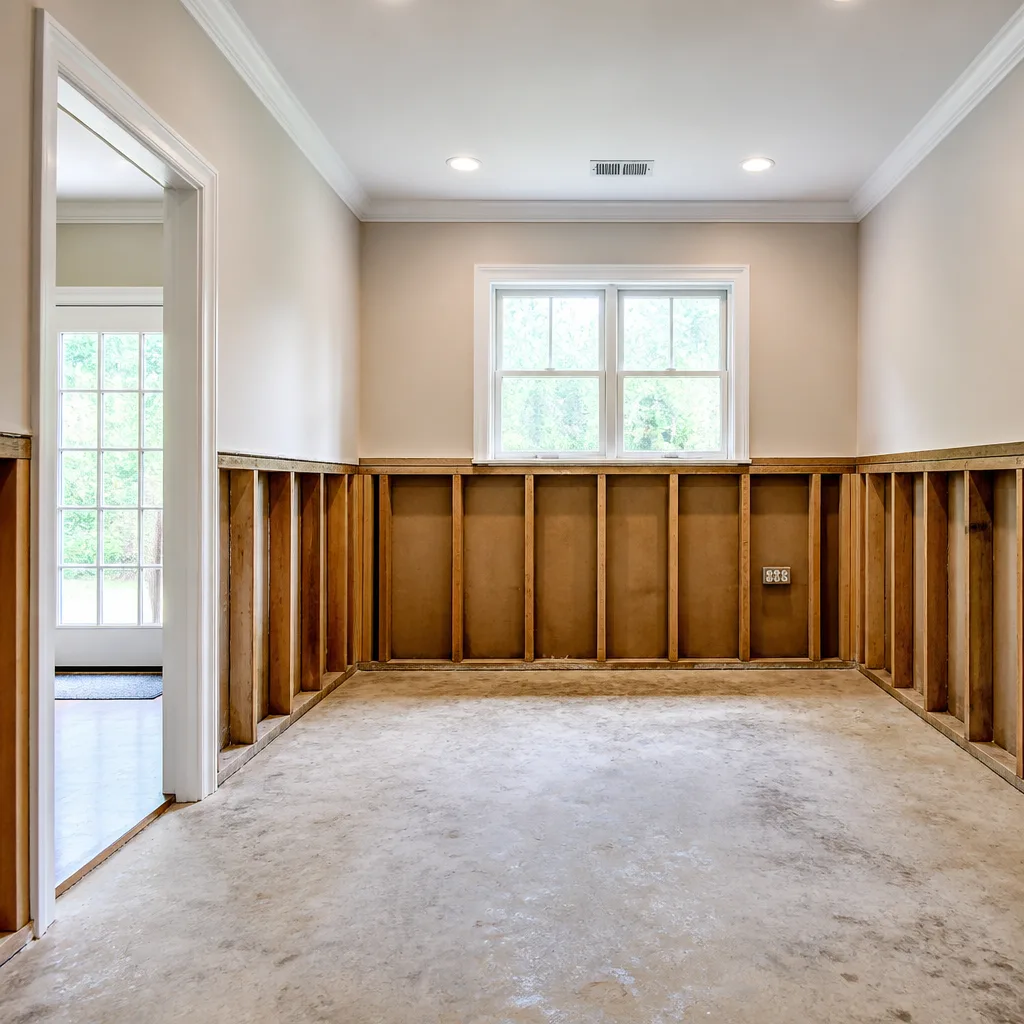
After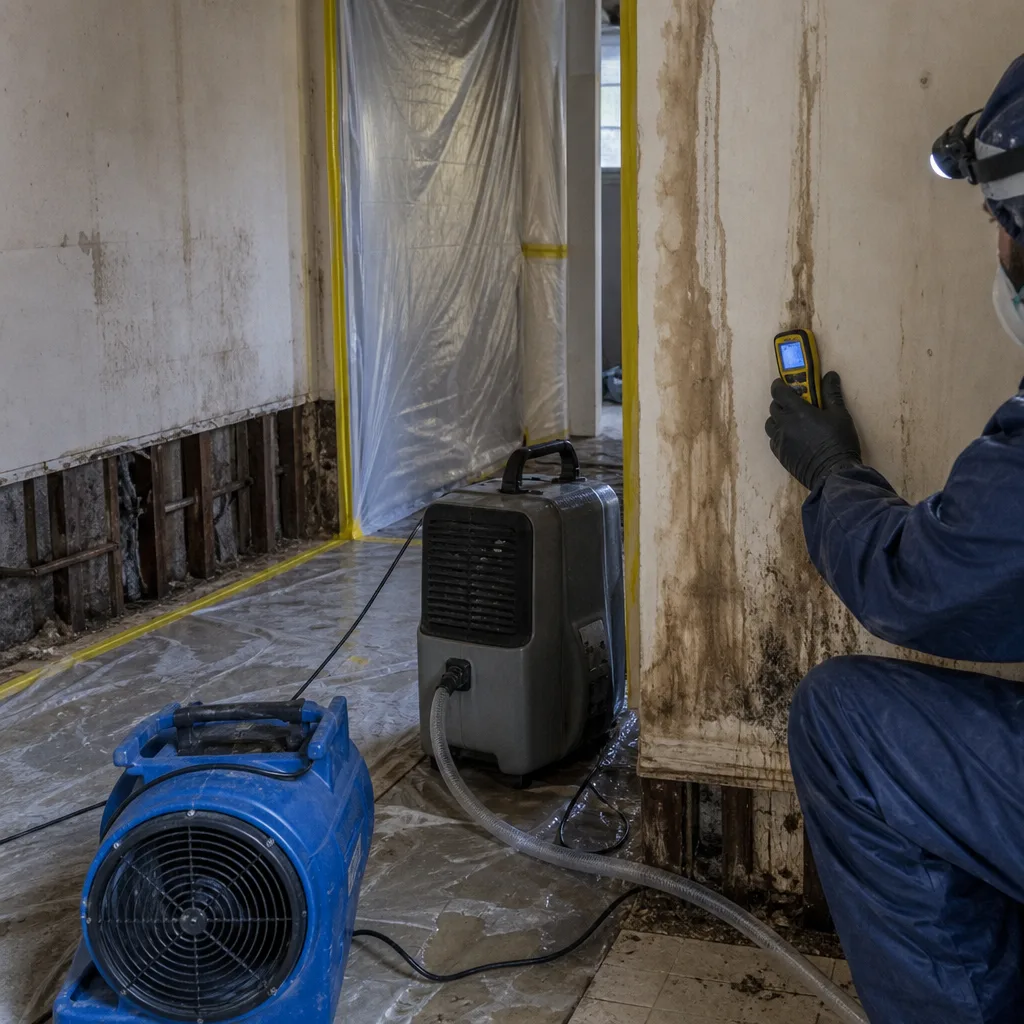 Before
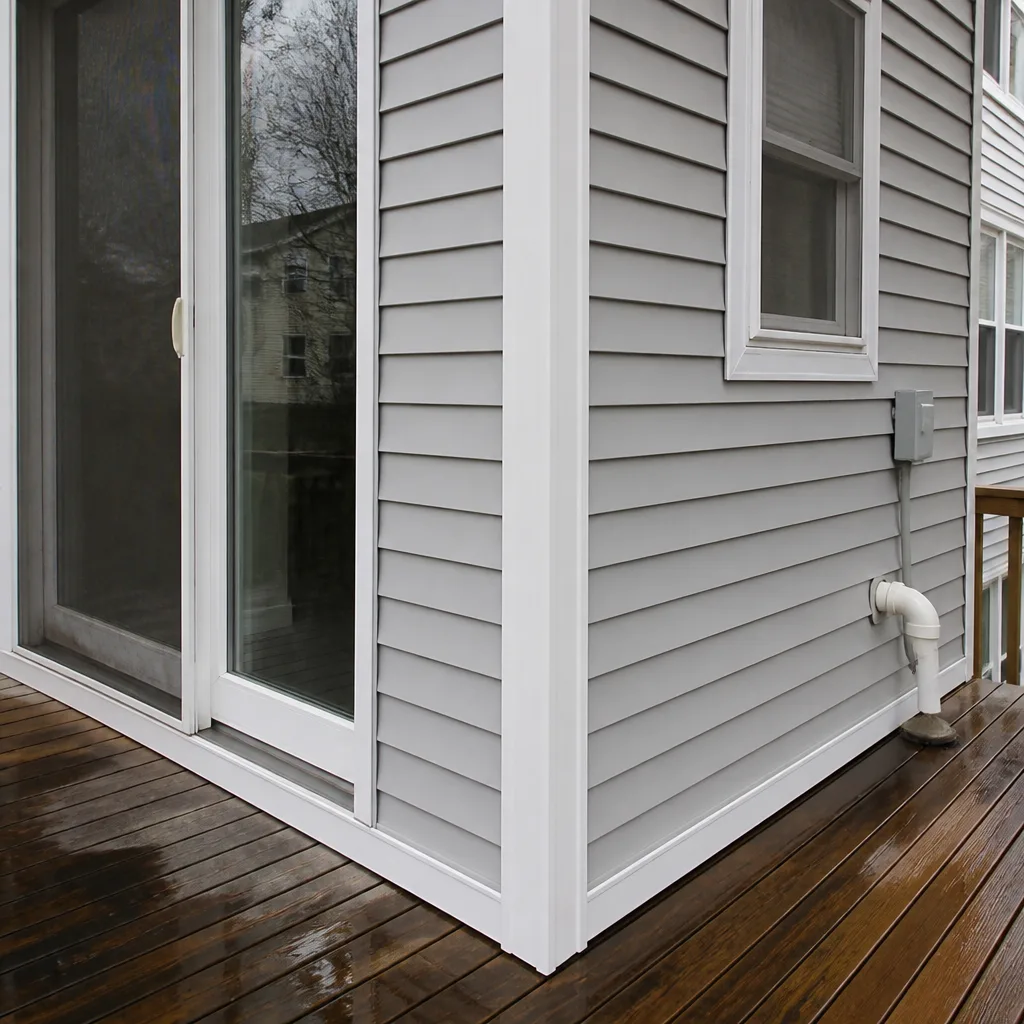 After
After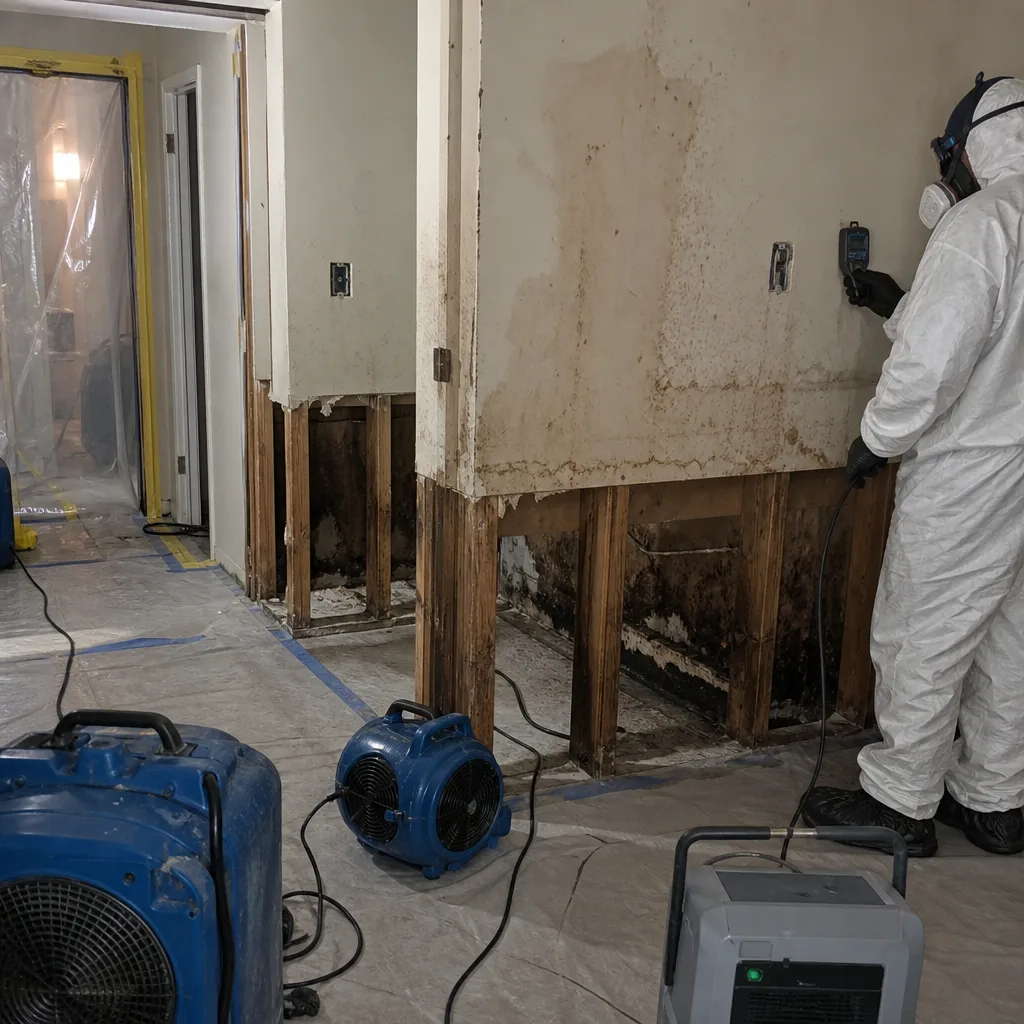 Before
 After
After24/7 Emergency Storm & Disaster Restoration in West Haverstraw
Storm damage in West Haverstraw moves fast, and so do we. When a nor’easter drives Haverstraw Bay surge into your basement or wind peels back a roof section near River Road, you need a crew that answers the phone at 2 a.m. and gets extraction running the same visit. Call (917) 924-4221 any hour, any day. A live dispatcher picks up, not a recording. We dispatch certified crews to West Haverstraw neighborhoods immediately, begin with a free visual inspection, and start mitigation before the brackish water wicks deeper into your foundation and framing.
West Haverstraw poses a restoration challenge most contractors never see: the same storm can push tidal surge into a riverfront basement while hillside runoff seeps through a stone foundation on the other side of the village. That dual vector means the first hour of response shapes the entire claim. Our Storm & Disaster Restoration team arrives equipped for both, with professional-grade Dri-Eaz pumps and Phoenix air movers staged for immediate deployment.
Understanding Storm & Disaster Restoration Severity in West Haverstraw Properties
Storm water is not all the same water. Restoration professionals classify it in three categories, and West Haverstraw’s geography routinely produces the worst one. Category 1 is clean water from a broken supply line or roof leak. Category 2 carries significant contamination: think sump overflow or washing machine discharge. Category 3 is grossly contaminated water, and that’s what Haverstraw Bay delivers during coastal surge events. Brackish Hudson River water carries sediment, road runoff, and biological contamination. Add chloride load from the tidal salt line, and you have a Category 3 situation requiring full containment, antimicrobial treatment, and aggressive structural drying.
The village’s housing stock complicates severity further. Late 19th and early 20th century brick-era homes along Main Street and Railroad Avenue sit on stone or aging brick foundations with minimal waterproofing. The high water table fed by Hudson River proximity means groundwater seepage stays active long after surface flooding recedes. Mid-century wood-frame singles on Hudson River clay soils retain moisture stubbornly. Clay holds water. A structural drying timeline that takes four days inland in Suffern can run seven to ten days in West Haverstraw because the soil itself resists releasing the moisture. We moisture-map every affected area from day one and log daily readings until the dry standard is met, not estimated.
Why West Haverstraw Property Owners Choose Floodline Restoration Co. of Manhattan
- 45-minute response commitment to West Haverstraw. Our dispatch board tracks crews in Haverstraw, Stony Point, Thiells, and Verplanck so the nearest certified team reaches your home within 45 minutes of your call. We’ll be there when we say.
- 24/7 live answer, always a person. No automated phone tree. A dispatcher answers at two in the morning because the worst storms in the Hudson Valley hit at night. A real human schedules your crew immediately.
- IICRC-certified crews trained to WRT, FSRT, and AMRT standards. Water damage restoration, fire and smoke restoration, applied microbial remediation: our technicians hold the certifications this work requires and recertify on schedule.
- Free visual inspection with written scope before any work begins. You see exactly what we recommend, what it costs, and why. No surprises on the bill, squared before we start.
- Direct insurance billing and adjuster coordination. We document everything from hour one, send the carrier what they need, and never hand you the phone and walk away. You don’t play messenger.
- One crew from extraction to reconstruction. The same Floodline Restoration Co. team that pumps out your basement also handles the rebuild. No mid-job handoff, no inherited subcontractor, no finger-pointing.
Our Storm & Disaster Restoration Process
Inspection & Assessment
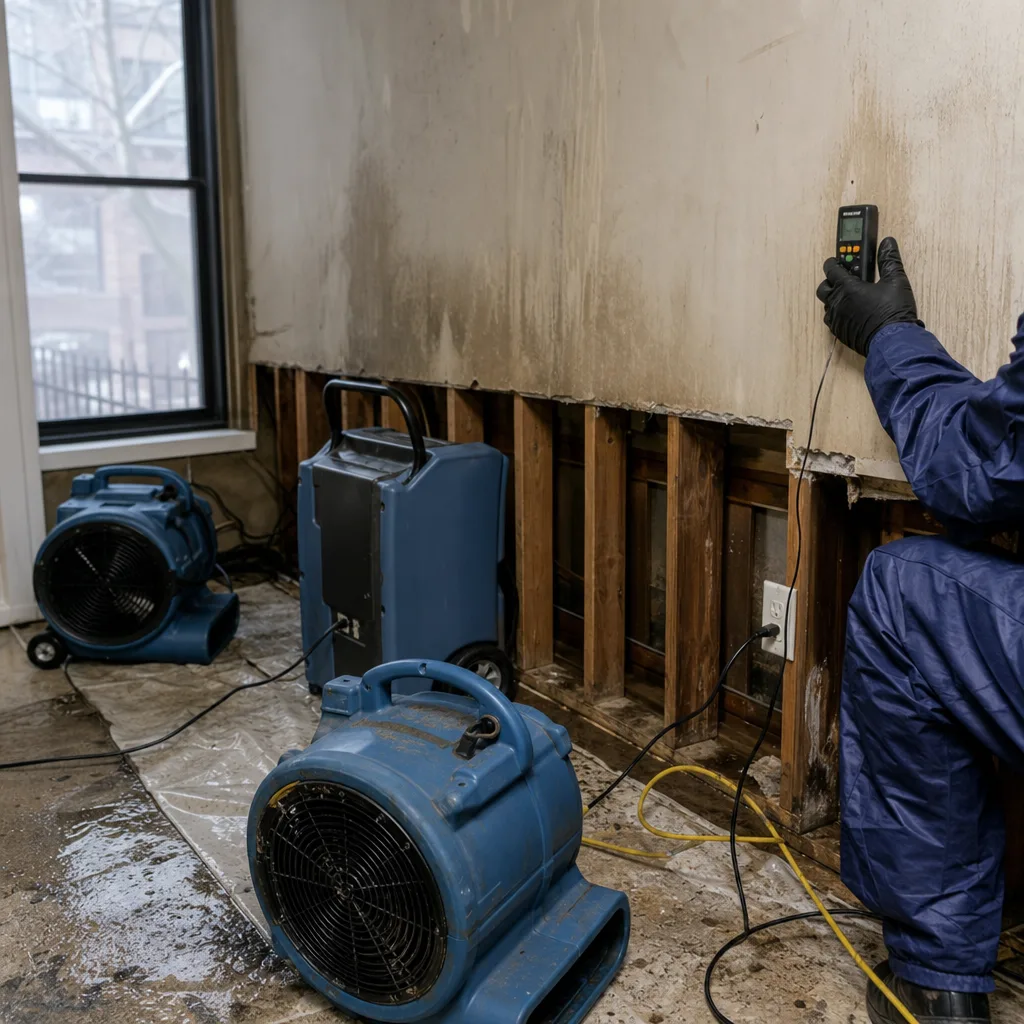
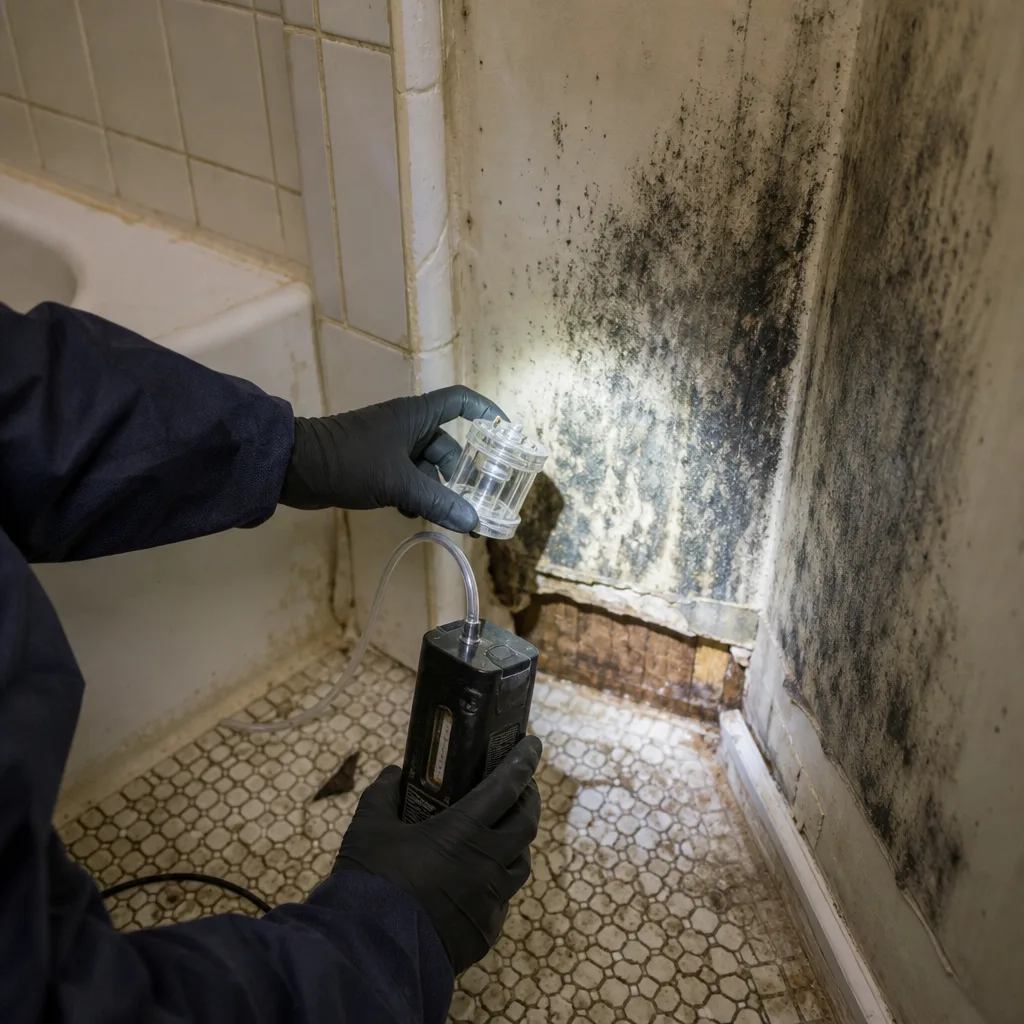
We begin with a full visual inspection using thermal imaging and moisture meters. On West Haverstraw jobs we test for chloride contamination immediately, because brackish surge deposits salt into drywall paper and fasteners that freshwater protocols miss. The line the water left is where we start.
Extraction & Stabilization
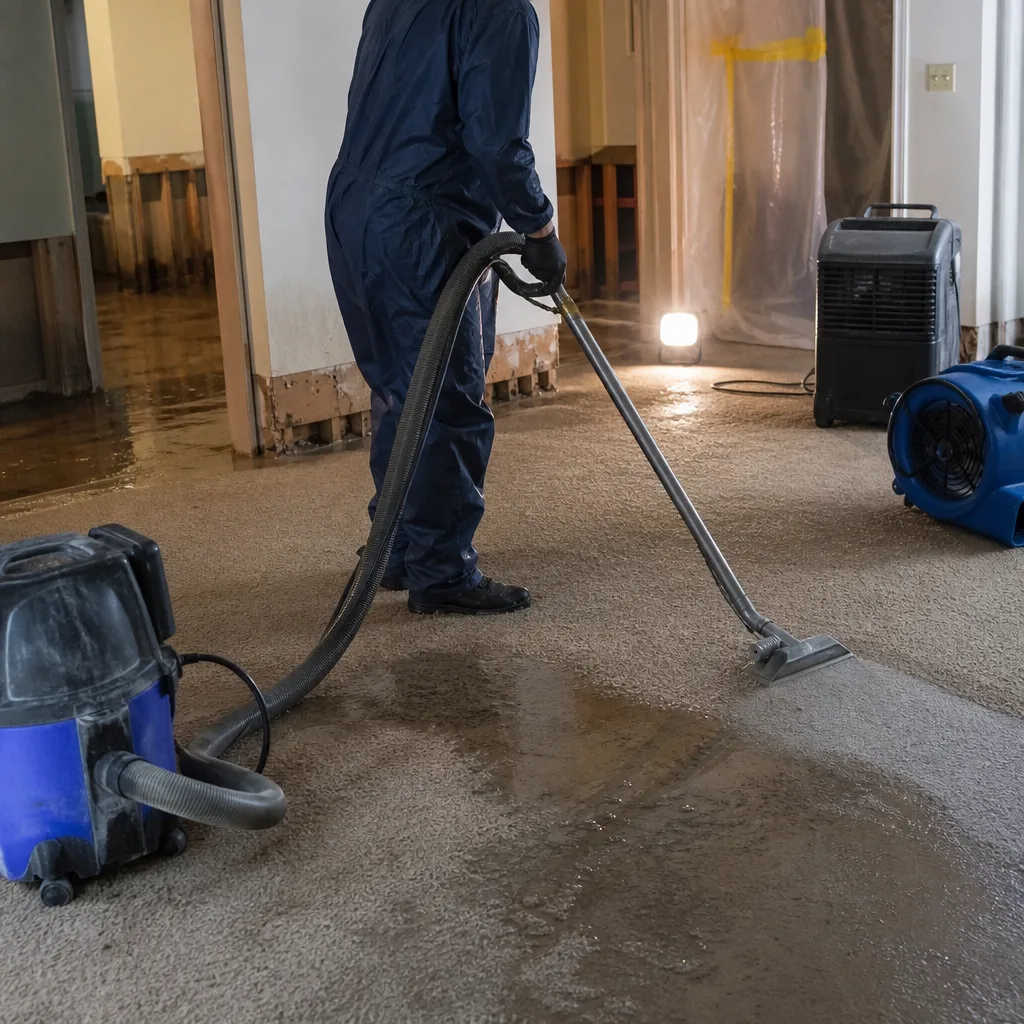
Category 3 water comes out with Dri-Eaz submersible pumps and truck-mounted extraction units. We stabilize the structure with emergency board-up and roof tarping where wind has opened the envelope. Standing water stops spreading the moment our equipment starts.
Drying & Dehumidification
Phoenix air movers and low-grain refrigerants dehumidifiers run continuously, with daily moisture readings logged every four hours during the critical first 48. In West Haverstraw’s clay soil conditions, we hold equipment longer than inland jobs because the soil keeps feeding moisture back into foundation assemblies.
Cleaning & Sanitization
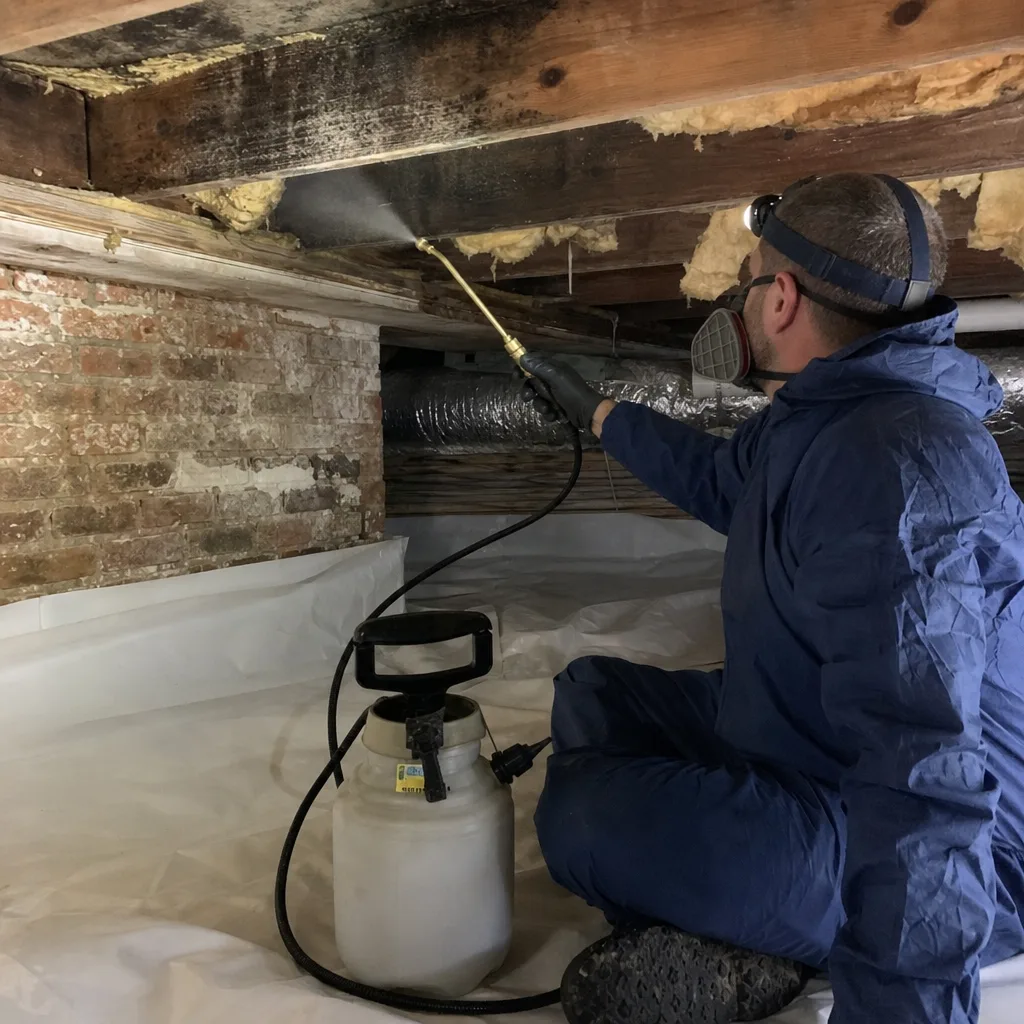
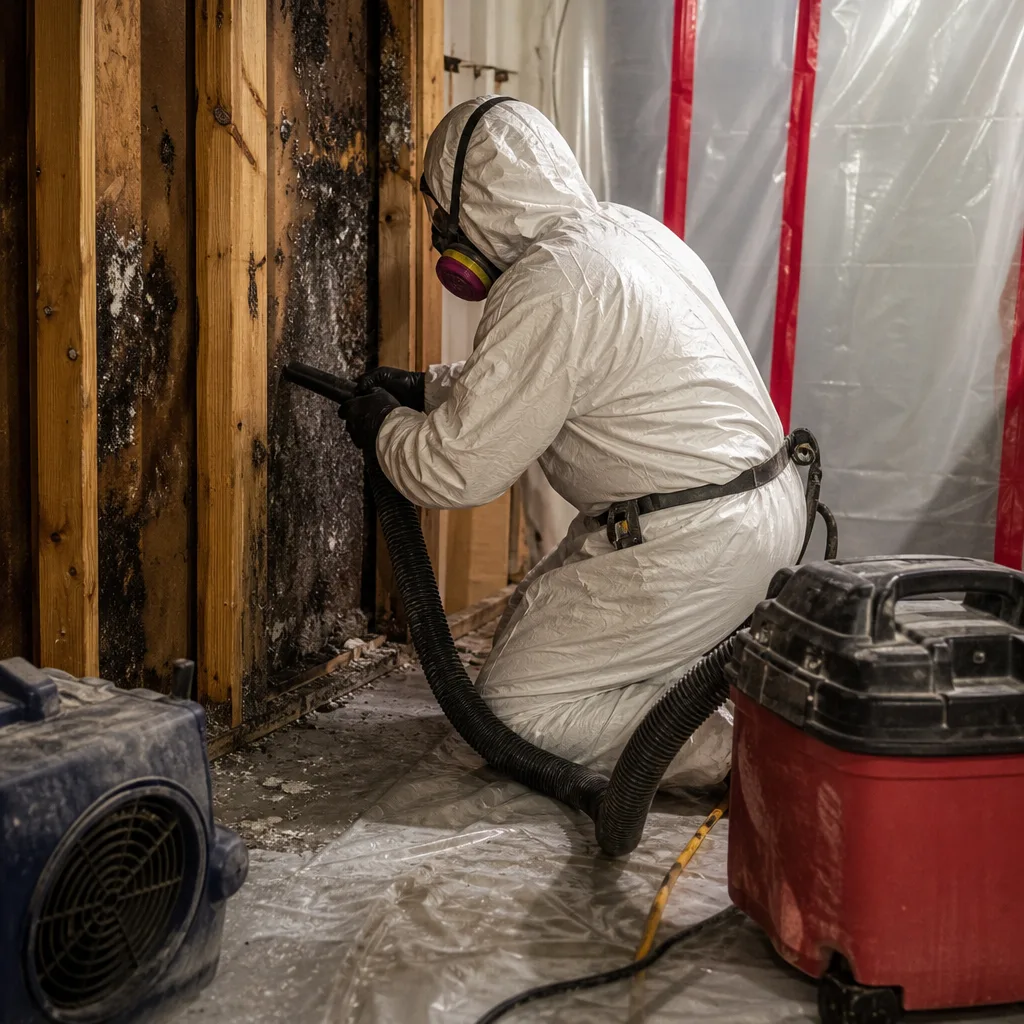
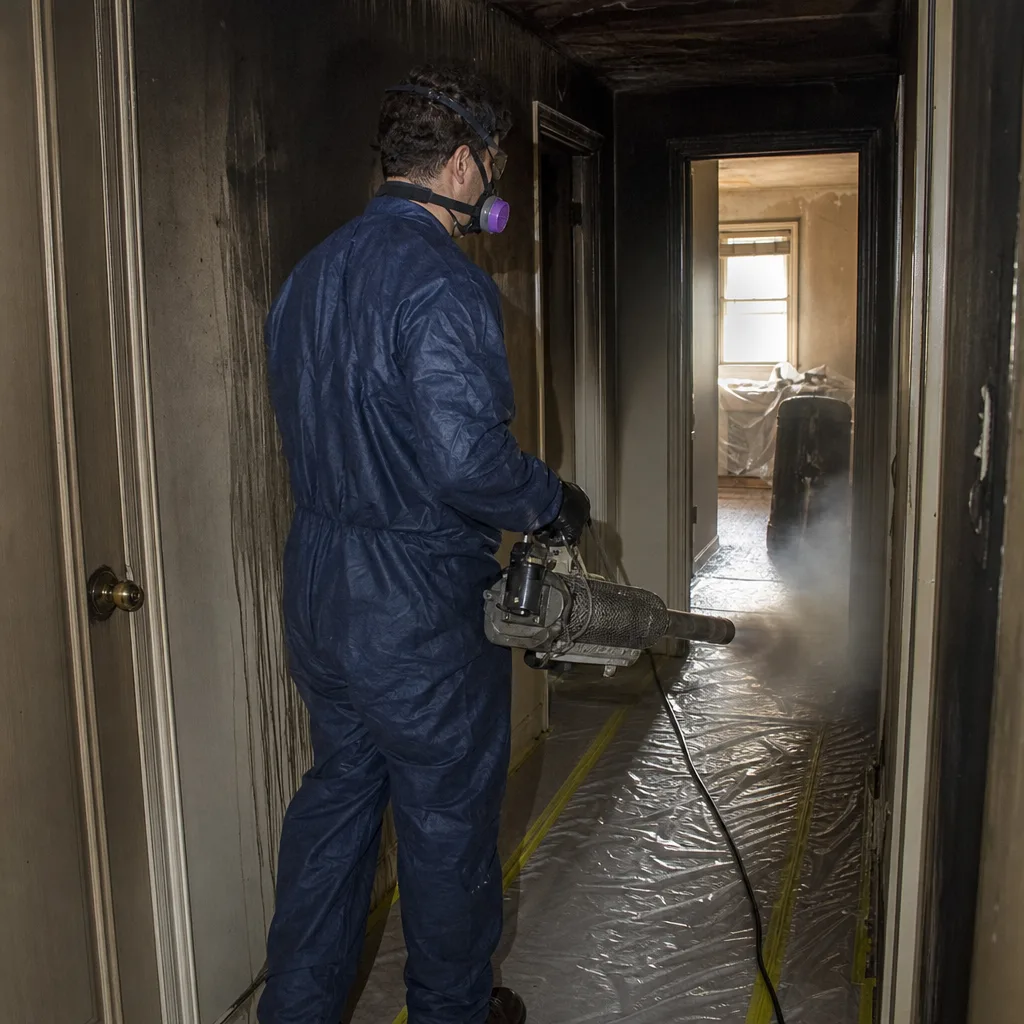
HEPA air scrubbers run during all Category 3 work to control airborne contaminants. Hard surfaces get cleaned and disinfected. Porous materials that absorbed brackish water get removed, not just sprayed. We never close up a wall cavity that still tests positive for salt or moisture.
Chloride & Corrosion Treatment
This is the West Haverstraw-specific step most contractors skip. We test drywall paper, subfloor sheathing, and metal fasteners for chloride residue. Where salt remains, we remove affected material or apply targeted corrosion inhibitors and antimicrobial treatment. Without this step, mold regrowth and fastener failure show up months after your claim closes.
Repairs & Restoration
We rebuild what needs rebuilding: drywall, insulation, flooring, trim, and structural elements. The written scope you approved before extraction is what we execute at the end. Our 90-Day Done Right Promise covers the finished work. Done right, and backed in writing.
Need Emergency Storm & Disaster Restoration in West Haverstraw Now?
Crews minutes away, answering live 24 hours a day. The sooner we start, the less it costs.
Working With Your Insurance Company
Storm claims in West Haverstraw carry extra paperwork, especially for properties in FEMA AE flood zones along the waterfront. Elevation certificates, flood-zone determinations, and the difference between wind-driven and flood-driven damage all shape what your carrier pays. We handle that documentation from the first hour. Our crews photograph every room before and during mitigation, log moisture readings in structured drying logs, and prepare line-item scopes using industry-standard estimating software that adjusters recognize. When your carrier requests additional documentation or sends a desk adjuster who has never seen Hudson River chloride damage, we speak their language directly. You get a square deal and a paper trail.
What We Provide Your Insurer
- Thorough documentation of the loss
- Photos of all damage, room by room
- Moisture readings and drying logs
- A detailed, line-item scope of work
- Direct coordination with your carrier
Led by Curt Bowman, Floodline Restoration Co. has built its reputation on direct insurance billing that removes the homeowner from the middle. We’ve been answering the phone with a person for over 42 years in this region, and we plan to be here in thirty more. That means hiring local, training apprentices into journeymen, and standing behind every job in writing.
Built for West Haverstraw’s Loss Calendar
West Haverstraw’s storm losses follow the Hudson Valley calendar, but with a tidal twist the inland towns never see. January and February bring deep freezes that burst supply lines in uninsulated crawl spaces under those aging brick-era homes. When the thaw arrives in March, that same groundwater that sat frozen now moves: basement seepage starts along Route 9W and Railroad Avenue, and stone foundations saturated from winter snowmelt begin wicking moisture into first-floor framing.
Spring ice jams on Haverstraw Bay are the wild card. Even without rain, ice backing up along the tidal channel can push water into riverfront structures. We watch that forecast every March and April. Summer brings thunderstorms that dump several inches in an hour, and the hillside runoff down the western slopes concentrates into basement-level flows that overwhelm aging drainage systems. Then comes nor’easter season. September through November swell Haverstraw Bay into the widest surge exposure in Rockland County. That’s when wind-rated doors, garage panel integrity, and roof tarping readiness determine whether a Category 3 event stays outside or comes inside. We prepare West Haverstraw homes for each season’s specific threat.
Storm & Disaster Restoration Across West Haverstraw’s Neighborhoods
Response routes matter when a storm has trees down and roads flooded. West Haverstraw’s shape, a narrow shelf between the bay and the hills, means we approach riverfront homes along Beach Road and River Road from the south, while hillside properties off Westside Avenue and Benson Street get crews routed from higher ground when low-lying streets flood. The housing stock changes block by block. Near the old brickworks corridor around Lincoln Street, late 19th-century brick and stone foundations sit directly over the high water table. Those basements flood differently than the mid-century wood-frame homes further west on Hudson River clay. Each area has its own failure signature, and we scope accordingly.
Along Railroad Avenue, the village’s commercial spine, we see older masonry buildings with flat roofs that pond water during heavy rain, then leak into occupied units below. The homes near Haverstraw Bay’s waterfront, from Beach Road up to the riverfront parks, take the direct surge: wind-driven brackish water that leaves salt in everything it touches. Up on the hillside above Route 9W, the threat is different. Groundwater from the slopes keeps stone foundations wet even when the bay side stays dry. A proper West Haverstraw storm scope always includes checking both vectors, because a bayside claim that ignores the hillside side leaves active seepage behind finished walls.
Specialized Storm & Disaster Restoration Services We Offer in West Haverstraw
Flood Damage Restoration
Flood damage in West Haverstraw means brackish Category 3 water more often than anywhere else in Rockland County. We extract with professional-grade pumps, set containment, and run structural drying with daily logging. Chloride testing happens before any wall closes. FEMA AE flood zones along the waterfront mean we prepare documentation your carrier’s flood claim requires.
Wind Damage Repair
Nor’easters push wind loads against doors, windows, and garage panels along the bay. A failed door during a surge event is how Category 3 water gets driven deep into a structure. We inspect wind-rated doors and overhead garage panels before storm season, and repair or reinforce track and panel damage after. Reinforcement now costs a fraction of the interior reconstruction that follows a door failure during a coastal storm.
Emergency Board-Up
When wind breaks a window or a tree punctures a roof section, waiting is not an option. Our crews arrive with plywood, fasteners, and the tools to secure the opening within hours. Board-up keeps rain, wind, and opportunistic wildlife out while permanent repairs are scoped and scheduled. It’s the first step in a written restoration plan, not a temporary patch we abandon.
Roof Tarping
West Haverstraw’s older homes have roof structures that predate modern wind-load standards. When a nor’easter strips shingles or opens a section over an occupied room, we tarp it immediately, weighted and fastened against the next breeze off the bay. A properly installed tarp buys the time needed for a full repair scope, and it protects the interior from secondary water damage while your claim processes.
Debris Removal
Storm debris in West Haverstraw runs from fallen limbs and wind-blown roofing to the mud and sediment Haverstraw Bay surge leaves behind. We remove structural debris as part of the restoration scope, not as a side note. Everything is documented and photographed for your carrier. The yard gets cleared, the structure gets stabilized, and the claim file gets the photos it needs.
What happens when you call
- 1
A real person answersNo phone trees - you reach a local pro.
- 2
You get an upfront price rangeHonest numbers before anyone is dispatched.
- 3
A background-checked tech heads outLicensed & insured, dispatched right away.
- 4
You approve before work beginsNothing starts until you say go.
Storm & Disaster Restoration Costs in West Haverstraw, NY
Emergency storm damage cleanup in West Haverstraw typically runs between $2,800 and $12,000 depending on the extent of Category 3 water intrusion. That range covers extraction, containment, drying, and antimicrobial treatment for a standard basement or first-floor surge event. Smaller jobs, like a single room with wind-driven rain intrusion and no brackish water, can run $1,200 to $3,500. Full restoration including drywall, insulation, flooring, and trim replacement typically lands between $8,000 and $35,000 depending on square footage and how far the water climbed. Emergency board-up and tarping as standalone services run $500 to $1,800. Chloride testing and targeted corrosion treatment adds $300 to $900 on affected jobs, which is inexpensive compared to the fastener failures and mold regrowth it prevents months later.
Every estimate is free, and you get a written scope before any work starts. We bill your carrier directly on covered claims. Call (917) 924-4221 for an exact quote.
We Also Serve Cities Near West Haverstraw
Our crews respond daily throughout northern Rockland County, with 45-minute dispatch commitments to Storm & Disaster Restoration in West Haverstraw, Haverstraw, Stony Point, Thiells, and Verplanck. If you’re just outside the village and watching water rise, call us. We’ll route the nearest available certified crew.
West Haverstraw Storm & Disaster Restoration Questions, Answered
Why does West Haverstraw require chloride testing after a Hudson River surge before closing up walls?
Because the Hudson River is tidal through West Haverstraw, storm surge deposits chlorides into drywall paper, subfloor sheathing, and metal fasteners. Those chlorides silently accelerate corrosion and mold regrowth for months after surfaces look dry. A contractor who treats bay surge like freshwater rain misses salt that keeps damaging the structure. We test for it, document it, and remediate it before walls close.
How do wind-rated doors affect storm damage scope in West Haverstraw?
West Haverstraw’s bayfront exposure means nor’easters drive wind and surge directly against exterior doors and garage panels. A failed door during a coastal event lets Category 3 water push deep into the structure. Wind-rated doors and reinforced tracks reduce that failure risk dramatically. We inspect door and panel condition before storm season and include wind-load assessment in every storm scope, because the difference between a door holding and a door failing is the difference between a small cleanup and a full interior rebuild.
What does FEMA AE flood zone mean for my West Haverstraw restoration claim?
FEMA AE zones along the West Haverstraw waterfront designate areas with a 1% annual chance of flooding and require elevation certificates and specific flood-zone documentation for claims. Restorations in AE zones typically involve flood insurance rather than standard homeowner’s coverage for surge damage. We prepare the documentation your carrier needs, including elevation-certificate compliance and photographic evidence that separates wind-driven from flood-driven damage. Call (917) 924-4221 and we’ll walk you through it.
Can spring ice jams on Haverstraw Bay cause basement flooding even without rain?
Yes. When ice jams form along Haverstraw Bay’s tidal channel, they can back water into riverfront structures even during dry weather. We see it most in March and early April, when warming temperatures loosen ice that then clogs the channel. Riverfront properties along Beach Road and River Road are most exposed. If you notice water rising in your basement during an ice jam, call us immediately. Extraction now prevents a deeper Category 3 cleanup later.
Why do West Haverstraw hillside homes need different storm restoration than Suffern or Nanuet?
Inland Rockland County homes in Suffern or Nanuet deal mostly with freshwater runoff and groundwater. West Haverstraw hillside homes face that same hillside vector plus brackish surge from the bay. A bayside claim that only dries the tidal side leaves groundwater seepage behind stone foundations active. Our dual-vector moisture mapping identifies both sources, so the structure actually dries instead of looking dry on one side while staying wet on the other.
How fast can someone actually get to West Haverstraw?
Our dispatch board tracks crews across Haverstraw, Stony Point, Thiells, and Verplanck. The nearest certified team typically reaches any West Haverstraw address within 45 minutes of your call. A live dispatcher answers 24/7 at (917) 924-4221 and routes the crew immediately. Extraction equipment starts running the same visit.
How long does storm damage drying take in West Haverstraw?
Most West Haverstraw storm jobs require five to ten days of active structural drying. The Hudson River clay soils under the village retain moisture stubbornly, extending timelines compared to inland Rockland County jobs. We hold Phoenix air movers and low-grain dehumidifiers on site longer, log daily moisture readings, and release equipment only when the dry standard is met. Rushing this phase leaves hidden moisture that feeds mold.
What should I do in the first 30 minutes after storm water enters my home?
Call (917) 924-4221 first. Then, if it’s safe, shut off electricity to affected areas and move valuables to higher ground. Do not enter standing water that may be in contact with electrical systems. Do not attempt to pump out Category 3 water yourself; brackish Hudson surge carries contamination that requires professional protective equipment. Our crews arrive within 45 minutes and begin extraction immediately. The sooner we start, the less it costs.
Serving West Haverstraw, NY - Our Local Coverage Area
We’re based in the West Haverstraw area and know this community well. Use the map below to see our service coverage - if you’re nearby, we can almost certainly help.
Storm & Disaster Restoration in West Haverstraw, Backed in Writing
West Haverstraw sits where the widest, most storm-surge-exposed reach of the tidal Hudson meets steep hillside terrain. That geography creates a restoration challenge no generic franchise playbook covers. We scope every job here with both water vectors in mind: the brackish surge from the bay and the groundwater seepage from the slopes. We test for chlorides, log moisture daily, and hold equipment until the structure actually dries, not until it looks dry. The line the water left is where we start, and we stay until the rebuild is finished by the same certified crew.
Our 90-Day Done Right Promise goes with us on every West Haverstraw job. If it’s not done right, we make it right. In writing, no arguing. That’s the Keystone Standard, and it’s backed by the K.E.Y.S. values code: Krafted right, Every time, Your home first, Standing behind it. Current offers: $50 Off Any Repair Over $250, the $89 Seasonal Tune-Up, and our Senior & Veteran 5% Discount, always. Call (917) 924-4221 now for a free estimate. A live person answers, day or night.
Written by Curt Bowman, Owner at Floodline Restoration Co., serving West Haverstraw and surrounding communities.