
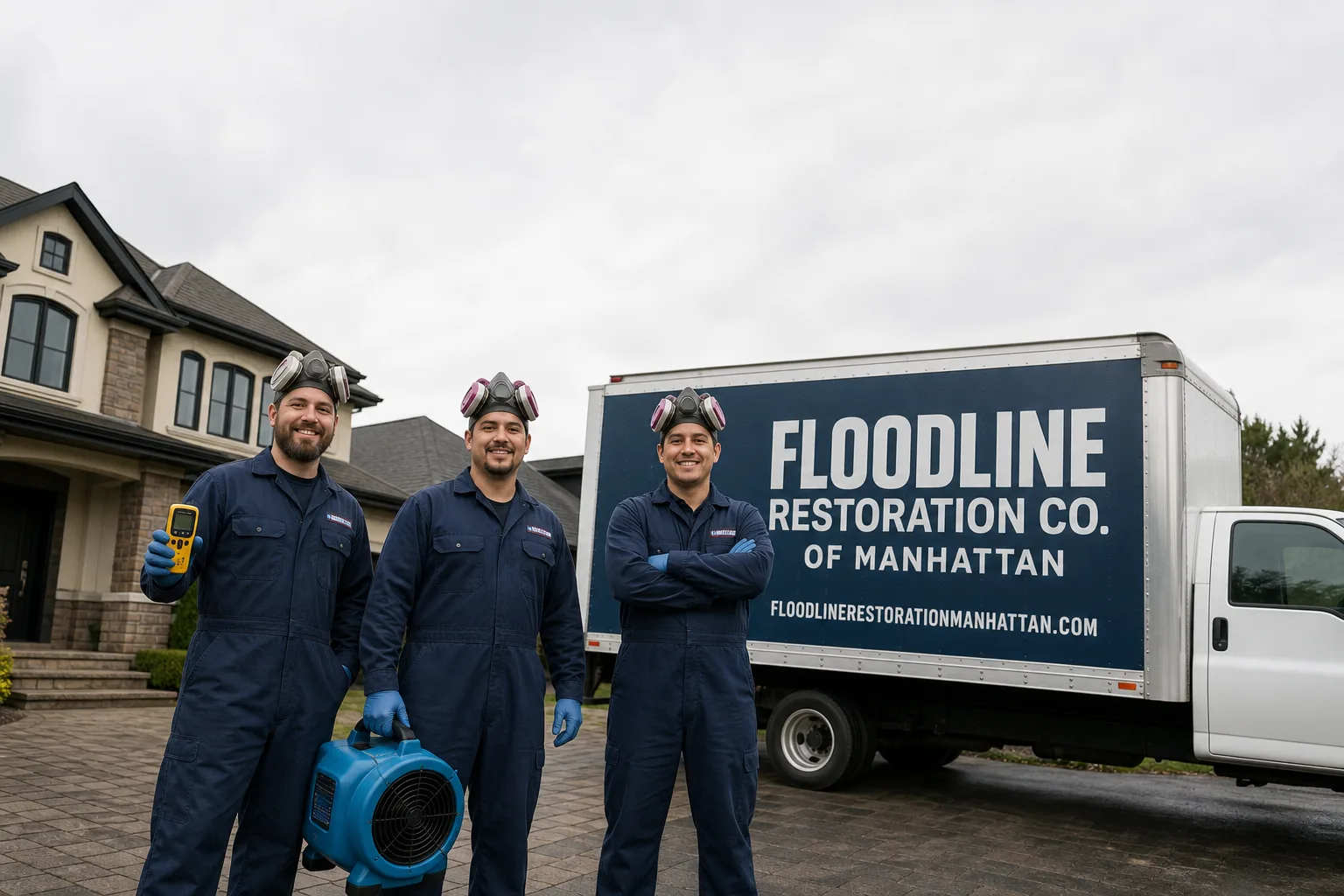
Free visual inspection and a written scope of work before any mitigation begins - photos, moisture readings, and drying logs go in your claim file
The scope we write is the scope we bill. Anything new gets shown to you, in writing, before we touch it.






 Before
 After
After Before
 After
After Before
 After
After24/7 Emergency Water Damage Restoration in NoHo
Water damage restoration in NoHo typically costs $1,800-$6,500 for a burst pipe in a converted loft, and $4,000-$14,000 when a nor’easter pushes storm surge into a below-grade space. Our crews answer live at (917) 924-4221 around the clock and can reach most NoHo addresses within 45 minutes. The first hour decides how much of your loft we can save. Water moves through 12-inch-thick masonry party walls and under wide-plank wood floors faster than most property owners expect, and every hour of standing water expands the loss envelope. We send a certified technician for a free visual inspection the same call, with extraction equipment on the truck, not back at a warehouse.
Understanding Water Damage Restoration Severity in NoHo Properties
NoHo’s building stock makes severity assessment different here than anywhere else in Manhattan. The pre-1930 cast-iron and load-bearing masonry lofts hold water in ways wood-frame construction never will. Category 1 water from a burst supply line may become Category 2 within 48 hours as it picks up contaminants from century-old building materials. Storm surge from the East River or Hudson River estuaries entering a basement on Bond Street or Great Jones Street is Category 3 from the first inch, carrying pathogens and requiring full containment plus disposal of porous materials. Moisture mapping matters more in NoHo because plumbing is frequently chased through 12-to-18-inch masonry rather than accessible stud cavities. A leak behind a landmarked cast-iron column will not present as a visible stain until it has migrated through the party wall, often into a neighboring unit. That is why we run thermal imaging and acoustic detection before anything else, and why daily moisture readings with drying logs are non-negotiable on every NoHo job. Structural drying in high-ceiling lofts with thick walls takes longer than in standard apartments, and cutting corners here is how secondary damage starts.
Why NoHo Property Owners Choose Floodline Restoration Co. of Manhattan
- 45-minute response commitment. We dispatch from our New York City office with crews staged near NoHo, and a live dispatcher tracks every truck so you know when we will arrive.
- 24/7 live answer, always a person. You call (917) 924-4221 at 2 a.m. and a human being picks up, not a recording. That person can authorize a crew and start the clock.
- IICRC-certified technicians. Our crews hold WRT and ASD certifications and train to RIA and IFA standards, so the moisture map on day one is read by someone who knows what a dry standard actually means in masonry construction.
- Free visual inspection with a written scope. Before any work begins, you get a line-item scope of work in writing. No surprises on the bill, no scope creep after the crew is inside.
- Direct insurance billing. We bill your carrier directly and provide photo documentation, moisture logs, and itemized estimates from the first hour, so you do not play messenger.
- One team from extraction to reconstruction. The same certified crew that pulls standing water handles dried-in reconstruction so there is no mid-job handoff and no inherited crew who never saw the loss.
Our Water Damage Restoration Process
Inspection & Assessment
We arrive with thermal imaging cameras, hygrometers, and acoustic leak detection. In a NoHo loft, we establish whether LPC review applies before any wall-cut is considered, then map moisture across floors, ceilings, and party walls. You get a written scope and a firm price before we touch anything.
Extraction & Stabilization
Standing water comes out first, using truck-mounted and portable extraction units rated for commercial volumes. We stabilize the affected area, protect undamaged finishes, and stop the water at its source, including locating a burst pipe without opening landmarked masonry.
Drying & Dehumidification
High-ceiling NoHo lofts need engineered drying. We deploy Dri-Eaz and Phoenix dehumidifiers sized to the cubic footage, XPOWER and B-Air air movers positioned for airflow across thick masonry, and Injectidry floor mats for wide-plank wood floors. Daily readings are logged until the dry standard is met.
Cleaning & Sanitization
Category 2 and 3 water calls for antimicrobial treatment and HEPA air scrubbing. We clean, sanitize, and deodorize affected surfaces, with containment set up where contamination is present so that dust and microbials do not migrate through the loft.
Moisture Verification & Documentation
We verify the dry standard with meter readings on every affected material, not just the air. That moisture log goes to you and to your insurance carrier. For LPC-impacted buildings, it also documents pre-loss condition for any required filing.
Repairs & Restoration
When everything reads dry, the same crew rebuilds what needs rebuilding, from baseboards to full wall assemblies, finished in material-in-kind where the NoHo Historic District requires it. The 90-Day Done Right Promise applies to the entire job, in writing.
Need Emergency Water Damage Restoration in NoHo Now?
Crews minutes away, answering live 24 hours a day. The sooner we start, the less it costs.
Working With Your Insurance Company
Water damage claims in NoHo co-ops and condos often involve the building’s master policy, the unit owner’s policy, and sometimes a neighbor’s carrier when a party wall is affected. We have handled enough NoHo losses to know what each side needs. We photograph everything from the first hour, room by room, before demolition starts. We log moisture readings daily and provide line-item estimates that match the format carriers expect. Our team communicates directly with your adjuster, sends documentation the same day it is produced, and does not make you relay messages. That direct line keeps the claim moving and keeps you out of the middle.
What We Provide Your Insurer
- Thorough documentation of the loss
- Photos of all damage, room by room
- Moisture readings and drying logs
- A detailed, line-item scope of work
- Direct coordination with your carrier
Built for NoHo’s Loss Calendar
January deep freezes are the cruel ones in NoHo. Supply lines in these converted lofts run through exterior masonry walls with no insulation to speak of, and when the temperature drops into the teens for three straight nights, pipes on the north side of Lafayette Street and along Bond Street split. The water travels down through 14 inches of brick before it ever shows as a stain on the ceiling below. Spring thaw brings a slower problem: groundwater pushing into below-grade spaces, particularly east of Broadway where the old factory basements sit below the historic water table. Summer thunderstorms hit the urban canyon hard, and flat roofs on the lower loft buildings send water over parapets and down interior walls. Nor’easters are the wild card. Sandy proved that storm surge reaches this corridor, and Category 3 water in a NoHo basement is a full containment job, not a mop-up. Every one of these failure modes needs a different extraction and drying plan, and we have seen all of them in this neighborhood.
Water Damage Restoration Across NoHo’s Neighborhoods
NoHo runs roughly from Houston Street north to Astor Place, between Broadway and the Bowery, with slightly looser boundaries depending on who you ask. The loft buildings along Bond Street and Great Jones Street are some of the oldest in the district, with original cast-iron columns behind landmarked facades. Leaks there rarely present at the source; they travel through party walls and appear a floor away. Bleecker Street runs through the heart of the district with a mix of retail below and residential lofts above, where a burst pipe at night can flood a restaurant and shut a building’s water supply. The stretch along Lafayette Street has the deepest basements, and those below-grade spaces are where storm surge and nor’easter flooding do the most damage. East toward the Bowery, the buildings get narrower and the masonry gets thicker, which means drying takes longer and access for equipment requires more planning. Our response routes through NoHo start on Broadway and split east toward the Bowery, because parking and staging for extraction equipment on these narrow streets is a real constraint that no dispatch algorithm can solve without local knowledge.
Specialized Water Damage Restoration Services We Offer in NoHo
Emergency Water Extraction
We get standing water out of a NoHo loft fast, using extraction units sized for the open-plan spaces these buildings are known for. In a 3,000-square-foot loft, one hour of standing water is a different job than ten minutes. We start at the source and work outward, protecting undamaged finishes as we go.
Structural Drying & Dehumidification
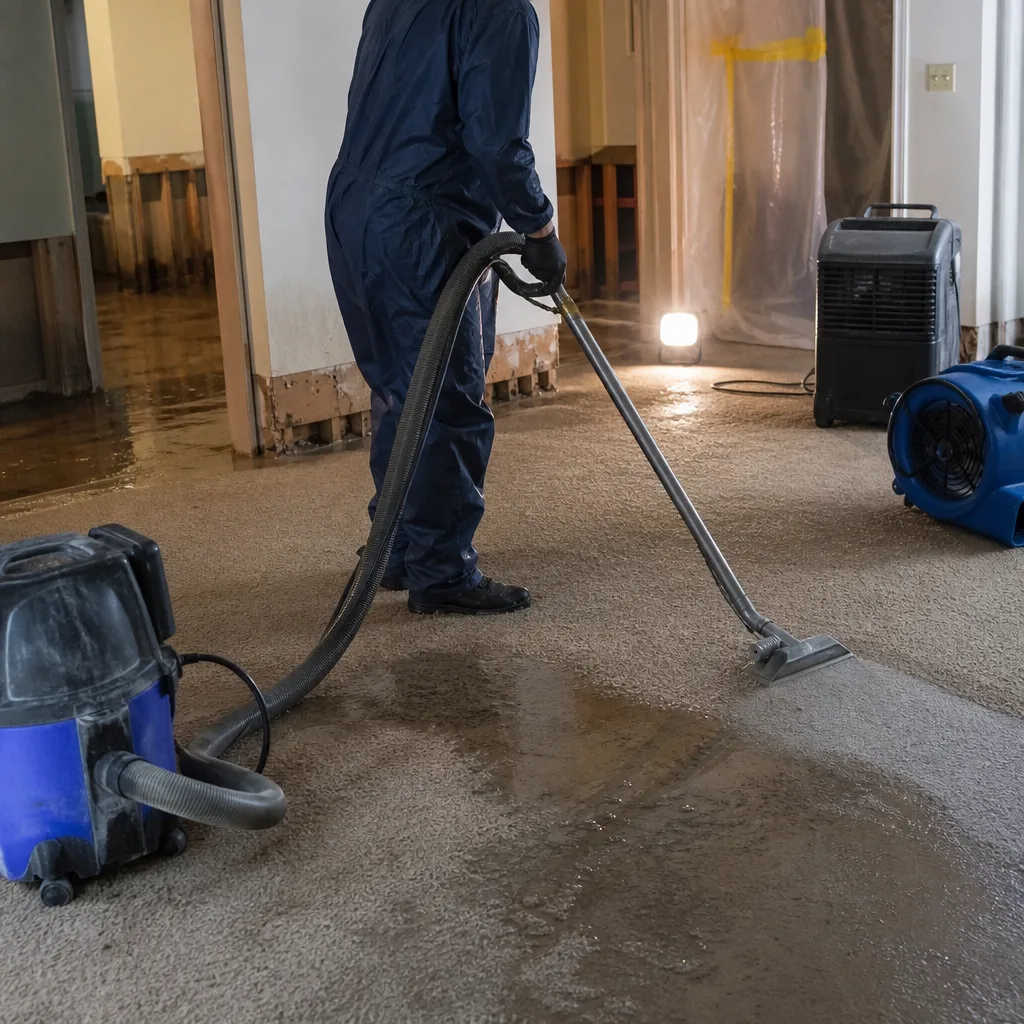
Drying a NoHo loft means calculating cubic footage against 12-foot-plus ceilings, then positioning Dri-Eaz and Phoenix dehumidifiers where they will actually pull moisture from masonry, not just air. Injectidry mats go onto wide-plank wood floors to draw water up through the boards. We run daily readings until the dry standard is met, and we hand you the log.
Burst Pipe Restoration
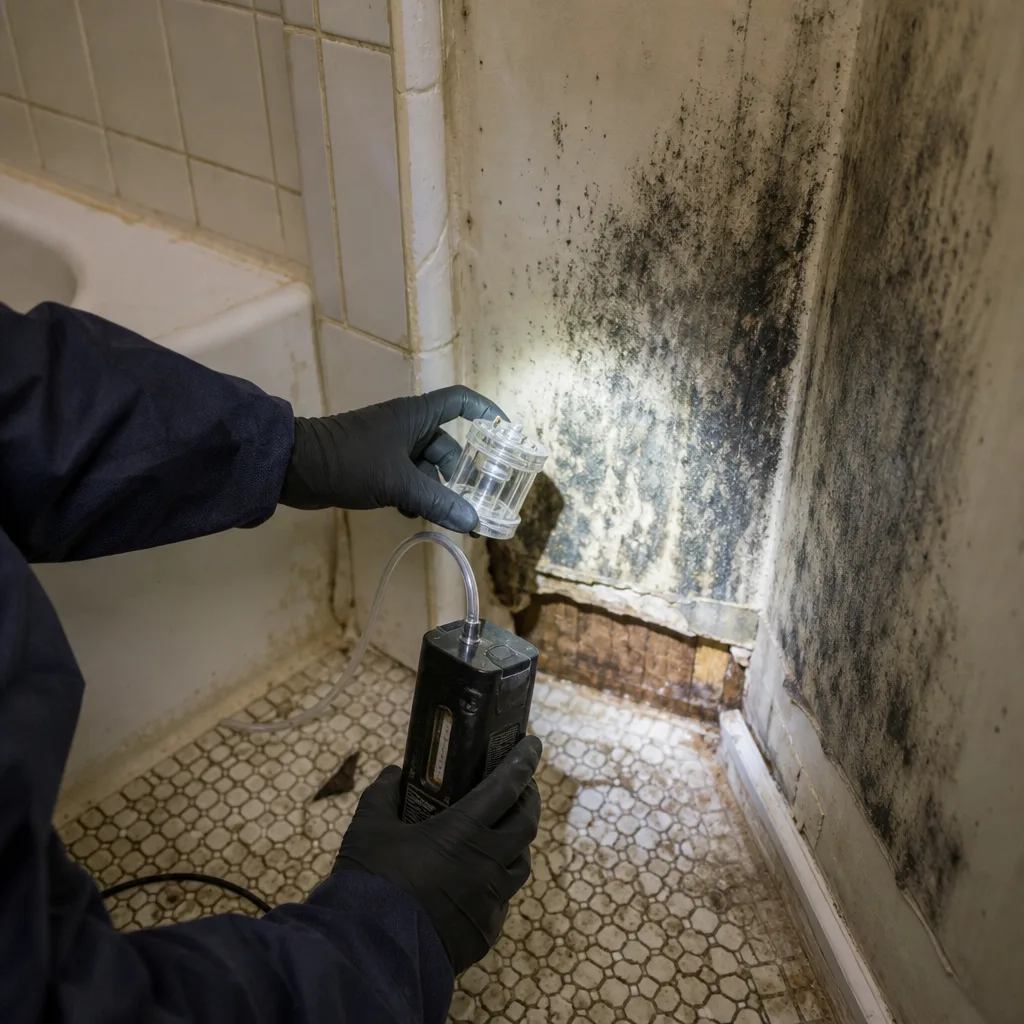
When a supply line inside a 14-inch masonry wall splits, we locate it with thermal imaging and acoustic detection rather than opening the wall blind. That is not a preference; it is how you avoid a landmarks violation in the NoHo Historic District. Once we have the source, we extract, dry, and restore the pipe and the surrounding finishes as one continuous job.
Flood Cleanup
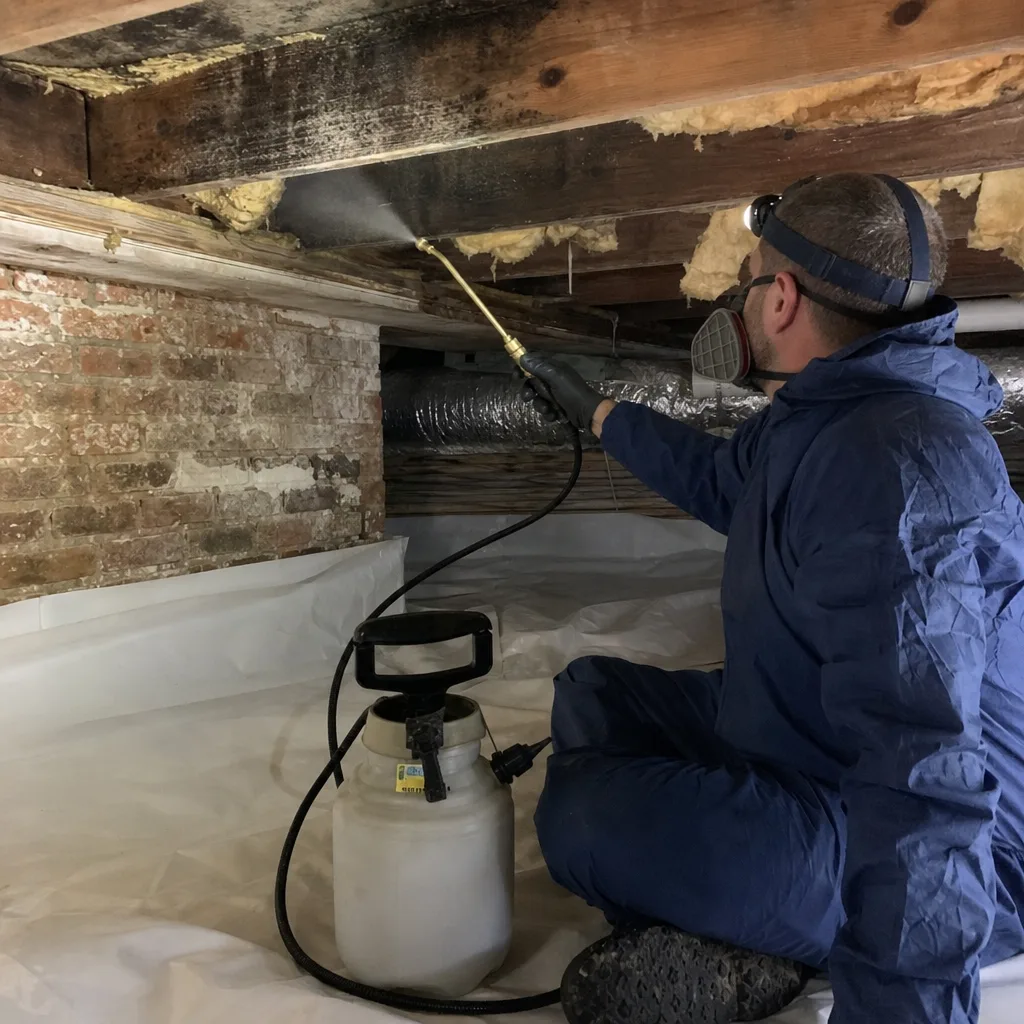
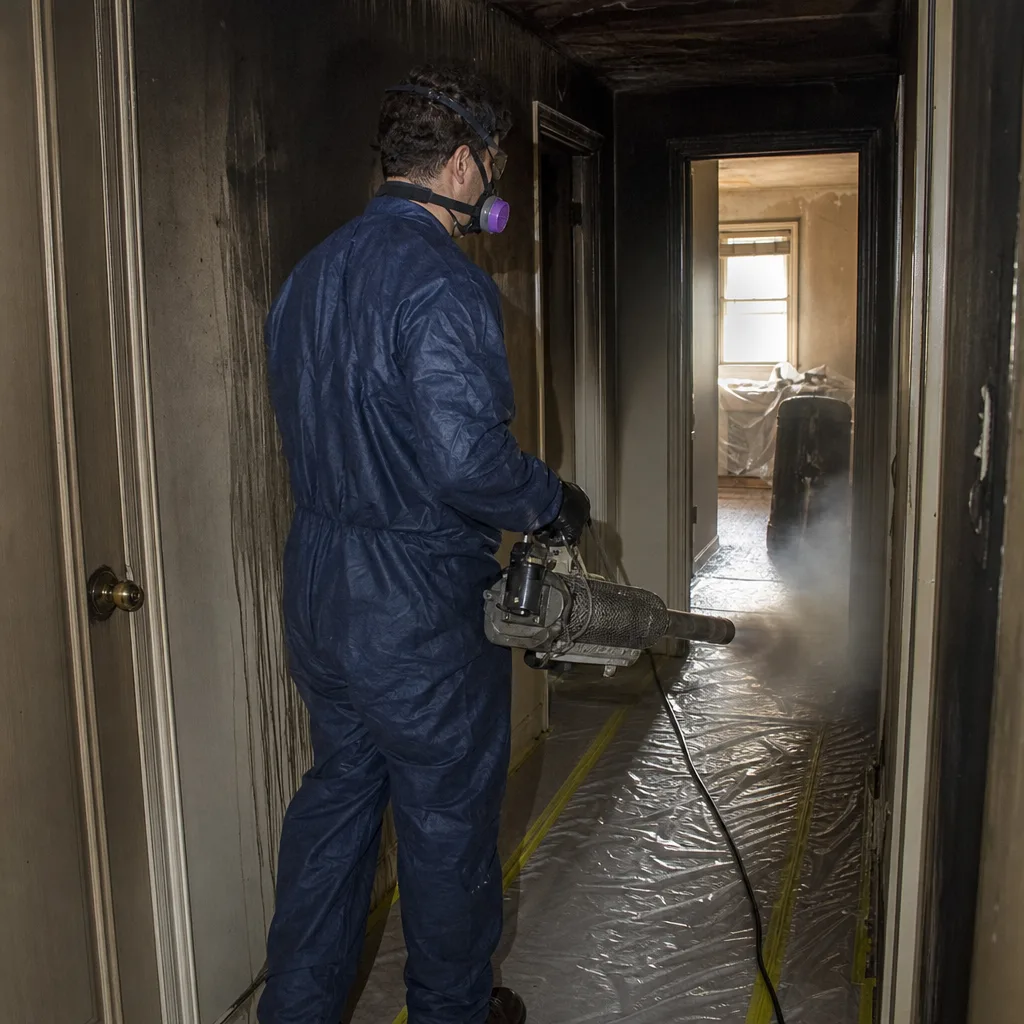
Nor’easter storm surge in a NoHo basement is Category 3 water. We set up containment, remove contaminated materials, sanitize, and dry the space with HEPA air scrubbing running throughout. This is a full remediation protocol, not a cleanup with mops and fans.
Basement Water Removal
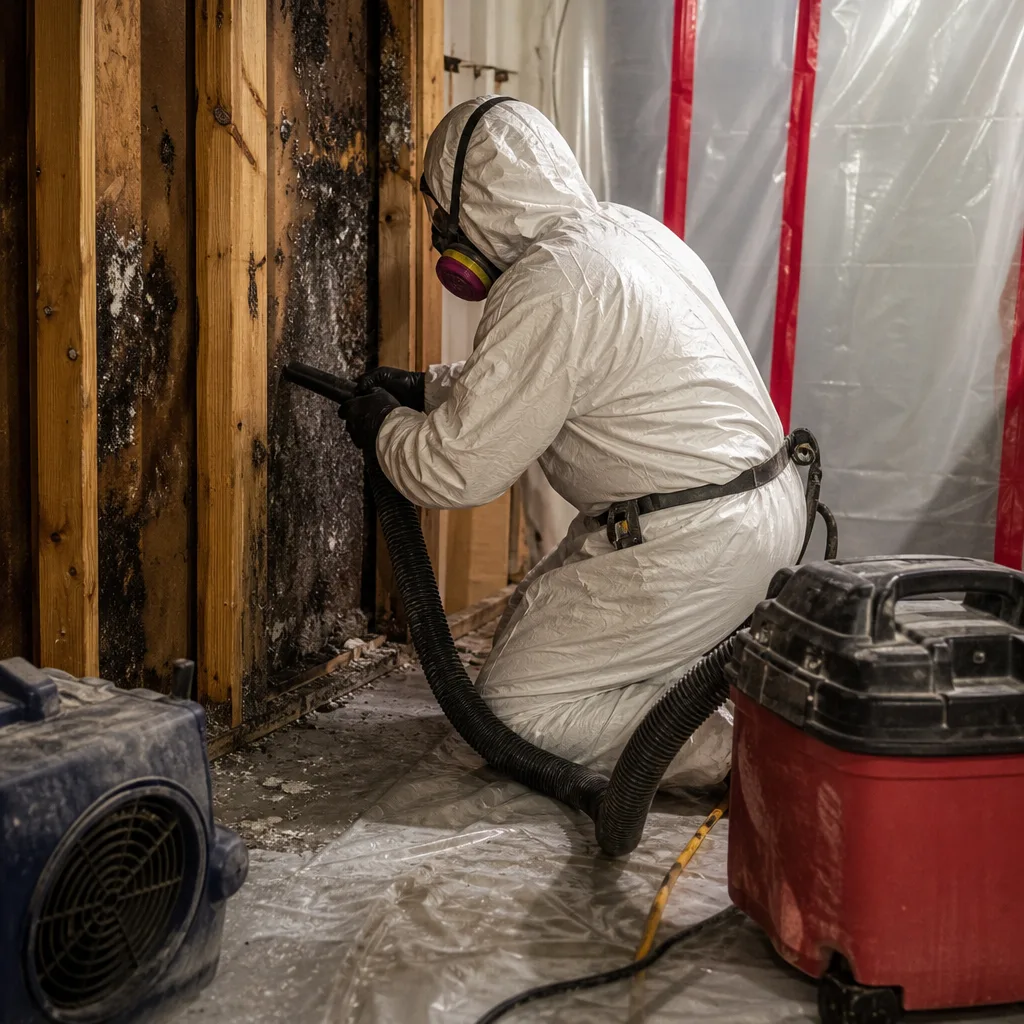
Below-grade spaces east of Broadway sit low enough that groundwater and storm surge both find their way in. We remove the water, seal the entry point where repair is practical, and dry the space so mold does not get a foothold in the 48 hours after the event.
What happens when you call
- 1
A real person answersNo phone trees - you reach a local pro.
- 2
You get an upfront price rangeHonest numbers before anyone is dispatched.
- 3
A background-checked tech heads outLicensed & insured, dispatched right away.
- 4
You approve before work beginsNothing starts until you say go.
Water Damage Restoration Costs in NoHo, NY
A burst pipe extraction and dry-out in a typical NoHo loft runs $1,800-$6,500 depending on how far the water traveled. Below-grade flood cleanup from storm surge or groundwater usually lands between $4,000 and $14,000 because Category 3 water requires containment, disposal, sanitization, and often reconstruction of finishes. Ceiling and roof leak restoration in these older buildings falls in the $1,500-$4,500 range. The price moves with the size of the space, how long the water sat before we arrived, and whether the leak is behind landmarked masonry that requires non-invasive access. Insurance covers most burst pipe and storm surge losses, though flood damage from rising groundwater usually requires a separate flood policy. We do a free visual inspection, write a firm scope, and bill your carrier directly so you see the numbers before you approve anything.
We Also Serve Cities Near NoHo
Our crews work throughout the NoHo area and the surrounding neighborhoods, including Fairview, Harrison, East Bronx, and Hunts Point. If your building sits just outside the district boundary, the same certified team answers the same number: (917) 924-4221.
NoHo Water Damage Restoration Questions, Answered
Does the NoHo Historic District require landmarks approval before I start water damage restoration in my loft?
Yes, the NYC Landmarks Preservation Commission (LPC) must review any exterior or structural intervention in a landmarked NoHo building. Emergency water extraction is generally permitted without prior approval, but cutting into a landmarked facade or cast-iron column requires LPC review first. That is why we use thermal imaging and acoustic detection to find leaks without opening walls, and why we document everything for the LPC and your insurer.
How do you dry out a NoHo loft with 12-foot ceilings and masonry walls after a burst pipe?
We size dehumidifiers to the cubic footage of the space, not the square footage, and position air movers to force airflow across masonry surfaces rather than just through the air. For wide-plank wood floors, Injectidry mats draw moisture up through the boards. We run daily moisture readings on every affected material until the dry standard is met, which in a high-ceiling NoHo loft typically takes three to seven days.
Can mold really start that fast in a NoHo pre-war loft?
Yes. Mold can begin growing within 24 to 48 hours of water intrusion, and NoHo’s thick masonry walls hold moisture longer than drywall assemblies, which extends the growth window. That is why we start extraction the same visit and why daily moisture readings matter. If microbial growth has already started, we set up containment and air scrubbing before disturbing affected materials.
What water category applies to a basement flood in a NoHo cast-iron building during a nor’easter?
Category 3. Storm surge and rising groundwater carry sewage, fuel, salt, and debris, which makes the water grossly contaminated from the first inch. Category 3 water requires full containment, removal of porous materials like drywall and carpet, antimicrobial treatment, and HEPA air scrubbing. This is a remediation job, not a cleanup, and your insurance carrier will expect documentation that proper protocols were followed.
Why can’t you just cut a small hole in my NoHo wall to find a leak?
Because in a landmarked NoHo building, that wall may be original masonry or contain a cast-iron column, and cutting into it without confirming LPC applicability can trigger a stop-work order that stalls your emergency extraction while mold takes hold. Thermal imaging and acoustic leak detection find the source without opening the wall at all, which keeps the job moving and keeps you out of a landmarks violation.
How fast can a crew actually get to my NoHo building?
We answer live 24/7 and dispatch crews from our New York City office to NoHo addresses within 45 minutes in most cases. A live dispatcher tracks every truck, so when we give you an arrival window, a human being has actually looked at where the crew is. Call (917) 924-4221 and extraction can be running the same visit.
Will my insurance cover water damage restoration in a NoHo loft?
Most burst pipe and supply line losses are covered under standard condo or co-op policies, usually for the unit owner’s finishes and improvements. Storm surge flooding from a nor’easter is typically covered only if you carry flood insurance, which many NoHo owners find they need after Sandy. We bill your carrier directly, provide documentation from the first hour, and communicate with your adjuster so you do not have to translate.
What should I do in the first 30 minutes after I discover water damage in my loft?
Shut off the building’s water supply if the leak is from a pipe, kill power to the affected area if water is near outlets, and move what you can. Do not open walls and do not try to remove water yourself from a Category 3 source. Then call (917) 924-4221. The sooner our crew starts extraction, the less damage spreads through the masonry and floors, and the less the job costs in the end.
Serving NoHo, NY - Our Local Coverage Area
We’re based in the NoHo area and know this community well. Use the map below to see our service coverage - if you’re nearby, we can almost certainly help.
Contact Floodline Restoration Co. of Manhattan
If your NoHo loft has standing water, a bulging ceiling, or the smell of damp in the walls, call (917) 924-4221. A live person answers. We will send a certified crew with extraction equipment on the truck, do a free visual inspection, and put a written scope in your hands before any work starts. The line the water left is where we start, and we do not hand the job off until it is done right and backed in writing.
Written by Curt Bowman, Owner at Floodline Restoration Co. of Manhattan, serving NoHo and the surrounding area since 2010.