
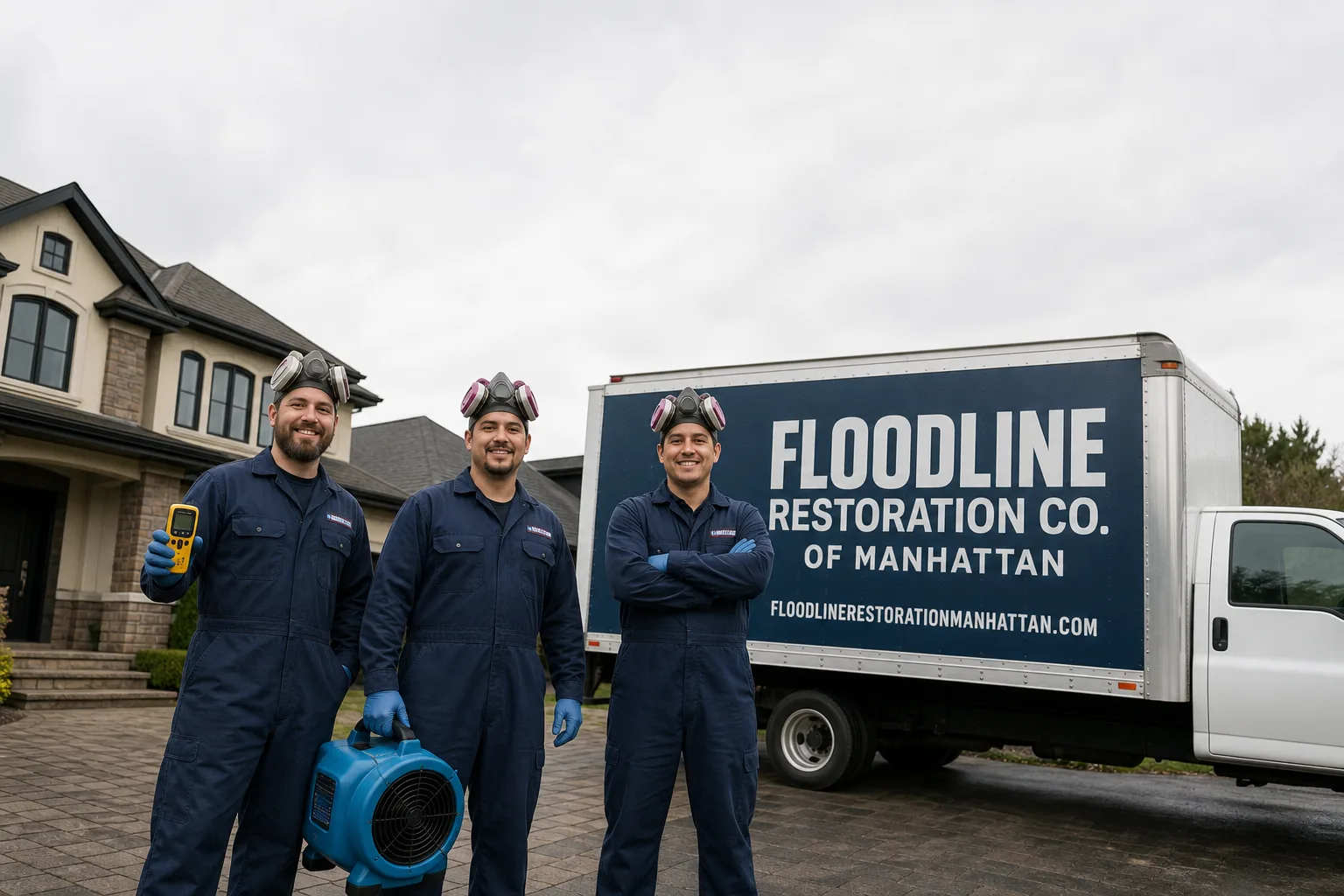
Free visual inspection and a written scope of work before any mitigation begins - photos, moisture readings, and drying logs go in your claim file
The scope we write is the scope we bill. Anything new gets shown to you, in writing, before we touch it.






 Before
 After
After Before
 After
After Before
 After
After24/7 Emergency Water Damage Restoration in Rego Park
Water damage restoration in Rego Park typically costs between $1,800 and $6,500 depending on how far the water traveled and how many co-op units were affected. Our crews are on call around the clock, and a live dispatcher answers at (917) 924-4221, not a recording, at any hour. We know the first hour after a pipe burst or roof breach determines whether you’re dealing with a drying job or a full gut-and-rebuild.
Rego Park’s co-op buildings present a particular challenge: before a single wall comes open, the managing agent or board must issue written authorization. We handle that coordination from the first call, because waiting 24 to 72 hours without a plan is how hidden moisture turns into mold behind original plaster. Call us the moment you see water. We’ll walk you through the next steps while the crew heads your way.
Understanding Water Damage Restoration Severity in Rego Park Properties
Water damage gets classified by the source. Category 1 is clean water, like a supply line break under a bathroom sink. Category 2 carries contaminants, think washing machine overflow or sump pump discharge. Category 3 is grossly contaminated, which is what happens when a cast iron drain stack fails and blackwater sheets through stacked bathrooms. In Rego Park’s mid-century co-ops, a Category 3 event above you usually means Category 3 in your ceiling too.
The building stock here complicates severity assessment. Six- to ten-story brick buildings with original 1950s and 1960s plumbing share mechanical chases, so moisture migrates vertically along pipe penetrations and horizontally through party walls. It’s common for a “leak” on the fourth floor to show up as staining on the second floor ceiling three days later. Moisture mapping with thermal imaging isn’t optional in these buildings; it’s the only way to see what’s wet behind the wall.
Why Rego Park Property Owners Choose Floodline Restoration Co. of Manhattan
- 45-minute response commitment for emergency calls anywhere in Rego Park, from the co-ops along Queens Boulevard to the smaller walk-ups off 63rd Drive.
- A live person answers 24/7, never an automated system. You’ll speak to a dispatcher who knows the Rego Park co-op approval process, not someone reading a script.
- IICRC-certified crews trained to WRT and ASD standards, with background checks and uniforms on every job.
- Free visual inspection before any work is approved, so you see what we see and sign off on a written scope.
- Direct insurance billing with photo documentation and drying logs your carrier and co-op board will accept.
- One team from extraction to rebuild, so you’re not handed off to a reconstruction subcontractor who wasn’t there on day one.
Our Water Damage Restoration Process
Inspection & Assessment
We arrive, read the moisture map with thermal imaging and hygrometers, and identify every affected area, including the hidden ones behind shared chase walls. We’ll also tell you exactly what the co-op board needs to see before we open anything.
Extraction/Stabilization
Standing water goes first. We use truck-mounted and portable extraction units to pull water from floors, carpets, and subfloor cavities in the tight clearances common to Rego Park apartment layouts.
Drying & Dehumidification
Dri-Eaz dehumidifiers and Phoenix air movers go to work, with daily moisture readings logged until the dry standard is met. When the building’s original cast iron stacks are involved, we dry the chase walls too, not just the visible surface.
Cleaning & Sanitization
Category 3 water means full antimicrobial treatment and containment. HEPA air scrubbers run during any demolition that could release contaminated dust into hallways or neighboring units.
Structural Drying Verification
Before any rebuild begins, we confirm with documented readings that framing, subfloor, and masonry have reached the dry standard. The written moisture log goes to you and to your carrier.
Repairs & Restoration
Drywall, plaster, flooring, and trim go back. The same Floodline crew that did the extraction does the rebuild, and the whole job is covered by the 90-Day Done Right Promise in writing.
Need Emergency Water Damage Restoration in Rego Park Now?
Crews minutes away, answering live 24 hours a day. The sooner we start, the less it costs.
Working With Your Insurance Company
In a Rego Park co-op, insurance is rarely a single policy. The building’s master policy covers common elements, while your individual HO-6 policy covers what’s inside your walls. We’ve navigated enough of these claims to know what each carrier needs. From the first hour, we photograph every affected surface, log moisture readings daily, and build a line-item scope of work that speaks the language adjusters understand. You won’t be the messenger between us and your carrier; our team coordinates directly, including with the co-op board’s adjuster when the loss is a building-system failure.
What We Provide Your Insurer
- Thorough documentation of the loss
- Photos of all damage, room by room
- Moisture readings and drying logs
- A detailed, line-item scope of work
- Direct coordination with your carrier
Built for Rego Park’s Loss Calendar
Rego Park’s water damage patterns follow a predictable rhythm. January and February bring deep freezes that crack supply lines in uninsulated exterior walls, a common failure point in 1950s brick co-ops where original piping runs through cold chases. March and April see roof leaks emerge as freeze-thaw cycles stress aging flat roof membranes and parapet masonry. Summer thunderstorms dump enough rain in twenty minutes to overwhelm roof drains on buildings along Queens Boulevard, which then back up into top-floor units. Fall nor’easters bring wind-driven rain that finds every failed seal around windows and vents. Because Rego Park sits inland and above flood-plain elevations, we rarely see storm-surge flooding like the coastal neighborhoods; instead, the chronic roof leaks and corroding drain stacks drive most of our calls year-round.
Water Damage Restoration Across Rego Park’s Neighborhoods
The co-ops clustered along Queens Boulevard between 63rd Drive and 67th Avenue are seven- to ten-story buildings with the oldest cast iron stacks and the longest board approval timelines. Response there means working inside the building’s alteration agreement from the very first call. The side streets off 63rd Drive and Saunders Street hold smaller six-story walk-ups where tight stairwells mean every piece of equipment has to be carried up, and hallway containment has to be airtight so neighbors aren’t walking through a work zone.
Over near the Rego Park Jewish Center and Lost Battalion Hall, you’ll find mixed postwar stock with renovated bathroom groups and original kitchen plumbing, which means leak patterns often start at the transition point between new copper and old galvanized. Along Woodhaven Boulevard’s western edge, some buildings sit lower relative to the street and see basement seepage after heavy summer rain. Near the Rego Center shopping area, commercial-residential mixed buildings add another layer: a restaurant grease line failure above a residential unit is its own category of mess. And in the blocks around PS 206, parents sometimes call us because a supply line failed right before school pickup, which puts a specific clock on the job. Each area has its own signature, and we know them all.
Specialized Water Damage Restoration Services We Offer in Rego Park
Emergency Water Extraction
Standing water in a Rego Park apartment is an emergency, but extraction here means working around co-op access rules. We arrive with portable XPOWER extraction units that fit through apartment doorways and tight hallways, and we pull water from floors, carpets, and subfloor cavities fast enough to stop it from reaching the unit below.
Burst Pipe Restoration
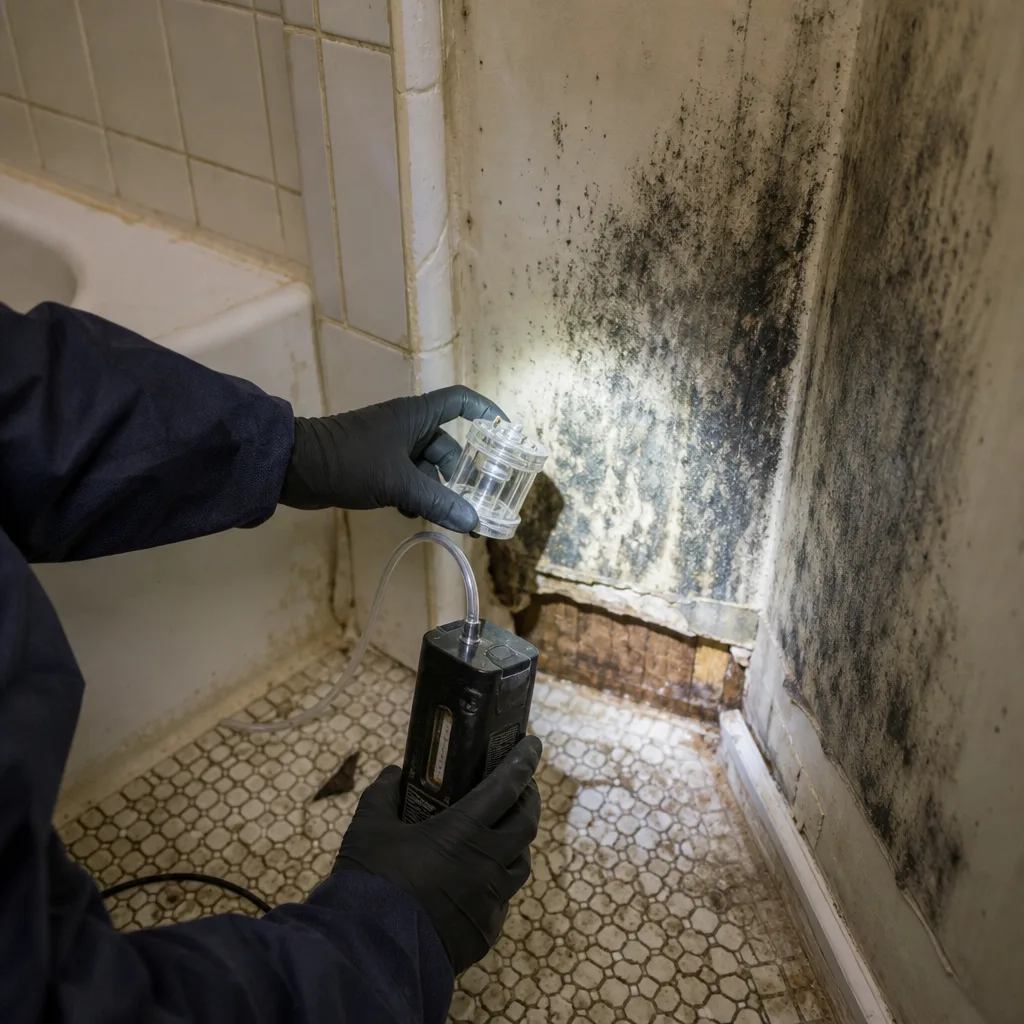
When a supply line freezes and bursts in a Rego Park co-op, the water travels down through floors and along shared chases. We trace the actual path of the water, not just the visible puddle, because hidden moisture behind original plaster is what turns a one-unit pipe break into a three-unit mold problem. Coordination with the board starts on day one so we can open walls as soon as authorization lands.
Structural Drying & Dehumidification
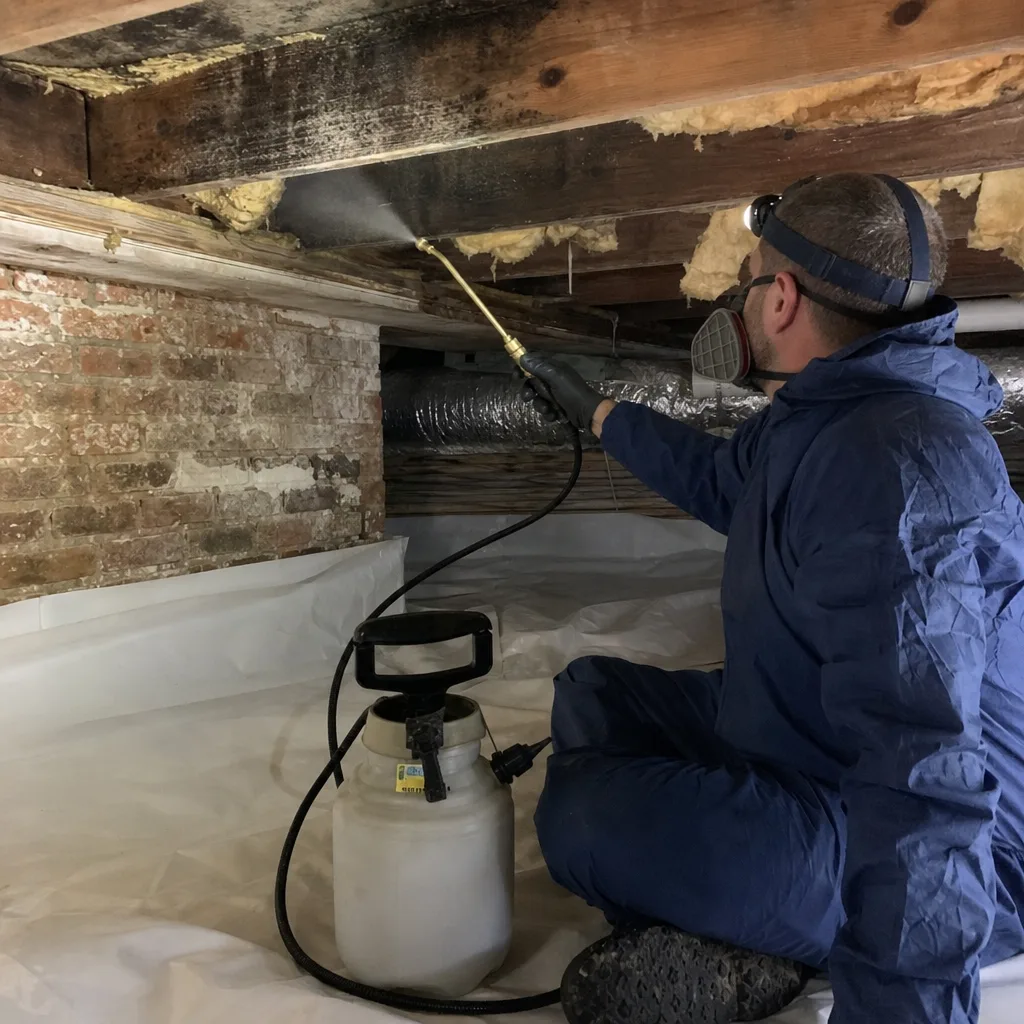
Drying a Rego Park co-op ceiling after a roof leak means managing moisture in the cavity between the roof deck and your plaster ceiling. We run Dri-Eaz and Phoenix equipment, log readings daily, and keep the equipment footprint as small as the job allows. The goal is dry in place wherever possible, because saving original plaster matters in these buildings.
Flood Cleanup
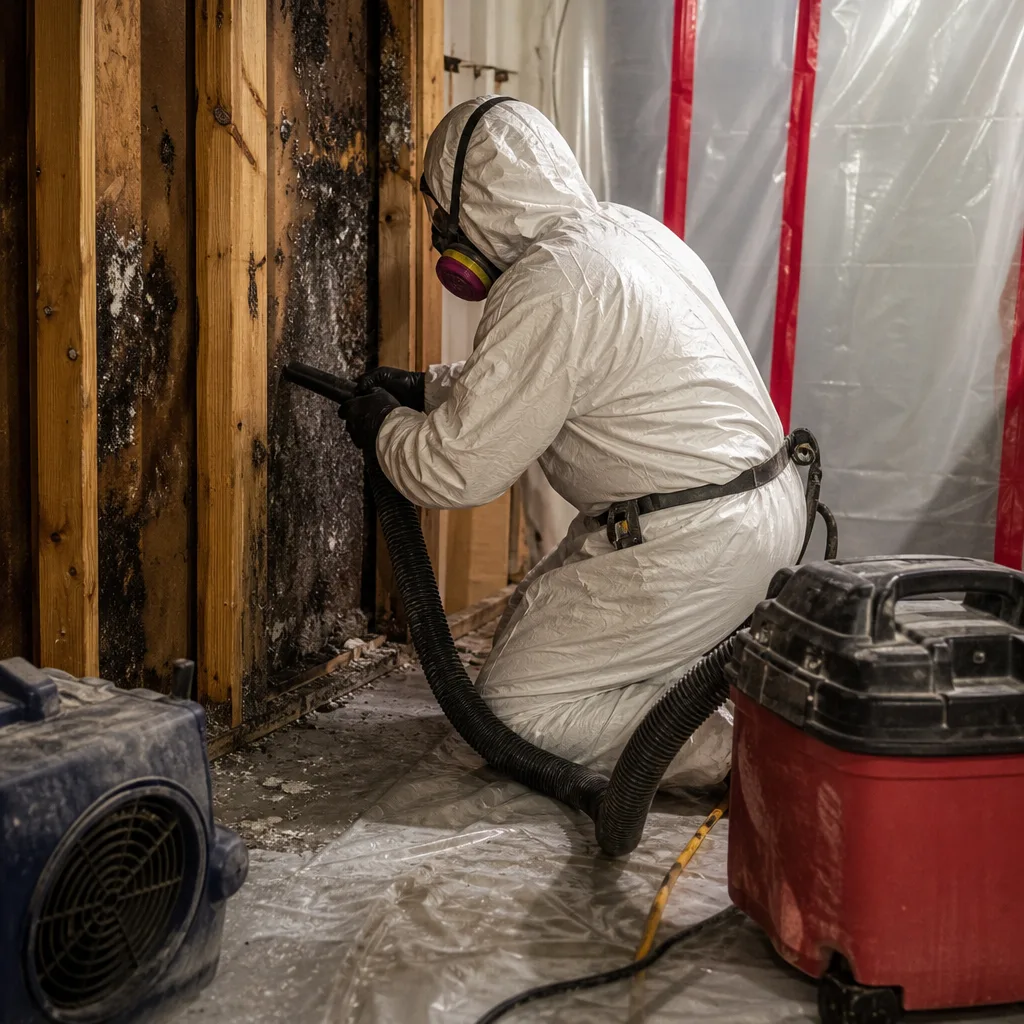
Summer downpours can overwhelm roof drains and send water into top-floor units. We extract, contain, and dry, then walk you through what your HO-6 covers and what falls under the master policy. When the flood is from a failed shared stack, we set containment that protects hallways and stairwells from cross-contamination.
Basement Water Removal
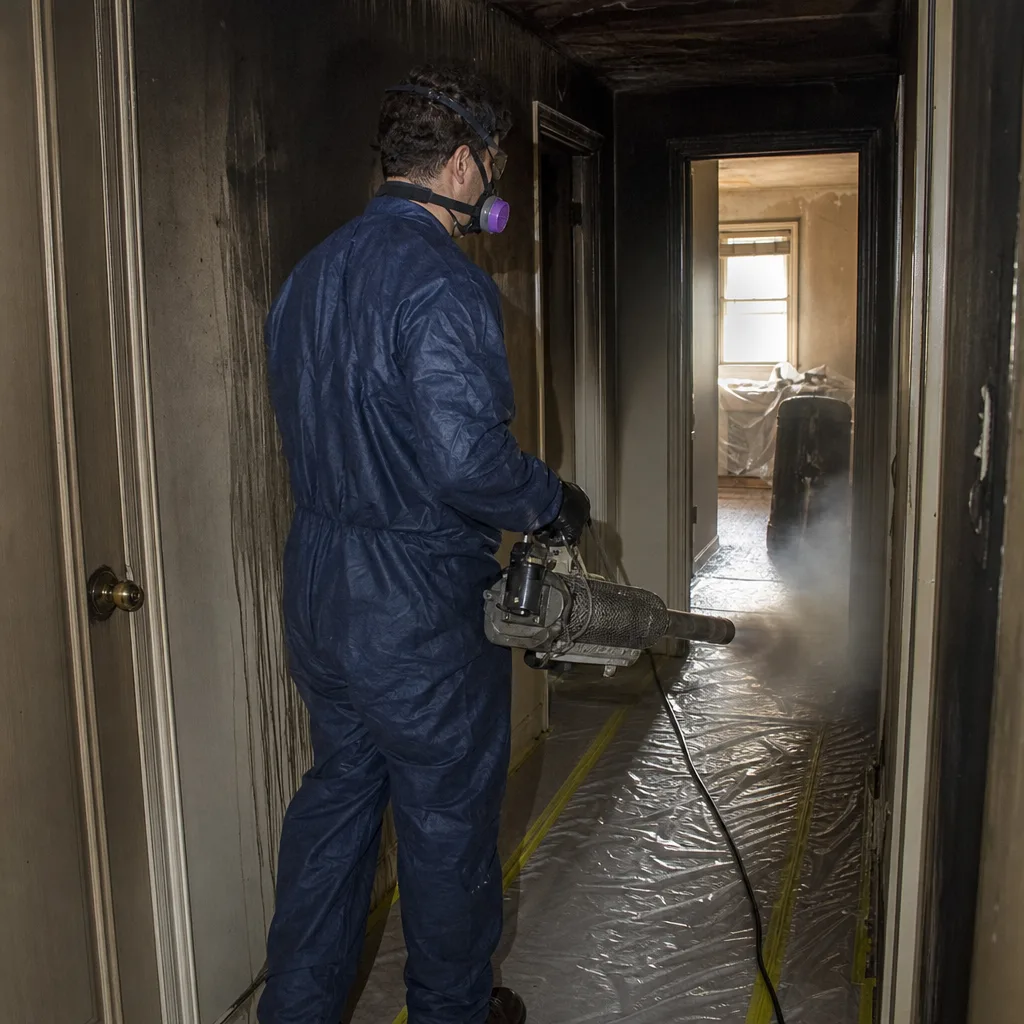
Some Rego Park buildings have storage rooms and laundry areas below grade. Seepage after heavy rain backs up floor drains and soaks stored belongings. We extract, sanitize, and dry these spaces, but we also identify the source so it doesn’t happen again next season.
What happens when you call
- 1
A real person answersNo phone trees - you reach a local pro.
- 2
You get an upfront price rangeHonest numbers before anyone is dispatched.
- 3
A background-checked tech heads outLicensed & insured, dispatched right away.
- 4
You approve before work beginsNothing starts until you say go.
Water Damage Restoration Costs in Rego Park, NY
Water damage restoration in Rego Park runs roughly $1,800 to $6,500 for a typical single-unit apartment loss. A straightforward Category 1 supply line break with fast response might stay around $1,800 to $2,800, including extraction, drying, and minor repair. A Category 3 drain stack failure affecting multiple units can push past $6,500 when you account for containment, pack-out, dry-out, and rebuild across two or three apartments.
What moves the price: how many units are affected, whether the co-op board requires licensed plumber sign-off before we can start, and how much original material has to come out. The free inspection puts real numbers on paper before you commit to anything. When insurance covers the loss, we bill the carrier directly and you pay nothing out of pocket beyond your deductible. The best way to control cost is the same in a Rego Park co-op as anywhere else: call before the water keeps moving.
We Also Serve Cities Near Rego Park
Serving Rego Park and surrounding Queens neighborhoods, including Forest Hills, Elmhurst, Corona, and Middle Village. Our crews know the building types and approval processes in each, and our Water Damage Restoration team handles every phase from first extraction to finished rebuild.
Serving Rego Park, NY - Our Local Coverage Area
We’re based in the Rego Park area and know this community well. Use the map below to see our service coverage - if you’re nearby, we can almost certainly help.
Rego Park Water Damage Restoration Questions, Answered
Why can’t you start water damage restoration immediately after a pipe burst in my Rego Park co-op?
Because your co-op’s alteration agreement requires written authorization from the managing agent or board before anyone opens walls, ceilings, or floors. That authorization typically takes 24 to 72 hours in Rego Park’s co-op buildings. What we can do immediately: extract standing water, set up drying equipment in accessible areas, and document everything for the board and carrier. Then when authorization lands, we’re ready to open walls the same day. Call (917) 924-4221 and we’ll start the clock immediately.
How do you handle water damage that affects multiple stacked units in a Rego Park co-op when shareholders have different insurance carriers?
We document each unit separately, build a line-item scope for each affected apartment, and coordinate with each carrier independently. The building’s master policy may also apply depending on the source of the water. Our drying logs and moisture readings go to every carrier involved, and we manage containment so one shareholder’s damage doesn’t become a hallway problem. We’ve handled enough multi-unit co-op losses to know how to keep five parties from stepping on each other.
What happens when a cast iron drain stack fails in a 1950s Rego Park co-op and sends category 3 water through multiple floors?
The water is contaminated, so we set up containment on every affected floor, run HEPA air scrubbers, and extract with dedicated Category 3 equipment. We don’t open walls until the board’s written authorization arrives, but we can often snake a borescope into an existing access point to show the board exactly what’s wet. Then we dry the chase walls, not just the visible surfaces, because moisture behind original plaster feeds mold in neighboring units. Call us and we’ll walk you and your board through it.
Why is roof leak water damage more common than storm flooding in Rego Park?
Rego Park sits inland and above flood-plain elevations, so it doesn’t get the coastal storm-surge flooding that hit places like the Rockaways during Sandy. The real risk here is freeze-thaw cycling on aging flat roofs and parapet walls, which opens membrane seams and masonry joints every late winter. Add summer downpours that overwhelm roof drains, and you get chronic interior leaks that drip into top-floor co-op units for weeks before anyone notices the stain on the ceiling.
Can you dry a Rego Park co-op ceiling after a roof leak without removing the original plaster?
Often yes. If the plaster isn’t saturated beyond recovery, we can dry the cavity with directed airflow and dehumidifiers, take daily moisture readings, and save the original plaster. That matters in Rego Park co-ops where original plaster walls and ceilings are part of the apartment’s character. If the plaster has separated from its lath or is crumbling, removal is unavoidable. The free inspection tells you which path you’re on before anything gets opened.
How fast can you actually get to a water damage emergency in Rego Park?
Our commitment is 45 minutes to be dispatched and rolling to your Rego Park address, with a live person on the phone the entire time. Queens Boulevard traffic is what it is, but we know the side streets and the building access routes. For a co-op job, we also use the travel time to call the super or managing agent and start the authorization process before our crew even parks.
Will my insurance cover water damage restoration in a Rego Park co-op?
It depends on the source. Your HO-6 policy covers damage inside your unit, including your improvements and personal property. The building’s master policy covers common elements like the roof, the shared drain stacks, and the exterior walls. For a cast iron stack failure, the master policy usually applies to the chase and the stack, while your HO-6 covers your walls, floors, and belongings. We document everything and bill the right carrier on the right scope, so you don’t have to figure out the split.
What should I do in the first 30 minutes after discovering water damage in my Rego Park apartment?
Turn off the water at the fixture if you can, then call (917) 924-4221. While we’re on the way, take photos of the visible water, move small valuables out of the water’s path if it’s safe to do so, and notify your super or building management. Do not open walls yourself, and don’t use a regular vacuum on the water. Call us and we’ll guide you step by step, including starting the board authorization process right away.
Written by Curt Bowman, Founder of Floodline Restoration Co. of Manhattan, serving the co-op buildings and homeowners of Rego Park with water damage restoration done right, documented, and backed in writing.