

Free visual inspection and a written scope of work before any mitigation begins - photos, moisture readings, and drying logs go in your claim file
The scope we write is the scope we bill. Anything new gets shown to you, in writing, before we touch it.






 Before
 After
After Before
 After
After Before
 After
After24/7 Emergency Biohazard & Crime Scene Cleanup in Great Neck Estates
Biohazard and crime scene cleanup in Great Neck Estates requires a crew that understands both the biological hazards and the construction of homes built between 1920 and 1940. We answer live at (917) 924-4221, every hour of every day, and dispatch a certified team into the village with full containment equipment, hospital-grade disinfectants, and the written protocols your situation demands. Most Great Neck Estates calls reach us with a crew on site within 45 minutes. The first hour matters because bodily fluids and blood-borne pathogens migrate into porous materials fast, and once they reach the old-growth framing beneath original plaster, the scope changes. Call now, and we’ll walk you through the first steps while the truck is rolling.
Key Takeaways for Great Neck Estates Homeowners
- Crime scene and trauma cleanup in Great Neck Estates typically runs $1,800-$6,500 depending on what materials absorbed the fluids and how long they sat.
- Pre-war plaster walls and original hardwood floors in this village absorb biohazard fluids deeper than modern drywall, which changes the containment and removal plan.
- We bill your insurance carrier directly and handle adjuster communication from the first photo through the final signed scope.
- All technicians are background-checked, uniformed, and trained to IICRC, RIA, and IFA standards.
- Every job is backed by our 90-Day Done Right Promise, in writing, no arguing.
Understanding Biohazard & Crime Scene Cleanup Severity in Great Neck Estates Properties
Biohazard work is categorized by the type of material and the level of saturation, not just by what happened. Blood, bodily fluids, decomposition byproducts, and infectious materials all demand different containment levels, different disinfectants, and different removal depths. In Great Neck Estates, the age of the housing stock changes the severity calculation. A 1920s Tudor Revival on Middle Neck Road has plaster-on-lath walls over old-growth timber framing. When fluids soak through the plaster, they don’t stop at the surface. They travel along the lath strips, settle into the stud bays, and wick into the framing itself. That means we cut further, remove more, and run containment longer than we would in a sheetrock subdivision in Fairview or Harrison. The salt air from Manhasset Bay adds another variable: moisture doesn’t evaporate the way it does inland, so dehumidification takes longer and moisture mapping has to be read daily, not just once. A crew that treats this village like any other job will close up walls with pathogens still trapped inside.
Why Great Neck Estates Property Owners Choose Floodline Restoration Co. of Manhattan
- 45-minute response commitment: We dispatch from our New York City office straight into Great Neck Estates, and a live person confirms the crew’s ETA before you hang up.
- 24/7 live answer: A dispatcher picks up at 2 a.m. Not a recording. Not a callback queue. You speak to a person who can send help.
- IICRC-certified crews: Our technicians hold certifications relevant to biohazard work, including trauma scene protocols and infection control, with ongoing RIA and IFA training behind them.
- Free visual inspection: We assess the scope before you commit to anything, and you get a written scope of work agreed to before we start.
- Direct insurance billing: We handle the carrier directly. You’re not the messenger, and you’re not on the hook while the adjuster makes up their mind.
- One team from first extraction to final rebuild: Curt Bowman built Floodline around a dispatch board, not a sales desk. The same crew that sets containment handles the rebuild. No mid-job handoff.
Our Biohazard & Crime Scene Cleanup Process
Inspection & Assessment
We walk the affected areas with you, identify saturation points, and test materials including original plaster, lath, and hardwood. We document everything in writing before any demolition starts.
Containment & Stabilization
We seal the work area with negative air pressure and HEPA filtration so pathogens don’t move through the rest of the house. In pre-war homes with original ventilation, this step takes longer.
Removal & Extraction
Affected plaster, lath, flooring, and any saturated framing are cut out and bagged for medical-waste disposal. We cut deeper in old homes because fluids travel farther through timber.
Drying & Dehumidification
Dri-Eaz and Phoenix air movers and dehumidifiers run on a daily cycle, with moisture readings logged every visit. The salt air around the peninsula slows evaporation, so we extend dry times rather than rush the job.
Cleaning & Disinfection
Hospital-grade disinfectants go on every exposed surface, including studs and subfloor. We also run HEPA air scrubbers to clear airborne pathogens before the final clearance reading.
Repairs & Restoration
We rebuild with period-appropriate materials when needed: plaster, lath, trim profiles, and hardwood species that match the original home. The job isn’t done until the house looks like it should.
Need Emergency Biohazard & Crime Scene Cleanup in Great Neck Estates Now?
Crews minutes away, answering live 24 hours a day. The sooner we start, the less it costs.
Working With Your Insurance Company
Most Great Neck Estates homeowners have coverage for biohazard cleanup, but the claim goes smoother when documentation starts in the first hour. We photograph every affected room before we move anything, log moisture readings daily, and build a line-item scope your adjuster can actually review. Our team talks to the carrier directly, so you’re not stuck interpreting policy language at midnight. The adjuster gets the evidence, the estimate, and the clear chain of work from first cut to final coat of paint. That’s the difference between a claim that drags and one that closes. We’ve been doing this since 2010, and Curt Bowman’s crews have walked hundreds of adjusters through Great Neck Estates kitchens and basements without a single homeowner left holding the phone.
What We Provide Your Insurer
- Thorough documentation of the loss
- Photos of all damage, room by room
- Moisture readings and drying logs
- A detailed, line-item scope of work
- Direct coordination with your carrier
Built for Great Neck Estates’s Loss Calendar
Biohazard work in Great Neck Estates doesn’t follow a neat seasonal pattern the way water damage does. Unattended deaths, crime scenes, and hoarding situations arise year-round. But the physical conditions of the village shift how hard each job is. January deep freezes burst original copper supply lines in pre-war basements, and when a leak goes undiscovered for weeks in a house where the owner has passed, decomposition and mold compound the cleanup. Spring thaw brings groundwater into stone and brick basements near the shoreline, and that standing water turns an already difficult trauma scene into a three-service job. Summer thunderstorms can knock out power to older homes with sump pumps that predate modern backup systems, and nor’easters push Manhasset Bay over the bulkheads on the west side of the village. Add the freeze-thaw stress on cast-iron drain lines, and late-winter sewage backups into basement rooms are a pattern we see every year. The common thread is that these homes were never built for flood-hardening, and the original systems fail in ways that create biohazard conditions fast.
Biohazard & Crime Scene Cleanup Across Great Neck Estates’s Neighborhoods
Great Neck Estates spans a narrow peninsula, and the homes closest to the water carry different risks than those further inland on the village’s higher ground. Along Shoreward Drive and the streets facing Manhasset Bay, salt-air moisture holds longer in plaster walls, which means our dehumidifiers run longer and our containment stays up an extra day or two. Around Arrandale Avenue and the eastern blocks closer to Little Neck Bay, we see more original crawl spaces with limited ventilation, where fluids seep into subfloor framing and force us to open floors rather than treat the surface. The streets off Middle Neck Road, like Cedar Drive and Beach Road, hold a mix of 1920s stucco Mediterranean and later infill homes, and the building age changes whether lead-paint testing is required before we cut. On the higher ground near the village’s northern edge, homes sit on better-drained lots, but the original plumbing is just as old, and a failed cast-iron stack in a 1930s Colonial can send contaminated water through three floors. Knowing which block you’re on changes the plan.
Specialized Biohazard & Crime Scene Cleanup Services We Offer in Great Neck Estates
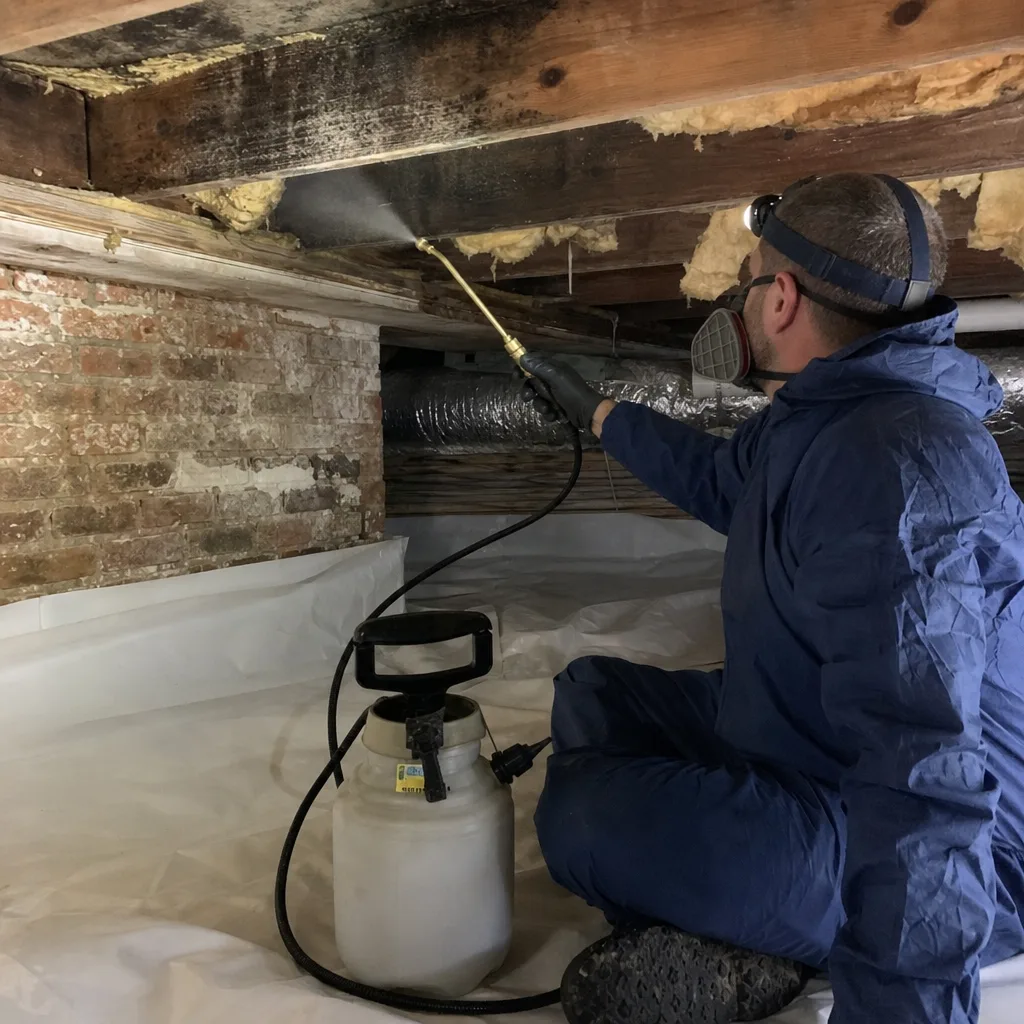
Trauma & Unattended Death Cleanup
Unattended deaths in Great Neck Estates’ older homes often mean days or weeks of decomposition before discovery, and the fluids have usually soaked through original plaster into the framing. We remove all affected materials, contain the area under negative pressure, and rebuild with materials that match the home’s original construction. Our crew responded to an unattended death in a Tudor Revival on Shoreward Drive where original plaster walls and hardwood floors had absorbed bodily fluids. We set up full containment, removed the affected plaster and lath, and ran air movers and dehumidifiers with moisture mapping to confirm dry-down before rebuilding with period-appropriate materials.
Hoarding Cleanup
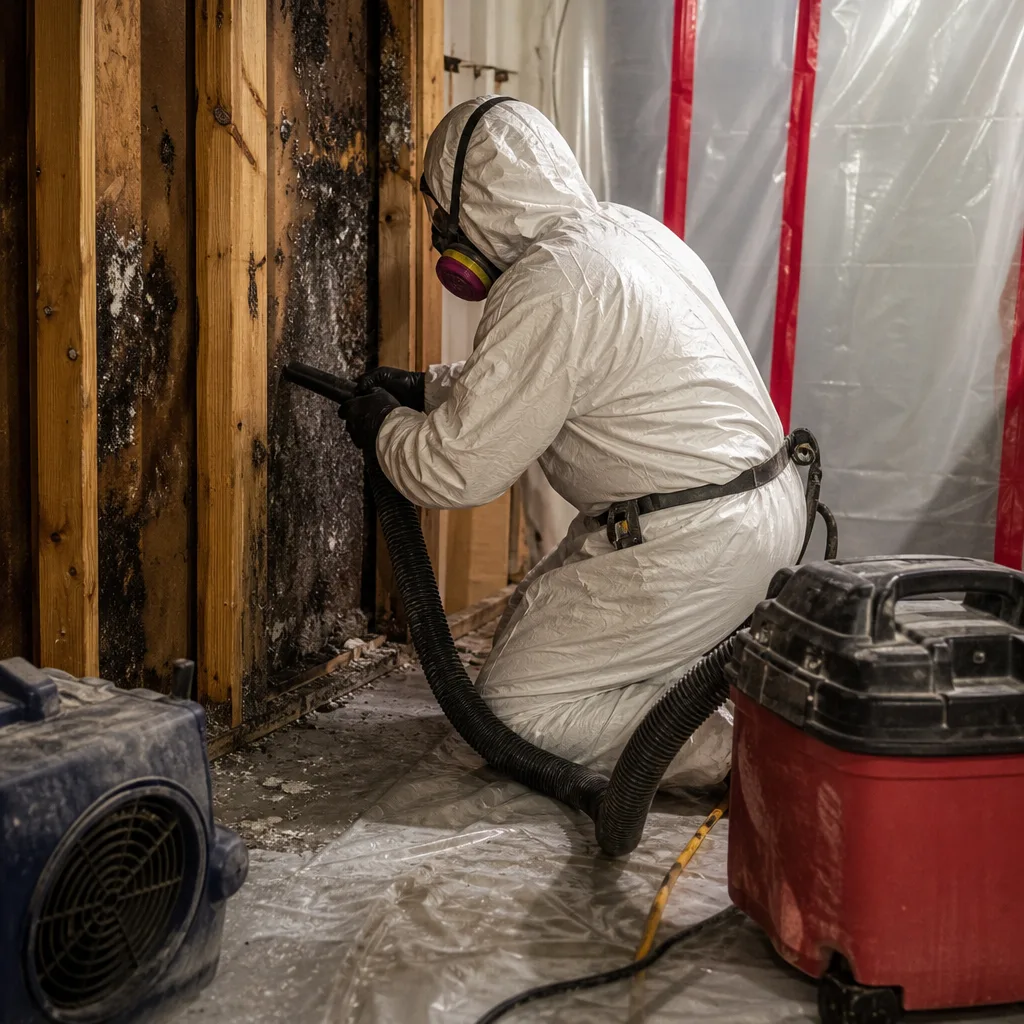
Hoarding in a 1930s Colonial Revival means working around original plaster moldings, old-growth door frames, and built-in cabinetry that we don’t want to damage while clearing debris. We sort through belongings with the family present when appropriate, separate what’s salvageable, and remove biohazard waste including rodent droppings, decomposing food, and human waste. The work is slower than a generic junk haul because we’re protecting the house while we clear it.
Infectious Disease Disinfection
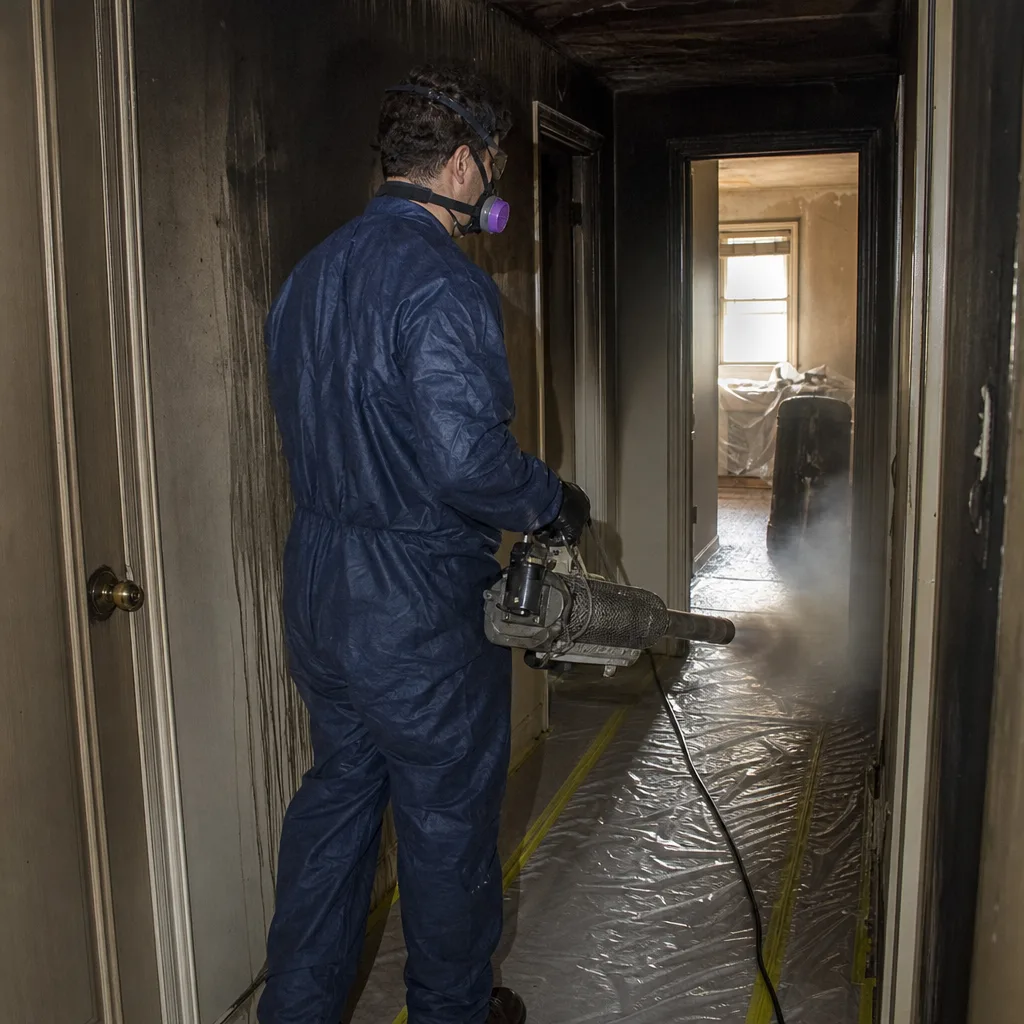
After a confirmed infection, MRSA, C. diff, or viral exposure, we treat every surface with hospital-grade disinfectants and run HEPA air scrubbers to clear the air. In homes with original plaster and minimal mechanical ventilation, we add air movement and extend scrubber runtimes so the disinfectant reaches into wall cavities and behind radiators where pathogens settle. A surface wipe-down is not enough in these houses.
Blood & Bodily Fluid Cleanup
Blood seeps into hardwood floors, pours through gaps in the boards, and settles into the subfloor. In Great Neck Estates’s pre-war homes, that subfloor is often old-growth pine over full-dimension joists, and we have to remove and replace the affected sections. We cut along board lines, bag everything as regulated medical waste, and treat the exposed framing before installing new flooring that matches the original width and species.
Crime Scene Cleanup
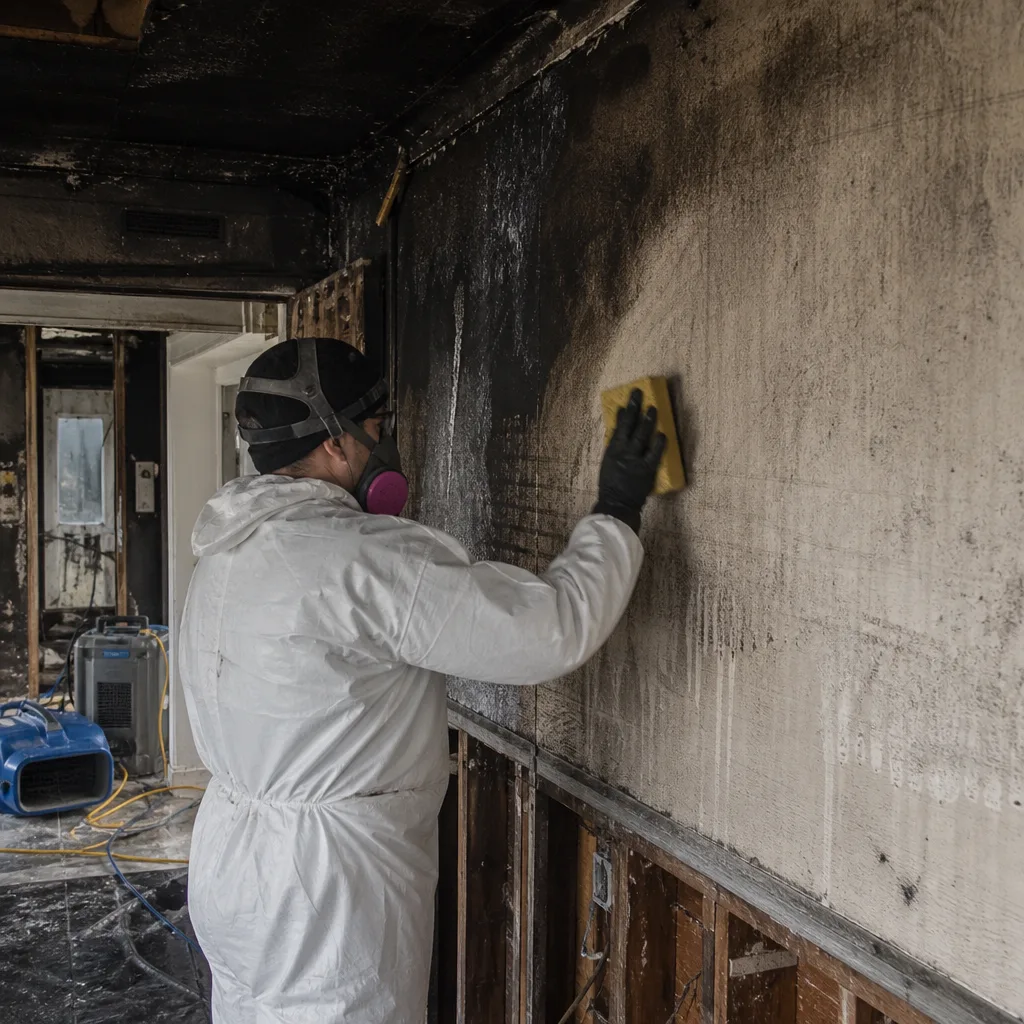
After the police release the scene, we arrive to remove all traces of blood, bodily fluids, and any tear gas or chemical residue. Crime scenes in the village’s older homes often involve fluid migration through wall cavities and under baseboards, so we open more than a modern-home crew would. We also coordinate directly with law enforcement and the property owner so the scene is released to us properly and documented for any insurance claim.
What happens when you call
- 1
A real person answersNo phone trees - you reach a local pro.
- 2
You get an upfront price rangeHonest numbers before anyone is dispatched.
- 3
A background-checked tech heads outLicensed & insured, dispatched right away.
- 4
You approve before work beginsNothing starts until you say go.
Biohazard & Crime Scene Cleanup Costs in Great Neck Estates, NY
Crime scene and trauma cleanup in Great Neck Estates typically runs $1,800-$6,500 for a single-room contamination, depending on how long the fluids sat and whether the walls and floors are original plaster and hardwood. A full unattended death cleanup with wall and floor removal in a pre-war home can reach $8,000-$15,000 because we’re not just cleaning, we’re removing saturated materials and rebuilding with period-appropriate finishes. Hoarding cleanup usually lands between $3,000 and $12,000 based on the volume of debris and the level of biohazard contamination present. Infectious disease disinfection for a whole house runs $1,200-$4,000. What moves the price: the age of your walls, whether salt air has kept the materials damp, the number of rooms affected, and whether lead-paint testing and abatement are required before we cut. Most homeowner policies cover biohazard cleanup, and we bill the carrier directly so you’re not out of pocket while the claim processes. The free visual inspection gives you a firm written scope before we start, no surprises on the bill.
Note on insurance: If your policy has a biohazard exclusion, we’ll tell you upfront before any work is authorized, and we’ll write the scope so you can see every line item before you sign. A square deal means the number on the estimate is the number you pay, minus whatever your carrier covers.
We Also Serve Cities Near Great Neck Estates
Our crews run calls into Great Neck Estates and the surrounding communities daily. If you’re in Fairview, Harrison, East Bronx, or Hunts Point, the same live dispatch line at (917) 924-4221 connects you to the nearest available certified crew. Response times vary by distance, but the process, the equipment, and the 90-Day Done Right Promise are identical.
Serving Great Neck Estates, NY - Our Local Coverage Area
We’re based in the Great Neck Estates area and know this community well. Use the map below to see our service coverage - if you’re nearby, we can almost certainly help.
Great Neck Estates Biohazard & Crime Scene Cleanup Questions, Answered
Do Great Neck Estates’ 1920s plaster walls need different biohazard containment than modern drywall?
Yes. Original plaster-on-lath walls absorb fluids into the lath strips and old-growth framing behind them, so we set up full containment with negative air pressure and HEPA filtration, then cut deeper into the wall cavity than we would with modern sheetrock. A drywall-only approach leaves pathogens trapped behind the surface.
How do you handle blood or bodily fluids that have seeped into a Great Neck Estates hardwood floor?
We remove the affected boards and the subfloor beneath them, because blood doesn’t stop at the top layer. We cut along board lines, bag the materials as regulated medical waste, treat the exposed joists, and replace the flooring with material that matches the original width and species.
What extra steps are required for crime scene cleanup in a home with original plumbing and no modern ventilation?
We run HEPA air scrubbers longer to compensate for the lack of mechanical ventilation, and we treat wall cavities and behind radiators where pathogens settle. We also check that the original plumbing wasn’t affected, since older cast-iron and copper lines can hold residue that modern PVC would not.
Does the village’s coastal salt air affect dehumidification after a biohazard cleanup?
Yes. The salt-laden air around Manhasset Bay and Little Neck Bay slows evaporation, especially in stone and brick basements near the shoreline. We extend dehumidifier runtimes, use XPOWER and Phoenix units with higher pint removal, and take daily moisture readings until the dry standard is met, not the calendar.
How do you handle hoarding cleanup in a 1930s Colonial Revival home without damaging original plaster moldings?
We work carefully around original trim, moldings, and built-in cabinetry while clearing debris and removing biohazard waste. Our crews are trained to protect period features during hoarding jobs, and we bring in a restoration carpenter when original plaster or millwork needs repair after the clearing is done.
How fast can you actually get to Great Neck Estates?
Most calls in Great Neck Estates see a crew on site within 45 minutes. Our dispatchers coordinate from the New York City office and route the nearest available certified team straight into the village. Call (917) 924-4221 and you’ll have an ETA before you hang up.
Will my homeowner’s insurance cover biohazard cleanup?
Most standard Great Neck Estates homeowner policies include coverage for biohazard and crime scene cleanup, but a few carry exclusions. We check your policy language with you, document the scene thoroughly, and bill your carrier directly so the claim moves without you playing messenger. Exact coverage depends on your policy.
What should I do in the first 30 minutes after a biohazard event in my home?
Call us at (917) 924-4221 first. Don’t touch or clean the affected area unless there’s an immediate safety threat. Keep people and pets away, close the door to the room if possible, and do not run the HVAC system, which can spread airborne pathogens through the house. We’ll walk you through everything else on the phone.
Written by Curt Bowman, Owner at Floodline Restoration Co., serving Great Neck Estates and the surrounding area since 2010.