
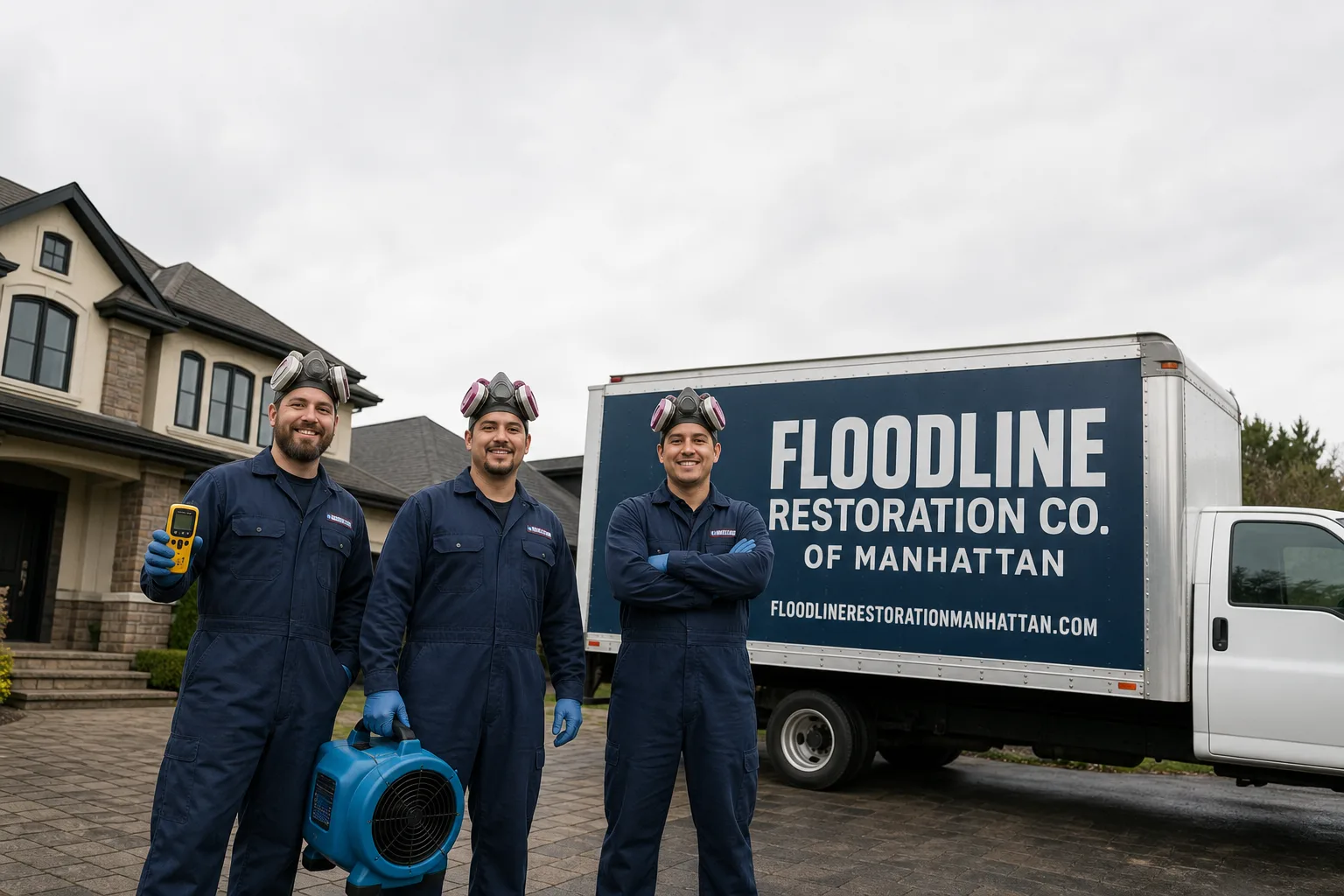
Free visual inspection and a written scope of work before any mitigation begins - photos, moisture readings, and drying logs go in your claim file
The scope we write is the scope we bill. Anything new gets shown to you, in writing, before we touch it.






 Before
 After
After Before
 After
After Before
 After
After24/7 Emergency Biohazard & Crime Scene Cleanup in Harlem
Biohazard and crime scene cleanup in Harlem requires a crew that can reach you when you call, secure the affected unit quickly, and coordinate with building management in buildings where one apartment is never fully separate from the next. Floodline Restoration Co. of Manhattan answers the phone live at (917) 924-4221 around the clock, every day of the year. We dispatch certified, background-checked technicians into Harlem’s brownstones, walk-ups, and NYCHA properties, usually within 45 minutes of your call. The first hour matters because blood, bodily fluids, and other biological material penetrate porous surfaces fast, and in Harlem’s pre-war plaster-and-lathe walls, that contamination can travel through shared cavities and plumbing chases before anyone sees staining. A fast, free visual inspection tells you exactly what you are dealing with and what it will take to make the unit safe again. Call now, and a real person answers.
Understanding Biohazard & Crime Scene Cleanup Severity in Harlem Properties
Biohazard cleanup is not janitorial work. It is controlled removal of bloodborne pathogens, decomposition fluids, and other biological contaminants using OSHA-compliant procedures, HEPA-filtered air scrubbers, and proper containment. Severity depends on how long the biological material has sat and what surfaces absorbed it. In Harlem, that question is complicated by the building stock itself. The plaster-and-lathe walls common in brownstones off Strivers’ Row and the five-to-six-story tenement walkups along Frederick Douglass Boulevard are dense and highly absorbent. A fluid release that occurred 48 hours earlier in a modern Sheetrock apartment might be limited to one wall cavity; in a Harlem pre-war unit, the same event can seep through decades-old plaster, behind baseboards, and into the joist bays below. Unattended death cleanup in a Harlem apartment often means we are addressing decomposition fluids that have saturated subflooring and traveled along original cast-iron plumbing chases. Our technicians use thermal imaging and moisture mapping to find contamination that is not visible on the surface, because in these older buildings, what you cannot see is usually worse than what you can. Every cleanup follows IICRC standards and, where mold is present, NYC Local Law 55 protocols.
Why Harlem Property Owners Choose Floodline Restoration Co. of Manhattan
- 45-minute response commitment in Harlem. We keep crews staged to reach Lenox Avenue, East Harlem, and Sugar Hill fast. A live dispatcher confirms your address and gets a team moving immediately.
- 24/7 live answer, never an automated system. Call (917) 924-4221 at 2 a.m. and a person picks up. No phone trees, no “leave a message.” That matters when you are standing in a unit that cannot wait.
- Certified crews trained to IICRC, RIA, and IFA standards. Our technicians hold relevant certifications and work in full PPE with HEPA air scrubbers, negative air containment, and professional-grade Dri-Eaz and Phoenix drying equipment.
- Free visual inspection before any work begins. We walk the unit, explain what needs to happen and why, and give you a written scope before anything moves. No pressure, no vague promises.
- Direct insurance billing with photo documentation. We document everything from the first hour: room-by-room photos, containment setup, moisture readings. We send the file to your carrier and talk directly with the adjuster.
- One team from containment through reconstruction. Floodline starts at the floodline and does not hand the job off. The same certified crew handles cleanup, drying, antimicrobial treatment, and any rebuild needed, backed by our 90-Day Done Right Promise in writing.
Our Biohazard & Crime Scene Cleanup Process
Inspection & Assessment
We arrive, assess the contamination, test surfaces, and map affected areas with thermal imaging. In Harlem buildings, we check shared wall cavities, plumbing chases, and subflooring, because pre-war construction moves fluids in ways modern drywall does not.
Containment & Stabilization
We seal the affected unit with negative air pressure and HEPA-filtered air scrubbers so airborne pathogens do not reach hallways, stairwells, or neighboring apartments. This step is non-negotiable in Harlem’s tenements and NYCHA buildings, where corridors are shared space.
Removal & Disposal
Contaminated porous materials: carpet, saturated plaster sections, compromised subflooring, personal items that cannot be safely cleaned: are cut out, bagged, and disposed of as regulated medical waste under current NYC and OSHA rules.
Cleaning & Antimicrobial Treatment
Hard surfaces are cleaned with EPA-registered disinfectants and broad-spectrum antimicrobials. We treat the full affected area, including inside wall cavities and floor systems after contaminated materials are removed.
Drying & Dehumidification
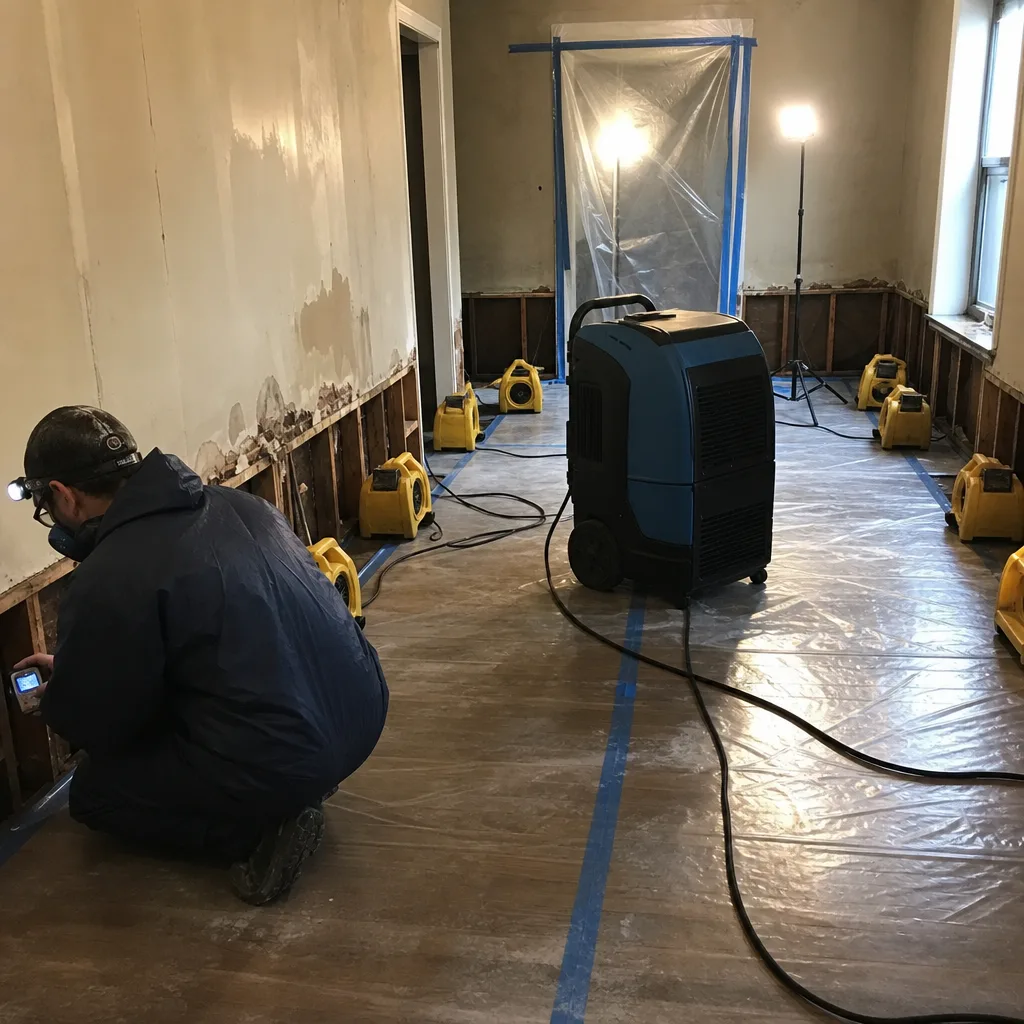
When steam radiators or plumbing failures are involved, we run moisture mapping and structural drying with Dri-Eaz and Phoenix dehumidifiers plus XPOWER air movers until the affected structure reaches its dry standard. In Harlem’s plaster-and-lathe walls, that can take days longer than in Sheetrock construction.
Repairs & Restoration
We rebuild what we removed: plaster, flooring, cabinetry, paint. The same crew that handled containment handles the finish work, so there is no mid-job handoff and no inherited crew. Every job is backed by the 90-Day Done Right Promise.
Need Emergency Biohazard & Crime Scene Cleanup in Harlem Now?
Crews minutes away, answering live 24 hours a day. The sooner we start, the less it costs.
Working With Your Insurance Company
Biohazard and crime scene cleanup is often covered under homeowner or commercial property policies, but only when the loss is documented properly from the first hour. Floodline Restoration Co. provides your carrier a complete file: photos of the contaminated area before anything is moved, a line-item scope of work using industry-standard pricing, moisture readings and drying logs where water is involved, and direct communication with your adjuster. You do not play messenger between us and the carrier. If the unit is in a Harlem co-op, condo, or NYCHA development, we also coordinate with the managing agent and building insurance where applicable. We bill the carrier directly when coverage is confirmed, and your out-of-pocket is limited to your deductible in most covered losses.
What We Provide Your Insurer
- Thorough documentation of the loss
- Photos of all damage, room by room
- Moisture readings and drying logs
- A detailed, line-item scope of work
- Direct coordination with your carrier
Built for Harlem’s Loss Calendar
Biohazard and crime scene cleanup in Harlem does not follow a tidy calendar the way water damage does, but the same seasonal forces that cause water losses complicate biohazard incidents throughout the year. January deep freezes burst supply lines and steam radiator connections in pre-war buildings, and when a unit floods and a tenant cannot be reached, the resulting unattended death or severe mold condition becomes a biohazard cleanup that also requires Category 3 water mitigation. Spring thaw and heavy rain overwhelm old cast-iron drains and basement sumps in Harlem’s tenements, creating standing sewage that is itself a biohazard. Summer humidity feeds microbial growth behind plaster walls, so a small blood spill or unattended death in July becomes a more aggressive contamination event than the same incident in February. And nor’easters in the fall drive wind-driven rain through parapet walls and flat roofs, saturating brick and plaster that then holds pathogens. We see every one of these patterns across Harlem, and we staff for them year-round.
Biohazard & Crime Scene Cleanup Across Harlem’s Neighborhoods
Harlem is not one building type. It is a patchwork of housing stock, and the cleanup approach shifts block by block. Central Harlem, from 110th to 125th Street between Fifth Avenue and St. Nicholas Avenue, is dominated by brownstone row houses and six-story tenements with narrow stairwells and limited street parking. We coordinate containment through shared walls and work around stairwell access that cannot be blocked for long. East Harlem, east of Park Avenue, includes a dense concentration of NYCHA developments where building management must sign off on containment plans, air scrubber placement, and waste removal routes before work starts. Hamilton Heights and Sugar Hill, north of 135th Street, hold large pre-war apartment buildings and limestone row houses where original plaster walls and steam riser chases create hidden contamination paths. Strivers’ Row, on West 138th and 139th Streets, has architecturally protected brownstones where any wall removal must be documented and matched, adding care and cost to a cleanup that touches original millwork. Our Harlem crews know these blocks, the parking rules, and the superintendents. That local knowledge keeps a hard job moving.
Specialized Biohazard & Crime Scene Cleanup Services We Offer in Harlem
Crime Scene Cleanup
After law enforcement releases the scene, we handle blood and bodily fluid removal, fingerprint dust cleanup, tear gas residue neutralization where applicable, and structural repair. In Harlem’s tenement buildings, we also address contamination that moved into shared corridors or adjacent units, which requires building management coordination and proper containment before work begins.
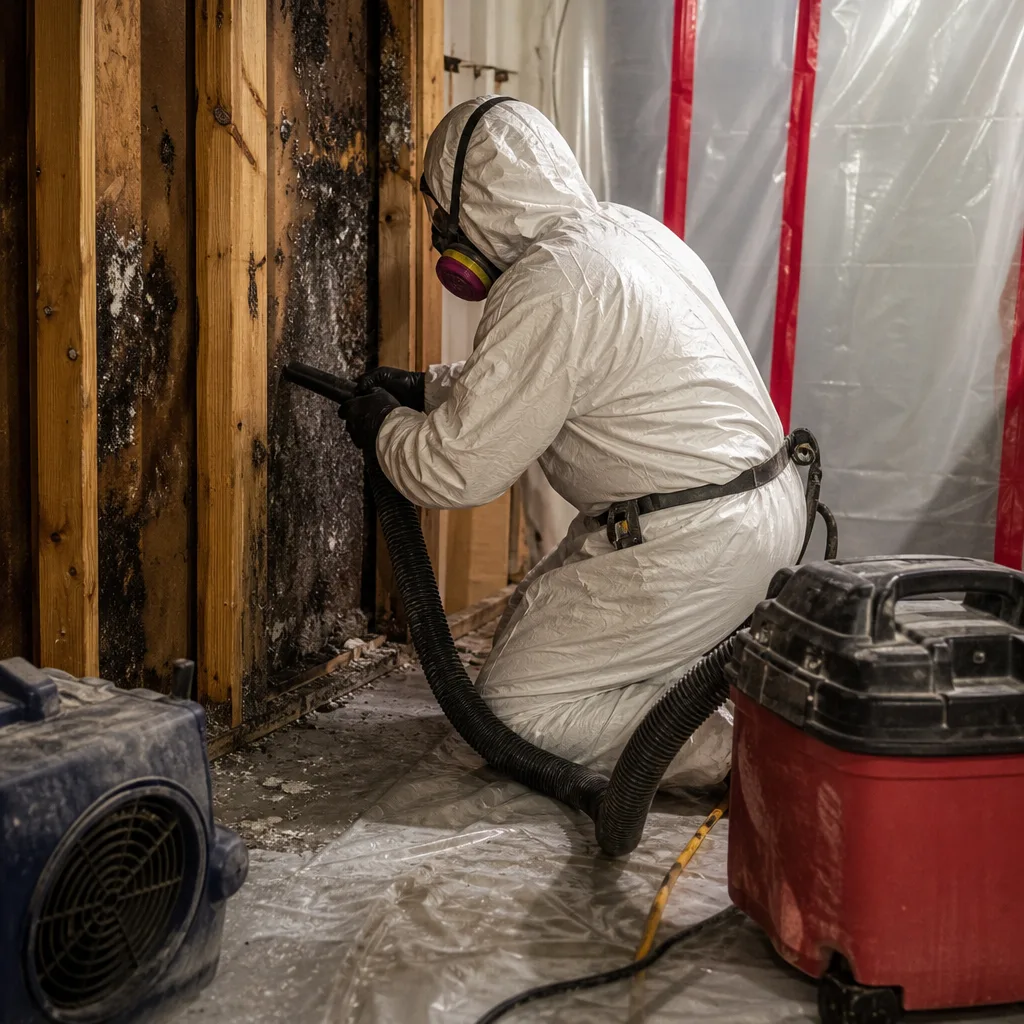
Trauma & Unattended Death Cleanup
Unattended death cleanup in Harlem frequently involves decomposition fluids that have saturated flooring, plaster, and subflooring over days or weeks. We remove affected materials, treat the structural cavities, and run drying equipment until the unit is safe. Our crew handled an unattended death cleanup in a fifth-floor walk-up off Lenox Avenue, where we used HEPA-filtered air scrubbers and negative air containment to isolate the unit from the shared stairwell and neighboring apartments. The original plaster-and-lathe walls held category 3 water from a burst steam radiator, so after removing contaminated materials we ran moisture mapping and structural drying with Dri-Eaz dehumidifiers for three days to reach pre-loss condition before antimicrobial treatment and pack-out of salvageable belongings.
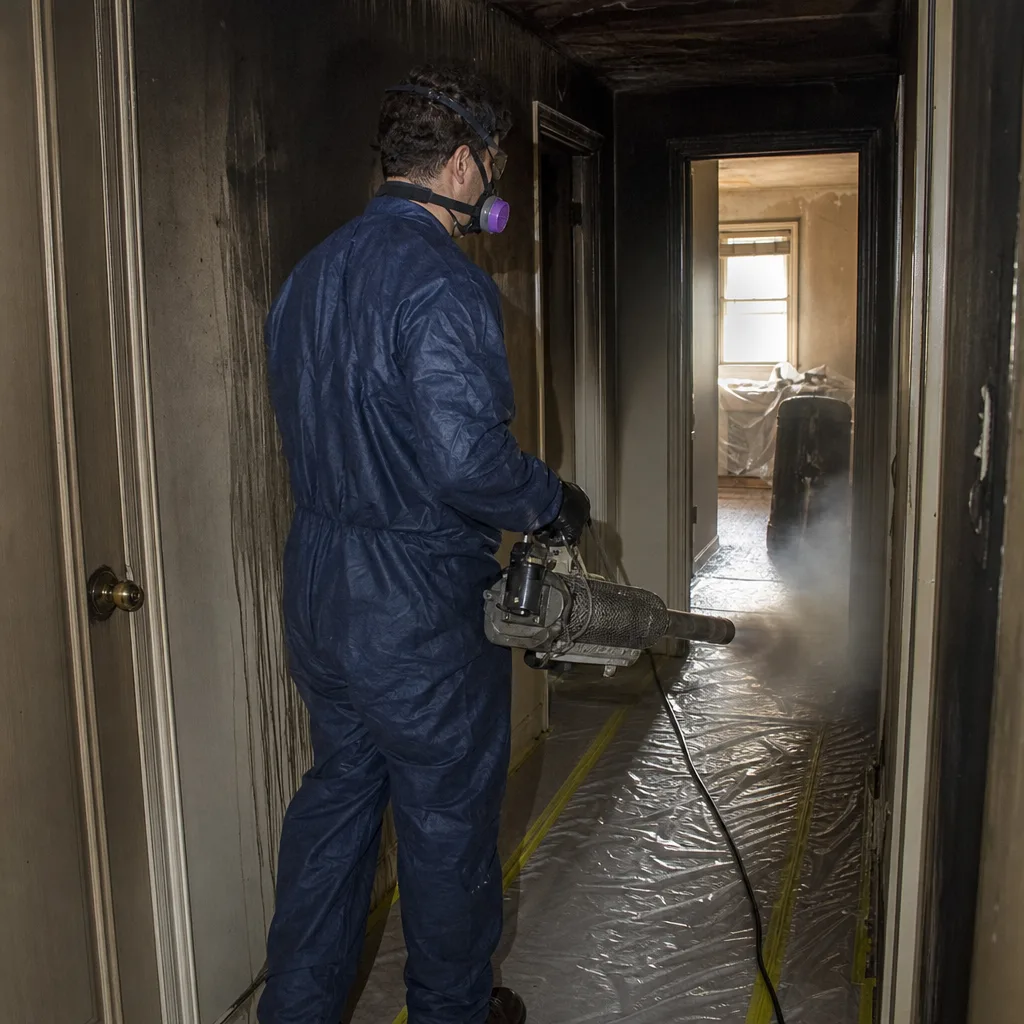
Hoarding Cleanup
Hoarding cleanups in Harlem’s compact pre-war apartments are challenging because tight rooms and narrow hallways limit equipment access, and years of accumulated material often hide water damage, pest activity, and structural deterioration. We work with compassion and without judgment, sorting salvageable belongings from debris, and we coordinate with building management and, where appropriate, social services. A written scope and clear photo documentation protect everyone.
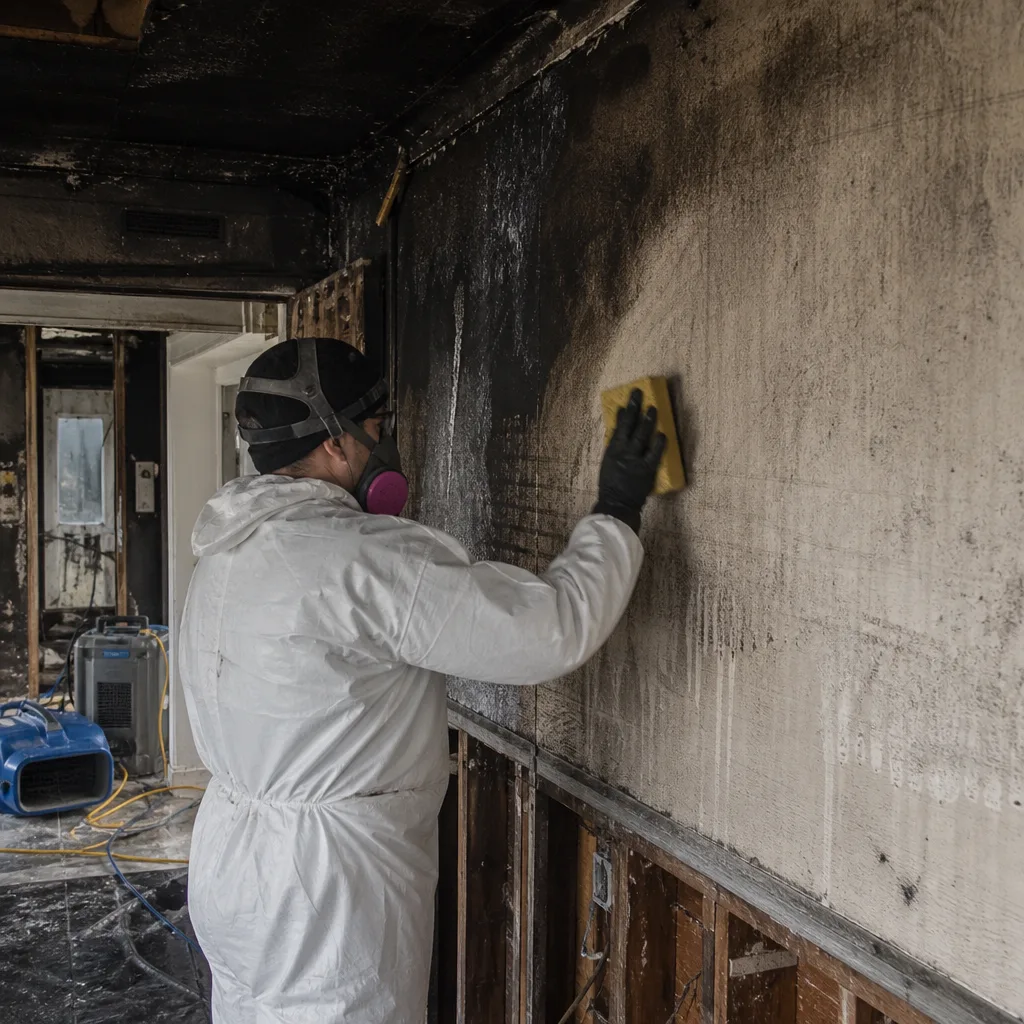
Blood & Bodily Fluid Cleanup
Blood is a regulated biological contaminant. We remove affected porous materials, clean hard surfaces to hospital-grade standards, and treat the full area with EPA-registered disinfectants. In Harlem units with original wood flooring, blood can seep between boards and into the subfloor, so we inspect beneath the surface layer and remove contaminated material rather than simply cleaning the visible face.
Infectious Disease Disinfection
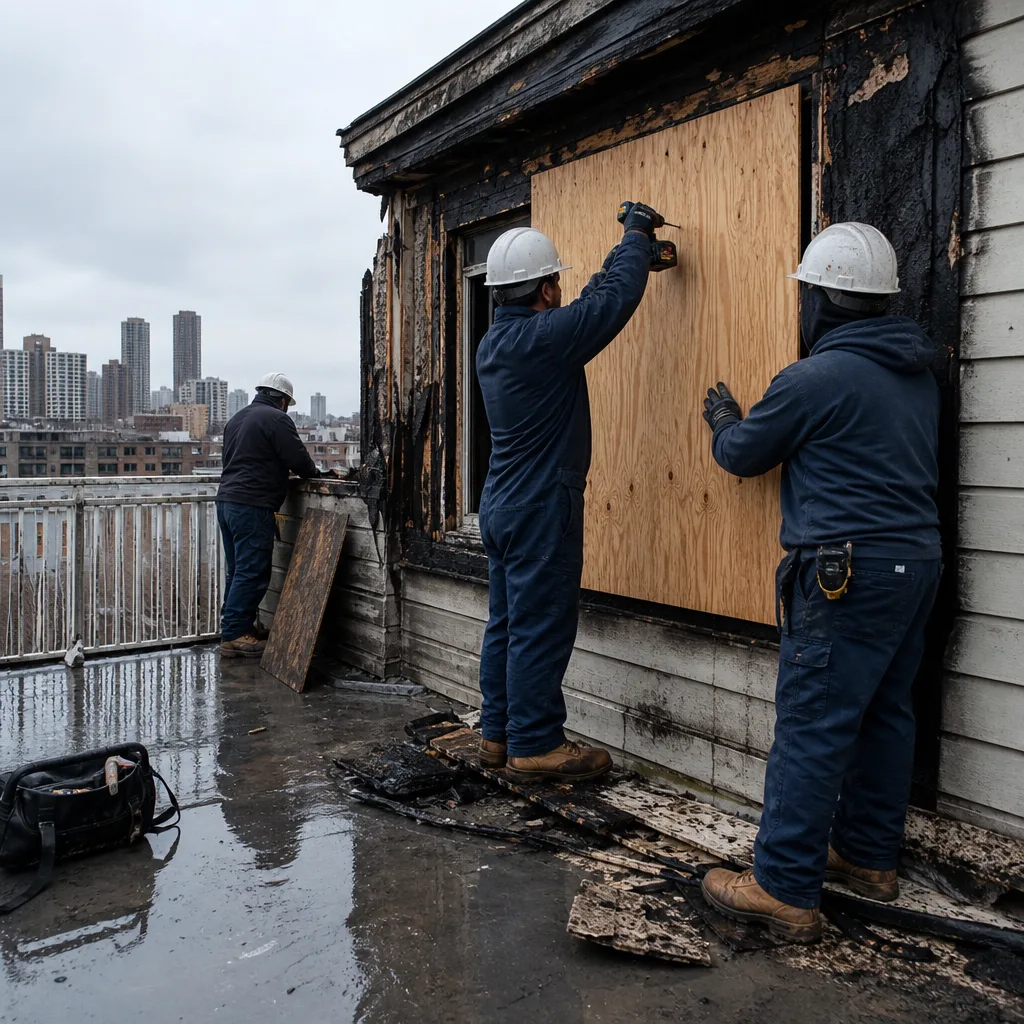
When a Harlem unit has been exposed to MRSA, C. diff, hepatitis, or other infectious pathogens, we perform full disinfection using EPA-registered products with appropriate dwell times, then verify with ATP testing. In buildings with shared ventilation or plumbing chases, we also assess whether adjacent units need spot treatment or air scrubbing. This is standard practice in pre-war construction where cavities are shared.
Tear Gas & Chemical Cleanup
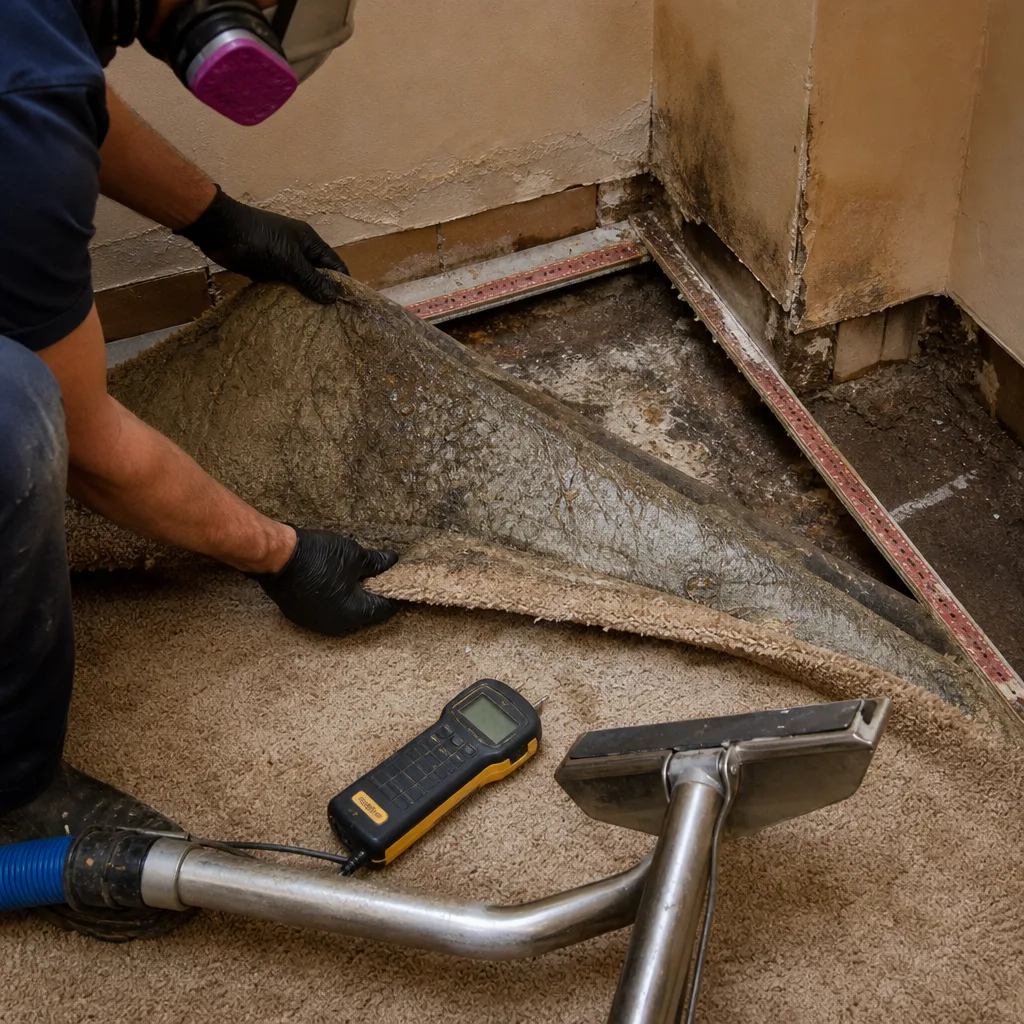
Tear gas residue bonds to walls, flooring, and HVAC surfaces. In Harlem apartments, the residue travels through ductwork and baseboard gaps into adjacent rooms and sometimes adjacent units. We neutralize the chemical agents, clean all exposed surfaces, and run HEPA air scrubbers until air quality tests come back clean. Porous materials that absorbed the agent are removed, not just wiped down.
What happens when you call
- 1
A real person answersNo phone trees - you reach a local pro.
- 2
You get an upfront price rangeHonest numbers before anyone is dispatched.
- 3
A background-checked tech heads outLicensed & insured, dispatched right away.
- 4
You approve before work beginsNothing starts until you say go.
Biohazard & Crime Scene Cleanup Costs in Harlem, NY
In Harlem, biohazard and crime scene cleanup typically runs between $1,200 and $5,000 for a contained blood or bodily fluid cleanup in a single room, $4,000 to $15,000 for a full unattended death remediation in a pre-war unit, and $3,000 to $20,000 for a comprehensive hoarding cleanup, depending on volume, structural damage, and whether drying and rebuild are required. What moves the price in Harlem specifically: plaster-and-lathe wall removal is more labor-intensive than drywall, NYCHA and co-op buildings add coordination and security requirements, fifth-floor walk-ups without elevators mean equipment carries, and any contamination that spread through shared wall cavities to adjacent units expands scope. Insurance covers most crime scene, trauma, and unattended death losses when documented correctly. The fastest way to a firm number is a free visual inspection. Call (917) 924-4221 and we will walk you through it, with a written scope before work begins. Floodline also offers $50 Off Any Repair Over $250, an $89 Seasonal Tune-Up, and a Senior & Veteran 5% Discount, always.
We Also Serve Cities Near Harlem
Floodline Restoration Co. of Manhattan serves Harlem and the surrounding neighborhoods, including Fairview, Harrison, East Bronx, and Hunts Point. If you are in any of these areas and need biohazard or crime scene cleanup, call (917) 924-4221 and a live dispatcher will get a crew moving.
Serving Harlem, NY - Our Local Coverage Area
We’re based in the Harlem area and know this community well. Use the map below to see our service coverage - if you’re nearby, we can almost certainly help.
Harlem Biohazard & Crime Scene Cleanup Questions, Answered
How does Floodline Restoration handle biohazard cleanup in a Harlem brownstone with shared wall cavities?
We treat the shared cavity as part of the affected area, not just the room where the incident occurred, by opening wall sections on our side, inspecting the joist bays and plumbing chases, and running negative air containment so contaminants do not push into the neighboring unit. Then we clean, disinfect, and rebuild. Call (917) 924-4221 and we will walk you through it.
Does Local Law 55 or mold remediation apply to a crime scene cleanup in a Harlem tenement?
Yes, if the incident involved water or created conditions that allowed mold to grow, NYC Local Law 55 triggers specific remediation and clearance testing requirements, especially in pre-1980 buildings like most of Harlem’s tenements. Our team handles both the biohazard cleanup and any required mold remediation under one scope. Call (917) 924-4221 and we will explain what applies to your building.
How do you manage hazards from old steam pipes or cast iron drains in Harlem pre-war buildings during a biohazard cleanup?
We isolate exposed pipe runs, cap open lines, and inspect for active leaks before, during, and after the cleanup, because old steam pipes and cast iron drains in Harlem buildings can release water into a contaminated cavity after we have opened it. Any water released is handled as Category 2 or 3, and we dry the cavity to standard before closing. Call (917) 924-4221 for an inspection.
What are the parking and building entry constraints for biohazard cleanup in central Harlem?
Central Harlem has narrow streets, alternate-side parking rules, and many walk-up buildings with no freight entrance, so we send a crew that knows how to stage equipment without blocking traffic or fire exits, and we coordinate with the super to use service entrances or stairwell shutoffs. We plan the logistics before we arrive. Call (917) 924-4221 and we will coordinate with your building.
How quickly can you start a crime scene cleanup in Harlem, and what is the first step?
We can usually start within 45 minutes of your call, after law enforcement releases the scene and you authorize the work. The first step is a free visual inspection with a written scope, then containment goes up immediately. Call (917) 924-4221 now and a live person answers.
Will insurance cover biohazard or crime scene cleanup in Harlem?
Most homeowner and commercial policies cover biohazard, crime scene, and unattended death cleanup when the loss is documented properly from the start. We provide photo documentation, a line-item scope, and direct adjuster communication, and we bill your carrier directly when coverage is confirmed. Call (917) 924-4221 and we will help you confirm coverage.
Can I stay in my Harlem apartment during the cleanup?
In most cases, no. Bloodborne pathogen cleanup, decomposition fluid removal, and infectious disease disinfection require containment and air scrubbing that make the unit unsafe for occupancy until clearance is achieved. We will tell you clearly if temporary relocation is needed and how long it will take. Call (917) 924-4221 for an assessment.
What should I do in the first 30 minutes after finding a biohazard incident in Harlem?
Do not touch anything, do not attempt cleanup, and keep people and pets out of the affected area. Close the door to the room if you can do so without touching contaminated surfaces. Then call Floodline Restoration Co. at (917) 924-4221. A live dispatcher answers, and a certified crew can be on the way within minutes.
Written by Curt Bowman, Owner at Floodline Restoration Co. of Manhattan, serving Harlem and the surrounding New York City area.