
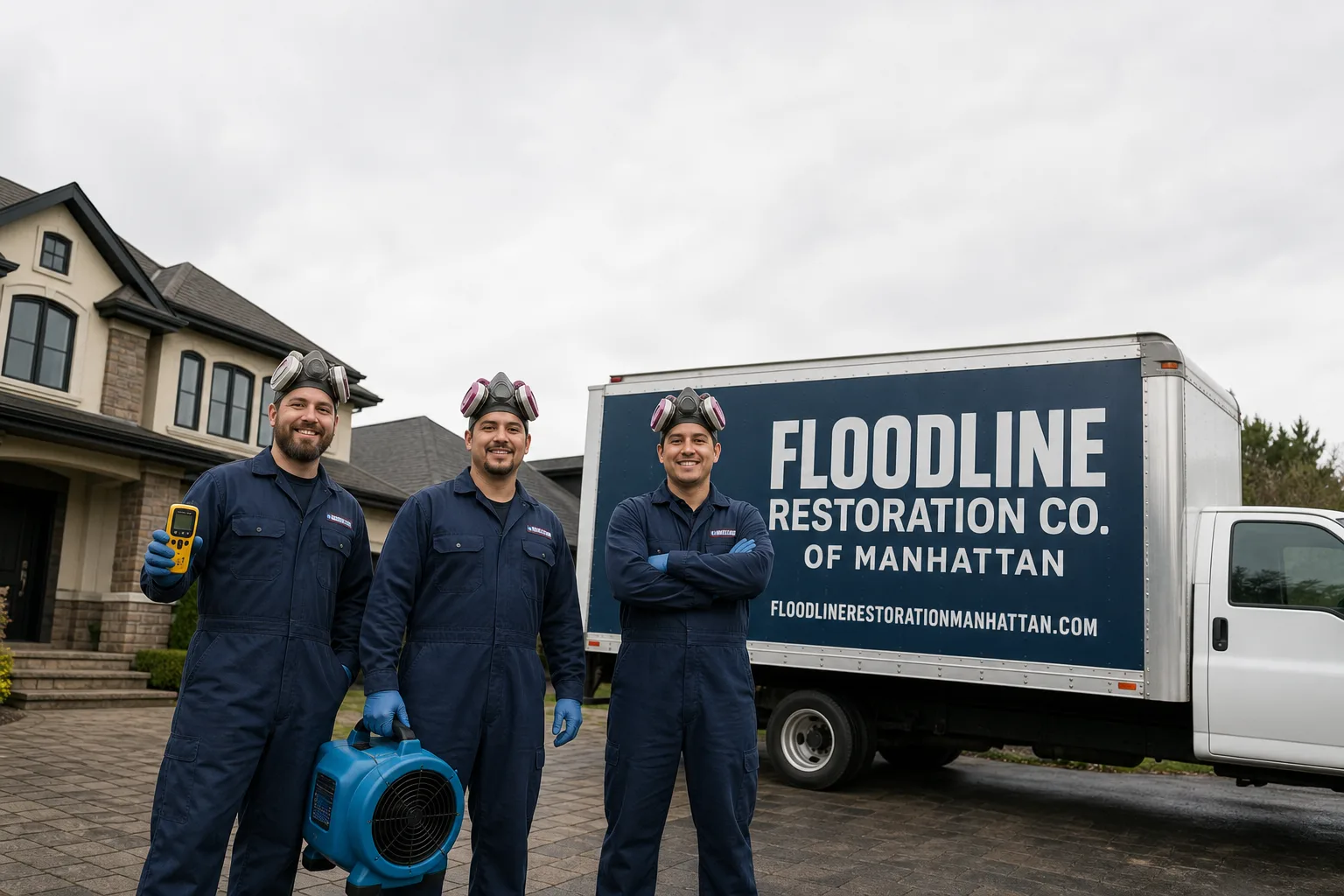
Free visual inspection and a written scope of work before any mitigation begins - photos, moisture readings, and drying logs go in your claim file
The scope we write is the scope we bill. Anything new gets shown to you, in writing, before we touch it.






 Before
 After
After Before
 After
After Before
 After
After24/7 Emergency Biohazard & Crime Scene Cleanup in Long Island City
Biohazard and crime scene cleanup in Long Island City typically costs $1,500-$5,000 for a contained single-room incident, and $8,000-$25,000+ when a basement mechanical room, open loft floor, or multiple affected spaces are involved. Our crews respond to Long Island City calls around the clock, every day of the year, with a live dispatcher answering at (917) 924-4221, not a recording. The first hour matters because blood, bodily fluids, and moisture migrate fast through LIC’s converted pre-war lofts, where original wide-open floor plans give contaminants no firebreak to stop sideways spread. We arrive, assess, contain, and give you a written scope before work starts, so you know exactly what happens next and what it will cost. No pressure. No surprises.
Understanding Biohazard & Crime Scene Cleanup Severity in Long Island City Properties
Biohazard work in Long Island City breaks into severity classes, and the building stock decides which class you’re in before a crew ever walks the door. A Category 1 cleanup is a contained spill of blood or bodily fluid on a hard surface in a modern waterfront high-rise, one room, no migration. Category 2 involves porous materials: original heavy-timber floors, plaster walls, or textiles that have absorbed fluid, common everywhere in Hunters Point loft conversions and older pre-war walkups on interior streets. Category 3 is the one we see most in LIC: blood, bodily fluid, or decomposition fluids that have entered a below-grade space with chronic moisture already present. Post-Sandy groundwater intrusion and East River storm surge leave basement units damp, which means pathogens take hold faster and antimicrobial treatment fails without structural drying first. A crew that treats every LIC crime scene as a standard interior job will miss the moisture-and-pathogen combination that defines this neighborhood’s damage profile.
Why Long Island City Property Owners Choose Floodline Restoration Co. of Manhattan
- 45-minute response commitment: We’ll have a certified crew on the road to your Long Island City address within 45 minutes of your call, 24/7.
- Live answer, every call: A real person picks up at 2 a.m., not an automated message. You’ll never leave a voicemail and wonder if someone is coming.
- IICRC-certified crews: Our technicians hold IICRC certifications relevant to biohazard and trauma work, trained to IFA standards for infection control and containment.
- Free visual inspection: We assess the scene and give you a written scope and firm price before work begins. You decide. No obligation.
- Direct insurance billing: We document everything from the first hour and coordinate directly with your adjuster, so you’re not the messenger between us and the carrier.
- One team, start to finish: The same crew that contains and cleans is the crew that handles repairs and reconstruction. No mid-job handoff, no inherited strangers in your home.
Our Biohazard & Crime Scene Cleanup Process
Inspection & Assessment
We walk the affected space in Long Island City, identify the severity class, and map how far contamination has moved through walls, floors, and open loft areas. We also check for existing moisture intrusion, which changes the cleanup approach in below-grade LIC units.
Containment & Stabilization
Full containment goes up before any cleaning starts. In converted pre-war lofts with minimal firebreaks, full-floor containment isn’t optional; it’s the only way to stop contaminants from migrating across an open floor plan in hours.
Drying & Dehumidification
Using Dri-Eaz and Phoenix dehumidifiers and XPOWER air movers, we dry the space to a moisture standard that matches the building’s baseline. In Zone AE basement units with chronic groundwater intrusion, this step takes longer and involves daily moisture readings.
Cleaning & Sanitization
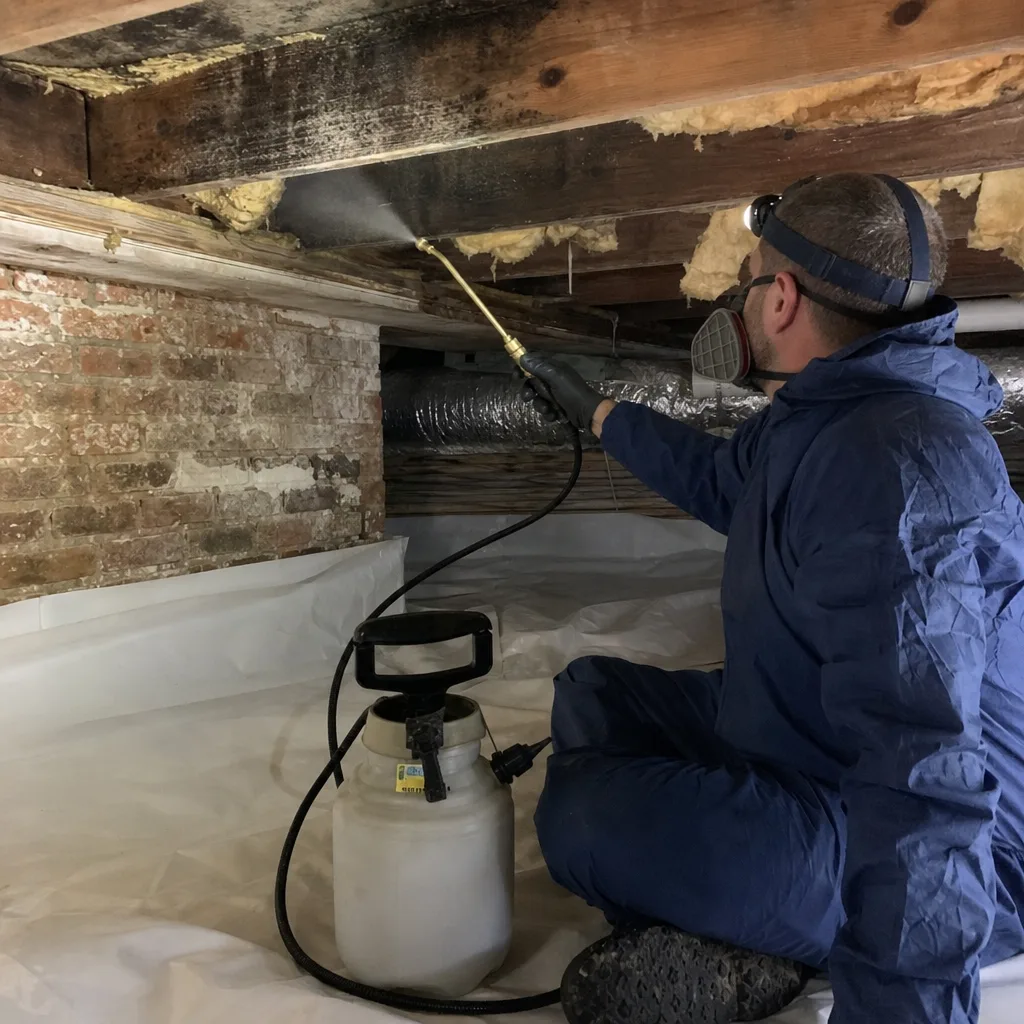
We remove affected materials, clean all surfaces with industry-approved antimicrobials, and run HEPA scrubbers to capture airborne pathogens. Every surface that can be saved is treated; what can’t be saved is removed and documented for insurance.
Infectious Disease Disinfection
We apply the correct disinfectants for the specific biological hazard present, following IFA protocols for bloodborne pathogens, decomposition fluids, and infectious disease. This step is where sub-grade LIC spaces demand extra care because residual moisture reactivates contamination.
Repairs & Restoration
We rebuild what was removed: drywall, flooring, mechanical equipment. For basement mechanical rooms in FEMA Zone AE, we coordinate with a structural engineer to document BFE compliance before DOB inspection can close the job.
Need Emergency Biohazard & Crime Scene Cleanup in Long Island City Now?
Crews minutes away, answering live 24 hours a day. The sooner we start, the less it costs.
Working With Your Insurance Company
Most Long Island City homeowners and co-op shareholders carry policies that cover biohazard and crime scene cleanup, often under the same peril as the underlying cause: a broken supply line, a forced-entry repair, or an unattended death. We document from the first hour because adjusters need a chain of evidence they can approve without carve-outs. Our team photographs every affected area room by room, logs moisture readings daily, and prepares line-item scopes using industry-standard estimating software insurers recognize. We communicate directly with your adjuster, answer their technical questions, and push the claim through while you focus on your property and your family. The homeowner should never be the one explaining why containment was necessary or why a basement mechanical replacement cost more than a standard unit.
What We Provide Your Insurer
- Thorough documentation of the loss
- Photos of all damage, room by room
- Moisture readings and drying logs
- A detailed, line-item scope of work
- Direct coordination with your carrier
Built for Long Island City’s Loss Calendar
Long Island City’s biohazard and trauma cleanup calls don’t come in on a flat line. Winter brings frozen supply lines in older pre-war walkups along the interior streets of Vernon Boulevard and Jackson Avenue, and when those lines burst in a basement unit, the water picks up whatever it touches. Spring thaw pushes groundwater into below-grade spaces across Hunters Point and along the East River frontage, reactivating old moisture pockets that never fully dried after Sandy. Summer thunderstorm flash flooding overwhelms the storm drains near Queens Plaza and Court Square, sending water into basement mechanical rooms where contaminants from a later biohazard incident will find an active moisture bed waiting. Nor’easter season accelerates everything. In a neighborhood where Zone AE flood plain covers a large share of the lowest-lying blocks, the difference between a standard cleanup and a structural drying job is often decided by what the weather did two weeks before the incident, not the incident itself.
Biohazard & Crime Scene Cleanup Across Long Island City’s Neighborhoods
Hunters Point loft conversions demand full-floor containment before any biohazard work starts. Original brick-and-heavy-timber buildings with open floor plans let airborne pathogens and odors move laterally across an entire floor within hours. We route containment first, then address the source. The glass-and-steel towers along Center Boulevard and the waterfront piers present a different profile: newer construction with tighter compartmentalization, but below-grade parking and mechanical levels that sit squarely in the floodplain. Interior streets off 21st Street and Skillman Avenue hold the older four- and five-story walkups where a third-floor trauma scene can migrate down through plaster and lath into the units below. Dutch Kills, with its mix of older homes and auto shops, is where we see hoarding conditions layered atop chronic moisture problems. Court Square condos and Queens Plaza high-rises call us for infectious disease disinfection following an illness in the unit, where the work is about proof of disinfection as much as the cleaning itself. Knowing each building type before we arrive means the crew shows up with the right equipment and the right containment plan, not a generic trailer full of gear.
Specialized Biohazard & Crime Scene Cleanup Services We Offer in Long Island City
Crime Scene Cleanup
We clean what law enforcement and the medical examiner leave behind after a crime scene in Long Island City. That means blood, bodily fluids, fingerprint dust, and chemical residues. We work around active NYPD investigations, secure the affected area, and restore the space to safe habitation with documentation your insurer will accept.
Trauma & Unattended Death Cleanup
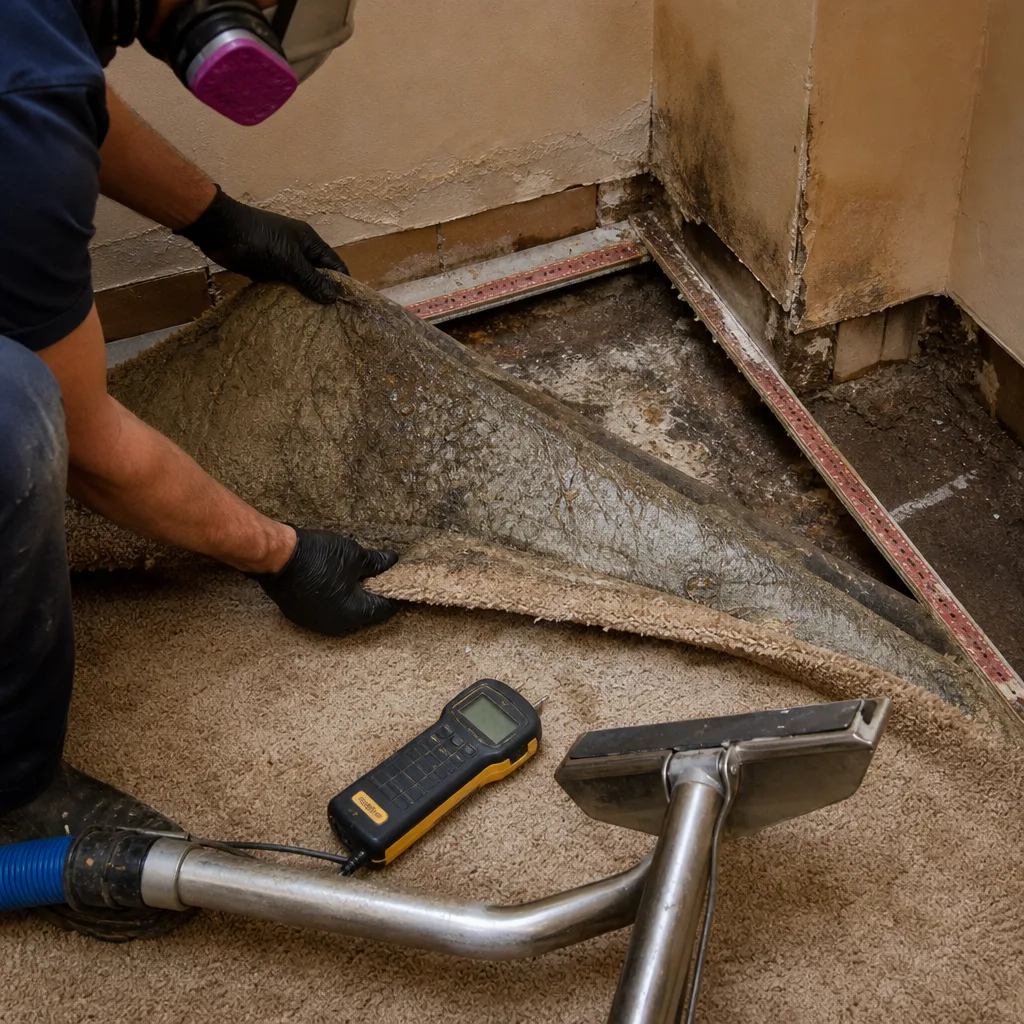
Decomposition fluids in a LIC apartment, especially a below-grade Hunters Point unit or a pre-war walkup, penetrate wood floors, drywall, and subflooring in ways that standard cleaning cannot correct. We handle the full scope: removal, disinfection, structural drying, and repair. In Zone AE buildings, we coordinate the engineer documentation for any mechanical replacement before DOB inspection.
Hoarding Cleanup
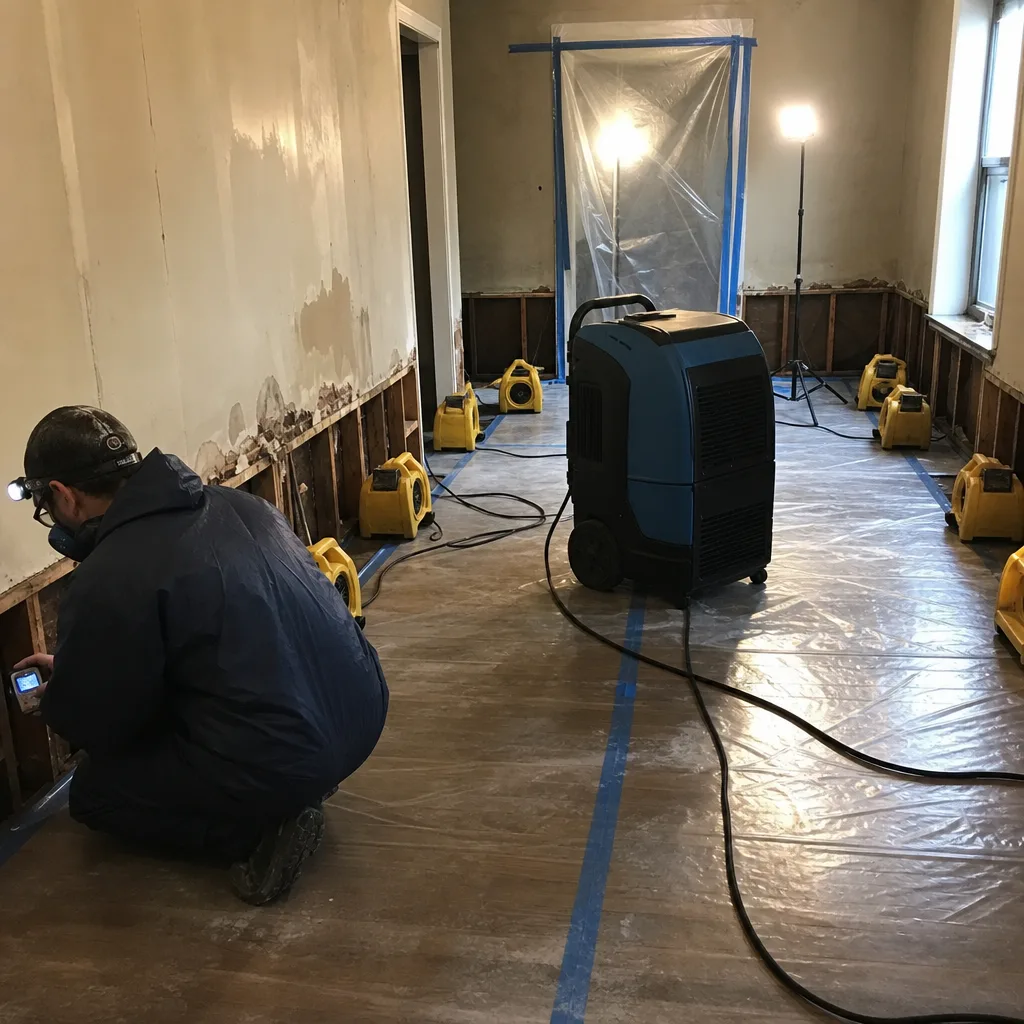
Hoarding cleanup in Long Island City almost always runs headlong into the neighborhood’s moisture problem. Basement units with years of accumulated contents and recurring East River groundwater intrusion need more than removal. We separate salvageable belongings under your direction, clean and disinfect, then dry the structure before rebuild. Done right, and backed in writing.
Blood & Bodily Fluid Cleanup
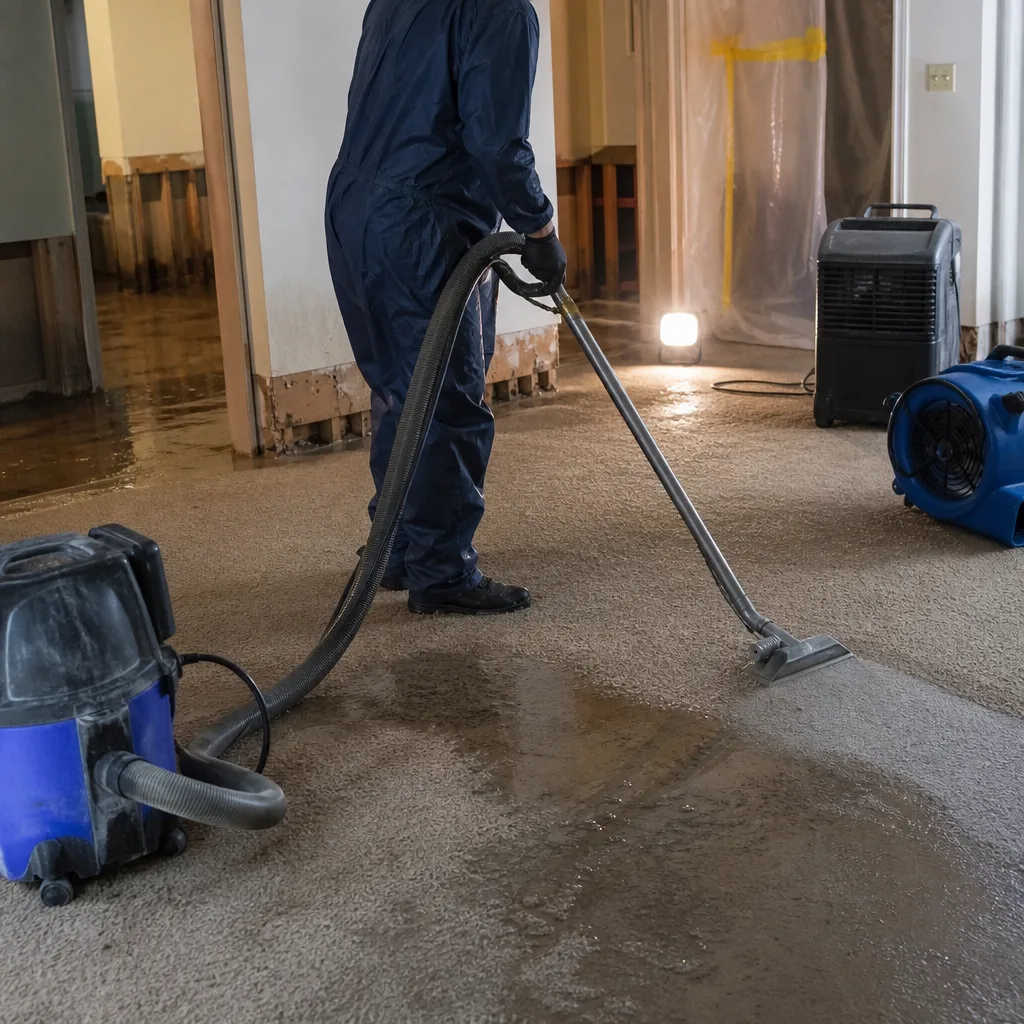
Blood on tile in a Center Boulevard condo is a Category 1 job. Blood into original heavy-timber floors in a Jackson Avenue loft is Category 2 or 3. We read the materials before we touch them, because the treatment for old-growth timber differs from the treatment for engineered flooring, and the wrong approach can destroy a floor your insurance carrier would rather restore than replace.
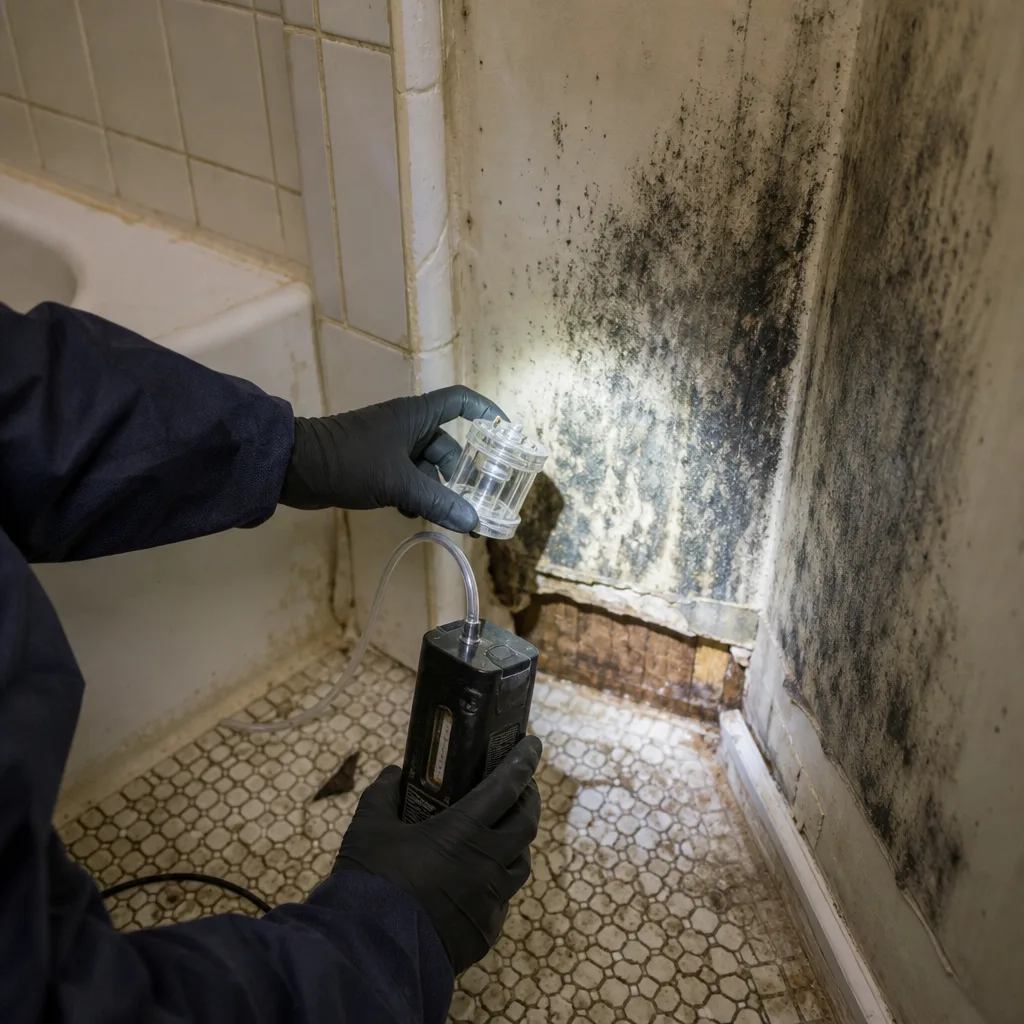
Infectious Disease Disinfection
We disinfect spaces after illness outbreaks, contamination events, or infectious disease confirmations in Long Island City homes and small commercial buildings. Our technicians follow IFA protocols, run HEPA air scrubbing, and document the disinfection to a standard that building managers and co-op boards will accept. In below-grade spaces, we verify moisture readings are stable before we close out the job.
What happens when you call
- 1
A real person answersNo phone trees - you reach a local pro.
- 2
You get an upfront price rangeHonest numbers before anyone is dispatched.
- 3
A background-checked tech heads outLicensed & insured, dispatched right away.
- 4
You approve before work beginsNothing starts until you say go.
Biohazard & Crime Scene Cleanup Costs in Long Island City, NY
A contained single-room biohazard cleanup in Long Island City, with no structural damage, runs $1,500-$3,500. A standard unattended death cleanup in a pre-war walkup apartment typically falls between $3,000 and $7,000. Basement-unit crime scene cleanup in Zone AE, where structural drying and possible mechanical replacement are required, ranges from $8,000 to $25,000 or more. The variables are real and specific: whether the affected space is above grade or below it, whether original heavy-timber or modern engineered materials absorbed fluids, whether the building sits in the FEMA floodplain, and whether DOB documentation for mechanical work will be required. Insurance frequently covers most of the cost when the underlying cause is a covered peril. The free inspection gives you a written, line-item scope with firm pricing before any work starts. Call (917) 924-4221 for a free visual assessment in Long Island City.
We Also Serve Cities Near Long Island City
In addition to Long Island City, we run biohazard and crime scene cleanup calls in Sunnyside, Woodside, Astoria, and Maspeth. If you’re a few blocks from the neighborhood line, call us. The dispatch board routes to whichever crew can reach your door fastest.
Long Island City Biohazard & Crime Scene Cleanup Questions, Answered
Does Long Island City’s flood zone requirement change how you handle a basement crime scene cleanup?
Yes. A biohazard scene in a below-grade unit within FEMA Zone AE triggers a different scope than a standard above-grade cleanup. We dry the space thoroughly, document moisture readings daily, and if any mechanical system was affected, we coordinate with a structural engineer to verify the replacement meets base flood elevation before DOB can close the inspection. That documentation typically adds time and cost to the scope, but skipping it means the job cannot be signed off.
My Hunters Point loft has original wood floors that were soaked in a biohazard incident. Can they be saved?
Often yes, but it depends on the species, the extent of saturation, and how quickly we get to it. Original heavy-timber and wide-plank flooring in converted LIC industrial lofts is more forgiving than veneer or engineered flooring because the wood is thicker and can tolerate controlled drying. We sand, treat, and refinish when salvageable. If the floor has absorbed decomposition fluids into the tongue-and-groove seams, replacement is usually the honest call, and we’ll tell you that in writing with photos before we remove anything.
How do you prevent contaminants from spreading across the open floor plan in a converted LIC industrial loft?
We build full containment around the affected zone before any cleaning starts. In a pre-war loft with minimal firebreaks, airborne pathogens and odor will travel laterally across an entire floor within hours if you don’t seal it off. We run negative air pressure with HEPA scrubbers inside containment, so air flows into the affected area, not out of it, and we keep it running until the cleaning and disinfection are complete.
Can you handle hoarding cleanup in a basement unit that has recurring groundwater intrusion from the East River?
Yes. We treat hoarding cleanup in a damp Long Island City basement as a compound job: contents removal and salvage first, then structural drying to resolve the moisture problem, then cleaning, disinfection, and repair. If you only remove the hoard and skip the moisture, the underlying contamination and mold will re-establish in weeks. Our team does both phases in one scope, with a moisture log and a written guarantee.
Does your infectious disease disinfection meet NYC post-Sandy building code for below-grade spaces?
Our disinfection protocols follow IFA standards and run in parallel with NYC’s post-Sandy requirements for below-grade spaces. Where the affected area includes mechanical systems in Zone AE, our scope includes the engineer documentation and coordination required for DOB inspection. We’ve done this on basement mechanical rooms across Hunters Point and the waterfront blocks.
How fast can a crew actually reach my Long Island City address?
We commit to a 45-minute response from dispatch to on-the-road for Long Island City, and most calls beat that. A live dispatcher answers at (917) 924-4221 any time, day or night. Within LIC, the crew’s drive time is short. The variable is traffic on the Queensboro Bridge approaches or the Long Island Expressway, and our dispatcher routes around it in real time.
Will my insurance cover a biohazard or crime scene cleanup in Long Island City?
In most cases, yes, when the biohazard resulted from a covered peril: a burst supply line, a forced-entry repair, a death in the unit, or a covered medical cleanup. We prepare the documentation adjusters ask for and bill the carrier directly, so you don’t front the cost and chase reimbursement. Call (917) 924-4221 and we’ll walk through your policy in plain English before anything is signed.
What should I do in the first 30 minutes after discovering a crime scene or unattended death in Long Island City?
Leave the area and do not touch anything. If law enforcement or emergency medical services have not been called, call 911 first. Once the scene is released, call us at (917) 924-4221. Do not attempt to clean blood or bodily fluids yourself; it is dangerous and can compromise your insurance claim. Close the door to the affected space, keep people and pets out, and wait for our crew.
Serving Long Island City, NY - Our Local Coverage Area
We’re based in the Long Island City area and know this community well. Use the map below to see our service coverage - if you’re nearby, we can almost certainly help.
A Long Island City Field Note
In a Hunters Point converted loft building, our crew was called after an unattended death in a below-grade unit. We established containment with air movers and ran moisture mapping across the original heavy-timber floor, documenting Category 3 water from a broken supply line. Because the building sits in FEMA Zone AE, our scope of work included coordinating with a structural engineer to verify the replacement HVAC unit would meet BFE before final inspection. That coordination added about two weeks to the job, but it was the only way to close it out correctly. A crew without LIC flood-zone experience would have replaced the unit and left the building with a DOB compliance problem that surfaced at the next sale or inspection. We don’t work like that.
For Biohazard & Crime Scene Cleanup anywhere in Long Island City, call (917) 924-4221. We answer live, we show up on time, and we stand behind the work in writing. Free visual inspection, clear scope, direct insurance billing, and the 90-Day Done Right Promise.
Written by Curt Bowman, Owner at Floodline Restoration Co. of Manhattan, serving Long Island City with biohazard and crime scene cleanup crews backed by over 42 years of combined industry presence.