
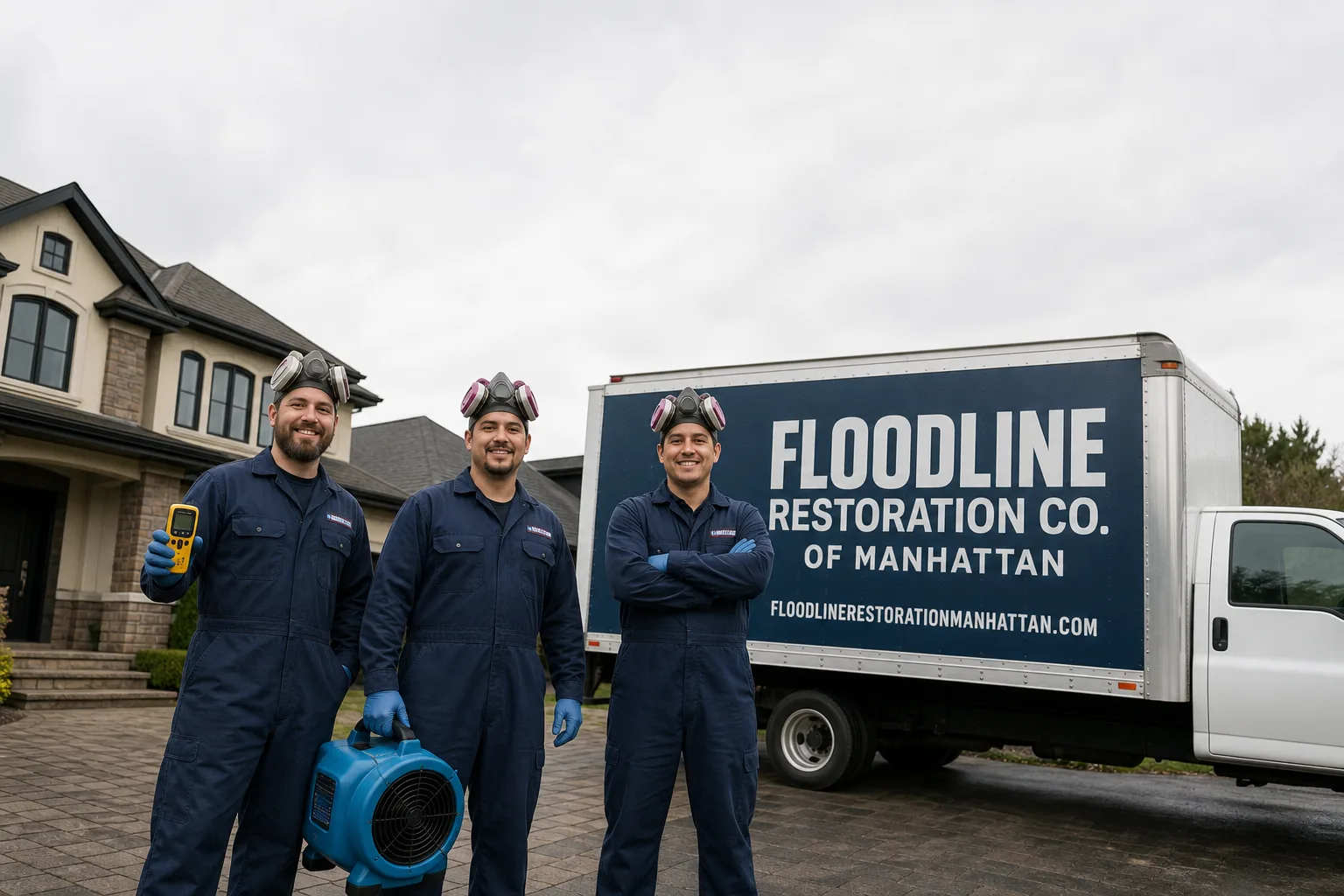
Free visual inspection and a written scope of work before any mitigation begins - photos, moisture readings, and drying logs go in your claim file
The scope we write is the scope we bill. Anything new gets shown to you, in writing, before we touch it.
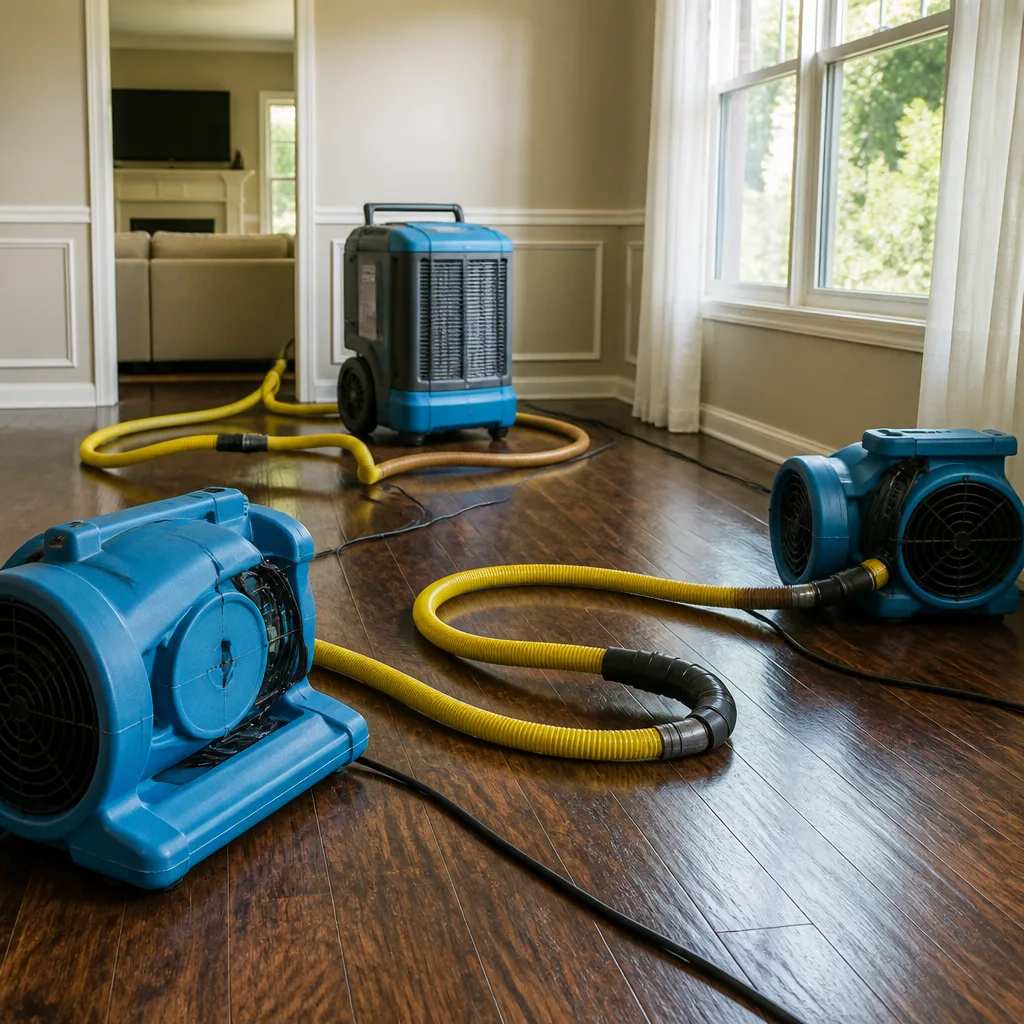
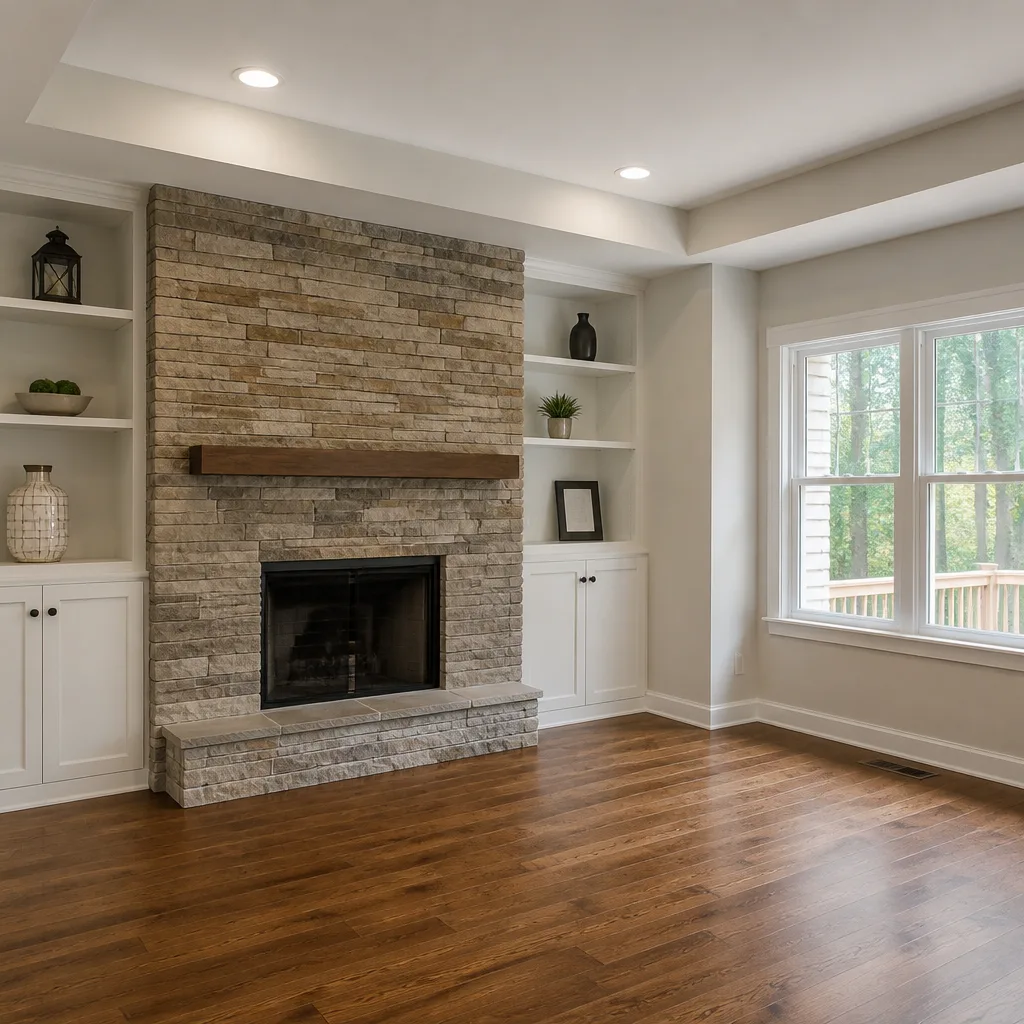
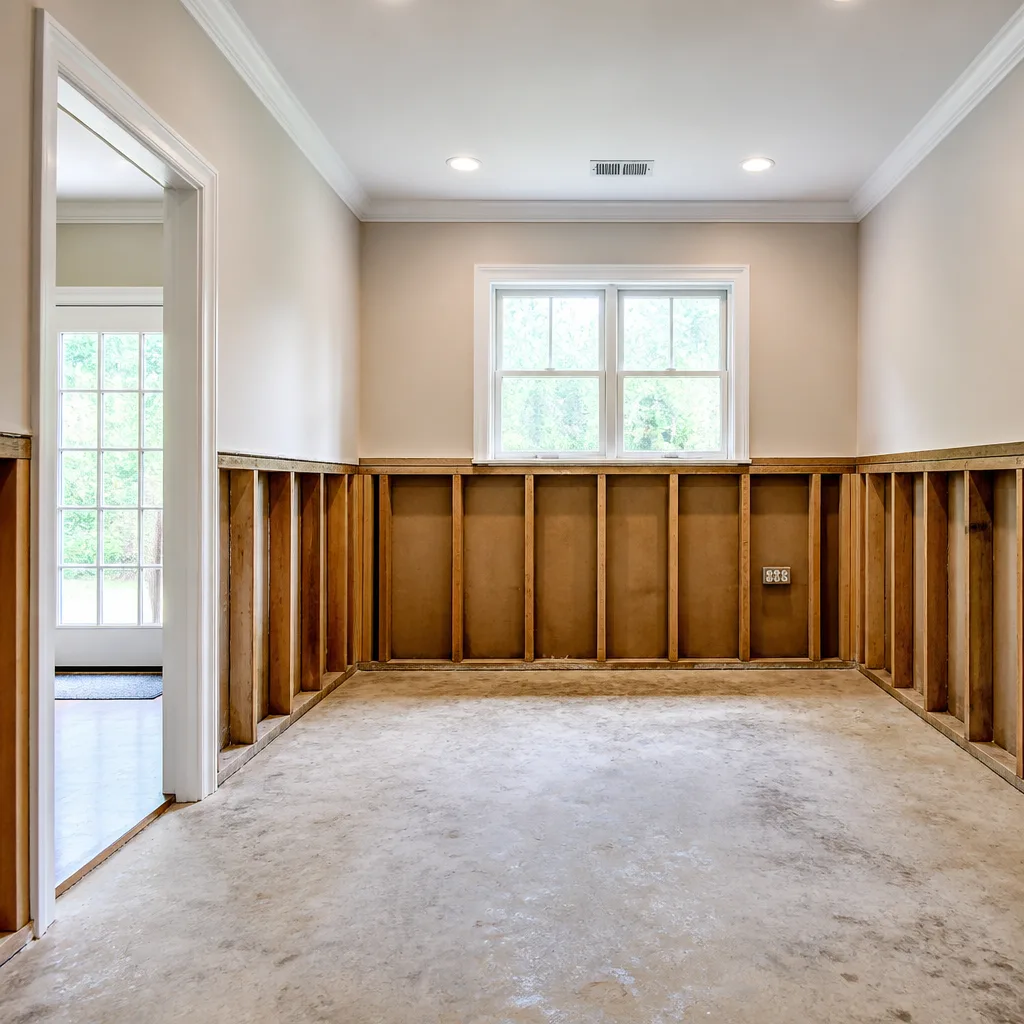
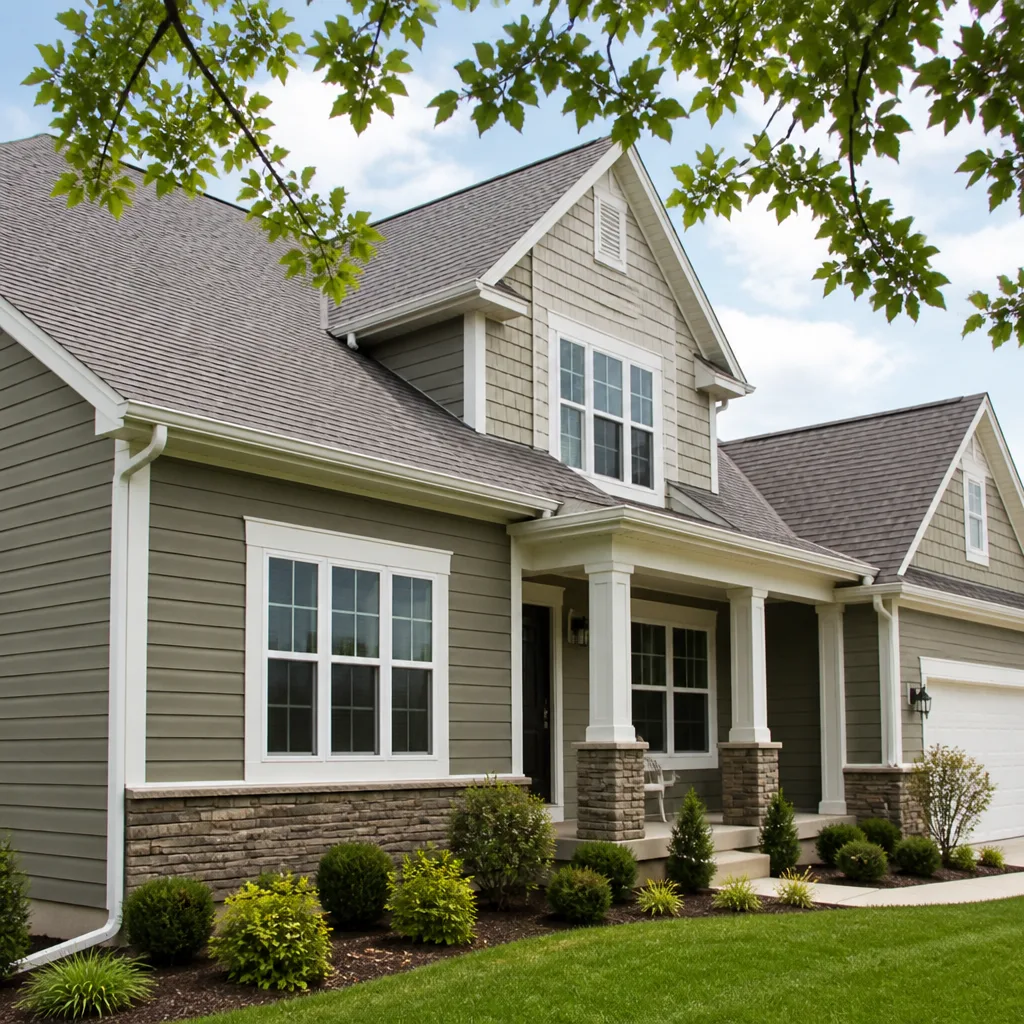
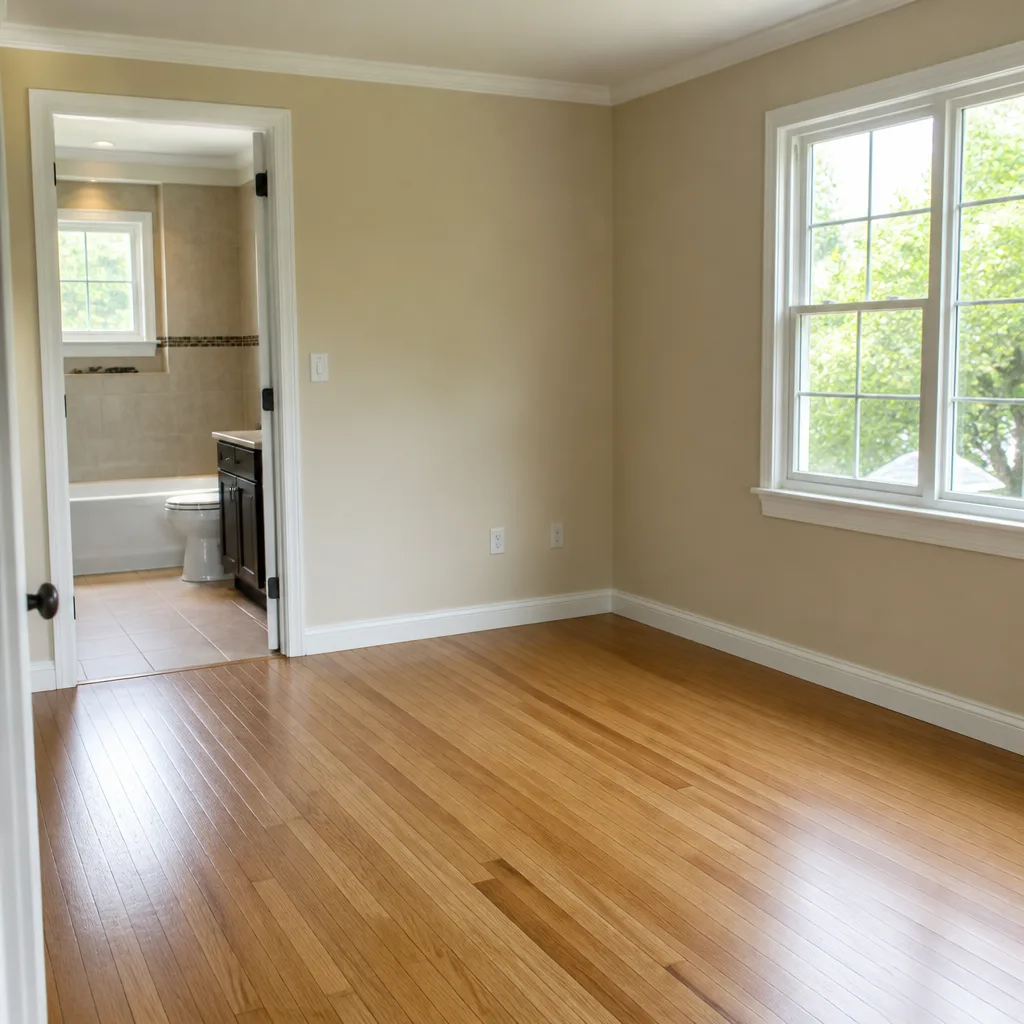
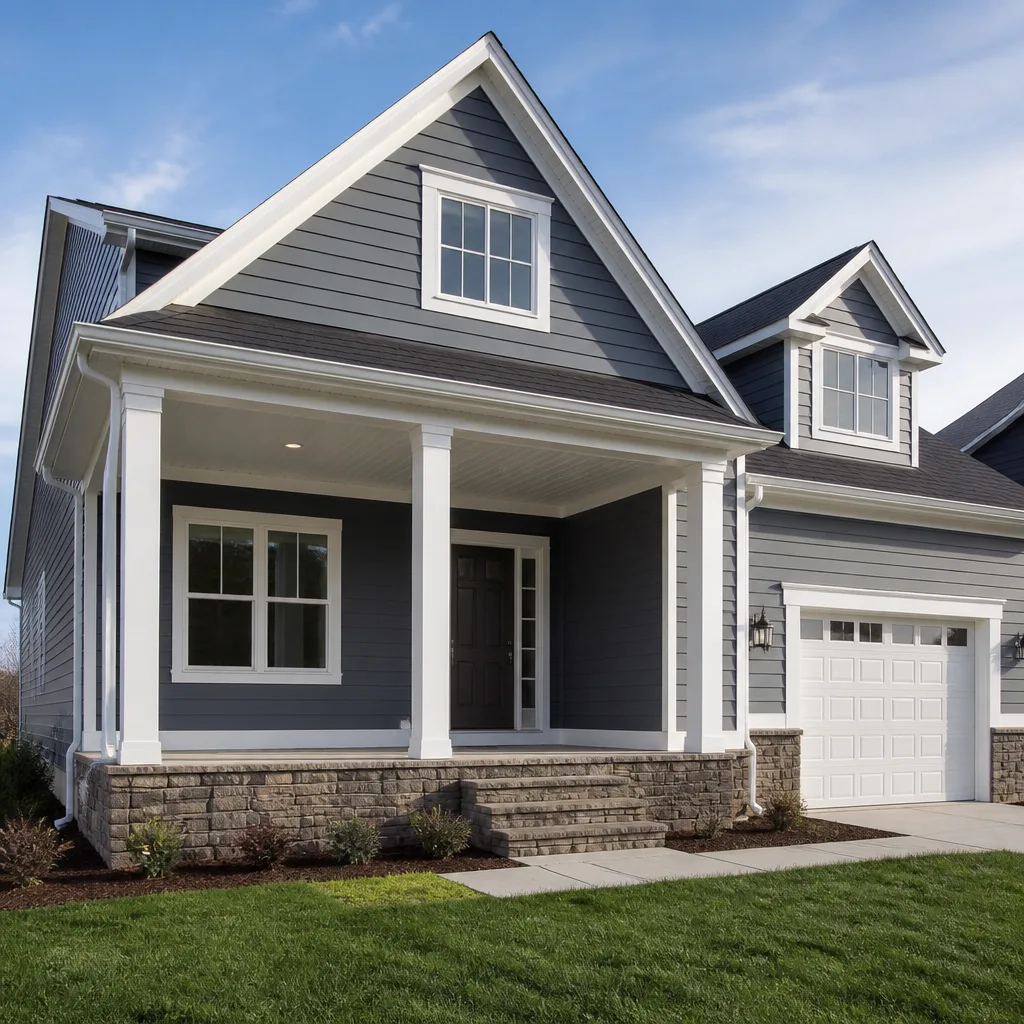
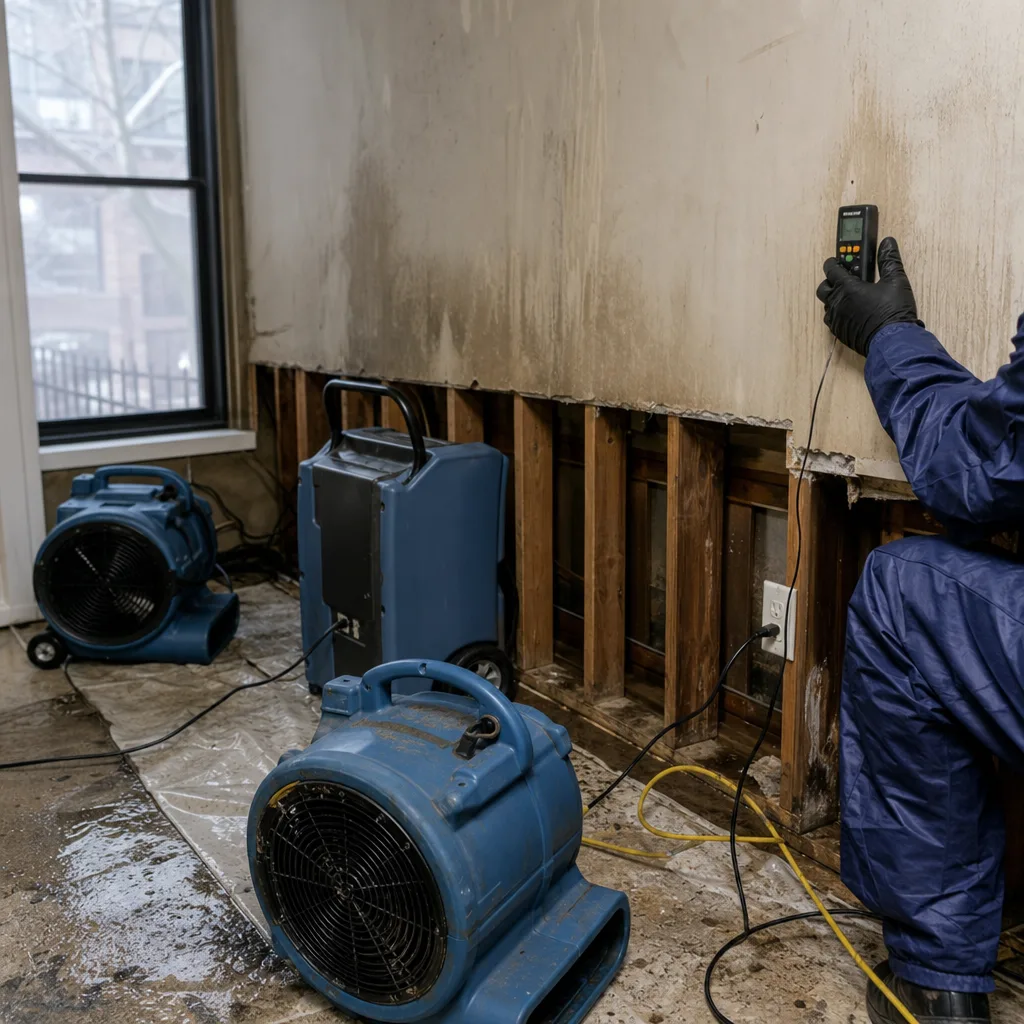 Before
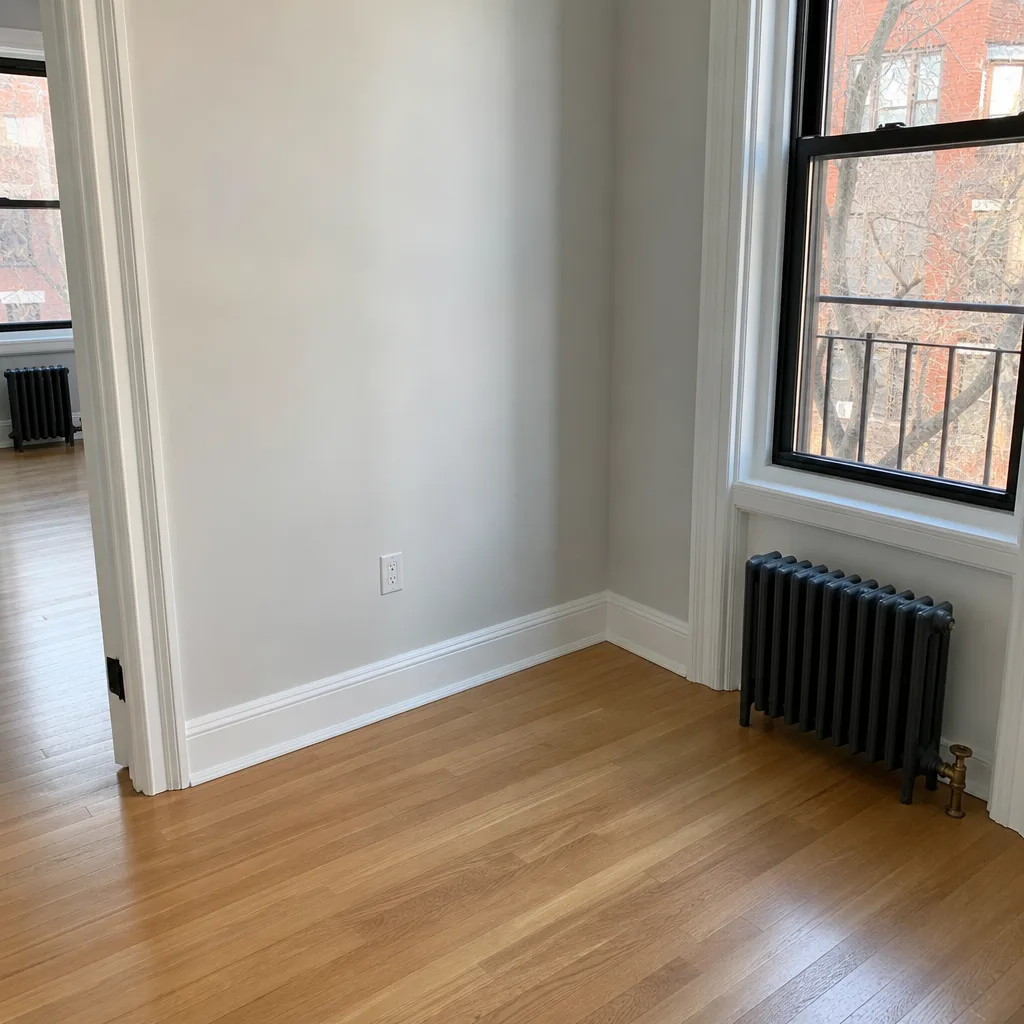 After
After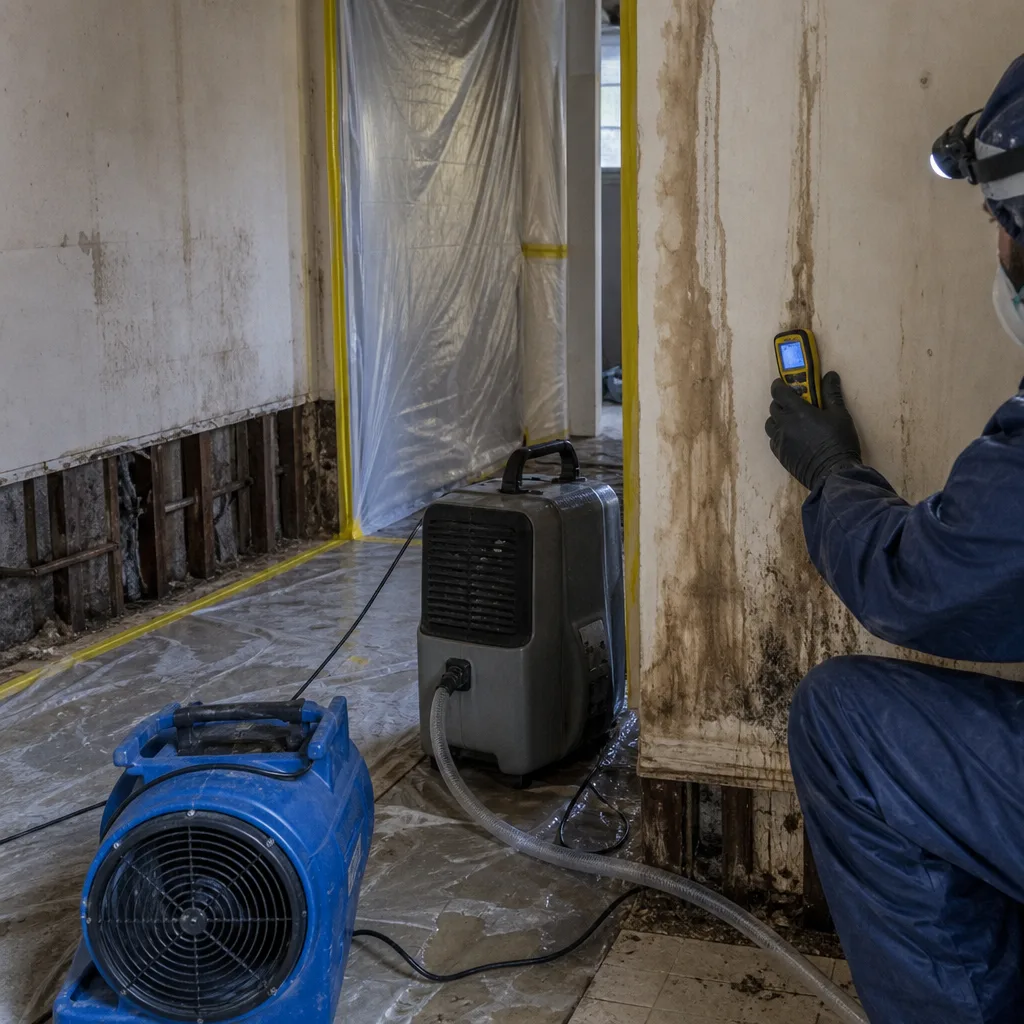 Before
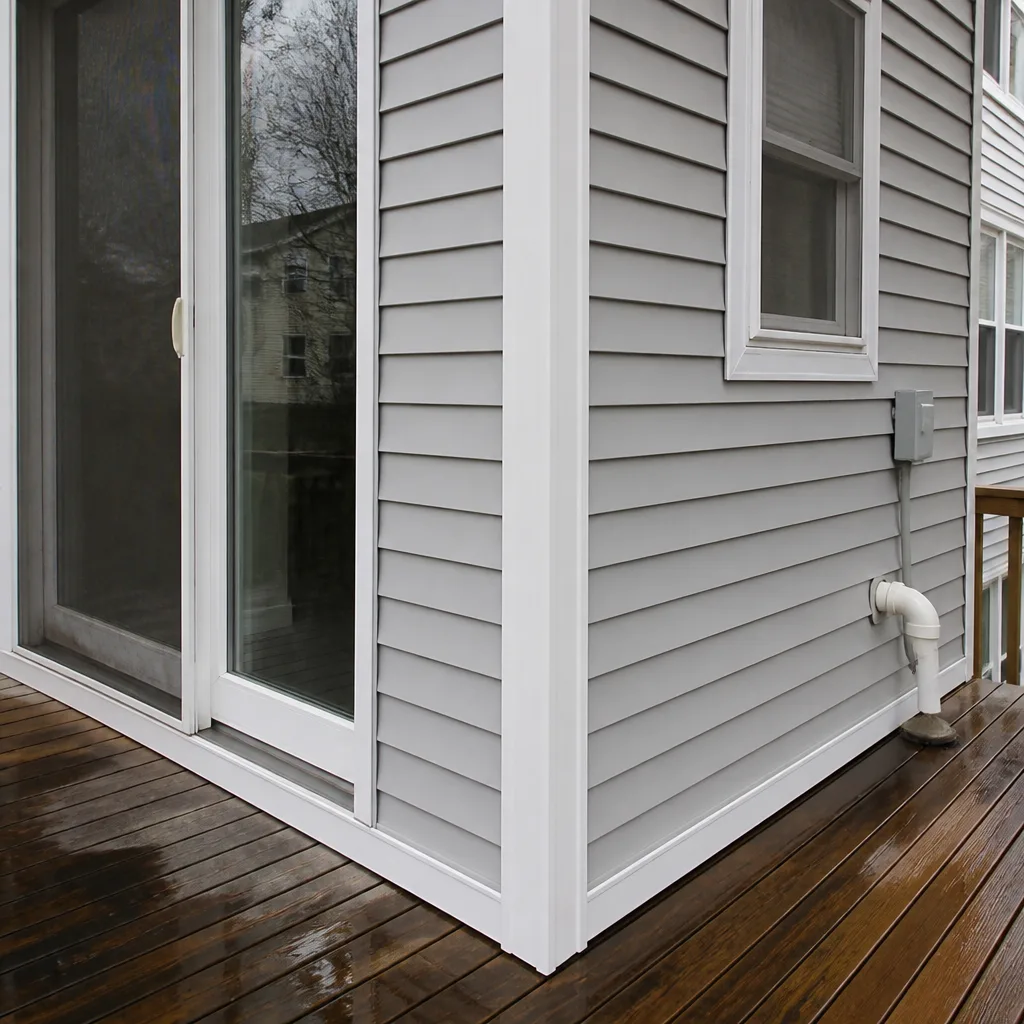 After
After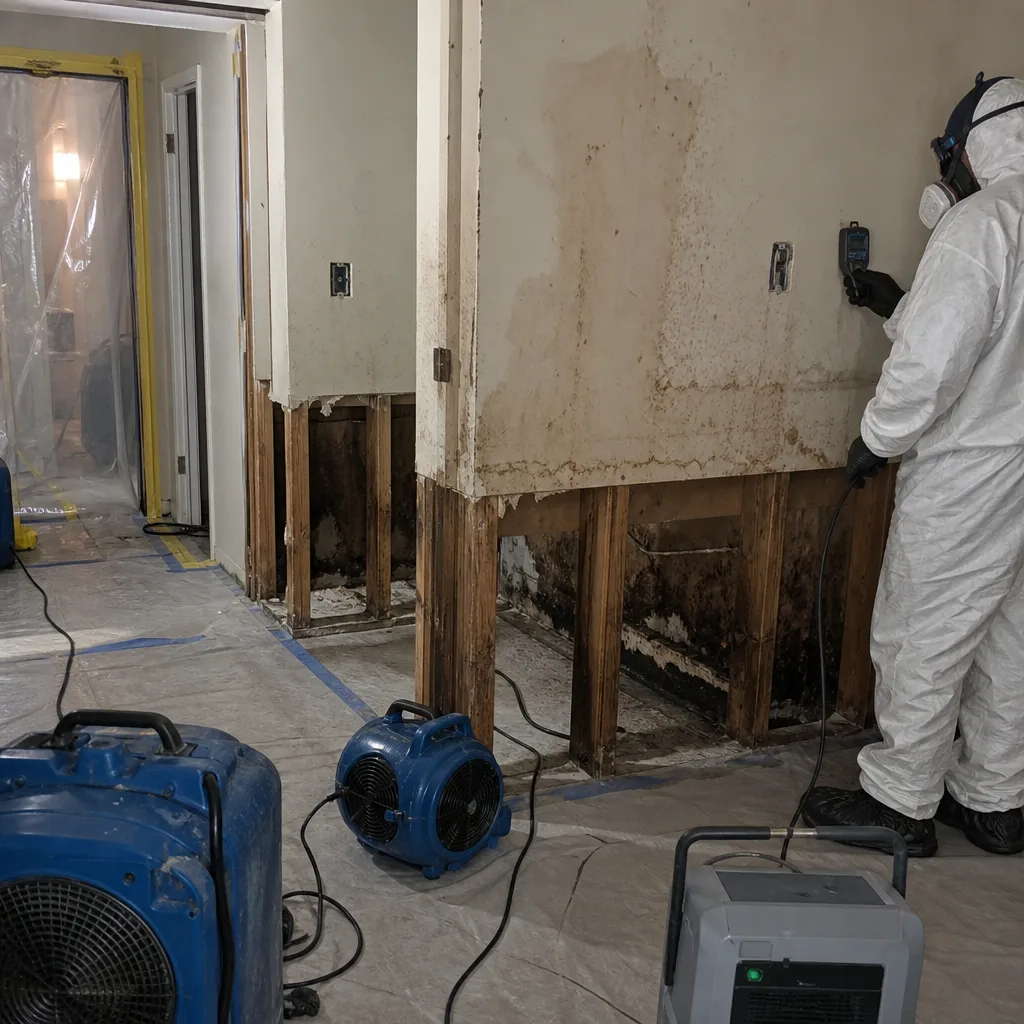 Before
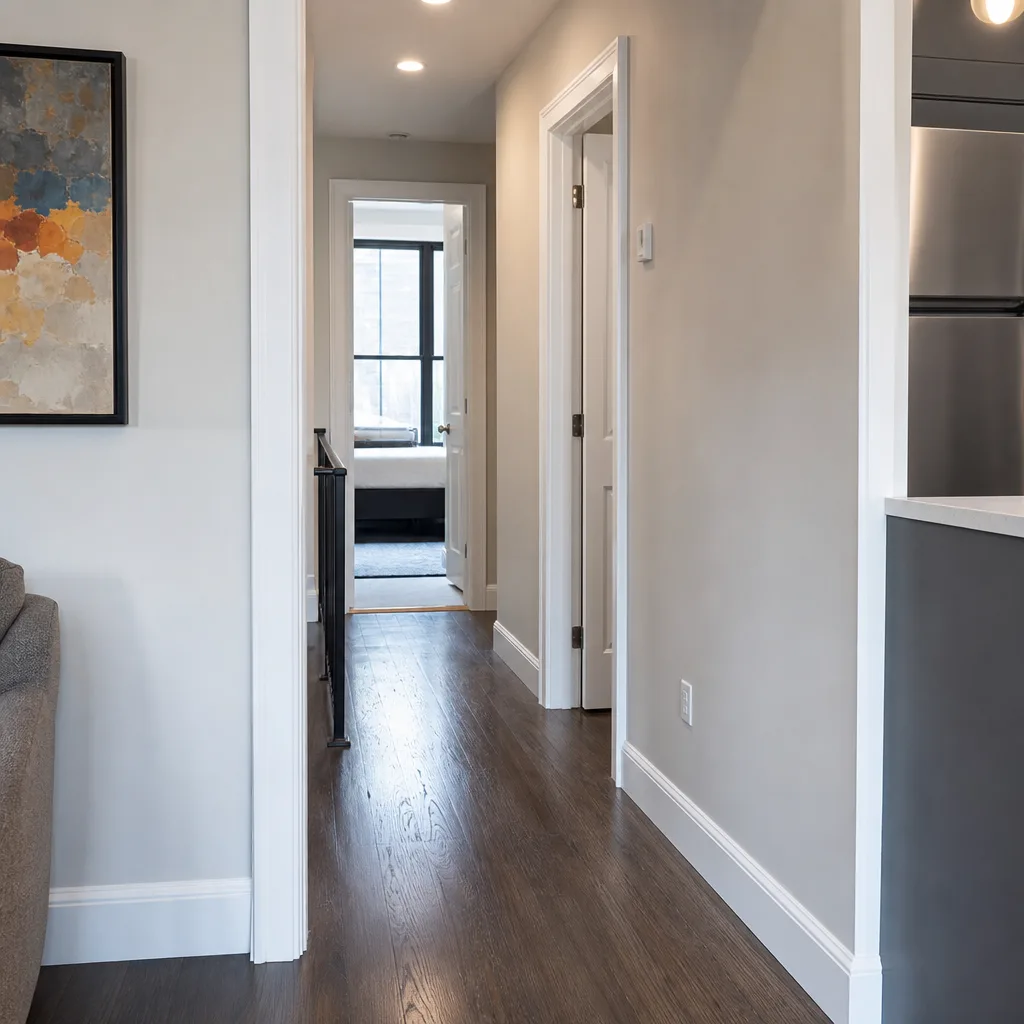 After
After24/7 Emergency Biohazard & Crime Scene Cleanup in Lyndhurst
Biohazard and crime scene cleanup in Lyndhurst typically costs between $1,800 and $6,500 depending on the scope, and a certified crew can usually be on site within 45 minutes of your call. We answer the phone live at (917) 924-4221, any hour, and we dispatch from the New York City office to Lyndhurst addresses without routing you through a call center. The first hour matters because blood, bodily fluids, and decomposition byproducts move into porous materials fast: drywall, hardwood, subfloor, grout. What starts as a contained spill becomes a structural issue if it sits. Our team arrives, assesses the affected space, and begins containment so the damage doesn’t migrate into shared walls, hallways, or neighboring units.
Understanding Biohazard & Crime Scene Cleanup Severity in Lyndhurst Properties
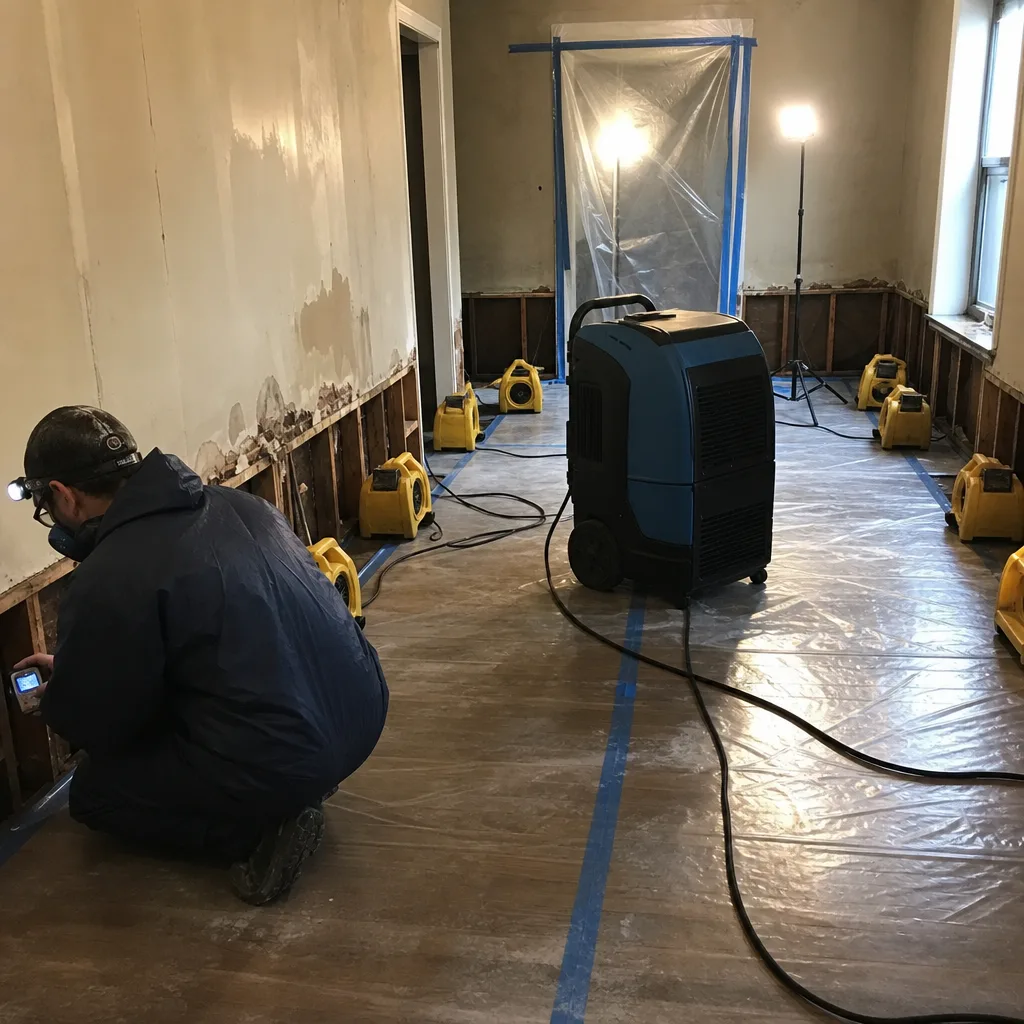
Lyndhurst’s building stock tells you most of what you need to know about how biohazard incidents play out here. The borough is dense, with older multi-family homes, garden apartments, and rowhouses packed along narrow side streets off Ridge Road and Valley Brook Avenue. Many structures date from the early-to-mid 1900s, and they share plumbing stacks, joist bays, and sometimes wall cavities with adjacent units. When blood or decomposition fluids penetrate a bathroom floor in one unit, the moisture doesn’t respect a property line. It travels along the subfloor and wicks into the joist bay below, where warm, humid air can push odors and aerosols through gaps around pipes and baseboards into the neighbor’s space. That’s why our severity assessments in Lyndhurst start with containment: negative-air pressure at the apartment door, a sealed work zone, and moisture mapping across the full cavity, not just the visible stain. We treat any release that has soaked through a surface as Category 3 water damage, which means contaminated water requiring antimicrobial treatment, removal of affected porous materials, and structural drying before rebuilding. Residential dehumidifiers don’t touch this. We run LGR units like Dri-Eaz and Phoenix, and we log readings daily until the dry standard is met.
Why Lyndhurst Property Owners Choose Floodline Restoration Co. of Manhattan
- 45-minute response commitment: From the moment you call, we commit to having a certified crew dispatched toward your Lyndhurst address within 45 minutes, not the next morning.
- 24/7 live answer: A real dispatcher picks up at (917) 924-4221 at 2 a.m. You won’t get a recording or a “press 1” tree.
- IICRC-certified crews: Our technicians train to IICRC, RIA, and IFA standards, including the water and microbial remediation codes relevant to biohazard work.
- Free visual inspection: We walk the affected space, take readings, and explain what needs to happen before you commit to anything.
- Direct insurance billing: We document from the first hour, photograph room by room, and coordinate directly with your adjuster, so you’re not the messenger.
- One team, start to finish: The same background-checked, uniformed crew that establishes containment handles the removal, drying, cleaning, and reconstruction. No handoff to a subcontractor you’ve never met.
Our Biohazard & Crime Scene Cleanup Process
Inspection & Assessment
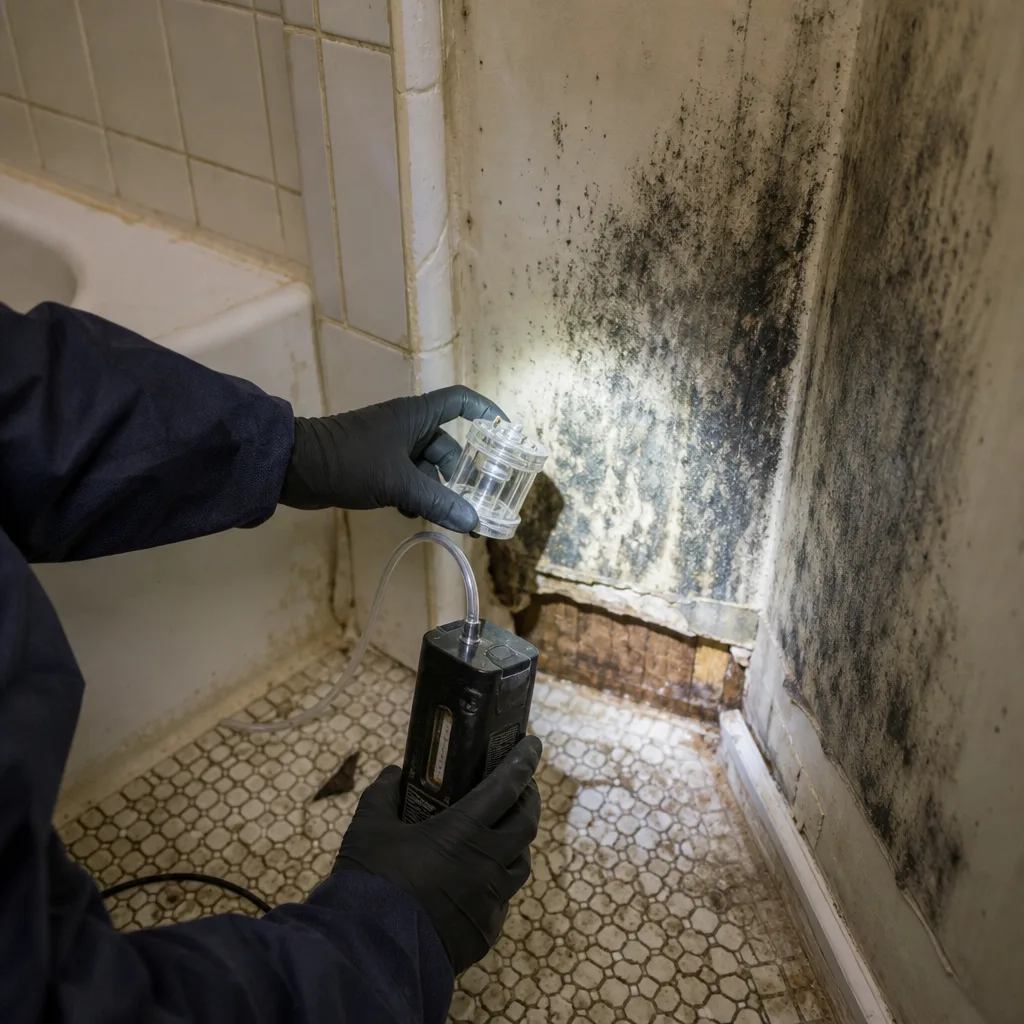
We arrive, walk the scene, and map the affected area. Moisture readings, thermal imaging where needed, and a written scope of work agreed before we begin. In Lyndhurst’s tighter units, we also assess shared walls and hallways for aerosol migration.
Containment & Stabilization
We seal the work zone, set up negative-air pressure where required, and stop any active release. In multi-family buildings off Kingsland Avenue, this step is what protects your neighbors from odor and airborne particulates.
Removal & Decontamination
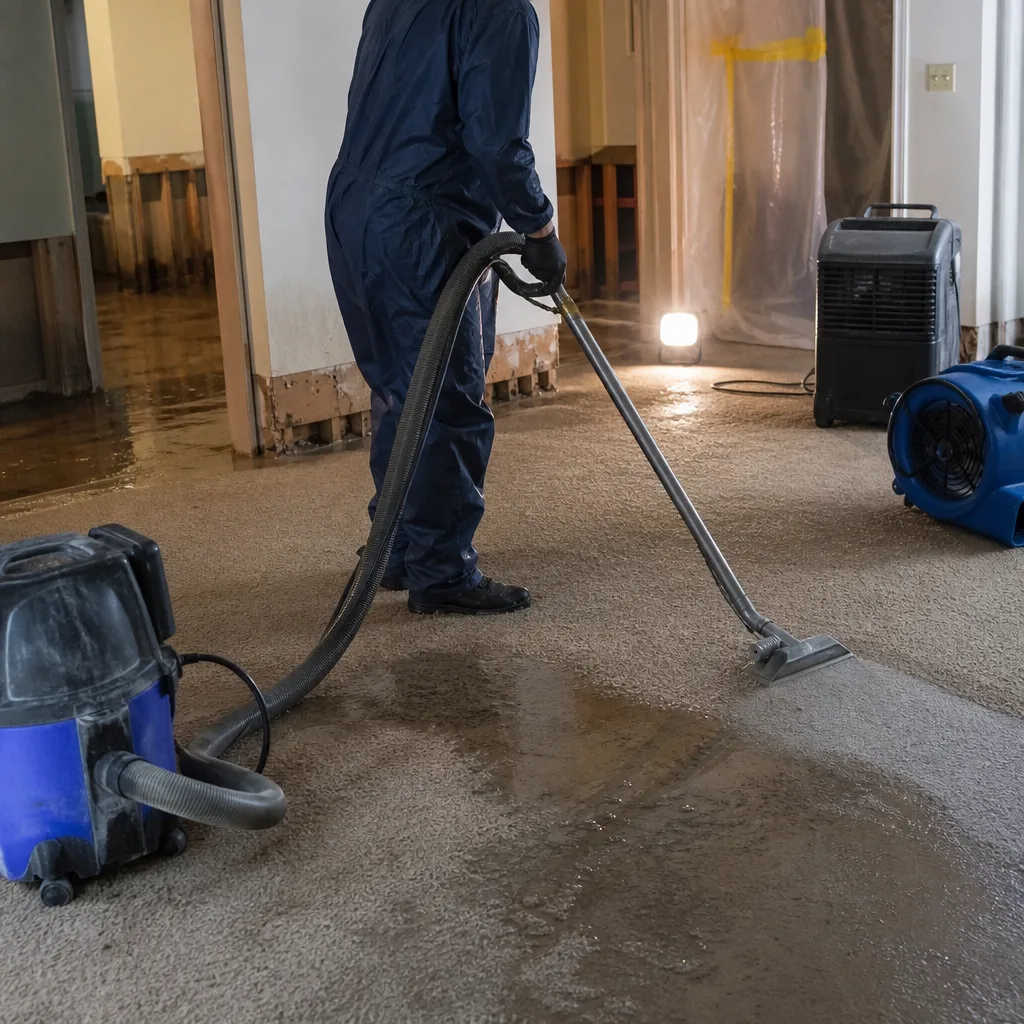
Porous materials that can’t be properly cleaned, such as saturated drywall, underlayment, or carpet pad, come out. Non-porous surfaces are cleaned and disinfected with registered antimicrobial products appropriate to the specific biohazard.
Structural Drying
LGR dehumidifiers and air movers, typically Dri-Eaz or Phoenix units, run until the drying standard is met. We log readings daily and hand the log to you and your insurer. In Lyndhurst’s humid summers, this step is what prevents secondary mold.
Specialty Treatment
Depending on what happened, this includes antimicrobial application, ozone or hydroxyl treatment for odor, pack-out and off-site cleaning of porous personal property, and clearance confirmation.
Repairs & Restoration
The same crew that removed the damaged material rebuilds it. Drywall, flooring, trim, paint. We don’t hand you off to a third party. The job isn’t done until the space looks and functions like it should.
Need Emergency Biohazard & Crime Scene Cleanup in Lyndhurst Now?
Crews minutes away, answering live 24 hours a day. The sooner we start, the less it costs.
Working With Your Insurance Company
Most biohazard and crime scene cleanup claims in Lyndhurst involve homeowner’s or commercial property coverage, and the carrier will want documentation from the first hour. We provide exactly that: photos of the loss before anything is moved, room-by-room, with moisture readings and drying logs attached. Our estimates follow industry standard line-item formatting that adjusters recognize, which speeds approval. You don’t have to translate between us and your carrier. We talk to the adjuster directly, explain why each line item is necessary, and bill the carrier directly when coverage applies. If the loss happened in a multi-unit building, we document containment measures and adjacent-unit assessments as part of the claim.
What We Provide Your Insurer
- Thorough documentation of the loss
- Photos of all damage, room by room
- Moisture readings and drying logs
- A detailed, line-item scope of work
- Direct coordination with your carrier
Built for Lyndhurst’s Loss Calendar
Biohazard and crime scene cleanup work doesn’t follow a tidy seasonal pattern the way water or fire losses do, but Lyndhurst’s calendar shapes how those incidents play out. In January and February, when a heating system fails in an older apartment off Stuyvesant Avenue, an unattended death may go undiscovered longer; decomposition fluids have more time to penetrate flooring and migrate through joist bays. Spring thaw and summer thunderstorms bring the water intrusion that turns a small biological release into a deeper structural problem, because the same humid air that makes Lyndhurst comfortable in July also slows drying and feeds microbial growth. Nor’easters knock out power, which matters when a refrigerator or freezer goes down in a unit where a person lives alone. And the September through November stretch, when families are in transition and older adults are more isolated, is when we see a concentration of hoarding and unattended-death calls. None of this is predictable on a calendar. It’s more that we know what Lyndhurst’s buildings do in each season, and we plan equipment and staffing around it.
Biohazard & Crime Scene Cleanup Across Lyndhurst’s Neighborhoods
Lyndhurst is small, roughly four-and-a-half square miles, but the building types change block by block. Along Ridge Road, the commercial corridor runs through the center of town, with mixed-use buildings where a retail space sits below apartments. Containment there has to account for a shoe store or a diner still operating below an affected unit. Around Valley Brook Avenue, older rowhouses sit close enough to touch in places; we’ve set up negative-air pressure at the front door and sealed hallway access because aerosols follow shared plumbing chases. The streets off Kingsland Avenue hold a mix of pre-war multi-families and smaller Cape Cods. The third-floor apartments off Stuyvesant Avenue are where our techs dealt with an unattended death, establishing negative-air containment at the apartment door and in the hallway before beginning blood and bodily fluid cleanup. They logged moisture readings along the base of the bathroom vanity from decomposition fluids, removed affected drywall and underlayment as Category 3 water damage, and completed antimicrobial treatment and structural drying with two Phoenix air movers until the drying logs met pre-loss condition. Up near the Passaic River, the housing stock is newer and the lots a little wider, but the humidity coming off the water in summer makes odor control more difficult if a release isn’t caught early.
Specialized Biohazard & Crime Scene Cleanup Services We Offer in Lyndhurst
Trauma & Unattended Death Cleanup
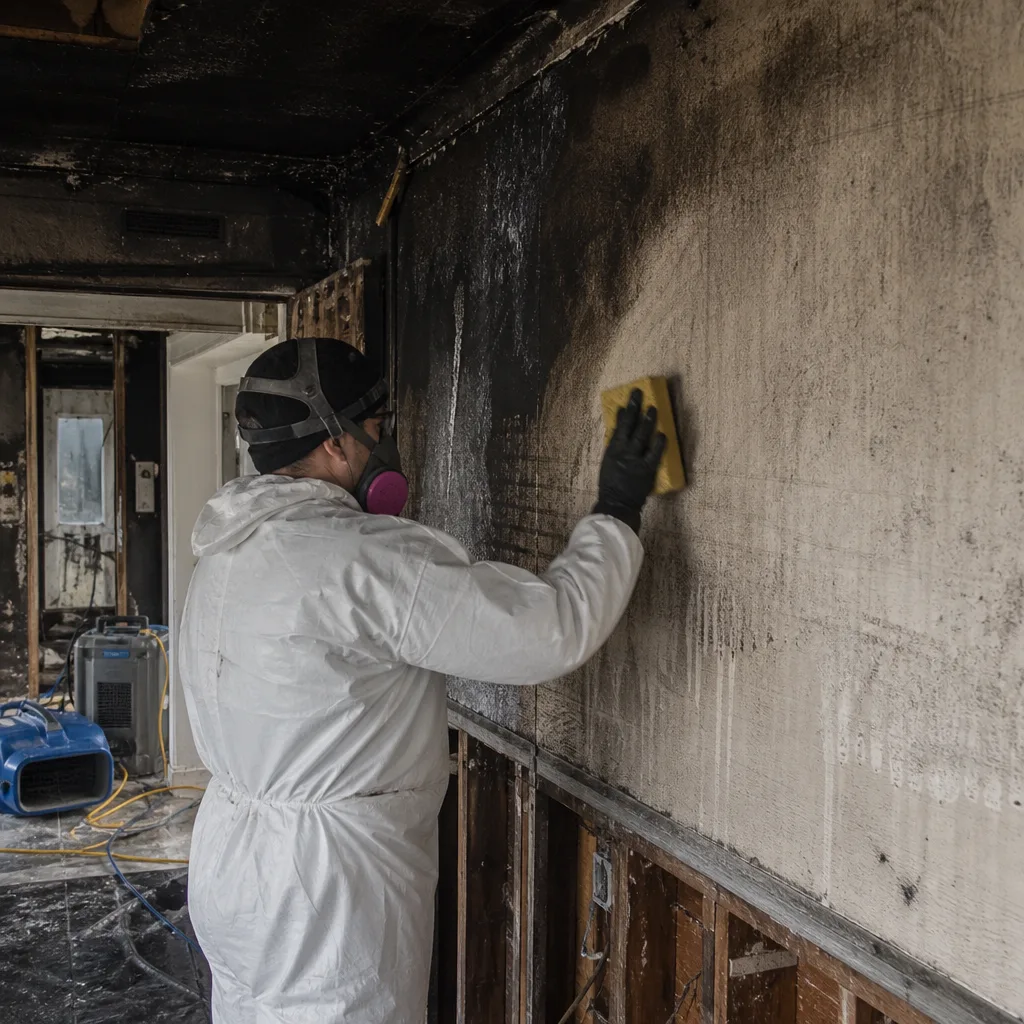
When someone passes and isn’t found for days or weeks, the biological material left behind is complex. Fluids penetrate flooring, drywall, and the spaces behind baseboards. In Lyndhurst apartments, that means removing material in rooms that may share a wall with an occupied unit next door. We handle the removal, disinfection, and odor elimination, and we document everything for the family and the insurer. This is not something a cleaning service should do.
Blood & Bodily Fluid Cleanup
Bloodborne pathogen exposure is a regulated hazard. We treat every blood cleanup on Lyndhurst hardwood floors, tile, and carpet with the same protocol: containment first, then removal of anything that absorbed fluid, then full disinfection of the affected area and adjacent surfaces. For older hardwood floors in pre-war homes, that often means sanding and refinishing a section after disinfection, because blood that sat in the grain can’t be wiped off.
Hoarding Cleanup
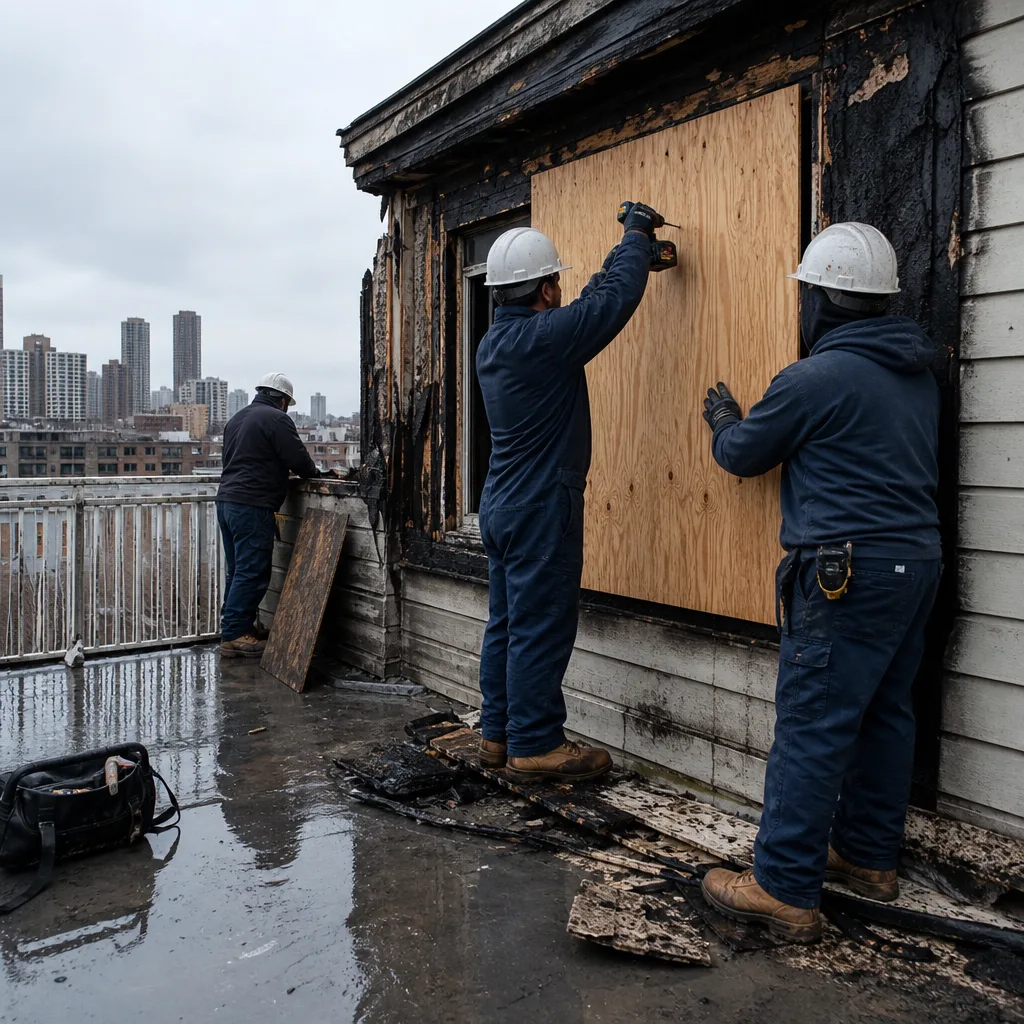
Hoarding situations in Lyndhurst’s smaller apartments need a different approach than the big suburban houses you see on television. We work property owner or family member by family member, triaging what can be cleaned on site and what needs to go off-site for professional cleaning, without forcing a full pack-out of the entire unit. The goal is to make the home safe and functional again while respecting the occupant’s dignity.
Crime Scene Cleanup
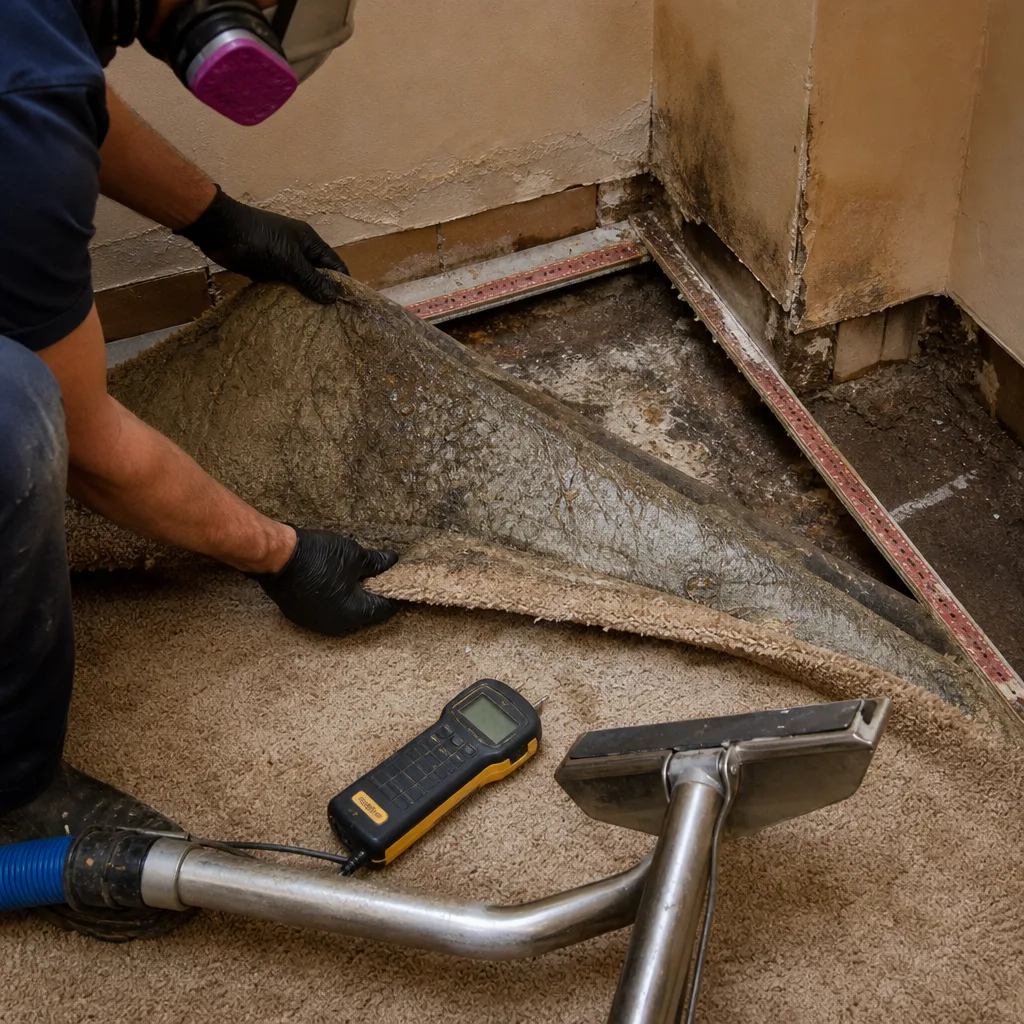
After law enforcement releases the scene, the property owner is responsible for what’s left. We respond quickly because we know the family needs to be able to move forward, and because blood and other fluids are already working into the structure. Our Biohazard & Crime Scene Cleanup team arrives with the same dispatch priority as a water emergency.
Infectious Disease Disinfection
For Lyndhurst offices, storefronts, and medical offices, we provide documented disinfection for infectious disease events. That includes post-exposure cleaning for viruses and bacteria, using EPA-registered disinfectants matched to the specific pathogen and the surface type. We provide a written clearance summary for the business owner.
Tear Gas & Chemical Cleanup
Tear gas and chemical residue settle into walls, carpet, ductwork, and soft goods. Cleaning it properly means understanding chemical behavior on different materials. We handle these events in Lyndhurst’s commercial and residential spaces, and we document the process for insurers where a claim applies.
What happens when you call
- 1
A real person answersNo phone trees - you reach a local pro.
- 2
You get an upfront price rangeHonest numbers before anyone is dispatched.
- 3
A background-checked tech heads outLicensed & insured, dispatched right away.
- 4
You approve before work beginsNothing starts until you say go.
Biohazard & Crime Scene Cleanup Costs in Lyndhurst, NJ
Here’s where Lyndhurst property owners should anchor expectations. A basic blood cleanup in a single bathroom typically runs $1,800 to $3,200. An unattended death with decomposition fluids in a multi-room apartment off Ridge Road usually lands between $4,000 and $6,500, driven by how far the fluids moved into flooring and walls. Hoarding cleanup in a Lyndhurst apartment can run $2,500 to $8,000 depending on volume, access, and whether pack-out and off-site cleaning are required. Infectious disease disinfection for a small office or storefront starts around $1,500. The two biggest cost drivers are porous material removal and drying time in Lyndhurst’s humid months. If you have insurance, most of this work falls under the property portion of your policy, and we bill the carrier directly. The free visual inspection is how you get a firm, written scope instead of an estimate you can’t hold anyone to.
We Also Serve Cities Near Lyndhurst
Beyond Lyndhurst, our biohazard and crime scene cleanup crews regularly serve North Arlington, Rutherford, East Rutherford, and Carlstadt. The same live-answer dispatch, same containment-first protocol, same one-team approach. If you’re in one of those towns and need help now, call (917) 924-4221.
Serving Lyndhurst, NJ - Our Local Coverage Area
We’re based in the Lyndhurst area and know this community well. Use the map below to see our service coverage - if you’re nearby, we can almost certainly help.
Lyndhurst Biohazard & Crime Scene Cleanup Questions, Answered
How does Lyndhurst’s building density affect biohazard cleanup in multi-family homes near Ridge Road?
It changes the containment strategy. In a rowhouse or mixed-use building, odors and aerosols from a biohazard release migrate through shared wall cavities, plumbing chases, and the joist bays between floors. We can’t just seal the affected room. We establish negative-air pressure at the apartment or unit door, seal the hallway access, and monitor adjacent units where air paths exist. This is standard practice for us in Lyndhurst because we know the building stock. A crew that treats a Ridge Road multi-family like a detached single-family house will leave your neighbors smelling what happened for weeks.
Are biohazard cleanup permits or notifications required for a death in a Lyndhurst residence?
In most cases, no permit from the borough is required for the cleanup itself. The death is reported to law enforcement or the medical examiner, and once they release the scene, the property owner or family arranges cleanup. What does matter is proper transport and disposal of biohazardous waste, which must follow state and federal regulations. We handle that through licensed disposal partners. Call (917) 924-4221 and we’ll walk you through exactly what applies to your situation.
Can you handle hoarding cleanup in a Lyndhurst apartment without forcing a full pack-out?
Yes. In smaller apartments where a full pack-out isn’t practical, we do the work room by room. We separate items into what can be cleaned on site, what needs professional off-site cleaning, and what is unsalvageable. The resident or a family member makes the call on what goes; our job is to make the space safe and functional again. We’ve done this in units all over Lyndhurst, including buildings where the apartment door opens directly onto a shared landing.
How do you handle blood and bodily fluid cleanup on hardwood floors in older Lyndhurst homes?
The age of the floor determines the answer. Pre-war homes in Lyndhurst often have solid oak floors that can be saved if the blood hasn’t sat too long. We clean, disinfect, and then assess whether the section needs sanding and refinishing. But if the fluid penetrated to the subfloor through gaps in the boards, we remove the affected section and replace it. There’s no shortcut: anything that absorbed blood or decomposition fluid and can’t be disinfected to the dry standard comes out. That’s the only right answer.
What infectious disease disinfection protocol do you use in Lyndhurst offices or retail spaces?
We identify the pathogen first, then match an EPA-registered disinfectant to it. The process is cleaning, then disinfecting with the required dwell time, then documenting surfaces touched. We provide the business owner a written summary for their records and their insurer. For a Lyndhurst office on Ridge Road, we also include common surfaces, door hardware, and restrooms in the scope because those are the touchpoints that spread illness.
How fast can you actually get to a Lyndhurst address?
Our commitment is 45 minutes from your call to dispatch of a certified crew toward your address. We coordinate from the New York City office, and we run crews specifically on the Lyndhurst beat. At 2 a.m., a live dispatcher answers at (917) 924-4221 and starts the process. You’re never waiting on a callback from a national answering service.
Will insurance cover biohazard cleanup in Lyndhurst?
Usually, yes, under the property damage portion of your homeowner’s or commercial policy. What matters is documentation: photos before anything is moved, line-item scopes, and drying logs where applicable. We provide all three from the first hour and coordinate directly with your adjuster. If you’re in a co-op or condo, we document containment and adjacent-unit work because the association’s master policy may be involved.
What should I do in the first 30 minutes after discovering a biohazard situation in Lyndhurst?
Don’t touch anything, don’t try to clean, and don’t run residential fans. Blood and bodily fluids carry pathogens, and moving air spreads aerosols. Close the door to the affected room if you can do so without entering. Then call us at (917) 924-4221. We’ll tell you what to do while the crew is on the way and what not to disturb.
Written by Curt Bowman, Owner at Floodline Restoration Co. of Manhattan, serving Lyndhurst and surrounding Bergen County communities. For immediate help, call (917) 924-4221 any hour.