
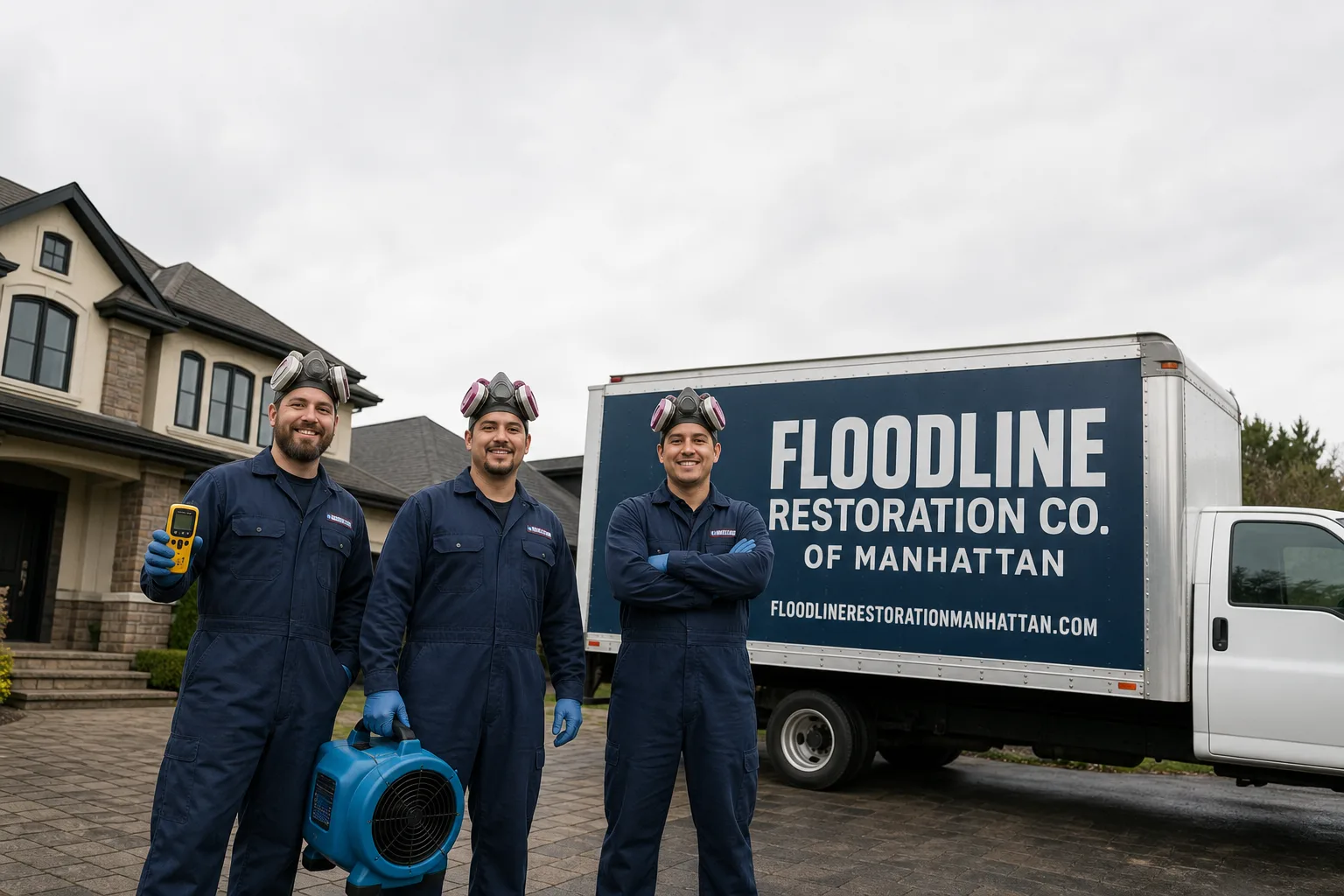
Free visual inspection and a written scope of work before any mitigation begins - photos, moisture readings, and drying logs go in your claim file
The scope we write is the scope we bill. Anything new gets shown to you, in writing, before we touch it.
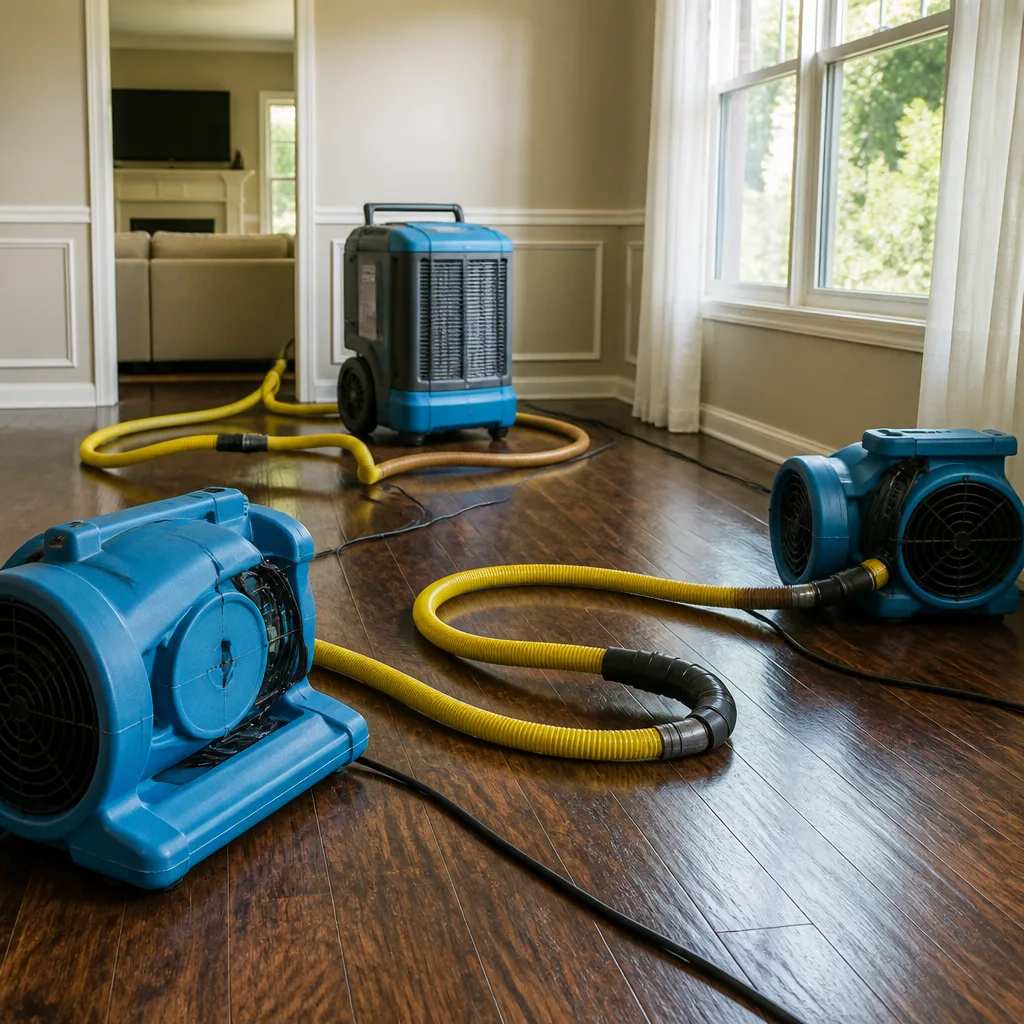
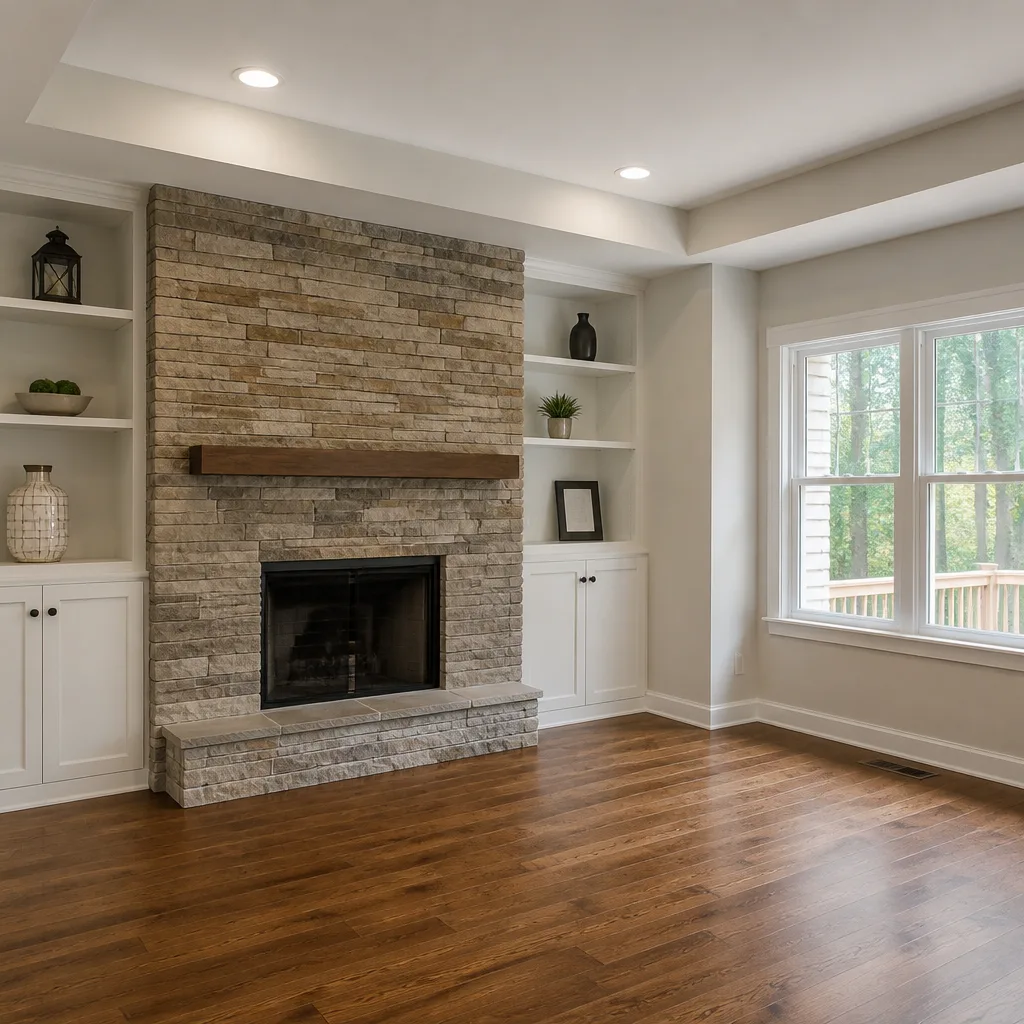

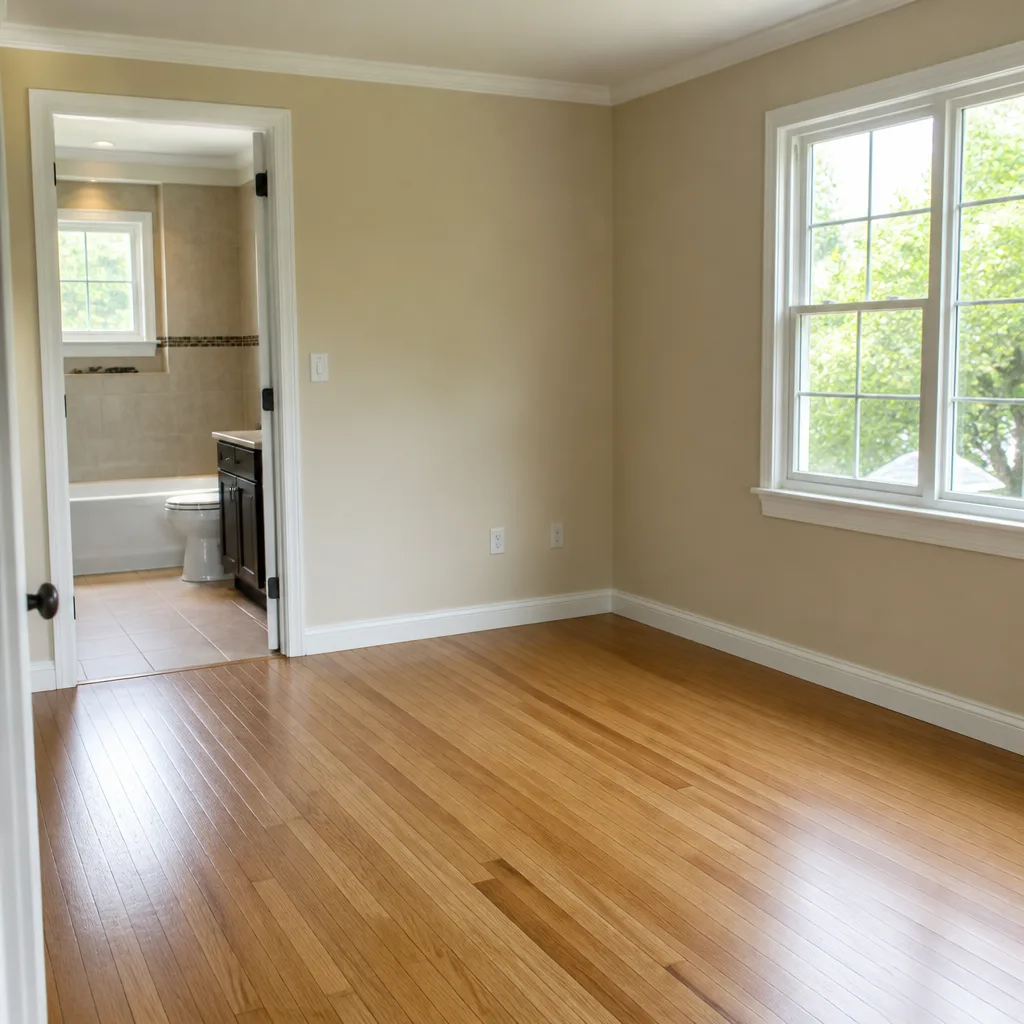
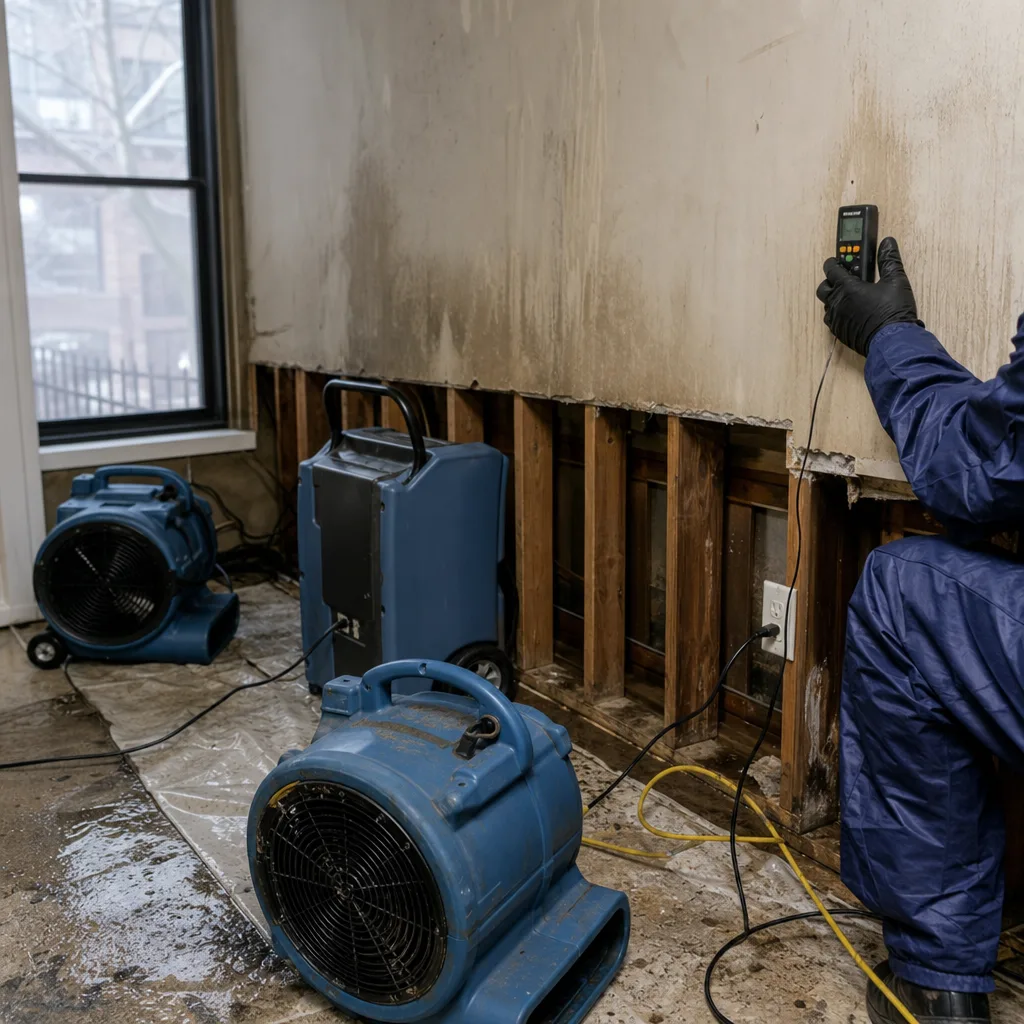 Before
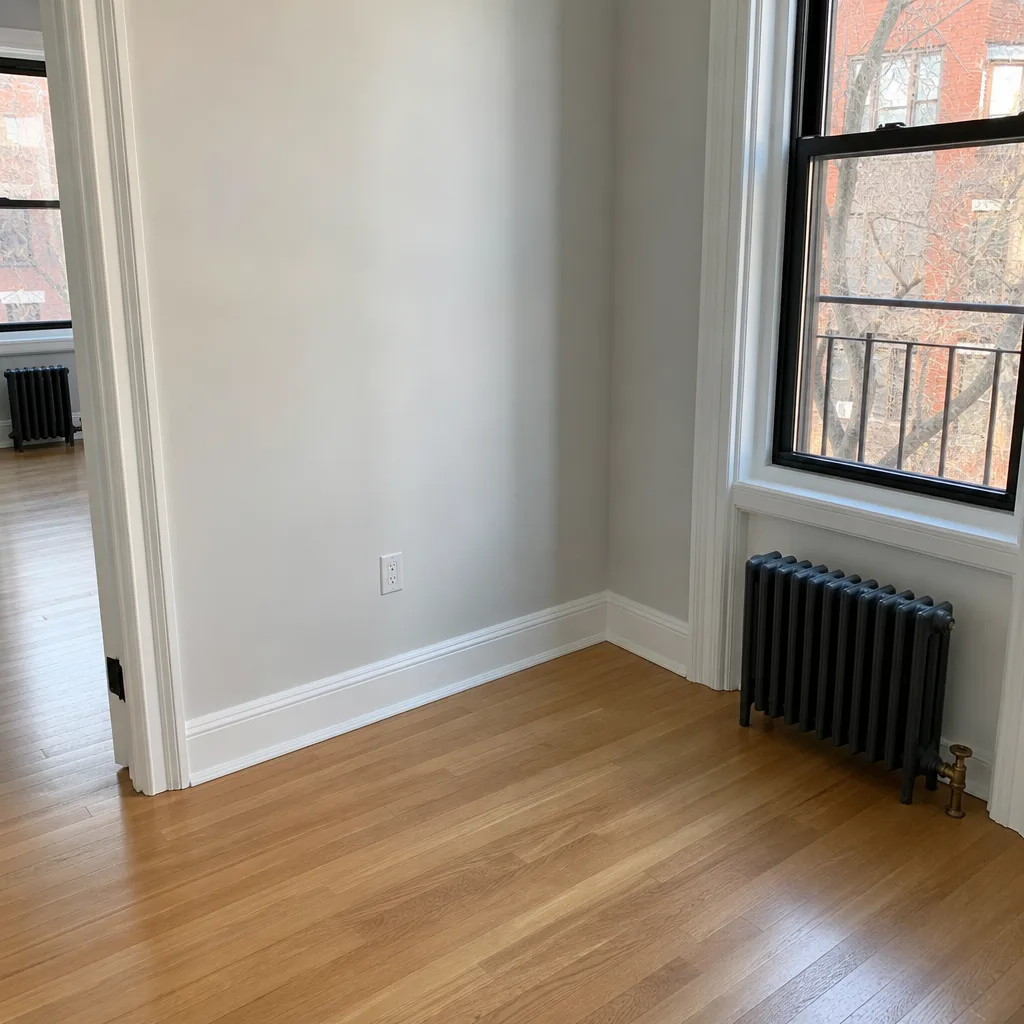 After
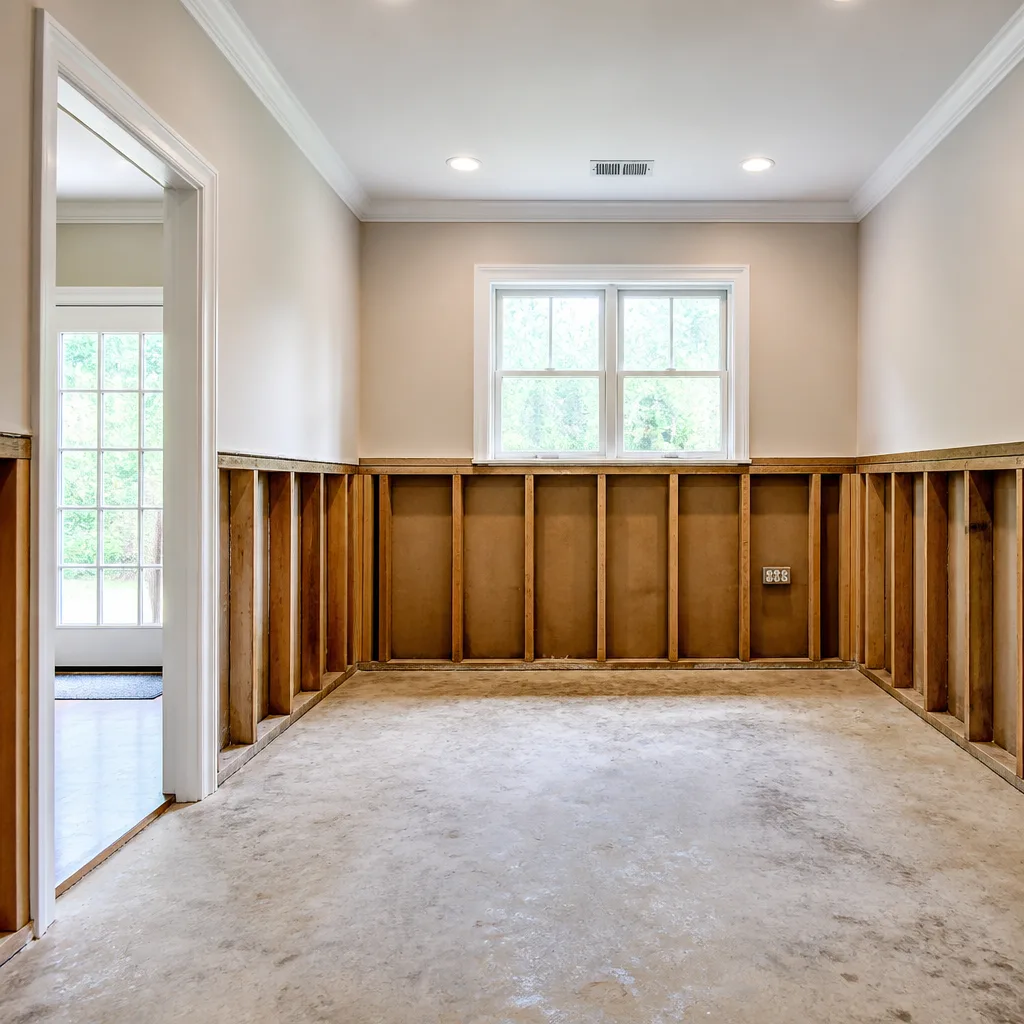
After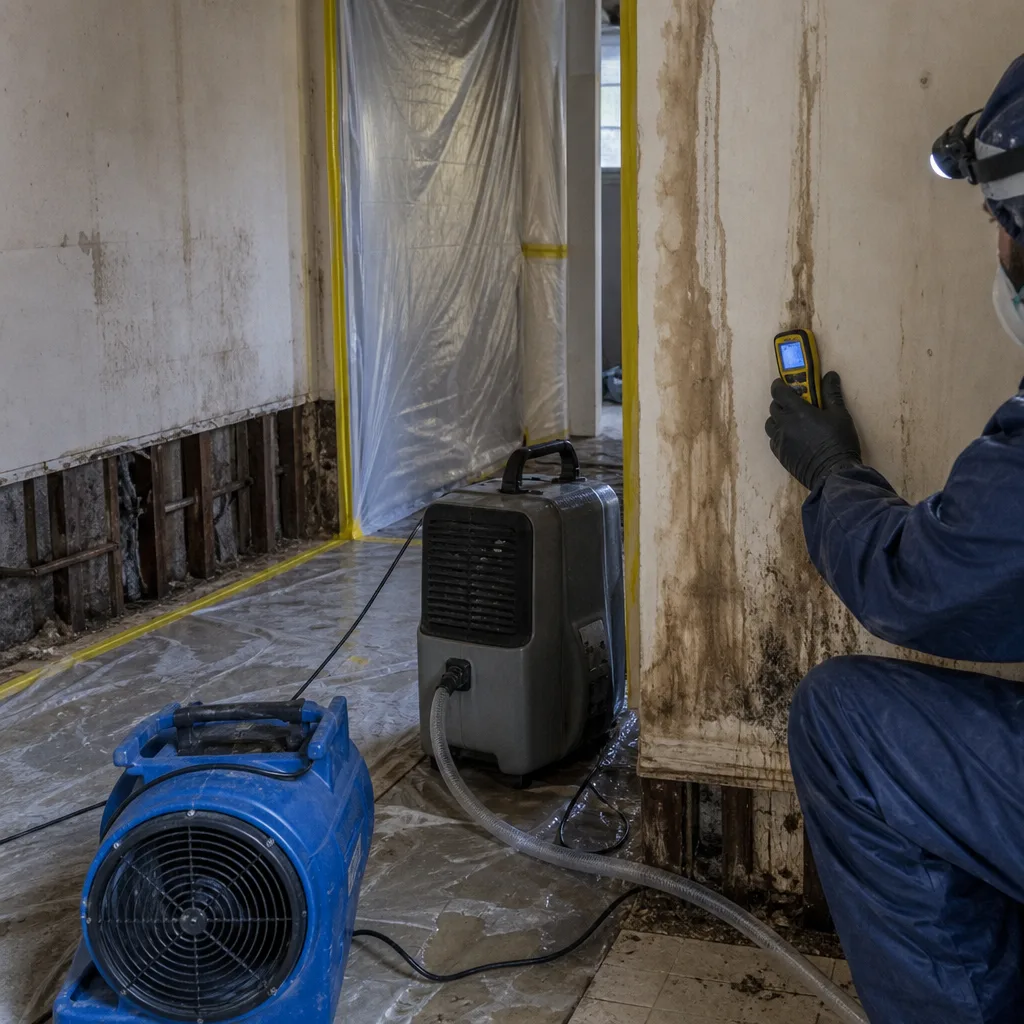 Before
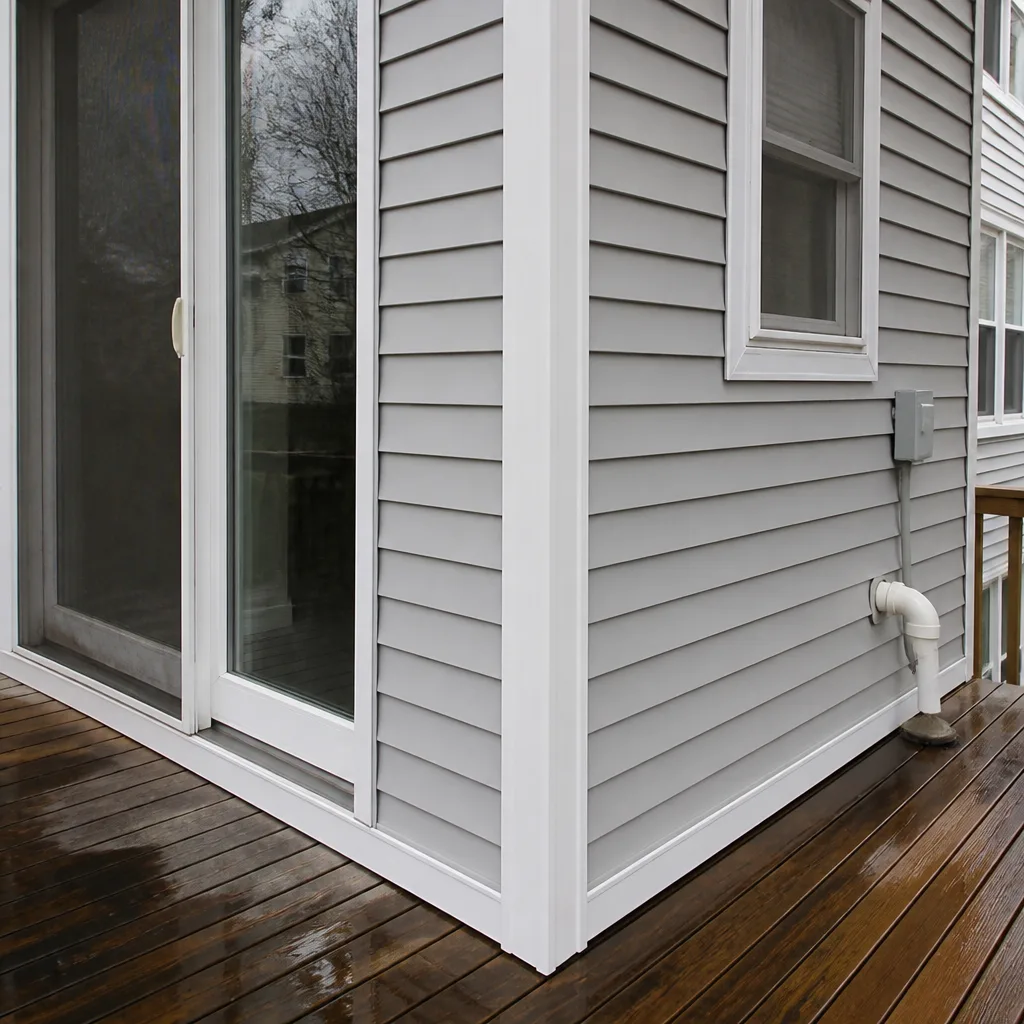 After
After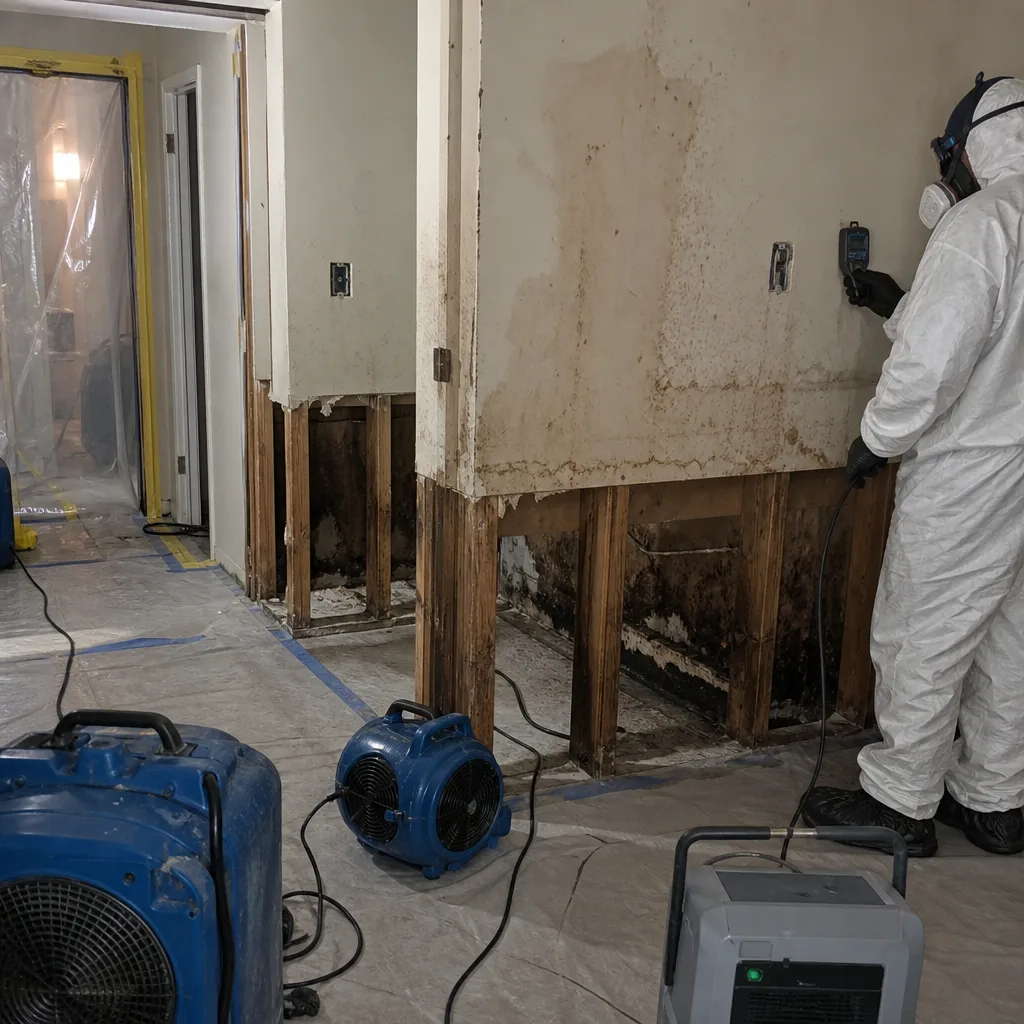 Before
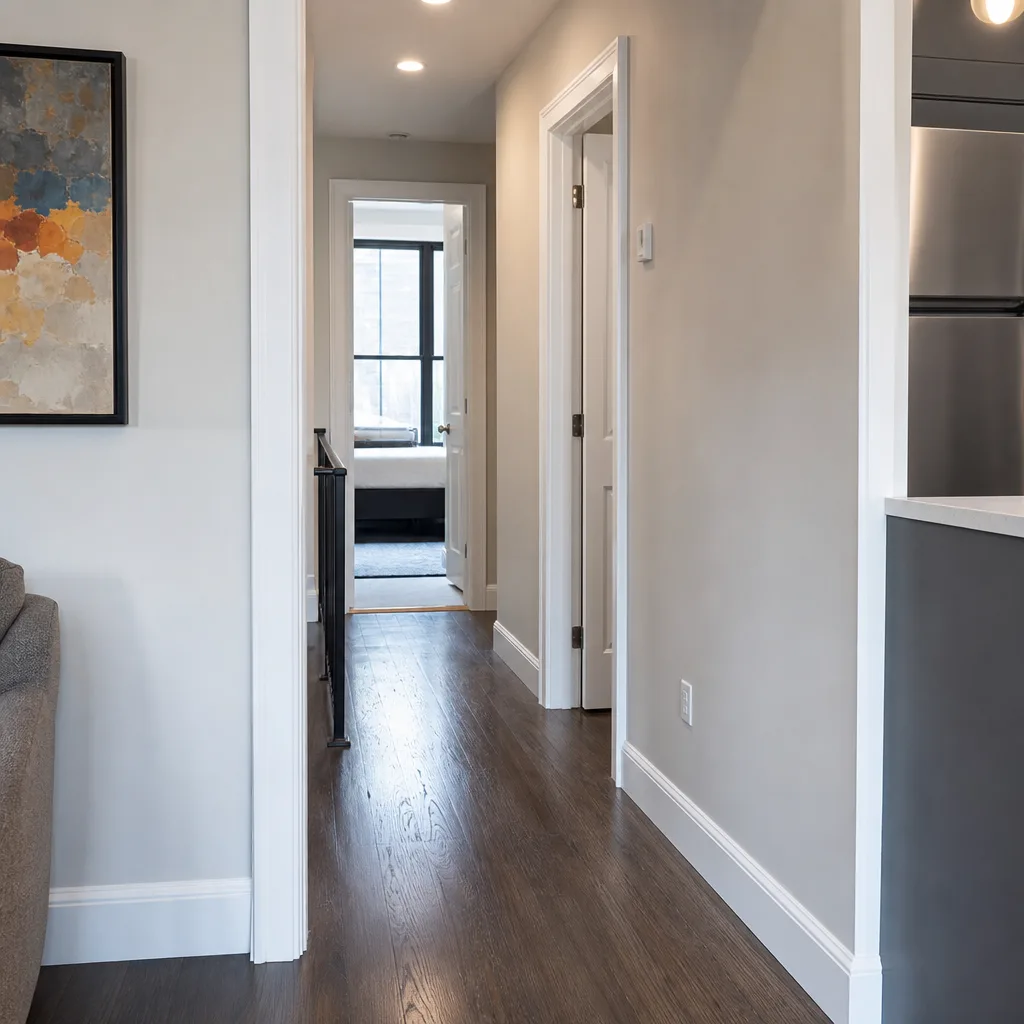 After
After24/7 Emergency Biohazard & Crime Scene Cleanup in NoHo
Biohazard and crime scene cleanup in NoHo requires two things at once: a fast, certified crew and someone who understands the Landmarks Preservation Commission constraints built into nearly every building south of Astor Place. We provide both. Our team answers live around the clock at (917) 924-4221, and we dispatch uniformed, background-checked technicians into the NoHo Historic District within the hour. The first hour matters because blood, bodily fluids, and decomposition byproducts penetrate porous surfaces fast. In a cast-iron loft with wide-plank wood floors and 18-inch masonry party walls, that contamination moves downward and outward through fibers, subflooring, and wall cavities. Delaying cleanup means the contamination zone grows. It also means what started as a contained cleanup becomes a structural remediation job. We treat every biohazard call as an active contamination event, not a routine cleaning. Our Biohazard & Crime Scene Cleanup team is built for this. Free visual inspection, same-day containment, and a written scope before any work begins.
Understanding Biohazard & Crime Scene Cleanup Severity in NoHo Properties
Biohazard severity is classified by the type of biological material, its saturation depth, and the substrate it has entered. Bloodborne pathogens, decomposition fluids, and infectious material are the highest-risk categories and require full containment under OSHA bloodborne pathogen standards. In NoHo, severity is amplified by the building stock itself. Most structures are pre-1930 cast-iron and load-bearing masonry lofts with 12-to-18-inch-thick party walls and concrete or wide-plank wood floors. Fluids don’t sit on these surfaces. They migrate. Decomposition fluid on a wide-plank floor in a Great Jones Street loft will find the tongue-and-groove seams, seep into the subfloor, and wick into the masonry wall cavity behind the baseboard. What looks like a 40-square-foot affected area is often four times that behind the plaster. The same applies to blood in porous historic brick: standard surface cleaning leaves biological residue in the pores. Dense urban canyon conditions in lower Manhattan also slow natural evaporation, so contaminated materials stay wet longer. That means odor persists, mold follows, and the contamination zone keeps expanding until someone maps it properly and contains it.
Why NoHo Property Owners Choose Floodline Restoration Co. of Manhattan
- 45-minute response commitment. We dispatch from our New York City office directly into NoHo; a certified crew is typically on scene within 45 minutes of your call.
- 24/7 live answer, never an automated system. A live dispatcher picks up at any hour. You’ll speak to a person, not a recording.
- Certified to IICRC, RIA, and IFA standards. Our technicians hold the relevant certifications for trauma scene cleanup, infection control, and structural drying, including WRT and AMRT designations where applicable.
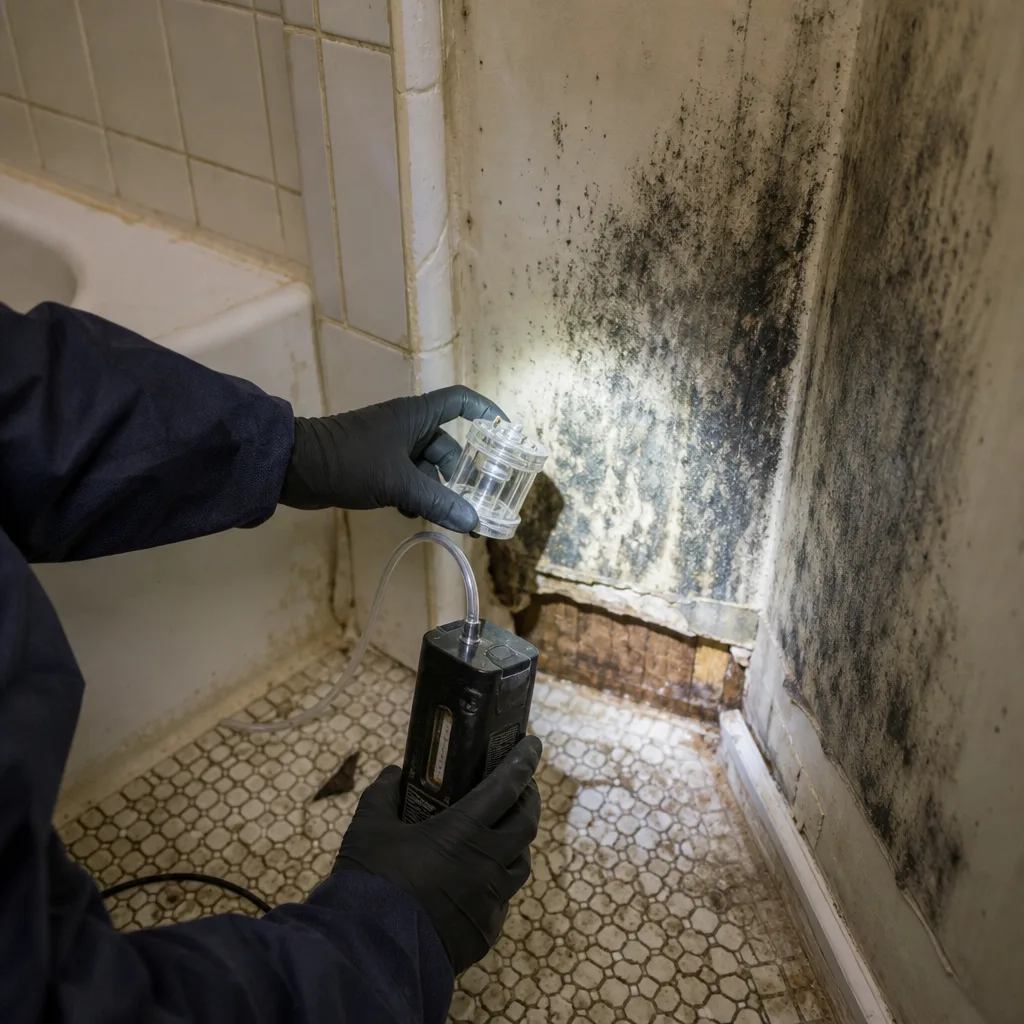
- Free visual inspection before any work is authorized. We assess the contamination, map it with thermal imaging and moisture meters, and give you a written scope. You approve it before we start.
- Direct insurance billing. We document the loss from the first hour, speak directly with adjusters, and bill the carrier so you don’t carry paperwork between parties.
- One team from first response to final repair. No mid-job handoff, no inherited crew. The same Floodline team reads the moisture map, runs containment, cleans, dries, and handles any structural repair that follows.
Our Biohazard & Crime Scene Cleanup Process
Inspection & Assessment
We start with a full visual and instrumental assessment. In NoHo lofts, that means thermal imaging and acoustic leak detection before anyone considers opening a wall. Many of these buildings are in the NoHo Historic District, so our first question is always: can we access this without triggering an LPC review?
Containment & Stabilization
We seal off the affected area with negative air pressure and HEPA-filtered air scrubbers. This stops airborne pathogens and odor from moving into adjacent living spaces. We also stabilize any materials that can be saved, including historic wood floors and original trim.
Extraction & Removal
Porous materials that cannot be salvaged are removed under controlled conditions. In a cast-iron loft, that often includes saturated plaster, contaminated insulation, and affected flooring sections. Non-porous surfaces like concrete slabs and sealed stone are cleaned and disinfected in place.
Drying & Dehumidification
Thick masonry walls and concrete floors dry slowly. We run professional-grade Dri-Eaz and Phoenix dehumidifiers, Injectidry hardwood drying mats on wide-plank floors, and XPOWER air movers until moisture readings return to pre-loss levels. We don’t pull equipment early.
Cleaning & Sanitization
We disinfect all affected surfaces with appropriate biocides, test for material compatibility on historic brick and original wood, and run HEPA air filtration throughout. No shortcut chemicals. No surface-only wipes on porous materials.
Repairs & Restoration
Any structural repair that follows gets documented for your carrier and scheduled in writing. If LPC review is required, we coordinate that from the start so restoration doesn’t stall at the permit stage. The goal is the 90-Day Done Right Promise: work completed to standard, in writing, no arguing.
Need Emergency Biohazard & Crime Scene Cleanup in NoHo Now?
Crews minutes away, answering live 24 hours a day. The sooner we start, the less it costs.
Working With Your Insurance Company
Most biohazard and unattended death cleanups in NoHo are covered losses, whether through homeowner’s insurance, a commercial policy, or a landlord’s property coverage. We document everything from the first hour: photos of the contamination zone room by room, moisture readings, containment logs, and a detailed line-item scope of work. We speak directly with your adjuster. You don’t relay messages between us and the carrier. That matters in NoHo because many of these lofts are co-ops or condos with building policies layered on top of unit-owner policies with all the complexity those buildings carry. Our documentation is built to hold up under an adjuster’s review, and we’ve been doing direct insurance billing for years. Let us handle the carrier so you can handle what matters.
What We Provide Your Insurer
- Thorough documentation of the loss
- Photos of all damage, room by room
- Moisture readings and drying logs
- A detailed, line-item scope of work
- Direct coordination with your carrier
Built for NoHo’s Loss Calendar
NoHo’s biohazard and trauma cleanup calls don’t follow a single season. They follow the city’s calendar. Deep January freezes burst supply lines in unheated cast-iron buildings, and contaminated water sits in wall cavities until someone notices the odor. Spring thaw pushes groundwater into below-grade spaces between the Hudson and East River estuaries, and a basement that flooded with Category 3 water becomes a biohazard once sewage or soil bacteria enter. Summer brings heat and humidity that accelerate decomposition in unattended death cases and make odor migration through shared party walls faster and more noticeable. Nor’easter season puts storm surge pressure on ground-floor commercial spaces along Broadway and Lafayette Street, and any floodwater that enters a pre-war masonry building requires full Category 3 protocols. Autumn is when we most often find hoarding situations that have crossed from clutter into biohazard: accumulated waste, pest activity, and structural loading that makes safe access a job in itself. None of this follows a clean calendar. We staff for all of it, year-round.
Biohazard & Crime Scene Cleanup Across NoHo’s Neighborhoods
NoHo is small, but it isn’t uniform. The blocks around Great Jones Street and Bond Street hold some of the district’s oldest cast-iron loft buildings, many with original wide-plank floors and load-bearing masonry walls that make contamination migration a structural issue. A trauma cleanup there almost always involves the party wall, and that means our techs go in with thermal imaging before any demolition. Along Broadway south of Astor Place, ground-floor commercial and retail spaces present a different profile: higher foot traffic, shared utility chases, and building systems that run through multiple tenant spaces, so a biohazard in one unit can affect the air quality of three others. The co-op and condo conversions near Lafayette Street and East 4th Street often have building management with their own compliance requirements, and we coordinate directly with those boards. Then there are the smaller residential infill buildings on the edges of the district near the Bowery, where a hoarding cleanup or unattended death often involves close-quartered neighbors, older plumbing, and shared ventilation in tight floor plans. Each block in NoHo demands a slightly different approach, and our crews know the difference.
Specialized Biohazard & Crime Scene Cleanup Services We Offer in NoHo
Crime Scene Cleanup
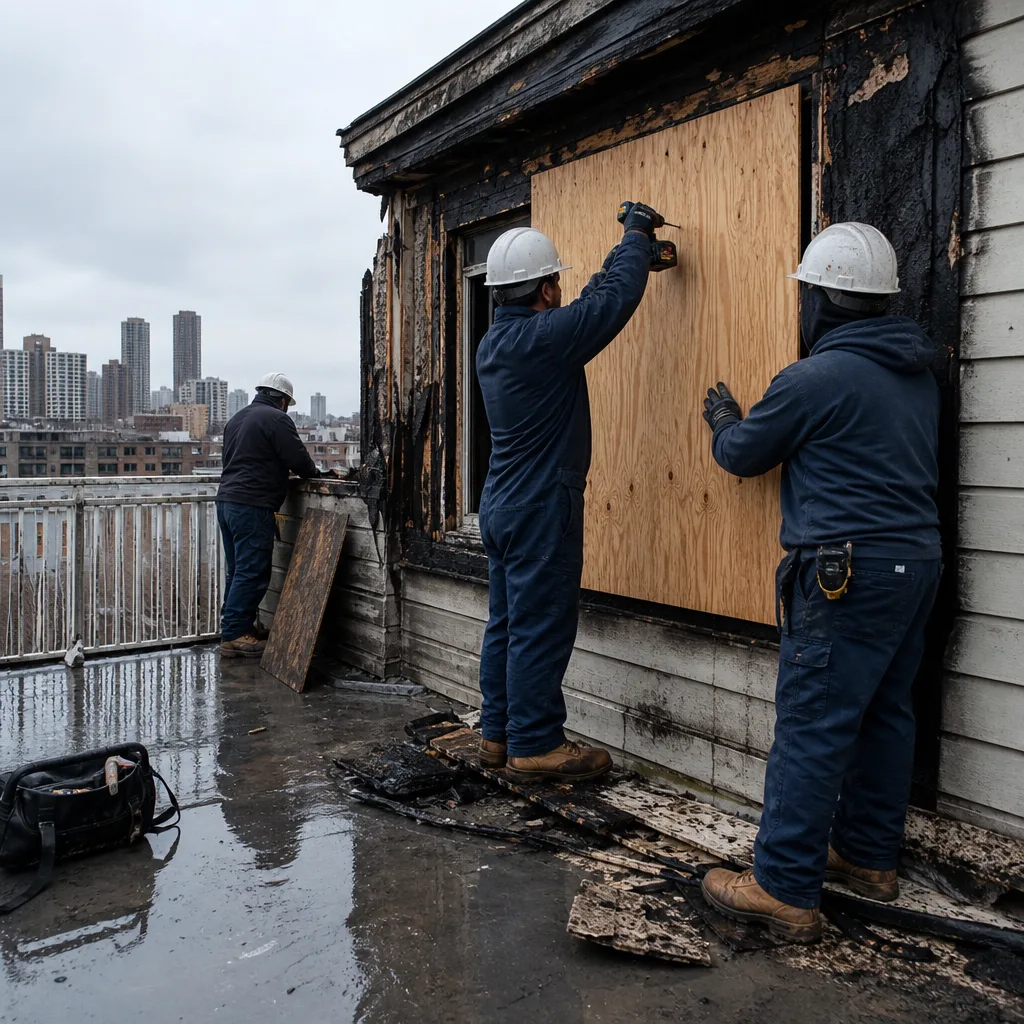
We handle crime scene remediation after police have released the property. Blood and other biological material are extracted, removed, and disinfected under full containment. In NoHo, that often means preserving original finishes where possible while ensuring nothing pathogenic remains in porous wood, brick, or plaster.
Trauma & Unattended Death Cleanup
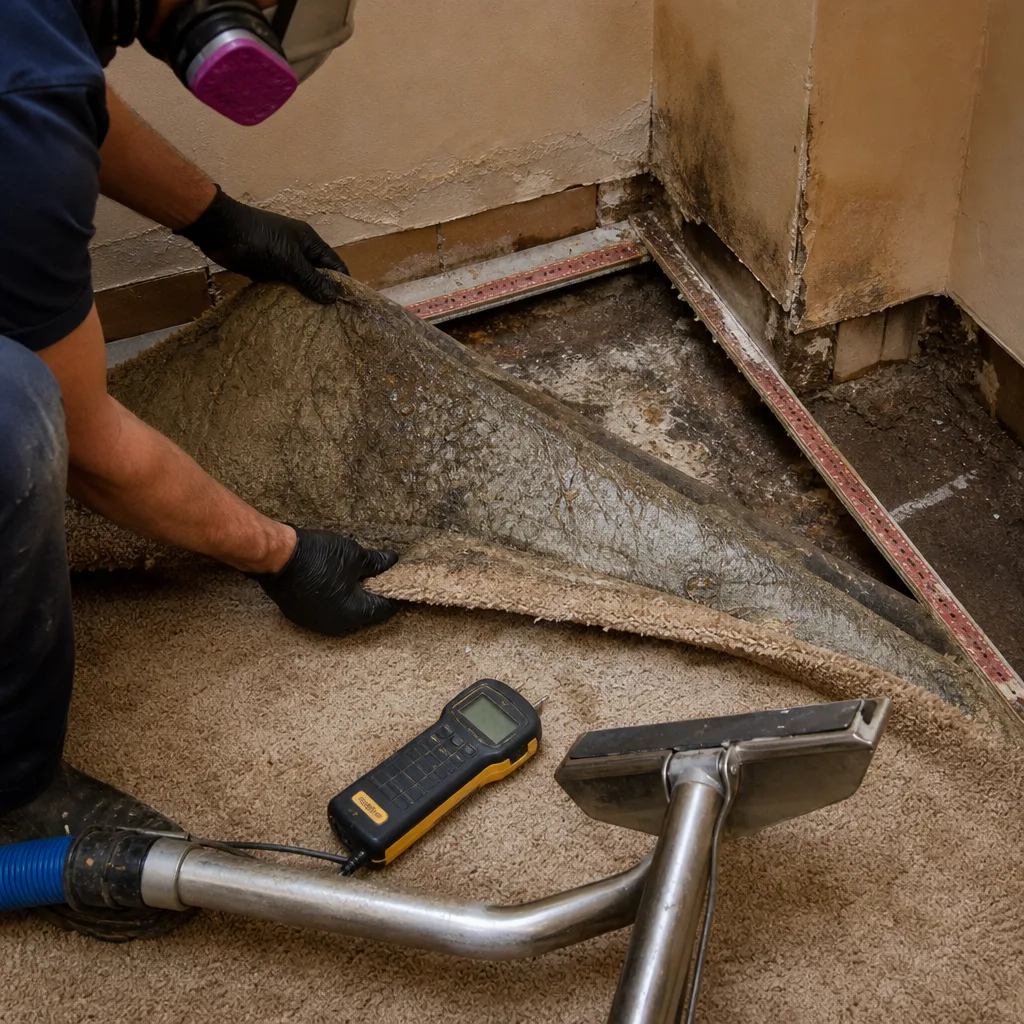
Unattended deaths in NoHo lofts present specific challenges: decomposition fluids on wide-plank floors, odor migration through masonry walls, and the need for rapid but careful remediation. We do this work with respect, discretion, and complete containment. The family never sees the details.
Hoarding Cleanup
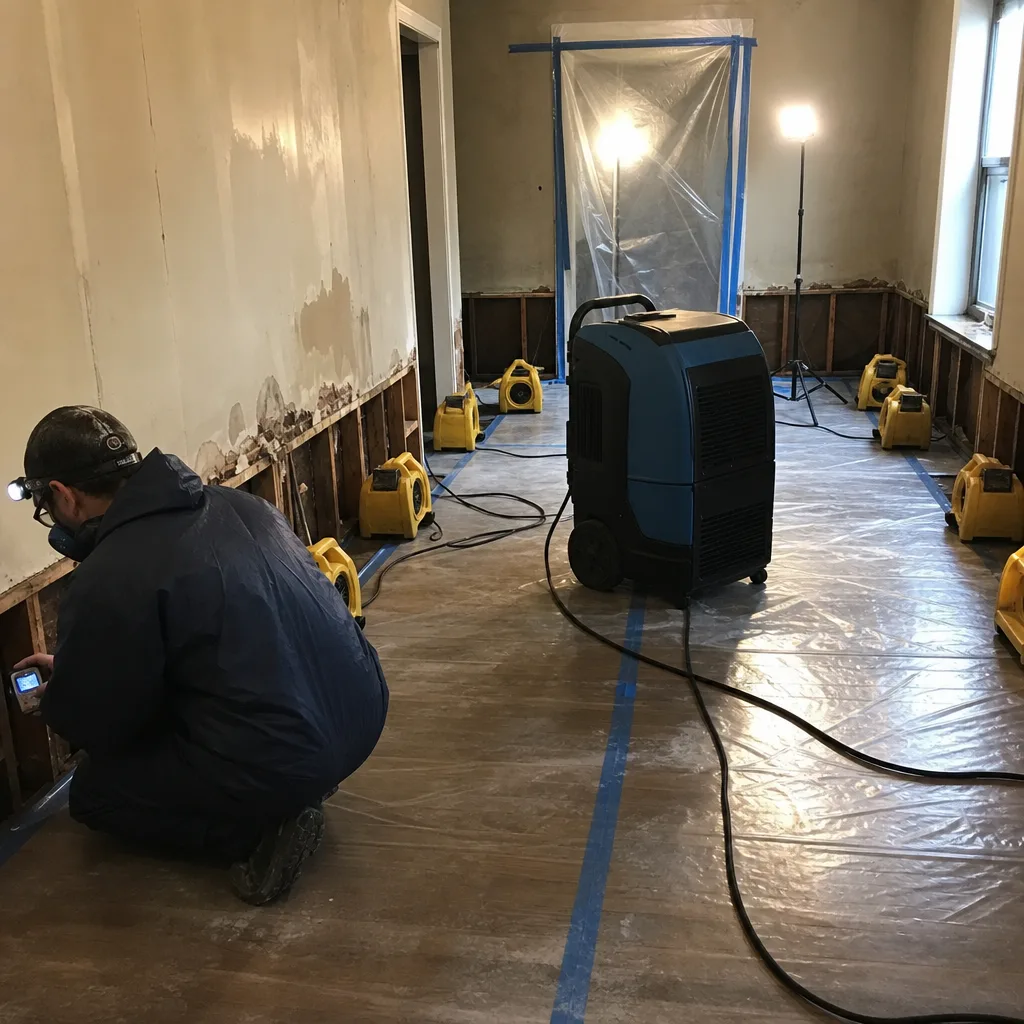
Hoarding situations in cast-iron loft buildings often involve years of accumulated material, structural loading concerns, and biohazard contamination from waste or pest activity. We clear, sort with sensitivity to savings and valuables, and then remediate the underlying contamination. Full documentation for your carrier or building management.
Blood & Bodily Fluid Cleanup
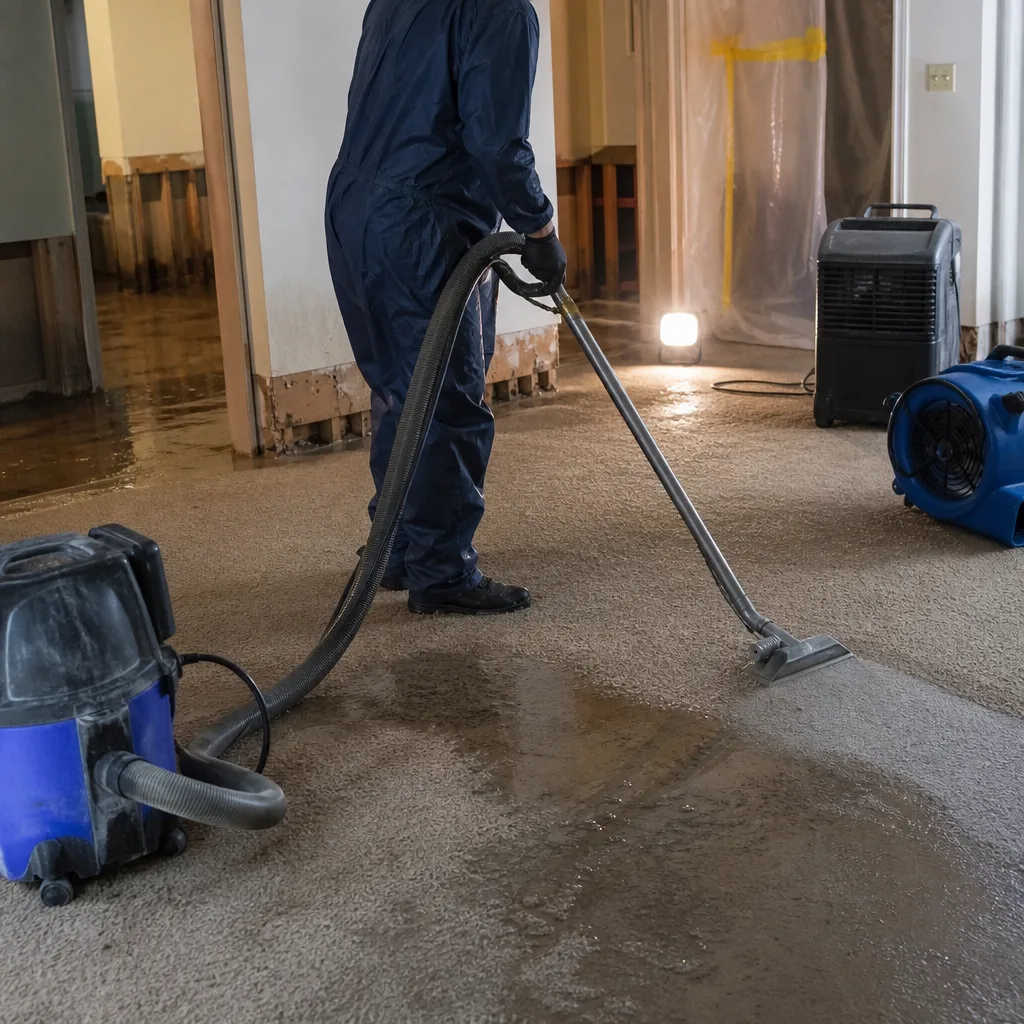
Blood and bodily fluids are medical waste and require proper handling, transport, and disposal under regulatory standards. We treat every blood cleanup as a bloodborne pathogen risk, with full PPE, containment, and documented disposal. Porous materials that cannot be fully sanitized are removed, not painted over.
Infectious Disease Disinfection
When a NoHo property has been exposed to MRSA, C. diff, COVID-19, or another infectious disease, we provide targeted disinfection using EPA-registered products applied to industry standards. This includes high-touch surfaces, air treatment, and documentation of the process for tenants, employees, or building management.
What happens when you call
- 1
A real person answersNo phone trees - you reach a local pro.
- 2
You get an upfront price rangeHonest numbers before anyone is dispatched.
- 3
A background-checked tech heads outLicensed & insured, dispatched right away.
- 4
You approve before work beginsNothing starts until you say go.
Biohazard & Crime Scene Cleanup Costs in NoHo, NY
Crime scene and trauma cleanup in NoHo typically runs $1,800 to $6,500 for a contained single-room blood or bodily fluid incident. An unattended death with decomposition fluids and odor remediation through a wide-plank floor runs $4,000 to $12,000, depending on how far the contamination migrated and whether original flooring can be saved. Hoarding cleanup in a cast-iron loft, including sorting, disposal, and biohazard remediation, starts around $3,500 and commonly reaches $15,000 or more on severe cases with pest residue and structural loading. Infectious disease disinfection for a typical 1,500-square-foot loft runs $800 to $2,500. What moves the price: containment complexity, whether masonry wall cavities are involved, the level of LPC compliance required, and the salvageability of historic materials. The free visual inspection is how we turn those ranges into a firm, written number before any work starts. And when insurance is involved, our direct billing means the adjuster sees the same line-item scope you approved, not a different set of numbers.
We Also Serve Cities Near NoHo
Floodline Restoration Co. of Manhattan serves the entire lower Manhattan corridor and the surrounding boroughs. If you’re in NoHo or nearby, our crews also respond to Fairview, Harrison, East Bronx, and Hunts Point. Same live dispatch, same certified crews, same written scope before work begins.
Serving NoHo, NY - Our Local Coverage Area
We’re based in the NoHo area and know this community well. Use the map below to see our service coverage - if you’re nearby, we can almost certainly help.
NoHo Biohazard & Crime Scene Cleanup Questions, Answered
Do I need Landmarks Preservation Commission approval before you can clean a biohazard inside my NoHo loft?
Not always. Cleaning and disinfection of existing surfaces typically does not require LPC review. But if we need to open a wall, remove original plaster, or disturb a landmarked masonry facade or cast-iron column, LPC review likely applies. Our technicians assess this on arrival and will tell you plainly whether the scope of work requires a landmarks filing before we touch anything structural. In many cases, we can clean and contain without any LPC involvement at all.
How do you dry a 3,000-square-foot NoHo loft with 14-foot ceilings and 18-inch party walls after a sewage backup?
It starts with accurate moisture mapping, not guesswork. We use thermal imaging and penetrating moisture meters to find how far the contaminated water has moved through the masonry and subfloor. Then we run professional-grade dehumidifiers sized for the cubic volume, Injectidry drying mats on affected wood floors, and directed air movement matched to the room geometry. In a loft with 14-foot ceilings, that means higher CFM air movers and longer run times than a standard apartment. We don’t pull equipment until daily readings confirm the structure has returned to pre-loss dry standard.
Can you remove blood from original wide-plank wood floors without sanding through the historic surface?
In many cases, yes. Blood that has not deeply penetrated the wood can be cleaned with enzyme treatments and gentle agitation that preserve the patina. Blood that has soaked through the plank into the subfloor usually requires board-level removal and material-in-kind replacement. We test first. We never sand through an original floor surface without confirming that’s the only option, and any replacement board gets documented for LPC compliance if the building is landmarked.
Is a hoarding cleanup in a NoHo cast-iron building more complicated than in a regular apartment?
Almost always. The structural loading on wide-span wood floors, the difficulty of access through narrow stairwells or small freight elevators, and the presence of masonry wall cavities that can harbor pest waste and odor all add complexity. Many NoHo hoarding jobs also involve co-op or condo boards with specific rules about work hours, waste removal routes, and access protocols. We coordinate all of that.
What happens if a biohazard is found inside a wall cavity I can’t legally open?
If the wall is original masonry, cast iron, or otherwise protected by the NoHo Historic District, we don’t open it without LPC review. Instead we map the contamination with thermal imaging and moisture meters, then use targeted access points that minimize impact: baseboard removal, small access panels in non-original areas, or injection-based disinfection where appropriate. If the contamination requires full wall access, we document it, advise you of the LPC path, and proceed only with the proper approvals. You won’t face a surprise landmarks violation because we checked before cutting.
How fast can you actually get to a NoHo property?
Our 45-minute response commitment covers the NoHo area. We dispatch from our New York City office, and crews are on call 24 hours a day. A live dispatcher answers your call, confirms the address, and gets a certified technician moving. Night calls are not sent to voicemail.
Will my insurance cover biohazard cleanup, or is this out of pocket?
Most biohazard and unattended death cleanups in NoHo are covered losses under homeowner’s, co-op, condo, or commercial policies. The exact coverage depends on the cause and your policy language. We document every step, bill the carrier directly, and speak with the adjuster on your behalf. Many of our NoHo clients pay nothing out of pocket beyond their deductible. Call (917) 924-4221 and we’ll walk through what your policy likely covers before any work is scheduled.
What should I do in the first 30 minutes after discovering a biohazard situation?
Do not enter the affected area. Close off access, keep children and pets away, and do not attempt to clean anything yourself: bloodborne pathogens and decomposition fluids require professional containment and disposal. If it’s an emergency involving law enforcement or a death, follow their instructions first. Then call us at (917) 924-4221. We’ll talk you through immediate steps and get a crew dispatched.
Written by Curt Bowman, Owner at Floodline Restoration Co. of Manhattan, serving NoHo and the surrounding boroughs with full-cycle restoration and reconstruction since 2010. Call (917) 924-4221 for a free estimate.