
Free visual inspection and a written scope of work before any mitigation begins - photos, moisture readings, and drying logs go in your claim file
The scope we write is the scope we bill. Anything new gets shown to you, in writing, before we touch it.






 Before
 After
After Before
 After
After Before
 After
After24/7 Emergency Biohazard & Crime Scene Cleanup in Northwest Yonkers
When a biohazard or crime scene situation happens in Northwest Yonkers, you need a crew that answers the phone at 3 a.m., arrives within the hour, and starts containment before contamination spreads through shared walls, floors, and drain lines common in this part of Yonkers. Floodline Restoration Co. of Manhattan serves Northwest Yonkers with live dispatch 24 hours a day, 7 days a week. Our Biohazard & Crime Scene Cleanup team works from the first minute to secure the scene, document what happened for the insurance carrier, and remove blood, bodily fluids, and any other infectious material under strict containment protocols. Call (917) 924-4221 now and a real person answers. After an unattended death, trauma, sewage backup, or hoarding collapse in a pre-war brick building, the first hour shapes what gets saved and what gets torn out. The sooner we start, the less it costs.
Understanding Biohazard & Crime Scene Cleanup Severity in Northwest Yonkers Properties
Northwest Yonkers’s building stock changes what “biohazard cleanup” means on the ground. Most of the housing along Nepperhan Avenue, around Ashburton Avenue, and through the numbered side streets dates from 1910 to 1945: three-to-six-family brick and wood-frame buildings with original cast-iron drain stacks, lath-and-plaster walls, and shared corridors. When blood, bodily fluids, or decomposition fluids enter a floor assembly in one of these buildings, they do not stay in one apartment. Lateral wicking draws fluid along old wood lath and plaster keys. Shared vent stacks let airborne pathogens travel between units. A Category 3 water loss (sewage, blood, or standing water contaminated with human waste) requires full containment, removal of affected porous materials to a stud cavity, antimicrobial treatment of all framing, and clearance testing under IICRC S500 and RIA standards, not just a mop and a spray bottle. In these older buildings we also routinely encounter asbestos in pipe insulation and flooring and pre-1978 lead paint, both of which trigger testing and abatement requirements before demolition or structural drying can legally proceed. This is not a cosmetic cleanup. It is a structural remediation, and the age of the building dictates every move.
Why Northwest Yonkers Property Owners Choose Floodline Restoration Co. of Manhattan
- 45-minute response commitment. Our crews stage in and around Northwest Yonkers and reach most addresses near Saw Mill River Road, Nepperhan Avenue, and the low streets off McLean Avenue inside 45 minutes, day or night.
- 24/7 live answer. A real person, never an automated system. When you call (917) 924-4221 at 2 a.m., a dispatcher picks up. No prompts, no recordings, no “leave a message.”
- IICRC-certified crews trained to WRT, FSRT, and AMRT standards. Background-checked, uniformed technicians who have handled trauma, unattended death, hoarding, and infectious disease scenes in pre-war buildings.
- Free visual inspection. Before any work begins, we walk the scene, map the contamination, and tell you plainly what needs to happen. No charge for the assessment.
- Direct insurance billing. We document from the first hour, send the carrier a line-item scope, and bill them directly. You do not play messenger between Floodline and the adjuster.
- One team from first response to final rebuild. We extract, contain, dry, sanitize, and reconstruct. No mid-job handoff to an unknown crew. The same certified technician who reads the moisture map on day one reads daily readings until the dry standard is met.
Our Biohazard & Crime Scene Cleanup Process
Inspection & Assessment
We start by mapping the scene: where fluids went, how far they wicked, what building materials absorbed them, and whether shared wall cavities, drain stacks, or corridors are involved. In Northwest Yonkers’s older multi-families, this frequently means inspecting adjacent units on the same plumbing stack. We use thermal imaging and hygrometers to find moisture that is not visible.
Extraction & Stabilization
We remove affected porous materials (carpet, pad, partial drywall, some plaster) under containment, using HEPA-filtered negative air machines to prevent cross-contamination to common hallways or neighboring apartments. On scene, we follow all required lead and asbestos protocols for pre-1978 buildings.
Drying & Dehumidification
Dri-Eaz and Phoenix air movers and dehumidifiers are placed with a moisture map, not guesswork. Daily readings are logged in writing. The drying goal is set to a specific moisture content standard for each material, and we give the log to you and your carrier.
Cleaning & Sanitization
All affected framing and remaining structural materials receive antimicrobial and hospital-grade disinfectant treatment appropriate to the pathogen involved (bloodborne pathogens, decomposition bacteria, viral contaminants). Soft goods are either professionally sanitized or documented and discarded under regulated biohazard waste procedures.
Specialty Biohazard Treatment
For trauma and unattended death scenes, we coordinate with law enforcement and the medical examiner before we enter. For infectious disease and tear gas or chemical contamination, we use specific neutralization agents and ventilation protocols. In shared-drain-stack buildings, we inspect and sanitize the common plumbing path so the next heavy rain does not recirculate contaminants into the basement.
Repairs & Restoration
Once the structure is dry and verified clean, we rebuild what was removed: drywall, plaster, trim, flooring, even the full apartment build-back. We are a licensed general contractor as well as a restoration crew, so the work never leaves our hands. The 90-Day Done Right Promise, in writing, covers the result.
Need Emergency Biohazard & Crime Scene Cleanup in Northwest Yonkers Now?
Crews minutes away, answering live 24 hours a day. The sooner we start, the less it costs.
Working With Your Insurance Company
Insurance almost always covers trauma and biohazard cleanup when a covered event caused it: an unattended death, a crime, a sewage backup, a fire that left blood-borne or chemical residue behind. The carrier needs documentation. From the first hour on scene, we photograph the loss room by room, log moisture readings in shared wall cavities and floors, and produce a line-item scope of work that adjusters recognize as industry-standard. We write estimates in the same format the carrier uses. You will not be left to explain technical drying standards or argue about whether plaster needs removal. Our team talks to the adjuster directly, emails the drying logs, and handles the back-and-forth. Where the building is a pre-war multi-family with shared utilities, we document the adjacent-unit spread so the whole claim is covered from the start, not reopened later.
What We Provide Your Insurer
- Thorough documentation of the loss
- Photos of all damage, room by room
- Moisture readings and drying logs
- A detailed, line-item scope of work
- Direct coordination with your carrier
Built for Northwest Yonkers’s Loss Calendar
Northwest Yonkers’s biohazard calls cluster with the weather in ways a flat generic page will not tell you. In January and February, deep freezes crack cast-iron drain lines and galvanized supply pipes in these older buildings, dumping contaminated water into lower units and leaving sewage or decomposition fluids in wall cavities. Spring thaw saturates the clay-heavy soil around the Nepperhan Valley, and basement seepage turns hoarding debris into a wet, mold-breeding mass within 24 to 48 hours. The summer convective storms and nor’easters that overwhelm the Saw Mill River culvert system create rapid, simultaneous flooding along Nepperhan Avenue and the low-lying streets that run east and west off it. We know those addresses. We pre-stage equipment when the forecast calls for more than two inches of rain, because the same dozen low-lying multi-families flood together, and floodwater contaminated with sewage or household waste is a biohazard cleanup, not a drying job. When floodwater enters a basement with a hoarding situation, or forces a raw sewage backup into a first-floor apartment, the cleanup and the biohazard component are the same job. We treat them that way from the first hour.
Biohazard & Crime Scene Cleanup Across Northwest Yonkers’s Neighborhoods
The response routes and building types change from block to block. Along the Nepperhan Avenue corridor, the low-lying brick apartment buildings sit close to the old Saw Mill River channel, and every heavy rain brings water into basements and ground-floor units; biohazard calls here usually start as flood-and-sewage events. Up the numbered streets off Ashburton Avenue, the wood-frame two- and three-family houses from the 1920s have narrow stairwells and shared hallways; a trauma scene on the upper floor means containment before the first trip down the stairs, or the whole common path gets contaminated. Around the Saw Mill River Road industrial edge, we handle unattended-death and hoarding jobs in buildings with commercial basements; working around live utilities and old fire walls changes the containment plan. And in the small pockets of post-war attached housing closer to the Bronx line, construction is newer but the lots are tight, and access for negative-air exhaust is a constant problem we solve with portable HEPA scrubbers placed on the shared porch or fire escape. In every one of these areas, the same rule holds: in a building sharing a drain stack and a party wall, a biohazard cleanup is never a one-unit job until we prove it is.
Specialized Biohazard & Crime Scene Cleanup Services We Offer in Northwest Yonkers
Crime Scene Cleanup
After law enforcement releases the scene, we take over. Blood, bodily fluids, and fingerprint dust on every surface require containment, controlled removal, and final clearance testing. In Northwest Yonkers’s older buildings, that usually means cutting out contaminated lath and plaster and treating the framing behind it, then rebuilding the wall. We work with your carrier on the whole claim.
Trauma & Unattended Death Cleanup
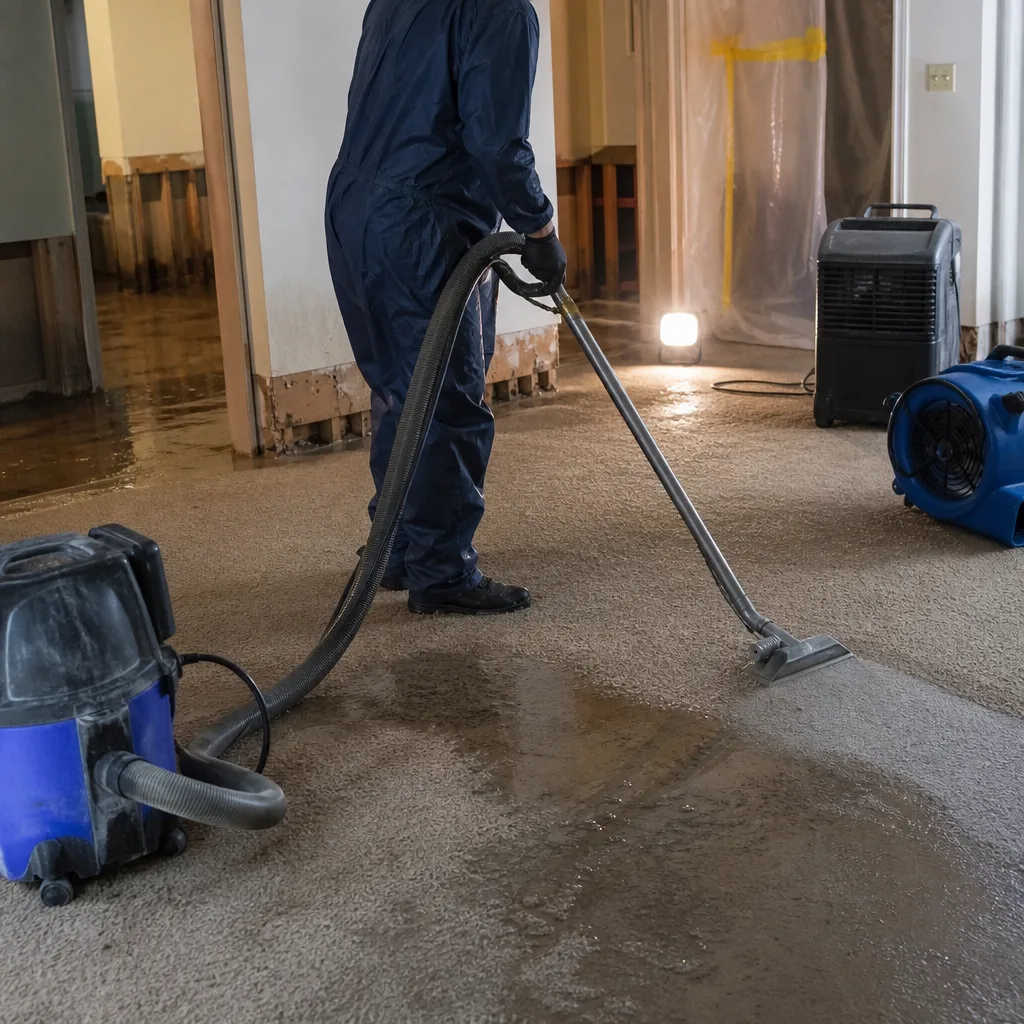
Unattended death scenes in pre-war apartments are the jobs where shared wall cavities and aging cast-iron drain lines matter most. Decomposition fluids move through floorboards, wick into adjoining plaster, and follow the slope of old framing into the unit below. We establish containment before we remove anything, inspect the path of fluid migration, and dry the affected cavities with daily moisture logging. After an unattended death in a third-floor unit off Nepperhan Avenue, our crew found Category 2 water in the shared wall cavity from a failed cast-iron drain line, not from the scene itself. We coordinated pack-out and structural drying across two adjoining units, applied antimicrobial treatment to all affected framing, and documented drying logs to restore pre-loss condition.
Hoarding Cleanup
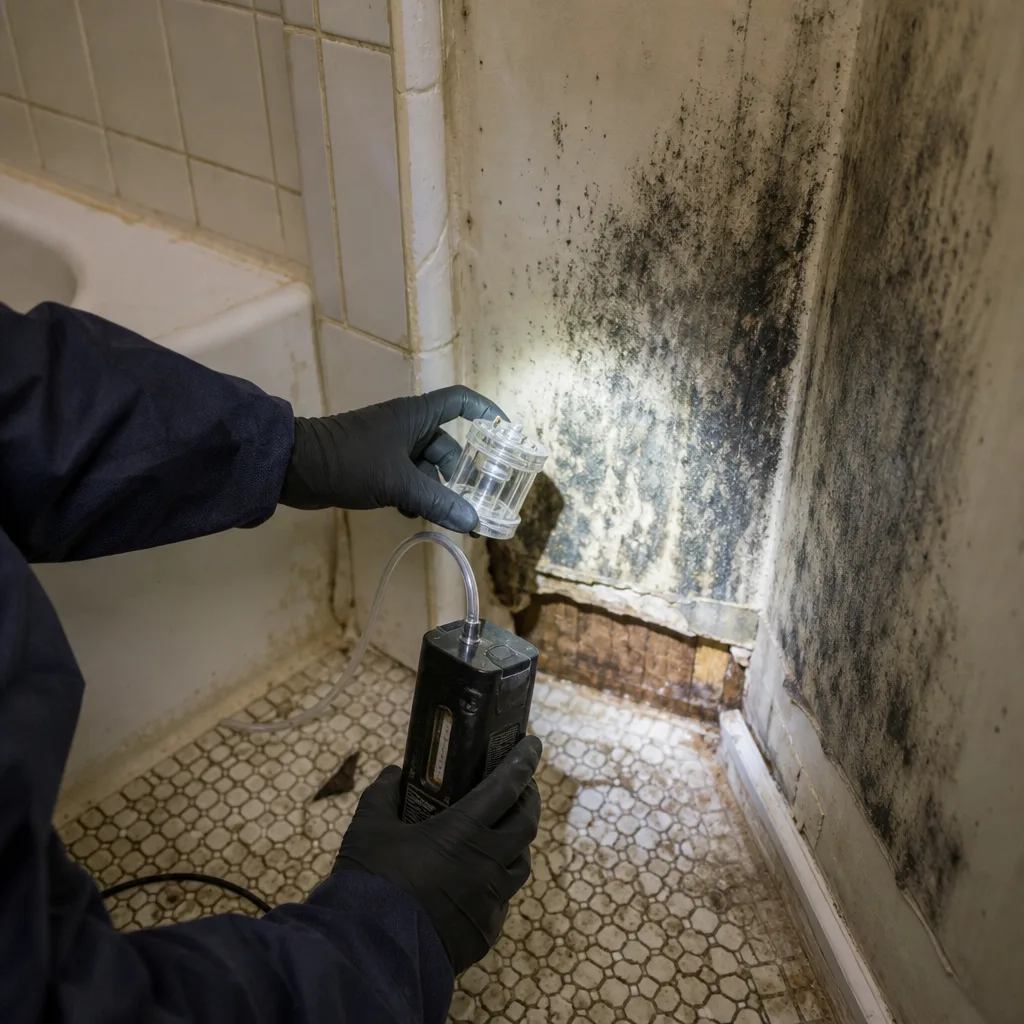
Hoarding cleanup in Northwest Yonkers often starts in a basement that floods seasonally. Wet debris, animal waste, and decayed organic material breed mold within 24 to 48 hours. We do not just haul. We sort what is salvageable, what is not, and what needs regulated disposal; we wear the right PPE; and we coordinate with the landlord, the tenant, and the carrier on who receives what documentation. When the basement is in the Nepperhan Valley flood path, we also talk through waterproofing and drain repair so the cleanup is not undone in the next heavy rain.
Blood & Bodily Fluid Cleanup
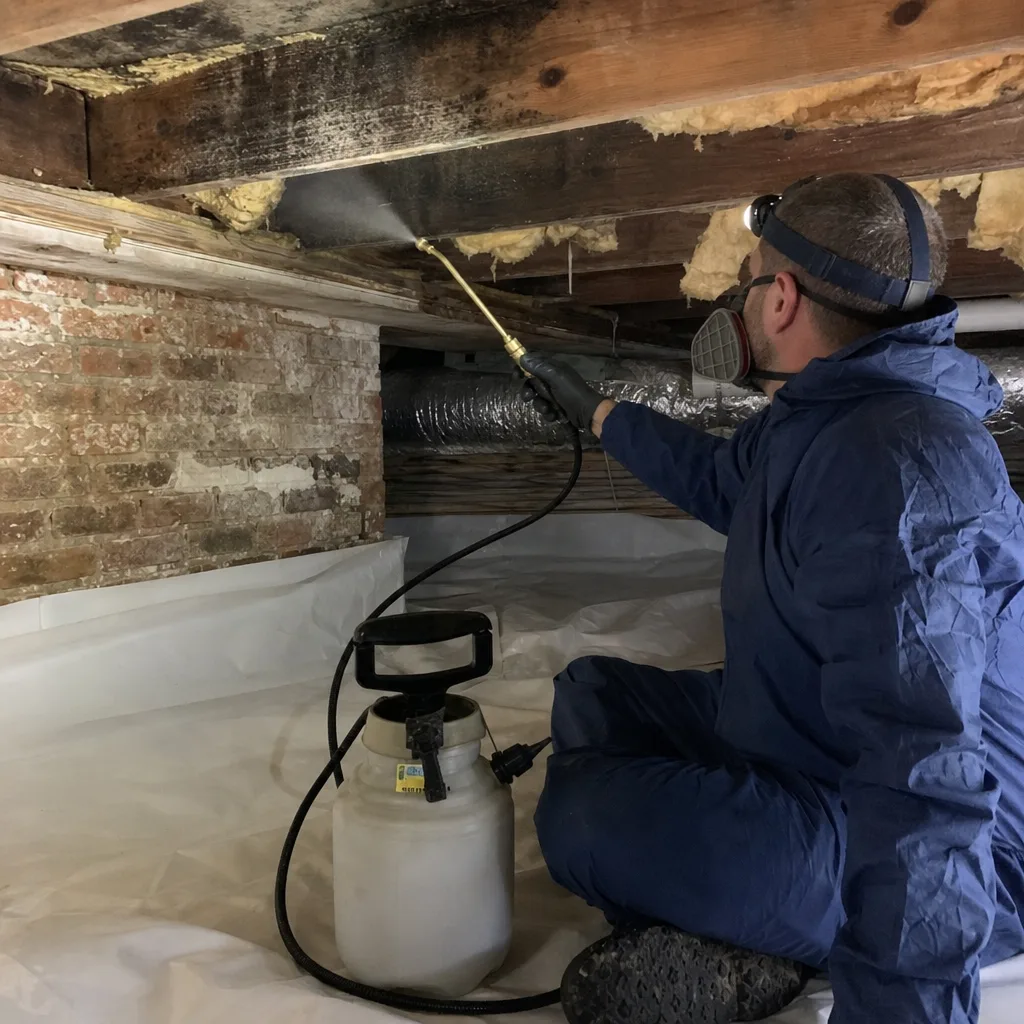
Bloodborne pathogen cleanup follows OSHA 29 CFR 1910.1030 protocols. Every porous surface touched by blood or bodily fluid gets removed or professionally sanitized; every non-porous surface gets hospital-grade disinfection. In these older buildings, attention goes to the weird paths: the crack in the baseboard, the gap under the door saddle, the old air return grate. We find those and treat them, or we know the job is not done.
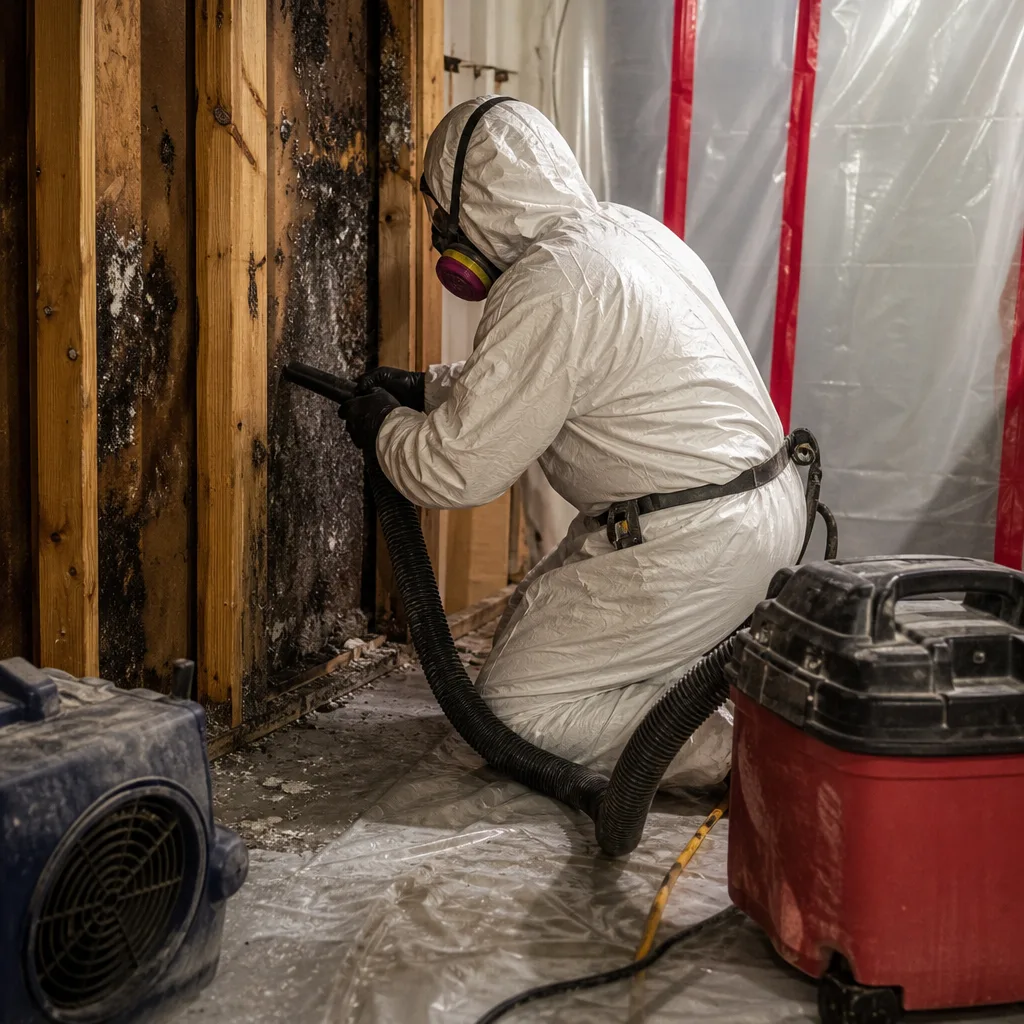
Infectious Disease Disinfection
We disinfect whole units and common areas after infectious disease exposure, using EPA-registered disinfectants appropriate to the specific pathogen and contact time. In a multi-family building with shared laundry, shared stairwells, and shared air paths, the common areas are not optional. We treat all of it and provide written documentation of what was treated, with what, and when.
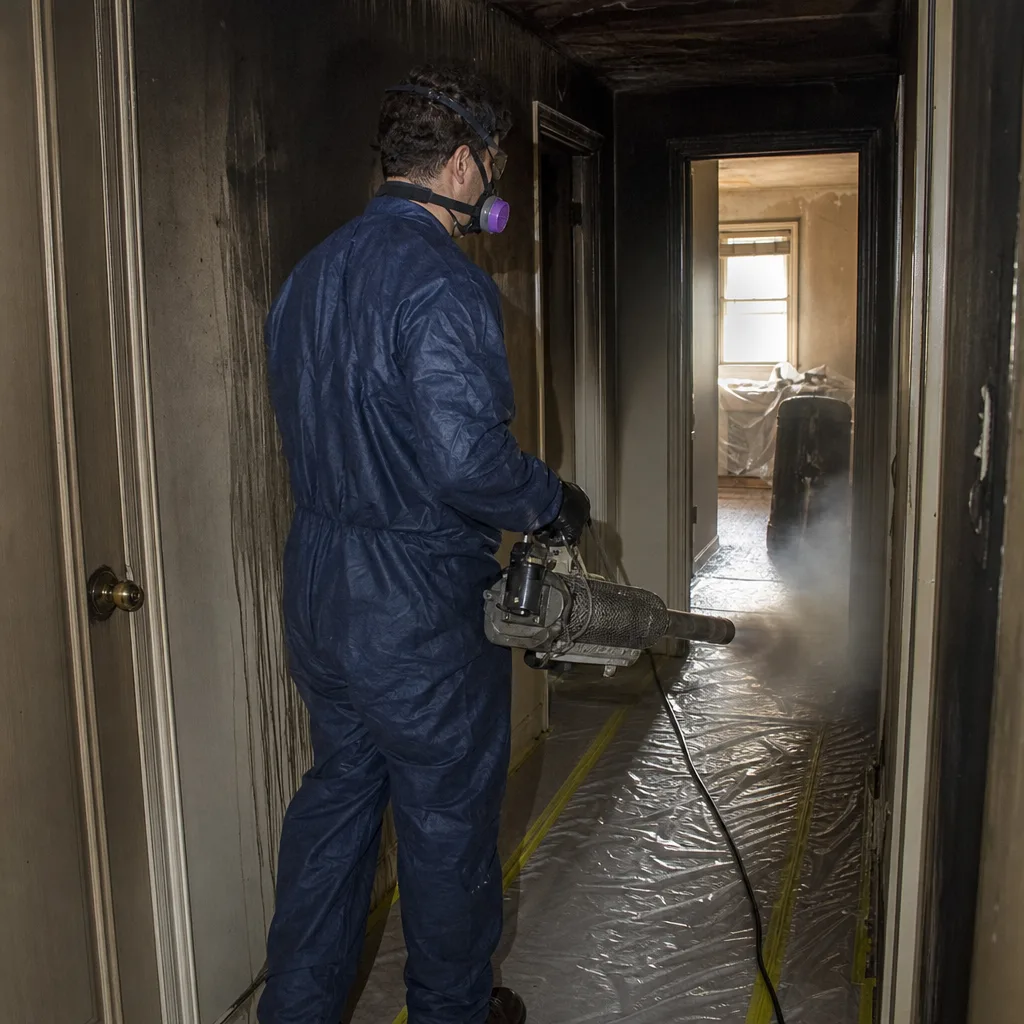
What happens when you call
- 1
A real person answersNo phone trees - you reach a local pro.
- 2
You get an upfront price rangeHonest numbers before anyone is dispatched.
- 3
A background-checked tech heads outLicensed & insured, dispatched right away.
- 4
You approve before work beginsNothing starts until you say go.
Biohazard & Crime Scene Cleanup Costs in Northwest Yonkers, NY
A biohazard cleanup in Northwest Yonkers runs from about $1,200 to $4,500 for a contained blood spill in a single room to $12,000 to $35,000 or more for an unattended death, hoarding collapse, or sewage contamination that has spread across multiple units and into shared wall cavities. The pre-war building factor is real: asbestos testing on legacy pipe insulation and flooring runs $400 to $1,200 per material sampled, lead clearance adds several hundred more, and if abatement is required before we can open a wall, the cost and timeline both increase. Insurance covers most of these cleanups when the cause is a covered event. We provide a free visual inspection, then a written line-item scope before any work starts. You know the number before we start the job. Call (917) 924-4221 for an exact quote on your Northwest Yonkers building.
We Also Serve Cities Near Northwest Yonkers
Our crews serve Northwest Yonkers and the surrounding communities, including Fairview, Harrison, East Bronx, and Hunts Point. When a loss crosses municipal lines or a landlord owns properties in two adjacent towns, one phone call puts the same certified team on all of it.
Serving Northwest Yonkers, NY - Our Local Coverage Area
We’re based in the Northwest Yonkers area and know this community well. Use the map below to see our service coverage - if you’re nearby, we can almost certainly help.
Northwest Yonkers Biohazard & Crime Scene Cleanup Questions, Answered
If a biohazard incident occurs in one unit of a 1920s brick building near Nepperhan Avenue, how quickly can it affect adjacent apartments?
Fluids from a biohazard scene can migrate into adjacent units within hours, not days. In a 1920s brick building with shared wall cavities, wood lath, and a common drain stack, blood or decomposition fluids follow the path of least resistance: down through flooring, along joists, into the plaster of the unit below or next door. Airborne pathogens move through shared ventilation and pipe chases even faster. We treat every scene in these buildings as a potential multi-unit contamination until moisture mapping and air sampling prove otherwise.
Are there legal requirements for lead or asbestos before biohazard cleanup in Northwest Yonkers’s pre-1978 buildings?
Yes. In any Northwest Yonkers building constructed before 1978, and especially in the 1910-to-1945 stock along Nepperhan Avenue and up the numbered side streets, lead paint is presumed present until testing shows it is not. Any disturbance of painted surfaces, plaster, or wood trim during demolition or structural drying triggers lead-safe work practices. Asbestos testing is required before cutting into legacy pipe insulation, old floor tile, or vermiculite. If we skip either one, the job gets shut down by the inspector and the owner pays twice. We test first. We do not open a wall without clearance.
How does the Saw Mill River flooding risk affect a hoarding cleanup in a Northwest Yonkers basement?
The low-lying basements near the old Saw Mill River channel flood when the culvert system backs up, and hoarded materials act like a sponge. Wet debris, clothing, paper, and organic matter generate mold within 24 to 48 hours, and the resulting contamination is both a hoarding cleanup and a Category 3 biohazard job. We handle both in the same scope: remove the wet material under containment, dry the basement to standard, treat the surfaces, and then recommend waterproofing or drain improvements so the next heavy rain does not start the cycle again.
Can a trauma scene in an older apartment building be dried without tearing out original cast-iron drain lines?
Usually, yes. The cast-iron drain lines themselves are rarely removed during a trauma or biohazard cleanup. We cut access only where the line is leaking or where contamination has penetrated the wall cavity around it. When the drain line has failed and is introducing sewage into the same wall cavity as the biohazard scene, that section of pipe gets replaced or repaired under the same scope. Our crews are careful with original building fabric. We remove what is contaminated and structurally compromised; we do not gut a unit for the sake of speed.
Does your team handle biohazard cleanup in multi-family buildings with shared utilities during a storm-related water event?
Yes, and this is one of the most common calls we answer in Northwest Yonkers. During a heavy rain event, sewage backups and floodwater enter multiple units at once through shared drain stacks. The water is Category 3, meaning it is contaminated with bacteria, viruses, and often human waste. We contain each affected unit, sanitize the common plumbing path, and dry to standard across all involved units with one moisture map and one drying log for the whole building. The carrier gets one clean claim file instead of four partial ones.
How fast can a crew actually get to a Northwest Yonkers address?
Inside 45 minutes for most addresses in Northwest Yonkers, including the Nepperhan Avenue corridor, the streets off Ashburton Avenue, and the areas near McLean Avenue. Dispatch is live 24/7. The phone is answered by a person, and the crew is rolling as soon as the address is confirmed. Call (917) 924-4221 and ask for the Northwest Yonkers response time on your street.
How long does a biohazard cleanup and drying job take in a typical Northwest Yonkers pre-war building?
A single-room blood spill cleanup is often finished in one day, including final clearance. An unattended death with multi-unit spread or a hoarding basement with water damage typically runs three to seven days for removal, drying, and sanitization, with repairs following separately if needed. The shared-wall and shared-drain factors in older buildings add time, because we must prove the adjacent cavities are dry and clean before we seal the walls back up.
What should I do in the first 30 minutes after discovering a biohazard scene?
Do not enter the area. Do not attempt to clean it yourself. Blood, bodily fluids, and decomposition fluids carry bloodborne pathogens, and the wrong cleaning attempt spreads contamination and makes the claim harder, not easier. Call us at (917) 924-4221 and describe what you see. We will tell you exactly what to do while the crew is en route, including securing pets and keeping other residents away from the shared hallway or stairwell.
Written by Curt Bowman, Owner at Floodline Restoration Co. of Manhattan, leading certified biohazard and crime scene cleanup crews across Northwest Yonkers since the company’s founding in 2010.