
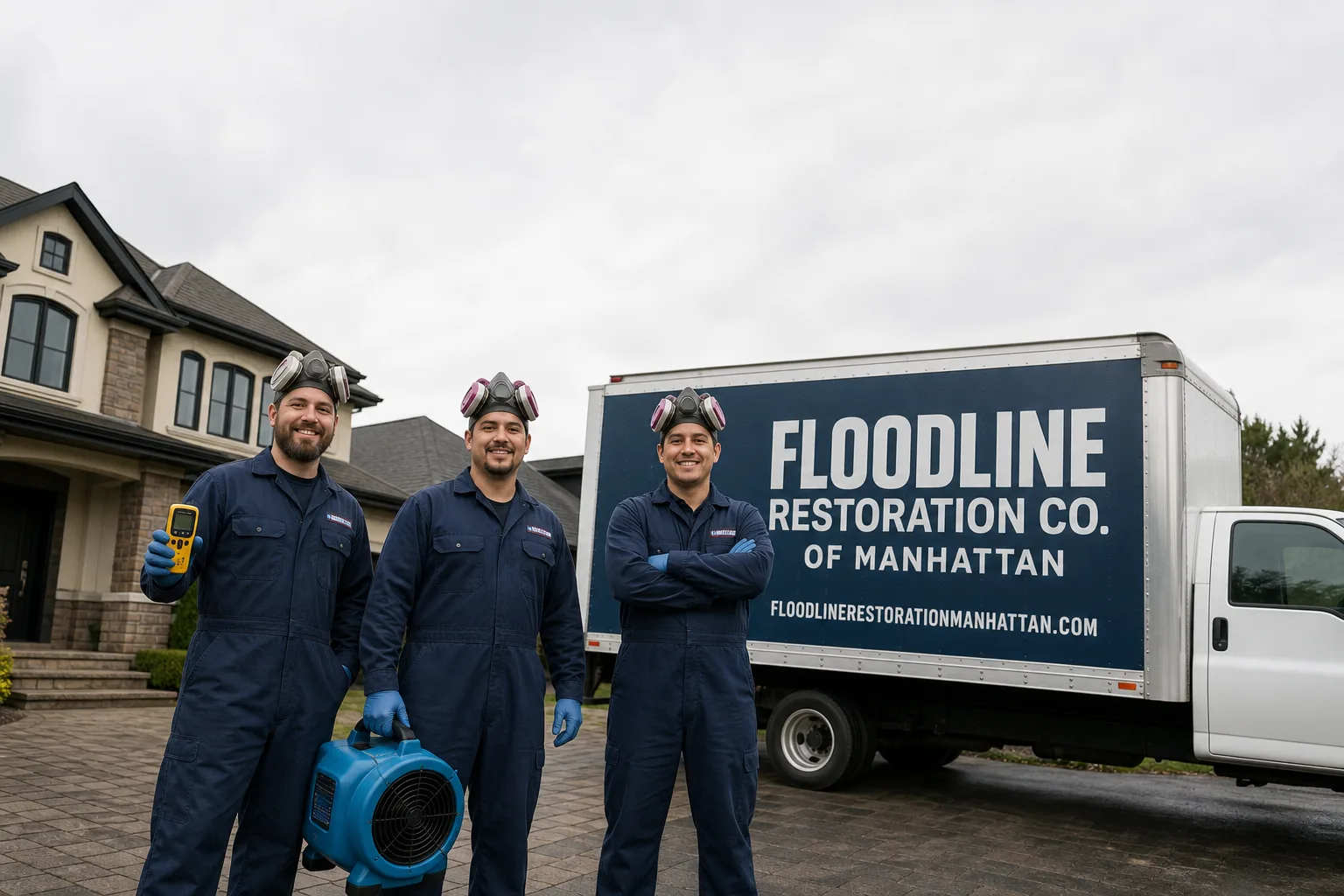
Free visual inspection and a written scope of work before any mitigation begins - photos, moisture readings, and drying logs go in your claim file
The scope we write is the scope we bill. Anything new gets shown to you, in writing, before we touch it.
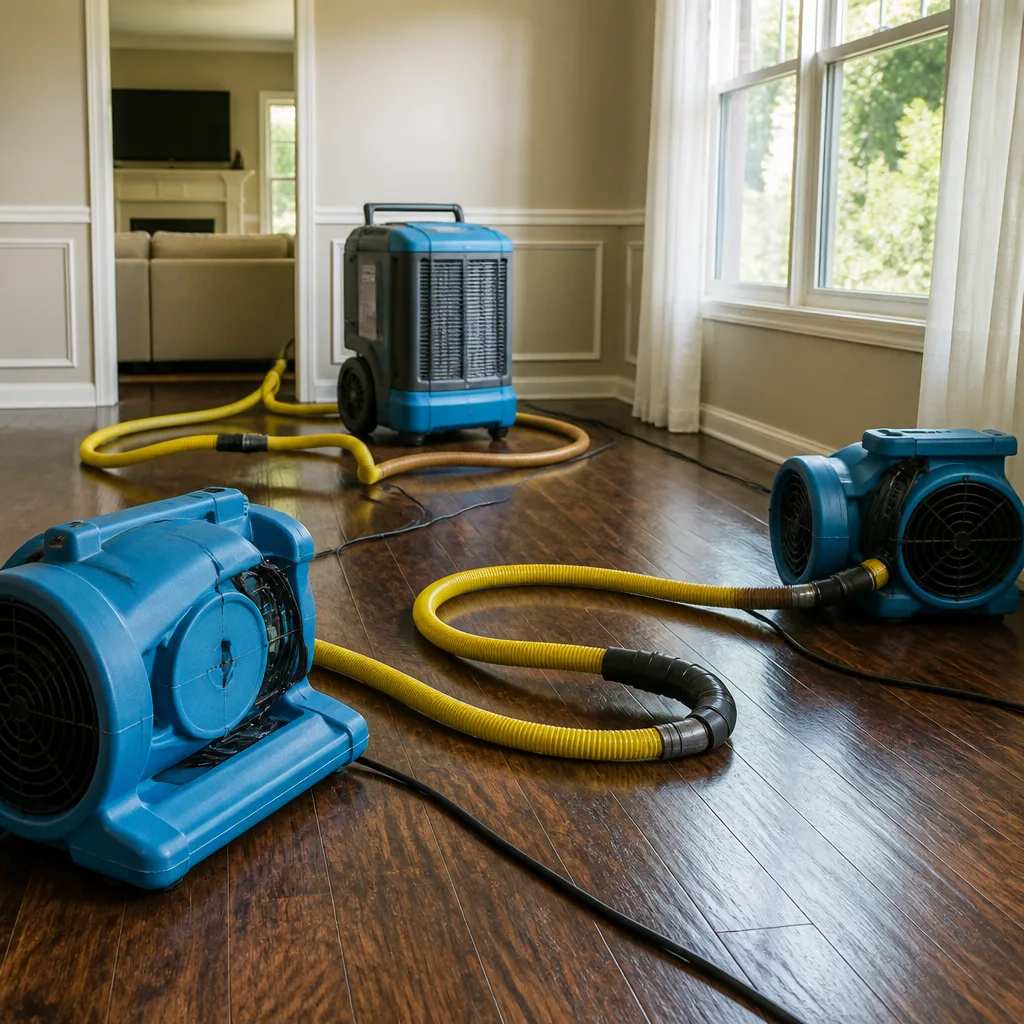
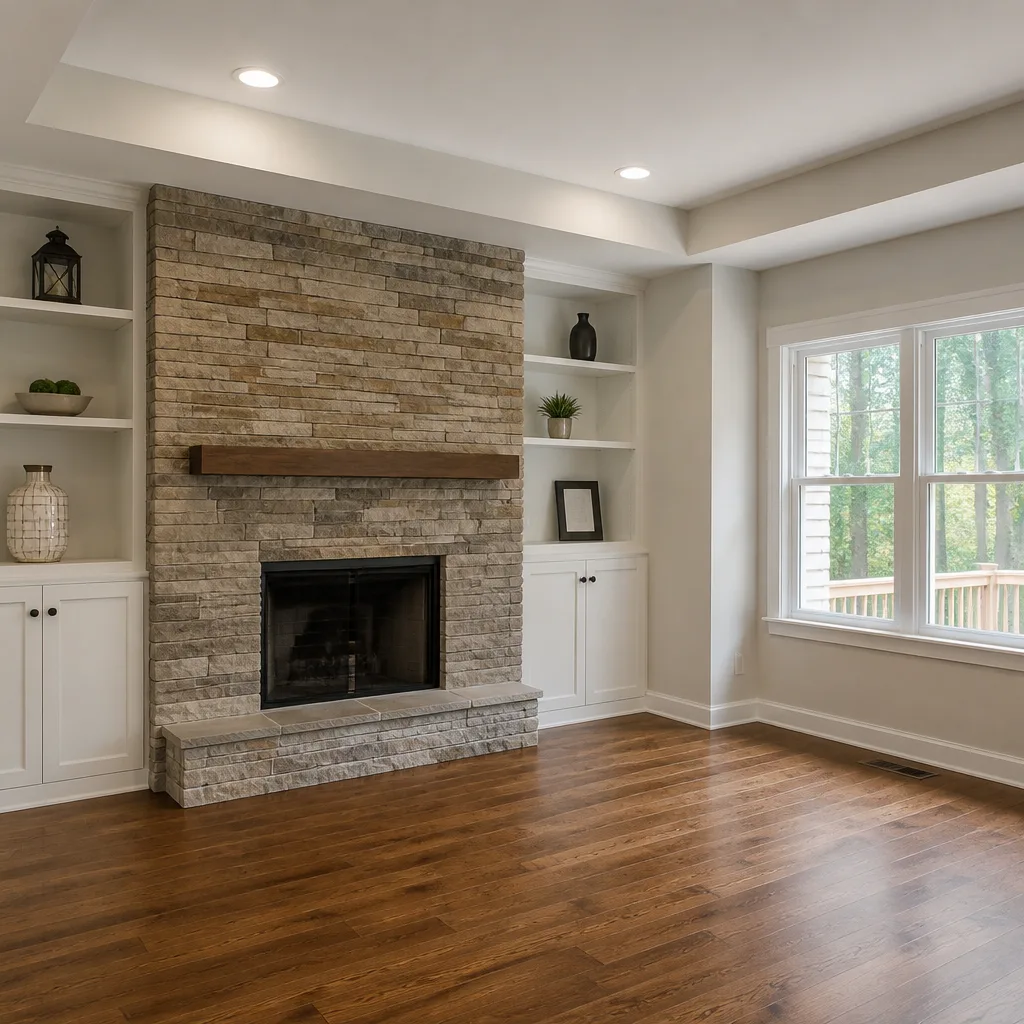
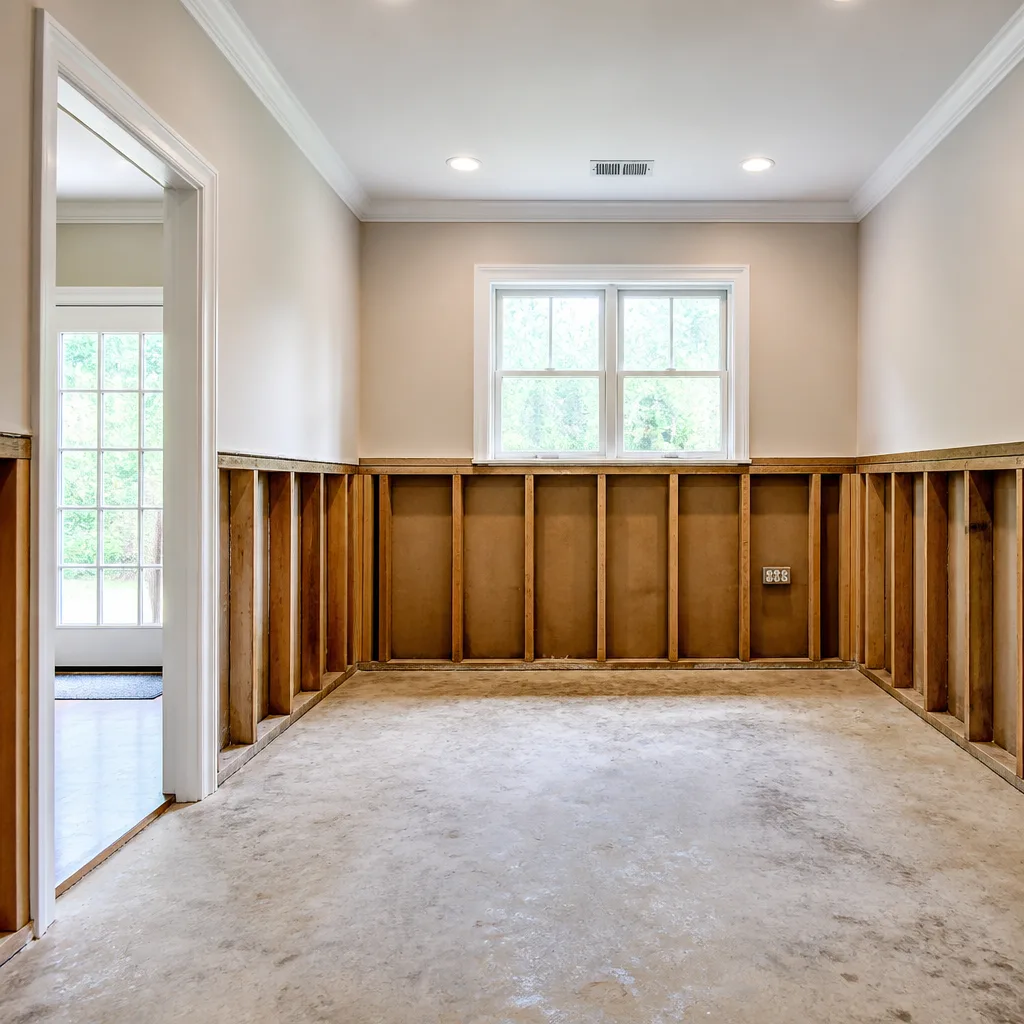

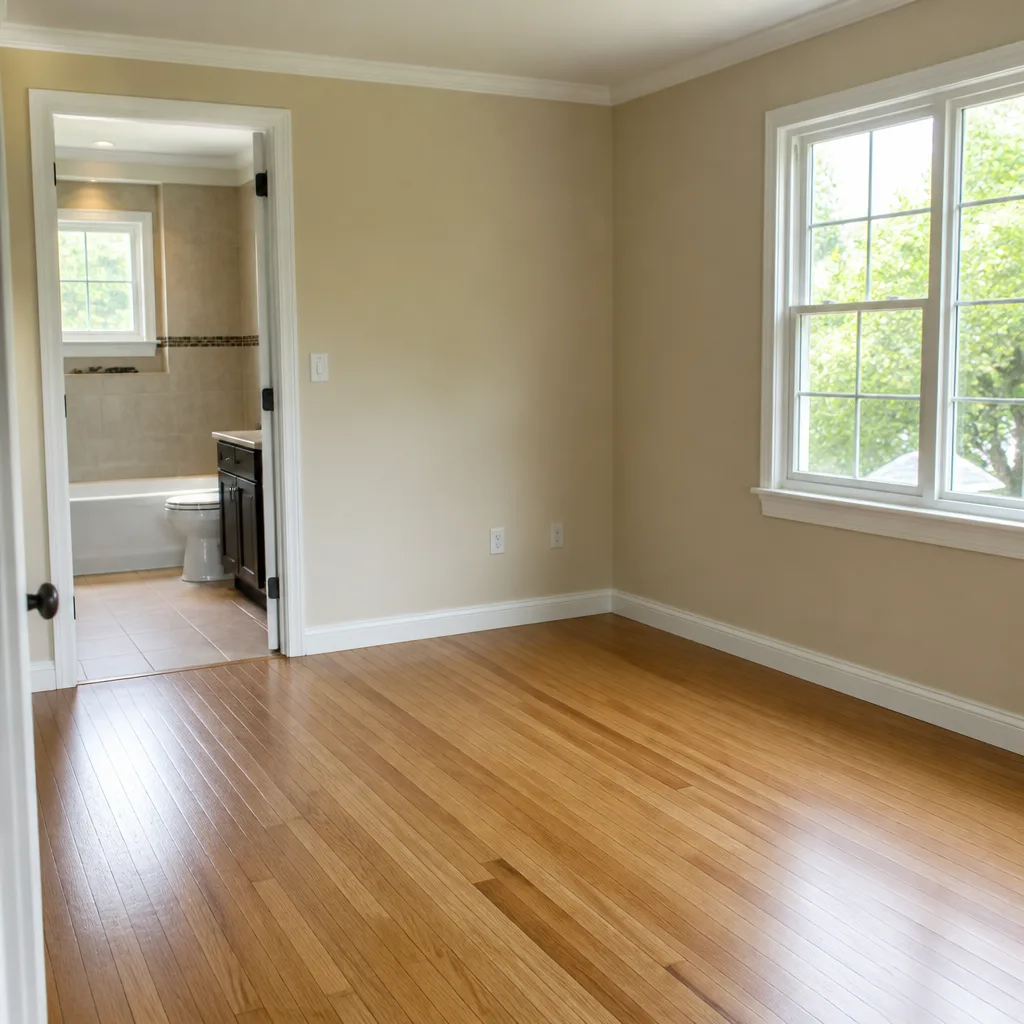
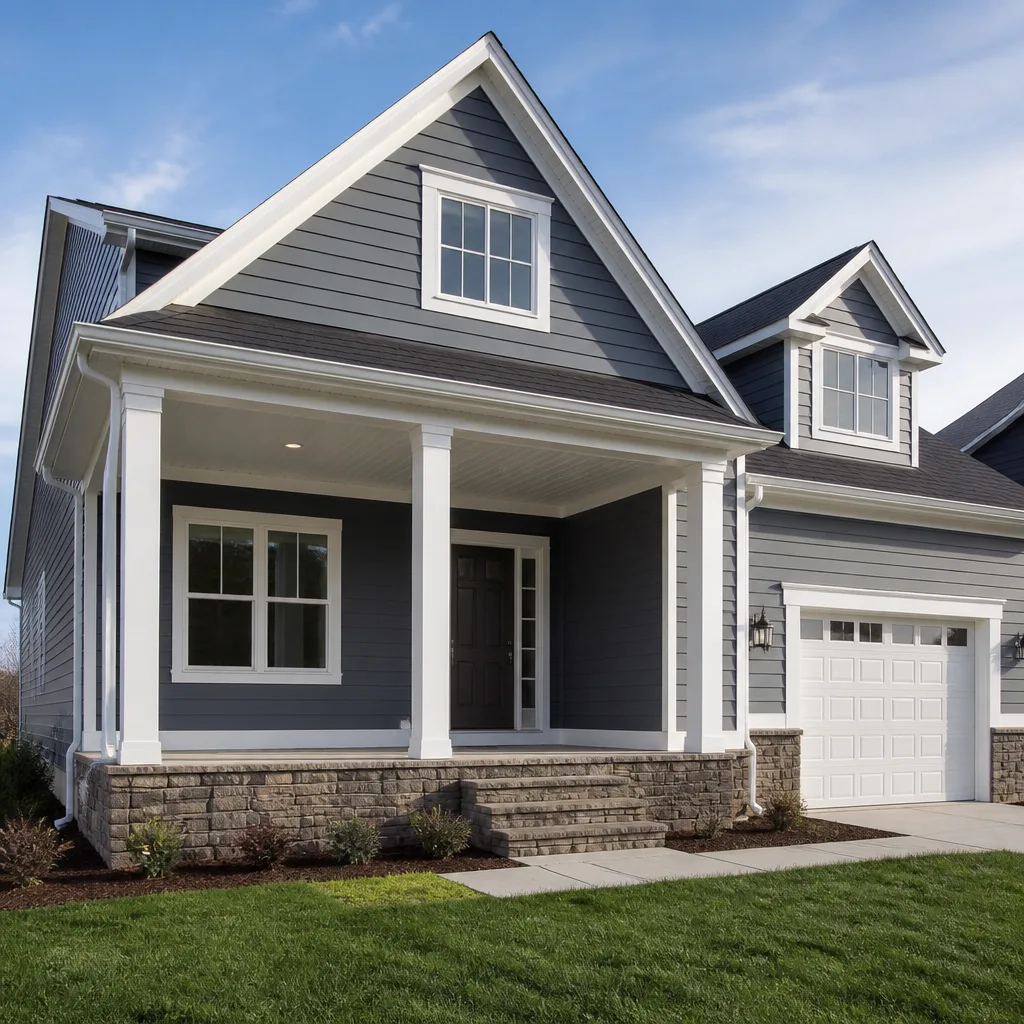
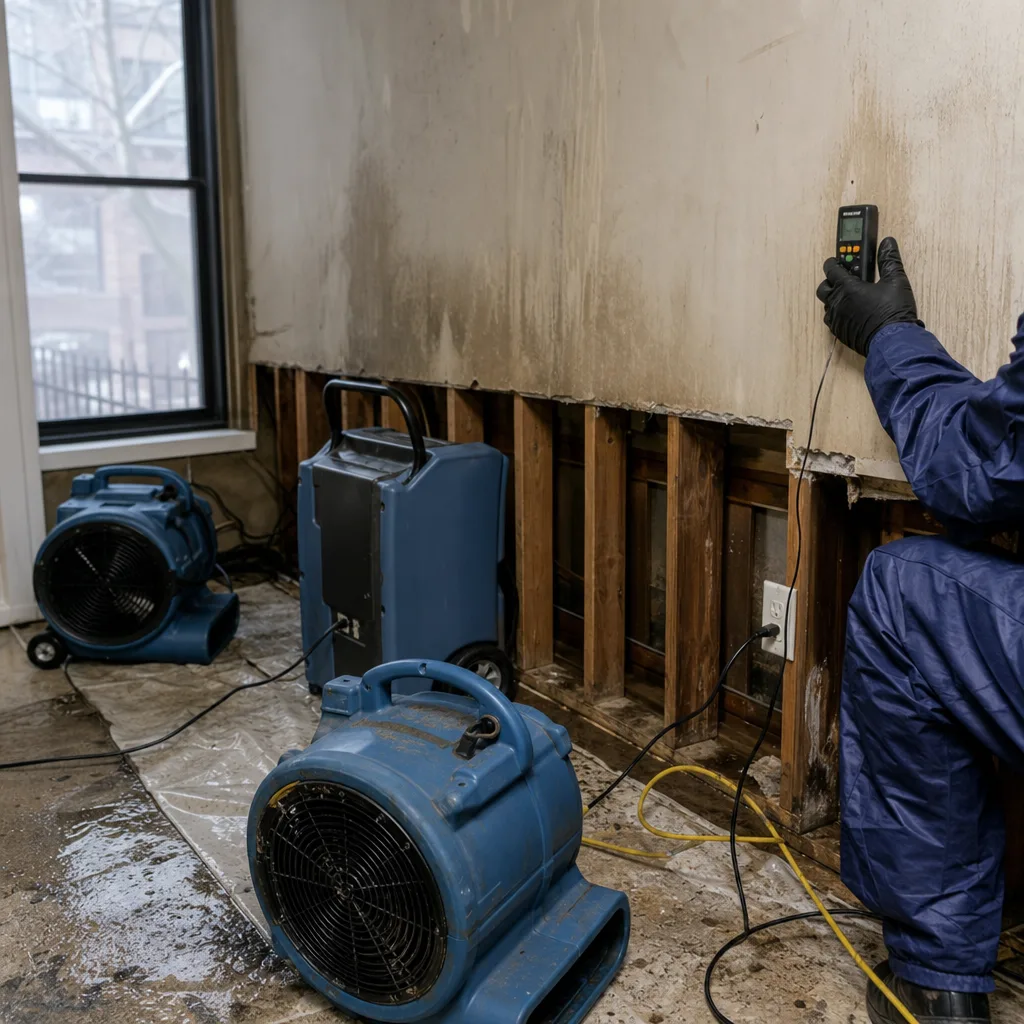 Before
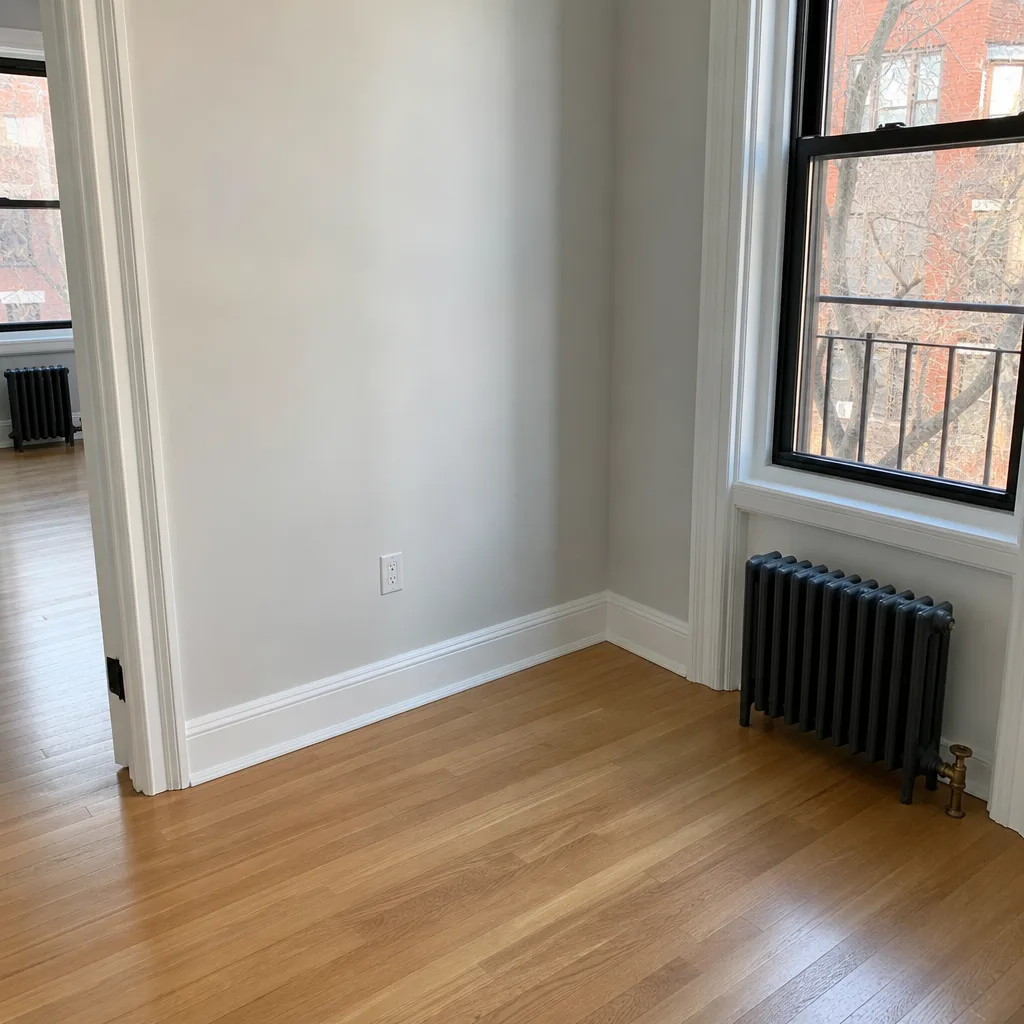 After
After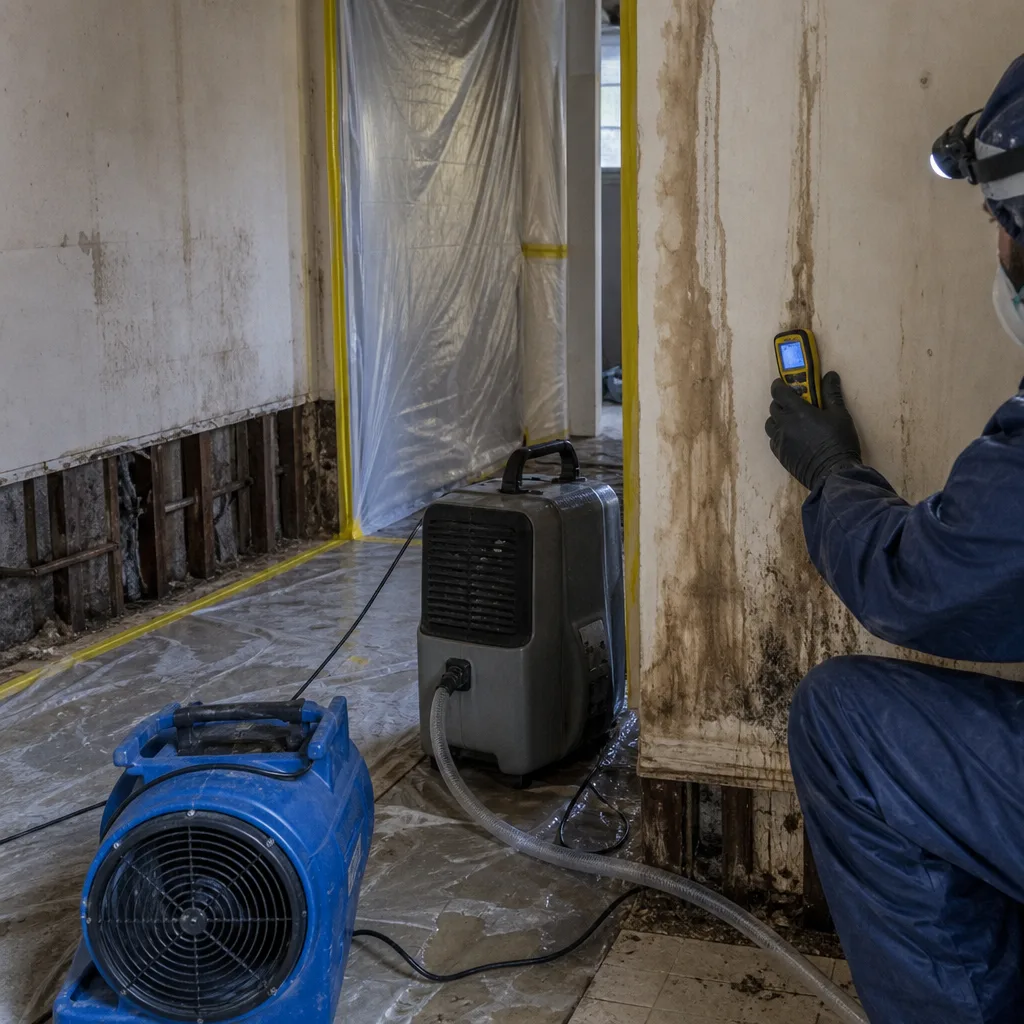 Before
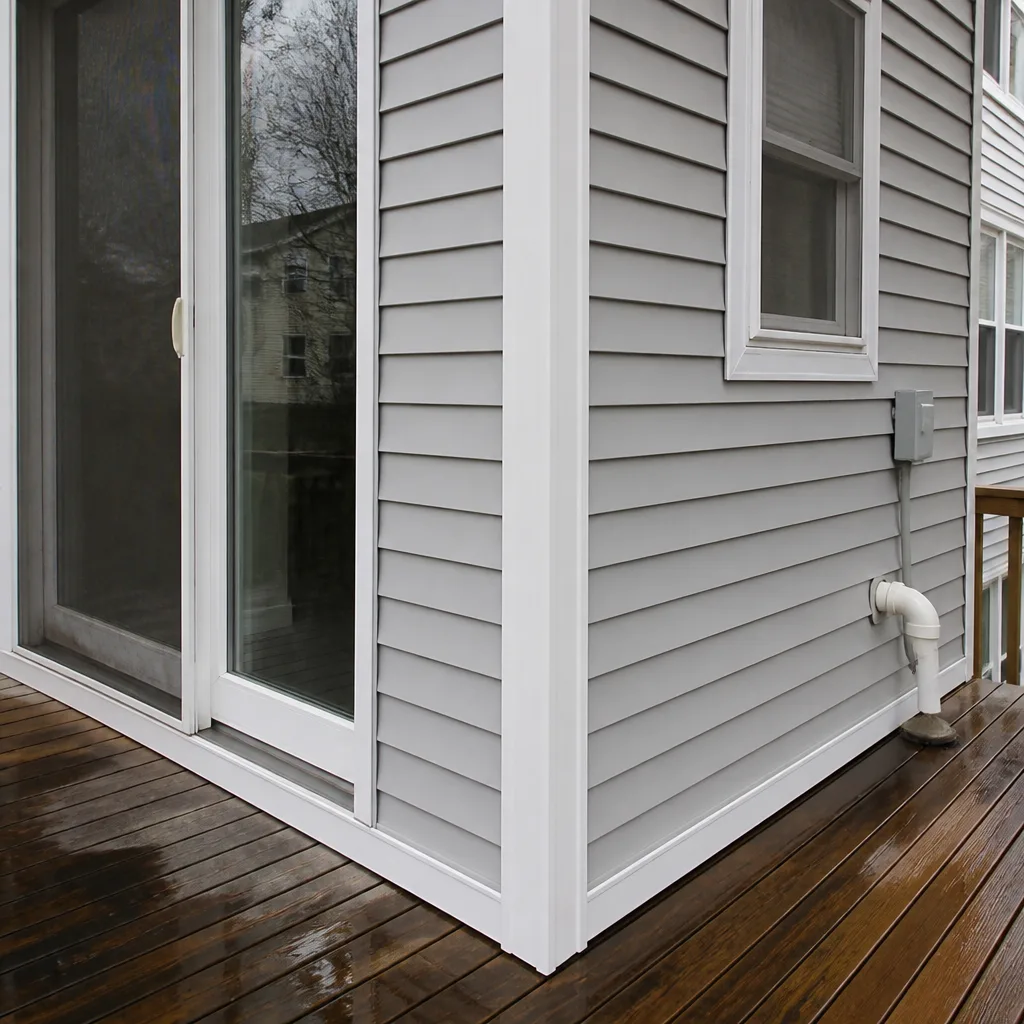 After
After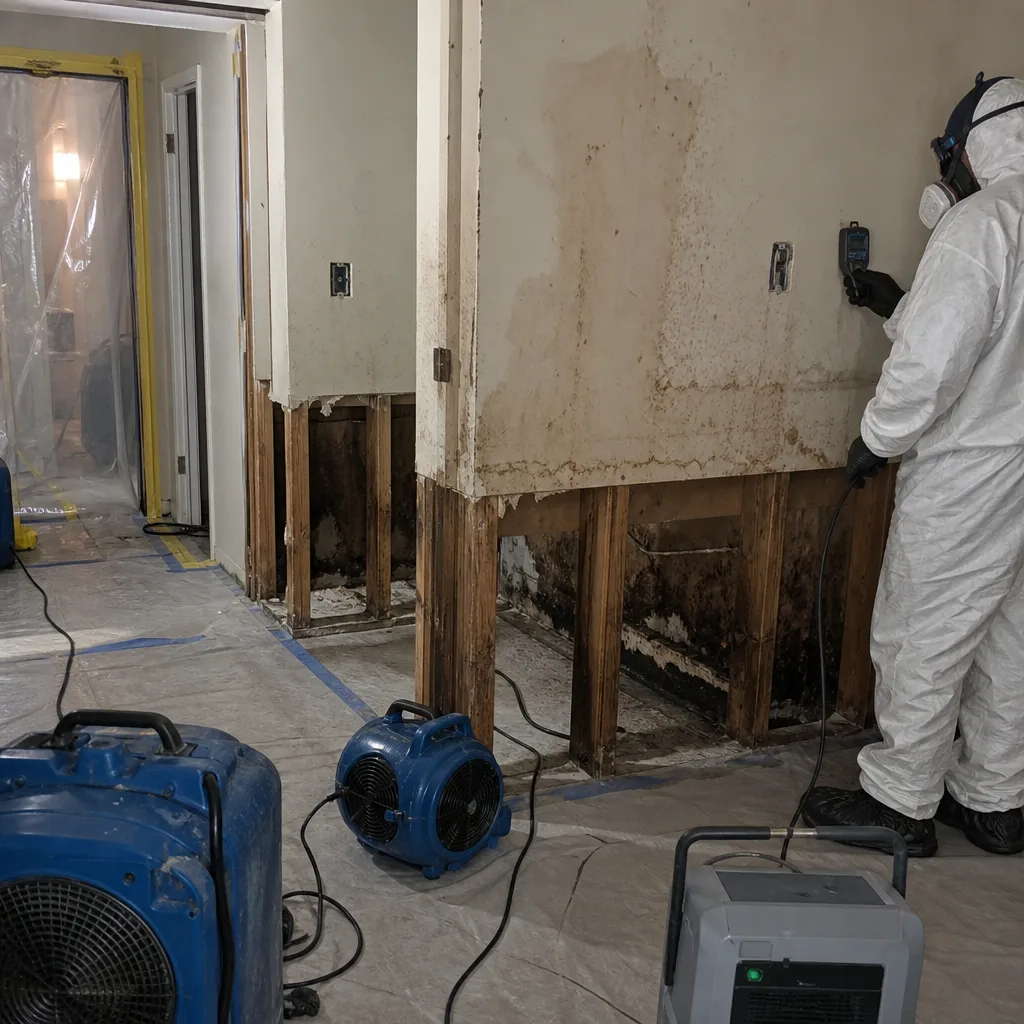 Before
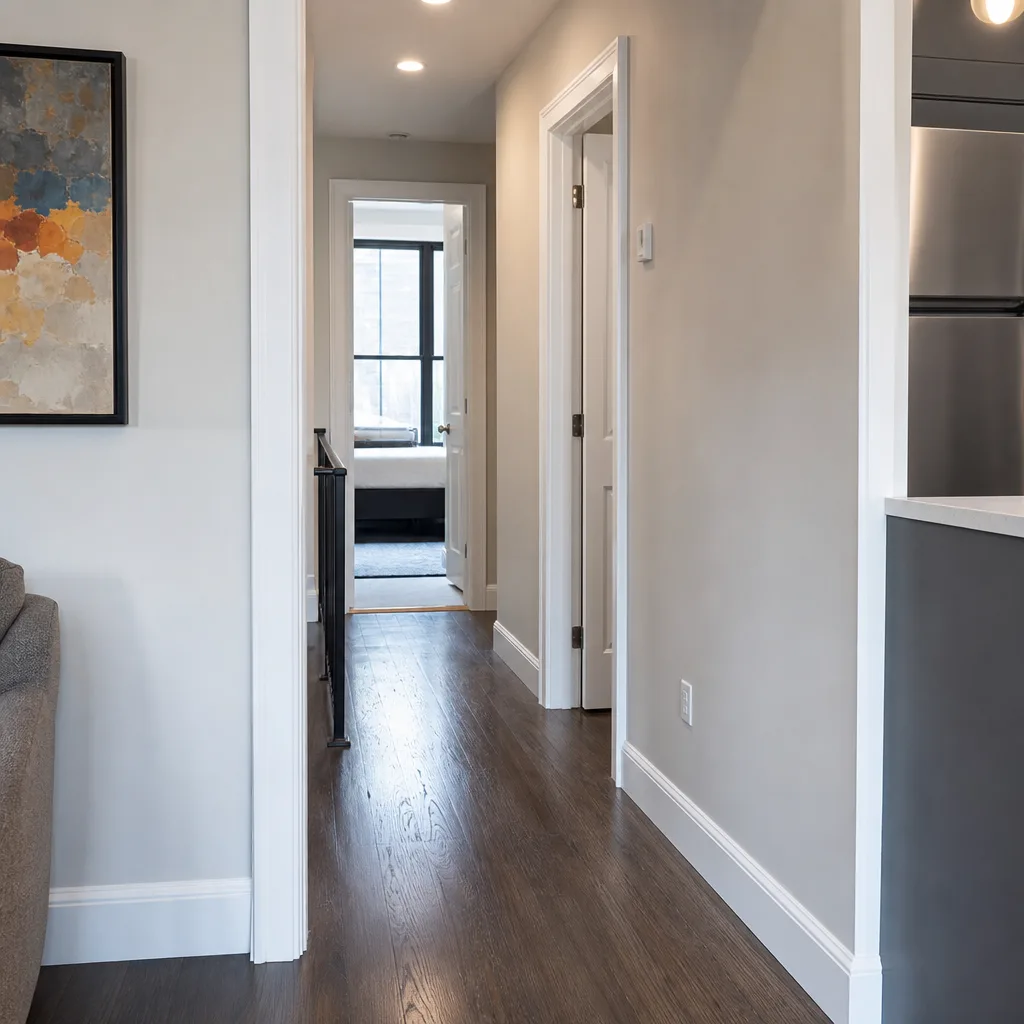 After
After24/7 Emergency Biohazard & Crime Scene Cleanup in Ridgefield Park
When a trauma, unattended death, sewage backup, or bloodborne contamination event happens inside a Ridgefield Park home, the cleanup cannot wait for business hours or a call center to route a voicemail. Floodline Restoration Co. of Manhattan answers the phone with a live dispatcher every hour of every day, and we keep certified biohazard crews staged so a Ridgefield Park job gets a real response, not a promise to call back. Call (917) 924-4221 and you will speak to a person who can dispatch a team to your street, assess the scene, and begin containment the same visit. The first hour matters because blood, bodily fluids, and sewage-borne pathogens begin penetrating porous surfaces immediately. In Ridgefield Park’s older plaster-and-lath homes, that penetration goes deeper and faster than in modern drywall construction. The longer contaminated material sits, the wider the removal radius becomes and the higher the final cost climbs. We offer a free visual inspection so you understand the scope before any work begins.
Understanding Biohazard & Crime Scene Cleanup Severity in Ridgefield Park Properties
Biohazard cleanup is not residential cleaning with stronger chemicals. It is regulated waste handling, pathogen control, and structural decontamination governed by OSHA bloodborne pathogen standards, and it requires containment, proper PPE, and third-party disposal documentation. In Ridgefield Park specifically, severity runs high for a reason most national franchises never mention: the village sits in a low-lying tidal floodplain along the western bank of the Hackensack River. When nor’easters and named storms push brackish, organically loaded water into basements and crawlspaces, the intrusion is classified as Category 3 black water, the same category as raw sewage. That water carries pathogenic bacteria, viruses, and protozoa into structural cavities, and it behaves differently from clean rainwater. Salinity accelerates corrosion of fasteners, wiring, and HVAC components. The organic load feeds biofilm formation behind plaster and under original hardwood. Homes built in the 1920s through 1950s, dense on streets like Euclid Avenue, Teaneck Road, and Main Street, were framed with old-growth lumber wrapped in plaster-and-lath. Those cavities hold moisture longer than modern assemblies, and once black water wicks upward through lath and studs, the contamination zone can extend four feet or more above the visible waterline. That changes everything about how we cut, dispose, and treat.
Why Ridgefield Park Property Owners Choose Floodline Restoration Co. of Manhattan
- 45-minute response commitment. From the moment you call (917) 924-4221, we target a crew at your Ridgefield Park door within 45 minutes, and we tell you honestly if traffic on Route 46 or the turnpike changes that.
- 24/7 live answer, always a person. No automated phone tree, no answering service that takes a message. A Floodline dispatcher picks up at 2 a.m. and starts the job.
- IICRC-certified biohazard crews. Our technicians train to IICRC, RIA, and IFA standards, with specific protocols for bloodborne pathogens, sewage decontamination, and trauma scene handling.
- Free visual inspection. We walk the affected areas, explain what we see, and give you a written scope before any demolition or chemical treatment starts.
- Direct insurance billing. We document everything from hour one, bill your carrier directly, and handle adjuster communication so you do not become a messenger between two desks.
- One team from containment to reconstruction. The same Floodline crew that cuts out contaminated plaster is the crew that rebuilds the wall. No mid-job handoff, no inherited subcontractor.
Our Biohazard & Crime Scene Cleanup Process
Inspection & Assessment
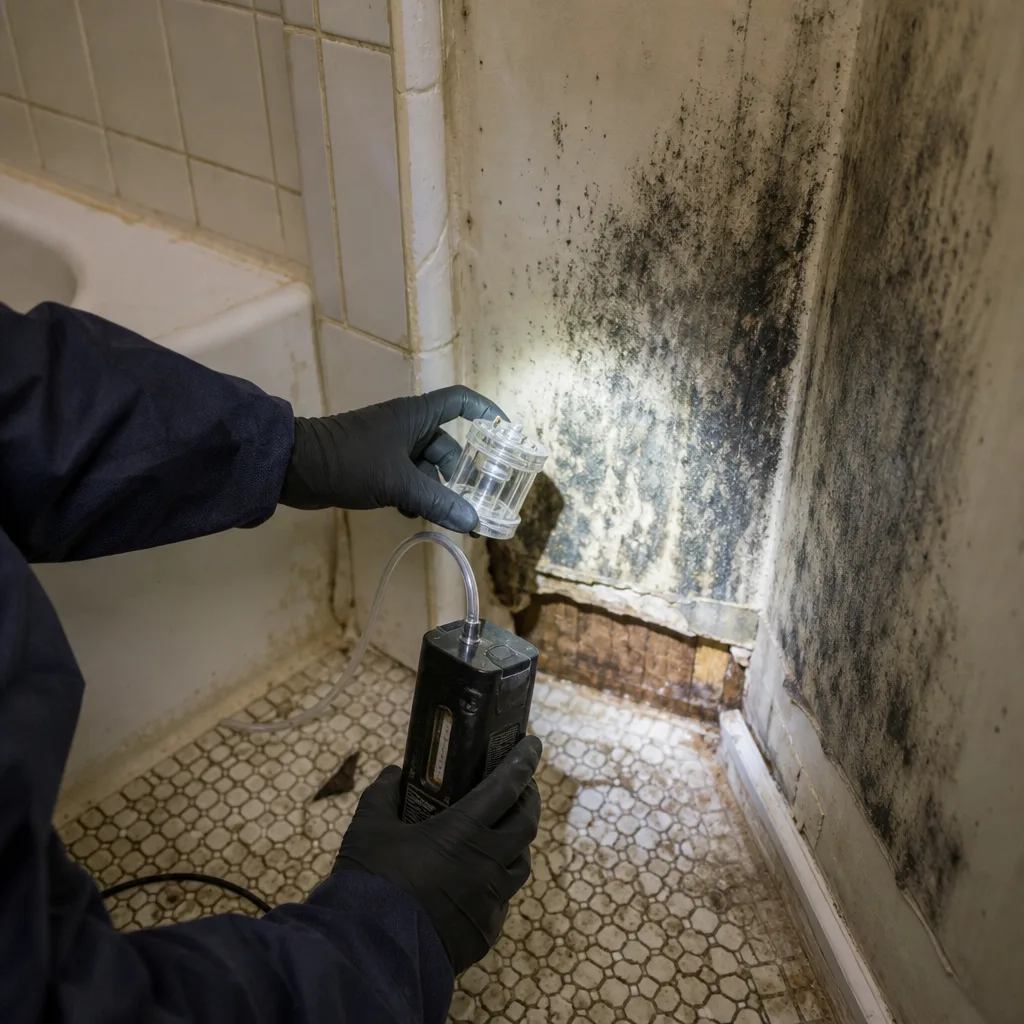
We arrive, walk the property, and identify all affected areas using thermal imaging and moisture mapping. In Ridgefield Park’s plaster-walled homes, we probe cavities behind walls and under floors where contamination travels unseen. We then give you a written scope and firm price before work begins.
Containment & Source Control
We seal the affected rooms with 6-mil poly barriers and establish negative air pressure using HEPA-filtered air scrubbers. This prevents cross-contamination of the rest of the house and protects occupants from airborne pathogens during the abatement.
Removal of Contaminated Materials
Blood-soaked carpet, sewage-saturated plaster, contaminated insulation, and affected framing are cut out, bagged, and disposed of as regulated medical waste in accordance with New Jersey and federal requirements. In older Ridgefield Park homes, this often means opening walls well beyond the visible stain, because black water wicks upward through lath cavities.
Cleaning, Sanitization & Antimicrobial Treatment
We clean every remaining surface with EPA-registered hospital-grade disinfectants and apply antimicrobial treatments to framing, subfloors, and wall cavities. On jobs involving blood or bodily fluids, we use proprietary enzyme chemistries designed to break down proteins that ordinary cleaners leave behind.
Structural Drying & Verification
After chemical treatment, we set Dri-Eaz dehumidifiers and XPOWER air movers to dry the structure. Daily moisture readings with hygrometers and thermal imaging continue until the material moisture content returns to the documented pre-loss baseline. The drying log goes to you and your insurer.
Repairs & Restoration
Our reconstruction team rebuilds what we removed, matching plaster or drywall, trim, and finish to the surrounding rooms. Because we handle this phase ourselves, there is no gap between cleanup and restoration, and no second crew learning the job from scratch.
Need Emergency Biohazard & Crime Scene Cleanup in Ridgefield Park Now?
Crews minutes away, answering live 24 hours a day. The sooner we start, the less it costs.
Working With Your Insurance Company
Biohazard and trauma cleanup is covered under most homeowners policies, but only when the claim is documented the way a carrier requires. We have handled enough Ridgefield Park claims to know what adjusters look for, and we build the file from the first hour. Photographs before any work begins. Room-by-room damage logs. Moisture readings taken on a schedule. A line-item scope that separates emergency mitigation from structural repair. We submit everything directly to your carrier and talk to your adjuster ourselves, so you are not spending your day on hold with a claims department. If the carrier pushes back on a line item, we provide the documentation to justify it. If they approve it, we proceed. Your out-of-pocket portion, if any, is explained before we start, in writing. That is how we have kept jobs moving on River Road, Euclid Avenue, and across Ridgefield Park for years.
What We Provide Your Insurer
- Thorough documentation of the loss
- Photos of all damage, room by room
- Moisture readings and drying logs
- A detailed, line-item scope of work
- Direct coordination with your carrier
Built for Ridgefield Park’s Loss Calendar
Ridgefield Park’s biohazard and crime scene cleanup needs follow a seasonal pattern that any honest local contractor knows by heart. January and February bring deep-freeze pipe bursts in unheated basements and crawlspaces, and when the thaw comes, that water has been sitting against plaster and framing long enough to carry Category 3 contamination. March and April bring snowmelt and spring rainfall that pushes basements along River Road and the low streets near the Hackensack River into repeated saturation. Summer thunderstorms dump inches of rain in an hour, overwhelming the village’s storm drains and sending street-level water through foundation cracks and bulkhead doors. Then come the nor’easter months, September through December, when tidal surge from the Hackensack drives brackish water up through basement floors. Each season has its own rhythm, and we dispatch accordingly. When you call Floodline Restoration Co. of Manhattan after a storm or a freeze, the crew that arrives has likely worked a similar Ridgefield Park basement that same week. That local pattern recognition is worth as much as any piece of equipment.
Biohazard & Crime Scene Cleanup Across Ridgefield Park’s Neighborhoods
Ridgefield Park is a compact village, but the building stock and flood exposure shift street by street. The blocks nearest River Road and the Hackensack riverbank take the brunt of tidal flooding: homes on Euclid Avenue, Grove Street, and Willow Street have basements that sit at or below the local water table, and we have repeatedly opened walls there to find black-water damage from storms that happened years before the current claim. The center of the village, around Main Street and Park Street, runs denser and older, with 1920s two-family homes whose balloon framing lets contaminated water climb from the basement to upper floors faster than owners expect. Over by the Route 46 corridor and the Turnpike overpass, properties contend less with river flooding and more with stormwater runoff and aging sewer laterals that back up during heavy rain. Near Overpeck County Park and the northern edge of the village, we see more single-family homes from the 1940s and 1950s, still plaster-walled, with original hardwood floors that absorb and hold contaminated water. Every one of these pockets has a different failure pattern. That is why we send a crew that knows the difference between a River Road basement and a Teaneck Road crawlspace.
Specialized Biohazard & Crime Scene Cleanup Services We Offer in Ridgefield Park
Infectious Disease Disinfection
When a Ridgefield Park home has been exposed to MRSA, C. diff, norovirus, COVID-19, or another infectious pathogen, ordinary cleaning will not reopen the house safely. We treat every high-touch surface, plus the air, using EPA-registered hospital-grade disinfectants and HEPA air scrubbing. In homes with older forced-air systems, we inspect ductwork for pathogen reservoirs and treat accordingly.
Trauma & Unattended Death Cleanup
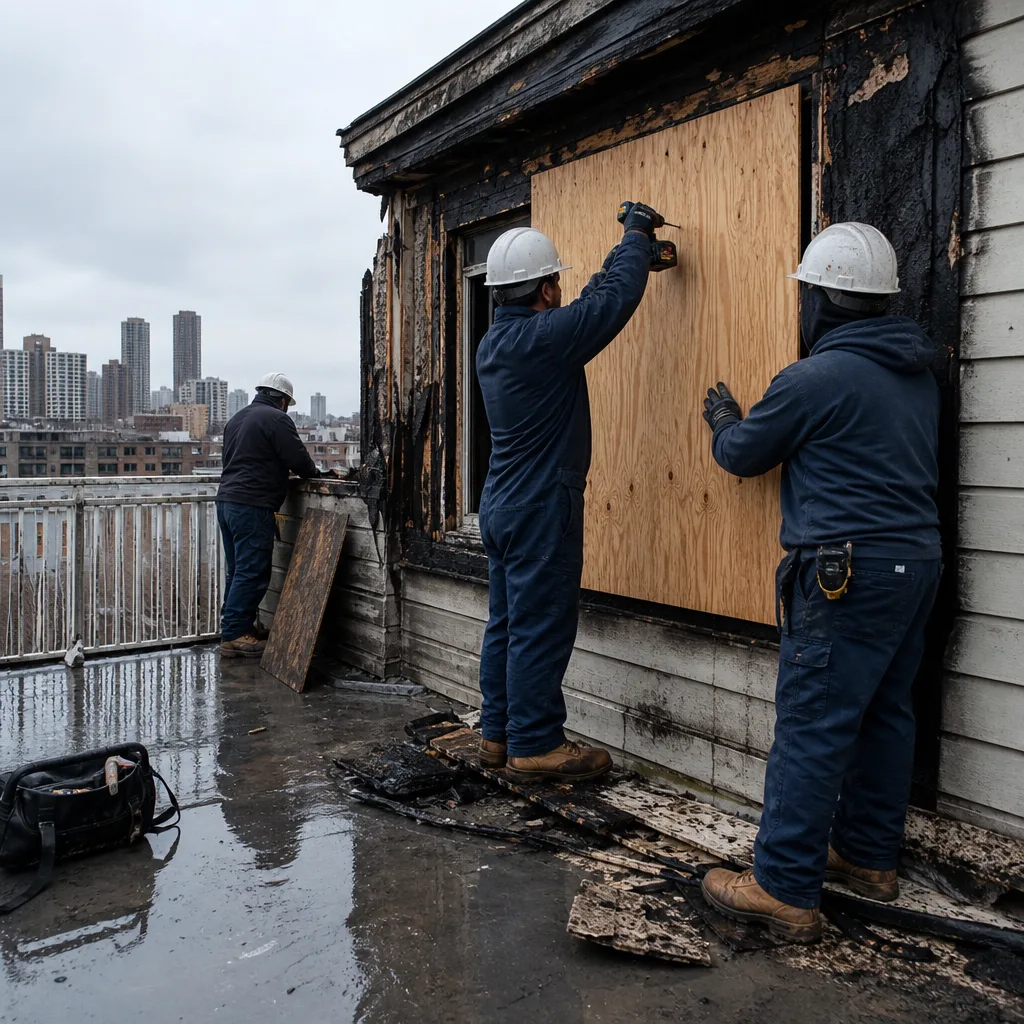
An unattended death in a Ridgefield Park home requires more than surface cleaning. Bodily fluids penetrate flooring, subfloor, and often the wall cavities behind them, especially in older homes where plaster and lath act as a wick. We remove contaminated materials, treat the framing, and restore the room so the family does not have to walk past a reminder every day. This work is done with respect, in plain clothes, with unmarked vehicles if you prefer.
Hoarding Cleanup
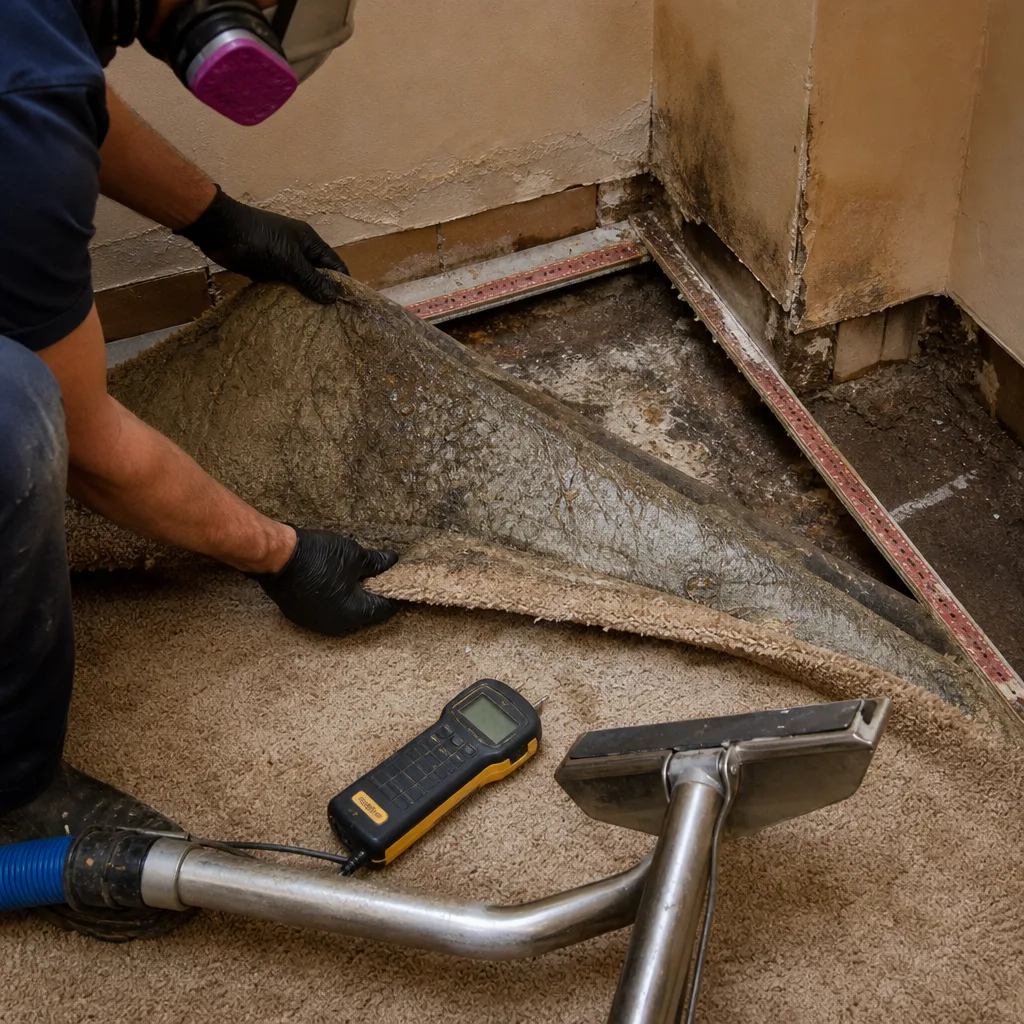
Hoarding situations in Ridgefield Park’s older homes are complicated by weight, access, and decades of accumulated material against plaster walls and original flooring. We clear the property, separate salvageable belongings from waste, and then address whatever contamination, mold, or pest damage the hoard was concealing. Our crews are trained to handle this work without judgment and without rushing the family.
Blood & Bodily Fluid Cleanup
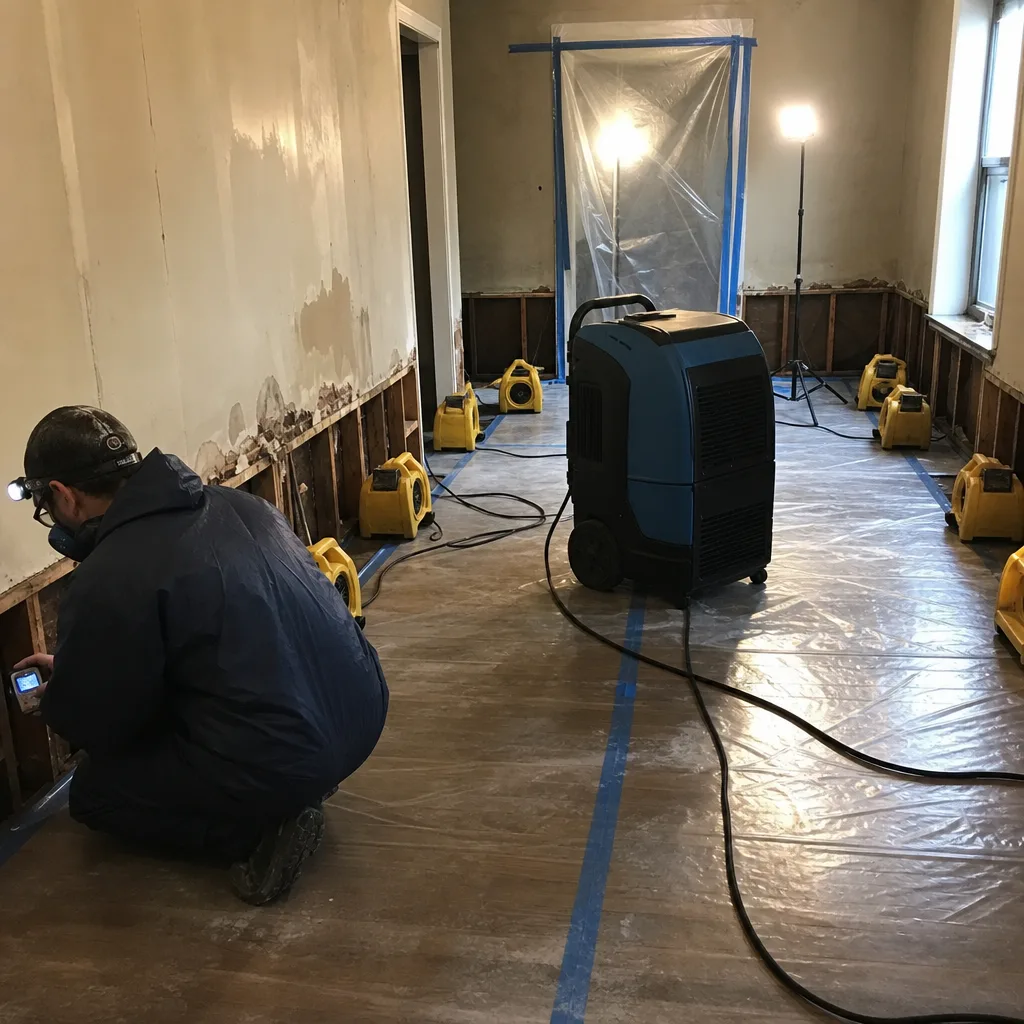
After an accident, assault, or medical emergency, blood and bodily fluids inside a Ridgefield Park home are a regulated biohazard. We remove affected carpet, pad, and any saturated underlayment, cut out contaminated wall sections, and treat all remaining surfaces with enzyme-based cleaners followed by hospital-grade disinfection. Porous materials that cannot be fully decontaminated are disposed of as regulated waste.
Tear Gas & Chemical Cleanup
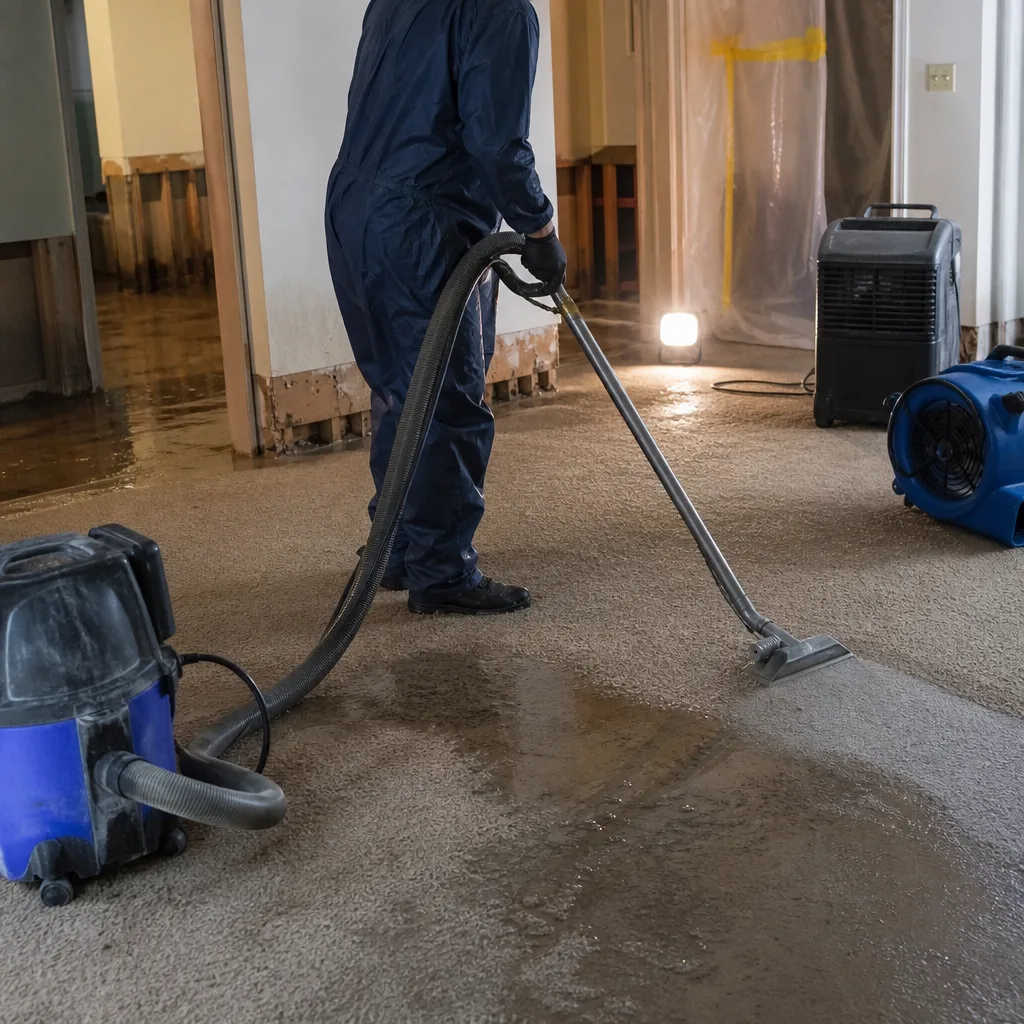
Tear gas residue bonds to walls, floors, fabrics, and HVAC ductwork, and it reactivates whenever humidity rises. Ridgefield Park’s older homes, with their original plaster and radiator systems, hold these residues stubbornly. We clean every surface, seal and repaint where necessary, and run HEPA air scrubbers until the property tests clear.
What happens when you call
- 1
A real person answersNo phone trees - you reach a local pro.
- 2
You get an upfront price rangeHonest numbers before anyone is dispatched.
- 3
A background-checked tech heads outLicensed & insured, dispatched right away.
- 4
You approve before work beginsNothing starts until you say go.
Biohazard & Crime Scene Cleanup Costs in Ridgefield Park, NJ
In Ridgefield Park’s market, a typical trauma or unattended death cleanup runs $2,500 to $7,500 depending on the size of the affected area and how far contamination has traveled. Blood and bodily fluid cleanup in a single room generally lands between $1,200 and $3,000. Sewage or black-water biohazard cleanup in a flooded basement starts around $3,500 and can reach $12,000 or more when brackish tidal water has saturated plaster walls, original hardwood, and subfloor across multiple rooms. Infectious disease disinfection for a whole home typically runs $800 to $2,500. Hoarding cleanup is the most variable, ranging from $4,000 to $20,000+ based on volume, access, and what the hoard concealed. Insurance covers most of these scenarios when the cause is sudden and accidental. The fastest way to a firm number is a free visual inspection. We walk the property, identify the true contamination zone, and hand you a written scope before you commit to anything.
We Also Serve Cities Near Ridgefield Park
Our crews respond daily to biohazard and crime scene cleanup calls in Little Ferry, South Hackensack, Bogota, and Palisades Park, and we know those towns’ building stock and flood patterns as well as we know Ridgefield Park’s. Call (917) 924-4221 and we will tell you honestly how soon we can be on your street.
Ridgefield Park Biohazard & Crime Scene Cleanup Questions, Answered
How does brackish tidal flooding from the Hackensack River change the cleanup process compared to a clean-water event in Ridgefield Park?
Brackish tidal flooding is Category 3 black water, meaning it carries sewage, organic matter, and salt, and the cleanup protocol is far more aggressive than for a burst supply pipe. Salt accelerates corrosion and drives contamination deeper into plaster-and-lath cavities, so we cut wider and treat longer, with antimicrobial application mandatory on all exposed framing. In a clean-water event, we can often dry in place. With Hackensack River water, we almost never can.
Why do so many Ridgefield Park homes near River Road need repeat biohazard cleanup after a nor’easter?
Because prior restoration jobs in this flood zone frequently dried the surface and closed the wall without removing the brackish residue trapped behind plaster. That residue re-wets with the next surge, reactivates mold and bacteria, and forces a second, more invasive cleanup. We find this pattern repeatedly on River Road, Euclid Avenue, and the side streets closest to the riverbank. Our protocol is to open and treat the cavity fully the first time, so the next nor’easter does not undo our work.
What should I expect if my 1920s Ridgefield Park home has asbestos-containing plaster or pipe insulation during a trauma or sewage cleanup?
Before any demolition or aggressive drying begins, we assess for asbestos-containing materials in plaster, pipe wrap, and floor tiles, which are common in Ridgefield Park homes built before 1980. If we identify suspect material, we stop, set up containment, and bring in a New Jersey-licensed asbestos abatement contractor to handle that portion under separate protocol. No demolition proceeds until the hazard is controlled, and that sequence is documented for your insurer.
How quickly can mold start growing behind plaster walls after black-water flooding in Ridgefield Park’s low-lying basements?
In the warm, humid months, mold colonization behind plaster walls can begin within 24 to 48 hours of black-water saturation, because the organic load in Hackensack River water feeds fungi aggressively. In winter, the window stretches slightly, but the contamination itself does not disappear. The faster the affected cavities are opened and dried, the smaller the final removal perimeter and the lower the cost. Call (917) 924-4221 the day you see water, not the day you smell mold.
Do you handle unattended death cleanup in Ridgefield Park homes with legacy knob-and-tube wiring and plaster walls?
Yes, and those older systems change how we work. Knob-and-tube wiring cannot be exposed to saturation or aggressive chemical application without creating an electrical hazard, so we de-energize the affected circuits, document the conditions, and coordinate with a licensed electrician when wiring must be replaced. Plaster walls are treated by cutting clean lines beyond the contamination zone, treating the framing, and rebuilding to match the original room.
How fast can a biohazard crew actually reach a Ridgefield Park address?
We target 45 minutes from your call to your door for emergency biohazard response in Ridgefield Park, traffic on Route 46 or the Turnpike permitting. The dispatcher who answers at (917) 924-4221 gives you a real ETA, not a window. Night calls, weekend calls, and holiday calls all get the same live response.
Will my homeowners insurance cover biohazard or crime scene cleanup in Ridgefield Park?
Most policies cover trauma, unattended death, sewage, and flood-related biohazard cleanup when the cause is sudden and accidental, though the specific terms vary by carrier. We bill your insurer directly, provide the documentation they require from the first hour, and handle adjuster communication. Your out-of-pocket amount, if any, is explained in writing before work begins.
What should I do in the first 30 minutes after discovering blood, sewage, or flood contamination in my Ridgefield Park home?
Stay out of the affected area. Shut off power to that part of the house if you can do so safely from outside the wet zone. Do not attempt to clean blood, sewage, or flood residue yourself, and do not run household fans, which spread airborne pathogens. Call (917) 924-4221. A live dispatcher will walk you through the first steps and get a crew moving toward your street.
Serving Ridgefield Park, NJ - Our Local Coverage Area
We’re based in the Ridgefield Park area and know this community well. Use the map below to see our service coverage - if you’re nearby, we can almost certainly help.
Brackish Water, Plaster Walls, and the Right Cleanup Protocol
Here is what no generic biohazard page tells a Ridgefield Park homeowner, and it is the reason this page reads differently. The Hackensack River is tidal. When a nor’easter pushes a surge into the basements along River Road, Euclid Avenue, Willow Street, and Grove Street, the water is not clean rain. It is brackish, organically loaded, and classified as Category 3 black water, the same hazardous category as raw sewage. Your home was very likely built between the 1920s and 1950s, which means those basement walls are plaster-and-lath over old-growth framing, not modern drywall over treated lumber. Black water wicks upward through that lath like a wick, carrying pathogens, salts, and organic matter four feet or more above the visible waterline. A contractor who dries the surface and closes the wall is not finishing the job. They are sealing a contamination reservoir behind your plaster. We open those cavities, remove the saturated material, treat the framing with antimicrobials, and run Dri-Eaz dehumidifiers and XPOWER air movers with daily moisture readings until the structure returns to its pre-loss baseline. That is the difference between a cleanup done for the insurance photo and a cleanup done right. It is also the core of our Biohazard & Crime Scene Cleanup work across this village.
On a recent Euclid Avenue job, our crew arrived after a homeowner noticed a dark, odorous patch spreading across a plaster wall where a previous restoration company had dried-in-place and re-covered wet cavities. We contained the room, pulled back the reinstalled drywall, and found black-water wicking up original lath and studs from a nor’easter surge. The salts had corroded old fasteners and fed a chronic mold bloom that our moisture mapping showed extended four feet up the wall. We removed the contaminated plaster and insulation, applied antimicrobial treatment to the framing, and set up our Dri-Eaz dehumidifiers and XPOWER air movers with a documented drying log until moisture readings matched the pre-loss baseline. That is what real Ridgefield Park biohazard cleanup looks like when it is done the way a homeowner who plans to stay in the house for twenty more years deserves.
Floodline Restoration Co. of Manhattan holds every job to the 90-Day Done Right Promise, our written, no-argument guarantee. If it is not done right, we make it right. No paperwork battles, no proving your case to a claims adjuster. We stand behind the work because Curt Bowman built this company in 2010 around a dispatch board, not a sales desk, and because a company that plans to be answering the phone in this village thirty years from now trains local crews, sends background-checked uniformed technicians, and answers the phone with a live person at two in the morning. Current offers: $50 Off Any Repair Over $250, the $89 Seasonal Tune-Up, and a standing Senior & Veteran 5% Discount. For a free visual inspection and an honest written scope, call (917) 924-4221 now. We will be there when we say.
Written by Curt Bowman, Owner at Floodline Restoration Co. of Manhattan, serving Ridgefield Park since 2010.