
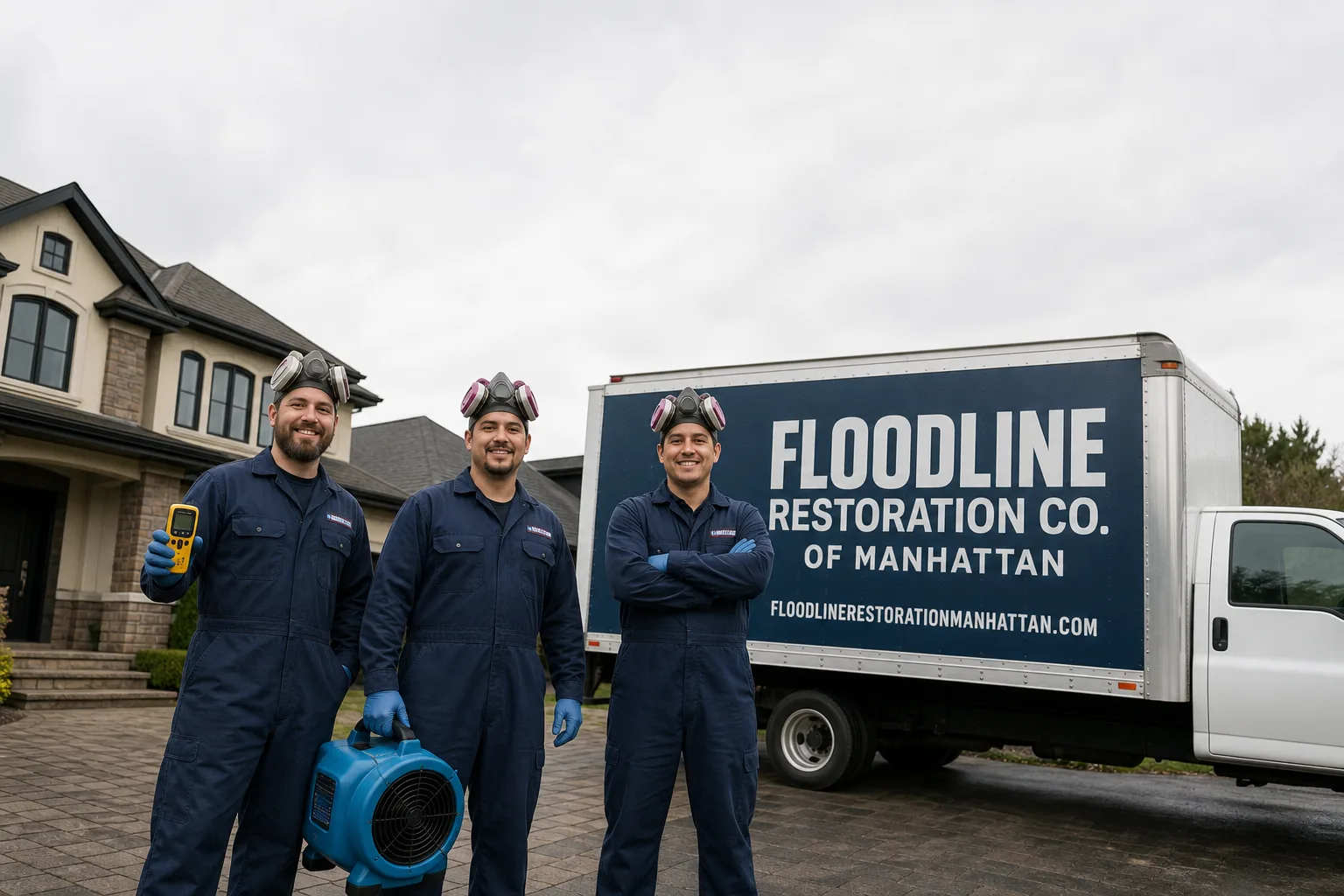
Free visual inspection and a written scope of work before any mitigation begins - photos, moisture readings, and drying logs go in your claim file
The scope we write is the scope we bill. Anything new gets shown to you, in writing, before we touch it.
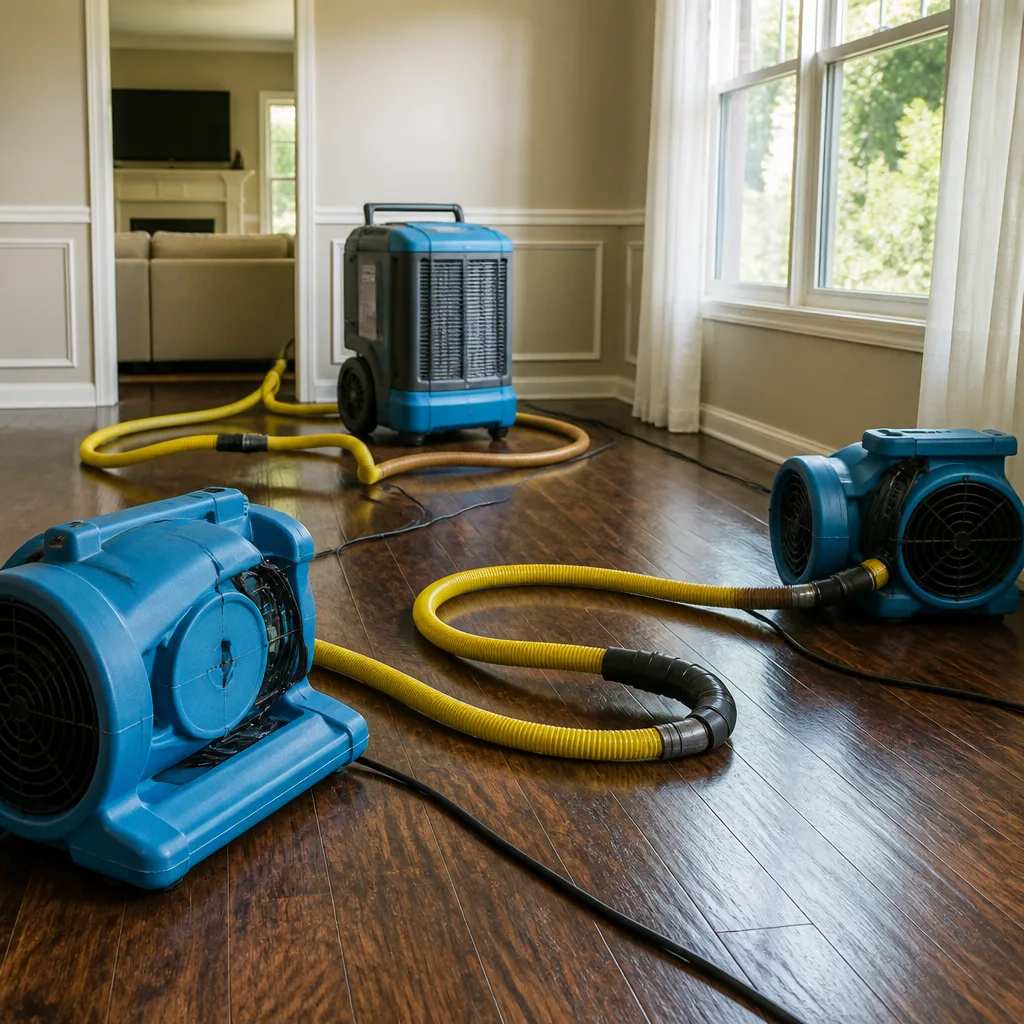



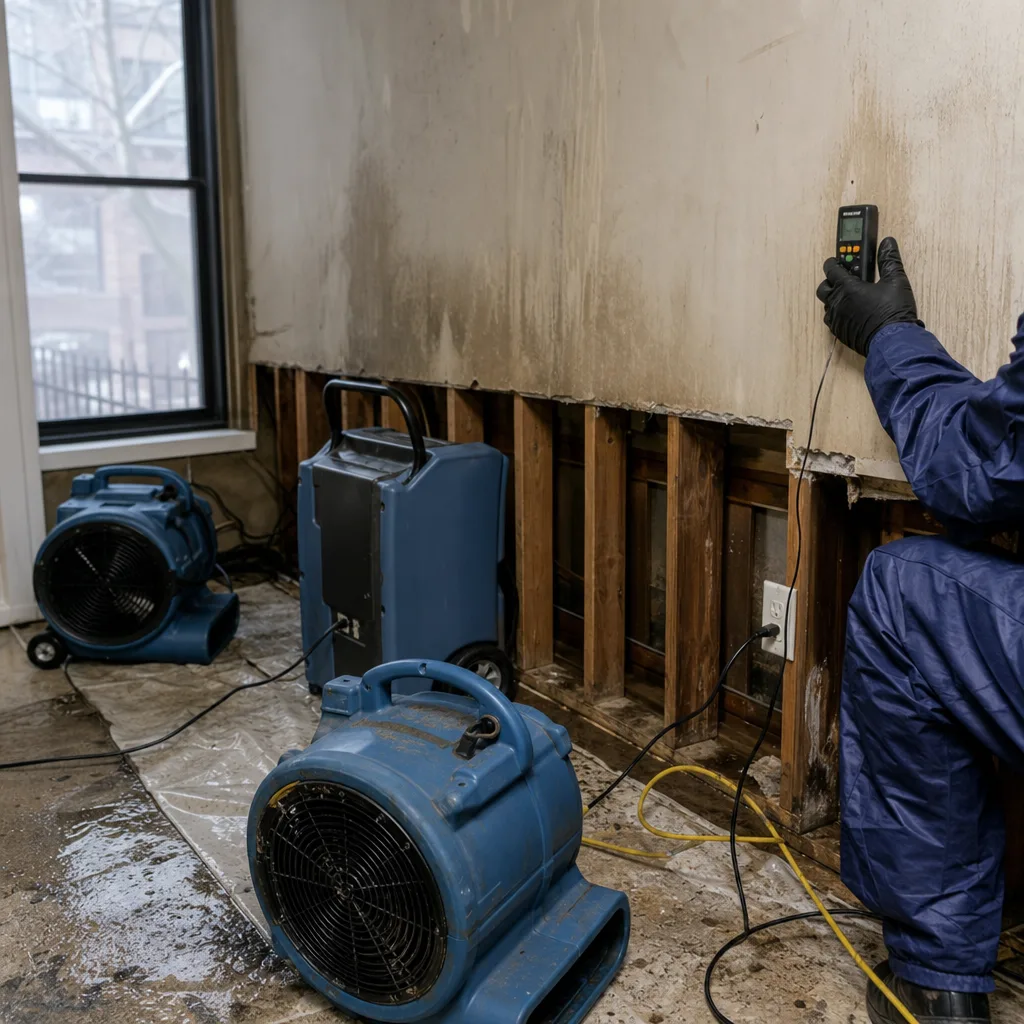 Before
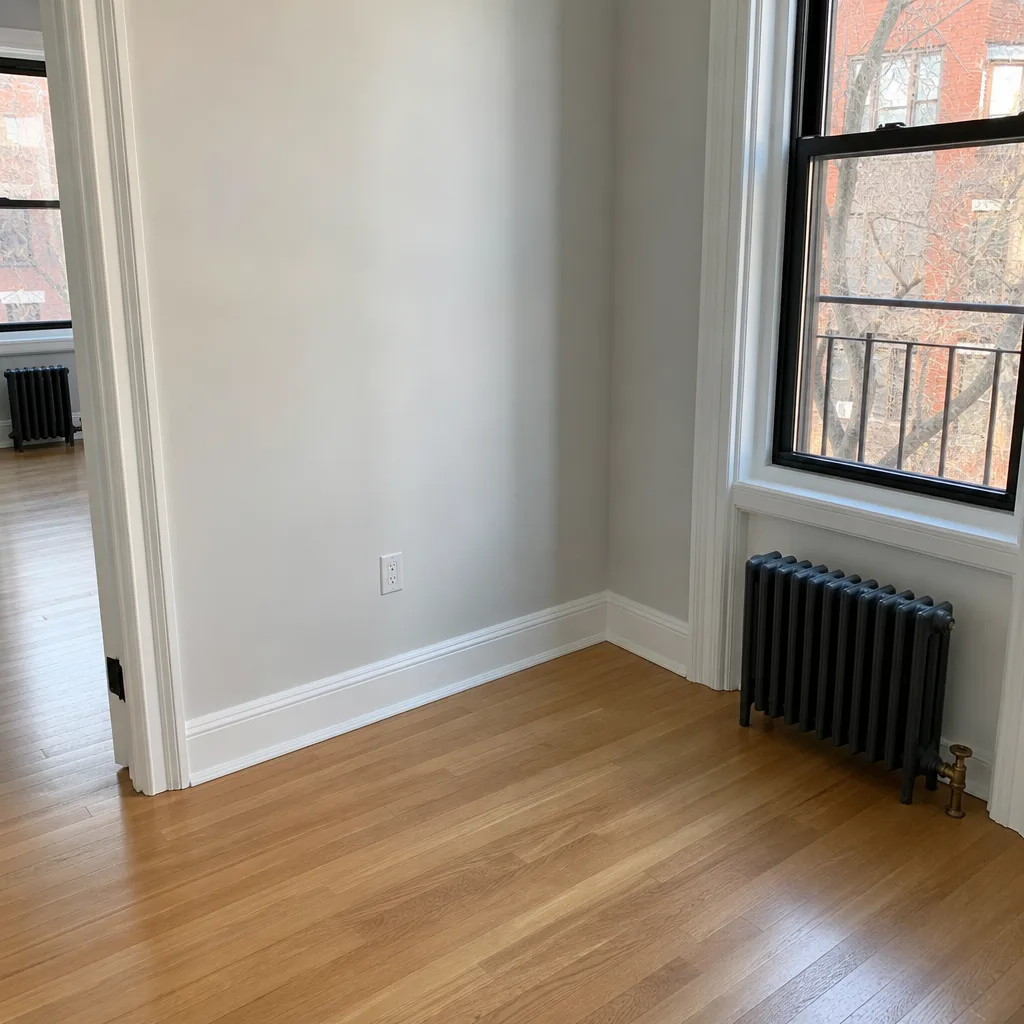 After
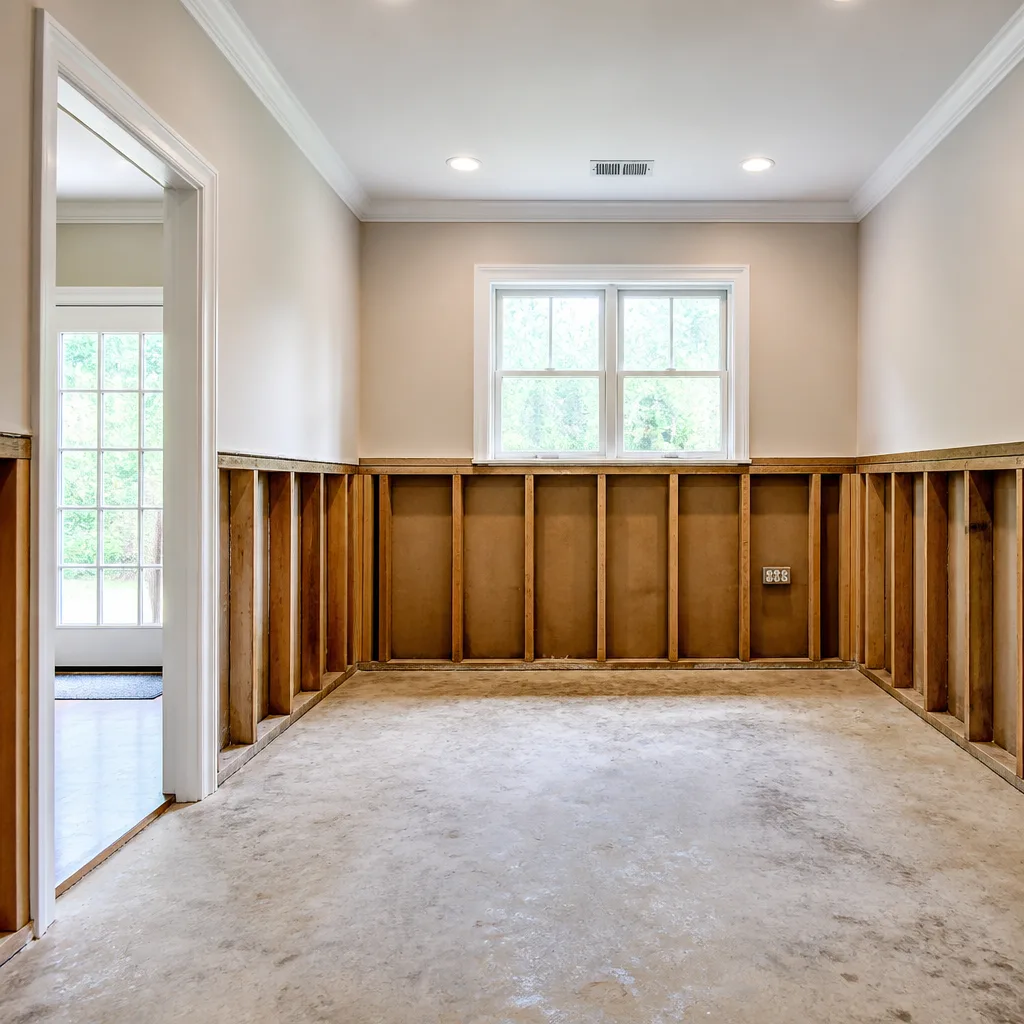
After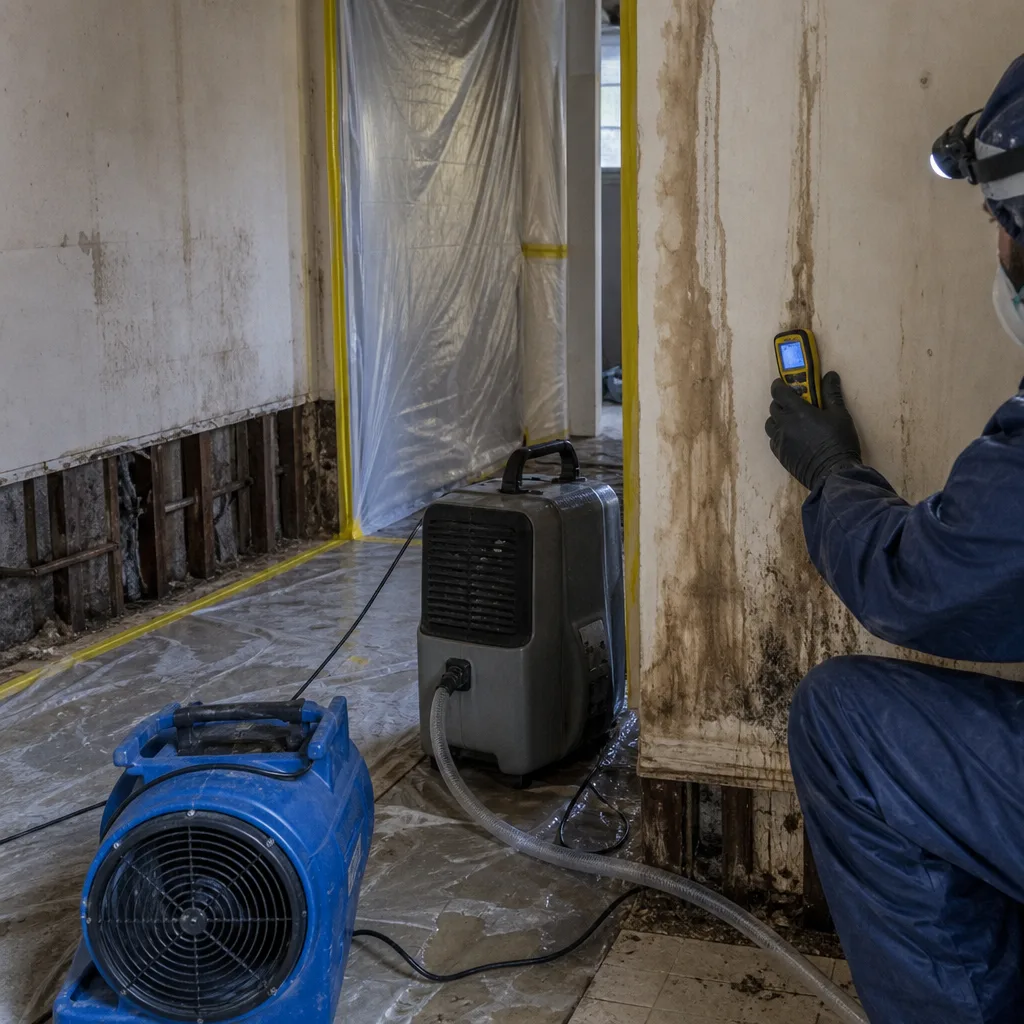 Before
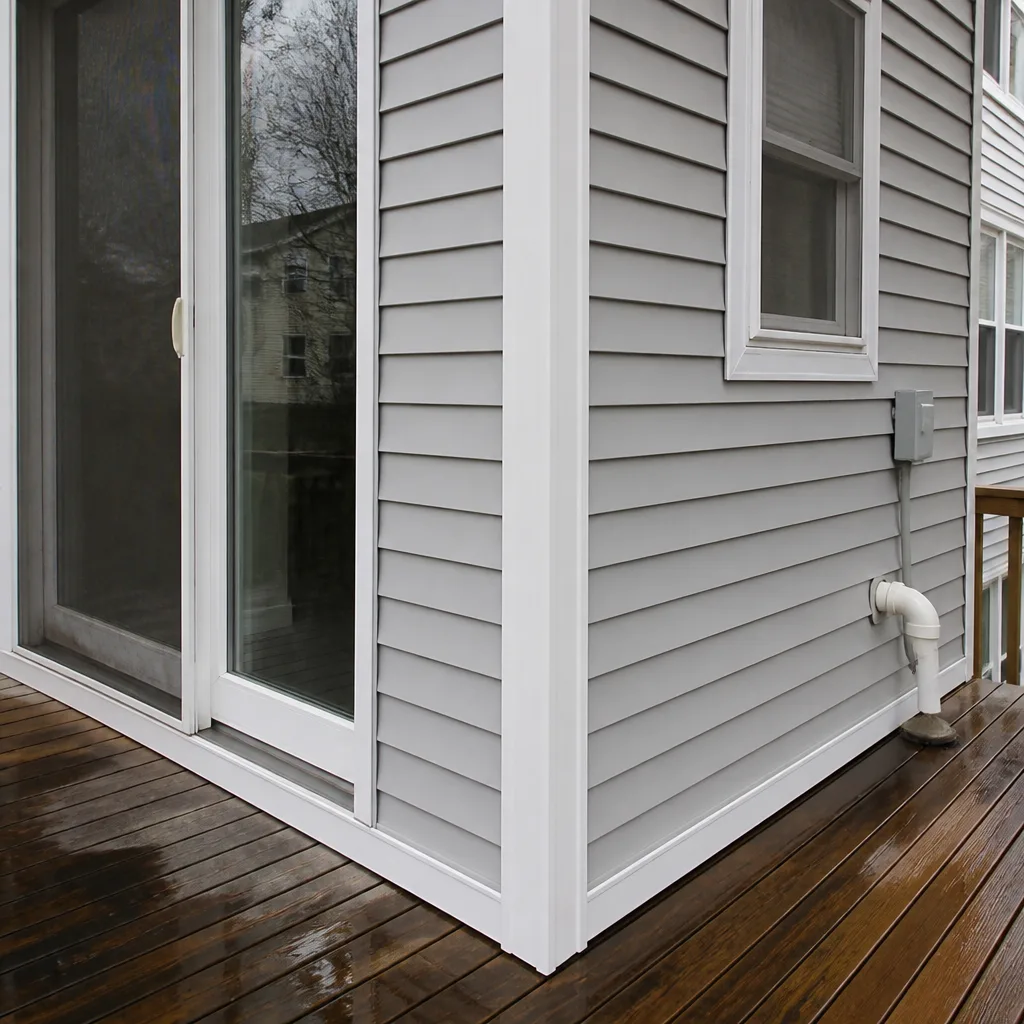 After
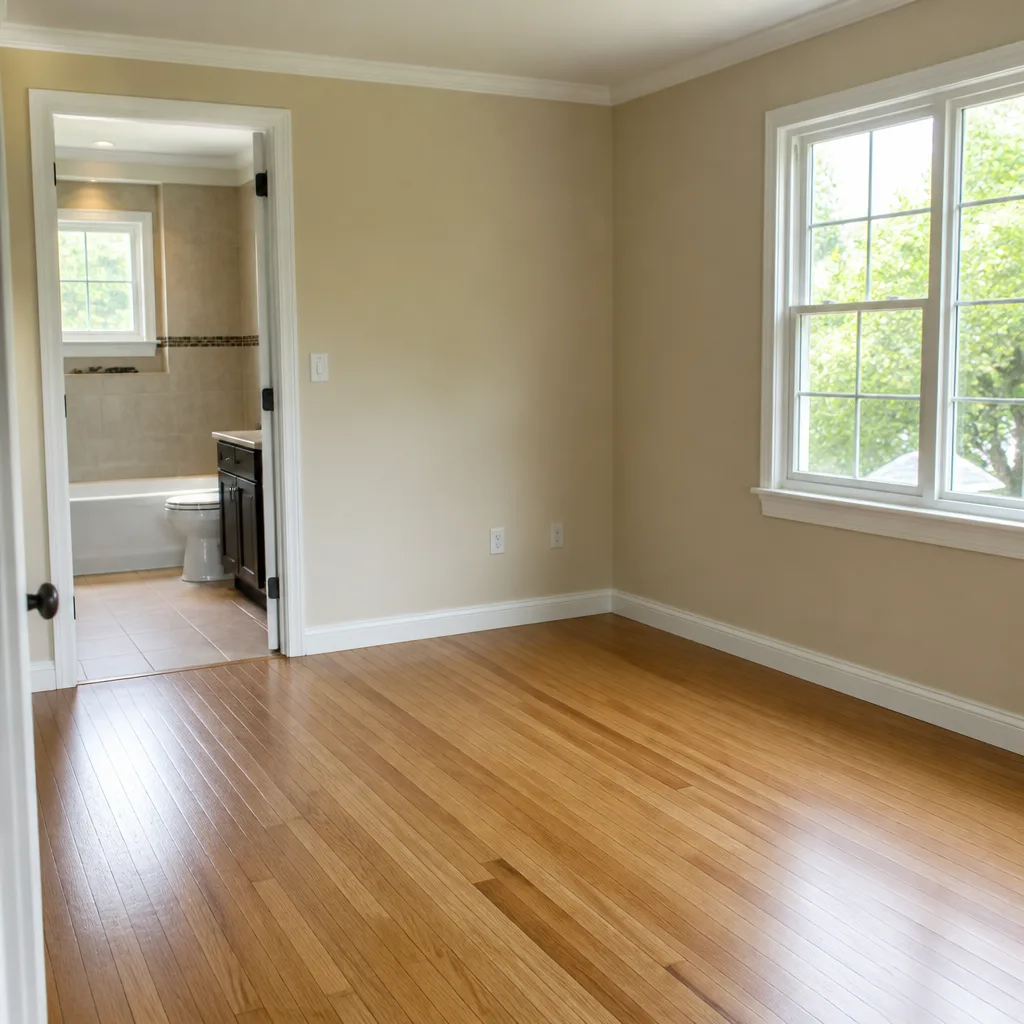
After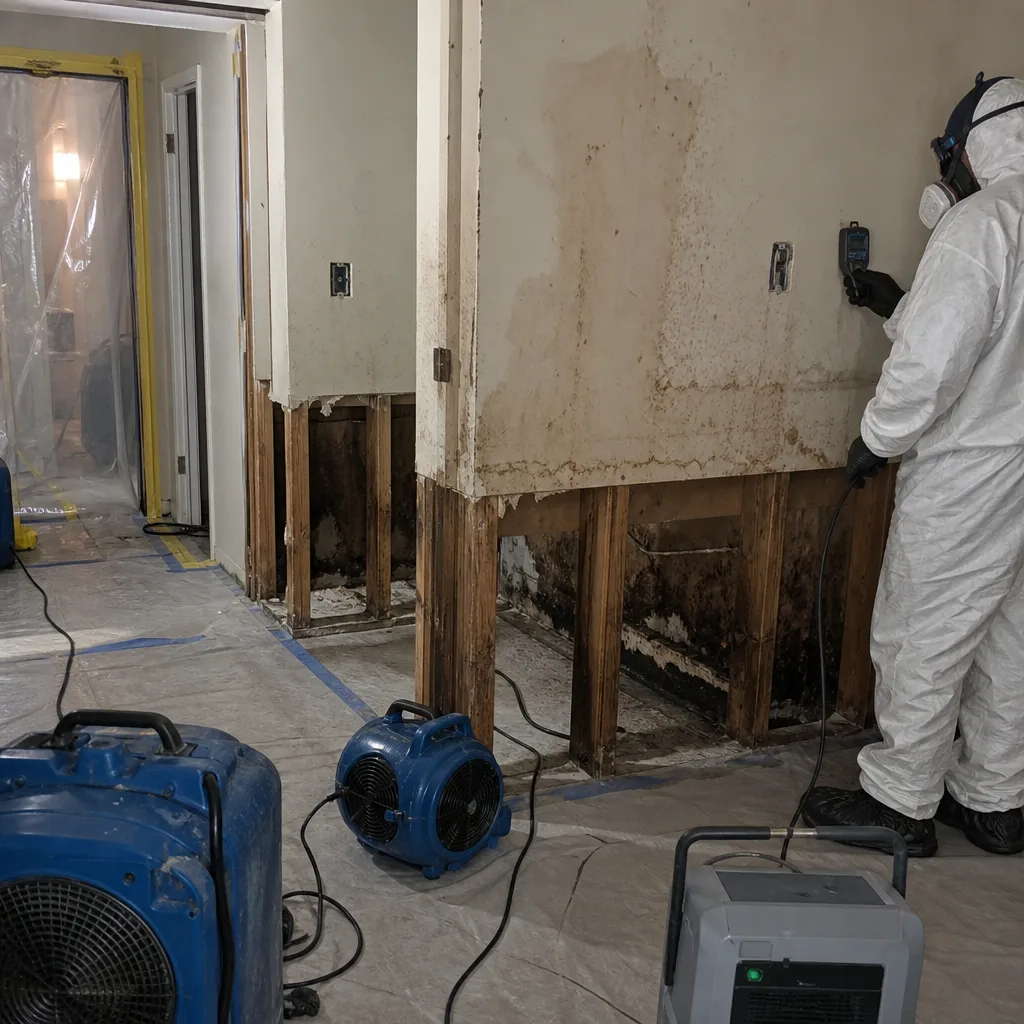 Before
 After
After24/7 Emergency Fire & Smoke Damage Restoration in Bedford
Fire and smoke damage in Bedford moves fast, and so do we. A live dispatcher answers (917) 924-4221 at any hour, every day, and our crews arrive inside the Bedford area typically within 45 minutes of your call. The first hour after a fire matters because soot is acidic. It etches glass, corrodes metal fixtures, and bonds permanently to porous surfaces like horsehair plaster and old-growth timber. Free visual inspection, a written scope before work starts, and no mid-job handoff. That’s how we’ve handled Fire & Smoke Damage Restoration since 2010. Done right, backed in writing.
Understanding Fire & Smoke Damage Restoration Severity in Bedford Properties
Fire loss in Bedford splits into roughly three severity bands, and the building’s age dictates more than the fire itself. The first band is light soot deposit from a contained kitchen or chimney fire. Soot here is primarily dry particulate that can be HEPA-vacuumed and dry-sponged from sealed surfaces. The second band is moderate smoke migration, where heated air pushes soot into wall cavities, behind plaster lathe, and through the gaps in fieldstone foundations. This is the most common scenario in Bedford’s 18th- and 19th-century homes. The third band is severe structural charring and deep carbonization of timber framing, which requires structural assessment before anything else moves.
Bedford’s housing stock changes the calculus. Horsehair plaster is far more porous than modern drywall, so smoke odor penetrates deeper and persists longer. Old-growth beams have a tight grain that resists surface cleaning but holds residue in cracks and check splits. Fieldstone foundations breathe differently than poured concrete, creating air channels that carry smoke odor from a basement fire into first-floor rooms weeks later. A restoration scope in Bedford has to account for these materials specifically, not just the soot you can see.
Why Bedford Property Owners Choose Floodline Restoration Co. of Manhattan
- 45-minute response commitment – our dispatch board is built for speed, and a crew reaches most Bedford addresses in under an hour from your call.
- 24/7 live answer – a real person picks up at 2 a.m., not a recording, so extraction and containment start the same visit.
- IICRC-certified fire and smoke technicians – trained to FSRT and OCT standards, uniformed and background-checked on every job.
- Free visual inspection – we walk the site with you, mark the containment zones, and hand you a written scope before any work starts.
- Direct insurance billing – we talk to your adjuster, send the photos and line items, and you never carry messages between us and the carrier.
- One team from first board-up to final coat of paint – no subcontractor handoff on your historic Bedford home, ever.
Our Fire & Smoke Damage Restoration Process
Inspection & Assessment
We document every room, mark the smoke line, and test soot residue type. On Bedford’s older homes, we also map the fieldstone foundation and attic framing to identify smoke travel paths before we set containment. You get a written scope and a firm number before anything moves.
Extraction & Stabilization
This is board-up, tarping, and removal of unsalvageable debris. If a chimney fire popped through a slate roof on Old Corner Road, we tarp the opening the same night and shore any compromised framing. Stabilization prevents weather from adding water damage to fire damage.
Drying & Dehumidification
Firefighting water often causes as much loss as the fire itself. We run Dri-Eaz and Phoenix air movers with low-grain-refrigerant dehumidifiers, and we take daily moisture readings with hygrometers and thermal imaging until the dry standard is met. Every reading goes into the log for your carrier.
Cleaning & Sanitization
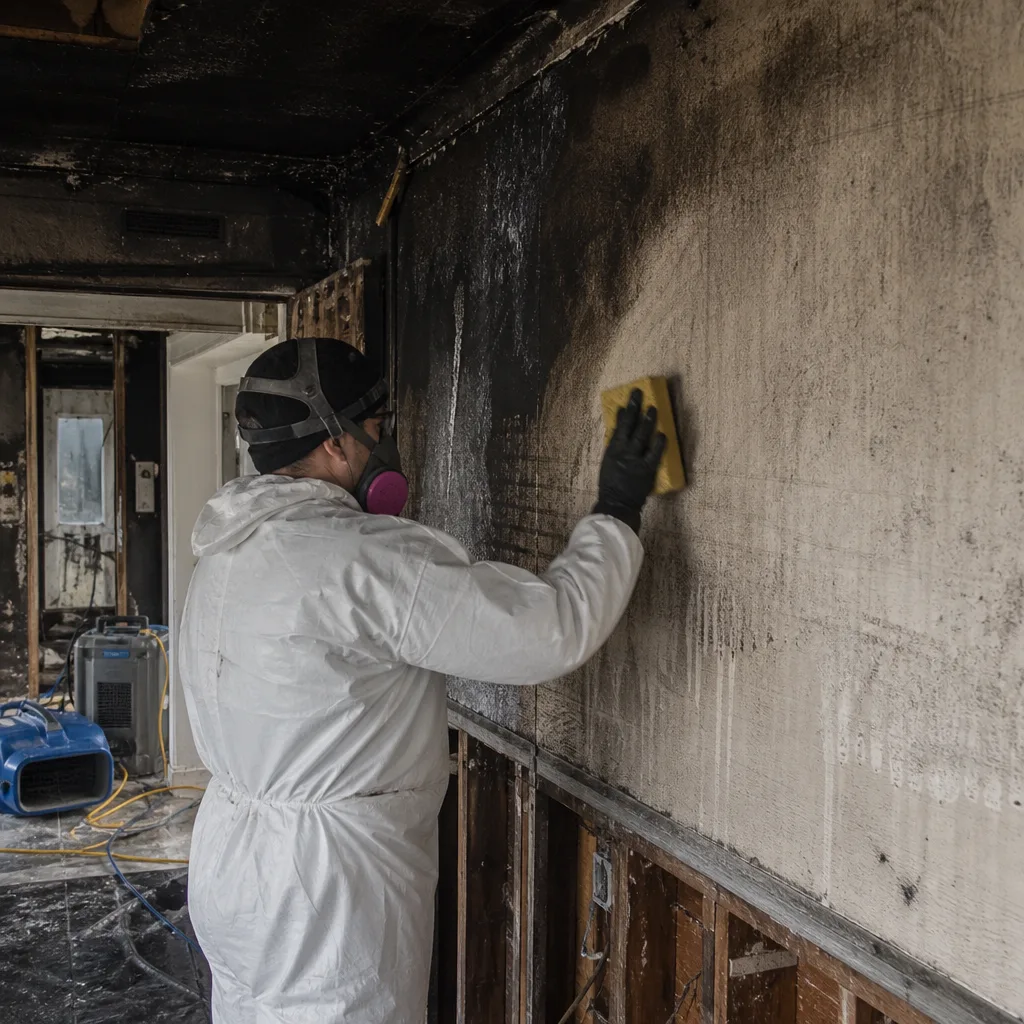
We HEPA-vacuum and dry-sponge soot from sealed surfaces, hand-clean original plaster with conservation-safe methods, and apply antimicrobial treatments to porous materials like cedar shakes and plaster. No pressure washing on historic surfaces without treatment; that leads to mold blooms behind the shingles.
Odor Removal & Air Scrubbing
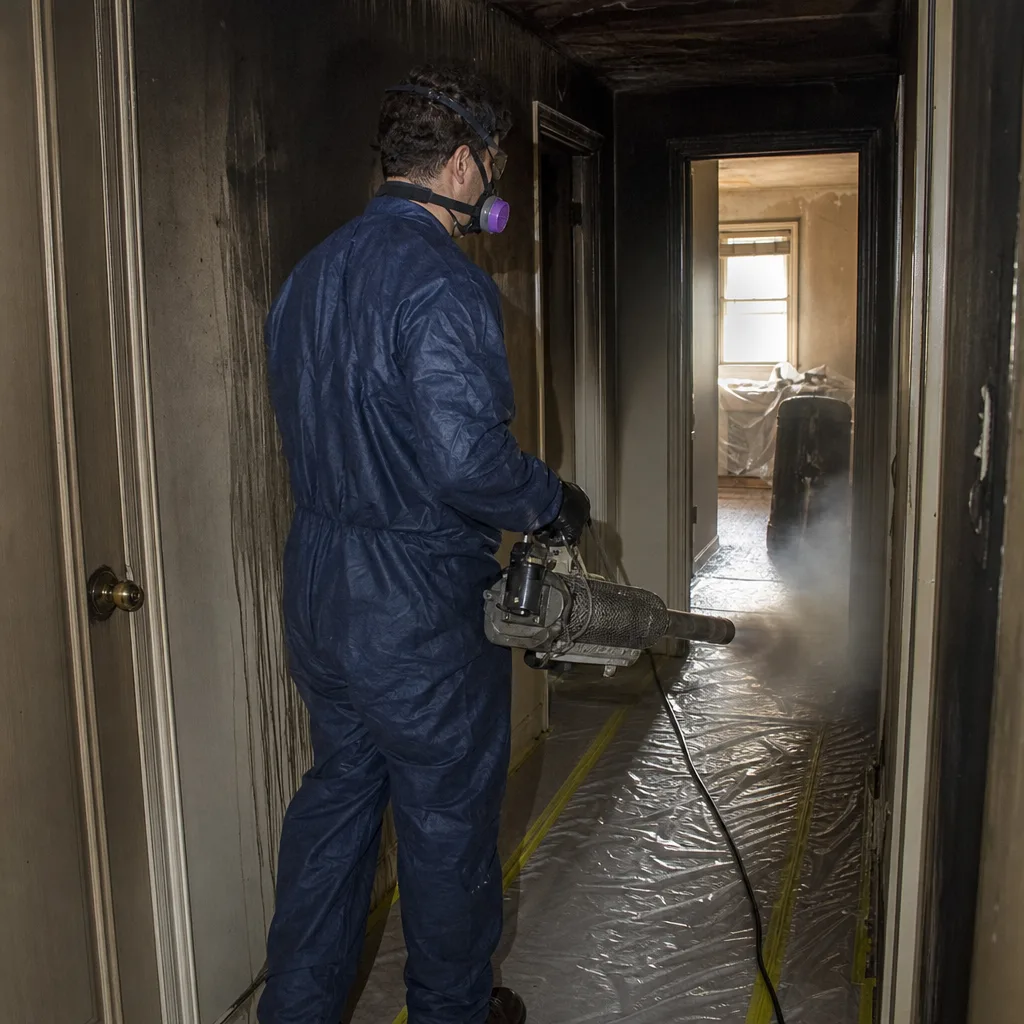
Hydroxyl generators and HEPA air scrubbers run continuously to lift smoke odor from beams, plaster, and fabrics. We use thermal fogging where appropriate for deep-seated odor in wall cavities. Odor removal in a Bedford home means treating the travel paths, not just masking the smell at the source.
Repairs & Restoration
Rebuilding happens with materials that match the pre-loss condition. Lime plaster, not drywall, on a 1790s stone manor. Old-growth timber repair, not modern lumber, under a historic commission’s review. We coordinate with the town’s preservation board and your adjuster through final inspection.
Need Emergency Fire & Smoke Damage Restoration in Bedford Now?
Crews minutes away, answering live 24 hours a day. The sooner we start, the less it costs.
Working With Your Insurance Company
Most Bedford fire losses are covered events, and the claim goes smoother when documentation starts in the first hour. We photograph every room before we touch anything, mark the smoke line, and log moisture readings daily. Our line-item scope uses industry-standard estimating software that your adjuster recognizes. Then we talk to the adjuster directly. You don’t relay emails or play phone tag. For a chimney fire at a timber-frame farmhouse, we’ve sent the carrier a full photo set with drying logs and a written preservation plan for the plaster, and the claim moved without a single dispute.
What We Provide Your Insurer
- Thorough documentation of the loss
- Photos of all damage, room by room
- Moisture readings and drying logs
- A detailed, line-item scope of work
- Direct coordination with your carrier
Built for Bedford’s Loss Calendar
Fire and smoke losses in Bedford follow a pattern that tracks the seasons, and the town’s older housing stock makes each season distinct. January and February bring chimney fires from wood stoves and fireplaces running hard in homes with original flues that haven’t been re-lined in decades. Creosote builds up inside the masonry, ignites, and sends smoke through the entire house. Spring thaw brings the secondary loss: firefighting water that soaked into fieldstone foundations freezes and cracks joints, then the thaw lets groundwater into a basement that was just dried. July and August thunderstorms knock out power, which brings generator misuse fires and electrical panel surges on older wiring. October through December, Nor’easters topple mature oaks onto carriage barns and wing additions, and if a storm-damaged tree takes down a power line, the resulting electrical fire falls under the same restoration scope. The Town Tree Preservation Law then governs how fast we can even clear the debris. Every one of these seasons demands a crew that knows the difference between a 1790s stone manor and a 1990s colonial.
Fire & Smoke Damage Restoration Across Bedford’s Neighborhoods
Bedford’s three hamlets – Bedford Village, Bedford Hills, and Katonah – each present their own restoration profile. Bedford Village holds the densest concentration of 18th-century homes, centered near the Village Green and along Old Post Road. These are the jobs where horsehair plaster and hand-hewn beams dominate, and where conservation-sensitive cleaning matters most. Bedford Hills runs along Route 117 and has a mix of early 20th-century colonials and newer construction, where smoke from basement fires travels through balloon framing faster than you’d expect. Katonah, rebuilt after the 1897 relocation, has a stock of late Victorian and early Arts and Crafts homes with lath-and-plaster walls and fieldstone foundations that still move water. On Cantitoe Street and around Guard Hill Road, estate properties with converted carriage barns and outbuildings mean fire damage can spread across multiple structures on one lot, each requiring its own containment zone and documentation set.
Specialized Fire & Smoke Damage Restoration Services We Offer in Bedford
Fire Damage Cleanup
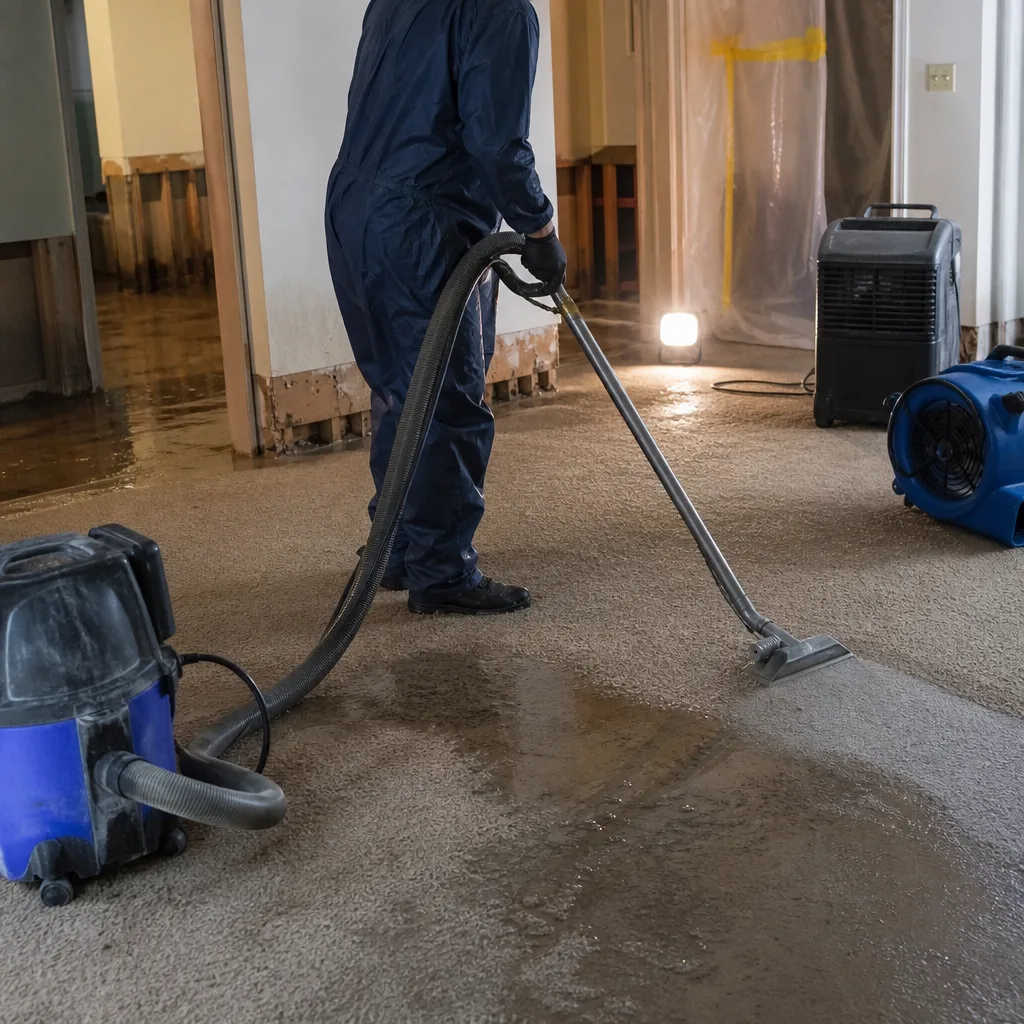
We remove charred debris, damaged contents, and unsalvageable structural material. In Bedford’s older homes, this often means hand-carrying debris out through narrow doorways and around protected specimen trees, never running machinery over a root zone without the town’s blessing.
Smoke & Soot Removal
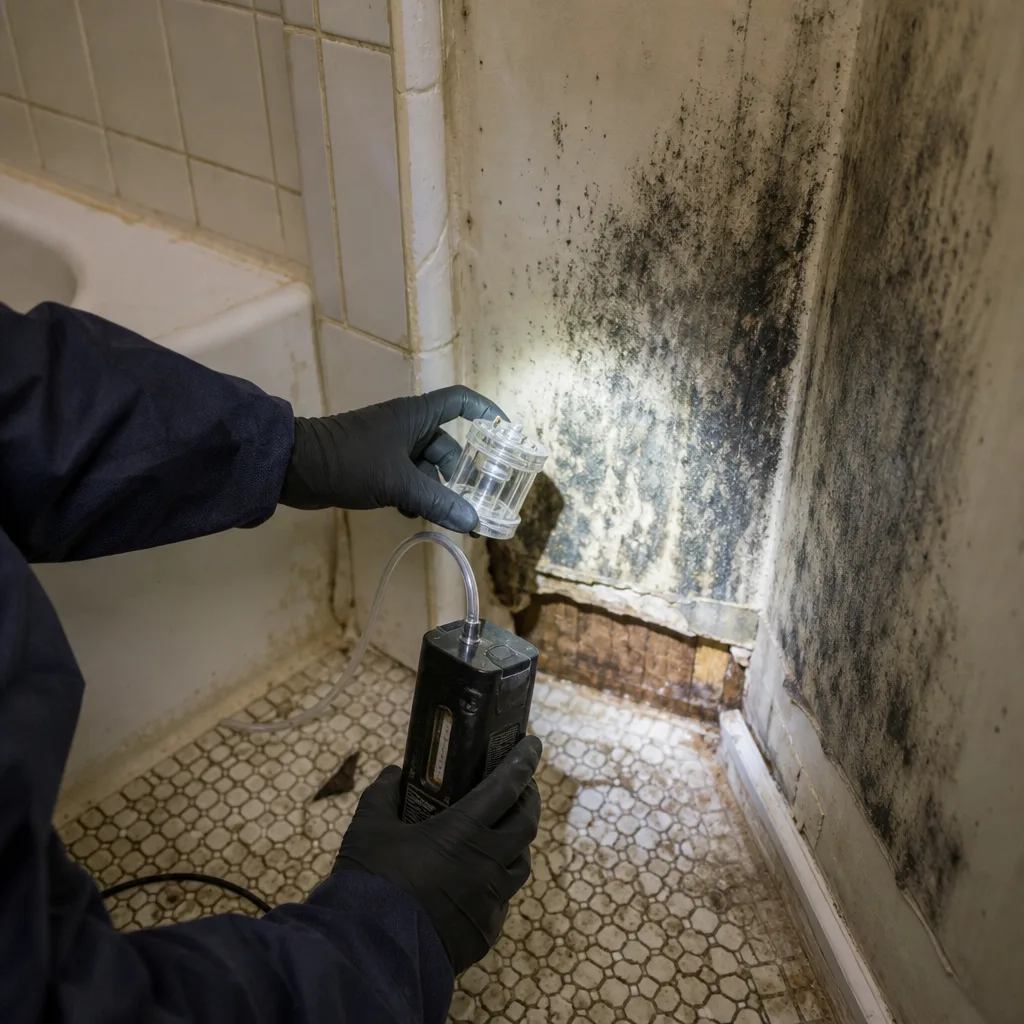
Dry soot, oily soot, and protein residue each require different chemistry and different tools. We identify the residue type on site, then clean original plaster, exposed beams, and millwork with methods that lift soot without stripping historic finishes. No pressure washing on porous surfaces without an antimicrobial pass.
Odor Removal & Deodorization
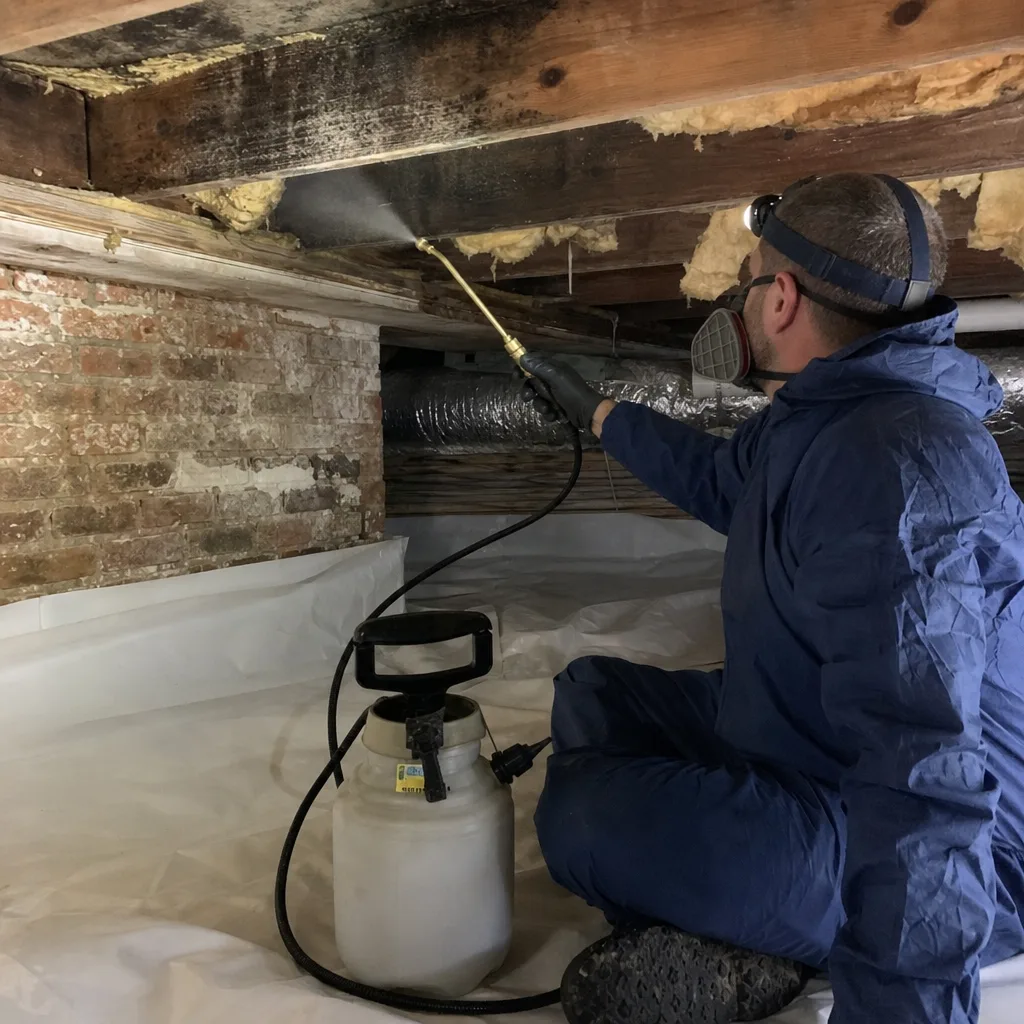
Smoke odor in a Bedford historic home lives in horsehair plaster, fieldstone mortar joints, and the check splits of old timbers. We run hydroxyl generators and HEPA air scrubbers continuously, and we use thermal fogging to reach odor inside wall cavities where smoke traveled but fire never touched. Re-odorization happens when the travel paths aren’t treated, not when the source room looks clean.
Contents Cleaning & Pack-Out
Furniture, clothing, art, and heirlooms from a Bedford estate often can’t be cleaned in place. We pack out contents, inventory every piece with photos, and clean them at our facility using ultrasonic and ozone treatment where appropriate. Your grandmother’s sideboard comes back clean, documented, and ready for the restoration board’s review if needed.
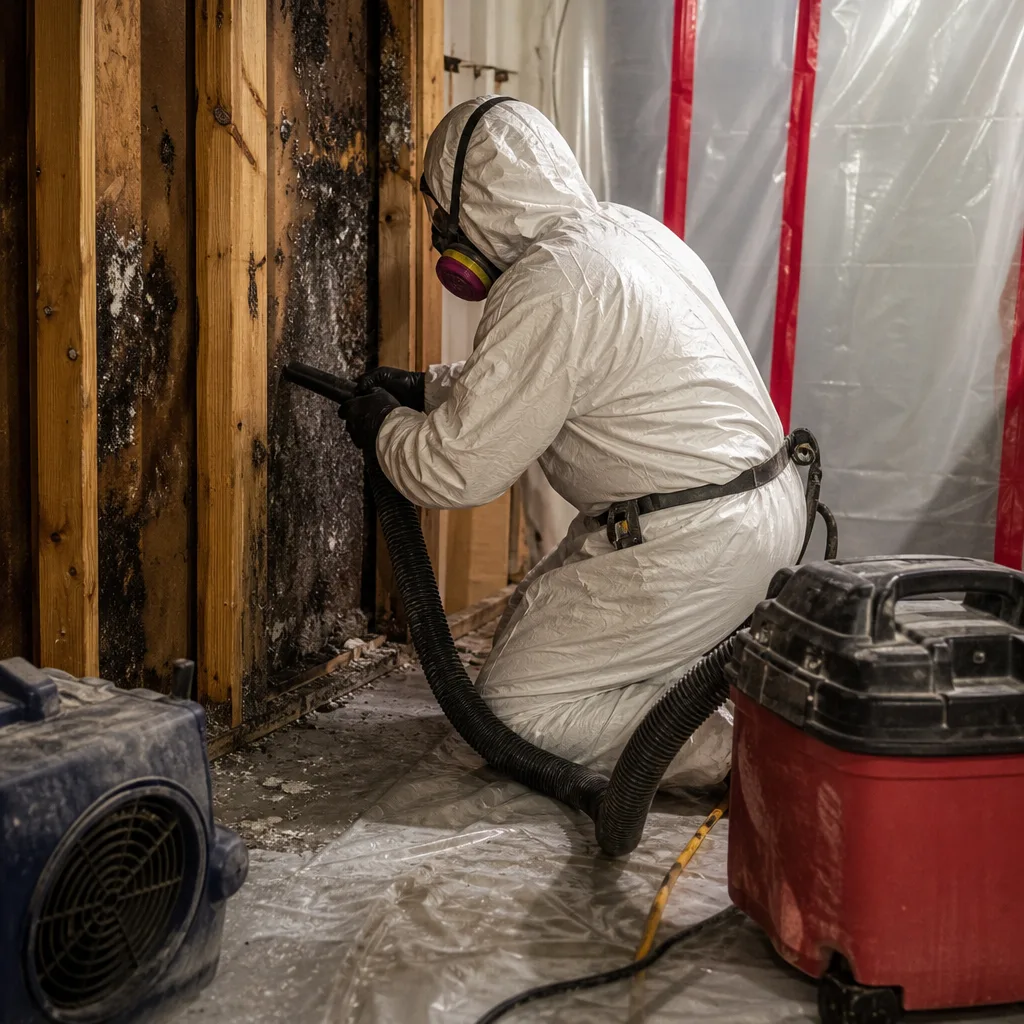
Emergency Board-Up & Tarping
The same night as the fire, we secure the structure. Cedar shake roofs get tarped with care so the shingles don’t tear. Broken windows get plywood, not plastic sheeting, because Bedford’s winters and Nor’easter season demand real protection between the fire and the full repair.
Structural Fire Repair
When old-growth beams char, we assess the depth of carbonization and repair with matching materials. A 200-year-old beam that’s lost its structural section gets sistered with like-species timber, not replaced with a steel I-beam unless the preservation board says otherwise. Structural repair in Bedford means the building stands for another century, not just long enough to pass an inspection.
What happens when you call
- 1
A real person answersNo phone trees - you reach a local pro.
- 2
You get an upfront price rangeHonest numbers before anyone is dispatched.
- 3
A background-checked tech heads outLicensed & insured, dispatched right away.
- 4
You approve before work beginsNothing starts until you say go.
Fire & Smoke Damage Restoration Costs in Bedford, NY
Fire and smoke restoration in Bedford runs wider than in neighboring towns because the materials cost more and the preservation requirements add labor. A light soot cleanup from a contained kitchen fire typically runs $2,800 to $5,500 in Bedford, including HEPA vacuuming, dry sponge work, and air scrubbing. Moderate smoke migration into plaster walls and fieldstone foundations – the most common scenario we see – runs $8,000 to $22,000 depending on the square footage and how far the smoke traveled. Full structural fire repair on a historic home, including timber repair, plaster restoration, and contents cleaning, starts around $35,000 and goes up from there. The variables are material matching, not just square footage. Hand-troweled lime plaster costs more than drywall, and it takes longer to cure. Old-growth timber sourcing adds time and money. Insurance covers most of these losses; your out-of-pocket is typically the deductible plus any upgrade you choose beyond the pre-loss condition. We give you the firm number in writing after a free visual inspection, before you commit to anything. Call (917) 924-4221 for an exact quote.
We Also Serve Cities Near Bedford
Our crews respond throughout northern Westchester, including Bedford Hills, Mount Kisco, Armonk, and Katonah. The same live dispatch, the same 45-minute commitment, and the same written scope apply regardless of which side of the town line your property sits on. Bedford is our home territory, but we know the codes and the tree laws in every surrounding hamlet.
Serving Bedford, NY - Our Local Coverage Area
We’re based in the Bedford area and know this community well. Use the map below to see our service coverage - if you’re nearby, we can almost certainly help.
Bedford Fire & Smoke Damage Restoration Questions, Answered
How fast can you actually get to a Bedford fire damage call?
Most Bedford addresses see a crew on site within 45 minutes of your call. Our dispatch board is live around the clock, and we stage equipment for the northern Westchester area specifically so we’re not coming from a warehouse an hour away. Call (917) 924-4221 and a person answers, every time.
Will my insurance cover fire and smoke restoration in Bedford?
Most homeowner policies cover fire, smoke, and the water used to fight the fire. The coverage amount depends on your policy’s dwelling and contents limits. We document everything from the first hour, send photos and drying logs directly to your adjuster, and bill the carrier directly so you’re not fronting cash and waiting for reimbursement.
Why does smoke odor linger longer in a Bedford historic home than in newer construction?
Horsehair plaster, fieldstone mortar, and old-growth timber are all more porous than modern drywall and processed lumber. Smoke odor settles into those pores and the air channels behind them, then releases slowly over weeks. Newer construction seals tighter and cleans faster. That’s why our Bedford work includes treating the travel paths, not just surface cleaning. Get a free inspection and we’ll show you exactly where the odor is living in your walls.
If my 200-year-old barn wing has smoke damage, do I need the town’s permission before we start restoration?
Often, yes. Bedford’s preservation board reviews exterior work and major structural changes on historically significant properties. Interior cleaning and odor removal can usually proceed without a permit, but any structural repair, window replacement, or roof work on a protected structure may need approval first. We handle that coordination for you, and we never start work that could get flagged later. Call (917) 924-4221 and we’ll tell you exactly what applies to your property.
Can you clean smoke-damaged original plaster, or does it have to be replaced?
Original plaster can almost always be cleaned if the soot is caught early and the plaster isn’t structurally compromised. We dry-sponge and HEPA-vacuum surface soot, then use conservation-safe chemical sponges for deeper residue. If the plaster keys have failed from heat or water, we repair with lime plaster matching, not drywall replacement. Your historic home loses value every time someone swaps original material for gypsum board.
How does the Town Tree Preservation Law affect our fire cleanup if a tree fell on the house?
If a protected tree – a mature oak, maple, or beech – fell on your structure, removing the debris may require a permit from the town’s tree warden before we can clear access. That adds days to the timeline that wouldn’t exist in Mount Kisco or Armonk. We’ve handled this exact scenario on Old Corner Road, coordinating with the town before touching a singed 200-year-old beech limb that hung over a wing addition. We know the process, and we document every step for your carrier.
What’s the risk of re-odorization after a fire if we don’t pack out contents?
Fabrics, upholstery, clothing, and paper absorb smoke like a sponge. If you leave them in place during restoration, they release that odor back into the cleaned rooms over the following weeks, and you’re calling us back. Pack-out with professional cleaning at our facility is the only way to fully break that cycle. We inventory everything with photos, so you know exactly what left and what came back.
What should I do in the first 30 minutes after a fire in my Bedford home?
Get everyone out, call 911 if you haven’t already, and then call us at (917) 924-4221. Don’t touch anything. Don’t wipe soot off walls – you’ll grind it deeper into the plaster. Don’t turn on the HVAC system; it will push smoke through every room. Don’t plug in anything electrical until we’ve assessed the panel. The less you disturb the scene, the cleaner the restoration and the smoother the claim.
Written by Curt Bowman, Owner at Floodline Restoration Co. of Manhattan, serving Bedford and northern Westchester since 2010.