
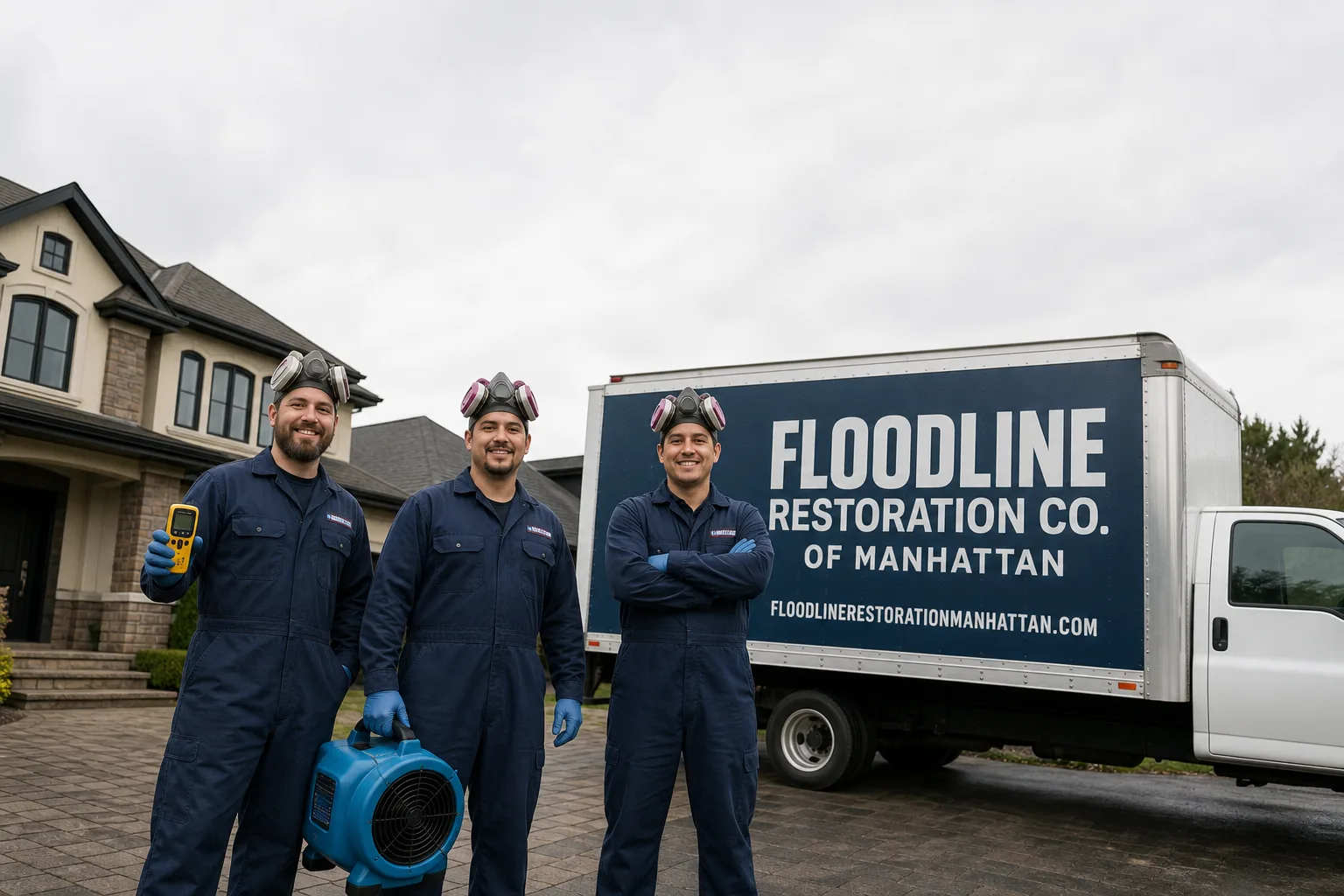
Free visual inspection and a written scope of work before any mitigation begins - photos, moisture readings, and drying logs go in your claim file
The scope we write is the scope we bill. Anything new gets shown to you, in writing, before we touch it.






 Before
 After
After Before
 After
After Before
 After
After24/7 Emergency Fire & Smoke Damage Restoration in Bowery
Fire and smoke damage restoration in Bowery costs between $2,800 and $9,500 for a typical kitchen fire, and $8,000 to $35,000 when structural repairs and landmark compliance are involved. Our crews reach Bowery addresses in about 45 minutes, any hour, every day. Call (917) 924-4221 and a live dispatcher answers. Not a recording. Not a callback queue. We start the visual inspection, contain the soot, and begin mitigation the same visit because the first hour after a fire determines whether odor sets into century-old lime mortar or can still be lifted off surfaces.
Understanding Fire & Smoke Damage Restoration Severity in Bowery Properties
Bowery fires follow patterns tied to the buildings themselves. Most of the corridor’s 5 to 7 story structures went up between the 1860s and 1910s, with original timber floor joists, lime-mortar joints, and vertical plumbing chases left over from the SRO era. Smoke travels through those chases the way water does: silently, across multiple floors, long before anyone sees it. We classify what we find by soot type. Dry protein soot from a kitchen fire is nearly invisible and aggressively odorous. Oily fuel soot from a furnace or appliance fire smears and requires solvent-based cleaning. Wet chemical soot from an extinguished fire is corrosive and starts degrading metal fixtures, hinges, and original cast-iron elements within 48 hours. Bowery lofts and converted SROs hide smoke in wall cavities, under original wood floors, and inside masonry that looks dry but keeps off-gassing for months after generic drywall protocols would have called the job done.
Why Bowery Property Owners Choose Floodline Restoration Co. of Manhattan
- 45-minute response commitment across Bowery. A live dispatcher logs your address and the nearest crew gets rolling. No sales desk. No appointment window that starts after the damage has set.
- 24/7 live answer, every day. At 2 a.m. on a Tuesday, a person picks up. You explain what happened. We move.
- IICRC-certified crews on every job. Our technicians hold FSRT and WRT credentials, plus RIA and IFA training, and they’re background-checked and uniformed. You know who’s in your building.
- Free visual inspection, written scope before work starts. You get a line-item scope. No surprises on the bill. If it’s not in writing, it’s not happening.
- Direct insurance billing. We document everything from hour one, send it to your carrier, and talk to the adjuster directly. You don’t play messenger.
- One team from board-up to rebuild. Fire & Smoke Damage Restoration crews handle extraction, drying, odor removal, and structural repair. No handoff. No inherited crew. No re-explaining your building to strangers.
Our Fire & Smoke Damage Restoration Process
Inspection & Assessment
We walk the entire damaged area, including floors above and below the source. Thermal imaging and moisture meters read what’s hidden inside Bowery’s original masonry and timber framing. We map soot type, smoke path, and water migration from suppression systems. You get a written scope before any work starts.
Extraction & Stabilization
Fire suppression water comes out first. In Bowery buildings, that often means category 3 water carrying decades of debris from hidden SRO plumbing chases. We extract, remove saturated materials, and stabilize what can be saved.
Drying & Dehumidification
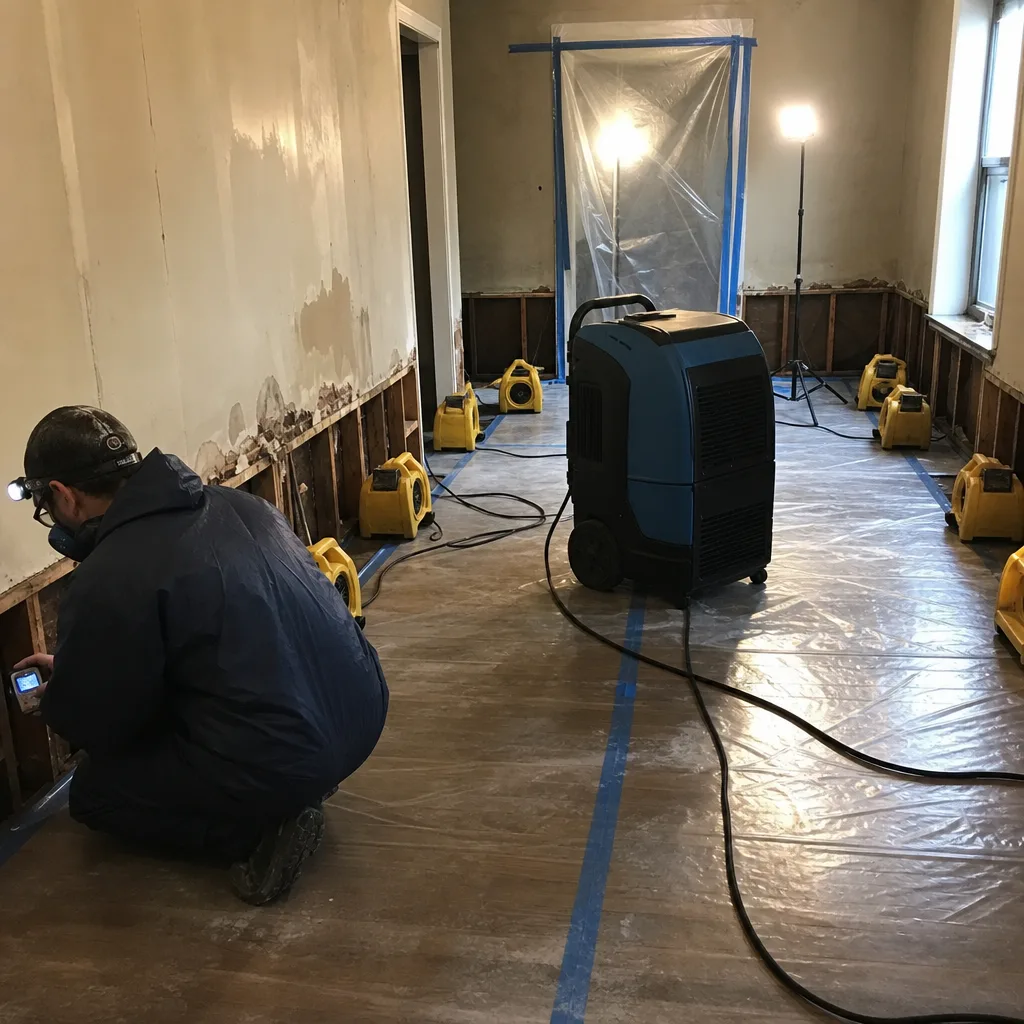
Dri-Eaz and Phoenix dehumidifiers run with XPOWER air movers, positioned based on moisture mapping from day one. We take daily readings and keep a drying log. For Bowery masonry, we monitor lime-mortar moisture content, because standard drywall readings miss the slow wicking that keeps feeding odor back into the air.
Cleaning & Sanitization
HEPA air scrubbers pull soot particles from the air while we clean surfaces appropriate to each soot type. Antimicrobial treatment goes wherever fire suppression water touched concealed chases or organic materials. That step is non-negotiable in buildings this old.
Odor Removal & Deodorization
Bowery’s lime-mortar walls and original timber joists hold smoke like a sponge. We use hydroxyl generators and thermal fogging, sealed cavity by sealed cavity. This is why our odor work is done by the same crew that mapped the smoke path, not a separate vendor guessing where the source was.
Repairs & Restoration
Structural fire repair, including historic fabric replacement where required, is done by the same Floodline team. When the Bowery job involves LPC oversight, we prepare the documentation package and coordinate with the Commission. One crew finishes what one crew started.
Need Emergency Fire & Smoke Damage Restoration in Bowery Now?
Crews minutes away, answering live 24 hours a day. The sooner we start, the less it costs.
Working With Your Insurance Company
We’ve handled hundreds of fire claims in historic Manhattan buildings, and we know what adjusters need. From the first hour, we photograph every affected room, document the smoke path through hidden chases, and record moisture readings across original masonry and timber. Those records become the backbone of your claim. We submit a line-item scope in the same format insurers expect, then talk directly with your adjuster so you don’t have to translate between us and the carrier. We bill the carrier directly for covered work. You approve what gets done before it gets done. If the adjuster has questions about Bowery-specific conditions, like LPC compliance or concealed SRO plumbing paths, we’re the ones answering them, not you.
What We Provide Your Insurer
- Thorough documentation of the loss
- Photos of all damage, room by room
- Moisture readings and drying logs
- A detailed, line-item scope of work
- Direct coordination with your carrier
Built for Bowery’s Loss Calendar
Bowery fires cluster in predictable seasons. January and February hit when space heaters run against walls that haven’t been rewired since the building was converted from SRO use, and when century-old supply lines freeze inside uninsulated masonry chases. Spring thaw after a wet winter means water finds its way into basement-level spaces, where old electrical panels and junction boxes sit inches above the same floor drain that backs up during heavy rain. Summer thunderstorm season brings lightning strikes and overloaded circuits in buildings never designed for modern air conditioning loads. Nor’easters in the fall test every roof penetration and aging window seal above Bowery’s mixed residential and gallery spaces. Add the southern Bowery’s position inside FEMA Flood Zone AE, and you get a restoration calendar where water and fire damage overlap more than most Manhattan blocks. The building that flooded during Sandy is the same building that hides fire-damaged wiring behind a wall opened in 2013. We read the history before we write the scope.
Fire & Smoke Damage Restoration Across Bowery’s Neighborhoods
Response routes across Bowery matter because the corridor runs just over a mile from Chatham Square north to Cooper Square, and every block has its own building signature. Along the southern stretch near Canal Street and Division Street, we see basement-level restaurant fires and flood-zone water intrusion mixing in the same call, with old masonry wicking what the fire didn’t touch. The NoHo Historic District blocks from East 4th Street to Great Jones Street are where LPC oversight shapes every move, from board-up materials to the replacement of a charred lintel. Around Bond Street and East 2nd Street, converted SRO lofts send smoke through three floors of concealed chases before anyone realizes a second-floor kitchen fire spread. Up near Cooper Square and Astor Place, mixed retail-residential buildings built in the 1890s and 1900s hide wiring updates layered through a century of renovations, which makes source-tracing the slow part of the job. Each stretch of the Bowery requires a slightly different version of the same discipline: find the real path of smoke and water before you clean anything visible.
Specialized Fire & Smoke Damage Restoration Services We Offer in Bowery
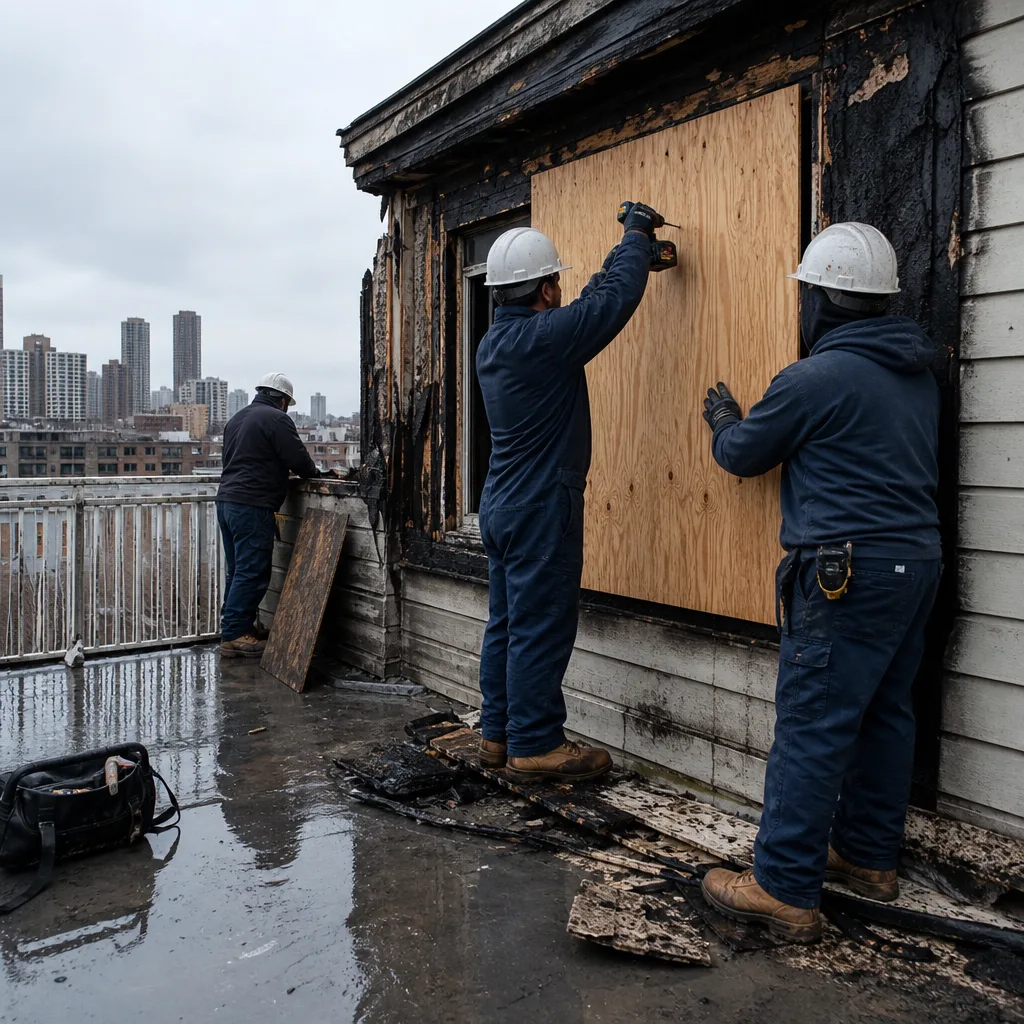
Emergency Board-Up & Tarping
After a fire, securing the building comes first. On Bowery blocks inside the NoHo Historic District, board-up material and attachment methods matter to the LPC, and the wrong choice triggers a stop-work order while soot keeps setting into original wood joists. We board up and tarp same-day, using methods that protect the building and don’t add a compliance problem to an emergency. Done right, and backed in writing.
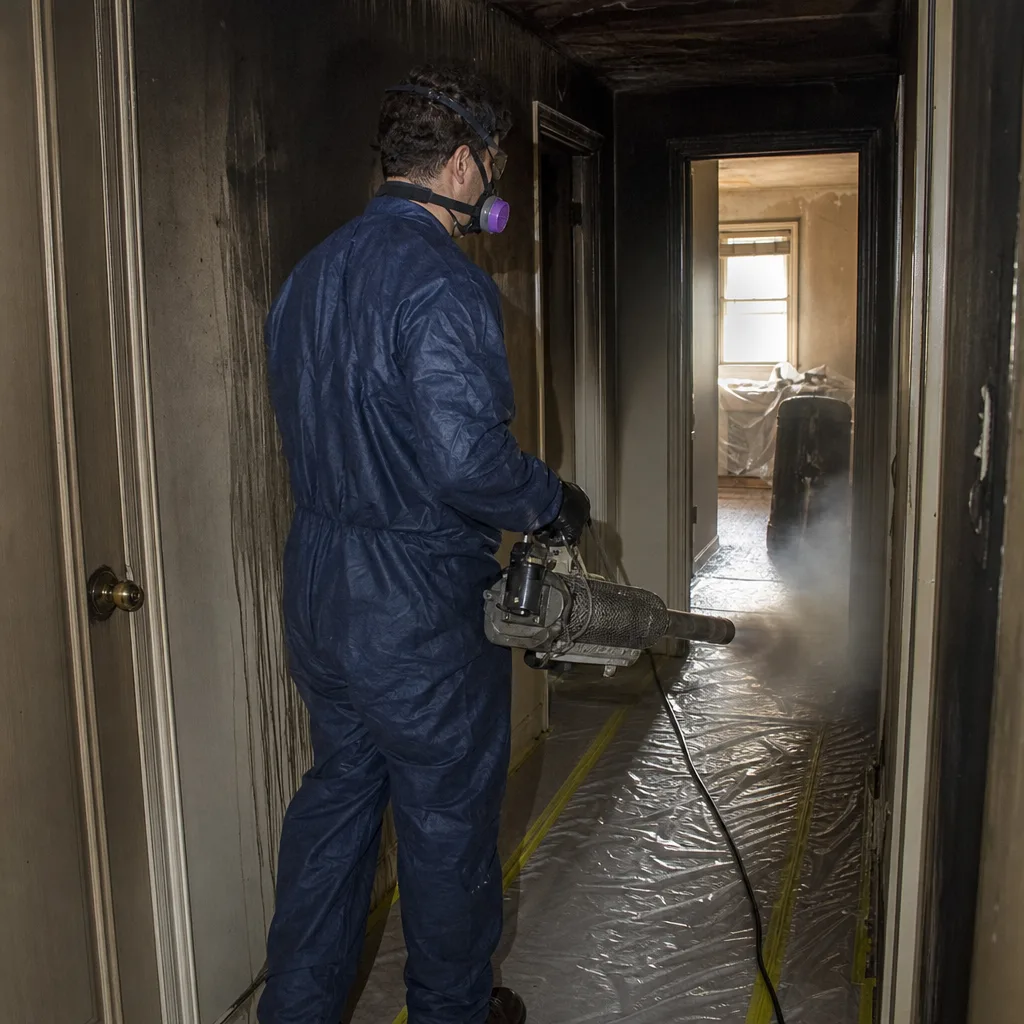
Smoke & Soot Removal
Soot type sets the cleaning method. Kitchen fires leave protein soot that looks light and smells heavy. Appliance or furnace fires leave oily soot that smears with standard cleaning. Extinguished fires leave wet chemical soot that corrodes metal fixtures. In Bowery lofts with original cast-iron columns and hardware, corrosive soot gets treated within 48 hours or it begins pitting surfaces that cannot be replaced without LPC review.
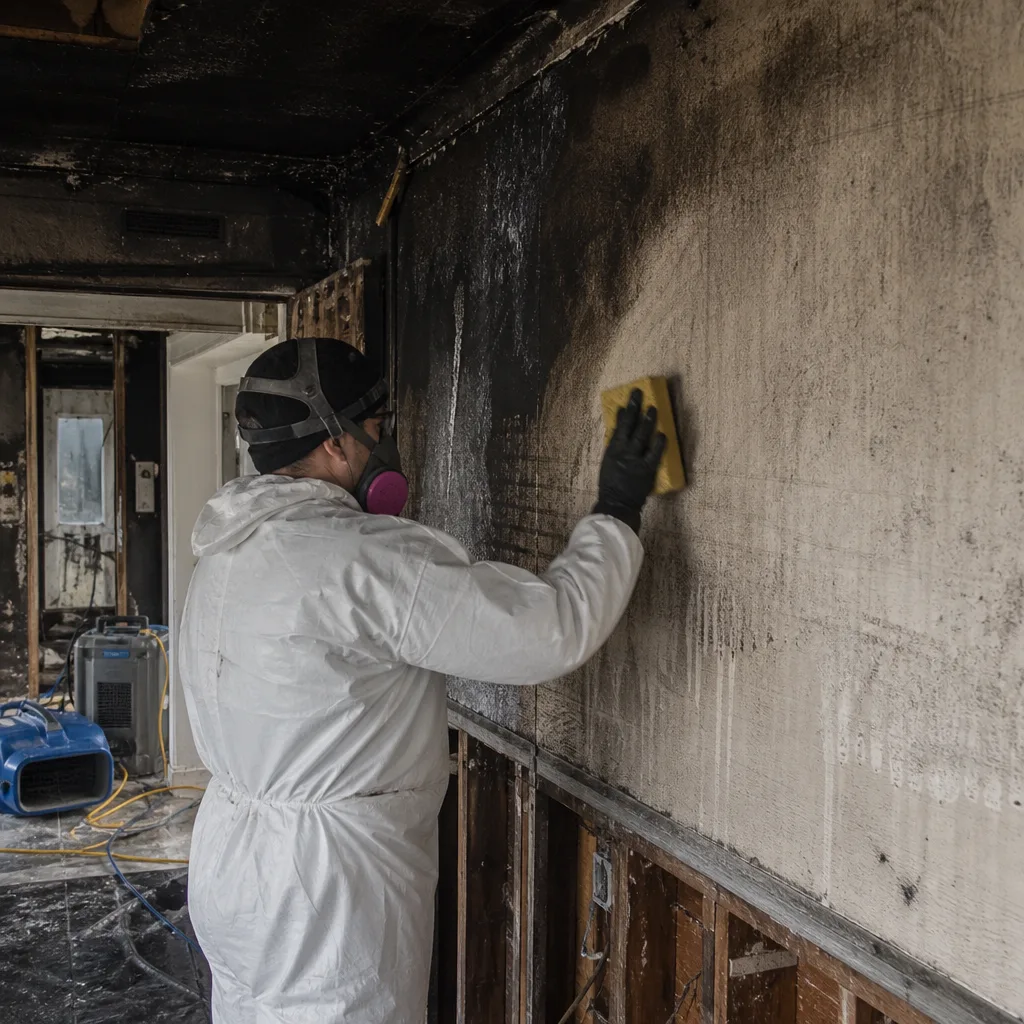
Odor Removal & Deodorization
Lime-mortar walls, timber joists, and hidden SRO plumbing chases mean Bowery buildings hold smoke odor longer than almost any other Manhattan housing stock. Sealing surfaces and spraying deodorizer doesn’t reach the concealed cavities. We containment-zone each affected level, run hydroxyl generators and HEPA air movers from Dri-Eaz and XPOWER, and treat the cavities where odor is actually trapped. When the smell is gone at the source, it stays gone.
Contents Cleaning & Pack-Out
Furniture, artwork, clothing, and gallery inventory in Bowery spaces absorb soot fast. We inventory, pack out, and clean contents off-site when needed, with photo documentation for your claim. Everything is handled by background-checked, uniformed crews, and the invoice matches the inventory sheet line for line.
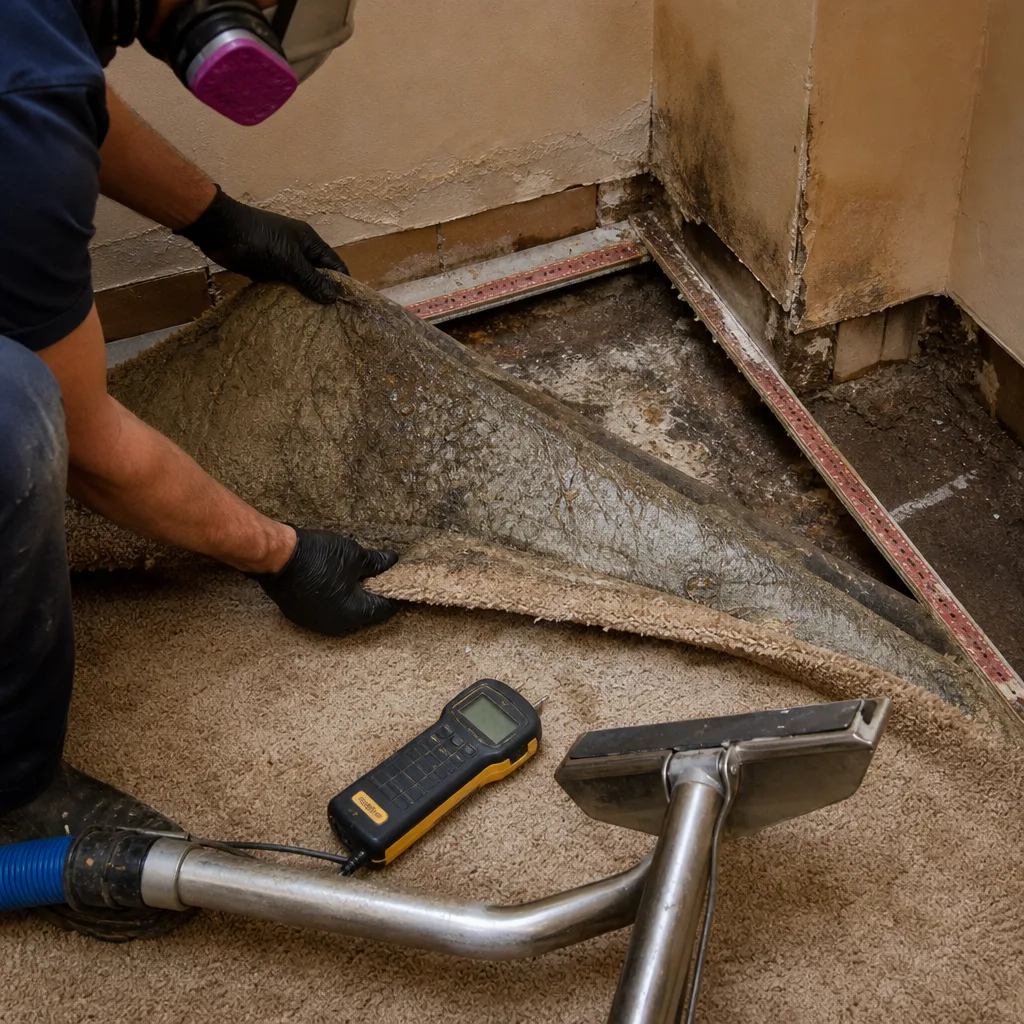
Structural Fire Repair
When fire damage reaches original timber joists, interior masonry, or cast-iron elements, generic repair isn’t an option. We document condition, coordinate with the LPC when the building falls inside the historic district, and rebuild to match the existing fabric. The same crew that dried the structure now repairs it. No mid-job handoff, no re-explaining your building to a subcontractor who has never seen lime mortar.
What happens when you call
- 1
A real person answersNo phone trees - you reach a local pro.
- 2
You get an upfront price rangeHonest numbers before anyone is dispatched.
- 3
A background-checked tech heads outLicensed & insured, dispatched right away.
- 4
You approve before work beginsNothing starts until you say go.
Fire & Smoke Damage Restoration Costs in Bowery, NY
Expect Bowery pricing to run higher than the outer boroughs, driven by landmark compliance documentation, concealed chase access, and masonry-specific drying. A straightforward kitchen fire cleanup in a converted Bowery loft runs $2,800 to $5,500. Smoke and soot removal across multiple floors, with containment and HEPA scrubbing, typically lands between $4,000 and $12,000. Full structural fire repair with LPC documentation and historic fabric replacement starts around $15,000 and can reach $35,000 or more depending on the scale of masonry and timber replacement. Water from sprinklers or fire hoses adds extraction and drying costs, usually $3 to $5 per square foot in Bowery’s building types. What moves the number: how many floors smoke traveled through, whether concealed SRO chases need opening, and whether the building sits inside the NoHo Historic District. Insurance often covers the bulk of this. The free visual inspection gives you a firm, written scope before you commit to anything.
We Also Serve Cities Near Bowery
Floodline Restoration Co. of Manhattan responds across Lower Manhattan and the surrounding borough areas. We regularly serve property owners in Fairview, Harrison, East Bronx, and Hunts Point with the same 45-minute response commitment, live 24/7 dispatch, and written scope before work starts. If you’re nearby, we’re on the way.
Serving Bowery, NY - Our Local Coverage Area
We’re based in the Bowery area and know this community well. Use the map below to see our service coverage - if you’re nearby, we can almost certainly help.
Bowery Fire & Smoke Damage Restoration Questions, Answered
Does a fire in a Bowery building inside the NoHo Historic District require different restoration steps than in nearby neighborhoods?
Yes. Any repair touching a pre-Civil War cast-iron façade or original interior masonry requires Landmarks Preservation Commission approval before the work happens. Our team prepares the documentation package and coordinates directly with the LPC so restoration moves forward without stop-work orders. Call (917) 924-4221 and we’ll walk you through what your building needs.
Why does smoke odor linger so long in old Bowery loft buildings after a fire?
Because lime-mortar walls and original timber joists absorb smoke at the molecular level, and hidden SRO-era plumbing chases carry soot into cavities that standard drywall cleaning never reaches. Odor keeps off-gassing from those concealed spaces for months unless each cavity is treated directly. Our process maps the smoke path first, then treats every affected cavity, not just the visible surfaces.
What happens if my Bowery building’s fire damage includes water from sprinklers or fire hoses?
That water is category 3 by the time it sits in a century-old Bowery building. It carries soot, fire residue, and whatever was already inside decades-old plumbing chases. We extract it, dry the masonry to standard using daily moisture readings, and apply antimicrobial treatment wherever concealed organic materials were soaked. Skipping that step invites mold within 48 hours.
Can you start emergency board-up on a landmark Bowery building the same day as a fire?
Yes. We do same-day board-up and tarping across Bowery, including inside the NoHo Historic District, using attachment methods and materials that satisfy safety requirements without creating an LPC compliance problem. Securing the building immediately is part of mitigation. The written scope includes any LPC notification steps your building requires.
How does the Bowery’s location in a FEMA flood zone affect fire restoration?
The southern Bowery sits inside FEMA Flood Zone AE, which means fire damage here is rarely fire alone. Hurricane Sandy’s surge soaked basement and ground-floor spaces, and that moisture wicked upward through masonry for months. When a fire follows, we’re often drying flood-related moisture while removing soot, and both problems share the same concealed chases. A single-scope approach handles both.
How fast can someone actually get here after I call?
About 45 minutes, any time of day. A live dispatcher answers, takes your Bowery address, and sends the nearest crew. Extraction, containment, or board-up starts the same visit in most cases. Call (917) 924-4221 and you’ll talk to a person, not a menu.
Will my insurance cover fire and smoke restoration in a Bowery building?
Most standard homeowner and commercial policies cover fire damage, smoke removal, and water damage from suppression. Coverage depends on the cause and your policy terms. We document everything from the first hour, submit a line-item scope, and bill the carrier directly, so you’re not fronting costs while the adjuster reviews. We’ll coordinate with your adjuster throughout.
What should I do in the first 30 minutes after a fire in my Bowery building?
Get everyone out and call 911 if you haven’t already. Don’t re-enter. Don’t wipe soot off walls, because the cleaning method matters and trying wrong sets residue deeper. Don’t run HVAC systems, which spread soot through the building. Call (917) 924-4221 and a live dispatcher starts our crew moving. We’ll handle the rest from there.
Written by Curt Bowman, Owner at Floodline Restoration Co. of Manhattan, serving the Bowery since 2010.