
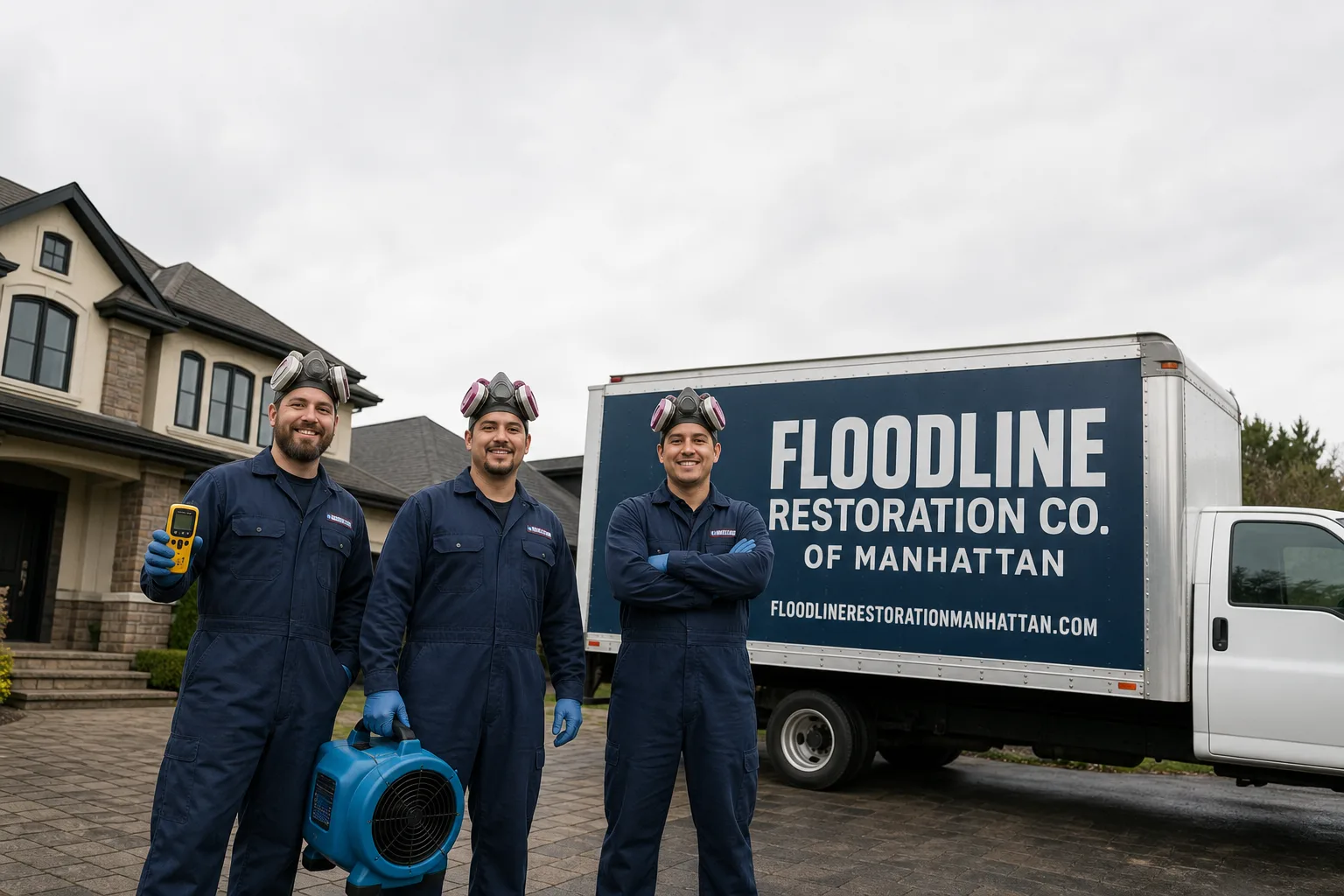
Free visual inspection and a written scope of work before any mitigation begins - photos, moisture readings, and drying logs go in your claim file
The scope we write is the scope we bill. Anything new gets shown to you, in writing, before we touch it.
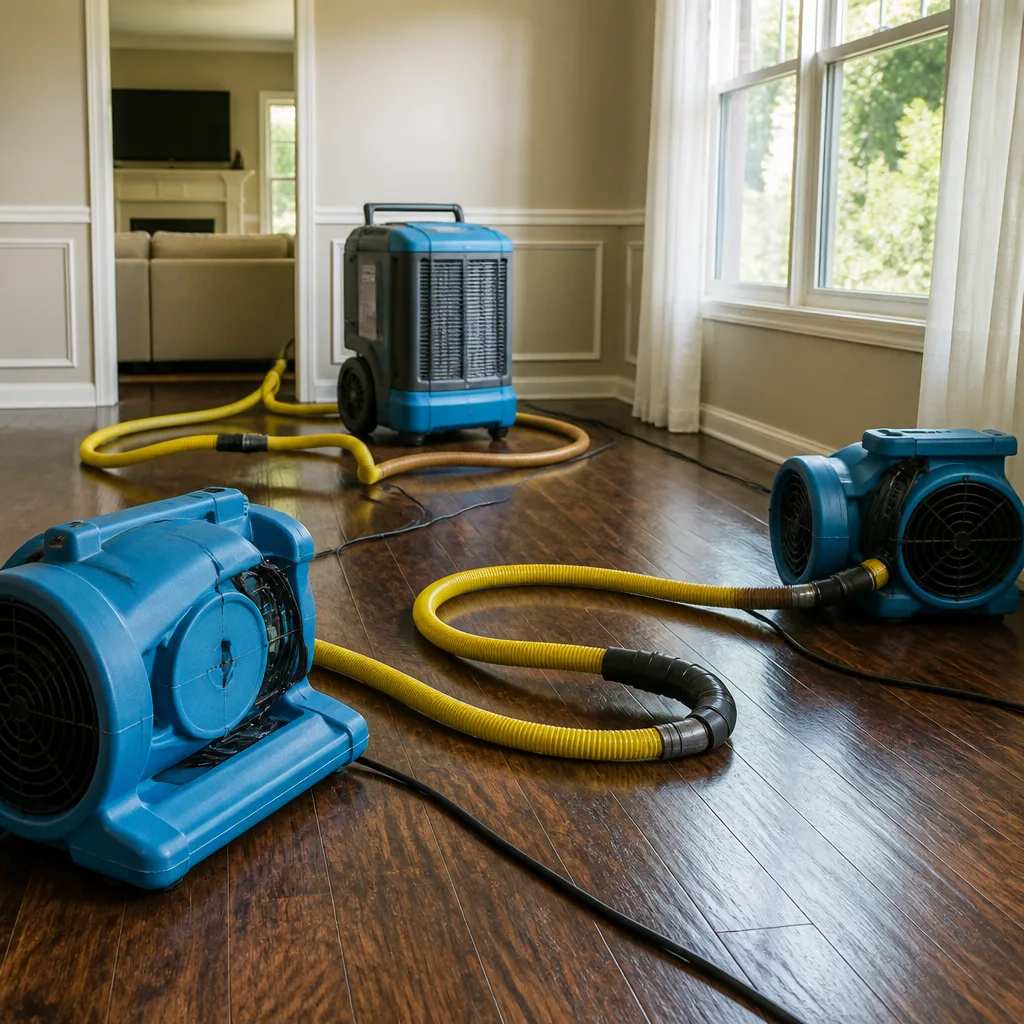

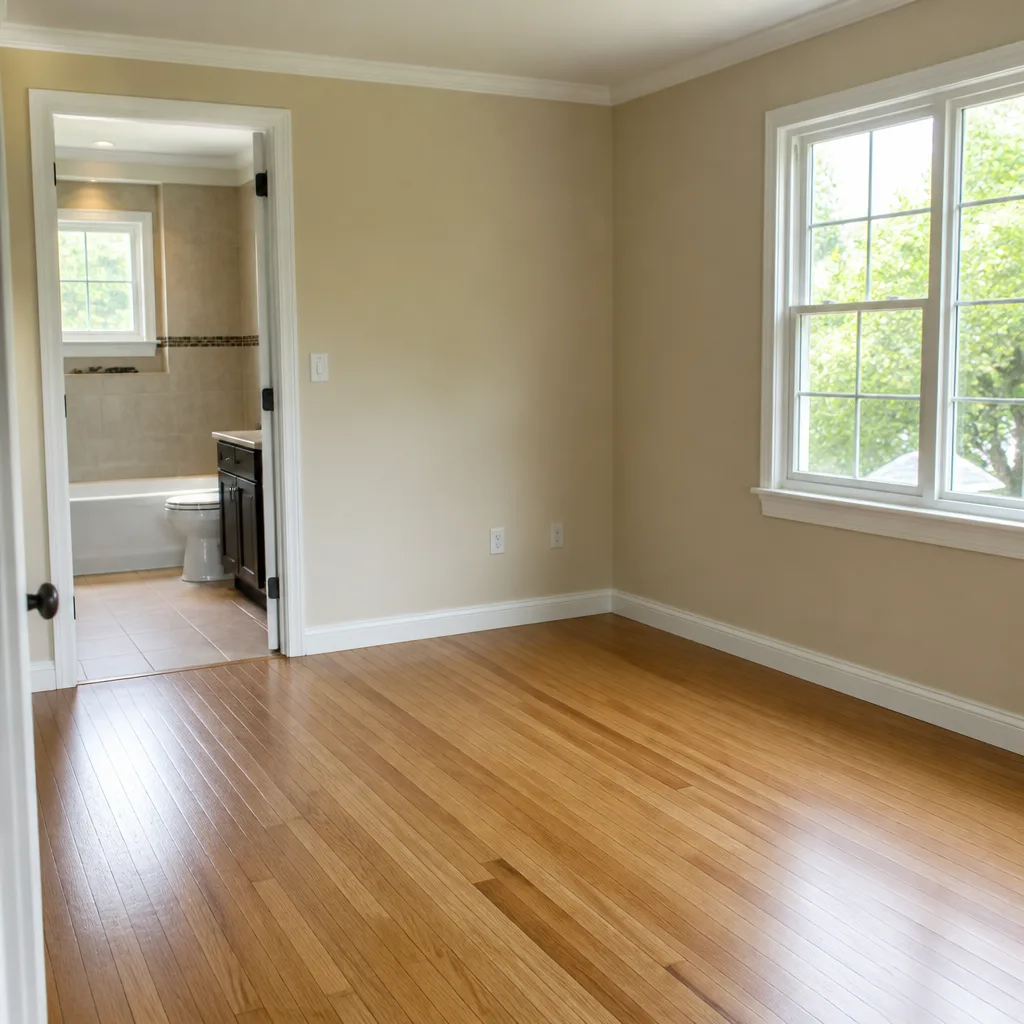
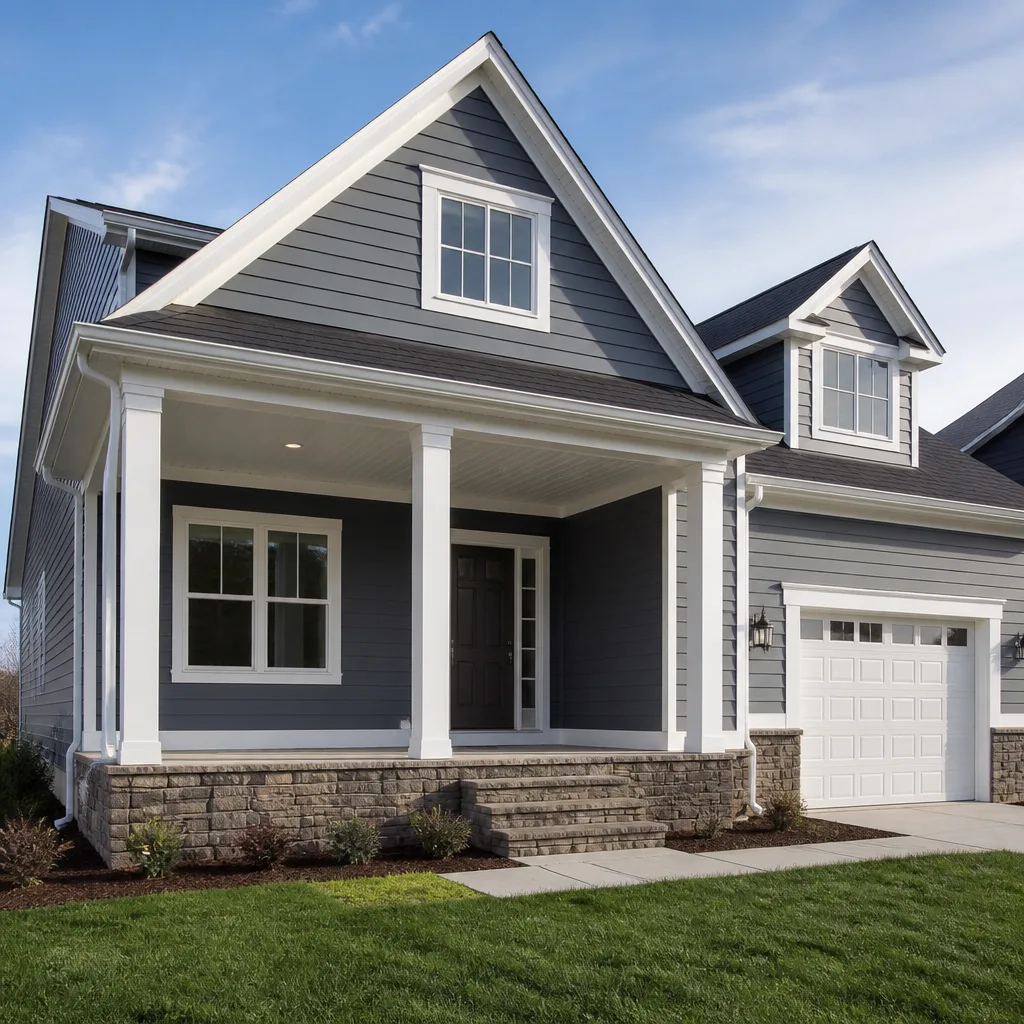
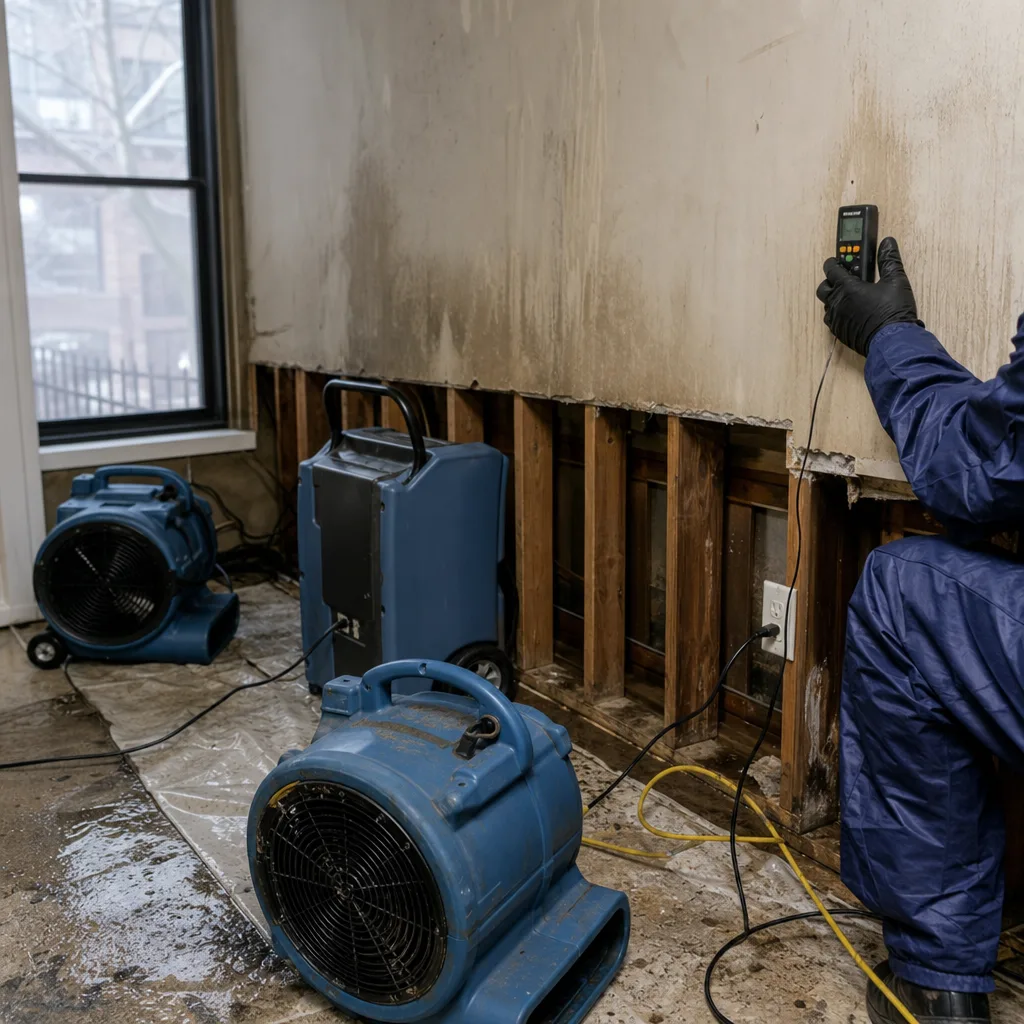 Before
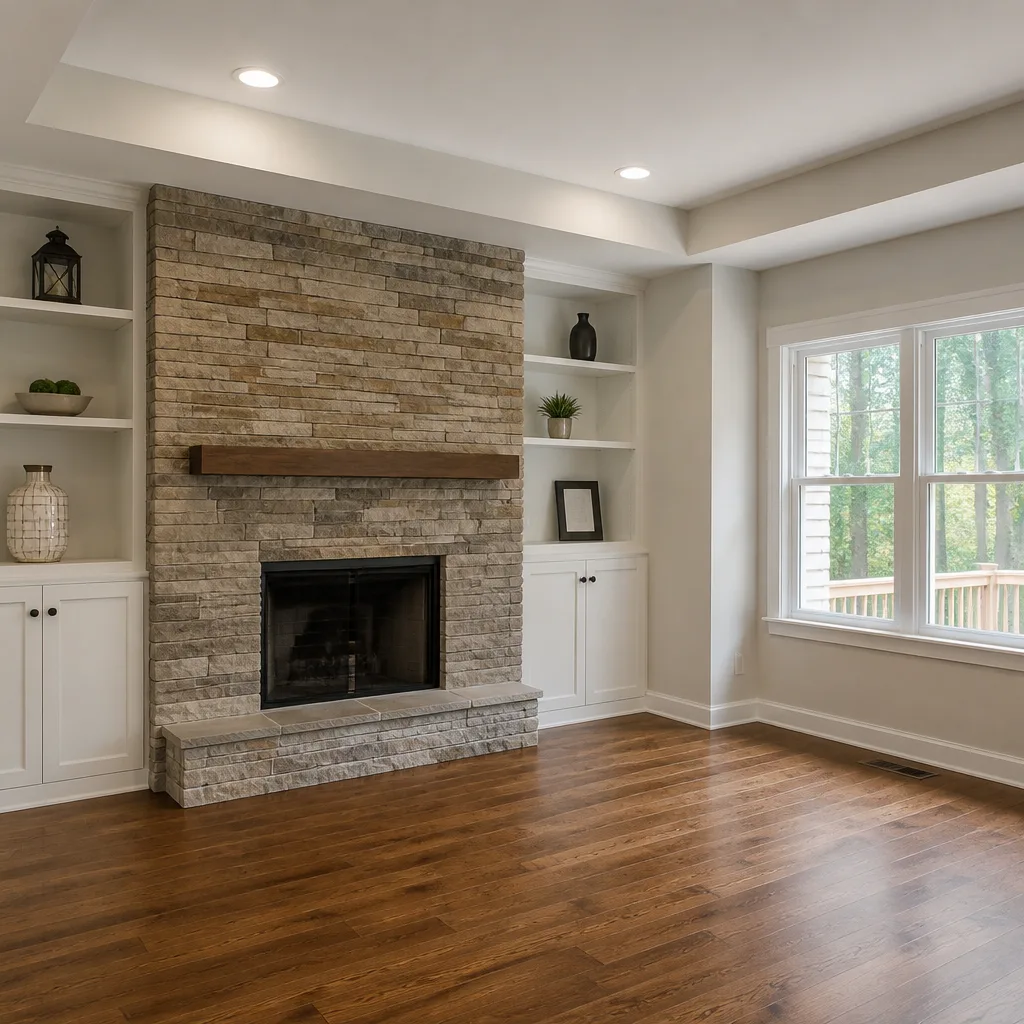
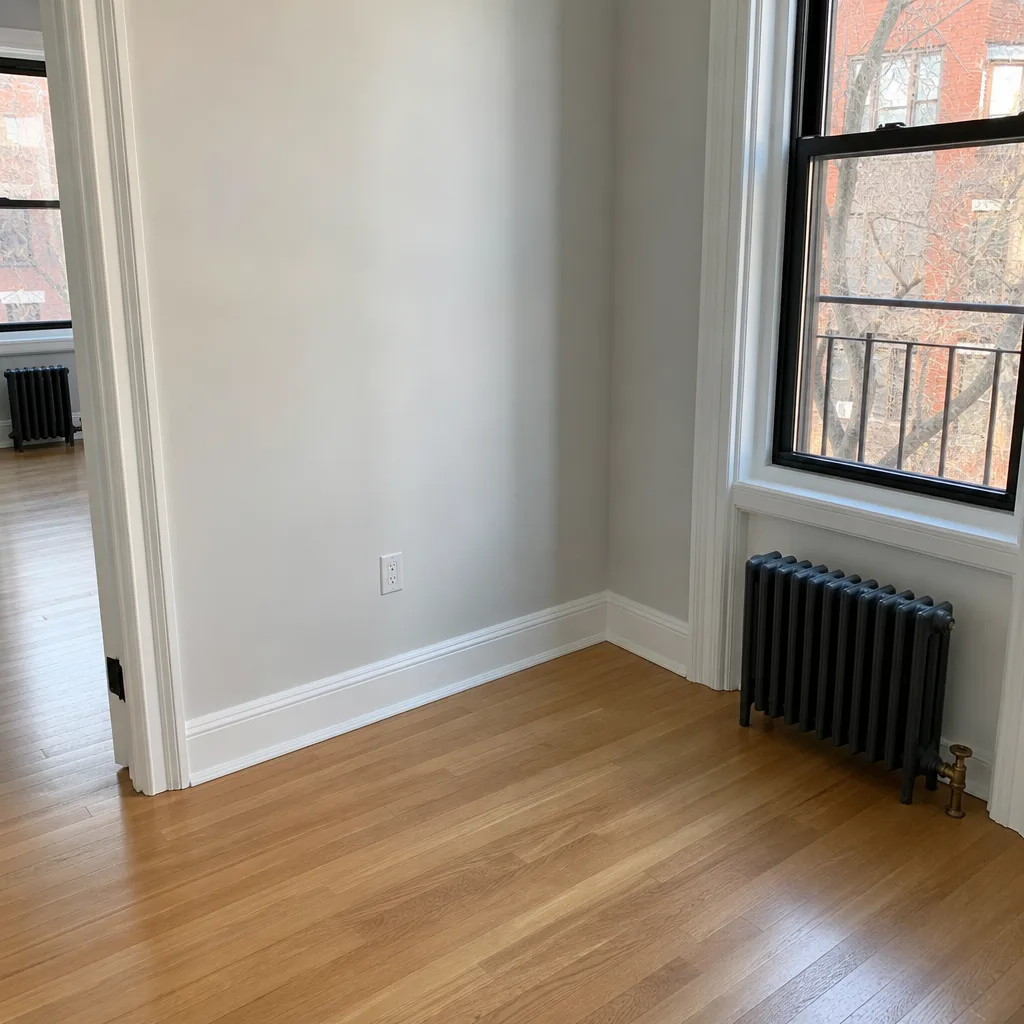 After
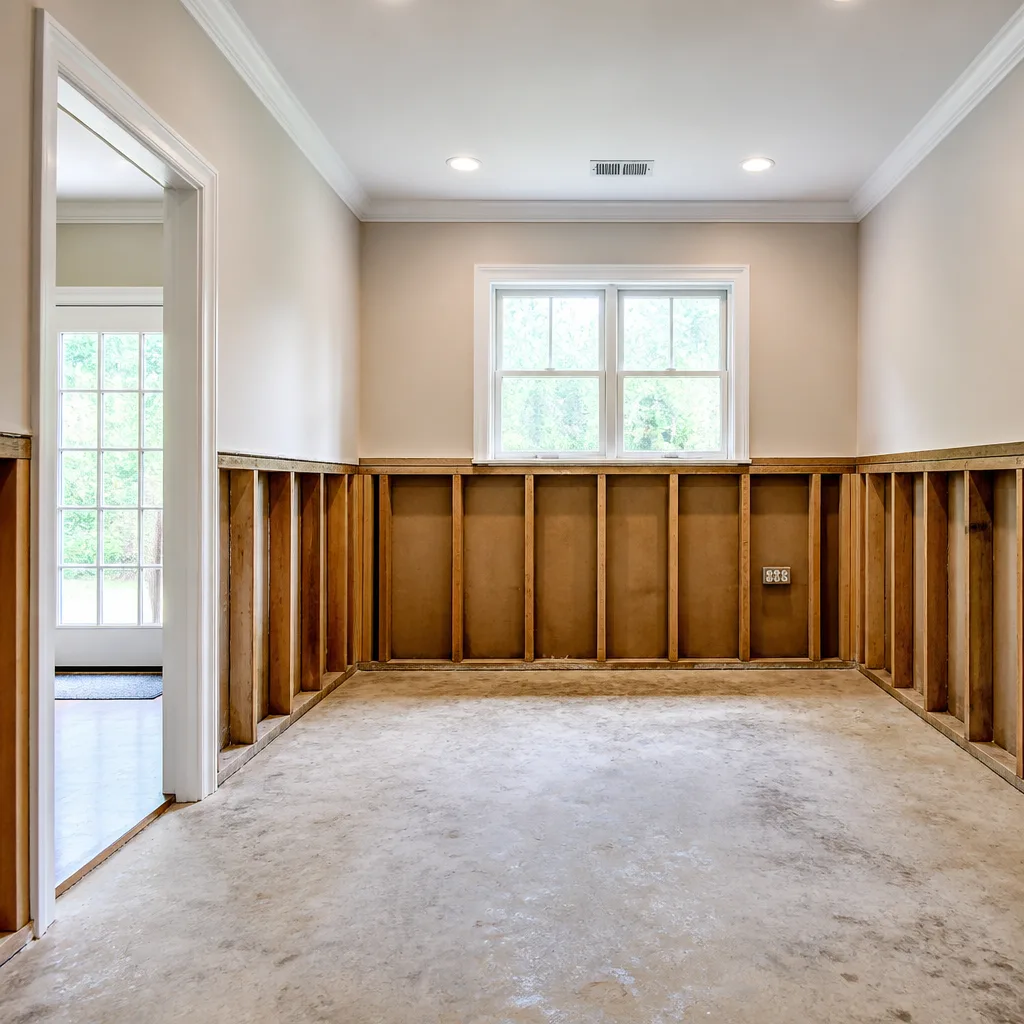
After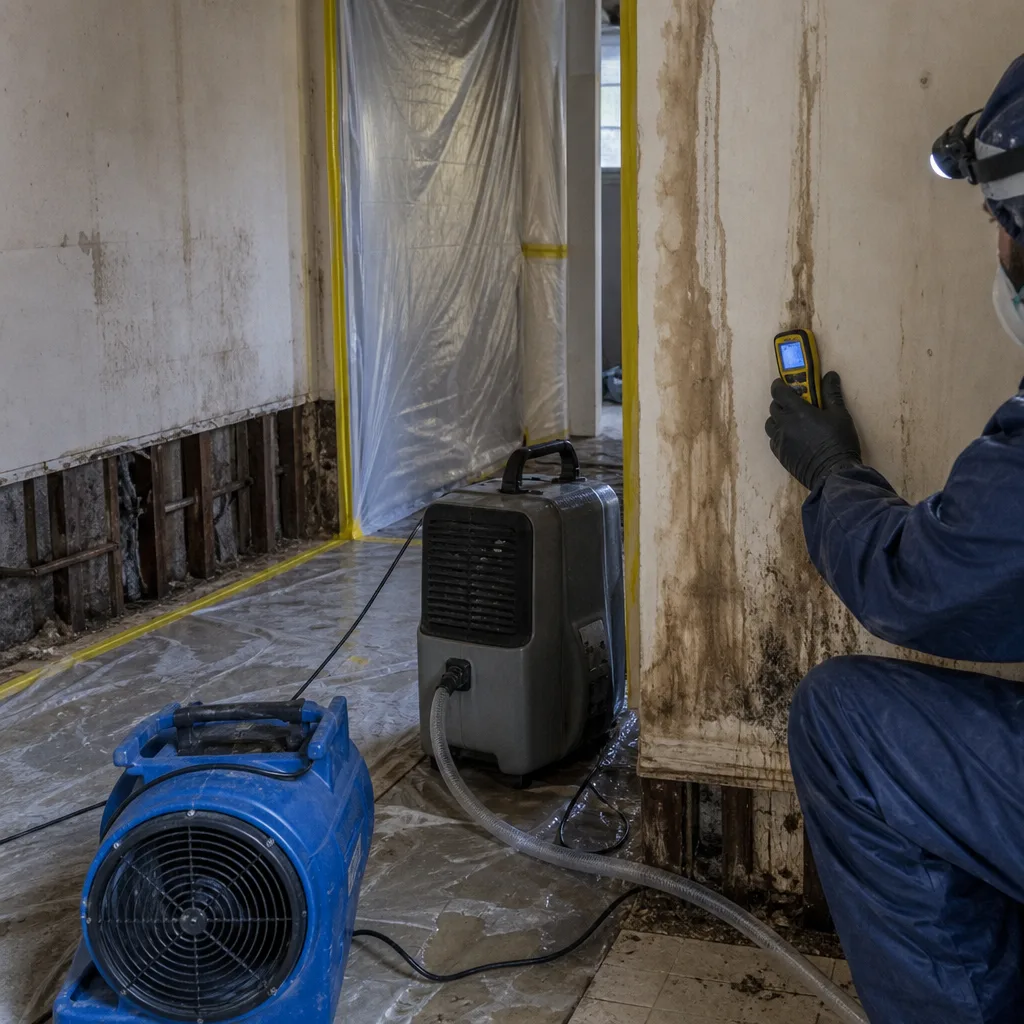 Before
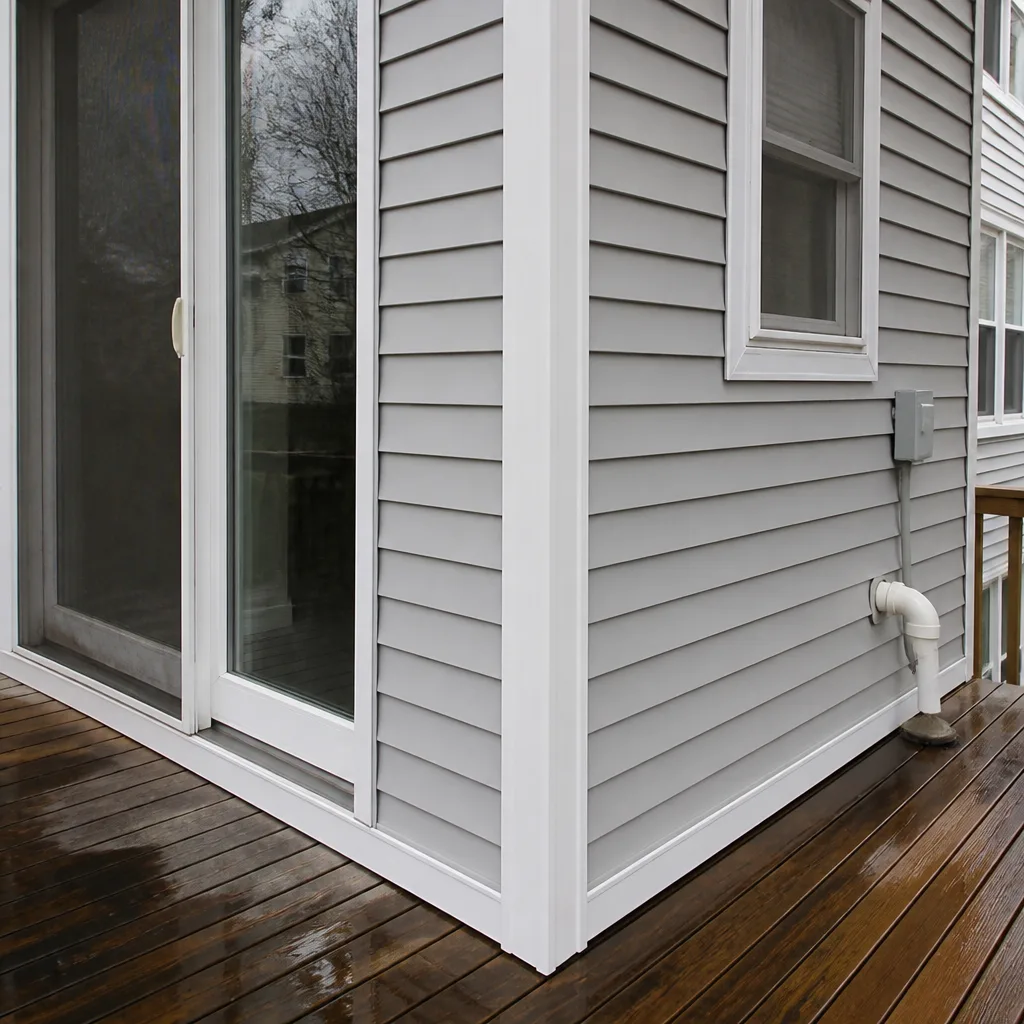 After
After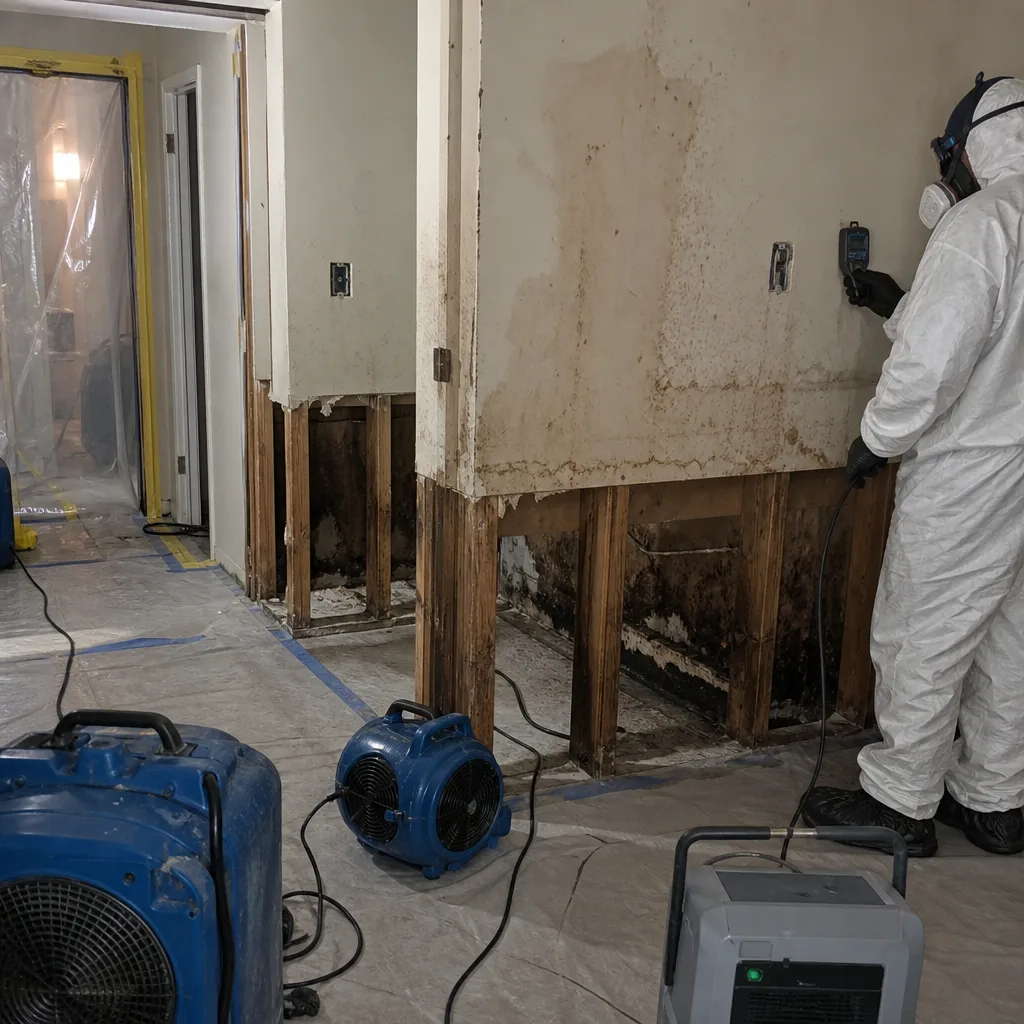 Before
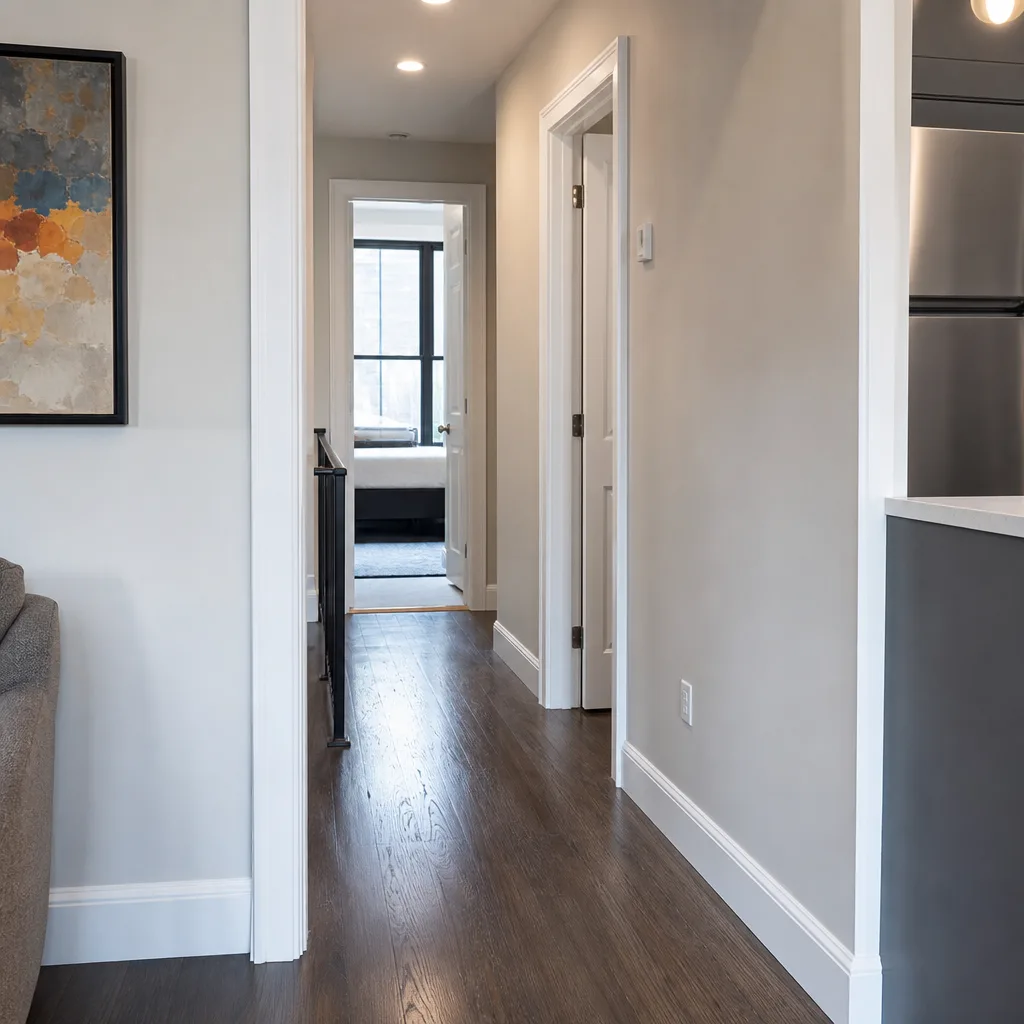 After
After24/7 Emergency Fire & Smoke Damage Restoration in Flower Hill
Fire damage in Flower Hill moves fast, and so do we. Our crews answer live around the clock and can be dispatched to any address in the village within about 45 minutes. The first hour after a fire determines how much of your home can be salvaged: soot begins etching glass and metal within minutes, and smoke odor drives deeper into porous surfaces with every passing hour. Call (917) 924-4221 and a real person picks up, not a recording. We’ll walk you through what to do before we arrive and get a crew rolling to Flower Hill immediately. The visual inspection is free, and we’ll tell you honestly what needs to happen, in what order, and what it should cost before any work begins.
Understanding Fire & Smoke Damage Restoration Severity in Flower Hill Properties
Fire damage in Flower Hill’s custom mid-century homes is rarely a one-room problem. Smoke doesn’t stay where the fire burned. It migrates through wall cavities, follows ductwork, and settles behind wood paneling installed directly on concrete block. We classify soot residue by type: dry protein soot from kitchen fires, oily fuel-oil soot from furnace puff-backs, and wet chemical soot from synthetic materials in furniture and carpet. Each requires a different cleaning method. Wet soot is corrosive and demands immediate action. The big variable in Flower Hill is firefighting water. When the fire department suppresses a fire, hundreds of gallons of water travel through 50-to-70-year-old cast-iron and galvanized plumbing, through joist bays, and down into finished basements that, in this village’s glacial clay soils, were often already holding moisture against their foundation walls. That turns a fire cleanup into a multi-level restoration: smoke remediation upstairs, structural drying downstairs, and mold prevention behind concealed wall cavities. We map moisture with hygrometers and thermal imaging before we ever open a wall, because in these homes, opening the wrong cavity first wastes a day and spreads soot further.
Why Flower Hill Property Owners Choose Floodline Restoration Co. of Manhattan
- 45-minute response commitment to Flower Hill. We dispatch from the New York City office to the village immediately, and our crews know the local routes: Northern Boulevard, Port Washington Boulevard, and the side streets off Dogwood Lane and Woodbine Road.
- A live person answers, 24/7. No automated phone tree, no voicemail at 2 a.m. A dispatcher picks up, every time, and that person can send a certified crew to Flower Hill the same visit.
- IICRC-certified technicians, trained to FSRT and WRT standards. Every tech is background-checked and uniformed, so you know exactly who’s in your home and what they’re certified to do.
- Free visual inspection with a written scope before work starts. No pressure, no vague promises. We hand you a line-item scope in writing and stand behind the number.
- Direct insurance billing. We handle the adjuster communication, the photos, the moisture logs, and the paperwork. You don’t play messenger between us and your carrier, ever.
- One crew from extraction to rebuild, backed by the 90-Day Done Right Promise. The Keystone Standard is in writing. If it’s not done right, we make it right. No arguing, no paperwork battles.
Our Fire & Smoke Damage Restoration Process
Inspection & Assessment
We map the full extent of fire, smoke, and water damage, room by room, using thermal imaging and moisture meters. We look specifically at the paths smoke took: behind paneling, into ducts, and through the framing around original galvanized plumbing.
Emergency Board-Up & Tarping
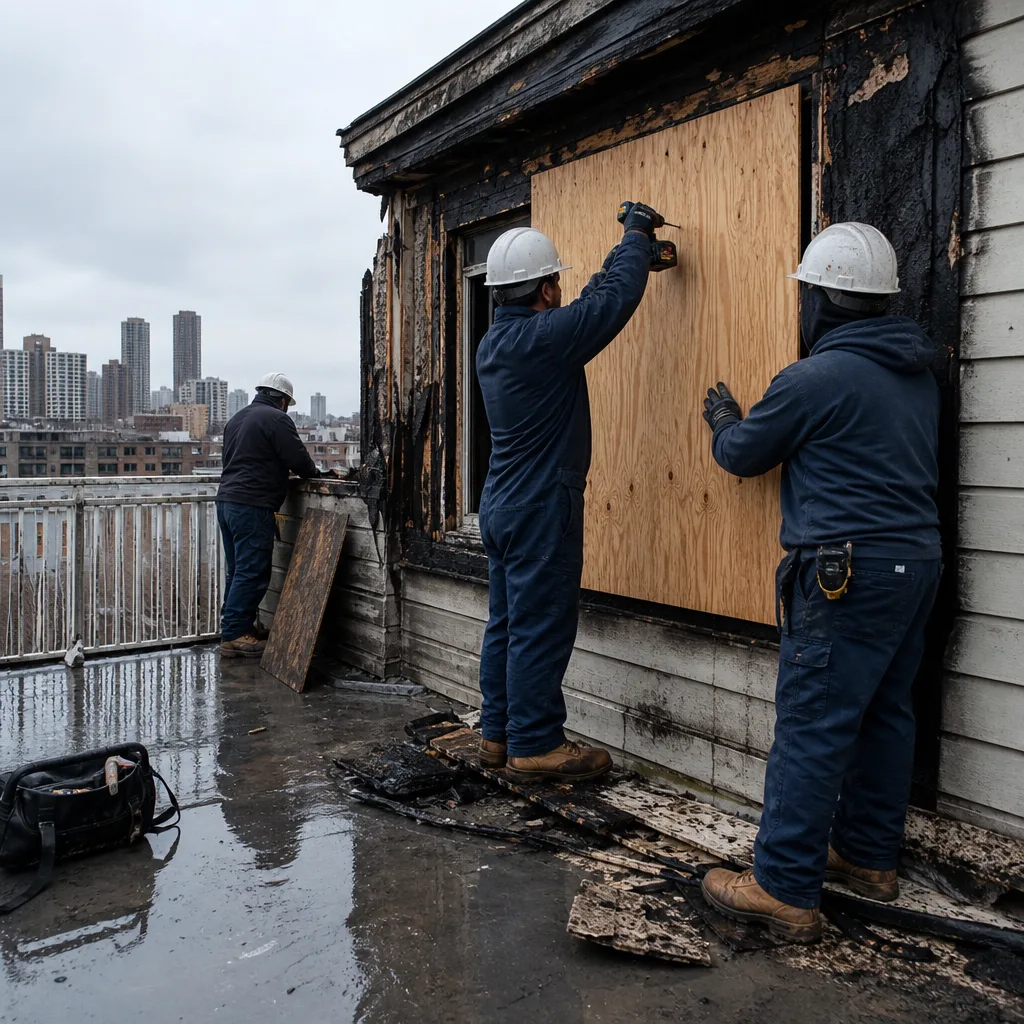
We secure the property immediately. Board-up over broken windows and tarping over damaged roof sections prevents further weather intrusion, secures the home against entry, and protects the contents from additional exposure while we work.
Water Extraction & Stabilization
Firefighting water gets extracted the same day. We use portable extraction units and then position Dri-Eaz and Phoenix air movers and dehumidifiers to begin structural drying in the affected areas, including below-grade spaces where Flower Hill’s clay soils hold moisture.
Soot & Smoke Removal
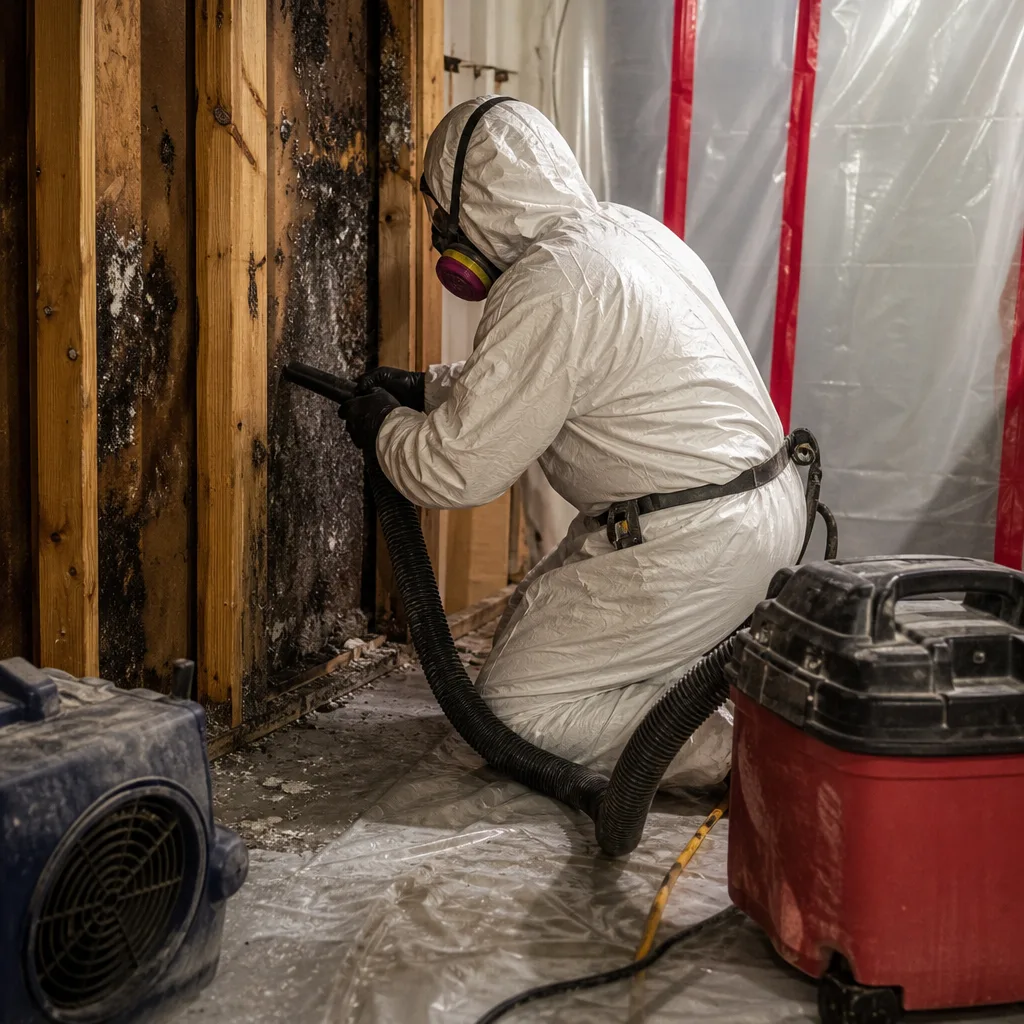
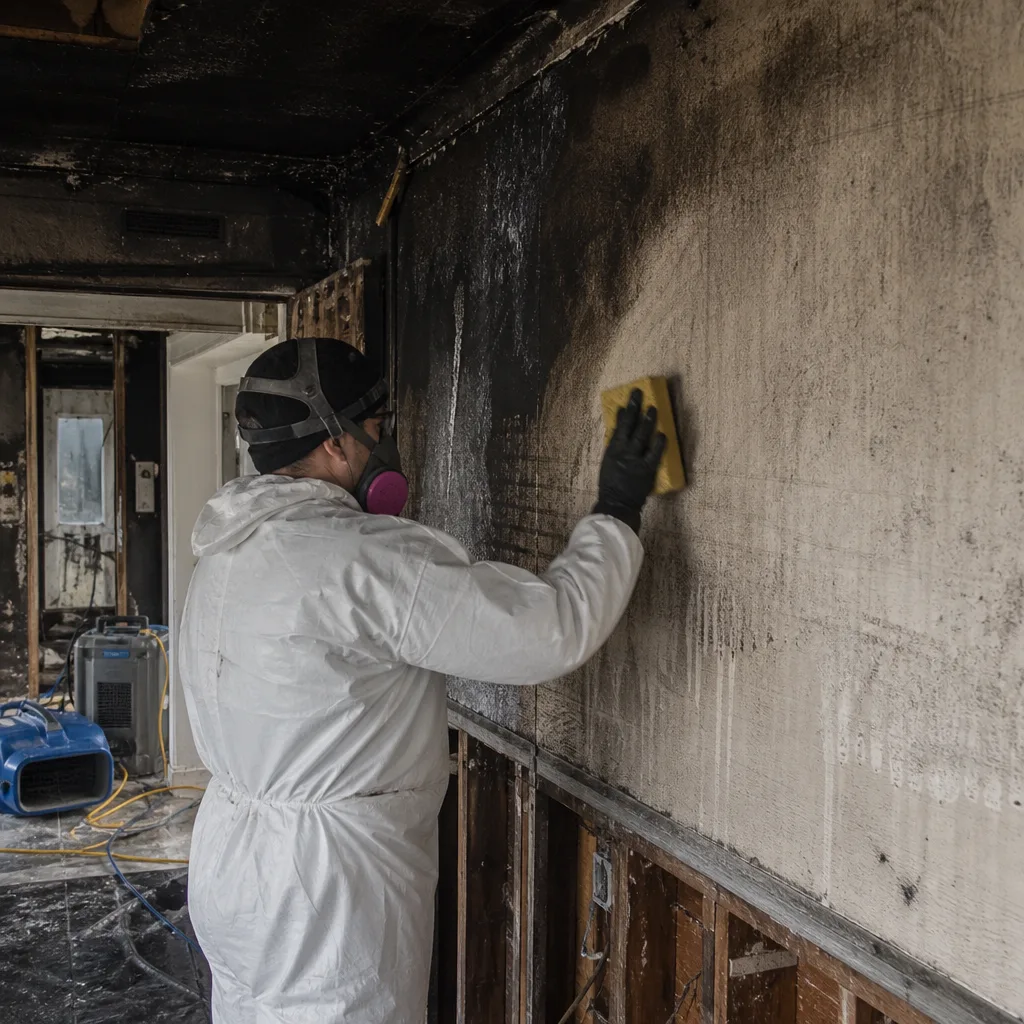
Dry soot is removed with HEPA vacuums and chem sponges. Wet, oily soot requires aggressive cleaning with professional-grade degreasers. In Flower Hill’s mid-century homes, this often means removing wood paneling to access soot trapped behind the wall cavity rather than just surface-cleaning.
Odor Removal & Deodorization
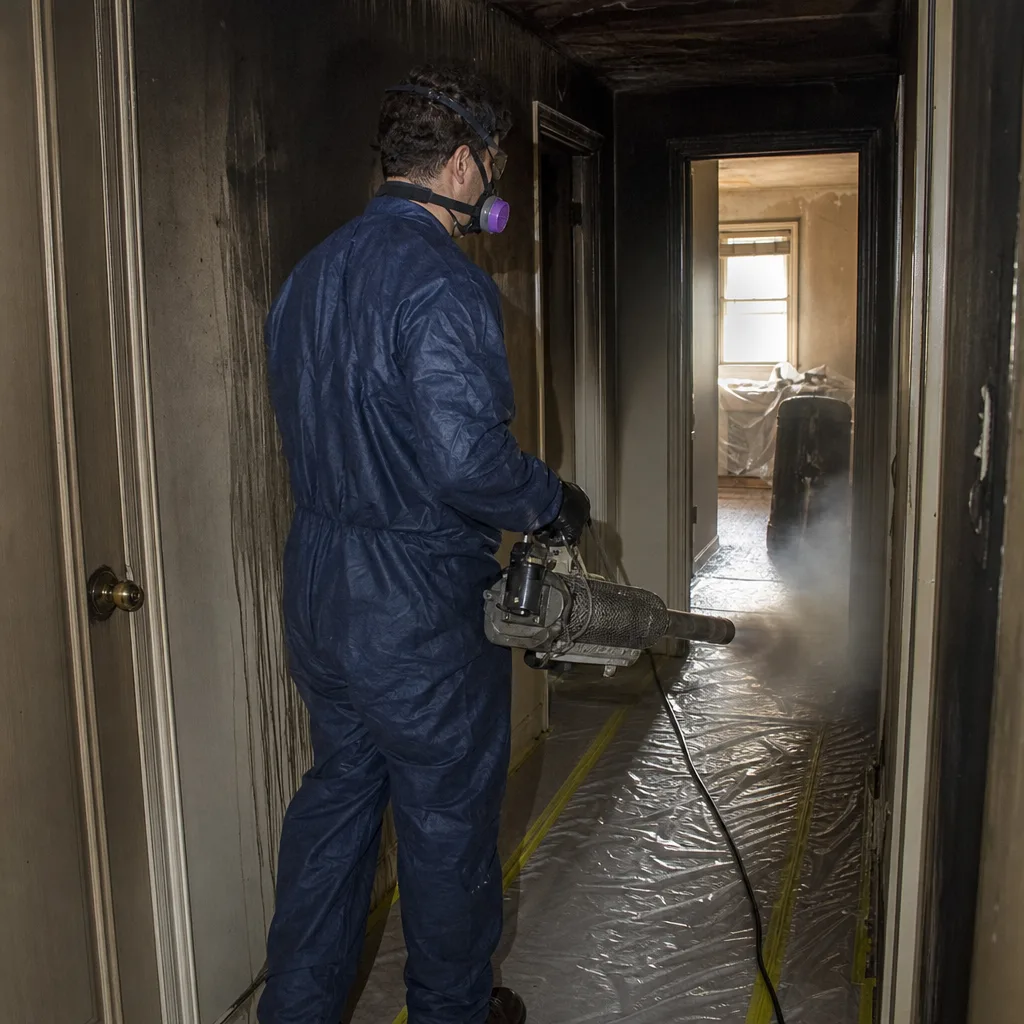
Smoke odor is a gas that penetrates porous materials. We use hydroxyl generators and ozone treatment inside contained areas, plus thermal fogging where appropriate. The goal is neutralization, not masking. In finished basements with drop ceilings and wood paneling, we address the cavity itself, not just the air in the room.
Contents Cleaning, Repairs & Restoration
Salvageable contents get packed out, cleaned, and stored until the structure is ready. Then we rebuild what needs rebuilding: drywall, flooring, trim, painting. The same crew that did the extraction does the finish work. You’re never handed off to a different company.
Need Emergency Fire & Smoke Damage Restoration in Flower Hill Now?
Crews minutes away, answering live 24 hours a day. The sooner we start, the less it costs.
Working With Your Insurance Company
Fire claims in Flower Hill are rarely straightforward, and our 42 years of experience handling them means we know what your carrier needs before they ask. We document the loss from the first hour: photos of every affected room, moisture readings from the day of the fire and daily after that, and a line-item scope that matches industry-standard estimating software. Our team communicates directly with your adjuster, answers their questions, and keeps the claim moving. You get a copy of everything. If the adjuster pushes back on a line item, we explain why it’s necessary and provide the supporting documentation. That’s the whole job. We also provide the 90-Day Done Right Promise in writing, so when the claim closes you know the work is actually complete.
What We Provide Your Insurer
- Thorough documentation of the loss
- Photos of all damage, room by room
- Moisture readings and drying logs
- A detailed, line-item scope of work
- Direct coordination with your carrier
Built for Flower Hill’s Loss Calendar
Flower Hill’s fire and smoke losses follow a pattern that comes straight from the village’s climate and housing stock. Nor’easters bring sustained heavy rain and rapid snowmelt that saturates the clay-heavy glacial soils around foundations for weeks, and when a fire happens during one of these wet stretches, the firefighting water has nowhere to drain. It pools against foundation walls, seeps into finished basements, and wicks up behind the mid-century paneling that conceals the intrusion. Winter brings furnace puff-backs: the first cold snap pushes aging oil-burning systems to cycle hard, and a misfire sends oily soot through the ductwork of a 1950s custom home. Spring thaw means sump and drainage systems in below-grade spaces work harder, and a small electrical fire in a finished basement with an original panel can turn into a smoke event that penetrates every room through shared return air. Summer thunderstorms bring lightning strikes on mature trees close to the multi-pitch rooflines common in Flower Hill; a strike that hits the house can smolder inside a wall cavity for hours before open flame appears. We plan our equipment loads and response routes around these realities. That’s why our dispatchers know Northern Boulevard and Port Washington Boulevard cold, and why we keep extra air movers and hydroxyl generators staged for wet-season fire calls.
Fire & Smoke Damage Restoration Across Flower Hill’s Neighborhoods
The streets off Dogwood Lane and Woodbine Road are where we see the classic mid-century split-levels with original galvanized supply plumbing. When a kitchen fire burns through those old pipes, the firefighter’s water travels down into the finished lower level, which is often a media room or in-law suite with wood paneling over concrete block. That requires full cavity opening and structural drying, not surface cleanup. On the streets closer to the Village Green and the Flower Hill Village Hall, we see larger custom homes with complex rooflines and older oil-fired heating systems; puff-back soot there spreads through shared ductwork and requires full duct cleaning and hydroxyl treatment. The properties near Flower Hill Park and along the northern slope of the moraine have the most pronounced drainage pressure. When firefighting water meets that slope, it channels against the downhill foundation wall, and we typically find the heaviest saturation in the lowest corner of the basement. The homes along the east side of the village, closer to Roslyn and the older estate lots, have deep setbacks and mature trees that complicate ladder access and tarping. Crews staged on Port Washington Boulevard can reach those properties quickly, but we plan for the extra equipment moves in advance so we’re not making second trips.
Specialized Fire & Smoke Damage Restoration Services We Offer in Flower Hill
Smoke & Soot Removal
Smoke in Flower Hill’s mid-century homes doesn’t just sit on surfaces. It gets pulled into the gaps behind original wood paneling, settles inside the joist bays beneath finished floors, and coats the inside of ductwork that hasn’t been replaced in 60 years. Our crews use HEPA vacuums, chem sponges, and professional-grade degreasers keyed to the soot type. In a 1960s custom home, that often means removing paneling to clean the cavity behind it, not just wiping down the visible face.
Odor Removal & Deodorization
Smoke odor is a gas, and in Flower Hill’s homes it finds a thousand places to hide: behind drop ceilings installed against concrete block, inside wall cavities framed tight to the foundation, and deep in the pores of original hardwood trim. We use hydroxyl generators and thermal fogging inside contained areas to neutralize the odor at its source. Masking agents don’t work here. The heat of the fire bonds smoke particles to every porous surface, and getting the smell out means treating the materials, not the air.
Contents Cleaning & Pack-Out
Your furniture, clothing, books, and personal items need treatment too, and in Flower Hill’s larger custom homes there’s often a full basement’s worth of stored belongings that got wet from firefighting water. We pack out the salvageable contents, clean them off-site, and store them safely until the structure is done. We inventory everything, document what’s restorable and what isn’t, and provide that list to your adjuster. Items that can’t be saved are photographed and itemized for your claim.
Emergency Board-Up & Tarping
After a fire in Flower Hill, your home may be open to the weather, and the longer it sits exposed, the more secondary damage occurs. We board up broken windows and doors and tarp damaged roof sections on the same visit, before rain or snow gets in. That also secures the property against trespassing. In the winter months on the North Shore, a tarp job done poorly will tear loose in a nor’easter; ours are anchored properly the first time.
What happens when you call
- 1
A real person answersNo phone trees - you reach a local pro.
- 2
You get an upfront price rangeHonest numbers before anyone is dispatched.
- 3
A background-checked tech heads outLicensed & insured, dispatched right away.
- 4
You approve before work beginsNothing starts until you say go.
Fire & Smoke Damage Restoration Costs in Flower Hill, NY
Fire and smoke restoration in Flower Hill runs higher than the Long Island average, and the reason is the housing stock. A straight smoke cleanup with no structural water damage in a 1,200-square-foot ranch typically runs $2,800 to $5,500. A kitchen fire in a split-level with firefighting water in a finished basement runs $9,000 to $22,000, depending on how many rooms the smoke reached and how much of the lower-level paneling and drop ceiling has to come out. Full pack-out and contents cleaning on a 3,000-square-foot custom home with smoke throughout the ductwork runs $14,000 to $35,000. Odor removal alone, when it requires hydroxyl treatment and duct cleaning, runs $1,800 to $4,500. What moves the price most in Flower Hill is whether we can surface-clean the paneling or whether it has to be removed to treat the cavity behind it, and whether the firefighting water reached a finished basement on clay soil, which almost always means opening walls. We give you a written scope before work starts, with a line-item breakdown, so the estimate isn’t a guess. Call (917) 924-4221 and we’ll come out for a free inspection and give you a firm number you can take to your adjuster.
We Also Serve Cities Near Flower Hill
Our crews respond throughout the North Shore and the metro area, including Fairview, Harrison, East Bronx, and Hunts Point. The same 45-minute response commitment and the same written 90-Day Done Right Promise apply everywhere we work.
Serving Flower Hill, NY - Our Local Coverage Area
We’re based in the Flower Hill area and know this community well. Use the map below to see our service coverage - if you’re nearby, we can almost certainly help.
Flower Hill Fire & Smoke Damage Restoration Questions, Answered
Why does smoke odor linger longer in Flower Hill homes built in the 1950s-70s even after a small kitchen fire?
Because the smoke gets behind the materials, not just on them. Flower Hill’s mid-century homes were finished with wood paneling and drop ceilings installed directly against concrete block foundation walls and framing. Smoke travels into those concealed cavities, where it saturates the framing, the back side of the paneling, and the insulation. Surface cleaning doesn’t reach it, so the odor keeps coming back. The fix is to open the cavity, clean it properly, and treat it with hydroxyl or thermal fogging before closing up. That’s more work than a surface wipe-down, but it’s the only way to actually remove the odor. Call (917) 924-4221 and we’ll tell you honestly whether your home needs cavity treatment or just surface work.
If the fire department used water on my Flower Hill home, is that water safe to dry in place?
Firefighting water is typically clean, Category 1 water, which is the least contaminated classification. But “clean” doesn’t mean harmless. Once it has passed through charred materials, old cast-iron plumbing, and decades of dust in wall cavities, it picks up soot, rust, and bacteria. And in Flower Hill, that water often drains into finished basements built on slow-draining glacial clay, where it saturates against foundation walls for weeks. We don’t dry that in place. We extract, open the affected cavities, and run structural drying with Dri-Eaz air movers and dehumidifiers until the moisture readings hit the dry standard. Drying logs go to you and your carrier daily.
In Flower Hill, how does the hilly terrain make fire and smoke restoration different from flat, South Shore neighborhoods?
Flower Hill sits on the glacially-formed moraine hills of the North Shore, and that elevation changes how water behaves during a fire. Firefighting water doesn’t sheet off flat ground like it does on the South Shore. It follows the natural grade directly into the downhill foundation wall and the finished basement below. The clay-heavy soils drain slowly, so that water stays around the foundation long after the visible puddle is gone. That means a single-room fire on the main level of a Flower Hill home often turns into a full basement mitigation, because the water from suppression has collected against the lowest wall and saturated the paneling and framing from the back side. Flat terrain doesn’t concentrate water the way a moraine slope does.
Should I expect my original mid-century wood paneling to be salvageable after a smoke event in Flower Hill?
Usually not, if the smoke was heavy enough to penetrate behind it. Wood paneling from the 1950s and 1960s is porous, and once smoke reaches the wall cavity behind it, the paneling absorbs smoke particles from both sides. Cleaning the front face isn’t enough. In many cases the paneling has to be removed to treat the cavity, and once it’s removed, it’s often not worth reinstalling if it’s warped, scorched, or deeply embedded with odor. Our crews are honest about what’s salvageable. We’ll tell you on the first inspection, before any work begins, so you know what to expect on the scope and what to tell your adjuster.
What does a realistic fire-and-smoke damage timeline look like for a large custom Flower Hill home with old plumbing?
A full restoration in a 3,000-square-foot Flower Hill home with smoke throughout and firefighting water in a finished basement typically runs three to six weeks. The first phase, emergency board-up, water extraction, and initial soot removal, happens in the first two to three days. Structural drying in the basement on clay soil takes five to ten days, depending on how saturated the wall cavities are. Odor removal and duct cleaning run concurrently with drying. The rebuild phase, drywall, flooring, trim, and painting, takes the remaining two to three weeks. Every home is different, and your scope will be in writing before work starts, with a realistic timeline based on moisture readings, not guesses. Call (917) 924-4221 and we’ll walk you through what to expect for your specific home.
Written by Curt Bowman, Owner at Floodline Restoration Co. of Manhattan. Our crews serve Flower Hill 24 hours a day, 7 days a week, from the first extraction to the final coat of paint, backed by the 90-Day Done Right Promise in writing.