
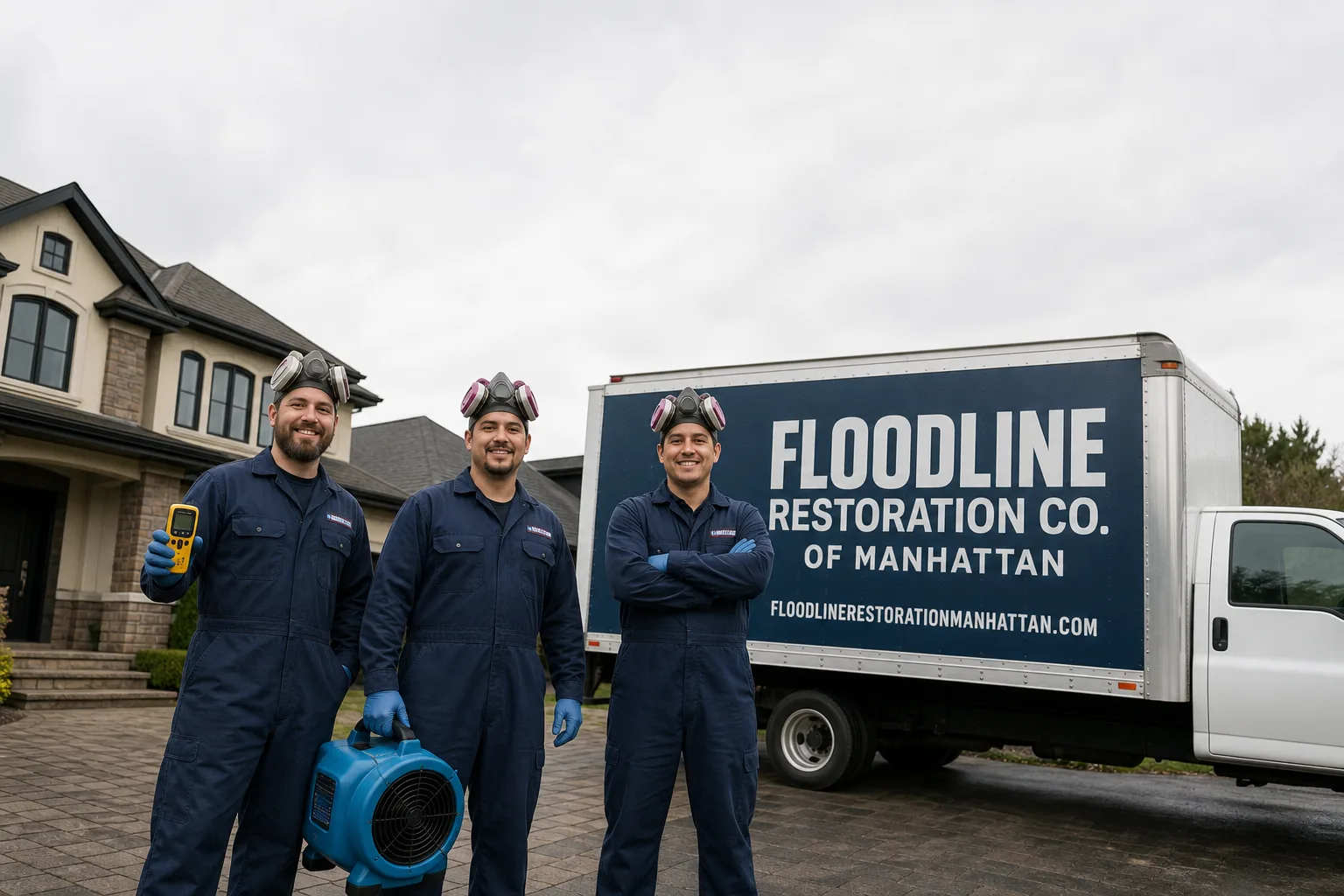
Free visual inspection and a written scope of work before any mitigation begins - photos, moisture readings, and drying logs go in your claim file
The scope we write is the scope we bill. Anything new gets shown to you, in writing, before we touch it.
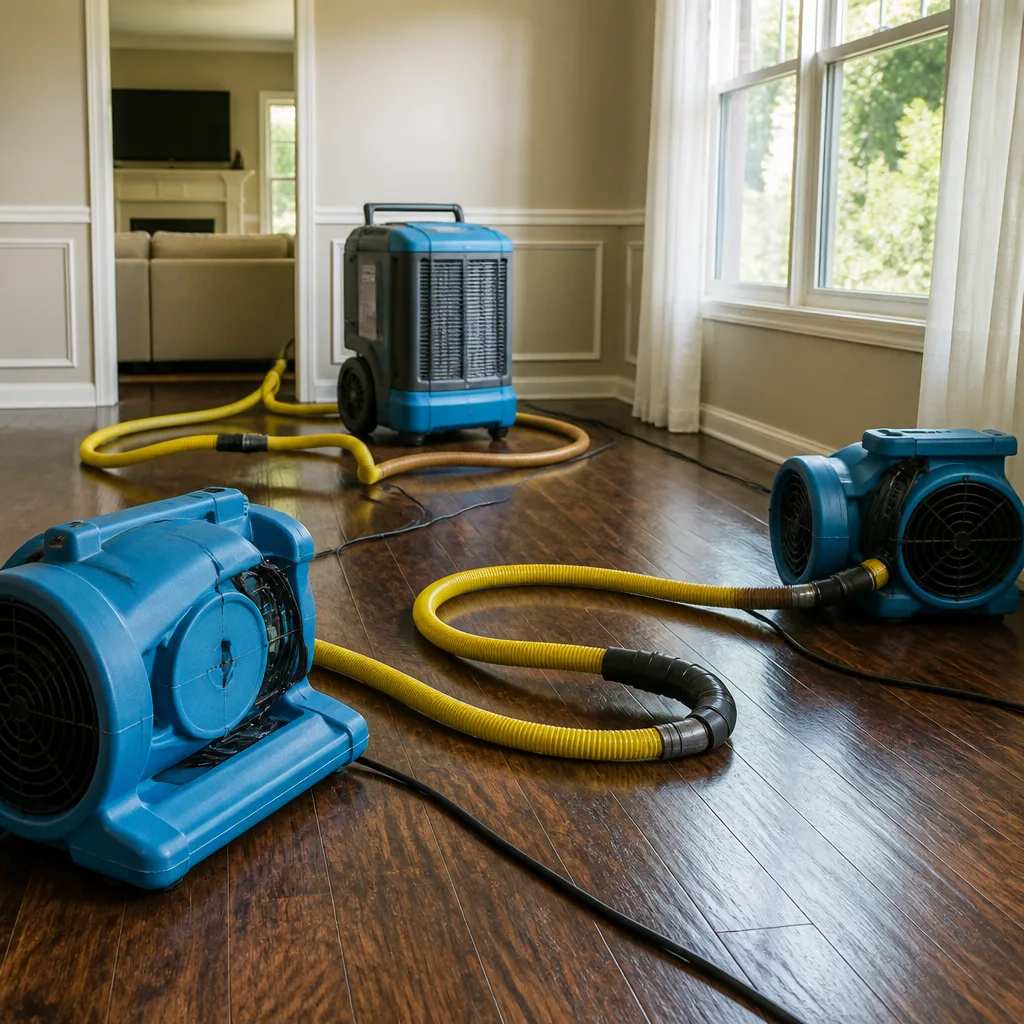
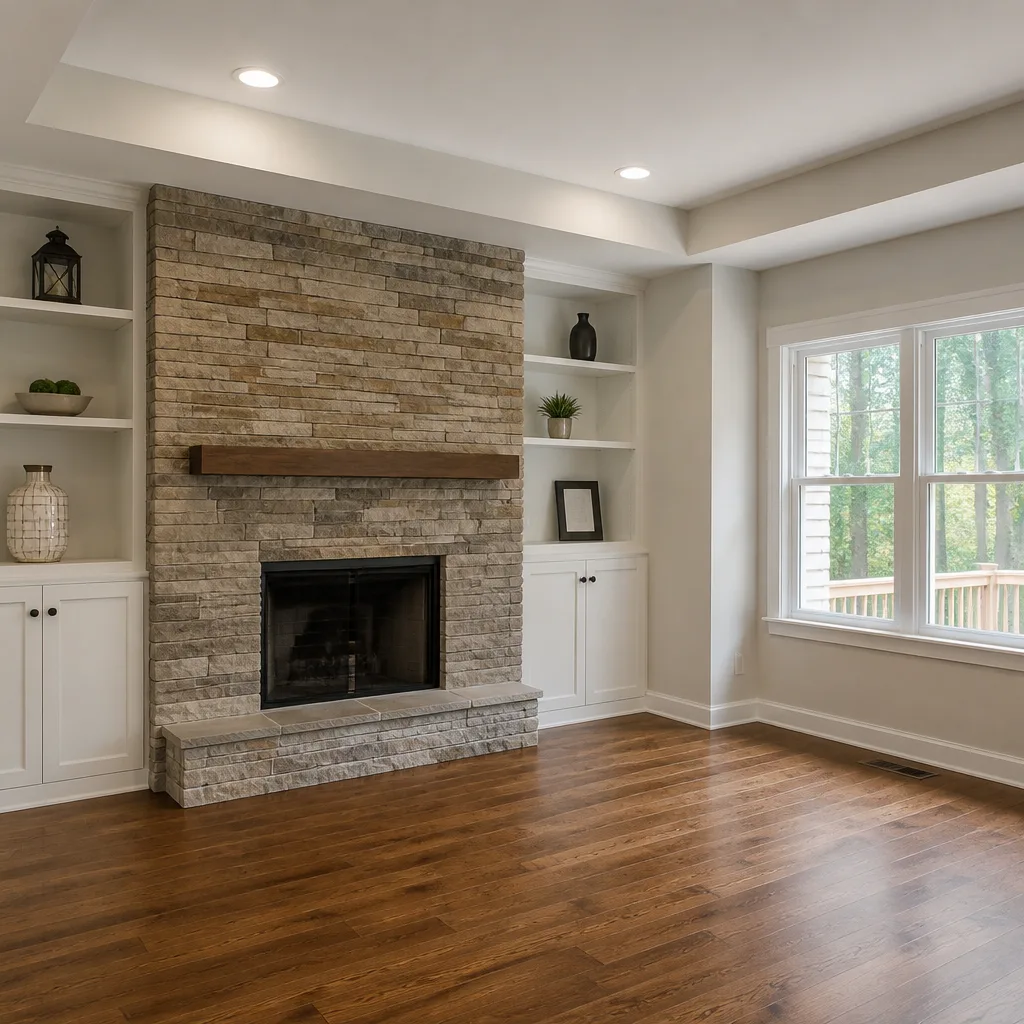
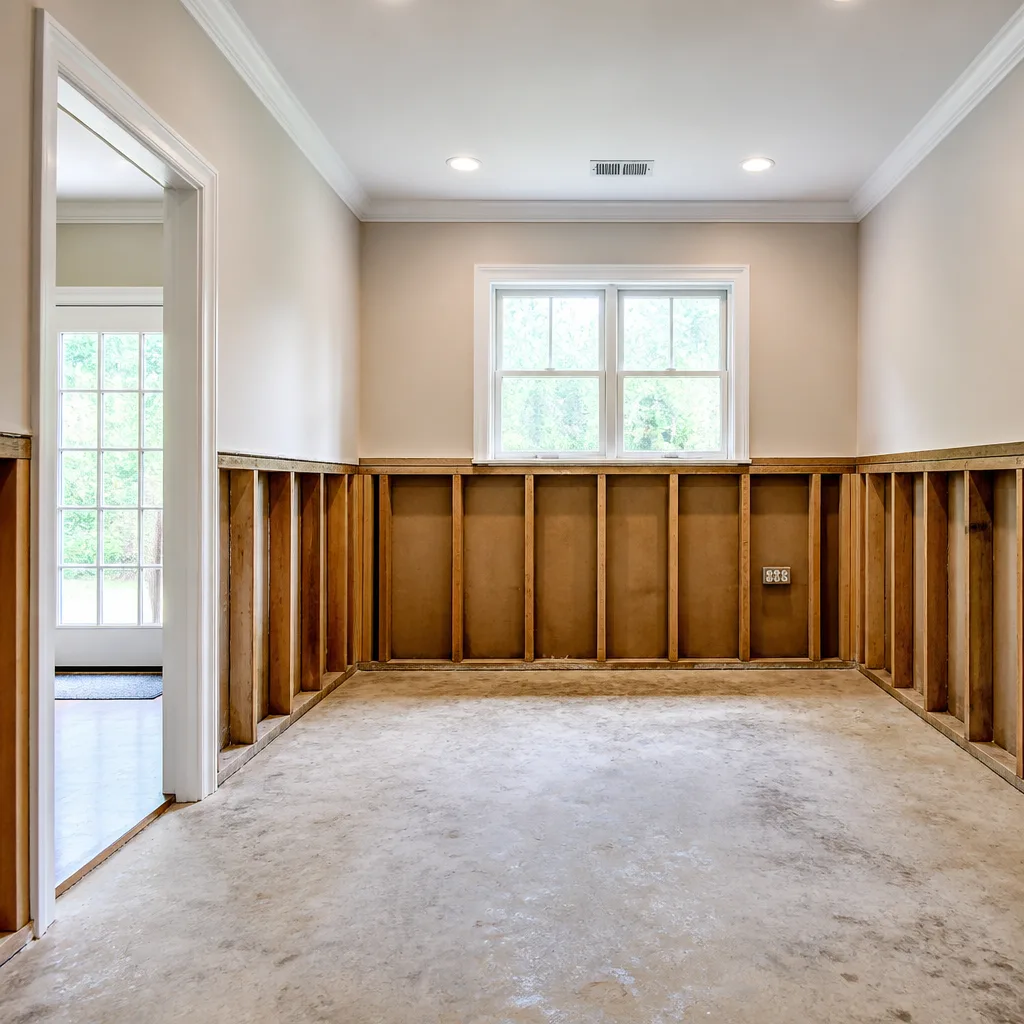
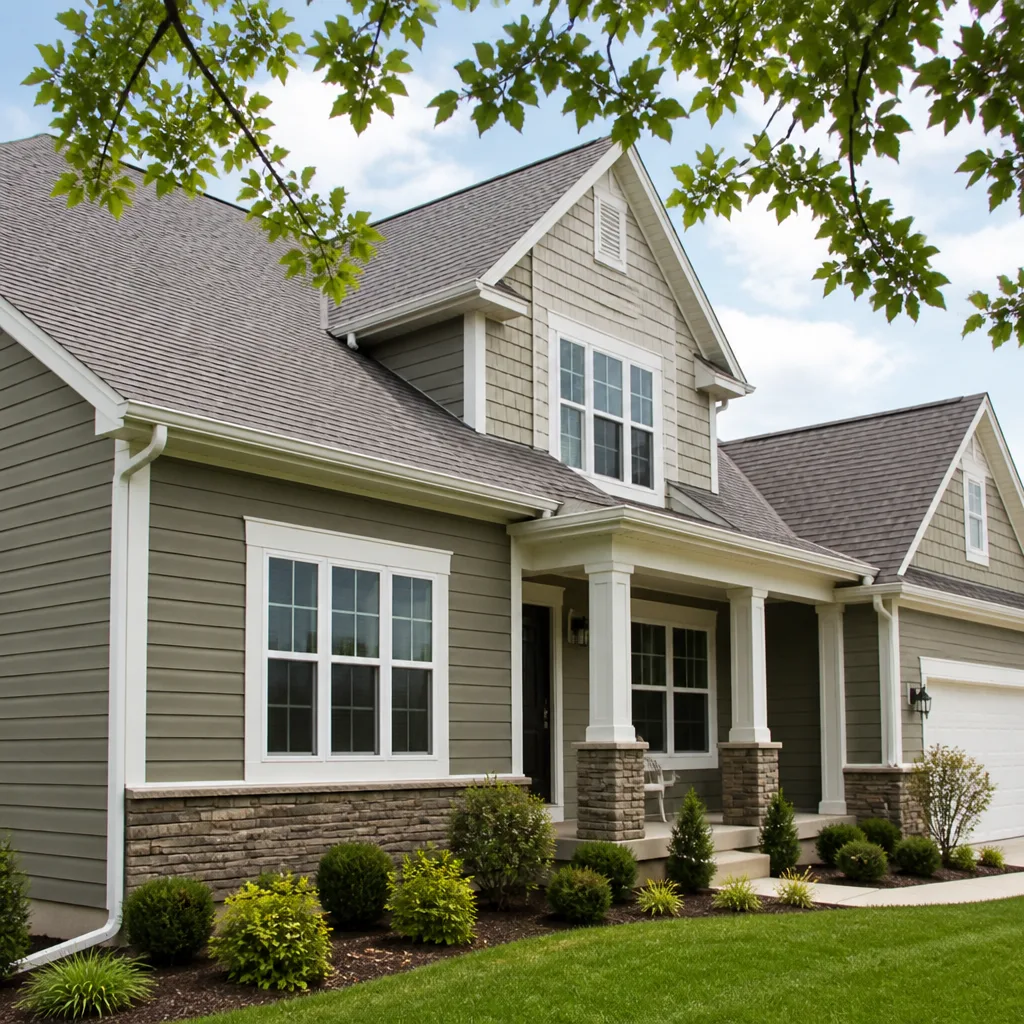
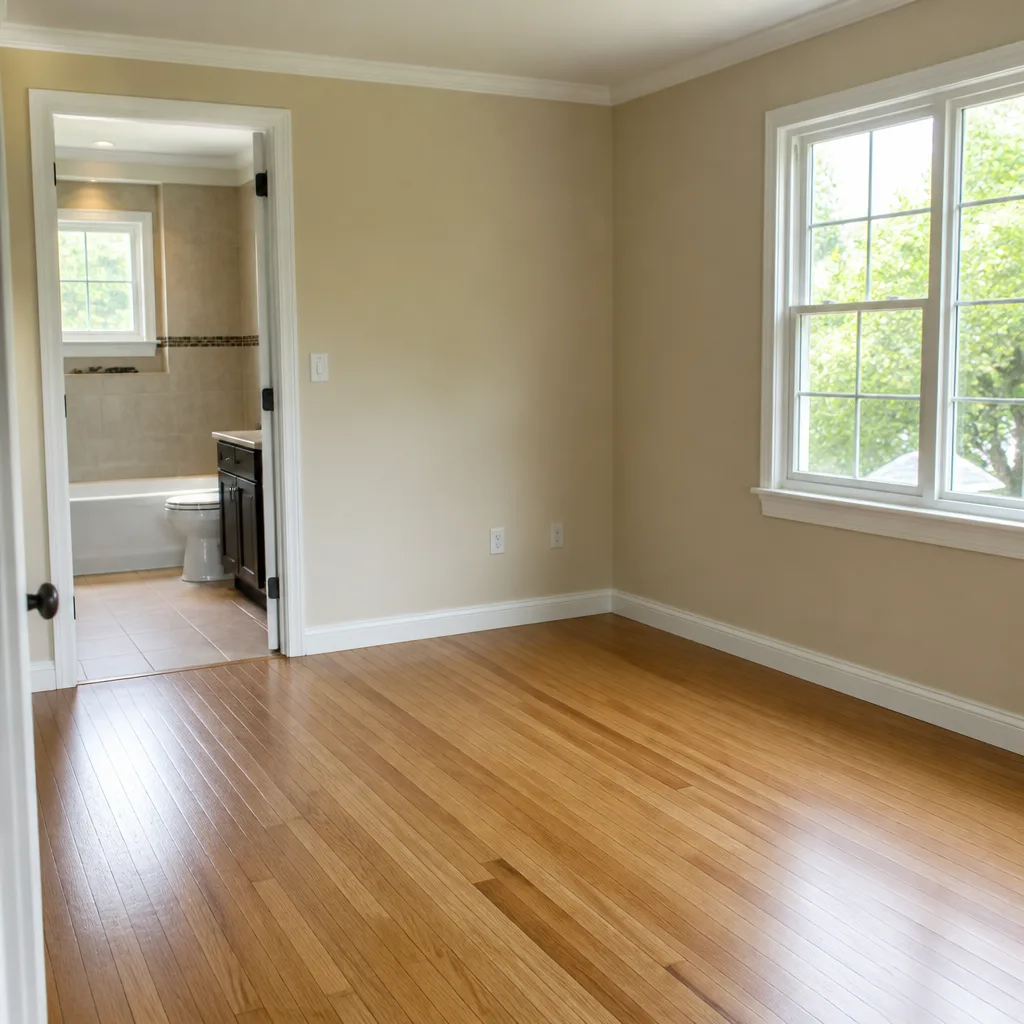
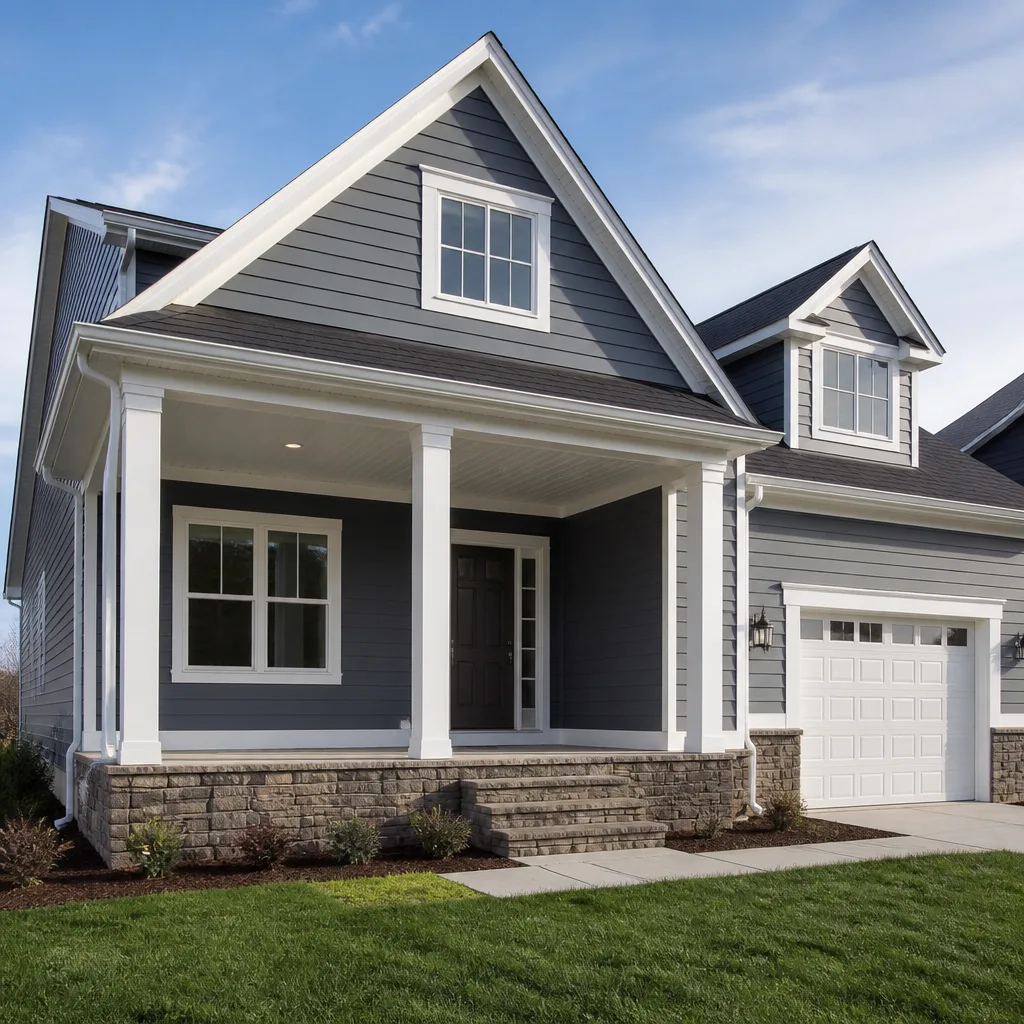
 Before
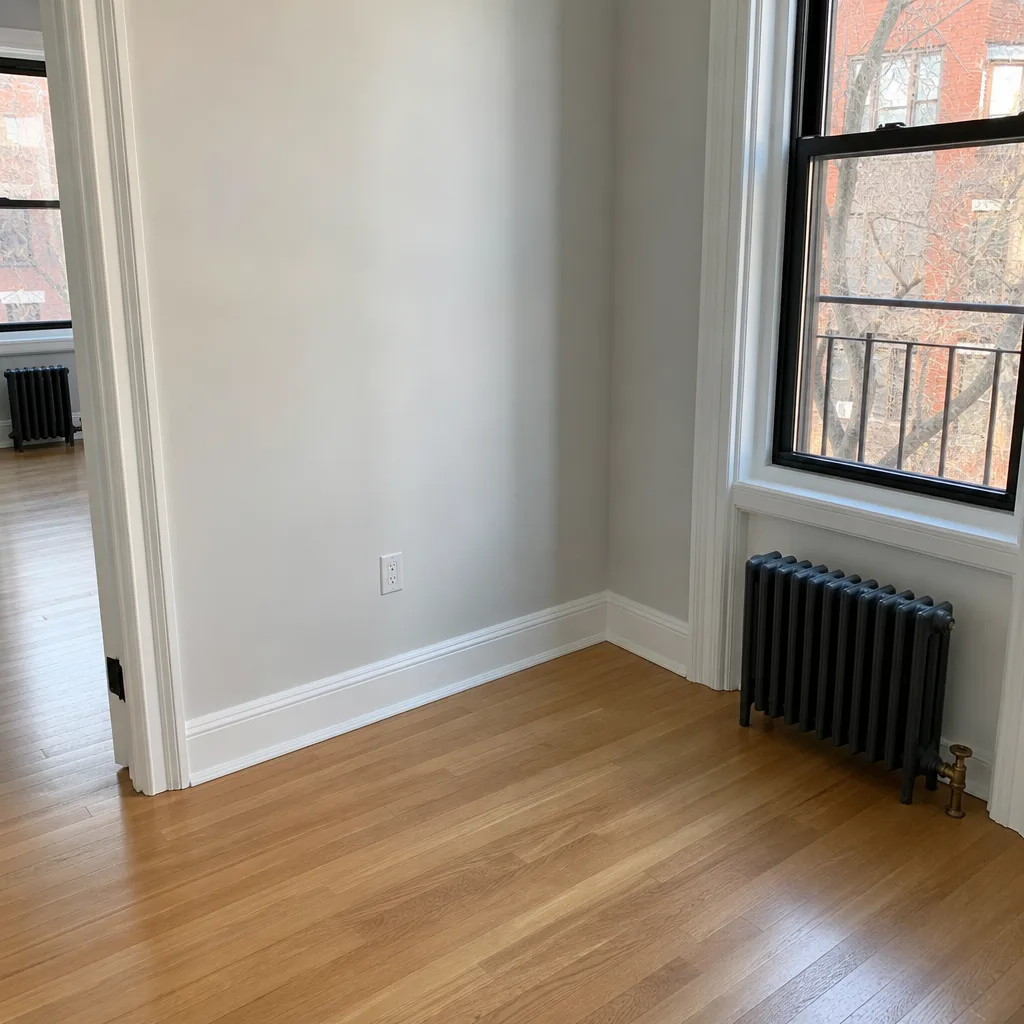 After
After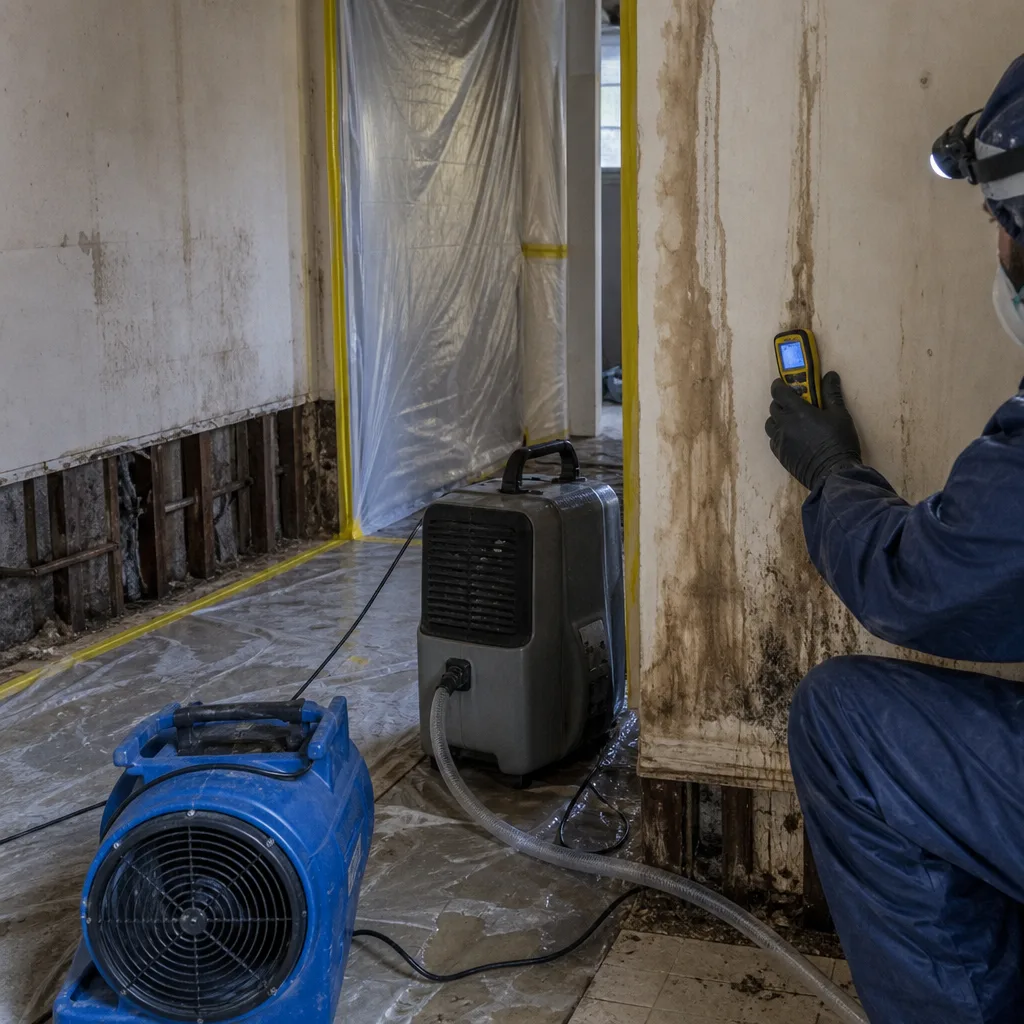 Before
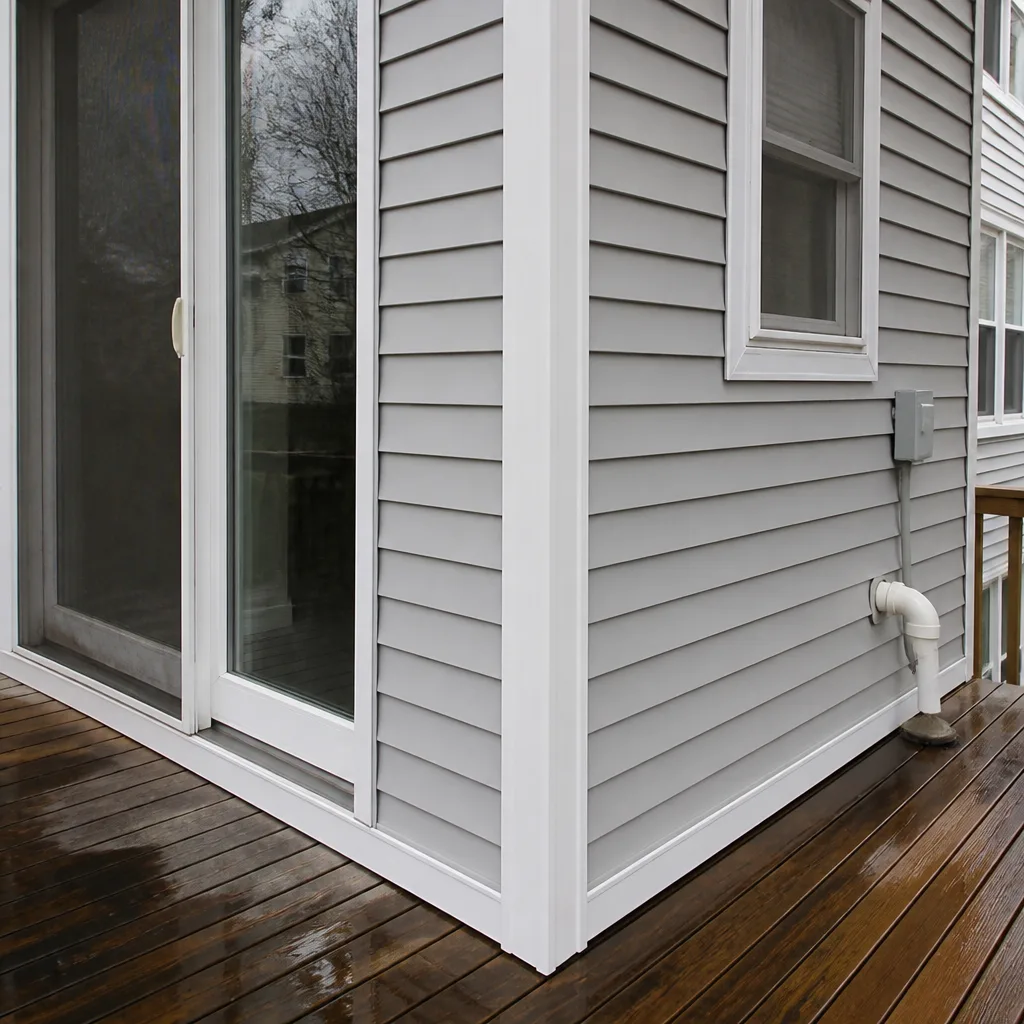 After
After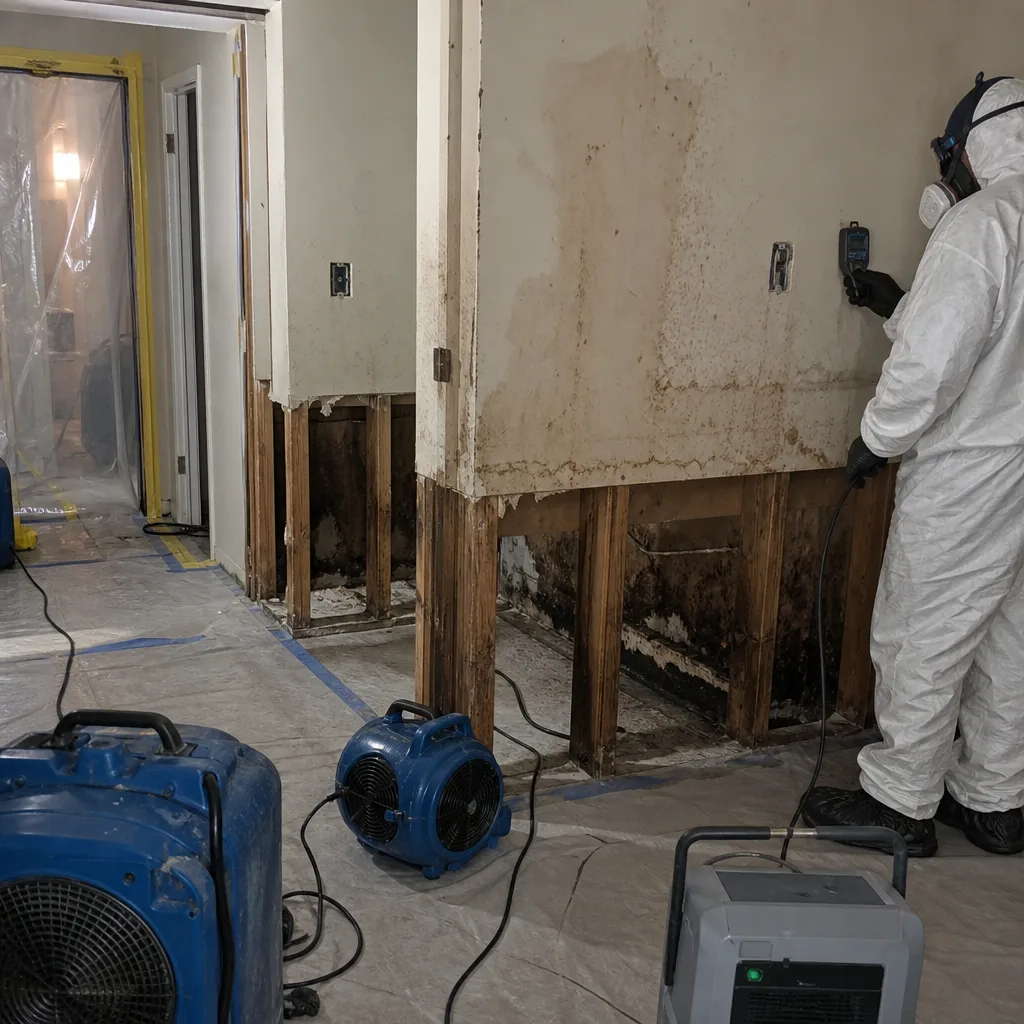 Before
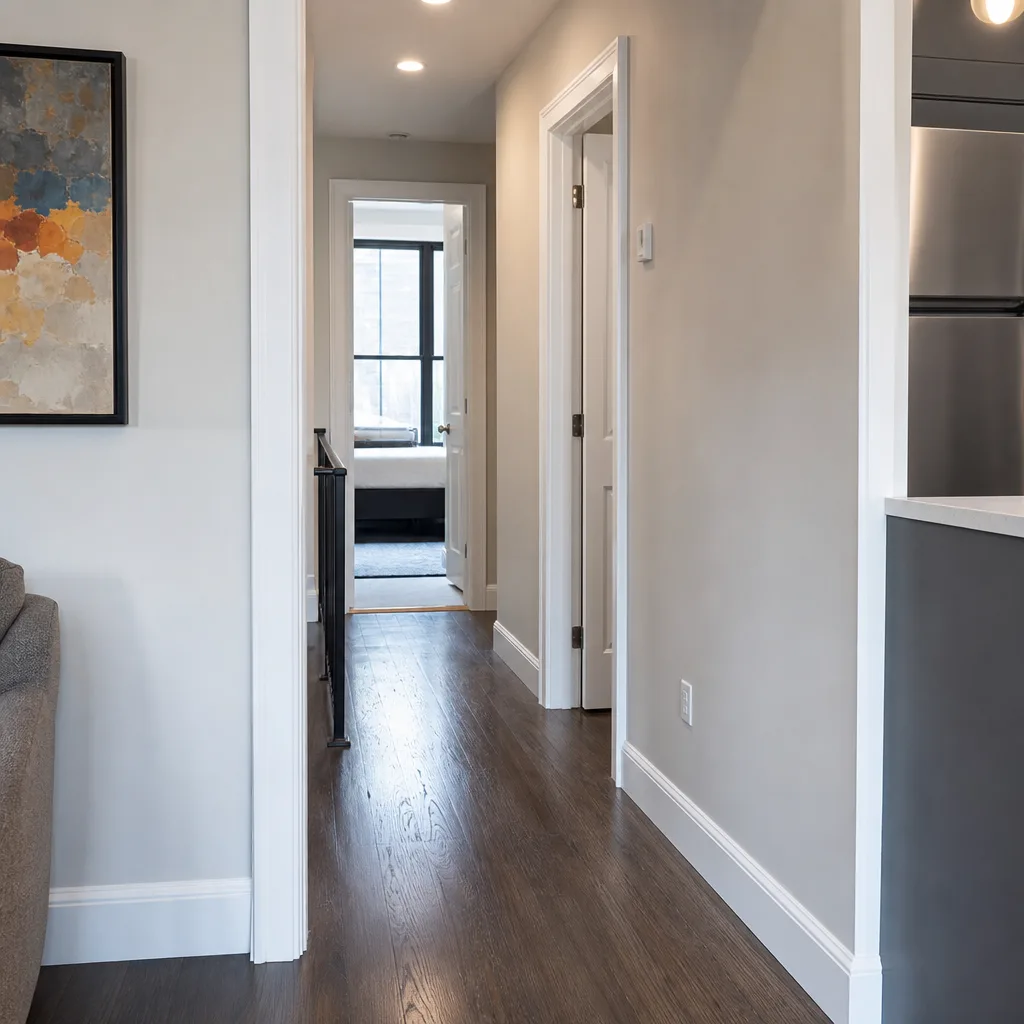 After
After24/7 Emergency Fire & Smoke Damage Restoration in Harrison
A kitchen fire in a 1950s colonial off Halstead Avenue doesn’t wait for business hours, and neither do we. Floodline Restoration Co. of Manhattan answers live at (917) 924-4221 around the clock, every day of the year. A real dispatcher picks up, not a recording, and crews are dispatched into Harrison within minutes. The first 60 minutes after a fire determine how far smoke residue travels into plaster, ductwork, and the spaces behind walls. We do a free visual inspection on the first visit, scope the damage honestly, and start extraction and containment that same visit in most cases. Smoke keeps working long after the flames are out. The sooner we’re inside, the less permanent that residue becomes.
Understanding Fire & Smoke Damage Restoration Severity in Harrison Properties
Fire damage in Harrison falls into patterns tied directly to the village’s two very different housing stocks. In the pre-WWII core, original plaster over wood lath reacts to fire differently than gypsum board. Heat drives moisture out of the plaster and into the lath, pulling soot residue deeper into the wall cavity. That means smoke odor removal requires more than surface cleaning. It requires true structural drying, cavity access, and sealing or removal of charred lath. In Purchase, we see fires in estate kitchens and mechanical rooms where custom millwork and imported tile absorb smoke differently than standard finishes. Soot residue types also matter: protein soot from a kitchen fire is nearly invisible but bonds tightly to painted surfaces. Dry soot from wood fires is easier to remove if we get there early. Wet soot from plastics and synthetics is corrosive and demands immediate neutralizing. The age of Harrison’s systems complicates things further. Older homes in the village core often still carry original wiring. Where water from firefighting reaches knob-and-tube circuits, we always recommend an electrical evaluation before restoration proceeds.
Key Takeaways
- Harrison’s split housing stock means fire restoration here requires two service tiers: original plaster and old systems in the village core, custom luxury finishes in Purchase.
- Smoke keeps traveling after the fire is out. The first hour matters most for containing residue.
- Fire-related water damage in Harrison’s older colonials often needs longer drying than newer construction because plaster and lath hold moisture differently than drywall.
- Direct insurance billing and a written scope of work before we start means no surprises and no carrier phone-tag for the homeowner.
- One team handles everything from board-up to final reconstruction. No mid-job handoff to a crew you’ve never met.
Why Harrison Property Owners Choose Floodline Restoration Co. of Manhattan
- 45-minute response commitment. When you call for fire damage in Harrison, a crew is dispatched immediately. We’ll be there when we say, with real equipment rolling.
- 24/7 live answer, no automated system. Call (917) 924-4221 at 2 a.m. and a person picks up. Not a menu. Not a callback promise.
- IICRC-certified crews. Our technicians hold IICRC FSRT and OCT certifications for fire and smoke restoration, plus WRT for the water damage that comes with firefighting. Background-checked and uniformed on every job.
- Free visual inspection. We assess the damage before any work is authorized. You get a written scope, not a pressure pitch.
- Direct insurance billing. We document everything from hour one, handle the adjuster, and bill your carrier directly. You never carry messages between us and your insurance company.
- One team from extraction to reconstruction. The same certified crew that sets containment on day one rebuilds the finished wall. No handoffs, no inherited strangers.
Our Fire & Smoke Damage Restoration Process
Inspection & Assessment
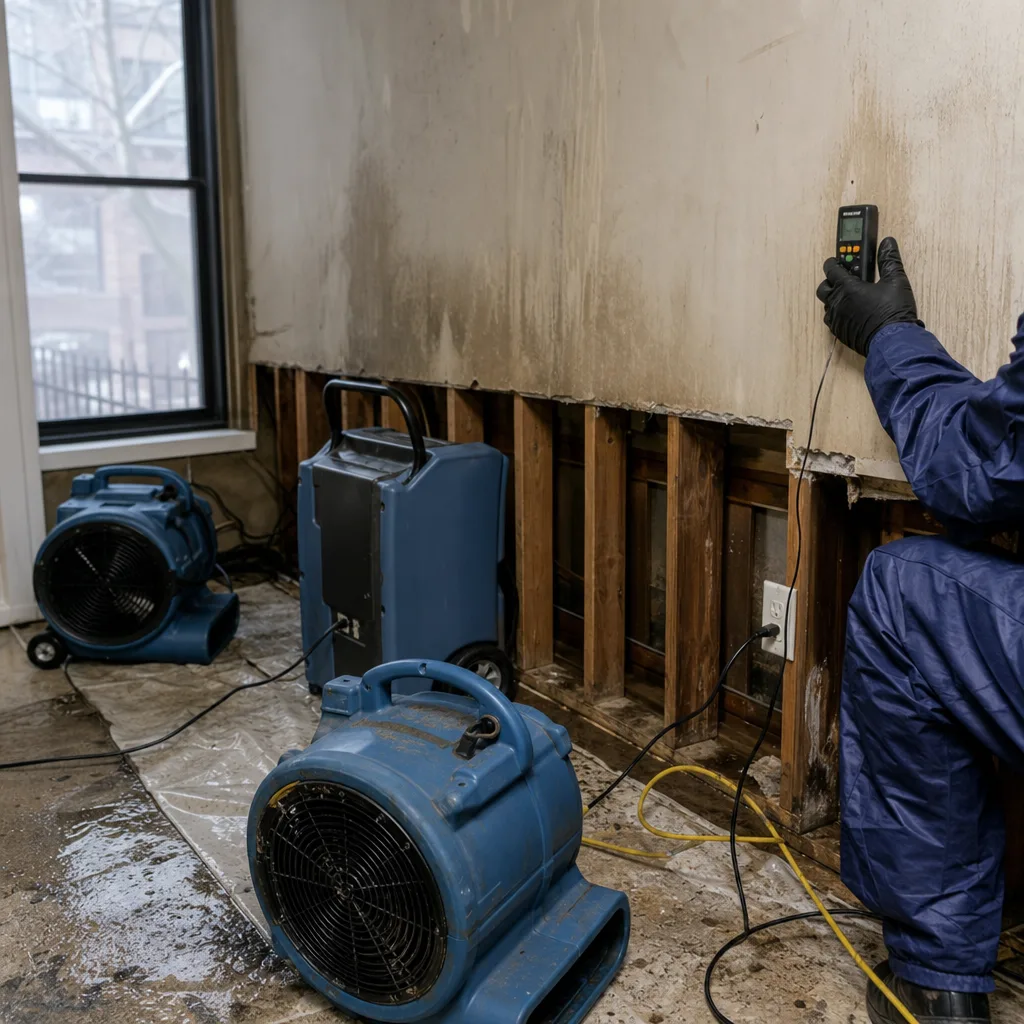
We arrive, walk the property with you, and map every surface the fire and smoke touched. Thermal imaging and moisture meters tell us what’s wet behind walls and above ceilings from firefighting water. We photograph everything for your carrier before we touch a wall.
Emergency Board-Up & Stabilization
We board up windows, tarp compromised roofs, and secure the building so weather, pests, and unauthorized entry don’t compound the loss. For Harrison’s older masonry storefronts, we use non-invasive anchors that don’t drill through original brick or stone.
Water Extraction & Structural Drying
Firefighting water is often Category 2. We extract standing water from floors and wall cavities, then place high-volume air movers and Phoenix dehumidifiers to pull moisture from plaster, lath, and framing. Daily moisture logs track progress to the dry standard.
Soot & Smoke Residue Removal
Different soot types demand different chemistry. We identify the soot, then use HEPA-vacuuming and appropriate cleaning agents on every surface, including inside ductwork where smoke travels farthest. In Harrison’s village-core homes, this includes cavity access behind original plaster.
Odor Removal & Deodorization
We don’t mask smoke odor with fragrances. We remove the source using hydroxyl generators or ozone treatments in contained spaces, then seal affected surfaces where appropriate. For Purchase properties with custom wall finishes, we work with luxury-trade suppliers to match materials exactly.
Repairs & Reconstruction
The same crew that extracted water and removed soot rebuilds what needs rebuilding. For original plaster, that means true plaster repair, not drywall patch. For custom millwork in Purchase, that means sourcing matching material from specialty suppliers. The job ends with the 90-Day Done Right Promise in writing.
Need Emergency Fire & Smoke Damage Restoration in Harrison Now?
Crews minutes away, answering live 24 hours a day. The sooner we start, the less it costs.
Working With Your Insurance Company
Fire claims are complex enough without a homeowner acting as the messenger between a restoration crew and a carrier. That’s not how we work in Harrison. From the first hour, we document the loss fully: room-by-room photos, moisture readings, soot mapping, and a detailed line-item scope of work. Our project manager talks directly with your adjuster, and we bill your carrier directly. When original plaster or custom finishes are involved, we write the scope to reflect what’s actually in your home, not what a generic estimating database assumes. We’ve sat with adjusters in Harrison kitchens explaining the difference between gypsum board and lath-and-plaster. We know when a repair makes sense and when salvage is cheaper than replacement. Our job is to restore your home to pre-loss condition and stand behind the result in writing.
What We Provide Your Insurer
- Thorough documentation of the loss
- Photos of all damage, room by room
- Moisture readings and daily drying logs
- A detailed, line-item scope of work
- Direct coordination with your carrier
Built for Harrison’s Loss Calendar
Harrison’s fire and smoke damage calls follow a seasonal rhythm shaped by the Mamaroneck River watershed and the village’s older building stock. January through March brings the freeze-thaw cycle that bursts supply lines in pre-war colonials near the village core. When water hits knob-and-tube wiring in those older homes, a small leak becomes a fire hazard and a bigger restoration job. Spring thaw sends basement seepage into older foundations, and where that moisture sits against aged electrical systems, the risk compounds. Summer thunderstorms bring flash flooding to low-lying streets near the Mamaroneck River corridor, and while coastal Rye worries about storm surge, Harrison’s older homes absorb water from saturated ground and overwhelmed drainage. Late-summer and fall are quieter for water-driven fires, but seasonal maintenance on aging heating systems often surfaces soot and odor issues that have been building for years. Each of these has one thing in common: the damage is worse when a property owner waits. Call (917) 924-4221 and we’ll be there when we say.
Fire & Smoke Damage Restoration Across Harrison’s Neighborhoods
Harrison isn’t one real estate market, and it isn’t one fire restoration job. The village core along Halstead, Harrison, and Underhill Avenues is dense with pre-WWII and mid-century colonials and cape cods. Those homes have original plaster, older electrical systems, and floor plans that make smoke travel in unpredictable ways. Response routes matter here. Access off the Hutchinson River Parkway puts our crews into the village center quickly, and we can stage containment equipment in tight driveways without turning a quiet street into a staging yard. In the Purchase hamlet, along Anderson Hill Road and near the PepsiCo campus, the homes are larger, the finishes are custom, and the adjuster conversations are different. A smoke-damaged Venetian plaster wall or a hand-cut stone bathroom floor can’t be replaced with a Xactimate default line item. We source through luxury-trade suppliers and write scopes that reflect what’s actually in the home. Then there are the in-between neighborhoods, the mid-century ranches near Silver Lake and the streets off Lake Street, where construction is more standard but systems are at the age where aging wiring and older furnaces become fire risks during cold snaps. Every neighborhood in Harrison gets the same response commitment: 45 minutes, live answer, free inspection.
Specialized Fire & Smoke Damage Restoration Services We Offer in Harrison
Smoke & Soot Removal
Soot from a Harrison kitchen fire migrates into cabinet voids, behind crown molding, and through return ducts. Surface cleaning without cavity access leaves odor behind. Our Fire & Smoke Damage Restoration team maps the soot path, contains what’s necessary, and cleans what’s reachable, including inside walls where smoke traveled. For older colonials off Halstead Avenue, this often means working around original plaster that we will not cut through without containment.
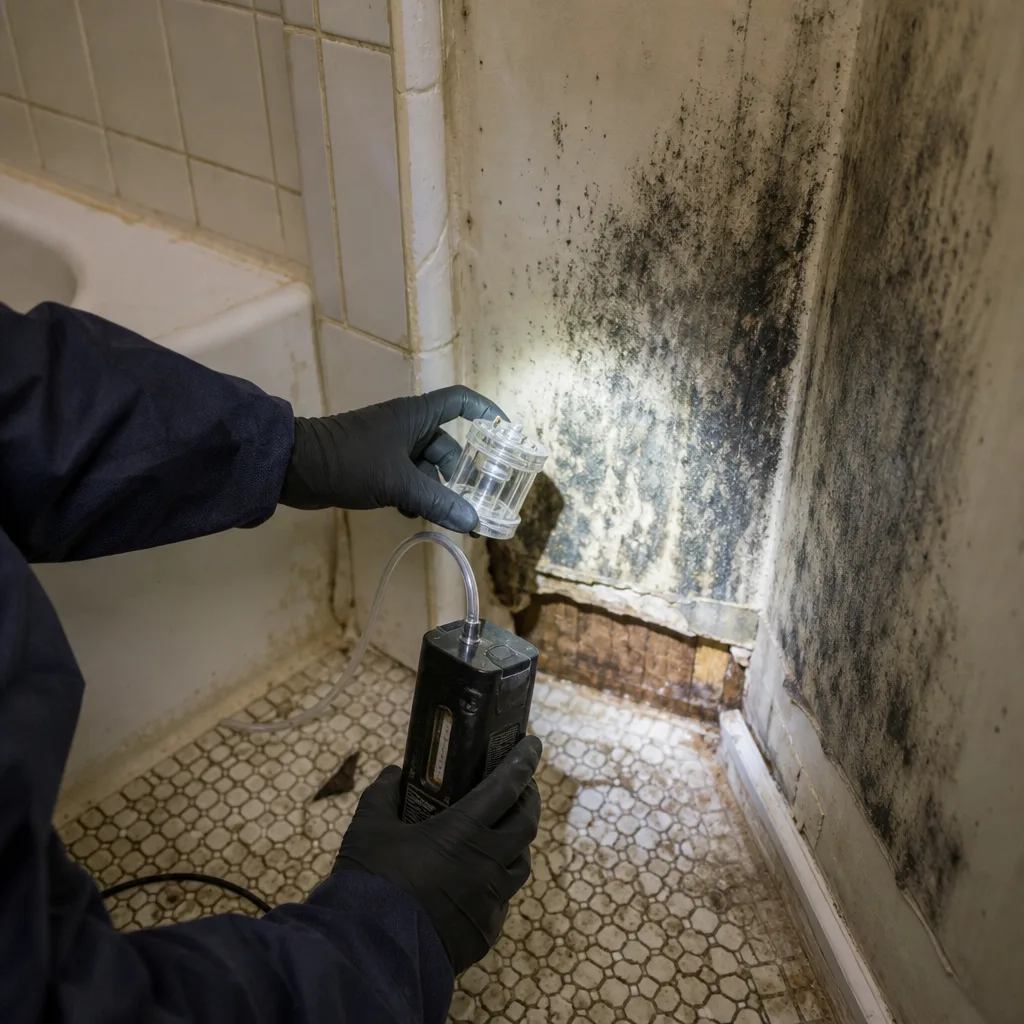
Contents Cleaning & Pack-Out
When soot reaches furniture, clothing, books, and family belongings, pack-out and off-site cleaning is often the difference between salvage and total loss. We inventory everything, pack with documentation that your carrier can follow, clean using appropriate methods for each material, and store in climate-controlled space until your home is ready. For Harrison families with generations of belongings in one house, this process is handled with care and a clear chain of custody.
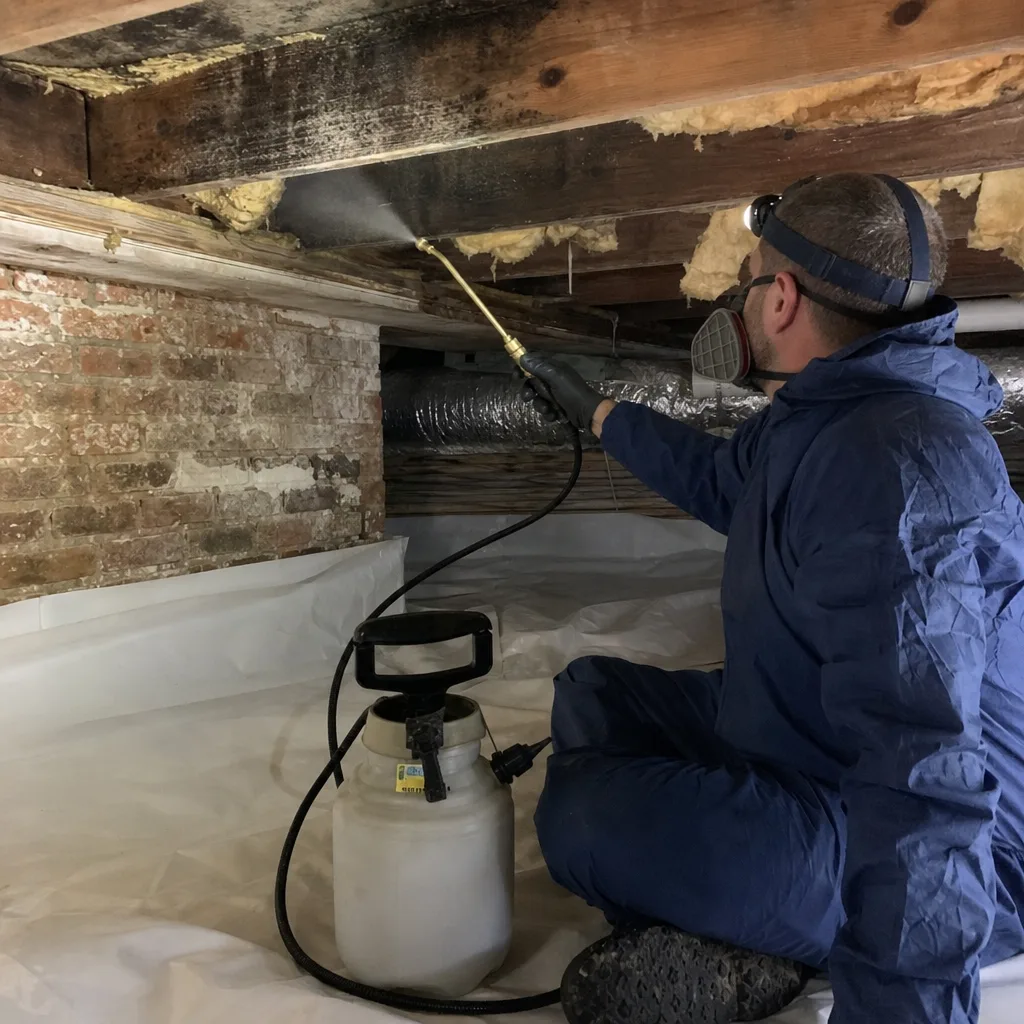
Emergency Board-Up & Tarping
A fire-damaged Harrison home is vulnerable to weather, squatting, and secondary damage. We board up windows and tarp roofs the same visit. For older storefronts on Halstead Avenue with original brick or stone masonry, we use non-penetrating anchors and counterweighted boards that don’t drill into historic surfaces. Hudson Valley winters don’t wait for restoration schedules. The sooner a structure is sealed, the safer everything inside stays.
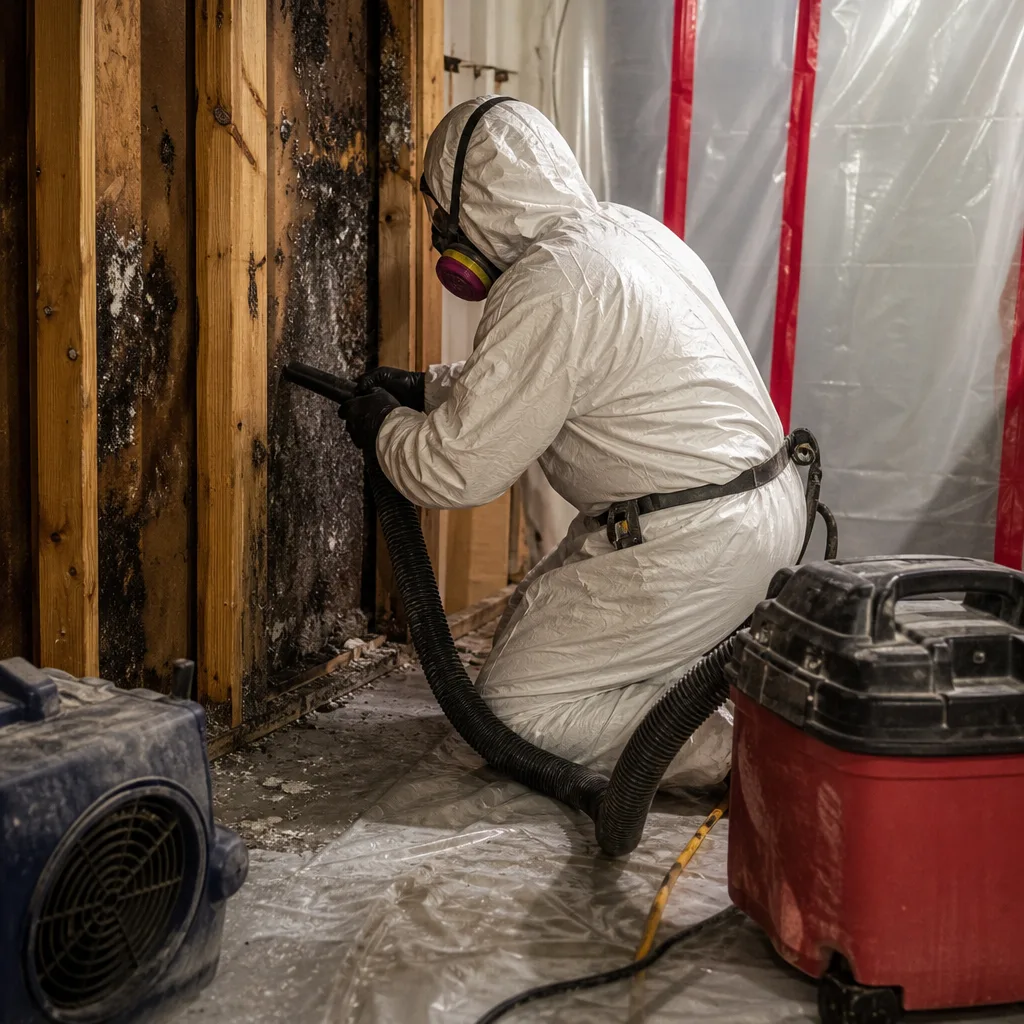
What happens when you call
- 1
A real person answersNo phone trees - you reach a local pro.
- 2
You get an upfront price rangeHonest numbers before anyone is dispatched.
- 3
A background-checked tech heads outLicensed & insured, dispatched right away.
- 4
You approve before work beginsNothing starts until you say go.
Fire & Smoke Damage Restoration Costs in Harrison, NY
Fire damage restoration in Harrison costs more than the same job in a newer, sheetrock-heavy suburb, because the work is different. A typical smoke and soot cleanup in a village-core colonial runs $3,500 to $9,000 depending on square footage and how far smoke traveled. Full restoration including structural drying, odor removal, and reconstruction ranges $15,000 to $60,000 in older homes where original plaster and wiring require specialty work. Purchase estate fires routinely exceed $100,000 when custom millwork, imported tile, or specialty wall finishes must be sourced and matched. Emergency board-up and tarping runs $800 to $2,500 on its own. Water extraction from firefighting starts at $2,000. What moves the price: how long smoke sat before we arrived, whether the home has original plaster, whether the electrical system needs remediation, and whether contents require pack-out. Insurance covers most fire damage under standard policies, minus deductible. Our free visual inspection gives you a written scope and an honest number before you commit to anything. Call (917) 924-4221 and we’ll walk you through what your Harrison home actually needs.
We Also Serve Cities Near Harrison
Our crews serve the same residential corridors and commercial districts throughout Westchester’s Sound Shore. We work regularly in Harrison, Rye, Mamaroneck, Larchmont, and Port Chester. The housing stock differs from town to town, but the response commitment doesn’t: live answer, 45 minutes, free inspection, written scope.
Harrison Fire & Smoke Damage Restoration Questions, Answered
How quickly can you actually get to my Harrison home after a fire?
Our crews are dispatched the moment you call (917) 924-4221, and we commit to a 45-minute response in Harrison’s village core and surrounding neighborhoods. Purchase properties take slightly longer to reach off Anderson Hill Road, but we’re still there the same call. A live person answers 24/7 and a crew rolls immediately.
How do adjusters handle original plaster walls in Harrison village homes after a fire, and what does that mean for smoke removal?
Adjusters often write initial scopes assuming gypsum board, because that’s what most estimating software defaults to. In Harrison’s pre-war colonials, the walls are plaster over wood lath. We document the actual substrate, write the scope to match, and talk directly with the adjuster. That means smoke removal includes cavity access behind the plaster, not just surface wiping. Call us at (917) 924-4221 and we’ll handle that conversation for you.
Do Purchase estate projects really require a different fire-restoration process than a standard Harrison colonial?
Yes. Purchase homes have custom millwork, imported tile, hand-finished plaster, and stone that can’t be replaced with commodity materials. Restoration there requires sourcing through luxury-trade suppliers, protecting finishes that are salvageable, and writing scopes that reflect actual replacement cost. The process is the same, but the material sourcing and adjuster negotiation are not. We’re equipped for both tiers.
Why does fire-related water damage in Harrison’s older village homes need longer drying than newer construction?
Plaster and lath absorb firefighting water differently than gypsum board. Plaster holds moisture deep, and the wood lath behind it acts like a sponge. New construction dries in three to five days with good airflow. A 1940s colonial off Halstead Avenue often needs seven to ten days of structural drying, with daily moisture readings until we hit the dry standard. Rushing this step leaves hidden moisture that turns into mold or structural damage later.
What fire-related risk is common in Harrison’s hard winter freeze-thaw cycle that doesn’t happen in coastal Rye?
Harrison’s older village-core homes carry more original wiring, and where that wiring sits near water-stained eaves or frozen pipe bursts, you get a fire hazard that coastal Rye’s newer construction simply doesn’t have. Ice dams form on older roof systems, water migrates into wall cavities, and if knob-and-tube wiring is present, a small leak becomes an electrical fire risk. We flag this on every winter water call in older Harrison homes.
Can you board up a Harrison storefront after a fire without damaging the original masonry?
We can. For older brick and stone storefronts on Halstead Avenue, we use non-penetrating anchors and counterweighted boards that don’t drill through historic masonry. The board-up is secure, the structure stays intact, and your restoration doesn’t start with new holes in an old wall. Call (917) 924-4221 and we’ll send a crew right away.
Will insurance cover the cost of fire and smoke damage restoration in Harrison?
Most standard homeowners policies cover fire and smoke damage, including the water damage from firefighting. The deductible is typically your responsibility. We document everything from the first hour, bill your carrier directly, and handle adjuster communication so you don’t have to. Claim coverage questions should be directed to your agent, but we’ll support whatever your carrier needs.
What should I do in the first 30 minutes after a fire in my Harrison home?
Call 911 if the fire isn’t fully out. Then call (917) 924-4221. Don’t touch or clean surfaces, don’t turn on HVAC systems, and don’t walk through smoke-damaged areas more than necessary. Smoke residue sets quickly and spreads further the longer it sits. The sooner we arrive, the more of your home we can salvage.
Serving Harrison, NY - Our Local Coverage Area
We’re based in the Harrison area and know this community well. Use the map below to see our service coverage - if you’re nearby, we can almost certainly help.
One Team, One Standard, No Handoffs
Fire restoration in Harrison means something different than it does ten miles away. The village’s original plaster and old wiring demand one kind of attention. Purchase’s custom estates demand another. We handle both with the same standard: a live person on the phone, a 45-minute response, certified technicians doing the work, and a written 90-Day Done Right Promise on every job. Founded in 2010 by Curt Bowman, Floodline Restoration Co. of Manhattan has spent more than a decade building a reputation for showing up, doing the work correctly, and standing behind it in writing. Dispatch is coordinated from our New York City office, and crews serve Harrison locally. When the fire’s out and the smoke has settled, you want a company that knows exactly what to do next. That’s us. Call (917) 924-4221 now for a free estimate and a live person on the other end.
Written by Curt Bowman, Owner at Floodline Restoration Co. of Manhattan, serving Harrison and greater Westchester with fire and smoke damage restoration.