
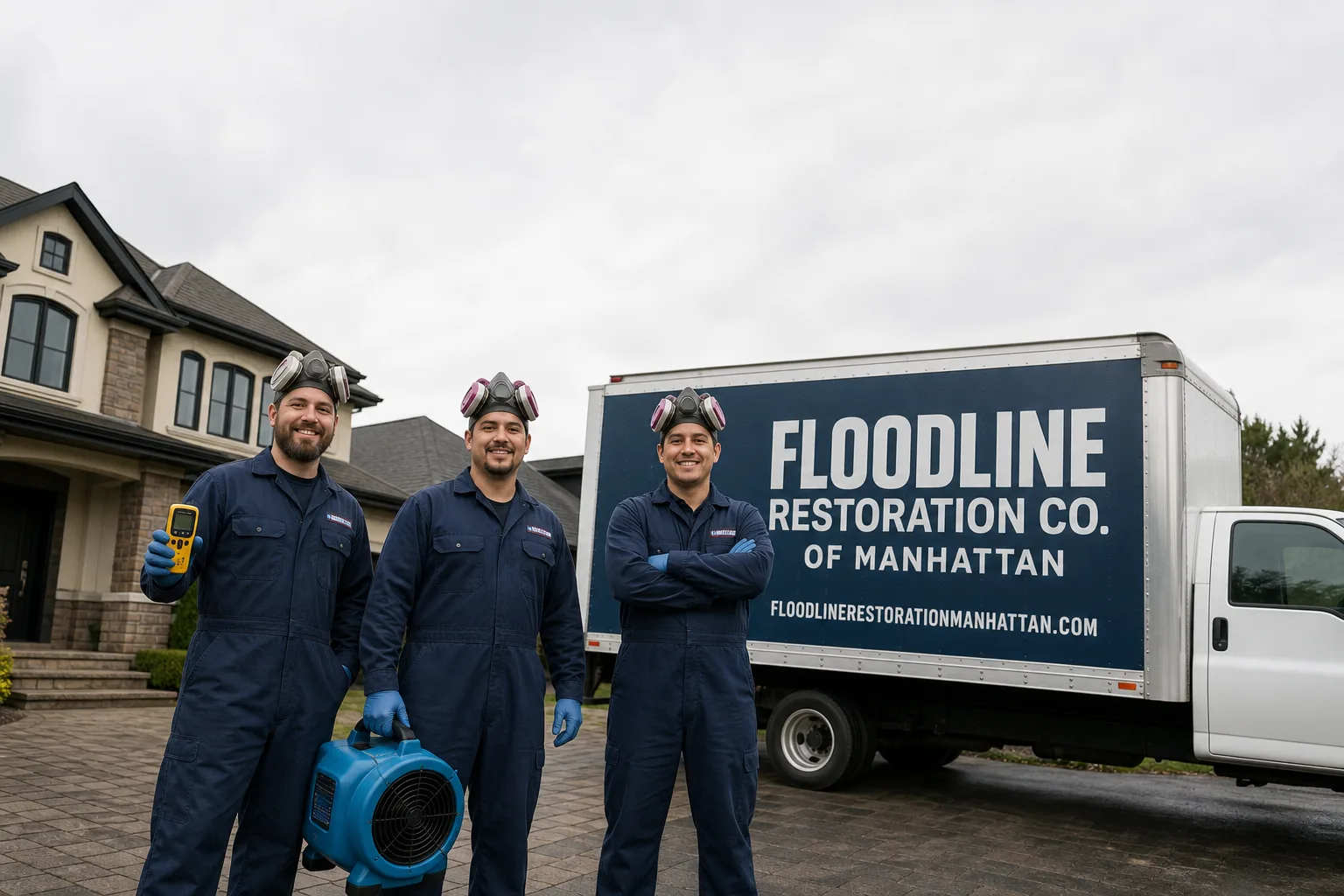
Free visual inspection and a written scope of work before any mitigation begins - photos, moisture readings, and drying logs go in your claim file
The scope we write is the scope we bill. Anything new gets shown to you, in writing, before we touch it.
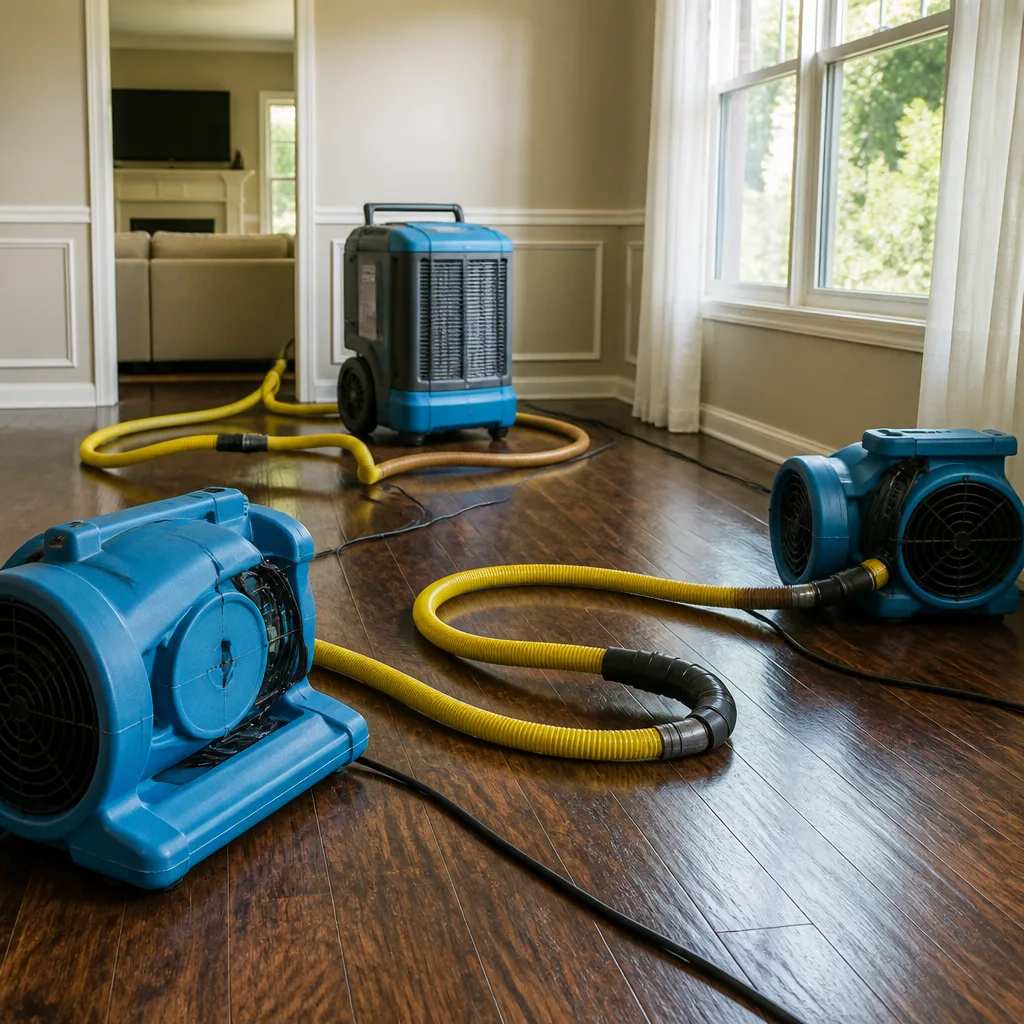
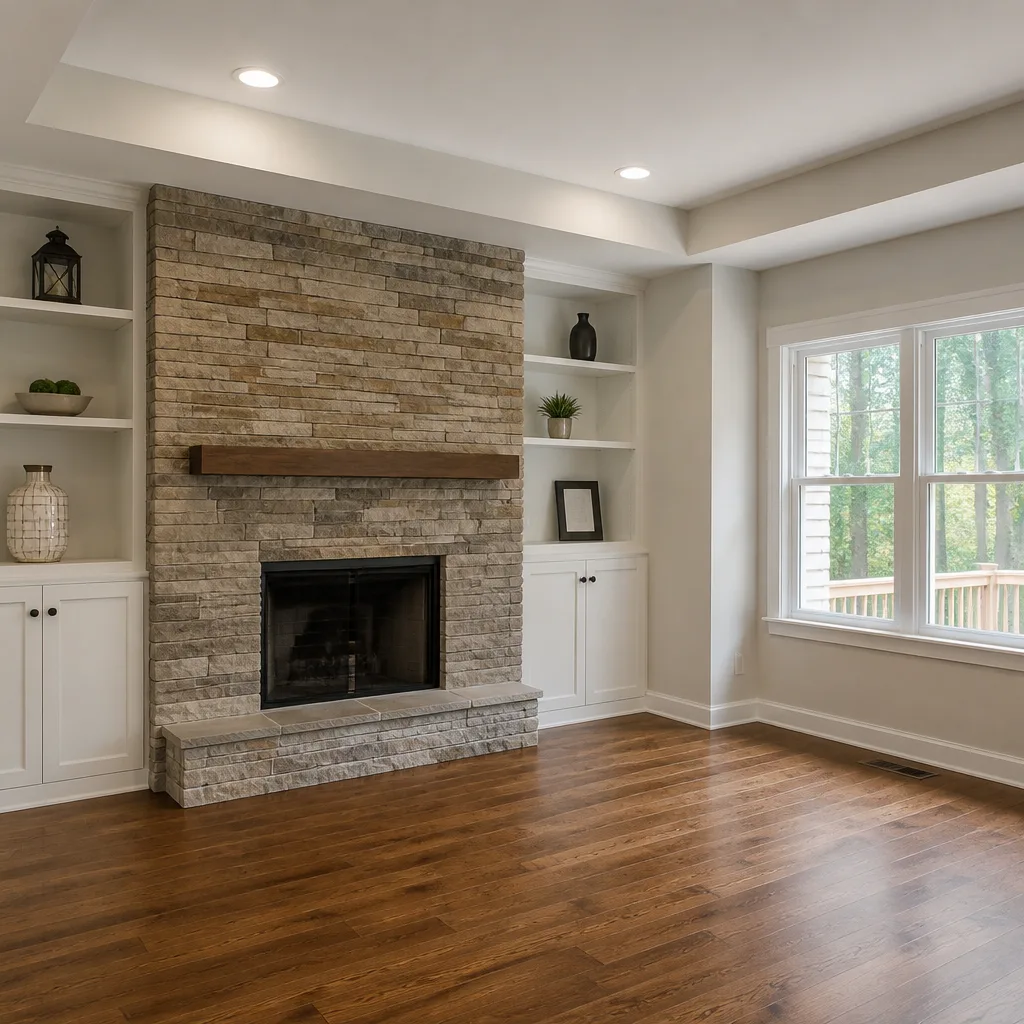
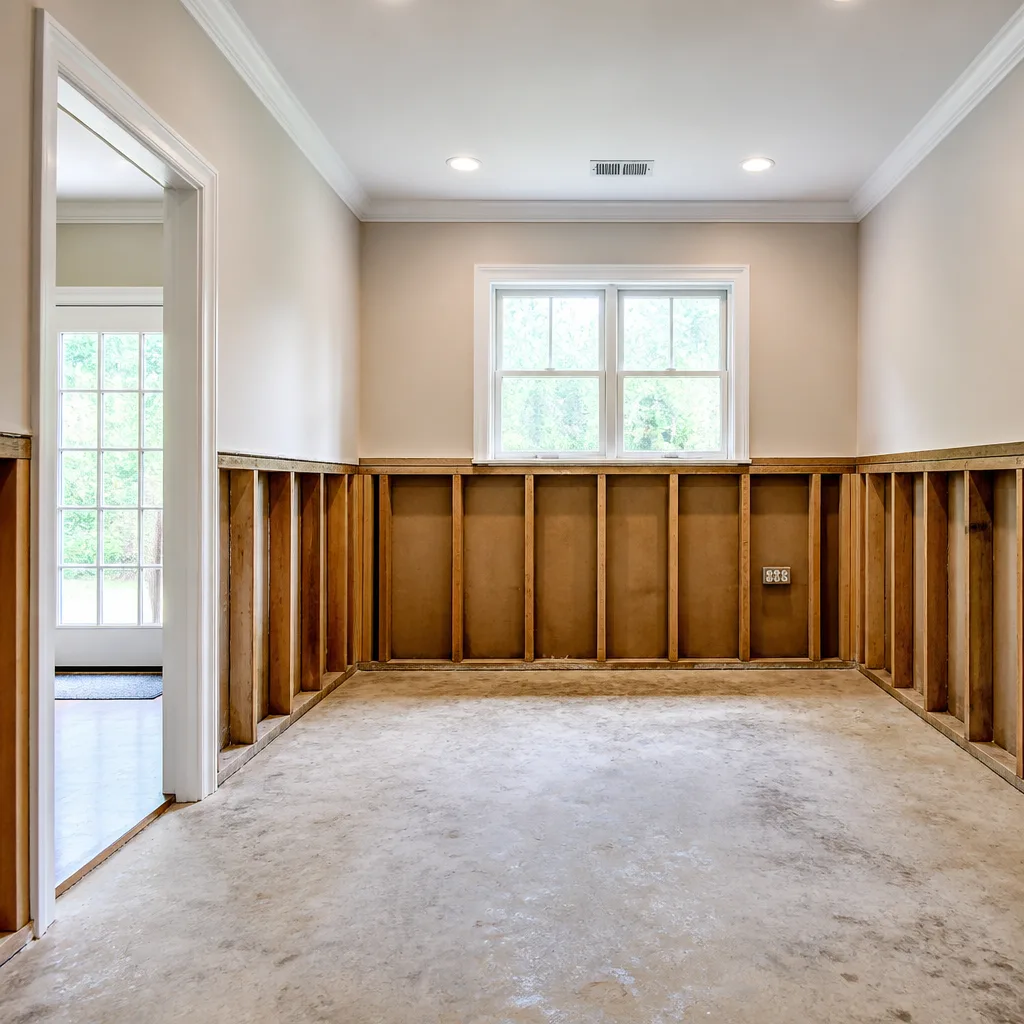

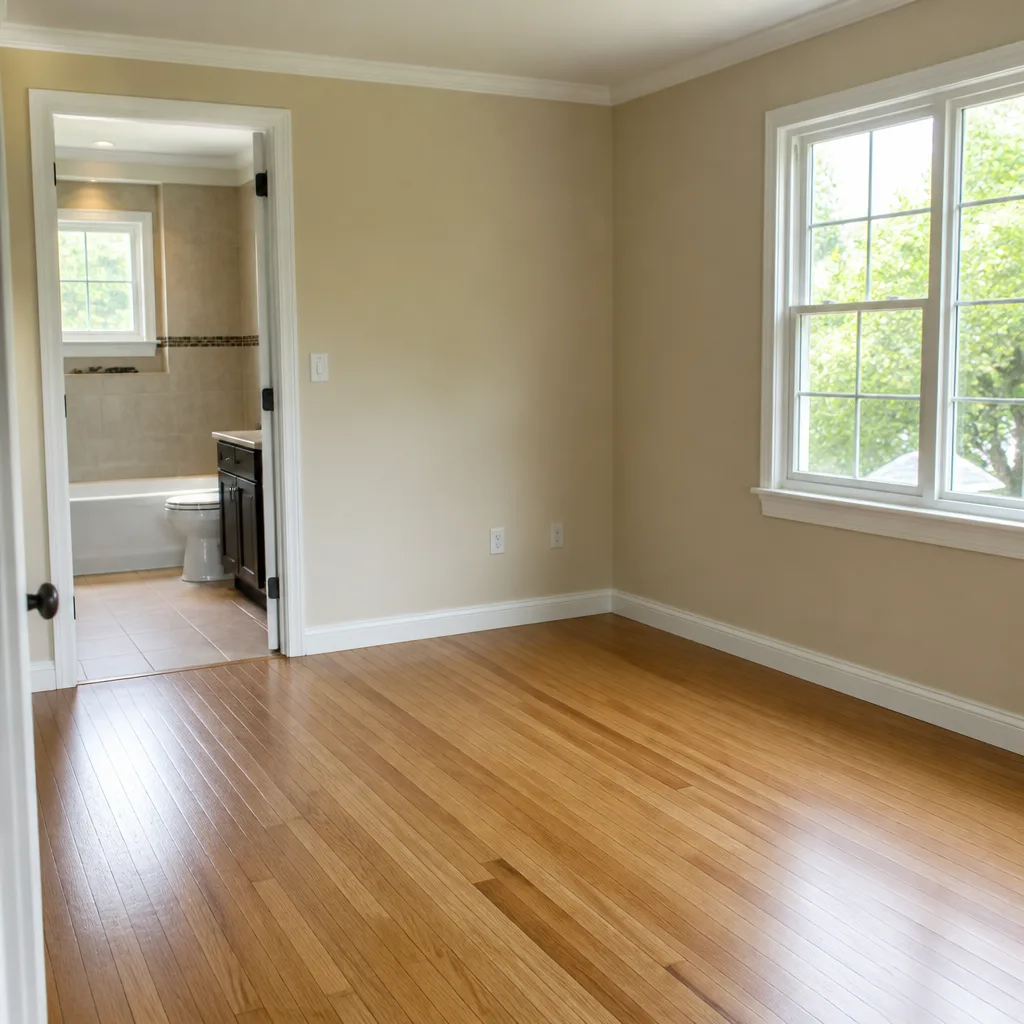
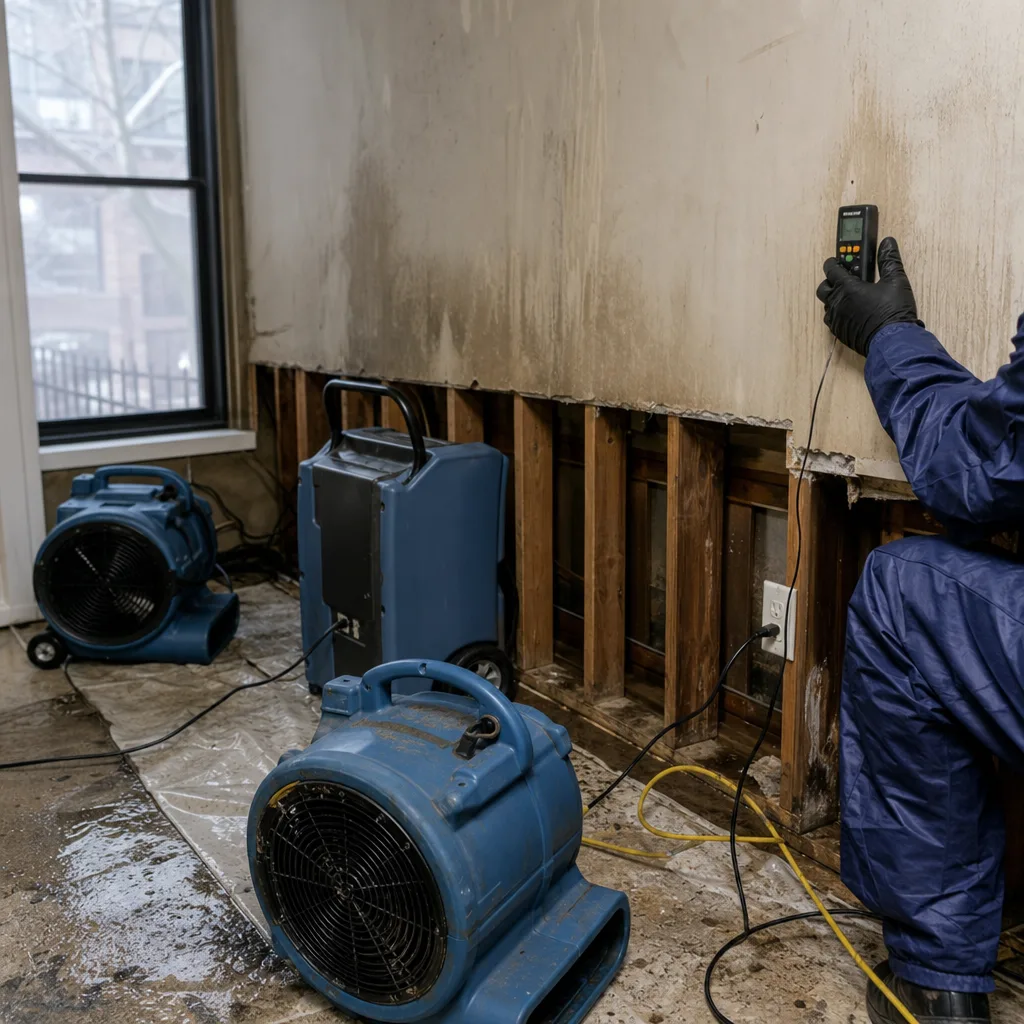 Before
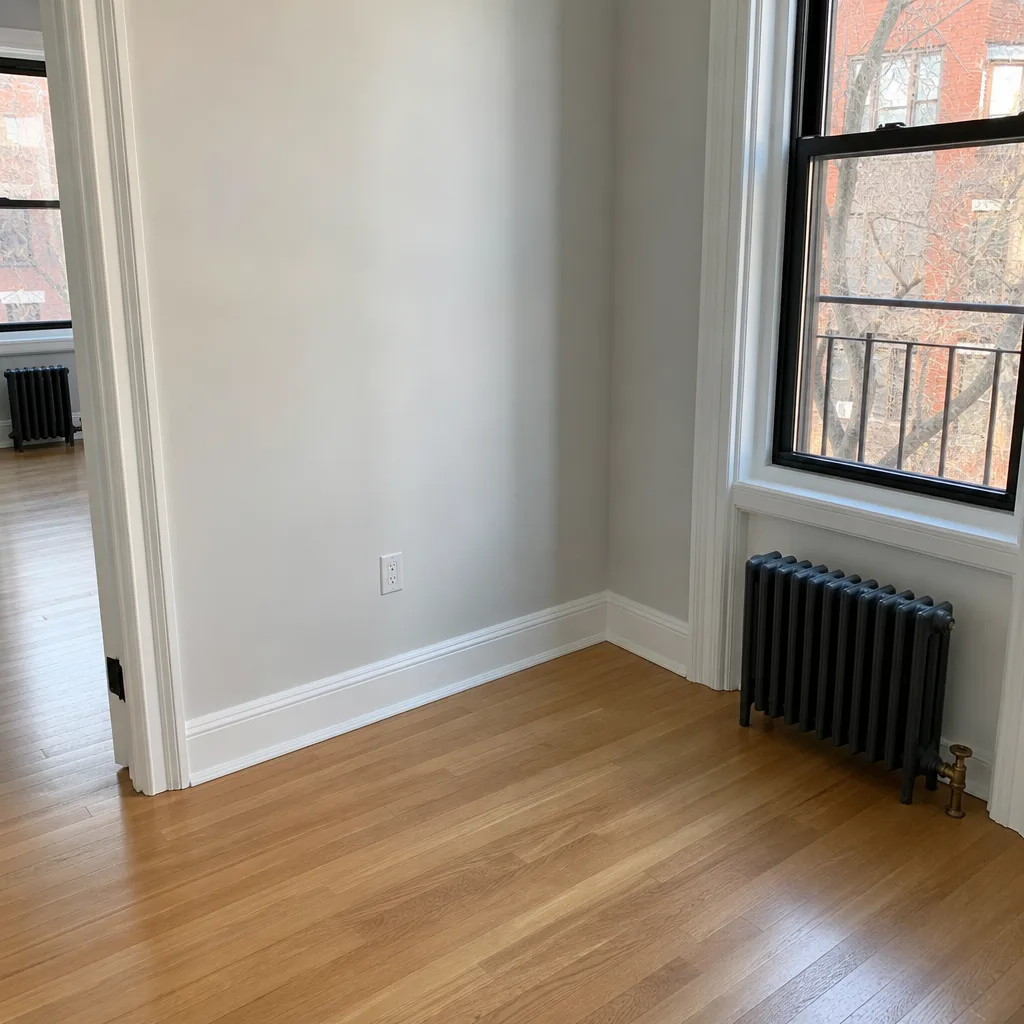 After
After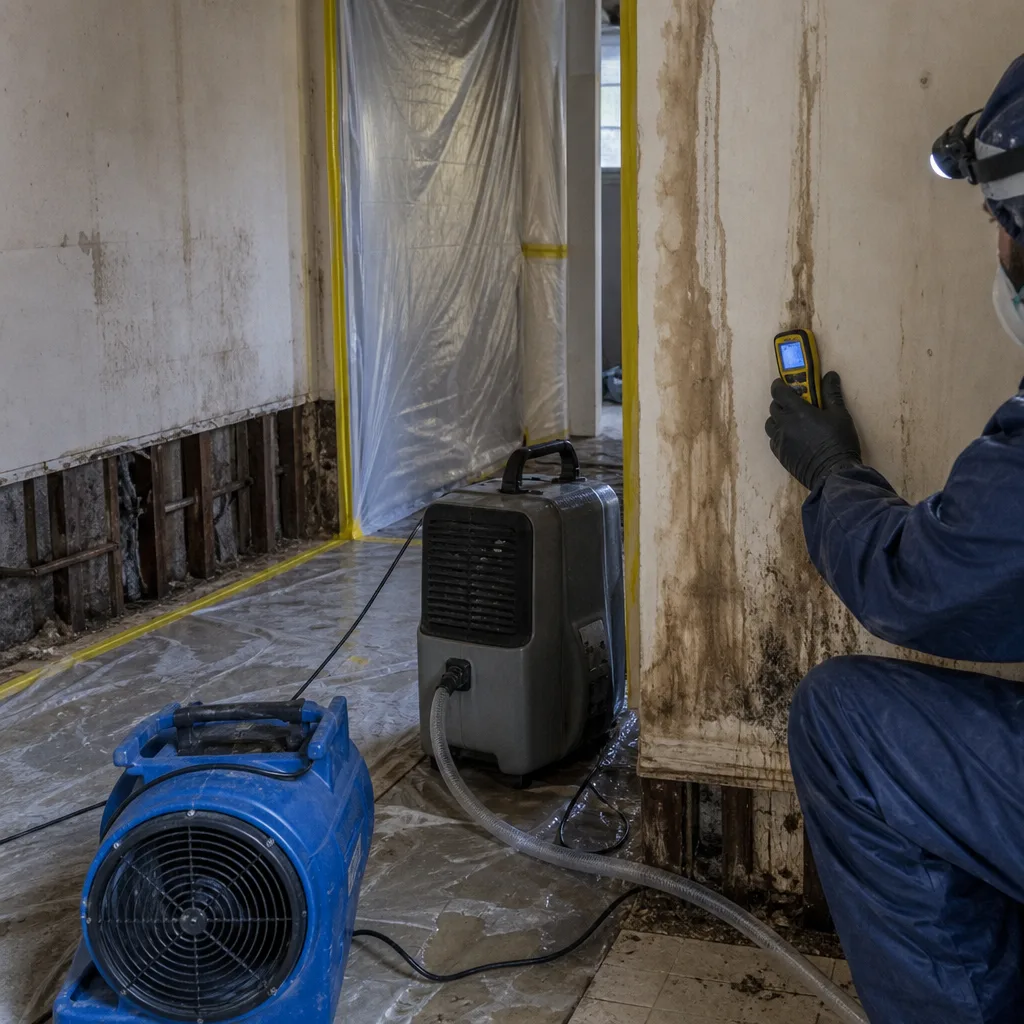 Before
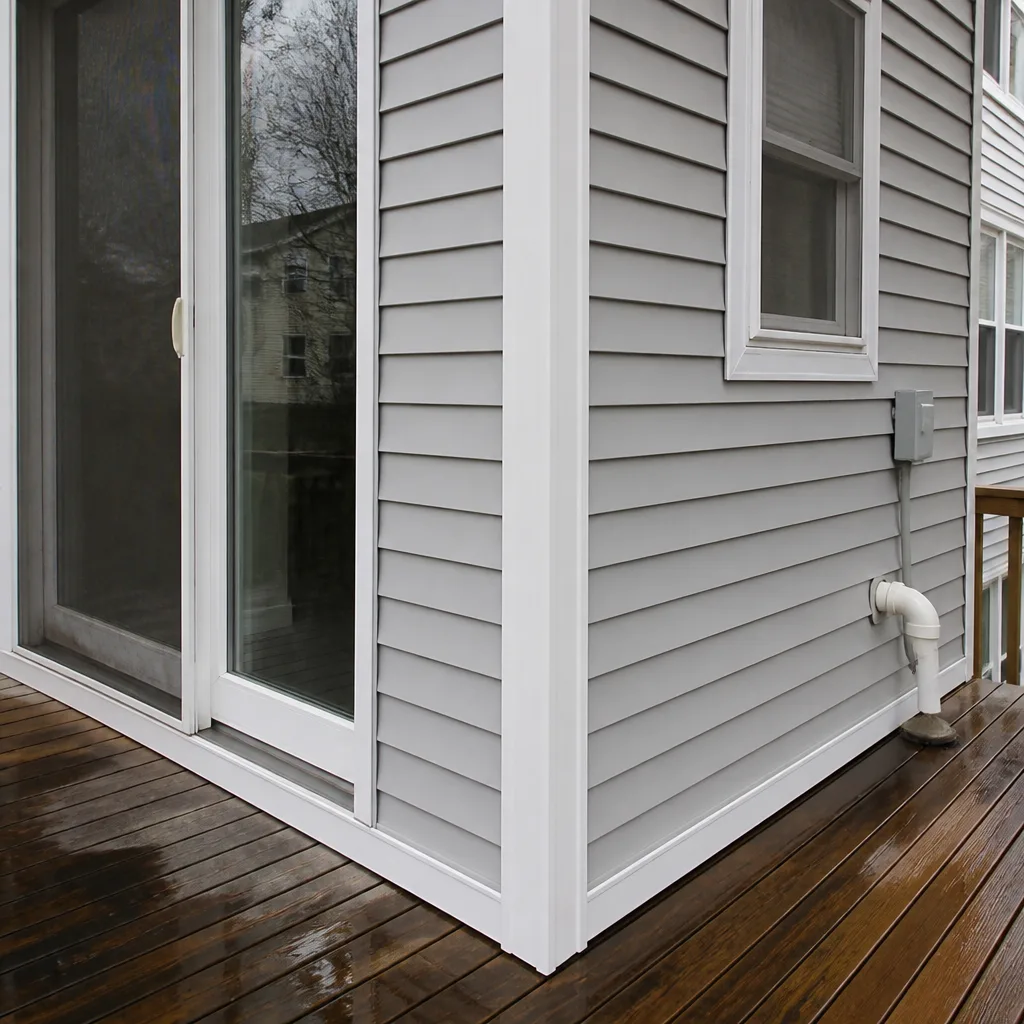 After
After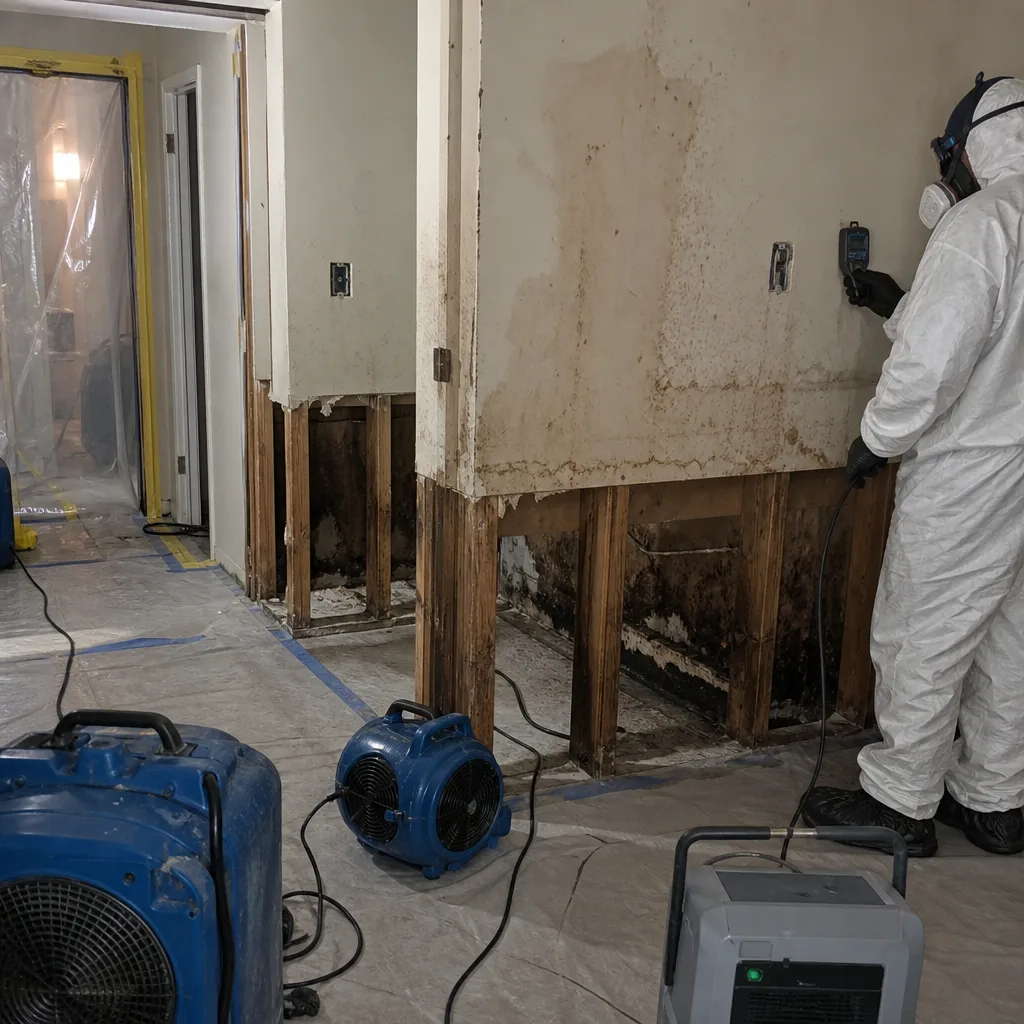 Before
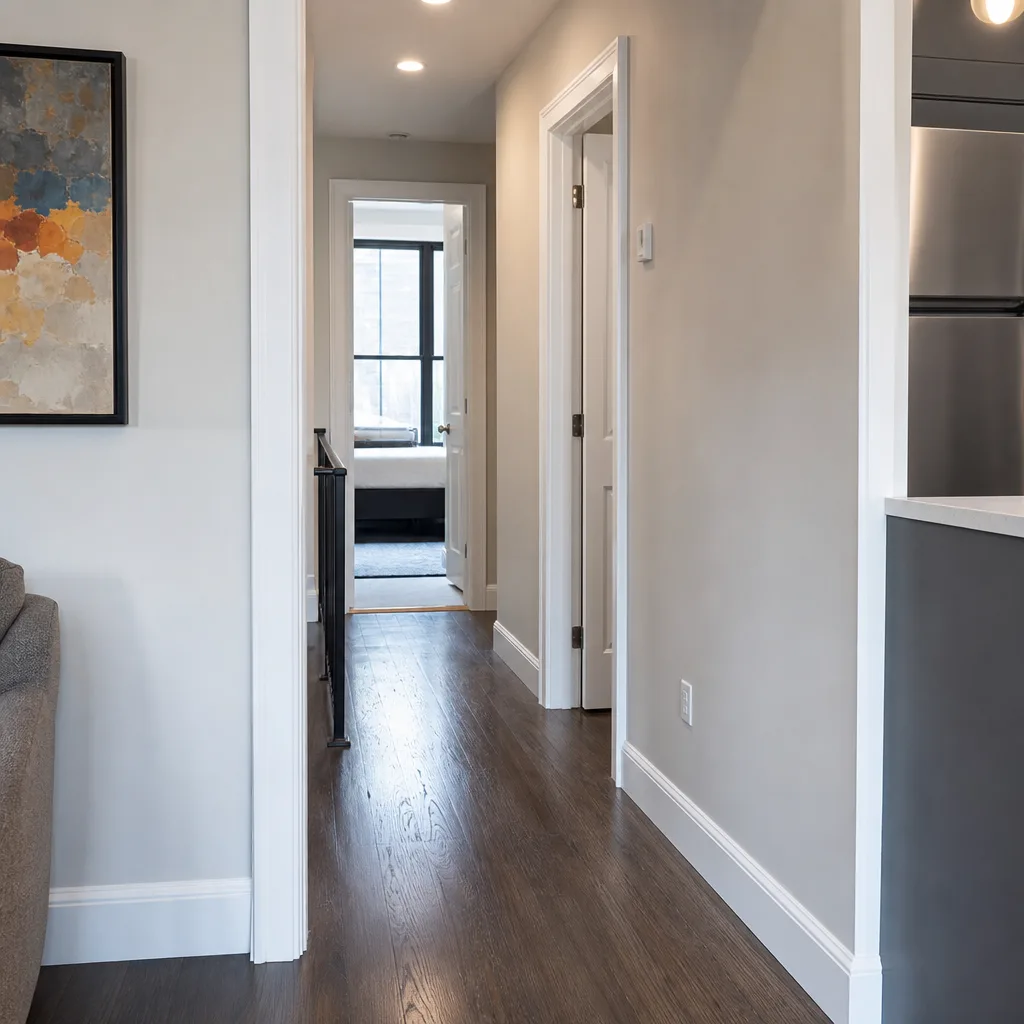 After
After24/7 Emergency Fire & Smoke Damage Restoration in Jerome Park
Fire and smoke damage in Jerome Park needs a response measured in minutes, not hours. Soot from a fire begins etching into surfaces and burning into wall cavities almost immediately, and the water used to suppress the flames starts migrating through plaster ceilings and walls within the first hour. Our crews answer live at (917) 924-4221 around the clock and can reach buildings along Reservoir Avenue, Goulden Avenue, and Sedgwick Avenue quickly, because the faster we contain smoke migration and begin structural drying, the less of your Jerome Park apartment or co-op we have to tear out and rebuild. We provide a free visual inspection on every fire loss in Jerome Park so you know exactly what you’re facing before any work begins.
Understanding Fire & Smoke Damage Restoration Severity in Jerome Park Properties
Fire damage in Jerome Park’s pre-war brick buildings doesn’t behave the way it does in newer construction. The 1920s through 1940s buildings that dominate this neighborhood carry plaster-and-lath walls, not modern drywall, and plaster pulls soot deep into its porous surface far more aggressively than gypsum board ever will. Soot residue falls into three real categories fabricators and adjusters both recognize: free-floating carbon from synthetic materials burning, protein residues from kitchen fires that cling invisibly to every surface, and oily residues from plastics and electrical insulation that smear when wiped. Protein soot from a stovetop fire can be nearly invisible on a white plaster ceiling, but it bonds within hours and leaves an odor that returns every time humidity rises. That’s a real concern in Jerome Park, where the open water of the Jerome Park Reservoir keeps localized humidity elevated year-round, especially in ground-floor and below-grade units. Smoke also migrates along the paths of least resistance in these old buildings: around pipe chases, behind radiators, through gaps in the original oak flooring, and up stairwells shared by multiple units. By the time a standard cleanup reaches those places, the damage is no longer surface-level. In Jerome Park’s stacked, densely built co-ops and rental buildings, smoke from one kitchen fire routinely crosses into neighboring apartments through wall cavities, which means the restoration scope grows past the unit where the fire started.
Why Jerome Park Property Owners Choose Floodline Restoration Co. of Manhattan
- 45-minute response commitment to Jerome Park: Our dispatch board sits in the Bronx metro, and we commit to an on-site arrival within 45 minutes for emergency fire and smoke calls in Jerome Park. No call centers, no waiting for a callback.
- 24/7 live answer, every time: A real person picks up at (917) 924-4221 at two in the morning, not a recording. The same dispatcher who takes your call starts the crew roll.
- IICRC-certified crews with the right credentials: Our technicians hold FSRT (Fire and Smoke Restoration Technician) and WRT (Water Restoration Technician) certifications from the IICRC, plus RIA and IFA training. They know what soot residue types mean in a plaster-walled pre-war building.
- Free visual inspection before any scope is written: We walk the entire affected area, including wall cavities and adjacent units where smoke migrated, then give you a written scope of work. No obligation, no pressure.
- Direct insurance billing: We bill your carrier directly after the claim is filed, and we send our moisture logs, photo documentation, and line-item estimates straight to the adjuster. You are not the messenger.
- One team from first extraction to final rebuild: The same Floodline Restoration Co. crew that tears out damaged plaster and runs structural drying also reconstructs walls, floors, and ceilings. No mid-job handoff to a subcontractor you didn’t choose.
Our Fire & Smoke Damage Restoration Process
Inspection & Assessment
We walk every affected room plus adjacent units and common areas where smoke travels. We identify soot residue type, map moisture from suppression water using thermal imaging and hygrometers, and locate hidden cavities in plaster walls where smoke and water migrated. The written scope comes from this walkthrough.
Emergency Stabilization
We board up broken windows, tarp open roof sections, and secure entry points the same visit. In Jerome Park’s multi-unit buildings, that also means sealing off affected floors so smoke odor doesn’t continue spreading into neighboring apartments.
Water Extraction & Structural Drying
Suppression water saturates plaster and lath quickly. We extract standing water, then run professional-grade Dri-Eaz air movers, Phoenix dehumidifiers, and Injectidry systems through wall cavities and under flooring. Daily moisture readings get logged until the dry standard is met.
Smoke & Soot Removal
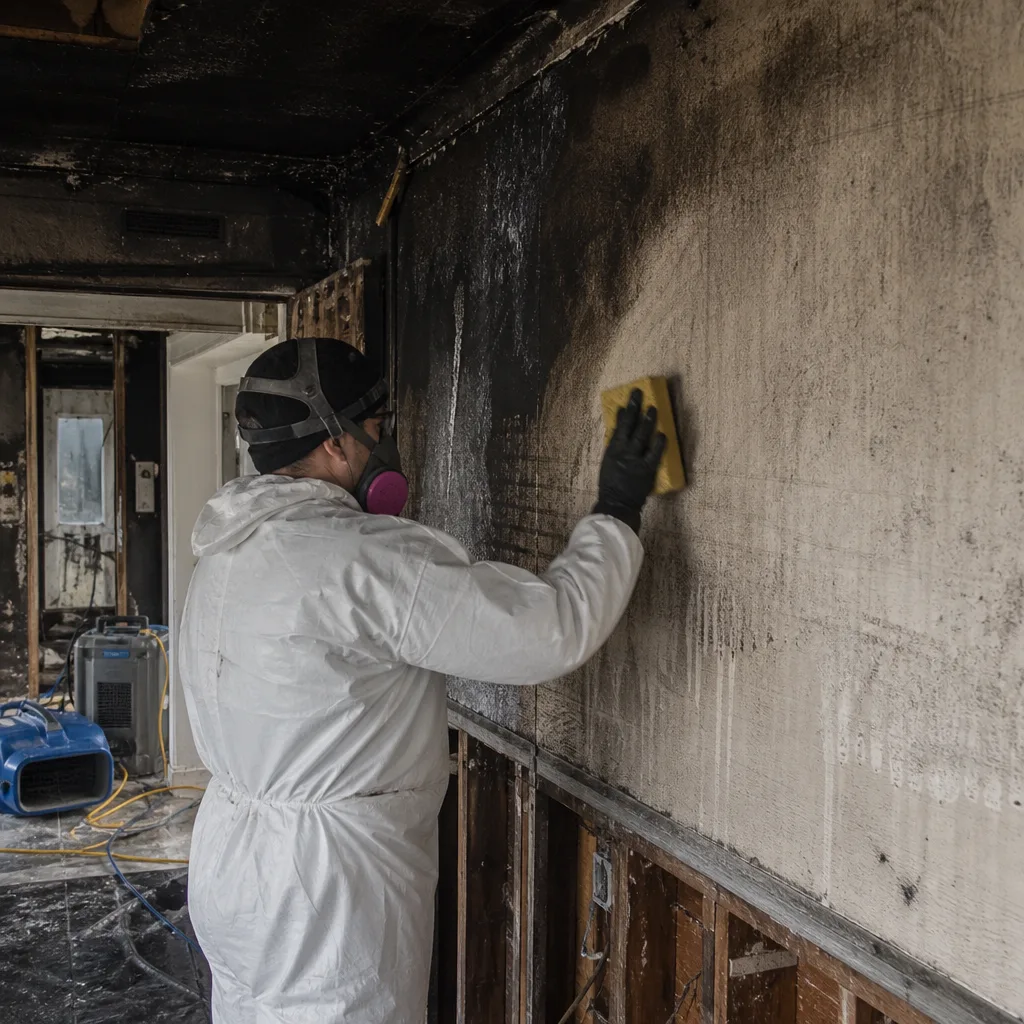
We remove soot from every surface type: plaster, brick, hardwood, tile, and metal. Different residues demand different methods, and in Jerome Park pre-war units we pay special attention to deep plaster penetration that surface wiping misses. HEPA-filtered air scrubbers run throughout to capture airborne particulate.
Odor Removal & Deodorization
Odor molecules live inside porous materials, not on them. We treat wall cavities, plaster, subflooring, and ductwork, not just surfaces. Thermal fogging, hydroxyl generation, and sealed-environment ozone treatment get applied where appropriate, which is particularly important in Jerome Park apartments where plaster lath holds odor for years if untreated.
Repairs & Restoration
The same Floodline crew rebuilds what we tore out: plaster repair, fresh drywall where appropriate, painting, flooring, trim, and cabinetry. Because we’ve done the drying and the demo, the rebuild is measured against a moisture log we trust, not a guess.
Need Emergency Fire & Smoke Damage Restoration in Jerome Park Now?
Crews minutes away, answering live 24 hours a day. The sooner we start, the less it costs.
Working With Your Insurance Company
Fire claims in Jerome Park involve layers most homeowners don’t see until the adjuster starts asking questions about smoke migration, secondary water damage, and whether the hidden wall cavity mold was pre-existing. We handle the documentation from the first hour: photos of every room, moisture readings from day one, a daily drying log, and a line-item scope of work that matches what your policy covers. Our team communicates with your adjuster directly, sends them the documentation they need, and bills your carrier once the claim is approved. You should not have to translate restoration terminology to an adjuster who is asking about the suppression water in your downstairs neighbor’s ceiling. That’s our job.
What We Provide Your Insurer
- Thorough documentation of the loss
- Photos of all damage, room by room
- Moisture readings and drying logs
- A detailed, line-item scope of work
- Direct coordination with your carrier
Built for Jerome Park’s Loss Calendar
Jerome Park sees fire losses in patterns that follow the building stock and the seasons. The deep winter months push aging heating systems hard; steam radiators and old boilers in these 1920s and 1930s brick buildings run hot and long through January and February, and electrical wiring from the same era still carries loads it was never sized for. Space heaters plugged into old knob-and-tube circuits remain a real ignition source in this neighborhood. Spring and summer bring a different pattern: cooking fires from open windows and back-drafting range hoods, plus the extra moisture from the reservoir’s evaporation that makes smoke odor cling harder and mold from suppression water establish faster. If a fire happens in a ground-floor unit along the slope toward the reservoir, the water from firefighting doesn’t just sit; it joins the chronic hydrostatic moisture already pressing against those foundation walls. That makes the drying phase longer and the mold window shorter. We schedule our Jerome Park response to account for it from the first day’s scope, not as an afterthought when a follow-up mold complaint lands.
Fire & Smoke Damage Restoration Across Jerome Park’s Neighborhoods
Jerome Park is compact, but the building types shift block by block, and so do the fire losses we respond to. Along Goulden Avenue and Sedgwick Avenue, the taller pre-war co-ops present smoke migration issues through shared stairwells and pipe chases that run the full height of the building. A fire on the third floor means smoke reaches the fifth floor before we arrive. Over near Reservoir Avenue, the buildings sit closer to the water, and the chronic moisture pattern we described shows up in every ground-floor loss. Then there are the mid-block apartment houses off West 197th Street and along the side streets, where flat roofs pool water and parapet walls crack each winter, letting suppression water pour from the roof line down through multiple floors. The Bronx physical geography here matters too; Jerome Park sits on a measurable slope leading down toward the reservoir, so water fights gravity and wins, running from street level into below-grade units. We respond to all of those patterns from a dispatch position inside the metro, so a crew reaches any address in Jerome Park within our 45-minute commitment.
Specialized Fire & Smoke Damage Restoration Services We Offer in Jerome Park
Smoke & Soot Removal
Soot removal in a Jerome Park plaster-walled apartment is a different job than wiping surface residue off drywall in a newer building. The plaster and lath construction pulls soot into the substrate, and decades of paint layers can hold it. We remove soot from every surface type and treat the cavities, not just the visible face. Soot left in wall cavities will re-stain fresh paint within months.
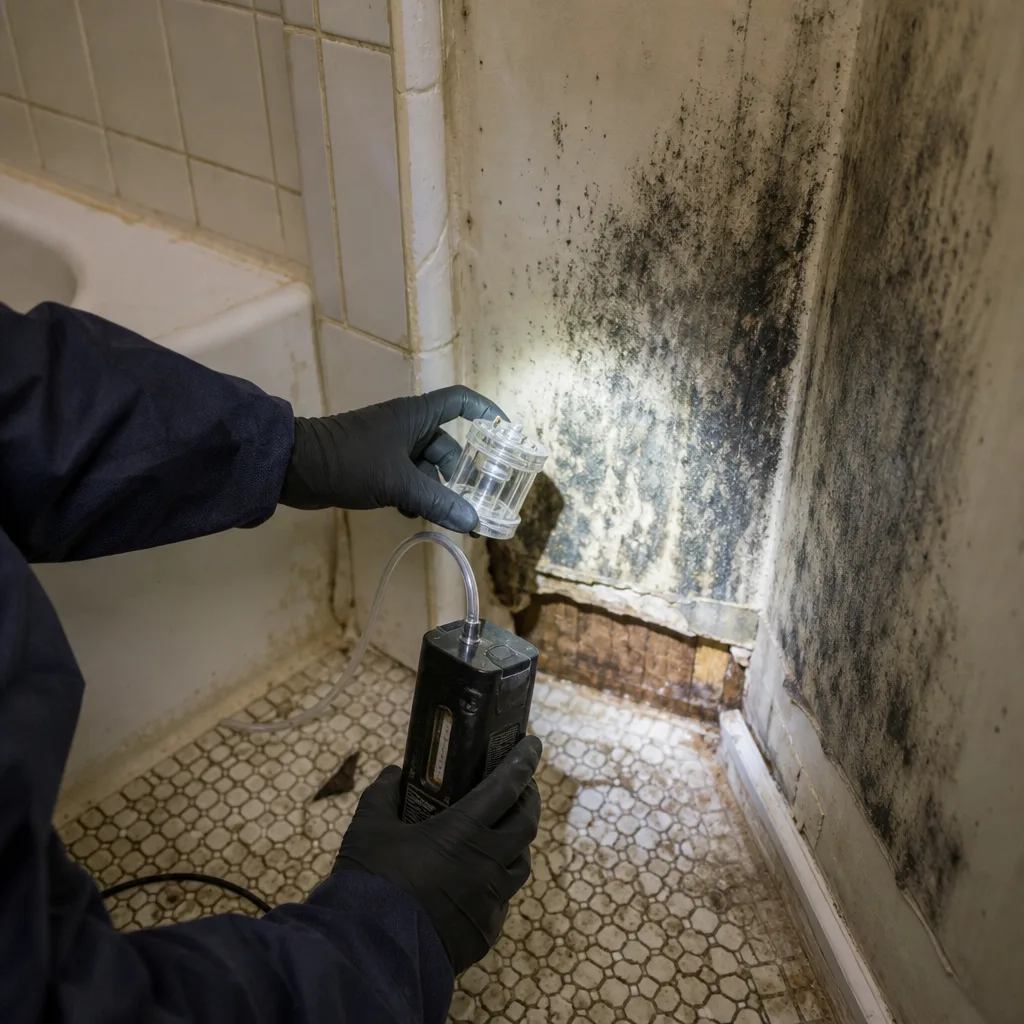
Odor Removal & Deodorization
Odor from a fire lives in porous materials: plaster, wood flooring, subflooring, brick, insulation. In Jerome Park’s pre-war stock, those materials have had decades to develop porosity. We use sealed-environment treatment along with HEPA air scrubbing, and we treat ductwork and shared hallways because smoke odor travels the same paths smoke did. If the odor isn’t fully neutralized at the source, the next humid summer day in Jerome Park brings it right back.
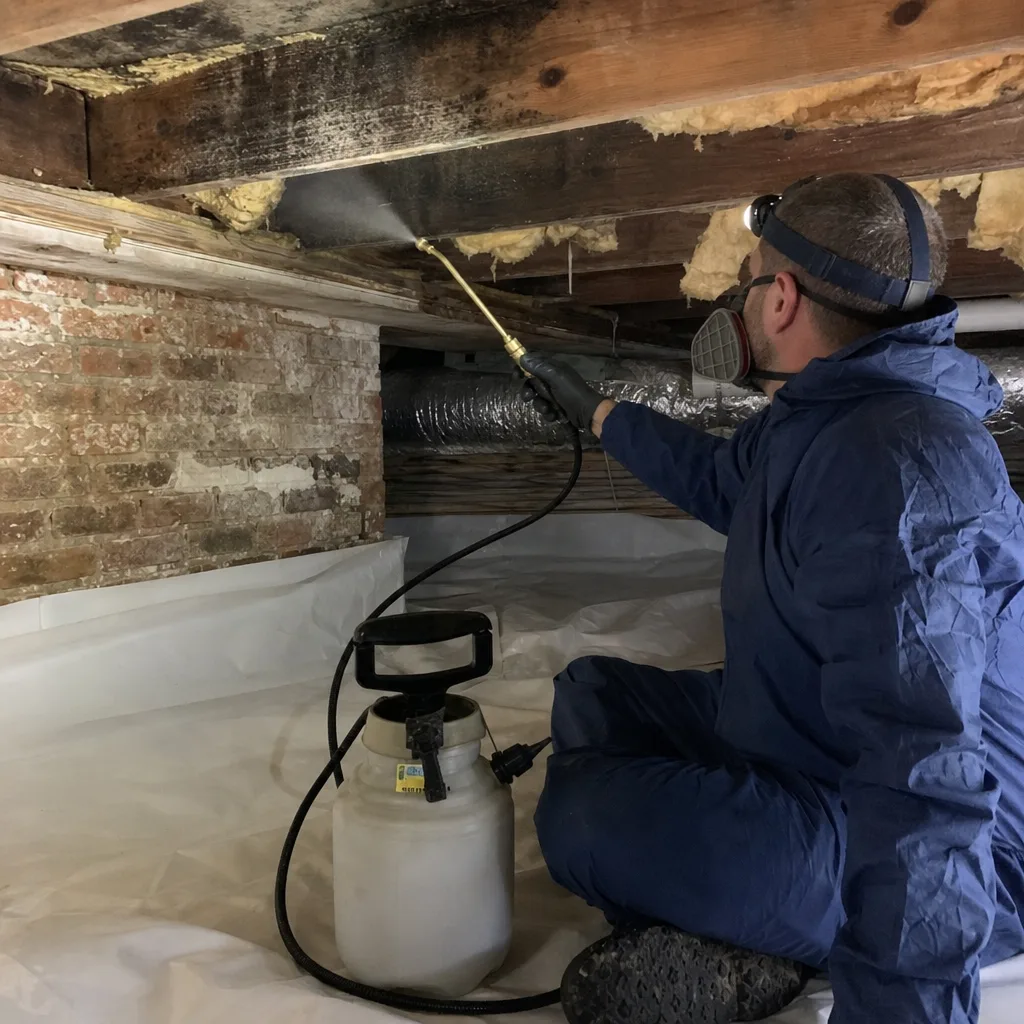
Contents Cleaning & Pack-Out
Furniture, clothing, dishes, books, and family items absorb smoke odor even when they look fine. We inventory, pack out, and clean contents off-site in a controlled clean-room environment, then store them until your Jerome Park apartment is rebuilt and ready. Every item gets documented for your insurer with photos and a written inventory. If an item can’t be restored, the documentation supports your claim.
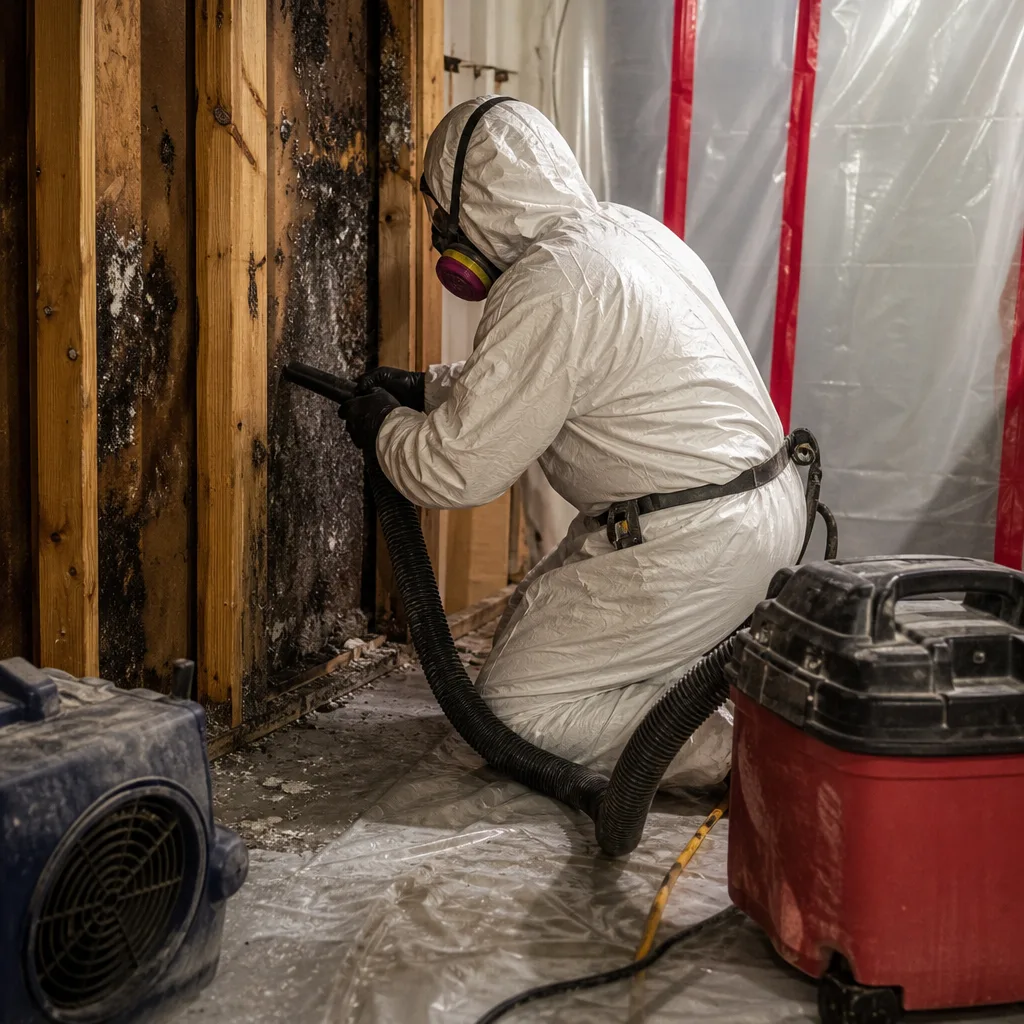
Fire Damage Cleanup
We remove charred building material, water-damaged plaster and flooring, and any structural components the fire compromised. In Jerome Park’s multi-unit buildings, that means coordinating with building management and keeping affected floors sealed so demolition dust and residual odor don’t spread. We haul and legally dispose of all debris.
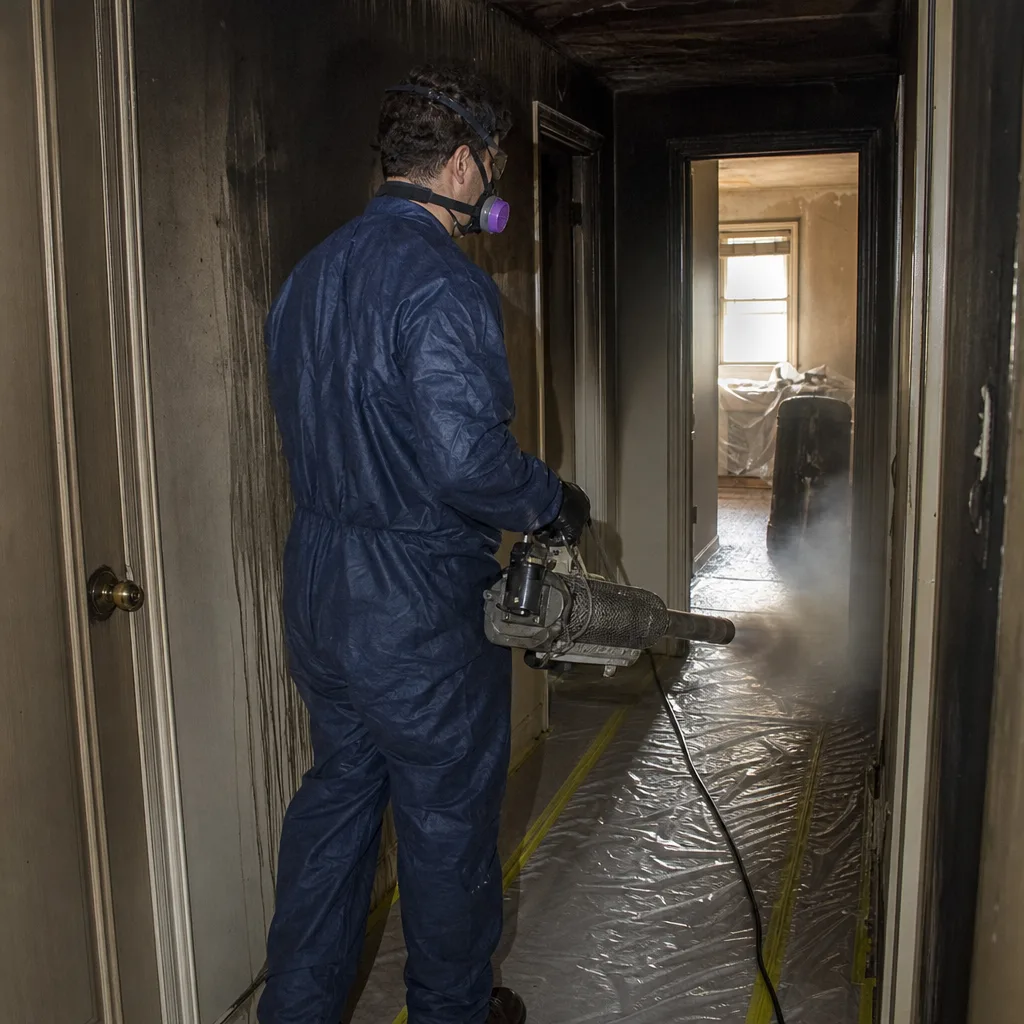
Emergency Board-Up & Tarping
After a fire, open windows and damaged roofs leave your Jerome Park apartment exposed to weather, theft, and more fire risk. We board up and tarp the same visit, securing the property so restoration can begin properly. We also coordinate with HPD and building management where housing code compliance comes into play.
What happens when you call
- 1
A real person answersNo phone trees - you reach a local pro.
- 2
You get an upfront price rangeHonest numbers before anyone is dispatched.
- 3
A background-checked tech heads outLicensed & insured, dispatched right away.
- 4
You approve before work beginsNothing starts until you say go.
Fire & Smoke Damage Restoration Costs in Jerome Park, NY
A kitchen fire in a Jerome Park pre-war apartment with moderate smoke damage typically runs $3,800 to $9,500 when the scope includes full soot removal, odor treatment in wall cavities, and refinishing the affected rooms. Smoke and soot removal alone in a single unit that doesn’t require tear-out generally falls between $1,800 and $4,200. When suppression water has saturated multiple floors, the drying phase adds meaningfully; a multi-floor water-damage component in a Jerome Park brick co-op often adds $5,000 to $15,000 depending on how many units got wet and whether cast-iron drain lines are involved. Contents cleaning and pack-out for a full apartment runs $1,500 to $6,000 based on the volume of belongings. Emergency board-up and tarping is $400 to $1,100 on the day of the fire. These are honest ranges for this neighborhood’s building stock. We write a line-item scope before work starts, so you know exactly what the numbers are before the crew begins, and we bill your carrier directly. If you’re looking at a ground-floor unit near the reservoir, expect the mold-remediation line to be in the scope from the start, not added later.
We Also Serve Cities Near Jerome Park
Our crews respond to fire and smoke losses across the surrounding Bronx and upper Manhattan area, including Fairview, Harrison, East Bronx, and Hunts Point. If you own or manage property in any of these neighborhoods, the same live dispatch, the same 45-minute commitment, and the same written guarantee apply.
Serving Jerome Park, NY - Our Local Coverage Area
We’re based in the Jerome Park area and know this community well. Use the map below to see our service coverage - if you’re nearby, we can almost certainly help.
Jerome Park Fire & Smoke Damage Restoration Questions, Answered
Why does smoke odor linger in Jerome Park pre-war buildings even after standard fire cleanup?
Smoke odor lingers in Jerome Park pre-war buildings because the plaster-and-lath walls, original wood flooring, and brick construction absorb odor molecules deep into their porous structure, far beyond the surface where standard cleanup stops. Contractors who only clean visible surfaces and repaint never address the odor trapped inside wall cavities, under flooring, and in the lath itself. The next time humidity rises near the Reservoir, the trapped molecules off-gas and the smell comes back. Call (917) 924-4221 if a prior cleanup left you with recurring odor; we’ll map where it’s hiding and treat it at the source.
How does the Jerome Park Reservoir affect fire damage restoration in nearby apartment buildings?
The Jerome Park Reservoir elevates localized humidity and keeps hydrostatic water pressure against the below-grade walls of nearby apartment buildings, which means suppression water from a fire doesn’t simply dry out on its own. In ground-floor and basement units along the slope toward the reservoir, that added moisture feeds hidden mold inside wet plaster and wall cavities far faster than it would in drier Bronx neighborhoods. Our drying protocols in Jerome Park run longer and include cavity-level moisture mapping specifically because of this. The moisture log we give you and your insurer includes readings that account for it.
What should Jerome Park landlords know about NYC HPD compliance after a fire in a multi-unit building?
After a fire in a Jerome Park multi-unit building, NYC HPD requires documentation showing the affected units are safe for re-occupancy, including proof that smoke damage, water damage, and any mold from suppression water have been properly addressed. Landlords who skip full tear-outs or ignore cavity-level moisture and mold run into HPD violations on top of the original fire claim. We provide the drying logs, scope-of-work records, and photo documentation HPD inspectors ask for, and our crew knows what the compliance path looks like in Bronx buildings specifically. We’ll get the loss contained while you protect the record.
Can our crew handle a fire where water has soaked through multiple floors in a Jerome Park brick co-op?
Yes. When suppression water saturates a Jerome Park brick co-op, it travels down through plaster ceilings, original wood flooring, and wall chases, affecting units below the fire even when those units show no visible damage. We extract, run structural drying with Dri-Eaz and Phoenix equipment, and pull moisture readings in every affected unit below the loss floor until the dry standard is met. The same crew handles the drying and the rebuild, so there’s no gap where another contractor inherits a half-dried building and guesses.
Why does hidden mold keep appearing after a fire in Jerome Park ground-floor units?
Ground-floor units in Jerome Park sit close to the reservoir’s hydrostatic moisture table, so the water used to suppress the fire joins existing ground moisture behind finished walls and under floors. If the original drying phase only addressed visible water, hidden wall cavities stayed wet and mold took hold within 24 to 48 hours. We’ve torn open wood paneling along Reservoir Avenue after a kitchen fire and found mold colonies that had been growing in concealed cavities long before the fire, fed by the same chronic moisture. Our Jerome Park protocols treat the fire damage and the reservoir moisture as one connected loss, not two separate problems.
How fast can you actually get to a fire damage emergency in Jerome Park?
We commit to a 45-minute on-site arrival for emergency fire and smoke calls in Jerome Park. A live dispatcher answers at (917) 924-4221 immediately, not a recording, and the nearest available certified crew rolls from inside the metro. Most Jerome Park calls see a crew at the door in under that window.
Does insurance cover fire and smoke damage restoration in Jerome Park?
Most homeowner and co-op policies cover fire and smoke damage restoration, including smoke and soot removal, odor treatment, contents cleaning, and the structural repairs needed to return the property to pre-loss condition. The challenge in Jerome Park multi-unit buildings is proving the full scope when smoke migrated through cavities and suppression water soaked neighboring units. We document from the first hour with photos, moisture logs, and a line-item scope, then bill your carrier directly. You don’t play middleman.
What should I do in the first 30 minutes after a fire in my Jerome Park apartment?
In the first 30 minutes, call (917) 924-4221 so we can schedule immediate stabilization, then get everyone out of the affected unit and do not wipe or wash any soot-covered surface; wiping smears oily residues deeper into plaster. Do not run HVAC or fans, which spread soot particles and odor into unaffected rooms. Do not enter areas where the ceiling or walls show water saturation, especially in multi-unit buildings where compromised plaster can fall. We arrive, board up, and begin containment, usually within 45 minutes.
Written by Curt Bowman, Owner at Floodline Restoration Co. of Manhattan. Serving Jerome Park and the surrounding Bronx with fire and smoke damage restoration since 2010.