
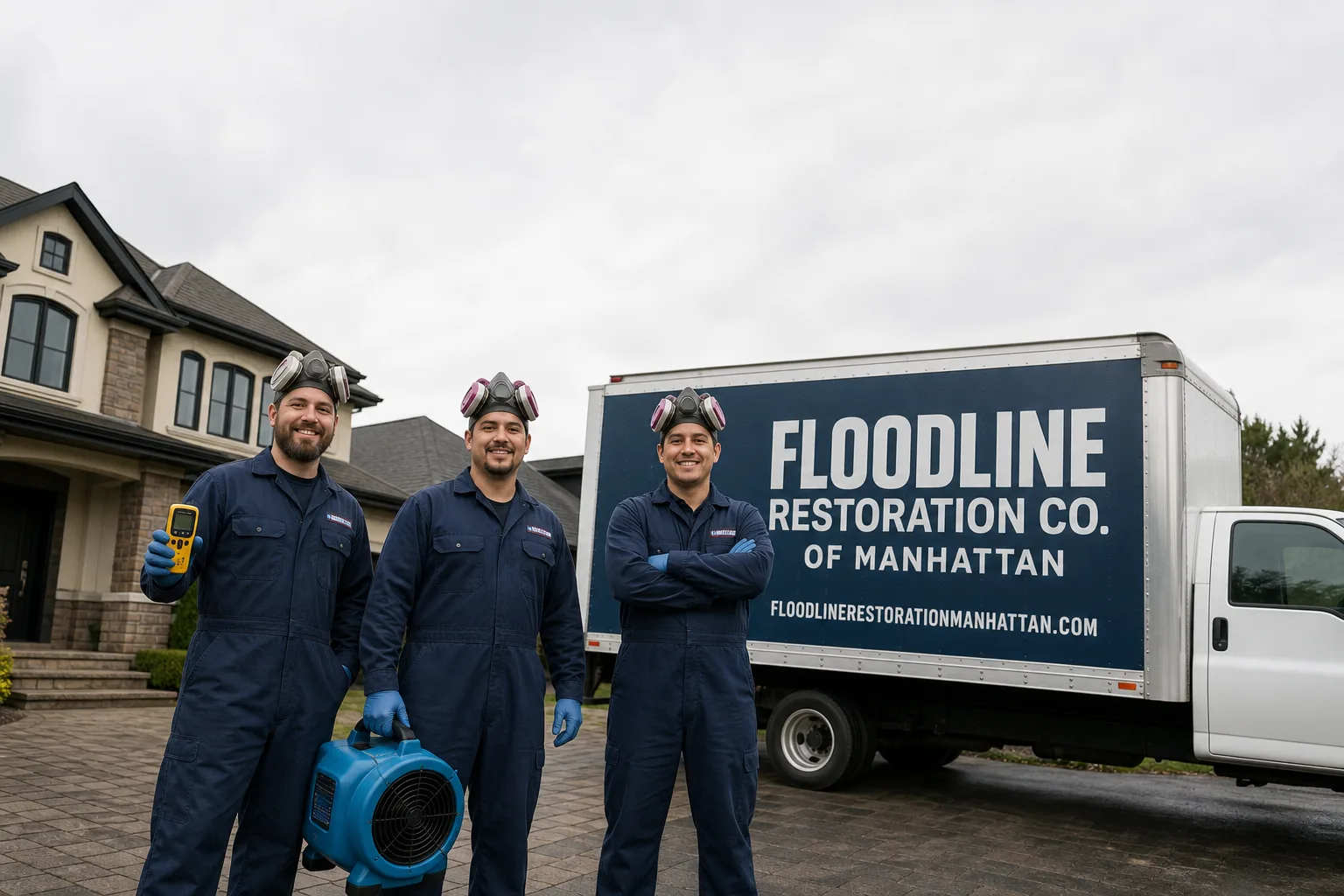
Free visual inspection and a written scope of work before any mitigation begins - photos, moisture readings, and drying logs go in your claim file
The scope we write is the scope we bill. Anything new gets shown to you, in writing, before we touch it.






 Before
 After
After Before
 After
After Before
 After
After24/7 Emergency Fire & Smoke Damage Restoration in Maywood
Fire and smoke damage in Maywood demands a response that starts the moment you call. We answer live, 24 hours a day, and our certified crews reach Maywood homes fast - typically inside 45 minutes - because the first hour after a fire determines whether soot can be removed or permanently etches into latex paint, laminate, and grout. The call is free, and so is the visual inspection. If you’re standing in a smoke-filled kitchen or staring at a charred garage off a long Maywood drive, call (917) 924-4221 now. A live dispatcher picks up. No recording, no third-party answering service. We’ll tell you exactly what to do in the first 30 minutes, and a uniformed technician will be on the way.
Understanding Fire & Smoke Damage Restoration Severity in Maywood Properties
Fire damage in Maywood is rarely just fire damage. The 1950s-70s ranches and Cape Cods that line streets off Maywood Avenue and West Central Avenue were built with open wall cavities, balloon-style framing in some cases, and no fire-blocking between the attached garage and living space. A fire that starts in a garage or workshop doesn’t just char what it touches. It pressurizes the structure, forcing smoke and soot through soffit vents, wall cavities, and the shared attic plane into bedrooms and kitchens far from the flame. Technicians classify what they find by soot residue type: dry protein soot from kitchen fires bonds to painted surfaces and requires aggressive chemical agitation, while fuel-oil soot from a garage fire is denser, greasier, and smears under normal wiping. Wet smoke from smoldering materials carries more moisture, which is why Maywood homes often need simultaneous extraction and drying alongside soot removal. Add the water used by the fire department - hundreds of gallons through a first-floor ceiling into a basement built in 1968 - and you have a two-front job: fire above, water below. Our Fire & Smoke Damage Restoration team reads the full structure before any cleaning begins.
Why Maywood Property Owners Choose Floodline Restoration Co. of Manhattan
- 45-minute response commitment: We dispatch from local staging, not a distant hub, so a Maywood crew reaches your door fast - usually within 45 minutes of your call, day or night.
- A real person answers, 24/7: The dispatcher who picks up at 2 a.m. knows the trade. You’ll get clear first steps, not a script.
- IICRC-certified crews, including FSRT and WRT: Our technicians train to the standards that matter for fire, smoke, and water - and they stay current.
- Free visual inspection: Before anything gets torn out, you get an honest read on what can be cleaned versus what must be replaced, with no charge for the assessment.
- Direct insurance billing: We bill your carrier directly and handle adjuster communication. You never play messenger between the two.
- One team from emergency to rebuild: The same certified crew that boards up the breach handles extraction, drying, odor removal, and reconstruction. No mid-job handoff, ever.
Our Fire & Smoke Damage Restoration Process
Every Maywood job follows a fixed sequence, but the scope adapts to what we find. Ranches with open wall cavities get different treatment than colonials with closed framing. Basements finished informally in the 1970s require a different drying plan than poured-concrete slabs. Here’s how we work.
Inspection & Assessment
We walk the entire structure - including the attic, crawlspace, and attached garage - with thermal imaging and moisture meters. We map smoke migration paths through wall cavities and document every damaged material before anything moves.
Emergency Board-Up & Stabilization
Broken windows, burned roof sections, and breached garage doors get secured with plywood, tarps, or temporary framing. Stabilization stops further weather intrusion and gives you a secure property the same night.
Water Extraction & Drying
Firefighting water pools in the low points of a Maywood basement - often a 1960s sump pit that was retrofitted, not designed. We extract standing water with truck-mounted units and position Dri-Eaz and Phoenix air movers plus dehumidifiers, logging daily readings until the dry standard is met.
Soot & Smoke Removal
Dry soot on hard surfaces gets HEPA-vacuumed and chemically agitated. Wet or greasy soot on drywall and framing is removed mechanically. We set negative air pressure with HEPA air scrubbers to pull airborne particles from the breathing space during the entire cleaning phase.
Odor Removal & Deodorization
Smoke odor trapped in shared wall cavities and insulation doesn’t respond to surface sprays. We use thermal fogging, hydroxyl generators, and in severe cases, Injectidry panels to dry the materials that hold odor. The source gets removed, not masked.
Repairs & Restoration
Rebuilding is done by the same crew that did the mitigation, so the scope doesn’t get lost between companies. We’re also full reconstruction contractors - framing, drywall, paint, trim, flooring - which means single-accountability from board-up to final coat.
Need Emergency Fire & Smoke Damage Restoration in Maywood Now?
Crews minutes away, answering live 24 hours a day. The sooner we start, the less it costs.
Working With Your Insurance Company
Maywood homeowners have a particular reason to document carefully: this part of Rockland County has been hit by federally declared flood disasters - Irene in 2011 and Ida’s remnants in 2021 - and many properties carry prior claims. An adjuster reviewing a fire loss will look for pre-existing water damage, and if it’s not documented properly, the claim gets complicated. We photograph every surface before work begins, log moisture readings daily, and write the scope in the language adjusters expect. We communicate directly with your carrier so you don’t have to translate mitigation terminology or argue about line items. Our paperwork has been through hundreds of Rockland County claims, and we stand behind what we document.
What We Provide Your Insurer
- Thorough documentation of the loss
- Photos of all damage, room by room
- Moisture readings and drying logs
- A detailed, line-item scope of work
- Direct coordination with your carrier
Built for Maywood’s Loss Calendar
Fire losses in Maywood follow the seasons, and so does our readiness. In January and February, the deep freezes that crack Rockland County’s clay-heavy soils also drive ice dams onto the low-pitch roofs common to the area’s ranches. Meltwater gets behind the fascia, finds the wiring in the soffit, and a short turns into a smolder that goes unnoticed until the smoke pushes into the bedrooms. Spring brings the thaw and the first heavy rains, which means basement sump pumps in the retrofitted pits run constantly - and when they fail, the water finds an energized appliance. Summer thunderstorms roll through the lower Hudson Valley quickly, but a lightning strike to a detached workshop is fast and surgical. And fall’s nor’easter season brings the same wind that turns a minor chimney fire into a roof-level event. We track the calendar because Maywood’s loss patterns are predictable, and being ready matters more than being surprised.
Fire & Smoke Damage Restoration Across Maywood’s Neighborhoods
Maywood is small, but its housing stock shifts block by block, and each area responds differently to fire. The homes along Maywood Avenue near the train tracks are older - pre-war colonials with plaster walls and closed-cell framing, which holds smoke differently than the open cavities of post-war construction. Over by West Central Avenue and the Riverview Avenue corridor, the 1950s Cape Cods and ranches dominate, and those attached garages with original builder-grade framing are exactly the structures where smoke migrates into shared walls. The streets off Beverly Road and the quieter residential blocks west of Spring Valley Road have many detached workshops and oversized garages, often tucked behind a long gravel drive - the kind of property where a workshop fire’s smoke travels through soffit vents into the main house without ever touching the connecting wall. And along Grant Avenue and the northern edge near the Pascack Brook, the terrain slopes enough that firefighting water pools quickly in basement low points, which changes the drying plan before any soot removal begins. We know the streets because we work them.
Specialized Fire & Smoke Damage Restoration Services We Offer in Maywood
Fire restoration in Maywood requires the full stack, and these are the services that matter most here.
Emergency Board-Up & Tarping
After a fire, a Maywood home’s exposure is immediate: broken windows, a burned-out garage door, or a roof section opened by the fire department. We board up and tarp the same visit, securing every breach so weather, animals, and curious eyes stay out. For attached garages - the most common fire point in Maywood’s ranches - we also seal the shared wall cavity to keep smoke from continuing to migrate into living space while the claim is settled.
Smoke & Soot Removal
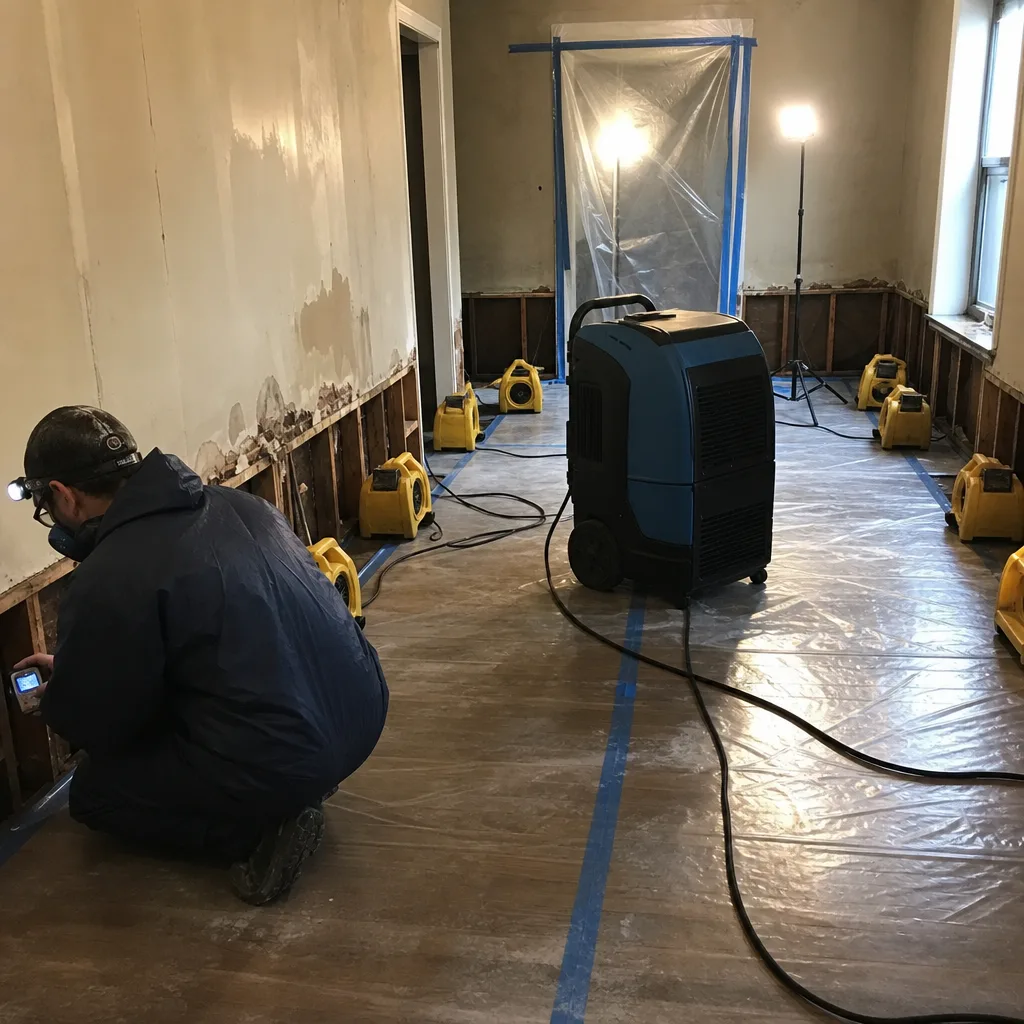
Soot in a Maywood home is never uniform. One room gets dry, chalky residue; the next has greasy fuel-oil soot from a workshop fire. We treat each surface by type, using HEPA vacuuming for loose particulate and chemical agitation for bonded residue. On post-war stick framing, we open the affected wall cavities and clean them directly - surface cleaning alone won’t stop the odor from finding its way back out.
Odor Removal & Deodorization
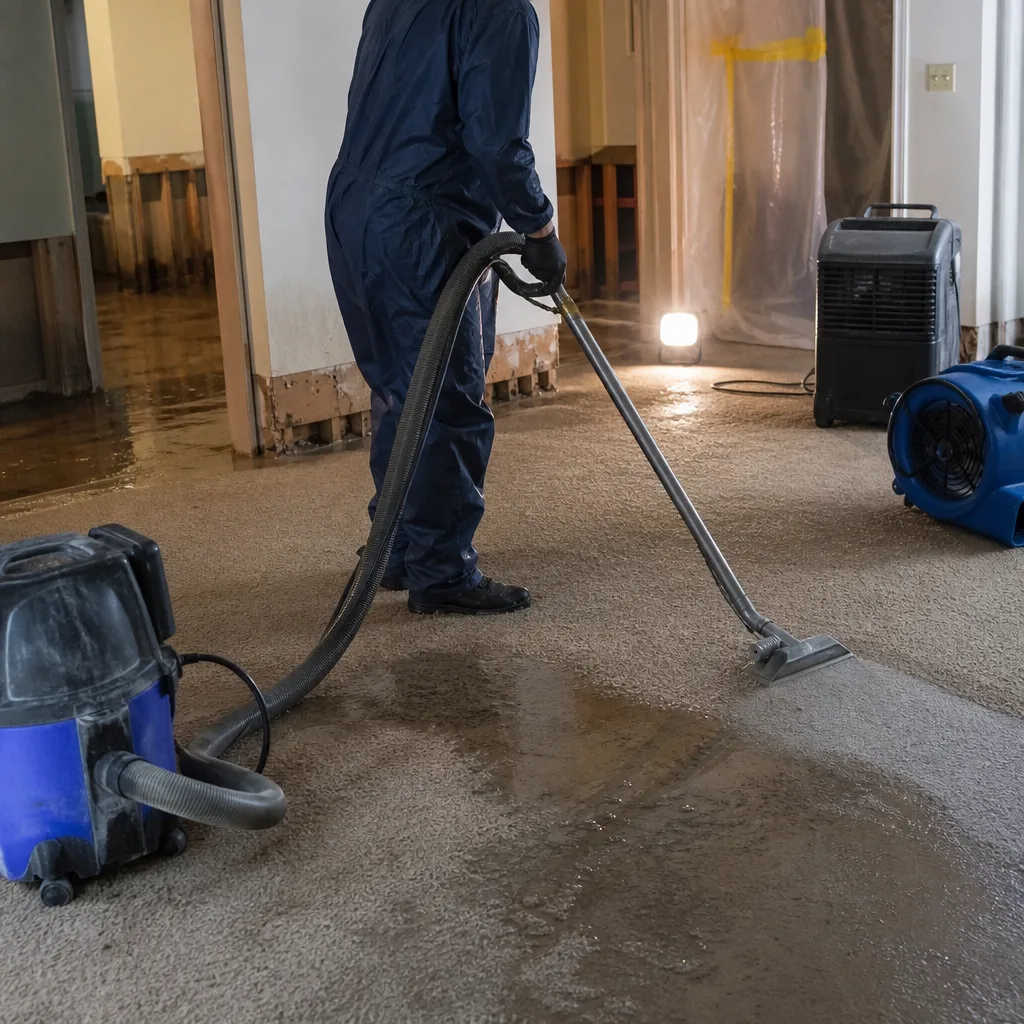
The smoke odor that matters in Maywood is the one that hides in open wall cavities and shared attic planes. Thermal fogging reaches what you can’t see, and hydroxyl generators neutralize the molecules that remain. But the real fix is source removal: pulling out the charred framing, replacing the insulation that absorbed the smoke, and sealing the remaining structure. We do that, then we verify with a follow-up walkthrough before declaring the job done.
Contents Cleaning & Pack-Out
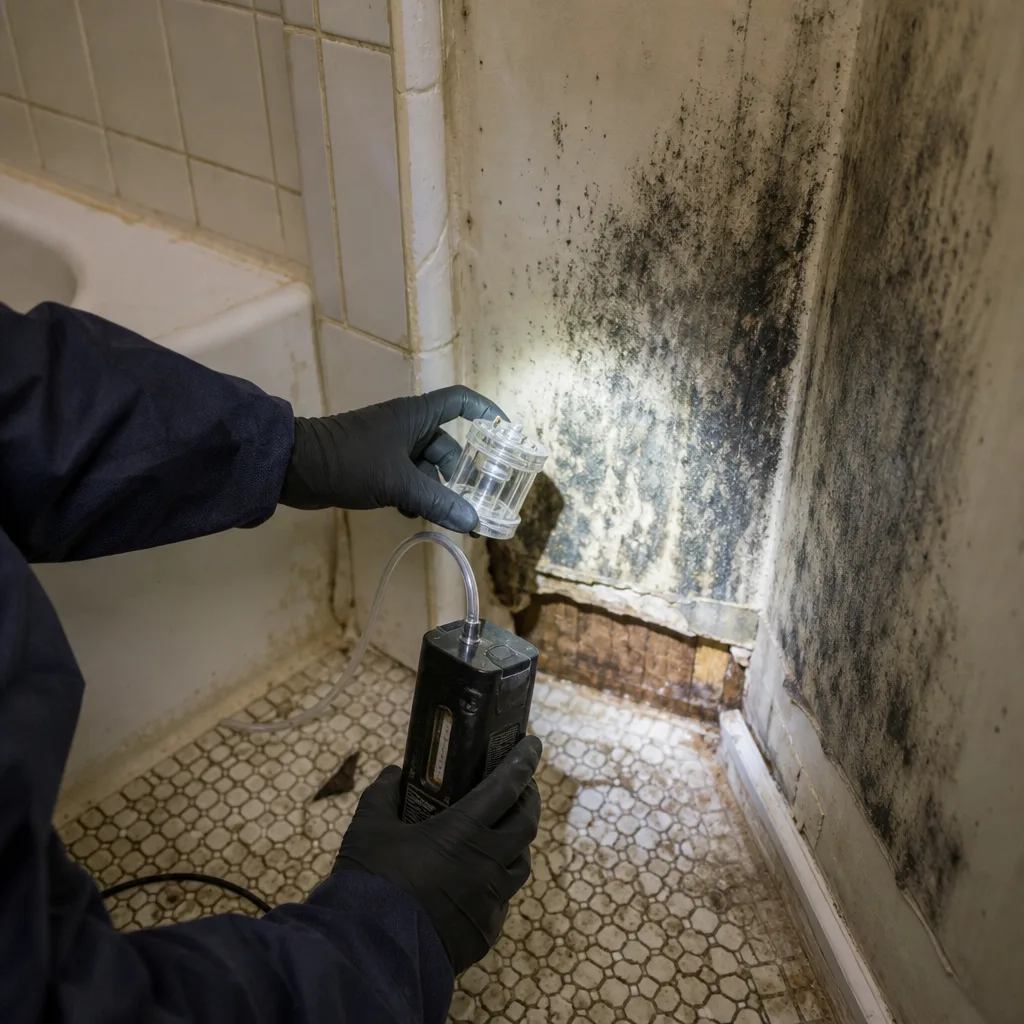
When soot coats the contents of a Maywood dining room or the tools in a workshop, we photograph everything, then clean on-site where possible and pack out what isn’t cleanable. Contents go to our facility for ultrasonic cleaning, ozone treatment, and deodorization, then return with a full inventory. You get an itemized list, and your insurer gets the documentation.
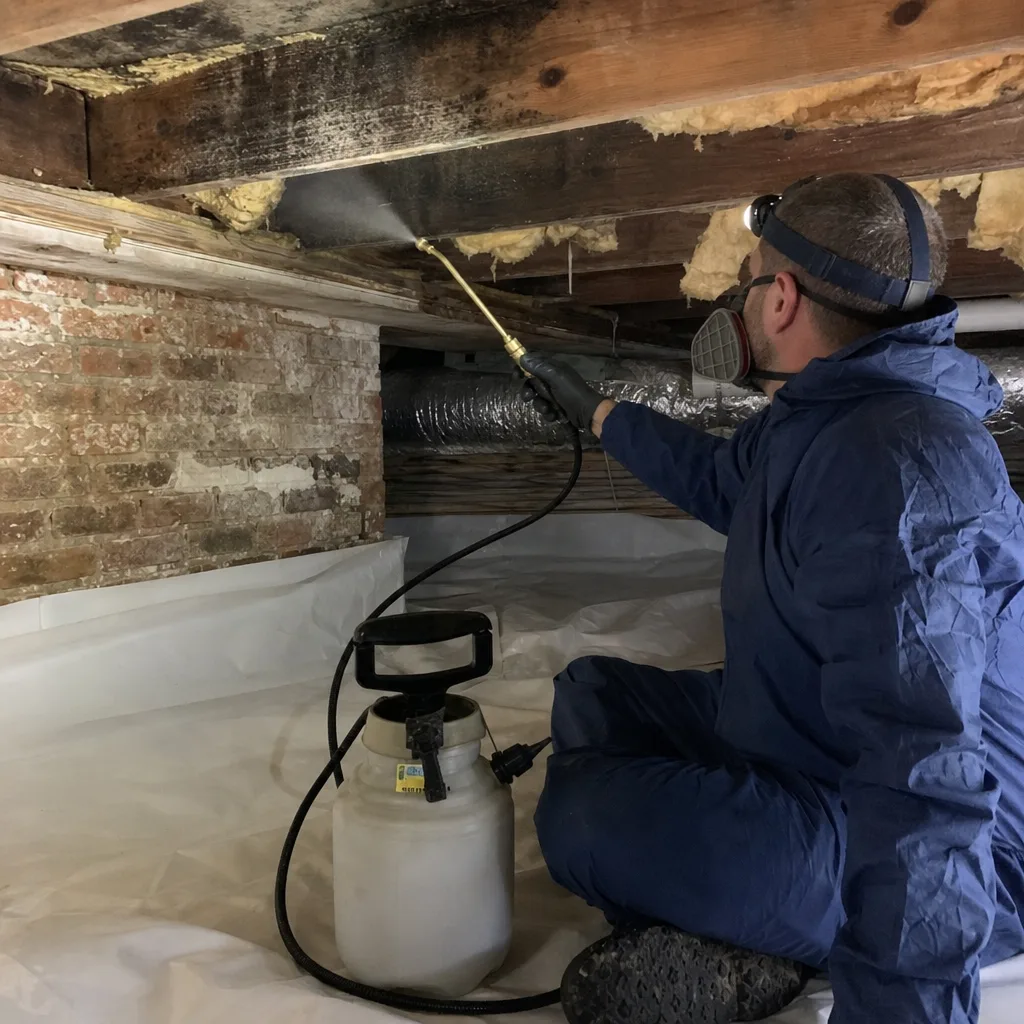
Structural Fire Repair
After the mitigation, the rebuild begins. We’re a full reconstruction contractor, which means the framing, drywall, insulation, trim, and finish work all come from the same crew that took the room down. No handoff, no second company re-scoping the job, no argument about who’s responsible for the gap between demo and finish.
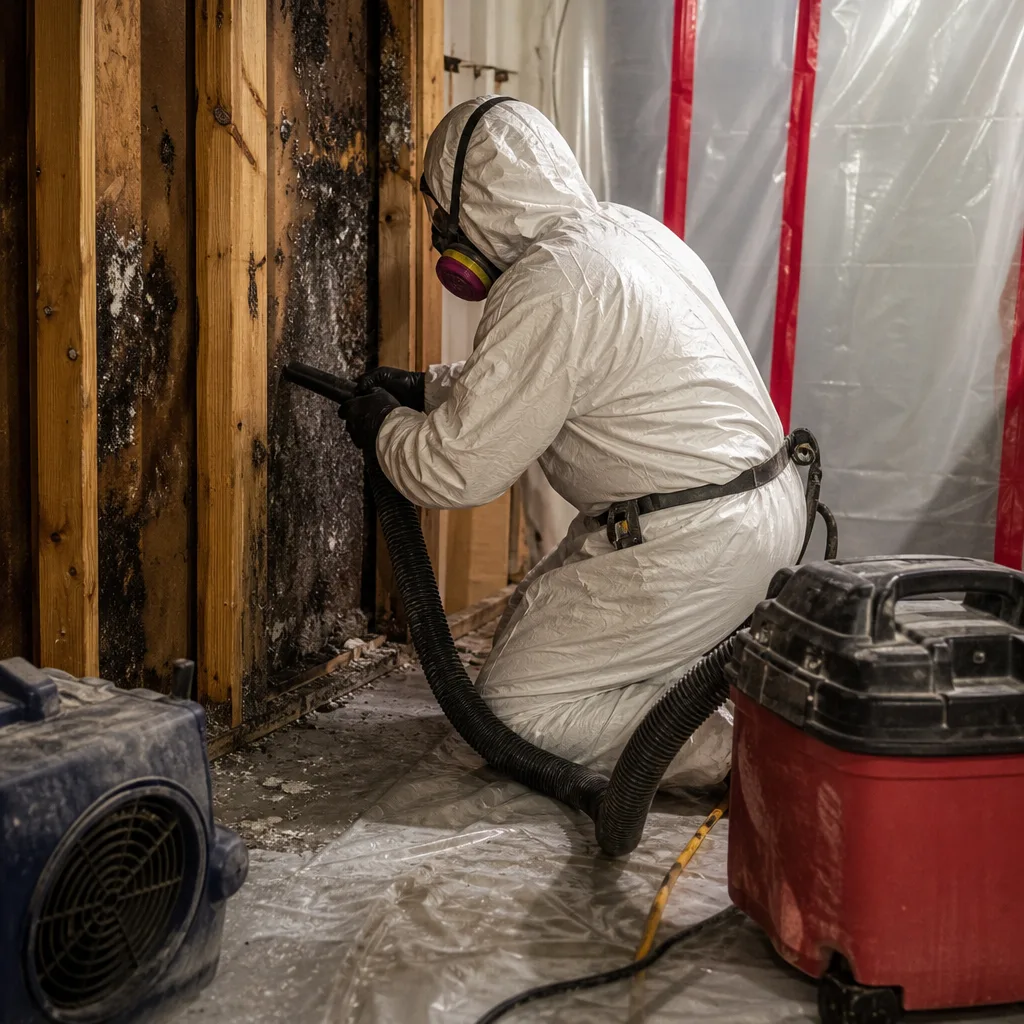
What happens when you call
- 1
A real person answersNo phone trees - you reach a local pro.
- 2
You get an upfront price rangeHonest numbers before anyone is dispatched.
- 3
A background-checked tech heads outLicensed & insured, dispatched right away.
- 4
You approve before work beginsNothing starts until you say go.
Fire & Smoke Damage Restoration Costs in Maywood, NJ
Here’s what Maywood homeowners should expect, in real numbers. Emergency board-up and tarping on a single breach typically runs $400-$900, depending on access and materials. Smoke and soot removal for a contained kitchen fire generally lands between $2,500 and $6,500. A full attached-garage fire with smoke migration through shared walls into living space - the most common loss pattern on Maywood’s post-war ranches - usually runs $12,000-$30,000 or more, depending on how much framing and insulation must be opened and replaced. Contents cleaning and pack-out adds $1,500-$8,000 depending on volume. Water extraction and drying from firefighting runs $2,000-$5,000 on average. Dri-Eaz and Phoenix equipment runs until the dry standard is met, not on a fixed rental clock. The free inspection gives you a firm written scope before any work begins, so you’ll never face a surprise line item. Most Maywood jobs are covered by homeowner’s policies, minus the deductible, and we bill the carrier directly.
This page tells Maywood homeowners what the big national franchises won’t: a fire in a detached shop or attached garage interacts with the same 1960s open framing and flood-prone basements that make every restoration job here a two-front war - fire above, water below, and decades of layered building history in between. That’s the information that protects your claim and your house.
We Also Serve Cities Near Maywood
Our crews serve the surrounding Bergen and Rockland communities as well: Maywood neighbors in Rochelle Park, Hackensack, Saddle Brook, and River Edge get the same 24/7 live dispatch, the same certified crews, and the same 90-Day Done Right Promise we bring to every job.
Maywood Fire & Smoke Damage Restoration Questions, Answered
Does Maywood’s history of flood damage affect how a fire and smoke restoration job is documented?
Yes, and it’s a critical part of the claim. Maywood sits in Rockland County, which has seen federally declared flood disasters - Hurricane Irene in 2011 and Ida’s remnants in 2021 - and many homes have prior flood claims or unreported prior water damage. An adjuster reviewing a fire loss will look for pre-existing conditions, and if they’re not documented clearly, you could face a denial for layered prior-damage. We photograph and log everything from the first hour, separating fire-related damage from anything that predates the loss, so your carrier sees a clean, defensible scope. Call (917) 924-4221 and we’ll start the documentation the same visit.
Why does smoke odor from a detached workshop fire get into the main house so easily in Maywood?
Because Maywood’s post-war homes were built with open wall cavities and shared attic planes, and many detached workshops sit close enough that smoke travels through the air - not through a physical connection. The smoke enters the main house through soffit vents, gable vents, and the continuous ridge vent, then finds its way into the open framing channels that connect attic to walls. Once it’s in the cavity, it coats the backside of drywall and insulation, and no surface spray will reach it. Full source removal is the only fix, and we can walk your property to show you the migration path. Call for a free assessment.
What building materials in Maywood homes make fire damage restoration more complicated?
Three things, mostly: early fiberglass insulation that absorbs smoke odor deeply and can’t be cleaned, so it must be replaced; asbestos floor tiles and lead-based paint common in 1950s-70s construction, which trigger safe-handling protocols during teardown; and drywall installed directly against foundation walls in informally finished basements, often with no vapor barrier. That last one means water from firefighting penetrates the drywall and the framing behind it, and the whole assembly must be removed, not dried in place. We handle all of it with the proper certifications and disposal procedures.
How fast do we need to dry out water from firefighting in a Maywood basement finished in the 1970s?
Within 24 to 48 hours, and faster if the basement was finished informally with drywall against the foundation wall - which is common in Maywood homes of that era. Once water gets behind that drywall, it wicks into the framing and the paper backing, and mold can start in 48 hours. We extract standing water immediately, then position Dri-Eaz air movers and dehumidifiers to hit the dry standard quickly. Daily moisture readings get logged and shared with you and your insurer. The faster the water comes out, the less demolition you face.
Can we save contents from a Maywood garage fire without a full pack-out?
Often yes, but it depends on the soot type and what the contents are. Tools and metal surfaces usually clean well on-site with HEPA vacuuming and chemical wiping. Textiles, electronics, and anything porous that absorbed the smoke usually need pack-out for ultrasonic cleaning or ozone treatment. We assess everything before recommending, and we don’t pack out more than necessary - but we also won’t tell you something is clean when it will off-gas smoke odor for months. A free contents review is part of the initial inspection.
How fast can you actually get to a Maywood home after a fire?
Usually within 45 minutes of your call. We stage crews locally and dispatch from a live operations center, not a national call center. The dispatcher who answers knows the streets - Maywood Avenue, West Central, the Riverview corridor - and gets a crew moving immediately. We’ll be on-site the same visit, starting board-up and extraction before the damage spreads.
Which certifications do your fire and smoke restoration technicians hold?
Our crews are certified to IICRC, RIA, and IFA standards, including the Fire and Smoke Restoration Technician (FSRT) and Water Restoration Technician (WRT) designations that matter for combined fire-and-water losses. Every technician on your Maywood property is background-checked and uniformed, and the lead tech on your job will be named in the scope of work.
What should I do in the first 30 minutes after a fire in my Maywood home?
First, get everyone out and call 911 if you haven’t already. Then call (917) 924-4221. Don’t wipe soot off surfaces - that smears it and drives it deeper. Don’t run the HVAC system, because it will spread smoke through the ductwork. Don’t plug in electronics from the affected area. Open windows if safe to do so, and write down everything you remember about what burned. Then let us take over. The first call starts the documentation that protects your claim.
Is cleanup the same thing as full fire remediation in a Maywood ranch?
No. Cleanup addresses surface soot on visible surfaces. But in a Maywood ranch with an attached garage, smoke travels through the shared wall cavity and attic plane, which means the real contamination is behind the drywall and inside the insulation. A cleaning-only approach leaves that odor source in place, and it comes back within a week. Full remediation means source removal, cavity cleaning, and replacement of contaminated materials. We’ll tell you honestly which one your home needs, and we’ll show you the evidence before we write the scope.
How long does full fire and smoke restoration take in Maywood?
A contained kitchen fire can be mitigated and ready for rebuild in 3 to 5 days. A garage fire with smoke migration through shared walls and water in the basement typically takes 2 to 4 weeks from board-up to finished repairs, depending on how much framing must be opened and rebuilt. We’ll give you a written timeline after the inspection, and we update it if the scope changes - which it sometimes does when we find conditions the fire department’s water revealed.
Serving Maywood, NJ - Our Local Coverage Area
We’re based in the Maywood area and know this community well. Use the map below to see our service coverage - if you’re nearby, we can almost certainly help.
Get Fire & Smoke Damage Restoration Started in Maywood Today
If a fire or smoke event just happened, don’t wait. The damage is compounding while you read. If the event is already over but the odor lingers, you have a source problem, not an air freshener problem. Either way, the fix starts with a phone call to (917) 924-4221. We’ll answer live, walk you through what to do right now, and schedule the free inspection at your Maywood home. The work is backed by our 90-Day Done Right Promise - in writing, no arguments - and we’ll bill your insurance carrier directly. Done right, and backed in writing. That’s the only way we work.