
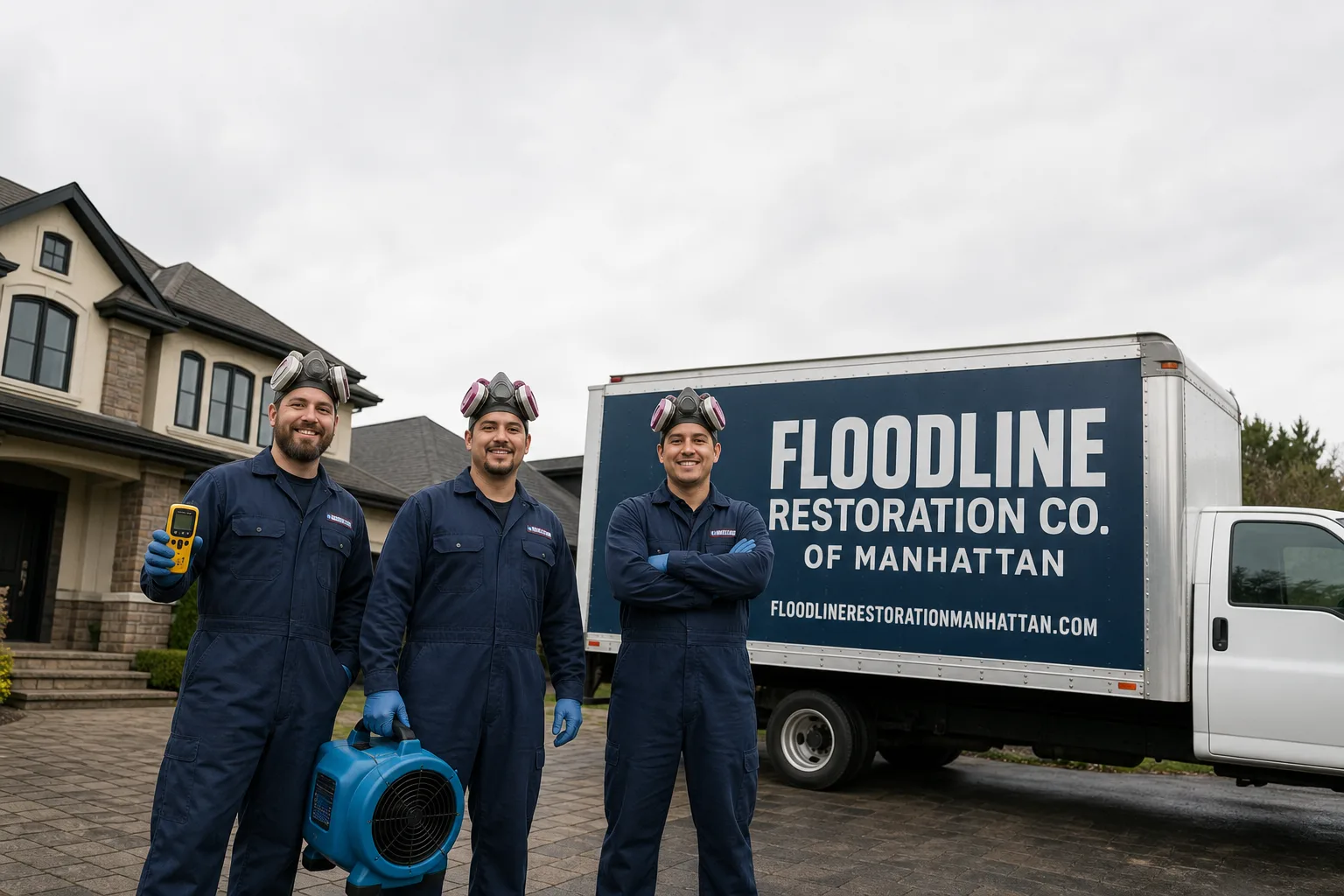
Free visual inspection and a written scope of work before any mitigation begins - photos, moisture readings, and drying logs go in your claim file
The scope we write is the scope we bill. Anything new gets shown to you, in writing, before we touch it.






 Before
 After
After Before
 After
After Before
 After
After24/7 Emergency Fire & Smoke Damage Restoration in NoHo
When a fire hits a NoHo loft, every hour of delay lets soot etch deeper into wide-plank floors and smoke weave further into 14-foot ceilings. We answer the phone at (917) 924-4221 with a live dispatcher at two in the morning, and our certified crews reach NoHo properties fast, typically within 45 minutes. The first hour after a fire is when smoke residue is still loose enough to clean without aggressive methods. Wait, and acidic soot bonds to cast iron, brick, and finished surfaces. Our Fire & Smoke Damage Restoration team starts with a free visual inspection, maps the full spread of smoke and soot, and gets containment running the same visit. Done right, and backed in writing.
Understanding Fire & Smoke Damage Restoration Severity in NoHo Properties
Fire damage in NoHo follows patterns tied directly to the neighborhood’s building stock. The loft conversions along Bond Street, Great Jones Street, and Lafayette Street are almost entirely pre-1930 load-bearing masonry, with 12-to-18-inch party walls and original cast-iron columns. Smoke doesn’t stay put in these buildings. It travels inside thick masonry cores, through abandoned elevator shafts, and along pipe chases, then reappears weeks later as odor. Soot residue types matter here. Dry soot from a fast, high-heat fire brushes off hard surfaces but grinds into wood grain. Oily soot from a smoldering kitchen fire bonds to painted brick and requires chemical sponging. Protein soot from cooking fires is nearly invisible but coats surfaces with a film that turns rancid. Each type needs different chemistry and different cleaning aggression. A generic cleaning crew that doesn’t distinguish between them will make the damage permanent.
Key Takeaways
- NoHo’s masonry lofts are often within the LPC-designated NoHo Historic District, which means structural fire repair requires Landmarks Preservation Commission review before invasive work begins.
- Smoke travels inside thick party walls and cast-iron column cavities, so thermal imaging is standard on our NoHo jobs, not an upsell.
- Damage left untreated for even 24 hours becomes significantly more expensive to restore.
- Floodline Restoration Co. of Manhattan handles the whole job, from board-up and soot removal to structural repair and contents pack-out, with direct insurance billing.
Why NoHo Property Owners Choose Floodline Restoration Co. of Manhattan
- 45-minute response commitment to NoHo addresses, day or night. We dispatch from our Manhattan office, and a live person answers the phone every time, no automated system.
- IICRC-certified fire and smoke restoration technicians are background-checked and uniformed. Our crews hold FSRT and OCT certifications and carry current IICRC credentials, not a sales pitch.
- Free visual inspection with thermal imaging to map smoke migration inside walls and around cast-iron columns before any tool touches the building.
- Direct insurance billing and adjuster coordination from the first hour of documentation. You never play messenger between us and your carrier.
- One team from board-up to rebuild. The same crew that maps soot spread on day one handles cleaning, deodorization, and structural repair. No mid-job handoff, no inherited crew.
- The 90-Day Done Right Promise, in writing. If it’s not done right, we make it right. No arguing, no paperwork battles. The Keystone Standard.
Our Fire & Smoke Damage Restoration Process
Inspection & Assessment
We arrive and complete a room-by-room damage assessment using thermal imaging and moisture mapping. In NoHo, we also check the building’s LPC status before recommending any wall or facade access. You get a written scope of work before anything invasive happens.
Stabilization & Board-Up
If the fire compromised windows, doors, or roof sections, we install emergency board-up and tarping. On landmarked buildings, we use non-penetrating fastening methods that don’t damage original fabric. The property is secured against weather and intrusion immediately.
Soot & Smoke Abatement
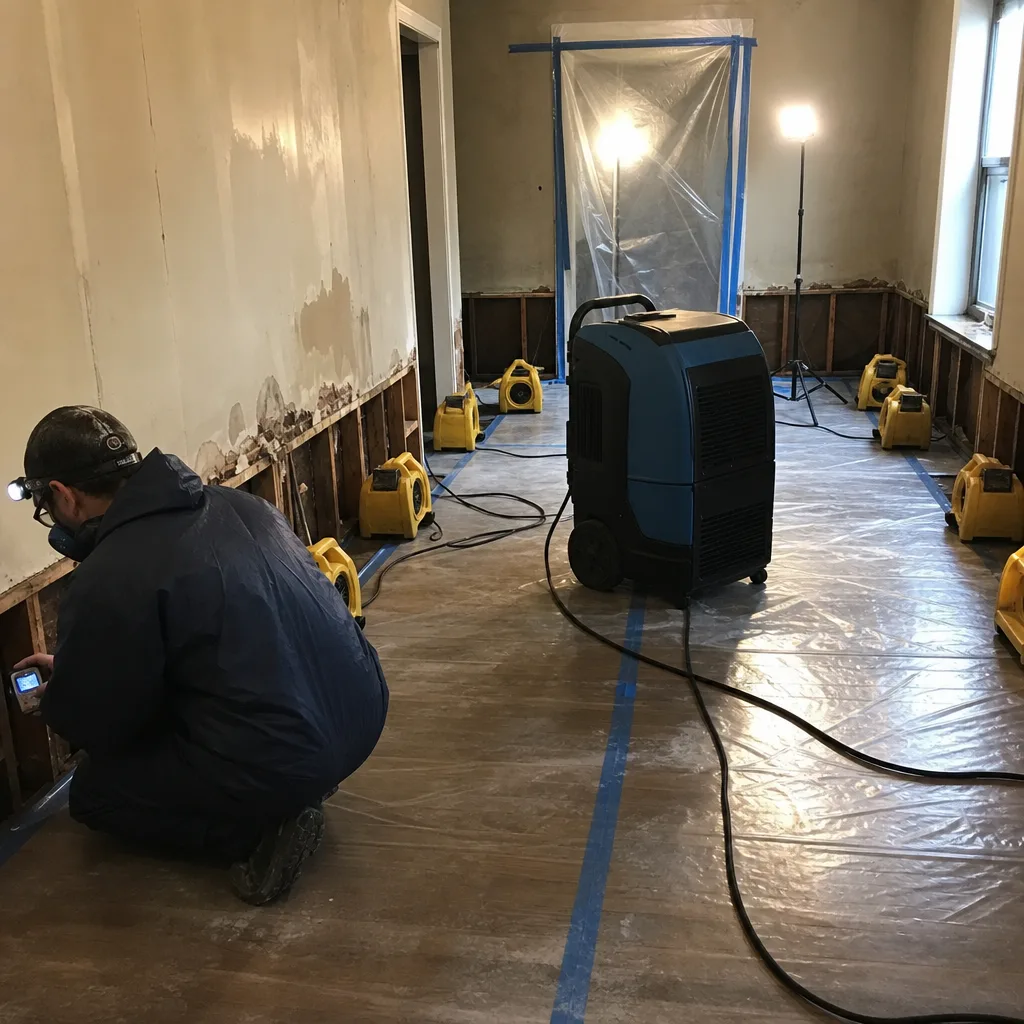
We use HEPA air scrubbers to pull airborne particles and set up containment to stop cross-contamination. Surface soot is removed with the correct chemical sponges for each residue type, working from ceiling to floor so nothing re-contaminates cleaned areas.
Structural Drying & Dehumidification
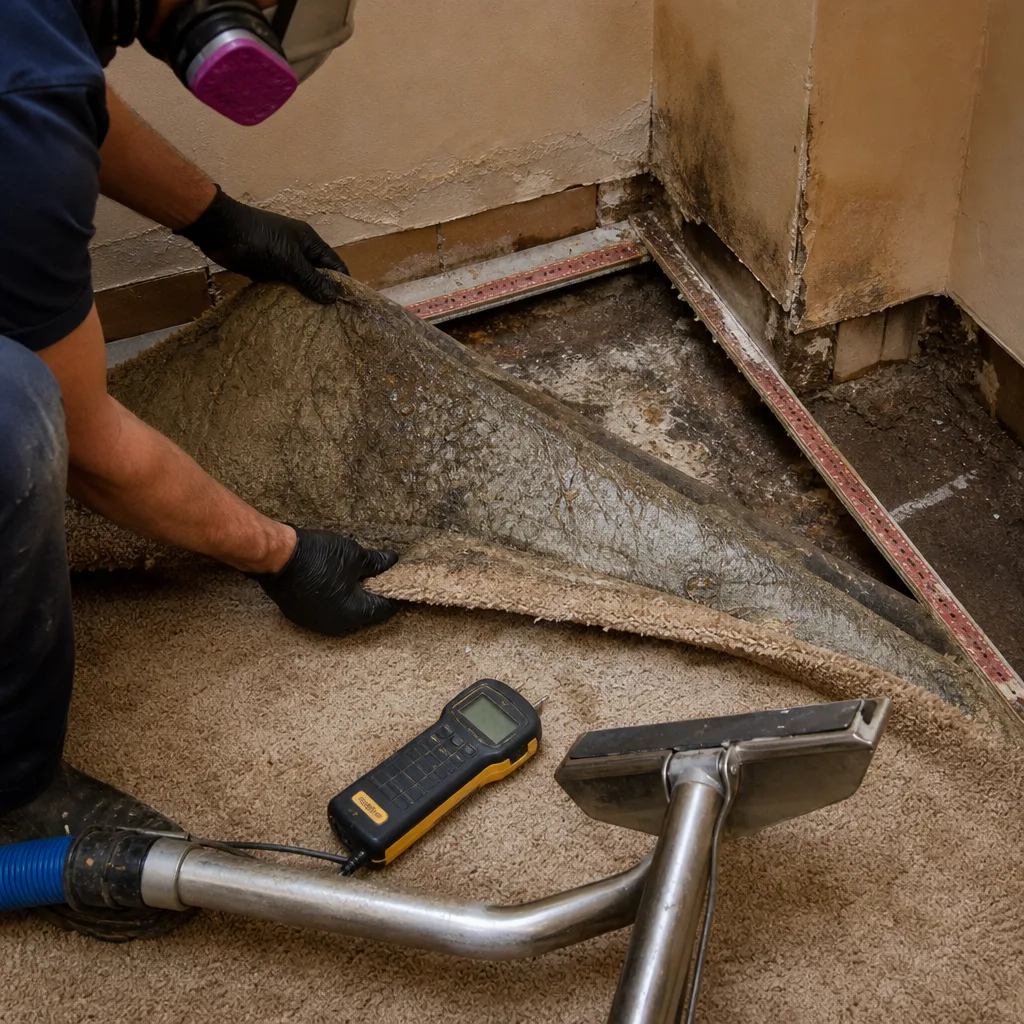
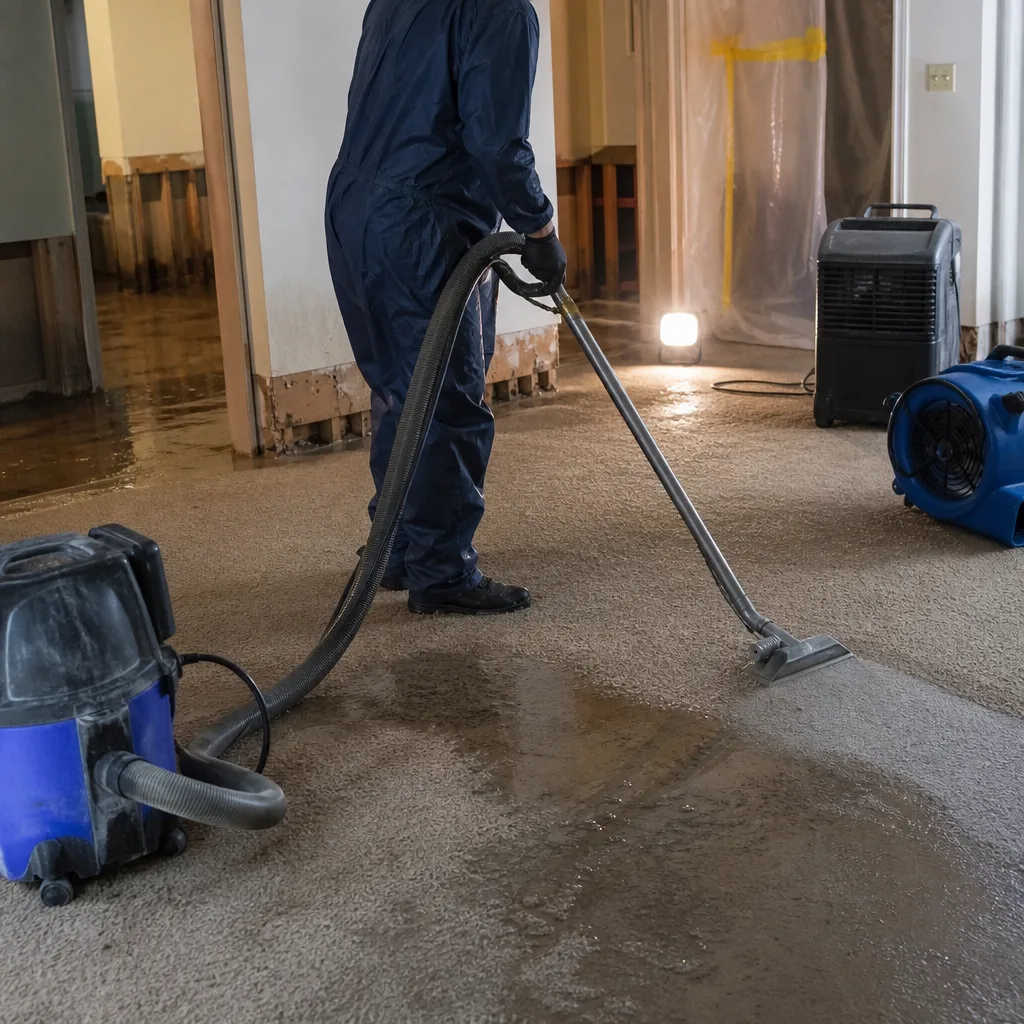
Firefighting water is always present even when fire damage looks dry. We run Dri-Eaz and Phoenix dehumidifiers with air movers, taking daily moisture readings and logging every number. NoHo’s urban canyon slows natural evaporation, so controlled drying is not optional.
Odor Removal & Deodorization
Thermal fogging and hydroxyl generation neutralize embedded smoke odor inside walls, floors, and original cast-iron cavities. This is where thermal imaging pays off: we treat the actual migration path, not just the visible fire room. Odor that returns weeks later means someone missed the path.
Structural Repair & Restoration
We coordinate with LPC on approved materials and methods, then repair or replace fire-damaged structural members, finishes, and surfaces. The crew that has been on site since hour one handles the rebuild, with photo documentation for your insurer at every stage.
Need Emergency Fire & Smoke Damage Restoration in NoHo Now?
Crews minutes away, answering live 24 hours a day. The sooner we start, the less it costs.
Working With Your Insurance Company
Fire claims in landmarked buildings get complicated fast, and a restoration company that doesn’t understand insurance documentation will make it worse. We photograph everything before, during, and after every phase, from the first board-up to the final coat of paint. Our line-item scopes follow industry-standard estimating formats that adjusters recognize. We talk directly to your carrier and your adjuster, send them daily drying logs and photo updates, and bill the carrier directly so you are not floating the cost. The 90-Day Done Right Promise gives your insurer confidence that the claim closes once, not twice.
What We Provide Your Insurer
- Thorough documentation of the loss
- Photos of all damage, room by room
- Moisture readings and drying logs
- A detailed, line-item scope of work
- Direct coordination with your carrier
Built for NoHo’s Loss Calendar
Fire losses in NoHo cluster around predictable seasons. January and February bring space-heater overloads in older loft conversions where original electrical panels were never upgraded for modern loads. Cooking fires spike around major holidays, and grease fires in open-plan kitchens spread smoke across 3,000 square feet in minutes because there are no interior walls to slow it. Summer thunderstorm season brings lightning-related electrical fires and power-surge ignitions through aging wiring in buildings that predate modern grounding standards. Nor’easter wind events can push flames between tightly packed structures, and the Hudson and East River estuaries keep ground-floor spaces damp, which feeds hidden mold growth after firefighting water saturates masonry. The calendar doesn’t change the work, but it changes how fast you need us on site.
Fire & Smoke Damage Restoration Across NoHo’s Neighborhoods
We know the NoHo streets by their buildings. Along Great Jones Street, the former stables and warehouses converted to residential lofts often have heavy timber joists and wide-plank floors that hold smoke for months unless treated with thermal fogging. Around Bond Street, the cast-iron facades and original columns mean any structural repair triggers LPC review, so we bring thermal imaging on the first visit and map damage without opening walls. Lafayette Street lofts, with their 14-foot ceilings and open plans, need aggressive containment because smoke spreads across the entire footprint fast. East of the Bowery, the remaining manufacturing buildings converted to artist lofts often have concrete plank floors that pool firefighting water and slow drying to a crawl. On Bleecker and Great Jones, buildings share party walls with active commercial tenants, which adds coordination and containment complexity. A crew that doesn’t know these blocks will treat NoHo like any other neighborhood, and the building will remind them why that doesn’t work.
Specialized Fire & Smoke Damage Restoration Services We Offer in NoHo
Fire Damage Cleanup
Structural fire cleanup in NoHo means working around landmarked cast iron and original masonry without scratching, etching, or drilling where LPC approval hasn’t been secured. We remove charred materials, stabilize damaged framing, and prep surfaces for repair. No corner gets skipped, because soot left in a cavity will find its way out eventually.
Smoke & Soot Removal
Soot in a NoHo loft settles on wide-plank floors, brick walls, and 12-foot ceilings, but it also travels inside the thick masonry party walls that separate these buildings. We use chemical sponges, HEPA vacuuming, and controlled wiping to remove residue layer by layer, plus thermal imaging to find the smoke path you can’t see. Cut an inspection hole in the wrong place and you own an LPC violation.
Odor Removal & Deodorization
Hidden smoke smell is the most common NoHo restoration complaint, because thick walls hold volatile compounds long after the visible fire is gone. Thermal fogging and hydroxyl generators neutralize the odor molecules, and we treat the full migration path, including abandoned duct runs and pipe chases. If your neighbor’s fire drove smoke through your party wall, this service matters just as much as a fire in your own kitchen.
Contents Cleaning & Pack-Out
Fire-damaged contents often need to move out immediately, and NoHo lofts are tight on staging space. We pack out, inventory, and restore furniture, rugs, art, electronics, and personal effects, using off-site cleaning when it protects the pieces and on-site cleaning when it protects the schedule. Your insurer gets a full inventory, photo by photo.
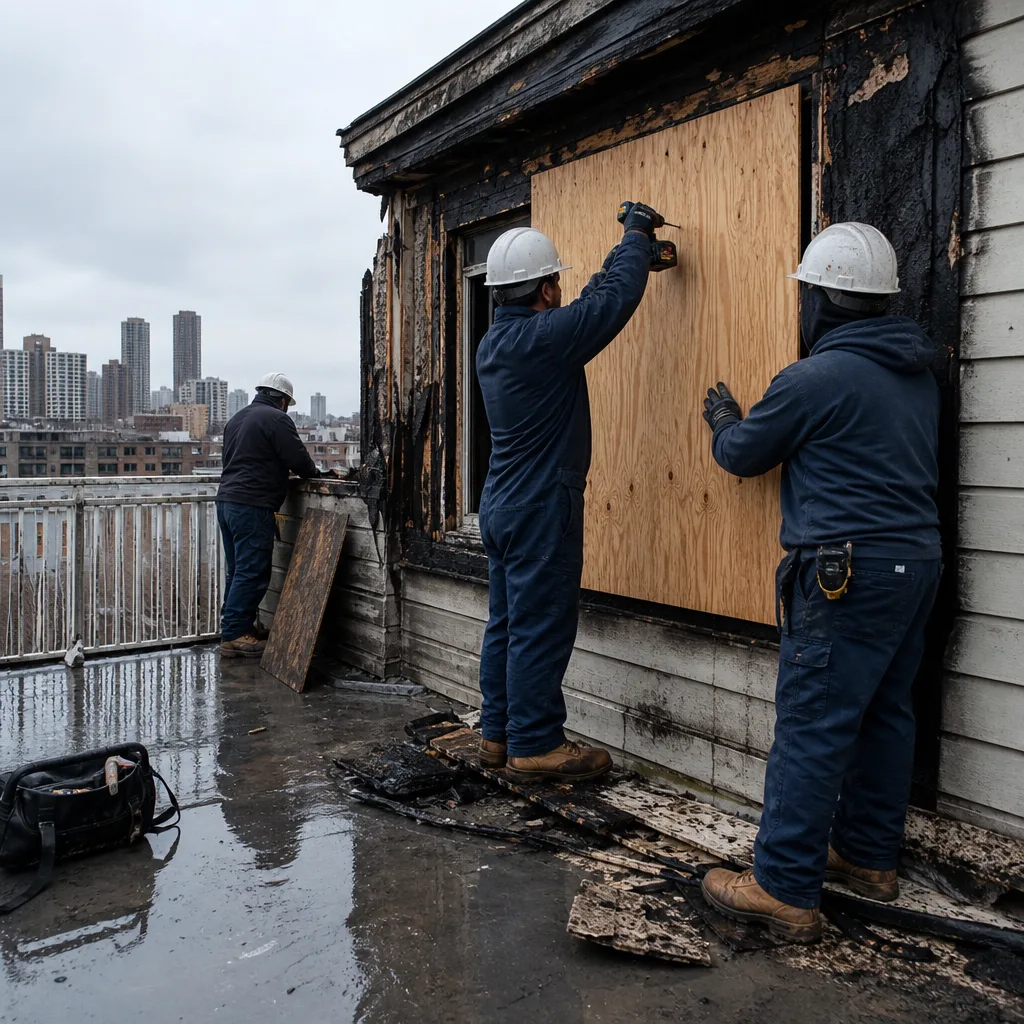
Emergency Board-Up & Tarping
After a fire, the first job is keeping water, animals, and unwanted visitors out. On NoHo’s landmarked buildings, we secure openings with non-penetrating methods that don’t violate LPC restrictions or damage original fabric. Board-up isn’t a handyman call. Done wrong, it becomes a second claim.
What happens when you call
- 1
A real person answersNo phone trees - you reach a local pro.
- 2
You get an upfront price rangeHonest numbers before anyone is dispatched.
- 3
A background-checked tech heads outLicensed & insured, dispatched right away.
- 4
You approve before work beginsNothing starts until you say go.
Fire & Smoke Damage Restoration Costs in NoHo, NY
Fire and smoke restoration in NoHo runs higher than in many Manhattan neighborhoods because of the building stock. Here are the market ranges our crews see on local jobs. Smoke and soot removal for a small kitchen fire typically runs $2,800 to $6,500, depending on square footage and ceiling height. Full odor removal and deodorization with thermal fogging on an open-plan loft runs $3,500 to $8,000 when the smoke traveled into party walls. Contents pack-out and cleaning for a fire that affected one or two rooms runs $2,000 to $6,000. Structural fire repair involving LPC-reviewed cast-iron or masonry starts around $7,500 and scales with the scope, often reaching $25,000 to $60,000 on full floor restoration jobs. Insurance typically covers the bulk, and we bill your carrier directly. Call (917) 924-4221 for a free visual inspection and a firm written scope before any work starts.
We Also Serve Cities Near NoHo
Our crews respond throughout lower Manhattan and into the surrounding borough areas, including NoHo neighbors like Fairview, Harrison, East Bronx, and Hunts Point. If you’re near the NoHo Historic District, we can likely be on site within the hour.
Serving NoHo, NY - Our Local Coverage Area
We’re based in the NoHo area and know this community well. Use the map below to see our service coverage - if you’re nearby, we can almost certainly help.
NoHo Fire & Smoke Damage Restoration Questions, Answered
How does LPC review affect emergency board-up after a fire in a NoHo cast-iron building?
LPC review applies to exterior and structural interventions on landmarked properties, and that includes some board-up methods. We secure openings using non-penetrating fastening systems that don’t alter or drill into original fabric, which keeps the building weathertight without triggering a landmarks violation. For anything that does require LPC allowance, we file and coordinate while the temporary measures stay in place. Call (917) 924-4221 and we’ll walk you through exactly what applies to your building.
Why do we need thermal imaging instead of opening walls to check smoke spread in a NoHo loft?
In a NoHo loft, opening walls to look for smoke damage can mean cutting into original masonry or cast-iron assemblies that are LPC-protected. Once that happens without approval, you have a landmarks violation layered on top of a fire claim. Thermal imaging shows us the exact path smoke took inside the wall or column cavity without opening anything. It’s also faster and gives us a documented map for your insurer.
How do we handle water extraction after firefighting in a converted NoHo loft with concrete floors?
Concrete plank floors pool water and release it slowly, so we use sub-surface moisture mapping and our Dri-Eaz and Phoenix dehumidifiers to pull water out of the slab and the air above it. Daily moisture readings are logged until the dry standard is met, and those logs go to your carrier. Without controlled drying, the urban canyon’s slow evaporation leaves moisture trapped long enough for mold to take hold.
Can we pack out and clean contents from a fire-damaged NoHo loft without leaving the building?
Yes, and we often do. NoHo lofts don’t have spare staging rooms, so we set up a contained cleaning area on site when space allows, or we move contents to our facility and inventory everything with photos. Either way, you get a full itemized list for the insurer and restored items back when the space is ready.
What’s the biggest mistake owners make when hiring for fire and smoke restoration in NoHo?
The biggest mistake is hiring a crew that treats NoHo like any other neighborhood and starts cutting inspection holes without confirming LPC status first. That triggers a landmarks violation, delays the claim, and adds cost. The second mistake is trusting visual assessment instead of thermal imaging to find hidden smoke in thick party walls. Odor returns weeks later, and the job has to be done twice at twice the price. Call (917) 924-4221 and we’ll handle both the restoration and the landmarks coordination from the first visit.
How fast can you actually get to a NoHo address after a fire?
Our dispatch from the Manhattan office puts a crew at most NoHo addresses within 45 minutes, any hour, any day. A live person answers the phone, not a recording. If it’s an active emergency, we start stabilization and containment the same visit.
Will my insurance cover fire and smoke restoration in a landmarked building?
In almost all cases, yes. The policy covers the restoration, and any LPC-related compliance costs are typically included as part of the necessary repair. We bill the carrier directly, provide daily documentation, and coordinate with your adjuster so you are not playing messenger. If questions come up about landmark compliance, we handle the explanation.
What should I do in the first 30 minutes after a fire in my NoHo loft?
Call us at (917) 924-4221 first, then call your insurer. Don’t wipe soot off walls or furniture with household cleaners, because that grinds residue deeper. Don’t turn on the HVAC system, which pushes smoke through the entire building. Don’t enter structurally damaged areas. Keep windows closed if possible to limit cross-contamination, and let us start containment and assessment when we arrive. Free estimate, live answer, and we’ll be there when we say.
Written by Curt Bowman, Owner at Floodline Restoration Co. of Manhattan, serving New York City since 2010.