
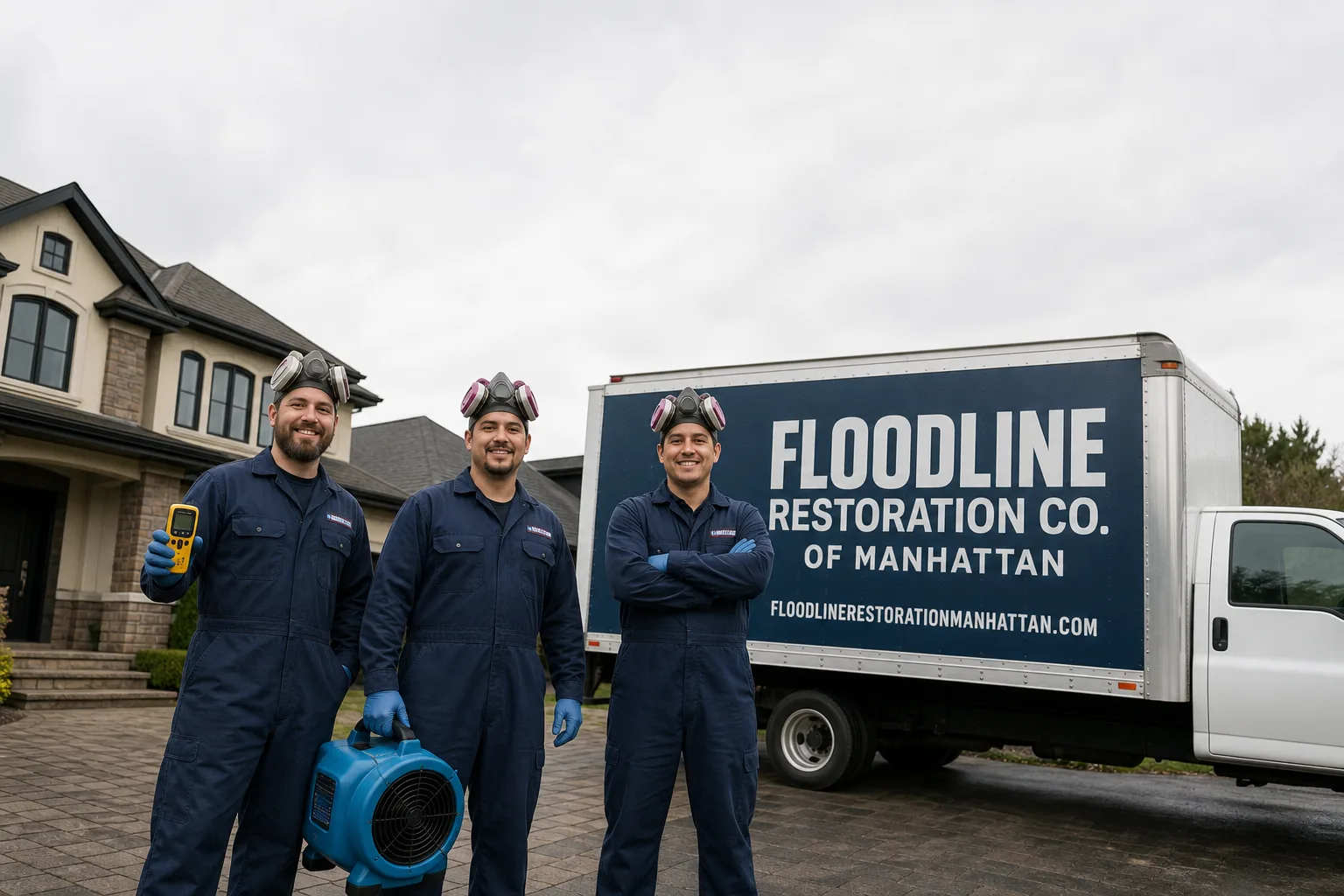
Free visual inspection and a written scope of work before any mitigation begins - photos, moisture readings, and drying logs go in your claim file
The scope we write is the scope we bill. Anything new gets shown to you, in writing, before we touch it.
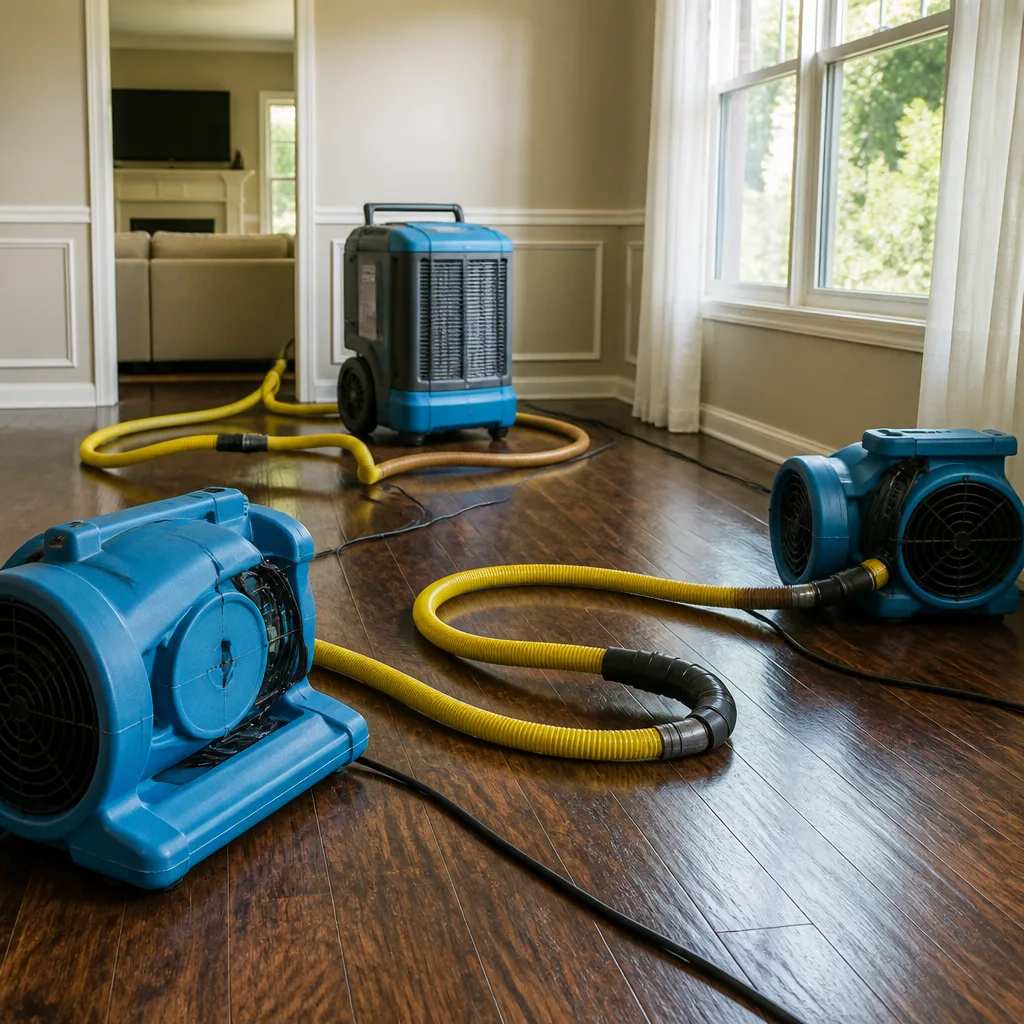
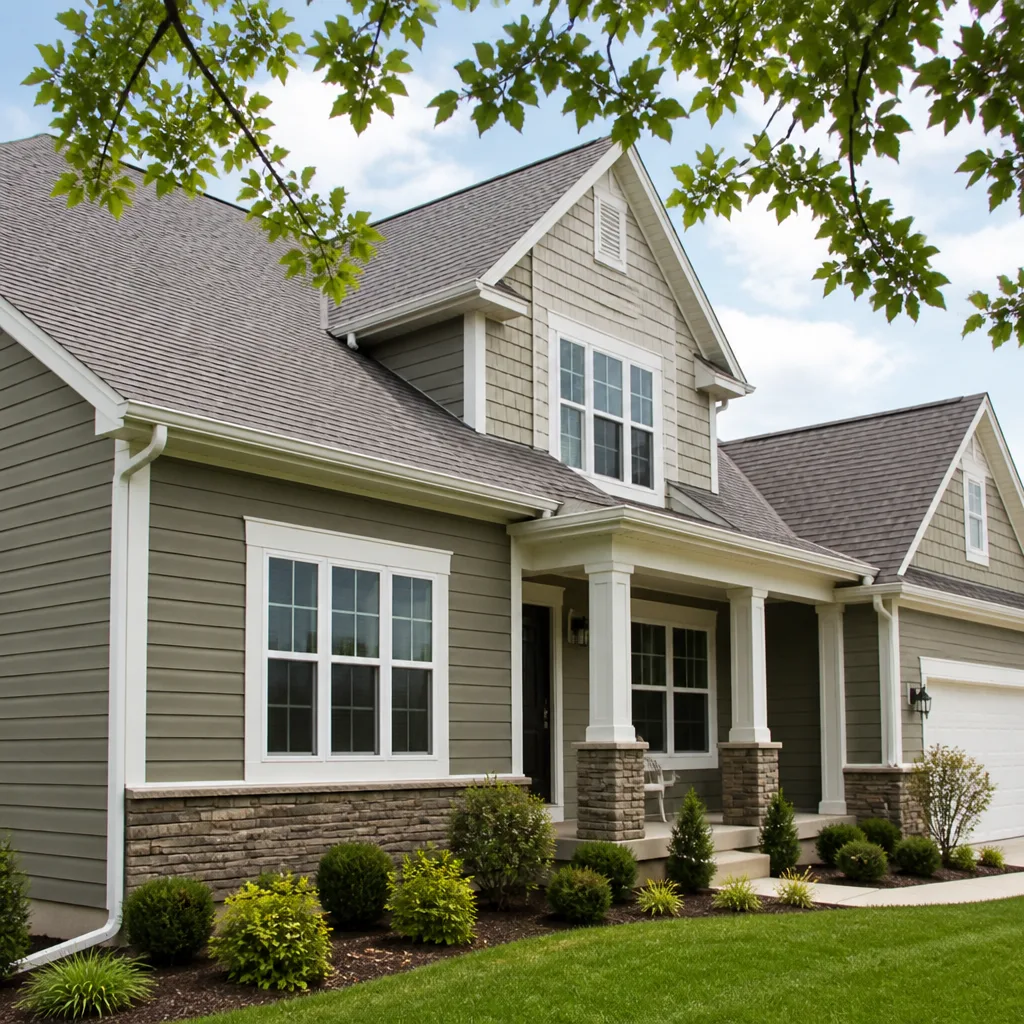
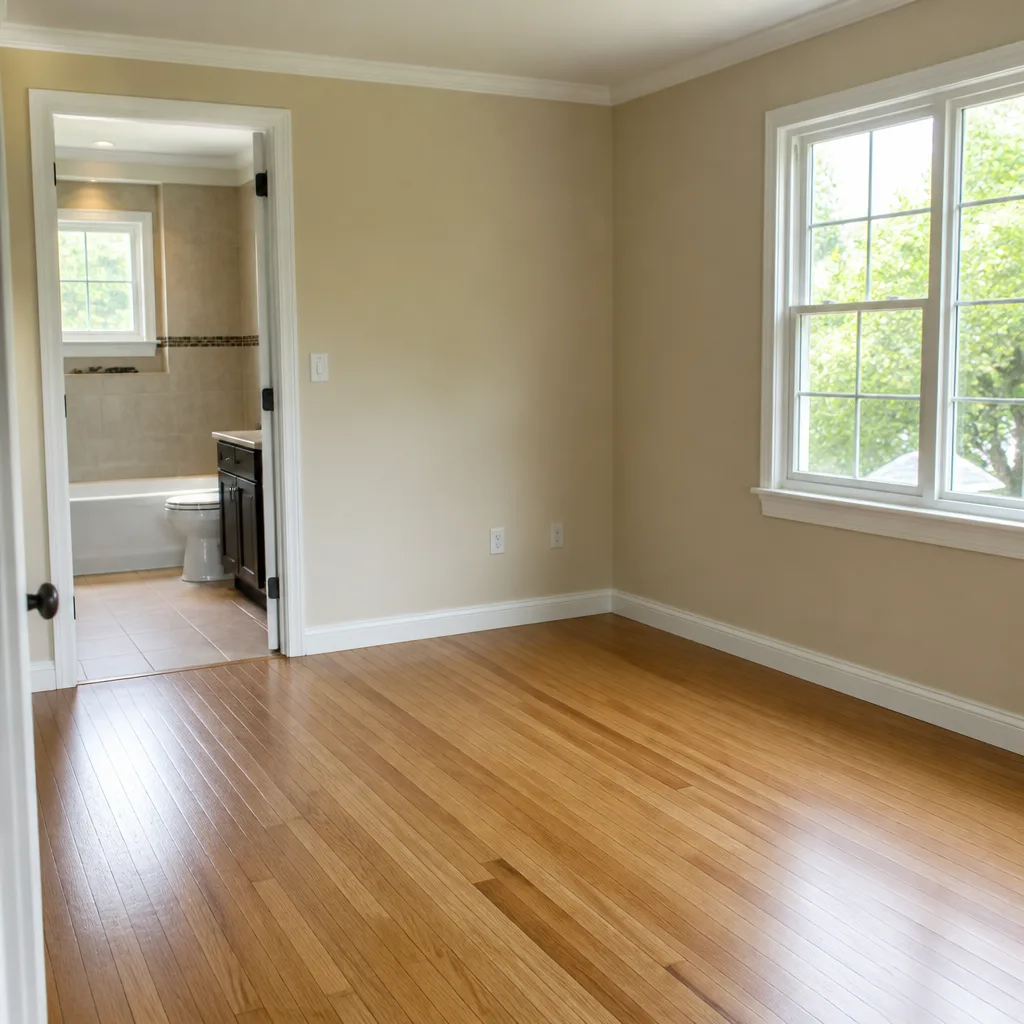
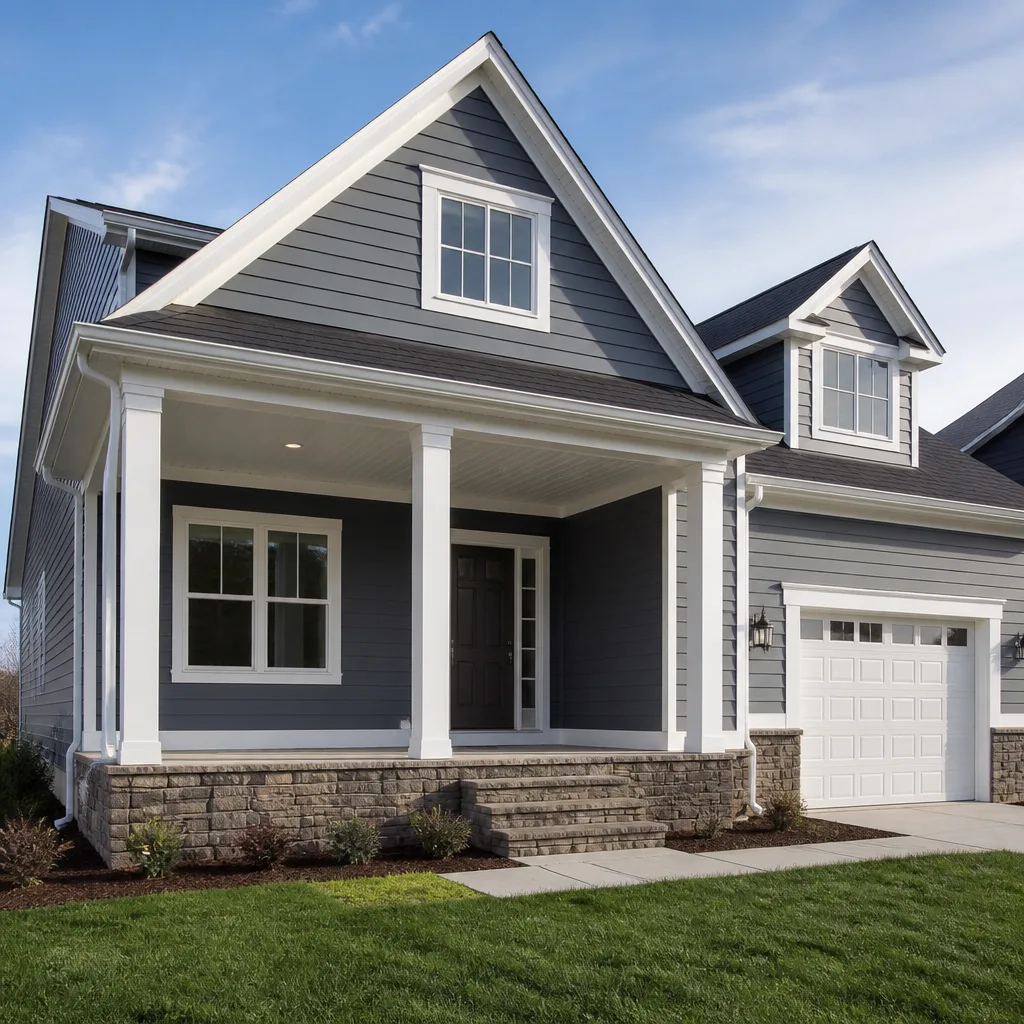
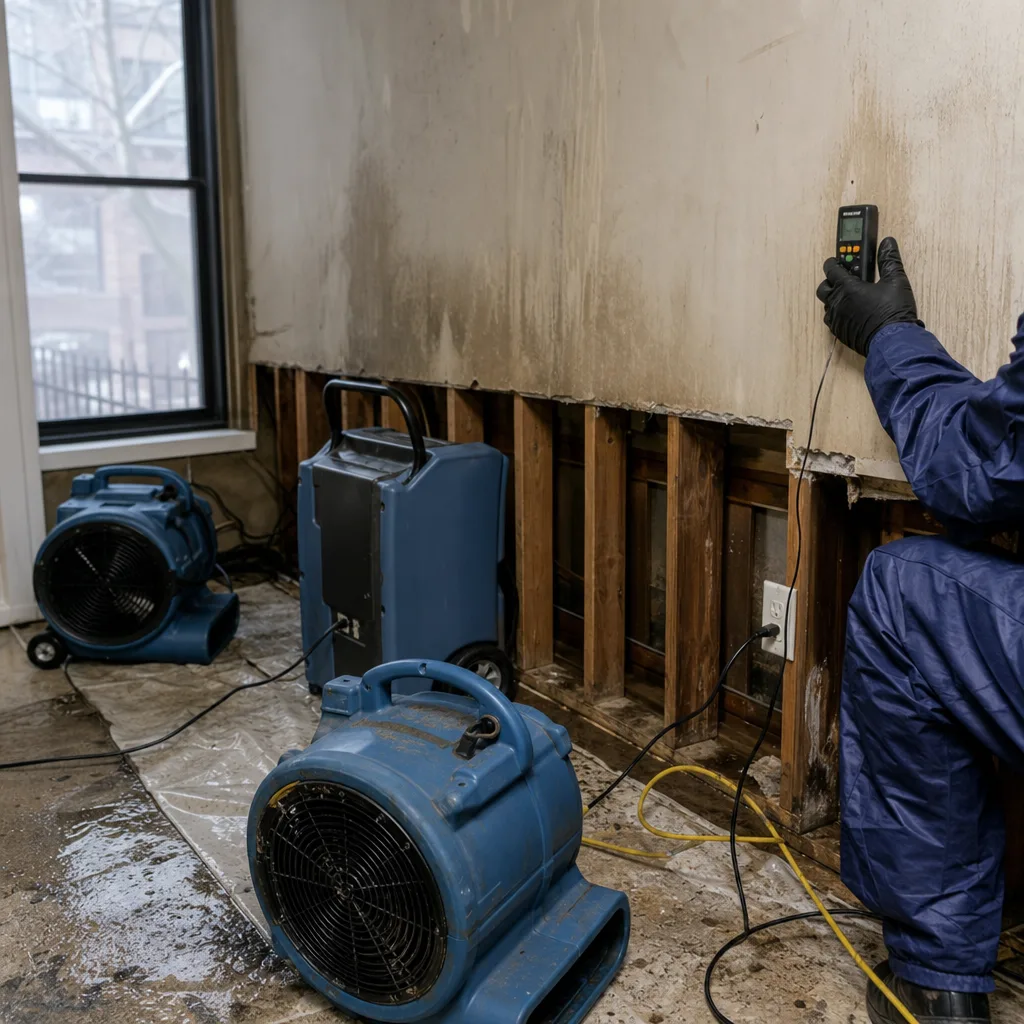 Before
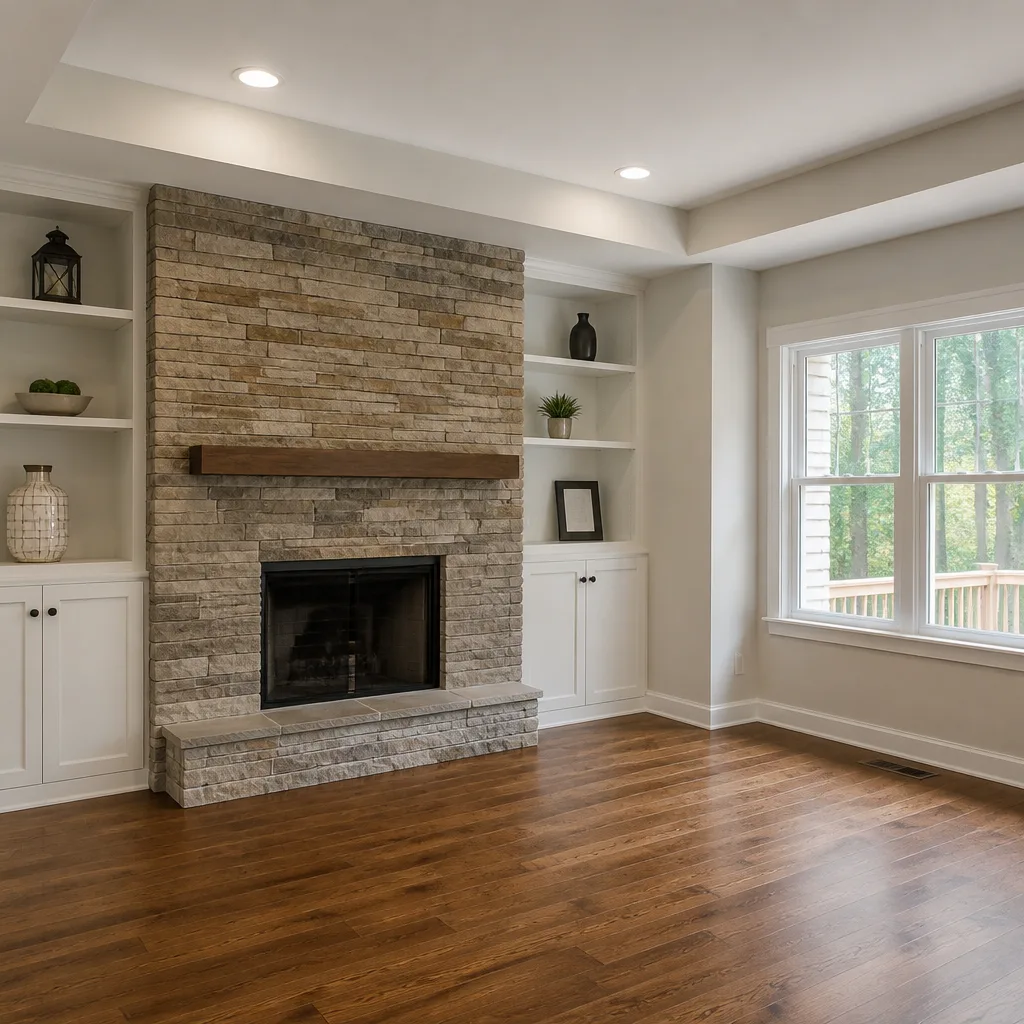
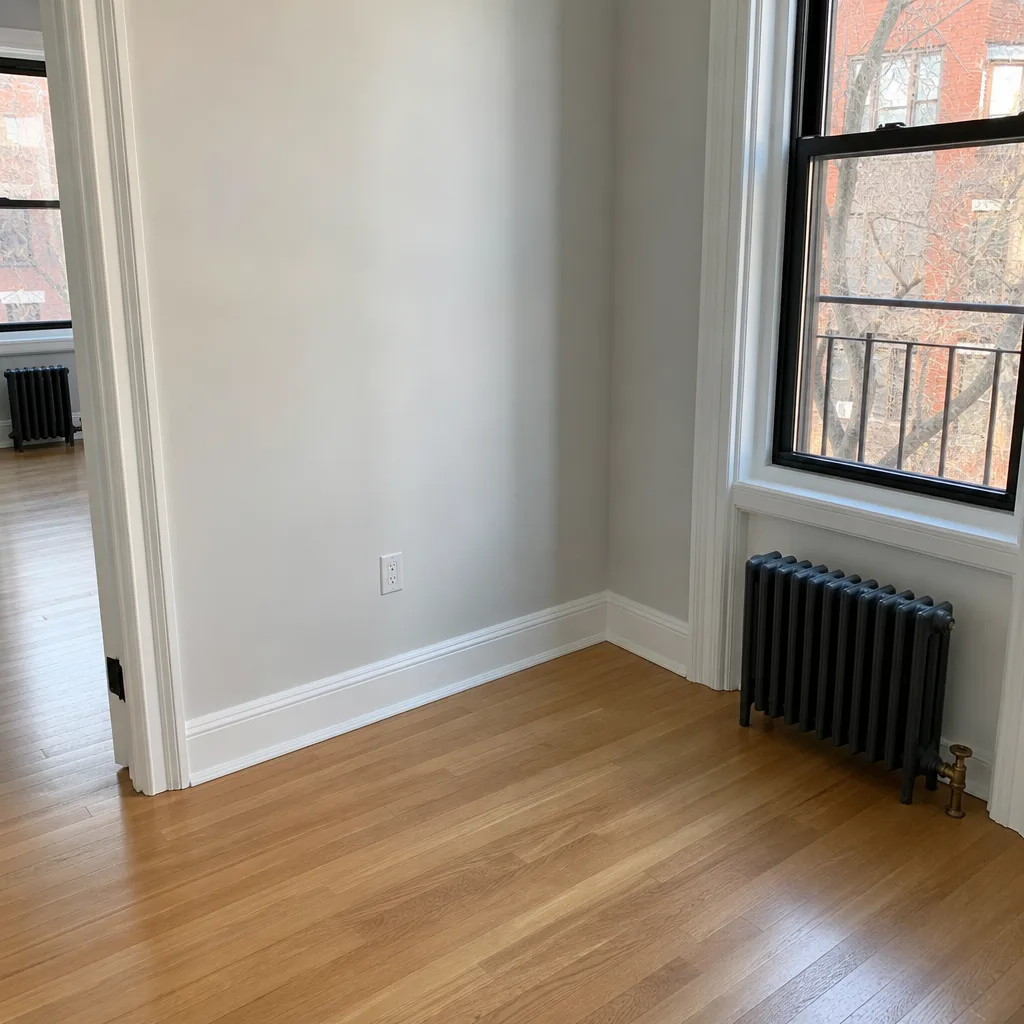 After
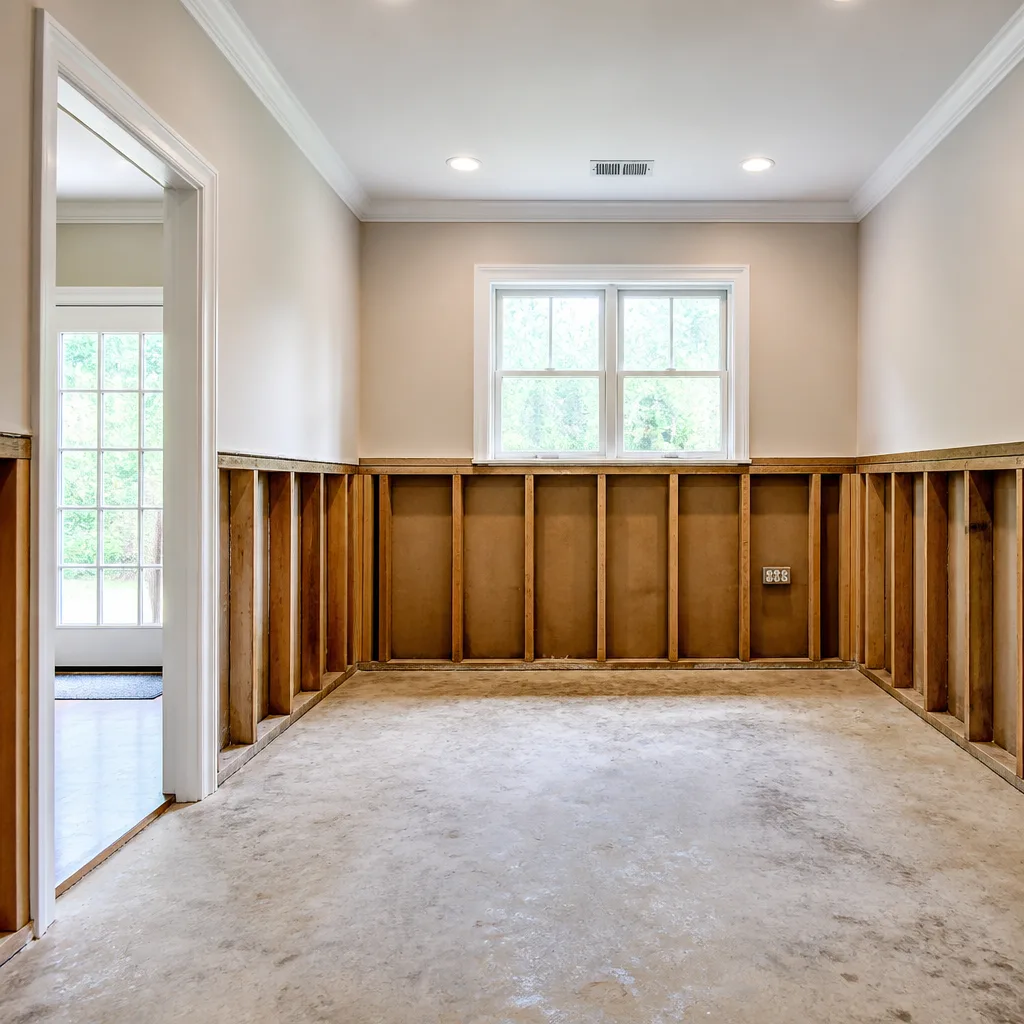
After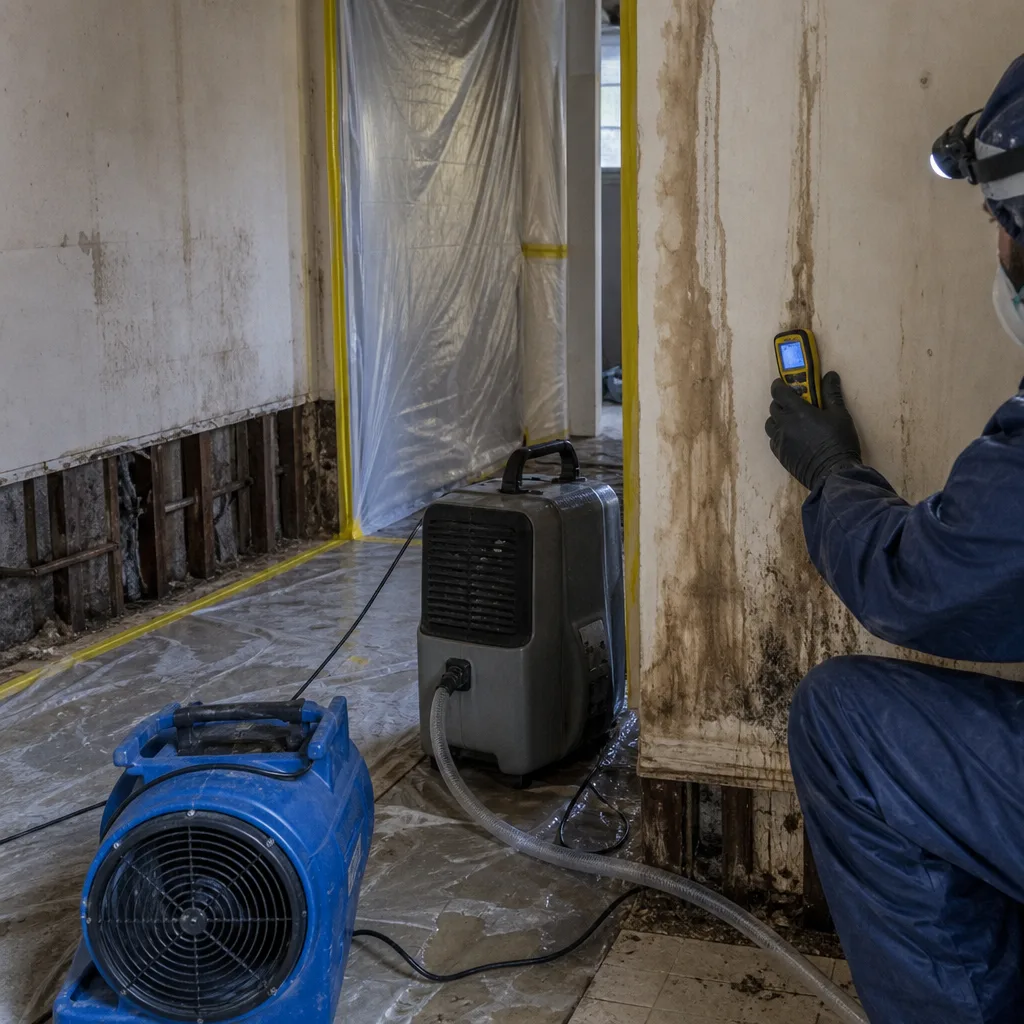 Before
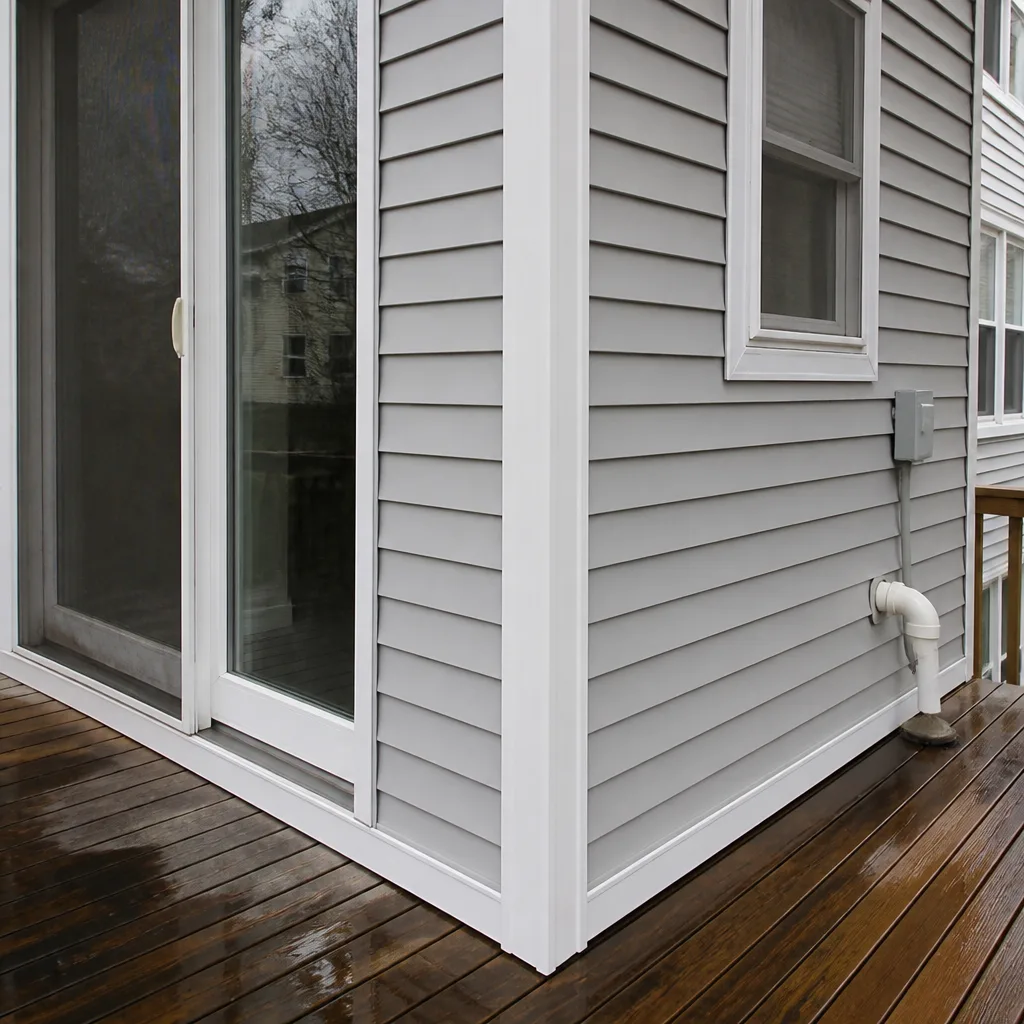 After
After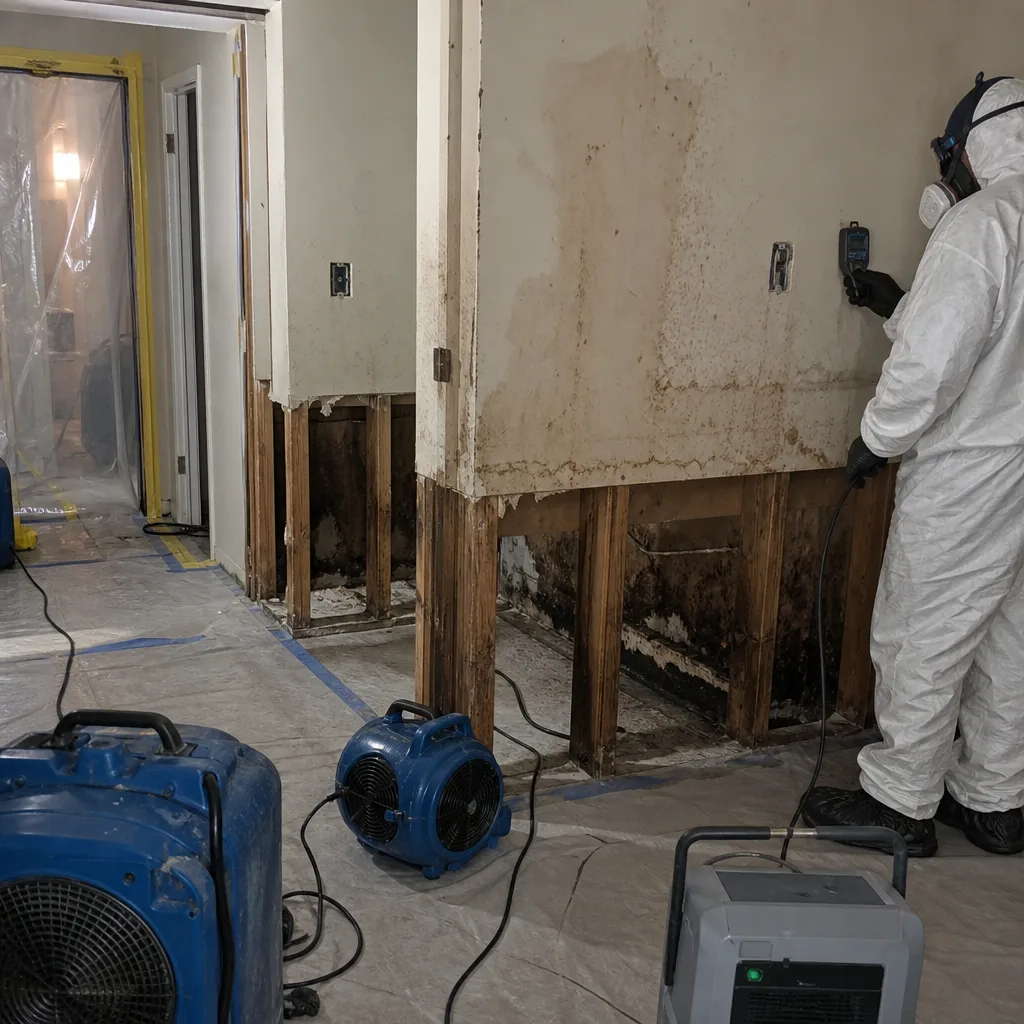 Before
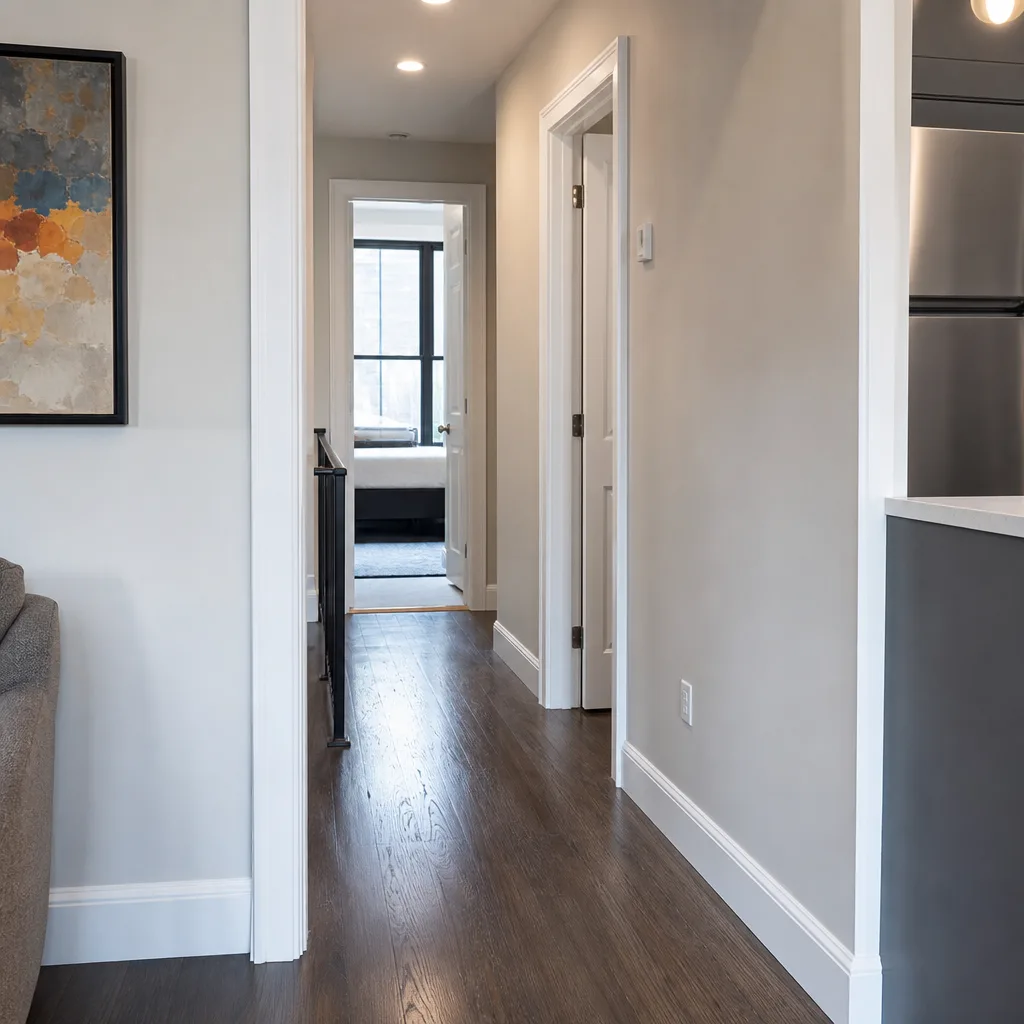 After
After24/7 Emergency Mold Remediation in Chappaqua
Mold remediation in Chappaqua typically costs between $1,800 and $6,500 depending on how far the colony has spread and whether it’s behind original plaster walls or in a stone-foundation crawl space. Most jobs are completed within three to five days, and we answer the phone with a live person at any hour. If you’ve discovered mold after a storm, a roof leak, or Saw Mill River flooding, call (917) 924-4221 right now. A certified Floodline Restoration Co. crew can be on site in Chappaqua within 45 minutes for a free visual inspection.
The first hour matters. Mold colonies double in size every 24 to 48 hours when moisture is present. What starts as a bathroom ceiling stain can move into wall cavities, behind wainscoting, and down into floor joists before the week is out. Faster response means less demolition, fewer contents affected, and a smaller final bill. We dispatch from our New York City office directly into Chappaqua, and our techs know the town’s housing stock: slate roofs, plaster-and-lath interiors, and stone foundations that hold water differently than newer construction.
Understanding Mold Remediation Severity in Chappaqua Properties
Not every mold problem is the same, and in Chappaqua the age of the house changes the severity calculation. We classify every job by square footage of visible growth, hidden moisture load, and the material affected. Surface mold on a drywall ceiling from a one-time leak is a containment and HEPA-scrubbing job. Mold behind original lime-plaster walls in a 1920s Quaker Road colonial is a different animal entirely: the colony follows the moisture path through horsehair plaster, lathe, and old-growth framing, and it will not die from a surface treatment.
Homes with stone foundations and dirt-floor crawl spaces are the most vulnerable. After Saw Mill River flash flooding or heavy spring snowmelt, groundwater saturates the soil and rises through the stone. That’s Category 3 water, and it carries sewage, silt, and river bacteria-situations that demand professional Sewage Cleanup in Chappaqua. Mold colonizes within 48 to 72 hours in that environment, often in spaces homeowners never visit. We use moisture mapping with thermal imaging and pin-type meters before opening any wall, so we know exactly how far the moisture has traveled. In Chappaqua’s high-ceilinged older homes, we also check for ice-dam meltwater that has wicked down from the roof into plaster ceilings. Skipping that step is why mold keeps coming back in houses with original slate.
Why Chappaqua Property Owners Choose Floodline Restoration Co. of Manhattan
- 45-minute response commitment. We’ll have a uniformed, background-checked technician at your Chappaqua door within 45 minutes of your call, day or night.
- 24/7 live answer. A real dispatcher picks up at 2 a.m. Not a recording. Not a callback service. A person who can send a crew.
- IICRC-certified technicians. Our crews hold current certifications including Water Damage Restoration Technician (WRT), Applied Structural Drying (ASD), and Applied Microbial Remediation Technician (AMRT). They are also trained to RIA and IFA standards.
- Free visual inspection. We walk the property, explain what we see in plain English, and give you a written scope before any work begins. No pressure.
- Direct insurance billing. We document, photograph, and bill your carrier directly. You never play messenger between us and the adjuster.
- One team from extraction to rebuild. The same crew that sets containment and removes mold also handles the plaster matching, millwork restoration, and painting. No mid-job handoff to a sub you’ve never met.
Our Mold Remediation Process
Inspection & Assessment
We start with a full visual inspection plus thermal imaging and moisture meters. In Chappaqua’s older homes, we check interior wall cavities, attic knee walls, and sill plates above the stone foundation. We identify the moisture source first, because mold is the symptom, not the disease.
Containment & Air Management
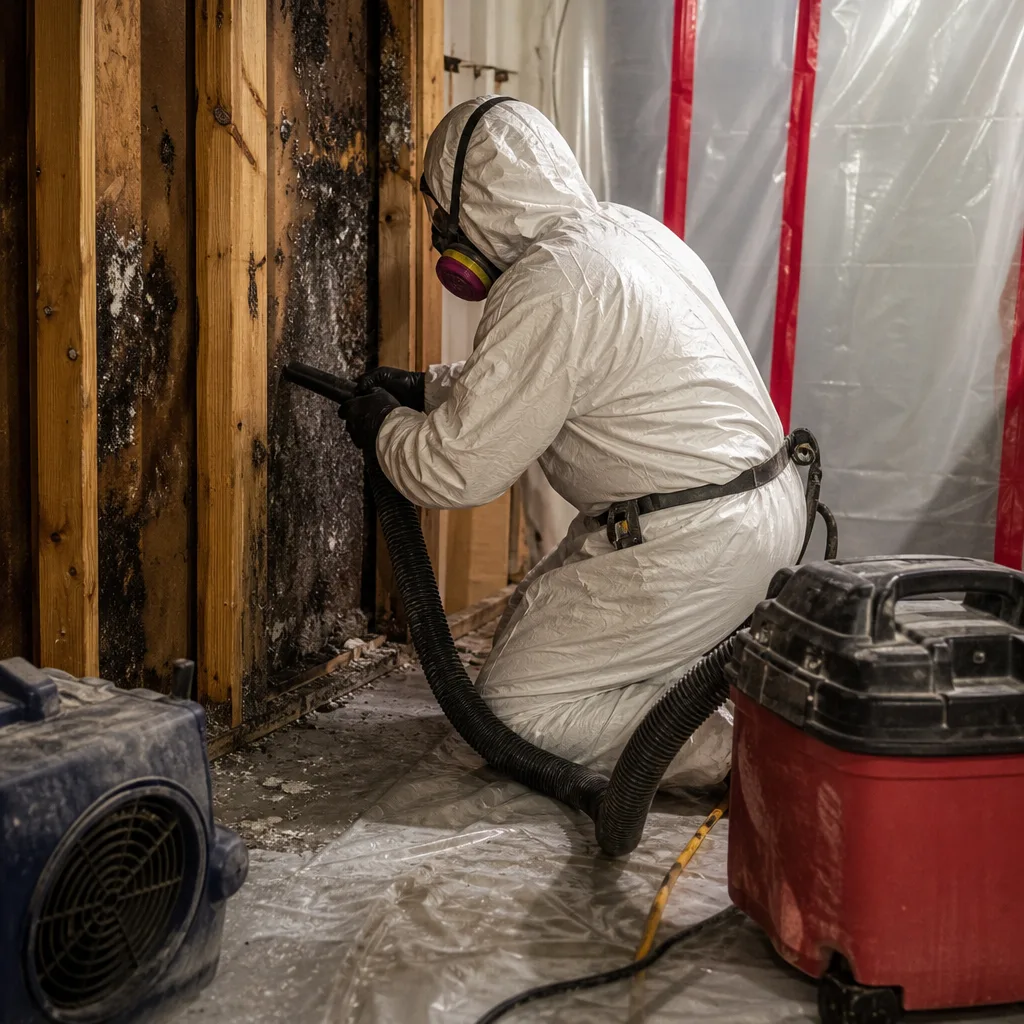
We set up 6-mil poly containment with negative air pressure using HEPA-filtered air scrubbers. This keeps spores from migrating into adjacent rooms or up stairwells while we work. High-traffic areas like kitchens and hallways stay usable.
Source Removal & Material Disposal
Heavily contaminated drywall, insulation, and carpet padding are cut out and bagged. On Chappaqua’s plaster-and-lath walls, we often preserve the structural plaster and remove only the damaged finish coat, saving millwork and money.
Drying & Dehumidification
We run Dri-Eaz and Phoenix dehumidifiers with XPOWER air movers until every affected material meets the established dry standard. Daily moisture readings are logged and given to you and your carrier. Drying is finished when the numbers say so, not when the clock says so.
Antimicrobial & Air Quality Treatment
After removal and drying, we treat surfaces with EPA-registered antimicrobials and run HEPA air scrubbers. For crawl spaces, we apply moisture-resistant barriers and address grading and drainage so groundwater stops feeding new growth.
Reconstruction & Finish
We rebuild what was removed: new drywall, insulation, paint, and trim. On older Chappaqua homes, this means matching period plaster textures, crown profiles, and paint sheen. We stand behind every job with the 90-Day Done Right Promise in writing.
Need Emergency Mold Remediation in Chappaqua Now?
Crews minutes away, answering live 24 hours a day. The sooner we start, the less it costs.
Working With Your Insurance Company
Mold claims are among the most scrutinized in the industry. Carriers want to see that the moisture source was found and stopped, that containment was set correctly, and that drying logs prove the property reached the dry standard before rebuilding began. We generate that documentation from the first hour. Every photo is timestamped. Every moisture reading is logged. Every material removed is itemized in a line-item scope of work. We speak directly to your adjuster, send them the file as it builds, and answer their questions so you don’t have to. If your adjuster schedules a visit, our project lead is there to walk the loss with them. In our 42 years serving homeowners, we have found that a well-documented file resolves faster and with fewer denials, and it gets the rebuild approved at fair value for the home you actually own, not some cookie-cutter replacement estimate.
What We Provide Your Insurer
- Thorough documentation of the loss
- Photos of all damage, room by room
- Moisture readings and drying logs
- A detailed, line-item scope of work
- Direct coordination with your carrier
Built for Chappaqua’s Loss Calendar
Mold in Chappaqua follows a seasonal rhythm, and it is tied to water. January and February bring deep freezes that burst supply lines in unheated crawl spaces and exterior wall cavities, particularly in older homes with original copper and galvanized pipe. March and April bring rapid snowmelt; the valley topography funnels runoff downhill so fast that stone-foundation basements take water even when the Saw Mill River stays in its banks. May through August are thunderstorm season: heavy downpours overwhelm gutters already clogged with leaf litter from the tree canopy, and water runs down foundation walls. Nor’easters in the fall drop whole limbs on slate and tile roofs, leaving openings that let rain into plaster ceilings for days before anyone notices a stain. These are the moments when Chappaqua Storm & Disaster Restoration becomes essential. Every one of those events leaves behind moisture, and moisture in a 100-year-old house becomes mold faster than people think. Knowing this calendar lets us plan response routes through downtown Chappaqua, along Quaker Road, and up into the Kings Grant area, so our 45-minute commitment holds year-round.
Mold Remediation Across Chappaqua’s Neighborhoods
Chappaqua’s neighborhoods each have their own mold risk profile, and we route crews accordingly. The 10514 ZIP code stretches from the Saw Mill River floodplain up into forested ridges, and the difference in moisture behavior between a river-adjacent stone basement and a hilltop slate-roof attic is significant. In the estates along Quaker Road and the roads branching up from Route 120, we see the classic ice-dam pattern: shaded roofs, minimal attic insulation, and meltwater backing up under slates. The mold starts at the exterior wall-ceiling connection and works inward. Along the Saw Mill River corridor near the hamlet, groundwater intrusion is the dominant driver. Stone foundations wick moisture seasonally, and after a flood event, the soil stays saturated for weeks. Homes near Gedney Park and up toward the Millwood line tend to sit on steeper grades with better drainage, but mature oaks and maples put pressure on every roof on every lot. In the Riverwoods development and the side streets off King Street, we commonly find condensation-driven mold on poorly ventilated bathroom and kitchen exteriors, especially in rooms added before modern vapor barriers existed. Each of these areas requires a slightly different containment and drying plan, and our techs know the layout well enough to arrive prepared.
Specialized Mold Remediation Services We Offer in Chappaqua
Mold Inspection & Testing
We inspect with moisture meters, thermal cameras, and air sampling when needed. In Chappaqua’s older homes, the inspection usually reveals something no one expected: damp sill plates, hidden roof leaks, plumbing weep. Testing confirms the species and guides the remediation protocol, but the inspection is what tells us where the water is coming from, which is the only way to stop the cycle.
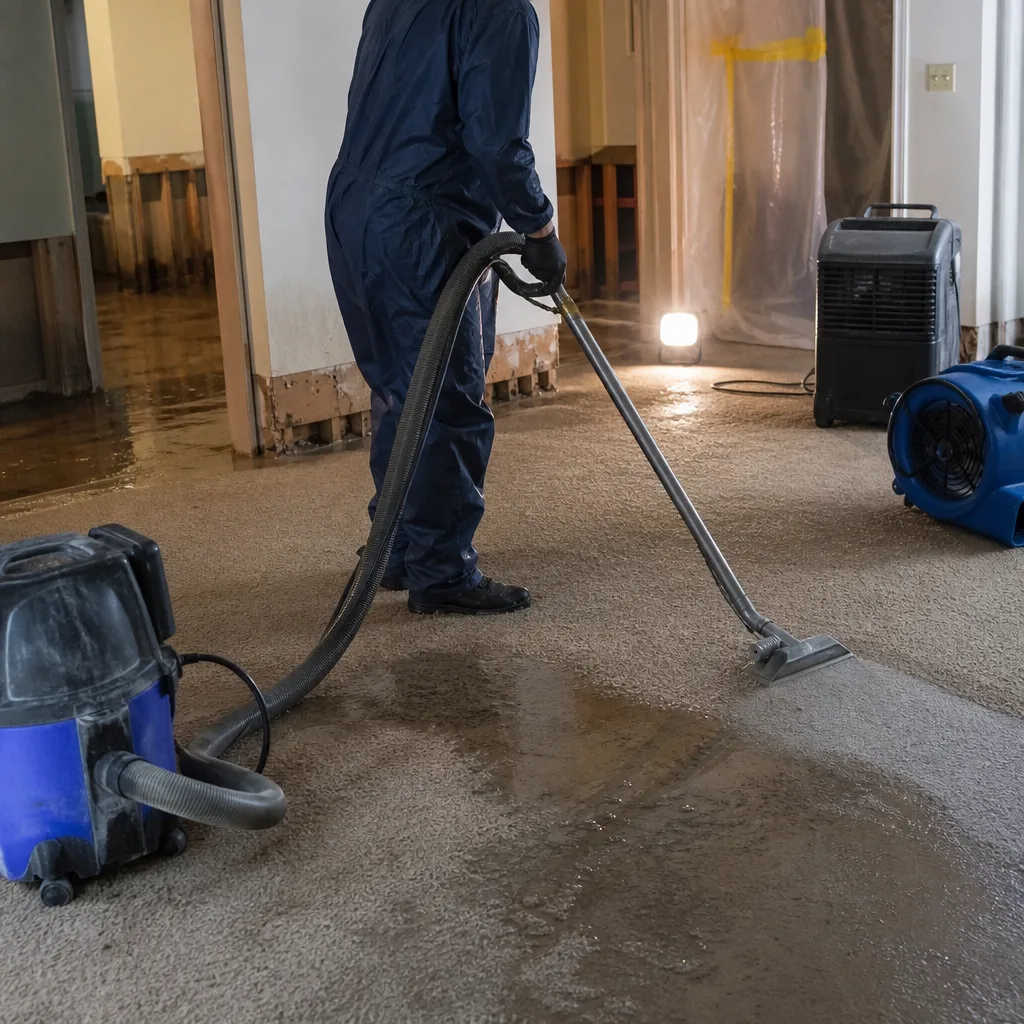
Mold Removal
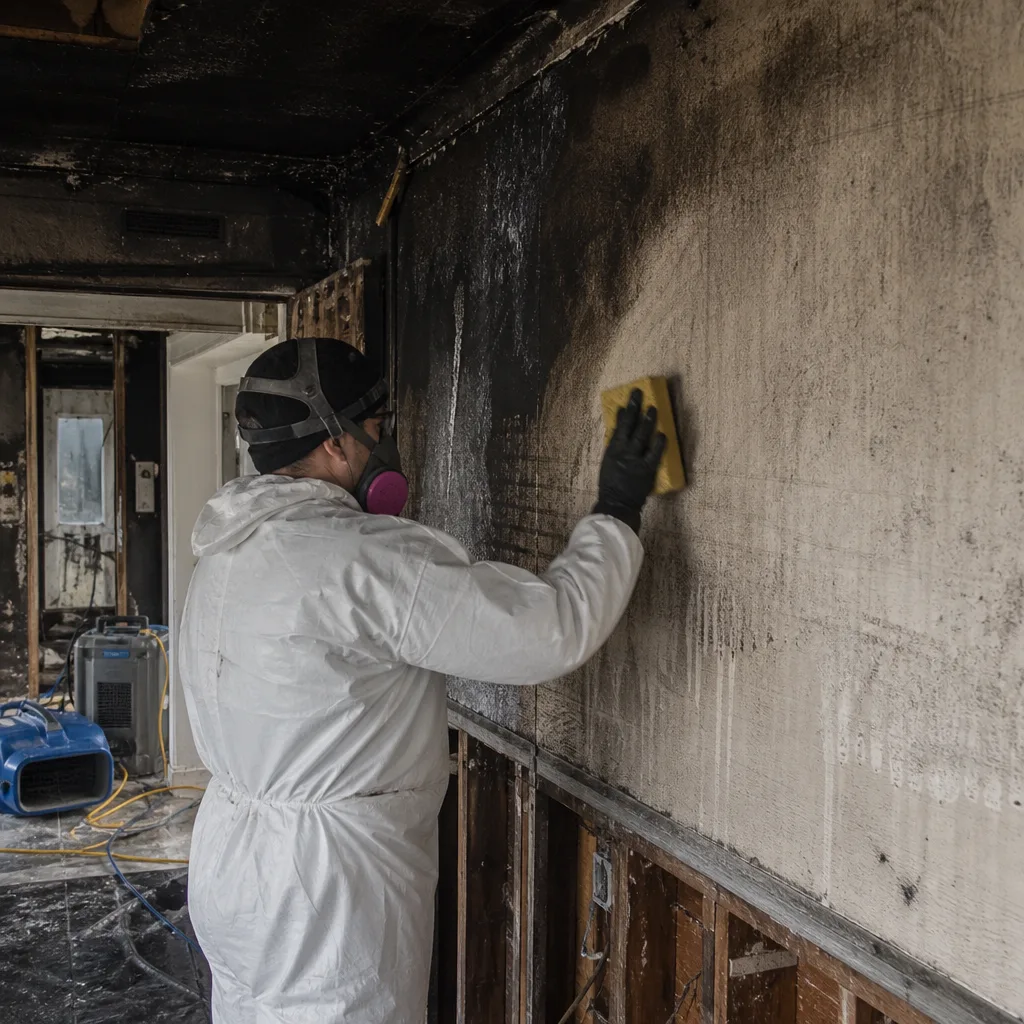
Removal means physical extraction, not spraying over visible stains. We remove contaminated drywall, insulation, carpet, and soften degraded plaster, then clean stud cavities and treat with antimicrobials. In Chappaqua, we work hard to preserve original millwork and plaster whenever structurally sound; demolition is a last resort, not a first step.
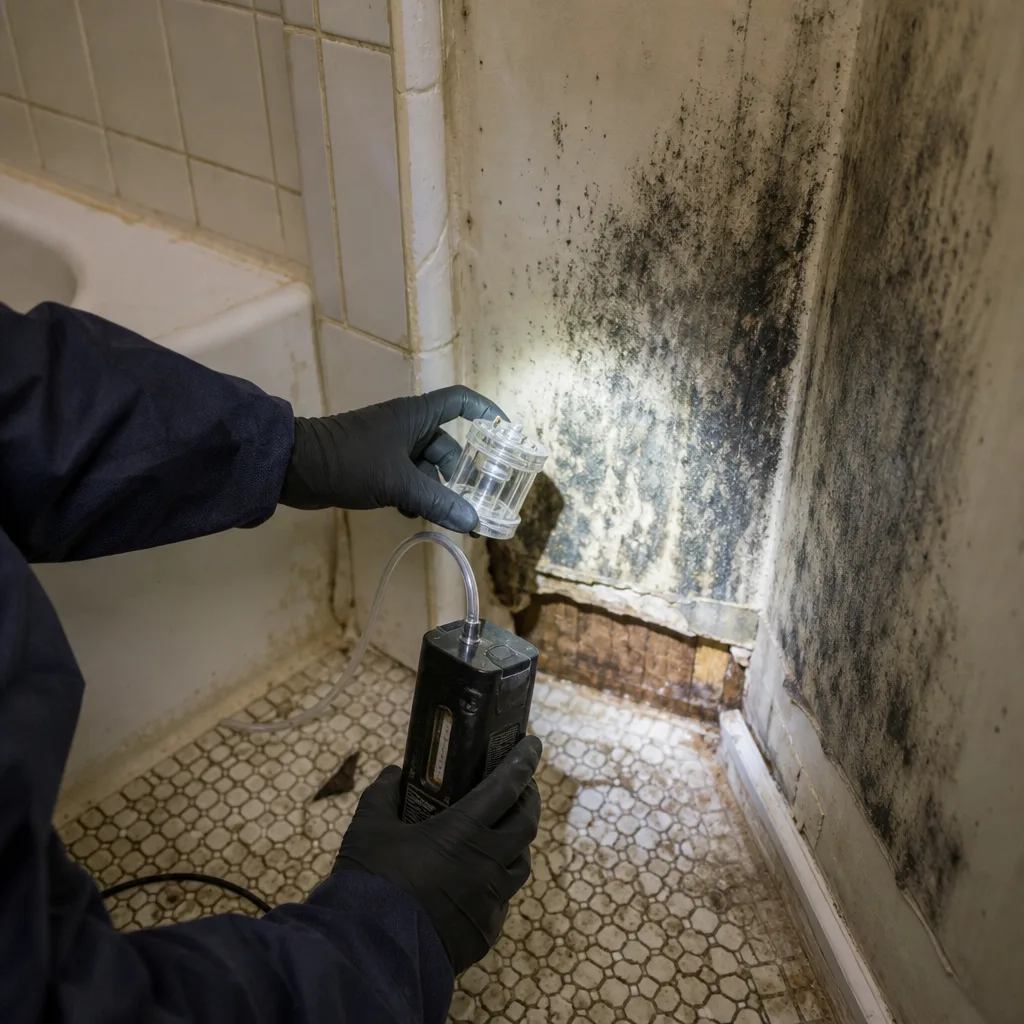
Black Mold Remediation
Black mold, usually Stachybotrys chartarum, grows on chronically wet cellulose: drywall paper, wood studs, jute-backed carpet. It is common in Chappaqua basements after repeated Saw Mill River flooding and in wall cavities after long-running ice-dam leaks. We contain, remove, and treat the affected area with full PPE and clearance testing before anyone re-enters that zone, following the same protocols as Biohazard & Crime Scene Cleanup in Chappaqua.
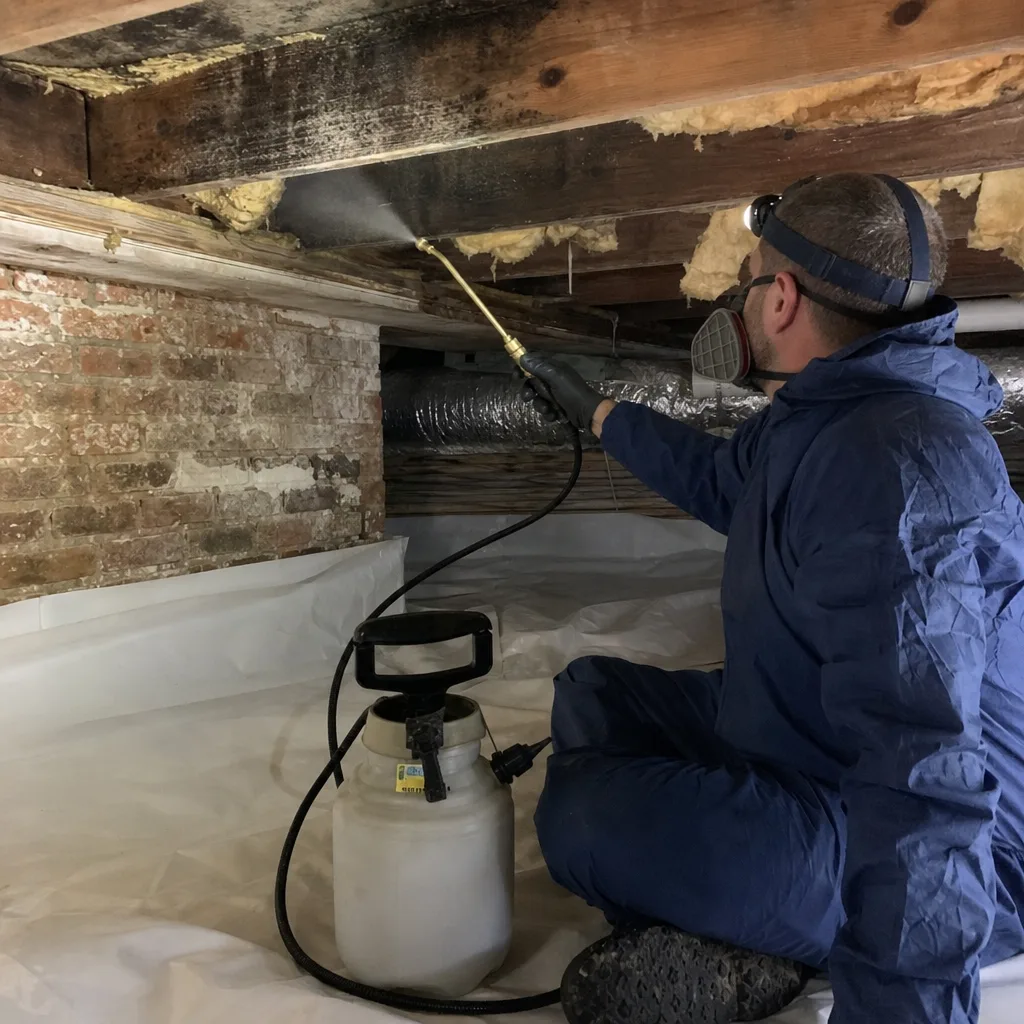
Air Quality Restoration
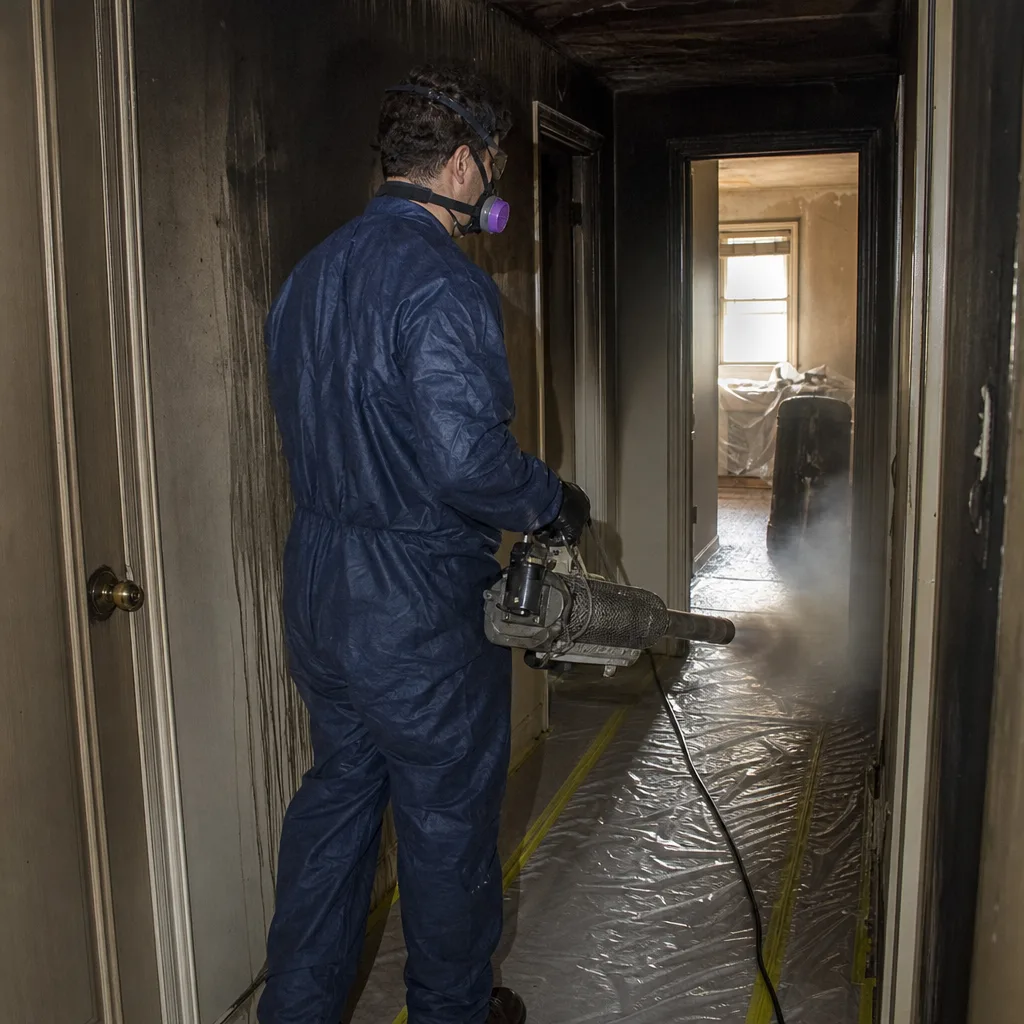
After any mold job, we run HEPA air scrubbers and, when indicated, hydroxyl generators to reset indoor air. For high-ceilinged older homes where cooking, fireplace use, and musty basements all share the same ductwork, this step makes the difference between a house that smells clean and one that actually is clean. We provide before-and-after air quality data for you and your insurer.
Crawl Space Treatment
Chappaqua’s stone-foundation and dirt-floor crawl spaces are mold incubators. We install moisture barriers, grade soil away from the foundation where possible, and treat framing lumber with a mold-resistant coating after drying. In homes along the Saw Mill River, this is the most effective long-term prevention you can buy.
Moisture & Humidity Control
After remediation, we install dehumidification and ventilation where the building envelope needs help. That might mean a crawl space dehumidifier, improved bathroom exhaust, or basement ventilation tied to a hygrometer. The goal is simple: keep wood and plaster below the moisture threshold where mold can colonize, year-round, in Chappaqua’s humid summers and damp springs.
What happens when you call
- 1
A real person answersNo phone trees - you reach a local pro.
- 2
You get an upfront price rangeHonest numbers before anyone is dispatched.
- 3
A background-checked tech heads outLicensed & insured, dispatched right away.
- 4
You approve before work beginsNothing starts until you say go.
Mold Remediation Costs in Chappaqua, NY
Mold remediation in Chappaqua runs higher than the national average for one reason: the houses are older, bigger, and finished with materials that cost more to match. Here are real ranges for what we see in this market:
- Small, contained kitchen or bath mold removal: $1,500 to $3,200
- Basement wall and framing treatment after flooding: $3,500 to $7,500
- Full crawl space remediation with barrier and drainage work: $5,000 to $12,000
- Mold behind plaster in a larger room with rebuild: $8,000 to $18,000
- Whole-home air quality restoration after extensive water damage: $15,000 to $35,000
What moves the price: square footage affected, whether containment requires isolating a high-ceilinged stairwell, the condition of original plaster, and whether we are matching period trim or replacing standard drywall. Insurance covers mold remediation when the cause is a covered peril: a burst pipe, a storm, an ice dam. Gradual leaks and long-standing humidity may not be covered. Our free visual inspection includes a written scope with a firm price before any work starts. No surprises on the bill. It is the Keystone Standard: a square deal, backed in writing.
We Also Serve Cities Near Chappaqua
Floodline Restoration Co. provides Mold Remediation to homeowners throughout northern Westchester. In addition to Mold Remediation in Chappaqua, our crews respond daily to Millwood, Pleasantville, Mount Kisco, and Thornwood. Call the same live number and a certified team is dispatched to your driveway in under an hour.
Serving Chappaqua, NY - Our Local Coverage Area
We’re based in the Chappaqua area and know this community well. Use the map below to see our service coverage - if you’re nearby, we can almost certainly help.
Chappaqua Mold Remediation Questions, Answered
After a Saw Mill River flash flood, how soon does mold appear in a Chappaqua stone-foundation basement?
Visible mold typically appears within 48 to 72 hours after floodwater recedes, but colony growth starts within 24 hours on saturated drywall and stored cardboard. Stone foundations stay damp for weeks after the soil around them is saturated, so the window for mold continues long after the pump is shut off. Call us immediately after the water recedes for a free inspection.
Why do mold problems keep recurring in Chappaqua homes with original slate roofs after ice dams?
Ice dams force meltwater up under the slates and into the attic or wall cavities. A quick mold treatment on the ceiling below does nothing about the water still entering from above. Each thaw re-wets the same plaster and framing. We find the ice dam’s entry point, dry the cavity fully, and only then treat and rebuild. The source gets fixed first.
Can your crew remediate mold in a century-old plaster-and-lath wall without gutting the room?
Often yes. We preserve the structural plaster and lathe when the damage is in the finish coat and the framing is sound. We remove the contaminated face plaster, treat the cavity and framing, dry everything to standard, then match the original lime finish with a textured top coat. It saves the millwork, the ceiling, and a significant portion of the rebuild cost.
Do we need crawl space treatment after a summer thunderstorm even if the basement stayed dry?
You may. Thunderstorm runoff in Chappaqua’s hilly terrain can saturate the soil around your foundation even when water never visibly enters the basement. That soil moisture raises crawl space humidity into the mold-friendly range. A moisture reading takes ten minutes and tells us whether treatment is warranted. Skipping it is how mold establishes in joists you never see.
How do you handle pack-out and contents in a Chappaqua estate home when mold cleanup requires removing built-ins?
We photograph, inventory, and pack out contents room by room before containment comes down. Built-in bookcases, window seats, and custom cabinetry are either cleaned in place under containment or carefully removed and restored. We treat your contents with the same documentation discipline as the structure, and your insurer gets a full contents list for the claim.
How fast can a crew actually get to my Chappaqua home?
We commit to 45 minutes for any Chappaqua address, day or night. Our dispatch is live around the clock, and our crews are already working throughout northern Westchester. Call (917) 924-4221 and a uniformed technician is on the way.
Will my homeowner’s insurance cover mold remediation?
If the mold is the direct result of a covered water loss like a burst pipe, storm damage, or fire-suppression water, the remediation and rebuild are generally covered. Chronic humidity, condensation, or long-standing leaks may not be. We work with your adjuster directly and submit the documentation needed to maximize your covered scope. No guesswork.
What should I do in the first 30 minutes after I discover mold?
Shut off the water source if you can safely reach it. Don’t disturb the mold by scrubbing or spraying bleach; that releases spores. Close the door to the affected room and block the gap with a towel. Then call us. We’ll walk you through what to do until the crew arrives and tell you whether it’s safe to remain in the home.
Last spring, after a Nor’easter dropped a massive oak onto a 1920s slate-roof colonial on Quaker Road, our techs performed emergency water extraction and structural drying before conducting moisture mapping that revealed elevated readings in plaster ceilings and behind original wainscoting. We set containment, used Dri-Eaz dehumidifiers and XPOWER air movers, and coordinated with a plasterer who matched the 100-year-old lime finish, restoring the home to its pre-loss condition without gutting period millwork.
That is the work we do in Chappaqua, week in and week out. For a free inspection and a written scope, call (917) 924-4221. We are Floodline Restoration Co., led by Curt Bowman, and we stand behind every job with the 90-Day Done Right Promise in writing. Senior and veteran homeowners receive a 5% discount, take $50 off any repair over $250, and ask about the $89 seasonal tune-up when you call.
Written by Curt Bowman, Owner at Floodline Restoration Co., serving Chappaqua and northern Westchester since 2010.