

Free visual inspection and a written scope of work before any mitigation begins - photos, moisture readings, and drying logs go in your claim file
The scope we write is the scope we bill. Anything new gets shown to you, in writing, before we touch it.

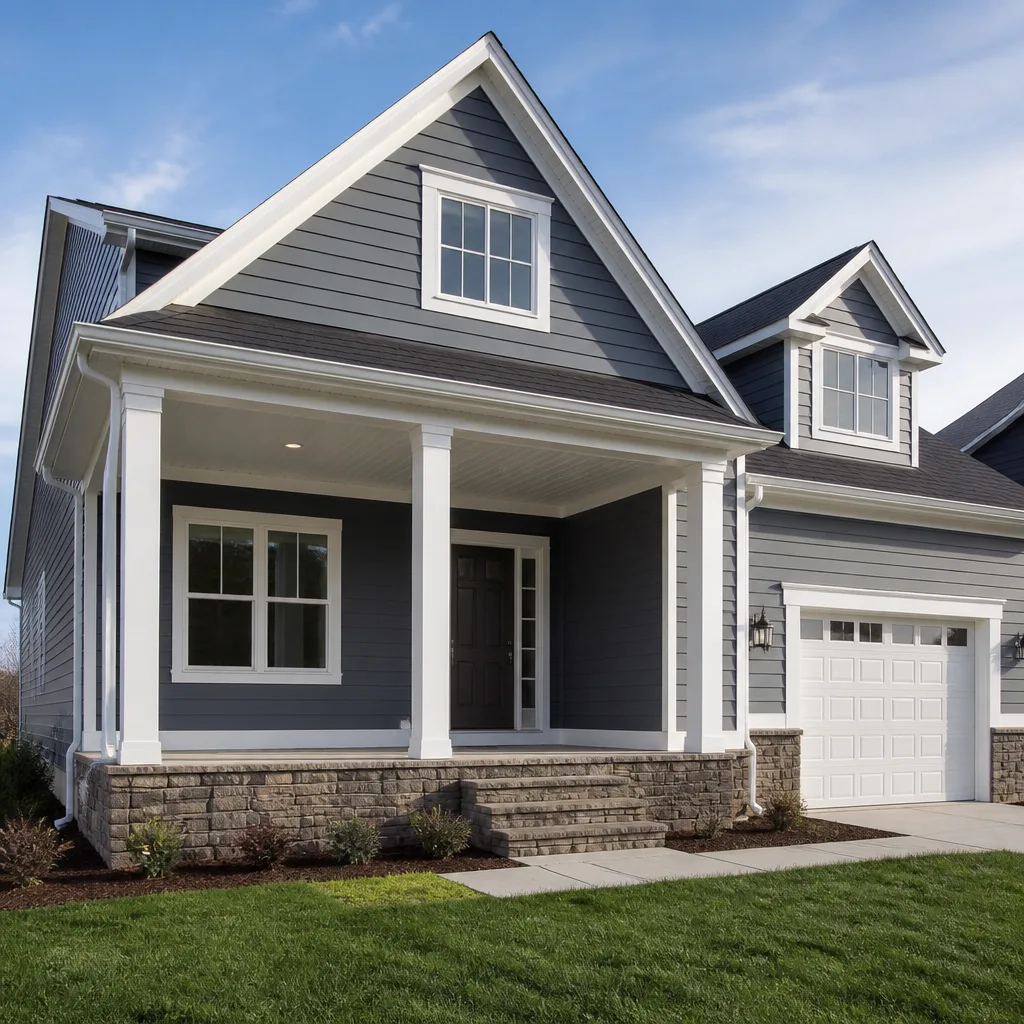
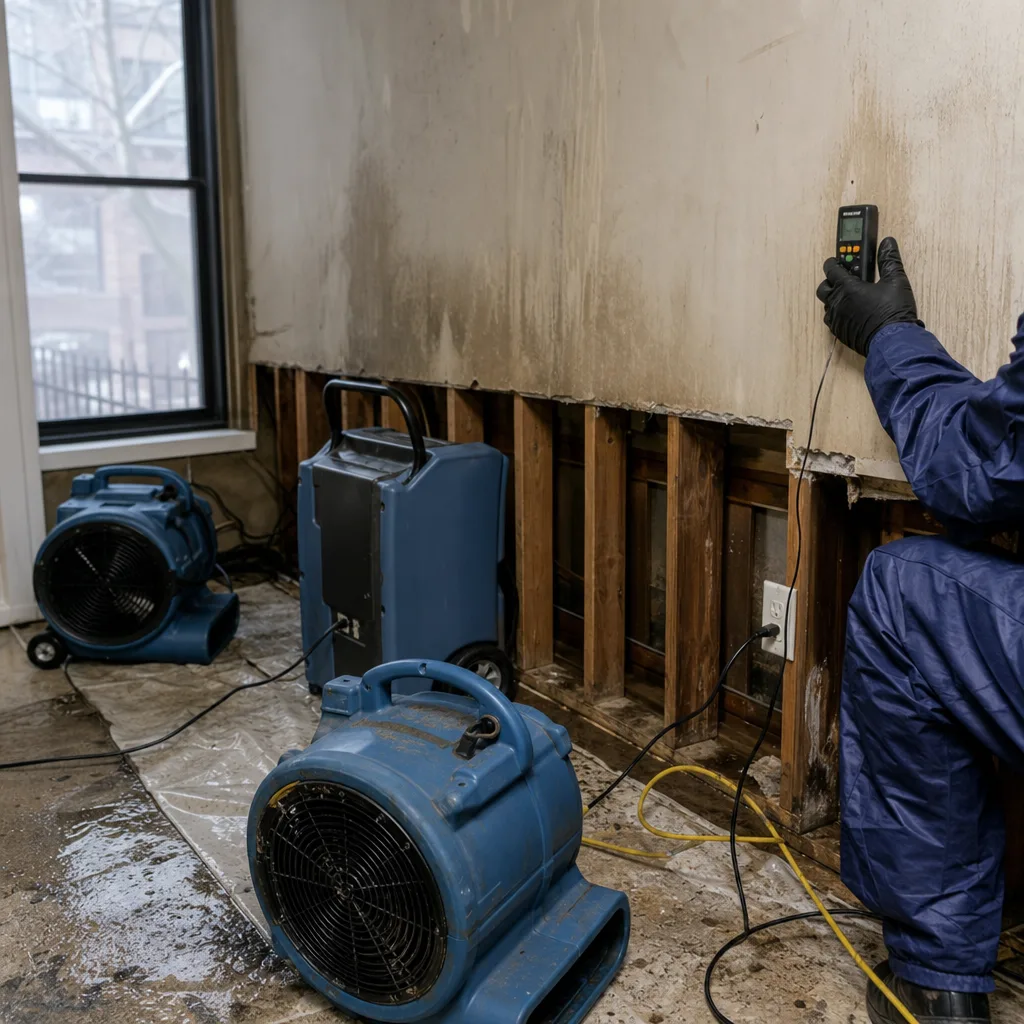 Before
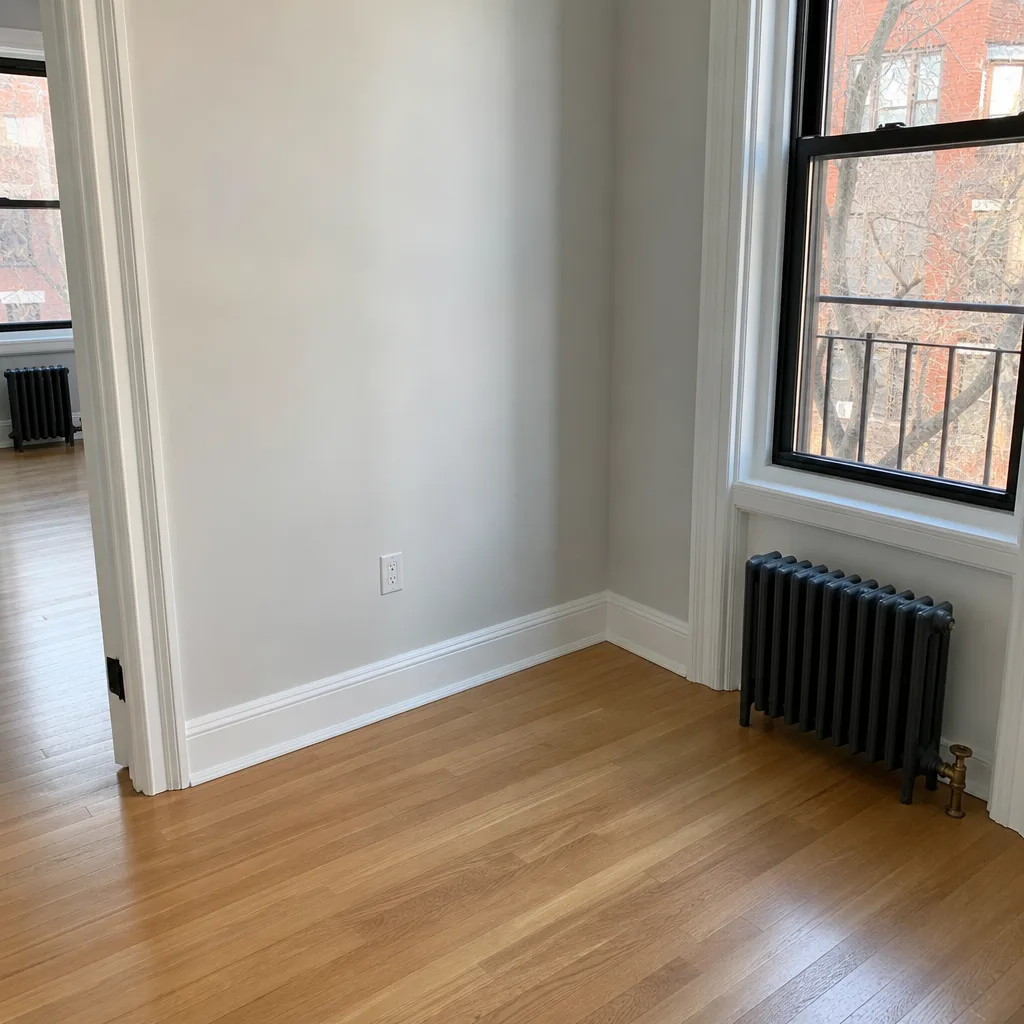 After
After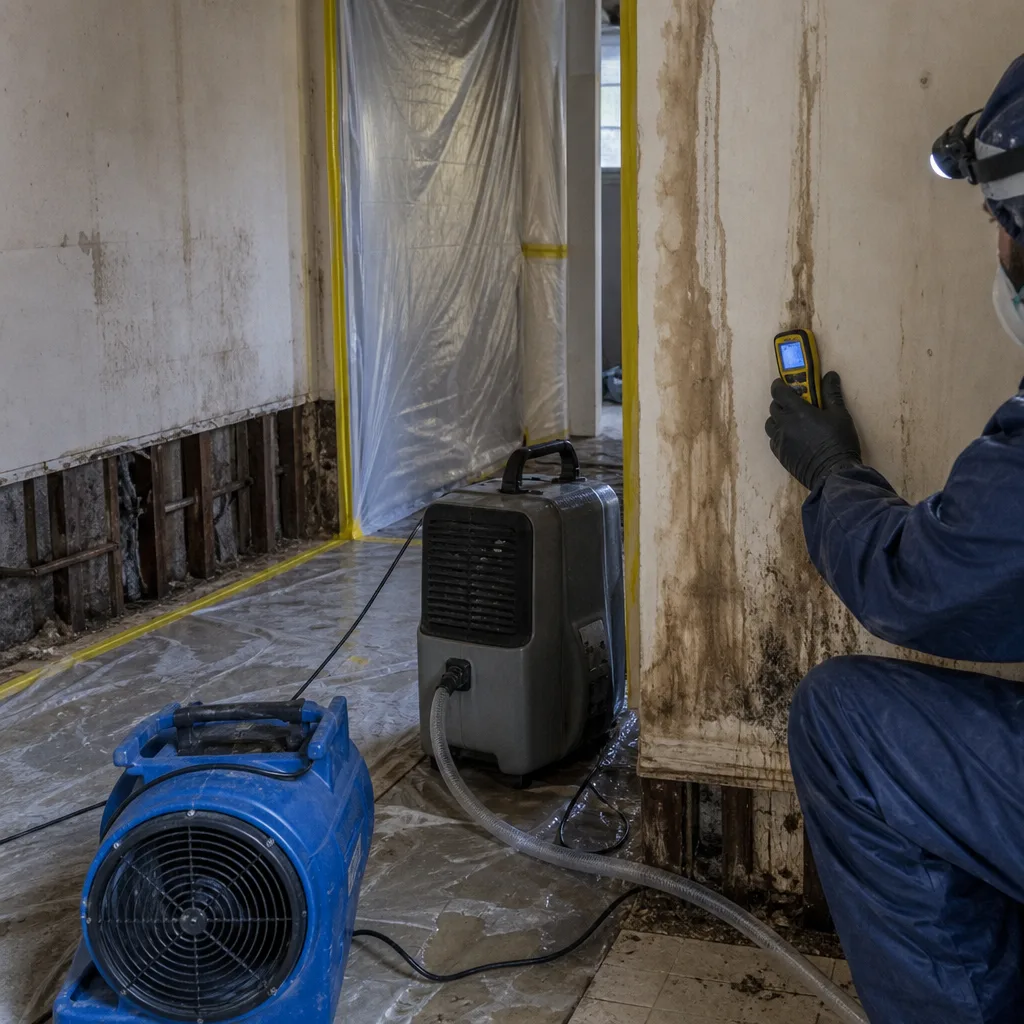 Before
 After
After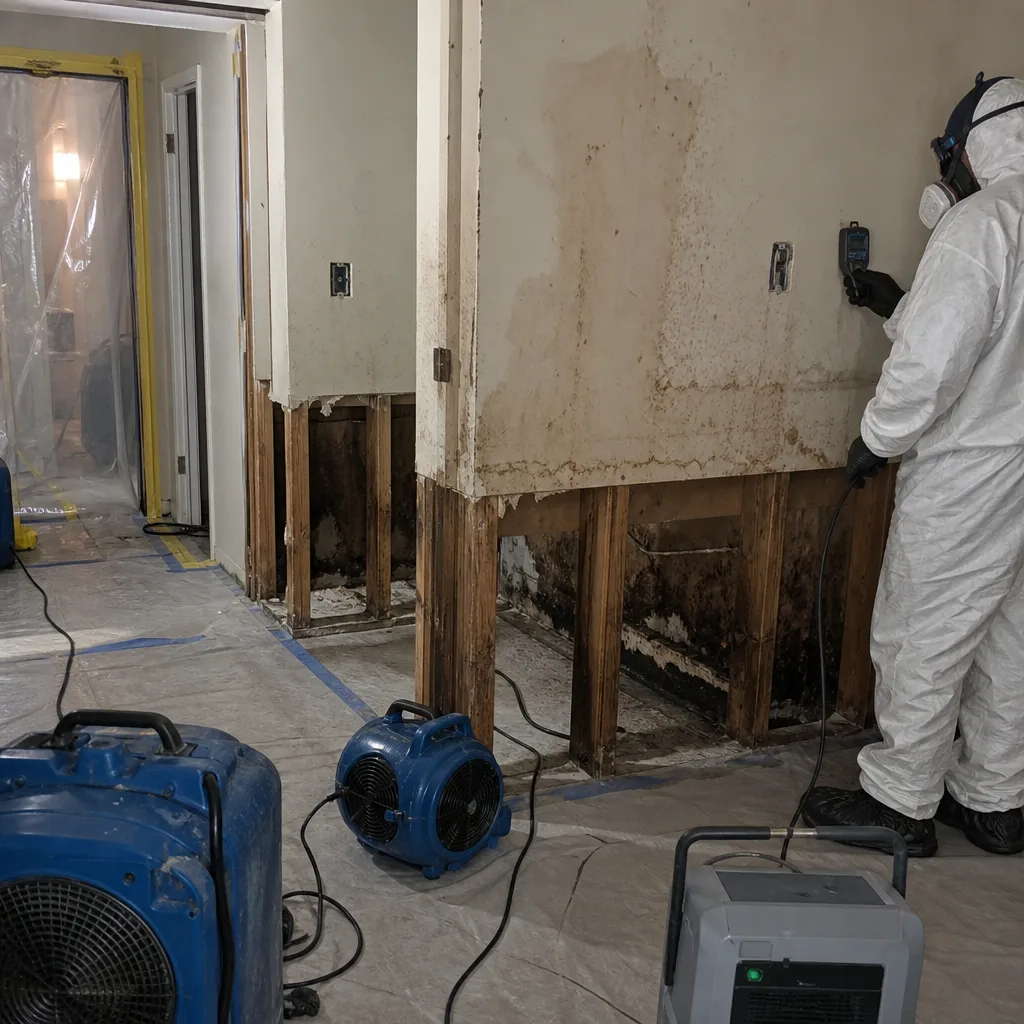 Before
 After
After24/7 Emergency Mold Remediation in Croton-on-Hudson
Mold remediation in Croton-on-Hudson typically costs $1,800-$6,500 depending on how far the contamination has spread, and we answer the phone at (917) 924-4221 around the clock. When you call, a live dispatcher picks up, not a recording, and a background-checked, uniformed crew from Floodline Restoration Co. of Manhattan heads to your village address the same visit. The first hour matters because mold that started in a Croton-on-Hudson basement near the river can move into wall cavities and ductwork within 48 hours. We do a free visual inspection, set containment if needed, and start extraction and drying before the damage compacts into a bigger, costlier job.
Curt Bowman founded Floodline Restoration Co. in 2010, and the way we handle mold in Croton-on-Hudson hasn’t changed since: a live person answers, a certified crew arrives, and the work is done right with a written 90-Day Done Right Promise behind it. If mold comes back within 90 days of a completed remediation, we make it right. No paperwork battles. No arguing. That’s the Keystone Standard, and it’s in writing on every Croton-on-Hudson job.
Understanding Mold Remediation Severity in Croton-on-Hudson Properties
Mold remediation isn’t one-size-fits-all, and Croton-on-Hudson’s housing stock makes that especially true. The village is full of pre-WWII arts-and-crafts bungalows, Victorian-era homes, and early colonials with rubble or stone foundation walls and original horsehair-plaster interiors. Those materials absorb and hold moisture far longer than modern poured concrete, which means what looks like a surface mold patch on a basement wall is often a deeper colonization behind the plaster or inside the stone joints.
We classify mold jobs by square footage and material penetration, not by scare tactics. A contained remediation under 10 square feet on a finished drywall surface in a mid-century Cape Cod is a different job than a full-basement remediation in a Victorian near the Croton River, where the stone foundation wicks moisture upward for weeks after a flood event. On larger jobs, we run negative air pressure with HEPA air scrubbers, remove affected drywall and insulation under containment, and treat structural wood and masonry with antimicrobial agents. For stone foundations, extended drying with moisture readings logged daily is essential. Stone doesn’t give up water the way drywall does. Moisture mapping and a drying log are the only honest way to know when the structure has actually hit the dry standard.
Why Croton-on-Hudson Property Owners Choose Floodline Restoration Co. of Manhattan
- 45-minute response commitment: We dispatch crews to Croton-on-Hudson immediately after your call, and we’ll be there when we say. Schedulers coordinate from our New York City office, but the crews answering your call cover the village locally.
- 24/7 live answer: A real person picks up at 2 a.m., not an automated system. When a delayed tidal surge floods your basement the morning after a nor’easter, you reach a dispatcher who sends a crew.
- IICRC-certified crews: Our technicians hold WRT and AMRT certifications through the IICRC, with additional RIA and IFA standard training. They’re background-checked and uniformed on every job.
- Free visual inspection: We’ll walk your Croton-on-Hudson property, identify the moisture source, and tell you honestly whether you need full remediation or a targeted cleaning. No charge for the assessment.
- Direct insurance billing: We bill your carrier directly and coordinate with your adjuster, so you don’t play messenger between Floodline and the insurance company.
- One team from extraction to rebuild: The same certified crew that sets containment and runs drying handles any reconstruction. No mid-job handoff to a different company with no skin in the original remediation.
Our Mold Remediation Process
Inspection & Assessment
We start with a free visual inspection, supplemented by thermal imaging and moisture meters to find water you can’t see. In a Croton-on-Hudson home with a stone foundation, we check the entire wall surface, not just the visible patch, because moisture migrates through masonry joints.
Containment & Stabilization
Before anything gets disturbed, we set up containment barriers and negative air pressure to keep mold spores from spreading into clean rooms. If the source is a Category 3 flood from the Croton River confluence area, we treat the space as contaminated from the start.
Drying & Dehumidification
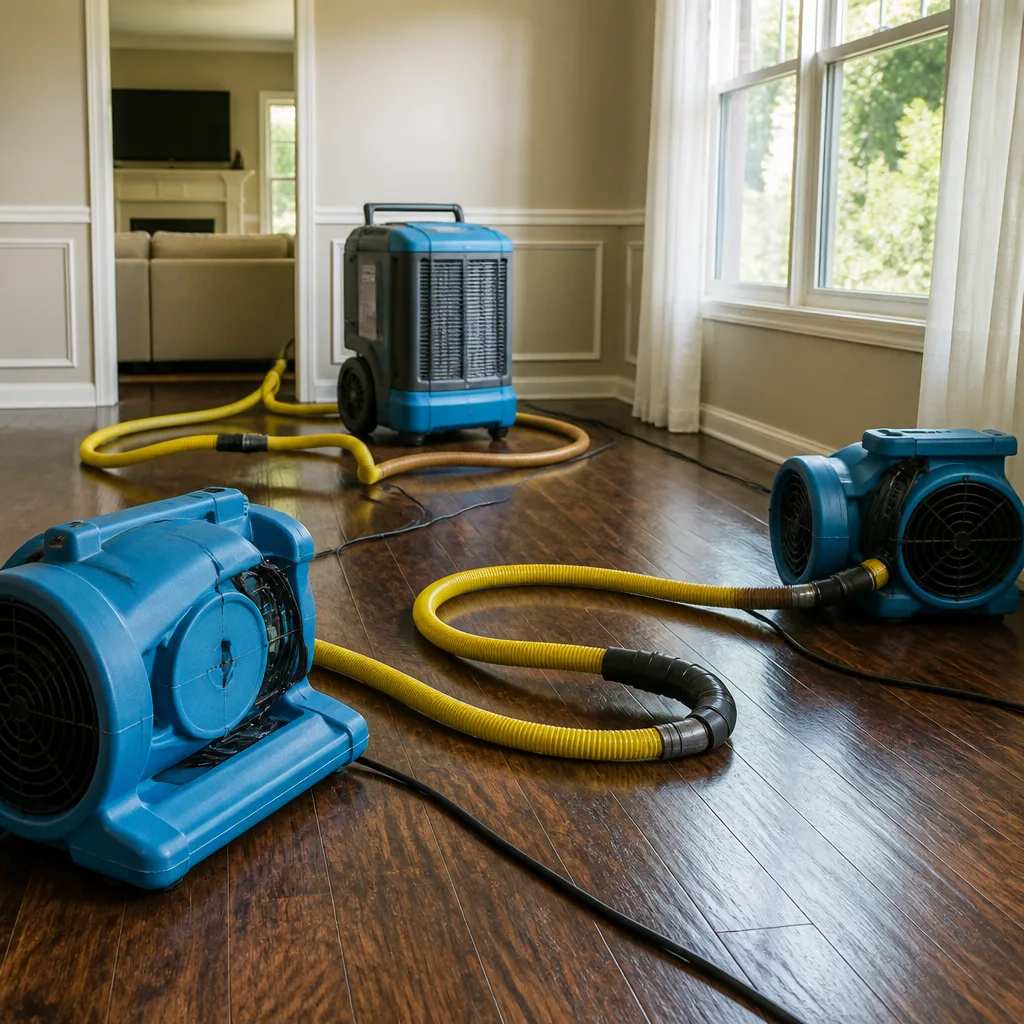
Dri-Eaz dehumidifiers and XPOWER air movers pull moisture from drywall, framing, and masonry. We log moisture readings daily in a written drying log you and your carrier can see. Stone foundations in Croton-on-Hudson take longer to dry than modern concrete, and the log proves when the dry standard is actually met, not assumed.
Cleaning & Sanitization
Affected surfaces get HEPA vacuuming and antimicrobial treatment. For horsehair plaster and original wood trim common in Croton-on-Hudson’s pre-war homes, we use cleaning methods that don’t destroy what can be saved.
Mold Removal & Material Disposal
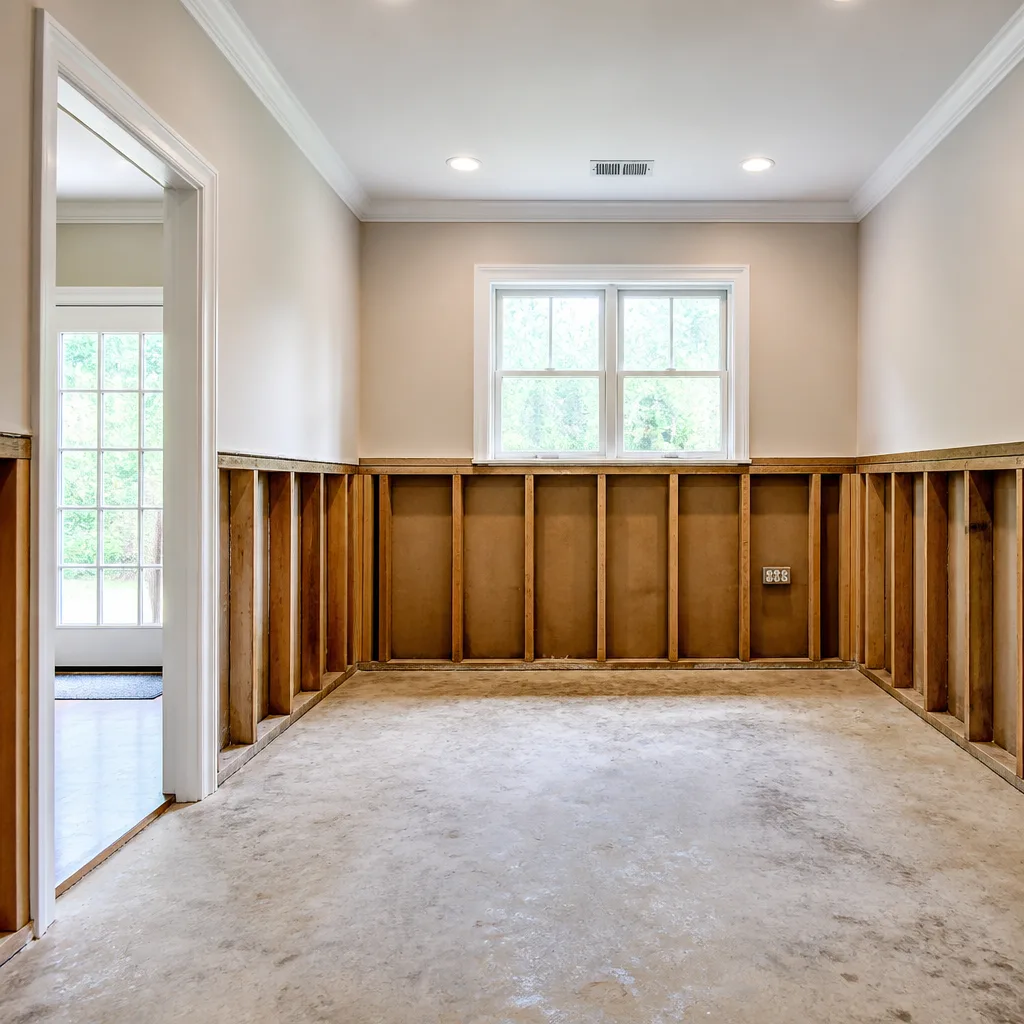
Materials that can’t be dried and cleaned, like waterlogged drywall or insulation that absorbed Category 3 water, come out under containment and get bagged and disposed of properly. We remove what must go and keep what can be saved.
Repairs & Restoration
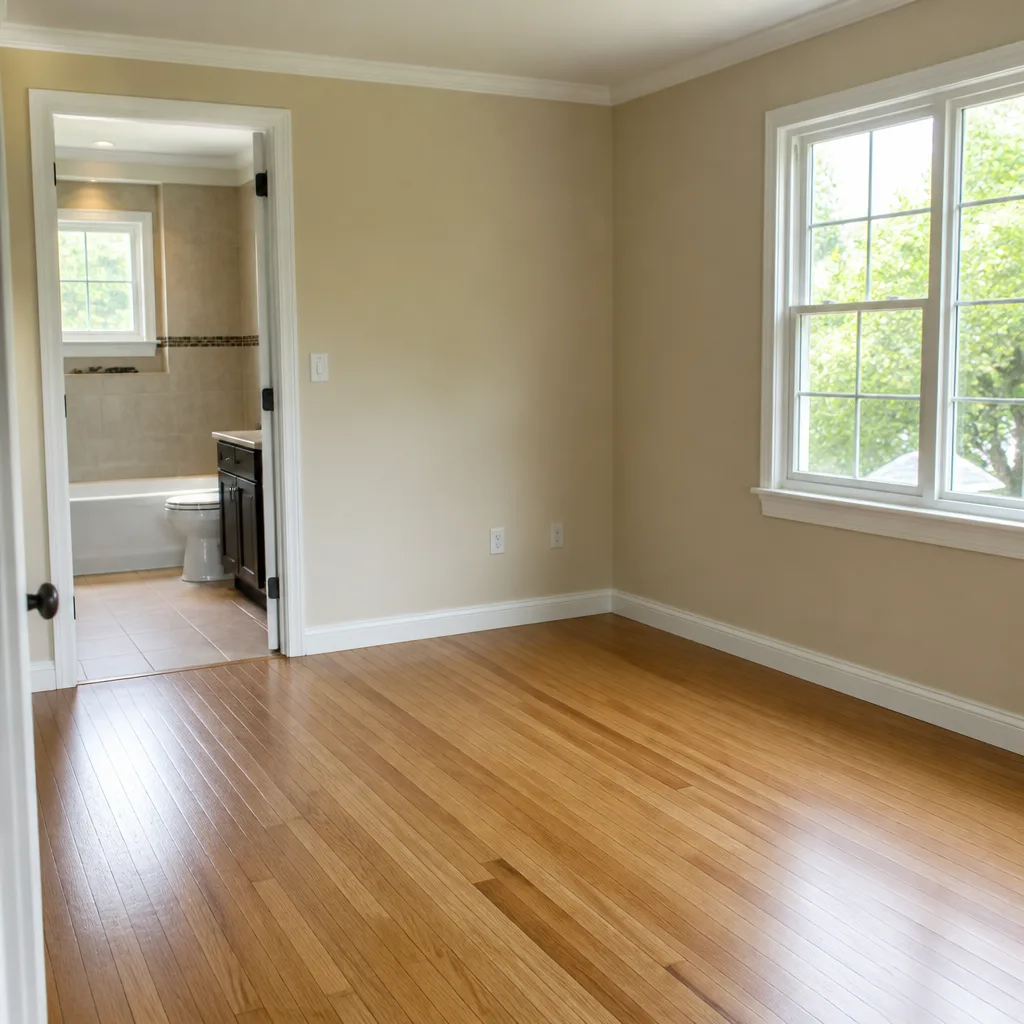
After the structure hits the dry standard and clearance testing confirms clean air, we rebuild what was removed. The same crew that read the moisture map on day one handles the reconstruction, so the project stays whole from first extraction to finished wall.
Need Emergency Mold Remediation in Croton-on-Hudson Now?
Crews minutes away, answering live 24 hours a day. The sooner we start, the less it costs.
Working With Your Insurance Company
Insurance is almost always part of a Croton-on-Hudson mold claim, and we handle that side of the job as carefully as the remediation itself. From the first hour on site, we photograph every affected room, log moisture readings, and write a line-item scope of work that matches what your adjuster expects to see. We send documentation directly to your carrier and speak with the adjuster on your behalf. You don’t chase paperwork, and you don’t get stuck explaining to a claims office why a pre-WWII stone foundation takes longer to dry than a modern slab.
If your policy covers mold remediation as part of a covered water loss, like a burst pipe or a storm-related flood, direct billing means we invoice the carrier for the covered scope. You see the bill breakdown before we start, so there are no surprises. A square deal: that’s how Floodline Restoration Co. of Manhattan has worked since Curt Bowman founded the company.
What We Provide Your Insurer
- Thorough documentation of the loss
- Photos of all damage, room by room
- Moisture readings and drying logs
- A detailed, line-item scope of work
- Direct coordination with your carrier
Built for Croton-on-Hudson’s Loss Calendar
Croton-on-Hudson gets hit from two directions, and the calendar matters. January deep freezes burst supply lines in older, poorly insulated homes throughout the village. Spring thaw pushes groundwater into basements with rubble foundations, especially in lower-lying areas near the Croton River. Summer thunderstorms dump fast rain on the hillier inland terrain, and finished basements in mid-century split-levels near Route 9 and Croton Dam Road become total-loss candidates when sump pumps can’t keep up.
But the season that catches Croton-on-Hudson homeowners off guard is late summer and fall. Nor’easters and tropical remnants, from Irene in 2011 to Ida in 2021, push Hudson River storm surge up the Croton River, and the village’s position at the confluence means water rises from two directions at once. Properties near Croton Landing and the river mouth can look dry right after the storm passes, then flood 12 to 24 hours later when tidal backpressure peaks. That delayed surge is why experienced local crews schedule post-storm inspections the next morning, not the same evening. The real damage window in Croton-on-Hudson lags the weather event.
Mold Remediation Across Croton-on-Hudson’s Neighborhoods
The village isn’t one flood zone, and mold behavior changes block by block. Homes along the Croton River corridor near Croton Landing and the Metro-North station face the dual-river exposure: Hudson surge backing up the river, plus direct riverine flooding. Those basements see Category 3 water, and remediation there means full containment, material removal, and FEMA Special Flood Hazard Area compliance on the rebuild. We’ve worked bungalows near the river where the homeowner called the morning after a nor’easter because a delayed surge left standing water overnight, not the evening before.
Up the hill, the pre-WWII arts-and-crafts homes and Victorians near Grand Street and Old Post Road deal with a different problem: freeze-thaw cycles and stone foundations that wick groundwater all spring. We see hidden mold behind horsehair plaster and inside rubble-stone joints where surface moisture readings look fine but the wall is still wet two feet up. Finished basements in the mid-century Capes and split-levels off Maple Street and farther inland near the Croton Dam end of the village dry differently again; drywall and insulation hold water, and a few hours of flooding means the lower wall sections usually come out.
After a nor’easter, our crew handled a mold remediation in a pre-WWII bungalow near Croton Landing. The homeowner called us the morning after the storm because a delayed surge from tidal backpressure had left standing water in the basement overnight. We set up containment and used Dri-Eaz dehumidifiers and XPOWER air movers to hit structural drying targets, and because the basement had been finished with drywall, we removed all affected materials under Category 3 protocols and applied antimicrobial treatment to the original stone foundation before rebuilding. That’s Croton-on-Hudson work, and it’s not a template from another town.
Specialized Mold Remediation Services We Offer in Croton-on-Hudson
Mold Inspection & Testing
Before any remediation, you need to know what you’re actually dealing with. In Croton-on-Hudson, where delayed flooding and stone foundations create hidden moisture, a visual walkthrough isn’t enough. We inspect wall cavities with thermal imaging, take moisture readings on foundation walls, and recommend air or surface sampling when a pre-war home has a musty smell but no visible mold. The report tells you the honest scope, not a scare story.
Mold Removal
For confirmed mold growth, we remove affected materials under containment, HEPA-vacuum surfaces, and treat structural wood and masonry. Croton-on-Hudson’s older homes often have original plaster and trim worth saving, so our crews clean what can be saved and remove only what can’t. That matters when you’re living in a 1920s bungalow near the river, not flipping a spec house.
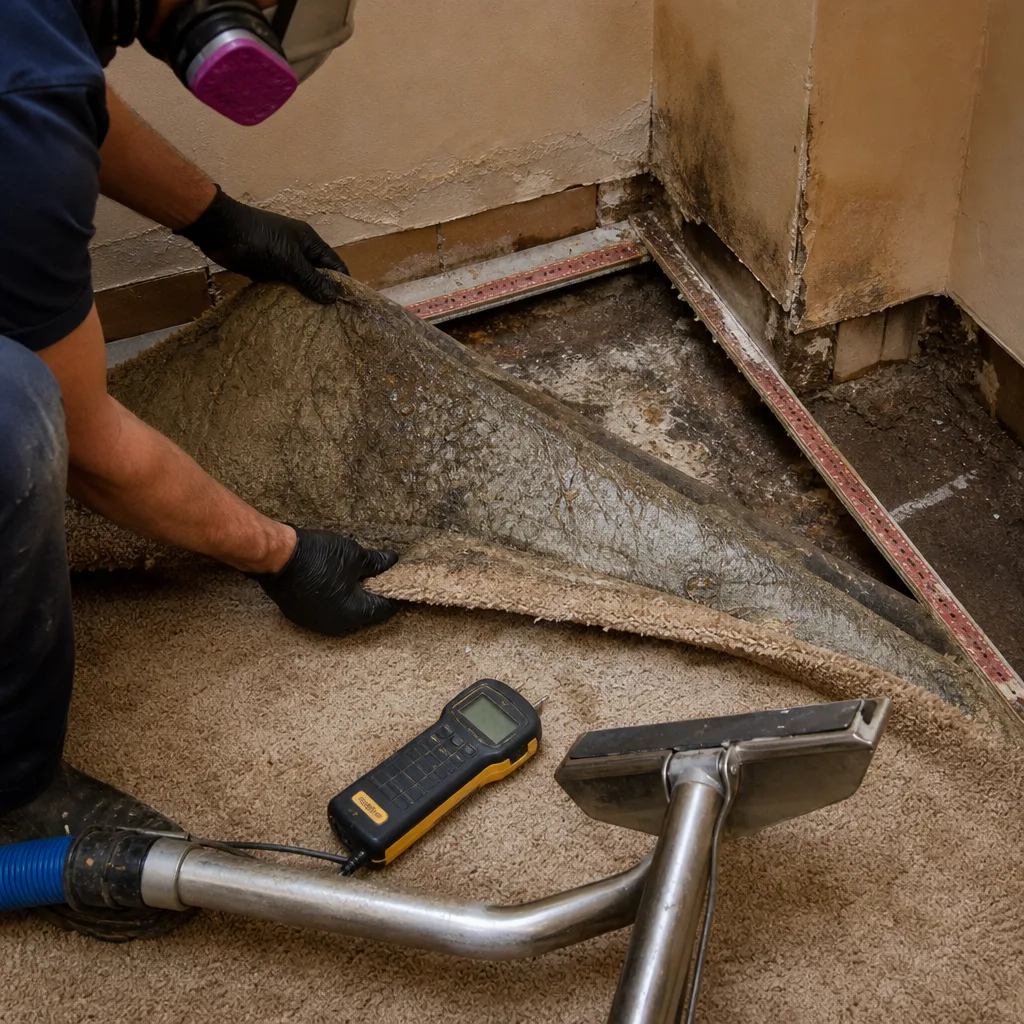
Black Mold Remediation
Stachybotrys, the mold people call “black mold,” grows where materials stay wet for days, which is exactly what happens in a Croton-on-Hudson basement after a delayed tidal surge or a spring seepage season. We handle black mold with full containment, negative air pressure, and clearance testing before anyone re-enters the space. No shortcuts on a Category 3 job.
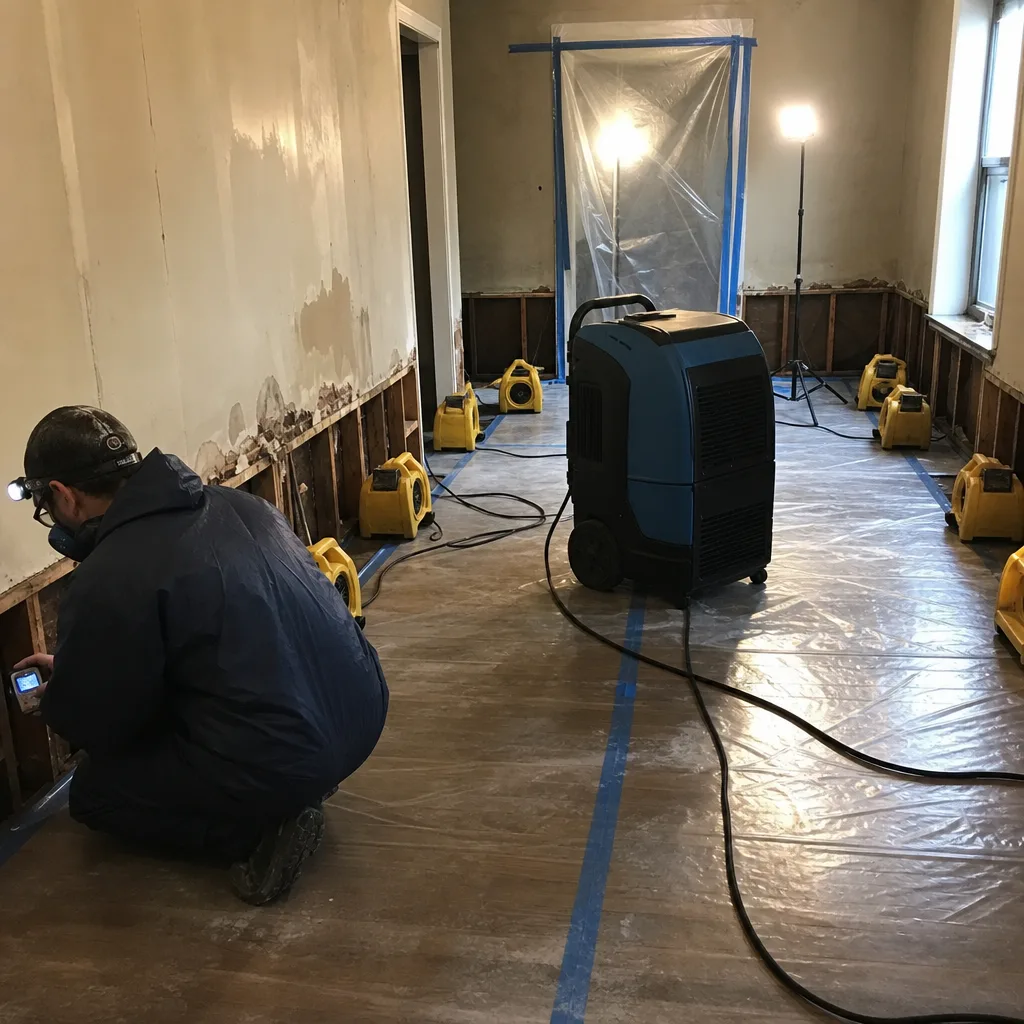
Air Quality Restoration
After a flood or a long-term humidity problem, mold spores settle into ductwork, carpet, and wall cavities even where you can’t see growth. We run HEPA air scrubbers during remediation and can clean or replace affected HVAC components. For Croton-on-Hudson homes near the river, where humidity is a year-round issue, we’ll also talk to you about dehumidification as a long-term fix, not a band-aid.
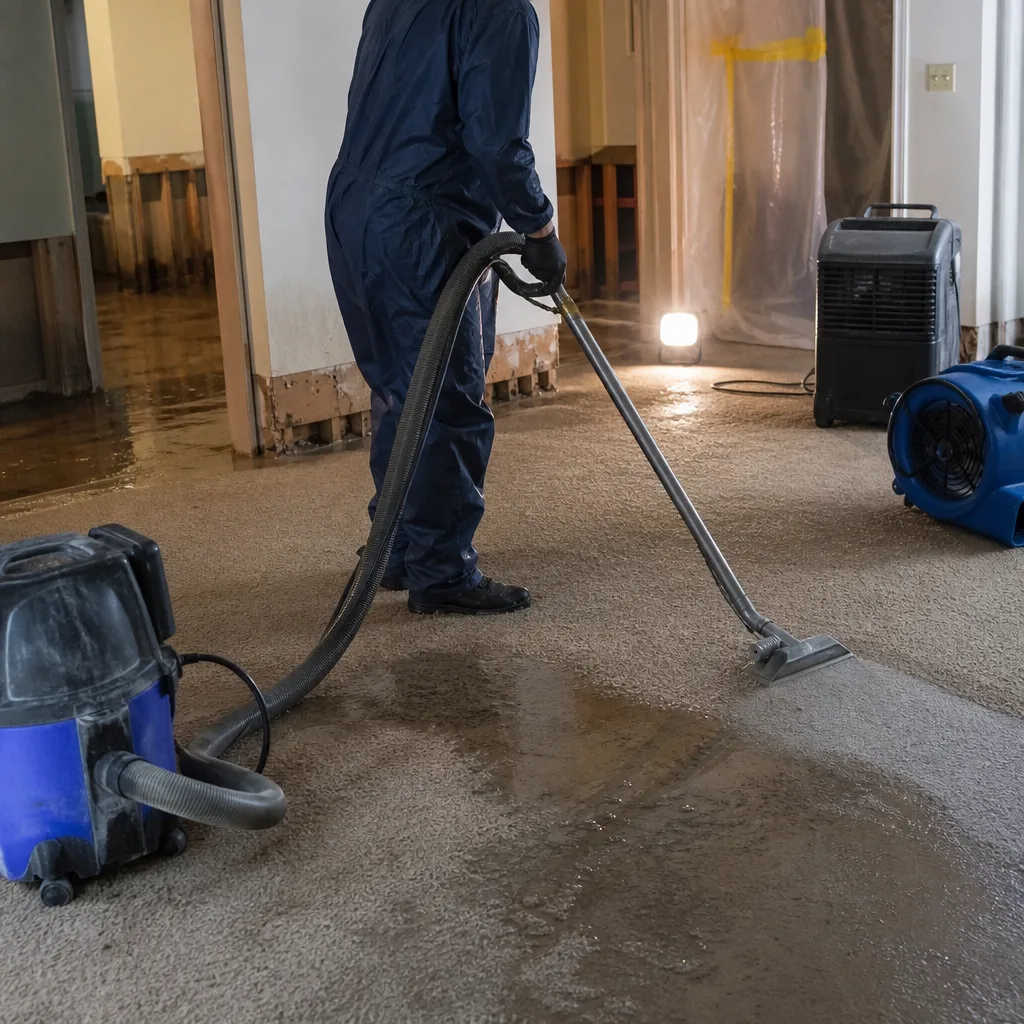
Crawl Space Treatment
Many Croton-on-Hudson Capes and split-levels have crawl spaces over dirt or rubble, and the Hudson River corridor’s persistent humidity turns those spaces into mold incubators. We install vapor barriers, seal vents where appropriate, and run dehumidification to bring the space to a stable dry standard. A dry crawl space protects the rest of the house, and it’s one of the most cost-effective mold preventions we do in this village.
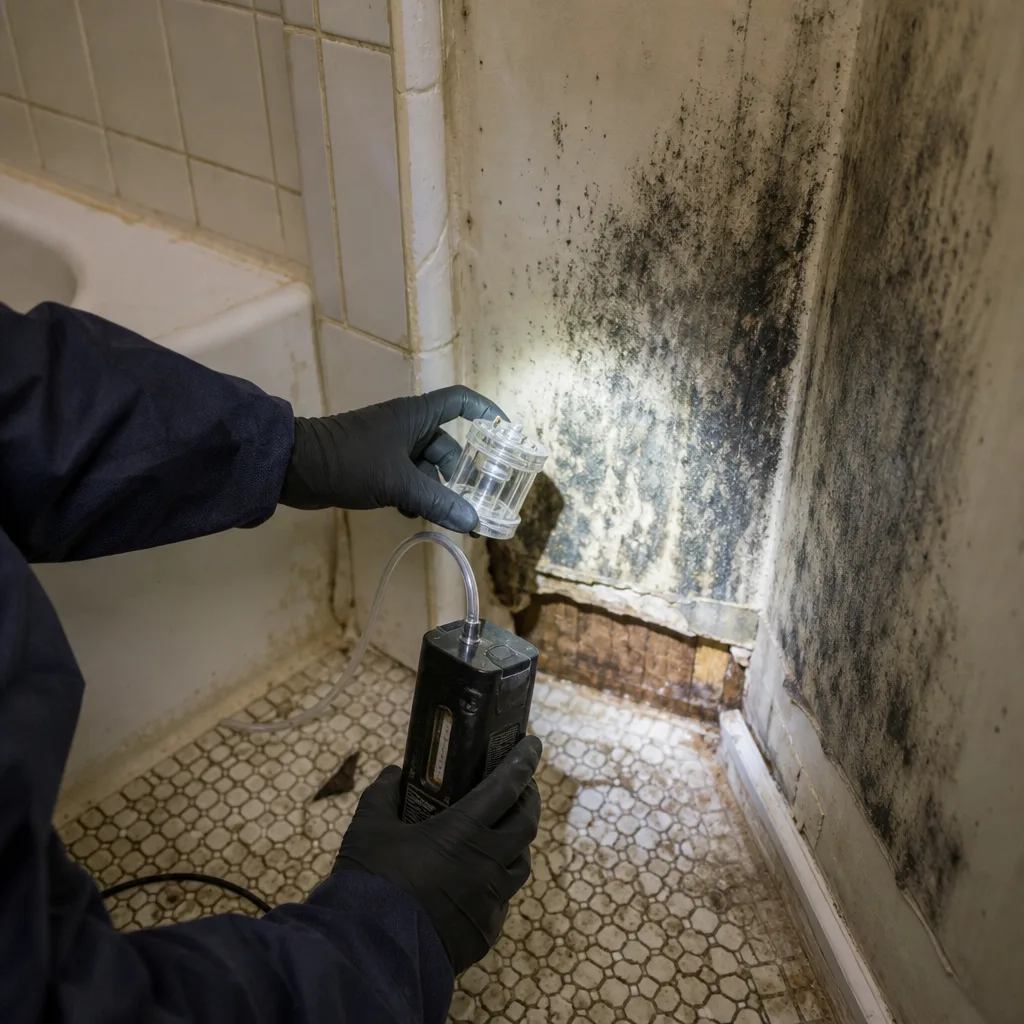
What happens when you call
- 1
A real person answersNo phone trees - you reach a local pro.
- 2
You get an upfront price rangeHonest numbers before anyone is dispatched.
- 3
A background-checked tech heads outLicensed & insured, dispatched right away.
- 4
You approve before work beginsNothing starts until you say go.
Mold Remediation Costs in Croton-on-Hudson, NY
Mold remediation in Croton-on-Hudson runs from about $1,800 for a small, contained crawl space treatment up to $6,500 or more for a full basement remediation after a Category 3 flood event. Here’s what moves the price:
- Mold Inspection & Testing: $250-$600 for thermal imaging, moisture mapping, and air or surface sampling in a typical Croton-on-Hudson home.
- Crawl Space Treatment: $1,500-$3,500 depending on square footage, vapor barrier installation, and whether drainage or sealing is needed.
- Contained Mold Removal (10-30 sq ft): $1,800-$4,000 including containment, HEPA air scrubbing, and material removal.
- Full Basement Remediation (Category 3 flood): $4,000-$6,500+ when drywall removal, stone foundation treatment, extended drying, and clearance testing are required.
The biggest variables are square footage, whether the water that started the mold was Category 2 or Category 3, and whether your Croton-on-Hudson foundation is stone or modern concrete. Insurance often covers remediation that follows a covered water loss, and we bill the carrier directly. If you’re paying out of pocket, the free visual inspection gives you a firm written scope and a square price before any work starts. Call (917) 924-4221 and we’ll walk the property with you.
We Also Serve Cities Near Croton-on-Hudson
Our crews cover the neighboring communities of Croton-on-Hudson and the surrounding area, including Fairview, Harrison, East Bronx, and Hunts Point. If you’re in a nearby village or neighborhood and dealing with mold after a flood or a slow leak, the same certified team that handles Croton-on-Hudson’s river-confluence properties can be at your door. One call reaches a live dispatcher, and the Mold Remediation team serves the whole region.
Serving Croton-on-Hudson, NY - Our Local Coverage Area
We’re based in the Croton-on-Hudson area and know this community well. Use the map below to see our service coverage - if you’re nearby, we can almost certainly help.
Croton-on-Hudson Mold Remediation Questions, Answered
Why does Croton-on-Hudson have mold problems after hurricanes even when the basement looks dry right after the storm?
Because tidal backpressure on the Croton River can delay flooding by 12 to 24 hours after the storm passes. Hudson River surge pushes water back up the Croton, and low-lying properties near the confluence flood from two directions at once. The basement that looks dry the evening after the rain can have standing water by the next morning. That overnight window is when mold starts moving. If you’re near Croton Landing or the river mouth, schedule a post-storm inspection the next day, not the same evening. Call (917) 924-4221 and we’ll check it properly.
How do I know if the water in my Croton-on-Hudson basement is safe to dry, or if we need to remove materials?
If the water came from a Croton River confluence event, where Hudson surge mixed with river water, it’s almost always Category 3 black water, not Category 2 grey. Category 3 water carries sewage, river contaminants, and bacteria, so drying in place spreads contamination and mold. We assess the water source, check for backflow, and if it’s Category 3, we remove affected drywall, insulation, and carpet under containment. Drying in place on a Category 3 job is the most common mistake we see. The honest answer comes from the water source, not the water’s appearance. Call us and we’ll tell you straight.
What makes old stone foundations in Croton so much slower to dry after a flood and more likely to grow mold?
Rubble and stone foundations in Croton-on-Hudson’s pre-WWII homes have mortar joints and uneven surfaces that hold water far longer than poured concrete. Water wicks upward through the masonry, so the foundation can stay wet two or three feet above the floor line even after the visible water is gone. That retained moisture keeps the relative humidity high in the basement, and mold grows inside wall cavities and behind plaster. Extended drying with daily moisture readings is the only way to know when the stone actually hit the dry standard. Surface-dry isn’t dry. Our drying logs prove it, for you and your carrier.
Do I need to worry about mold in my finished basement if it only flooded for a few hours during a nor’easter?
Yes, and the reason is Croton-on-Hudson’s delayed surge pattern. A few hours of standing water from a tidal backpressure event can saturate drywall and insulation, which then stay wet for days inside the wall cavity. Mold begins colonizing within 24 to 48 hours of a water event. If the water was Category 3, even a few hours means the lower drywall sections and insulation need to come out, not just dry. If the water was Category 2 from a burst pipe, we can often save more. The only way to know is a moisture inspection. We do that free for Croton-on-Hudson homeowners.
Is crawl space mold from Croton-on-Hudson humidity different from mold after a flood?
The mold species can be different, but the bigger difference is the moisture source. Crawl space mold in Croton-on-Hudson comes from persistent humidity in the Hudson River corridor and often grows slowly on floor joists and subflooring. Flood mold comes from a single saturation event and tends to colonize faster and more broadly. Crawl space mold usually responds well to vapor barriers, sealing, and dehumidification. Flood mold typically requires containment, material removal, and antimicrobial treatment. We treat both, but the process starts differently.
How fast can someone actually get to my Croton-on-Hudson home?
We commit to a 45-minute response time for Croton-on-Hudson calls, and a live dispatcher answers 24/7, including 2 a.m. after a nor’easter. Extraction can start on the same visit, and for water-related mold, that speed matters. The faster we start drying and containment, the less material comes out and the lower the final cost. Call (917) 924-4221 and a real person picks up.
Will my insurance cover mold remediation in Croton-on-Hudson?
It depends on your policy and the water source that caused the mold. Most homeowners policies cover mold remediation when it’s the result of a covered loss, like a burst pipe or a storm-related flood. Some policies have mold sub-limits. We document every room with photos, log moisture readings, and provide a line-item scope your adjuster can read. We bill the carrier directly and talk to the adjuster on your behalf. The honest answer comes after we see your policy and the damage, and the free inspection gives you the information to file a legitimate claim.
What should I do in the first 30 minutes after I discover mold or standing water in Croton-on-Hudson?
Call (917) 924-4221. Then, if it’s safe, shut off electricity to the affected area and don’t walk through standing water from a Croton River surge; it may be Category 3. Don’t run a household fan to dry the area, because that can spread mold spores into clean rooms. Don’t disturb visible mold. Keep doors closed to contain the spores. A live dispatcher will guide you through the next steps and get a crew moving to your address.
Written by Curt Bowman, Owner at Floodline Restoration Co. of Manhattan, serving Croton-on-Hudson since 2010.