

Free visual inspection and a written scope of work before any mitigation begins - photos, moisture readings, and drying logs go in your claim file
The scope we write is the scope we bill. Anything new gets shown to you, in writing, before we touch it.
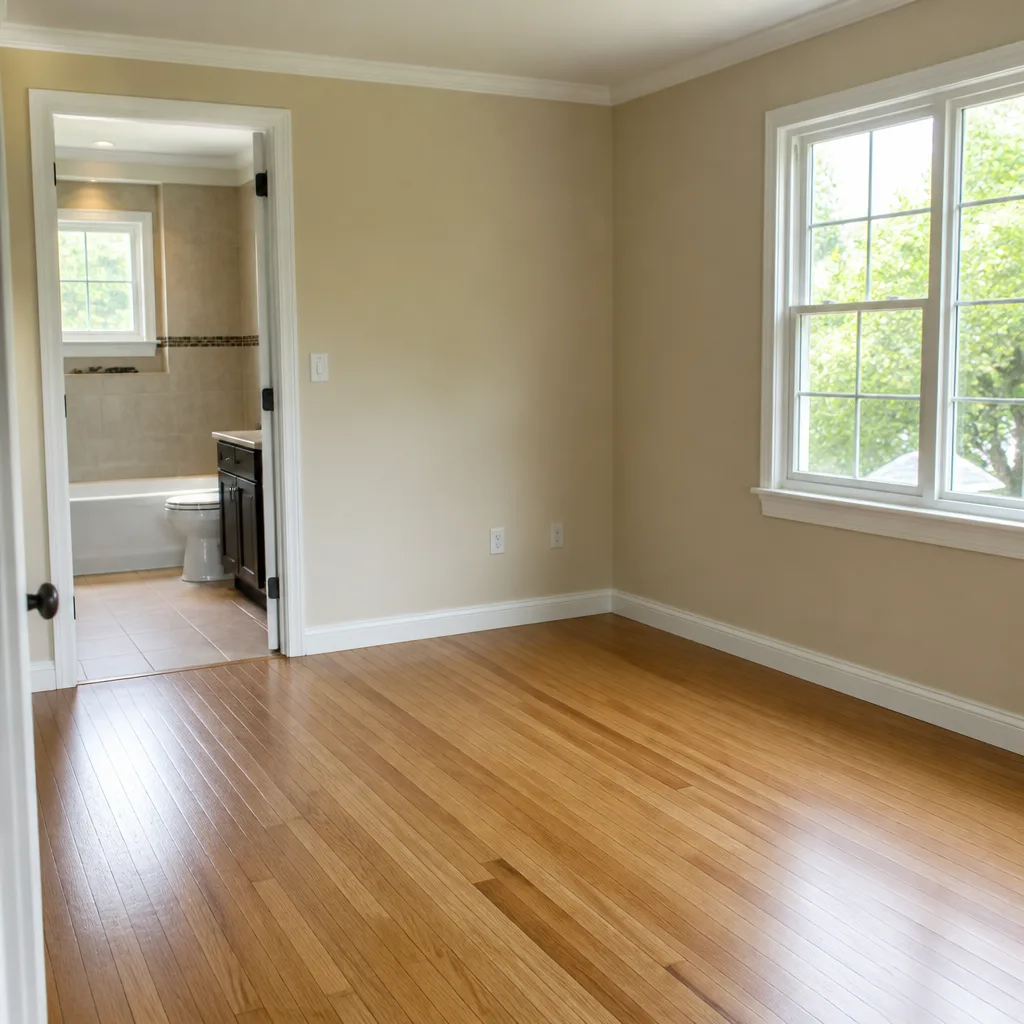
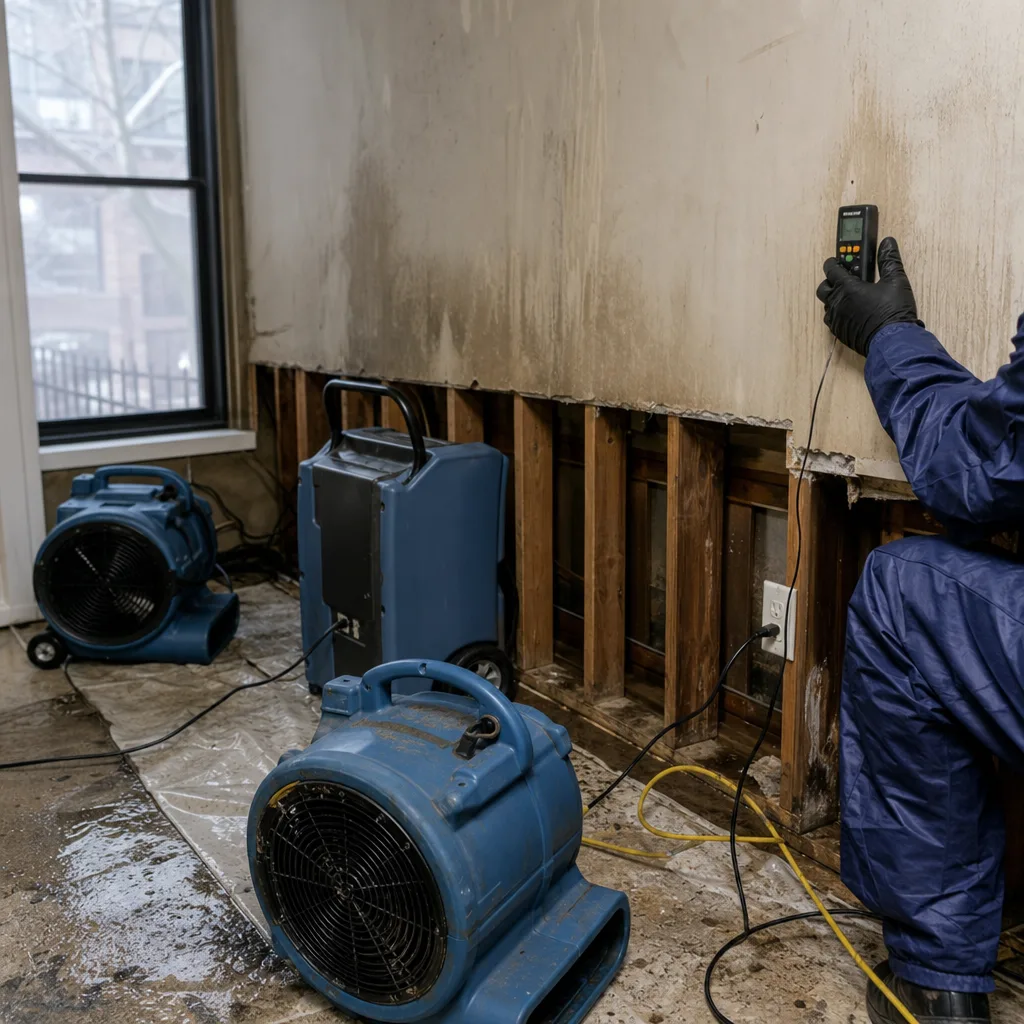 Before
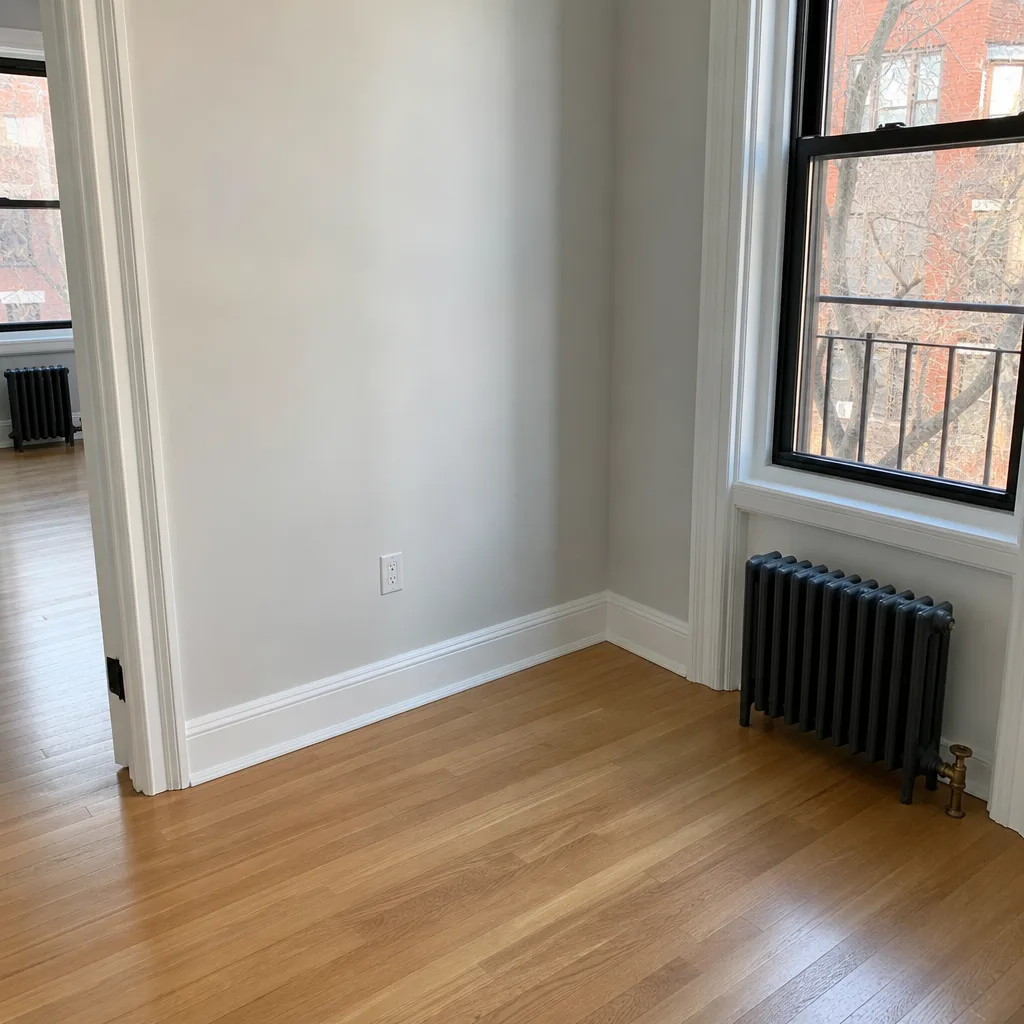 After
After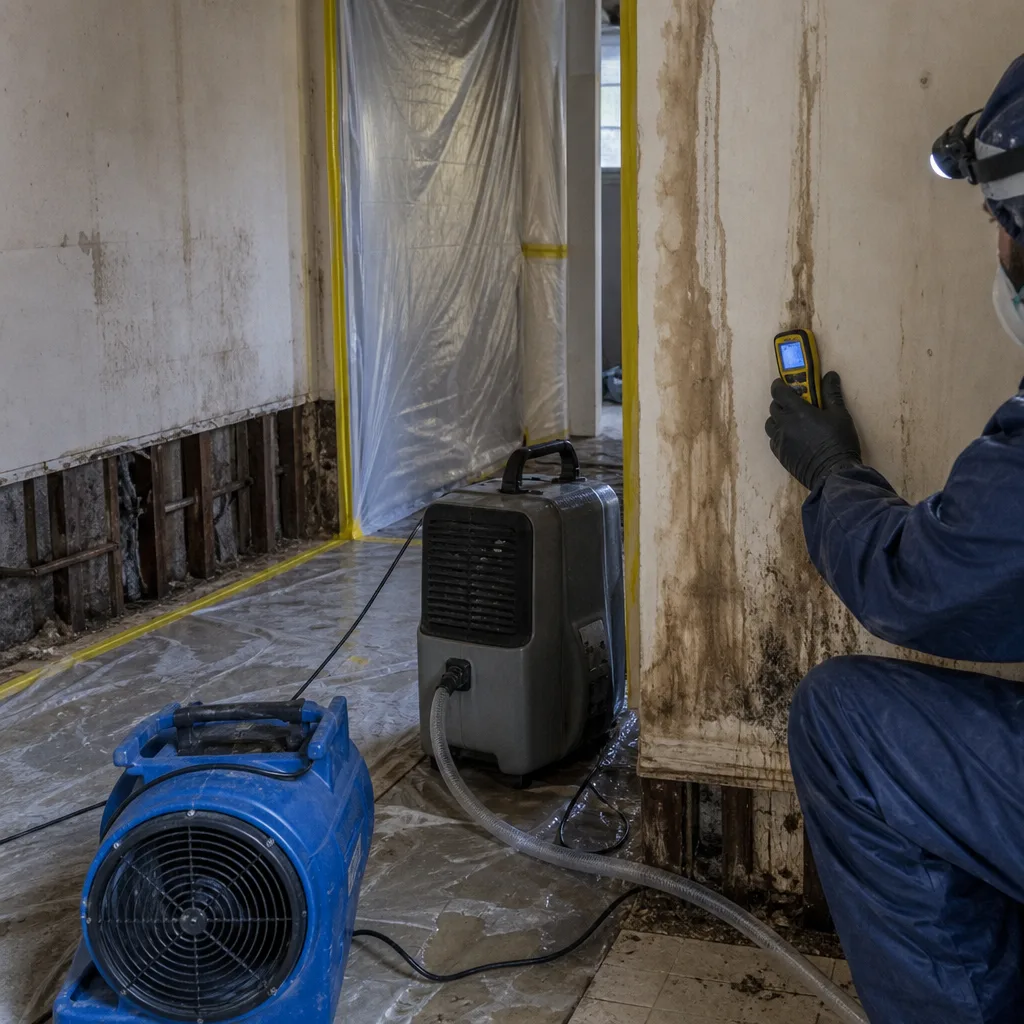 Before
 After
After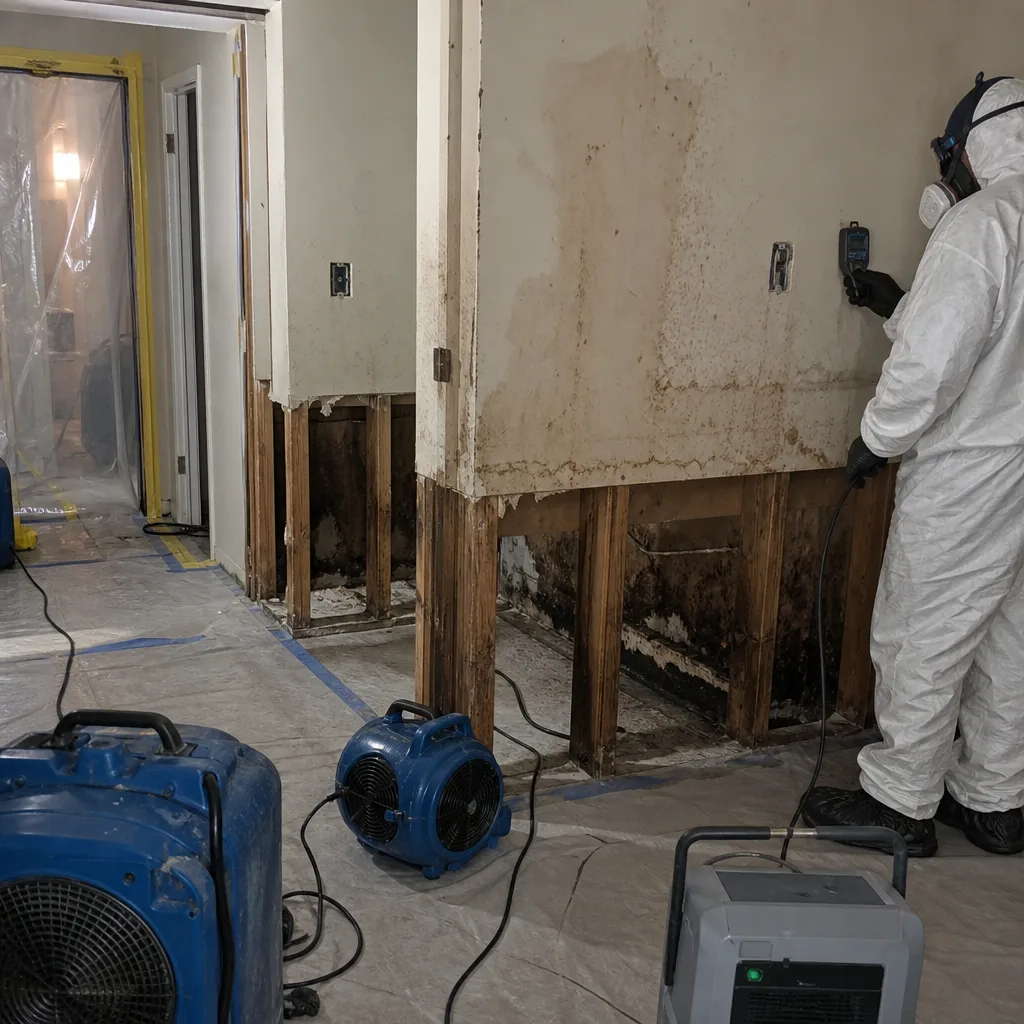 Before
 After
After24/7 Emergency Mold Remediation in Kew Gardens Hills
Mold remediation in Kew Gardens Hills typically costs $1,800 to $6,500 depending on how far the growth has spread behind plaster walls and through shared masonry, and most jobs are underway within 45 minutes of your call. If you’re seeing black staining creeping up a basement wall or catching a musty smell after every rain, call (917) 924-4221 right now. A live dispatcher answers at 2 a.m., and a certified crew can be on site inside Kew Gardens Hills the same hour. The first hour matters because trapped moisture behind 1950s plaster-over-lath keeps feeding the colony even after the visible surface looks dry.
Understanding Mold Remediation Severity in Kew Gardens Hills Properties
We classify every mold job by water category first, because mold is a symptom of water, and Kew Gardens Hills housing stock makes that diagnosis harder than most. Category 1 is clean water from a supply line; Category 2 is gray water with some contamination; Category 3 is black water, carrying sewage, pathogens, and the worst mold fuel. In Kew Gardens Hills, the city’s combined sewer laterals were sized for mid-century rainfall, not today’s storm intensities, so a single heavy nor’easter pushes raw sewage back through basement floor drains. That’s Category 3, and it saturates plaster-over-lath walls, slab-on-grade foundations, and the shared party walls between attached brick row houses.
Mold severity in these homes is not just about square footage. A 1945 semi-detached colonial with a slow plumbing leak behind original plaster will hold moisture for weeks longer than a modern drywall build. That hidden moisture feeds Stachybotrys and Aspergillus colonies behind the surface, where you cannot see them. Our techs use moisture mapping with thermal imaging and hygrometers before touching anything, because the visible stain is rarely the whole colony.
Why Kew Gardens Hills Property Owners Choose Floodline Restoration Co. of Manhattan
- 45-minute response commitment - crews are dispatched from the metro office directly into Kew Gardens Hills, with live tracking from the moment you hang up.
- 24/7 live answer, always a person - no automated phone tree, no “leave a message.” A dispatcher picks up at two in the morning and knows the neighborhood.
- IICRC-certified crews - our techs hold current WRT, FSRT, and AMRT certifications and work under IICRC S520 mold remediation standards, not a loose guess.
- Free visual inspection and moisture mapping - before any work is quoted, we find the water source. No charge for the assessment that tells you what you actually need.
- Direct insurance billing - you never play messenger between us and your carrier. We document, we file, we talk to the adjuster.
- One team from first containment to finished rebuild - the same Floodline crew that sets up air scrubbers on day one handles the reconstruction, so nothing gets handed off mid-job.
Our Mold Remediation Process
Inspection & Assessment
We start with thermal imaging and hygrometer readings across the affected area, then trace moisture through walls, floors, and the adjoining party wall. In Kew Gardens Hills attached row houses, the water source is often on the neighbor’s side, and missing that means a re-bloom in weeks.
Containment & Stabilization
We set negative-air containment with HEPA air scrubbers before disturbing any mold-bearing material. This keeps spores from drifting into bedrooms, kitchens, and shared stairwells of attached homes.
Drying & Dehumidification
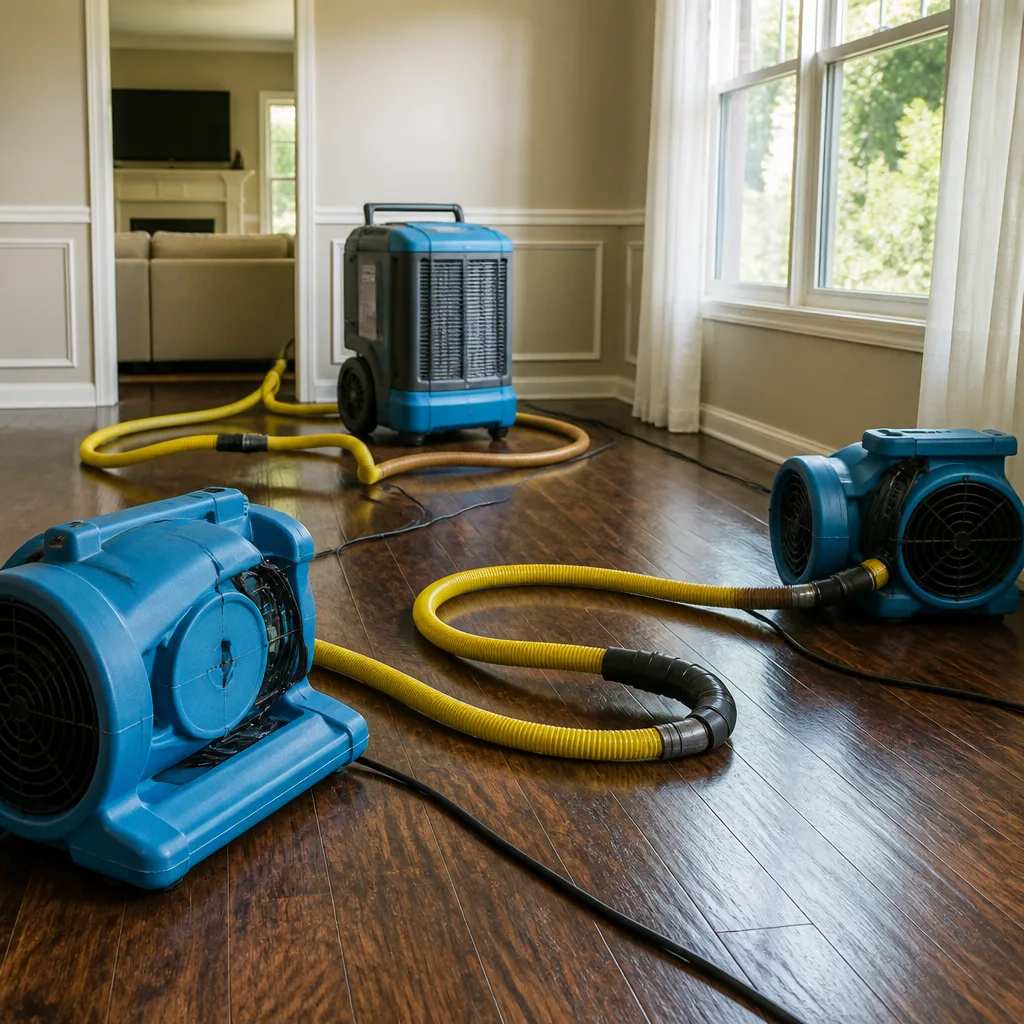
Phoenix and Dri-Eaz dehumidifiers paired with XPOWER air movers run continuously, with daily moisture readings logged until every material reaches dry standard. Plaster-over-lath takes longer, so we extend monitoring on these 1950s homes rather than pulling equipment early.
Cleaning & Sanitization
Antimicrobial treatment and HEPA vacuuming remove spores from framing, plaster, and stored belongings. For Category 3 sewage backups, we follow full IICRC protocols for black-water contamination before any rebuild can start.
Air Quality Restoration
HEPA air scrubbers run through the active work and continue until post-remediation air sampling confirms spore counts are back to normal background levels for Kew Gardens Hills.
Repairs & Restoration
The same crew replaces affected plaster, insulation, and framing, then rebuilds finished basements and walls to match the original construction. There’s no handoff to a stranger and no second crew learning the job from scratch.
Need Emergency Mold Remediation in Kew Gardens Hills Now?
Crews minutes away, answering live 24 hours a day. The sooner we start, the less it costs.
Working With Your Insurance Company
Insurance gets complicated fast when mold is involved, and in Kew Gardens Hills the complication doubles when the water source is a shared sewer lateral or a neighbor’s supply line. We handle the claim from the first hour. Our techs photograph every stage, from the initial stain to the final dry-wall patch, and we provide moisture logs, daily drying records, and a line-item scope of work that your adjuster can read without a translator. Curt Bowman launched Floodline Restoration Co. in 2010 around a simple idea: the homeowner should never play messenger between the crew and the carrier. We bill your insurer directly and stand behind the result with a written guarantee.
What We Provide Your Insurer
- Thorough documentation of the loss
- Photos of all damage, room by room
- Moisture readings and drying logs
- A detailed, line-item scope of work
- Direct coordination with your carrier
Built for Kew Gardens Hills’s Loss Calendar
Kew Gardens Hills gets hit in waves, and the calendar repeats itself every year. January and February bring deep freezes that burst aging cast-iron supply lines inside unheated crawl spaces and behind party walls. March and April thaw floods the flat drainage basin as snowmelt has nowhere to infiltrate through the impermeable streets and driveways, so it pushes up through slab-on-grade basement floors. July and August deliver cloudburst thunderstorms that overwhelm the combined sewer system in minutes, sending Category 3 black water into finished basements within a two-block radius. And September through November, nor’easters drop enough rain in hours to back up the same undersized laterals that flooded in summer. We schedule our equipment inventory around that rhythm, because when one Kew Gardens Hills block floods, the calls come in clusters, not one at a time.
Mold Remediation Across Kew Gardens Hills’s Neighborhoods
The housing stock changes block by block, and so does the mold pattern. Along 72nd Road and 73rd Avenue near Main Street, the 1950s brick row houses share party walls, so a slow leak in one unit’s bathroom supply line feeds mold that travels through micro-cracks in the masonry into the adjoining home. We regularly set containment on both sides of the wall before opening anything. On Vleigh Place and 141st Street, the semi-detached colonials have shallow basements with slab-on-grade floors, where rising ground moisture keeps humidity high enough to support mold even without a plumbing failure. Over on 150th Street near Parsons Boulevard, the mid-century garden apartment complexes present a different challenge: shared mechanical chases and stacked wet walls mean a unit on the third floor can be the moisture source for mold found in the first-floor ceiling. And around Main Street and Union Turnpike, the older mixed-use buildings carry decades of deferred maintenance in their cast-iron drain lines, so we expect the unexpected behind kitchen walls.
Kew Gardens Hills sits in a flat drainage basin, and the combined sewer laterals serving these tightly-packed streets were never sized for today’s rainfall. That means one heavy storm can generate Category 3 sewage backups in a cluster of basements within blocks of each other. Our dispatch board tracks call patterns, and when we see three backups on the same block on 72nd Road, we know more are coming. We stage equipment accordingly.
Specialized Mold Remediation Services We Offer in Kew Gardens Hills
Mold Inspection & Testing
We use thermal imaging, hygrometers, and air sampling to find the mold you cannot see. In Kew Gardens Hills attached row houses, we always check the party wall and the neighbor’s side of the shared masonry, because that is where the water source hides more often than not. Testing tells you exactly what species you are dealing with and whether the spore count is elevated above normal Queens background levels.
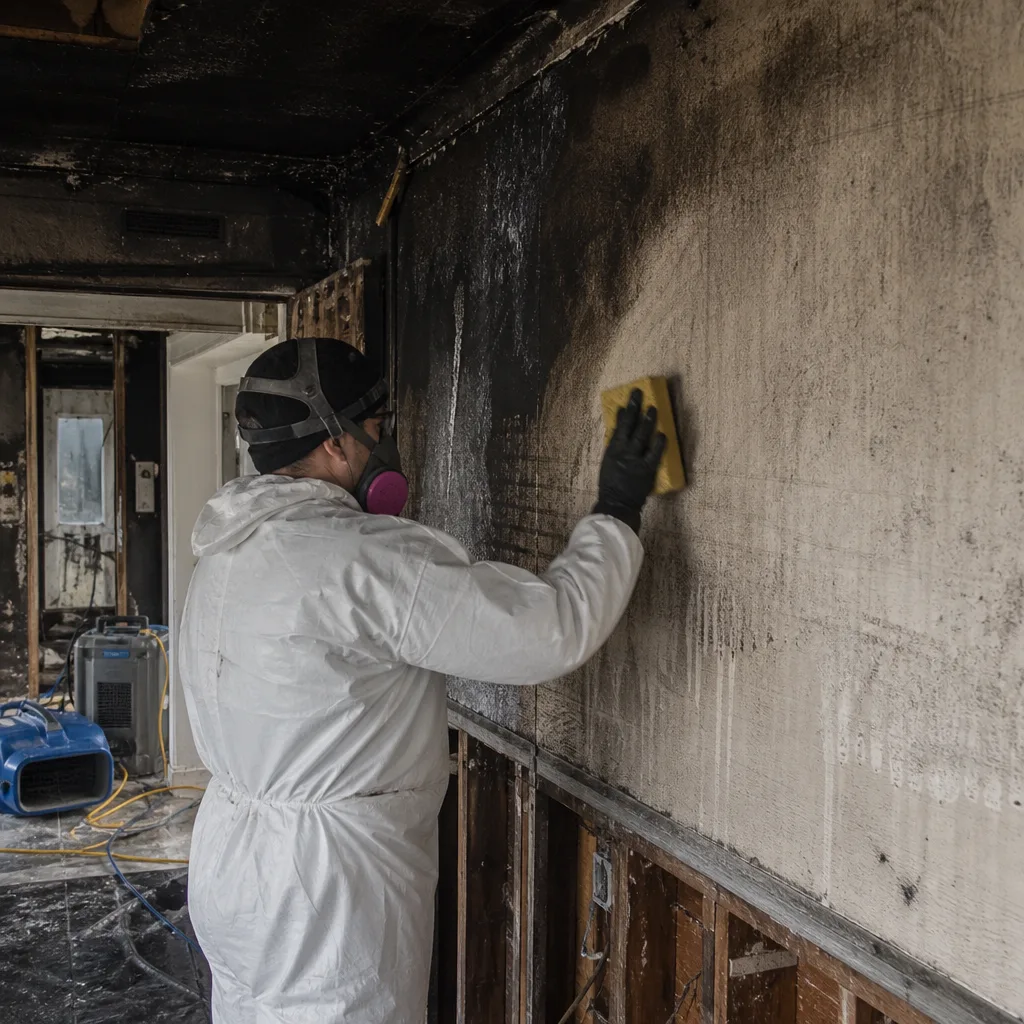
Mold Removal
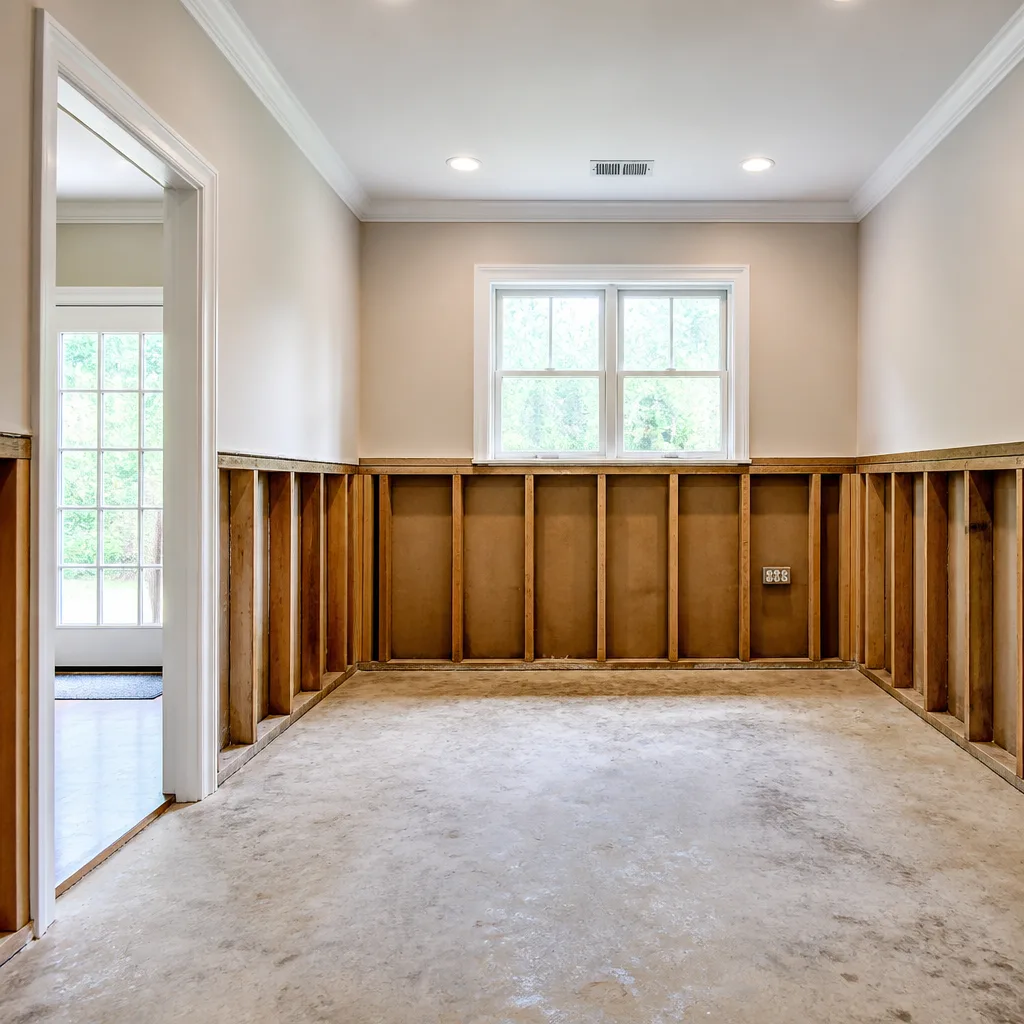
Physical removal of mold-bearing plaster, drywall, and insulation, done under HEPA-filtered negative air containment. In a 1950s Kew Gardens Hills home, that often means carefully opening original plaster-over-lath walls, removing the affected lath and plaster, and replacing the cavity with modern mold-resistant materials that match the original wall thickness.
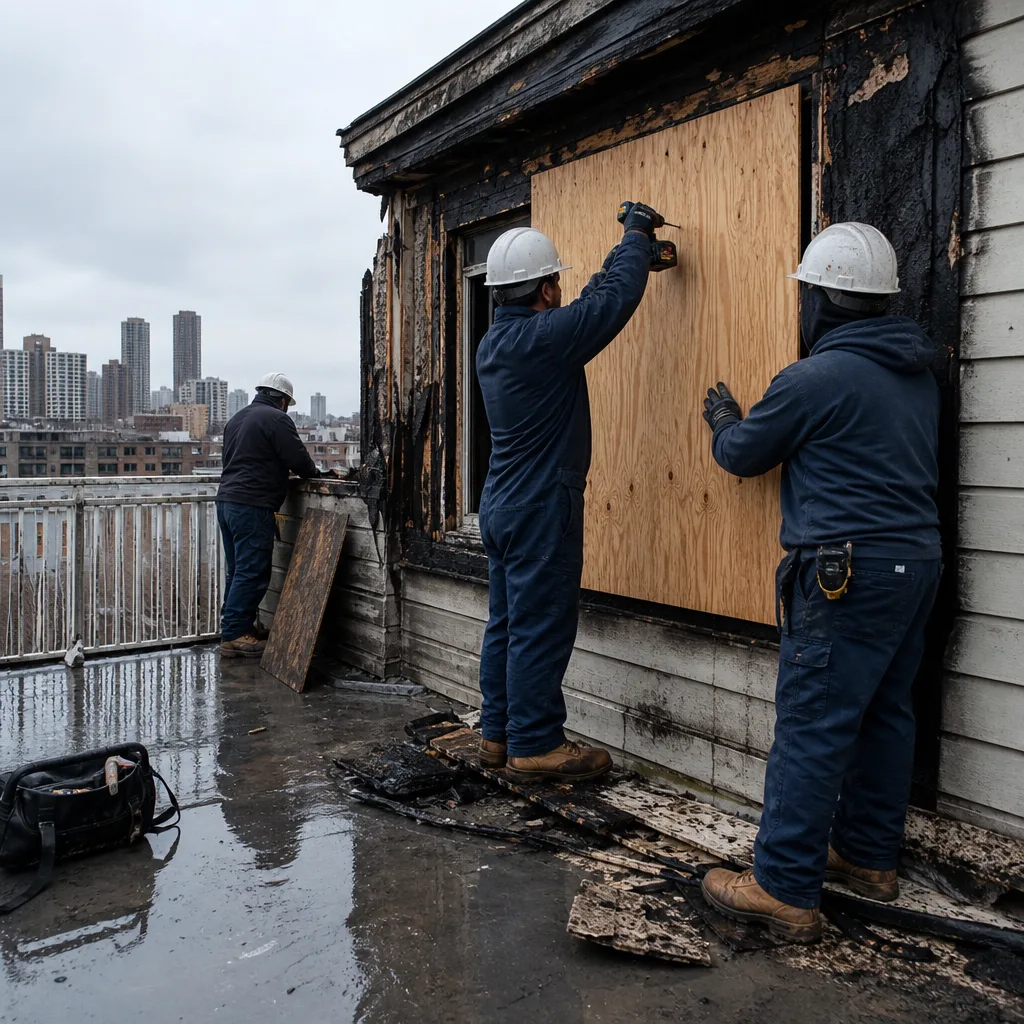
Black Mold Remediation
Stachybotrys chartarum, the black mold you read about, thrives in the chronically damp, low-ventilation conditions inside Kew Gardens Hills basements. We do not just kill the surface. We find the water source, remove the affected material, treat the framing with antimicrobial, and dry the cavity to standard before rebuilding. Skipping any one of those steps means it comes back.
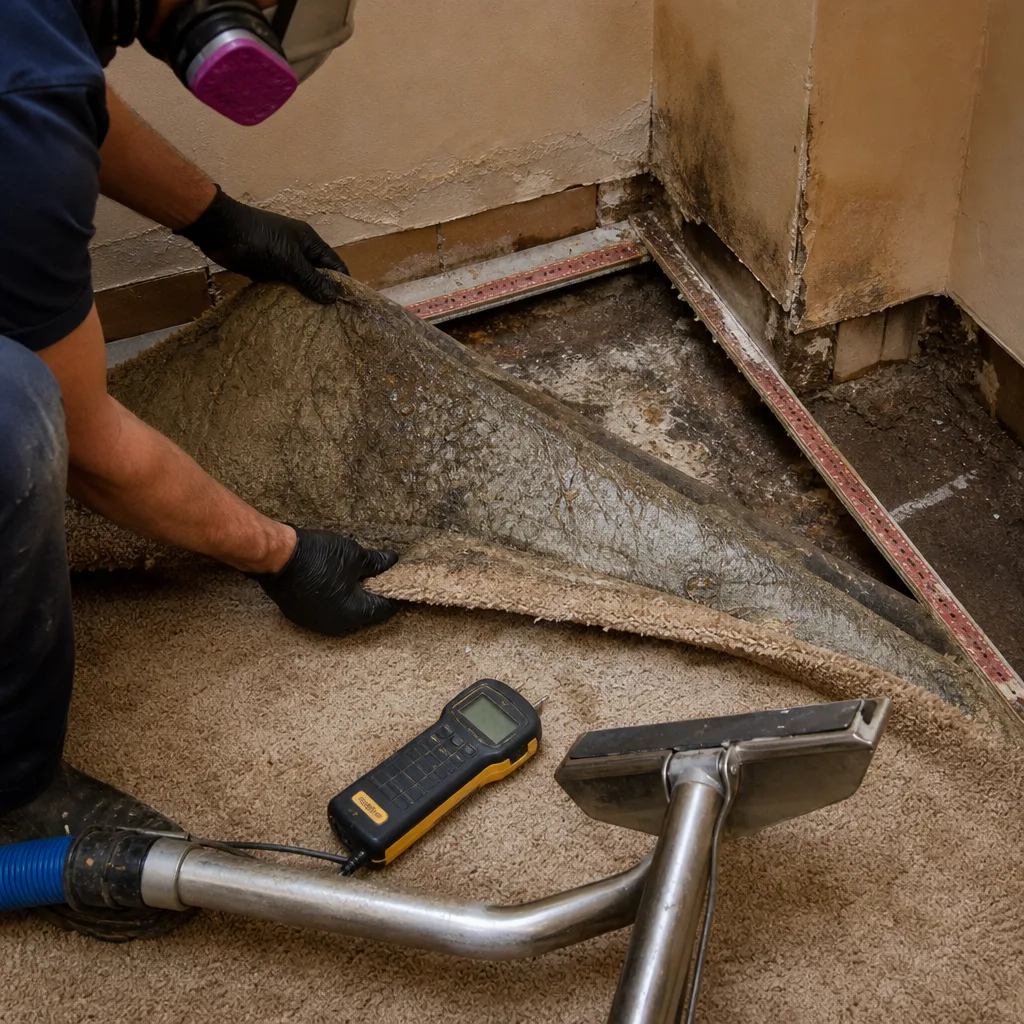
Air Quality Restoration
After physical remediation, HEPA air scrubbers run continuously to pull remaining spores from the air. We also address the humidity first. Kew Gardens Hills basements with slab floors and no vapor barrier feed mold through the air itself, and a dehumidifier sized for a drywall house will not keep a 1950s plaster basement dry. We size the equipment for the building, not the room.
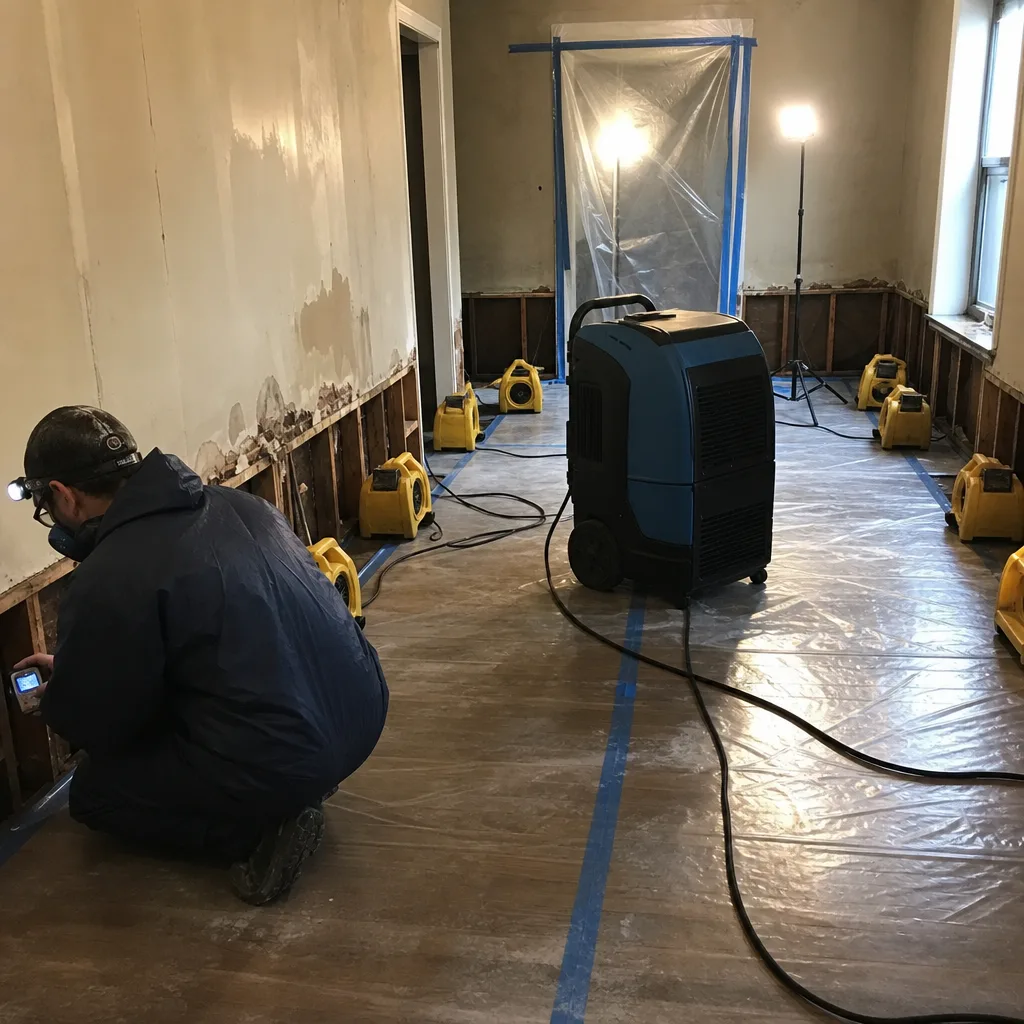
Crawl Space Treatment
Crawl spaces under Kew Gardens Hills homes are often barely 18 inches, with exposed dirt and aging joists. We remove mold from the structural framing, seal the earth with a vapor barrier, and add mechanical ventilation or a dehumidifier as the situation requires. This is a long-term fix, not a spray-and-pray coating.
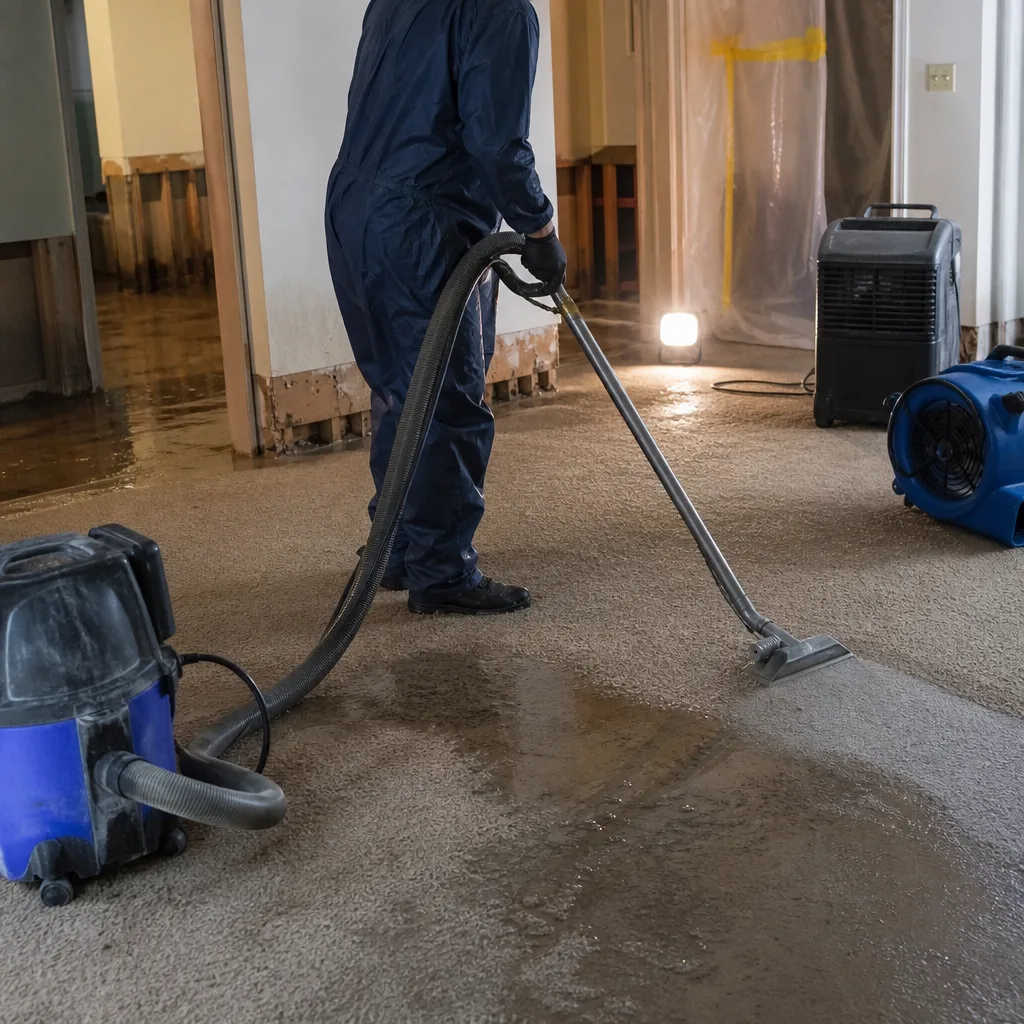
Moisture & Humidity Control
Most recurring mold in Kew Gardens Hills is a humidity problem wearing a mold costume. We install permanent dehumidification systems sized for the square footage and the home’s construction type, and we monitor relative humidity until it stays safely below 60 percent, which is the threshold where mold stops growing. For attached row houses, we may also recommend waterproofing the shared wall or installing a curtain drain along the foundation, depending on where the water is entering.
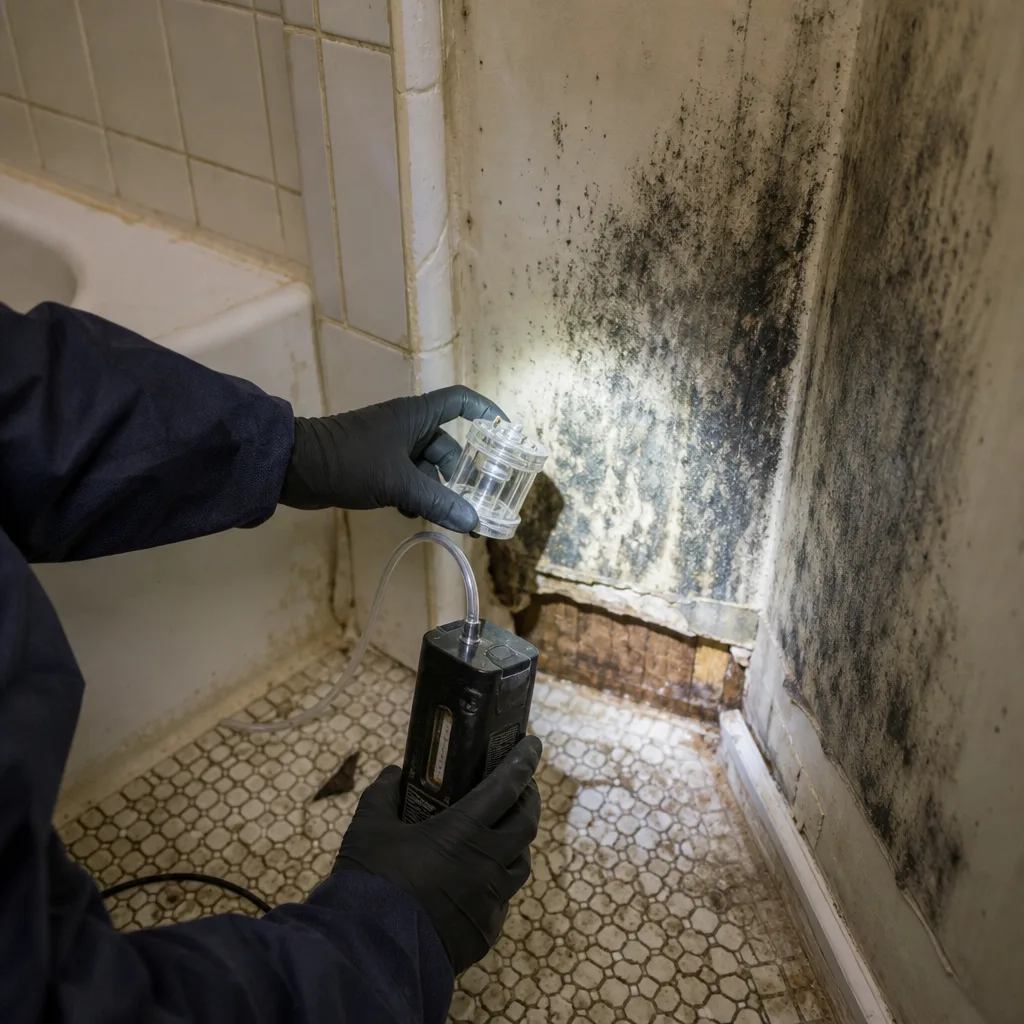
What happens when you call
- 1
A real person answersNo phone trees - you reach a local pro.
- 2
You get an upfront price rangeHonest numbers before anyone is dispatched.
- 3
A background-checked tech heads outLicensed & insured, dispatched right away.
- 4
You approve before work beginsNothing starts until you say go.
Mold Remediation Costs in Kew Gardens Hills, NY
A straightforward visible-mold removal in one Kew Gardens Hills basement wall runs $1,800 to $3,200, including containment, removal, antimicrobial treatment, and drying. When the mold has moved behind plaster into wall cavities or under flooring, that range climbs to $4,000 to $6,500, because we are opening more of the structure and drying slow-release materials like lath and original plaster. A Category 3 sewage backup that floods a finished basement and requires full black-water remediation, pack-out, drying, and rebuild typically lands between $7,000 and $15,000 in Kew Gardens Hills, depending on finishes and how much of the basement got wet. What moves the price: whether the moisture source is on your side of the party wall or the neighbor’s, how long the water has been sitting, how much plaster we need to open, and whether your insurance carrier approves the full scope. The free inspection we offer includes moisture mapping and a written scope, so there are no surprises on the bill.
We Also Serve Cities Near Kew Gardens Hills
Floodline Restoration Co. of Manhattan provides Mold Remediation throughout central Queens, including Fairview, Harrison, East Bronx, and Hunts Point. The same certified crews, the same 90-Day Done Right Promise, the same live 24/7 dispatch.
Kew Gardens Hills Mold Remediation Questions, Answered
Why does mold keep coming back in my Kew Gardens Hills brick row house after a neighbor’s leak?
Mold returns because the moisture source was not eliminated, and in attached Kew Gardens Hills row houses that source often sits on the neighbor’s side of a shared party wall. Our Mold Remediation in Kew Gardens Hills team moisture-maps both sides of the shared masonry and coordinates with the adjoining owner or their insurer before closing the wall. If the neighbor’s supply line is still leaking into the shared cavity, your side will re-bloom no matter how well we clean it. Call (917) 924-4221 for a free inspection that finds the real source.
Does my 1950s basement with plaster walls need longer structural drying after mold remediation?
Yes. Plaster-over-lath holds moisture far longer than modern drywall, and pulling dehumidifiers too early leaves hidden pockets inside slow-drying lath that fuel recurring mold. In Kew Gardens Hills, we extend daily moisture readings on post-WWII plaster construction until every reading has held at dry standard for a minimum of 24 hours. We log every reading and give the log to you and your insurer.
Is a basement sewage backup from a nor’easter automatically Category 3 water in Kew Gardens Hills?
Yes, if the backup enters through the combined sewer lateral, it is Category 3 black water by definition. Kew Gardens Hills drains into the city’s combined system, so stormwater and raw sewage travel through the same pipes. When heavy rain overwhelms the lateral, what backs into your basement is sewage, not rainwater. That requires containment, antimicrobial treatment, and full black-water protocols before drying can start. Call (917) 924-4221 and we will classify it correctly from the first visit.
Why do I smell mold after every heavy rain even though my basement looks dry?
The smell is mold growing behind the wall or under the slab. Kew Gardens Hills sits on a flat drainage basin with impermeable surfaces, so rainwater that cannot infiltrate the ground pushes up through basement floor drains or seeps through the mortar joints of aging brick facades. The water feeds mold you cannot see, and the odor passes through wall cavities into living space. We find these hidden colonies with thermal imaging and hygrometers, then remove the mold and fix the water entry.
Can mold spread from my attached neighbor’s basement into my finished basement through the foundation?
Yes, it can, and in Kew Gardens Hills it does. Shared party walls and common foundations give moisture and airborne mold spores a direct path between units. On 72nd Road near Main Street, our techs traced a persistent musty odor in a 1953 brick row house to moisture migrating through a shared party wall, a Category 2 supply line leak in the attached neighbor’s wall had fed hidden mold behind original plaster-over-lath. We set containment, ran moisture mapping with Dri-Eaz and Injectidry probes, and logged daily structural drying with XPOWER air movers and dehumidification until moisture readings returned to pre-loss levels, preventing cross-unit spread without a full pack-out. That job started on one side of the wall and ended on both.
How fast can you actually get to Kew Gardens Hills?
Our target is 45 minutes from your call, and most jobs in Kew Gardens Hills meet that. Dispatch is live 24/7 from our metro office, and crews are staged around central Queens so we are not driving from another borough. When you call (917) 924-4221 at 2 a.m., a person answers and a crew starts moving.
How long does mold remediation take in a Kew Gardens Hills home?
Most single-room mold jobs finish in 2 to 4 days, including drying. Plaster-over-lath walls and shared party-wall inspections add time, and Category 3 sewage backups with pack-out can run 1 to 2 weeks including rebuild. We give you a written timeline with the scope before work starts.
Are your technicians actually certified, or is that just a website claim?
Our techs hold current IICRC, RIA, and IFA certifications, including WRT, FSRT, and AMRT where relevant. They are background-checked, uniformed, and trained on the equipment we actually run: Dri-Eaz, Phoenix, XPOWER, B-Air, and Injectidry. We hand you the drying log, the scope, and the guarantee in writing. Floodline Restoration Co. backs every job with the 90-Day Done Right Promise, the Keystone Standard: if it is not done right, we make it right, no arguing and no paperwork battles.
Serving Kew Gardens Hills, NY - Our Local Coverage Area
We’re based in the Kew Gardens Hills area and know this community well. Use the map below to see our service coverage - if you’re nearby, we can almost certainly help.
Call Floodline Restoration Co. of Manhattan for Mold Remediation in Kew Gardens Hills
If you smell mold, see staining, or just had water back up into your basement, call (917) 924-4221. We answer live, come fast, and give you a written scope before work starts. The 90-Day Done Right Promise means we stand behind every inch of the job. Kew Gardens Hills is home to a lot of attached homes, shared walls, and aging sewer laterals, and our crews know exactly what that means when mold appears. Call today for a free visual inspection and moisture mapping, and we will tell you honestly what needs doing and what does not.
Written by Curt Bowman, Owner at Floodline Restoration Co. of Manhattan, serving Kew Gardens Hills since 2010.