
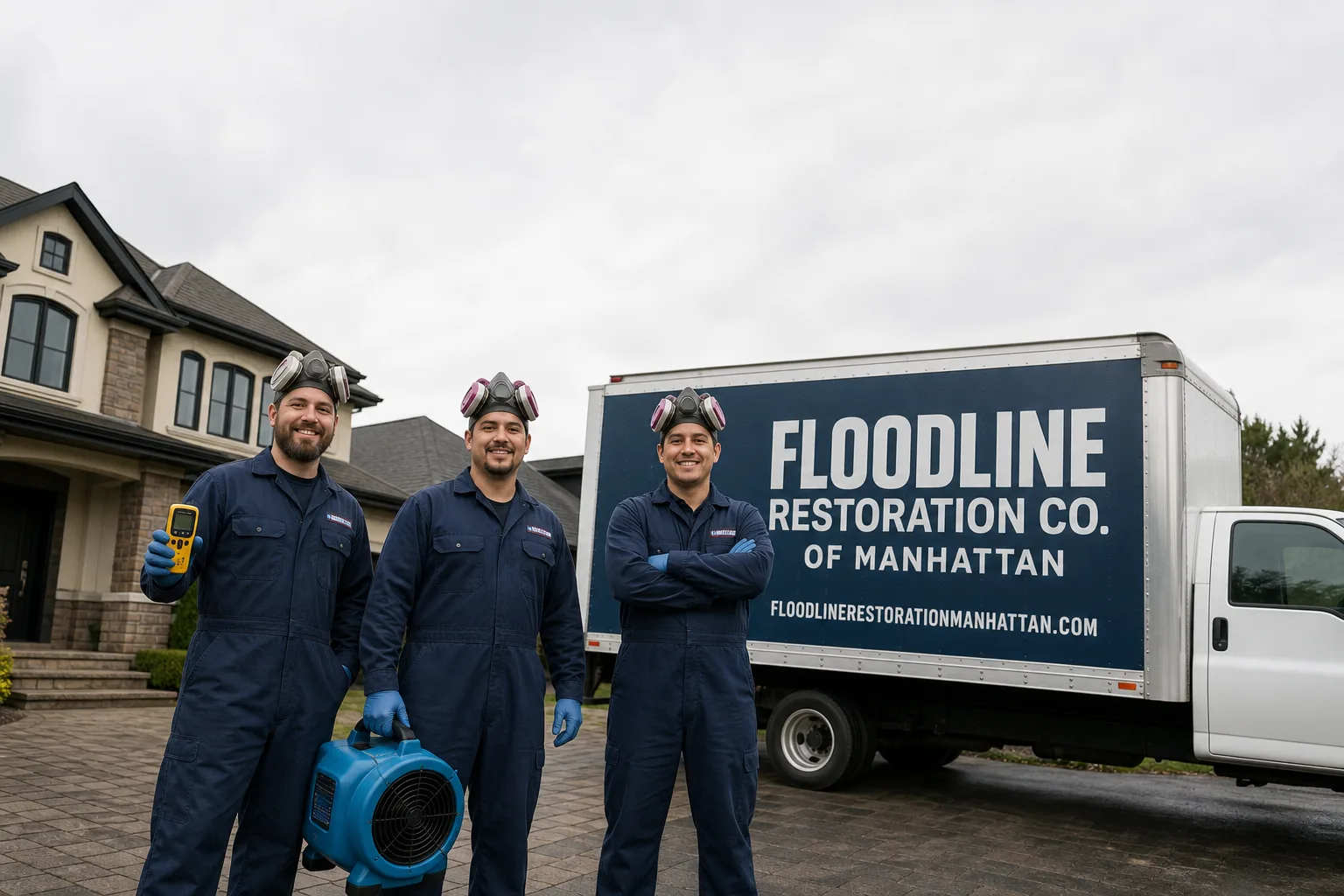
Free visual inspection and a written scope of work before any mitigation begins - photos, moisture readings, and drying logs go in your claim file
The scope we write is the scope we bill. Anything new gets shown to you, in writing, before we touch it.






 Before
 After
After Before
 After
After Before
 After
After24/7 Emergency Mold Remediation in Meatpacking District
Mold remediation in Meatpacking District typically costs $1,800 to $6,500 for a contained residential job, and most urgent calls are handled the same day. If you’ve found visible mold or a persistent musty smell in your condo, hotel unit, or retail space, call (917) 924-4221 now. We answer live, 24 hours a day, and a certified crew can reach your building inside the Meatpacking District area fast. The first hour matters because mold advances through drywall, subflooring, and original brick party walls faster than most owners expect, and in this neighborhood the moisture source is often still feeding the colony while the visible patch sits still.
Understanding Mold Remediation Severity in Meatpacking District Properties
Mold severity is driven by moisture, and Meatpacking District buildings have moisture in places other neighborhoods don’t. The thick 19th-century brick-and-timber walls hold water long after a leak stops. Sub-grade cold-storage chambers, the ones never fully removed during luxury conversion, trap humidity year-round. We classify our work by the square footage of affected material and the presence or absence of visible mold behind finishes. Containment is built first when we suspect hidden spread, because opening a wall in one of these buildings releases spores into the living space if not done under negative air pressure. Air scrubbing with HEPA filtration runs throughout the remediation. We don’t call a job finished until the moisture log shows the dry standard has been met and clearance testing passes. In converted slaughterhouse and cold-storage buildings, that dry standard takes longer to reach than in lighter construction. The masonry simply releases moisture slower. This is the single most common reason remediation fails in the Meatpacking District: crews treat the mold that’s visible, declare victory, and the wall re-wets from the inside. We’ve returned to some addresses season after season, and we’ve learned what these walls actually do.
Why Meatpacking District Property Owners Choose Floodline Restoration Co. of Manhattan
- 45-minute response commitment. We dispatch from our New York City office to every corner of the Meatpacking District, and we tell you on the phone when the crew will arrive.
- A real person answers, every hour. No automated system, no voicemail tree. At 2 a.m. you get a live dispatcher who knows the building types here.
- IICRC-certified crews. Our technicians carry IICRC, RIA, and IFA certifications, and every job is run by a lead who has worked on landmarked masonry and cold-storage retrofits before.
- Free visual inspection. We’ll assess the visible mold and the moisture pattern before any work begins, so you get an honest scope, not a sales script.
- Direct insurance billing. We coordinate with your carrier from the first hour and bill them directly when coverage applies. You don’t carry paperwork between us and the adjuster.
- One team, start to finish. Our Mold Remediation team handles containment, removal, drying, and any reconstruction. No mid-job handoff to a different crew that never saw the moisture map.
Our Mold Remediation Process
Inspection & Assessment
We start with moisture mapping using thermal imaging and hygrometers to find water you can’t see. In Meatpacking District buildings, that means checking below-grade cold-storage remnants and the base of original brick party walls.
Containment & Stabilization
We build containment barriers under negative air pressure before opening any wall or ceiling. This protects the rest of your unit from spore release, especially in shared condo buildings where neighboring units are inches away.
Drying & Dehumidification
Dri-Eaz dehumidifiers and Phoenix axial air movers run continuously, with daily moisture readings logged until the dry standard is reached. The thermal mass of the district’s masonry walls means this phase runs longer than in drywall-frame construction.
Cleaning & Sanitization
Contaminated material is removed and bagged on site. We clean remaining surfaces with antimicrobial treatment, including original brick and cast-iron elements that cannot be replaced without LPC review.
Moisture & Humidity Control
The last step before clearance is addressing the moisture pathway. That often means sealing the sub-surface vapor drive from the brick vaults under the cobblestones and installing dehumidification in below-grade chambers.
Repairs & Restoration
Our reconstruction crew rebuilds what was removed, matching finishes to the existing luxury standard. We handle everything from drywall and trim to custom millwork and painted brick.
Need Emergency Mold Remediation in Meatpacking District Now?
Crews minutes away, answering live 24 hours a day. The sooner we start, the less it costs.
Working With Your Insurance Company
Most mold claims in the Meatpacking District hinge on the source of the moisture. If a covered event, like a burst supply line or storm surge during a named event, caused the water that fed the mold, your policy may cover the remediation. We document everything from the first hour. Photos of the affected areas room by room. Moisture readings before, during, and after drying. A line-item scope of work that your adjuster can review without guesswork. We call your carrier’s adjuster directly, walk them through what we found, and push for the coverage you’re owed. In converted buildings here, adjusters often don’t understand the sub-grade cold-storage complication until a remediation contractor explains it. That’s our job. Curt Bowman built this company in 2010 around a dispatch board, not a sales desk, and the insurance coordination is part of doing the job whole.
What We Provide Your Insurer
- Thorough documentation of the loss
- Photos of all damage, room by room
- Moisture readings and drying logs
- A detailed, line-item scope of work
- Direct coordination with your carrier
Built for Meatpacking District’s Loss Calendar
The Meatpacking District’s mold season doesn’t follow a simple seasonal curve the way it does in the suburbs. Deep freezes in January and February crack aging supply lines inside converted cold-storage buildings, and the water follows the old industrial drains into below-grade spaces. Spring brings rising groundwater through 19th-century brick foundations at the Hudson River’s edge; the same vaults under Gansevoort and Little West 12th Streets that channel water during nor’easters start weeping in March and April. Summer thunderstorms overwhelm the district’s aged drainage, and the sub-surface void space beneath the Belgian-block cobblestones holds that water against cellar walls for weeks. Autumn nor’easters push river water into the mapped flood zone. For building owners here, the pattern is predictable: any of these events can start a mold colony that doesn’t show itself until a musty odor or a dark patch appears behind a baseboard. The property owners who call us early, while the moisture is still active, pay far less than the ones who wait until the mold has climbed a foot up the wall.
Mold Remediation Across Meatpacking District’s Neighborhoods
The work changes block by block. On Gansevoort Street, the 19th-century brick vaults beneath the cobblestones are the primary moisture driver, and we’ve set up containment in more than a few boutiques and restaurants where the mold started below the sales floor. Little West 12th Street has a concentration of converted cold-storage buildings with sub-grade chambers still intact; these are the most technically demanding jobs because the old ammonia refrigeration chases were sealed behind modern finishes and the moisture collects behind them. Over on Washington Street, where the High Line passes overhead, the buildings sit slightly higher but the party walls still wick groundwater through the same thick masonry. Hudson Street and the western edge near West 14th Street see storm surge most directly during coastal events, and the basements there flood before the water reaches Chelsea east of Ninth Avenue. Every one of these corridors responds to a different moisture pathway, and our crews know which one they’re fighting before they open the first wall.
Specialized Mold Remediation Services We Offer in Meatpacking District
Mold Inspection & Testing
We inspect for visible mold, hidden moisture, and the conditions that produce mold in this district’s building stock. Thermal imaging finds water behind finishes without destructive opening. Air and surface sampling, when needed, tells us what we’re dealing with before we design the containment plan.
Mold Removal
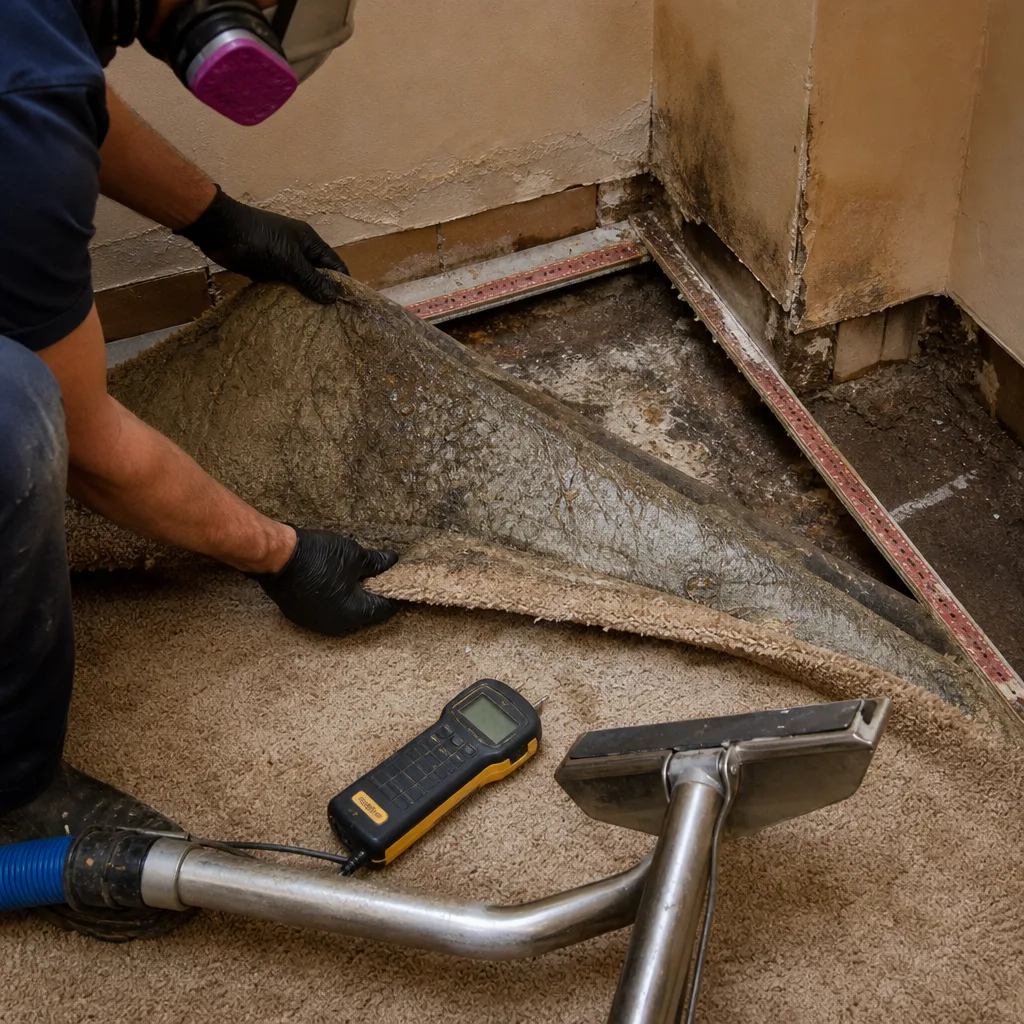
Physical removal of contaminated material, not just spraying. In Meatpacking District buildings, that often means removing drywall that was installed over original brick, pulling back the covering, treating the masonry, and rebuilding clean. The brick itself doesn’t get torn out. We know which members of the façade are landmarked and which can be touched.
Black Mold Remediation
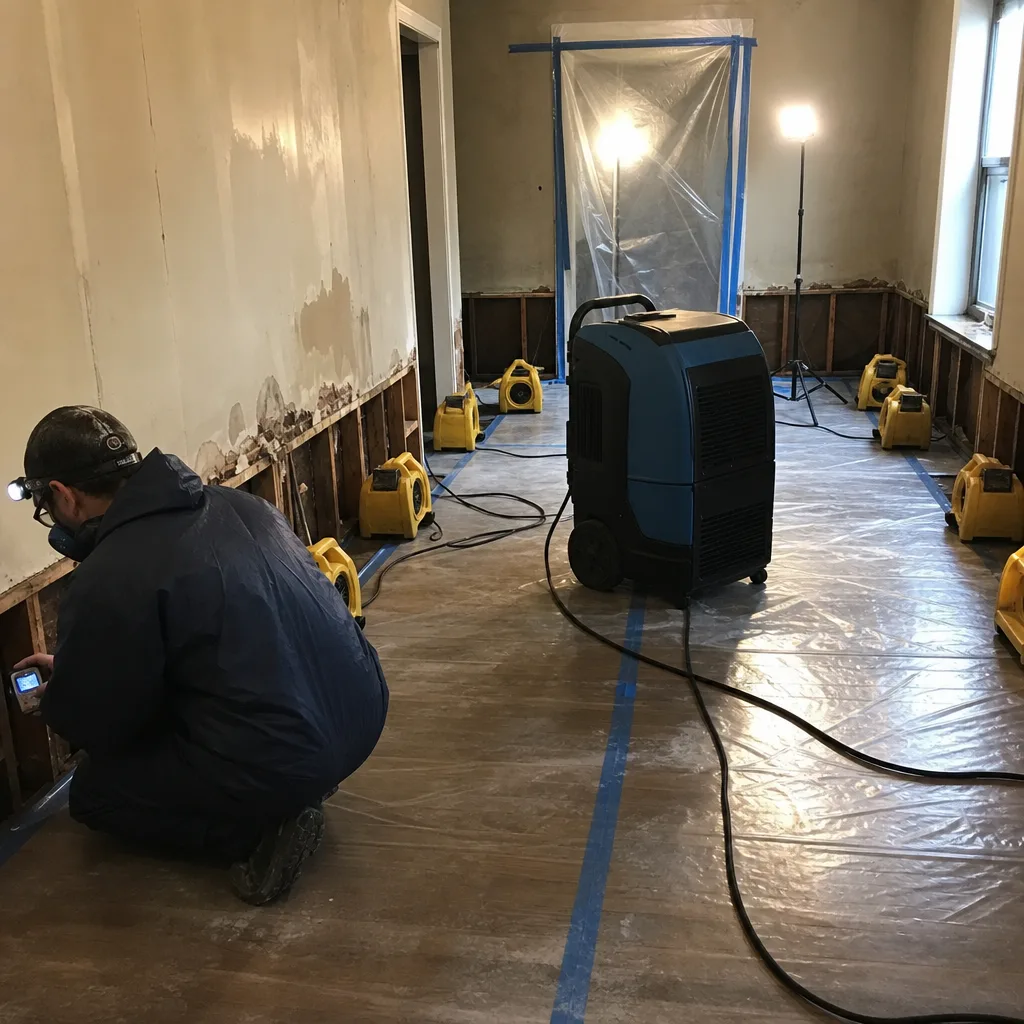
Stachybotrys, the mold most people call black mold, grows where water has been sitting for days or weeks. The sub-grade cold-storage chambers and the brick vaults under Gansevoort Street are prime conditions. We contain the space fully, remove the affected material, and hold the negative air pressure until clearance testing proves the spore count is back to normal.
Air Quality Restoration
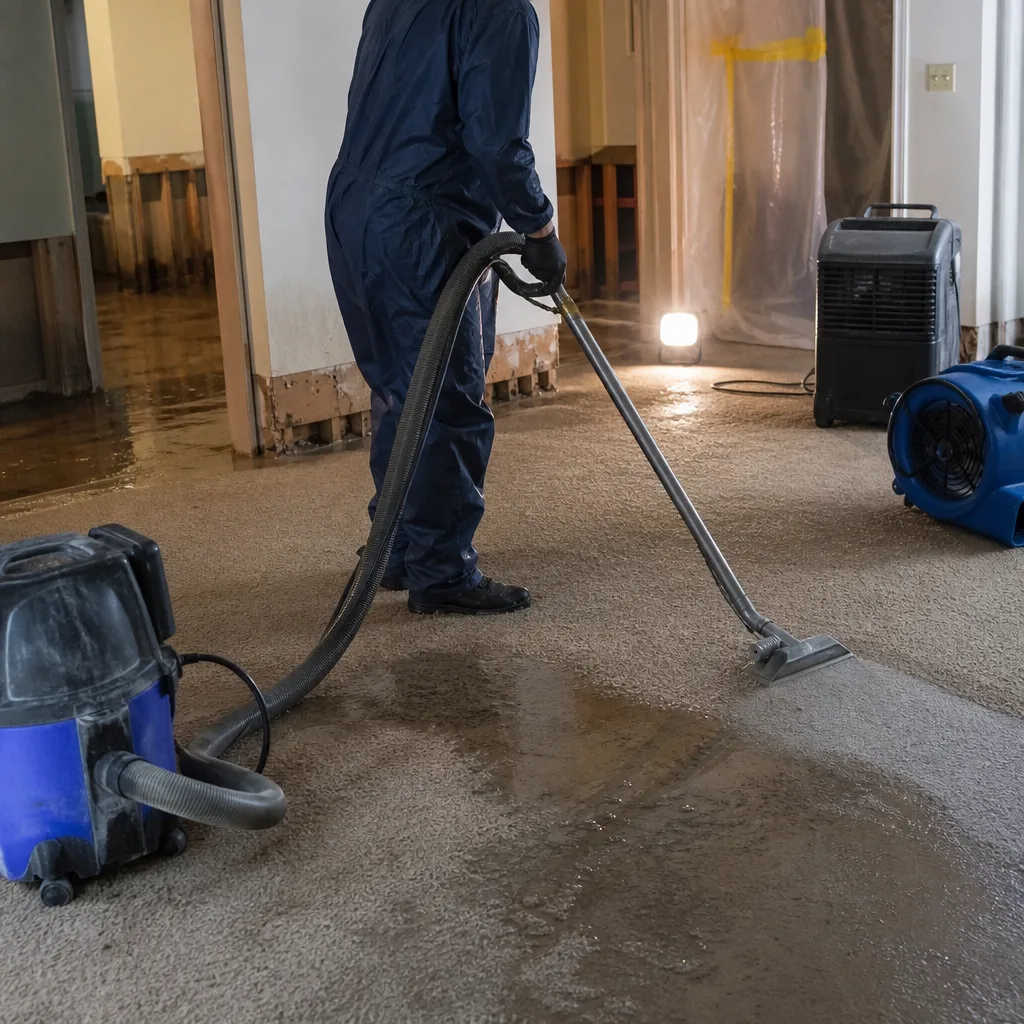
HEPA air scrubbing runs on every job, and we test at the end so you have a clear baseline. For buildings here that hold humidity inside thick masonry walls, we often recommend ongoing dehumidification in the below-grade spaces to keep the spore count from climbing back up.
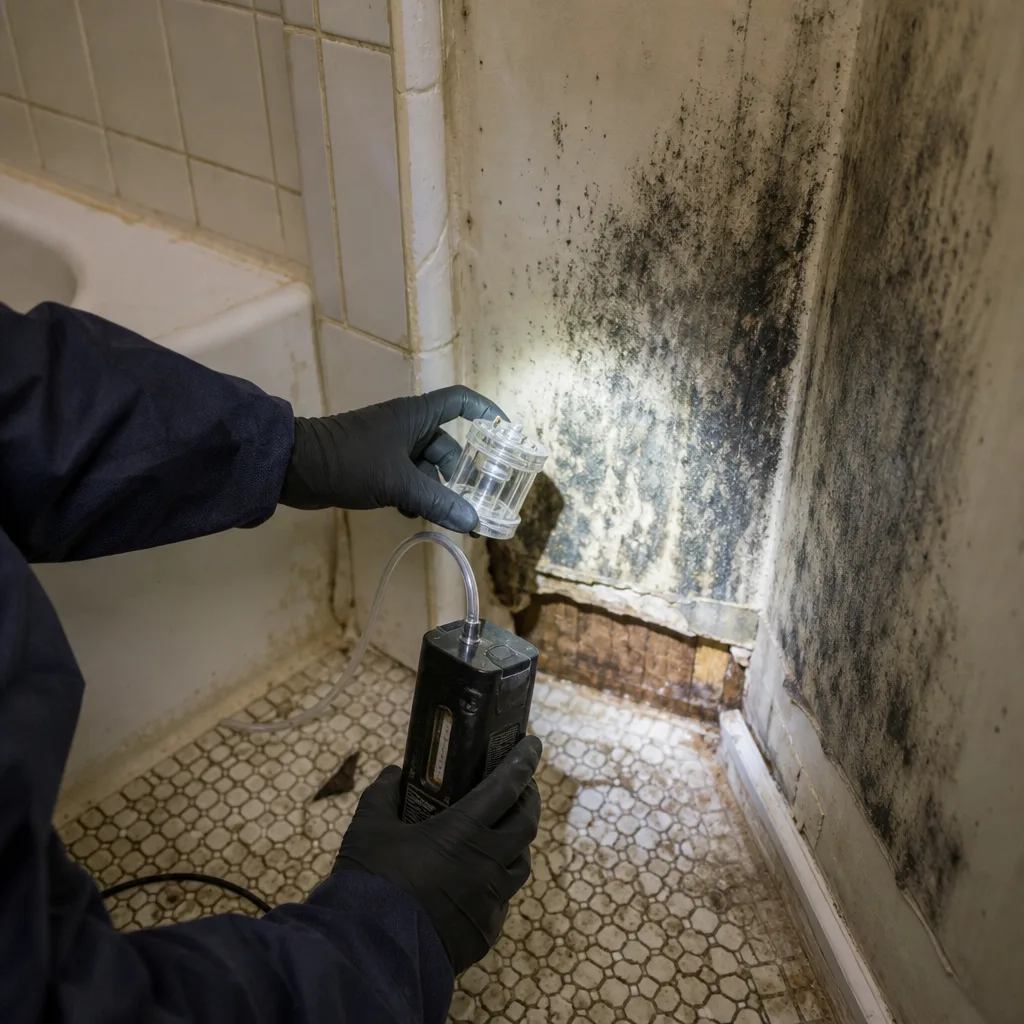
Crawl Space Treatment
Many converted industrial buildings in the Meatpacking District have crawl spaces that were created when original floor systems were raised during renovation. These spaces bridge the old brick foundation and the new interior, and they’re a hidden mold highway. We treat the framing, seal the vapor drive from the ground, and install moisture control where it’s needed.
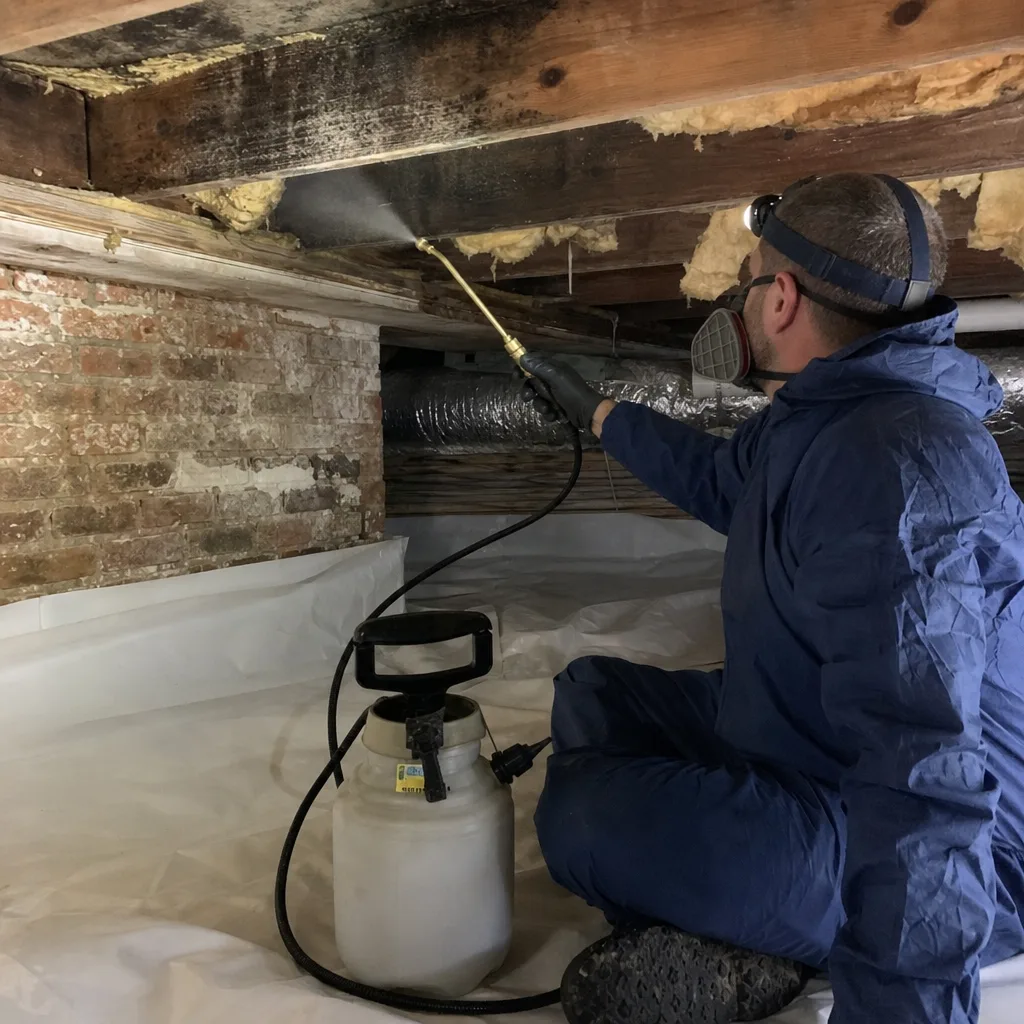
Moisture & Humidity Control
The most important service we offer here because it’s the one that keeps mold from coming back. We map the moisture, find the pathway, and design a fix: better drainage at the foundation line, sealing the sub-surface voids, or mechanical dehumidification in the chambers that never dry on their own. A remediation that doesn’t fix the moisture is just a rental of clean walls.
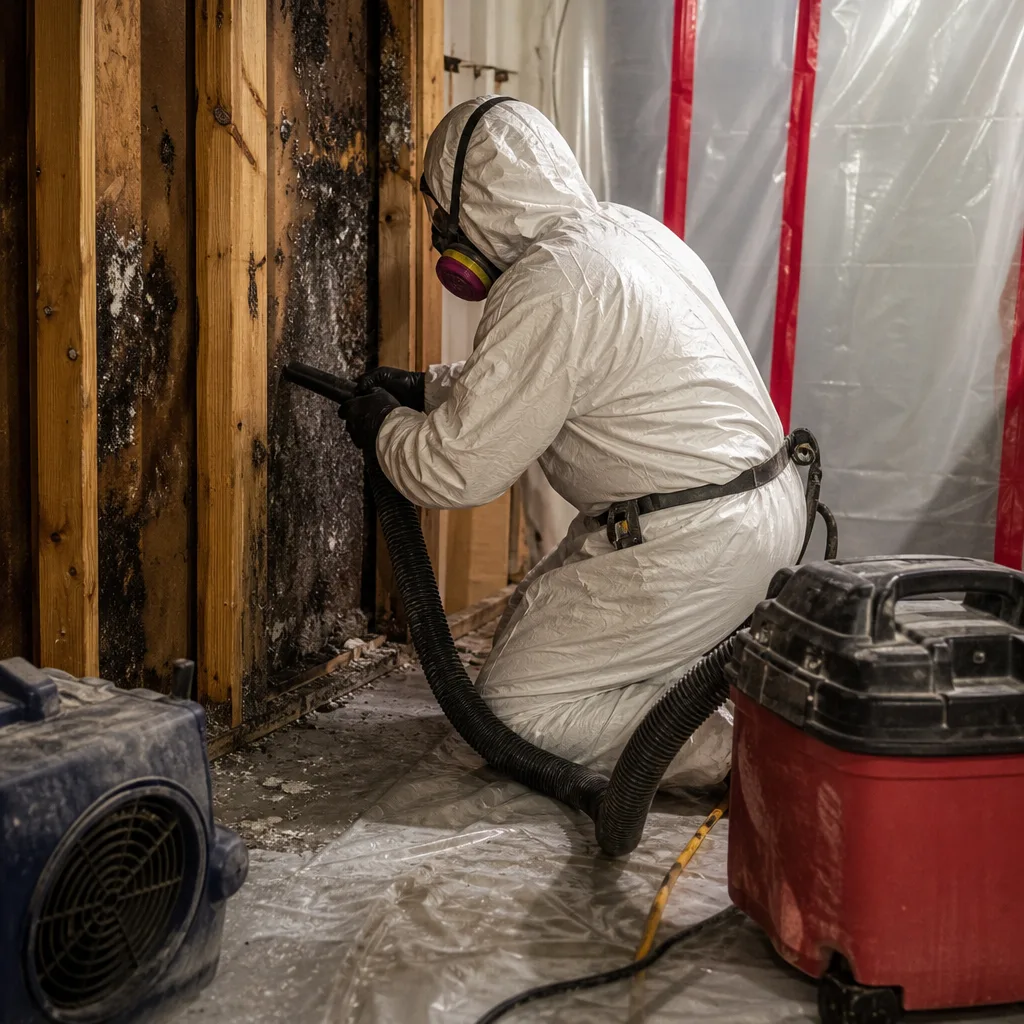
What happens when you call
- 1
A real person answersNo phone trees - you reach a local pro.
- 2
You get an upfront price rangeHonest numbers before anyone is dispatched.
- 3
A background-checked tech heads outLicensed & insured, dispatched right away.
- 4
You approve before work beginsNothing starts until you say go.
Mold Remediation Costs in Meatpacking District, NY
A contained mold remediation job in the Meatpacking District typically runs $1,800 to $6,500 for residential units under 1,500 square feet. A small isolated patch behind a bathroom vanity with no hidden spread can be under $1,000. A full sub-grade cold-storage chamber with moderate contamination and structural drying runs $8,000 to $15,000 plus reconstruction. The things that move the price here: the presence of landmarked masonry that needs specialized cleaning rather than replacement, the depth of below-grade chambers, and whether the vaults under the cobblestones are feeding moisture into your basement. Insurance-covered jobs with a covered water event usually leave the homeowner paying only the deductible. Out-of-pocket jobs get a firm written scope before we start, so there’s no surprise on the bill. The free visual inspection gives you real numbers, not a range with a shrug. Call (917) 924-4221 and we’ll tell you what you’re actually looking at.
We Also Serve Cities Near Meatpacking District
Floodline Restoration Co. of Manhattan regularly serves property owners in the surrounding area, including Fairview, Harrison, East Bronx, and Hunts Point. Response times to these locations are slightly longer than in-district dispatch, but the same live 24/7 answer, certified crews, and 90-Day Done Right Promise apply to every job we take.
Meatpacking District Mold Remediation Questions, Answered
How does mold remediation in the Meatpacking District’s landmarked buildings differ from standard procedures?
In landmarked buildings here, remediation must preserve original materials that would normally be removed and replaced. Cast-iron columns, original brick party walls, and some cobblestone-level infrastructure cannot be torn out without LPC review, so our crews clean and treat those surfaces in place while removing only the modern finish materials around them. Call (917) 924-4221 and we’ll tell you which parts of your building fall under landmark protection before we set up containment.
Why does mold keep returning in Meatpacking District basements after remediation?
Because the moisture source was never addressed. The sub-surface void space beneath the Belgian-block cobblestones and the aging brick vaults under Gansevoort and Little West 12th Streets channel groundwater into building basements during every heavy rain. If a remediation crew removes the mold but doesn’t seal the vapor drive or install drainage at the foundation line, the same water returns and the mold regrows within months. That’s why our process ends with moisture control, not just mold removal.
Can you remediate mold in a building that still has original cold-storage chambers?
Yes. These chambers are one of the most common mold sources in the district’s converted industrial buildings. We contain the space, dry the masonry to the dry standard using Dri-Eaz dehumidifiers and XPOWER air movers, remove any contaminated modern materials, treat the original brick, and often install ongoing dehumidification so the chamber doesn’t re-wet. The chamber itself stays; the mold doesn’t.
What is the typical timeline for mold remediation in a Meatpacking District condo?
A contained unit-level job in a condo here usually takes 3 to 7 days from setup to clearance, depending on the extent of contaminated material. The drying phase runs longer than in drywall-frame buildings because the thermal mass of the thick masonry walls releases moisture slowly. Reconstruction, if needed, adds days after the mold work is done. During the containment phase, we advise against occupying the affected room; whether you can stay in the unit depends on the containment boundary and access. Call us for a timeline specific to your building.
How do you handle mold in buildings that flooded during Hurricane Sandy and still have moisture problems?
Many Meatpacking District buildings that took water in 2012 were patched rather than properly dried, and the moisture has been sitting in the masonry since. We start with a full moisture map to find the legacy water that never left the walls and sub-floor. Then we run a longer drying phase designed for thick brick and timber, remove the mold that has been growing on the backs of the finishes, and seal the entry points, including the foundation-to-street vault connections, that let the storm surge in. The 90-Day Done Right Promise applies to these jobs, the same as any other.
How fast can you actually get to a mold job in the Meatpacking District?
Our commitment is 45 minutes from your call to a crew arriving at your building. Dispatch runs from our New York City office, and our crews are stationed around lower Manhattan. At 2 a.m. on a Saturday, you get a live dispatcher, not a recording. For a non-emergency inspection, we schedule at your convenience, usually the same or next day.
Will my insurance cover mold remediation in the Meatpacking District?
Often yes, when the mold traces to a covered water event like a burst pipe or storm surge. Most policies exclude mold that results from long-term neglect or chronic moisture not tied to a sudden event. We document the moisture source and the mold from the first hour, coordinate directly with your adjuster, and bill the carrier directly where coverage applies. You never have to play messenger between us and the insurance company.
Do I really need full remediation, or can this just be cleaned?
If the visible mold covers more than about ten square feet, or if there’s a persistent musty odor with no visible source, full remediation is the honest answer. Surface cleaning without containment can spread spores through the rest of the unit, especially in these shared condo buildings with connected airflow. We’ll give you a straight assessment during the free visual inspection. If it’s a small isolated patch with no hidden moisture, we’ll tell you that too and give you a lower-cost quote. We stand behind the 90-Day Done Right Promise, not behind selling unnecessary work.
Serving Meatpacking District, NY - Our Local Coverage Area
We’re based in the Meatpacking District area and know this community well. Use the map below to see our service coverage - if you’re nearby, we can almost certainly help.
Ready to Solve the Mold Problem for Good?
If you own or manage property in the Meatpacking District, the mold you see is usually the smallest part of the problem. The moisture is the thing that has to be stopped, and in this neighborhood that means understanding the cobblestone voids, the landmarked masonry, and the cold-storage remnants that keep bringing water back. We’ve been doing this work since 2010, and Curt Bowman’s crews have handled more below-grade mold jobs in converted industrial buildings than any national franchise’s template ever will. Call (917) 924-4221 for a free estimate. A live dispatcher picks up, day or night, and we’ll get a certified crew to your building with the moisture map and the containment plan already forming. Done right, and backed in writing.
Written by Curt Bowman, Owner at Floodline Restoration Co. of Manhattan.