
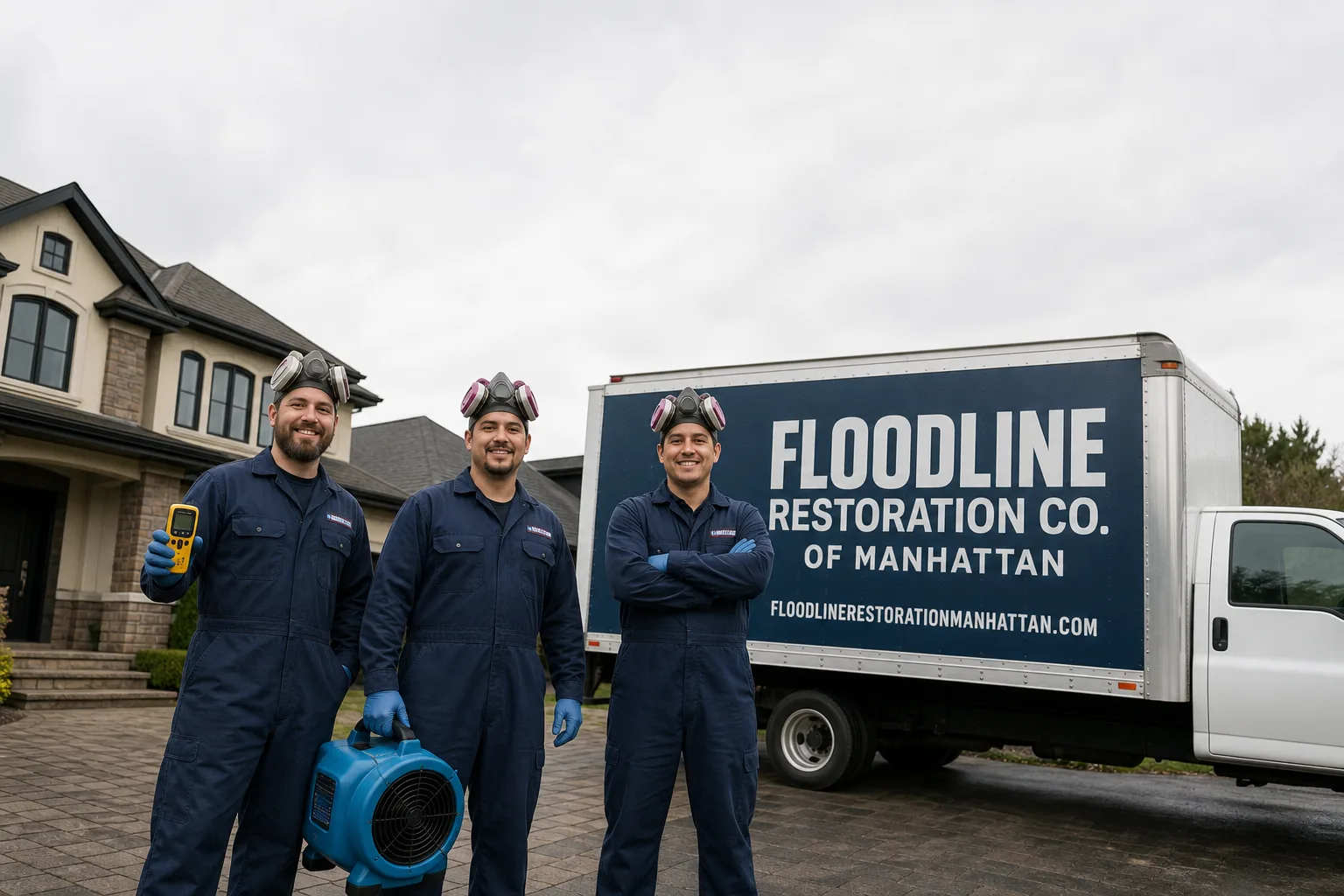
Free visual inspection and a written scope of work before any mitigation begins - photos, moisture readings, and drying logs go in your claim file
The scope we write is the scope we bill. Anything new gets shown to you, in writing, before we touch it.
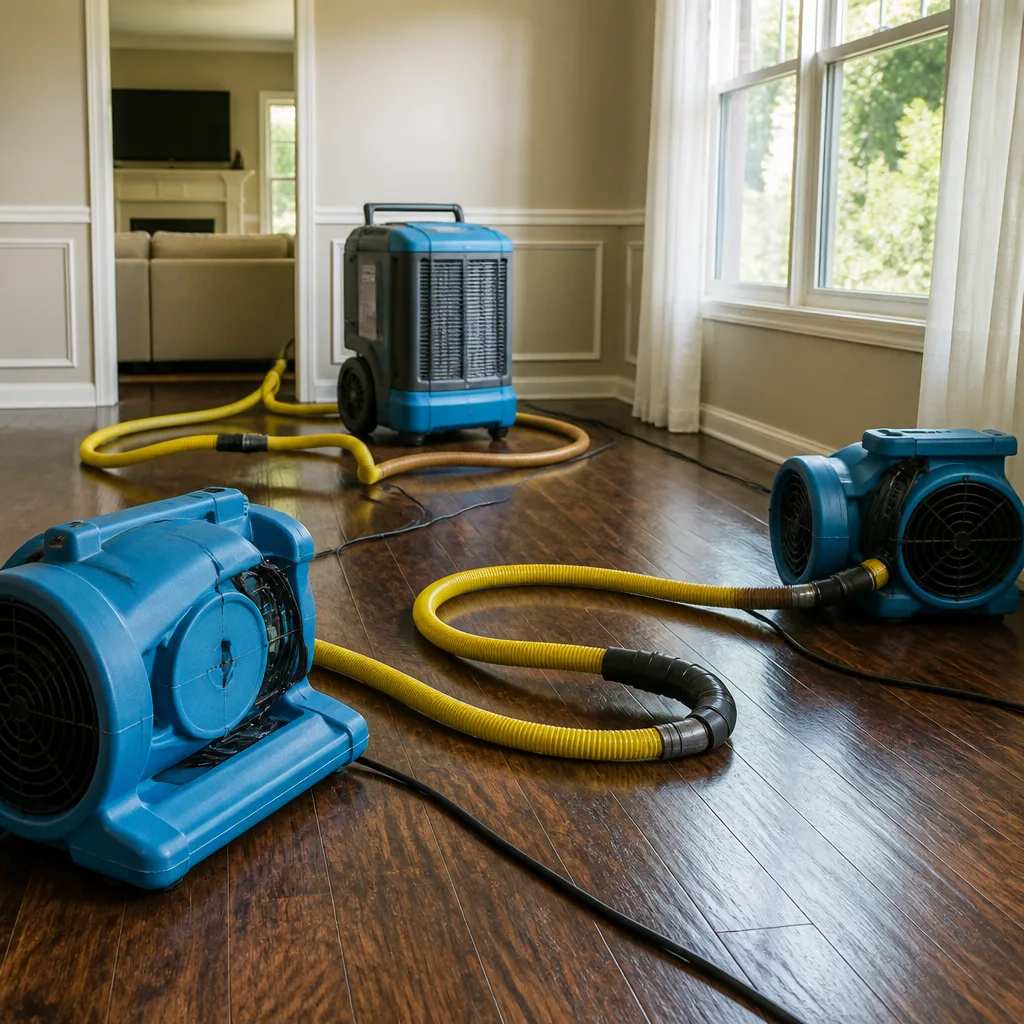

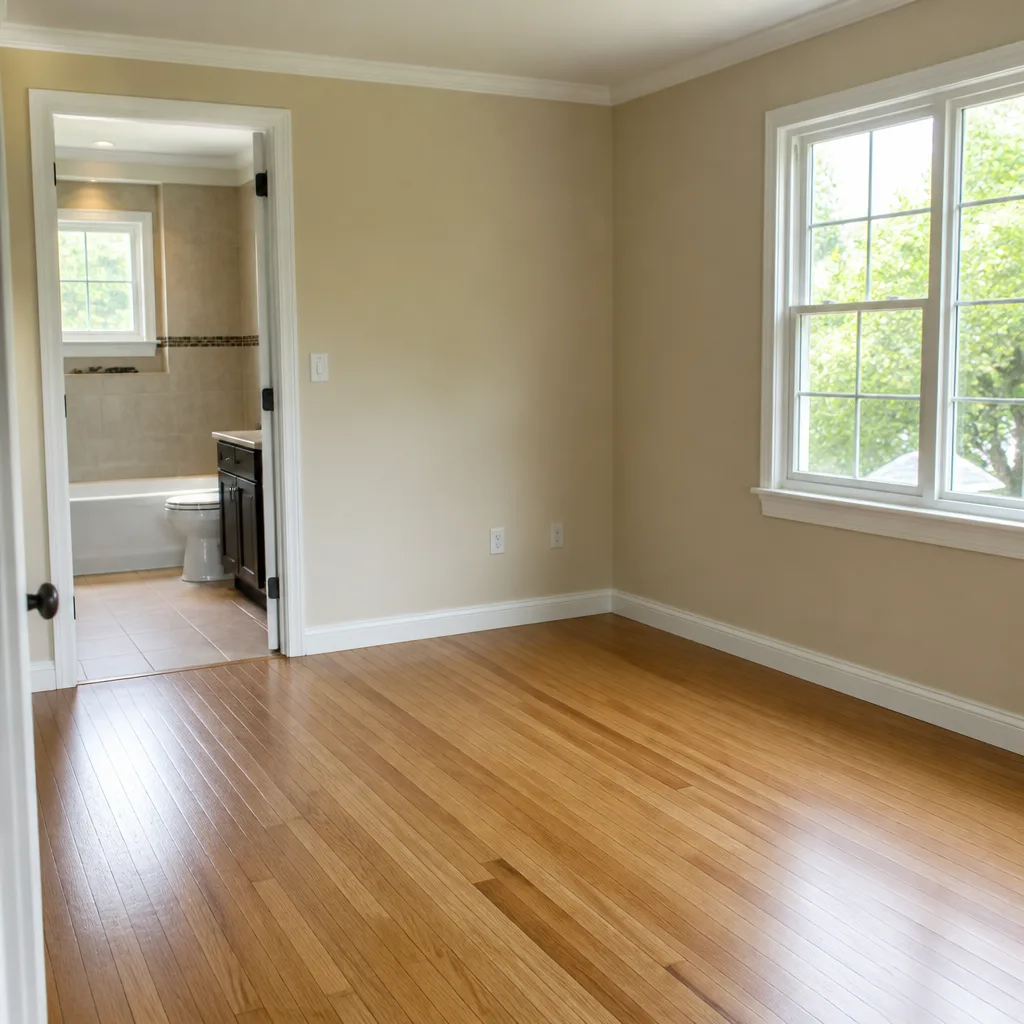
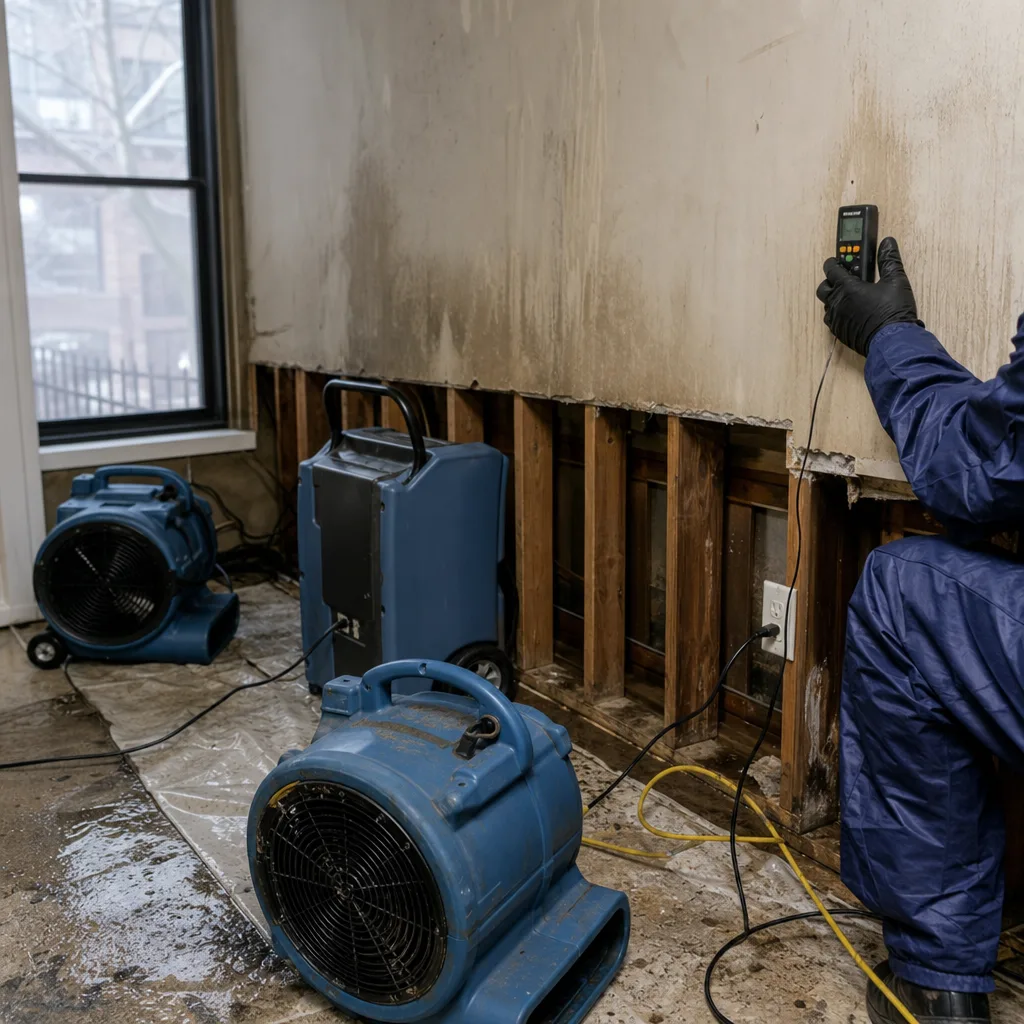 Before
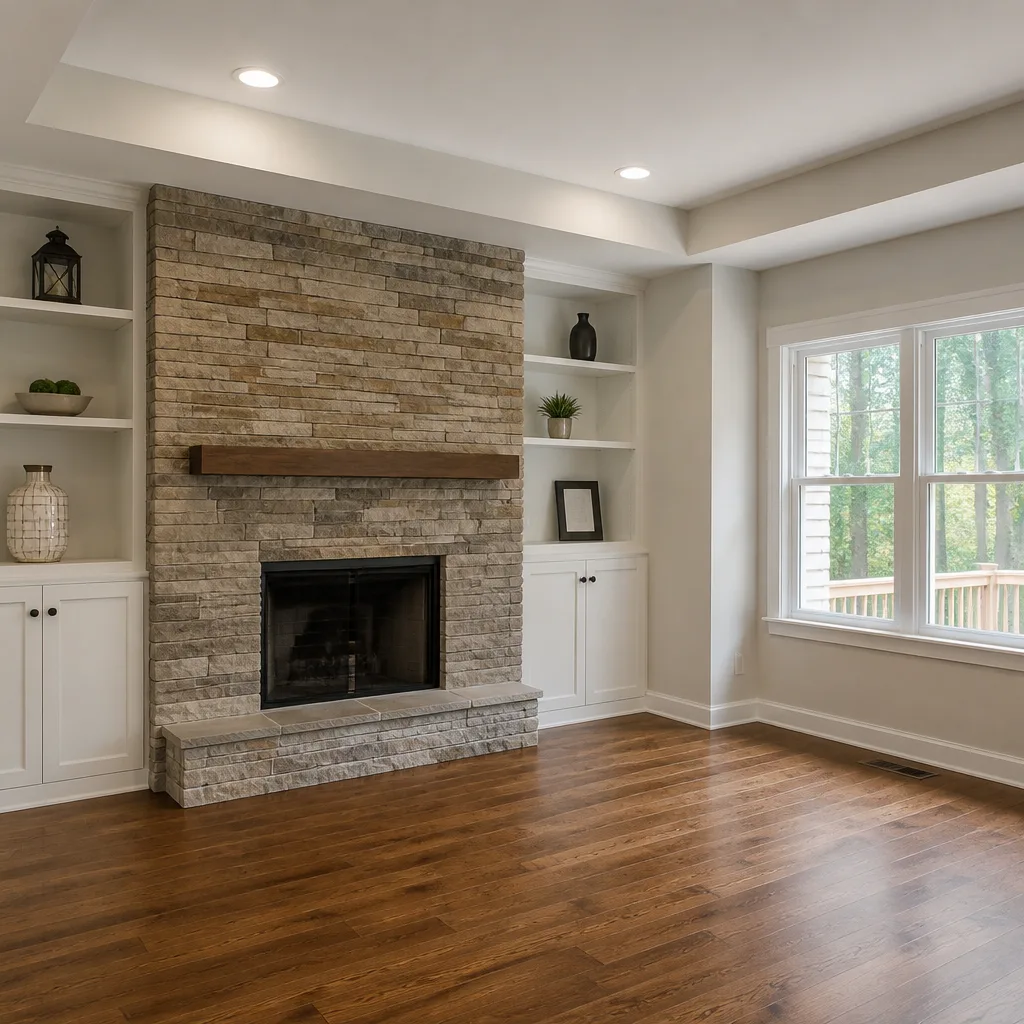
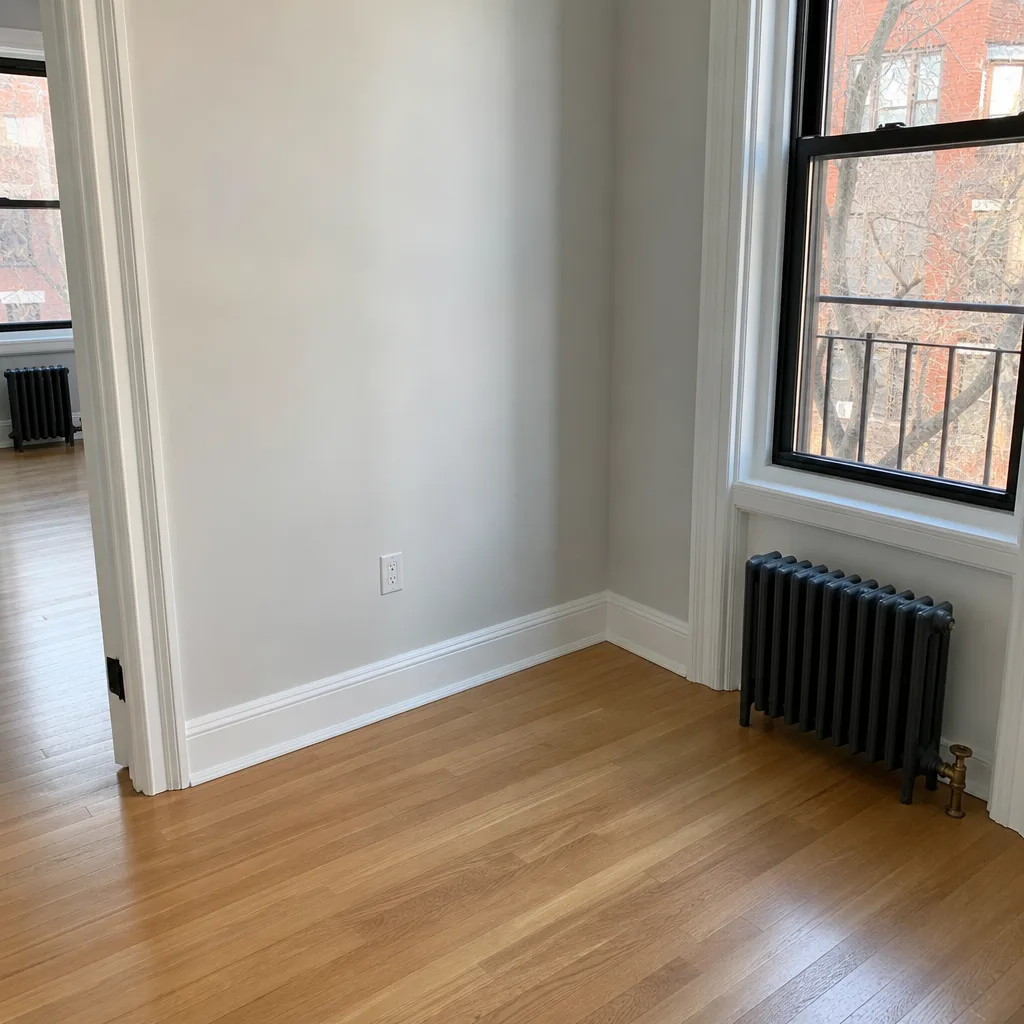 After
After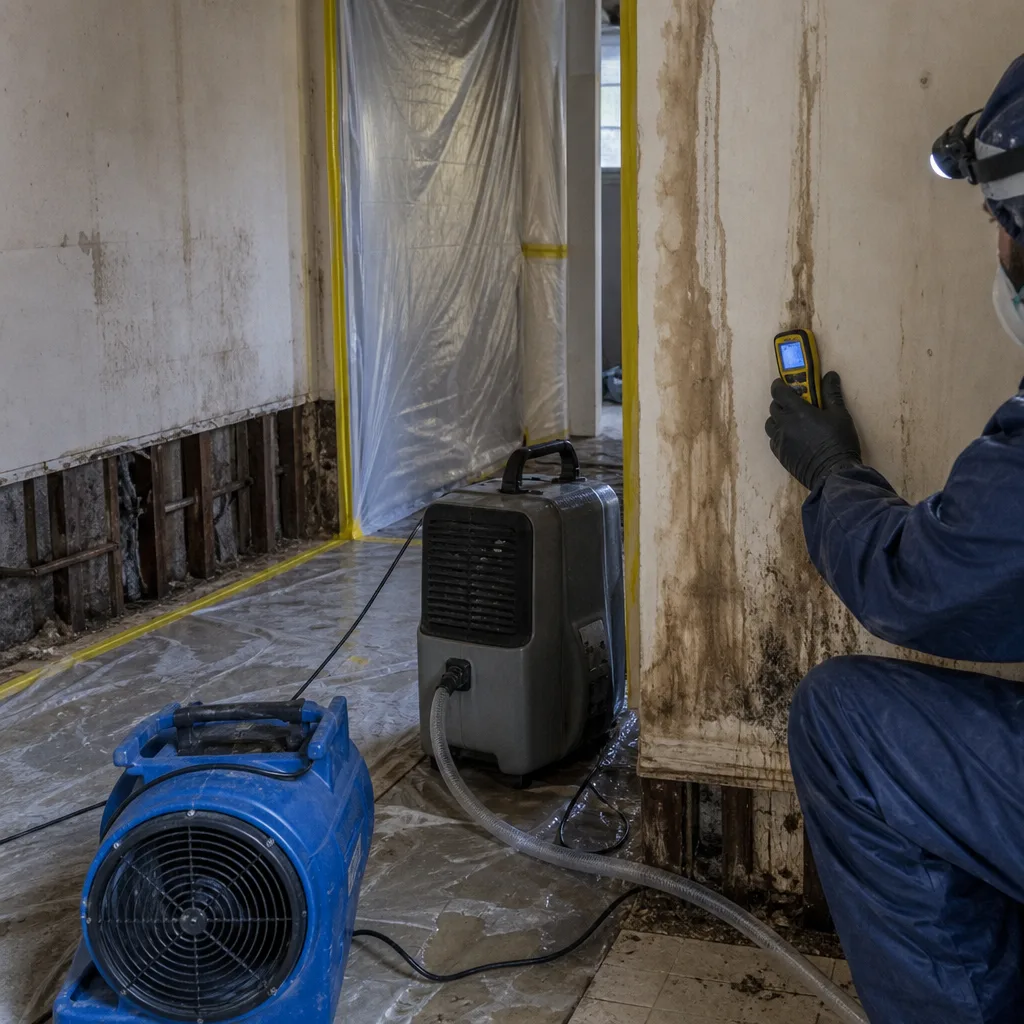 Before
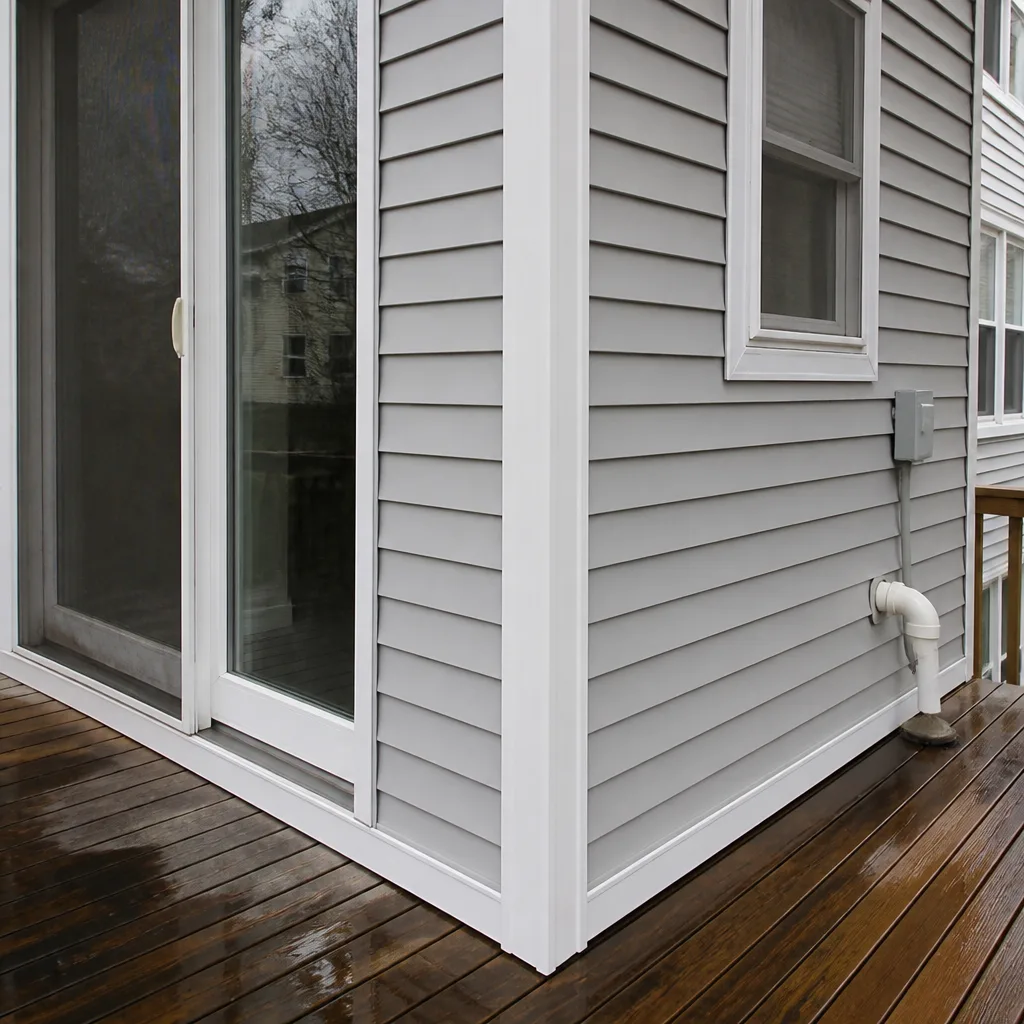 After
After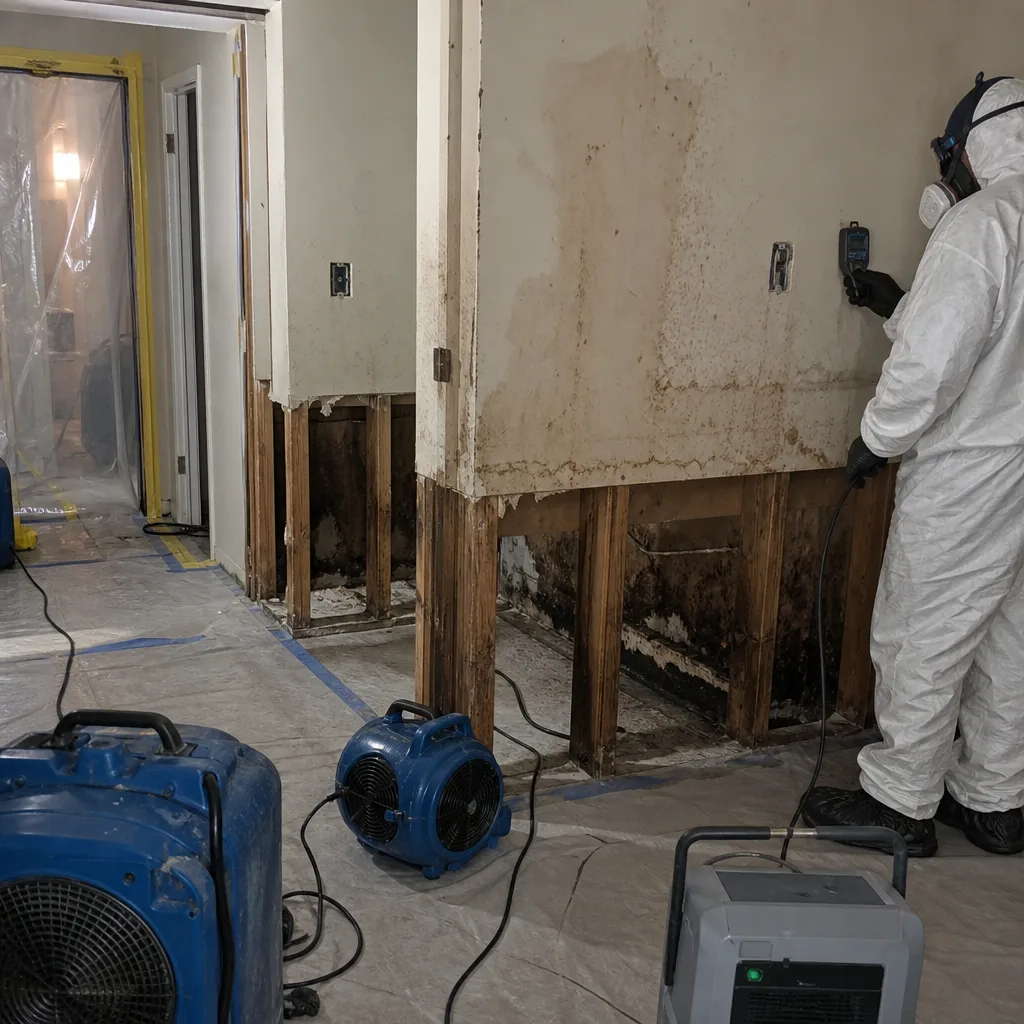 Before
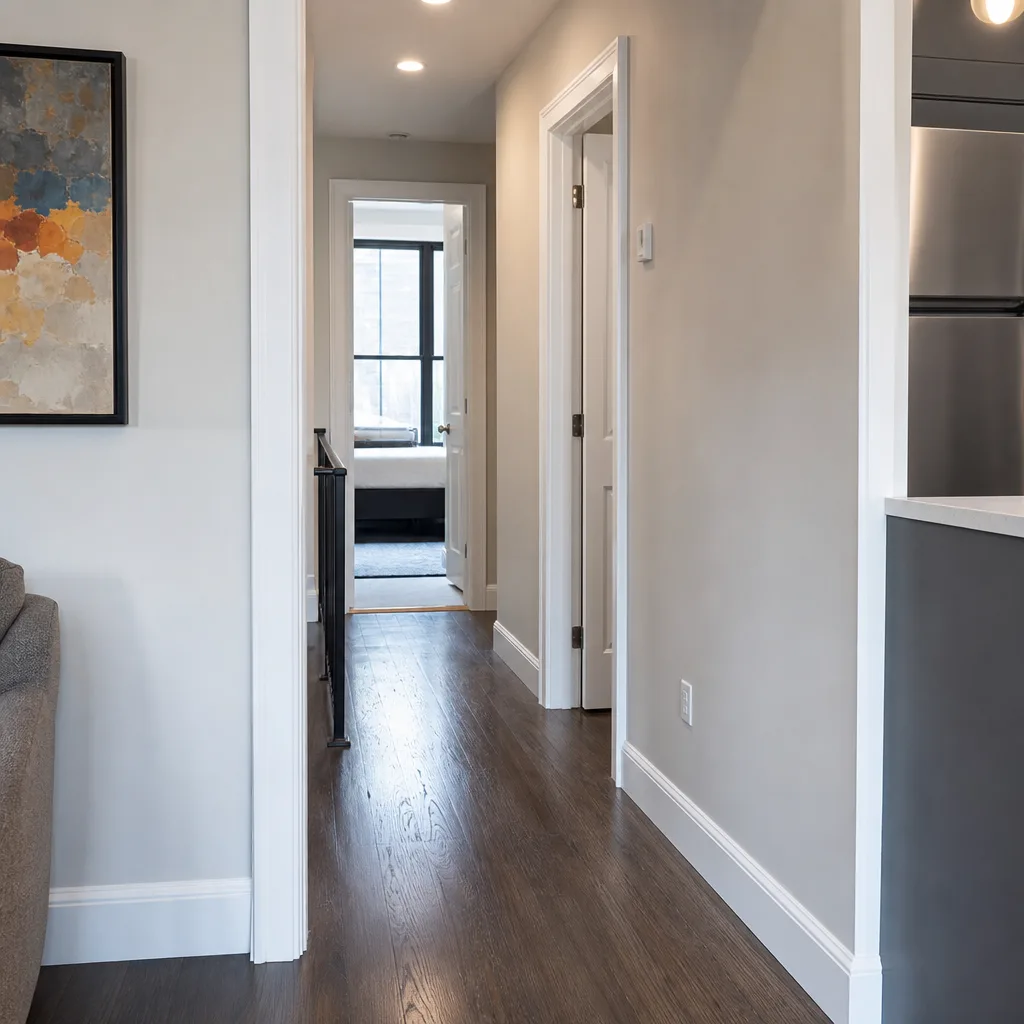 After
After24/7 Emergency Mold Remediation in Mid Island
Mold remediation in Mid Island typically runs $1,800-$6,500 depending on how far the growth has spread behind finished basement walls and whether containment plus structural drying are required. Most jobs in this area start with a free visual inspection, and our crews can be on site within 45 minutes, any hour of any day. If you smell must or see dark staining spreading along baseboards in a Mid Island basement, call (917) 924-4221 right now. The longer mold sits behind drywall, the more square footage it claims and the more the scope grows.
Floodline Restoration Co. of Manhattan answers live at 2 a.m., not through a recording. That matters in Mid Island because a nor’easter does not wait for business hours, and neither does the groundwater pressing up through your slab. When you call, a person picks up, asks the right questions, and dispatches a certified crew toward your street. Not tomorrow. Same visit.
Understanding Mold Remediation Severity in Mid Island Properties
Not every mold job is the same. In Mid Island, we sort every project by how far moisture has traveled and what category of water started the problem. Category 1 is clean water from a supply line. Category 2 carries some contamination, like sump pump discharge. Category 3 is fully contaminated water: groundwater, sewage, or storm surge. Mold that follows Category 2 or 3 water into a finished basement is a different animal than surface mold on a bathroom ceiling. It sits behind baseboards, under carpet padding, inside wall cavities, and around fiberglass insulation that now holds moisture like a sponge.
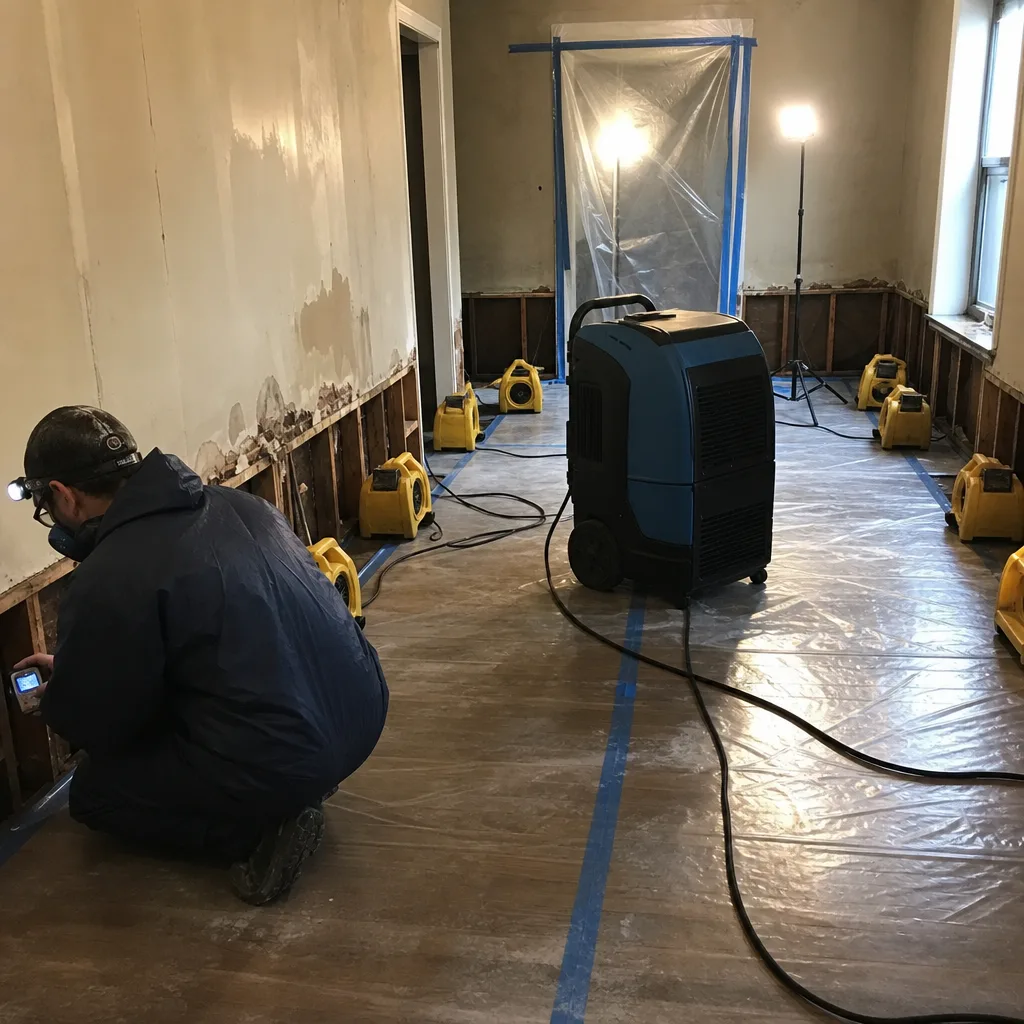
Mid Island’s housing stock makes this pattern worse. Cape Cods, ranches, and split-levels built between 1945 and 1970 often have finished basements used as family rooms, guest quarters, or home offices. That means finished drywall, laminate flooring, and furniture sit directly on or inches above a slab that groundwater can saturate from below. We use moisture mapping, thermal imaging, and hygrometers to find what’s wet before we open a single wall. Containment goes up before demolition starts, and HEPA air scrubbers run throughout. The severity scale we use accounts for Mid Island’s high water table and the finished living space it threatens, not just visible mold colonies.
Why Mid Island Property Owners Choose Floodline Restoration Co. of Manhattan
- 45-minute response commitment: When you call about mold in Mid Island, we give you a real arrival window and hit it. A live dispatcher tracks the nearest crew and routes them directly to your street.
- 24/7 live answer, never an automated system: A person picks up at 3 a.m. on a Sunday during a nor’easter. You explain what you see. We tell you what to do in the next 30 minutes until the crew arrives.
- IICRC-certified crews: Our technicians carry AMRT and WRT certifications, so the crew that sets containment and runs HEPA air scrubbers is trained to the same standard your insurance carrier expects.
- Free visual inspection: Before any work begins, we walk the affected area with you, explain what we’re seeing, and give you a written scope. No charge for that visit.
- Direct insurance billing: We bill your carrier directly and talk to your adjuster ourselves. You are not the messenger between us and the insurance company. Ever.
- One team from extraction to reconstruction: If mold remediation in your Mid Island basement means pulling drywall and rebuilding, the same crew handles it. No handoff to a subcontractor you’ve never met.
Our Mold Remediation Process
Inspection & Assessment
We start with a visual walkthrough, then use moisture meters and thermal imaging to map exactly where water has traveled inside your Mid Island walls and floors. If testing is needed, we collect surface or air samples before any demolition begins.
Containment & Source Stabilization
We stop the water source first. If a sump pump failed or a cast-iron supply line cracked, that gets addressed before containment plastic goes up. Poly sheeting and negative air pressure seal off the affected area from the rest of your home.
Drying & Dehumidification
Dri-Eaz and Phoenix dehumidifiers paired with air movers pull moisture from framing, drywall, and concrete until readings hit the dry standard. In Mid Island, saturated soil can slow this step, so we log readings daily and adjust equipment placement as the slab dries.
Cleaning & Sanitization
HEPA vacuuming and antimicrobial treatment on affected framing and subfloor kill active mold colonies. We treat surfaces that tested positive and those in the same cavity, so spores do not simply move to the next stud bay.
Air Quality Restoration
HEPA air scrubbers run continuously during remediation, and we conduct post-remediation clearance testing to confirm spore counts are back within normal outdoor ranges for Mid Island. You get the numbers in writing.
Repairs & Restoration
If we removed drywall, trim, or flooring, Floodline rebuilds it. Same crew, same scope of work. Your basement returns to pre-loss condition, and the entire job is covered by the 90-Day Done Right Promise, our Keystone Standard, in writing.
Need Emergency Mold Remediation in Mid Island Now?
Crews minutes away, answering live 24 hours a day. The sooner we start, the less it costs.
Working With Your Insurance Company
Mold claims in Mid Island get scrutinized because post-Sandy policies changed how carriers handle fungal growth. We have handled enough of them to know what adjusters need on day one. From the first hour on site, we photograph every affected area, log moisture readings at regular intervals, and document the precise square footage of growth and the water source that caused it. Our line-item scope of work matches the format carriers expect, which keeps the claim moving instead of stalling in review.
We also talk directly to your adjuster. When a question comes up about whether mold behind a Mid Island baseboard was pre-existing or storm-driven, our documentation answers it. We coordinate every inspection, every supplemental request, and every check. You focus on your family. We handle the paperwork.
What We Provide Your Insurer
- Thorough documentation of the loss
- Photos of all damage, room by room
- Moisture readings and drying logs
- A detailed, line-item scope of work
- Direct coordination with your carrier
Built for Mid Island’s Loss Calendar
Mid Island takes on water from two directions, and that shapes our entire year. Nor’easters tracking up the Atlantic dump rain while storm surge pushes in from the south. Tropical systems funnel water through Long Island Sound from the north. When both hit within days of each other, the soil around your foundation stays saturated for weeks, and groundwater pressure does things to slabs and drainage tile that a single-storm town never sees.
January brings deep freezes that burst copper and galvanized supply lines in 1950s ranches. February and March bring thaw cycles that push groundwater through foundation cracks. April through June means spring rain on already saturated glacial outwash. July and August thunderstorms drop inches in hours, overwhelming sump pumps. September and October are nor’easter season, and November storms arrive with leaves clogging gutters and downspouts. The mold that follows any of these events rarely shows itself immediately. It colonizes behind baseboards for weeks, and by the time you smell it, the job has already grown. That is the calendar we plan for, because we live it every year in Mid Island.
Mold Remediation Across Mid Island’s Neighborhoods
Homes along Victory Boulevard tend to be 1950s and 60s split-levels with finished basements that double as family rooms. We see a lot of sump pump failures there when nor’easters hit back-to-back, and the mold that follows moves fast through drywall. Over near Richmond Avenue, the stock shifts toward Cape Cods on smaller lots, which means basement access is tighter and containment setups need to account for narrow stairwells and finished ceilings. In the blocks around Travis Avenue, ranch houses from the 1960s often still carry original cast-iron supply lines, and when those fail, Category 1 water quickly becomes a humidity problem that feeds mold throughout the entire lower level. Near Forest Avenue, we regularly find post-Sandy basements that were “remediated” years ago without proper containment, and residual mold now grows behind new drywall. Each neighborhood has its own pattern, but the common thread is the same: finished basements sitting on a water table that rises every time the coast gets hit.
Specialized Mold Remediation Services We Offer in Mid Island
Mold Inspection & Testing
Before we remove anything, we need to know what we are dealing with. Our Mid Island inspections use moisture meters, thermal imaging, and surface or air sampling to identify the species and map the spread. Testing tells us if you are dealing with common Aspergillus or something more serious like Stachybotrys, and those results shape the containment plan.
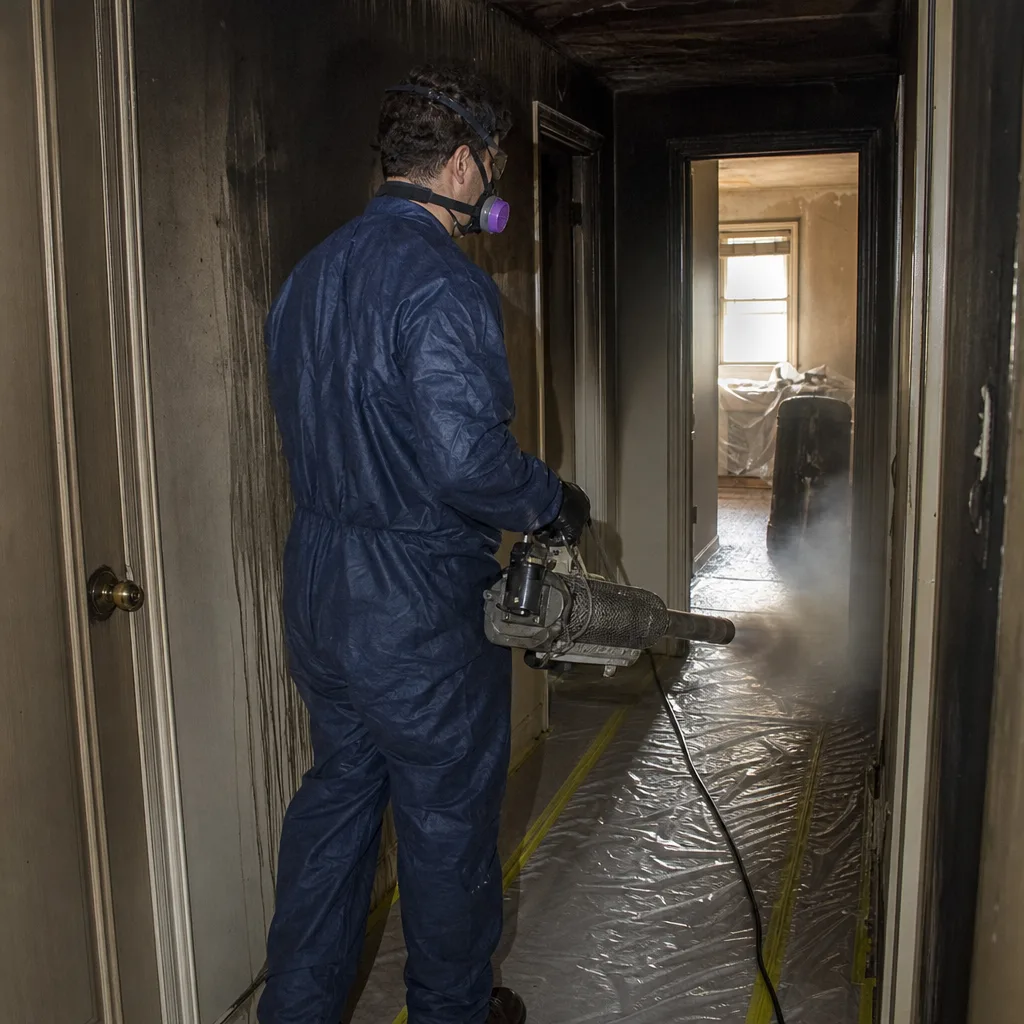
Mold Removal
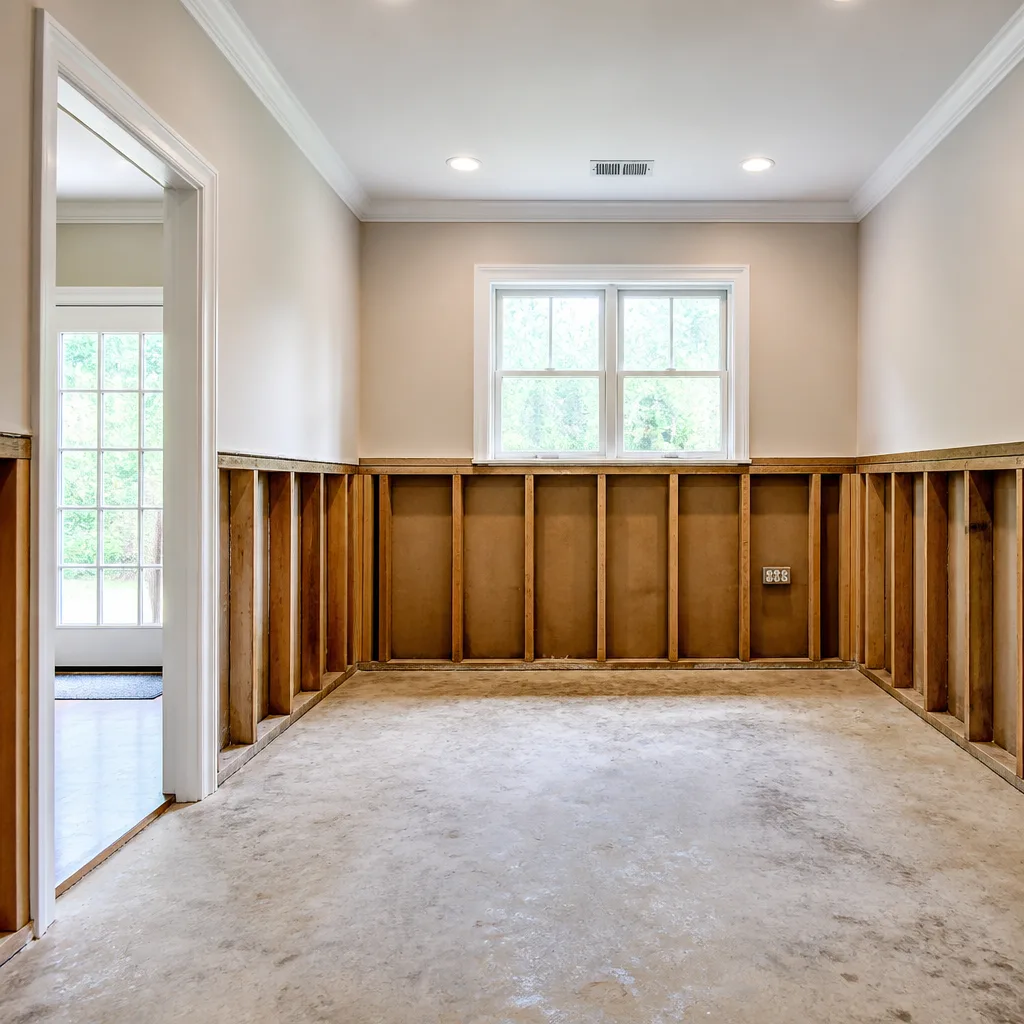
Removal means physically taking out affected drywall, insulation, carpet, and padding, not just spraying over it. In Mid Island finished basements, that often means pulling the bottom four feet of wall throughout an entire room because groundwater wicked up through the slab equally on all sides. We remove the material, bag it, and dispose of it properly.
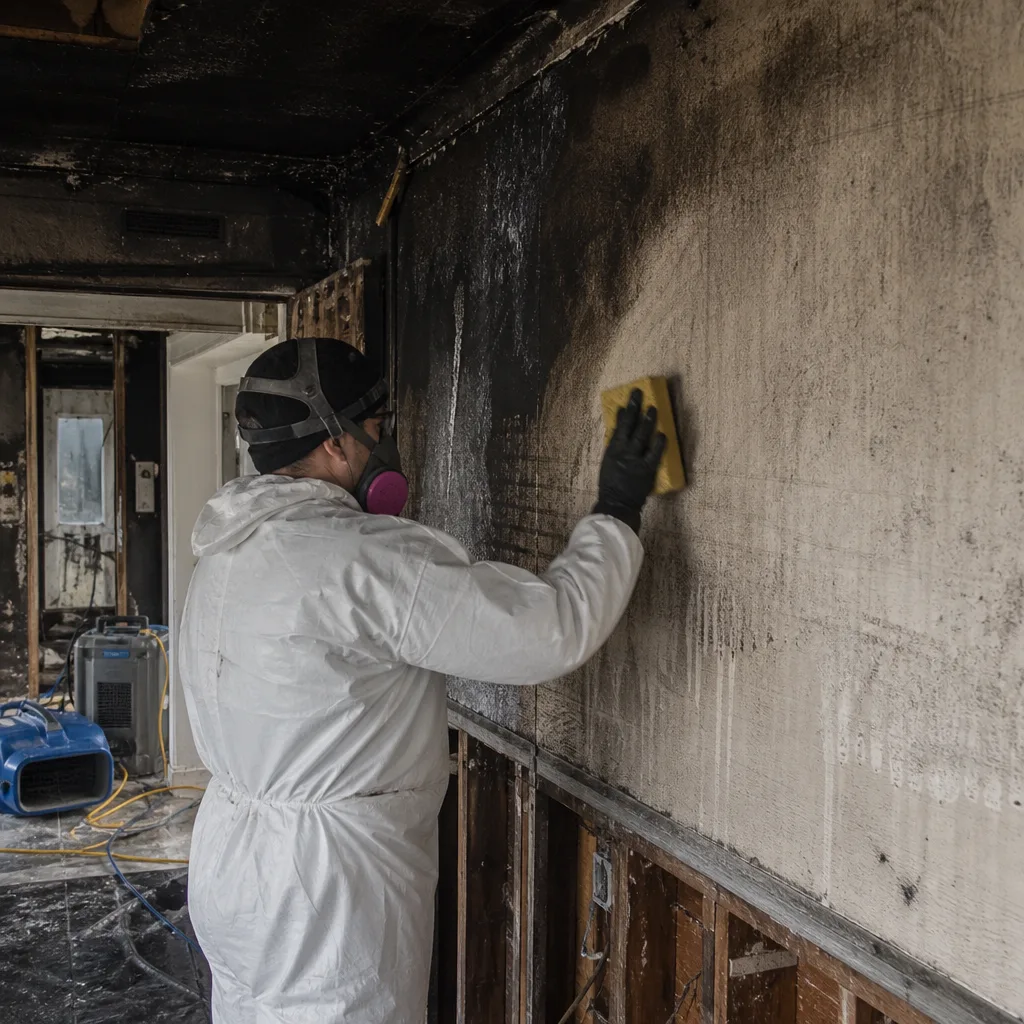
Black Mold Remediation
Black mold, usually Stachybotrys chartarum, needs full containment and HEPA air scrubbing before any drywall comes down. In Mid Island homes with ongoing humidity from the aquifer, black mold tends to reappear unless the moisture source is fully resolved. Our remediation treats the colony and the conditions that fed it.
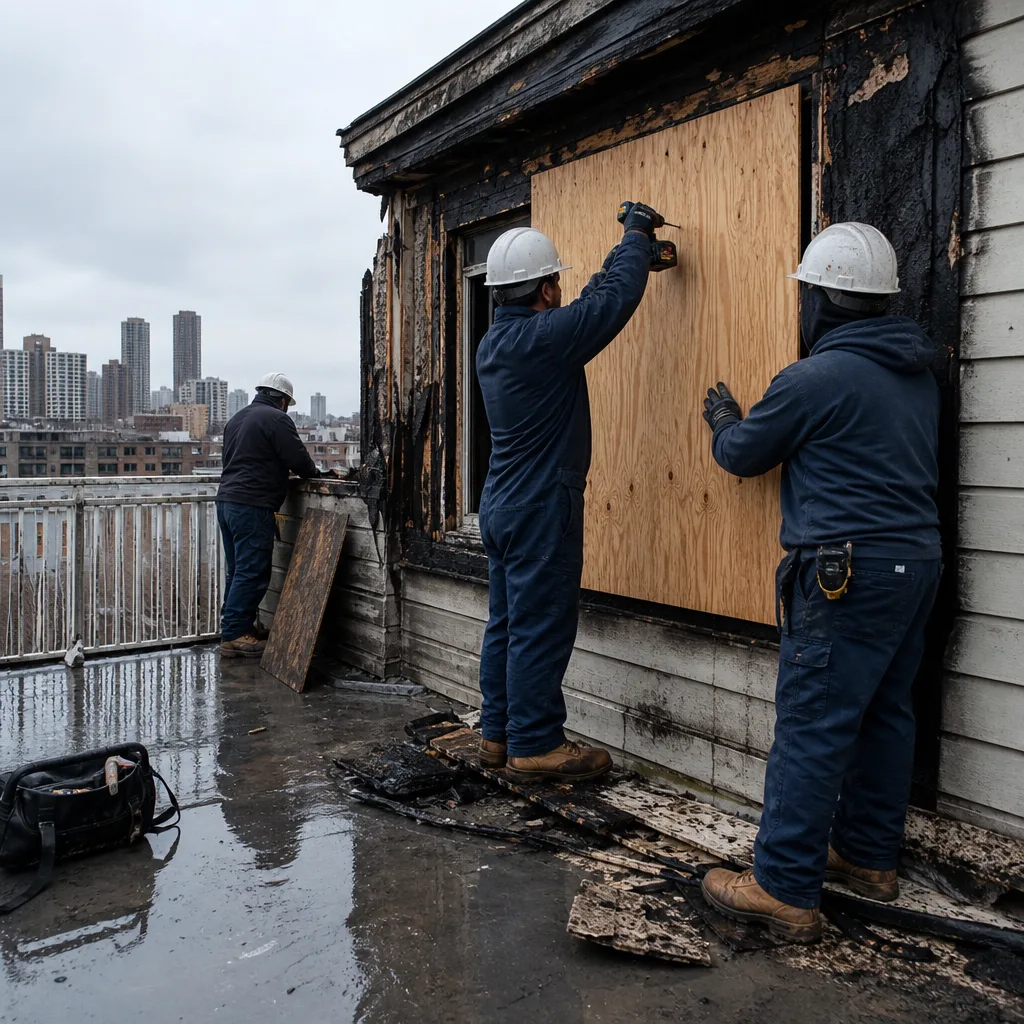
Air Quality Restoration
Mold spores travel. Even after visible growth is removed, your Mid Island home’s air can carry thousands of spores per cubic meter. We run HEPA scrubbers during the job and perform clearance testing afterward, comparing indoor counts to an outdoor baseline taken in your neighborhood the same day.
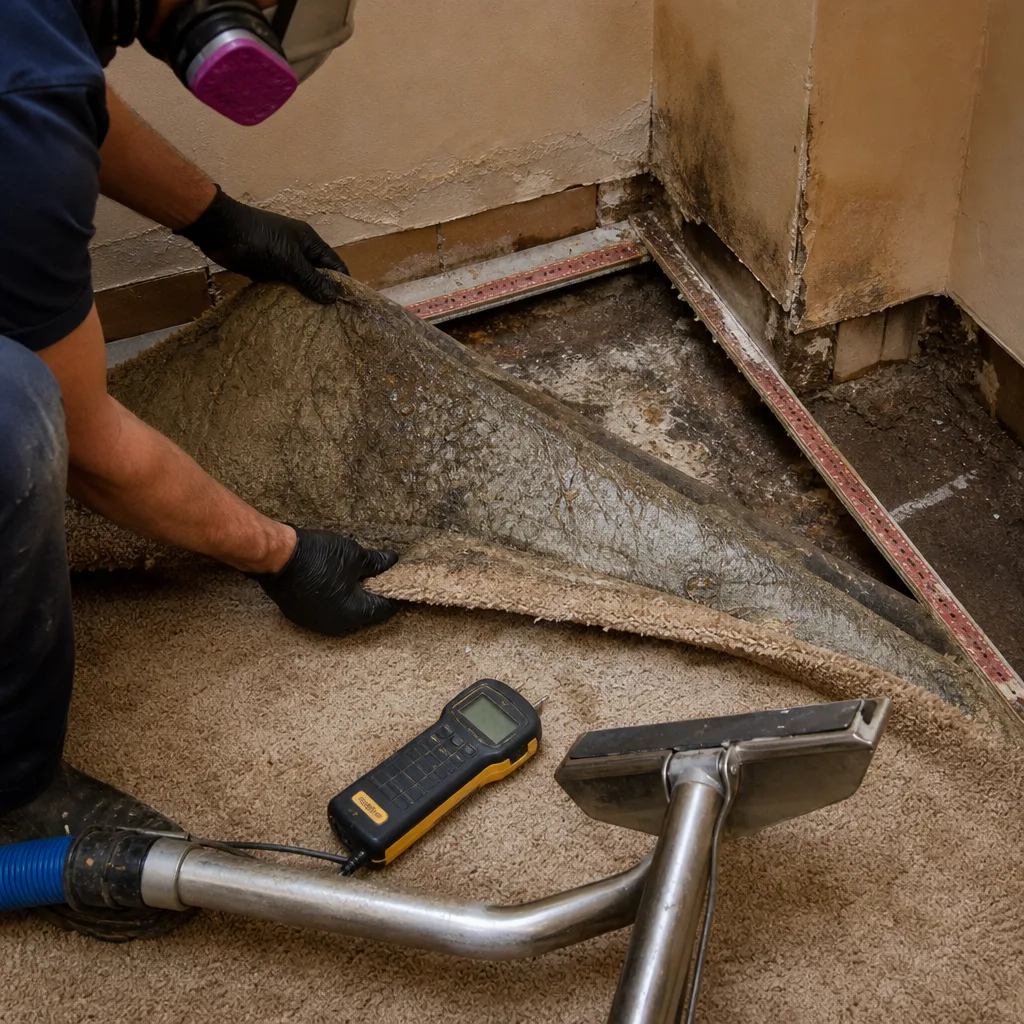
Crawl Space Treatment
Not every Mid Island home has a full basement. Many Cape Cods have crawl spaces, and those stay damp from aquifer moisture rising through the soil. We install vapor barriers, seal vents where appropriate, and treat framing with antimicrobial products so the crawl space stops feeding musty air into the living space above.
What happens when you call
- 1
A real person answersNo phone trees - you reach a local pro.
- 2
You get an upfront price rangeHonest numbers before anyone is dispatched.
- 3
A background-checked tech heads outLicensed & insured, dispatched right away.
- 4
You approve before work beginsNothing starts until you say go.
Mold Remediation Costs in Mid Island, NY
A straightforward mold removal in a Mid Island bathroom or closet runs $800-$1,500. A contained remediation in a finished basement with structural drying, drywall removal, and air scrubbing typically lands between $3,500 and $6,500, depending on square footage and how long the moisture sat. Full contents-and-structure jobs, where flooring, built-ins, and multiple rooms are involved, start around $7,000 and go up from there. What moves the price in Mid Island specifically: the finished basement configuration, whether an oil tank or cast-iron line is involved, and how quickly the water source got stopped. If insurance is covering the loss, your out-of-pocket is usually just the deductible. If it is a maintenance issue like a failed sump pump with no flood endorsement, the claim may be denied, and that changes the conversation. Either way, start with a free visual inspection. You get a written scope before any work begins, so there are no surprises on the bill. Call (917) 924-4221 to schedule that visit.
We Also Serve Cities Near Mid Island
Floodline Restoration Co. of Manhattan runs crews through Mid Island and the surrounding communities daily. If your property is in Fairview, Harrison, East Bronx, or Hunts Point, the same certified team and the same 45-minute response commitment apply. Our Mold Remediation team covers the full metro area, and we know the building types and moisture patterns in each of these neighborhoods.
Serving Mid Island, NY - Our Local Coverage Area
We’re based in the Mid Island area and know this community well. Use the map below to see our service coverage - if you’re nearby, we can almost certainly help.
Mid Island Mold Remediation Questions, Answered
How does living on Mid Island’s shallow glacial outwash aquifer affect mold risk in a finished basement?
Mid Island sits on a shallow glacial outwash aquifer that rises quickly during nor’easters and tropical storms, saturating the soil under your slab and pushing groundwater up through drainage tile, cracks, and cove joints. That persistent moisture keeps basement humidity above 60% for weeks after a storm, which is exactly where mold thrives. If you have a finished basement in Mid Island, the aquifer means you need active humidity control year-round. Call (917) 924-4221 to talk through options specific to your house.
What regulatory issue is specific to mold remediation in older Mid Island homes with oil heat?
Many 1950s and 60s Mid Island homes still have in-ground fuel-oil tanks, and if floodwater or groundwater breaches the tank’s fill pipe, NY DEC spill reporting kicks in alongside your mold claim. That means containment and drying have to be coordinated with a spill inspector, not just your insurance adjuster. We have worked through this enough times to sequence the job correctly from day one.
What part of the mold remediation process takes longest in Mid Island split-levels with finished basements?
Structural drying almost always takes longest. Split-level basements in Mid Island are finished spaces where drywall, carpet, and furniture sit on or near a slab that stays wet long after visible water is gone. With saturated soil outside, the slab releases moisture for days or weeks, and we cannot rebuild until moisture readings hit the dry standard. We log readings daily so you see the progress in numbers, not promises.
When we’re treating mold in a Mid Island Cape Cod basement, do we need to remove the original cast-iron supply lines?
Not automatically. The cast-iron lines only need removal if they are actively leaking, corroded enough to be a future failure point, or if they sit inside wall cavities that must be opened for remediation anyway. We will show you exactly what we find during the inspection and include any line replacement in the written scope before work begins.
How do you handle mold behind finished basement walls that were already ‘remediated’ after Hurricane Sandy?
We treat post-Sandy re-remediations as full containment jobs from the start. The original work often skipped proper moisture readings or antimicrobial treatment, so we assume spore spread behind the drywall is worse than the visible staining suggests. We map moisture throughout the entire lower level, remove affected material back to dry framing, and run clearance testing before rebuilding. This is a pattern we see regularly throughout Mid Island.
How fast can someone actually get to my Mid Island house?
Our commitment is 45 minutes from your call to a crew on site, any hour, any day. A live dispatcher routes the nearest available team directly to your address. Call (917) 924-4221 and we will give you a real arrival window on the spot.
Will insurance cover mold remediation in Mid Island?
It depends on the water source. If a covered peril like a burst pipe or storm damage caused the moisture that fed the mold, remediation is usually covered as part of the claim. If the mold traces back to long-term humidity or a failed sump pump without a flood endorsement, coverage is less certain. We document the cause from the first visit and work directly with your adjuster on the scope.
Can we stay in our Mid Island home during mold remediation?
Usually, yes, with containment separating the work area from the rest of the house. If mold has spread into HVAC ductwork or someone in the home has respiratory conditions, temporary relocation may be the safer choice. We will tell you honestly what your situation calls for after the inspection.
Written by Curt Bowman, Owner at Floodline Restoration Co. of Manhattan, serving Mid Island with certified mold remediation crews and the 90-Day Done Right Promise.