
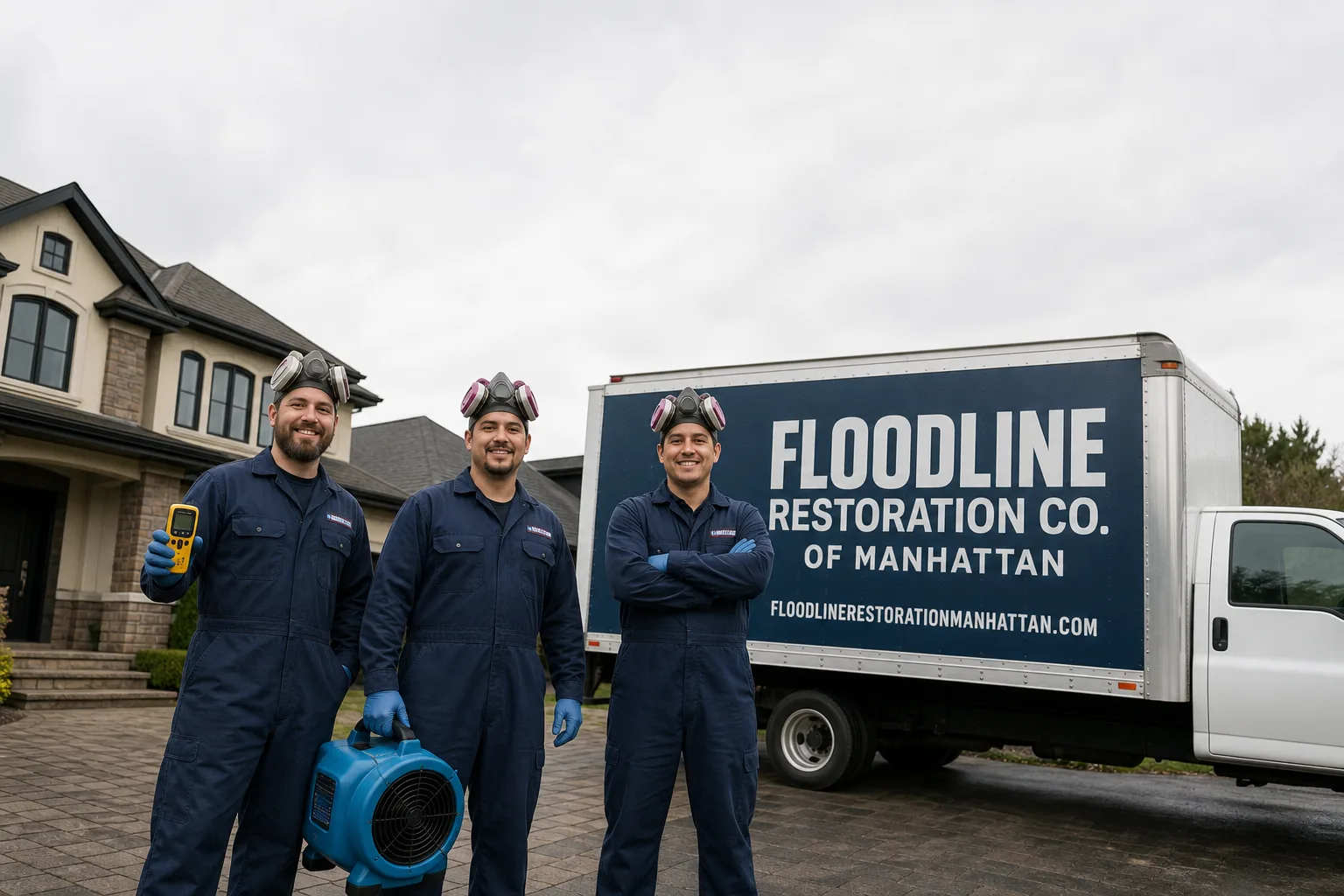
Free visual inspection and a written scope of work before any mitigation begins - photos, moisture readings, and drying logs go in your claim file
The scope we write is the scope we bill. Anything new gets shown to you, in writing, before we touch it.

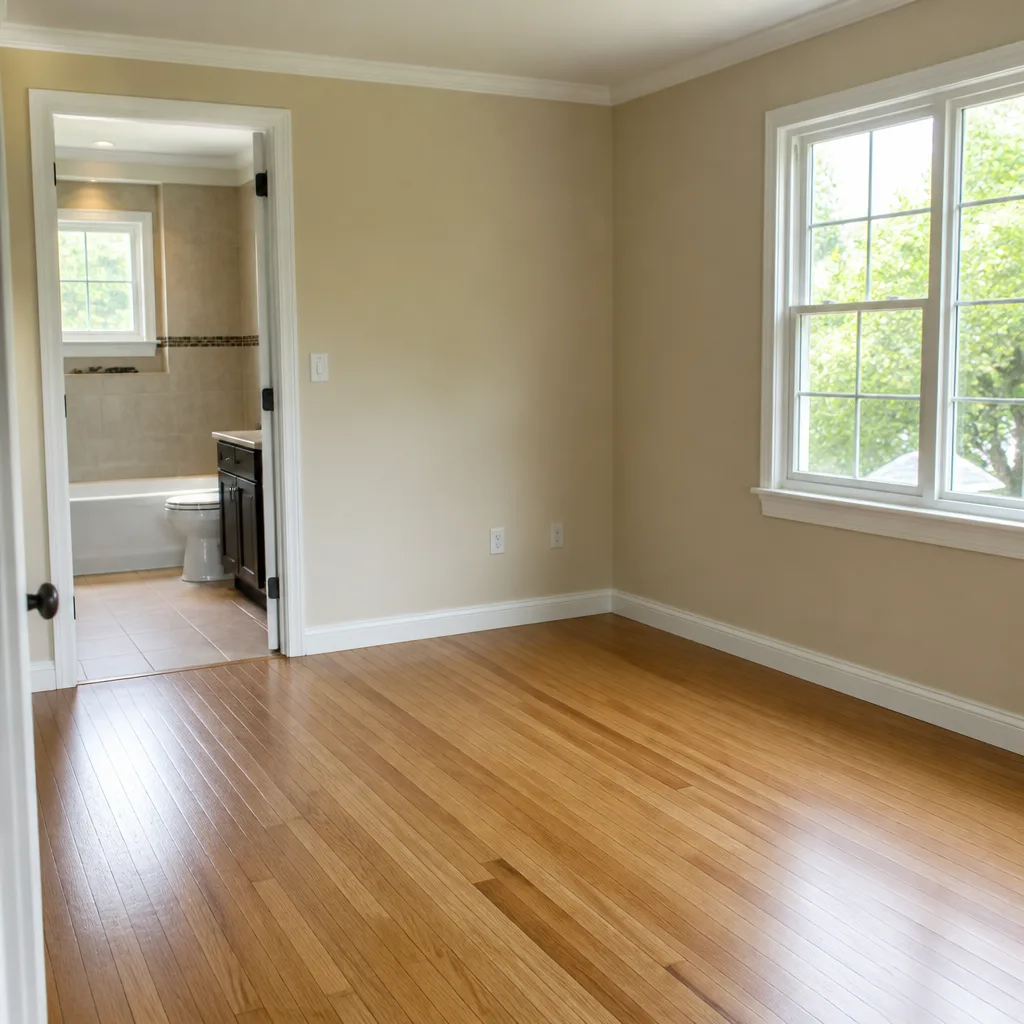
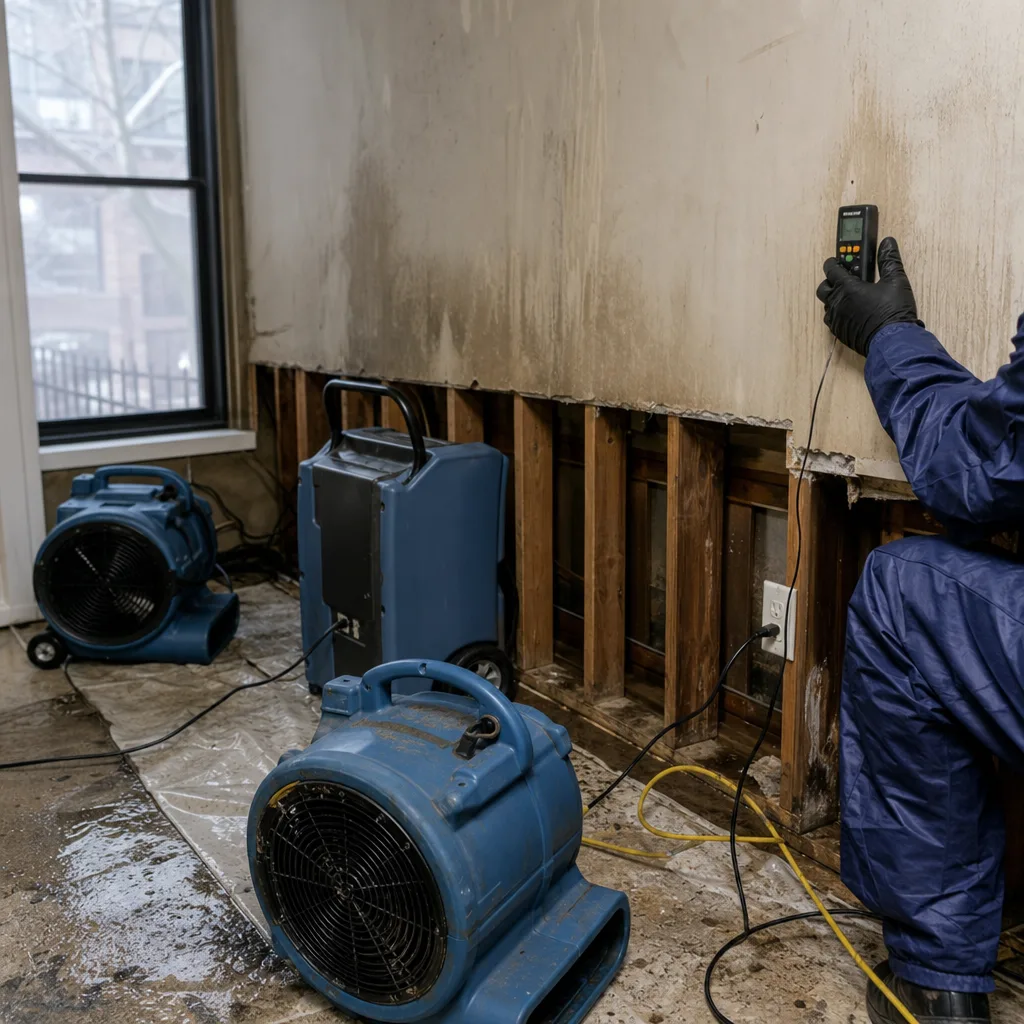 Before
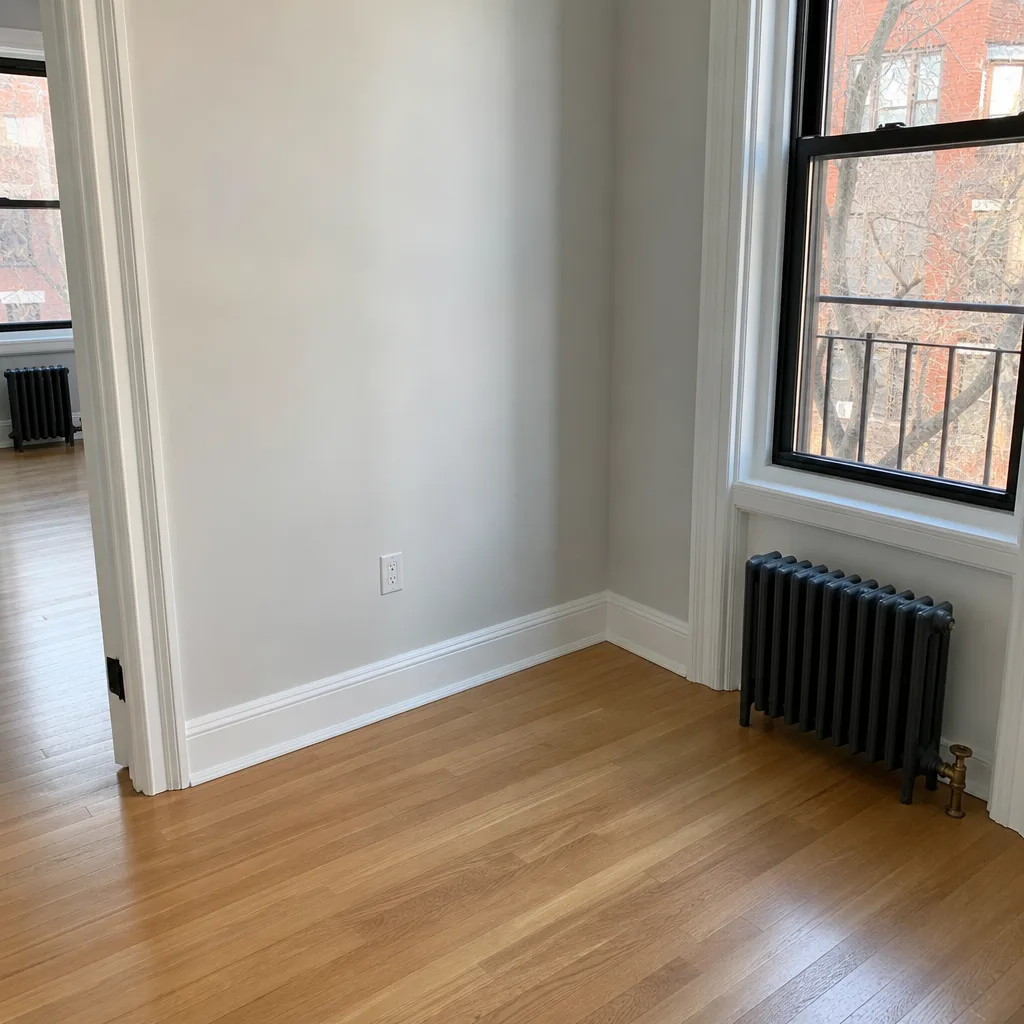 After
After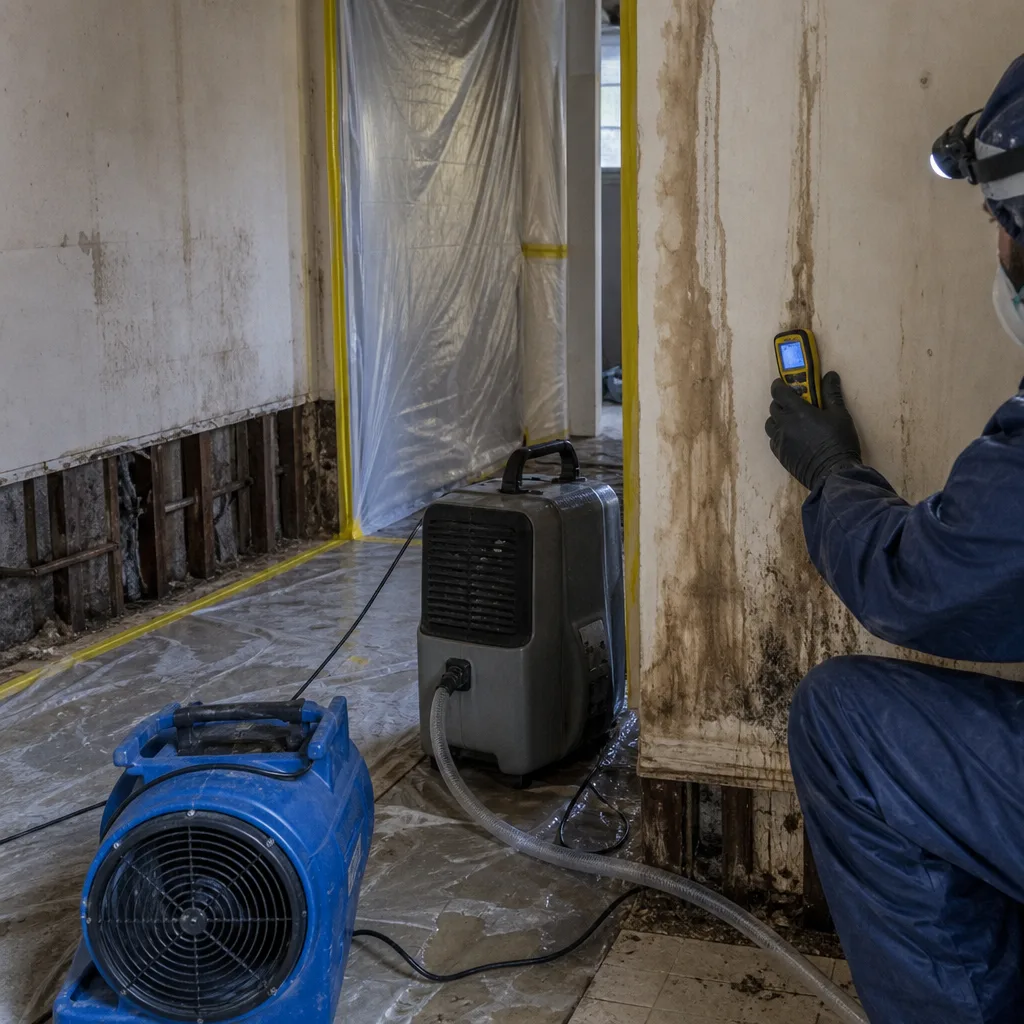 Before
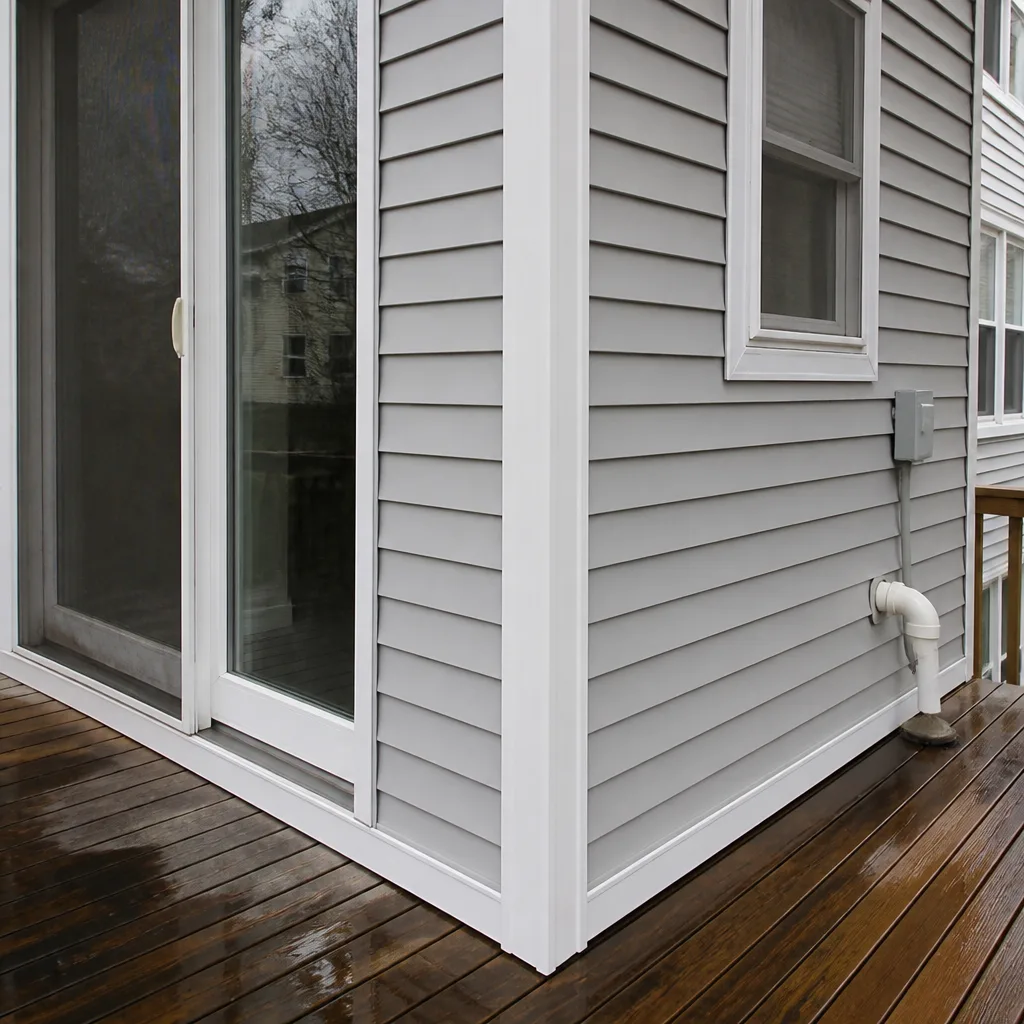 After
After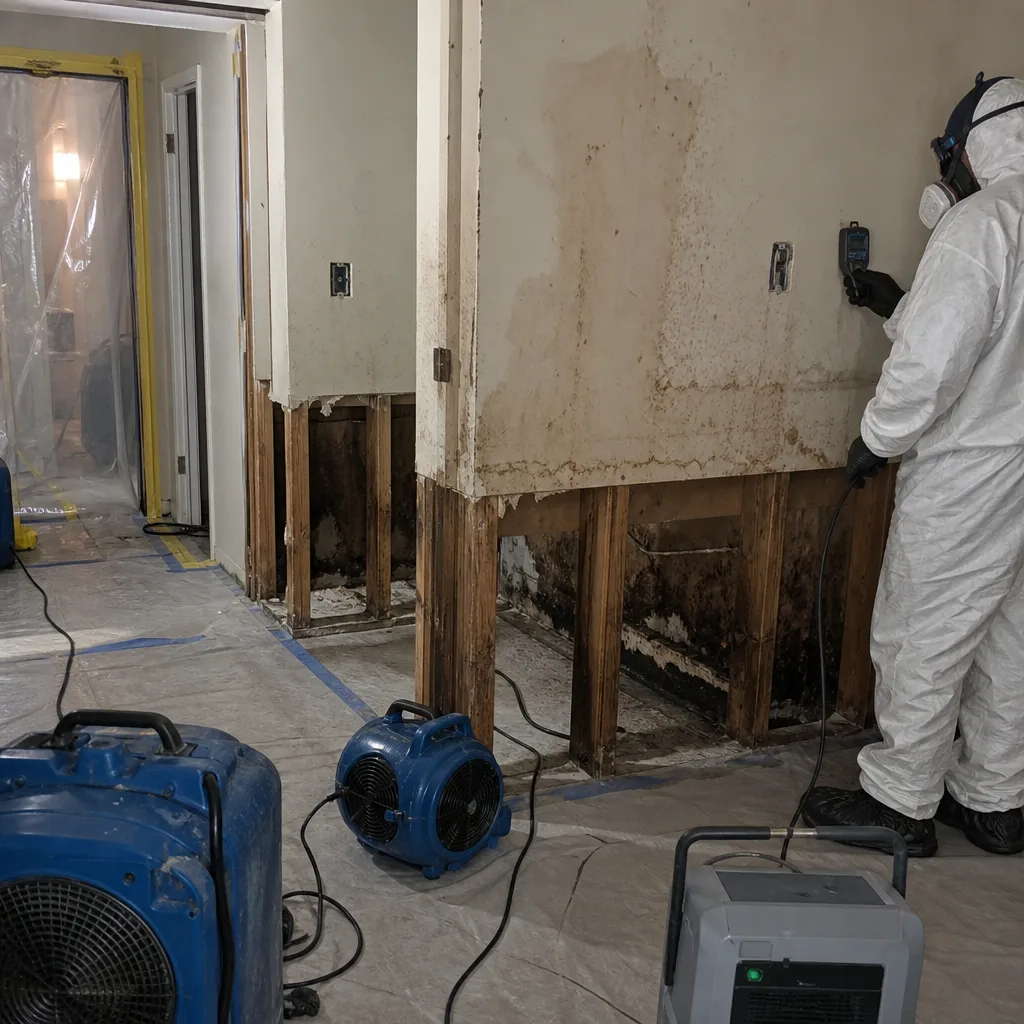 Before
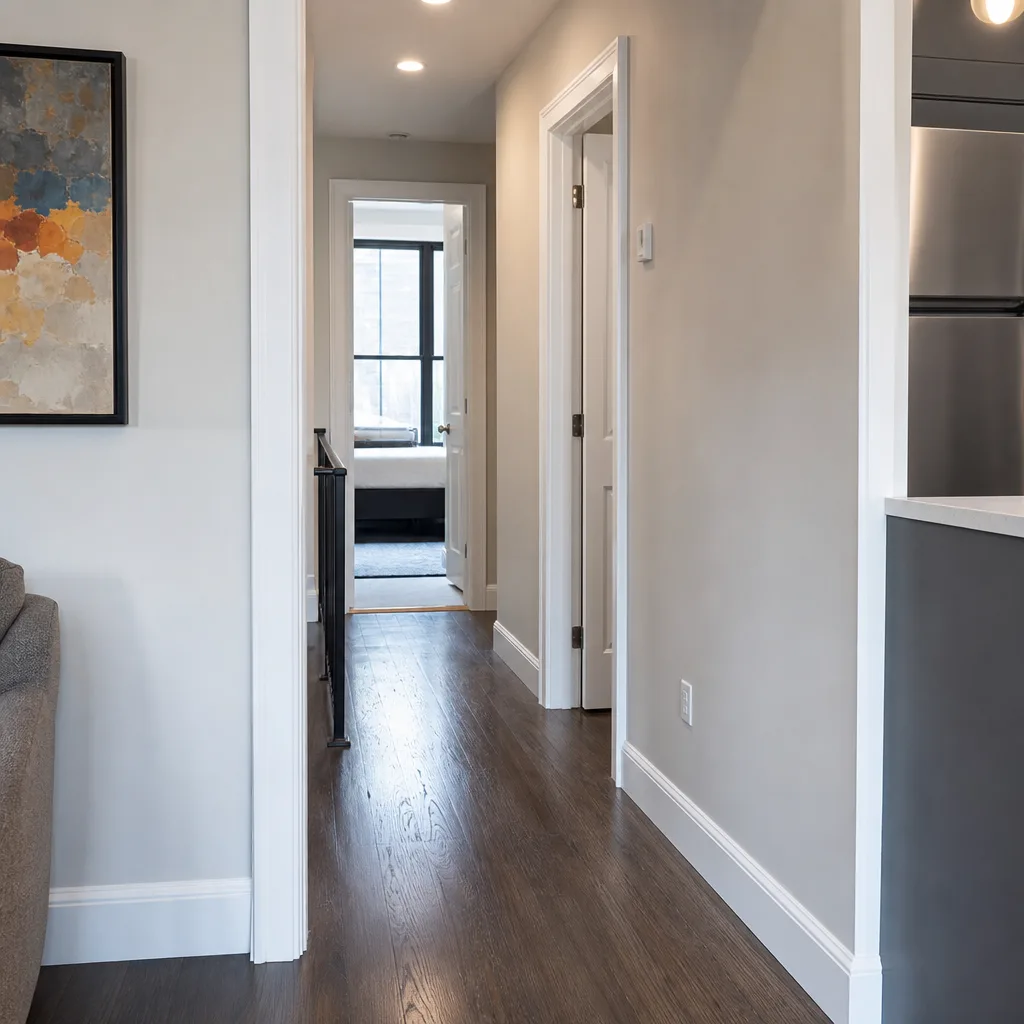 After
After24/7 Emergency Mold Remediation in NoHo
Mold in a NoHo loft is never a wait-and-see problem. Our crews reach NoHo fast, usually within 45 minutes, and we answer the phone with a live dispatcher at any hour, including 2 a.m. on a Sunday. Call (917) 924-4221 and you’ll speak with a person who can dispatch a certified crew to your building the same visit. The first hour matters because mold colonies in NoHo’s thick masonry walls and under wide-plank floors double every 24 to 48 hours once the moisture source is active. We perform a free visual inspection on arrival, map the moisture with thermal imaging, and give you a written scope before any work starts. No pressure, no guesswork.
Understanding Mold Remediation Severity in NoHo Properties
Mold remediation severity breaks into three broad levels, and NoHo’s building stock pushes even minor cases toward the serious end. A small surface colony on drywall or trim is limited remediation: contain the area, remove affected material, HEPA-vacuum, and clear. A moderate colony fed by a slow leak inside a stud wall or ceiling requires containment with negative air pressure, air scrubbing, and removal of all affected porous materials. The serious category, and the one we see most in NoHo, is hidden mold inside thick masonry: colonies growing inside 12-to-18-inch brick party walls, under wide-plank floors, or behind original plaster where a plumbing chase has been leaking for months. These jobs require moisture mapping, acoustic leak detection, and controlled demolition only after we know exactly where the water is coming from. Opening a landmarked NoHo wall without that step risks an LPC violation on top of a mold claim. Severity in NoHo is rarely about how much mold you can see; it’s about how much is hidden inside the building’s oldest, thickest assemblies.
Why NoHo Property Owners Choose Floodline Restoration Co. of Manhattan
- 45-minute response commitment to NoHo – our Manhattan dispatch board keeps a crew close enough to reach your building fast, not hours later.
- A live person answers, 24/7 – no phone tree, no answering machine at 4 a.m. You get a dispatcher who can send a crew immediately.
- IICRC-certified crews – our techs carry WRT and AMRT certifications and train to RIA and IFA standards, so removal and containment get done the way the science requires.
- Free visual inspection – we arrive, look, test, and write a scope. You see what we see before any money changes hands.
- Direct insurance billing – we document, photograph, and talk to your adjuster directly. You shouldn’t have to play messenger between us and your carrier.
- One team from extraction to reconstruction – the same certified crew that pulls the water and kills the mold also rebuilds what was removed. No mid-job handoff to a subcontractor you didn’t choose.
Our Mold Remediation Process
Inspection & Assessment
We start with thermal imaging and moisture meters, not a saw. In NoHo lofts with masonry party walls, we locate the moisture source before making any opening. Air samples and surface swabs can be collected if testing is needed.
Containment & Stabilization
We seal the affected area with 6-mil polyethylene and run negative air pressure with HEPA-filtered air scrubbers. This keeps mold spores from spreading into your open-plan living space or adjacent apartments through shared walls.
Source Removal & Demolition
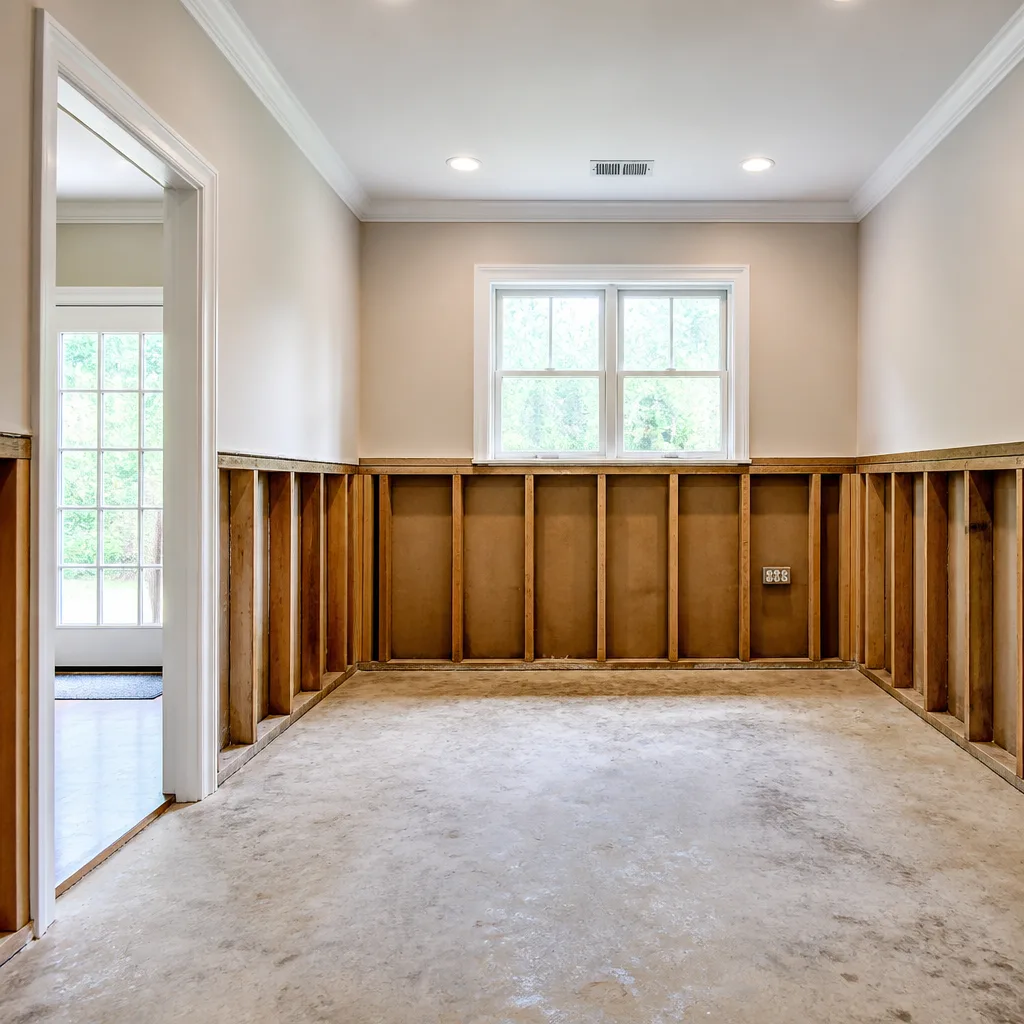
Affected drywall, plaster, insulation, and flooring are removed under containment. In NoHo, we cut only what’s necessary to expose and remove the mold colony, and we confirm LPC applicability before touching any protected surface.
Cleaning & Sanitization
All exposed surfaces are HEPA-vacuumed, scrubbed with antimicrobial treatments appropriate for the material, and air-scrubbed until particulate counts fall to acceptable levels. Non-porous surfaces like cast-iron columns get cleaned, not necessarily replaced.
Structural Drying & Air Quality
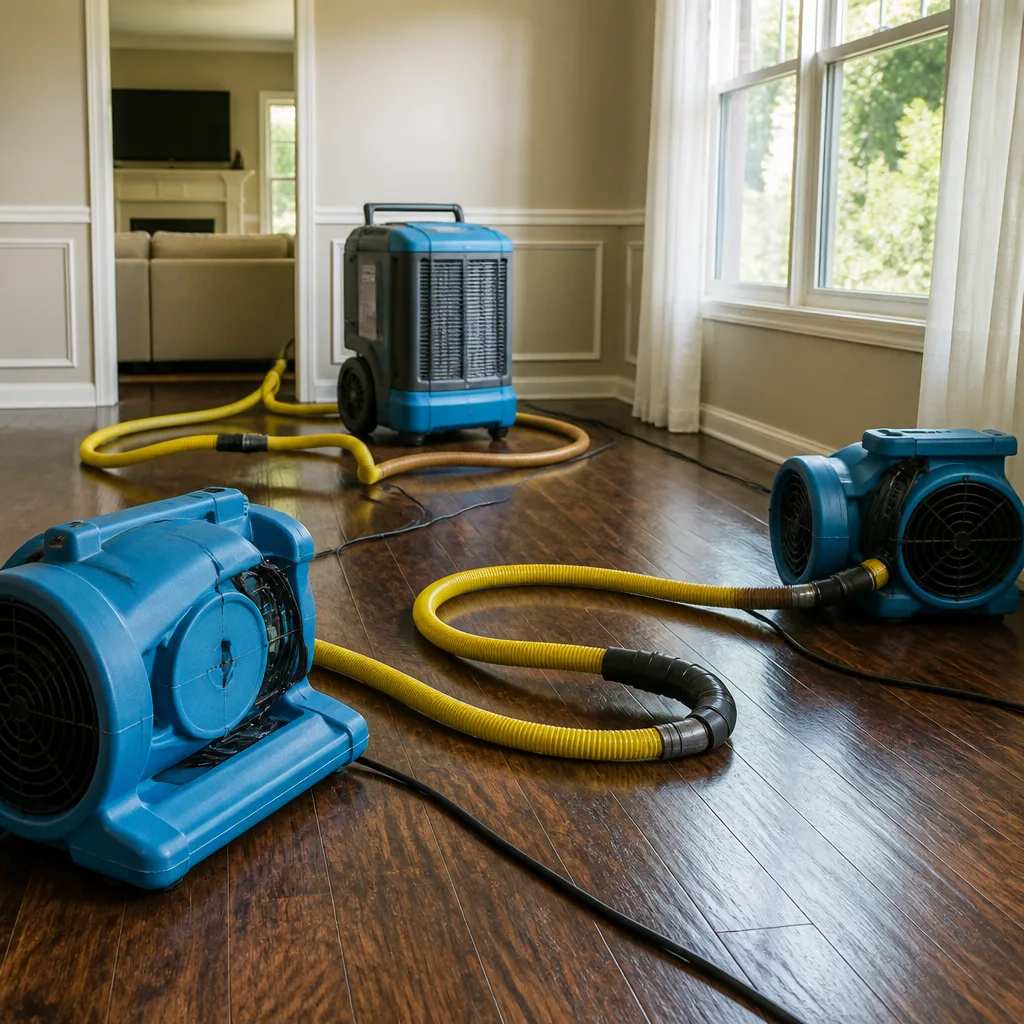
We run Dri-Eaz dehumidifiers and air movers until moisture readings in the masonry, subfloor, and wall cavities return to pre-loss condition. Daily readings are logged and shared with you and your carrier. Air quality restoration is verified before containment comes down.
Repairs & Restoration
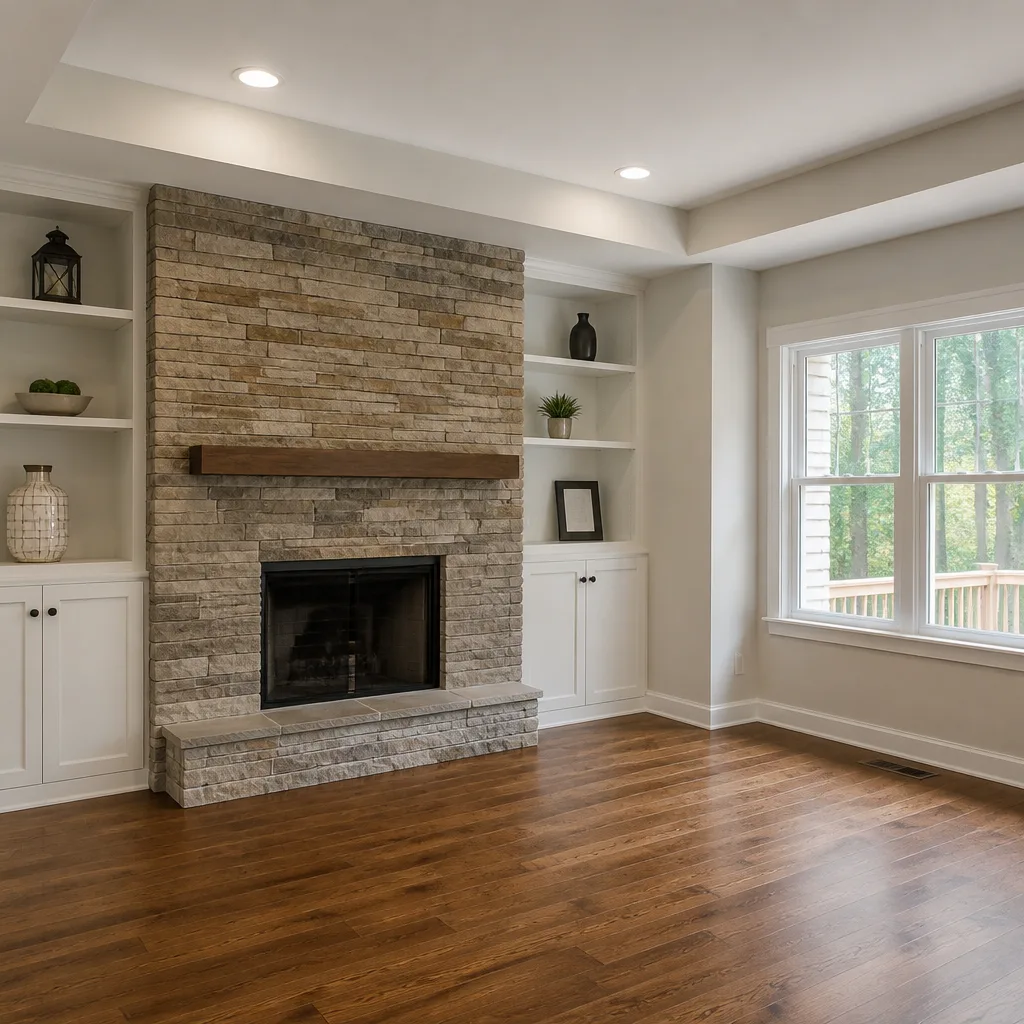
The same Floodline crew rebuilds what was removed: plaster, trim, flooring, cabinetry, finishing. Your loft goes back together correctly, and our 90-Day Done Right Promise stands behind every part of the job.
Need Emergency Mold Remediation in NoHo Now?
Crews minutes away, answering live 24 hours a day. The sooner we start, the less it costs.
Working With Your Insurance Company
Insurance adjusters see a lot of mold claims, but few from buildings like NoHo’s. The hidden-moisture problem inside thick masonry walls, the landmarked facade restrictions, the high value of original finishes, all of it needs to be documented in a way an adjuster can approve without endless back-and-forth. We document from the first hour: photos of the affected area before anything is moved, moisture readings inside wall cavities, thermal imaging stills, and a line-item scope that separates water extraction, mold remediation, and reconstruction. Our project manager talks directly with your adjuster, provides the drying logs, and answers their questions so you don’t have to. We’ve been doing that for NoHo homeowners since 2010, and it keeps claims moving.
What We Provide Your Insurer
- Thorough documentation of the loss
- Photos of all damage, room by room
- Moisture readings and drying logs
- A detailed, line-item scope of work
- Direct coordination with your carrier
Built for NoHo’s Loss Calendar
NoHo’s mold season runs on a schedule that most restoration companies don’t bother to learn. January and February bring deep freezes that burst water supply lines chased through uninsulated masonry chases, and the leaks feed mold growth behind plaster before anyone notices the damp spot. March through May brings spring thaw and the first serious humidity upswing, which wakes dormant colonies inside wide-plank floor cavities and behind basement lintels. Summer thunderstorms overwhelm the old combined sewer drains around Lafayette and Bond, sending category 2 and 3 water into below-grade storage and mechanical rooms. And nor’easter season, September through November, pushes storm surge up the East River corridor and into ground-floor commercial spaces and cellar units. Lower Manhattan’s urban canyon effect means every one of these events dries slower than the suburbs do. Our crews know the seasonal pattern of NoHo, which means we arrive already knowing where the mold is likely hiding.
Mold Remediation Across NoHo’s Neighborhoods
NoHo is compact, but its building patterns shift block by block, and so do the mold problems. Along Broadway and Lafayette Street, the grand cast-iron loft buildings hold some of the district’s largest residential conversions, with open floor plates over 3,000 square feet and ceilings pushing past 12 feet. Mold in those spaces moves differently: a small bathroom leak can feed a colony that spreads through a dropped ceiling plenum before anyone sees staining. Around Bond Street and Great Jones Street, the buildings are narrower, with original wide-plank flooring over heavy timber joists, and we often find mold traveling along the joist pockets where water followed the grain. The side streets off the Bowery, including parts of East 4th Street near the old warehouse stock, hold converted stables and light manufacturing buildings with shallow floor plates and shared party walls, which makes cross-unit mold transmission a real concern. And the Mercer Street corridor’s masonry lofts have some of the thickest interior walls in the district, so moisture mapping takes longer and drying takes longer, but it keeps the LPC shield intact. Wherever the building sits in NoHo, our crews know the route in and the failure mode to expect before they knock.
Specialized Mold Remediation Services We Offer in NoHo
Mold Inspection & Testing
We locate mold in NoHo lofts using thermal imaging, moisture meters, and when needed, air and surface sampling. The goal is to find the colony and its moisture source before opening a single wall. In NoHo’s masonry buildings, that step is essential, because invasive inspection can trigger Landmarks Preservation Commission review restrictions if the building is in the designated historic district.
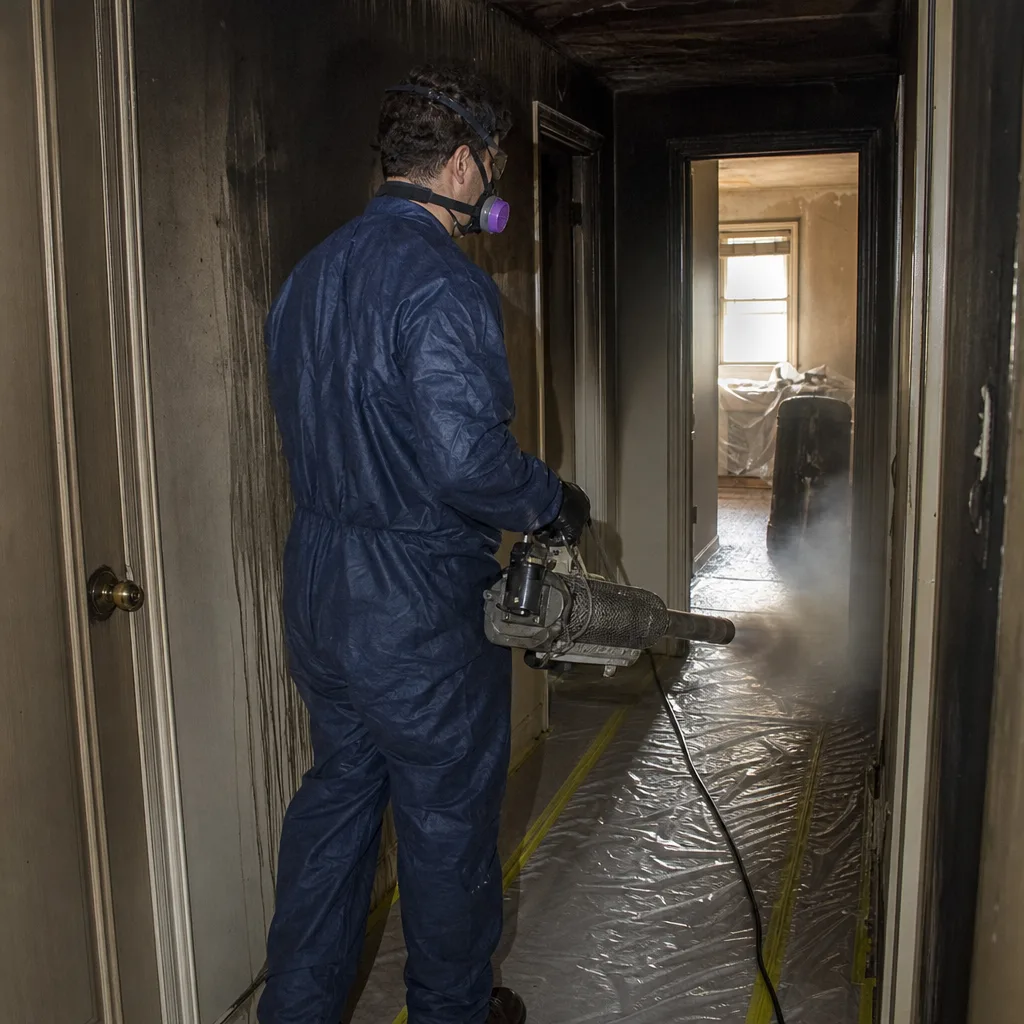
Mold Removal
Removal in a NoHo loft means removing the mold and the material it feeds on, not just spraying the surface. Porous materials like drywall, plaster, and insulation come out under containment. Dense materials like brick and cast iron get cleaned and dried. We protect original architectural fabric wherever it’s sound.
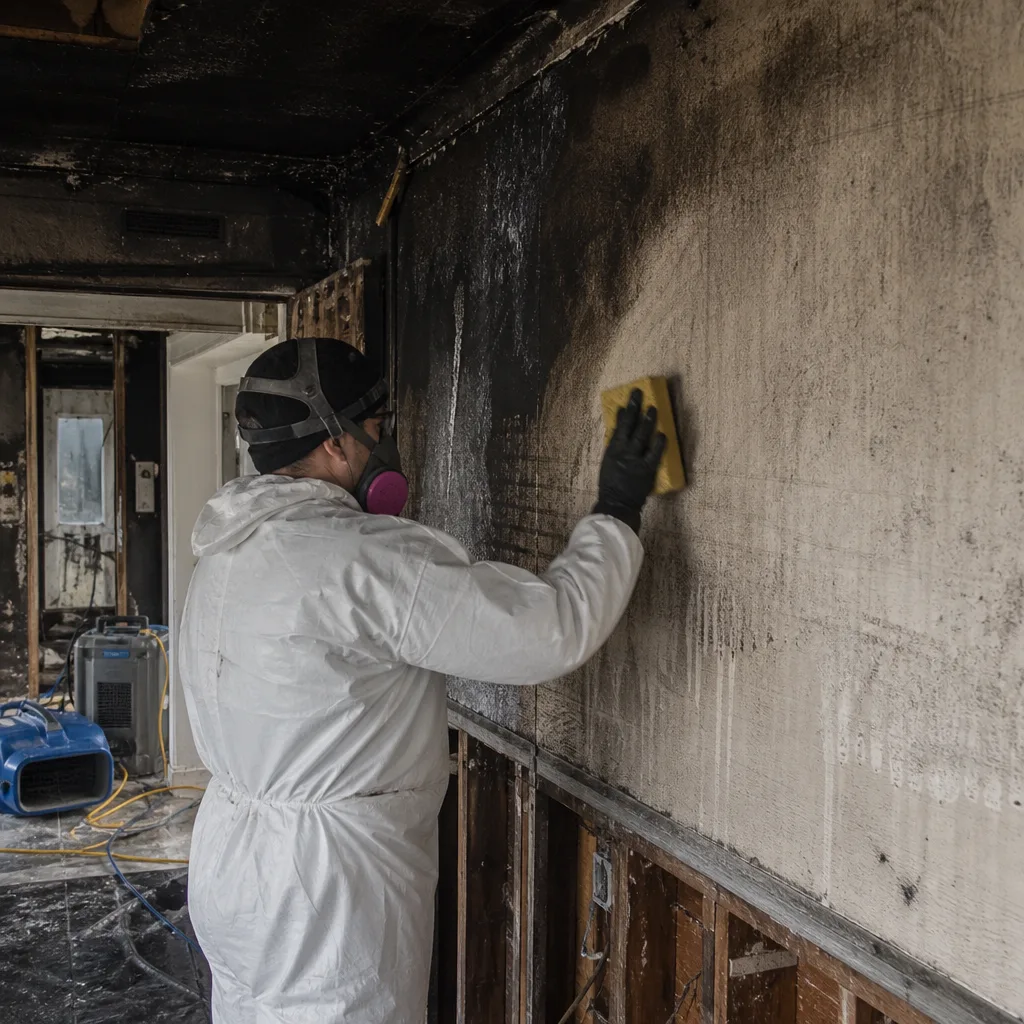
Black Mold Remediation
Black mold, usually Stachybotrys, grows on materials that have been wet for a long time: behind a leaking drain line inside a party wall, under a floor assembly after a slow pipe drip, or inside a ceiling cavity fed by a failing roof drain. NoHo’s thick masonry and concealed plumbing chases create exactly those conditions. We contain, remove, and verify clearance before sealing the wall back up.
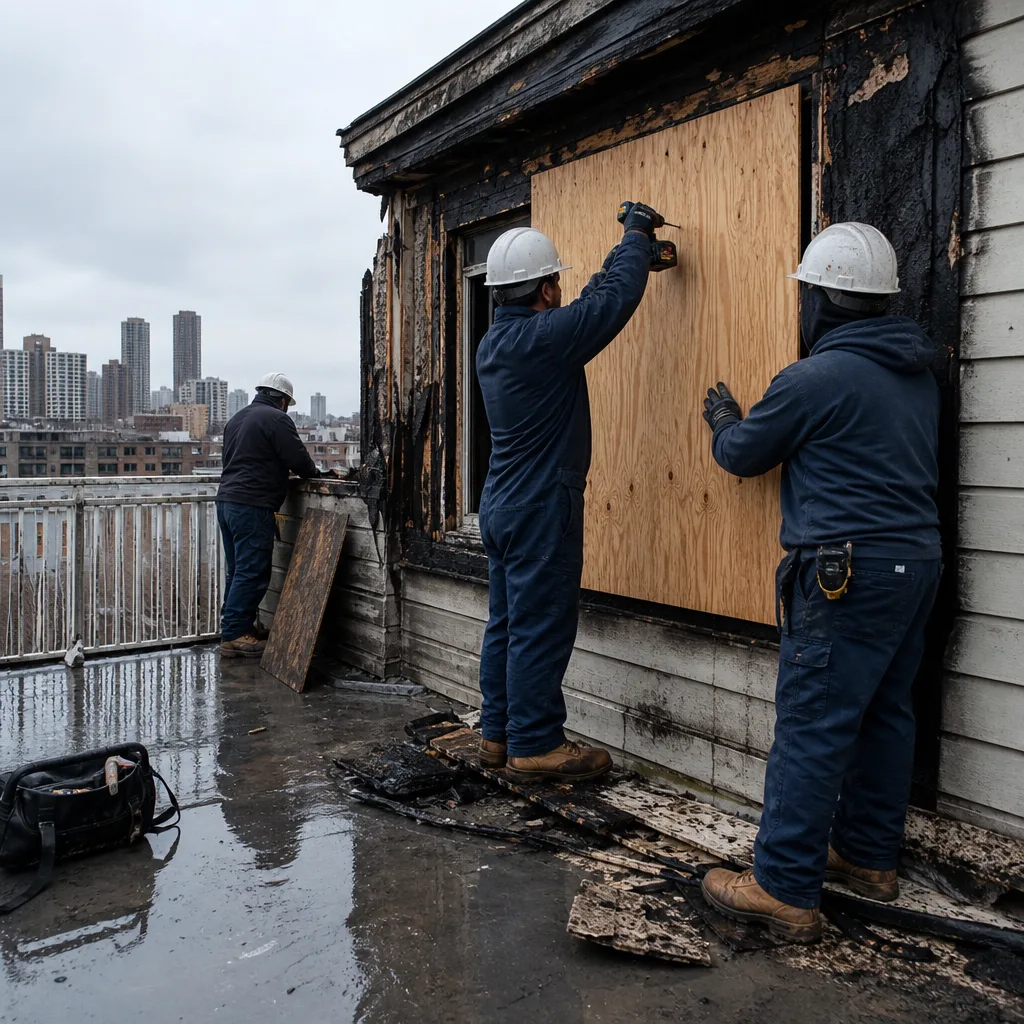
Air Quality Restoration
After mold removal and structural drying, we run HEPA air scrubbers until the air inside your loft tests at or below outdoor baseline for spore count. In open-plan NoHo lofts, this matters because the same air that passes your living space flows through your bedroom. We provide a written air quality log as part of the job.
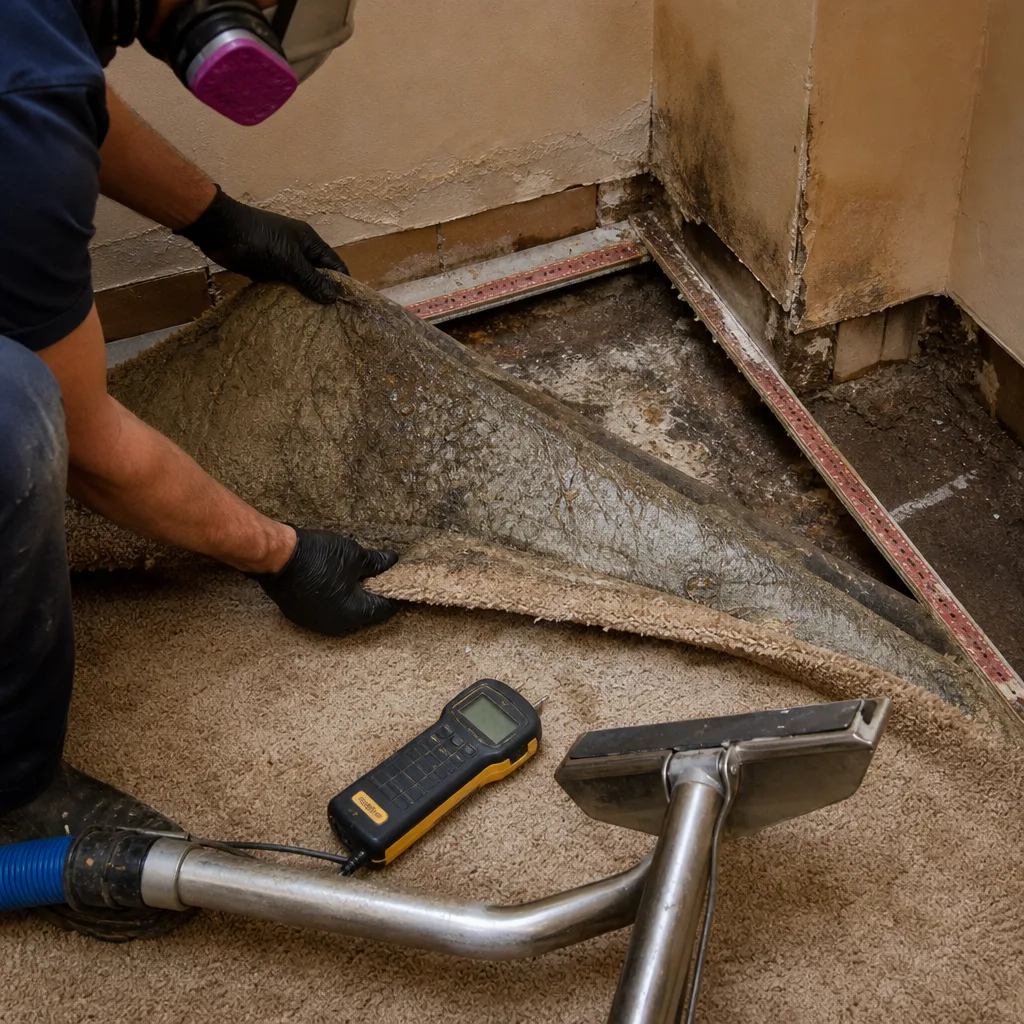
Crawl Space Treatment
Below-grade crawl spaces and cellar vaults under NoHo’s oldest buildings hold damp air and organic material, which makes them mold incubators. We dry them, treat surfaces, and where appropriate install vapor barriers and humidity control so the space stops feeding mold into the floors above.
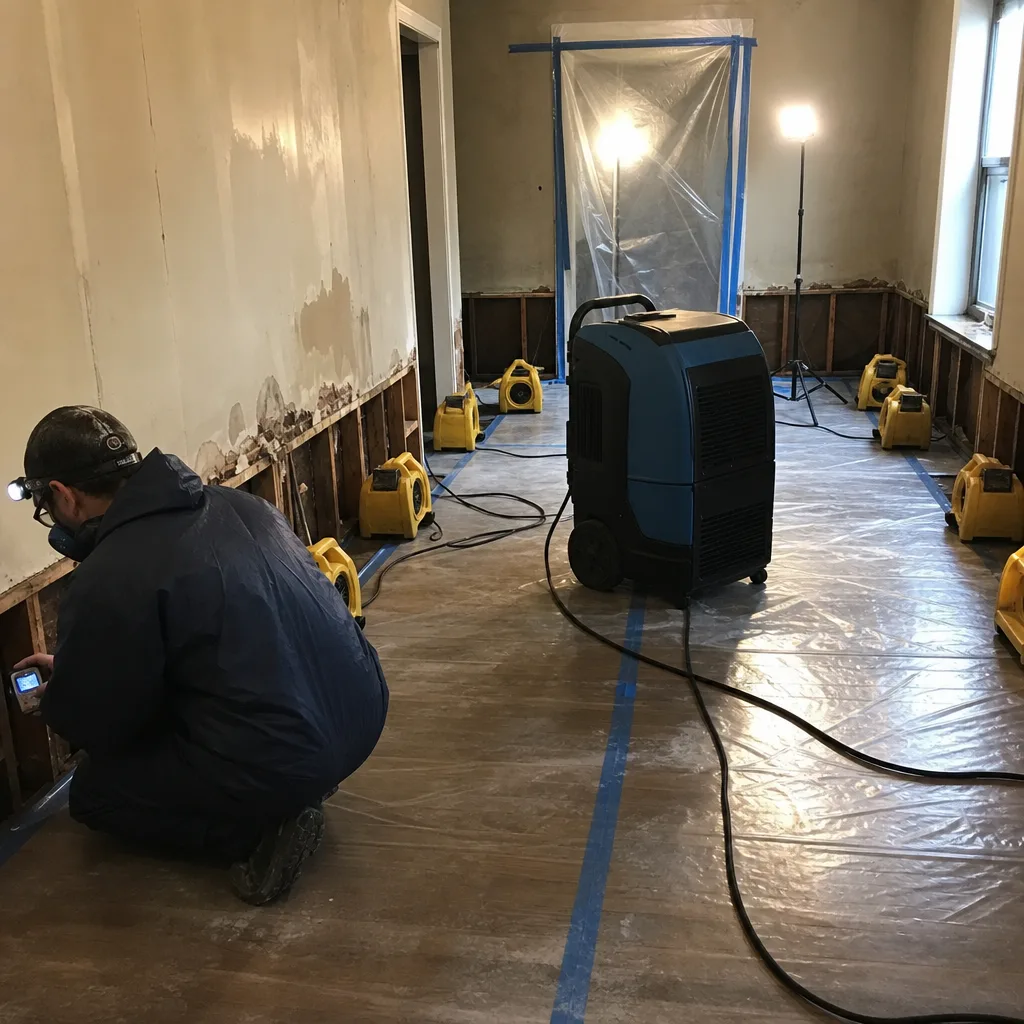
Moisture & Humidity Control
NoHo’s dense urban canyon and masonry construction mean some buildings just run humid. We map the moisture sources, dry the structure, and then recommend humidity control measures, from high-efficiency dehumidifiers to ventilation changes, so your loft doesn’t re-grow mold the following season.
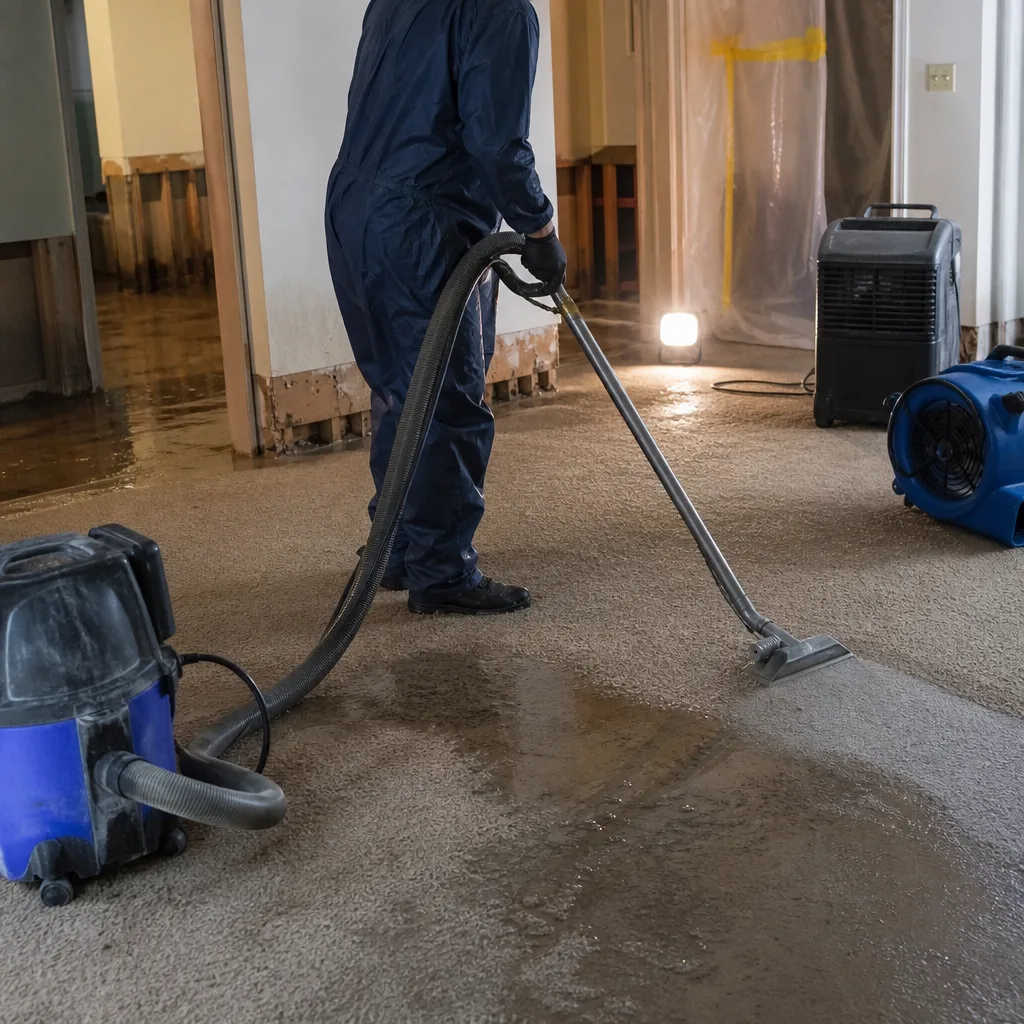
What happens when you call
- 1
A real person answersNo phone trees - you reach a local pro.
- 2
You get an upfront price rangeHonest numbers before anyone is dispatched.
- 3
A background-checked tech heads outLicensed & insured, dispatched right away.
- 4
You approve before work beginsNothing starts until you say go.
Mold Remediation Costs in NoHo, NY
Mold remediation pricing in NoHo runs higher than in outer boroughs, and the building stock is the reason. A straightforward surface mold removal in a drywall bathroom or closet typically runs $1,200 to $3,500. A moderate job inside a NoHo loft wall or ceiling, with containment, air scrubbing, and professional removal, usually lands between $3,500 and $8,000. A full hidden-mold remediation inside thick masonry party walls or beneath wide-plank floors, the kind that requires structural drying and reconstruction, often ranges from $8,000 to $25,000 or more, depending on the square footage of affected material and the finish level that must be rebuilt. What moves the price: whether the building has landmarked surfaces that require LPC-compliant handling, how thick the walls are, whether the mold reached shared party walls, and how long the moisture source was active before discovery. Insurance often covers the water damage and the remediation to access and remove the mold, though policy language varies. If coverage is denied or partial, our free visual inspection gives you a firm line-item scope before any work begins, so you know the number before we move a tool. Call (917) 924-4221 for an exact quote.
We Also Serve Cities Near NoHo
Floodline Restoration Co. of Manhattan handles mold remediation and full water damage restoration across lower Manhattan and the surrounding corridor. Our crews regularly work in Fairview, Harrison, East Bronx, and Hunts Point, along with the blocks around NoHo itself. Wherever the building sits, the same live dispatch, certified crews, and 90-Day Done Right Promise apply.
NoHo Mold Remediation Questions, Answered
Does mold remediation in NoHo always require Landmarks Preservation Commission (LPC) approval?
Not always. Interior work that doesn’t alter protected exterior walls, cast-iron elements, or landmarked interior features usually proceeds without LPC review. But any work that opens, cuts into, or alters a designated facade, party wall, or protected column may require LPC sign-off first. Our team checks the building’s designation status before any invasive step, and we’ve done enough NoHo jobs to know what triggers review and what doesn’t. Call (917) 924-4221 and we’ll check your building.
How do you find mold inside NoHo’s thick masonry party walls without damaging the historic plaster?
We use thermal imaging cameras and moisture meters to map the wall surface and locate the moisture signature behind the plaster. Acoustic leak detection helps pinpoint an active pipe leak. We only open the wall where the moisture map says the colony and the source are, which usually means a small controlled opening instead of tearing out a full wall run. That approach protects original plaster and avoids LPC complications.
Can mold from one NoHo loft spread through the thick masonry party walls into the adjacent apartment?
Yes. Masonry party walls are not airtight, and the mortar joints, floor pockets, and pipe chases between units create pathways for airborne spores and moisture. We’ve seen mold from a leaking drain line in one Bond Street loft traveling along a joist pocket to show up as staining in the neighboring unit’s ceiling. Good containment and source removal prevent that from spreading further. If you suspect cross-unit mold, call us at (917) 924-4221.
What is the realistic drying time for a large NoHo loft after a pipe burst or storm surge?
In a NoHo loft with thick masonry walls and oversized floor plates, full structural drying usually takes 5 to 10 days with aggressive dehumidification and continuous moisture monitoring. Dense materials like brick and wide-plank wood release moisture slowly. Rushing a drying job in these buildings means hidden cavities stay wet and mold regrows behind finished surfaces, which is exactly what we prevent by running Dri-Eaz and Phoenix equipment until the readings prove the structure is dry.
Does Floodline Restoration Co. handle both the water extraction and the mold remediation, or do I need separate contractors?
We handle both, one crew from start to finish. We extract the water, dry the structure, remove the mold, and rebuild what was removed. No mid-job handoff, no new team you have to re-brief, no gap between remediation and reconstruction. It’s the same Floodline technicians who read the moisture map on day one, log daily readings, and hand you the 90-Day Done Right Promise when the job is closed.
How fast can a Floodline crew actually reach NoHo?
Our Manhattan dispatch keeps us close enough to reach most NoHo addresses within 45 minutes of your call. A live dispatcher answers 24/7, sends the closest certified crew, and we arrive ready to inspect, contain, and start mitigation the same visit. The faster the response, the less damage there is to remediate.
Will my insurance cover mold remediation in a NoHo loft?
It depends on your policy and the source of the moisture. Most carriers cover the water damage that caused the mold and the access and removal needed to remediate it, but some limit mold-specific coverage. We document everything from the first visit, provide photos and moisture logs, and coordinate with your adjuster directly so the claim is handled correctly. If coverage is limited, our free inspection gives you a firm scope before you decide.
What should I do in the first 30 minutes after discovering mold in my NoHo apartment?
Shut off the water source if you can locate it, turn off HVAC circulation to avoid spreading spores, and don’t disturb the mold or try to clean it yourself. Then call (917) 924-4221. Our dispatcher will ask a few questions and send a crew. In NoHo, the colony is likely older than the visible staining suggests, so the priority is containing it before it spreads through the open-plan space.
Serving NoHo, NY - Our Local Coverage Area
We’re based in the NoHo area and know this community well. Use the map below to see our service coverage - if you’re nearby, we can almost certainly help.
NoHo Mold Remediation, Done Right
Mold inside a NoHo loft is a different job than mold anywhere else in the city. The walls are thicker, the finishes are older, the landmarks rules are real, and a false step on a mold cut can become an LPC violation faster than mold can grow. That’s the starting point we bring to every job in this neighborhood. Our team wrote the playbook for hidden moisture in masonry lofts because we’ve worked in these buildings for over a decade, and because we train for them. We’re the Mold Remediation crew that shows up with a moisture map and a plan, not a demolition hammer and a guess. When you need Mold Remediation in NoHo, call (917) 924-4221. A live person answers, a certified crew arrives, and the work is backed by our 90-Day Done Right Promise, in writing.
Written by Curt Bowman, Owner at Floodline Restoration Co. of Manhattan, serving NoHo and surrounding areas since 2010.