
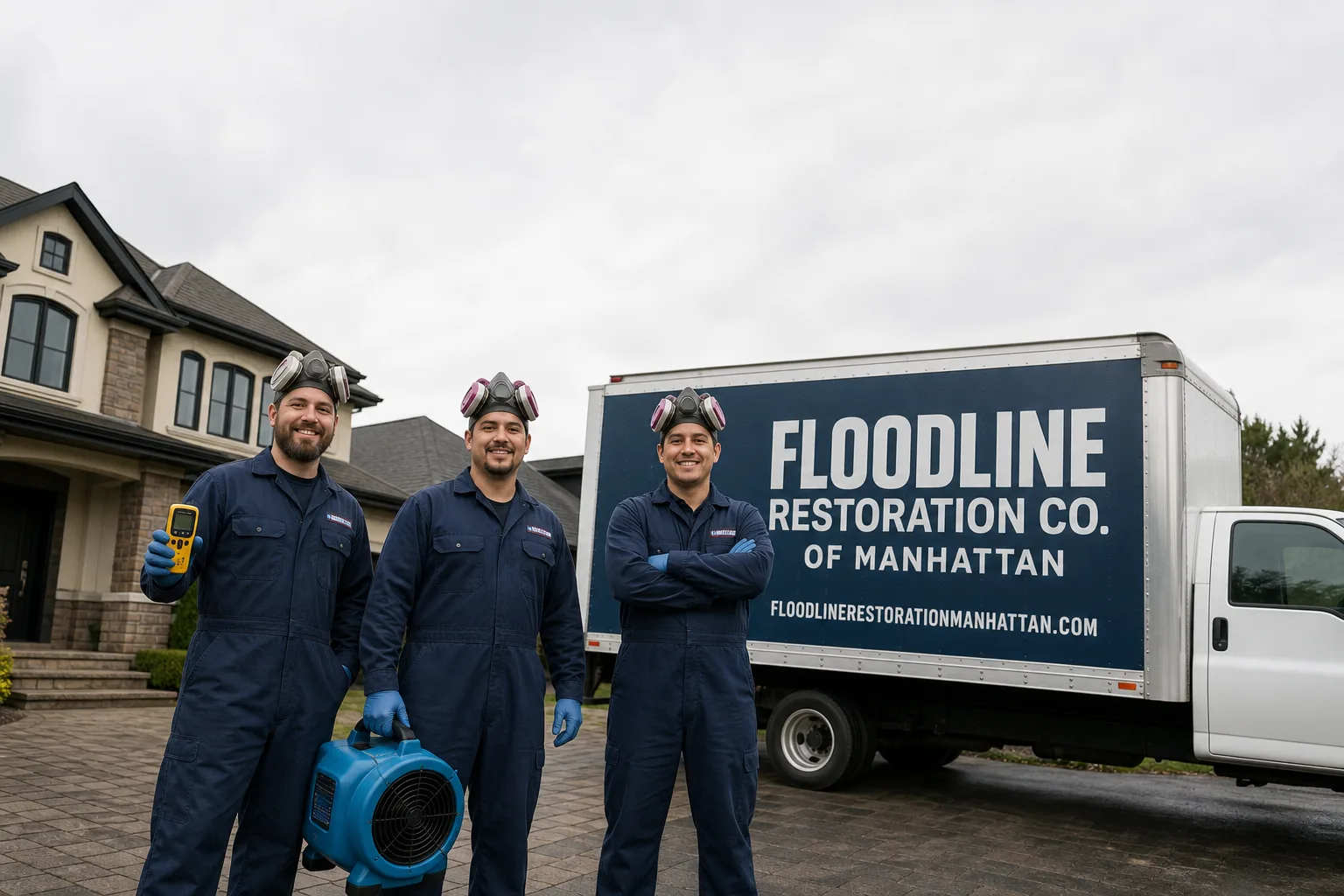
Free visual inspection and a written scope of work before any mitigation begins - photos, moisture readings, and drying logs go in your claim file
The scope we write is the scope we bill. Anything new gets shown to you, in writing, before we touch it.






 Before
 After
After Before
 After
After Before
 After
After24/7 Emergency Reconstruction & Cleanup in Weehawken
Reconstruction and cleanup in Weehawken typically runs $2,800 to $14,500 for a full-scope residential loss, with simple drywall-and-paint jobs starting around $1,900 and whole-basement rebuilds near the Hudson reaching $35,000 or more. Our crews are dispatched into Weehawken around the clock, and a live person answers at (917) 924-4221 no matter the hour. The first hour after a water intrusion, fire event, or sewage backup determines whether you’re looking at cleanup or a full rebuild. We perform a free visual inspection, map the moisture, and give you a written scope before any work starts.
Understanding Reconstruction & Cleanup Severity in Weehawken Properties
Reconstruction severity in Weehawken splits along an elevation line most towns never have to think about. Above the Palisades, early-to-mid 20th-century brick row houses and two-to-four-family walk-ups deal with Category 2 and Category 3 water from groundwater infiltration, failing cast-iron supply lines, and storm runoff channeled straight into stone foundations. Those basements hold original oak flooring, plaster-and-lath walls, and legacy electrical that complicates every drying decision. Below the cliff, Port Imperial towers face a different beast: Hudson River storm surge that saturates elevator pits, underground parking decks, and shared mechanical rooms serving hundreds of units. Moisture mapping in a prewar row house means checking plaster walls and stone slab; moisture mapping in a waterfront tower means chasing humidity through a concrete parking structure. Both require professional-grade drying equipment, HEPA air scrubbing, and daily readings logged until the dry standard is met. The severity rating matters because Category 3 water, the kind that carries sewage or river contaminants, demands full containment, disposal of saturated porous materials, and a reconstruction scope written with local building codes in mind.
Why Weehawken Property Owners Choose Floodline Restoration Co. of Manhattan
- 45-minute response commitment for Weehawken calls. Our dispatch board tracks the nearest crew, and we commit to having someone rolling toward your property within 45 minutes of your call.
- A live person answers at 2 a.m. Not a recording. Not a callback service. A dispatcher who knows Weehawken’s streets and can route a certified crew to Eldorado Place or Boulevard East without a map app delay.
- IICRC-certified crews trained to WRT, FSRT, and AMRT standards. Every technician who walks your property is background-checked, uniformed, and holds current restoration certifications.
- Free visual inspection with moisture mapping. We read the building before we touch it. Thermal imaging and hygrometers tell us where the water actually went, not just where it pooled.
- Direct insurance billing. You never play messenger between us and the carrier. We submit documentation, speak with the adjuster, and bill your insurer directly.
- One team from extraction to reconstruction. The same crew that reads the moisture map on day one handles daily drying readings, rebuilds the drywall, and hands you the finished space. No mid-job handoff.
Our Reconstruction & Cleanup Process
Inspection & Assessment
We arrive with thermal imaging cameras and hygrometers, map every affected surface, and document the loss room by room. In Weehawken’s older row houses, this means checking plaster walls for hidden moisture wicked up from the stone foundation. In Port Imperial towers, we inspect elevator pits and shared mechanical rooms alongside your unit.
Extraction & Stabilization
Standing water comes out first with truck-mounted and portable extraction. We stabilize the structure, contain the affected area with 6-mil poly where needed, and remove saturated materials that cannot be saved. Pack-out of furniture and personal items happens the same visit when the scope calls for it.
Drying & Dehumidification
Dri-Eaz LGR dehumidifiers and XPOWER air movers are placed according to the moisture map, not a template. Daily readings are logged against a drying target. In legacy basements with original hardwood, we monitor subfloor moisture until it returns to pre-loss condition, not just surface dry.
Cleaning & Sanitization
Category 3 water and fire losses require antimicrobial application and HEPA air scrubbing. With fire and smoke damage, we address soot residue on every surface type before any paint or sealant goes on.
Contents Restoration & Specialty Cleaning
Furniture, clothing, documents, and heirlooms get treated according to material. We perform pack-out, off-site cleaning when needed, and return items after the rebuild. For older Weehawken homes, this often means handling cedar chests, photo albums, and furniture built before particle board existed.
Repairs & Restoration
Drywall, flooring, trim, paint, and any structural repairs are completed by the same crew. We rebuild with mold-resistant materials where moisture is a repeat risk, and we hand you a moisture log, photos, and a written summary of the completed scope.
Need Emergency Reconstruction & Cleanup in Weehawken Now?
Crews minutes away, answering live 24 hours a day. The sooner we start, the less it costs.
Working With Your Insurance Company
Insurance claims in Weehawken are shaped by the same split that shapes the damage. A row-house basement flood on the cliff side is usually a straightforward covered water loss. A Port Imperial unit affected by storm surge carries flood-insurance questions, building-master-policy boundaries, and shared-mechanical-room complications that adjusters know well. We handle both. From the first hour, we photograph everything, document every drying reading, and build a line-item scope that matches your policy’s language. We speak directly with your adjuster, submit documentation on your behalf, and bill your insurer directly. You get certainty about what’s covered before we swing a hammer.
What We Provide Your Insurer
- Thorough documentation of the loss
- Photos of all damage, room by room
- Moisture readings and drying logs
- A detailed, line-item scope of work
- Direct coordination with your carrier
Built for Weehawken’s Loss Calendar
Weehawken’s damage seasons follow the Hudson, not the calendar. Nor’easters between November and March drive storm surge into Port Imperial’s ground-floor units and parking decks, and those same storms push surface runoff down the Palisades slope into upper-town basements. January deep freezes burst supply lines in century-old row houses along JFK Boulevard East and Park Avenue, where original galvanized pipe has been fighting corrosion for eighty years. Spring thaw turns the freeze-thaw cracks in stone foundations into active water paths. Summer thunderstorms overwhelm Weehawken’s combined sewer outfalls along the waterfront, backing Category 3 water into lower-level bathrooms and laundry rooms. A single heavy rain event on the cliff face can channel enough runoff into a Boulevard East basement to require full pack-out, drying, and drywall replacement. Our crews know which season produces which loss, and we dispatch accordingly.
Reconstruction & Cleanup Across Weehawken’s Neighborhoods
Upper Weehawken, the grid of brick row houses between Park Avenue and the cliff edge, produces losses tied to age: failed cast-iron waste lines, groundwater through stone foundations, and plaster walls that hide moisture until the paint blisters. Eldorado Place and the streets running east toward Hamilton Park sit directly on the slope, and they see the worst of the runoff. Boulevard East properties carry the added burden of wind-driven rain hitting exposed west-facing walls, and their basements sit under a century of accumulated fill that holds water against the foundation. Down in the Port Imperial corridor along River Road, the losses come from below: saltwater in elevator pits, electrical rooms wicking moisture through concrete, and ground-floor units dried only after building management authorizes shared-space dehumidification. The damage profile changes completely between these two zones, and so does the reconstruction plan. We route crews differently for each.
Specialized Reconstruction & Cleanup Services We Offer in Weehawken
Full-Service Reconstruction
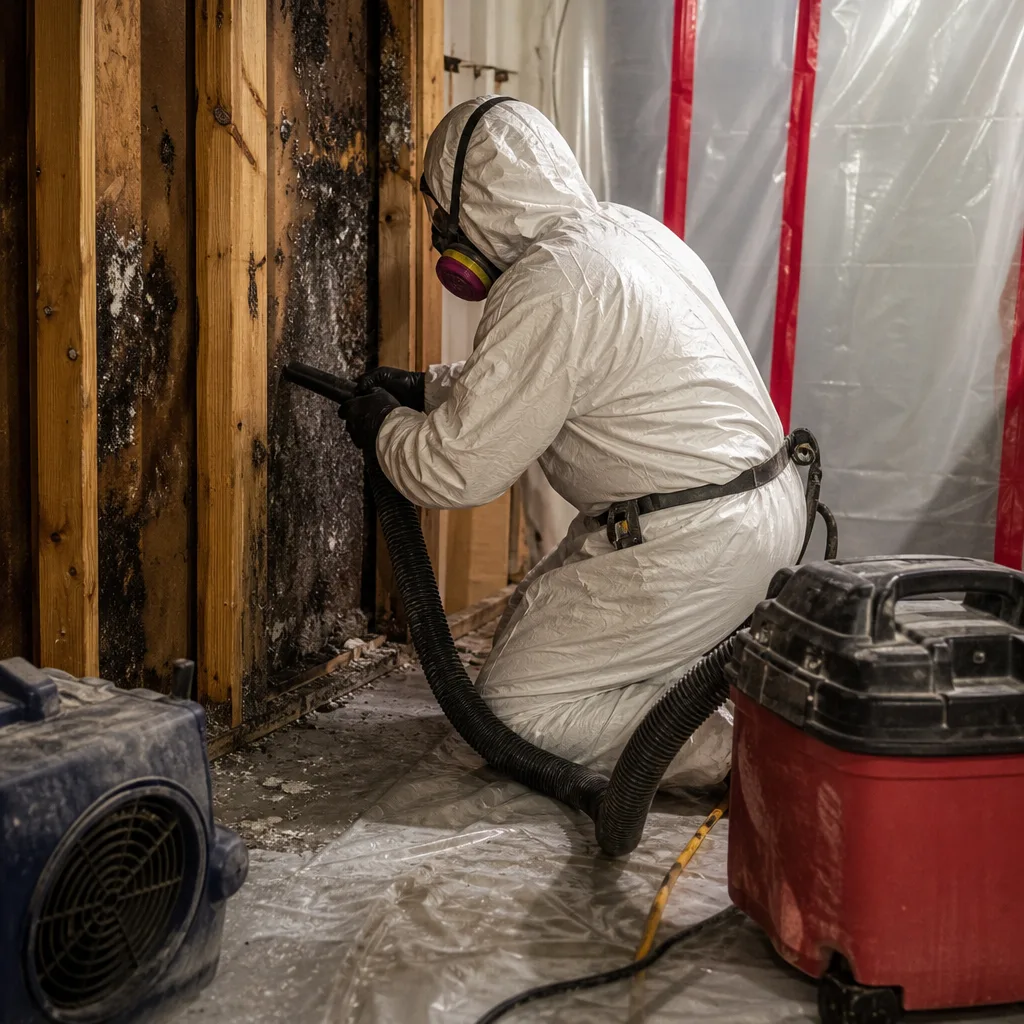
When a Weehawken basement or unit needs framing, drywall, flooring, and finish work after a loss, we handle it as one continuous scope. The crew that dried the space rebuilds it. We install mold-resistant drywall in below-grade spaces, replace subflooring that failed drying standards, and match trim profiles to the building’s age. For prewar row houses, that means sourcing replacement oak flooring and plaster-compatible materials instead of slapping in whatever the big-box store stocks.
Drywall & Flooring Repair
Water in a 1920s Weehawken row house usually means cutting drywall or lath at the floodline, replacing insulation, and rebuilding walls that match the original plane. Original hardwood over stone slab presents a specific challenge: if the planks cup before drying completes, sand-and-refinish becomes full replacement. We monitor subfloor moisture daily and make the repair-versus-replace call with data, not guesswork.
Contents Restoration & Pack-Out
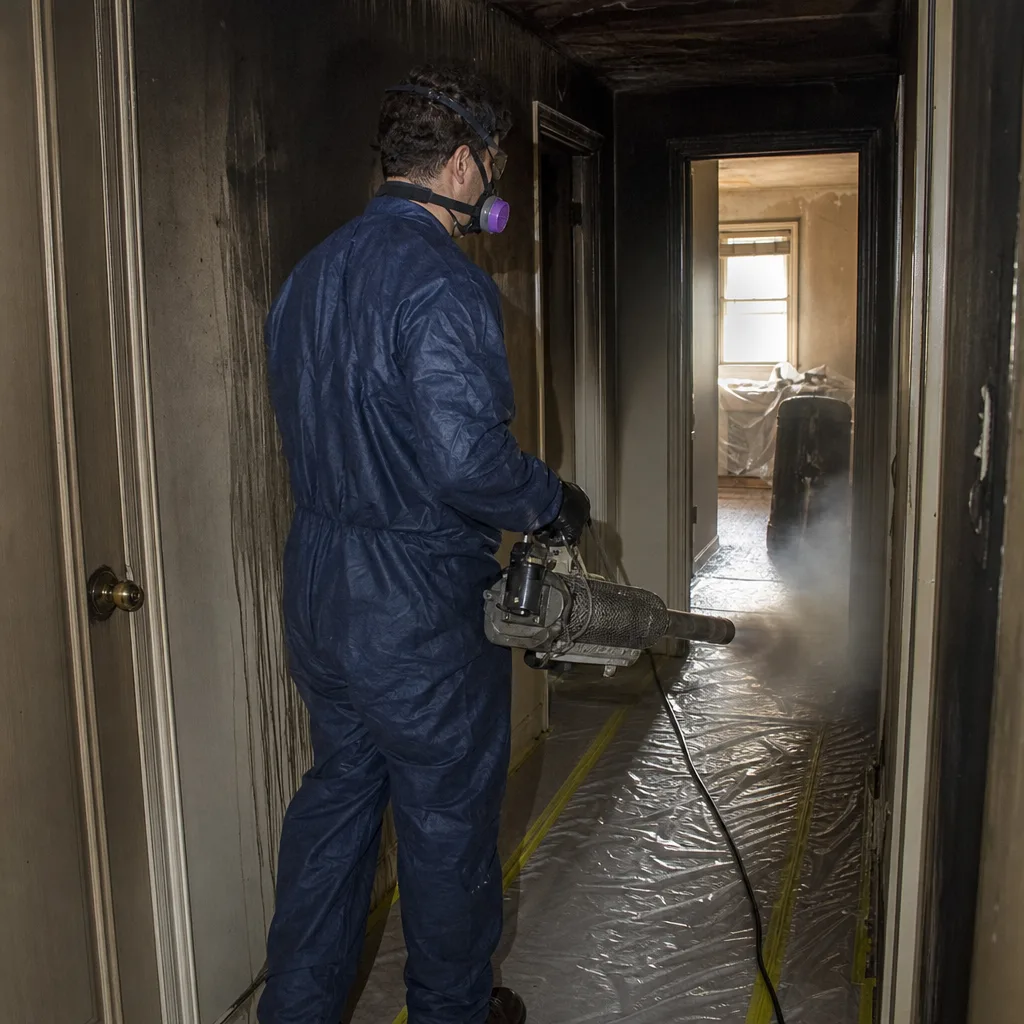
We remove, document, clean, and store your belongings when the loss requires it. For Weehawken homeowners with furniture inherited through three generations, we photograph each item, note its condition, and treat it according to material, whether that’s a cedar hope chest from the 1950s or upholstery that needs specialized cleaning. Everything returns to the rebuilt space with a manifest you can check.
Carpet & Upholstery Cleaning
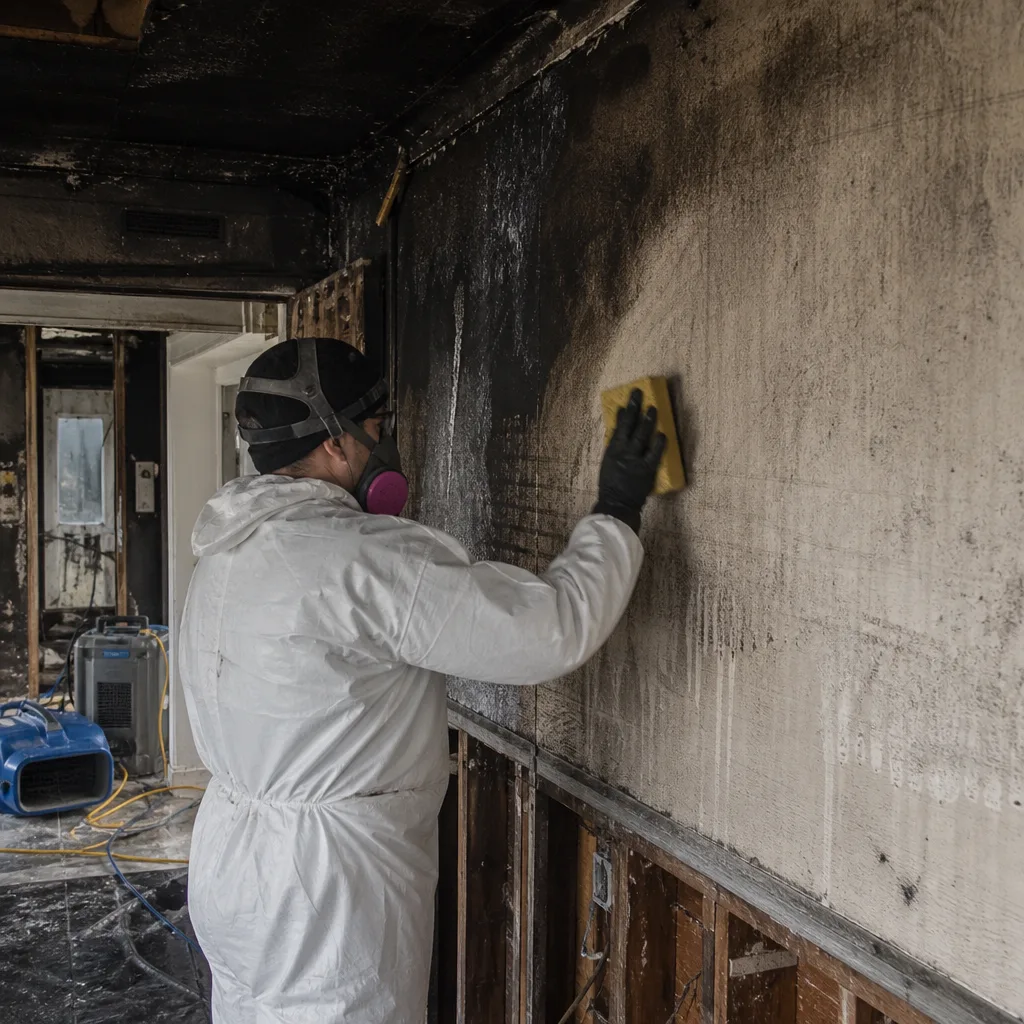
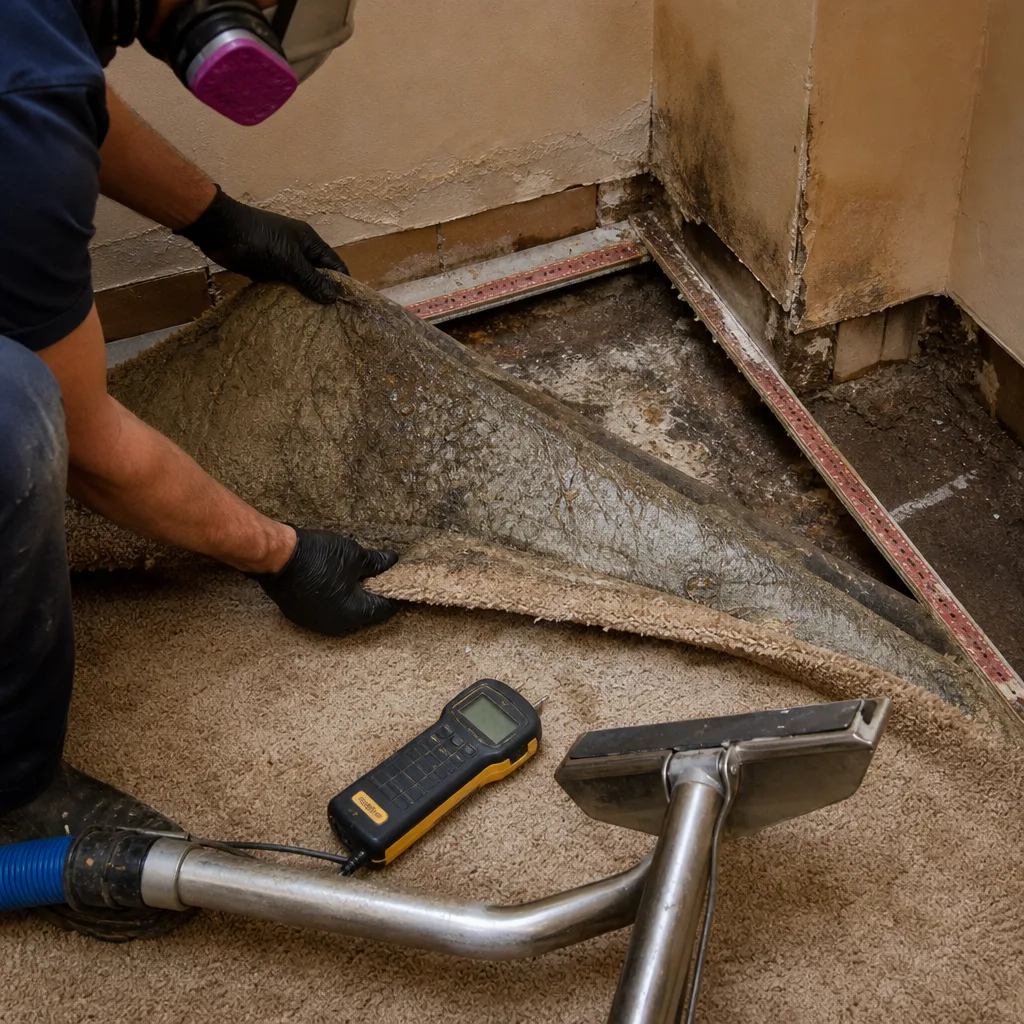
After a water or fire loss, textiles hold contaminants long after the structure is dry. We clean carpet and upholstery with professional extraction equipment, apply antimicrobial treatment where the loss type requires it, and dry everything in place or at our facility. For Category 3 losses, we generally advise replacing saturated carpet and pad rather than trying to clean it, and we’ll document why for your carrier.
Post-Construction Cleanup
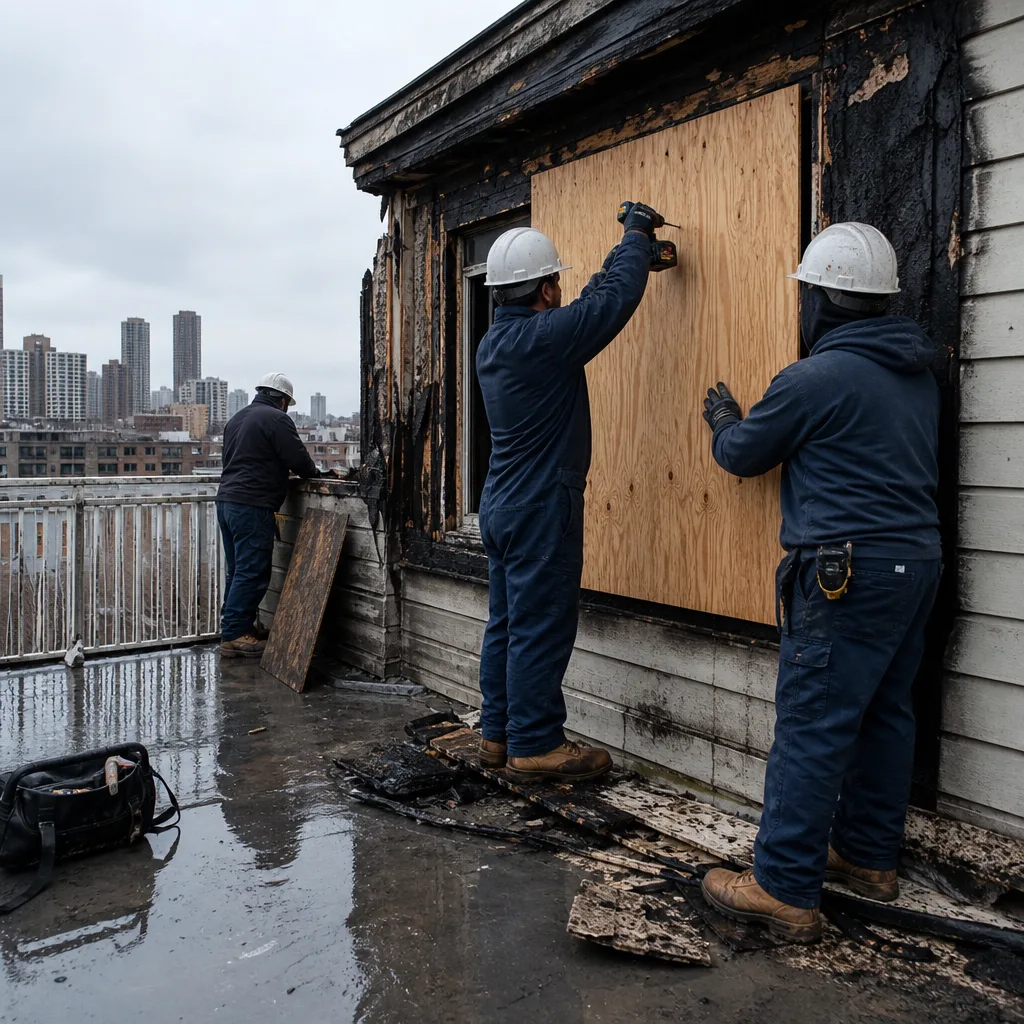
Reconstruction leaves dust you don’t want to live with. We perform final cleaning after our own rebuilds and after permitted renovations in Weehawken’s older buildings, where legacy plaster dust and demolition debris need HEPA vacuuming and careful disposal. We leave the space ready for furniture, not “contractor clean.”
What happens when you call
- 1
A real person answersNo phone trees - you reach a local pro.
- 2
You get an upfront price rangeHonest numbers before anyone is dispatched.
- 3
A background-checked tech heads outLicensed & insured, dispatched right away.
- 4
You approve before work beginsNothing starts until you say go.
Reconstruction & Cleanup Costs in Weehawken, NJ
Straight numbers for Weehawken’s market. A small isolated drywall-and-paint repair after a supply-line leak runs $1,900 to $3,800. A full basement rebuild from groundwater intrusion in a prewar row house runs $8,000 to $22,000, depending on whether original flooring can be saved and what the moisture readings show behind the walls. Port Imperial unit losses after storm surge regularly reach $10,000 to $35,000 once shared-mechanical drying and elevator-pit work enter the scope. Contents pack-out and cleaning adds $2,500 to $8,000 for a full house. The free visual inspection turns these ranges into a firm, written number for your specific loss. Insurance typically covers the bulk of covered perils; we bill your carrier directly and keep you informed of what’s approved before we proceed past mitigation.
We Also Serve Cities Near Weehawken
Our reconstruction and cleanup crews also respond to Weehawken neighbors in Union City, Hoboken, North Bergen, and Secaucus. Each town has its own housing stock and flood profile, and we route crews who know the difference.
Serving Weehawken, NJ - Our Local Coverage Area
We’re based in the Weehawken area and know this community well. Use the map below to see our service coverage - if you’re nearby, we can almost certainly help.
Weehawken Reconstruction & Cleanup Questions, Answered
How does mold risk differ between a Weehawken Palisades basement and a Port Imperial ground-floor unit?
Palisades basements face chronic moisture from groundwater and runoff, meaning mold risk is tied to how long water has been present in stone foundations and plaster walls; we typically find hidden colonies behind baseboards and under original flooring. Port Imperial ground-floor units face intermittent saltwater intrusion, which carries different contaminants and requires HEPA air scrubbing plus replacement of drywall and insulation that absorbed the surge. Both need containment during drying and clearance testing before rebuild.
Can my original 1920s Weehawken row-house wood floors be saved after a Category 3 flood, or do they need full tear-out?
Category 3 water forces disposal of saturated porous materials by code, but original hardwood can sometimes be saved if it was not submerged for long and if professional drying starts quickly. The problem in older Weehawken basements is that planks sit directly on stone slab with no vapor barrier, so water wicks from below and cups the boards from underneath. We take daily subfloor moisture readings; if the wood returns to pre-loss moisture content without cupping, it can be sanded and refinished. If it cups, replacement is the only honest call. Call (917) 924-4221 and we’ll tell you which path you’re on after the first moisture mapping.
What is a realistic timeline for reconstruction in a Weehawken high-rise after a flood event, and why is it longer than a house?
Plan on four to eight weeks for a Port Imperial unit rebuild, sometimes longer. The bottleneck is shared infrastructure: elevator pits with saturated electrical runs, mechanical rooms serving entire towers, and building management approvals for dehumidification in common areas. A single-family house only needs one owner’s sign-off. We coordinate directly with building management and your adjuster to keep the process moving, but the shared systems add time no contractor can skip.
Does Floodline Restoration Co. of Manhattan handle pack-out and contents cleaning for Weehawken apartments with old family heirlooms?
Yes. We perform full pack-out with item-level documentation, clean contents according to material, and store them until the rebuild finishes. Last spring our techs handled a cedar hope chest and family photo albums from a prewar row house on Eldorado Place after a nor’easter flooded the basement. We treat heirlooms with the same care we’d give our own family’s belongings, and everything returns with a manifest you sign.
If my Weehawken building was built before 1950, will reconstruction trigger asbestos or lead-paint disturbance rules?
Possibly, and this is where experience pays. Plaster walls, old floor tiles, and pipe insulation in prewar Weehawken buildings often contain asbestos or lead paint. When we cut into those materials, we follow containment and disposal protocols and document compliance. We’ll flag any suspected materials during the inspection and build the proper abatement scope into the plan so you’re not surprised mid-rebuild.
How fast can a crew actually get to my Weehawken property?
We commit to rolling a truck within 45 minutes of your call, day or night. Our dispatch is a live person who knows Weehawken’s streets, and crews are positioned to reach both the Boulevard East corridor and the Port Imperial waterfront quickly. Call (917) 924-4221 and a real dispatcher picks up.
Will insurance cover reconstruction, or just the initial cleanup?
Covered perils include the reconstruction needed to restore your property to pre-loss condition, not just the drying. We document everything from the first hour, write a line-item scope that matches your policy language, and bill your carrier directly. For flood events in Port Imperial, we work with your flood policy and the building’s master policy boundaries. The free inspection includes a review of your coverage situation.
Can I stay in my Weehawken home during reconstruction?
For a small, isolated repair, usually yes. For a Category 3 loss requiring containment, HEPA air scrubbing, and demolition, we generally recommend staying elsewhere until the affected area is rebuilt and clearance tested. We’ll tell you honestly at the first inspection. In Port Imperial buildings, building management sometimes restricts occupancy of affected floors during shared-space mitigation, which is outside our control.
Written by Curt Bowman, Owner at Floodline Restoration Co. of Manhattan, serving Weehawken, NJ.