
Free visual inspection and a written scope of work before any mitigation begins - photos, moisture readings, and drying logs go in your claim file
The scope we write is the scope we bill. Anything new gets shown to you, in writing, before we touch it.
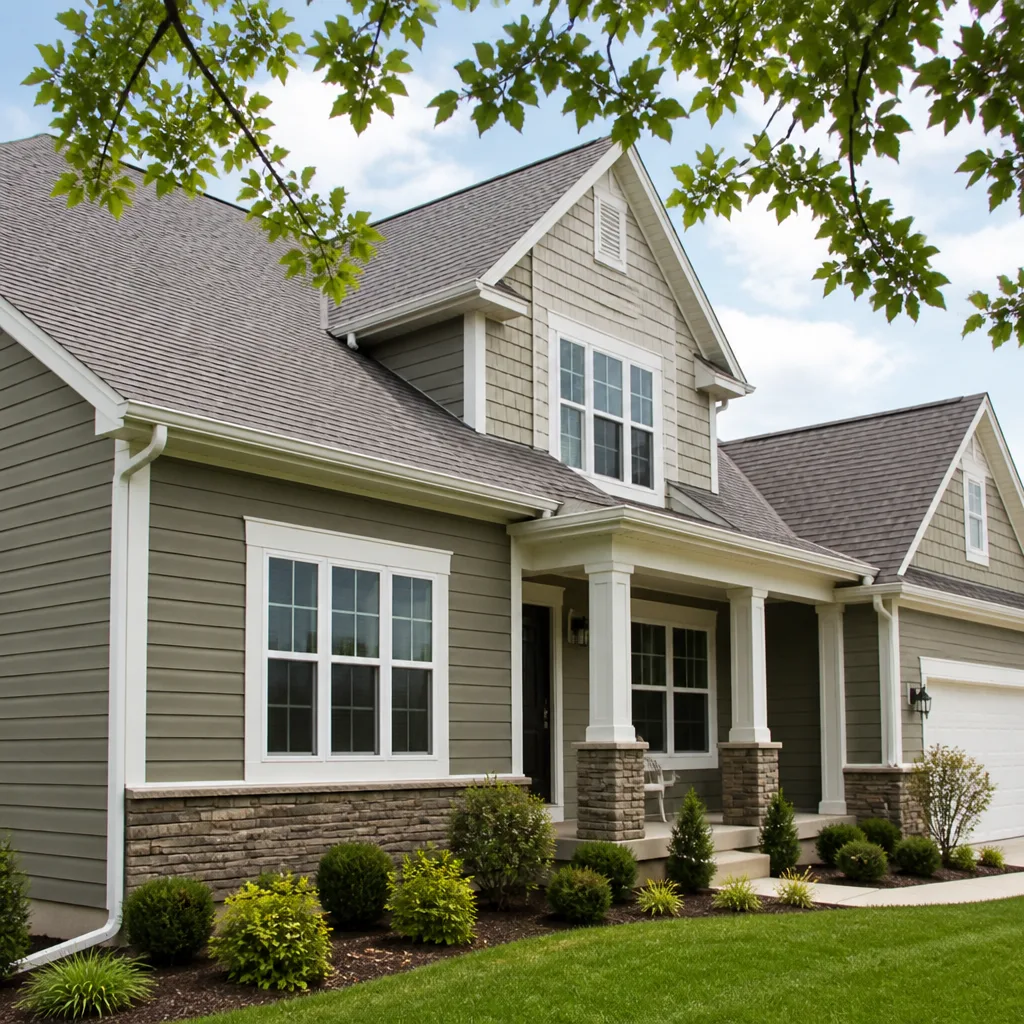
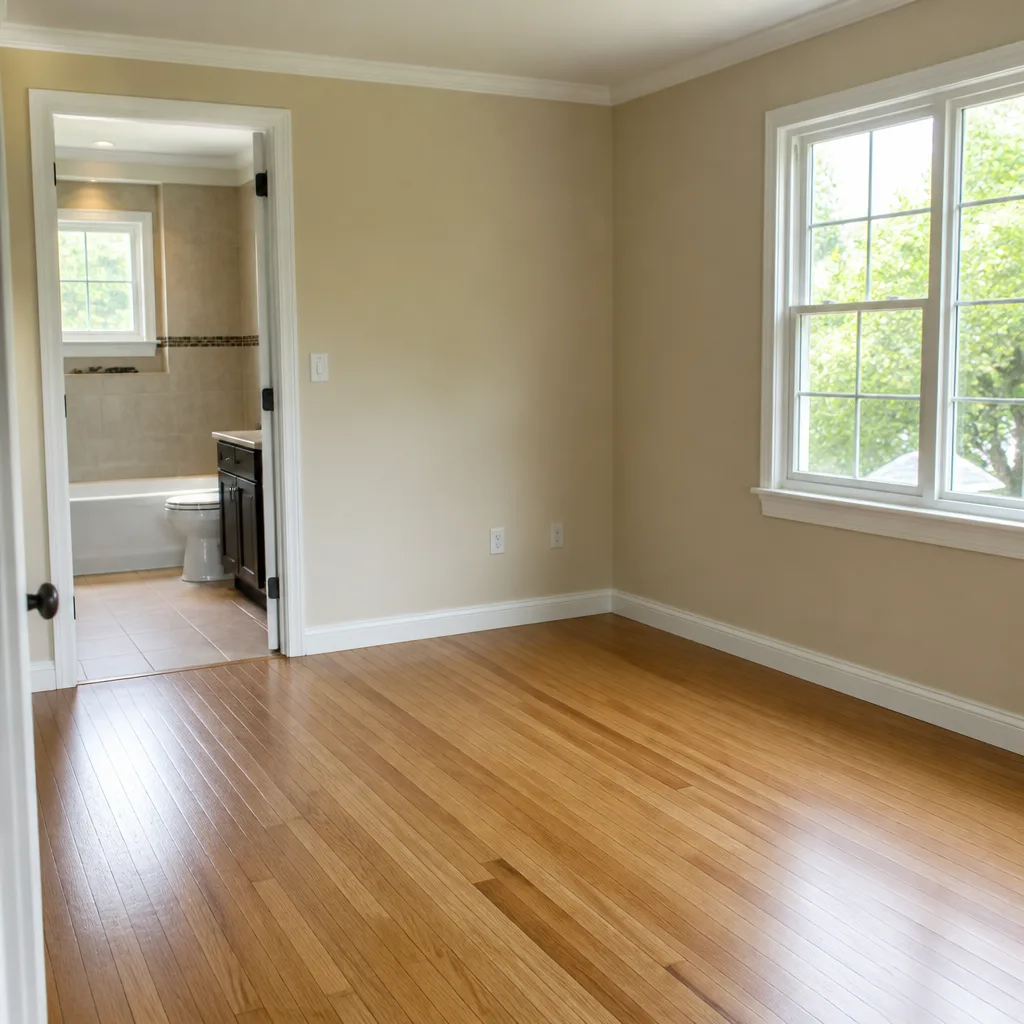
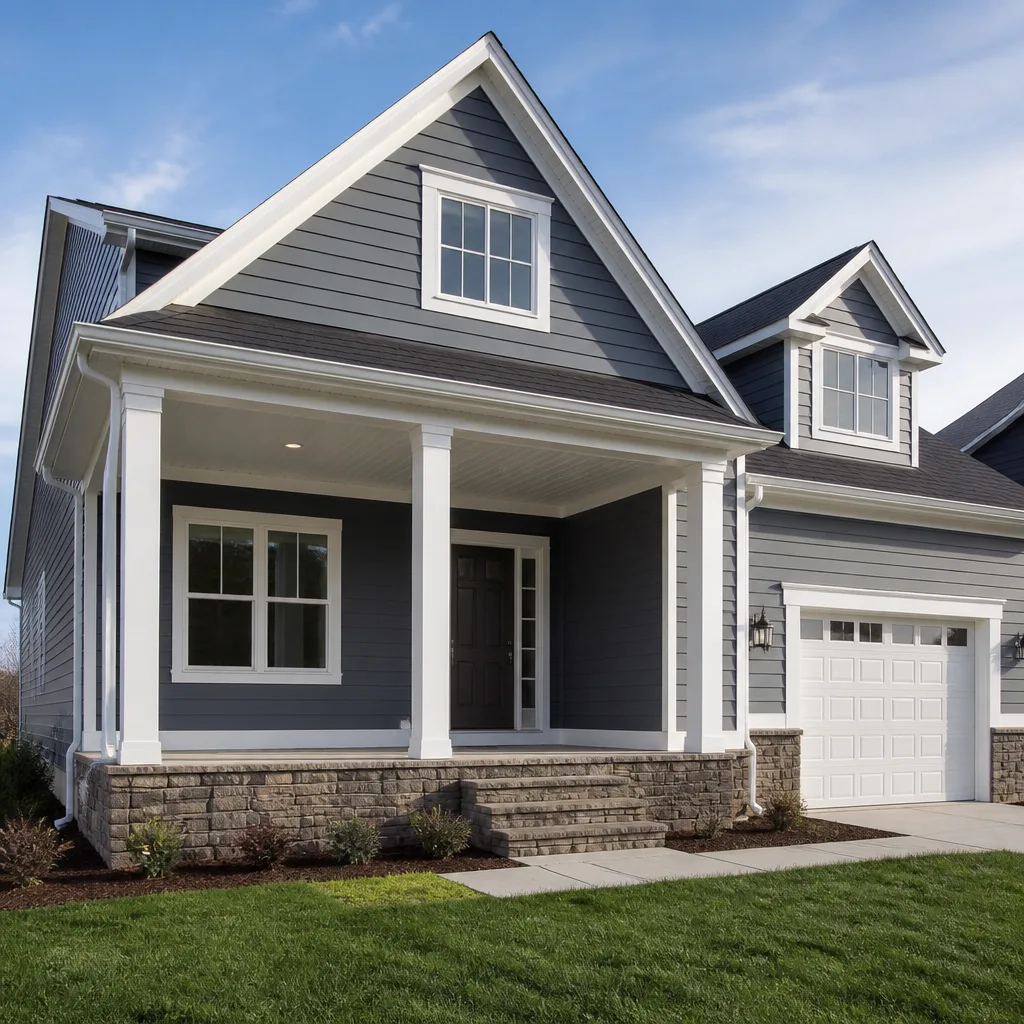
 Before
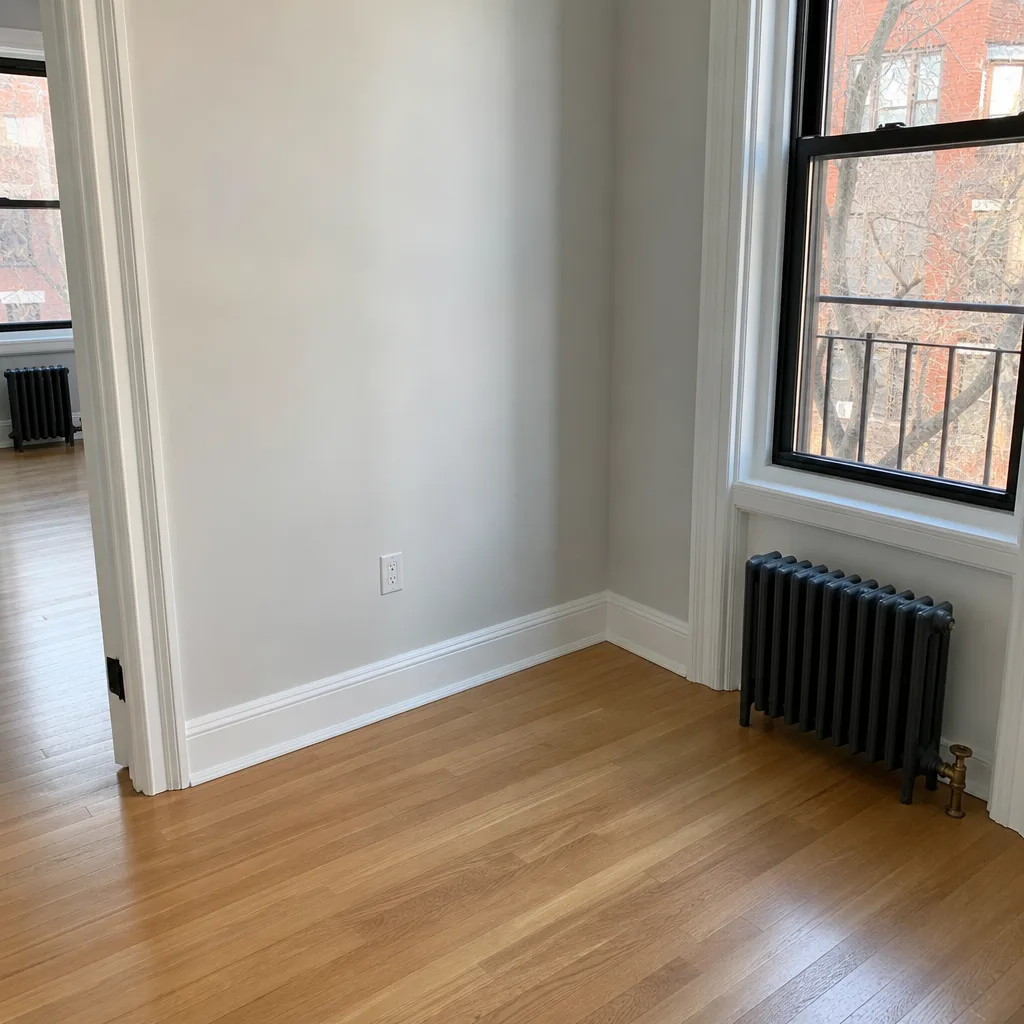 After
After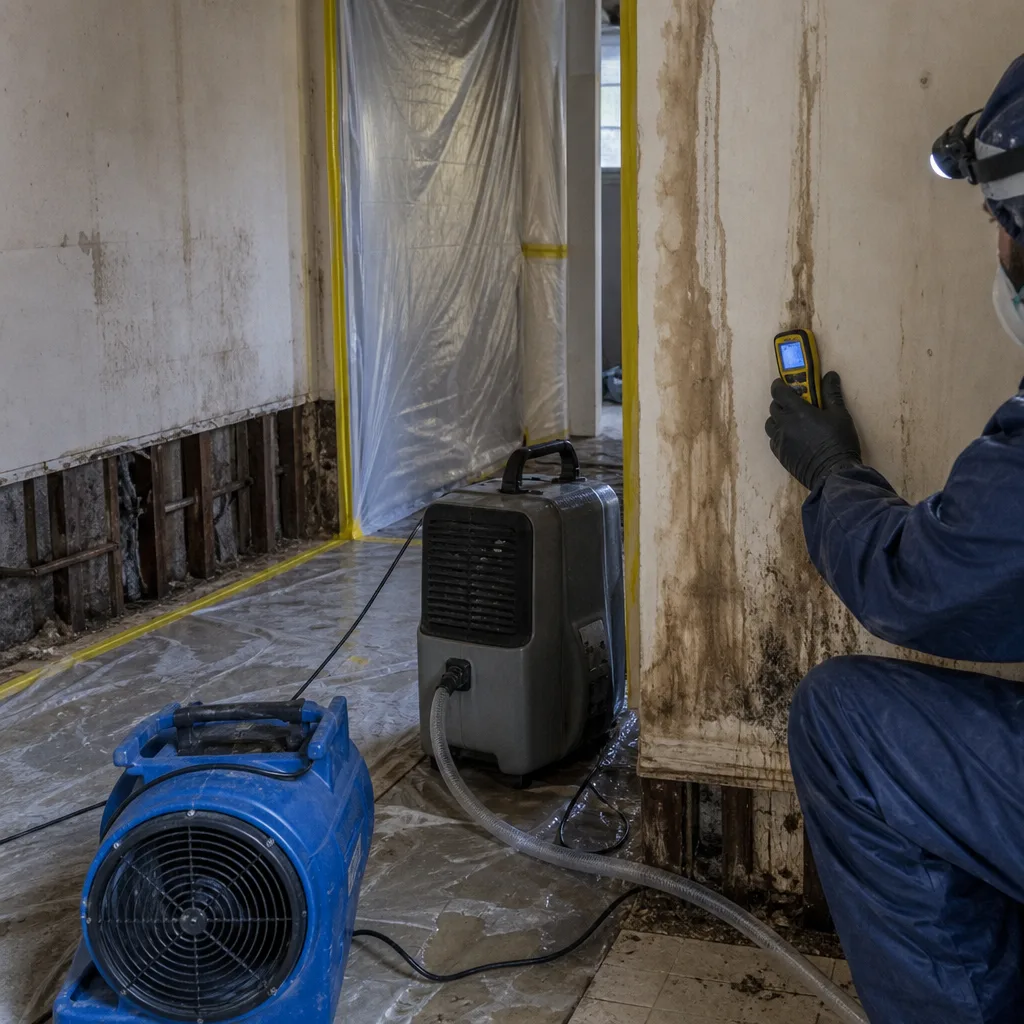 Before
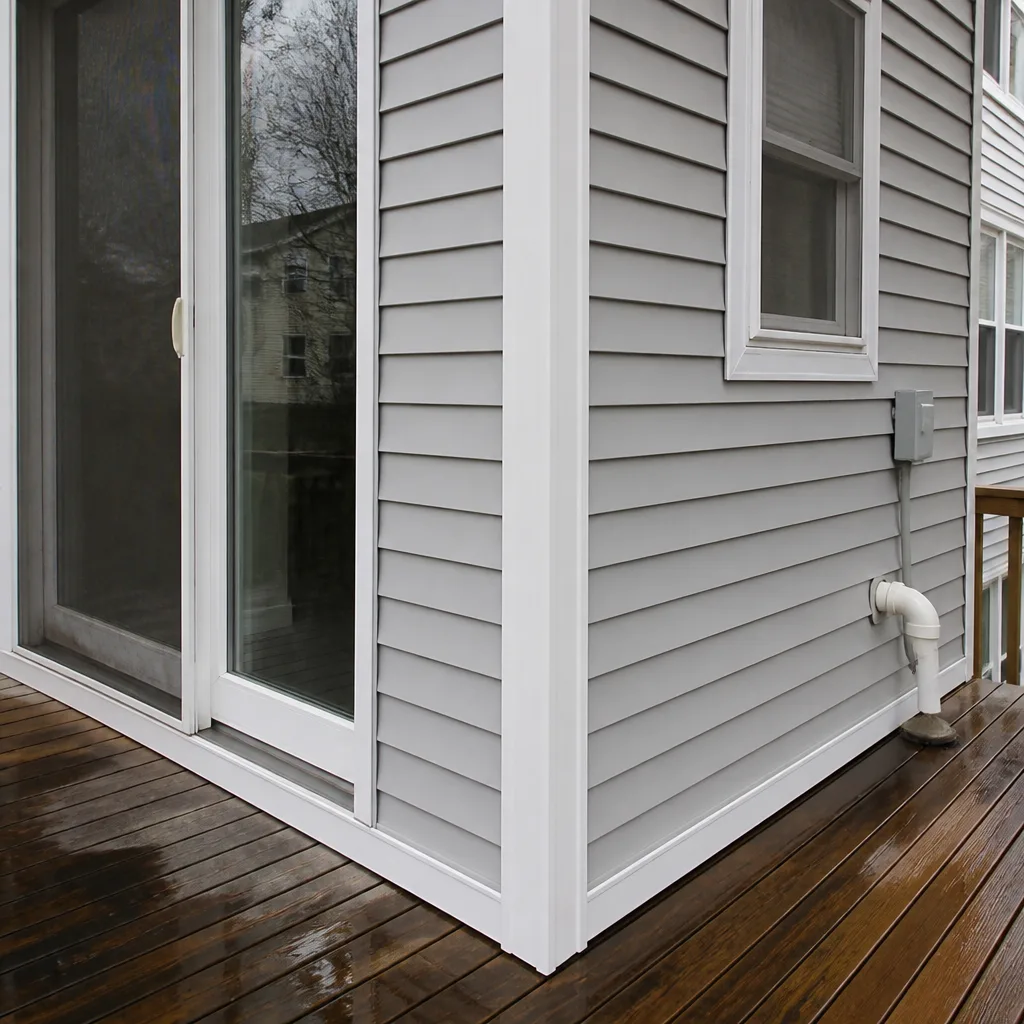 After
After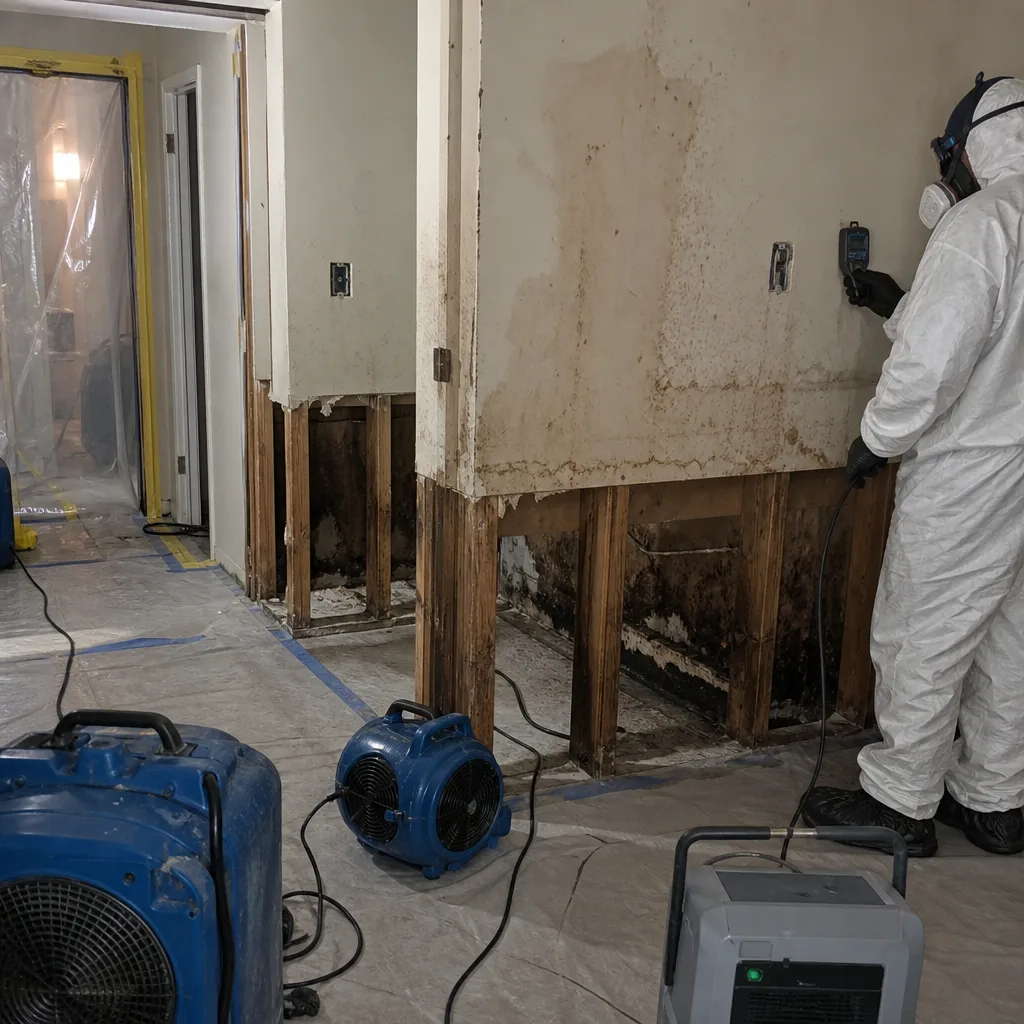 Before
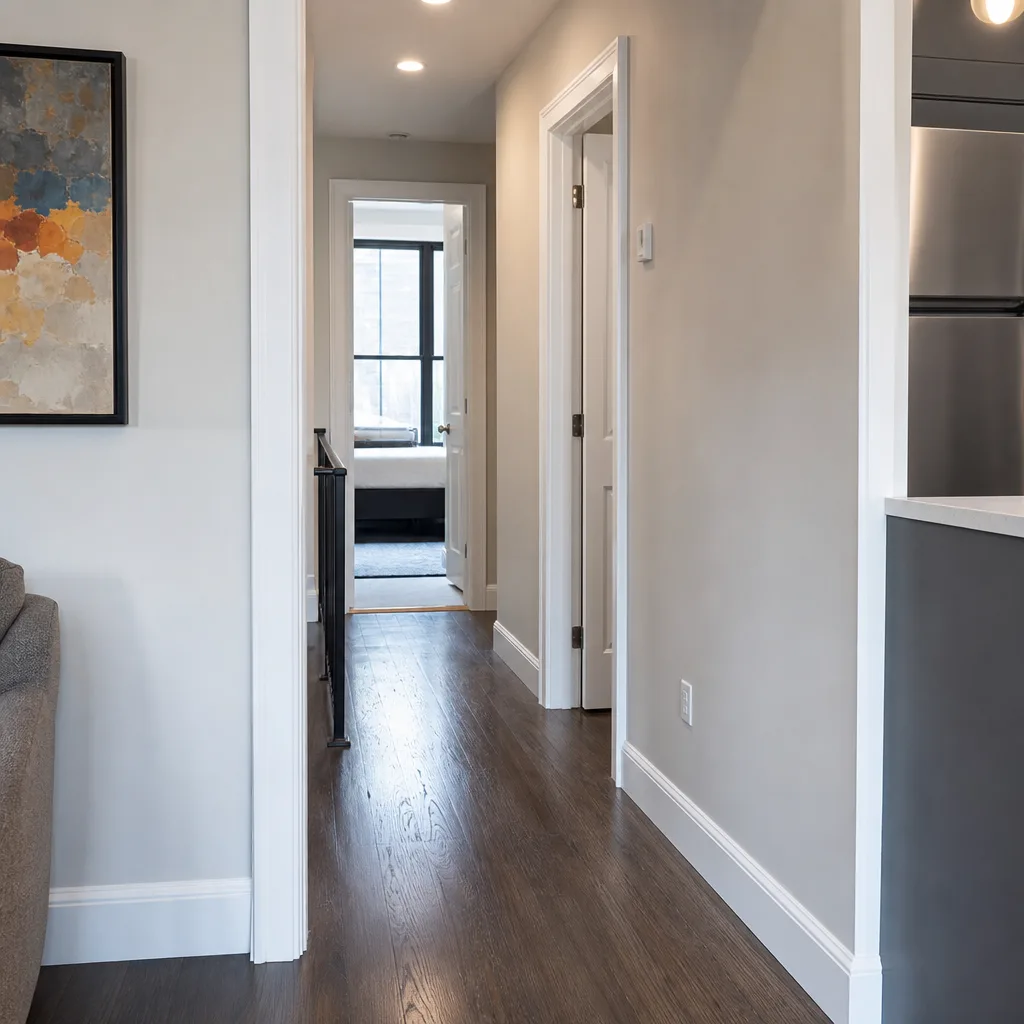 After
After24/7 Emergency Sewage Cleanup in Glendale
Sewage cleanup in Glendale typically costs $1,800-$5,400 depending on how far category 3 water has traveled through your basement and whether it has wicked into a shared party wall. Our crews reach most Glendale addresses within 45 minutes of your call, and we answer the phone live at 2 a.m. the same way we do at noon. Call us at (917) 924-4221 and a real dispatcher picks up, gets your cross streets, and moves a certified crew toward you while you’re still on the line.
The first hour matters because that’s the window before black water soaks deeper into concrete, drywall, and the porous brick that most Glendale row houses are built from. Once sewage moisture migrates into a masonry party wall, the job stops being a basement cleanup and starts being a two-property contamination event. We’ve done enough of these in Glendale to know exactly what that costs, how long it takes, and what the insurance carrier will ask for.
Every job starts with a free visual inspection and a written scope of work. No work begins until you’ve seen the scope and agreed to it. That’s how we’ve handled Sewage Cleanup across Queens for over 42 years, and it’s the only way we know how to work.
Understanding Sewage Cleanup Severity in Glendale Properties
Restoration professionals classify water damage in three categories. Category 1 is clean water from a supply line. Category 2 is contaminated water from appliances or sump failures. Category 3 is what we’re dealing with in a sewage backup: water carrying human waste, pathogens, and whatever else comes out of a broken waste line. Category 3 water requires full containment, antimicrobial treatment, and structural drying protocols that differ completely from a standard water damage job.
Glendale’s housing stock makes category 3 cleanup more complicated than it looks on an estimate. The overwhelming majority of homes here are attached and semi-detached brick two-family row houses built between roughly 1920 and 1945. Many still run on original galvanized or cast-iron waste lines. Those pipes have been in the ground for eighty to one hundred years, and when they crack, sewage doesn’t just pool in the basement of the house where the line failed. It finds the path of least resistance, which in a Glendale row house is often the shared masonry party wall or an adjoining basement floor.
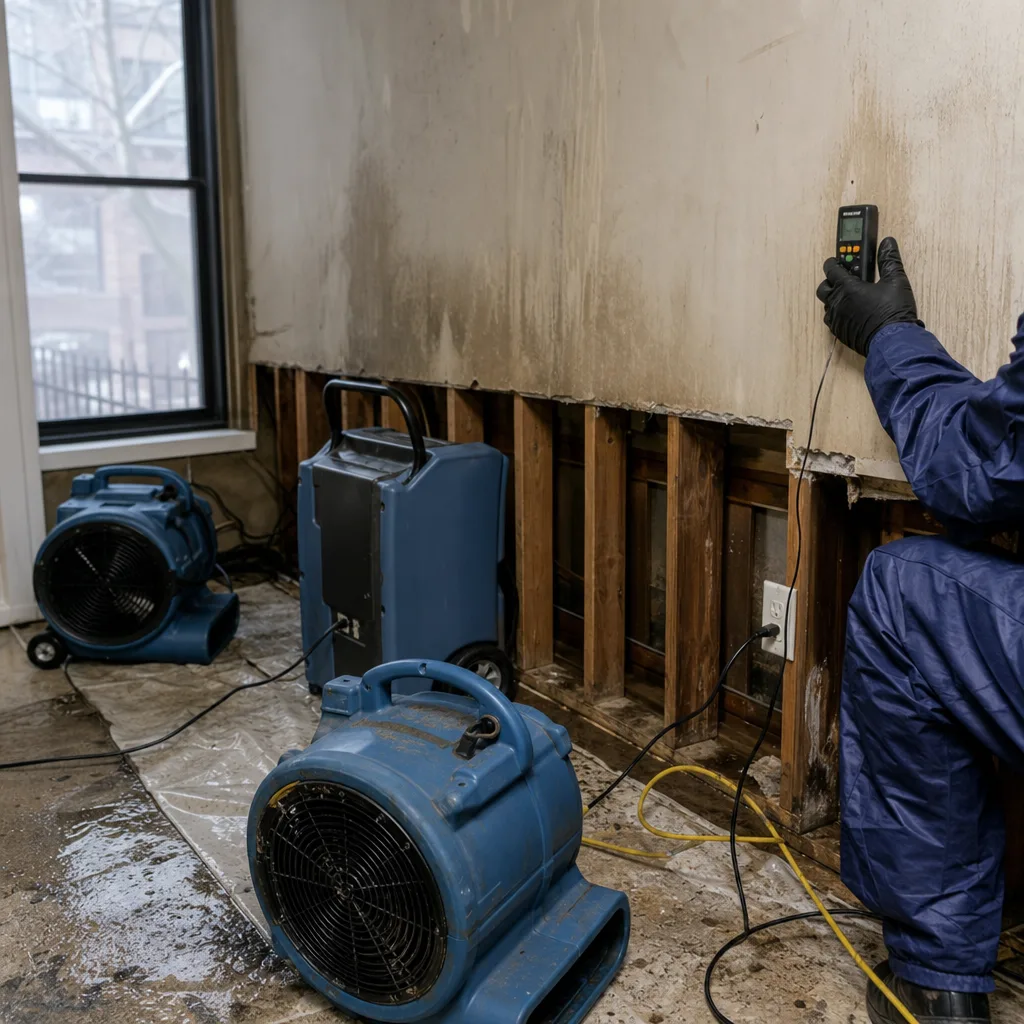
Moisture mapping is the step that separates a real cleanup from a mop-and-spray job. Our techs take readings along wall cavities, under stair framing, and around the perimeter of finished rooms to trace exactly how far category 3 water has traveled. In a Glendale row house, that map routinely includes the neighbor’s side of the wall. We don’t guess. We read the moisture and follow it.
Why Glendale Property Owners Choose Floodline Restoration Co. of Manhattan
- 45-minute response commitment. When sewage is spreading through a finished basement, every hour adds cost and contamination. Our Glendale crews are dispatched from the moment you call and arrive fast.
- 24/7 live answer. A real person picks up. Not a recording, not a callback service. Three in the morning on a Sunday, you’ll hear a dispatcher who can move equipment toward Glendale immediately.
- IICRC-certified crews. Our technicians hold WRT and AMRT certifications and train to RIA and IFA standards. They understand category 3 containment, not just general water cleanup.
- Free visual inspection. We walk the loss site, take moisture readings, and give you a written scope before any work begins. You decide. We don’t oversell.
- Direct insurance billing. We document everything, bill your carrier directly, and talk to the adjuster so you don’t have to translate restoration language into insurance language.
- One team from extraction to reconstruction. The same certified crew that extracts the sewage also handles drying, sanitization, and any rebuild. No handoff to a subcontractor you’ve never met.
Our Sewage Cleanup Process
Inspection & Assessment
We locate the source of the backup, identify the category of water, and map the affected area with thermal imaging and moisture meters. In Glendale row houses, this always includes checking the shared party wall and the adjacent property’s basement if accessible.
Extraction / Stabilization
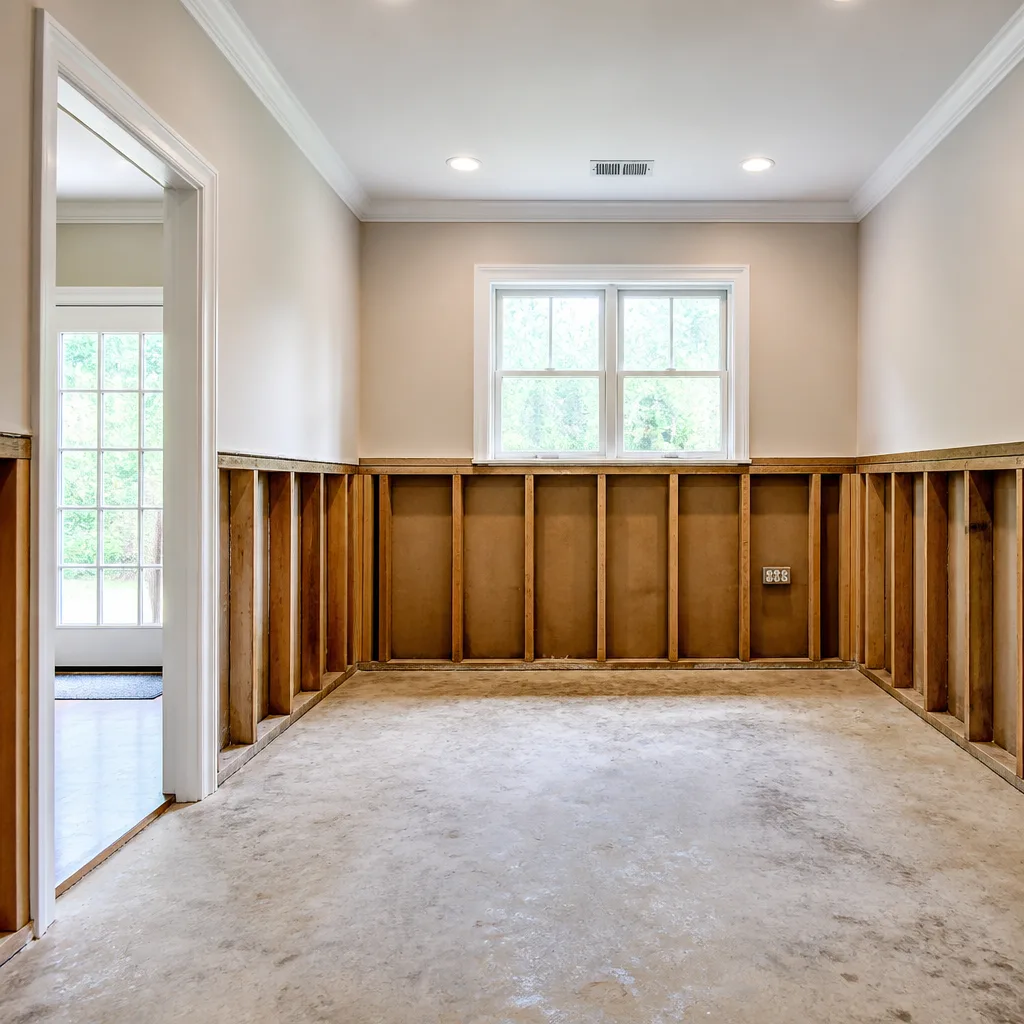
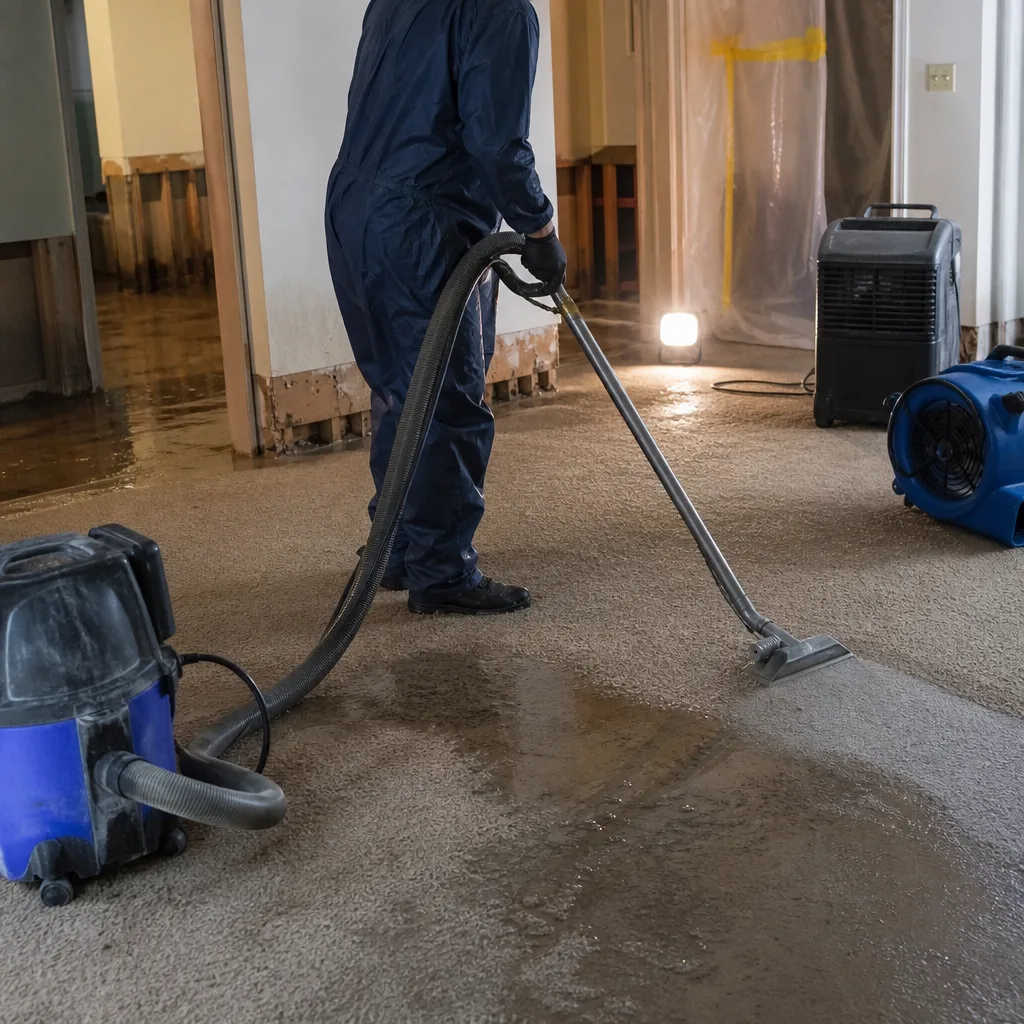
Black water comes out fast using truck-mounted and portable Dri-Eaz extraction units. We remove standing sewage, pull out saturated porous materials that can’t be salvaged, and set up containment to keep contaminated air from spreading through the home.
Drying & Dehumidification
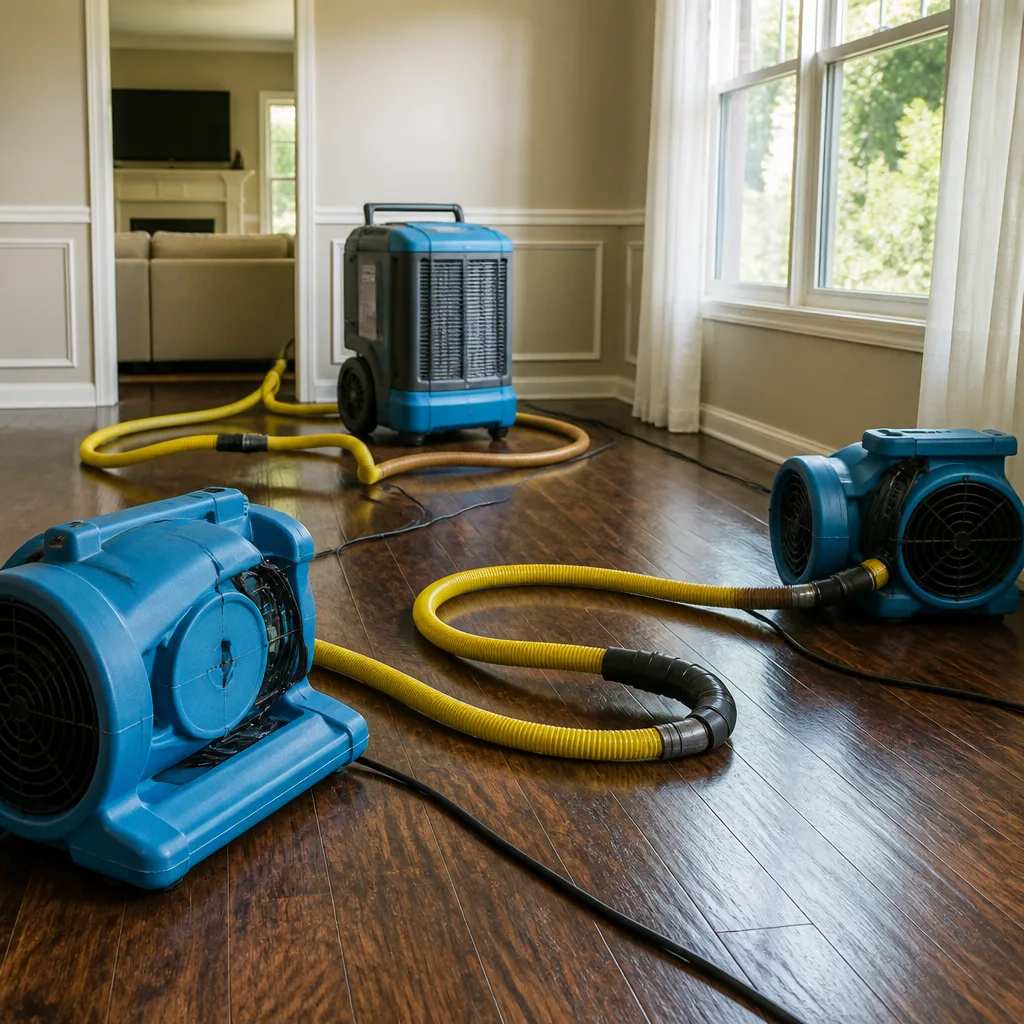
Professional-grade air movers and Phoenix dehumidifiers run around the clock, with daily moisture readings logged. We don’t stop until the structure hits the dry standard, which in Glendale’s old brick and plaster construction can take longer than modern drywall homes.
Cleaning & Sanitization
Affected surfaces get HEPA vacuuming, antimicrobial application, and deodorization. This is the step that makes a home safe to occupy again. We use professional-grade sanitizers rated for sewage contamination, not household bleach.
Specialty Treatment for Sewage Damage
Party wall cavities and crawl spaces get targeted treatment. We may need to open small access points in finished walls to dry and sanitize the hidden spaces where sewage moisture lingers. That’s standard practice for Glendale’s connected housing stock.
Repairs & Restoration
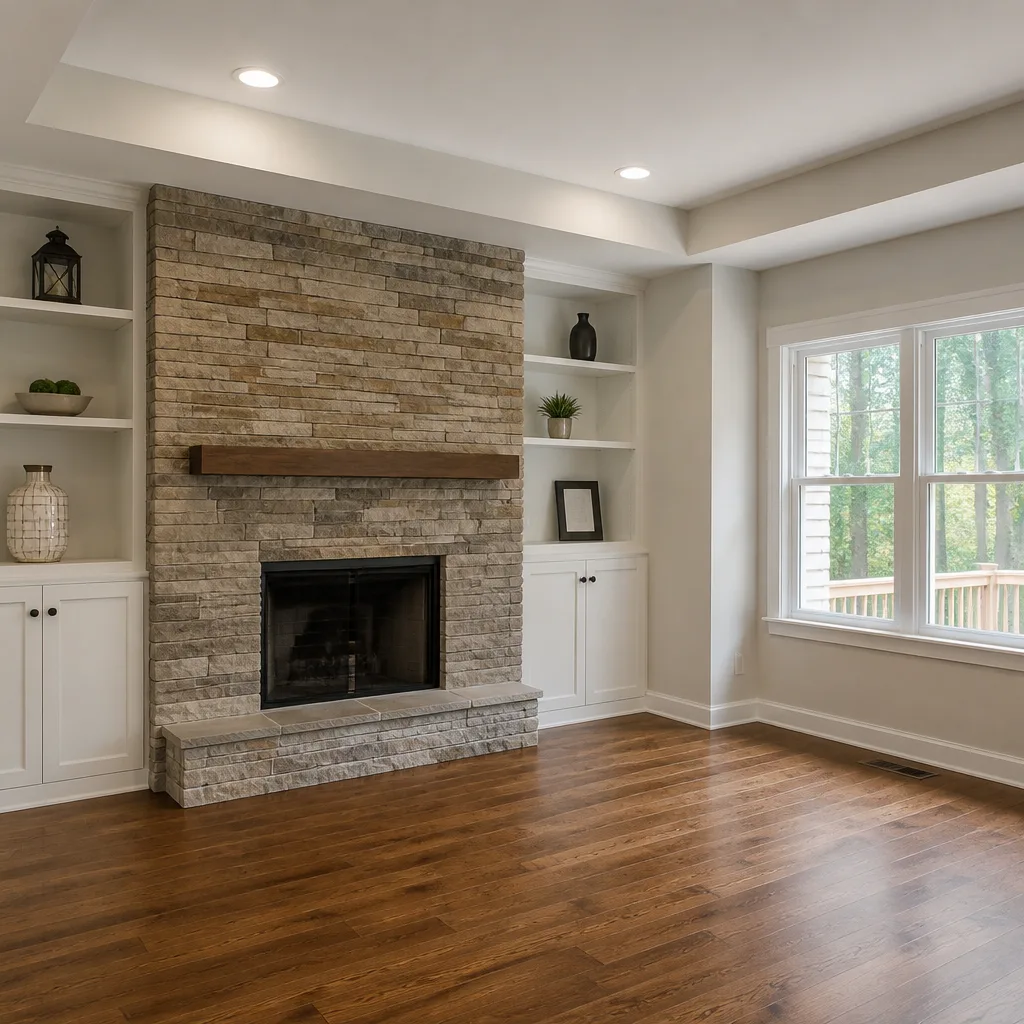
Once the structure is dry and clean, we rebuild what was removed: drywall, flooring, trim, paint. The same crew that did the extraction handles the rebuild, so there’s no gap between cleanup and getting your home back.
Need Emergency Sewage Cleanup in Glendale Now?
Crews minutes away, answering live 24 hours a day. The sooner we start, the less it costs.
Working With Your Insurance Company
Most Glendale homeowners policies cover sewage cleanup when the backup is sudden and accidental, like a waste line collapse or a city sewer surcharge. What matters is documentation. From the first hour, we photograph every affected room, log moisture readings, and write line-item scopes that speak the language adjusters expect. We talk to your carrier directly, handle the paperwork, and bill them for covered work so you’re not fronting thousands of dollars and waiting for reimbursement.
In a Glendale row house, insurance gets complicated when one backup touches two properties. Each owner has a policy. Each carrier wants its own documentation. We’ve managed multi-owner, multi-policy sewage claims in Glendale and know how to separate what belongs to which claim. You don’t play messenger. We coordinate directly with both adjusters and give each side the documentation their carrier requires.
What We Provide Your Insurer
- Thorough documentation of the loss
- Photos of all damage, room by room
- Moisture readings and drying logs
- A detailed, line-item scope of work
- Direct coordination with your carrier
Built for Glendale’s Loss Calendar
Sewage backups in Glendale don’t happen randomly. They follow the seasons, and they follow the age of the pipes under the street and under your basement floor.
January and February bring the deep freezes that crack aging cast-iron waste lines in Glendale’s 1920s and 1930s row houses. When the ground shifts and the pipe splits, sewage backs up into basements overnight. We see a spike in Glendale service calls every hard freeze, especially for homes along Myrtle Avenue and the side streets running north toward Ridgewood.
Spring thaw loosens the soil and shifts old pipes again, but it also brings the first heavy rains. Glendale’s combined sewer system gets overwhelmed, and surcharging wastewater pushes back into basement drains and floor drains. Homeowners on the lower-lying blocks near Public School 68 report more of these backups than higher ground does.
Summer thunderstorms are faster and more localized. A cloudburst over Dry Harbor Road can flood basements in minutes, and if the drain system is over capacity, what comes up through the floor drain isn’t rainwater. It’s sewage. Fall brings nor’easter season, which tests the same old infrastructure again before the freeze cycle starts over.
Sewage Cleanup Across Glendale’s Neighborhoods
Glendale is dense, and response depends on where you are. Crews reaching the blocks around Myrtle Avenue and Cooper Avenue deal with commercial mixed-use buildings where a sewage backup in a storefront can enter the apartments above through the wall cavities. Floors aren’t just floors. They’re part of a shared structure.
Over toward Shaler Avenue and the streets bordering Forest Park, we see more single-family and two-family brick homes with full basements. Many of those basements were finished decades ago with paneling over brick and vinyl tile over concrete. Sewage gets under the tile and behind the paneling, and homeowners don’t see the damage until the odor comes through the floorboards.
The blocks around St. John’s Cemetery and Cypress Hills Street have some of the oldest homes in Glendale, and their waste lines are the original clay and cast iron. Root intrusion from mature street trees is a constant problem. The north side of Glendale, near the freight rail line and the industrial properties along Fresh Pond Road, deals with sewer surcharging during heavy rain because the commercial drainage in that corridor adds pressure on shared residential lines.
Every block has a personality, and after enough years responding to Sewage Cleanup in Glendale, we know which streets need what. Crews dispatched to the row houses off 68th Place expect party wall involvement. Crews sent to the 1920s stock around 88th Street expect cast-iron waste line failures. That local knowledge means we bring the right equipment and a realistic scope on the first visit, not the third.
Specialized Sewage Cleanup Services We Offer in Glendale
Sewage Backup Cleanup
When a floor drain or a basement toilet backs up with sewage, the clock starts. We extract the standing water, remove contaminated materials, and dry the structure to prevent mold from taking hold in the first 48 hours. In Glendale’s basements with original concrete floors, we also check for sewage that has traveled under the slab along old pipe chases.
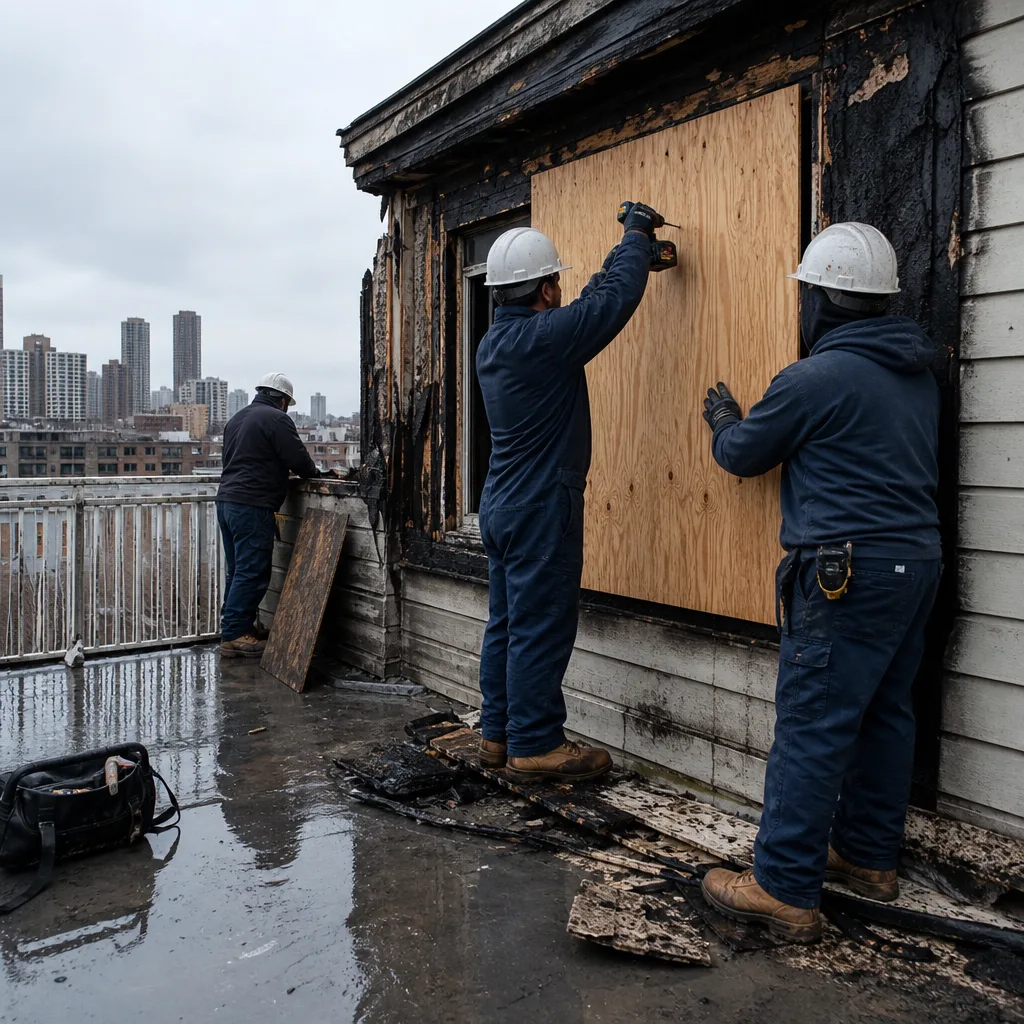
Toilet Overflow Cleanup
A toilet overflow in a Glendale two-family home often means contaminated water has traveled through the floor and into the ceiling below. We respond to overflows as urgent category 3 events, not as mop-up jobs. The finished ceiling below gets opened, dried, and sanitized before it becomes a mold source.
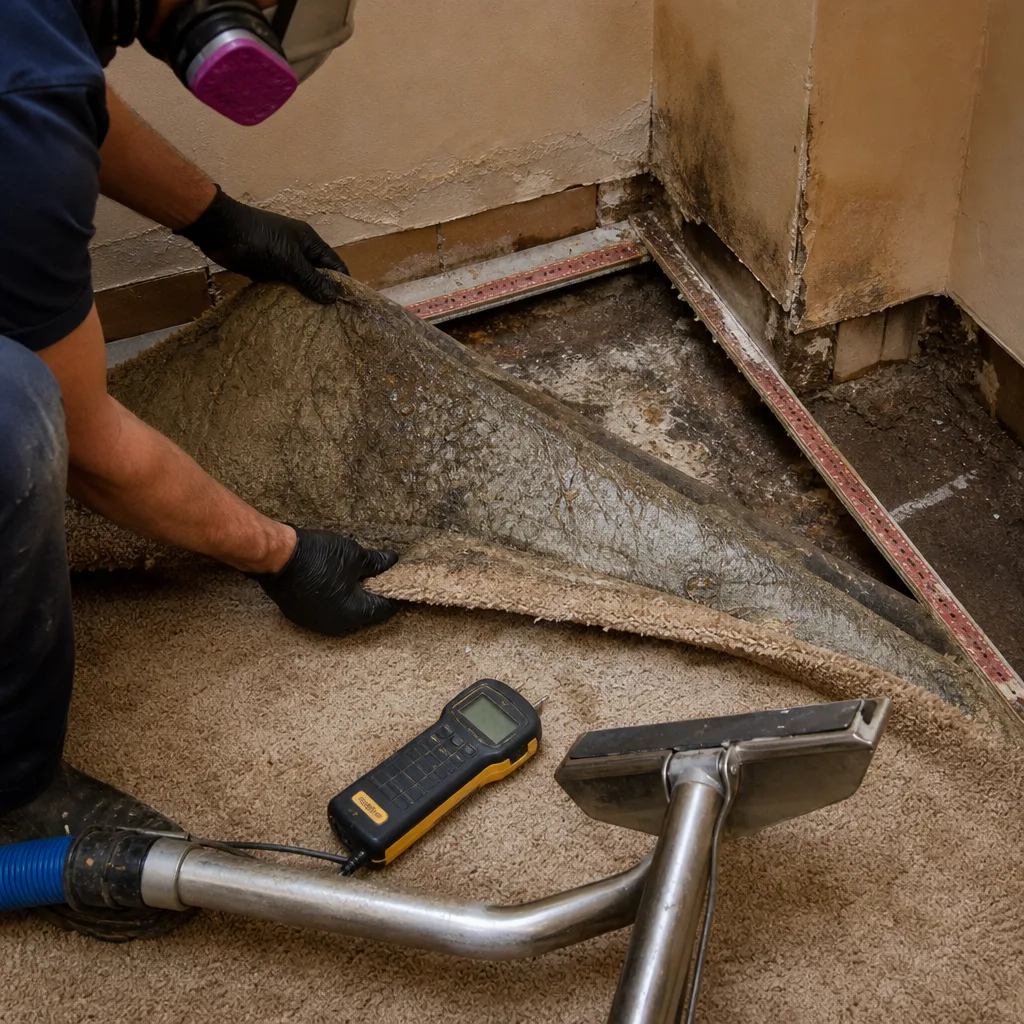
Septic Failure Cleanup
A few older Glendale homes still operate on private septic systems, often original to the property and decades past their intended service life. When those systems fail, raw sewage surfaces in the yard or backs up into the house. We coordinate with a septic service for the system repair while we handle the contamination inside the home and in the crawl space.
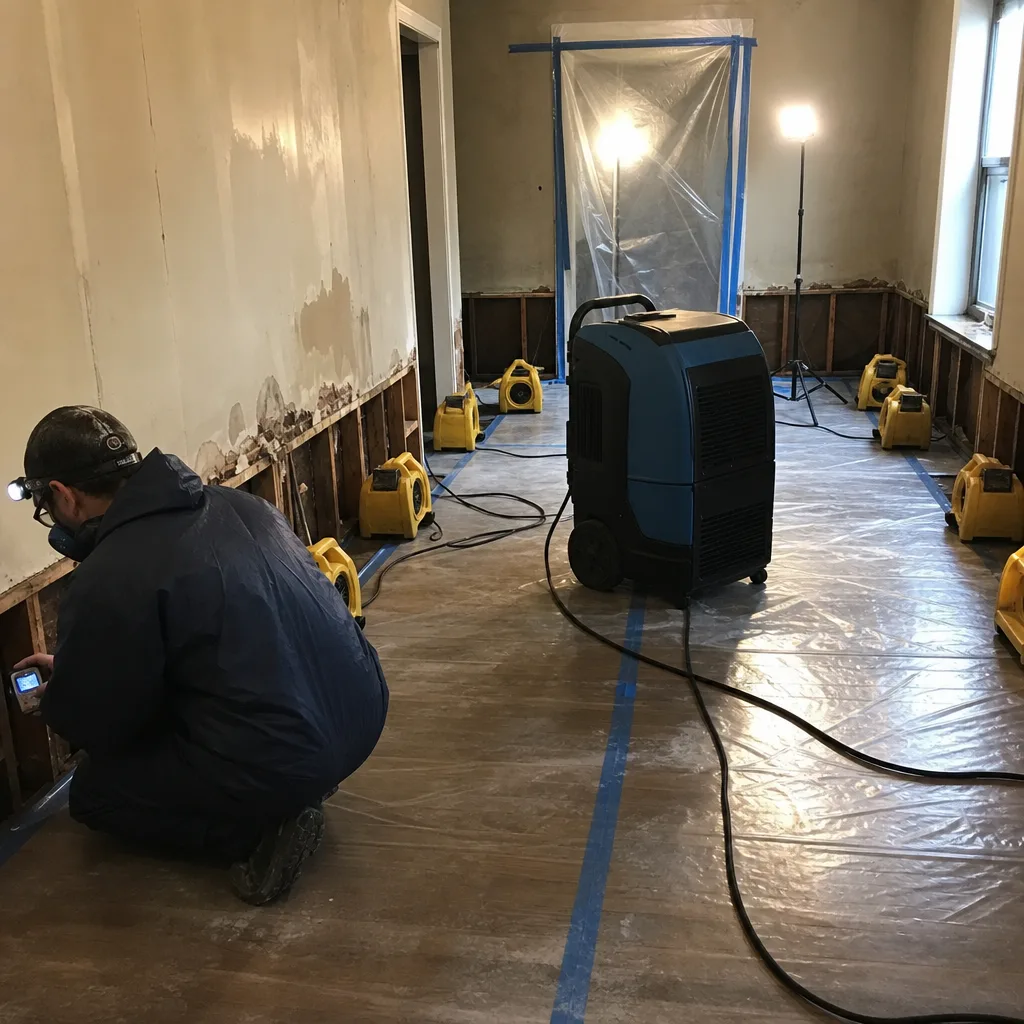
Black Water Extraction
Category 3 water is not clean-up. It’s containment, extraction, and disposal by trained techs wearing full protective gear. We use professional-grade extraction equipment, bag and dispose of contaminated materials, and treat every surface the water touched. Glendale’s row houses need extraction that accounts for shared walls and adjoining basements, which is where our experience with local construction pays off.
Sanitization & Disinfection
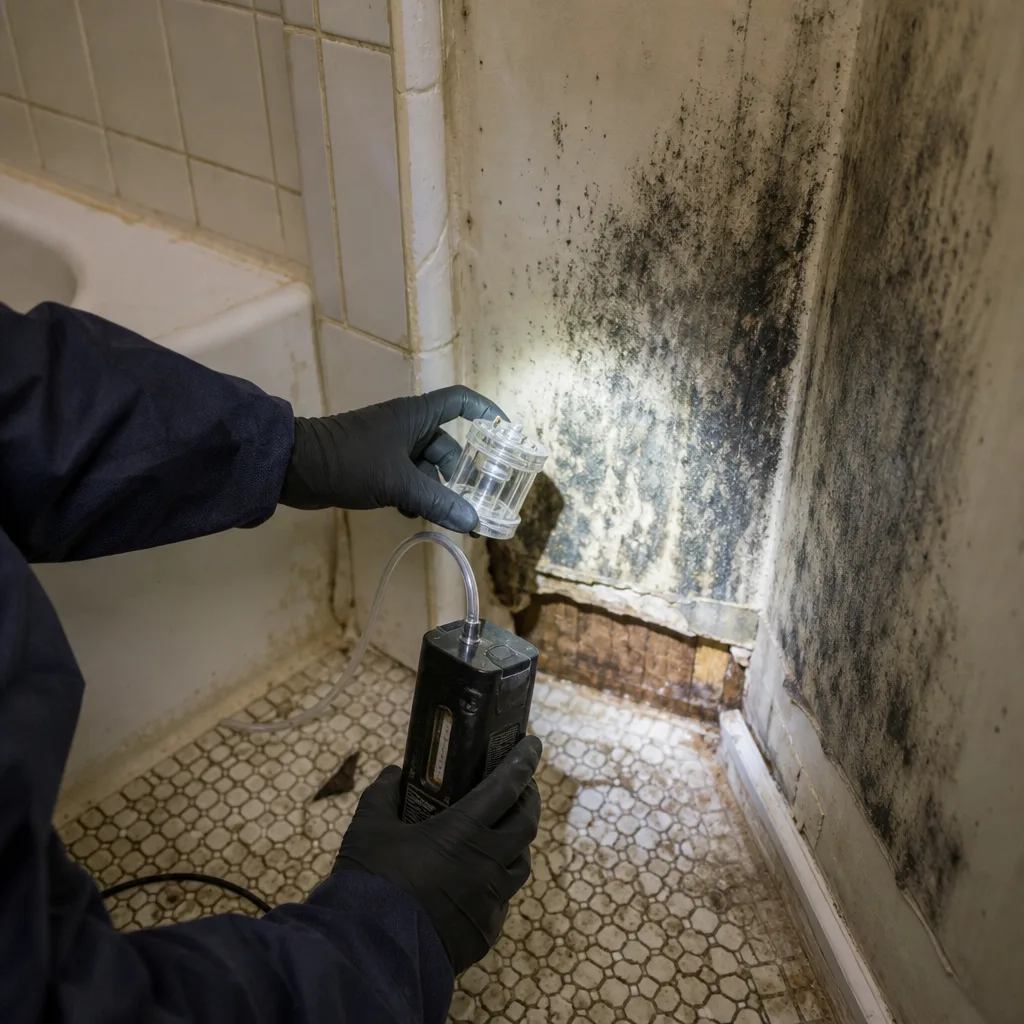
After extraction and drying, we sanitize every affected surface with antimicrobial products rated for sewage contamination. That includes wall cavities, subfloor framing, and the undersides of stair stringers. We leave a home that’s not just dry but clean in the spaces you can’t see.
What happens when you call
- 1
A real person answersNo phone trees - you reach a local pro.
- 2
You get an upfront price rangeHonest numbers before anyone is dispatched.
- 3
A background-checked tech heads outLicensed & insured, dispatched right away.
- 4
You approve before work beginsNothing starts until you say go.
Sewage Cleanup Costs in Glendale, NY
Sewage cleanup in Glendale runs a range, and the numbers depend on how far the water traveled and what it touched. Here’s what we see in this market:
- Simple toilet overflow, contained to one bathroom: $1,200-$1,800
- Basement sewage backup, unfinished space, 300-600 square feet: $2,200-$3,800
- Finished basement sewage backup with drywall, flooring, and insulation removal: $3,500-$6,800
- Party wall involvement requiring access on both sides and dual-property drying: $5,000-$9,500
- Crawl space sewage removal with vapor barrier replacement and sanitization: $2,800-$5,200
- Full reconstruction after sewage damage, including framing repair and rebuild: $8,000-$20,000+
What moves the price: how far the sewage traveled through the structure, whether finished materials must be removed, whether a party wall is involved, and how much drying time the structure needs. Insurance typically covers sudden and accidental sewage backups, subject to your policy’s coverage terms. Our inspection is free, and the written scope we provide is the number we work to. If the carrier needs more detail, we provide it. No surprises on the bill.
We Also Serve Cities Near Glendale
Our crews handle sewage cleanup throughout western Queens and the surrounding area. You’ll see our trucks regularly in Fairview, Harrison, East Bronx, and Hunts Point. If you’re a property owner in any of these neighborhoods with a basement backup, the same 24/7 dispatch and the same certified crews are available to you.
Glendale Sewage Cleanup Questions, Answered
Why do sewage backups in Glendale row houses often affect the neighbor’s basement?
Glendale’s 1920s-1940s brick row houses share masonry party walls and often share floor joists that span the property line. When sewage pools on one side, it wicks through the porous brick and mortar into the adjoining wall cavity and the neighbor’s finished space.
How do informally finished basement rentals complicate sewage cleanup in Glendale?
Those finished spaces hide sewage moisture behind drywall, paneling, and flooring, which delays detection until odor or mold shows up. In Glendale, we regularly find category 3 water that soaked into wall framing days before any surface stain was visible.
What is the 24-to-48-hour mold timeline in a Glendale sewage backup?
Mold colonies can begin forming within 24 to 48 hours of a sewage backup if the structure isn’t being actively dried. That’s why our crews start extraction on the first visit and run air movers and dehumidifiers continuously until moisture readings hit the dry standard.
Why does water in a Glendale row-house party wall need separate containment from the rest of the basement?
The masonry cavity acts like a chimney, carrying contaminated moisture upward and into the neighbor’s home. Separate containment keeps category 3 air and moisture from spreading into living spaces while we dry the wall cavity.
How do you handle sewage cleanup when one Glendale incident involves two property owners and two insurance policies?
We scope the damage on both sides of the property line, photograph and document separately, and coordinate directly with both carriers. Each owner receives their own documentation and line-item scope, and we bill each carrier directly.
How fast can someone actually get to my Glendale home?
Our commitment is 45 minutes or less to most Glendale addresses. A live dispatcher answers 24 hours a day, and crews are staged to respond across Queens without waiting for an answering service to call someone back.
Will my insurance cover sewage cleanup in Glendale?
Most standard homeowners policies cover sudden and accidental sewage backups, though some older policies may not. We document the loss from the first hour and work with your carrier directly so you don’t have to argue the claim yourself. Call us at (917) 924-4221 and we’ll help you understand what your policy covers.
Can we stay in the home during sewage cleanup?
If the sewage is contained to a basement or crawl space and airflow is managed with containment and air scrubbers, many families can remain on upper floors. In larger losses or when sewage has reached living areas, we recommend staying elsewhere until the space passes clearance testing. We’ll give you an honest recommendation before work begins.
Serving Glendale, NY - Our Local Coverage Area
We’re based in the Glendale area and know this community well. Use the map below to see our service coverage - if you’re nearby, we can almost certainly help.
Get Sewage Cleanup in Glendale Started Today
If you have sewage backing up in a Glendale basement, don’t wait. Every hour the water sits, it travels further into your floors, your walls, and possibly your neighbor’s home. Call us at (917) 924-4221 for a free inspection and a written scope of work. A live person answers, day or night, and a certified crew can be at your Glendale address within 45 minutes.
Floodline Restoration Co. of Manhattan has been answering calls and doing the work for over 42 years. The job isn’t done until you’ve got a dry, clean, safe home and the paperwork to prove it. Done right, and backed in writing.
Written by Curt Bowman, Owner at Floodline Restoration Co. of Manhattan, serving Glendale and Queens since 2010.