
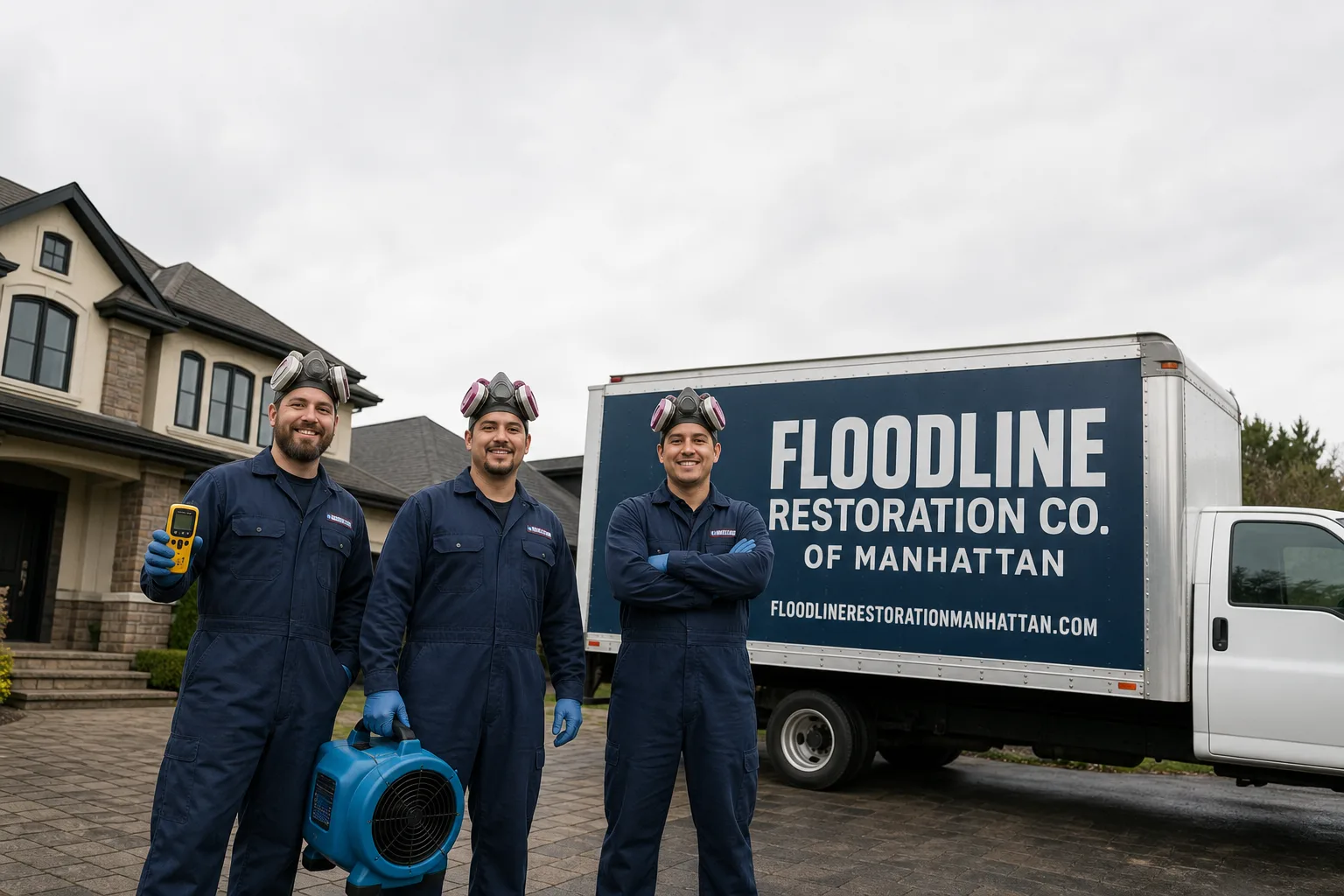
Free visual inspection and a written scope of work before any mitigation begins - photos, moisture readings, and drying logs go in your claim file
The scope we write is the scope we bill. Anything new gets shown to you, in writing, before we touch it.
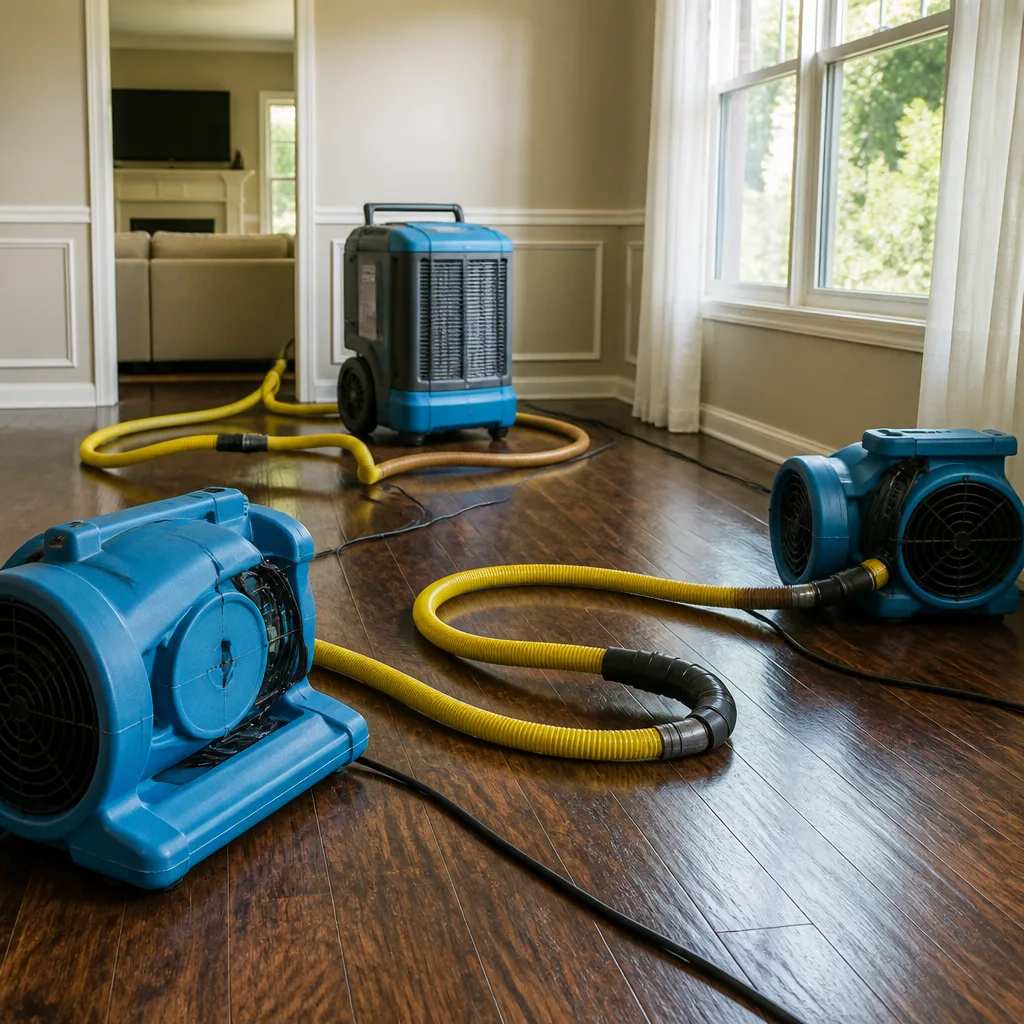
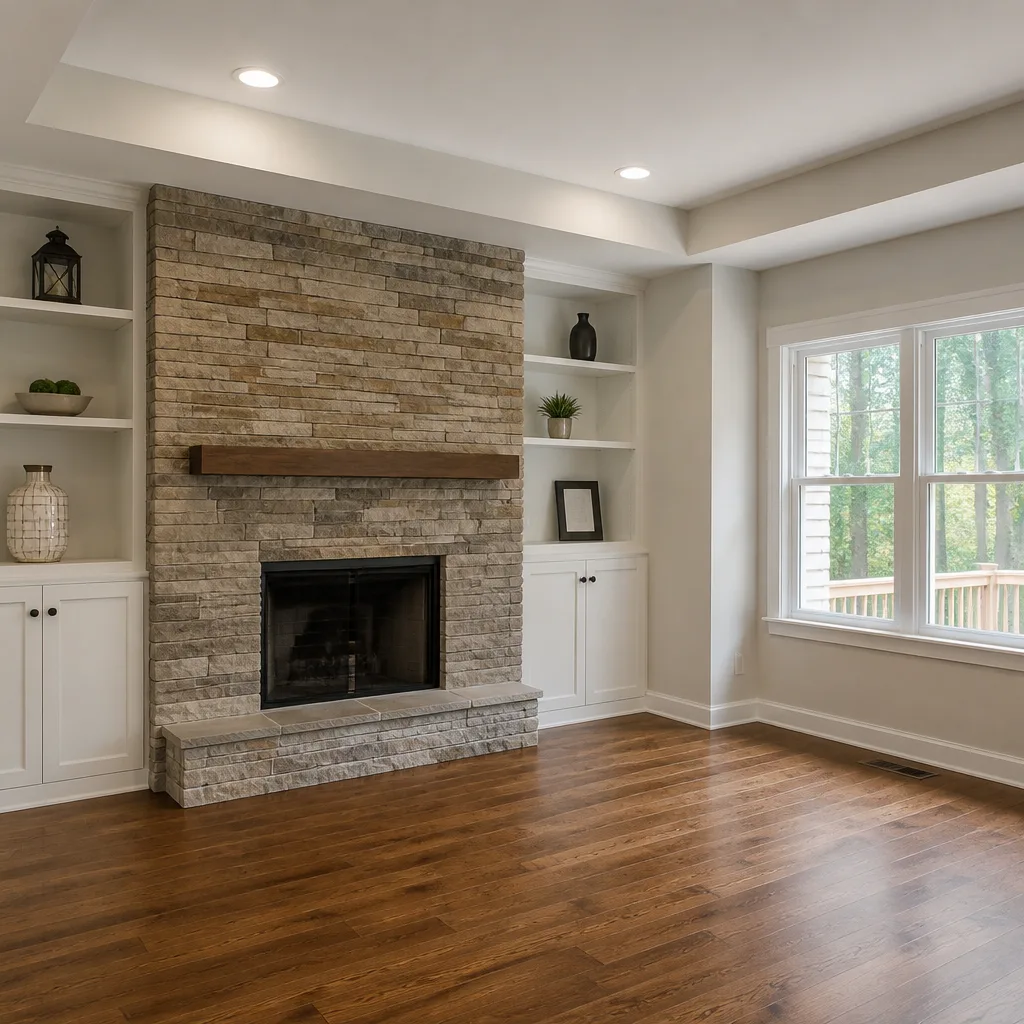
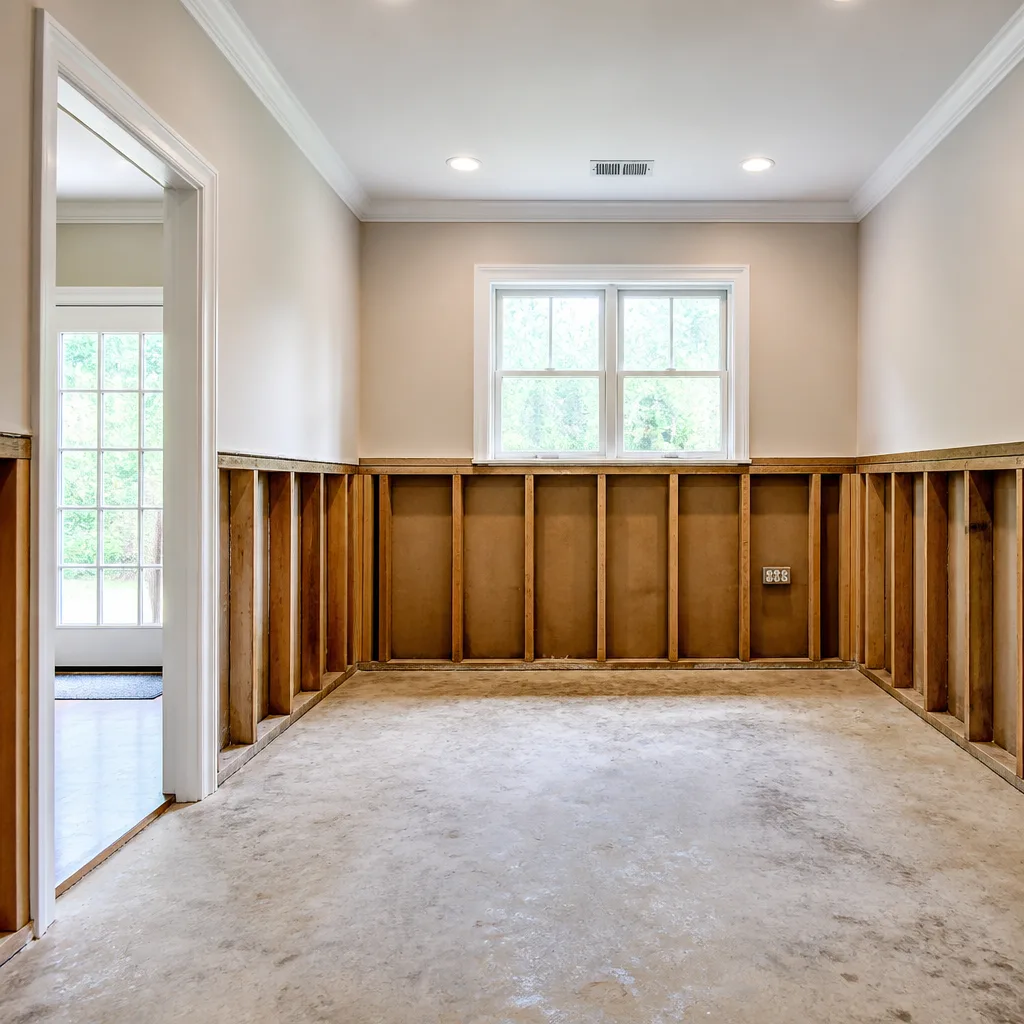
 Before
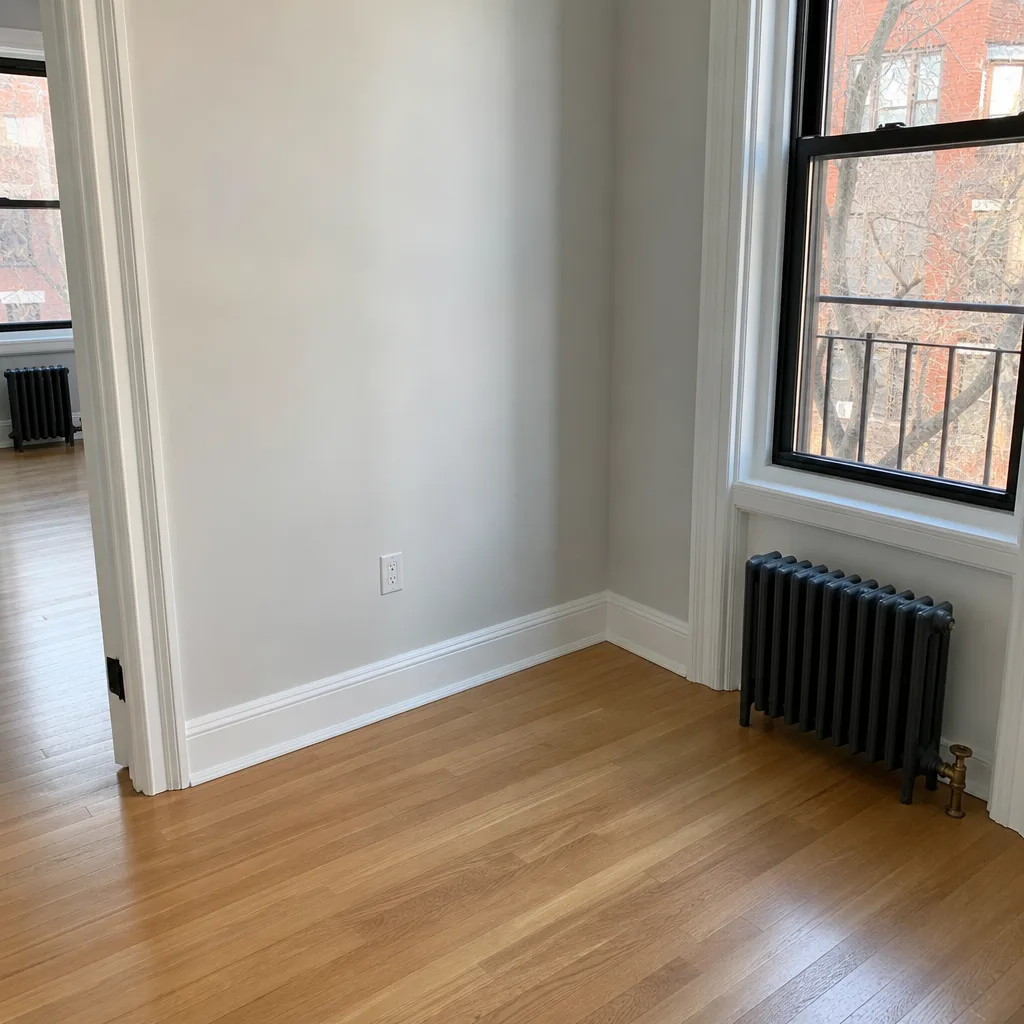 After
After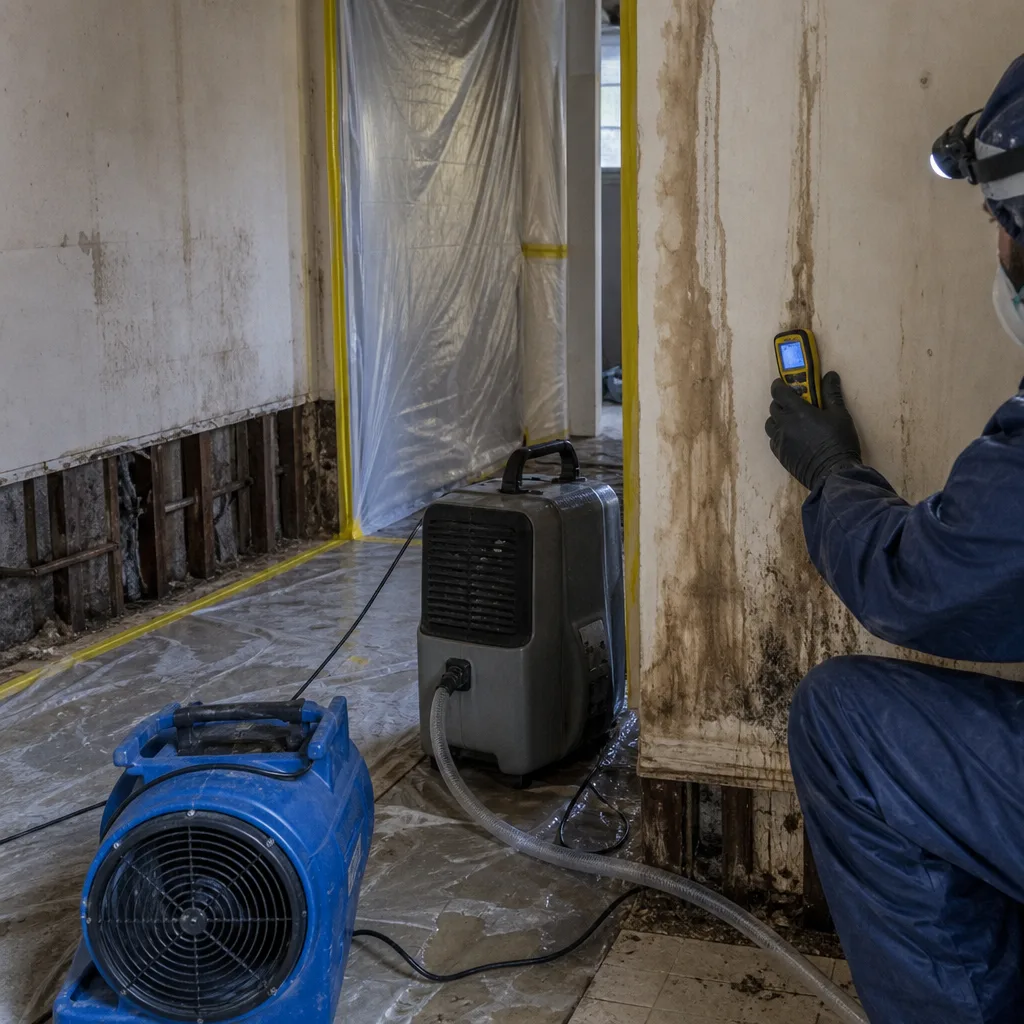 Before
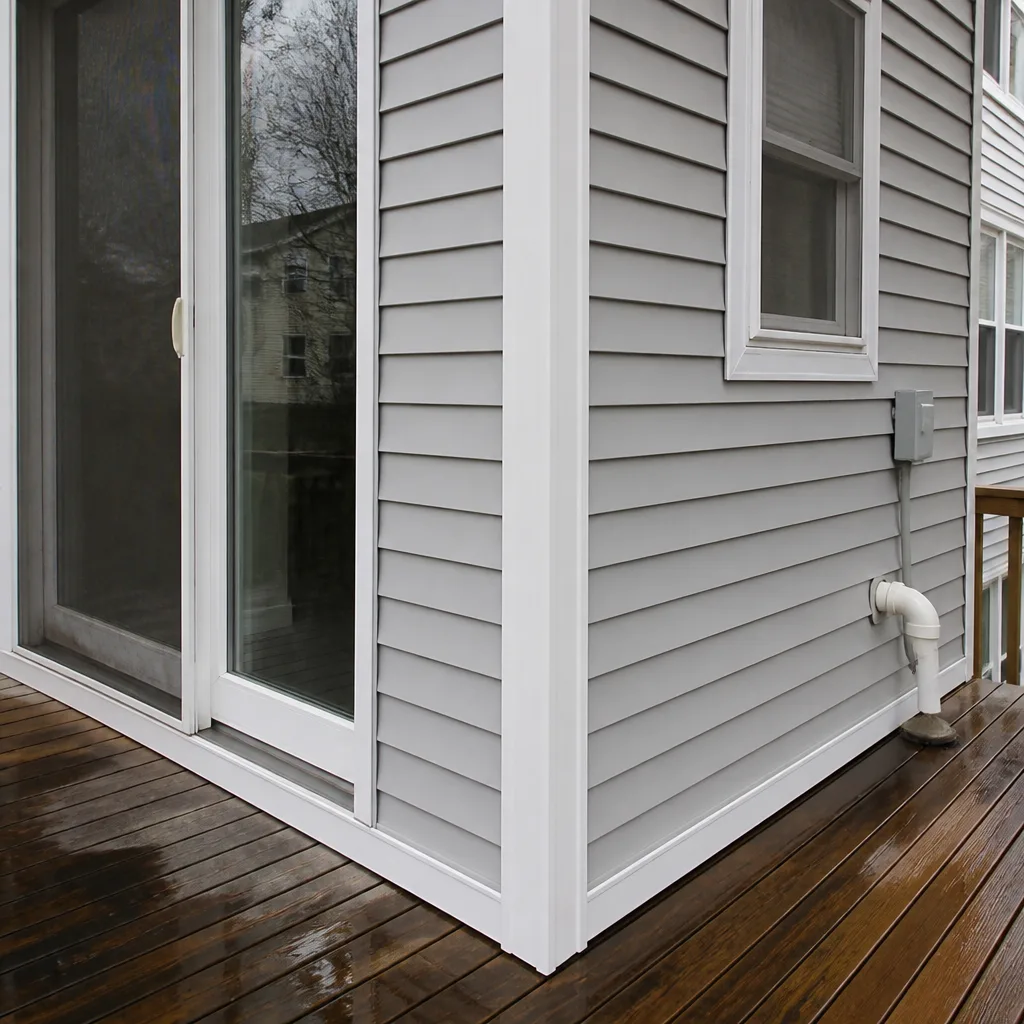 After
After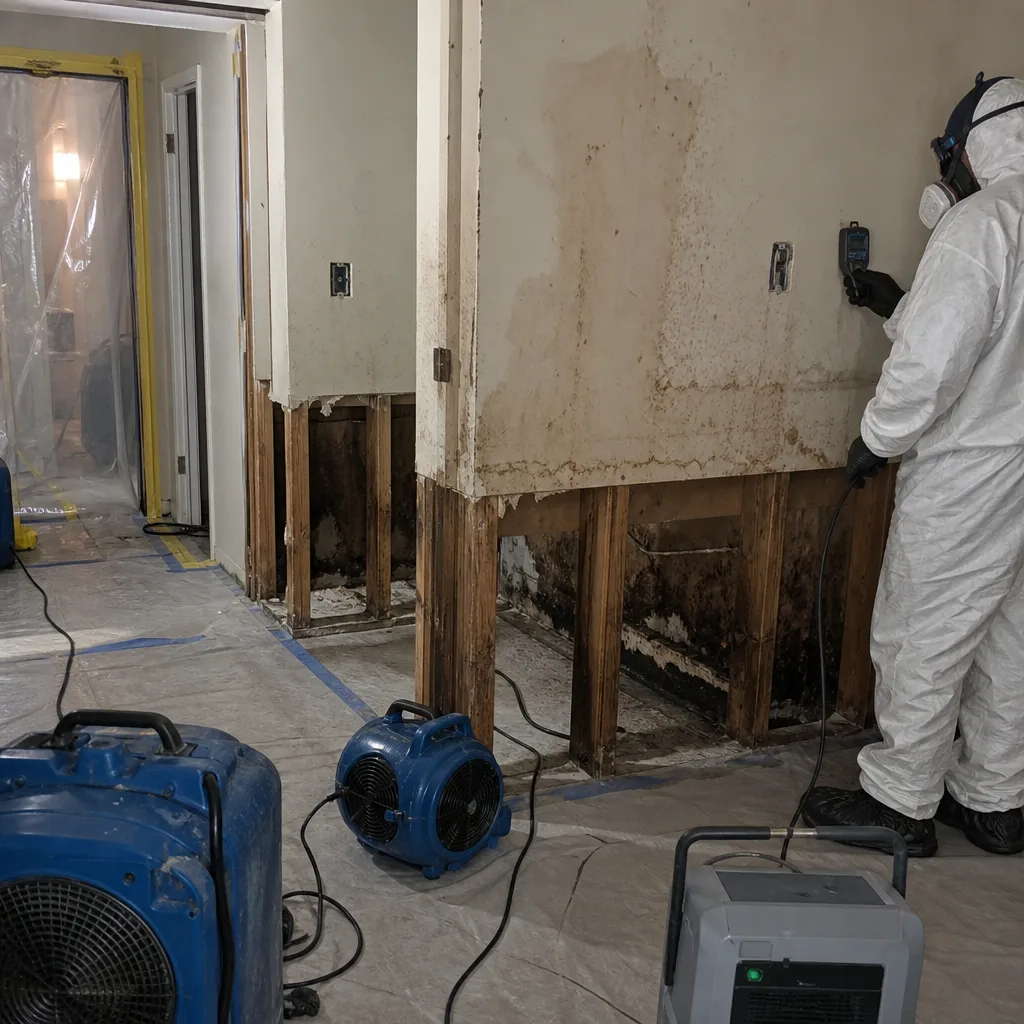 Before
 After
After24/7 Emergency Sewage Cleanup in Harbor Hills
A sewage backup in Harbor Hills is a Category 3 emergency, and it cannot wait. We answer live at (917) 924-4221 around the clock, and our crews dispatch into Harbor Hills the same day because the longer black water sits, the deeper it wicks into plaster, subfloor, and framing. In coastal homes exposed to Long Island Sound humidity, the first hour matters more than most contractors will tell you.
Floodline Restoration Co. of Manhattan never routes your call to a recording. A live dispatcher picks up at two in the morning, asks the right questions, and gets a certified crew moving toward Harbor Hills. The first visual inspection is free, and you get a written scope before any work begins. That’s how we’ve handled sewage cleanup since Curt Bowman founded the company in 2010.
Understanding Sewage Cleanup Severity in Harbor Hills Properties
Sewage cleanup in Harbor Hills is not a mop-and-dry job. Black water, what restoration crews call Category 3 water, carries bacteria, viruses, and pathogens that require full containment, antimicrobial treatment, and often removal of affected drywall, insulation, and flooring. When a nor’easter pushes storm surge through the streets, that surge mixes with sewage effluent and becomes salt-laden black water, a worst-case combination for North Shore construction.
Many Harbor Hills homes are pre-war colonials and capes with plaster-and-lath walls and true dimensional lumber framing. Plaster absorbs moisture differently than modern drywall. It holds water longer, hides it better, and its lime-based composition can mask early microbial growth. We moisture-map every wall cavity with thermal imaging and penetrating meters, and we treat category 3 water exactly as category 3 requires. Balloon-frame construction, common in older North Shore houses, lets water travel vertically from a basement backup into upper wall cavities. Miss that, and you get a mold problem you can’t see but can smell by August.
Why Harbor Hills Property Owners Choose Floodline Restoration Co. of Manhattan
- 45-minute response commitment. From the time your call ends, a crew is routed to Harbor Hills. Not a callback. A truck rolling.
- 24/7 live answer, no automated system. A real dispatcher at (917) 924-4221 asks what’s happening and tells you when we’ll be there.
- IICRC-certified crews. Our technicians carry WRT, ASD, and AMRT certifications plus IICRC, RIA, and IFA training. They know what category 3 water demands.
- Free visual inspection. We look before we quote, and you see what we see. No pressure, no oversell.
- Direct insurance billing. We bill your carrier directly and document everything. You never play messenger.
- One team from extraction to reconstruction. No handing off to a third party. The same certified crew stays through drying, sanitizing, and rebuild.
Our Sewage Cleanup Process
Inspection & Assessment
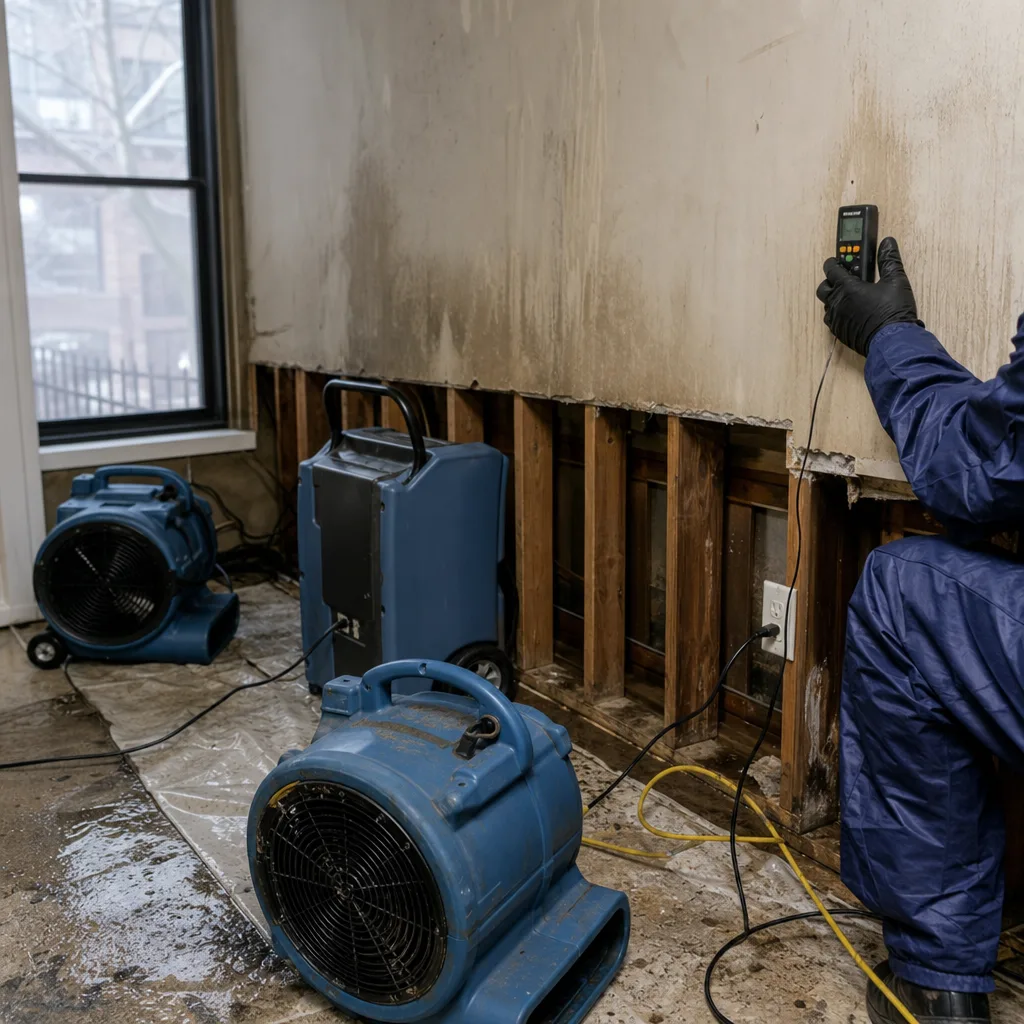
We walk the entire affected area in Harbor Hills and identify every point sewage touched. Thermal imaging and penetrating moisture meters map water that traveled into walls, subfloor, and crawl spaces before we touch anything.
Extraction & Stabilization
Category 3 water is removed with truck-mounted extraction and submersible pumps, while we section off contaminated zones with containment barriers. We start this on the first visit.
Drying & Dehumidification
Dri-Eaz and Phoenix dehumidifiers pull moisture from the structure, with daily readings logged until the dry standard is met. In Harbor Hills’s humid coastal air, this stage needs extra discipline because ambient moisture masks progress.
Cleaning & Sanitization
Every affected surface receives antimicrobial treatment. HEPA air scrubbers run continuously to filter airborne pathogens. Carpet, drywall, and insulation saturated with black water are removed and disposed of under category 3 protocol.
Crawl Space & Specialty Treatment
Crawl spaces under older Harbor Hills capes and colonials trap sewage gases and moisture. We remove contaminated material, treat framing with antimicrobial, and address any galvanized pipe corrosion we find.
Repairs & Restoration
We rebuild what we removed. The same crew handles subfloor replacement, drywall, trim, and any reconstruction your home needs. You get the 90-Day Done Right Promise in writing when we finish.
Need Emergency Sewage Cleanup in Harbor Hills Now?
Crews minutes away, answering live 24 hours a day. The sooner we start, the less it costs.
Working With Your Insurance Company
Sewage backups are covered by many homeowners policies, but the claim has to be documented from the first hour. We photograph everything, room by room, before we move a single item. We log moisture readings, drying progress, and the antimicrobial treatments applied. That documentation goes to your adjuster in an industry-standard format they recognize.
When your carrier has questions, our team talks to them directly. You are not chasing paperwork at 9 p.m. You are getting your home back. If coverage is denied, we go over what happened in plain language and discuss your options. A written scope before work starts means you know the number before you commit.
What We Provide Your Insurer
- Thorough documentation of the loss
- Photos of all damage, room by room
- Moisture readings and drying logs
- A detailed, line-item scope of work
- Direct coordination with your carrier
Built for Harbor Hills’s Loss Calendar
Harbor Hills gets its share of sewage trouble all year, but the pattern shifts with the seasons. January and February deep freezes stress older drain and supply lines, and a crack that starts as a slow weep becomes a basement backup when the ground shifts from frost. Spring brings nor’easters that overwhelm septic fields and municipal drains, forcing black water back through floor drains. Summer thunderstorms drop an inch of rain in 45 minutes, and the clay soils around North Shore foundations can’t absorb it fast enough.
Fall is the season we prepare for. Salt-laden humidity slows drying and rusts fasteners in balloon-frame walls. A sewage backup in October needs longer drying cycles than the same event inland would. We adjust the drying plan for ambient moisture, log it daily, and keep dehumidifiers running until the readings prove the structure is dry, not just the surface. That’s what keeps Harbor Hills homes from six-month-callback mold.
Sewage Cleanup Across Harbor Hills’s Neighborhoods
Harbor Hills is compact, but the housing stock changes from block to block, and so does the work. Around Soundview Drive and Long Island Sound-facing streets, we see estuary-era homes with older septic systems that fail during storm surge. Last March, our crew responded to a sewage backup in a 1950s cape on Soundview Drive after a nor’easter overwhelmed the septic field. We used moisture mapping to trace black water through the crawl space, then ran XPOWER air movers and Dri-Eaz dehumidifiers for structural drying. We documented near-failure galvanized drain runs for the homeowner and applied antimicrobial treatment to all affected framing.
Further inland, the pre-war colonials near the center of Harbor Hills carry plaster walls and older clay drain lines. Those drains crack over decades, and tree roots from mature oaks find them. Backups there are slower, but the contaminated water often hides longer behind lath before anyone sees damage. On the mid-century ranch streets, crawl space access is tighter, and sewage removal from those low clearances requires specialized equipment and patience. We work each neighborhood by its own build, not a one-size playbook.
Specialized Sewage Cleanup Services We Offer in Harbor Hills
Sewage Backup Cleanup
Floor drain backflow, municipal line backup, or septic failure. We extract category 3 water, remove contaminated material, and treat what remains. In Harbor Hills homes with finished basements, this often means controlled demolition of drywall and flooring to stop pathogens from traveling. Our Sewage Cleanup team is certified for category 3 protocol.
Crawl Space Sewage Removal
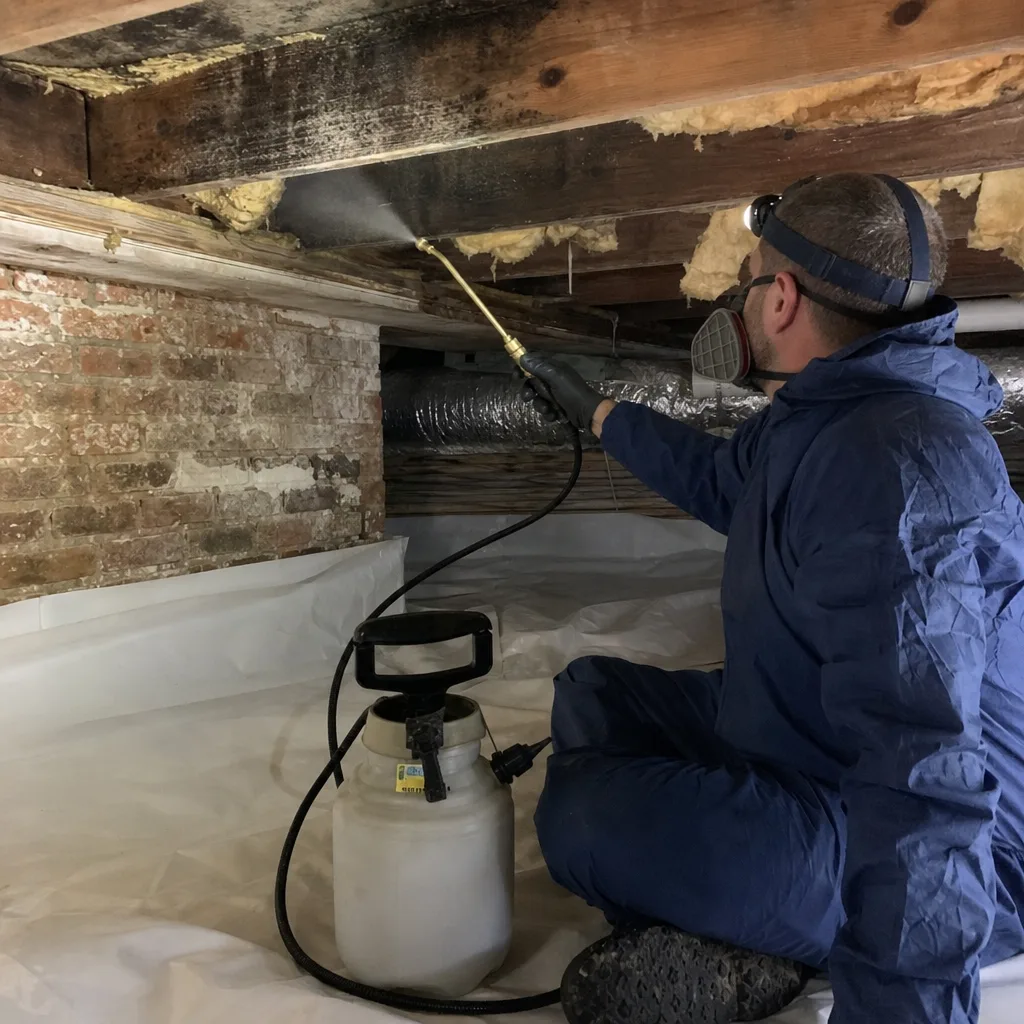
Low, tight crawl spaces trap hydrogen sulfide gas and hide contamination. We remove sewage-saturated soil and debris, treat all framing with antimicrobial, and seal the space after drying. In older North Shore homes, we also flag corroded galvanized drain lines while we’re down there. Leaving that pipe for another day is how callbacks start.
Toilet Overflow Cleanup
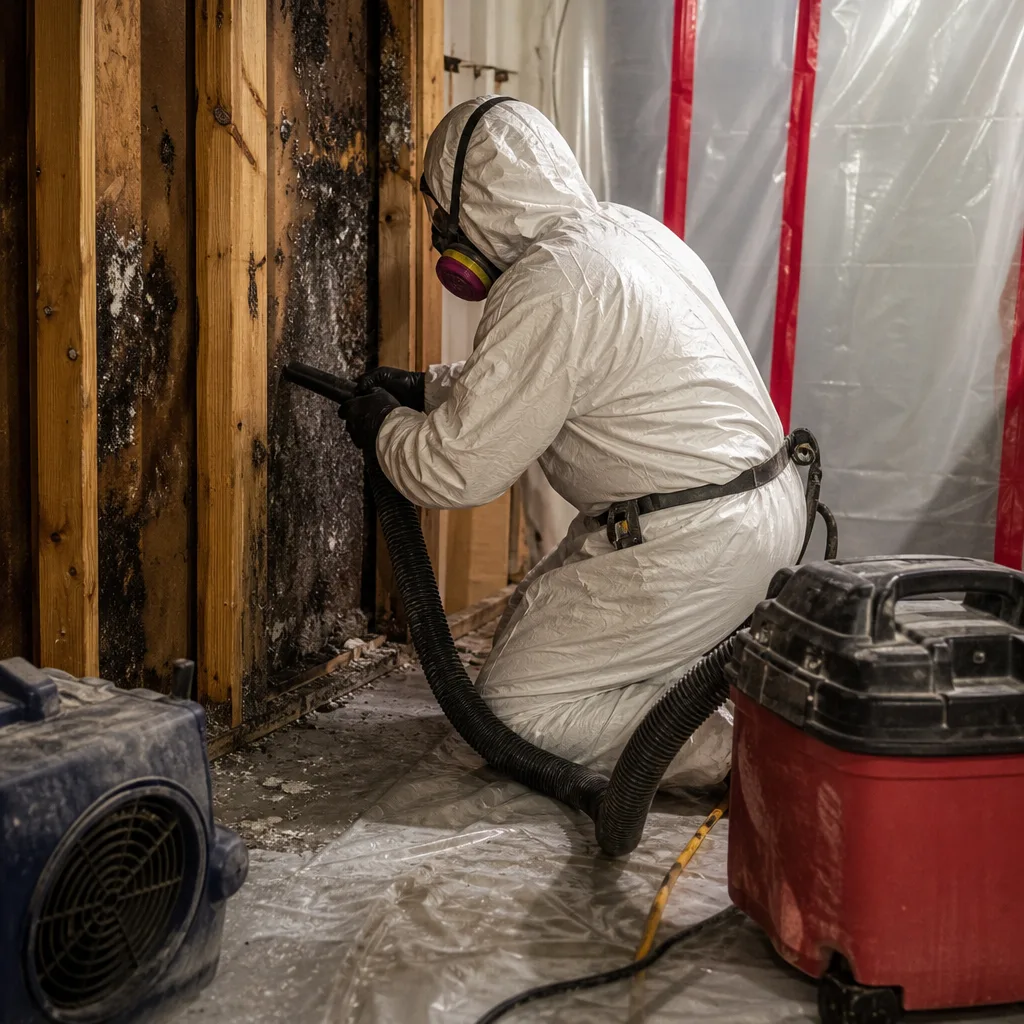
A toilet overflow that looks small can saturate the subfloor in a mid-century ranch and rot it under the tile before anyone sees it. We extract, sanitize the affected area, and check moisture levels in the subfloor. If we catch it early, we save the floor. If the rot started earlier, we document it for your insurance claim and rebuild it right.
Sanitization & Disinfection
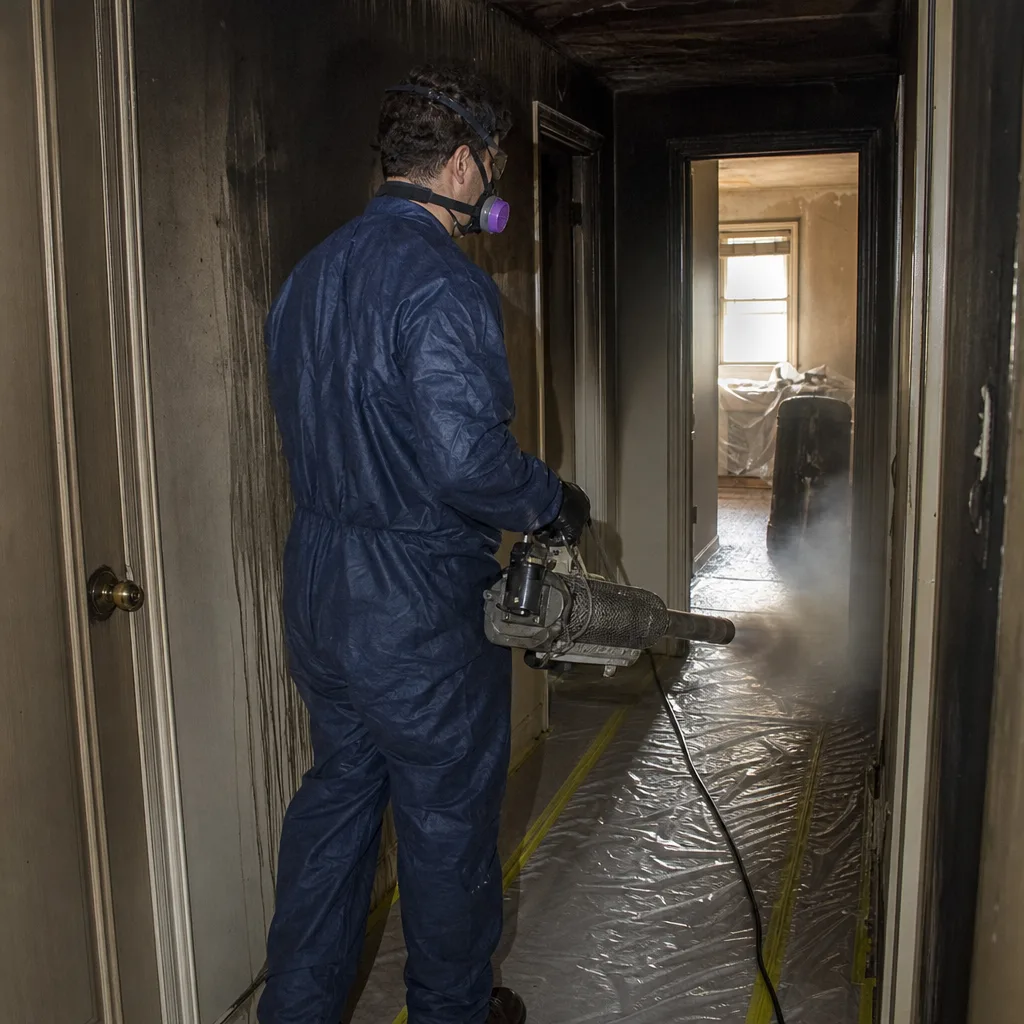
Category 3 water demands processing and antimicrobial treatment, not bleach in a mop bucket. We use professional-grade disinfectants rated for sewage pathogens, run HEPA air scrubbers, and test with ATP meters after treatment to confirm the surfaces are safe. On a Harbor Hills property, this includes surfaces near HVAC registers where spores collect.
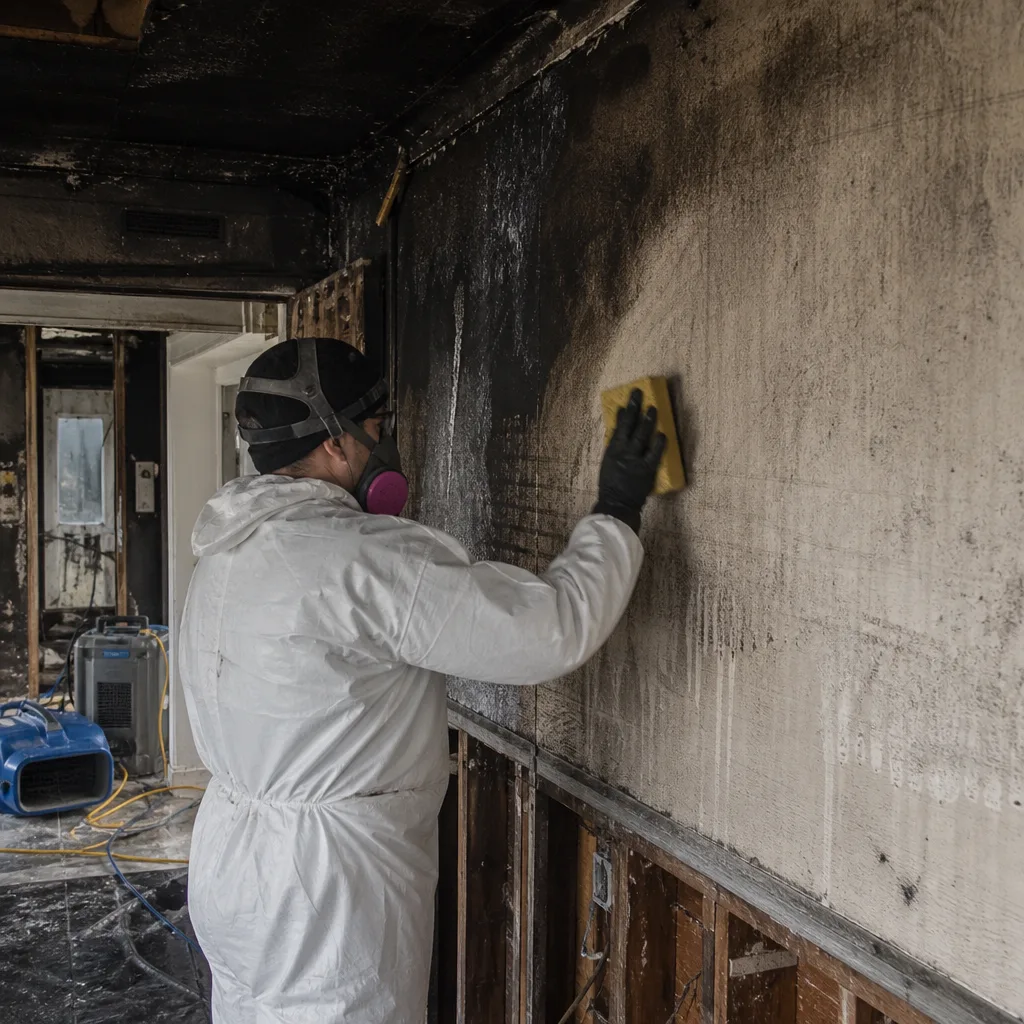
Black Water Extraction
Storm surge that introduces saltwater into a basement is black water by definition. We pump, extract, and flush what the surge left, then dry under coastal humidity conditions. The salt left behind is as big a long-term threat as the water itself. It draws moisture and rusts what it touches.
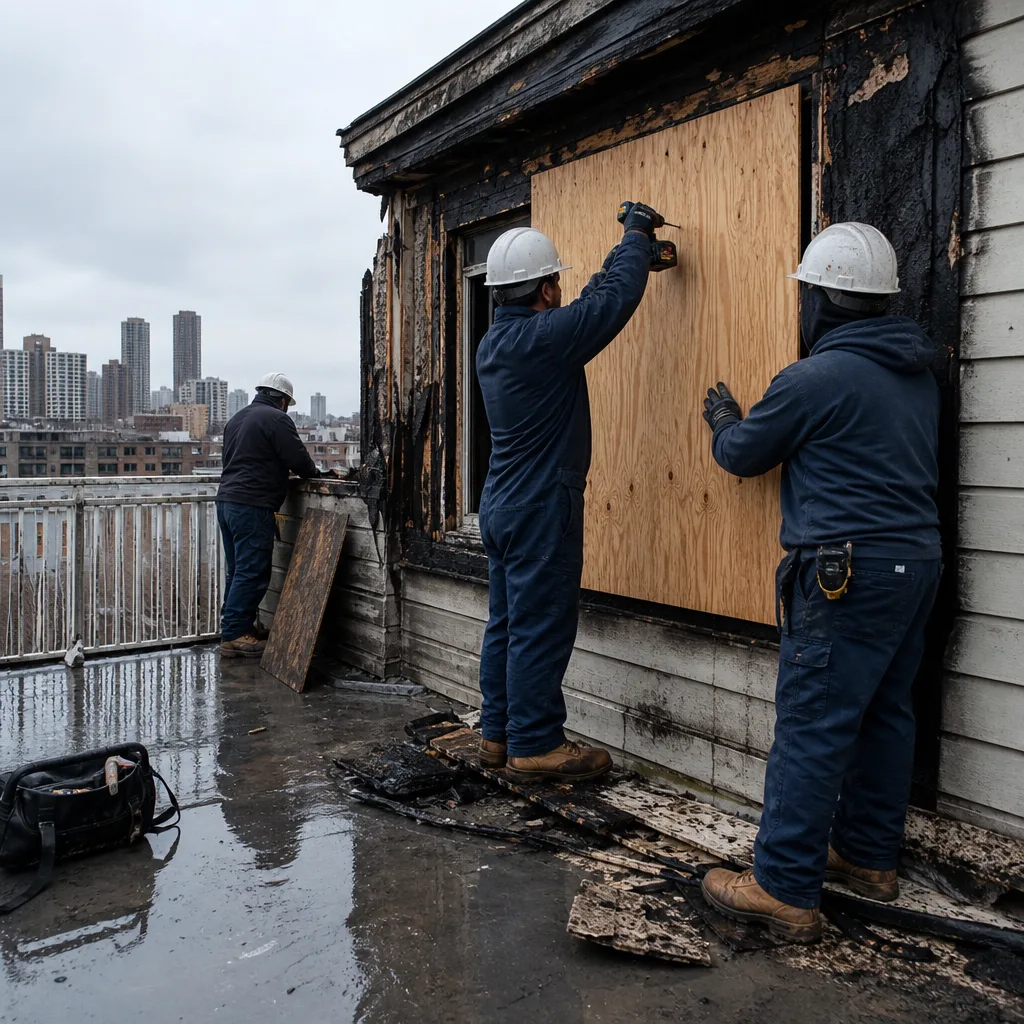
Septic Failure Cleanup
A septic field that backs up in a nor’easter does not just wet the yard. It pushes waste into basements, crawl spaces, and sometimes the lower level of the house itself. We handle the extraction, the sanitizing, and the drying. We also document exactly what the field failure did, so your adjuster sees the full scope, not just the visible puddle.
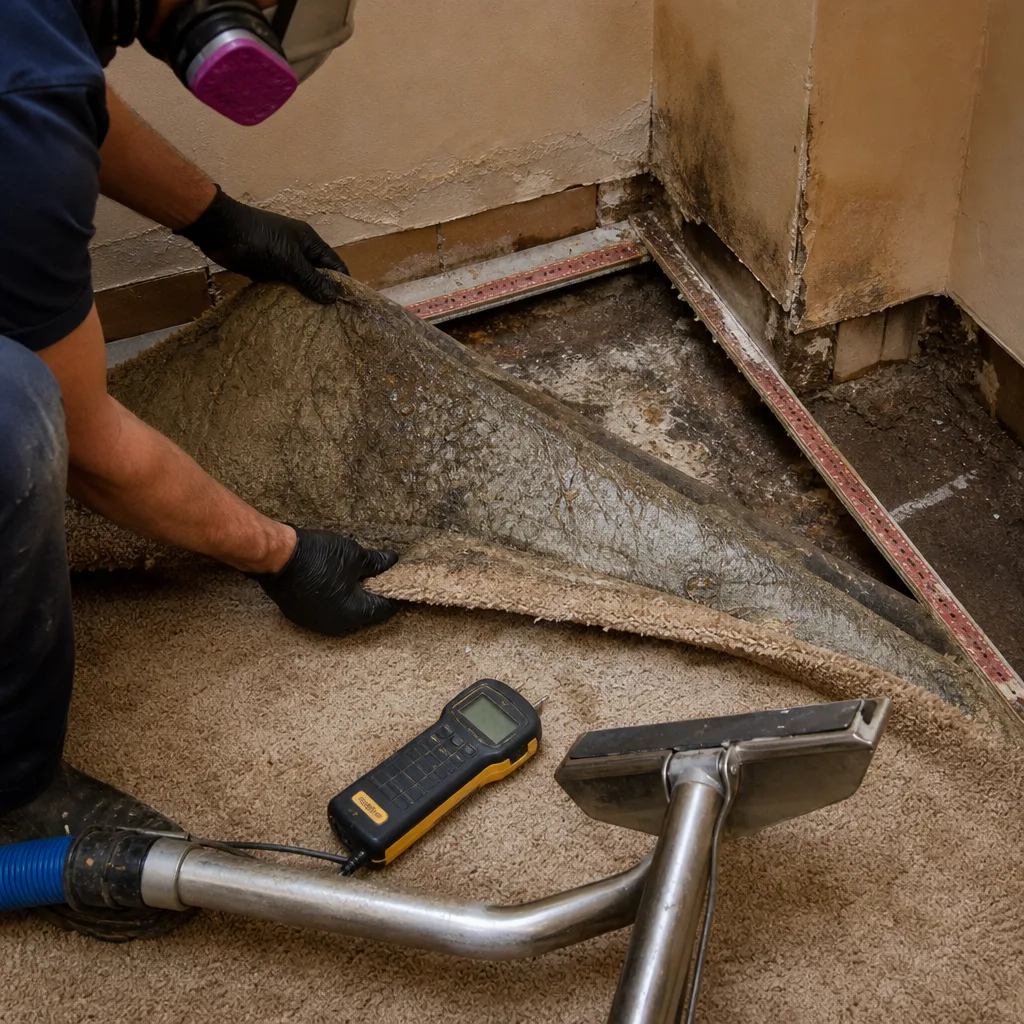
What happens when you call
- 1
A real person answersNo phone trees - you reach a local pro.
- 2
You get an upfront price rangeHonest numbers before anyone is dispatched.
- 3
A background-checked tech heads outLicensed & insured, dispatched right away.
- 4
You approve before work beginsNothing starts until you say go.
Sewage Cleanup Costs in Harbor Hills, NY
Straight numbers matter, so here is what Harbor Hills homeowners tell us and what we bill. A contained toilet overflow cleanup in Harbor Hills runs $400 to $1,200. A category 3 basement backup with full extraction, containment, and antimicrobial treatment typically lands between $2,500 and $6,000 depending on square footage and what we remove. Crawl space sewage removal with drying and treatment runs $1,800 to $4,500. If the event forces drywall and flooring removal, add $4 to $8 per square foot for controlled demolition and replacement.
Insurance covers much of this on standard homeowner policies when cause is sudden and accidental. A slow septic field failure, where the policy sees maintenance, is the one that gets tricky. We document everything from hour one and write the scope the way adjusters read it. Free visual inspection means you get a firm number before any work begins. Call (917) 924-4221 and we’ll walk you through it.
We Also Serve Cities Near Harbor Hills
The same certified crews that answer in Harbor Hills also work in Fairview, Harrison, East Bronx, and Hunts Point. If you’re nearby and dealing with sewage backup, septic failure, or storm surge contamination, call the same number. Dispatch routes us based on where you are, not where a branch office sits.
Serving Harbor Hills, NY - Our Local Coverage Area
We’re based in the Harbor Hills area and know this community well. Use the map below to see our service coverage - if you’re nearby, we can almost certainly help.
Harbor Hills Sewage Cleanup Questions, Answered
After a nor’easter sewage backup in Harbor Hills, how quickly must cleanup begin to prevent permanent damage to my pre-war colonial’s plaster walls?
Within 24 hours, and ideally within 6. Plaster wicks moisture upward and holds it, and once pathogens in category 3 water colonize the lime and lath, they feed mold behind the wall finish. In Harbor Hills’s coastal humidity, the clock runs faster than inland. Call (917) 924-4221 the moment you see water, and we’ll have extraction running the same visit.
Does the hard water in Harbor Hills affect how sewage backup cleanup should be handled?
Yes. The aquifers under Nassau County produce hard water, and in older North Shore homes, that means mineral buildup in galvanized pipes. After a backup, those pipes are often closer to failure than homeowners realize. We document what we see during cleanup and flag corroded runs so you don’t replace a burst section only to have the next section fail. That mineral coating also traps organic material, which is why we flush and sanitize drain lines after extraction, not just the wet surfaces.
What is the difference between Category 2 and Category 3 water during a septic failure on a North Shore property?
Category 2 water is contaminated but not sewage. Category 3 is sewage, and a septic field failure pushes category 3 water into your home. Protocol changes completely: containment, full antimicrobial treatment, and removal of porous materials. Treating category 3 as category 2 leaves pathogens in plaster, subfloor, and framing. We never shortcut that line.
How do salt-laden air and high humidity along Long Island Sound affect structural drying after a sewage cleanup in Harbor Hills?
Humid air slows evaporation, and salt attracts moisture. A structure reads dry on the surface while hidden cavities still hold water. We run dehumidifiers longer in Harbor Hills than we would inland and log daily readings with penetrating meters, not just surface pins. Salt corrosion on fasteners and HVAC coils is part of every restoration scope in this coastal environment.
Can a toilet overflow in a mid-century ranch on the North Shore cause hidden subfloor rot if not dried properly?
Yes, and it does more often than anyone admits. Water from a toilet overflow wicks into the subfloor and sits in the dark under tile or engineered flooring. In a mid-century ranch, that subfloor is often plywood over a crawl space, and rot starts in weeks. We moisture-map the subfloor after every overflow and dry it from above and below. If we find rot that started before the event, we document it for your claim.
Do I need to leave my Harbor Hills home during sewage cleanup?
Often yes for the affected areas. Category 3 water creates a health risk, and we seal off the contaminated zone with containment barriers. The rest of the house is usually fine to stay in with HEPA air scrubbers running. We’ll tell you honestly which sections are safe and which are not, based on what we find during inspection.
Are your sewage cleanup technicians certified?
Yes. Our crews are background-checked, uniformed, and certified to IICRC, RIA, and IFA standards. They carry WRT, ASD, and AMRT certifications where the job calls for them. The crew that handles your Harbor Hills home was trained specifically in category 3 protocol and coastal building conditions.
What should I do in the first 30 minutes after I discover a sewage backup in Harbor Hills?
Turn off water to the house if you can reach the shutoff safely. Move pets and family away from the affected area. Do not flush toilets or run water. Do not use a shop vac. Call (917) 924-4221. A live dispatcher will walk you through what to do while the crew is driving to you. Do not wait until morning. Category 3 water does not pause.
Written by Curt Bowman, Owner at Floodline Restoration Co. of Manhattan, serving Harbor Hills and the North Shore with certified sewage cleanup since 2010.