
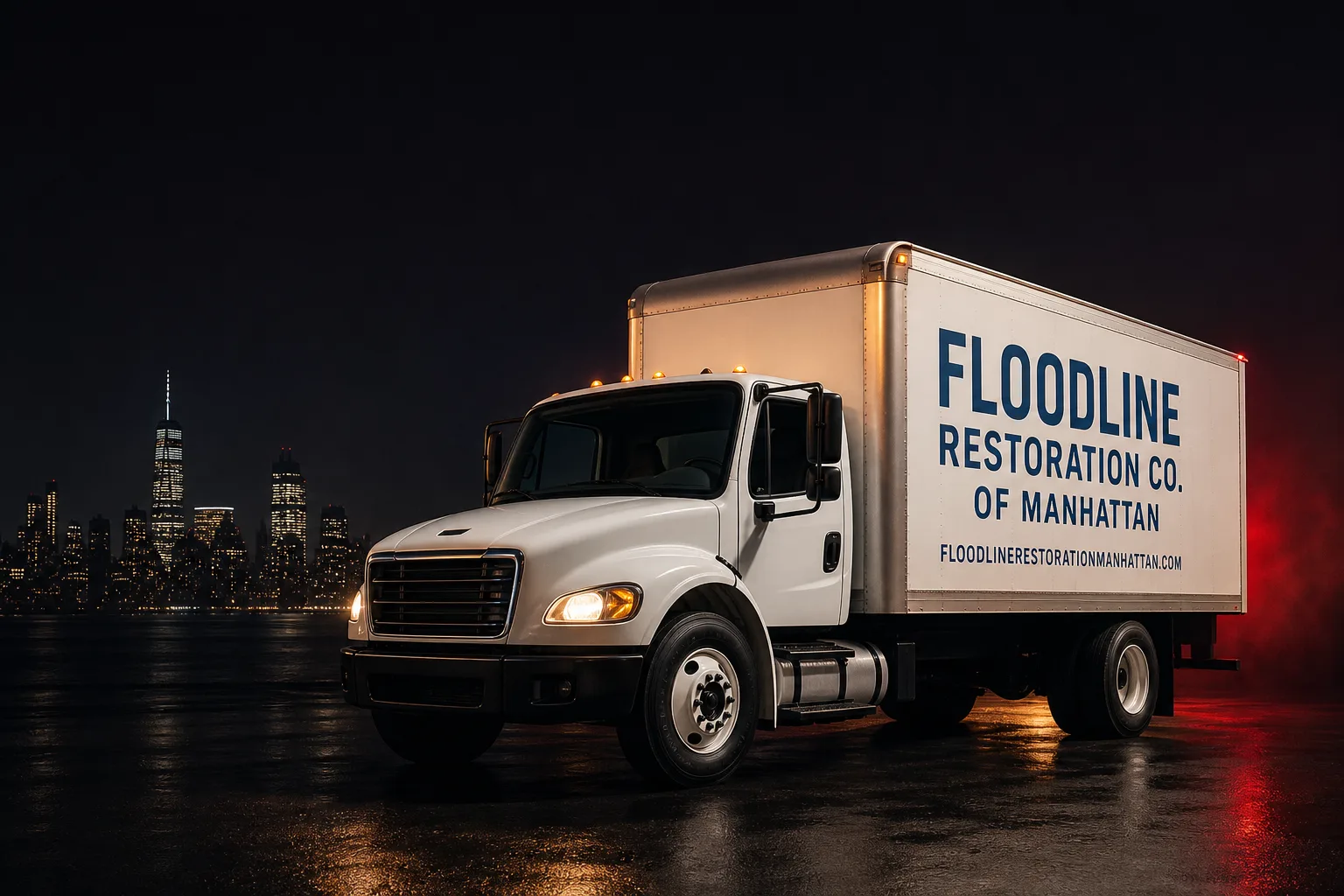
Free visual inspection and a written scope of work before any mitigation begins - photos, moisture readings, and drying logs go in your claim file
The scope we write is the scope we bill. Anything new gets shown to you, in writing, before we touch it.
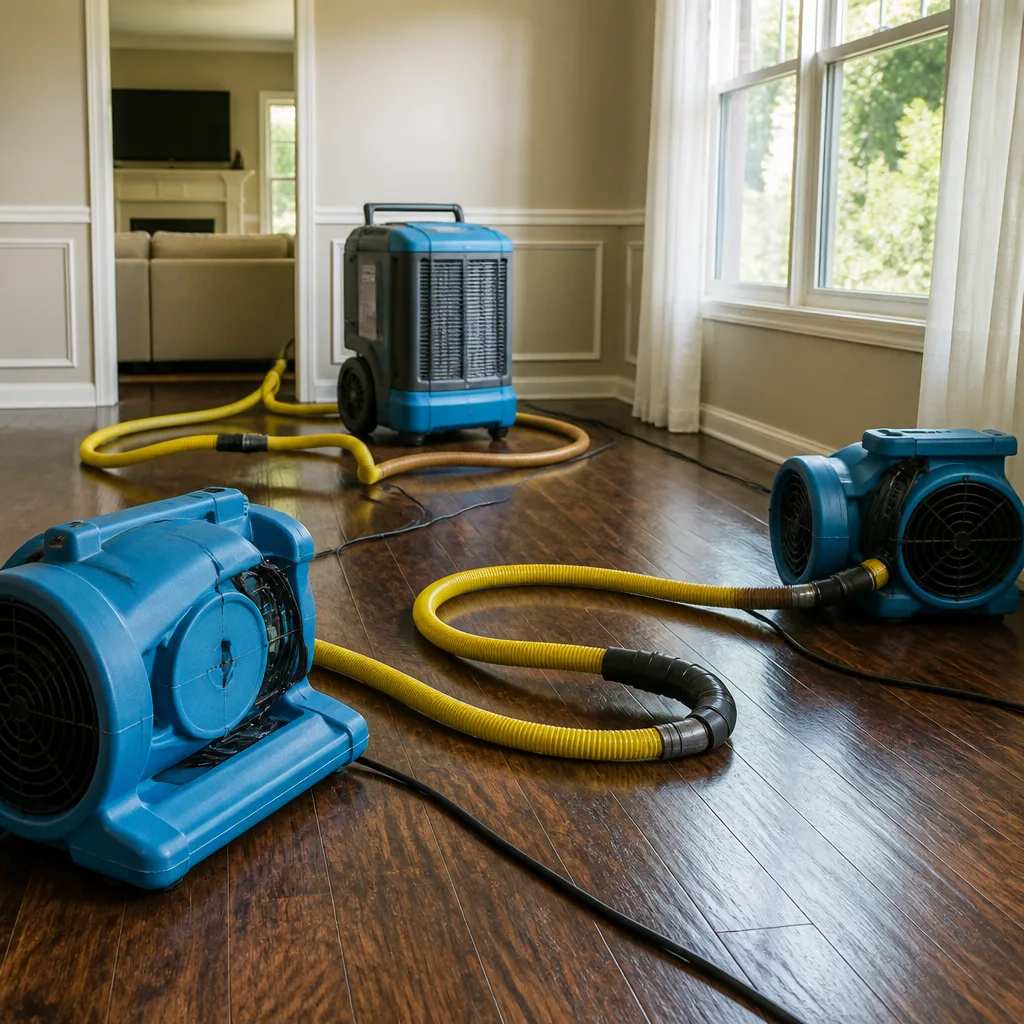
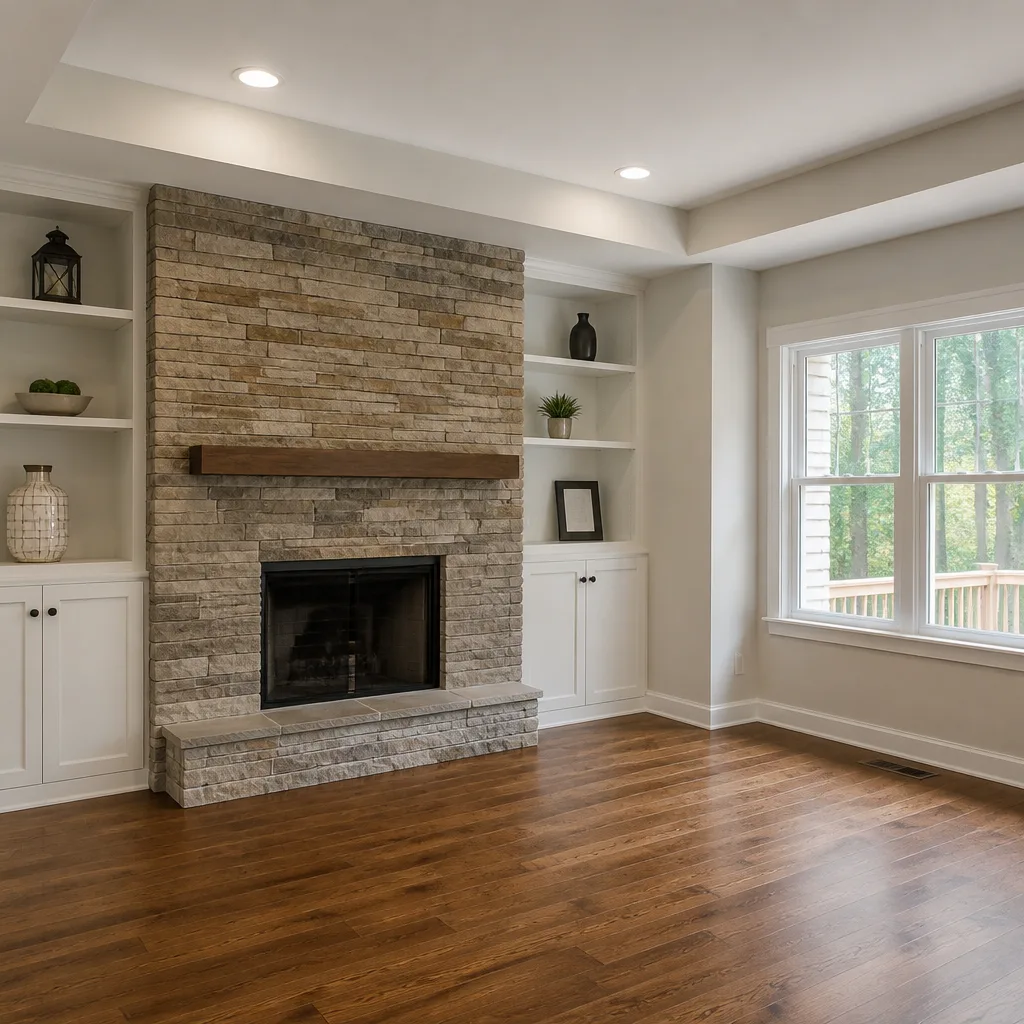
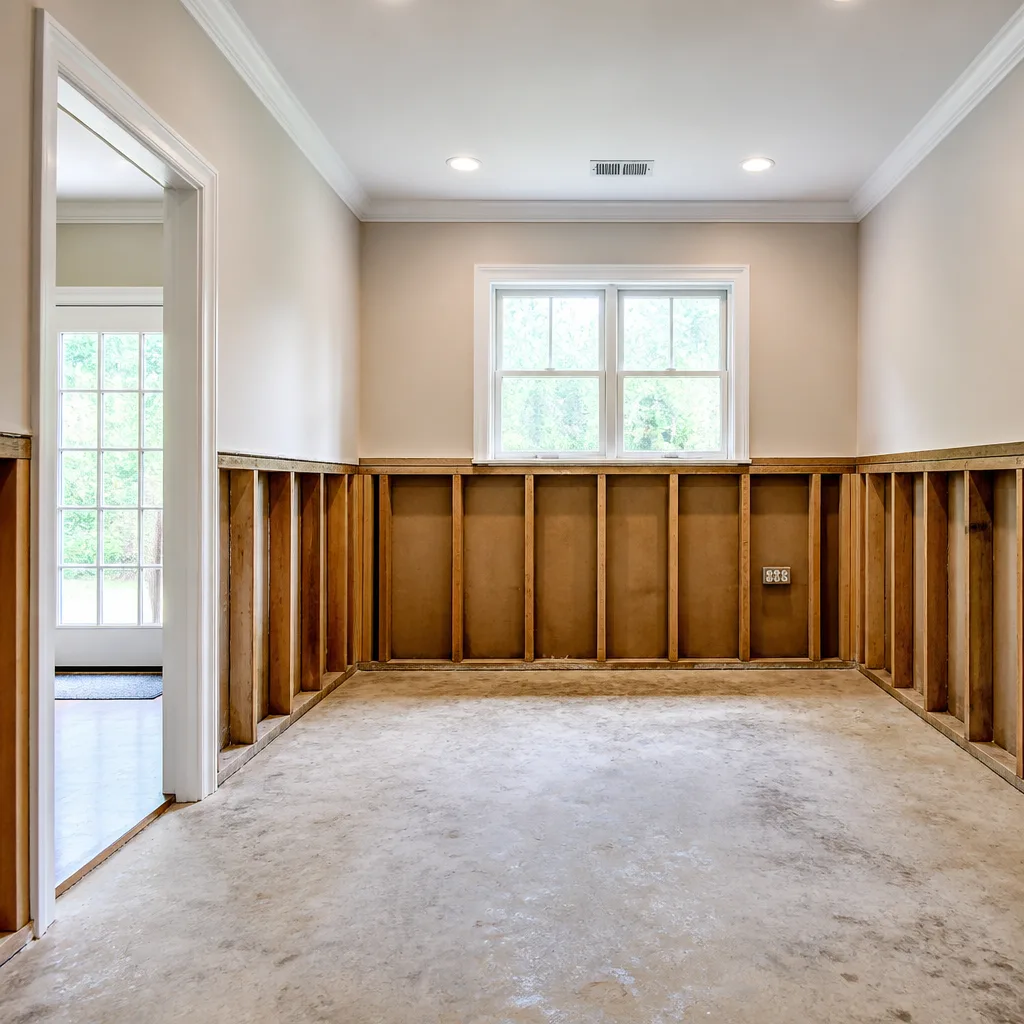

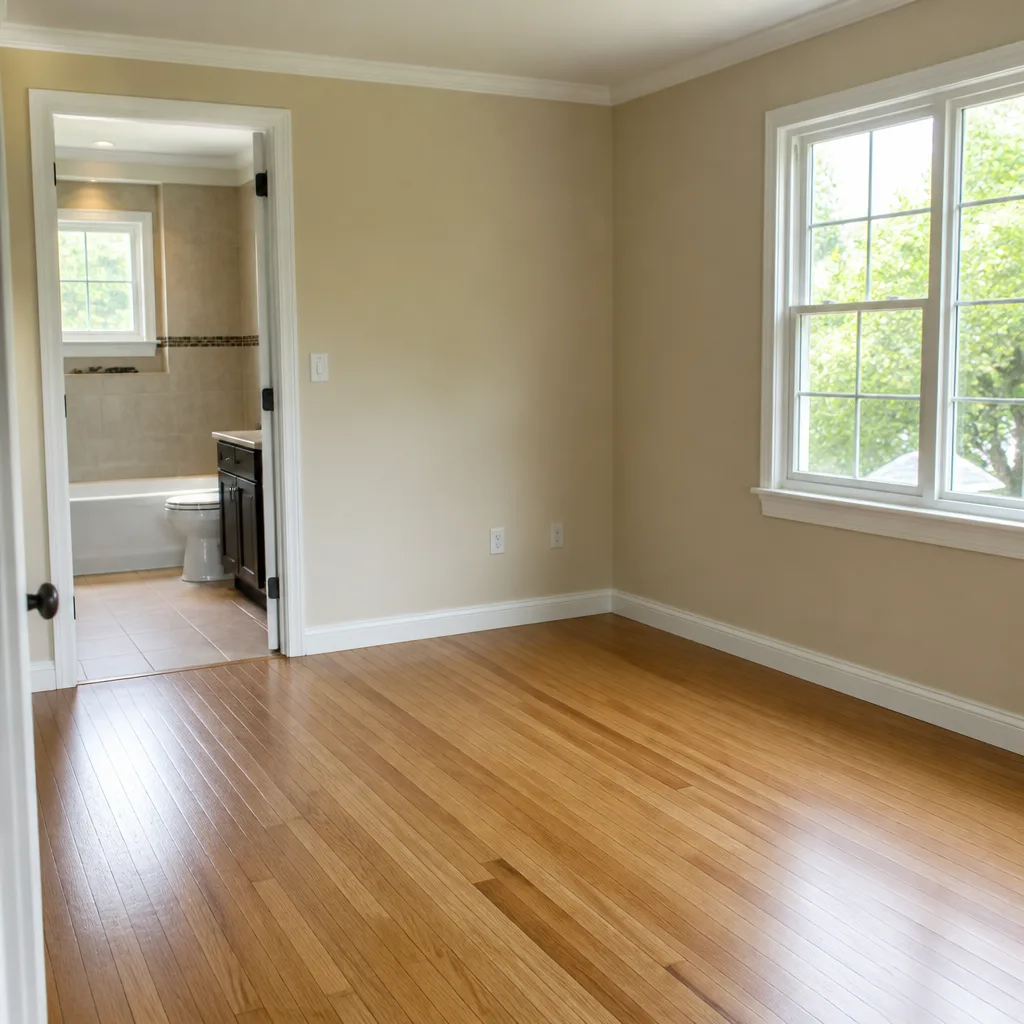
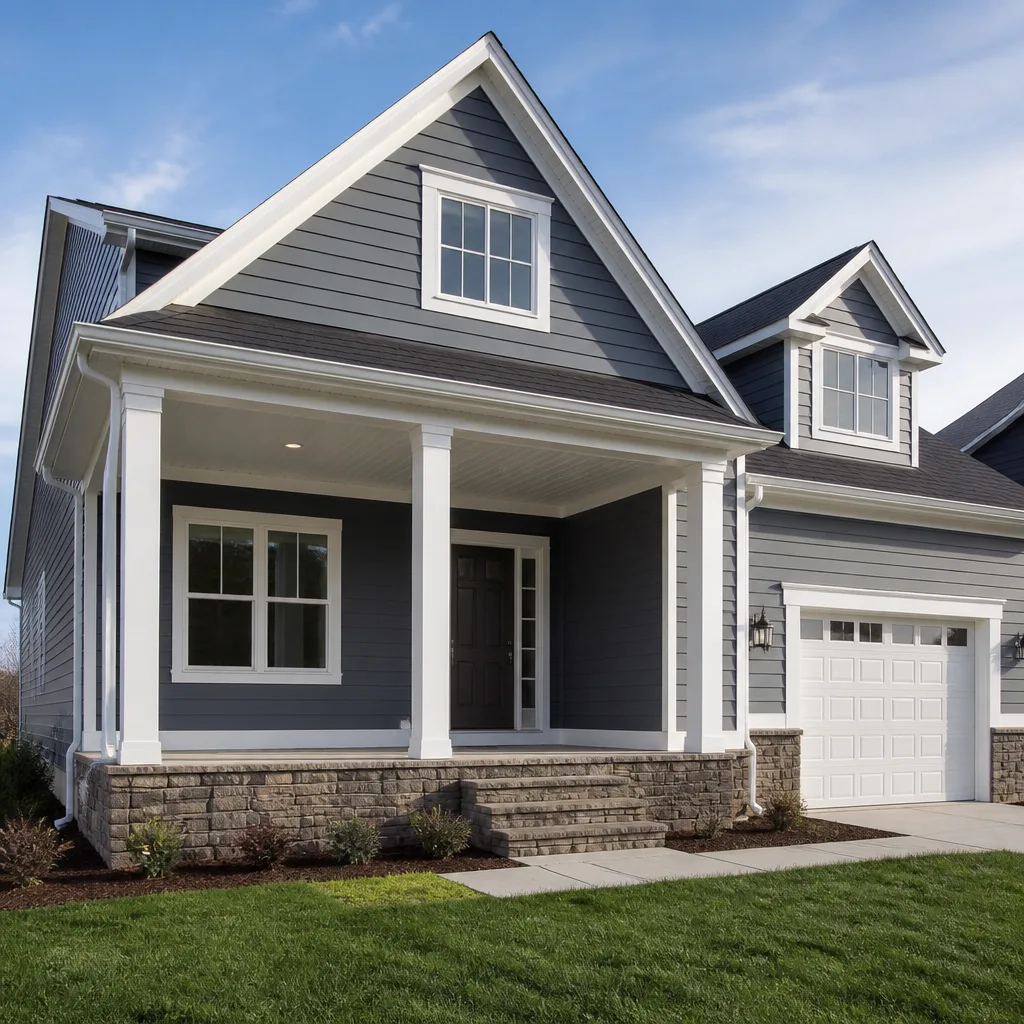
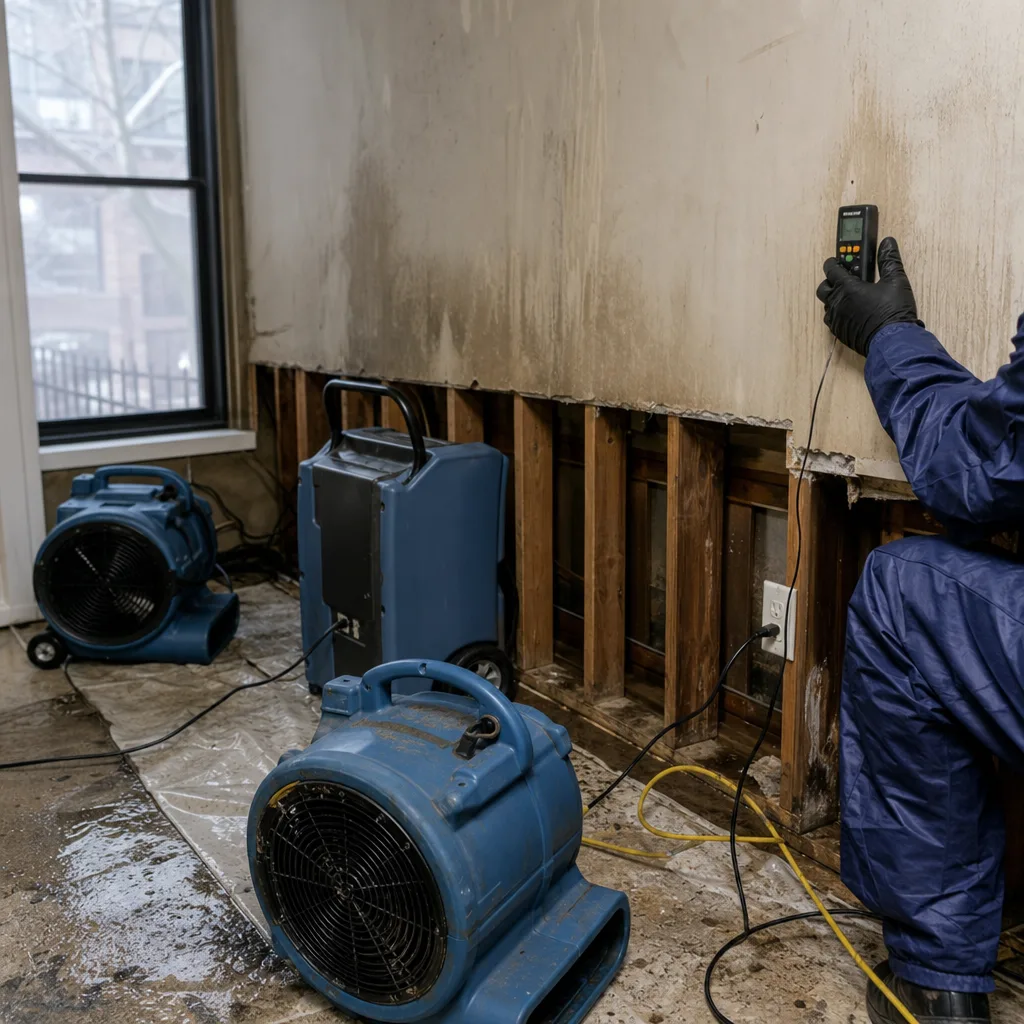 Before
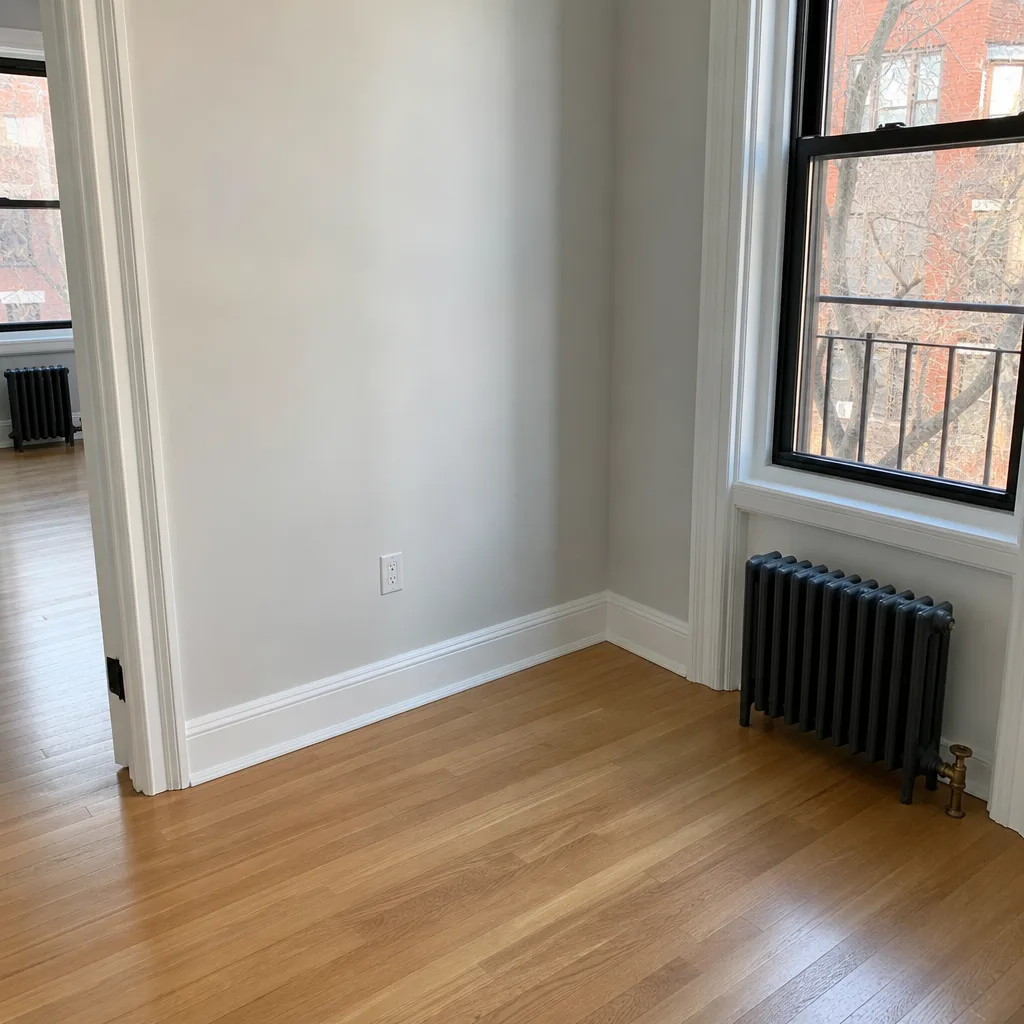 After
After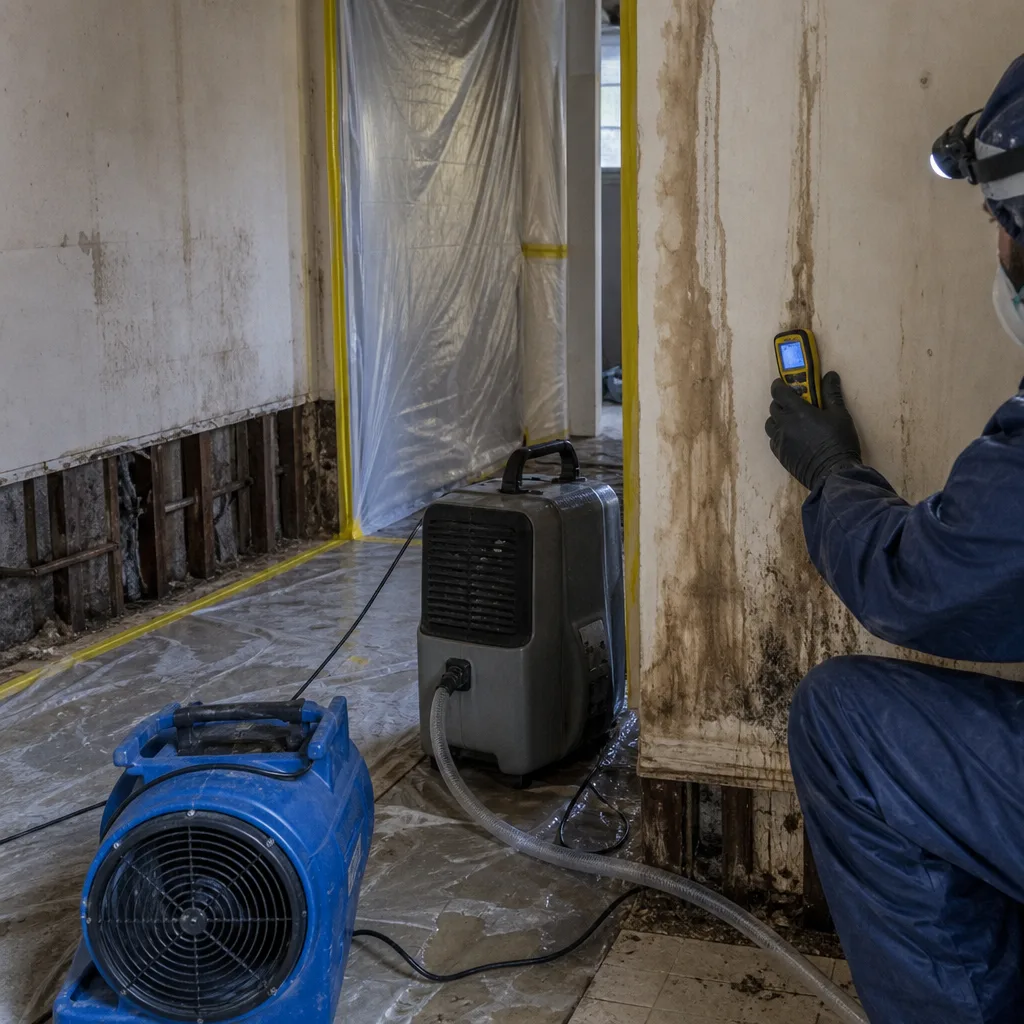 Before
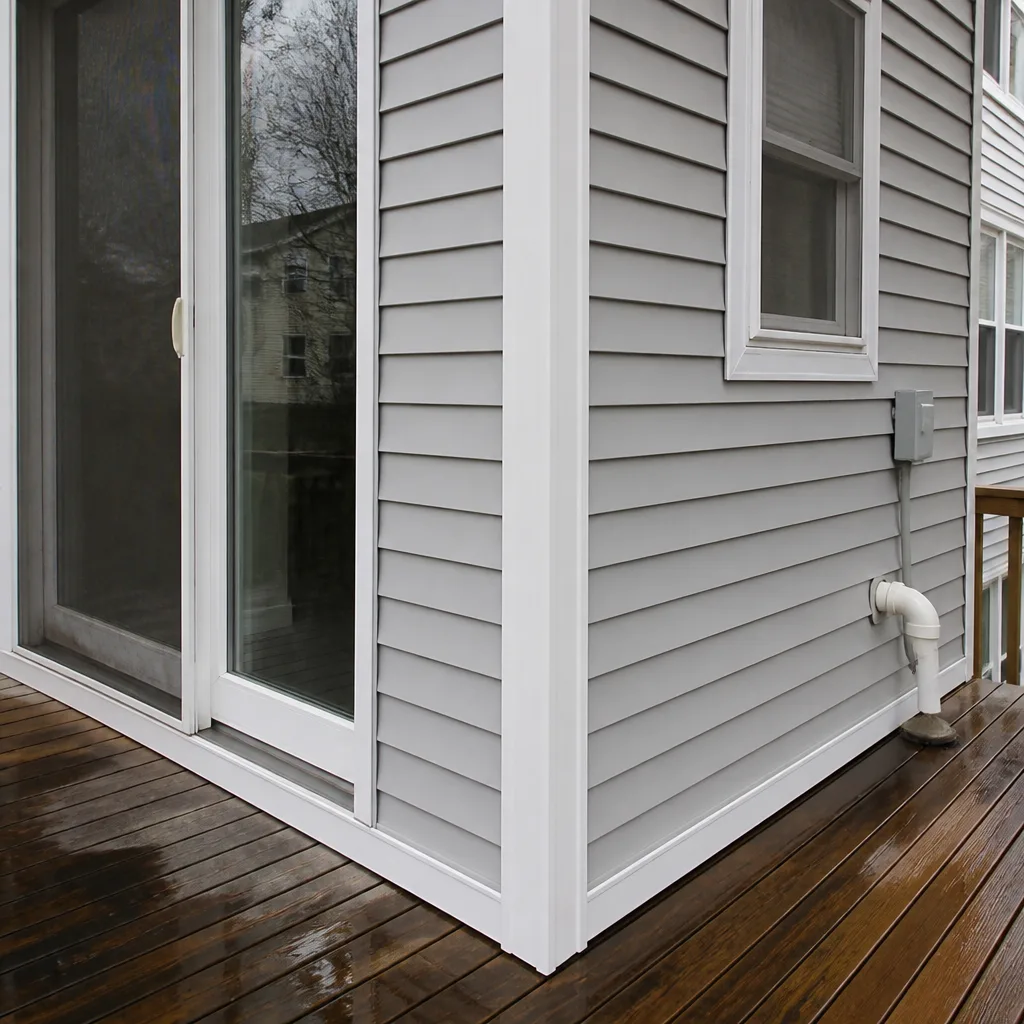 After
After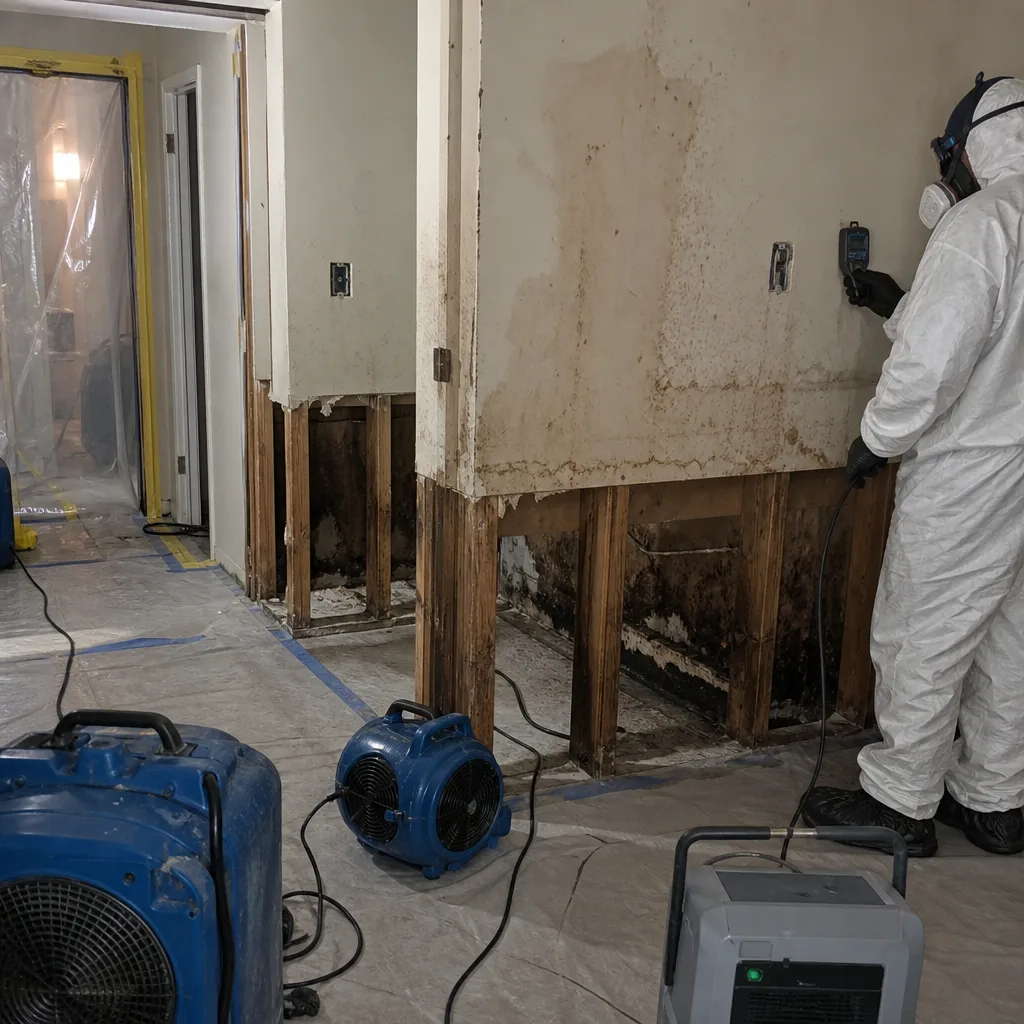 Before
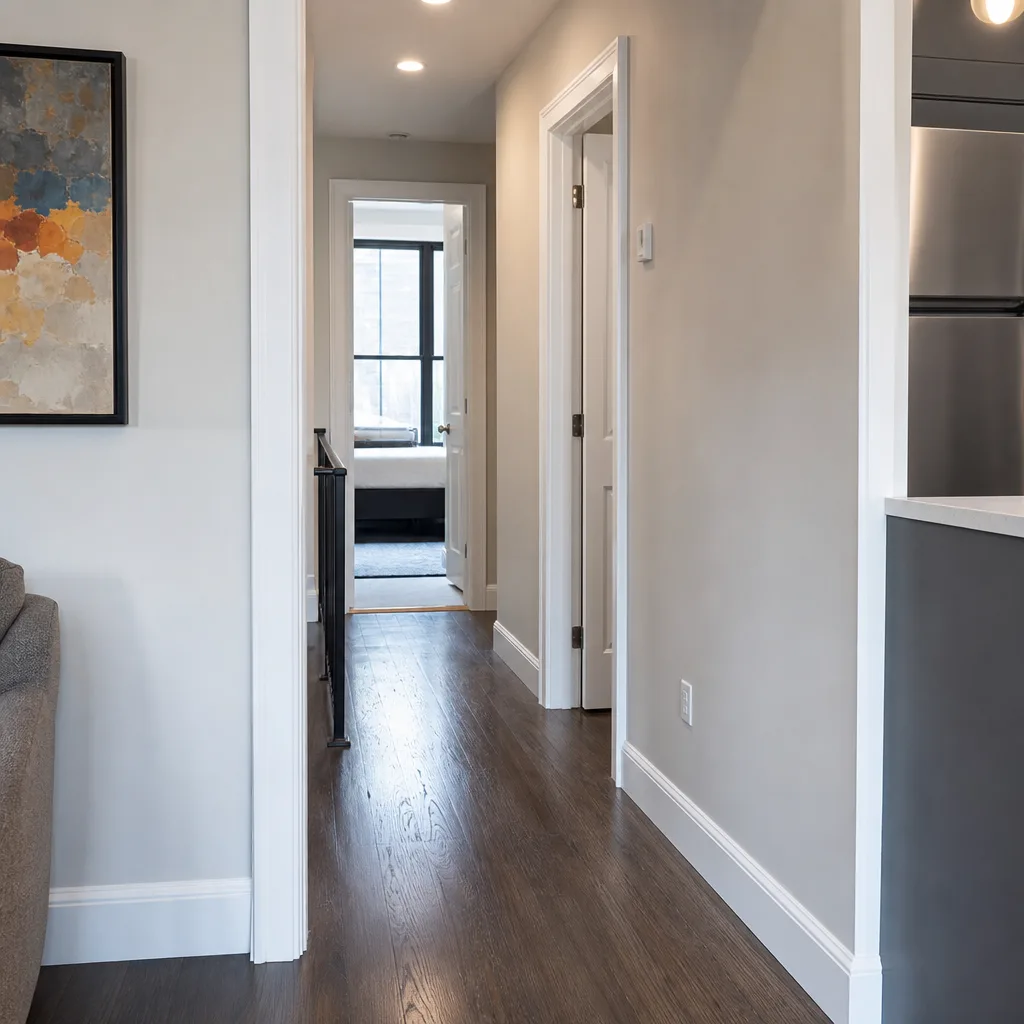 After
After24/7 Emergency Sewage Cleanup in Hell’s Kitchen
Sewage cleanup in Hell’s Kitchen typically costs $1,800 to $7,500 depending on how many floors the Category 3 water has traveled through, and a crew should be on site within an hour of your call. Our dispatchers answer live, day and night, and the first truck rolls from our New York City office into Hell’s Kitchen the moment you hang up. Call (917) 924-4221 the minute you see black water, a backed-up toilet, or ceiling staining below an upstairs unit. The first hour decides whether we sanitize and dry or tear out floors and lath-and-plaster walls. In a pre-war tenement, a waste stack backing up on the ground floor can surface in a third-floor apartment before the restaurant below even knows its drains are slow.
Understanding Sewage Cleanup Severity in Hell’s Kitchen Properties
Sewage is always Category 3 water: it carries bacteria, viruses, and parasites that demand containment, removal, and antimicrobial treatment. In Hell’s Kitchen, the severity is amplified by construction. Most buildings here are five-to-six-story walk-ups built between the 1890s and 1920s, with original cast-iron waste stacks, unlined pipe chases, and shared wood-joist floors. When a ground-floor commercial kitchen on 9th Avenue backs up, the black water follows those original chases straight up through the building. We moisture-map every affected floor, not just the one where the backup started, because sewage travels laterally through party walls and joist bays. Category 3 water in a wood-joist assembly means cutting out saturated material, not just drying it. That distinction determines whether a $1,800 cleanup stays a cleanup or becomes a $12,000 cross-floor remediation. We explain that before any work begins, in writing.
Why Hell’s Kitchen Property Owners Choose Floodline Restoration Co. of Manhattan
- 45-minute response commitment. Our Hell’s Kitchen dispatch queue is staffed by people who know the neighborhood. We route the nearest available certified crew and we’re on site fast, because every floor a backup crosses doubles the scope.
- Live answer, 24 hours a day. You call, a real person answers. Not a recording, not a queue. At 2 a.m., a dispatcher picks up the phone and a crew gets moving.
- IICRC-certified technicians. Our crews carry WRT, FSRT, and AMRT certifications. They are trained to IICRC, RIA, and IFA standards, so the moisture log we hand your adjuster is defensible, not decorative.
- Free visual inspection. Before any money is discussed, we walk the loss with you and show you exactly what we see: affected floors, chase runs, and what can be dried versus what must come out.
- Direct insurance billing. We bill your carrier directly and keep you off the phone with the adjuster. That is the whole point of hiring a company that has handled this for 42 years.
- One team from extraction to reconstruction. The same crew that cuts out contaminated material on day one rebuilds the floor on day fourteen. No handoff, no inherited crew, no finger-pointing.
Our Sewage Cleanup Process
Inspection & Assessment
We identify the source: a clogged waste line, a failed floor drain, a sewer surcharge pushing up through a basement slab. In Hell’s Kitchen, we always check the floors above and below the point of origin, because shared chases and joist bays hide migration until moisture readings prove otherwise.
Extraction & Stabilization
Black water comes out immediately using truck-mounted extraction. Affected rooms are sealed with containment barriers, and the line where the sewage reached is marked and documented. That line is where our scope starts, and we photograph everything before we touch a single surface.
Drying & Dehumidification
Professional-grade Dri-Eaz and Phoenix dehumidifiers run on a schedule tied to daily hygrometer readings. In Hell’s Kitchen buildings with steam radiators, this phase is urgent: radiator heat drives moisture inward and feeds mold growth, so drying starts the same visit.
Cleaning & Sanitization
Every affected surface gets antimicrobial treatment appropriate to Category 3 water. Hard, non-porous materials can often be sanitized. Porous materials that have wicked sewage typically cannot and are removed. We explain which is which in the scope, not after the fact.
Specialty Treatment for Pre-War Construction
Original lath-and-plaster walls and 100-year-old brick party walls get attention that newer sheetrock buildings never require. We open wall cavities carefully, dry the brick itself, and document every reading. Any place sewage traveled is treated, not painted over.
Repairs & Restoration
We rebuild what came out: flooring, baseboards, wall sections, sometimes a full commercial-kitchen floor. The same background-checked, uniformed crew that did the extraction handles the finish work, so the job never changes hands.
Need Emergency Sewage Cleanup in Hell’s Kitchen Now?
Crews minutes away, answering live 24 hours a day. The sooner we start, the less it costs.
Working With Your Insurance Company
Sewage claims in Hell’s Kitchen get complicated fast, especially when a backup starts in a commercial kitchen and spreads into four residential apartments. Your carrier wants proof: proof the contamination was Category 3, proof of what was wet, proof of how far it migrated, proof it is actually dry. We provide that from the first hour. You never play messenger between us and your insurer. We send the documentation, the adjuster reviews it, and we bill the carrier directly. When the loss crosses multiple units and multiple policies, that direct line is why the claim stays moving. Hell’s Kitchen is full of buildings where the restaurant has one policy and the residential units have another; our paperwork is written so each carrier sees its own scope clearly.
What We Provide Your Insurer
- Thorough documentation of the loss
- Photos of all damage, room by room
- Moisture readings and drying logs
- A detailed, line-item scope of work
- Direct coordination with your carrier
Built for Hell’s Kitchen’s Loss Calendar
Hell’s Kitchen has its own rhythm of sewage failures. January and February bring deep freezes that hit uninsulated exterior pipe chases in these old tenements, and when a supply or waste line fails, the building’s steam radiators are still pumping heat into the walls. That combination compresses the drying window to under 36 hours before mold takes hold. Summer is a different problem: intense thunderstorms on an almost fully impervious streetscape send stormwater into aging combined sewers, and buildings without backwater valves see basement units and restaurant prep areas flood with surcharge water. Spring is the season of slow discoveries, where water that has been carving through a joist bay all winter finally shows up as ceiling staining in a fourth-floor walk-up. When it does, it is usually the top of the story, not the bottom.
Sewage Cleanup Across Hell’s Kitchen’s Neighborhoods
Along 9th Avenue’s International Food District, we see weekend backups from restaurant prep lines that push synthetic fats into cast-iron stacks already narrowed by a century of scale. The blockage forms at the basement cleanout, then black water surfaces on the second floor. On Restaurant Row, W. 46th Street between 8th and 9th Avenues, the pattern is often a grease-clogged line under a storefront that backs up through the building’s original 1920s stack and forces water up into occupied units above. Our crew set containment floor by floor and cut out saturated lath-and-plaster, logging moisture readings every four hours until the brick party walls met the dry standard. Near the Hudson Yards end of the neighborhood, newer construction sits alongside old tenements, and when a modern building’s sewer line ties into a legacy trunk, the whole block can feel it. The side streets off 10th Avenue-like W. 48th and W. 51st-are dense with basement apartment units that sit below the sewer line and flood first when the main backs up. Each block has its own failure pattern, and we route crews by knowing the buildings, not just the grid.
Specialized Sewage Cleanup Services We Offer in Hell’s Kitchen
Sewage Backup Cleanup
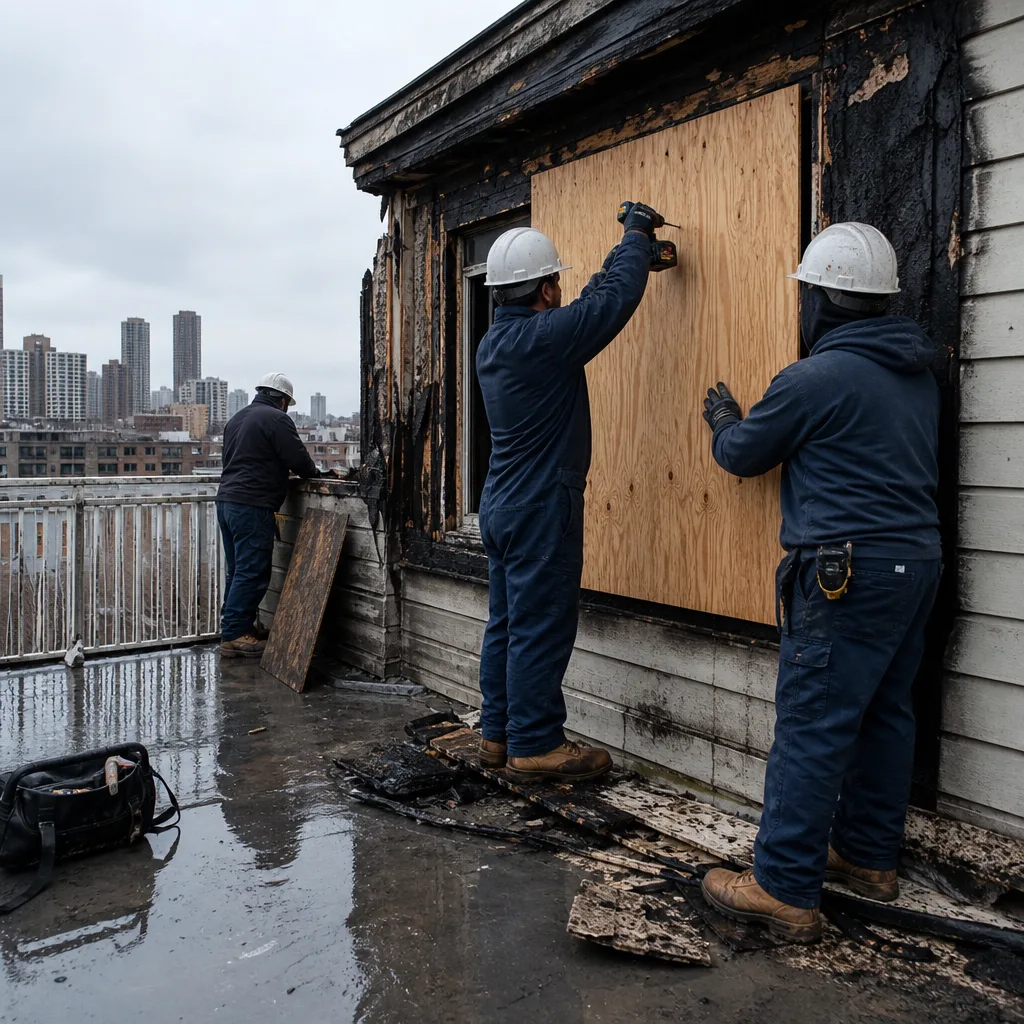
A commercial-kitchen backup sends contaminated water up through original, unlined chases into apartments two floors up and two doors over. We trace the path from the source, not from the first visible stain. The scope includes every wet floor the moisture map flags, because missing one joist bay means the smell comes back in three weeks.
Toilet Overflow Cleanup
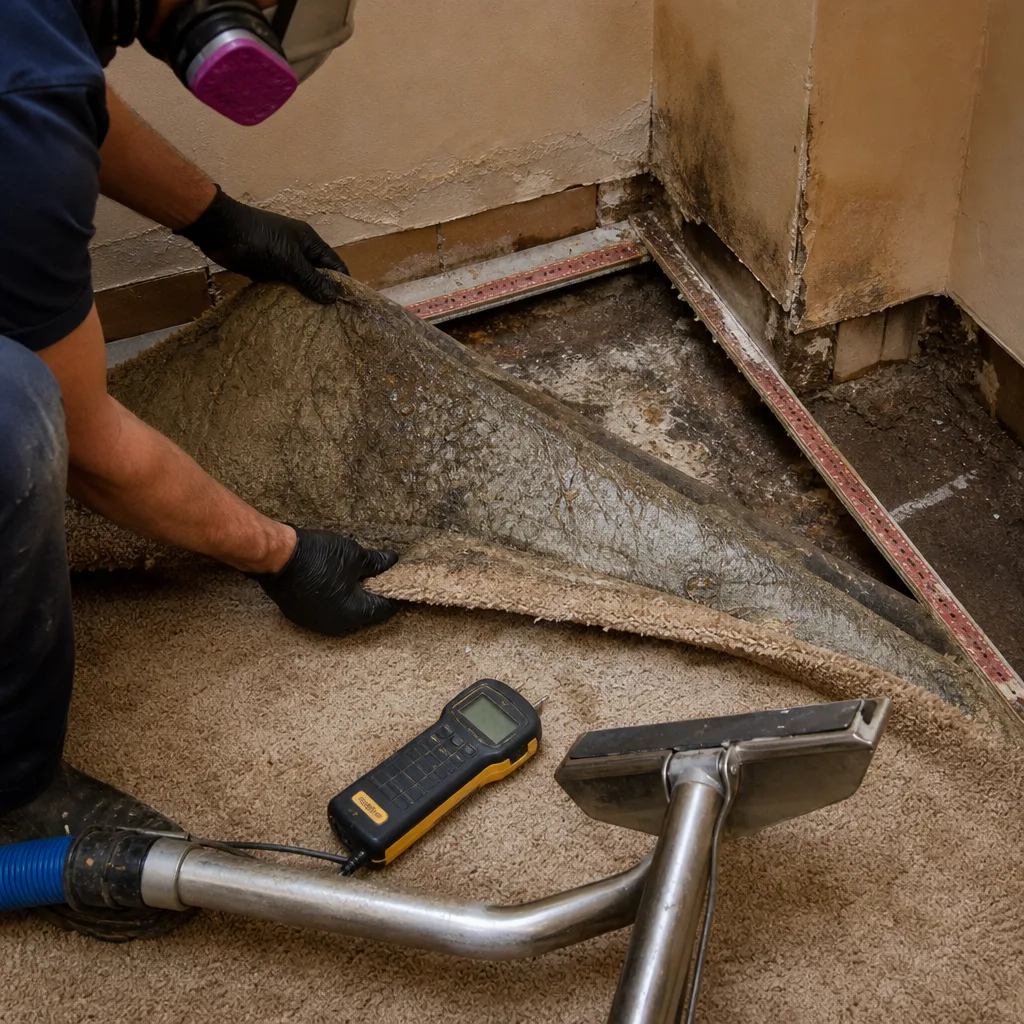
A toilet overflow is often the smallest visible symptom of a larger stack problem. We do not just clean the bathroom floor. We check the ceiling of the unit below and the pipe chase behind the wall. In a 1912 tenement, a second-floor toilet overflow usually means a partially collapsed cast-iron stack, not just a bad flange.
Septic Failure Cleanup
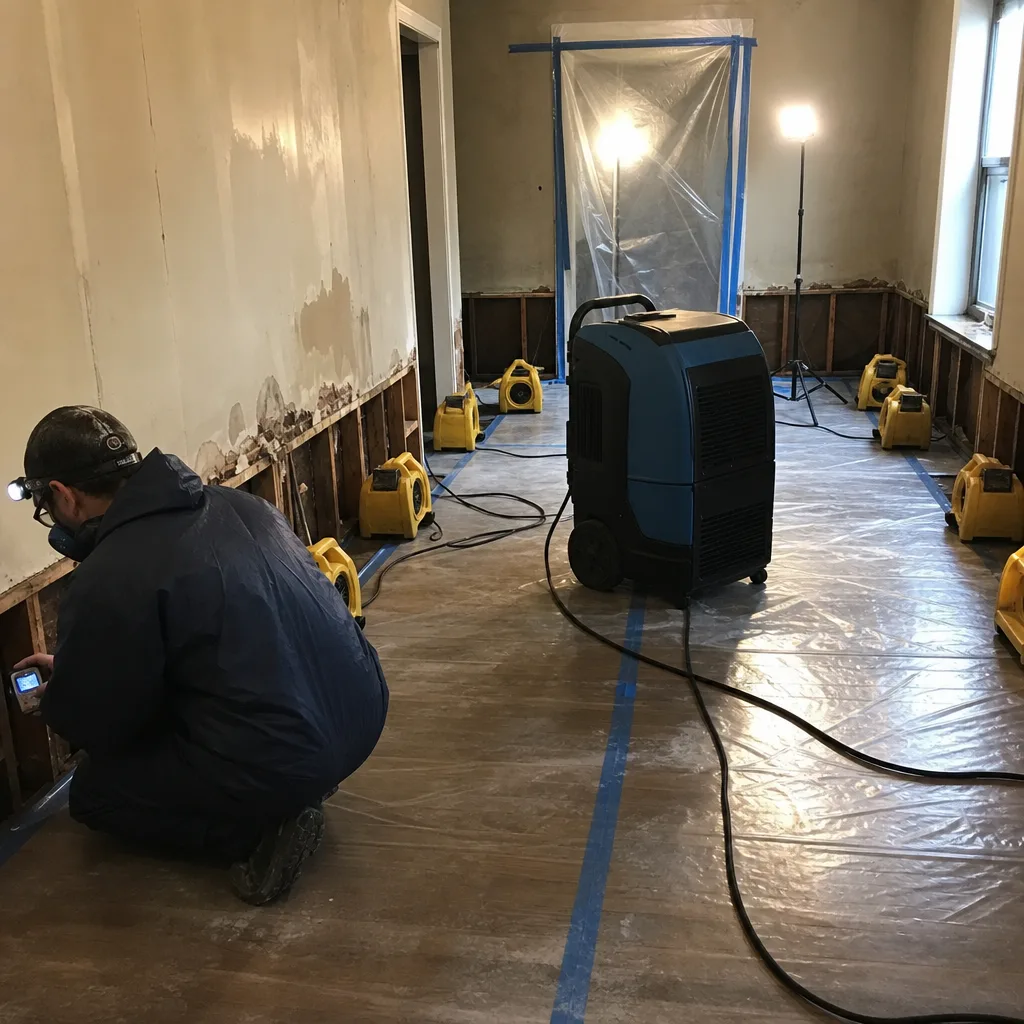
Hell’s Kitchen is almost entirely on city sewer, but a few older properties still struggle with condemned cesspools or failing drain fields. When a septic system fails here, it usually means excavation in a tight mid-block lot with no exterior access from the street. We coordinate that dig and the interior cleanup as one job.
Black Water Extraction
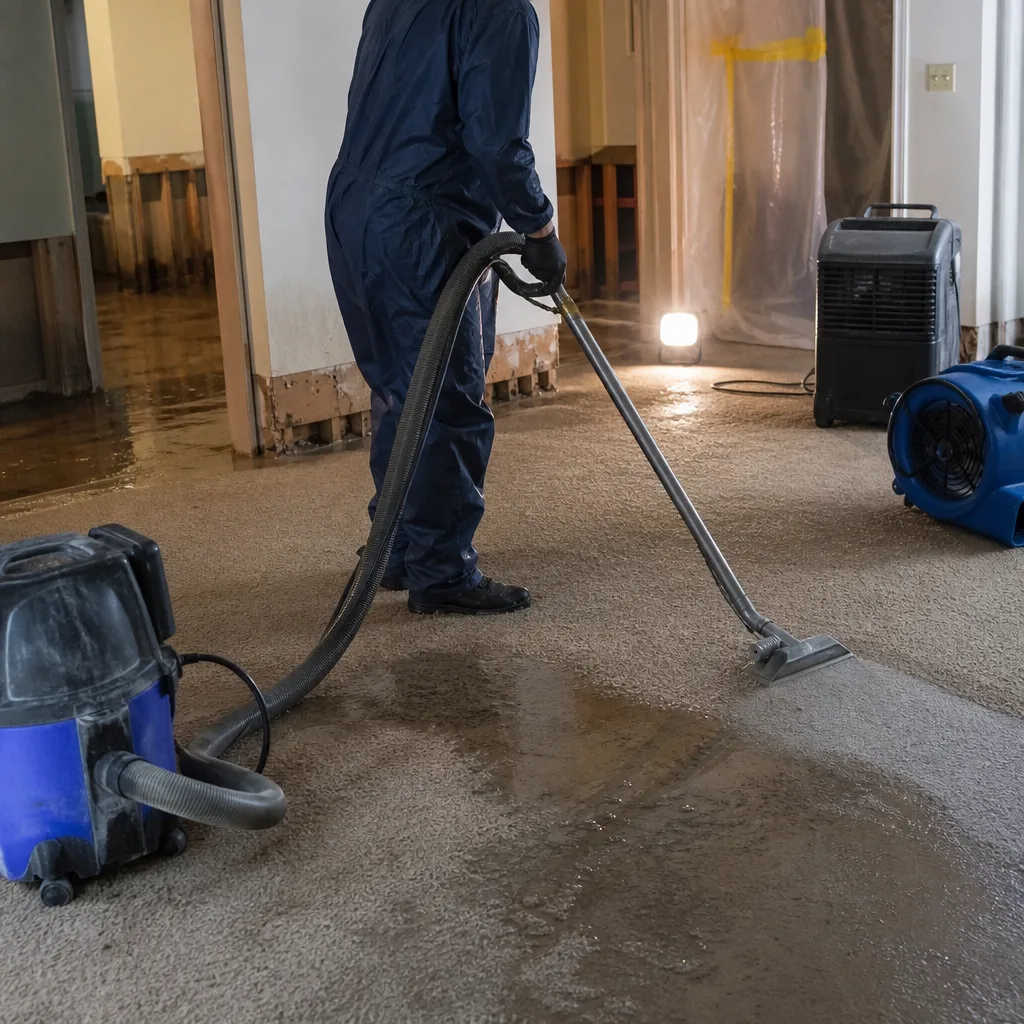
Category 3 water requires immediate removal, and we run truck-mounted extraction the same visit. In basement units along 10th Avenue, that typically means pumping out several inches of surcharge water while simultaneously checking whether the backwater valve held. If it did not, that is part of the written scope.
Sanitization & Disinfection
After extraction, every surface the sewage contacted gets antimicrobial treatment. Hard surfaces can usually be saved. Porous surfaces that wicked black water cannot be safely sanitized, and we tell you which ones those are before we write the estimate. In pre-war units with lower ceilings, the plaster above the wet line often stays, but only if moisture readings support it.
What happens when you call
- 1
A real person answersNo phone trees - you reach a local pro.
- 2
You get an upfront price rangeHonest numbers before anyone is dispatched.
- 3
A background-checked tech heads outLicensed & insured, dispatched right away.
- 4
You approve before work beginsNothing starts until you say go.
Sewage Cleanup Costs in Hell’s Kitchen, NY
A single-bathroom toilet overflow in a Hell’s Kitchen apartment, contained to one floor, usually runs $1,800 to $3,200. A restaurant-kitchen backup that crosses into two or three residential units above typically lands between $5,500 and $12,000, because we are cutting out floors, treating brick party walls, and rebuilding after. A basement surcharge flood from a July thunderstorm can reach $9,000 to $20,000 when multiple rooms and a commercial prep area are involved. What moves the price is how many floors the water crossed, how much wood-joist material absorbed sewage, and whether the building’s plaster walls can be salvaged. Insurance covers most sewage losses under the dwelling or commercial policy, minus your deductible. We provide the free visual inspection so you have a firm, line-item scope before any work begins. Call (917) 924-4221 and we will walk the loss together.
We Also Serve Cities Near Hell’s Kitchen
Our crews regularly respond from Hell’s Kitchen into Fairview, Harrison, East Bronx, and Hunts Point. The same live dispatch, the same one-team approach, the same 90-Day Done Right Promise. If your building sits anywhere in the midtown-west spine of Manhattan or just over the bridge, we are already close.
Serving Hell’s Kitchen, NY - Our Local Coverage Area
We’re based in the Hell’s Kitchen area and know this community well. Use the map below to see our service coverage - if you’re nearby, we can almost certainly help.
Hell’s Kitchen Sewage Cleanup Questions, Answered
How quickly does sewage from a Hell’s Kitchen restaurant backup reach occupied apartments above?
Within minutes to hours, if the waste stack is original cast iron. Sewage follows the unlined pipe chases and wood-joist bays upward, and the first sign upstairs is often ceiling staining, not standing water. Call (917) 924-4221 the moment you see any discoloration below an upper floor.
Do Hell’s Kitchen tenement basements need backwater valves for sewage cleanup to hold?
If the building lacks a backwater valve, yes. Without one, the next sewer surcharge sends the same contaminated water back into the same basement. We install or recommend valves as part of the repair scope, and we document existing ones during cleanup. Most pre-war buildings here do not have them.
Can you dry out a wood-joist floor after Category 3 water from a toilet overflow, or does it always come out?
It almost always comes out. Wood-joist floors in pre-war Hell’s Kitchen buildings are typically dimensional lumber with a century of crevices. Once Category 3 water soaks into that material, antimicrobial treatment cannot reach the interior of the wood. We cut out the affected joist sections and sister in new, documented in the scope. Drying alone is not a defensible fix for sewage-soaked structural lumber.
Why does sewage cleanup in Hell’s Kitchen smell worse in winter?
Because the building’s steam radiators are running. Heat drives moisture and volatile compounds out of the saturated walls and into the air, which makes the odor more intense and accelerates mold colonization. That is why winter sewage losses here get treated as a priority for same-day containment and drying, not next-day scheduling.
How do you handle sewage backup in a Hell’s Kitchen crawl space under a commercial kitchen?
We crawl it. The original crawl spaces under these tenements are tight, often accessed through a sidewalk grate or a basement hatch. We run extraction and then set XPOWER air movers and Dri-Eaz dehumidifiers sized for the cubic footage. Daily readings get logged until the dry standard is met, and the restaurant’s prep area gets a full sanitization pass before we clear the space.
How fast can a Floodline crew actually get to Hell’s Kitchen?
Our commitment is 45 minutes from dispatch. That is the whole reason we stage crews from the New York City office with Hell’s Kitchen on the response board, not in some far-flung depot. When a waste stack fails at 2 a.m., an hour’s delay is the difference between one wet floor and four.
Will my insurance cover sewage cleanup in Hell’s Kitchen?
Most homeowners policies include coverage for sewage backup, often with a specific limit. Commercial kitchen policies on Restaurant Row usually cover the storefront loss, while the residential units above file under their own policies. We bill each carrier directly and provide the documentation each one needs, so you are not stuck translating our scope into adjuster language.
What should I do in the first 30 minutes after a sewage backup in Hell’s Kitchen?
Stop using water immediately, shut off the main if you can reach it safely, and call (917) 924-4221. Do not flush, do not run a dishwasher, and do not walk through the affected rooms without boots. Keep people and pets out of any space where black water has touched. Then let us handle the rest.
If you are looking at black water in a Hell’s Kitchen apartment or a basement that just took on sewage, call (917) 924-4221 now. We answer live, we arrive within the hour, and we give you a written scope before any work starts. The 90-Day Done Right Promise backs the whole job. We stand behind it.
Written by Curt Bowman, Owner at Floodline Restoration Co. of Manhattan, serving Hell’s Kitchen and surrounding neighborhoods.