
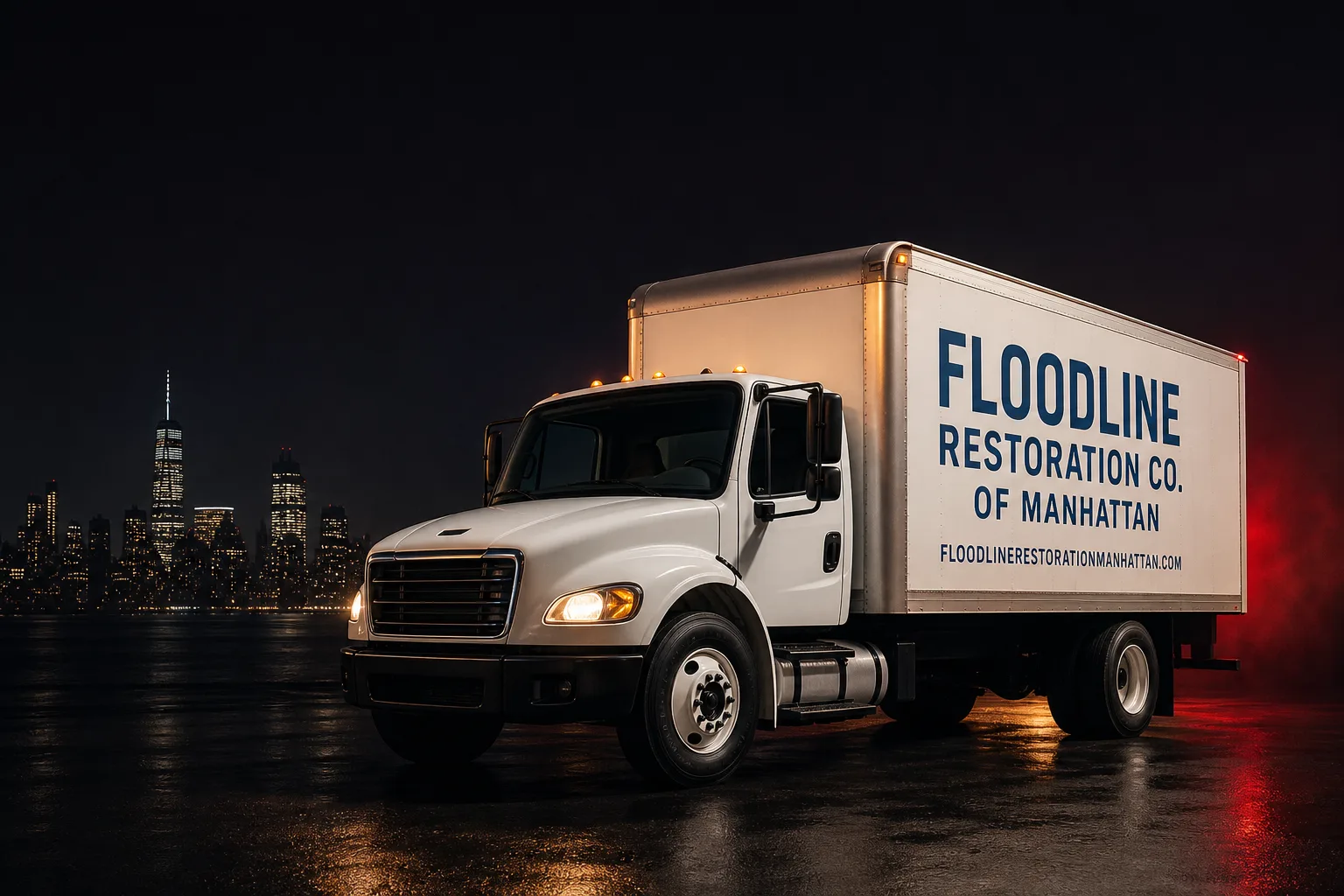
Free visual inspection and a written scope of work before any mitigation begins - photos, moisture readings, and drying logs go in your claim file
The scope we write is the scope we bill. Anything new gets shown to you, in writing, before we touch it.
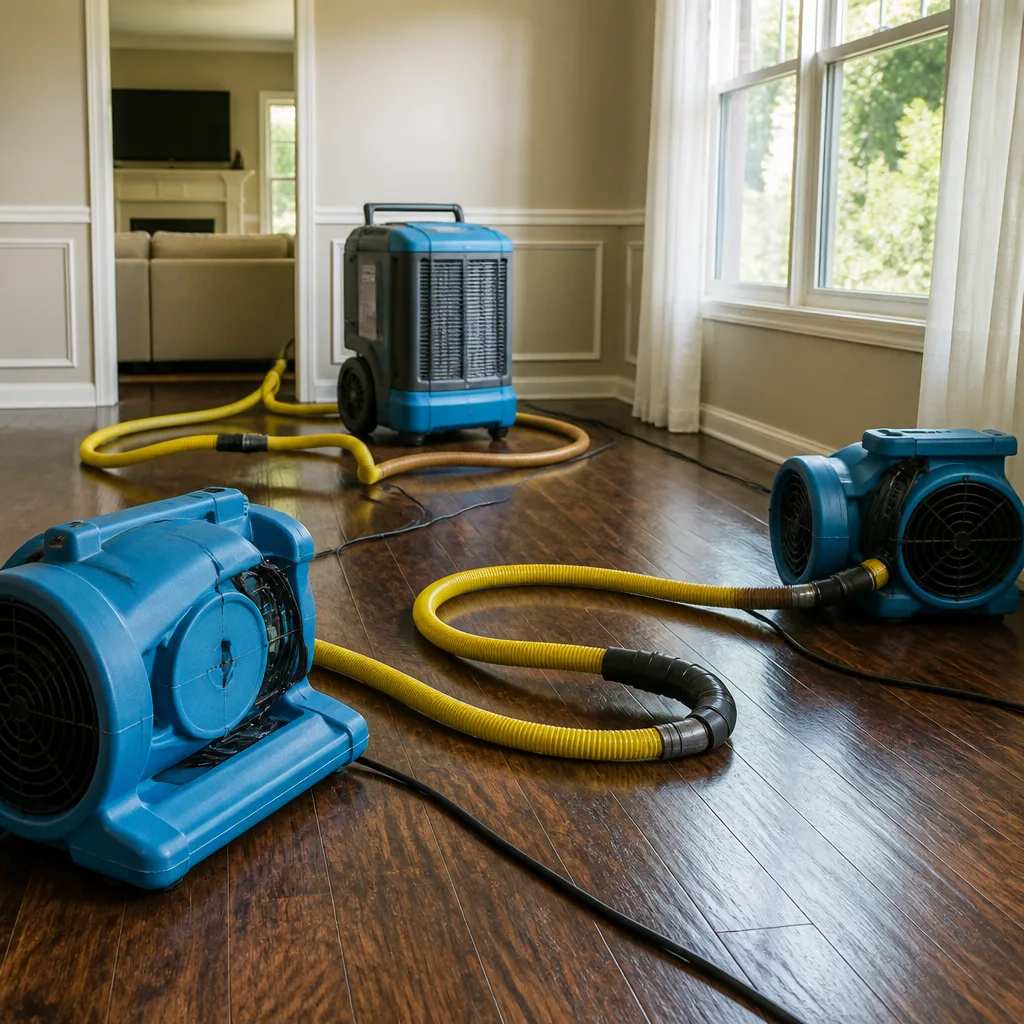

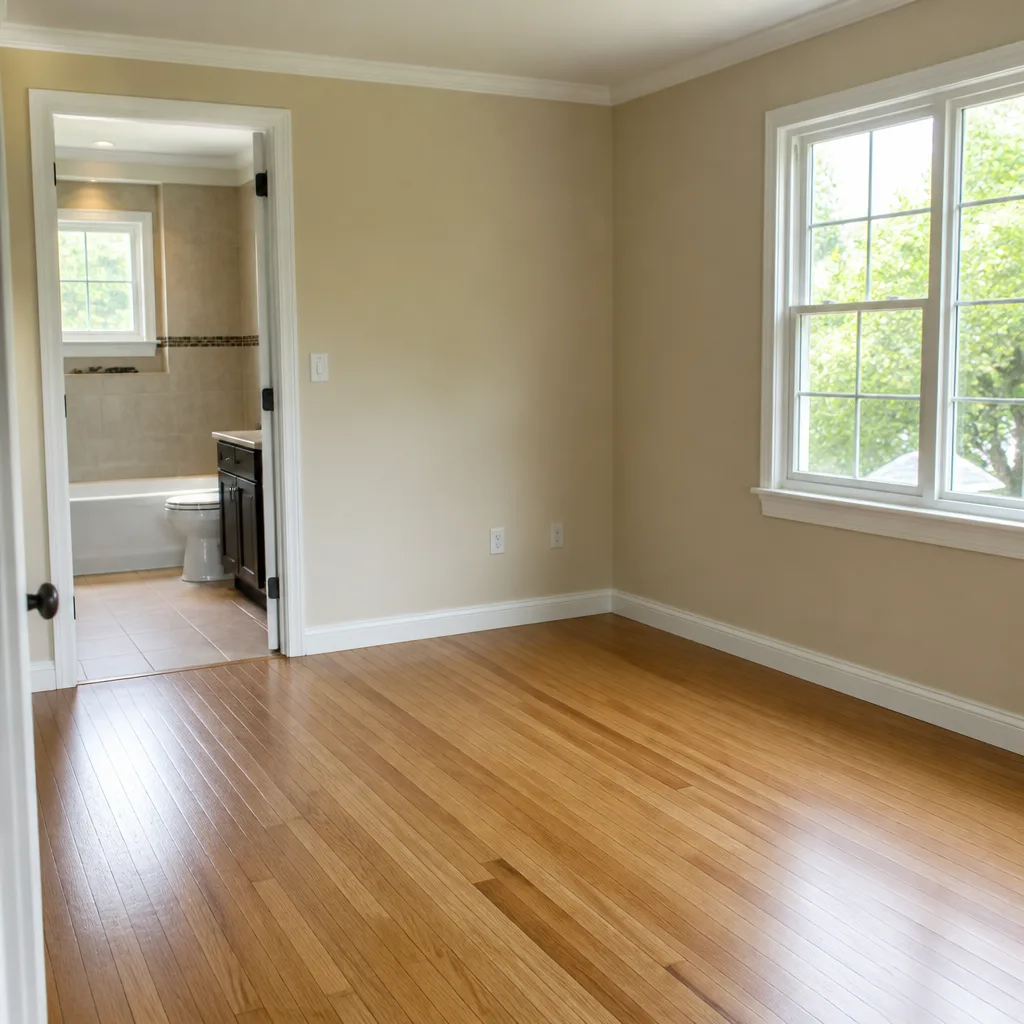
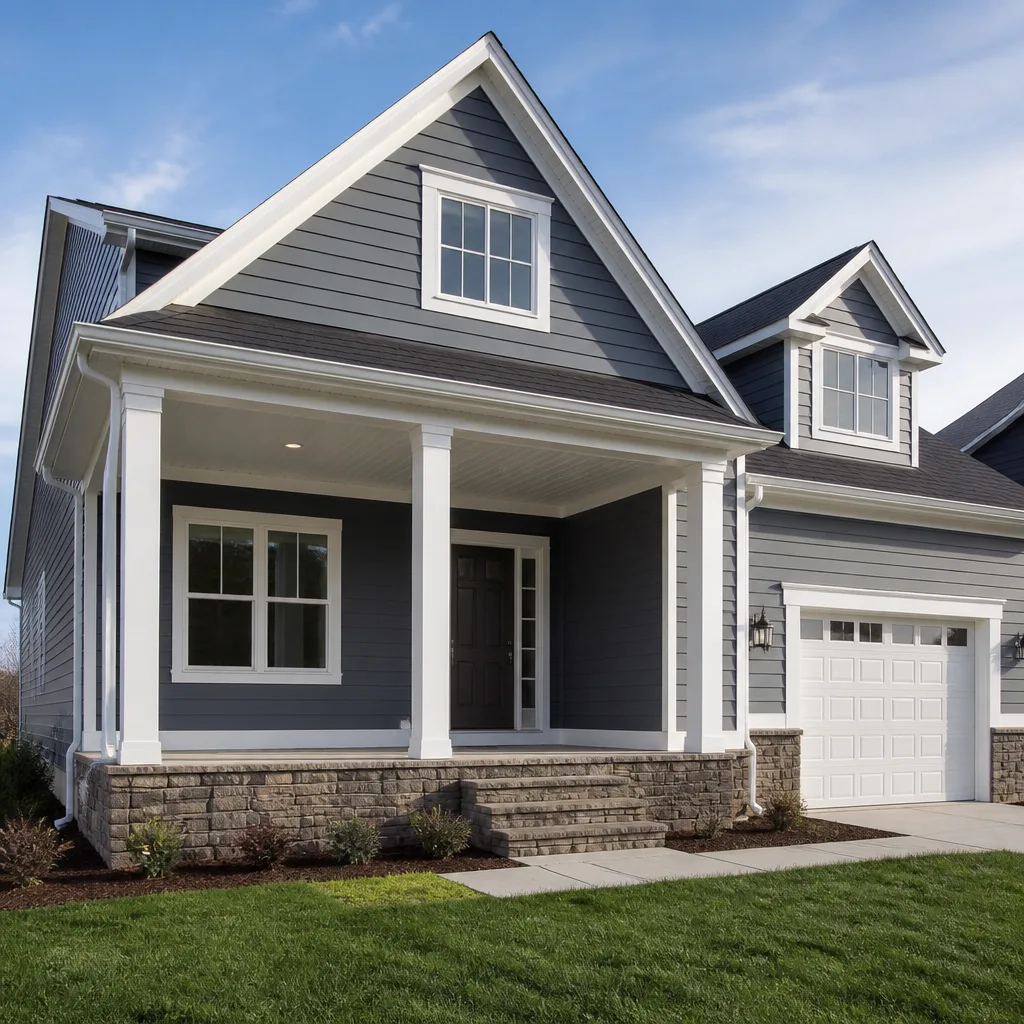
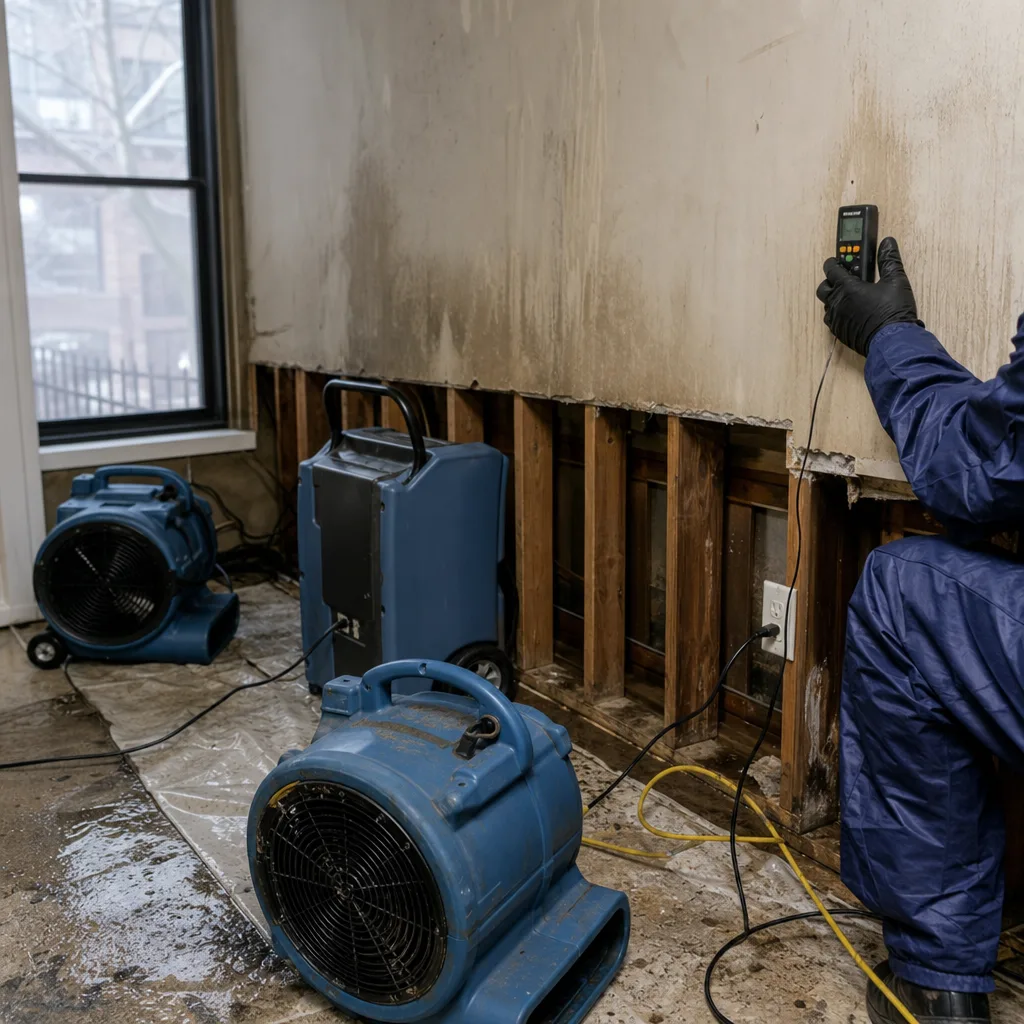 Before
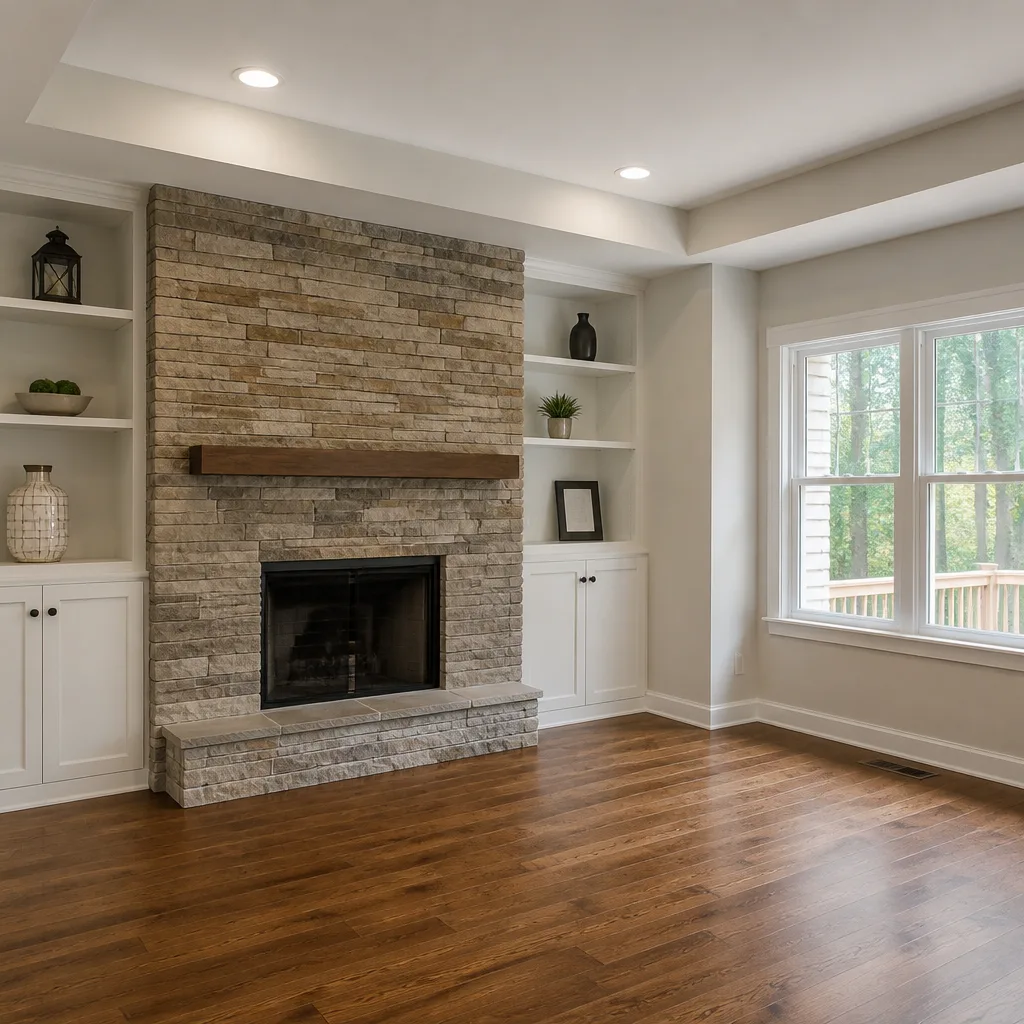
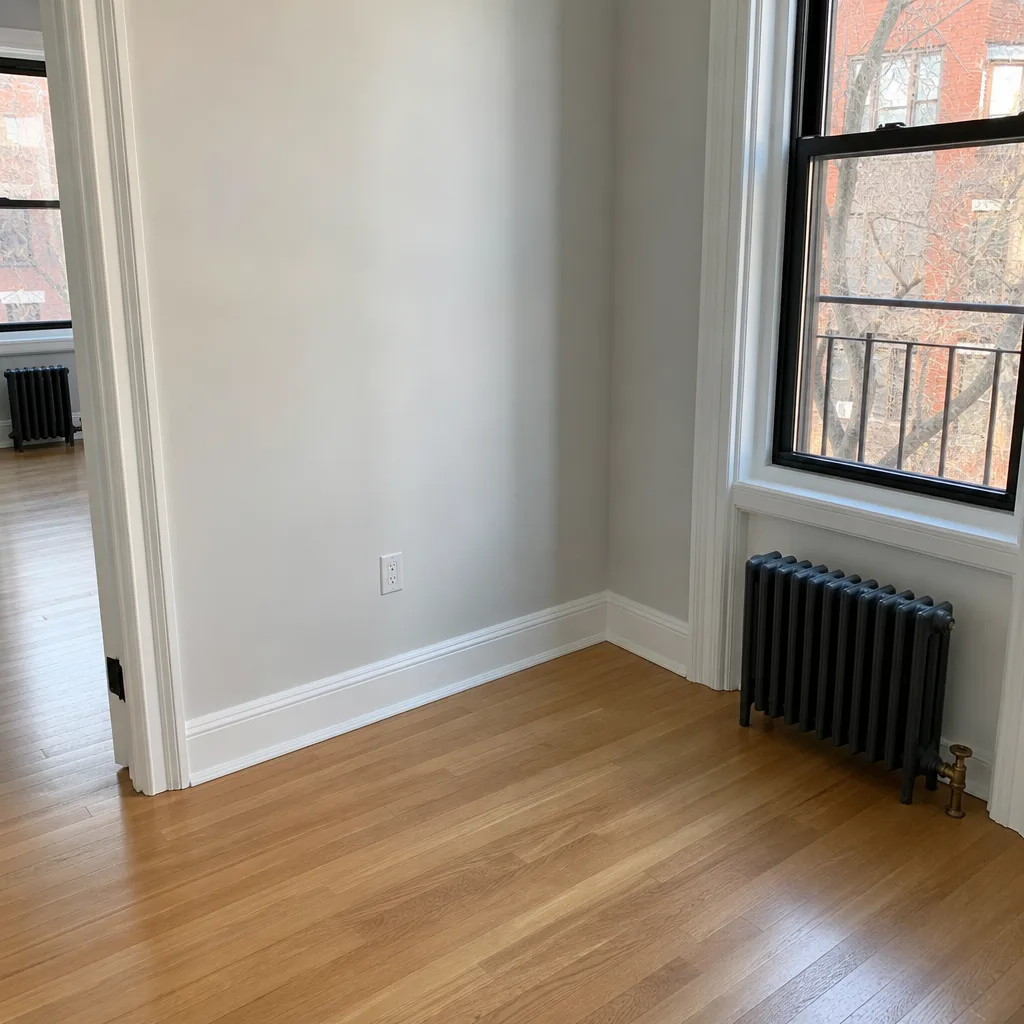 After
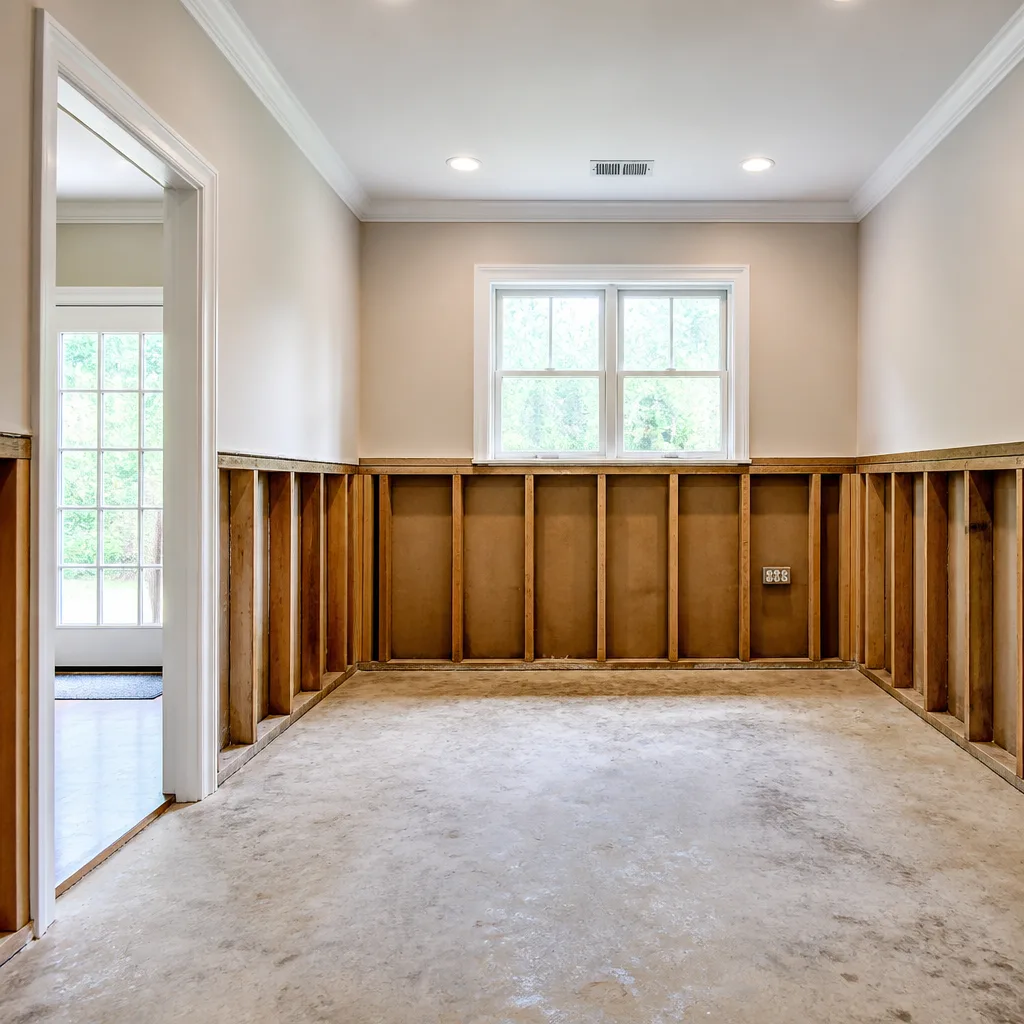
After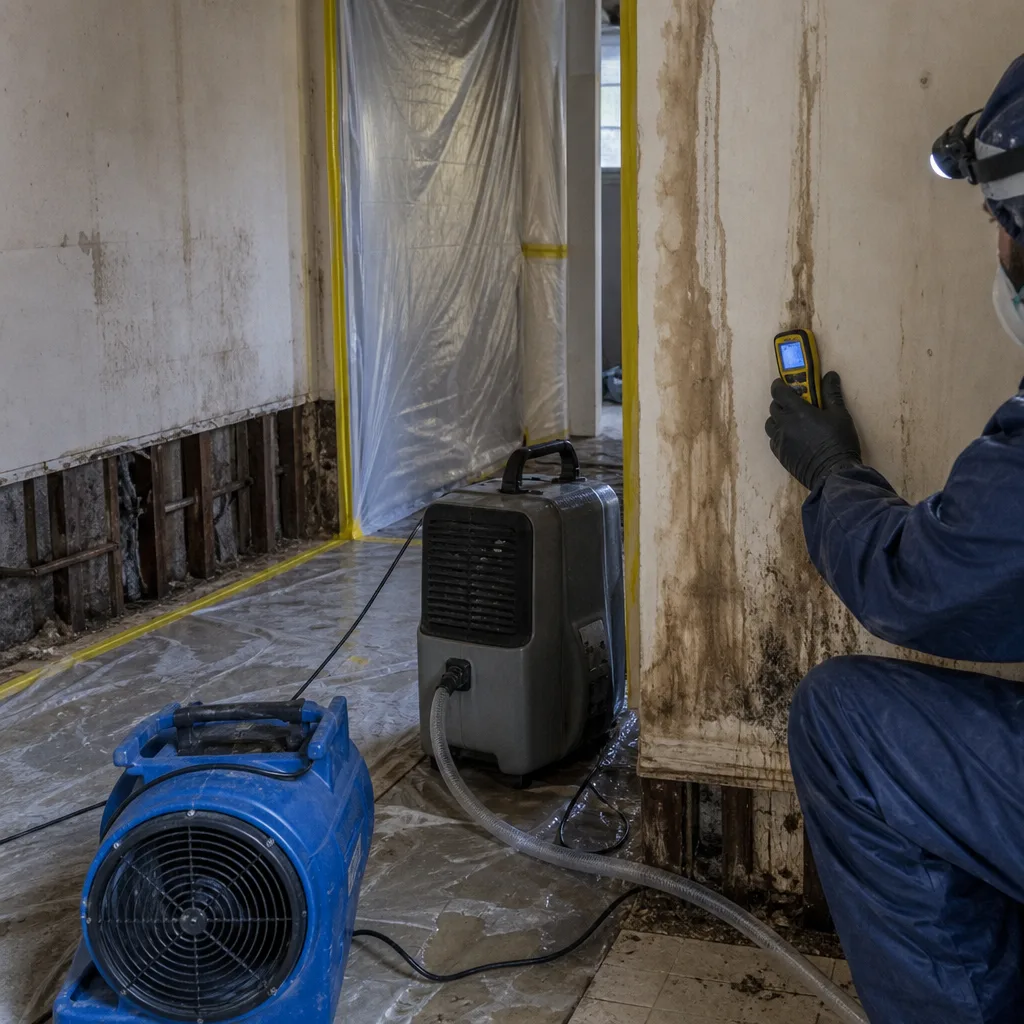 Before
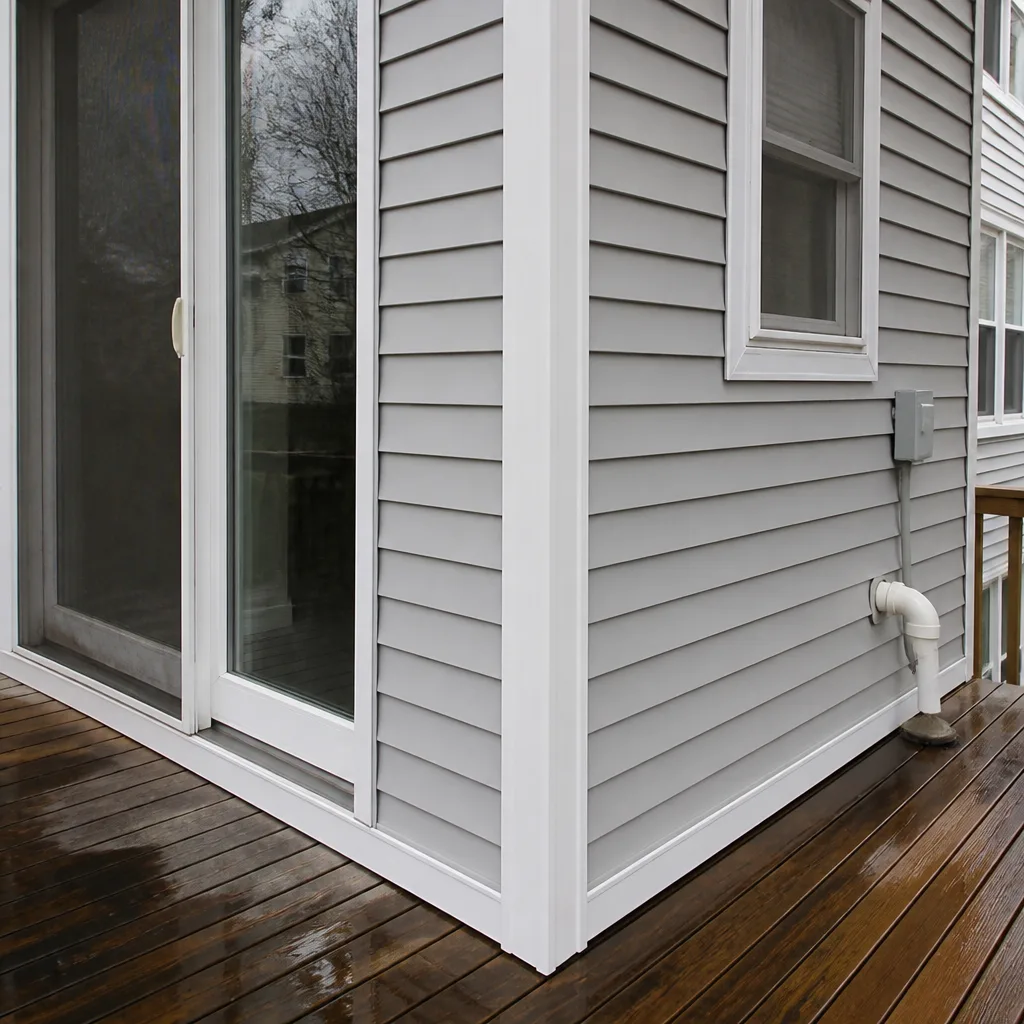 After
After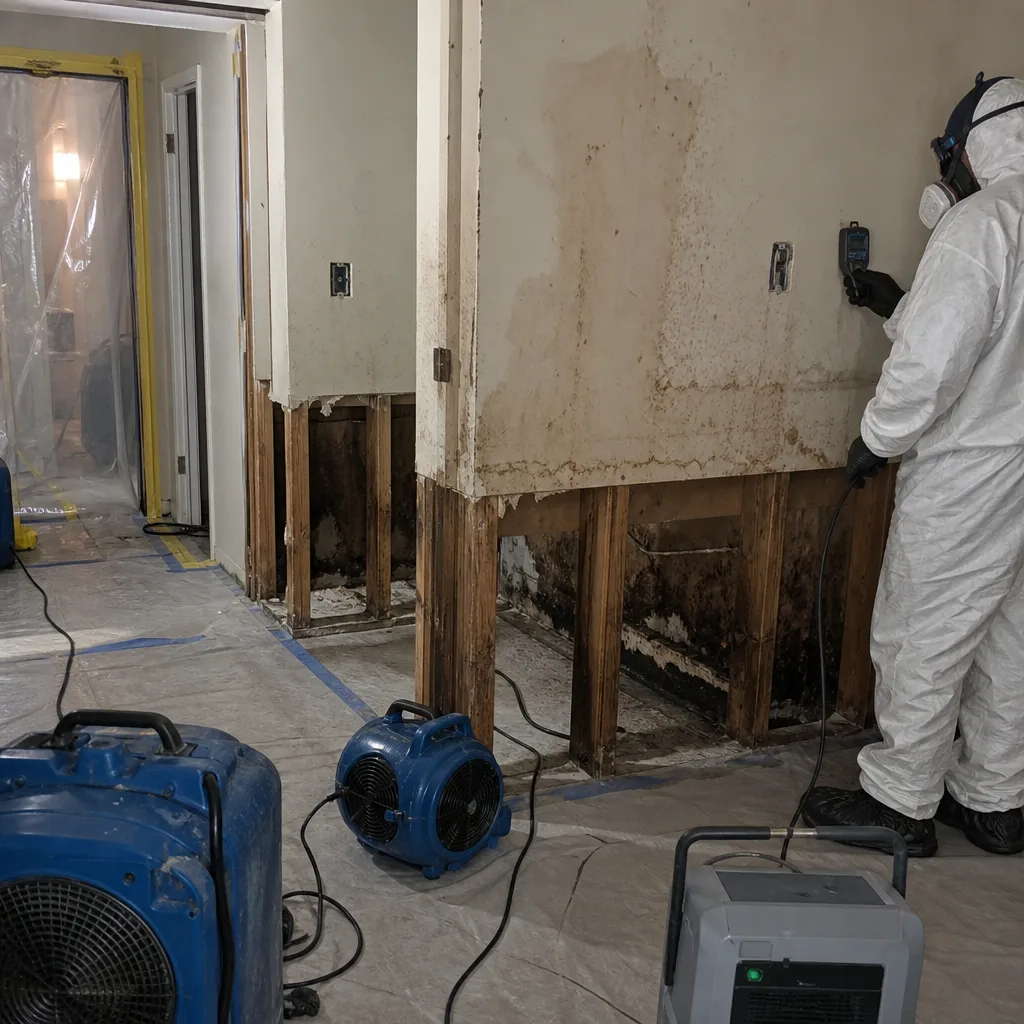 Before
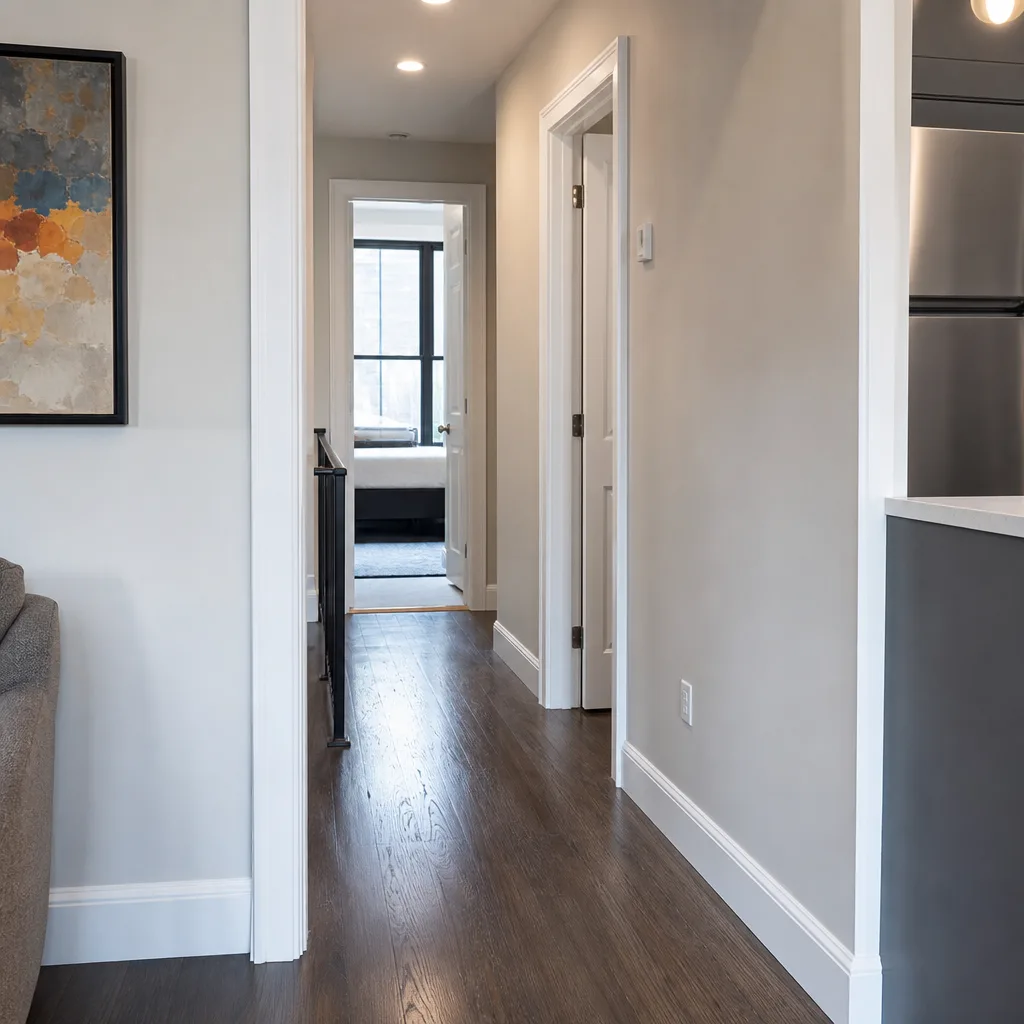 After
After24/7 Emergency Sewage Cleanup in Lower East Side
When sewage backs up into a Lower East Side apartment, the first hour determines how far the contamination travels. Black water moves fast through horsehair plaster and shared tenement walls, and what starts as a toilet overflow on one floor can wick into four or more adjacent units before anyone calls for help. Floodline Restoration Co. of Manhattan answers live at (917) 924-4221, 24 hours a day, every day. A dispatcher picks up, asks the right questions, and gets a certified crew moving toward your building while you’re still on the phone. We offer a free visual inspection, and in most Lower East Side buildings we can have extraction running the same visit. Don’t wait for the stain to spread. Call now.
Understanding Sewage Cleanup Severity in Lower East Side Properties
Sewage cleanup is Category 3 water work. That means the water carries pathogens, bacteria, and waste material. It’s not a mop-and-dry job. In Lower East Side tenements, severity compounds because the building itself works against you. The narrow airshafts required by the 1901 Tenement House Act act as vertical conduits. When a cast iron drain stack splits inside a party wall, water travels down the shaft and wicks laterally into horsehair plaster on every floor. A single-unit ceiling stain routinely opens into a four-to-six-floor hidden cavity moisture job. Older buildings also mean older plumbing. Galvanized and cast iron lines from the 1880s through 1920s corrode from the inside, fail suddenly, and release sewage into wall cavities that haven’t been opened since the building went up. Pre-1920 lath and plaster often contains asbestos, which means mandatory testing before any demolition can legally begin. Severity here isn’t just about how much water. It’s about how far it has already traveled inside walls you can’t see.
Why Lower East Side Property Owners Choose Floodline Restoration Co. of Manhattan
- 45-minute response commitment for emergency sewage calls anywhere in the Lower East Side. Our dispatch board tracks every crew in real time.
- 24/7 live answer – a real person, never an automated system. Call at 2 a.m. and a dispatcher who knows sewage work picks up.
- IICRC-certified crews trained to WRT and FSRT standards. Our technicians carry the certifications that matter for Category 3 water and fire restoration work.
- Free visual inspection with moisture mapping across affected units before any scope of work is written or any wall is opened.
- Direct insurance billing. We document everything from hour one, submit directly to your carrier, and talk to your adjuster so you don’t have to.
- One team from extraction to reconstruction. The same Floodline crew that reads the moisture map on day one handles daily readings, dries the walls, and rebuilds what needs rebuilding.
Our Sewage Cleanup Process
Inspection & Assessment
We start with thermal imaging and moisture meters across every adjacent unit, not just the one with the visible stain. In pre-1920 tenements, we map the airshaft wall cavities floor by floor. We also flag where asbestos and lead testing will be required before demolition.
Extraction & Stabilization
We remove standing Category 3 water using truck-mounted and portable extraction. In tenement basements and crawl spaces, we run sanitizing rinses on every hard surface the water touched. Containment goes up immediately to stop cross-contamination into shared hallways and neighboring apartments.
Drying & Dehumidification
We place Dri-Eaz and Phoenix air movers and LGR dehumidifiers inside affected wall cavities. Injectidry systems dry lath and plaster cavities without opening more wall than necessary. Daily moisture readings are logged against the dry standard.
Cleaning & Sanitization
We apply EPA-registered antimicrobials and sanitizers across all affected surfaces. HEPA air scrubbers run throughout containment. Every surface is cleaned to a post-remediation verification standard before containment comes down.
Airshaft & Multi-Unit Coordination
In Lower East Side tenements, we coordinate with building management and adjacent unit owners. We run secondary moisture checks on the floors below the backup point and the apartments flanking the airshaft. If demolition is required, we schedule asbestos and lead testing first and sequence work across all affected units.
Repairs & Restoration
After drying and sanitization, we rebuild what came out. That can involve patching lath and plaster, replacing cast iron drain sections, or full wall reconstruction. The same certified crew that extracted the water finishes the rebuild. You get a written scope before work starts and a moisture log when it’s done.
Need Emergency Sewage Cleanup in Lower East Side Now?
Crews minutes away, answering live 24 hours a day. The sooner we start, the less it costs.
Working With Your Insurance Company
Sewage backups in Lower East Side tenements routinely involve multiple affected units and multiple carriers. We’ve handled claim documentation in buildings where one split stack triggered three separate policies. From the first hour, we photograph everything room by room, log moisture readings daily, and write a line-item scope that carriers recognize. We talk to your adjuster directly, and we bill your carrier directly. You never play messenger between Floodline and the insurance company. Our documentation package includes the drying log, containment photos, and a written rationale for every demolition cut. That matters in older buildings, where asbestos and lead testing adds legitimate line items carriers sometimes question. We answer those questions with documentation, not arguments.
What We Provide Your Insurer
- Thorough documentation of the loss
- Photos of all damage, room by room
- Moisture readings and drying logs
- A detailed, line-item scope of work
- Direct coordination with your carrier
Built for Lower East Side’s Loss Calendar
The Lower East Side gets hit with sewage backups year-round, but the calendar has a rhythm. January deep freezes send cold air into uninsulated basement lines along Orchard, Ludlow, and Essex Streets. Cast iron contracts, cracks, and splits. February brings salt-laden snowmelt that finds its way into floor drains and worsens corrosion. Spring thaw saturates the landfill the neighborhood sits on, raising groundwater pressure against foundation walls already stressed from 2012. Summer thunderstorms overwhelm the combined sewer system, and in flood zone AE along the East River, a heavy downpour at high tide pushes sewage back through floor drains in basements and garden-level apartments. Nor’easter season from September through November reactivates the saltwater corrosion baseline Hurricane Sandy left in masonry foundations. No other Manhattan neighborhood carries all four of those exposures in the same buildings. We scope every Lower East Side job for what the season, the soil, and the hundred-year-old plumbing are doing together.
Sewage Cleanup Across Lower East Side’s Neighborhoods
The Lower East Side isn’t one building type. It’s a grid of distinct pockets, and sewage behavior changes by block. Along Orchard and Ludlow Streets, the 1880s-to-1910s tenements have the oldest cast iron stacks and the narrowest airshafts. A backup here presents as a ceiling stain on one floor and runs hidden in wall cavities everywhere below it. Around Grand Street and East Broadway, mid-rise residential buildings from the 1920s have slightly wider shafts but the same horsehair plaster construction. Near the Baruch Houses and Wald Houses along the East River, NYCHA towers from the 1940s and 50s bring a different failure mode: elevator shaft sumps, basement mechanical rooms, and shared risers that service dozens of units from one vertical line. A sewage event in a tower affects more units mechanically but fewer through the walls. The Riis Houses area adds low-rise mid-century layouts with shallower foundations sitting directly on landfill. Every one of these zones drains to the same combined sewer system, but the damage inside the building follows the construction. We send a crew that knows which pattern they’re walking into.
Specialized Sewage Cleanup Services We Offer in Lower East Side
Sewage Backup Cleanup
This is the core call in the Lower East Side. A split cast iron stack or a blocked lateral sends Category 3 water up through floor drains, tubs, and toilets. We extract, contain, dry, and sanitize. Then we work with your plumber or ours to make sure the line is clear before we rebuild. The backup is the symptom. The failing line is the cause. We address both.
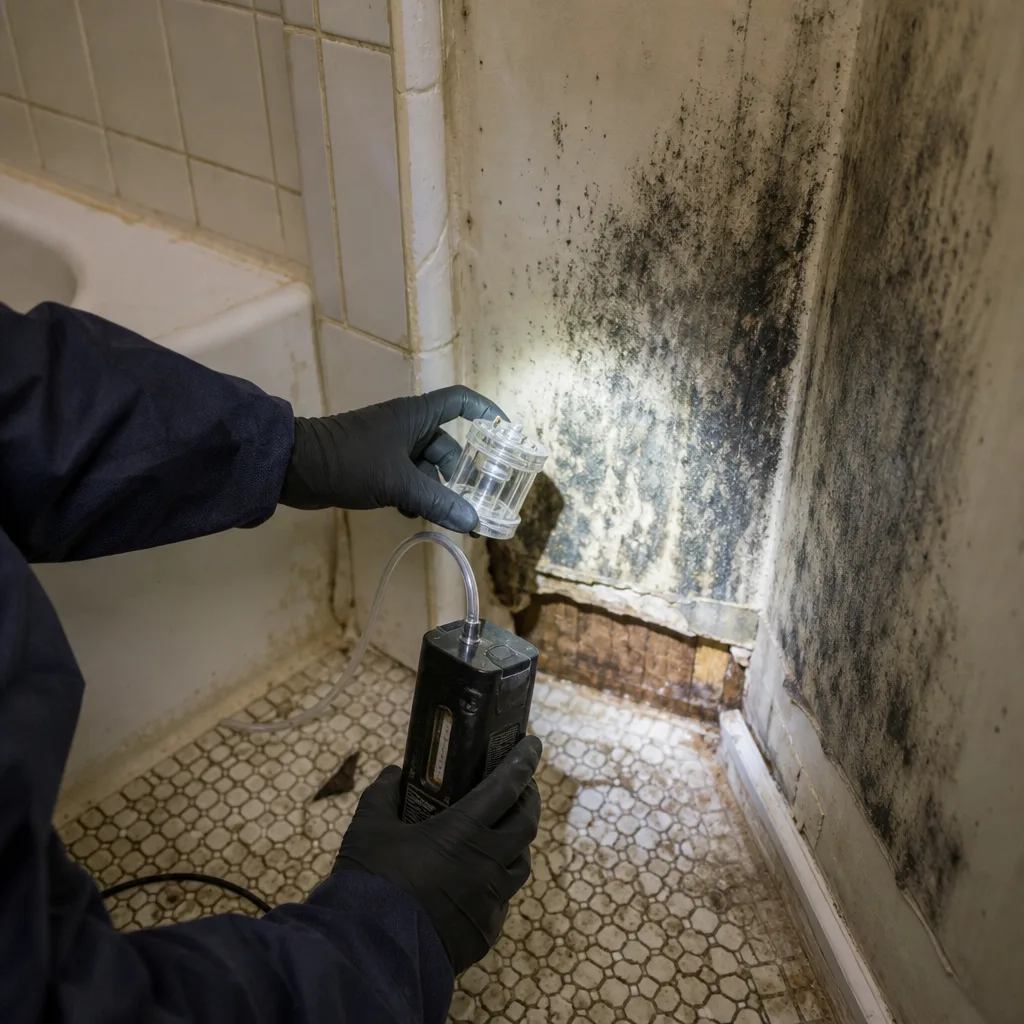
Toilet Overflow Cleanup
What looks like a simple overflow in a 1912 tenement on Orchard Street is rarely simple. The water runs through the floor and follows the joists into the apartment below. We’ve pulled moisture readings across six floors from one toilet overflow because the water had traveled down an airshaft and wicked laterally at every level. Fast extraction keeps a contained overflow from becoming a six-unit claim.
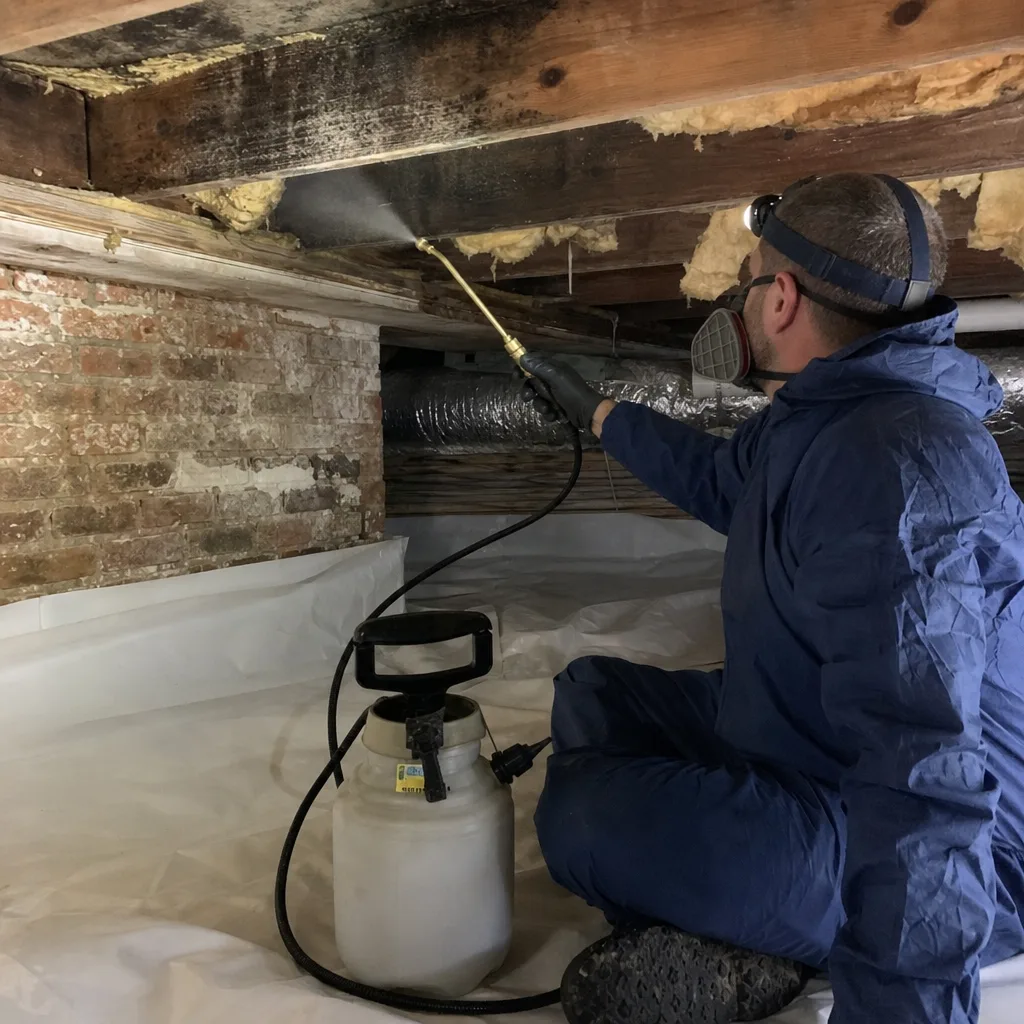
Black Water Extraction
Black water is Category 3 water, and it’s the specialty of our Sewage Cleanup team. We run truck-mounted extraction for big floods in basements and mechanical rooms, and portable units for upper-floor tenement work. Every surface the black water touched gets sanitized. Anything we can’t restore gets cut out under containment and rebuilt.
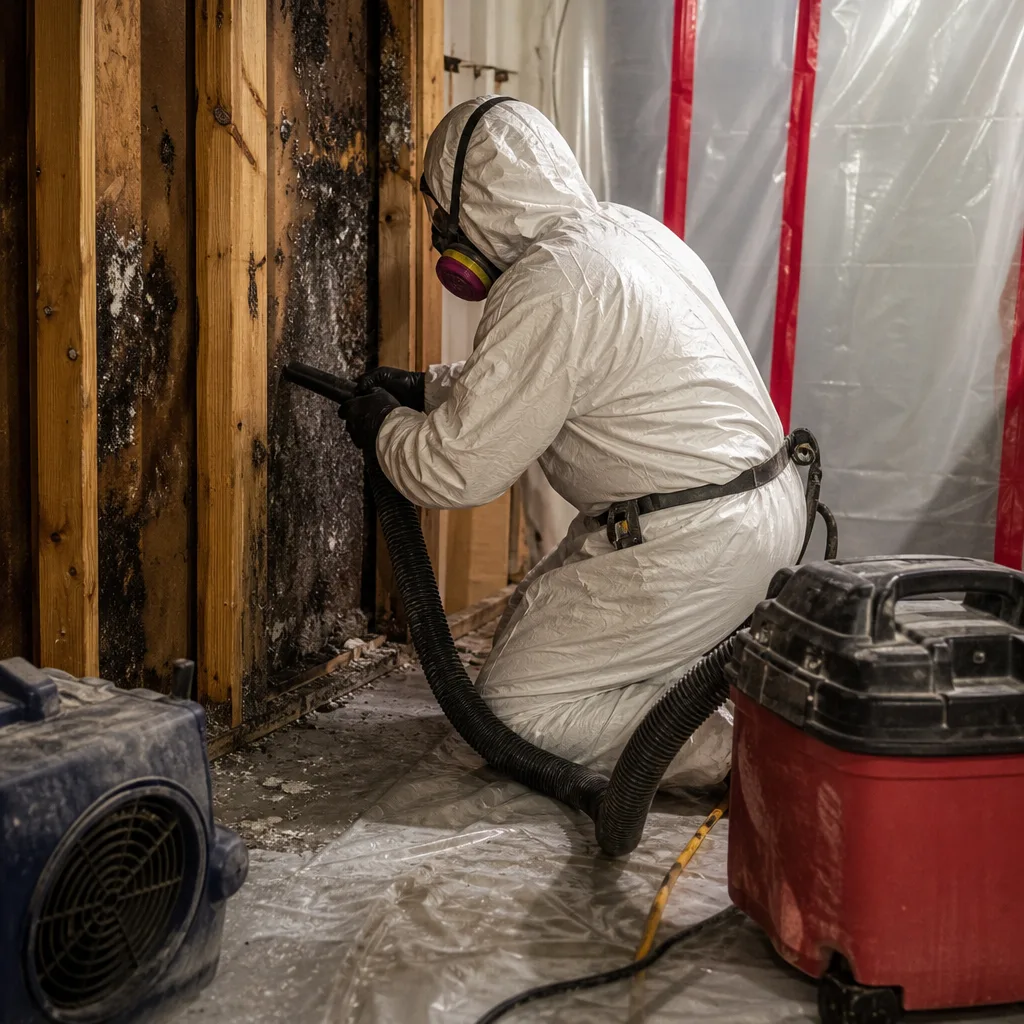
Sanitization & Disinfection
After extraction, every affected surface gets treated with EPA-registered antimicrobials. In shared tenement hallways and airshaft walls, we treat beyond the visible damage because contamination travels. HEPA air scrubbers run until post-remediation verification passes. We don’t just dry the building. We make it safe to live in again.
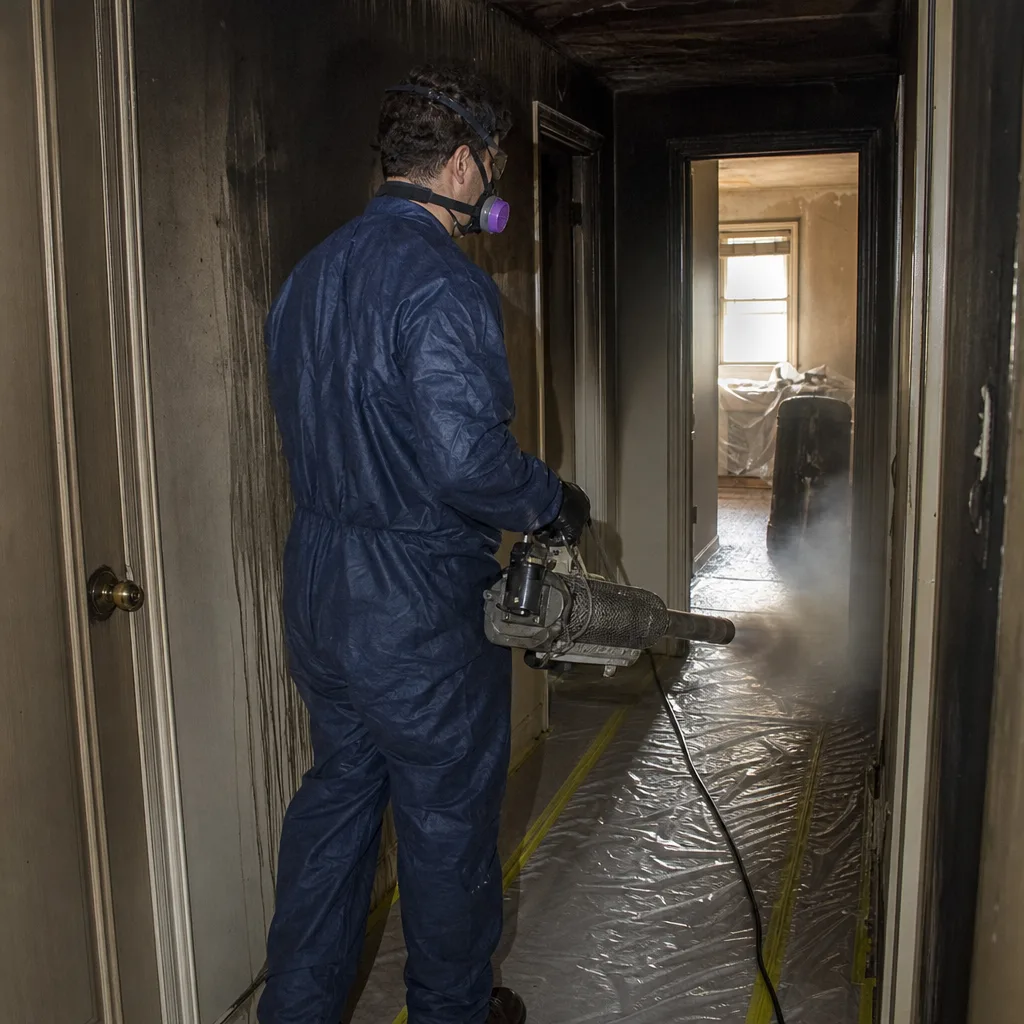
What happens when you call
- 1
A real person answersNo phone trees - you reach a local pro.
- 2
You get an upfront price rangeHonest numbers before anyone is dispatched.
- 3
A background-checked tech heads outLicensed & insured, dispatched right away.
- 4
You approve before work beginsNothing starts until you say go.
Sewage Cleanup Costs in Lower East Side, NY
Sewage cleanup in Lower East Side runs higher than the metro average because the buildings are older and the contamination travels farther. A contained toilet overflow in a single apartment typically runs $1,800 to $3,500. A full Category 3 backup that has wicked into shared tenement walls and requires airshaft moisture mapping, containment across multiple units, and asbestos testing before demolition runs $6,000 to $14,000. NYCHA tower sewage events in Baruch or Wald Houses fall in the $4,000 to $10,000 range depending on how many units the riser affected. The cost driver in the Lower East Side is always the same: how many walls the water got behind before extraction started. Most property policies cover sudden and accidental sewage backup, with sublimits that sometimes cap at $5,000 or $10,000. Our free inspection gives you a written scope with real numbers before you commit to anything. Call (917) 924-4221 and we’ll come look.
We Also Serve Cities Near Lower East Side
Our crews work the full Lower East Side service area and respond daily into Fairview, Harrison, East Bronx, and Hunts Point. Same team, same 24-hour live dispatch, same 90-Day Done Right Promise on every job.
Serving Lower East Side, NY - Our Local Coverage Area
We’re based in the Lower East Side area and know this community well. Use the map below to see our service coverage - if you’re nearby, we can almost certainly help.
Lower East Side Sewage Cleanup Questions, Answered
Why does a sewage backup in one Lower East Side tenement often affect four or more apartments?
The 1901 Tenement House Act required narrow airshafts for light and air. Those shafts now act as vertical water highways. When a cast iron drain stack splits inside a party wall, sewage travels down the airshaft and wicks laterally into horsehair plaster walls on every floor. Moisture mapping routinely finds contamination in four to six units from one backup point. That’s why we map the whole shaft before we write any scope.
Is asbestos testing really mandatory before sewage cleanup in pre-1920 LES buildings?
Yes. If demolition is required, pre-1920 lath and plaster and original pipe insulation may contain asbestos, and NYC DEP regulations require testing before disturbance. We flag it on day one and sequence testing before any wall is opened. Skipping it stops the job cold and exposes the property owner to fines.
How does Hurricane Sandy still affect sewage cleanup in the Lower East Side today?
Sandy drove saltwater into basements and ground floors across flood zone AE. That saltwater sat in masonry foundations for days and started a long-tail corrosion problem that continues to accelerate cast iron line failure. When a drain line splits in a basement floor today, Sandy is often the original cause. Nor’easters and tropical storms keep reactivating the same moisture pathways.
Can you dry and save horsehair plaster after black water flooding?
It depends on how long the water sat and how much wall cavity is involved. We use Injectidry systems to force dry lath and plaster from the inside, which avoids opening more wall than necessary. If the plaster has lost structural integrity or tested positive for contamination beyond sanitization, it comes out under containment and gets rebuilt. We won’t know for sure until we take readings.
Do NYCHA towers like Baruch or Wald Houses require a different sewage cleanup approach?
Yes. Tower buildings concentrate failure in vertical risers, elevator shaft sumps, and basement mechanical rooms rather than airshaft walls. A single riser backup can affect dozens of units, so coordination with building management and sequencing across occupied floors is essential. Containment and airflow plans are different too – we run longer ducting and negative air setups through stairwells and corridors.
How fast can someone actually get to my Lower East Side building?
Our response commitment is 45 minutes for emergency sewage calls anywhere in the Lower East Side. Call (917) 924-4221 at any hour and a live dispatcher confirms your address, asks about the visible damage and building type, and starts a crew moving. We’re running extraction the same visit in most buildings.
Do I really need full remediation or just a cleaning?
If the water is Category 3 – sewage, waste, or toilet overflow – it’s not a cleaning problem. Pathogens and bacteria have already moved into porous materials. In shared tenement walls, that contamination spreads through horsehair plaster and into neighboring units. Full remediation with containment, sanitization, and verified drying is the only honest answer. Our free inspection will show you exactly where the water went.
What should I do in the first 30 minutes after a sewage backup?
Stop using water in the building immediately. Shut off the main water supply if the backup is from a supply line. Move people and pets away from the affected area. Do not flush toilets, run washing machines, or use sinks. Then call (917) 924-4221. The faster we get extraction running and containment up, the fewer units are affected and the smaller the scope. Call first, document second – your phone’s camera can wait, the water will not.
Written by Curt Bowman, Owner at Floodline Restoration Co. of Manhattan, serving Lower East Side and the surrounding communities with certified, guaranteed restoration work.