
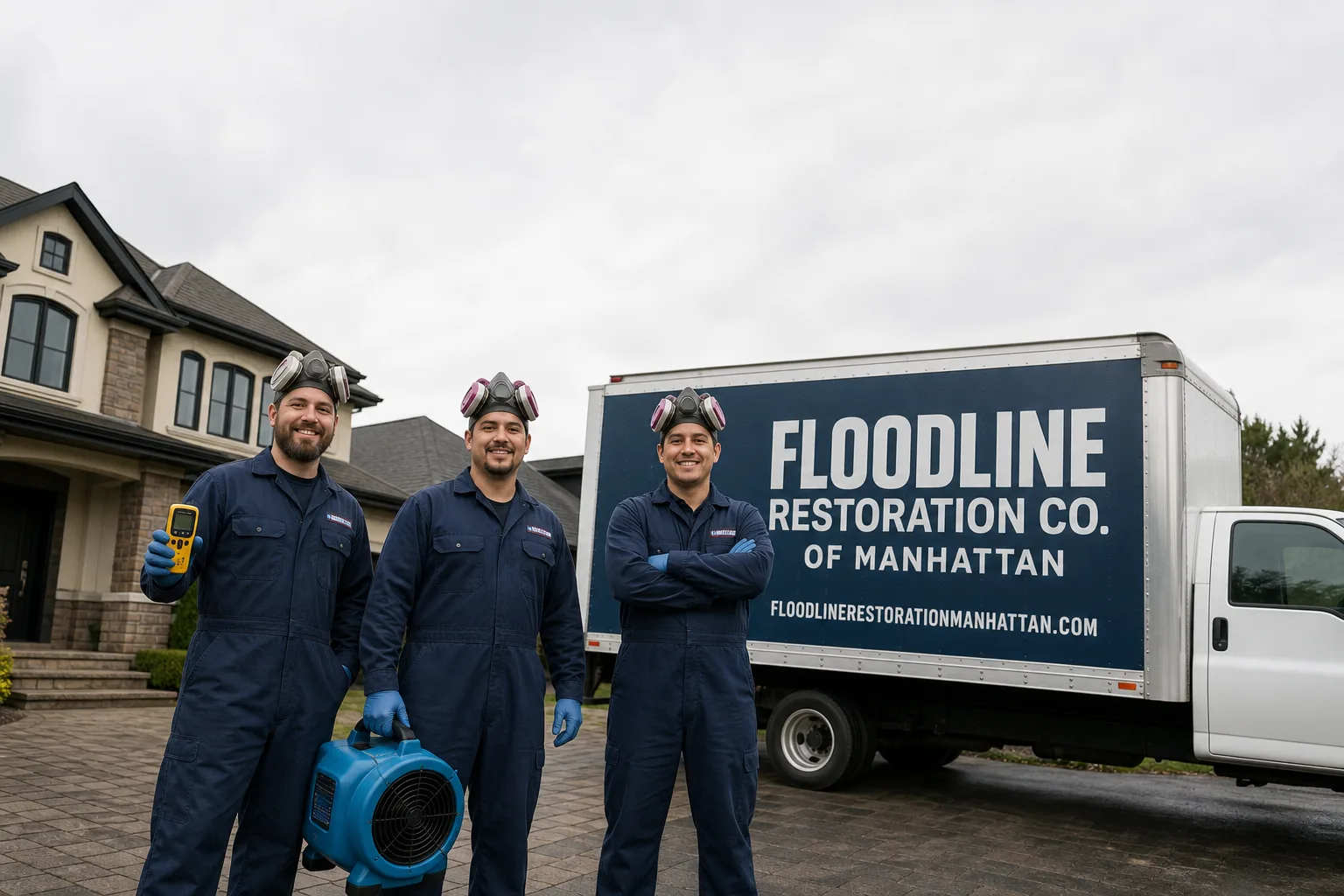
Free visual inspection and a written scope of work before any mitigation begins - photos, moisture readings, and drying logs go in your claim file
The scope we write is the scope we bill. Anything new gets shown to you, in writing, before we touch it.






 Before
 After
After Before
 After
After Before
 After
After24/7 Emergency Sewage Cleanup in Ridgewood
Sewage cleanup in Ridgewood typically runs $2,800-$6,500 depending on how far Category 3 water has traveled through a rowhouse cellar and whether party walls are involved. When a waste line backs up through a floor drain, contaminated water starts wicking into porous masonry and original plaster within minutes, not hours. Our crews are dispatched into Ridgewood around the clock, with a live person answering at (917) 924-4221 no matter what time you call. The first visit is a free visual inspection. We show up, scope the damage, and give you a written plan before any work starts.
Call (917) 924-4221 now. We’ll be there.
Understanding Sewage Cleanup Severity in Ridgewood Properties
We classify every sewage loss the same way the IICRC does. Category 1 is clean water from a supply line. Category 2 is gray water from washing machines or sump failures, carrying some contaminants. Category 3 is black water: raw sewage, toilet backflow, or floodwater that has picked up waste. Most calls we take in Ridgewood are Category 3, and that changes everything about containment and personal protection. Black water carries bacteria, viruses, and parasites. It requires full biohazard protocols, not a mop and bucket.
Ridgewood’s housing stock complicates matters further. The two- and three-story yellow brick rowhouses built between 1900 and 1930 share continuous masonry party walls with no firebreak or moisture barrier between units. Water in one cellar migrates laterally through brick and mortar. A backup that starts under one floor drain on Catalpa Avenue can pressurize the shared cast-iron waste line and surface in the neighbor’s cellar three doors down. We scope for that every time. Moisture mapping in a Ridgewood cellar means reading walls on both sides of the property line, because the water does not know which side is yours.
Why Ridgewood Property Owners Choose Floodline Restoration Co. of Manhattan
- 45-minute response commitment. When you call with sewage backing up, we do not put you on a callback list. A crew heads your way immediately, and the extraction pump starts the same visit.
- A live person answers, 24/7. No phone tree, no “leave a message after the tone.” A dispatcher picks up at two in the morning and knows what questions to ask.
- IICRC-certified crews. Our technicians are certified to IICRC, RIA, and IFA standards, trained for black water extraction and structural drying in pre-war masonry buildings.
- Free visual inspection. We look before we quote. You get a written scope of work and firm pricing before any equipment is unloaded.
- Direct insurance billing. We bill your carrier directly and talk to the adjuster ourselves. You never play messenger.
- One team from extraction to reconstruction. The same crew that pumps the sewage out is the crew that dries, sanitizes, and rebuilds. No mid-job handoff to a subcontractor you never met.
Our Sewage Cleanup Process
Inspection & Assessment
We start by identifying the source of the backup and tracing how far black water has traveled. In Ridgewood, that means checking the affected cellar plus the two or three adjoining units sharing the same party walls and waste line. We use thermal imaging and moisture meters to map what is wet before we touch anything.
Containment & Source Control
We stop the active backup first. That may mean capping a cleanout, clearing a branch line, or working with the NYC DEP if the municipal sewer is surcharging. Then we set containment zones to keep contaminated air and material from spreading through the rest of the house.
Black Water Extraction
We remove standing sewage with truck-mounted and portable extraction pumps, including our Dri-Eaz units. In below-grade Ridgewood cellars with original slab floors, we pump first and assess the slab after. Water under pressure against century-old concrete behaves differently than water on a new slab.
Drying & Dehumidification
We place XPOWER air movers and Phoenix dehumidifiers positioned for the specific airflow challenges of a below-grade masonry space. Daily moisture readings are logged until the dry standard is met, and we hand that log to you and your carrier.
Cleaning, Sanitization & Antimicrobial Treatment
Every surface that touched Category 3 water gets cleaned, then treated with an EPA-registered antimicrobial. This includes the original plaster walls in many Ridgewood cellars. We prefer to clean and dry those walls in place when they are salvageable. Tearing out original plaster is a last resort, not a default.
Repairs & Restoration
Whatever cannot be saved gets removed and rebuilt. That may mean sections of partition wall, flooring, or trim. Because we carry reconstruction in-house, the same crew handles the entire job to a finished state.
Need Emergency Sewage Cleanup in Ridgewood Now?
Crews minutes away, answering live 24 hours a day. The sooner we start, the less it costs.
Working With Your Insurance Company
Most Ridgewood homeowner policies cover sewage backup when it is sudden and accidental, but the claim lives or dies on documentation. We document from the first hour. Our techs photograph every affected surface, log moisture readings daily, and produce a line-item scope of work that carries the specific details adjusters look for. We talk directly with your carrier. You do not have to explain why the party wall is wet or why the cast-iron line split. That is our job. When the adjuster calls, we answer.
What We Provide Your Insurer
- Thorough documentation of the loss
- Photos of all damage, room by room
- Moisture readings and drying logs
- A detailed, line-item scope of work
- Direct coordination with your carrier
Built for Ridgewood’s Loss Calendar
Sewage losses in Ridgewood follow the weather and the condition of the pipes underground. Summer is the hardest season. When a convective storm drops two inches of rain in an hour, New York City’s combined sewer system surcharges, and wastewater forces its way back through basement floor drains. Those drains are the lowest openings in hundreds of below-grade Ridgewood cellars. We take more Category 3 calls in July and August than any other months.
Winter brings a different problem. January deep freezes can split the shallow supply lines running under attached rowhouse entries, and when they thaw, the water finds the same drains and the same shared waste lines. Nor’easters drive ponding on flat roofs, which sends water down the interior walls and into the cellars. And all year round, the century-old cast iron under the slab is doing what century-old cast iron does: scaling, bellied, and cracking. The pipe does not care what the calendar says.
Sewage Cleanup Across Ridgewood’s Neighborhoods
The blocks off Myrtle Avenue near the Ridgewood border with Bushwick are dense rowhouses with shared laterals that have been in the ground since the 1920s. A backup on one side of the street often traces to a belly in the line three houses over. Our crews know to walk the block before finalizing a drying plan.
Up near the Fresh Pond Road corridor, the rowhouses run on the same pattern, but many have been renovated over the years with finished basements. That means a sewage backup hits drywall, flooring, and furniture instead of bare masonry. Pack-out and content cleaning become a bigger part of the job. Over by Grover Cleveland Playground, the older attached houses still have the original stone-and-mortar foundations under the cellar floors, and sewage water moves through those joints faster than you would believe. And the blocks around the Halsey Street L train stop are a mix of pre-war rowhouses and some later infill, where differing foundation depths create odd drainage paths between neighbors.
None of that is in a national franchise’s training manual. It is local knowledge built over 42 years of serving communities like this one.
Specialized Sewage Cleanup Services We Offer in Ridgewood
Black Water Extraction
Category 3 water needs pumps, not shop vacs. We use truck-mounted and portable Dri-Eaz extraction equipment sized for the depth and volume of a below-grade cellar. In Ridgewood, extraction also means understanding hydrostatic pressure against original stone and mortar foundations.
Sanitization & Disinfection
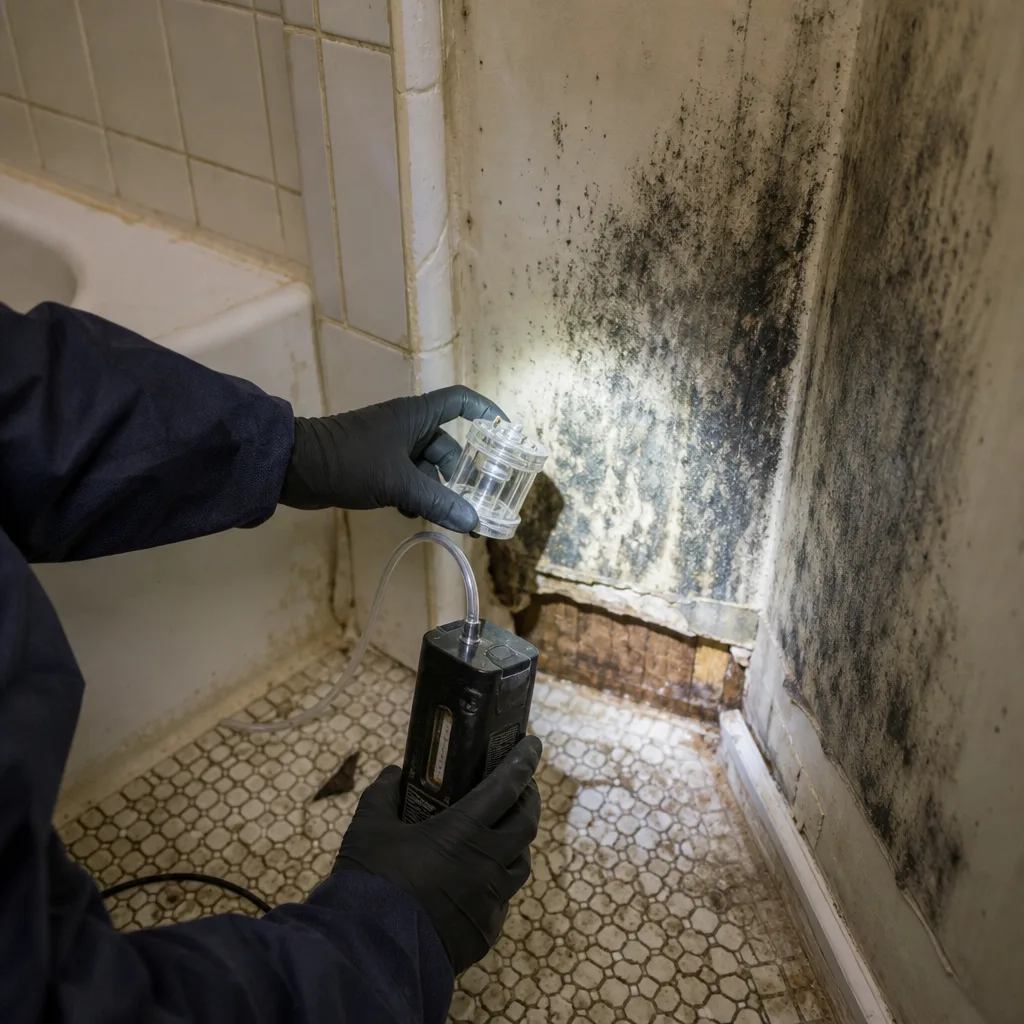
After extraction, every surface that touched sewage gets cleaned and treated with an EPA-registered antimicrobial. This includes the original plaster-over-masonry walls common in pre-war Ridgewood cellars. We would rather clean and dry those walls than rip them out.
Sewage Backup Cleanup
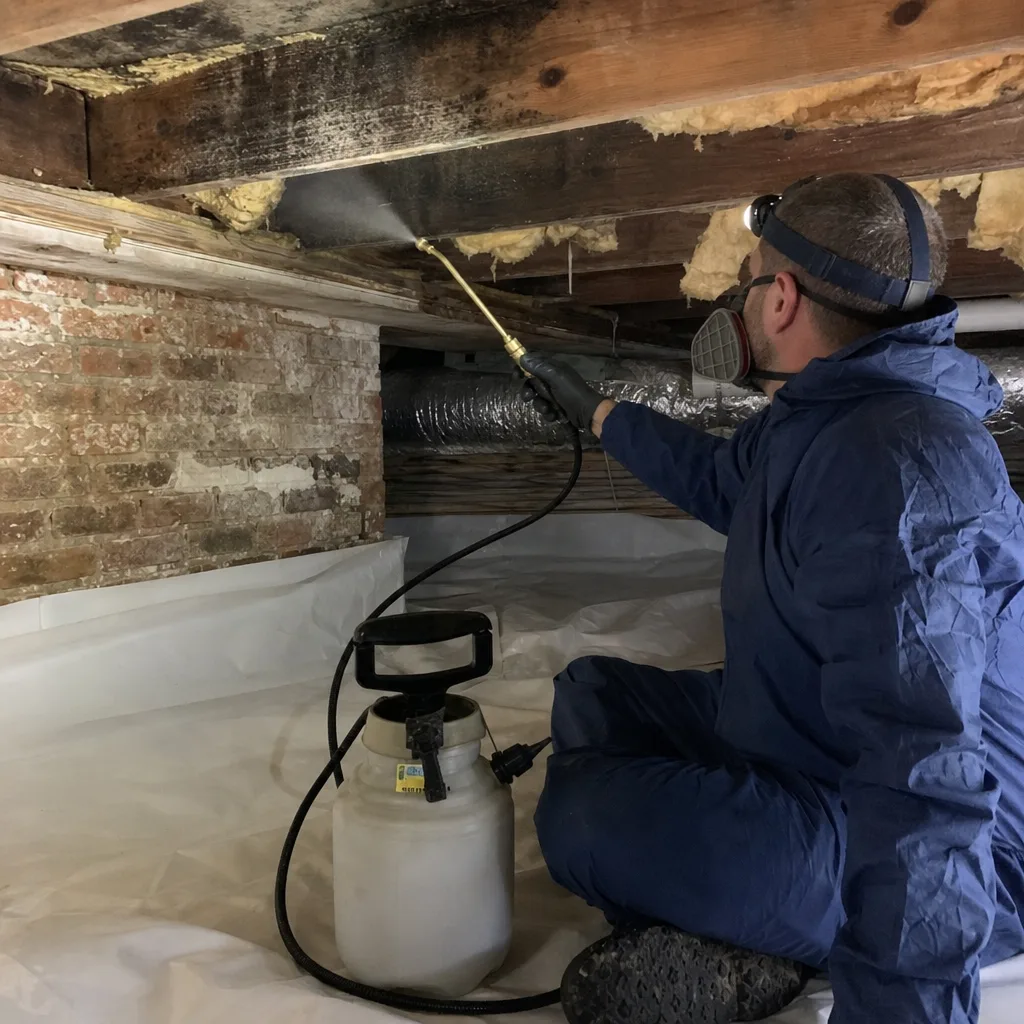
When the floor drain backs up, the question is where the backup started. In attached rowhouses, it may have started in the city main, in your lateral, or in your neighbor’s line. We trace it, contain it, and document it for your carrier. Our Sewage Cleanup team handles the full remediation, and we serve Sewage Cleanup in Ridgewood with crews stationed nearby.
Toilet Overflow Cleanup
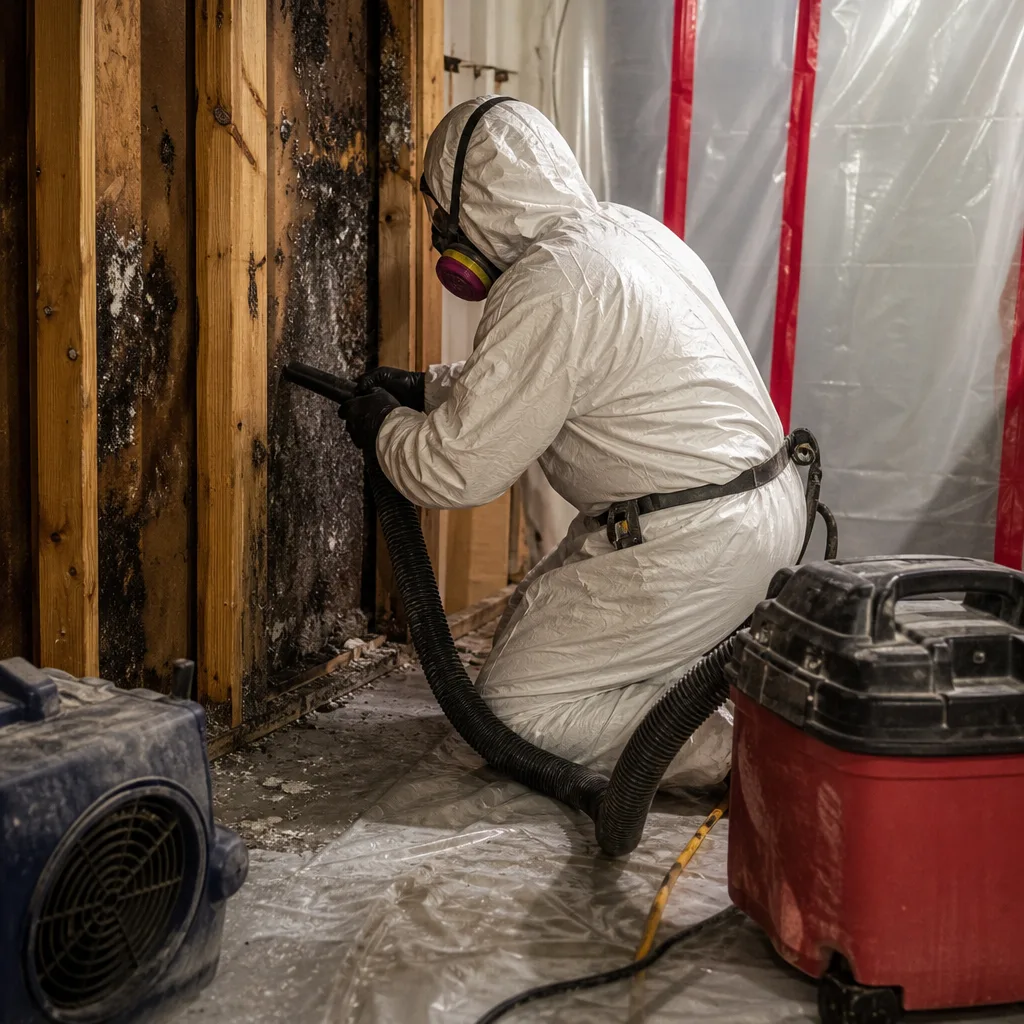
A toilet overflow that floods a finished basement bathroom is Category 3 unless proven otherwise. We contain, extract, dry, sanitize, and repair the damage. The same crew handles the whole thing.
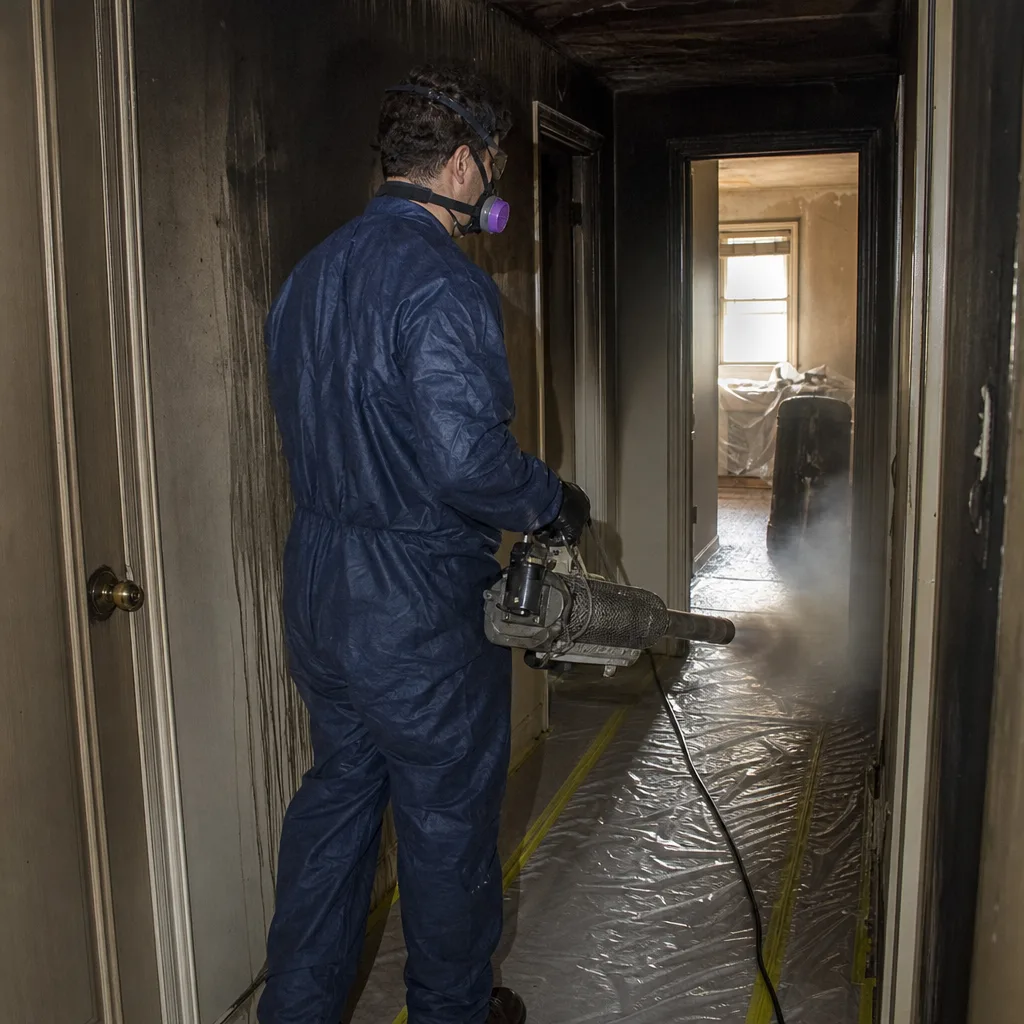
Crawl Space Sewage Removal
Not every Ridgewood house has a full cellar. Some of the older frame houses on the side streets have shallow crawl spaces. Sewage in a crawl space is worse than in a basement: it is harder to access, harder to dry, and more likely to go unnoticed until the smell gives it away.
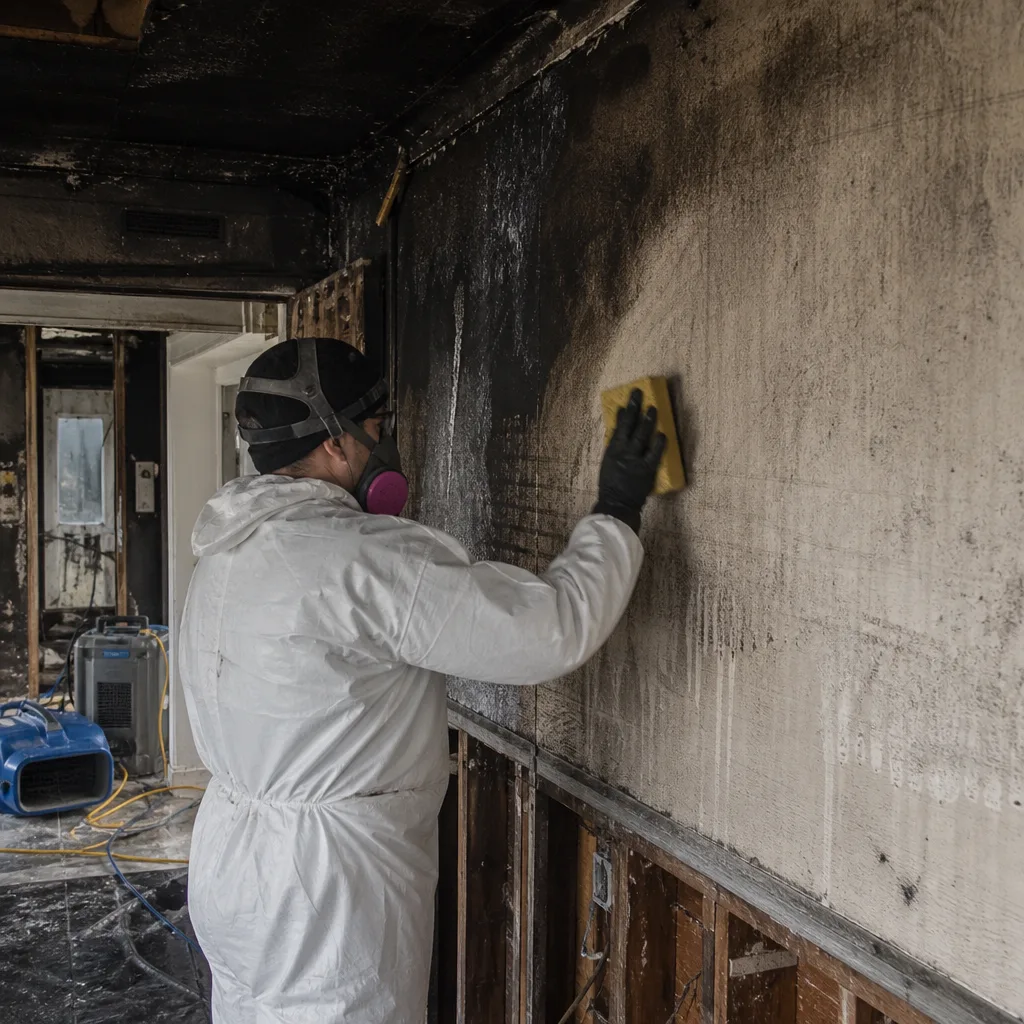
What happens when you call
- 1
A real person answersNo phone trees - you reach a local pro.
- 2
You get an upfront price rangeHonest numbers before anyone is dispatched.
- 3
A background-checked tech heads outLicensed & insured, dispatched right away.
- 4
You approve before work beginsNothing starts until you say go.
Sewage Cleanup Costs in Ridgewood, NY
A straightforward sewage backup in a Ridgewood cellar, caught before water reached the finished areas, typically runs $2,800-$4,200. That covers extraction, containment, drying, and antimicrobial treatment. When the backup spreads into a finished basement with damaged drywall and flooring, expect $4,000-$6,500. When party walls are involved and we are drying a neighbor’s unit too, the total project often lands between $6,000 and $9,500, split between the affected owners and their carriers.
What moves the price: how far the water traveled, what materials it touched, whether the original plaster can be saved, and whether the cast-iron line under the slab needs repair. We cannot give you a firm number over the phone. That is what the free visual inspection is for. Call (917) 924-4221 and we will give you a written scope and a firm price before any work starts. Senior and veteran customers save 5% on every job. Any repair over $250 takes $50 off.
We Also Serve Cities Near Ridgewood
Crews dispatched from our New York City office serve Ridgewood and the surrounding neighborhoods daily, including Middle Village, Maspeth, Woodhaven, and Elmhurst. If your basement is backing up and you are in any of these areas, call the same number: (917) 924-4221.
The Problem Every Ridgewood Homeowner Should Know About
In Ridgewood’s attached early-1900s yellow brick rowhouses, sewage backups in one basement floor drain often pressurize the shared cast-iron waste line serving an entire unbroken block. That means Category 3 black water surfaces in two or three neighboring cellars within hours. The sewage did not come from those houses. It came from the shared line.
Most restoration companies scope only the unit with visible sewage. They pump the first basement, set fans, and leave. Then the neighbor’s cellar smells like a sewer three days later, and nobody connected the dots. That is the failure mode we see most often in Ridgewood. The correct approach is to walk the two or three properties on either side of the affected unit before finalizing any moisture map or drying plan. Moisture wicks through continuous masonry party walls. A dry-looking wall in your cellar can be wet two inches into the brick, and that wet brick is inside your neighbor’s house.
We responded to a sewage backup in a 1915 rowhouse on Catalpa Avenue where the original cast-iron line under the cellar floor had bellied and cracked, sending Category 3 water through the floor drain. Our techs set containment at the basement stairs, extracted the black water with our Dri-Eaz pump, then used moisture readings and structural drying with XPOWER air movers and dehumidifiers. Because the party wall was wet, we walked the adjoining house and found moisture wicking into their basement too. We expanded the scope of work to include that neighbor’s drying and antimicrobial treatment before restoring pre-loss condition. That is how it has to work in a block of attached houses.
This page exists to tell Ridgewood homeowners exactly that: sewage cleanup here is not a one-basement job. It is planned across party walls and shared drain lines in a 1900s yellow brick rowhouse, for the whole unbroken block, not just for the basement with the visible water. If the company you called is not checking the neighbors, they are not doing the job.
Century-Old Cast Iron and Other Ridgewood Failure Modes
The cast-iron drain lines under Ridgewood cellars have been in the ground for a century or more. They scale on the inside. They belly where the ground settled. They crack under the weight of two or three stories of masonry bearing down on them. Modern extraction equipment, heavy as it is, can finish off a compromised line. We assess the condition of the lateral before we roll heavy pumps across the floor. A Category 2 backup becomes a Category 3 blowout when a cracked pipe collapses under the weight of a truck-mounted extractor.
Original plaster-over-masonry basement walls are another local issue. National franchises often default to bagging and disposing of wet plaster. In a Ridgewood rowhouse, that plaster is load-bearing in the sense that it has been holding the wall system together for over a hundred years. Tearing it out is expensive and often unnecessary. We clean it, treat it, and dry it in place whenever the structure allows. You keep your original walls and save thousands.
Ridgewood Sewage Cleanup Questions, Answered
Why does a sewage backup in my Ridgewood basement often appear in my neighbor’s cellar too?
The lines under the street are shared. Ridgewood’s rowhouses were built in unbroken blocks with common laterals and continuous masonry party walls. When one section backs up, pressure pushes sewage up through the lowest opening in every connected house, which is usually the cellar floor drain. We walk the neighboring properties on every job.
Do I need to evacuate my Ridgewood basement during sewage cleanup even if the water looks clear?
Yes, and stay out until we have sanitized. Category 3 water can look clear enough while carrying bacteria and viruses from raw waste. Children, older adults, and anyone with respiratory issues should not be in the basement. We set containment and tell you when it is safe to come back.
How do you dry a below-grade Ridgewood cellar after sewage without tearing out the original plaster walls?
We contain the space, extract the water, then treat the plaster with an antimicrobial and dry it in place using Phoenix dehumidifiers and XPOWER air movers. Plaster-over-masonry walls release moisture slowly, so we take daily readings until the dry standard is met. When the plaster is salvageable, saving it is the right call, and it keeps your claim lower.
What’s the difference between a wet-vac and your black water extraction for a Ridgewood rowhouse?
A wet-vac removes surface water from the floor. It does not remove water that has wicked into the masonry, the plaster, or the soil under the slab, and it does not sanitize. Our Dri-Eaz extraction equipment pulls more water out of the structure, and the drying and antimicrobial steps that follow are what make the basement safe to use again.
Will my Ridgewood rowhouse’s century-old cast-iron drain line survive your sewage cleanup process?
Sometimes no. A line that is already bellied or cracked may fail during inspection or extraction. If that happens, we document the condition, send photos to your carrier, and coordinate the repair. We never hide a failing line and hope it holds. Better to know now, while the claim is open, than to have another backup next spring.
Will my insurance cover sewage backup in Ridgewood?
Most homeowner policies cover sudden and accidental sewage backup, but coverage for the lateral line itself varies. We document from the first hour, bill your carrier directly, and talk to the adjuster ourselves. The fastest way to find out is to call us for a free inspection, and we will help you through the claim from the start.
How long does sewage cleanup take in a Ridgewood rowhouse?
Extraction and sanitization usually happen the first day. Drying takes three to seven days depending on how far the moisture traveled through the masonry. Reconstruction, when needed, adds to the timeline. We give you a written schedule at inspection and stick to it.
What should I do in the first 30 minutes after I see sewage in my Ridgewood basement?
Do not flush. Do not run water. Turn off the water to the house if the backup is from your own pipes, and move people and pets out of the basement. Do not try to vacuum the water yourself. Call (917) 924-4221, and our crew will be there quickly. The first hour matters more than most homeowners realize.
Serving Ridgewood, NY - Our Local Coverage Area
We’re based in the Ridgewood area and know this community well. Use the map below to see our service coverage - if you’re nearby, we can almost certainly help.
Call Floodline Restoration Co. of Manhattan for Sewage Cleanup in Ridgewood
If there is sewage in your Ridgewood basement, you need a crew that understands 1900s rowhouses, shared waste lines, and party-wall moisture migration. Call (917) 924-4221 now. A live person answers. We inspect for free. We document for your carrier. We stand behind the work with the 90-Day Done Right Promise, in writing. When the water is black and the smell is in the walls, do not wait until morning.
Written by Curt Bowman, Owner at Floodline Restoration Co. of Manhattan, serving Ridgewood since 2010.