

Free visual inspection and a written scope of work before any mitigation begins - photos, moisture readings, and drying logs go in your claim file
The scope we write is the scope we bill. Anything new gets shown to you, in writing, before we touch it.






 Before
 After
After Before
 After
After Before
 After
After24/7 Emergency Sewage Cleanup in Rock Ridge
Sewage backing into a Rock Ridge home is a category 3 water event, which means bacteria, viruses, and parasites are already moving through whatever the water touched. Our crews respond to sewage backups in Rock Ridge within 45 minutes, any hour of any day, because the first hour determines how much flooring, drywall, and framing can be saved. Call (917) 924-4221 and a live dispatcher answers, not a recording. We extract, contain, and sanitize the same visit.
Understanding Sewage Cleanup Severity in Rock Ridge Properties
Not every wet floor is the same problem. Category 1 water is clean, from a supply line or a sink overflow. Category 2 is grey water, meaning it carries soap, food particles, or urine but not raw sewage. Category 3 is black water: sewage, septic backflow, or toilet overflows that originated below the trap. In Rock Ridge’s older housing stock, we often find what a homeowner thought was a clean toilet overflow is actually category 3, because the wax ring failed and the water sat under the flooring next to a slow-dripping closet bend. Black water demands full containment, removal of porous materials like pad and unsealed drywall, and antimicrobial application to every stud cavity the water reached. A mop and a fan won’t touch what’s growing behind the baseboards.
Rock Ridge sits in Fairfield County’s clay belt. Clay soil drains slowly, which puts steady hydrostatic pressure on septic fields and foundation drains during wet seasons. When a septic system can’t percolate, effluent backs up into the lowest drain in the house, usually a basement toilet or floor drain. We carry thermal imaging cameras and Tramex moisture meters on every truck so we can map the migration path through slab cracks, sill plates, and wall cavities before we pull a single piece of trim.
Why Rock Ridge Property Owners Choose Floodline Restoration Co. of Manhattan
- 45-minute response commitment to Rock Ridge. We dispatch from the Hartford office with crews stationed around the Fairfield County service area, and we hold to the times we give you on the phone.
- A live person answers, 24/7. No phone tree, no answering service that takes a message. You’ll talk to a dispatcher who knows the area and has a crew moving within minutes.
- IICRC-certified technicians on every sewage job. Our crews carry WRT and ASD certifications, with AMRT on the sanitization side. The certification matters when your insurance adjuster reviews our drying logs.
- Free visual inspection with a written scope. We tell you what must come out, what can be dried in place, and what it costs before we start cutting. No sales pitch, no inflated scope.
- Direct insurance billing. We bill your carrier on the same line-item estimate we show you. You’re never the messenger between Floodline and an adjuster.
- One crew from extraction to rebuild. The same technicians who pull the contaminated water also dry the framing and hang the new drywall. No mid-job handoff to a subcontractor you’ve never met.
Our Sewage Cleanup Process
1. Inspection & Assessment
We walk the affected rooms, map moisture with thermal imaging and penetrating meters, and mark the migration path through concrete, framing, and flooring. You get a written scope and a straight answer about what’s restorable.
2. Extraction & Stabilization
We pull standing sewage with truck-mounted extraction, then set up containment from the living spaces using 6-mil poly and negative air pressure. Every contaminated porous item is bagged and removed as category 3 waste.
3. Drying & Dehumidification
We place Dri-Eaz LGR dehumidifiers and Phoenix axial air movers inside the containment zone, with daily moisture readings recorded and logged. Your carrier receives the log. You receive a copy. No guessing when it’s dry.
4. Cleaning & Sanitization
Every affected surface gets treated with an EPA-registered antimicrobial. Studs, sill plates, subfloor sheathing, and the inside face of exterior walls all get cleaned, not just sprayed. We scrub, then treat.
5. Sewage-Specific Treatment
We run HEPA air scrubbers during the entire cleaning phase and replace any duct-facing insulation or vapor barrier the effluent touched. After treatment, we re-test surfaces with ATP meters to verify sanitation before closing walls.
6. Repairs & Restoration
Floodline rebuilds what we remove: drywall, baseboards, flooring, crawl space encapsulation, and any framing repairs. One crew, one warranty, one company standing behind the whole job.
Need Emergency Sewage Cleanup in Rock Ridge Now?
Crews minutes away, answering live 24 hours a day. The sooner we start, the less it costs.
Working With Your Insurance Company
Sewage backups in Rock Ridge are usually covered under a standard homeowner’s policy when the backup is sudden and accidental, though septic failure claims can turn into a fight over whether it was maintenance-related. Our team handles the documentation from hour one: photos of the standing water, thermal images showing where moisture traveled, moisture readings from every affected room, and a line-item scope that matches what the adjuster’s software expects. We talk directly with your carrier about the claim so you spend the day getting your house back, not arguing about depreciation schedules. If your adjuster says a wall didn’t need to come out, our readings and photos say otherwise, and we stand behind the scope.
We’ve done this long enough to know the insurance conversation is often harder than the physical cleanup. Curt Bowman started Floodline Restoration Co. with a dispatch board and a promise to keep the homeowner out of the middle of the claim. Nearly fifteen years later, that’s still how every job runs.
What We Provide Your Insurer
- Thorough documentation of the loss
- Photos of all damage, room by room
- Moisture readings and drying logs
- A detailed, line-item scope of work
- Direct coordination with your carrier
Built for Rock Ridge’s Loss Calendar
Rock Ridge’s sewage cleanup calls follow the seasons. January and February bring frozen drain lines and septic laterals in shallow-soil neighborhoods, and when the thaw comes in March, we see a wave of saturated ground pushing effluent back into basement drains. April and May are the wet-season calls: clay soil around Fairfield County holds surface water up against foundation walls, and overloaded septic fields stop percolating. We ran a job last spring at a Rock Ridge home where the septic drain field had gone hydraulic, and black water surfaced in the basement shower pan. The homeowner thought it was a plumbing clog until we opened the cleanout and found the field saturated. That’s a septic failure, not a drain line, and it needs a different response.
Summer thunderstorms dump an inch of rain in thirty minutes onto already-wet ground, and old clay drain tiles running from Rock Ridge basements out to the field collapse under the load. Autumn is quieter on the sewage side, but root intrusion into septic lines peaks after the first frost, when older cast-iron pipes contract and crack at the joints. Every season has a signature failure mode here, and our crews have seen them all in Rock Ridge basements.
Sewage Cleanup Across Rock Ridge’s Neighborhoods
Rock Ridge’s older homes, especially those with original 1950s and 1960s septic systems along the low-lying streets near the Byram River corridor, fail differently than the newer builds. In the northern sections around King Street and Sherwood Avenue, we commonly find original cast-iron drain lines under slabs that have rusted through at the p-traps, sending category 3 water into basement bathrooms. The homes closer to the Greenwich line often sit on ledge rock with shallow septic tanks, and we’ve pulled toilet paper backflow from those systems that backed up into finished basements within a half hour of a heavy rain.
Homes along Riversville Road and the side streets running east toward Indian Field tend to have crawl spaces rather than basements. Sewage in a crawl space lingers, hidden under the vapor barrier, and the odor drifts into the house through return-air gaps. We remove saturated insulation, treat the joists and subfloor from below, and often recommend encapsulation after the sanitization so the next failure doesn’t quietly rot the framing. By the time a homeowner can smell it in the living room, the sewage has usually been in the crawl space for days.
Specialized Sewage Cleanup Services We Offer in Rock Ridge
Sewage Backup Cleanup
A sewage backup in Rock Ridge usually comes from a city line surcharge or a collapsed lateral, and it arrives fast and black. We extract, contain, strip the affected materials, and dry to standard before any rebuild starts.
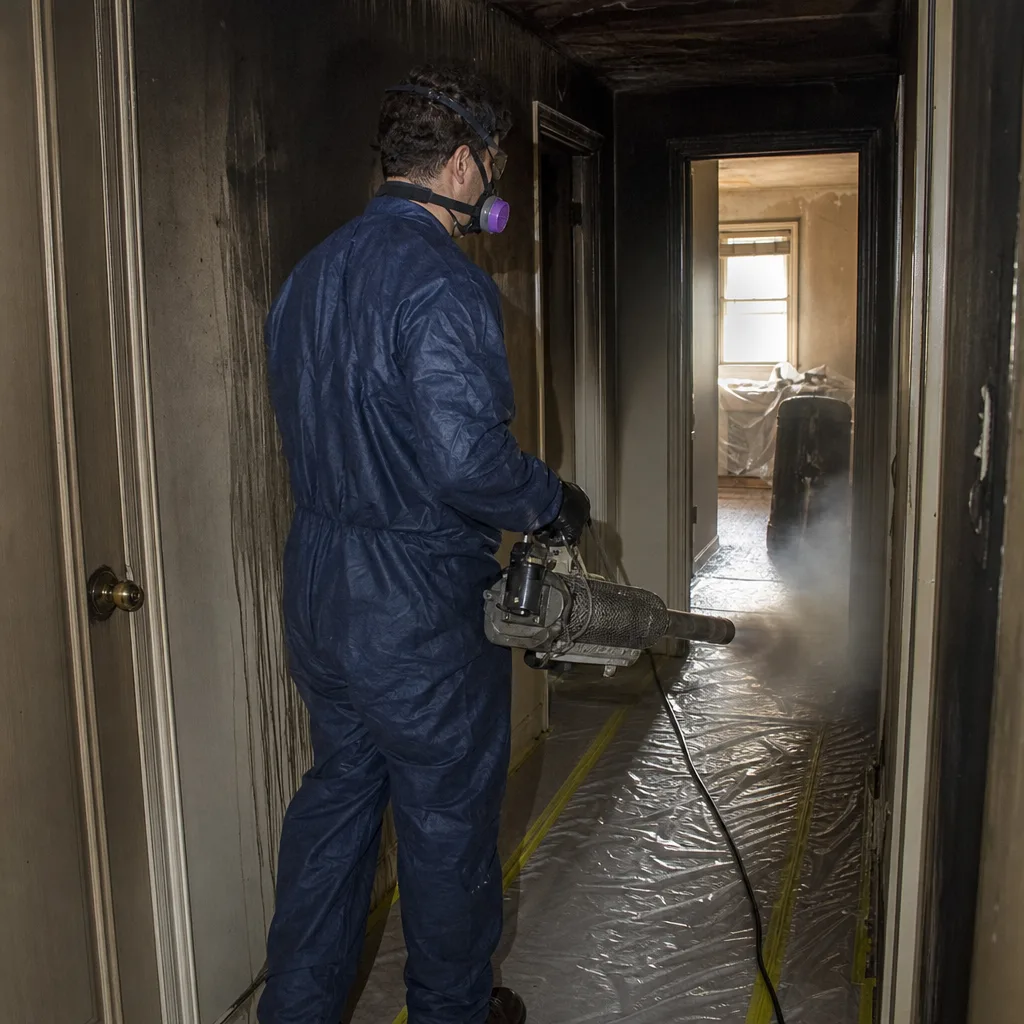
Toilet Overflow Cleanup
Toilet overflows are category 3 even when the water looks clear, because the source is below the trap. We treat every toilet overflow in Rock Ridge as black water, which means removing pad and sanitizing the slab, not just drying the carpet.
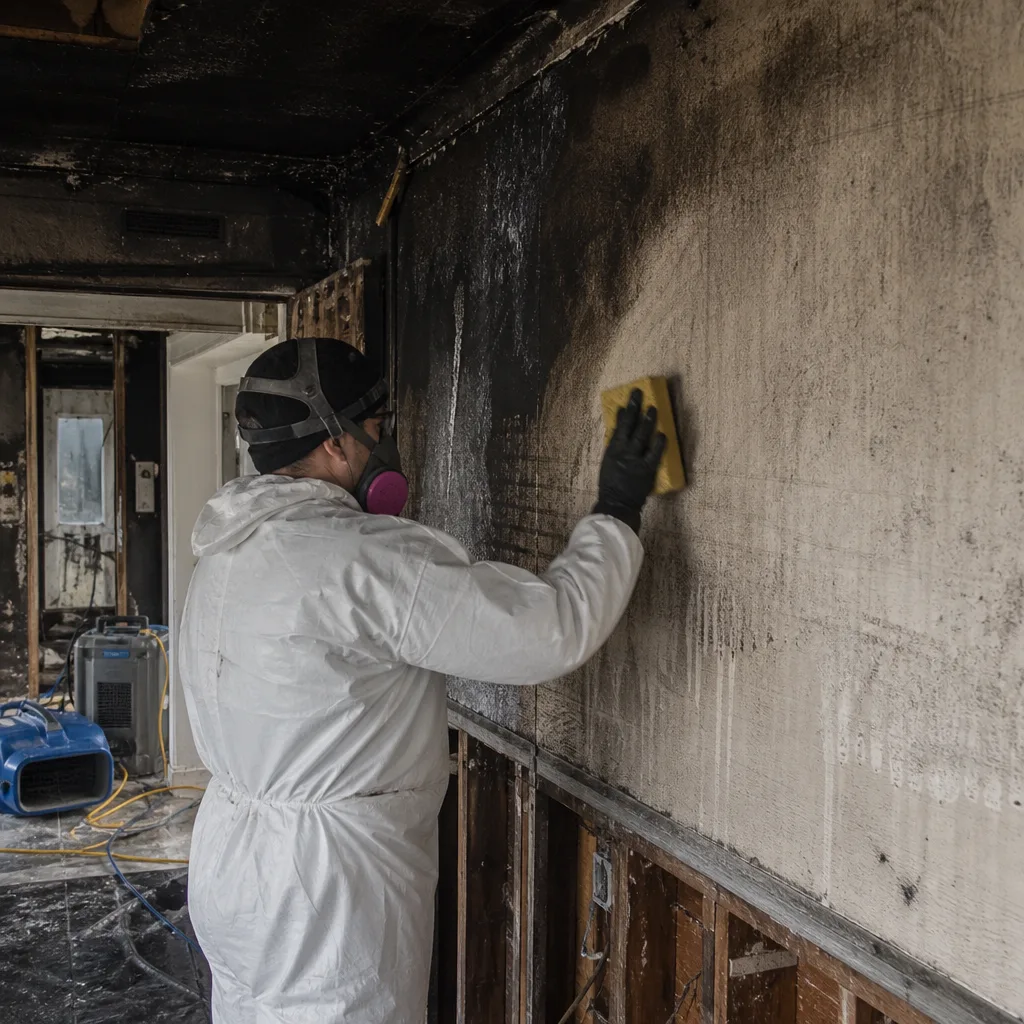
Septic Failure Cleanup
When a Rock Ridge septic field goes hydraulic, effluent surfaces in basements and shower pans. We work with your septic contractor to pump the tank, then handle the interior extraction, drying, and full sanitization so the house side of the failure is handled correctly.
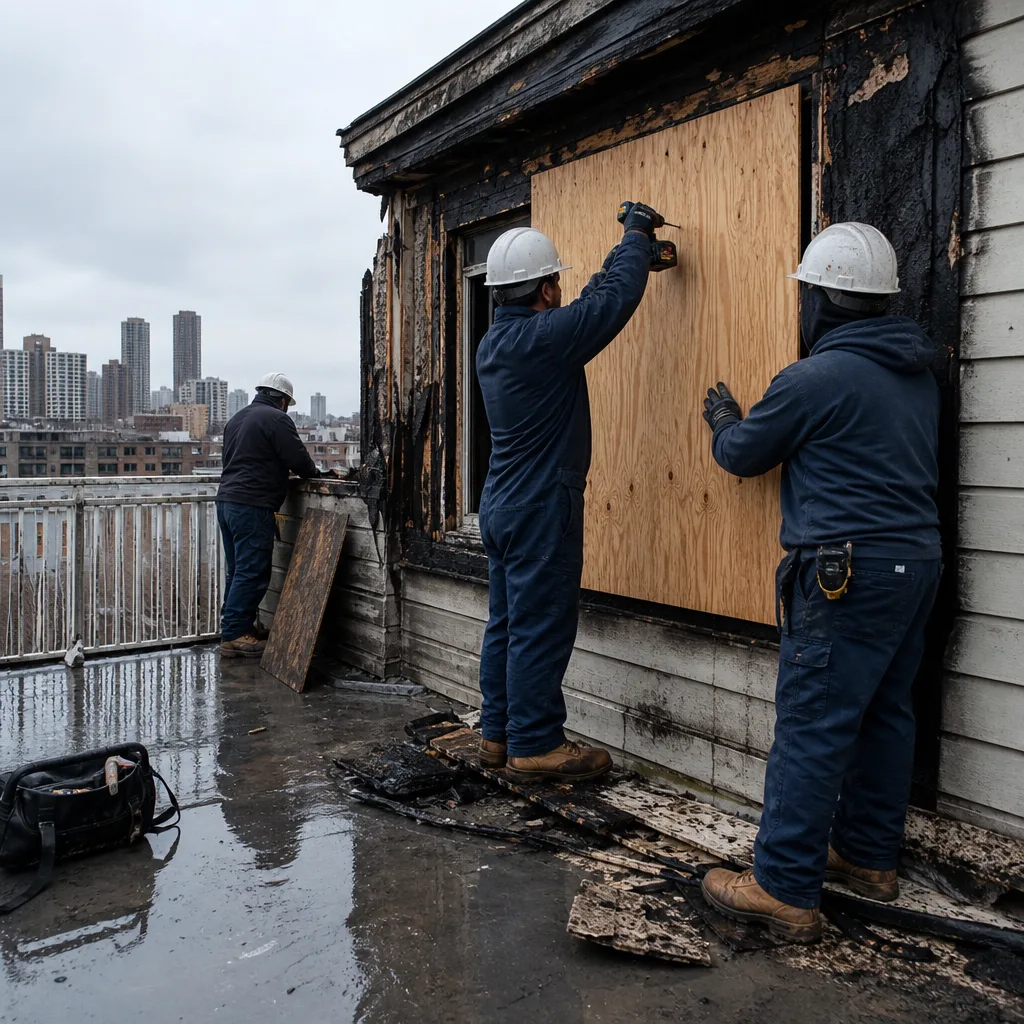
Black Water Extraction
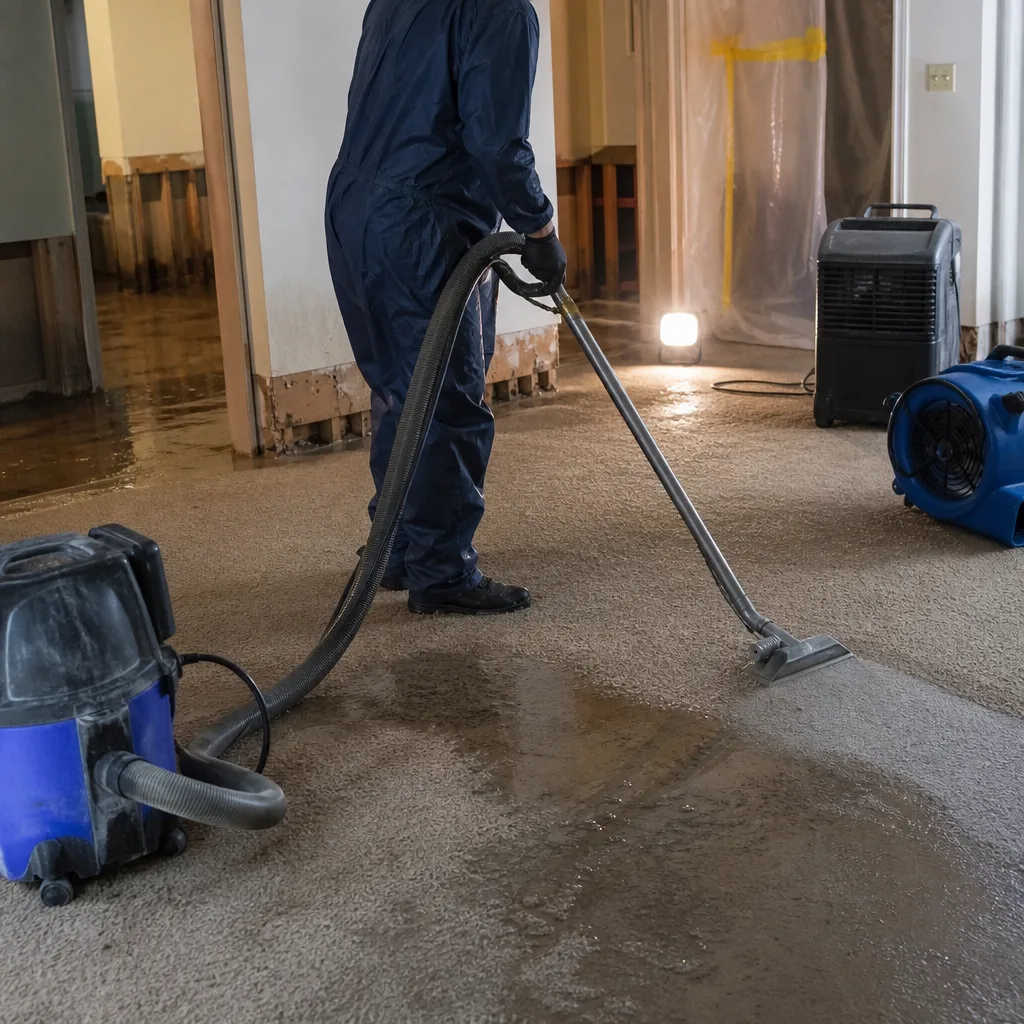
Black water extraction isn’t a mop job. We use truck-mounted equipment for standing sewage, then follow with pump sleds and extractors for what’s trapped behind baseboards and under tubs.
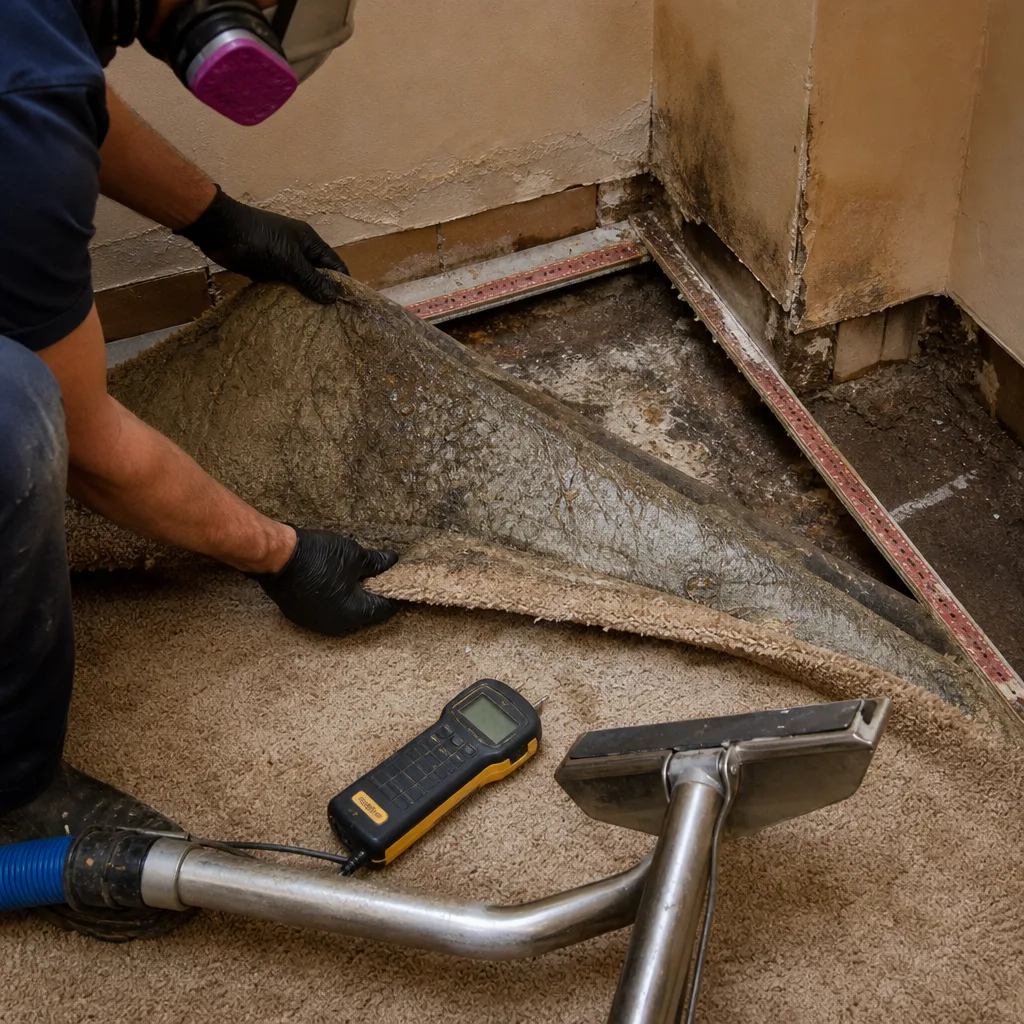
Sanitization & Disinfection
Every sewage job in Rock Ridge ends with a full antimicrobial treatment, not a spray-and-walk. We clean studs, sills, and subfloor sheathing, then test with ATP meters before we close the walls.
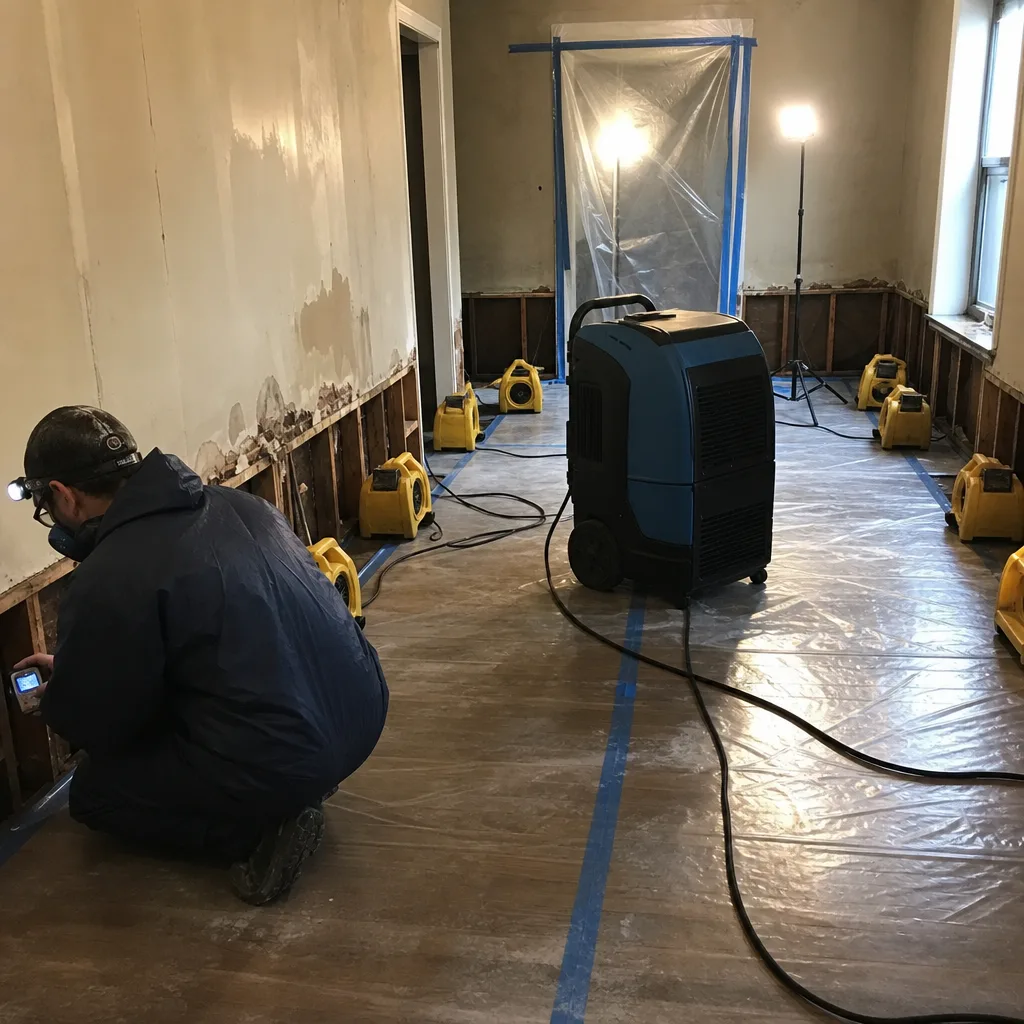
Crawl Space Sewage Removal
Crawl spaces hide the worst sewage failures. We remove contaminated insulation and vapor barrier, treat the framing and soil, and dry the space with Dri-Eaz desiccant dehumidifiers so the odor stays gone.
What happens when you call
- 1
A real person answersNo phone trees - you reach a local pro.
- 2
You get an upfront price rangeHonest numbers before anyone is dispatched.
- 3
A background-checked tech heads outLicensed & insured, dispatched right away.
- 4
You approve before work beginsNothing starts until you say go.
Sewage Cleanup Costs in Rock Ridge, CT
Sewage cleanup in Rock Ridge typically runs between $3,500 and $12,000, depending on how far the category 3 water traveled and what building materials it saturated. A contained basement bathroom overflow might finish around $3,500 to $5,000. A septic failure that sends black water across a finished basement with drywall removal, full sanitization, and rebuild often lands between $8,000 and $12,000. Crawl space sewage removal runs $4,000 to $9,000, with the higher end covering insulation replacement and encapsulation.
What moves the price most in Rock Ridge is what the effluent touched. Porous materials absorb sewage and must come out: carpet pad, unsealed drywall, insulation, MDF baseboard. Non-porous surfaces like concrete and tile can usually be cleaned and dried. Our free visual inspection gives you a written scope with line items before any work begins, and we bill your carrier directly on the same estimate we hand you. Call (917) 924-4221 for a firm number on your situation.
We Also Serve Cities Near Rock Ridge
Floodline Restoration Co. of Manhattan handles Sewage Cleanup calls across Fairfield County and the surrounding towns, including Byram, Glenville, Greenwich, and Indian Field. Same 45-minute response commitment and the same Rock Ridge standard of written scopes and direct insurance billing wherever you call from.
Serving Rock Ridge, CT - Our Local Coverage Area
We’re based in the Rock Ridge area and know this community well. Use the map below to see our service coverage - if you’re nearby, we can almost certainly help.
Rock Ridge Sewage Cleanup Questions, Answered
How fast can Floodline Restoration Co. get a crew to a Rock Ridge, CT home for a sewage backup?
We commit to 45-minute response to Rock Ridge addresses, 24 hours a day, with a live dispatcher answering every call and a crew dispatched from the Hartford office the moment you hang up. The sooner we set containment, the less demolition you’re looking at.
Does a septic failure in Rock Ridge always mean the basement floor and drywall have to be replaced?
No. Concrete and tile are typically salvageable with proper extraction, cleaning, and antimicrobial treatment. Drywall, pad, and insulation are porous and absorb category 3 water, so those come out. Our moisture readings tell us exactly what’s restorable, and we show you those readings before cutting.
What makes sewage cleanup different from a regular water damage call in Rock Ridge?
Sewage is category 3 water, which carries pathogens that clean water doesn’t. It requires containment, full sanitization of framing and subfloor, HEPA air filtration, and treating every surface the water touched as contaminated. A regular drying job just doesn’t apply here.
Can you handle a sewage backup in a crawl space under an older Rock Ridge home?
Yes. We remove the contaminated insulation and vapor barrier, treat the joists and subfloor from below, dry the space with Dri-Eaz dehumidifiers, and sanitize the soil surface. Many Rock Ridge crawl spaces we see then benefit from encapsulation, which we handle as part of the rebuild.
Will my insurance cover sewage cleanup in Rock Ridge if the backup came from a septic failure?
Most standard policies cover sudden and accidental sewage backups, though septic field failures sometimes require a backup endorsement or a separate rider. We document everything and bill your carrier directly, so you get a straight picture of what’s covered before the work starts.
How long does sewage cleanup and drying take in a Rock Ridge home?
Extraction and sanitization happen the first day. Drying typically runs three to five days with daily moisture readings, and the rebuild follows based on what we removed. A contained bathroom overflow might be fully restored in under a week. A septic failure across a finished basement stretches longer.
Can we stay in our Rock Ridge home during sewage cleanup?
That depends on how much of the house we have to contain. A single basement area with negative air pressure and HEPA scrubbing often lets you stay upstairs. A whole-floor loss with sewage in the HVAC return might mean a few nights elsewhere. We’ll tell you plainly on the first visit.
What should I do in the first 30 minutes after a sewage backup in Rock Ridge?
Turn off the water at the fixture if you can, keep everyone and every pet out of the affected area, and call (917) 924-4221. Do not run fans or the central air, because that spreads contaminated air through the house. The faster we set containment, the smaller the tear-out.
Written by Curt Bowman, Owner at Floodline Restoration Co. of Manhattan, serving Rock Ridge and Fairfield County with sewage cleanup and full restoration services.