

Free visual inspection and a written scope of work before any mitigation begins - photos, moisture readings, and drying logs go in your claim file
The scope we write is the scope we bill. Anything new gets shown to you, in writing, before we touch it.






 Before
 After
After Before
 After
After Before
 After
After24/7 Emergency Sewage Cleanup in University Gardens
Sewage backup in University Gardens typically costs $850 to $4,200 to clean up and is usually started the same day you call, often within the hour. Category 3 water carries bacteria, viruses, and parasites that make a home unsafe within 24 to 48 hours. We answer the phone live at (917) 924-4221, 24 hours a day, and a certified crew is dispatched to University Gardens the moment you hang up. The first hour decides whether original oak flooring can be saved or must be pulled.
What we do in that first hour is map the water, contain the contamination, and stop the spread before it reaches a plaster wall cavity or a finished basement stair. In a village where homes date to the 1920s and 1930s, sewage damage moves differently than it does in a modern drywall house. We know where it hides here, and we go after it the same visit.
Understanding Sewage Cleanup Severity in University Gardens Properties
Sewage backup is Category 3 water, the most dangerous of the three IICRC classifications. Category 1 is clean water from a supply line. Category 2 is gray water from a washing machine or a sink, carrying some contaminants. Category 3 is sewage from a toilet, a septic failure, or a city main backup, and it carries pathogens including E. coli, Salmonella, Hepatitis A, and Norovirus. In a house with plaster-and-lath walls, that category distinction matters even more than usual. Plaster wicks water differently than drywall. It draws moisture into the lath, which holds it against the framing, and the original wallpaper or lime finish can look dry for days while the back side is rotting.
University Gardens homes were built between the 1920s and 1950s as custom residences. The plaster walls, custom millwork, and period oak flooring were designed to last a century, and many have. But they were not designed for sewage. When a toilet backs up in a 1930s house on Sunset Road, the water goes where the old construction invites it: under the baseboards, into the wall cavities, and under the quarter-sawn oak where the tongue and groove is worn thin after ninety years. Moisture mapping is not optional here. We use hygrometers and thermal imaging to trace water that is invisible to the eye, because missing it means destroying a plaster profile most contractors cannot restore.
Why University Gardens Property Owners Choose Floodline Restoration Co. of Manhattan
- 45-minute response commitment: our University Gardens dispatch board moves crews the moment you call, and we give you a real arrival window, not “sometime today.”
- 24/7 live answer, a real person: when your toilet overflows at 2 a.m., a live dispatcher picks up at (917) 924-4221. You will never hear a recording or leave a voicemail.
- IICRC-certified crews: our technicians hold WRT and ASD certifications, and the sewage work is handled by crews trained to handle Category 3 water without cross-contaminating your house.
- Free visual inspection: before any work starts, we walk the affected area with you, explain what we’re seeing, and give you a written scope. No pressure, no obligation.
- Direct insurance billing: we bill your carrier directly and send photos, moisture readings, and a line-item scope so you’re not playing messenger between our crew and the adjuster.
- One team from extraction to reconstruction: the same uniformed, background-checked crew that extracts the sewage handles the plaster repair, millwork matching, and floor restoration. No mid-job handoff.
Our Sewage Cleanup Process
Inspection & Assessment
We start with a visual inspection and moisture mapping across the affected area. In University Gardens homes, that means checking plaster walls, original flooring, and the spaces behind baseboards where sewage likes to hide.
Extraction & Stabilization
We extract standing water and sewage using truck-mounted Dri-Eaz extraction units. Then we stabilize the area to stop category 3 water from advancing into dry zones. Containment goes up before blowers go on.
Drying & Dehumidification
Phoenix dehumidifiers and XPOWER air movers dry plaster-and-lath cavities and subfloor spaces without blasting contaminated air through your home. Daily moisture readings are logged until we hit the dry standard.
Cleaning & Sanitization
Every contaminated surface is treated with an EPA-registered antimicrobial. That includes the lath behind plaster, the subfloor under oak, and any millwork that absorbed sewage moisture. We log the treatment for your insurer.
Plaster & Millwork Preservation
Where plaster must be removed, we cut clean lines and our plasterer matches the original lime finish and millwork profile. This is the step that separates a University Gardens restoration from a North Shore tract job.
Repairs & Restoration
We rebuild what was removed: plaster, trim, flooring, baseboards. Not with off-the-shelf drywall and MDF, but with materials that match the original house. The final walk-through is when we hand you the moisture log, the scope, and the 90-Day Done Right Promise in writing.
Need Emergency Sewage Cleanup in University Gardens Now?
Crews minutes away, answering live 24 hours a day. The sooner we start, the less it costs.
Working With Your Insurance Company
Sewage backup claims in University Gardens are usually covered when the loss is sudden and accidental, but the insurance company will ask for evidence: photos, moisture readings, a line-item scope. We build that file from the first hour. Our technicians photograph every affected room before they touch anything. They log moisture readings daily until the dry standard is met. And when your adjuster calls, we speak to them directly, in their language, with numbers and documentation. You don’t carry messages between our crew and the carrier. Floodline Restoration Co. of Manhattan has handled thousands of Category 3 water claims, and we know what insurers in Nassau County need to see to approve payment. The 90-Day Done Right Promise means if something was missed, we come back and make it right at no charge. No paperwork fight, no arguing, no fine print.
What We Provide Your Insurer
- Thorough documentation of the loss
- Photos of all damage, room by room
- Moisture readings and drying logs
- A detailed, line-item scope of work
- Direct coordination with your carrier
Built for University Gardens’s Loss Calendar
Sewage cleanup in University Gardens is not evenly distributed through the year. January and February bring deep freezes that crack aging cast iron and galvanized drain lines, and the first sign is usually a backed-up toilet or a slow-draining shower. March and April bring snowmelt and heavy nor’easter rain, which overwhelms older sewer laterals and sends sewage back into basements and crawl spaces. Summer thunderstorms dump an inch of rain in an hour onto small lots with mature tree roots wrapped through the old clay sewer pipes, and every burst root intrusion is a Category 3 event waiting for the next heavy rain. Fall brings the leaf load, and with it, blockages in old traps and dry wells.
What makes University Gardens different from nearby Fairview or East Bronx is the age of the plumbing and the value of the surfaces it floods. A backup that might be a $1,500 drywall-and-paint job in newer construction becomes a $4,000 to $8,000 restoration here, because the plaster must be matched, the oak floor must be dried in place, and the millwork must survive. We plan for that before the first cut.
Sewage Cleanup Across University Gardens’s Neighborhoods
The streets between Clover Drive and Magnolia Lane hold some of the earliest custom homes in the village, and those 1920s-era houses have the deepest plaster profiles and the oldest clay sewer lines. Over on the Sunrise Drive corridor, where lots run narrow and driveways come tight against the foundation, sewage backups often enter through floor drains in finished basements, and the water works into the oak flooring from below. Up near the Great Neck boundary, where the houses turn toward the 1950s era, the plumbing is often early copper with galvanized drain lines, and we see pinhole fractures at the joints during freeze-thaw cycles. The small roads off of Colonial Avenue, with their mature canopy from the 1930s development era, are where tree roots do the same work underground that the branches do above: old clay pipes get crushed, and the backup happens when the sewer line can’t clear the root mass.
None of these are drywall-and-carpet houses. When we respond to Sewage Cleanup in University Gardens, we’re working in homes where the interior was built with hand-finished plaster, custom trim profiles, and hardwood that cannot be replaced with modern material. The crew that shows up has to understand both the IICRC standard and the preservation standard. We send crews who do.
Specialized Sewage Cleanup Services We Offer in University Gardens
Sewage Backup Cleanup
When a sewer lateral or main backs up in University Gardens, the water enters through floor drains, toilets, and tubs. We set containment first, then extract and sanitize. The plaster walls get moisture-mapped, not guessed at.
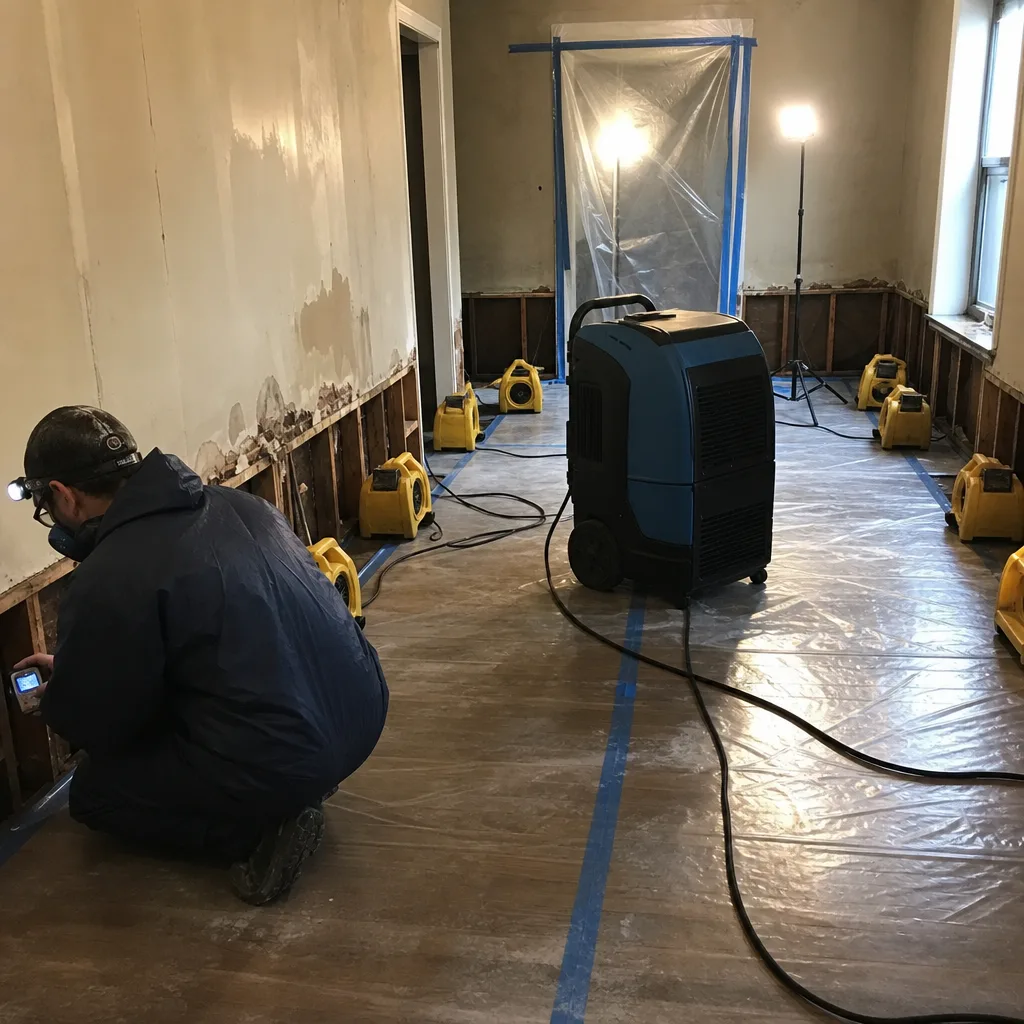
Toilet Overflow Cleanup
A toilet overflow is the most common sewage event we see in University Gardens. The water crosses original oak, wicks behind the baseboard, and sits in the wall cavity. We remove the affected plaster in clean lines, treat the lath, and restore the finish so the repair disappears.
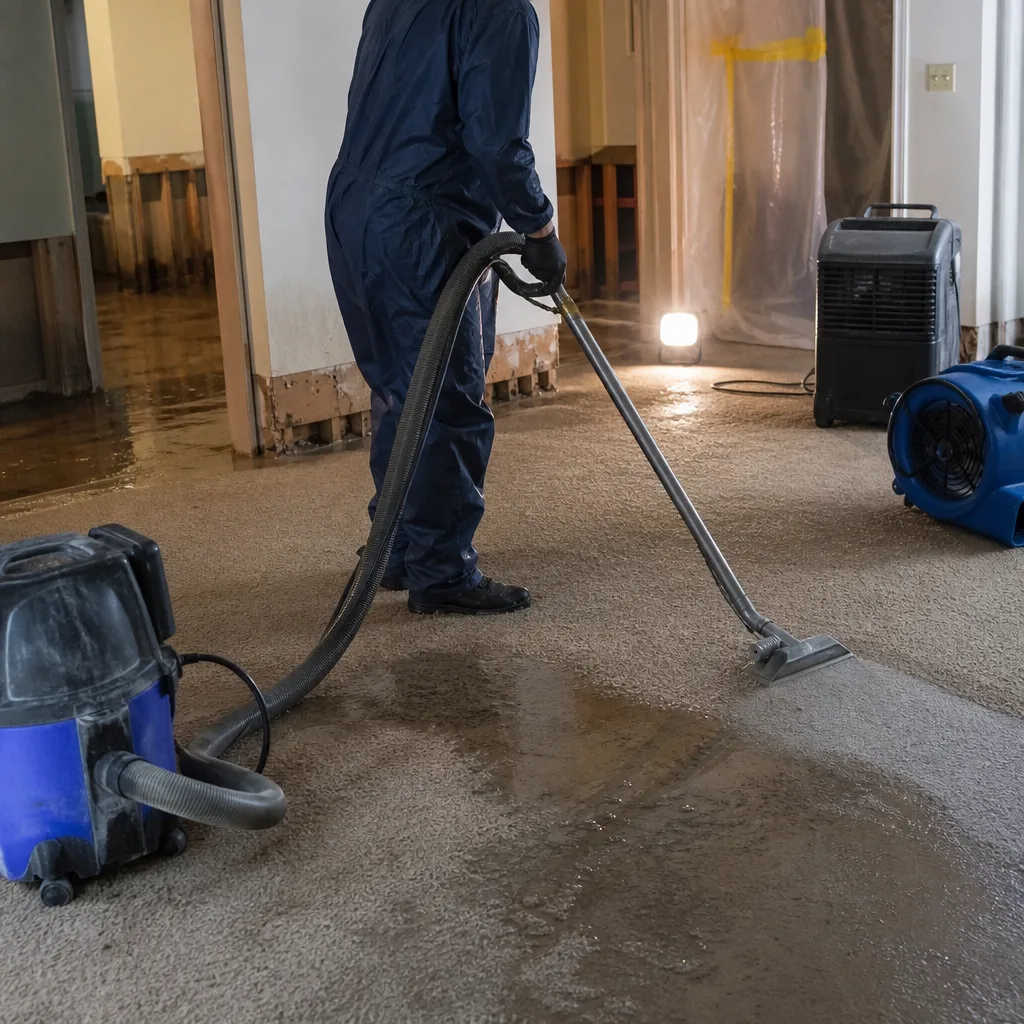
Septic Failure Cleanup
Older homes in this village still have septic systems, and when a leach field fails, the sewage can surface in the yard or back into the basement. We coordinate with a local septic contractor, handle the containment and decontamination, and restore the interior surfaces.
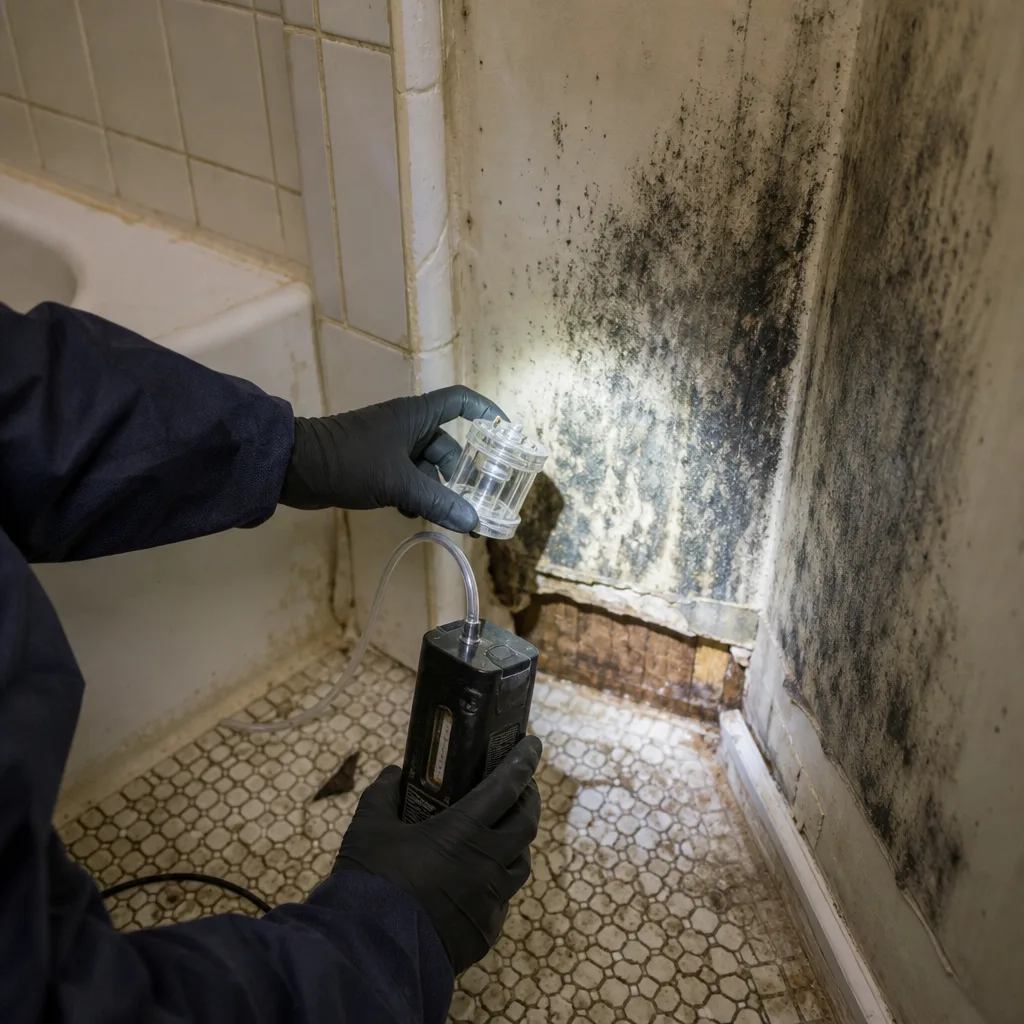
Black Water Extraction
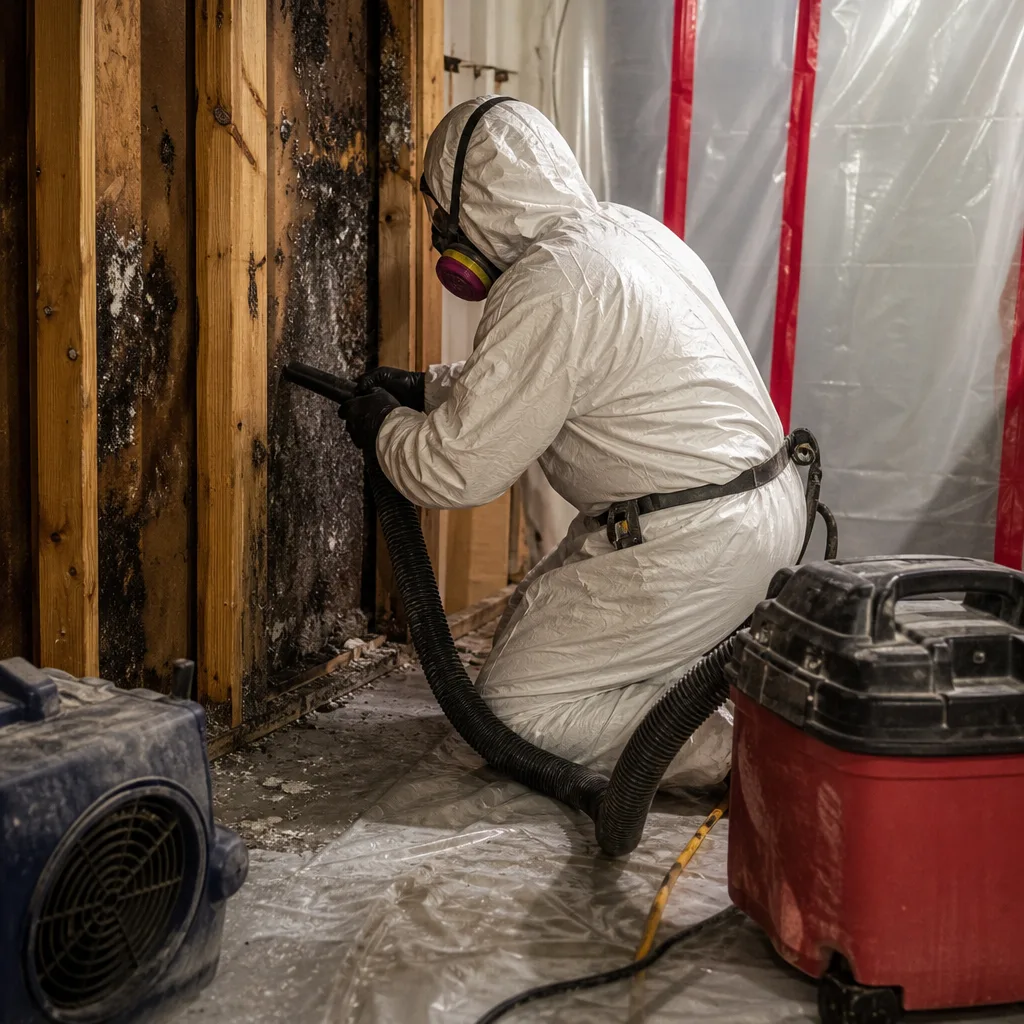
We extract black water with truck-mounted Dri-Eaz equipment, not a rented shop vac. The extraction is performed inside containment so sewage aerosols don’t migrate through original HVAC returns into clean rooms.
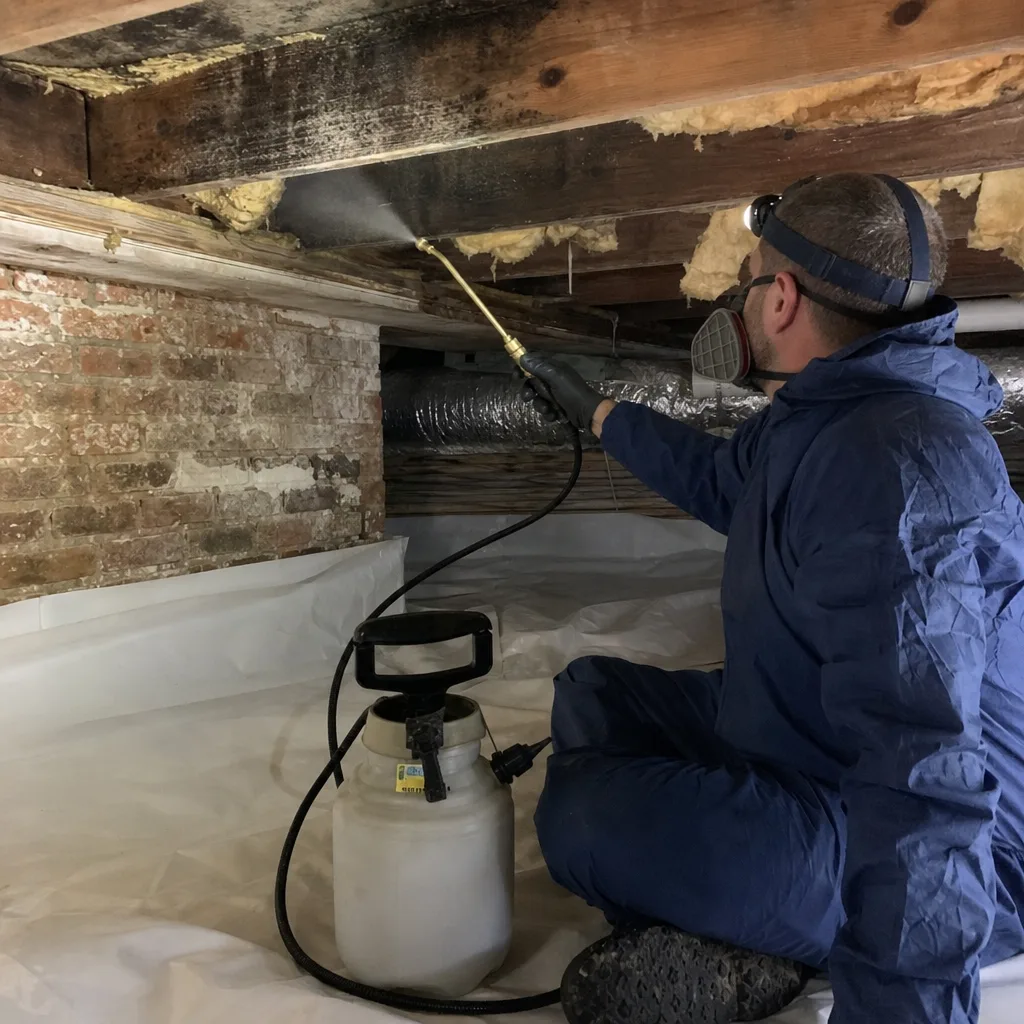
Sanitization & Disinfection
After the water is gone, we treat every affected surface, including the lath behind the plaster and the subfloor under the oak, with an EPA-registered antimicrobial. We log the application. If your adjuster asks for proof, we hand them the log.
What happens when you call
- 1
A real person answersNo phone trees - you reach a local pro.
- 2
You get an upfront price rangeHonest numbers before anyone is dispatched.
- 3
A background-checked tech heads outLicensed & insured, dispatched right away.
- 4
You approve before work beginsNothing starts until you say go.
Sewage Cleanup Costs in University Gardens, NY
A small toilet overflow contained to a bathroom in University Gardens typically runs $850 to $1,800. A sewer backup that floods a finished basement and wicks into plaster walls is generally $2,800 to $4,200 in this market. Full restoration that includes plaster matching, millwork work, and oak floor drying can push the total to $6,000 to $12,000 depending on room count, finish level, and whether the event involved the crawl space. What moves the price is the surface being restored: drywall is generic and cheap, but a 1930s lime plaster wall with a custom cove profile and original trim is preservation work, and it is priced accordingly. Most homeowners in University Gardens carry sewer backup coverage as an endorsement, and we bill the carrier directly. The free visual inspection gives you a written scope before any work is authorized, so you know the number before the saw starts. Call (917) 924-4221 for a free estimate.
We Also Serve Cities Near University Gardens
Floodline Restoration Co. of Manhattan provides Sewage Cleanup in University Gardens and surrounding North Shore communities including Fairview, Harrison, East Bronx, and Hunts Point. Our crews are already in the area, so response times are measured in minutes, not hours.
University Gardens Sewage Cleanup Questions, Answered
How do you remove sewage from a plaster-and-lath wall in a 1930s University Gardens home without destroying the original plaster?
We cut a clean line along the affected area, remove only what is saturated or contaminated, treat the exposed lath and framing with antimicrobial, and dry the cavity with XPOWER air movers and a Phoenix dehumidifier. Then our plasterer patches with a lime-based finish matched to the original profile and texture. The key is not over-cutting, and not drying with enough heat to crack the original plaster adjoining the patch. That takes a crew that understands both IICRC standards and historic plaster, which most restoration companies don’t. Call (917) 924-4221 to get our crew on site.
What does category 3 water mean for the original oak flooring in my University Gardens house after a sewer backup?
Category 3 water means the oak and the subfloor beneath are contaminated with sewage pathogens. The wood can sometimes be saved by extracting, sanitizing, and drying in place with a Dri-Eaz truck mount and contained air movement, but the topmost concern is that sewage trapped between oak and subfloor rots the tongue and groove within days. We take moisture readings through the floor, not just on top of it. If the oak can be dried, we dry it. If it cannot, we remove only the affected boards and match the new stock to the original species, width, and stain. Call (917) 924-4221 for a free inspection.
Will my toilet overflow cleanup disturb the original millwork in my University Gardens home?
It doesn’t have to. We remove baseboards and trim only where sewage reached behind them, and when we do, we number and label each piece so it goes back in the same spot. If a piece is too damaged to reinstall, our millwork person matches the original profile and wood species. A standard restoration crew will cut the trim off and throw it in the dumpster. We treat it like it belongs to a house this old, because it does. Call (917) 924-4221 to talk it through before any walls are opened.
How do you handle sewage contamination in a University Gardens crawl space without pulling contaminated air into the house?
We build a containment bubble around the crawl space entrance and run negative air pressure, so airborne sewage particles are pulled out through a HEPA scrubber, not up into your living space. Extraction is done inside that containment, and the contaminated soil is either removed or treated in place. The homes in this village sit close together, with crawl spaces built into the 1930s foundation work, and those spaces often connect to unfinished basement bays. We seal the route before anyone enters. Call (917) 924-4221 for a free visual inspection.
Why do University Gardens homes with original galvanized plumbing keep getting toilet backups?
Original galvanized drain lines build mineral scale on the inside over decades, and the inside diameter shrinks until a normal flush can’t clear the pipe. The problem is slow and recurring until the line is replaced or jetted. What we see in University Gardens homes is that the first backup is dismissed as a one-time clog, and the second one happens a month later, usually at 11 p.m. On a 1930s drain with ninety years of scale, the corrective work is mechanical: clean the line, camera it, and replace the worst sections. We handle the restoration side, and we coordinate with a licensed plumber for the line itself. Call (917) 924-4221 to talk about what’s behind your last backup.
How fast can you actually get to a sewage backup in University Gardens?
Our commitment is 45 minutes from your call to a crew at your door in University Gardens, and often faster. Dispatch is coordinated from our New York City office, which keeps crews staged on the North Shore during storm seasons. A live person answers at (917) 924-4221, day or night, and gives you the crew’s ETA while you’re still on the phone.
Will my insurance cover sewage cleanup in University Gardens?
Most University Gardens homeowners have sewer backup coverage as an endorsement on their policy, and sudden backups from a city main or a failed line are typically covered. Slow, ongoing seepage that caused mold growth over months is often denied. We document the loss from the first hour, photograph everything, and bill your carrier directly. If a question arises, we talk to the adjuster ourselves. Call (917) 924-4221 and we will help you understand your policy’s sewer language before any work begins.
What should I do in the first 30 minutes after a sewage backup in University Gardens?
Shut off the water to the fixture if the backup is ongoing, close the door to the affected room to limit the spread, and call us at (917) 924-4221 before you touch anything. Do not turn on fans, and do not run a shop vac across it. Those spread sewage aerosols through the original HVAC returns common in 1920s and 1930s University Gardens houses. Keep children and pets out, and wait for our crew. The first 30 minutes set the shape of the whole job.
Serving University Gardens, NY - Our Local Coverage Area
We’re based in the University Gardens area and know this community well. Use the map below to see our service coverage - if you’re nearby, we can almost certainly help.
Contact Floodline Restoration Co. of Manhattan for Sewage Cleanup in University Gardens
When sewage has crossed an original oak floor or settled behind a plaster wall in University Gardens, every hour works against you. We answer live 24/7 at (917) 924-4221, and a certified, background-checked crew is dispatched to your home the same call. The inspection is free, the scope is written before work starts, and the whole job is backed by the 90-Day Done Right Promise. We stand behind it. Call (917) 924-4221 for emergency sewage cleanup in University Gardens.
Written by Curt Bowman, Owner at Floodline Restoration Co. of Manhattan, serving University Gardens and the North Shore since 2010.