
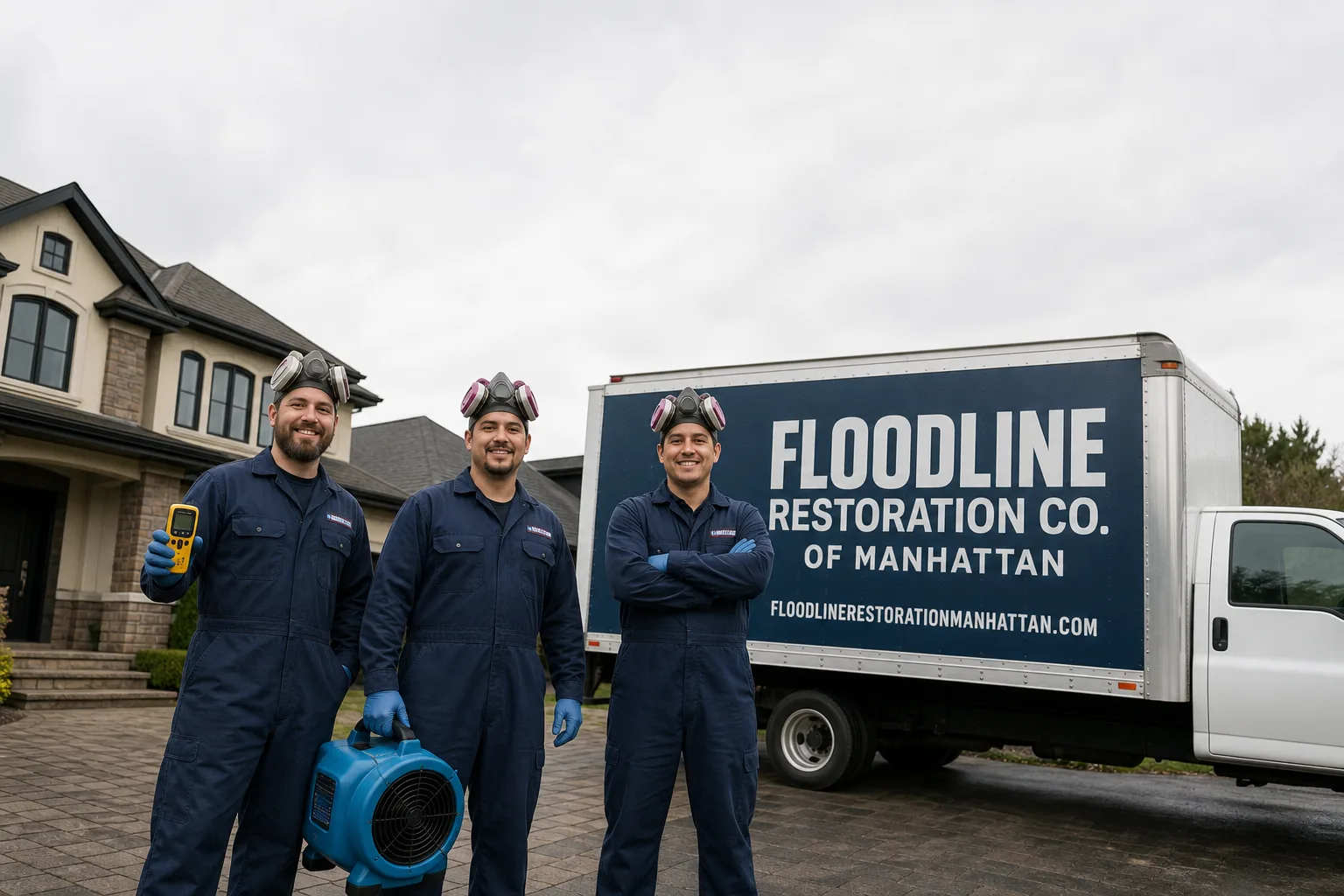
Free visual inspection and a written scope of work before any mitigation begins - photos, moisture readings, and drying logs go in your claim file
The scope we write is the scope we bill. Anything new gets shown to you, in writing, before we touch it.

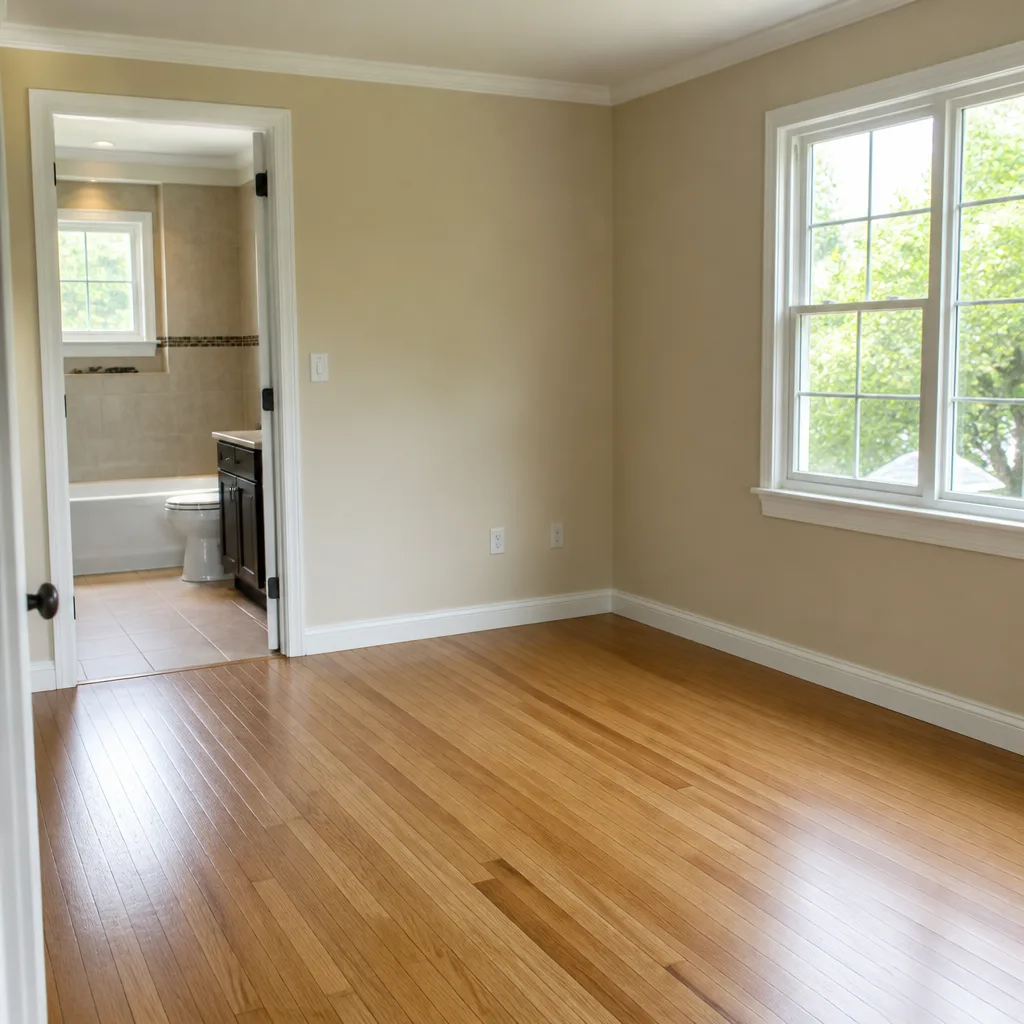
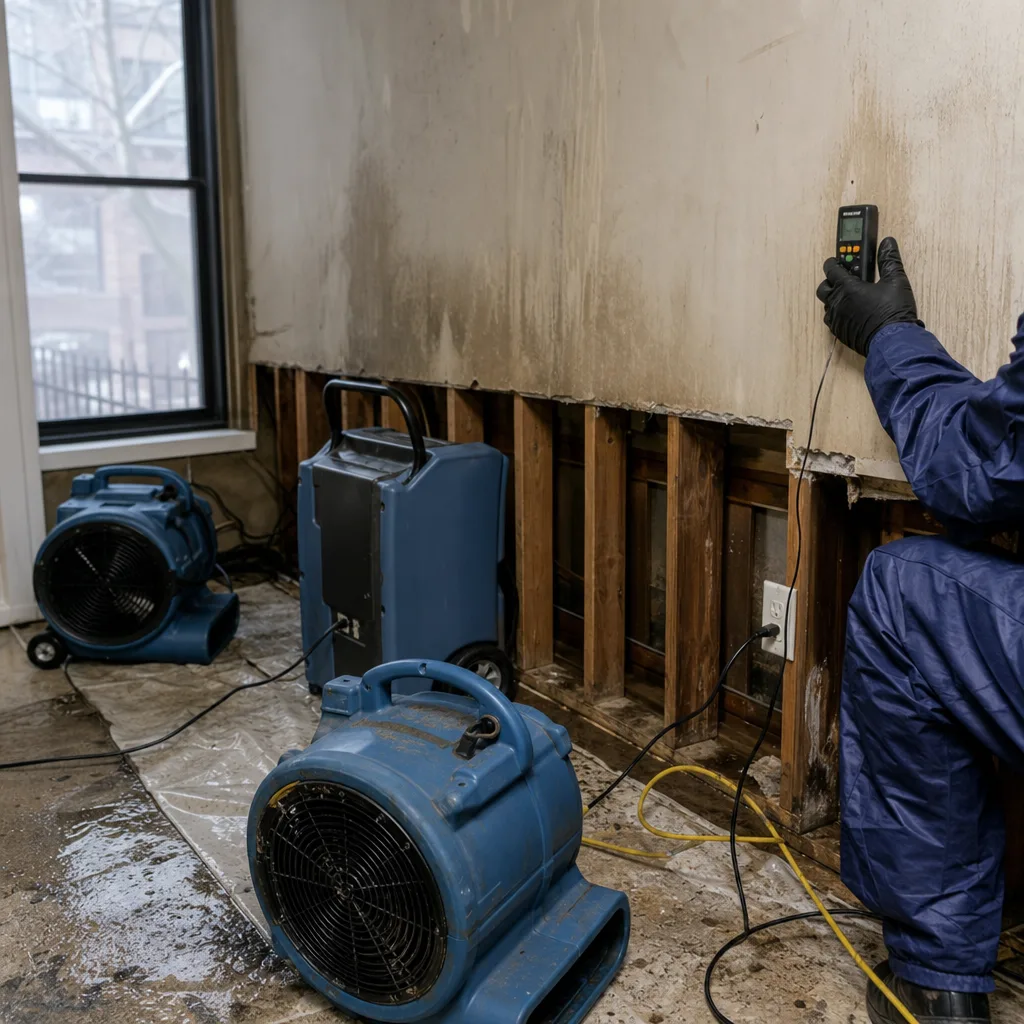 Before
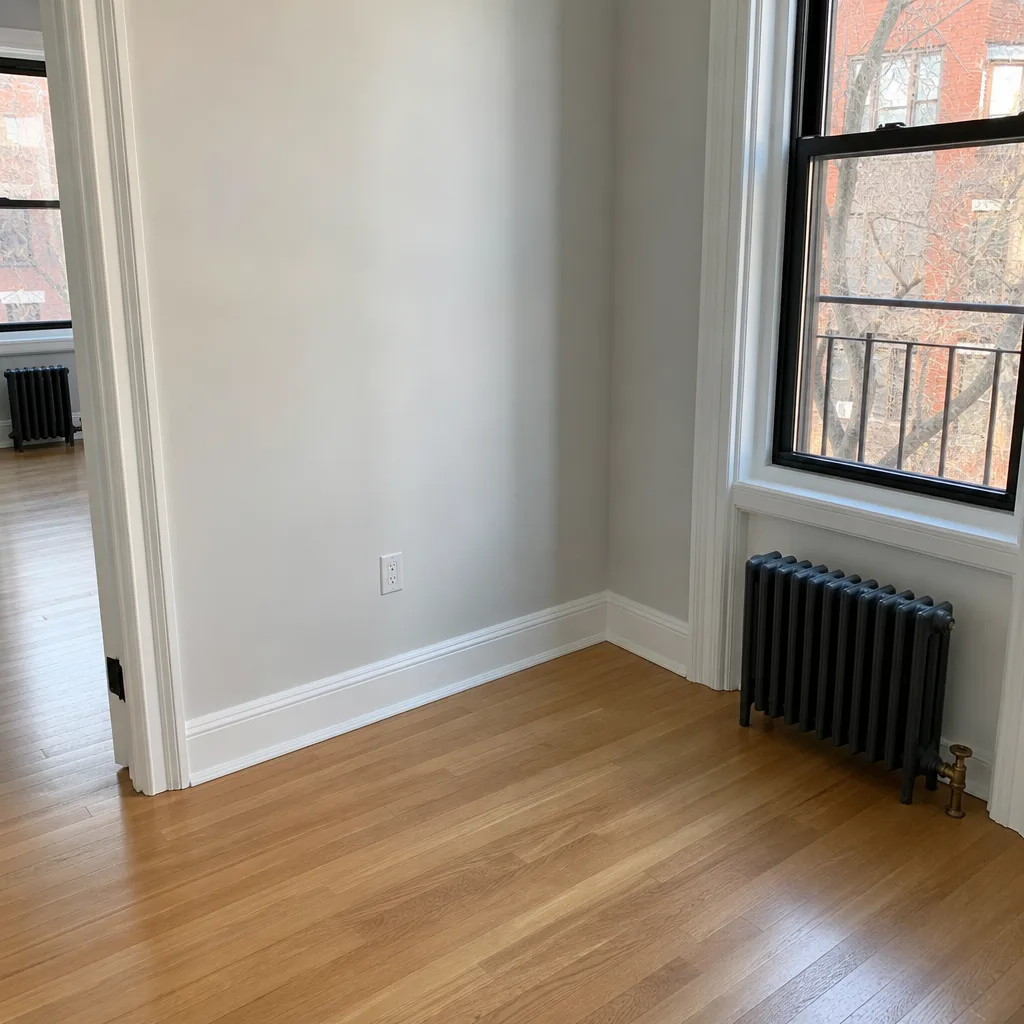 After
After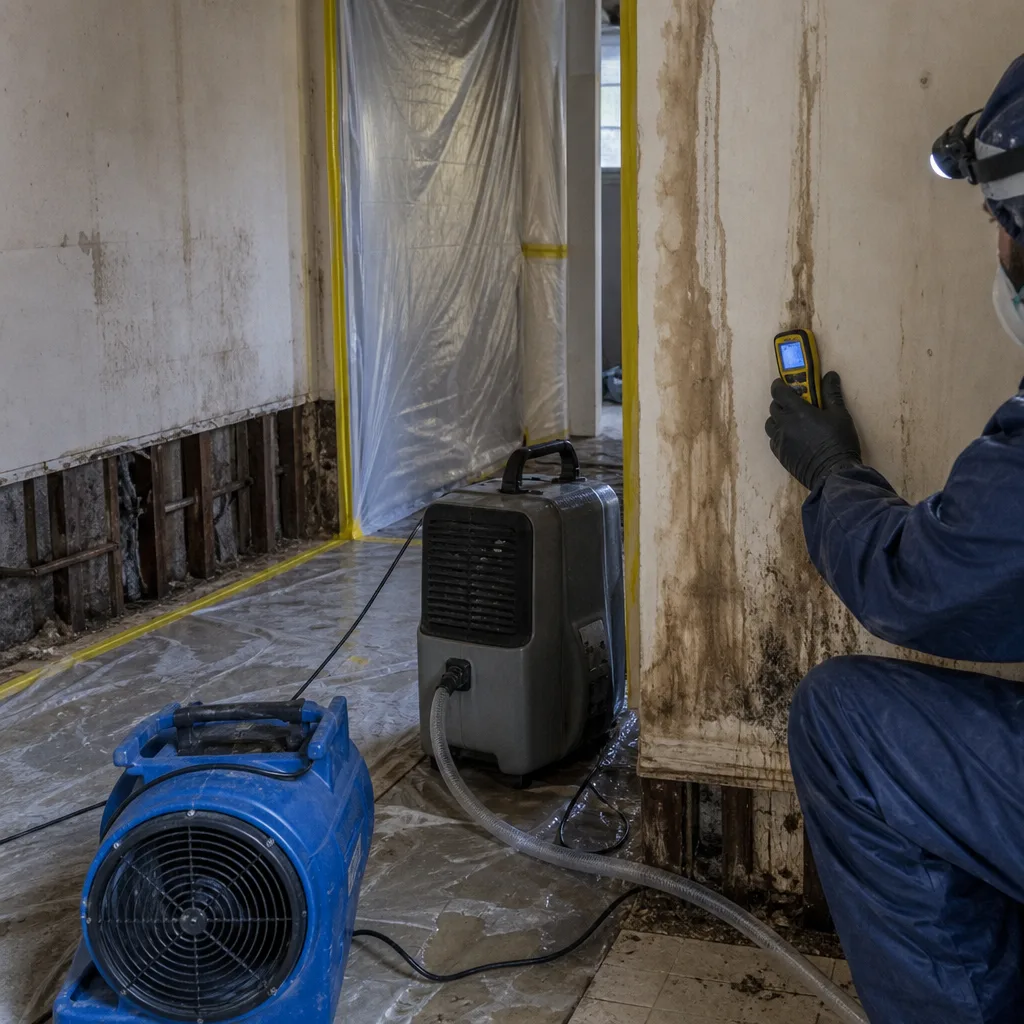 Before
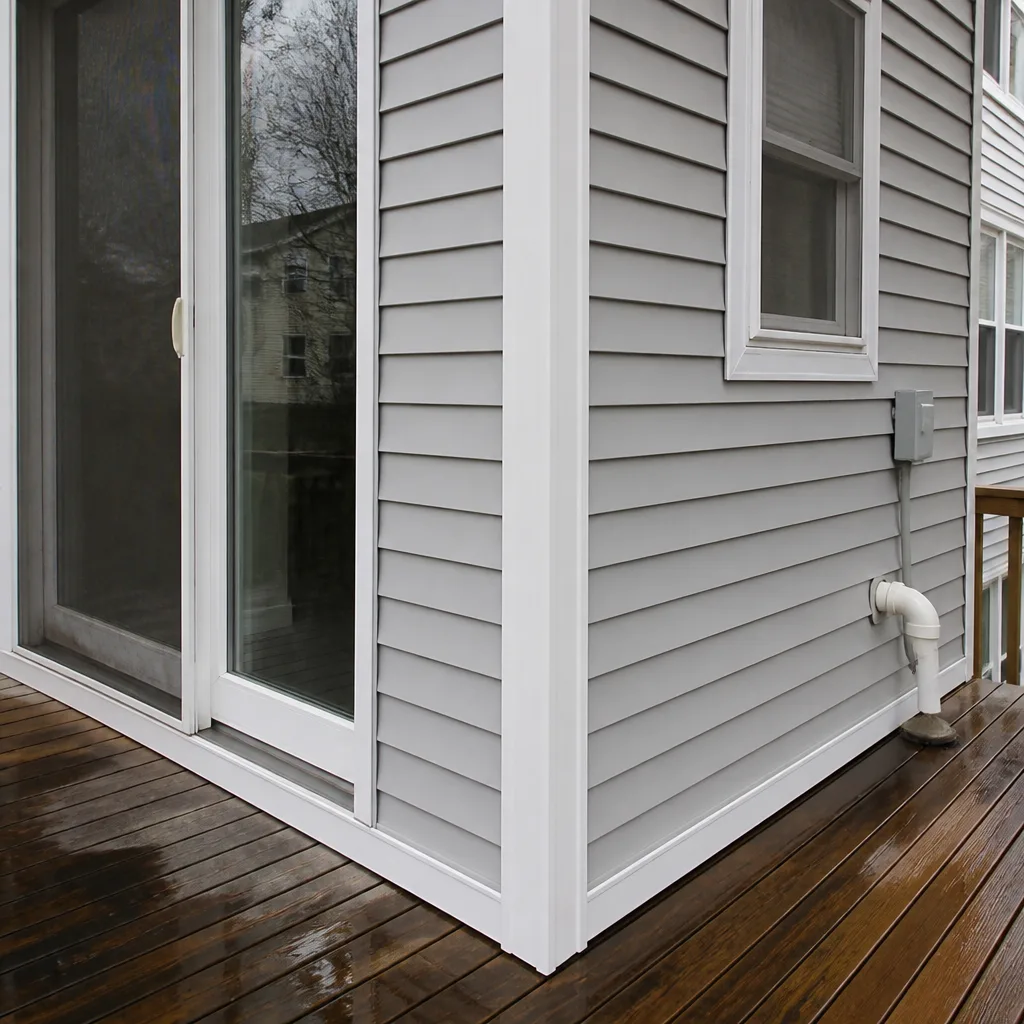 After
After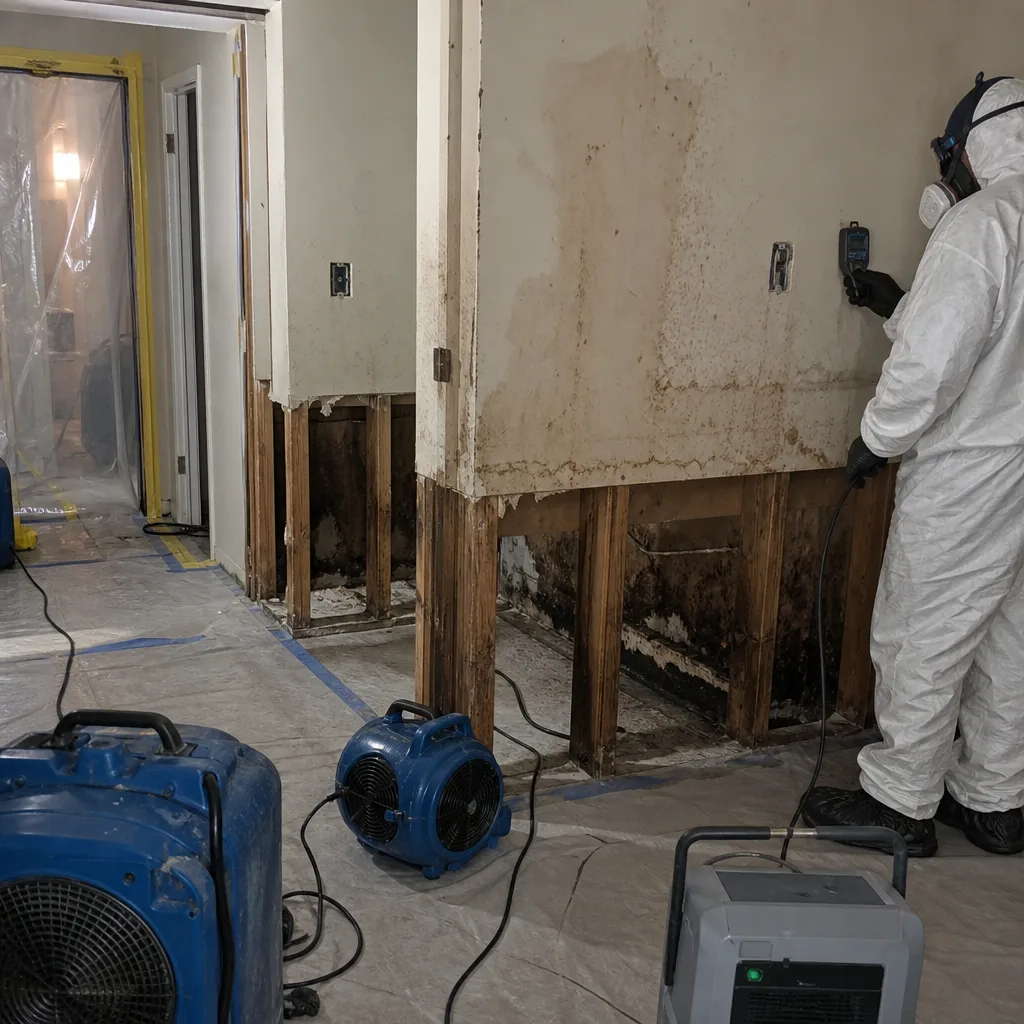 Before
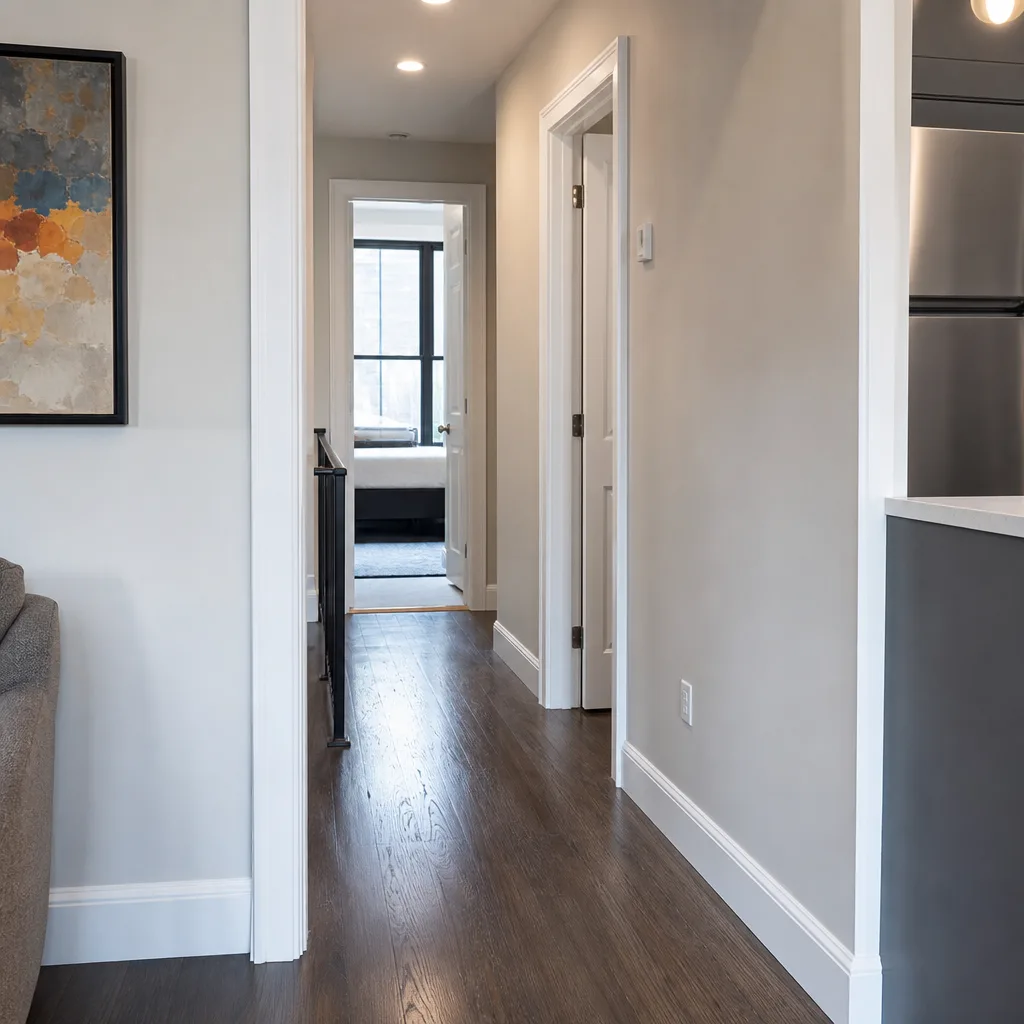 After
After24/7 Emergency Sewage Cleanup in West Haverstraw
When a sewage backup floods a basement on Samsondale Avenue or a toilet overflows in a River Road home at 2 a.m., West Haverstraw homeowners need a crew that answers live and arrives fast. Sewage cleanup in West Haverstraw typically runs $1,800 to $5,600 for a standard Category 3 basement extraction with sanitization, and most jobs start the same visit. Call (917) 924-4221 right now – a live dispatcher picks up, walks you through the first steps, and gets a certified crew rolling toward your street.
Every hour that black water sits in a West Haverstraw basement pushes contamination deeper into porous masonry, drywall, and the clay-heavy soil beneath older foundations. We respond 24 hours a day, 7 days a week. The visual inspection is free, and we hand you a written scope before any work begins.
Understanding Sewage Cleanup Severity in West Haverstraw Properties
Not every sewage backup in West Haverstraw is the same. Restoration crews classify water into three categories. Category 1 is clean water from a supply line. Category 2 carries significant contamination – think washing machine discharge or toilet overflow without solid waste. Category 3 is what we call black water: raw sewage, river surge, or any water that has mixed with feces, pathogens, and chemical contaminants. Most sewage backups in West Haverstraw homes land squarely in Category 3, and that dictates everything downstream.
Here’s where West Haverstraw’s older housing stock makes things harder. The late 19th- and early 20th-century brick-era homes that anchor the village sit on stone or aging brick foundations with almost no waterproofing. The water table sits high because the Hudson River is a few hundred yards east. When a sewage backup soaks those foundation walls, moisture wicks upward through original plaster and hides behind wainscoting for weeks. Mid-century wood-frame singles on Hudson River clay have a different problem: that clay holds water long after the visible mess is gone, stretching structural drying timelines considerably compared to inland Rockland County jobs. We moisture-map every affected surface, log daily readings, and refuse to declare a job dry until the numbers prove it.
Why West Haverstraw Property Owners Choose Floodline Restoration Co. of Manhattan
- 45-minute response commitment. When you call with sewage backing up in West Haverstraw, our dispatcher commits to a crew arrival window right then – and we hit it. For 42 years, local homeowners have held us to that standard.
- A real person answers, 24/7. No phone trees, no “press 1 for emergencies.” A live dispatcher picks up at 3 a.m. and starts coordinating your crew immediately.
- IICRC-certified crews. Our technicians carry WRT and AMRT certifications, so the water damage and microbial remediation work meets the standard your insurer expects. Background-checked and uniformed on every job.
- Free visual inspection. We assess the damage, identify the contamination category, and give you a written scope with pricing before any equipment comes off the truck.
- Direct insurance billing. Floodline bills your carrier directly and coordinates with your adjuster. You don’t play messenger between us and the insurance company.
- One team from extraction to reconstruction. The same certified crew that extracts the sewage is the crew that rebuilds the wall. No mid-job handoff, no inherited strangers walking through your door.
Our Sewage Cleanup Process
Inspection & Assessment
We trace the sewage source, classify the contamination category, and check for the brackish tidal signature that West Haverstraw riverfront homes often show. Thermal imaging helps us see moisture behind walls and under flooring before we open anything up.
Extraction & Stabilization
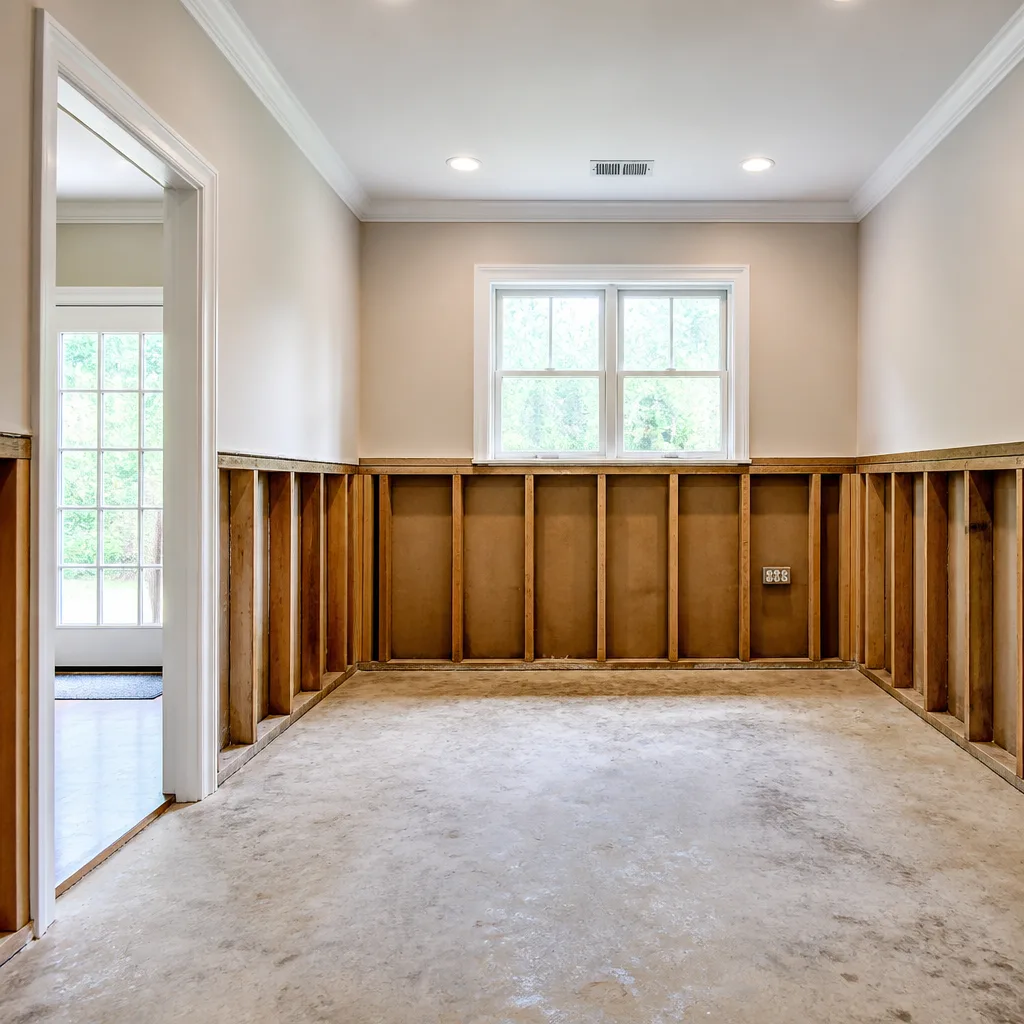
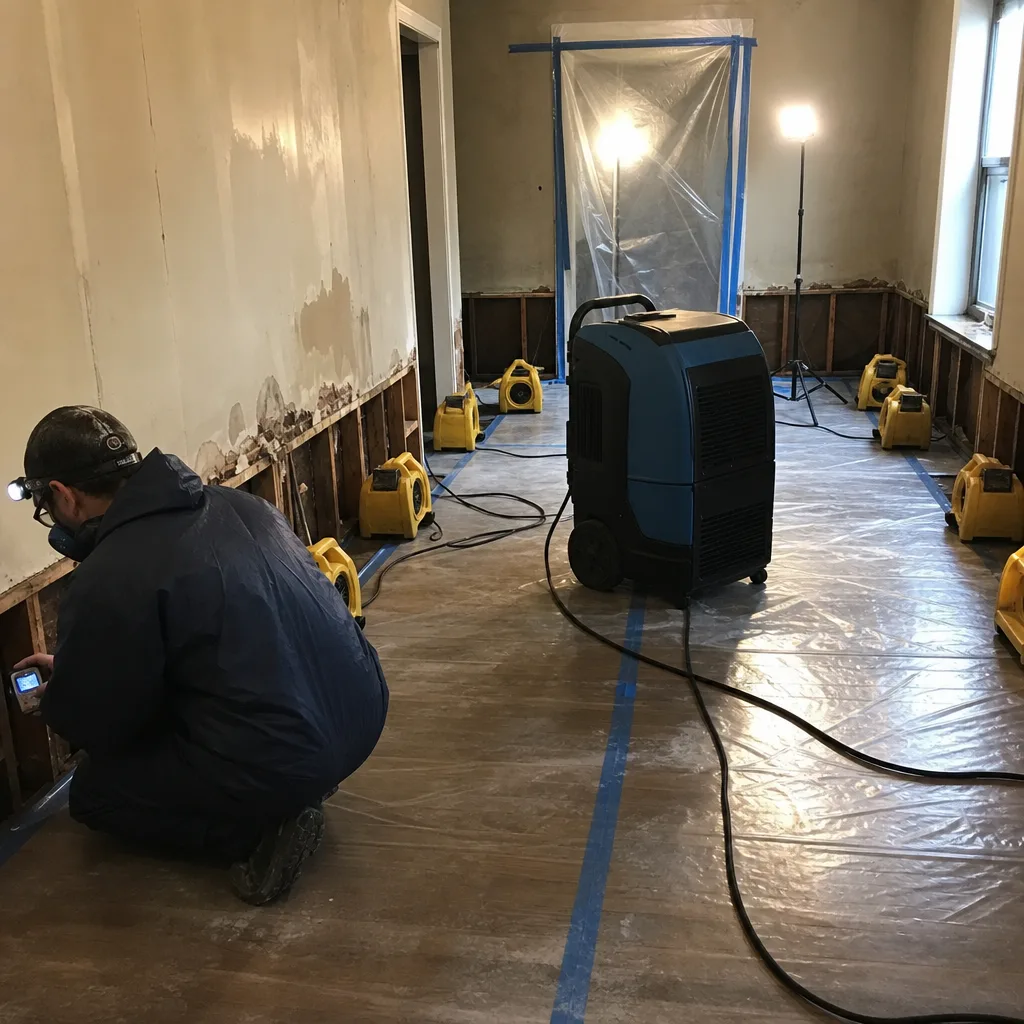
We remove standing black water with truck-mounted and portable extraction units. On Category 3 jobs, we also cut out saturated drywall, baseboards, and flooring that cannot be sanitized. Containment goes up before demolition begins.
Drying & Dehumidification
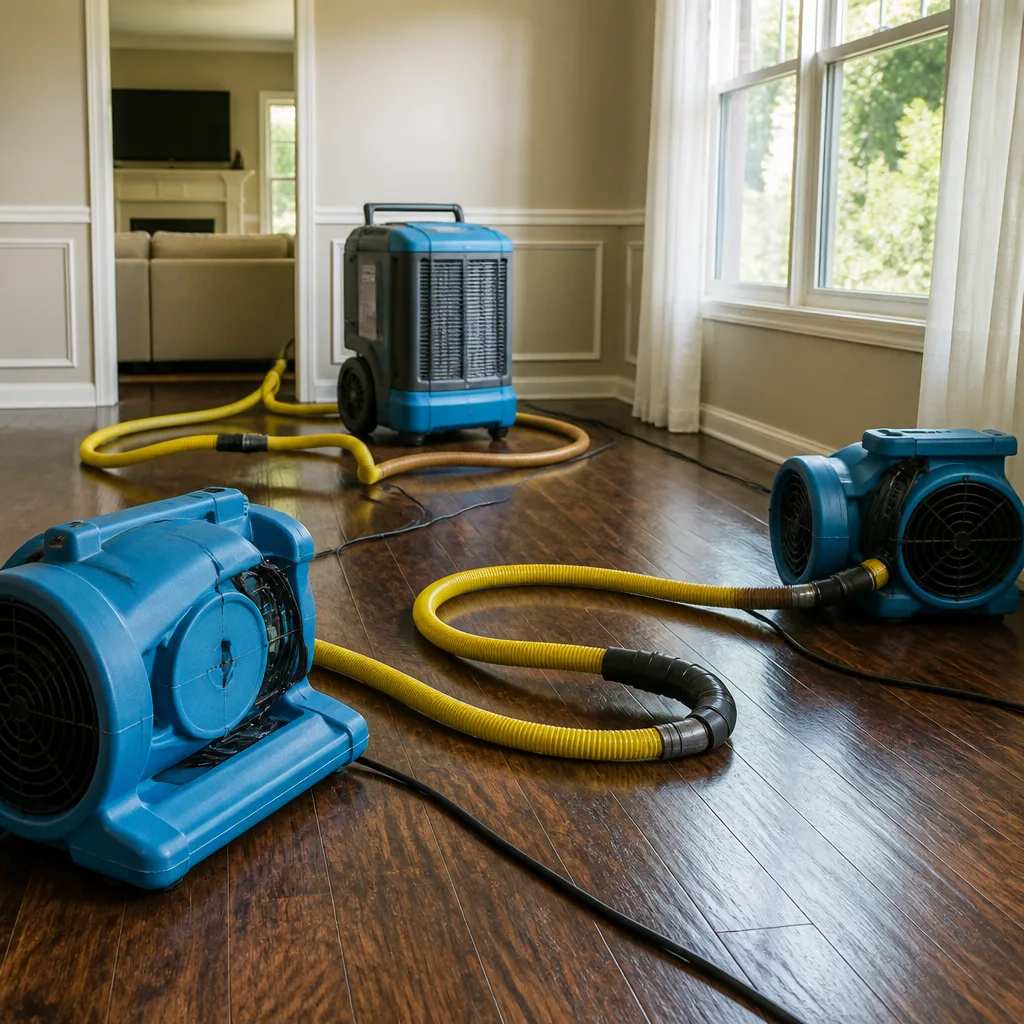
Dri-Eaz air movers and Phoenix dehumidifiers running continuously bring the structure to a moisture standard we can document. On West Haverstraw’s riverfront clay, this phase takes longer than inland jobs – we plan for it from day one.
Cleaning & Sanitization
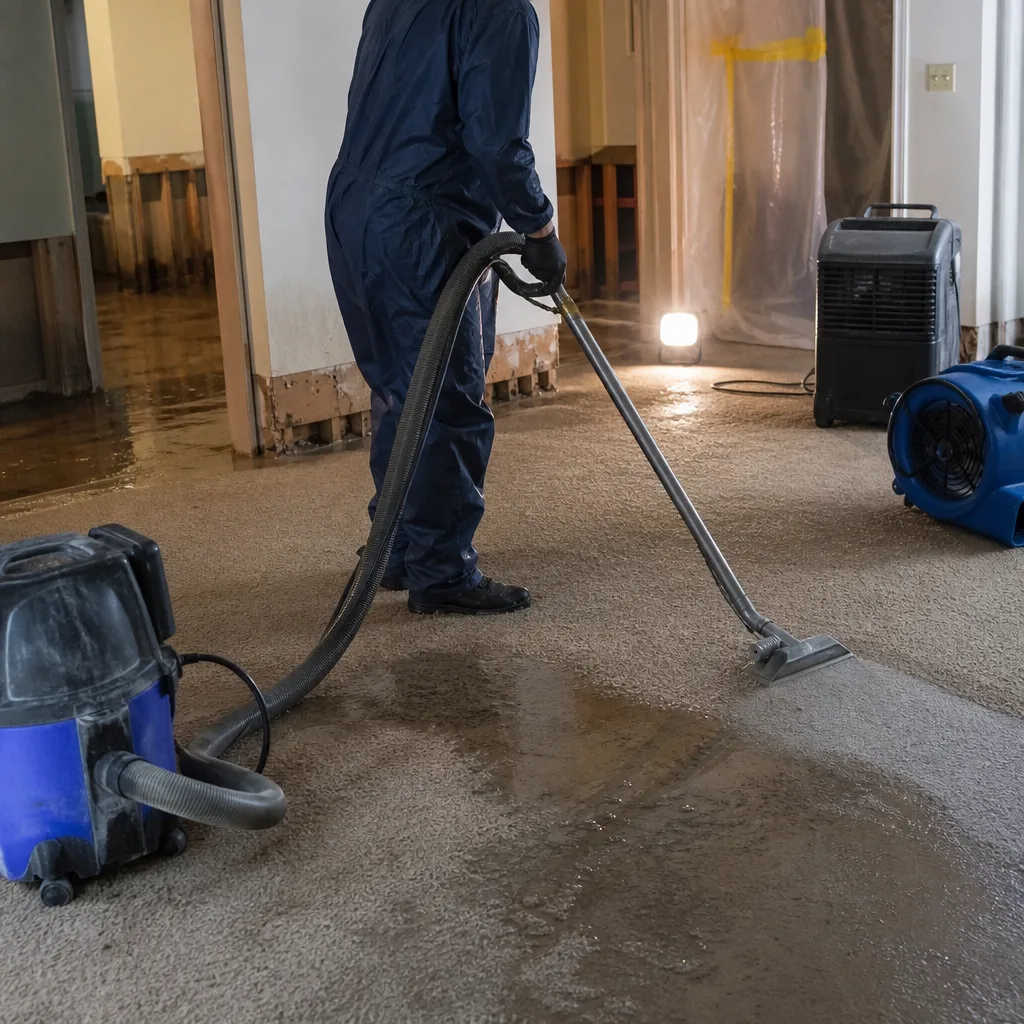
Every affected surface gets treated with EPA-registered antimicrobials appropriate for Category 3 contamination. If tidal surge was involved, we run chloride-specific protocols so salt doesn’t sit in drywall paper and metal fasteners.
Chloride Testing & Specialty Treatment
Unique to West Haverstraw’s riverfront: we test for salt and chloride residue after any event involving Hudson River water. If present, we neutralize before closing walls. Skipping this step is why some local jobs fail months later with corrosion and mold regrowth.
Repairs & Restoration
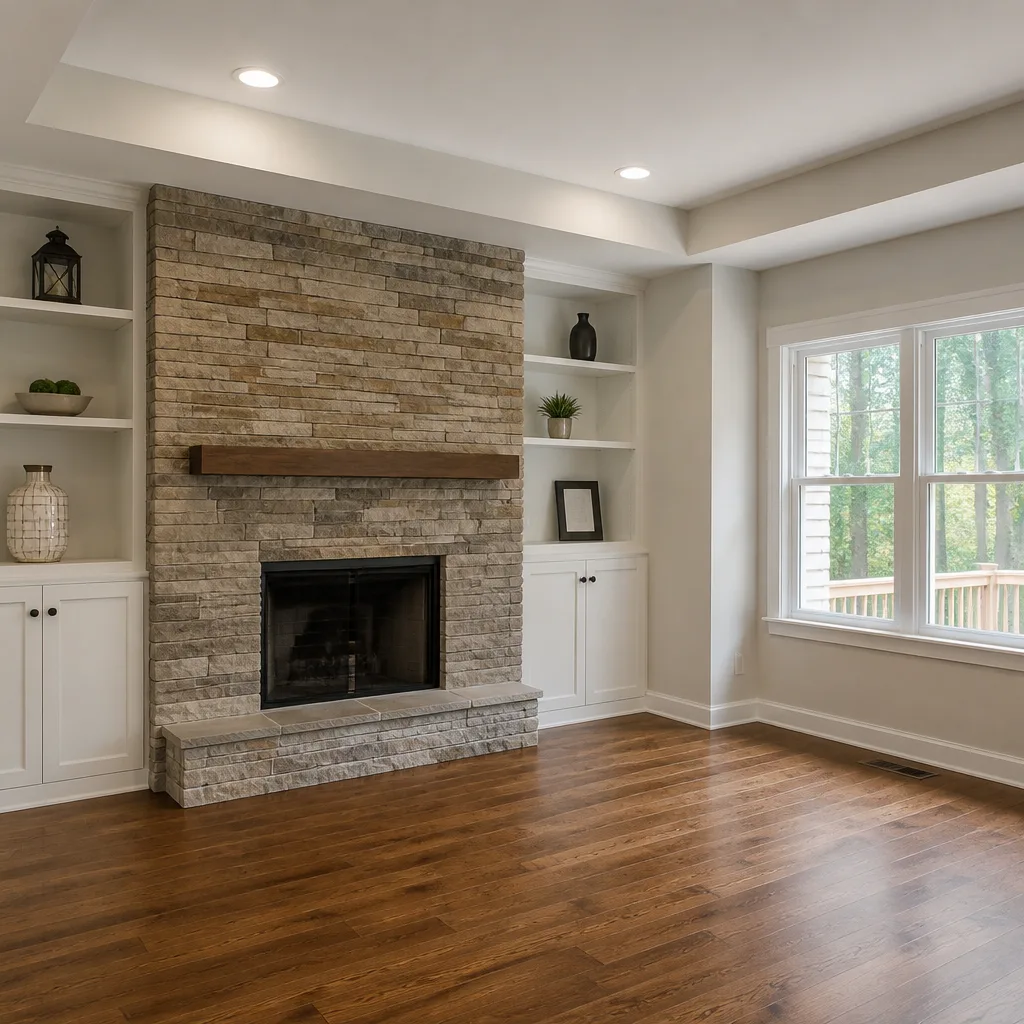
Once the structure is dry and sanitized, the same Floodline crew rebuilds what was removed. New drywall, baseboards, flooring, and paint – done right, backed by the 90-Day Done Right Promise in writing.
Need Emergency Sewage Cleanup in West Haverstraw Now?
Crews minutes away, answering live 24 hours a day. The sooner we start, the less it costs.
Working With Your Insurance Company
Sewage cleanup claims in West Haverstraw depend heavily on documentation. Many riverfront properties sit in FEMA AE flood zones, and the insurance conversation changes when a nor’easter pushed Hudson River water into the basement alongside sewage. We document everything from the first hour – before demolition starts – so your adjuster sees exactly what we saw. Our estimates follow industry-standard formatting that carriers recognize, which moves claims faster than handwritten summaries. Curt Bowman built Floodline around the principle that homeowners shouldn’t have to argue with insurance companies or restoration contractors. We handle the adjuster communication directly and bill your carrier where coverage applies. The 90-Day Done Right Promise covers our workmanship in writing, which is the kind of thing that makes adjusters take us seriously.
What We Provide Your Insurer
- Thorough documentation of the loss
- Photos of all damage, room by room
- Moisture readings and drying logs
- A detailed, line-item scope of work
- Direct coordination with your carrier
Built for West Haverstraw’s Loss Calendar
West Haverstraw’s sewage cleanup needs follow a seasonal rhythm that inland Rockland towns don’t share. January and February bring deep freezes that split aging cast-iron waste lines in uninsulated crawl spaces under those brick-era homes. When the thaw hits in March, groundwater swells against stone foundations, and saturated soil presses sewage back through floor drains. Nor’easters shape the spring and fall: Sandy in 2012 and Irene in 2011 shoved brackish Hudson water into low-lying streets and basements, and the same pattern repeats on a smaller scale whenever a strong coastal storm tracks up the bay. Spring ice jams on Haverstraw Bay can back river water into riverfront structures even during dry weather – a cycle we’ve seen repeat for decades. Summer thunderstorms dump enough rain fast enough that the village’s older combined storm-sewer system backs up into basements on Railroad Avenue and along the waterfront streets. Homeowners who have lived through a few of those cycles call us early now, before the smell spreads upstairs.
Sewage Cleanup Across West Haverstraw’s Neighborhoods
Response routes matter when you’re dealing with sewage backing into a home. Near the waterfront along Riverside Avenue and the streets feeding down toward Haverstraw Bay, we see storm-driven sewage mixed with tidal surge – the brackish signature most crews miss. Those homes need chloride testing and extended drying. Over on the Samsondale Avenue corridor, where mid-century frame houses sit over thick Hudson River clay, septic failures and crawl space sewage contamination are the common calls. The clay holds contaminated water against foundation sills and floor joists, and odors return every spring until the soil itself dries. Up along Gurnee Avenue and the hillside streets climbing west from 9W, gravity-fed sewer lines from higher elevations create back-pressure issues in lower basements during heavy rain. Homes off West Street and Benson Street, many built during the brick-manufacturing era, have stone foundations that wick Category 3 water upward into original plaster walls. Each of these West Haverstraw neighborhoods needs a slightly different approach, and our crews have worked them all long enough to know before they arrive.
Specialized Sewage Cleanup Services We Offer in West Haverstraw
Black Water Extraction
Black water from sewage backups, septic failures, or Hudson River surge carries pathogens that demand immediate professional removal. We extract standing Category 3 water using professional-grade equipment, then remove and dispose of contaminated porous materials under containment. This is the service that stops a bad day from becoming a months-long health and odor problem in your West Haverstraw home.
Sanitization & Disinfection
After extraction, every affected surface in your West Haverstraw basement or crawl space is treated with EPA-registered antimicrobials. When brackish tidal water is involved, our sanitization protocol includes chloride neutralization so salt doesn’t silently corrode metal fasteners and feed mold regrowth behind new drywall. Most restoration companies in Rockland County never test for this.
Crawl Space Sewage Removal
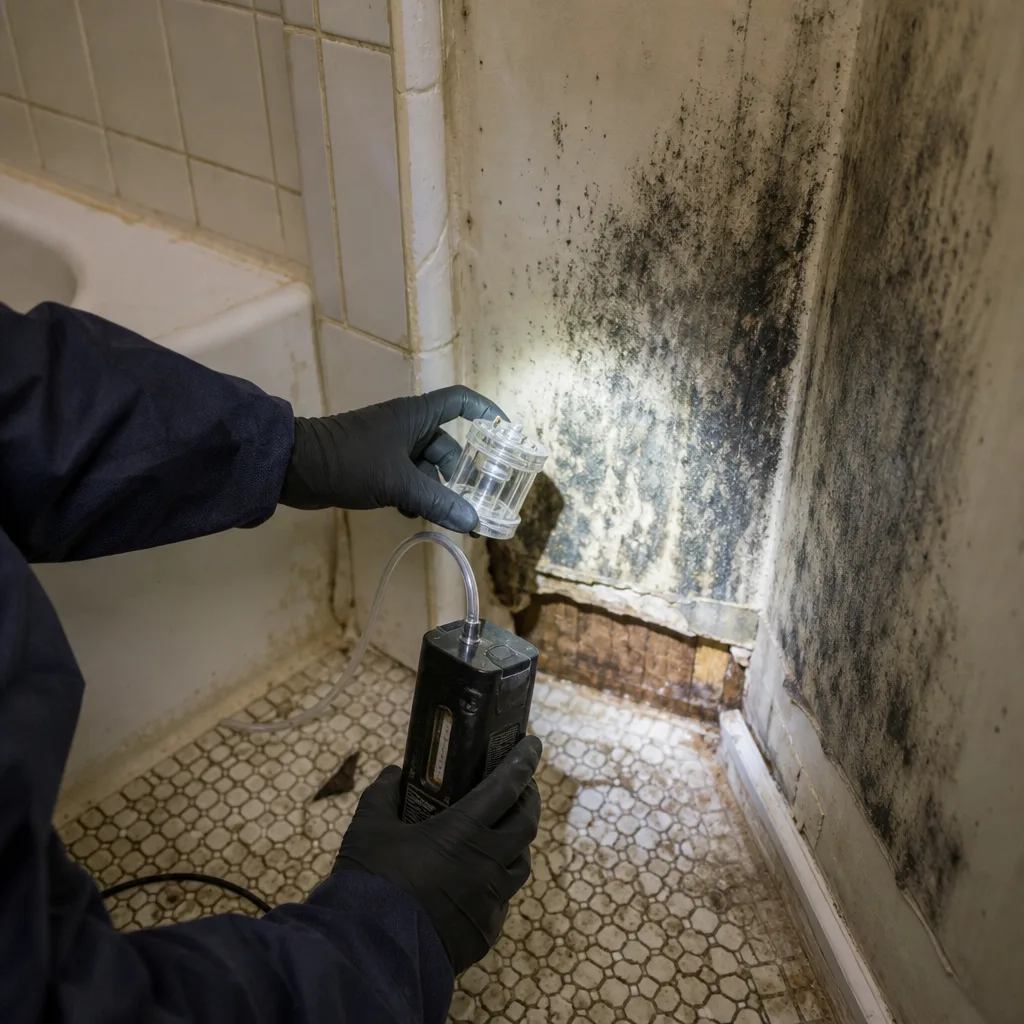
Crawl spaces under West Haverstraw’s older homes are tight, damp, and dangerous to enter without proper equipment. We remove sewage and contaminated soil, install or repair vapor barriers, and dry the space to a documented standard. The goal is extracting the contamination and preventing that springtime odor cycle that plagues riverfront crawl spaces around the bay.
What happens when you call
- 1
A real person answersNo phone trees - you reach a local pro.
- 2
You get an upfront price rangeHonest numbers before anyone is dispatched.
- 3
A background-checked tech heads outLicensed & insured, dispatched right away.
- 4
You approve before work beginsNothing starts until you say go.
Sewage Cleanup Costs in West Haverstraw, NY
For a standard Category 3 basement sewage backup in West Haverstraw, expect $1,800 to $4,200 for extraction, demolition of saturated drywall and flooring, sanitization, and structural drying. A crawl space sewage removal with soil excavation runs $2,500 to $5,600 depending on square footage and access. Toilet overflow cleanup on a single bathroom with no structural damage typically falls between $900 and $1,800. Septic failure cleanup costs more – $3,000 to $7,500 – because it usually involves saturated soil, damaged flooring, and sometimes ductwork contamination. If a Hudson River surge event pushes brackish water into the basement, add chloride testing and potential extended drying to the scope. Most homeowner policies cover sudden and accidental sewage backup as a named peril, but flood-zone river surge often requires separate FEMA documentation. The fast path to a firm number is a free visual inspection with a written line-item scope before work begins. Call (917) 924-4221 and we’ll be there.
We Also Serve Cities Near West Haverstraw
Our sewage cleanup crews work throughout the area around West Haverstraw, including Haverstraw, Stony Point, Thiells, and Verplanck. The same 24/7 live answer and 45-minute response commitment applies everywhere we go. If your property sits in one of these nearby communities, call the same number and a live dispatcher handles it from there.
Serving West Haverstraw, NY - Our Local Coverage Area
We’re based in the West Haverstraw area and know this community well. Use the map below to see our service coverage - if you’re nearby, we can almost certainly help.
West Haverstraw Sewage Cleanup Questions, Answered
After a Hudson River surge in West Haverstraw, how do I know if my basement sewage backup was brackish or just freshwater?
Brackish surge water from Haverstraw Bay leaves behind a telltale salt and chloride residue that simple moisture tests miss. We test affected surfaces for chlorides, check for sediment patterns consistent with tidal water, and look at whether your property sits in a FEMA AE flood zone. If brackish water is confirmed, the sanitization protocol changes – salt trapped in drywall paper and around metal fasteners will corrode and feed mold regrowth for months unless it’s neutralized or the material is removed. Call (917) 924-4221 and we’ll test before we close anything up.
Can you dry out a 1920s stone foundation after a sewage backup, or does it all need to come out?
Stone foundations can often be saved, but the drying timeline on a West Haverstraw riverfront property is longer than most homeowners expect. The high water table and Hudson River clay keep the masonry saturated. We use moisture mapping to see how far the contamination has wicked, then decide what stays and what goes. Original plaster over stone is rarely salvageable after Category 3 exposure – it holds sewage organisms too deep to sanitize. The stone itself gets cleaned, treated, and dried to a documented standard. Call (917) 924-4221 and we’ll give you an honest answer after a visual inspection.
What extra steps does a Category 3 sewage cleanup in a FEMA AE flood zone require for insurance?
AE-zone claims need pre-loss condition photos, elevation certificates where available, and line-item documentation of every removal and remediation step. Floodline logs daily moisture readings, photographs each room before and after demolition, and communicates directly with your adjuster. We’ve walked enough West Haverstraw waterfront claims through the process to know which pieces of paper get payments released and which stall the file. Call (917) 924-4221 and we’ll handle the documentation from the first visit.
Why does my crawl space sewage odor return each spring even after a cleanup last year?
If contaminated soil under a West Haverstraw crawl space isn’t excavated and replaced, sewage organisms survive in the clay and reactivate when spring moisture rises. A cleanup that only addresses the visible mess leaves the source intact. We excavate contaminated soil to the necessary depth, install a clean vapor barrier, and dry the space with professional-grade equipment so the odor doesn’t come back with the next thaw. Call (917) 924-4221 and we’ll inspect your crawl space.
How soon after a sewage backup in West Haverstraw can mold start on my drywall?
Mold can begin colonizing water-damaged drywall within 24 to 48 hours, especially in West Haverstraw’s humid river-influenced air. Sewage adds organic matter that accelerates the process. That’s why we cut out saturated drywall on Category 3 jobs rather than trying to dry it in place – the economics don’t work, and the health risk isn’t worth it. Call (917) 924-4221 the same day, and we’ll stop it before the 48-hour window closes.
Can I stay in my West Haverstraw home during sewage cleanup?
For minor toilet overflow contained to one bathroom with no structural absorption, staying is usually fine once we’ve sanitized. For Category 3 basement or crawl space contamination, we recommend vacating the affected level while containment is up and demolition is running. Raw sewage aerosolizes during extraction, and older West Haverstraw homes with open stairwells and shared air returns spread that air quickly. We’ll give you a clear answer at the inspection. Call (917) 924-4221.
What does it mean that your technicians are IICRC-certified?
IICRC certification means our techs have passed industry-standard training in water damage restoration and applied microbial remediation – the two certifications that matter most for sewage cleanup. We also train to RIA and IFA standards. The certifications tell your insurer that the work meets the standard they expect, which keeps your claim moving without disputes over methodology. Call (917) 924-4221 and you’ll get a certified, background-checked, uniformed crew.
What should I do in the first 30 minutes after a sewage backup in West Haverstraw?
Shut off water to the affected fixture if you can safely reach the valve. Move valuables and anything porous out of the affected area. Don’t flush toilets or run water down drains connected to the backed-up line. Don’t run your HVAC system if you suspect sewage has reached the ductwork. Open windows if the smell is strong, but don’t enter standing sewage without protective gear. Then call (917) 924-4221 and a live dispatcher starts your crew. We’ll be there when we say.
Written by Curt Bowman, Owner at Floodline Restoration Co. of Manhattan, serving West Haverstraw and surrounding Rockland County communities.