
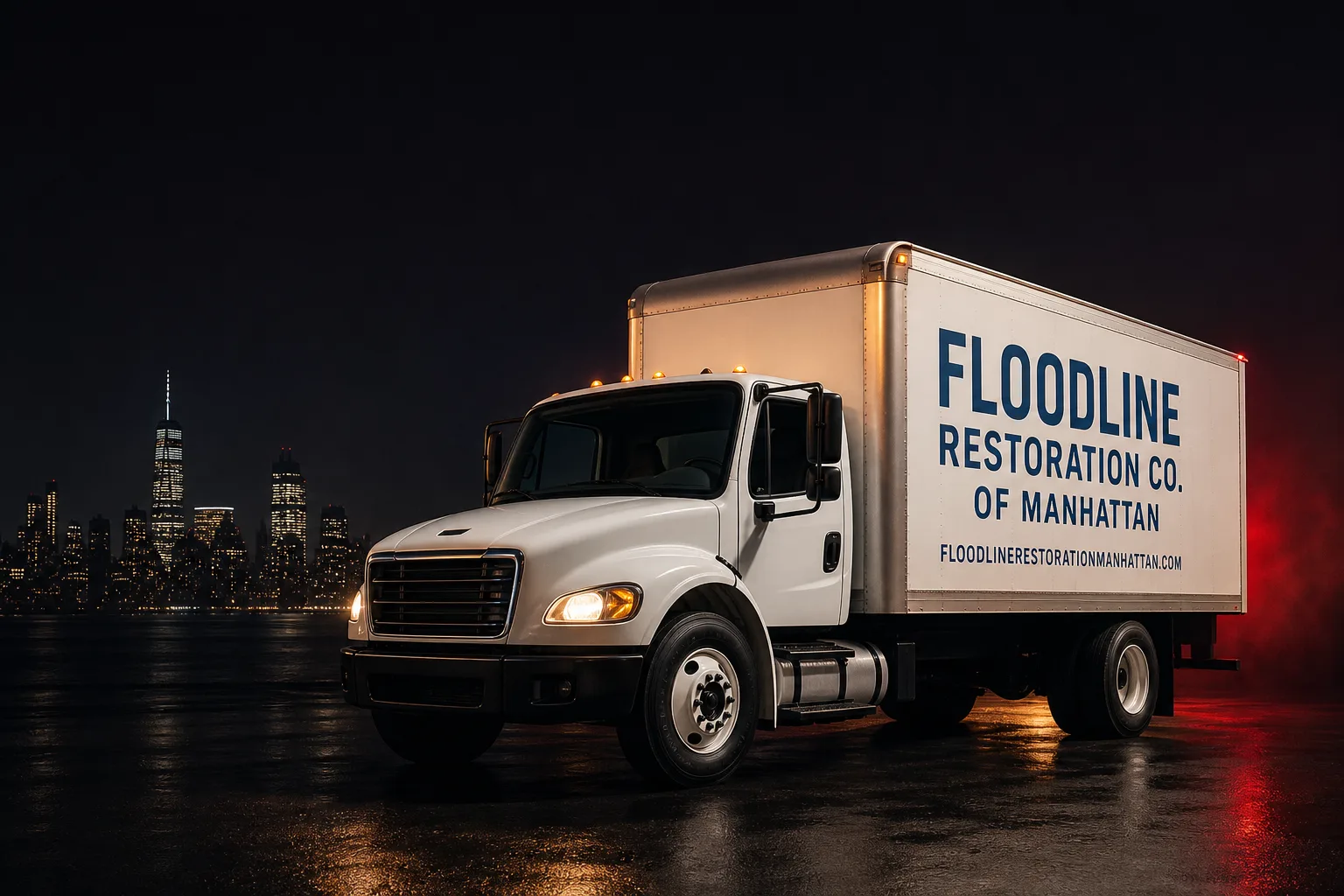
Free visual inspection and a written scope of work before any mitigation begins - photos, moisture readings, and drying logs go in your claim file
The scope we write is the scope we bill. Anything new gets shown to you, in writing, before we touch it.






 Before
 After
After Before
 After
After Before
 After
After24/7 Emergency Storm & Disaster Restoration in Borough Park
Storm damage in Borough Park moves fast, and so do we. A live dispatcher answers at (917) 924-4221 around the clock, every day of the year, and a certified crew is typically dispatched to your street within 45 minutes. The first hour after a nor’easter pushes water through a flat-roof parapet or a sewer line backs up into a 1930s basement determines whether you’re facing a cleanup or a rebuild. We start with a free visual inspection, photograph everything room by room, and get extraction running the same visit. When water is moving through shared basement walls into a neighbor’s unit, that first hour matters twice as much.
Understanding Storm & Disaster Restoration Severity in Borough Park Properties
Storm and disaster losses in Borough Park rarely stay in one room. The neighborhood’s attached and semi-detached brick row houses, most built between the 1920s and 1950s, share foundation walls and floor assemblies. Water moves laterally through those cavities. We categorize water damage by its source and contamination level. Category 1 is clean water from a burst supply line or roof leak. Category 2 carries significant contamination, the kind you get from sump pump failures or washing machine overflows. Category 3, what we call black water, contains sewage, harbor surge, or ground runoff, and it requires full containment, antimicrobial treatment, and often removal of porous materials like drywall and insulation up to the water line plus 12 to 24 inches. In Borough Park’s row houses we use thermal imaging and penetrating moisture meters to map water that has traveled into shared stud cavities, because what you see on your side of the wall is rarely the whole story. Our Storm & Disaster Restoration team reads that moisture map daily until the structure hits the dry standard, then hands the log to you and your carrier.
Why Borough Park Property Owners Choose Floodline Restoration Co. of Manhattan
- 45-minute response commitment. We’ll be there when we say. A live person confirms the dispatch and the crew’s ETA before you hang up.
- 24/7 live answer, never an automated system. At 2 a.m. on a Friday or a Saturday afternoon during Shabbat, a real dispatcher picks up the phone.
- IICRC-certified crews. Our technicians hold WRT, FSRT, and AMRT certifications and train to IICRC, RIA, and IFA standards. Background-checked and uniformed on every job.
- Free visual inspection. We walk the full loss, explain exactly what we’re seeing, and hand you a written scope before any work begins. No pressure, no upsell.
- Direct insurance billing. We bill your carrier directly and communicate with your adjuster so you never play messenger between us and them.
- One team from extraction to reconstruction. The same certified crew that pulls the water also replaces the drywall, rebuilds the basement, and finishes the trim. No mid-job handoff, no inherited subcontractors.
Our Storm & Disaster Restoration Process
Inspection & Assessment
We arrive, walk the property, and document everything. Thermal imaging finds hidden water in shared walls and under finished basement flooring. You get a clear explanation and a written scope before anything moves.
Extraction & Stabilization
Truck-mounted extraction pulls standing water fast. If needed, we tarp damaged roofs and board up broken windows the same day. The goal is to stop the loss from getting worse before we dry anything.
Drying & Dehumidification
Professional-grade Dri-Eaz air movers, Phoenix dehumidifiers, and Injectidry systems run continuously. We take daily moisture readings in every affected room and log them until the structure meets the dry standard.
Cleaning & Sanitization
HEPA air scrubbers and antimicrobial treatments handle Category 2 and 3 contamination. We treat stud cavities, subflooring, and any porous material that can be saved with proper cleaning rather than demolition.
Specialty Treatment for Storm Losses
In Borough Park this step includes isolating and protecting basement shtieblach, Torah scrolls, and religious items before negative air pressure or drying equipment is deployed. We also coordinate with your neighbor when shared walls are involved.
Repairs & Restoration
Once the structure is dry and verified, we rebuild. Drywall, flooring, trim, paint, and any structural repairs are completed by the same Floodline crew that started the job. You get a finished space and a moisture log in your hands.
Need Emergency Storm & Disaster Restoration in Borough Park Now?
Crews minutes away, answering live 24 hours a day. The sooner we start, the less it costs.
Working With Your Insurance Company
Storm and flood claims in Borough Park get complicated fast when a shared basement wall means two or three policies are involved. We handle that. From the first hour on site, our crew documents the loss the way a carrier needs it documented: dated photos room by room, moisture readings, drying logs, and a line-item scope of work written to industry-standard estimating formats. We communicate directly with your adjuster, send the documentation they request, and bill the carrier directly. You stay informed, but you don’t have to manage the claim. If your neighbor’s insurer pushes back on shared-wall water migration, we provide the moisture mapping and photographic evidence that shows where the water actually traveled. Done right, and backed in writing.
What We Provide Your Insurer
- Thorough documentation of the loss
- Photos of all damage, room by room
- Moisture readings and drying logs
- A detailed, line-item scope of work
- Direct coordination with your carrier
Built for Borough Park’s Loss Calendar
Borough Park’s restoration needs follow the seasons with a regularity you could set a calendar to. January and February bring deep freezes that burst supply lines in uninsulated basement ceilings and exterior walls, and those losses hit row houses especially hard because the freeze travels through shared masonry. March and April are the parapet months. Freeze-thaw cycles crack coping stones and open seams in the flat built-up roofs that cap most Borough Park row houses, and spring nor’easters drive water straight through those openings into finished basements. July and August bring heavy convective storms that overwhelm inland Brooklyn’s combined sewer system, pushing sewage up through basement floor drains and into homes along 13th, 14th, and 15th Avenues. September and October bring the second nor’easter season, often with high winds that tear roofing membranes and send debris through windows. We schedule around it all, including every Shabbat and Yom Tov cutoff. No equipment hums through the neighborhood’s quiet hours, and no crew starts a pack-out at 6 p.m. on a Friday.
Storm & Disaster Restoration Across Borough Park’s Neighborhoods
The loss patterns change block by block. Around 13th Avenue, the commercial corridor’s mixed-use buildings bring a different challenge: a storm that floods a storefront at street level often sends water down into the basement of the same building and laterally into the attached house next door. On 15th and 16th Avenues, the residential blocks are dense with two- and three-story brick row houses, many with converted basements, and those finished spaces hold the building’s mechanical systems, laundry, and often a small private synagogue. Near 18th Avenue, larger semi-detached homes with deeper lots tend to have more substantial drainage, but the flat-roof parapets are just as old and just as vulnerable. Up toward New Utrecht Avenue and Fort Hamilton Parkway, the older housing stock and mature street trees mean storm debris removal is often the first task, clearing branches and roofing material before we can even access the building. In every part of Borough Park, the shared-wall construction is the constant: water does not respect property lines, and neither can a restoration plan.
Specialized Storm & Disaster Restoration Services We Offer in Borough Park
Flood Damage Restoration
When a nor’easter pushes water into a Borough Park basement, our truck-mounted extraction equipment pulls thousands of gallons before the water migrates further through the slab and into shared foundation walls. We remove saturated drywall to the correct line, treat the stud cavities, and run structural drying until the moisture log shows the structure is dry, not just the air.
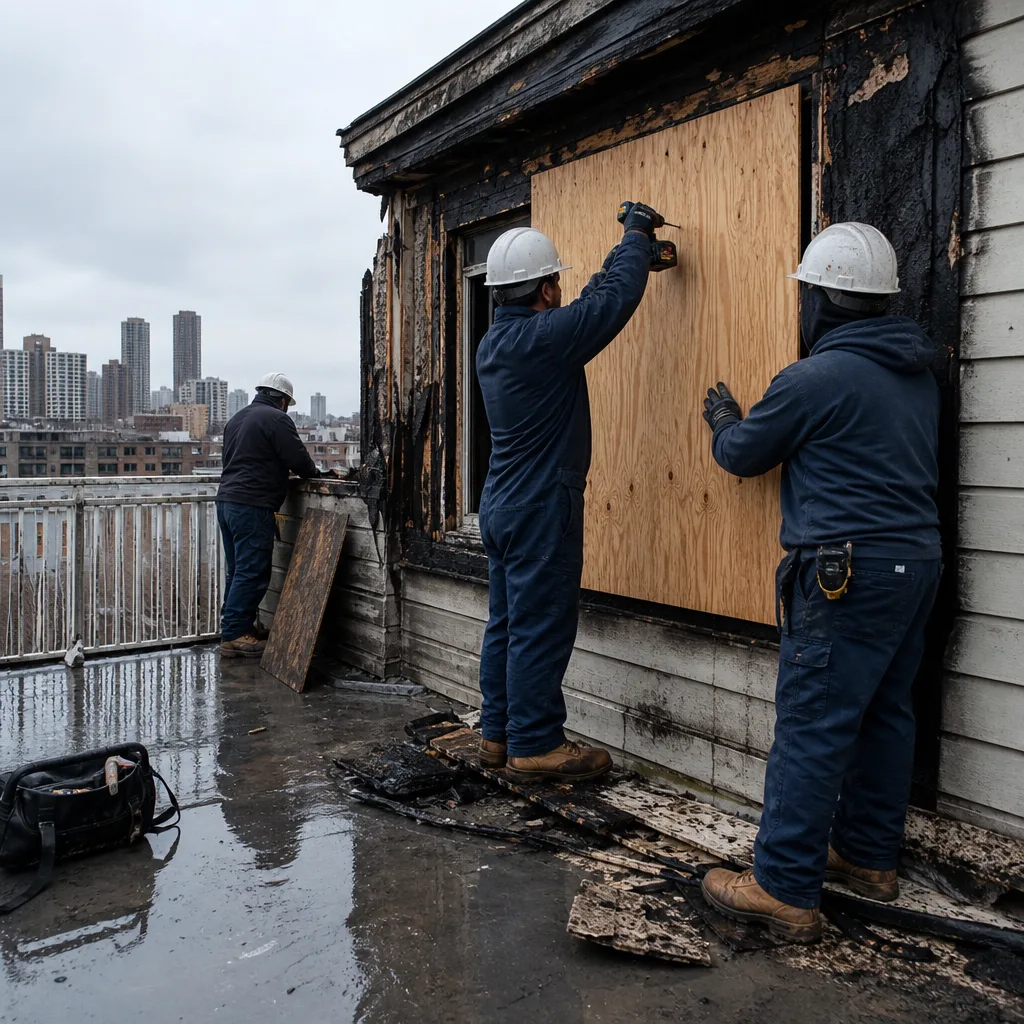
Emergency Board-Up
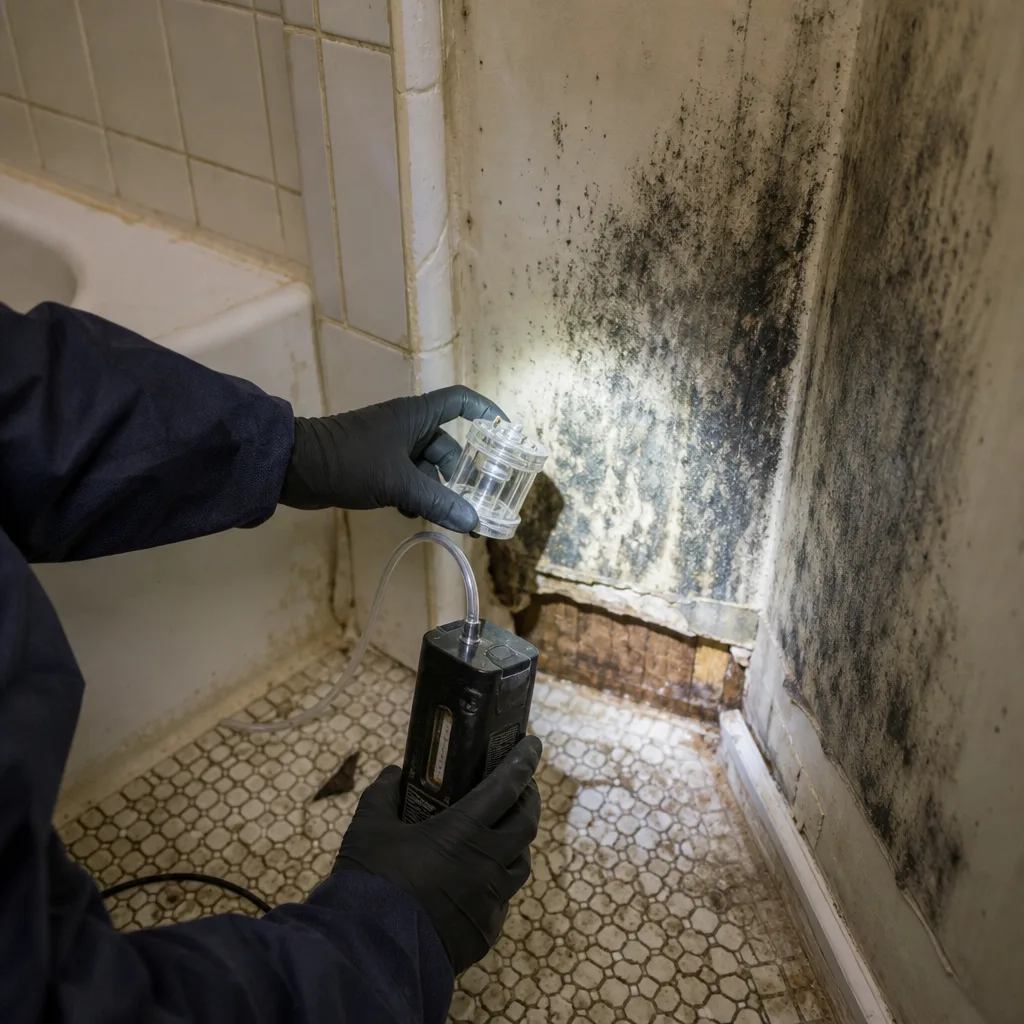
Storm-broken windows and compromised entry doors need to be secured immediately in Borough Park, not just for safety but because an open building after dark invites trouble. We board up with plywood cut to fit, photographed for your insurer, and removed when repairs are ready.
Roof Tarping
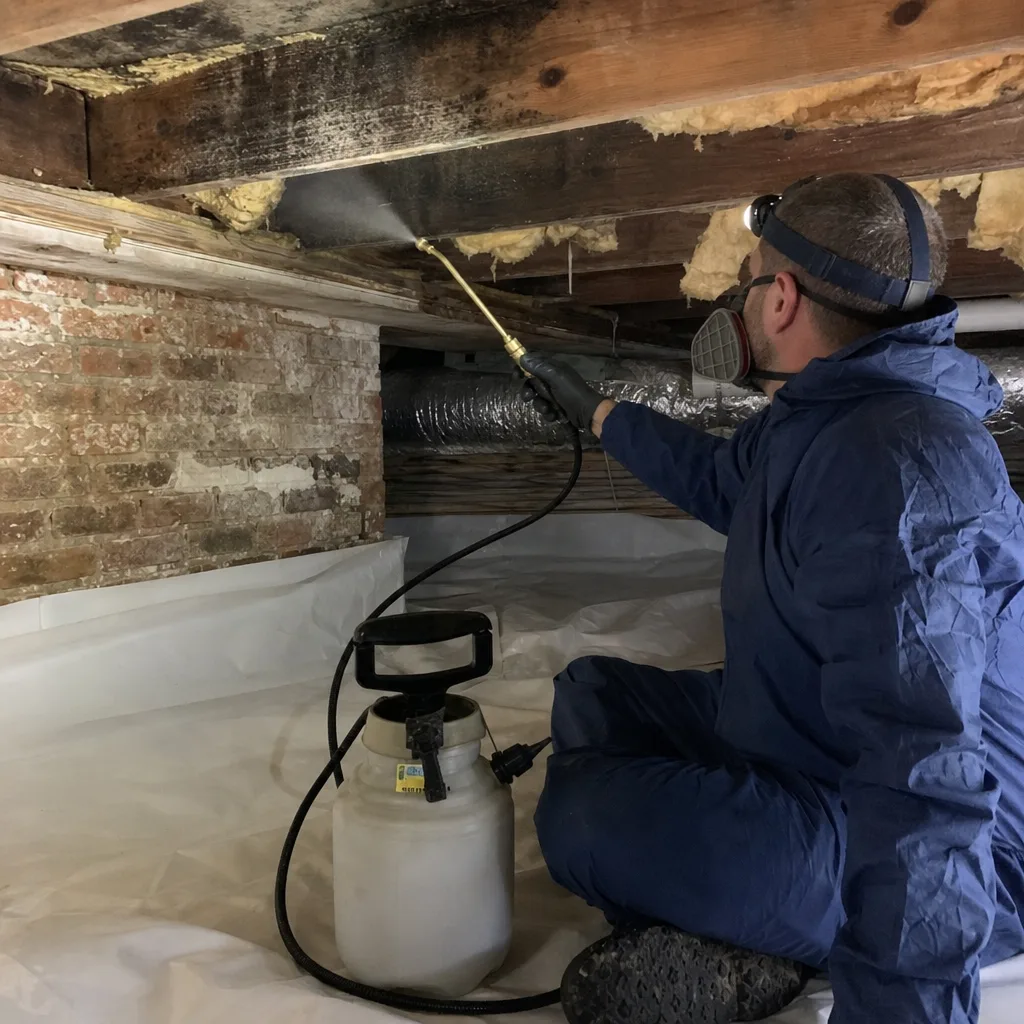
When a flat built-up roof loses a coping stone or a parapet wall opens up during a spring nor’easter, water enters fast. We tarp the damaged area same-day, sealing the opening well enough to stop active water intrusion until a permanent repair can be scoped and scheduled. That tarp buys you time to work through the insurance claim without watching your basement fill every time it rains.
Storm Damage Cleanup
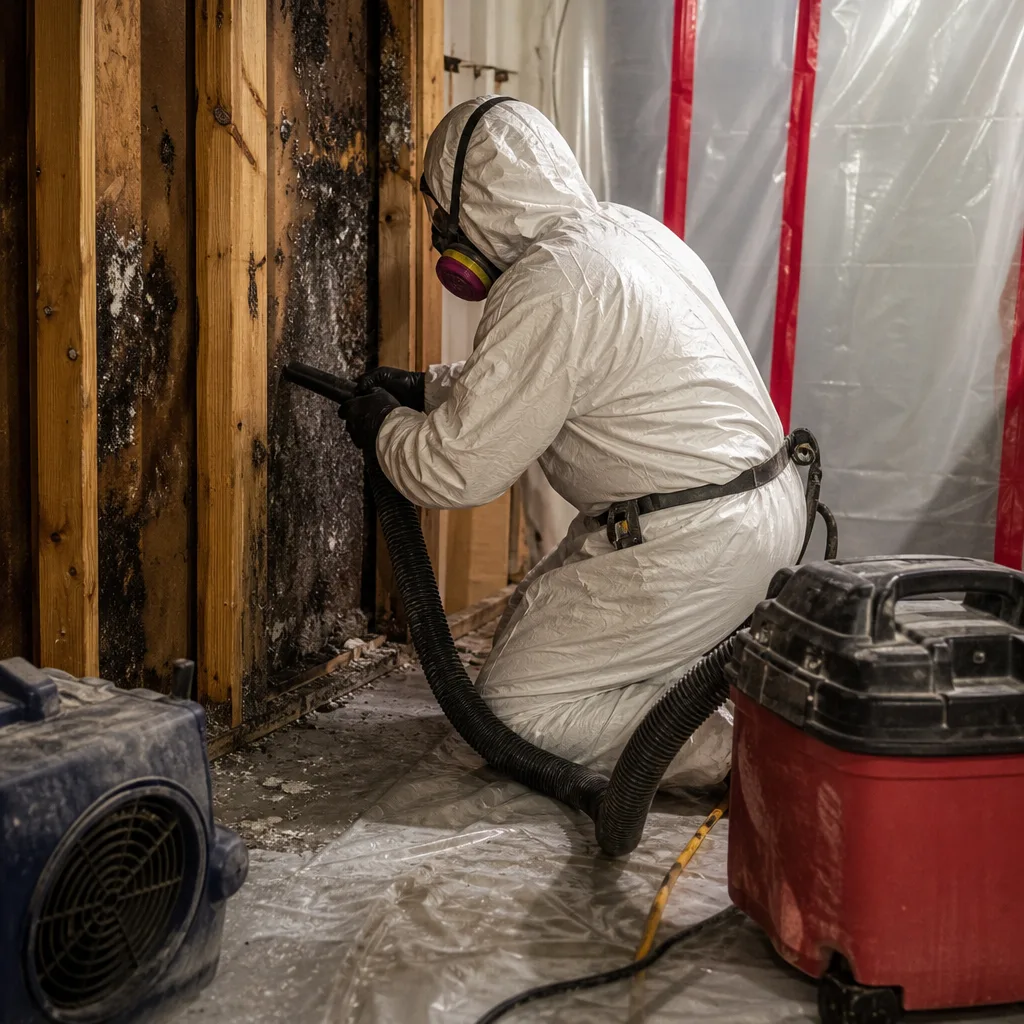
Debris removal, wet material removal, and full sanitization after a storm event. In Borough Park’s dense blocks, a single downed tree or wind-thrown roofing membrane can leave debris across two or three adjacent properties. We clean the whole affected area and coordinate with your neighbors when the source crosses property lines.
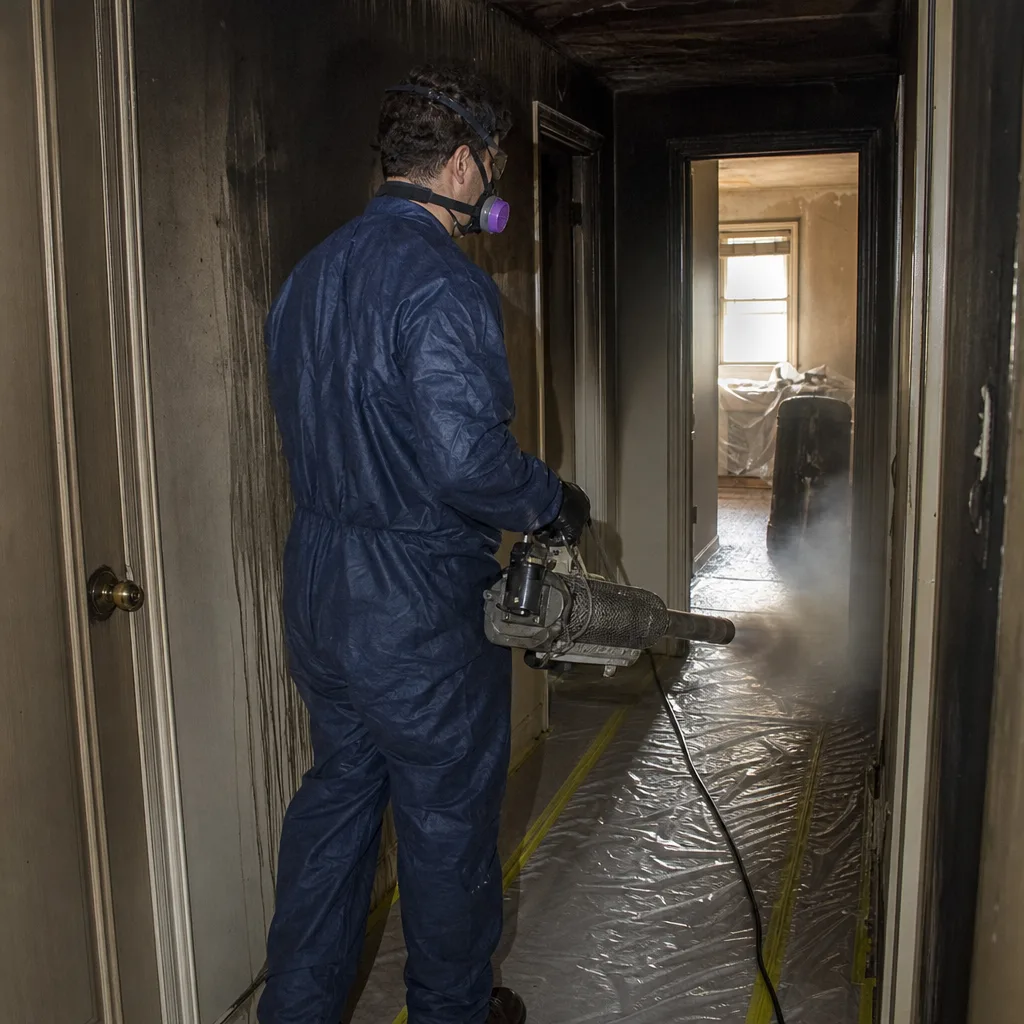
Debris Removal
Wind damage from September and October nor’easters rips roofing membrane, flashing, and sometimes entire parapet sections off Borough Park row houses. That debris lands in yards, on neighboring roofs, and in the street. We remove and haul it, document it for your claim, and secure the exposed area before more water gets in.
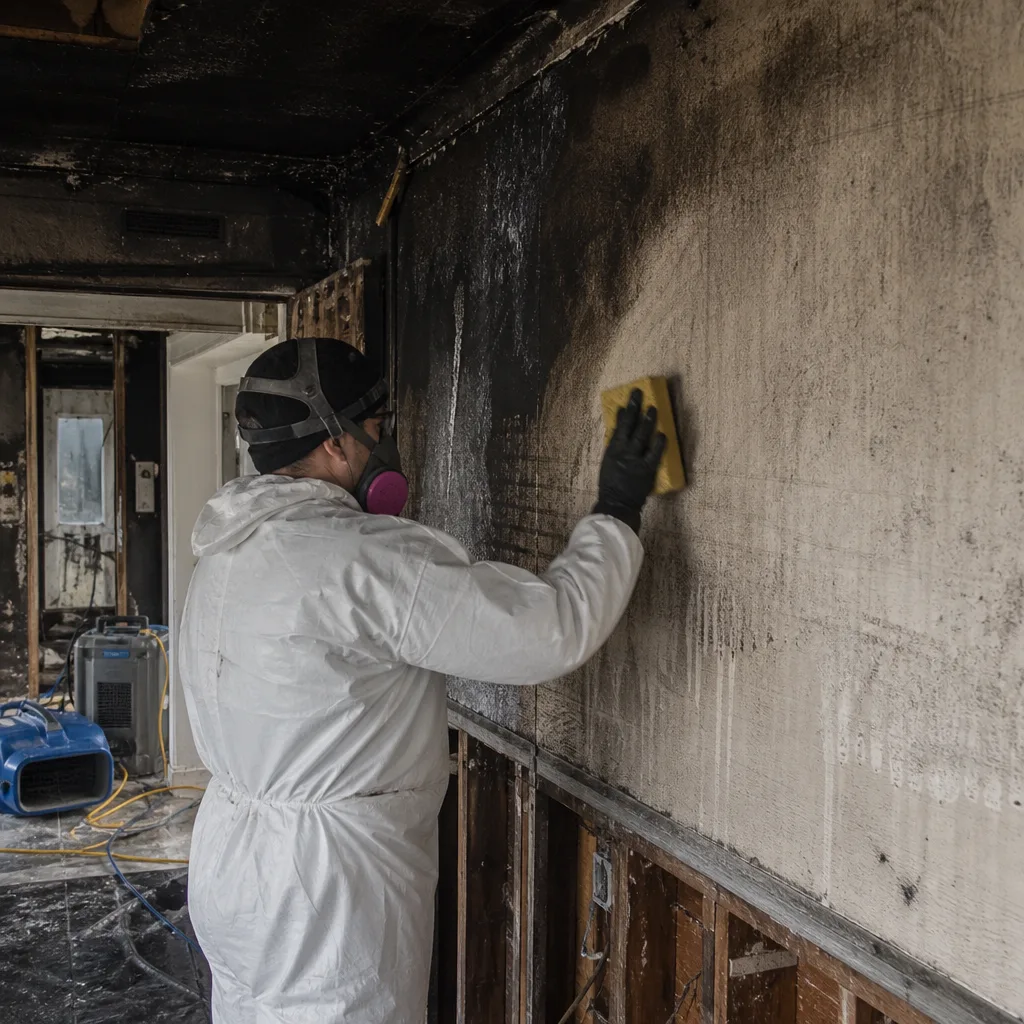
Wind Damage Repair
High-wind events tear roof membranes, loosen flashing, and crack coping stones. Those openings are what turn a wind event into a water event. We repair the storm-damaged sections and the water damage that followed, so the fix is complete, not just cosmetic.
What happens when you call
- 1
A real person answersNo phone trees - you reach a local pro.
- 2
You get an upfront price rangeHonest numbers before anyone is dispatched.
- 3
A background-checked tech heads outLicensed & insured, dispatched right away.
- 4
You approve before work beginsNothing starts until you say go.
Storm & Disaster Restoration Costs in Borough Park, NY
A straightforward Category 1 water cleanup in a Borough Park basement, with two days of drying, typically runs $1,800 to $3,400. Category 2 losses with carpet and drywall removal land in the $3,500 to $6,500 range. Category 3 sewage backups that require containment, antimicrobial treatment, and substantial demolition often run $6,000 to $12,000 depending on the square footage affected and whether shared walls are involved. Roof tarping after a parapet failure averages $400 to $900 for the initial emergency tarp, and permanent flat-roof repairs run $2,500 to $7,000 depending on the extent of the membrane failure. Emergency board-up runs $350 to $800 per opening. The free visual inspection is how you get a firm number, not a range. We write the scope in advance, price it line by line, and you approve it before anything starts. A square deal: no surprises on the bill. For exact numbers on your loss, call (917) 924-4221.
We Also Serve Cities Near Borough Park
Floodline Restoration Co. crews respond to storm and disaster losses throughout the surrounding area, including Borough Park and the neighboring communities of Fairview, Harrison, East Bronx, and Hunts Point. The same live 24/7 dispatch, the same certified crews, and the same 90-Day Done Right Promise apply everywhere we work.
Serving Borough Park, NY - Our Local Coverage Area
We’re based in the Borough Park area and know this community well. Use the map below to see our service coverage - if you’re nearby, we can almost certainly help.
Borough Park Storm & Disaster Restoration Questions, Answered
How fast can Floodline Restoration start a sewage backup mitigation in Borough Park without violating Shabbat?
We can typically start within 45 minutes of your call, and we schedule every job to respect Shabbat and Yom Tov without exception. If a crew arrives and the job runs up against the Friday sundown cutoff, we stabilize the site, contain what needs containing, and return when work is permitted. We never start a pack-out or mitigation that will strand a crew mid-job through the quiet hours, and we never run equipment through the neighborhood when work should not be happening. The priority is always stopping active water flow and containing contamination, and that part moves immediately, regardless of the calendar.
Do you coordinate simultaneous restoration when a neighbor’s shared basement wall floods from a Borough Park row house?
Yes. Shared-wall water migration is one of the most common storm loss patterns we handle in Borough Park. We document the water path with thermal imaging and moisture readings, notify the adjacent homeowner, and coordinate with both insurance carriers. Often we are running drying equipment on both sides of the same foundation wall simultaneously, which is the only way to dry the stud cavities correctly. We handle the communication with both adjusters so neither homeowner has to manage the other’s claim.
How do you protect a basement shtieblach filled with Torah scrolls during storm water damage restoration?
Before any negative air pressure or drying equipment is deployed, our crews identify and isolate religious items. Torah scrolls, sifrei kodesh, mezuzot, and wooden pews are either relocated with the homeowner’s guidance or enclosed in protective containment. We were called to a 1930s brick row house on 15th Avenue after a March nor’easter pushed category 3 water through a failed parapet coping stone and into the finished basement. Our techs set containment and isolated a small shtieblach at the rear before running moisture mapping; they found floor framing at 34% moisture and sheetrock wicking to 22 inches, so we pulled the lower drywall, performed water extraction with truck-mounted equipment, and ran structural drying with Dri-Eaz air movers and dehumidifiers until daily drying logs showed pre-loss condition in four days. The religious items were never exposed to the drying equipment. That discipline is standard on every job we run in Borough Park.
What is the typical restoration timeline for a Borough Park flat-roof leak that soaks a converted basement after a spring nor’easter?
A typical flat-roof leak that has soaked drywall and flooring in a converted Borough Park basement takes four to seven days from extraction to a finish-ready structure. The drying phase alone runs three to five days for a Category 1 loss, longer if the water sat over a weekend or the wall cavities are particularly tight. If the water is Category 2 or 3, demolition and sanitization add time. The roof repair itself is scoped separately and scheduled once the structure is dry. We provide a written timeline during the free inspection so you know exactly what to expect before anything starts.
Why does my Borough Park rowhouse basement flood with sewage every time it rains, even though I don’t see a local overflow?
Inland Brooklyn’s combined sewer system backs up under heavy rain because stormwater and sanitary waste share the same pipes. When the system overloads during a nor’easter or severe summer storm, the water level rises in the mains and sewage comes up through your basement floor drain, even if there is no visible flooding on your street. In Borough Park, raised curb lines and dense row house construction make this worse because there is nowhere for the water to go except back into the lowest openings in the system: basement drains and floor fixtures. A backwater valve installed by a licensed plumber is the long-term fix, and our Storm & Disaster Restoration team can address the cleanup and sanitation while you plan that upgrade.
Will my homeowner’s insurance cover a Borough Park storm or sewage loss?
Standard homeowner’s policies in New York generally cover storm damage from wind, falling debris, and roof leaks. Sewage backup coverage is typically an endorsement, and many Borough Park homeowners have it without realizing it. Flood damage from rising groundwater or street flooding is separate and requires a flood policy. We document the loss, determine the cause, and work with your adjuster to match the damage to the correct coverage. We bill your carrier directly and provide the photographic and moisture documentation your claim needs. Call (917) 924-4221 and we will walk you through what your policy is likely to cover.
Can we stay in our Borough Park home during storm damage restoration?
For a Category 1 loss limited to one room or a basement, staying in the home is usually fine. For Category 2 or 3 water, fire damage, or extensive mold from storm intrusion, we recommend relocating until containment is removed and air clearance testing is complete. HEPA air scrubbers run continuously and create negative pressure, which keeps contaminants from spreading into living areas, but the affected zone itself is not livable. We will tell you honestly during the inspection whether staying is safe. No contractor should leave that decision unstated.
What should I do in the first 30 minutes after I discover storm flooding in my Borough Park home?
First, call us at (917) 924-4221. Second, if you can safely reach the main breaker without standing in water, shut off power to the affected area. Third, do not enter standing water if there is any chance it is sewage. Fourth, take photos of everything before anything is moved. Fifth, if you can safely move books, papers, or religious items to a dry area without entering standing water, do so. Then wait for our crew. Do not use a shop vac to remove Category 3 water. Do not turn on fans and hope for the best. The first 30 minutes determines how much of your basement can be saved.
Call Floodline Restoration Co. of Manhattan at (917) 924-4221 for a free estimate on Storm & Disaster Restoration in Borough Park. A live person answers, day or night. We’ll be there when we say, do the job right the first time, and back it in writing with the 90-Day Done Right Promise.
Written by Curt Bowman, Owner at Floodline Restoration Co., serving Borough Park and the surrounding communities since 2010.