

Free visual inspection and a written scope of work before any mitigation begins - photos, moisture readings, and drying logs go in your claim file
The scope we write is the scope we bill. Anything new gets shown to you, in writing, before we touch it.
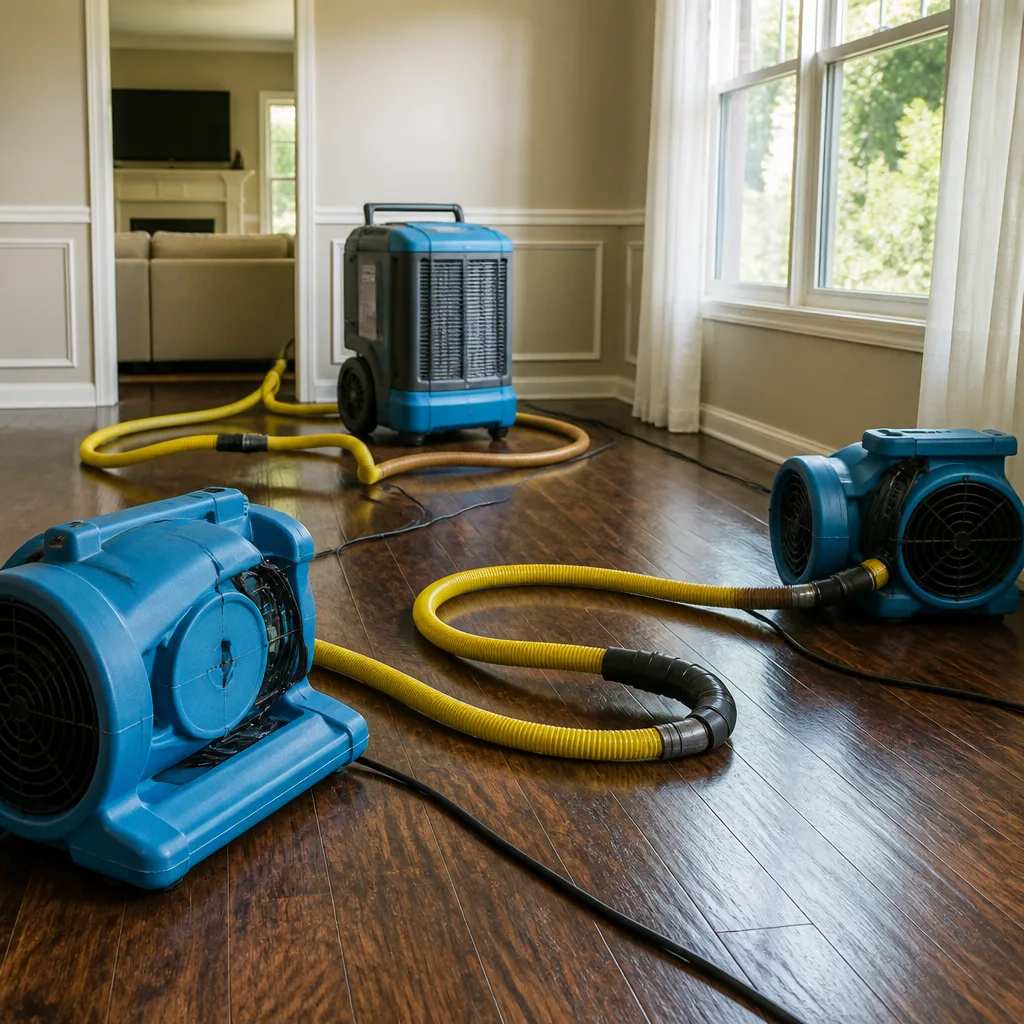
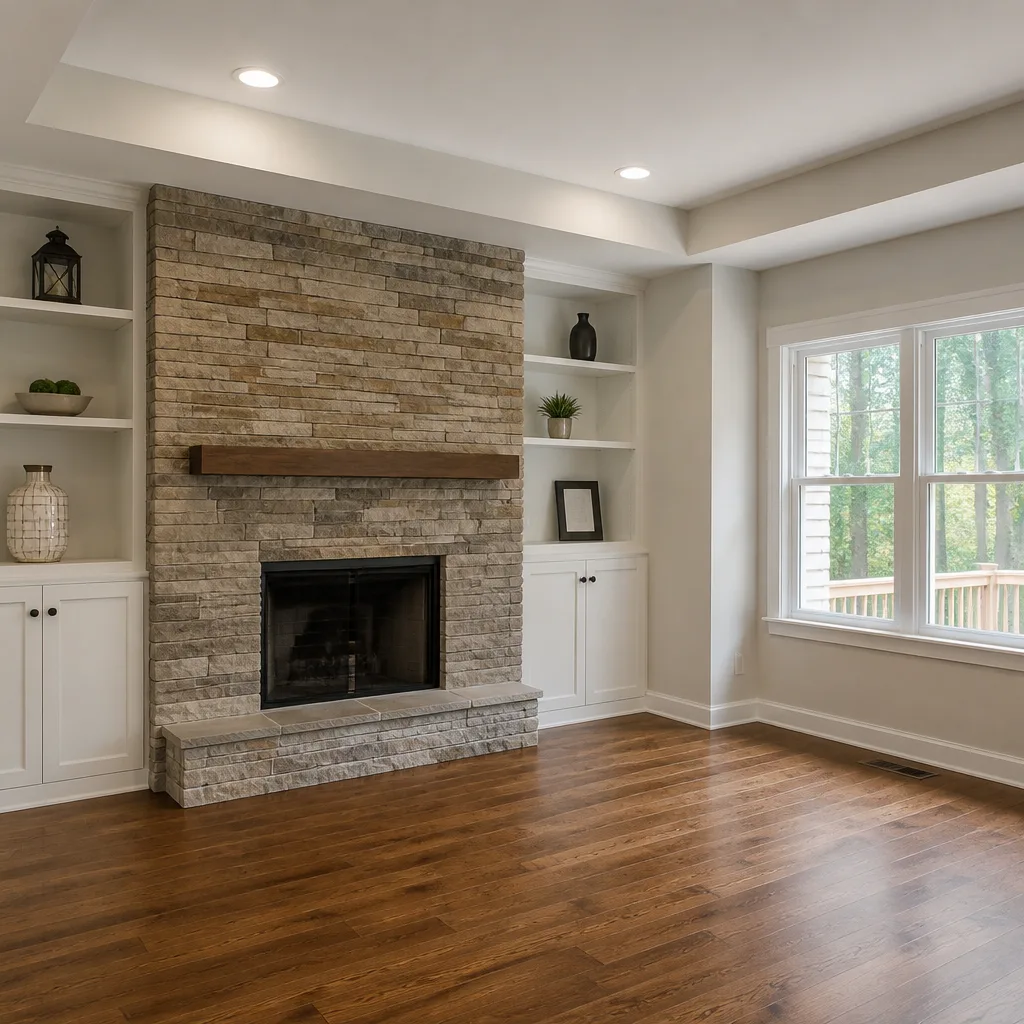
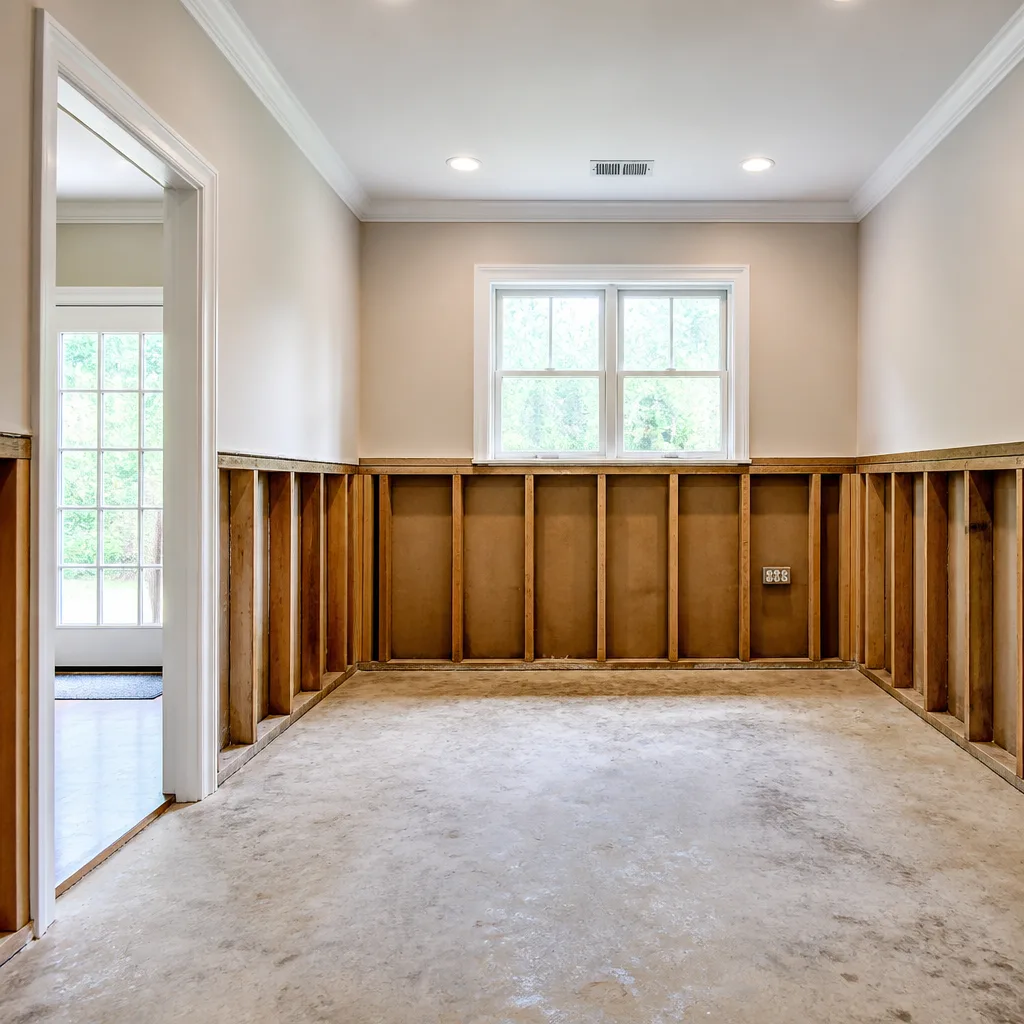
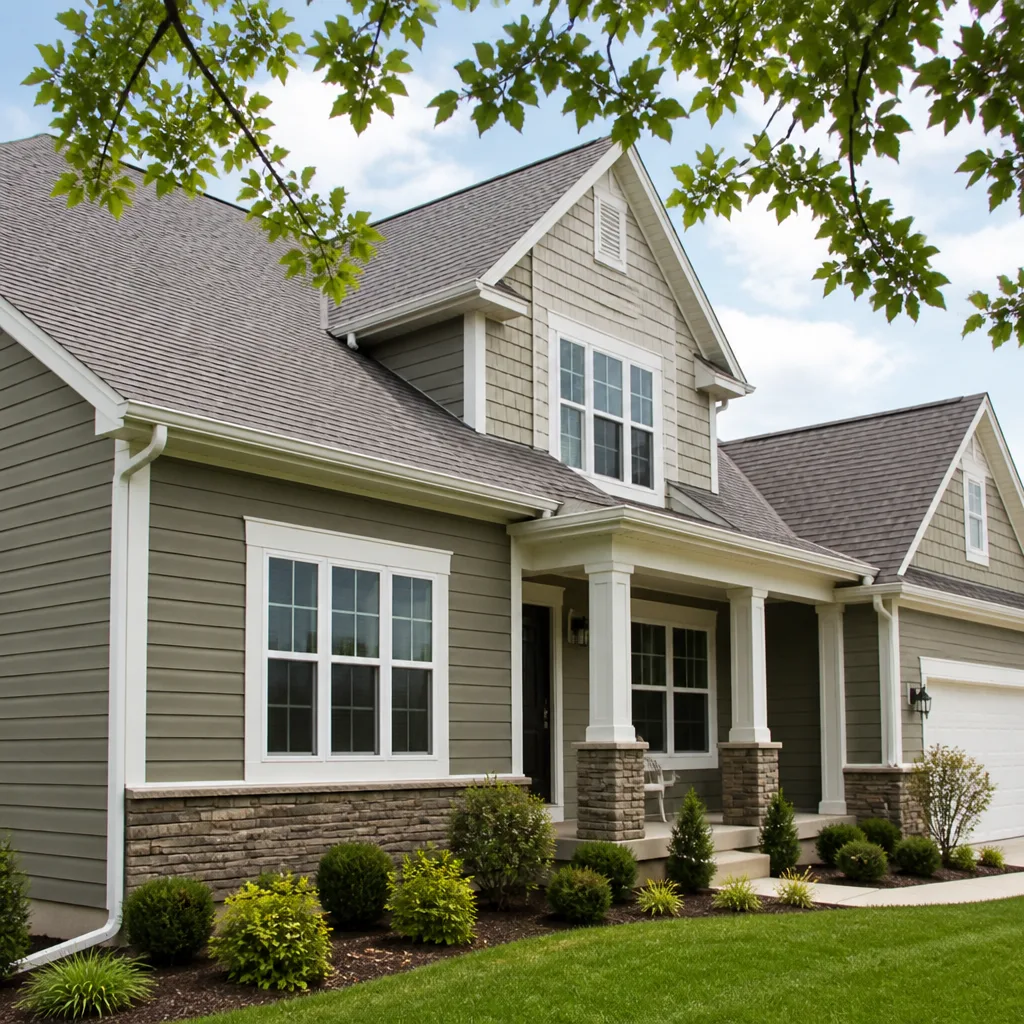
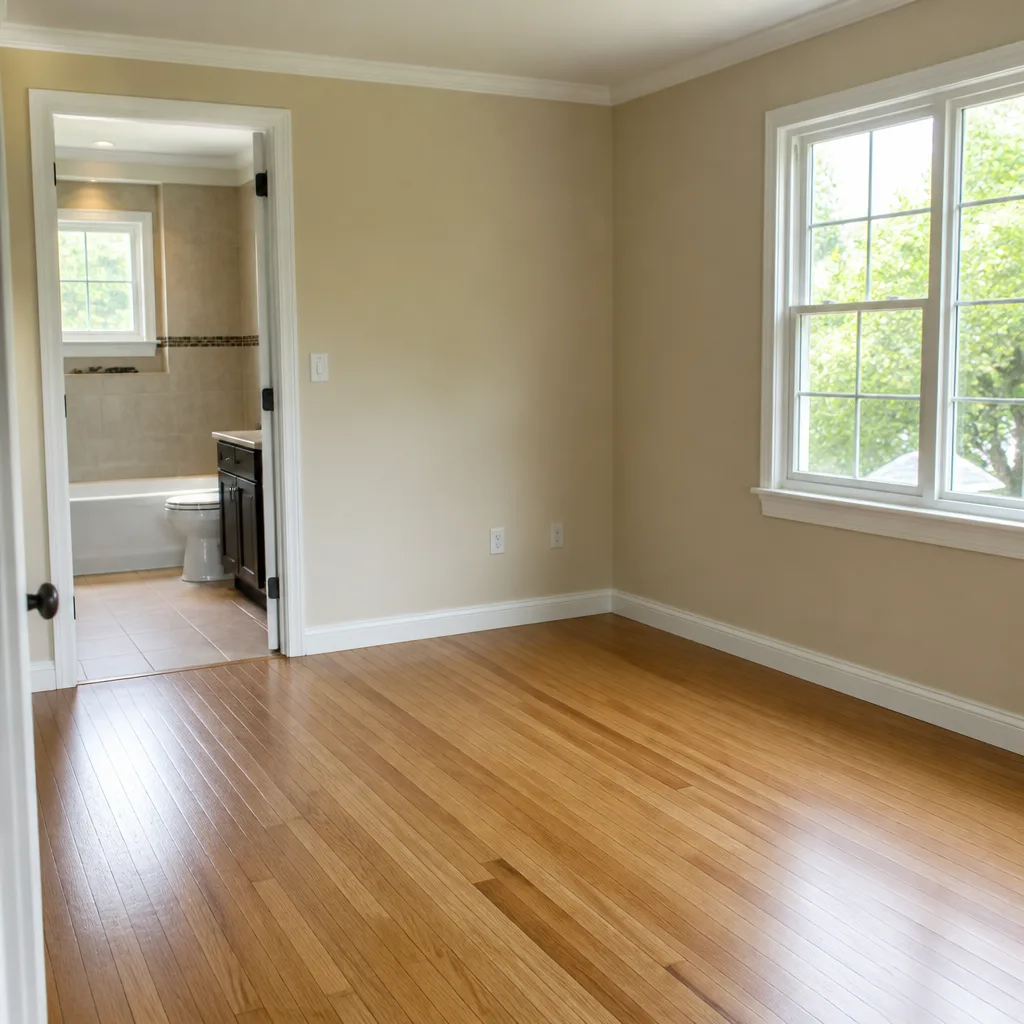
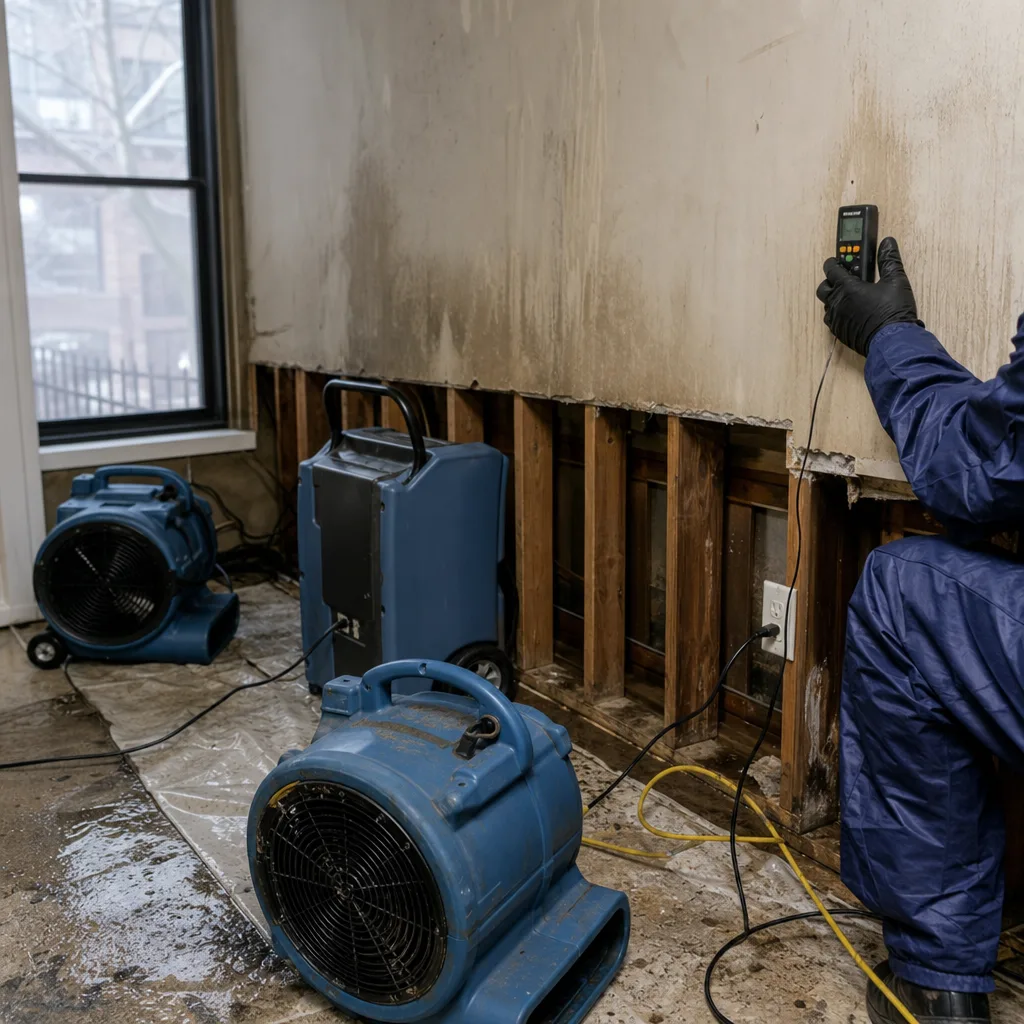 Before
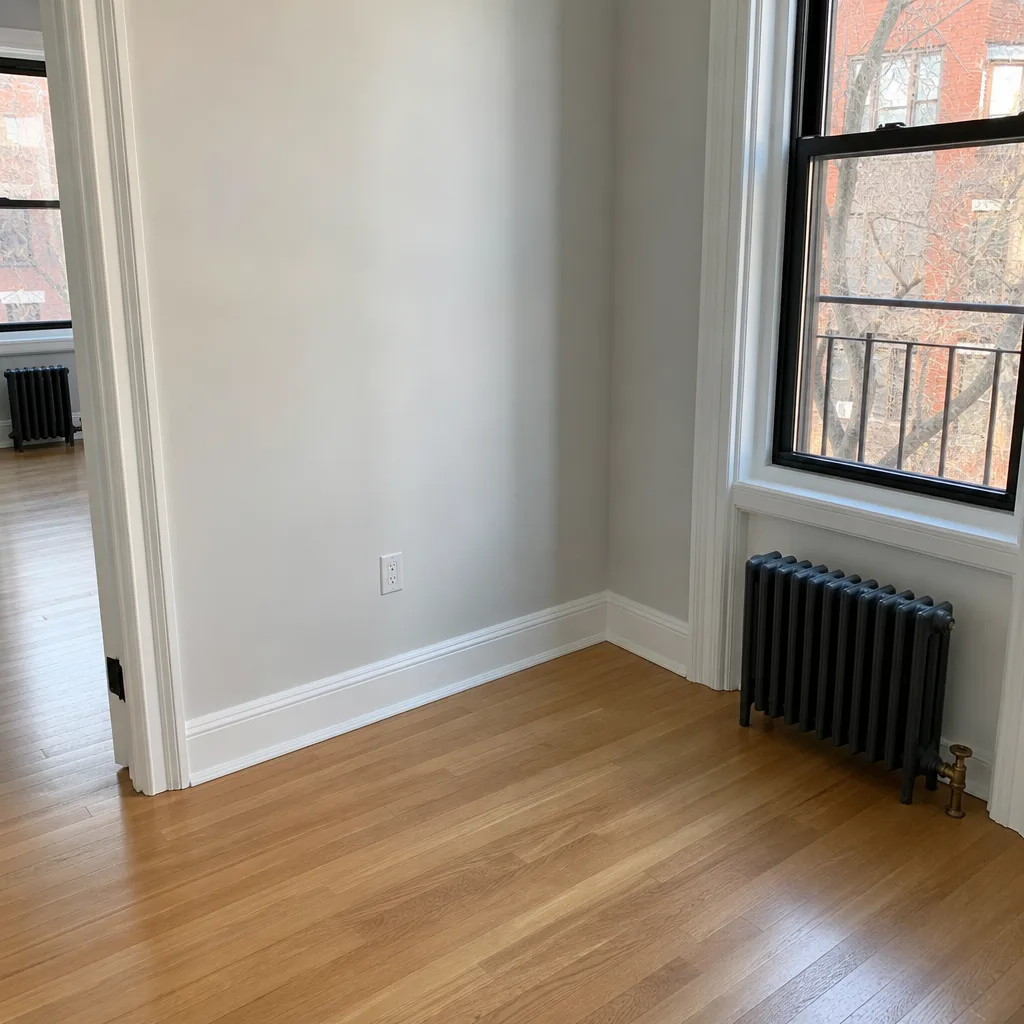 After
After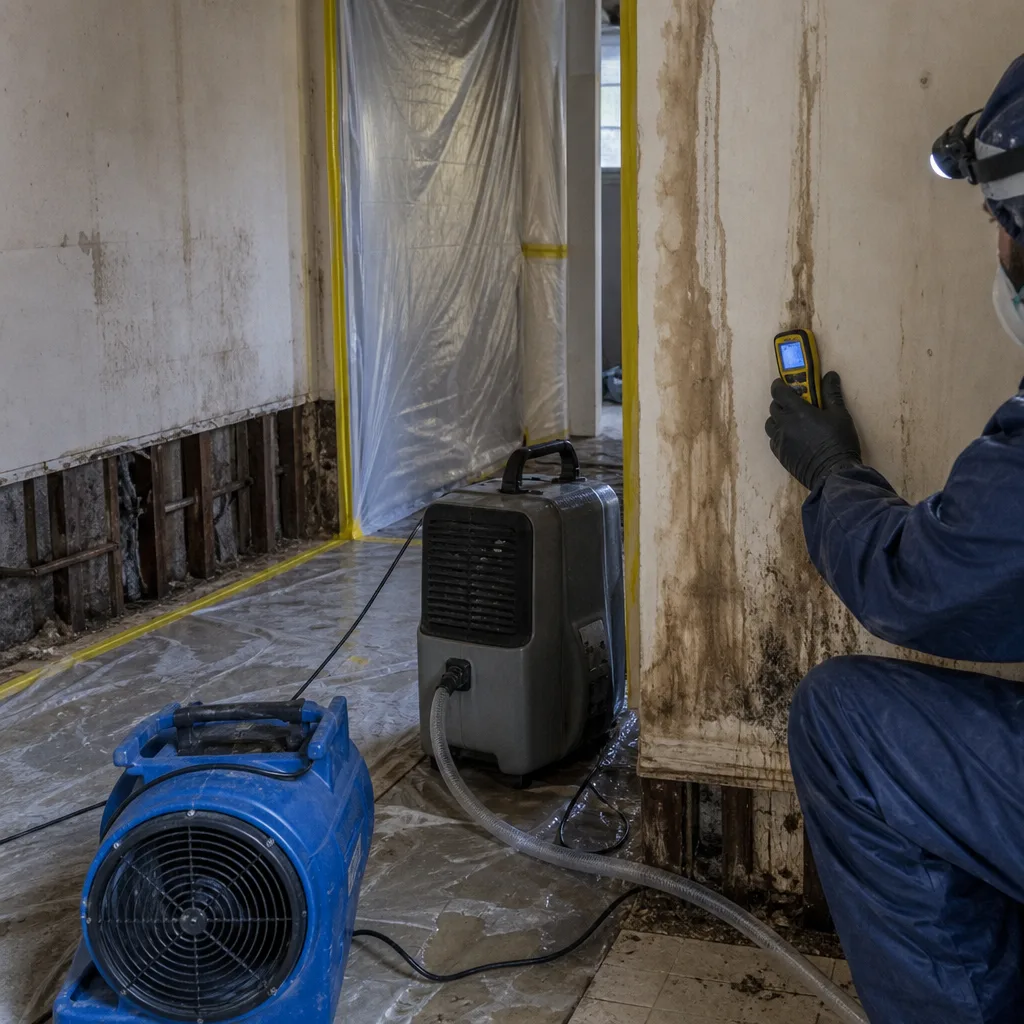 Before
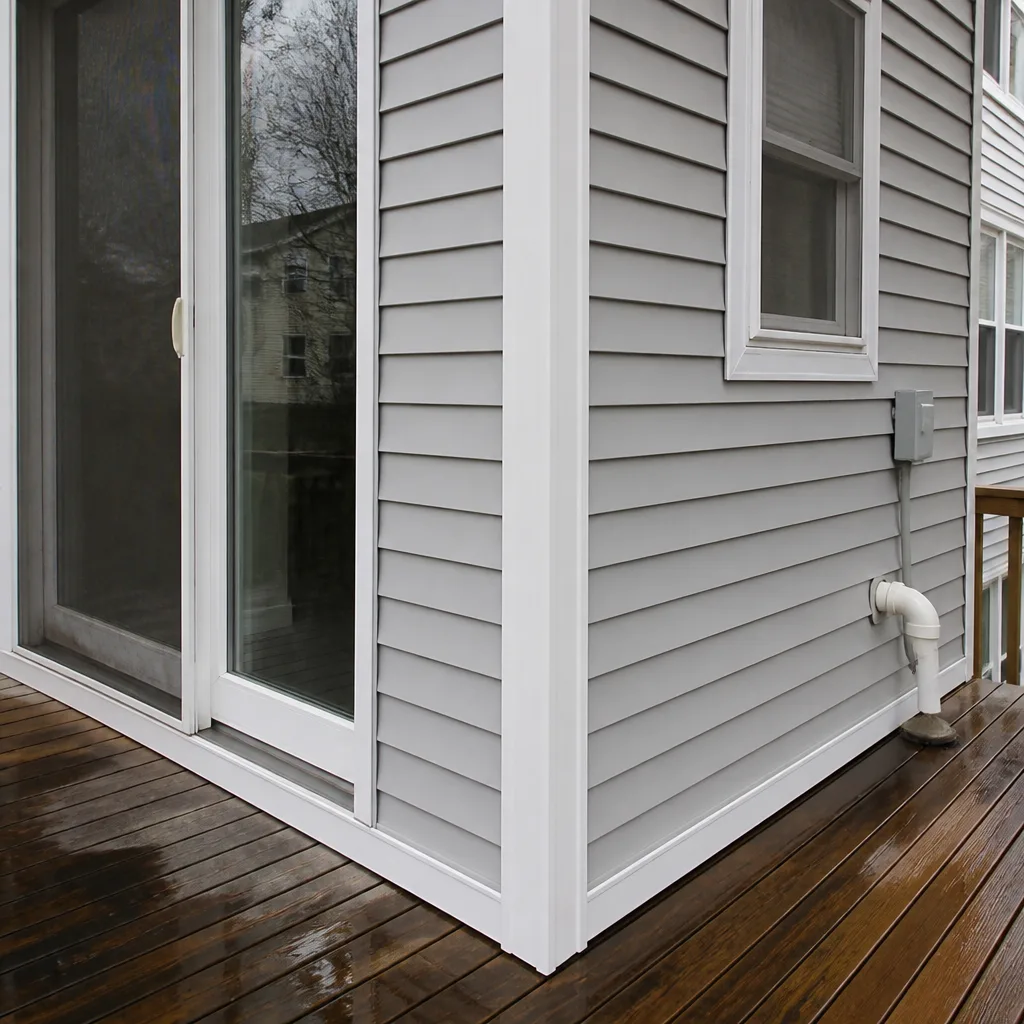 After
After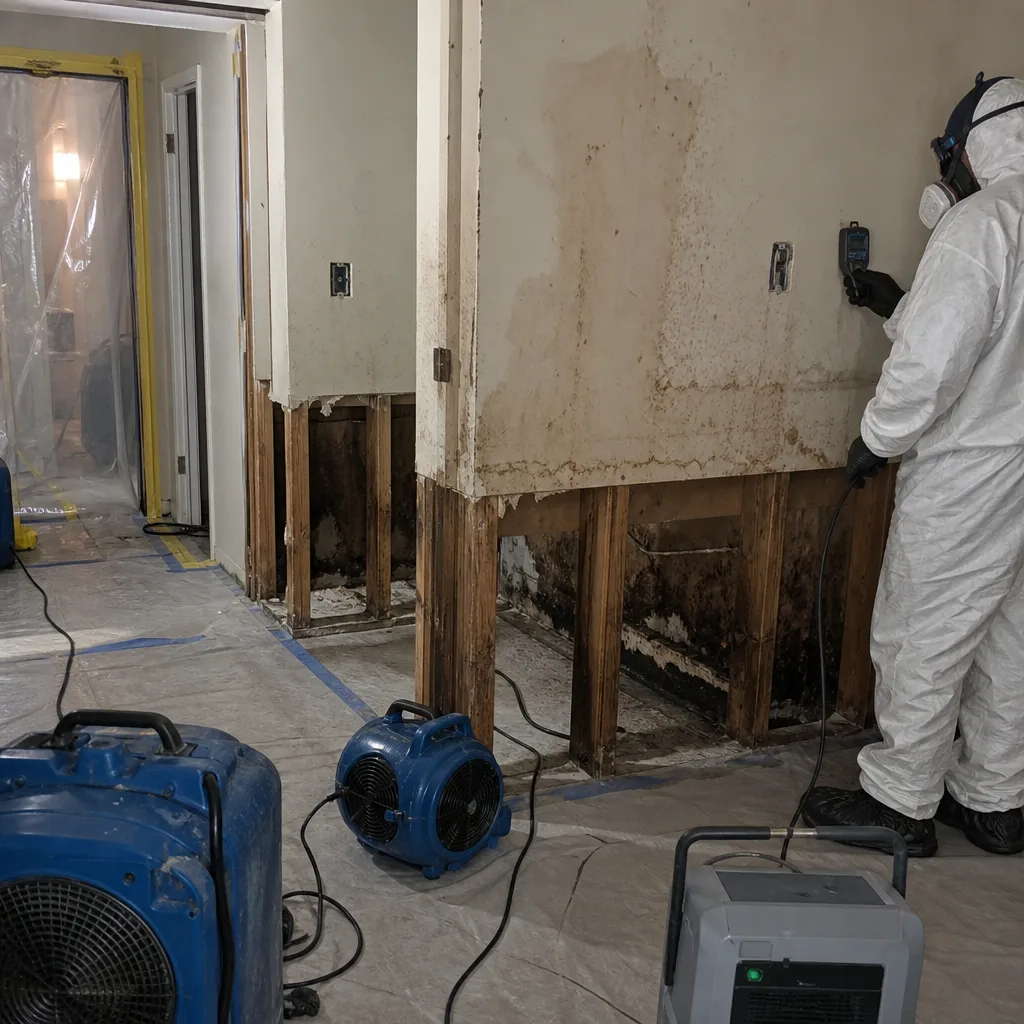 Before
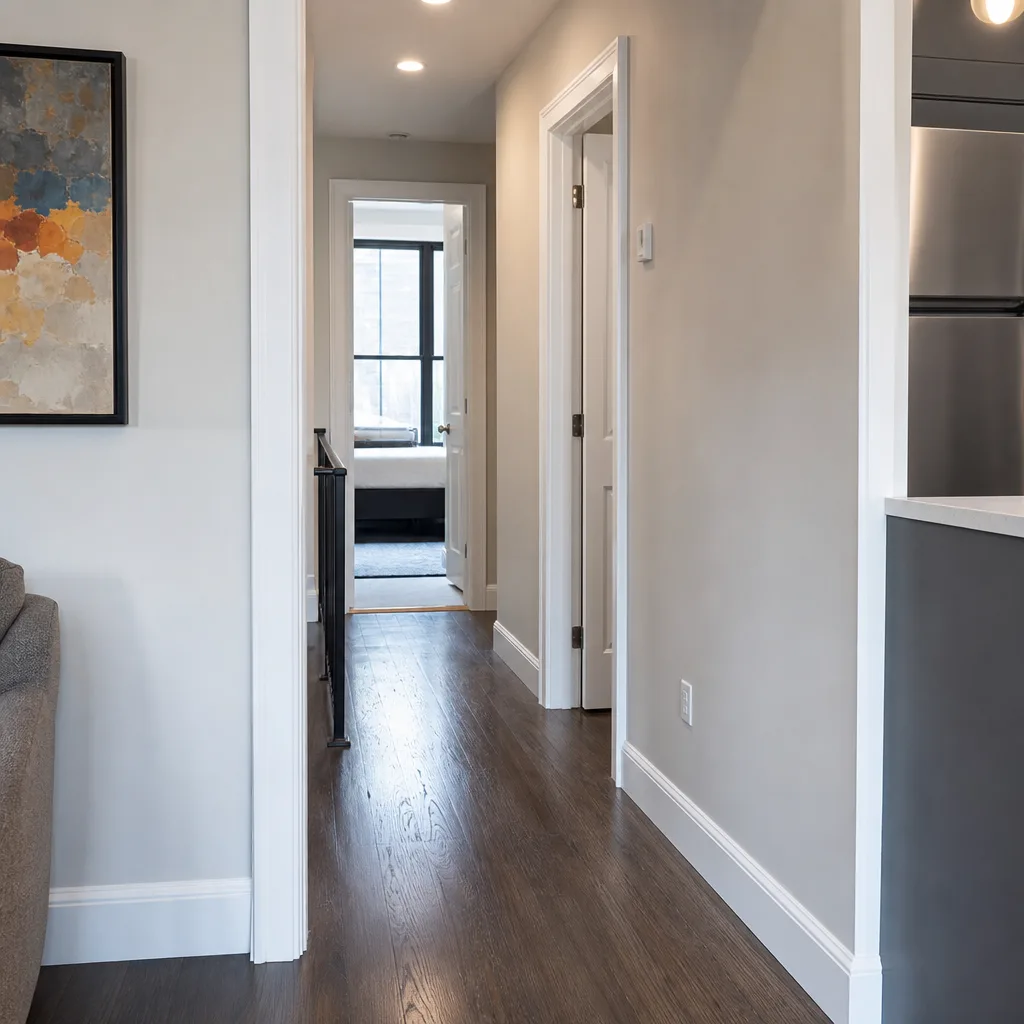 After
After24/7 Emergency Storm & Disaster Restoration in Canarsie
When a nor’easter pushes Jamaica Bay over the bulkheads or a summer squall tears roofing off a two-family on East 86th Street, Canarsie homeowners need someone on the phone who already knows the terrain. Our crews answer live at (917) 924-4221, twenty-four hours a day. We dispatch from the brand’s New York City office straight into Canarsie, and our Storm & Disaster Restoration team reaches most blocks within 45 minutes of your call. The first hour after a storm decides how much gets saved: bay water wicking up drywall, salt settling into framing, and standing water in a finished basement off Seaview Avenue all get worse by the minute. Call us while the damage is still fresh. We’ll walk you through immediate steps, get a background-checked crew moving, and keep you out of the insurance guessing game from the first hour.
Understanding Storm & Disaster Restoration Severity in Canarsie Properties
Storm damage in Canarsie rarely matches the textbook. Most homes here were built between the 1950s and the 1970s as brick semi-detached or detached two-families, with finished below-grade basements that sit barely above the water table. That four-foot crawl space under Rockaway Parkway floods fast and dries slow. When bay water gets in, we classify it as Category 3 water: grossly contaminated, loaded with salt, sewage from overwhelmed lines, and whatever the surge carried off Flatlands Avenue. Saltwater restoration is a complete-tear-out discipline. You cannot dry salt out of gypsum board. You cannot coat over salt-crusted studs and expect them to hold. Our crews run moisture mapping before cutting, log readings with hygrometers twice daily, and hold the job to IICRC S500 standards for structural drying. In Canarsie, mold colonization from bay-water intrusion begins in 24 to 48 hours, not the four to five days inland Brooklyn sees. The salt air itself accelerates corrosion on any exposed metal: door hinges, electrical boxes, the steel lintels over basement windows. That is why we inspect every layer before we quote, and why half-measures do not work within a mile of the bay.
Why Canarsie Property Owners Choose Floodline Restoration Co. of Manhattan
Our Storm & Disaster Restoration crews have worked properties on both sides of Remsen Avenue, from Paerdegat Basin Park up toward the Fresh Creek nature preserve. Homeowners stay with us for reasons that stay boring and dependable:
- A live dispatcher picks up on the second ring. Not a call center, not a script. A person in New York who knows Canarsie’s streets and can route a crew while you are still on the phone. Every hour, every day.
- Crews typically arrive within 45 minutes. We know the choke points: Ralph Avenue around shift change, the Belt Parkway on-ramps when the bridges back up. Our staging points account for how Canarsie actually moves.
- IICRC-certified technicians on every job. WRT, FSRT, and AMRT certifications, trained to RIA and IFA standards as well. The crew lead carries the moisture map, not a sales binder.
- Free visual inspection before any work begins. You see the damage, we show you what we see, and the scope goes in writing before a single panel comes off the wall.
- Direct insurance billing. We handle NFIP flood claims and standard homeowner carriers. Your adjuster gets the same documentation we keep for ourselves.
- One crew from first extraction to final coat of paint. Floodline Restoration Co. was founded in 2010 by Curt Bowman with one rule: never hand a family off mid-job to a crew nobody asked for. We stand behind that rule in writing with our 90-Day Done Right Promise.
Our Storm & Disaster Restoration Process
Inspection & Assessment
We walk the property above grade and below, checking for hidden moisture, salt-crusted framing, and structural compromise. Dri-Eaz thermal imaging shows us water behind walls that looks dry. Photos document everything before we touch a surface.
Extraction & Stabilization
Standing water comes out immediately with truck-mounted extraction and professional-grade pumps. We cut out wet drywall to the moisture line, board up breached windows, and tarp torn roof sections the same visit.
Drying & Dehumidification
XPOWER air movers and Phoenix dehumidifiers go in after extraction. Daily moisture readings with digital hygrometers track progress against the dry standard, logged and dated for the adjuster.
Cleaning & Sanitization
After Category 3 saltwater intrusion, we apply antimicrobial treatment to every exposed framing member before anything gets closed up. HEPA air scrubbers run during reconstruction to control dust and spores.
Corrosion & Salt Treatment
This step is Canarsie-specific. We inspect exposed metal for salt attack: garage-door springs, hinges, tracks, opener chains, and fasteners. Where salt has begun eating hardware, we replace with coated or stainless components. Curt Bowman’s crews learned early that a door that opens fine today can drop off its track next winter if the salt is not addressed now.
Repairs & Restoration
We rebuild what the storm and salt ruined: drywall, insulation, flooring, trim, and any garage-door hardware that failed. The same crew that pulled the first wet sheet of drywall off Remsen Avenue hangs the last one.
Need Emergency Storm & Disaster Restoration in Canarsie Now?
Crews minutes away, answering live 24 hours a day. The sooner we start, the less it costs.
Working With Your Insurance Company
Canarsie carries a disproportionate share of NFIP flood policies, which changes how restoration paperwork works. We get that. A mandatory flood-insurance claim means an elevation certificate, a scope-of-loss package that meets federal adjuster standards, and a carrier who wants documentation, not impressions. Our team built our process around those demands. We photograph every room before and after, keep daily moisture logs, and write scopes in the same Xactimate-based line items the federal adjuster recognizes. You never play messenger between our crew and your carrier. We talk to the adjuster directly, answer their questions in their language, and bill the insurance company for covered work. If the carrier disputes something, we arm you with the documentation to fight it.
What We Provide Your Insurer
- Thorough documentation of the loss
- Photos of all damage, room by room
- Moisture readings and drying logs
- A detailed, line-item scope of work
- Direct coordination with your carrier
Built for Canarsie’s Loss Calendar
Storm damage in Canarsie follows the seasons with a dreary regularity. Late summer and early fall bring the nor’easters and tropical remnants that push Jamaica Bay over the bulkheads near Seaview Avenue and into the streets of the flood zone. Those are the events that fill basements with Category 3 saltwater and tear sections of roof off two-families along Avenue K. Winter brings deep freezes that burst supply lines in the exposed crawl spaces of older brick semidetached homes, flooding interiors the same way a storm surge does. Spring thaw loosens the ground, sending seepage into below-grade basements off Rockaway Parkway that sit barely above the water table. Every one of these is a restoration job with a different clock. A frozen pipe flood is clean water if we get there fast. Bay water is never clean. We plan our Canarsie response around that calendar and the specific equipment each season demands.
Storm & Disaster Restoration Across Canarsie’s Neighborhoods
The neighborhood’s layout works against uniform restoration. Homes up near Fresh Creek border nature preserve face different water pressure than the blocks between Paerdegat Basin Park and the Belt Parkway. One of the most distinctive Canarsie patterns we see in the field: the blocks immediately off the bay near Seaview Avenue lose garage-door hardware faster than anywhere else in Brooklyn. Salt air attacks springs, hinges, and opener chains within two to three years. A family that had a new door put on after Sandy starts hearing the springs squeak by 2016, then the opener chain snaps mid-cycle one morning. We replace with galvanized springs, stainless hardware, and nylon rollers wherever the job calls for them. That is not an upsell. It is what keeps a door on its tracks in a salt-laced atmosphere. The housing stock between Remsen Avenue and East 108th Street runs heavily to 1960s brick two-families with below-grade basements. The basements off Rockaway Parkway flood first because the grade runs low there. Restoration routes through the neighborhood follow those realities.
Specialized Storm & Disaster Restoration Services We Offer in Canarsie
Flood Damage Restoration
The main event in Canarsie. When bay water or a burst line fills a basement, we extract, tear out everything the salt touched, treat the framing, dry the structure, and rebuild. After a nor’easter pushed bay water over bulkheads near Seaview Avenue, our crew found a finished basement with saturated drywall and salt-crusted framing. We ran moisture mapping with Dri-Eaz thermal imaging, extracted standing water, and cut drywall to 24 inches above the moisture line. Category 3 saltwater meant complete tear-out and antimicrobial treatment before we set a single XPOWER air mover. The family’s NFIP adjuster reviewed our scope while we got their home dry.
Storm Damage Cleanup
Fallen trees, blown-in debris, damaged siding, cracked windows, flooded ground floors. We clear what the storm left, remove water and contaminated material, and stabilize the structure fast so further damage stops compounding. In Canarsie, cleanup always includes a salt check on metal surfaces the storm water may have reached.
Emergency Board-Up
A broken window off Flatlands Avenue becomes a security problem and a moisture problem within hours. We board and secure breaches the same visit, using professional-grade materials that hold until permanent repairs go in. This keeps out the weather, the animals, and the unwelcome visitors.
Roof Tarping
High winds off Jamaica Bay peel roofing from two-families and semidetached homes every storm season. We tarp exposed roof sections to stop rain and wind-driven bay mist from pouring through the ceiling, then document the damage for your carrier. The tarp is a temporary measure, but done right, it holds until the full roof repair is scheduled.
Debris Removal
Storm debris in Canarsie is rarely just tree limbs after a bay surge. We haul out soaked insulation, ruined drywall, waterlogged furniture, and anything else the flood contaminated. Debris removal runs on its own schedule in the restoration timeline: we get the wet material out first, because it keeps releasing moisture into the air as long as it sits.
What happens when you call
- 1
A real person answersNo phone trees - you reach a local pro.
- 2
You get an upfront price rangeHonest numbers before anyone is dispatched.
- 3
A background-checked tech heads outLicensed & insured, dispatched right away.
- 4
You approve before work beginsNothing starts until you say go.
Storm & Disaster Restoration Costs in Canarsie, NY
Get a real number, not a vague promise. Water extraction from a standard Canarsie basement runs $1,200 to $3,500 depending on square footage and how long the water has sat. Full flood damage restoration with tear-out, drying, and rebuild typically lands between $4,500 and $18,000 for a finished basement. Roof tarping after storm damage runs $500 to $1,500. Emergency board-up sits at $350 to $900 per opening. Debris removal is $400 to $1,200 per truckload. Where salt has eaten garage-door hardware, replacing springs, hinges, and an opener chain runs $300 to $800. What moves the price: how fast you called, whether the water was Category 3 bay water or clean pipe-burst water, and whether the framing under the drywall needs treatment or replacement. Most of this is insurance-covered with the documentation we provide. Our visual inspection is free, and the written scope comes to you before you commit. Call (917) 924-4221 for a firm number on your specific damage. Our senior and veteran discount of 5% and the $50 off any repair over $250 are always available.
We Also Serve Cities Near Canarsie
Our crews regularly respond to storm damage in Fairview, Harrison, East Bronx, and Hunts Point. Storm & Disaster Restoration in Canarsie remains our core service area, and we keep dispatch routes to the surrounding neighborhoods short so a live answer on the phone becomes a crew at your door with no wasted miles.
Serving Canarsie, NY - Our Local Coverage Area
We’re based in the Canarsie area and know this community well. Use the map below to see our service coverage - if you’re nearby, we can almost certainly help.
Canarsie Storm & Disaster Restoration Questions, Answered
Do I always need to tear out drywall after a Jamaica Bay flood in Canarsie?
Yes, if the water that reached the drywall was bay water. Jamaica Bay surge is Category 3 water, loaded with salt and contaminants. Dry-in-place protocols that work after a clean-water pipe burst do not apply. Salt stays in the drywall and framing, keeps attracting moisture from the humid bay air, and corrodes or grows mold within weeks. We cut to the moisture line, confirmed by thermal imaging and moisture meters, and rebuild from dry framing.
How does salt air near Jamaica Bay affect my garage door after a storm?
Salt air corrodes springs, hinges, tracks, fasteners, and opener chains two to three times faster than inland air. After a storm, especially one with flooding, we see springs lose tension, chains snap, and doors come off track within months to two years. In Canarsie we replace with galvanized springs, stainless hardware, and nylon rollers where the environment demands it. That is a corrosion decision, not an upgrade sale.
Can you dry out my finished basement after saltwater intrusion instead of tearing it out if I act fast?
No. Speed does not convert Category 3 saltwater into Category 1 fresh water. Even if we extract within the first hour, the salt that soaked into drywall and framing remains. Drying equipment will remove moisture, but the salt stays behind and keeps causing trouble. Complete tear-out of salt-exposed material is the only Canarsie-safe restoration path. The alternative is hidden mold and corroded structure behind finished walls.
Will your restoration crew document everything for my NFIP flood insurance claim?
Yes, from the first visit. We photograph every affected room before work begins, log daily moisture readings, and write the scope in line items federal adjusters recognize. Since a large share of Canarsie homeowners carry mandatory NFIP policies, our paperwork is built to those standards. We also communicate directly with your adjuster, so you are not translating between us and your carrier.
What’s the first thing to do after a storm surge floods my Canarsie block before restoration starts?
Call us at (917) 924-4221, then shut off electricity at the breaker if you can do so without standing in water. Do not enter standing water that may be electrically charged or contaminated. Take photos of the waterline on walls for your claim. Then let our crew handle extraction and tear-out with the right equipment. The first 30 minutes decide how much drywall we save.
How fast can you actually reach my Canarsie property in an emergency?
Most Canarsie blocks get a live-answer crew on site within 45 minutes of your call. We know the neighborhood streets and the traffic bottlenecks, and we stage equipment accordingly. The dispatcher who answers is a real person in New York, not a national call center reading a script. When bay water is rising or a roof is open to the rain, we move like it matters.
How long does full storm restoration take for a flooded Canarsie basement?
Expect five to ten days for full restoration of a typical finished basement after saltwater intrusion. Days one and two are extraction, tear-out, and equipment setup. Structural drying with daily moisture readings runs three to five days. Antimicrobial treatment and rebuild take the remaining time. A clean-water pipe burst may finish faster. Saltwater jobs take the full discipline.
What certifications do your Canarsie storm restoration crews hold?
Our technicians are IICRC-certified in WRT, FSRT, and AMRT disciplines, with additional RIA and IFA-standard training where the job demands. Every crew member is background-checked and uniformed. Curt Bowman has run Floodline Restoration Co. since 2010, and he holds the team to the same standard on a Canarsie property as anywhere else: done right, in writing, or we make it right.
Written by Curt Bowman, Owner at Floodline Restoration Co. of Manhattan, serving Canarsie and surrounding neighborhoods since 2010.