
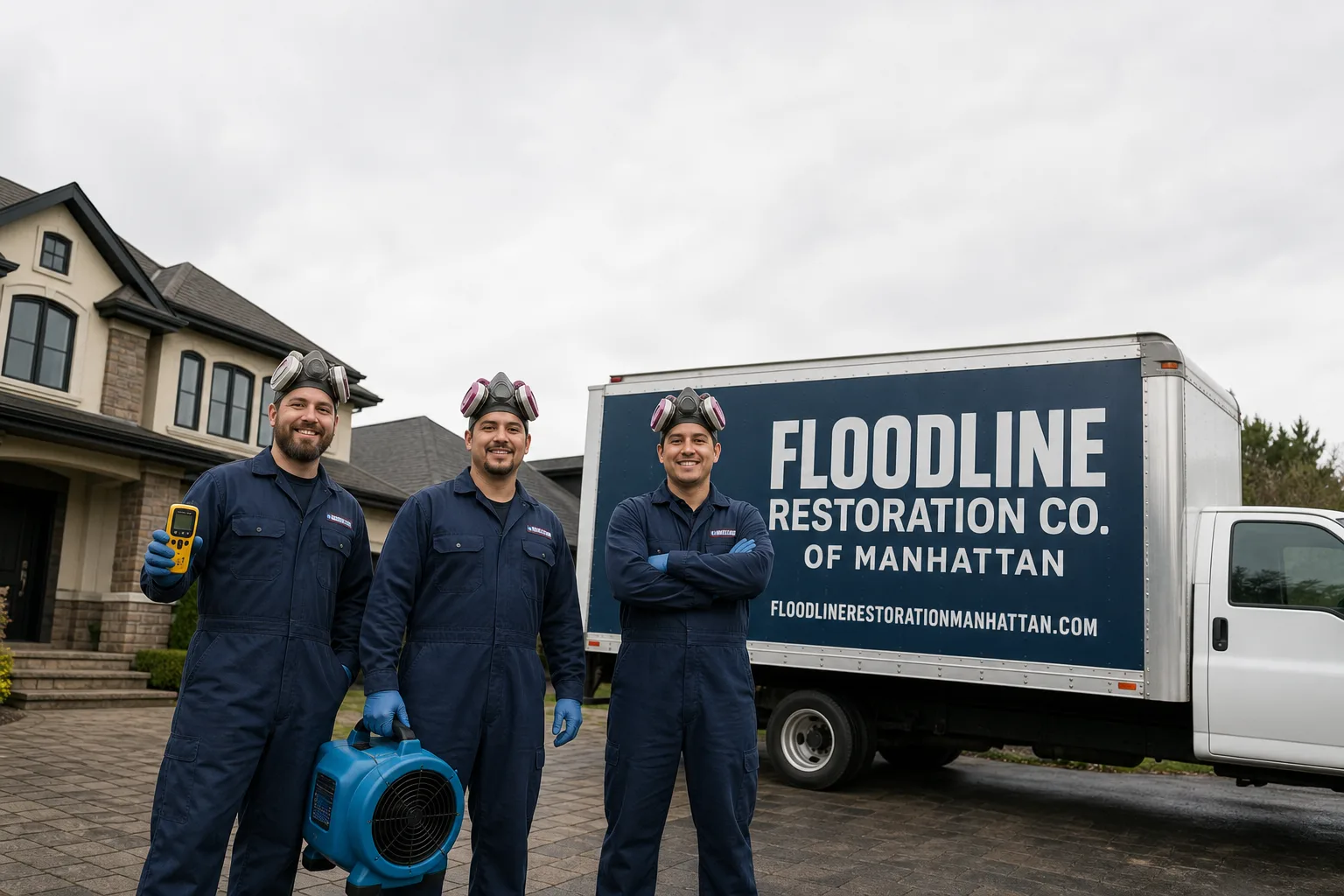
Free visual inspection and a written scope of work before any mitigation begins - photos, moisture readings, and drying logs go in your claim file
The scope we write is the scope we bill. Anything new gets shown to you, in writing, before we touch it.
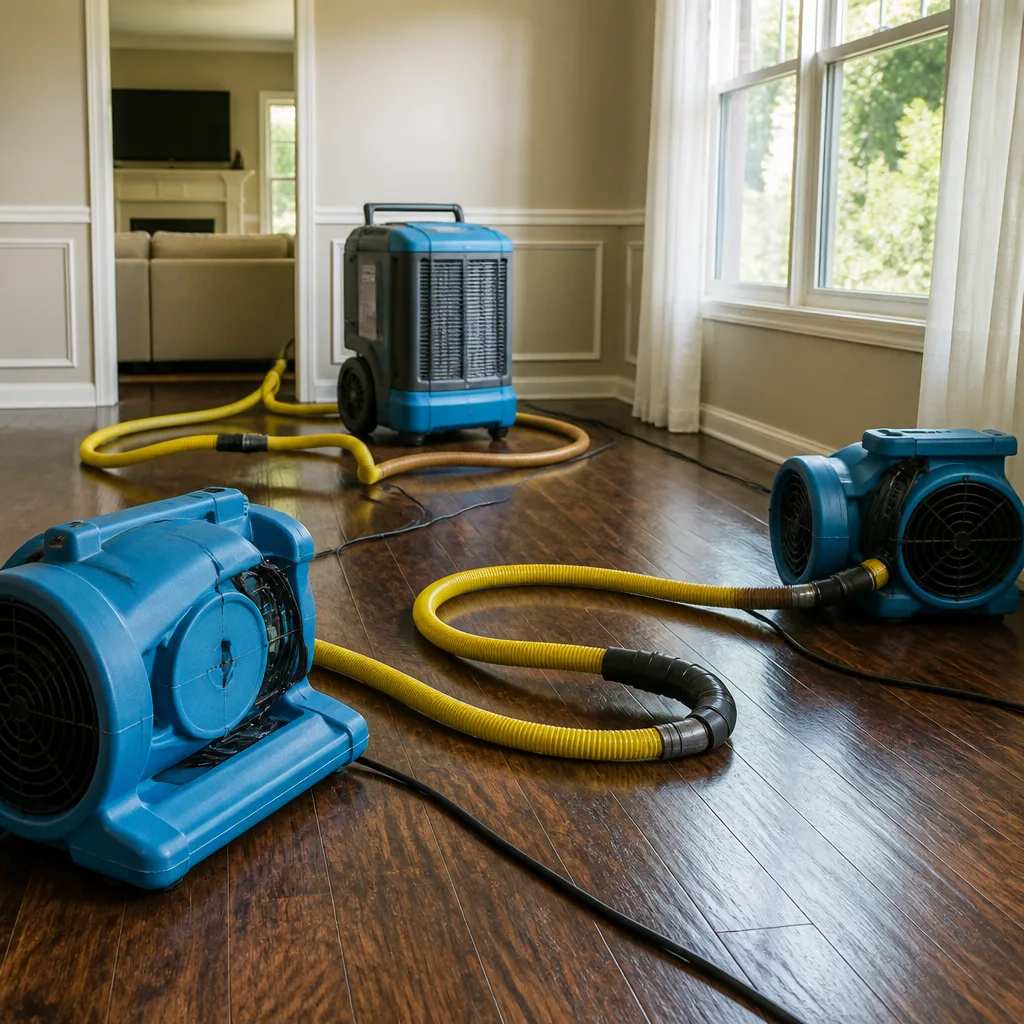
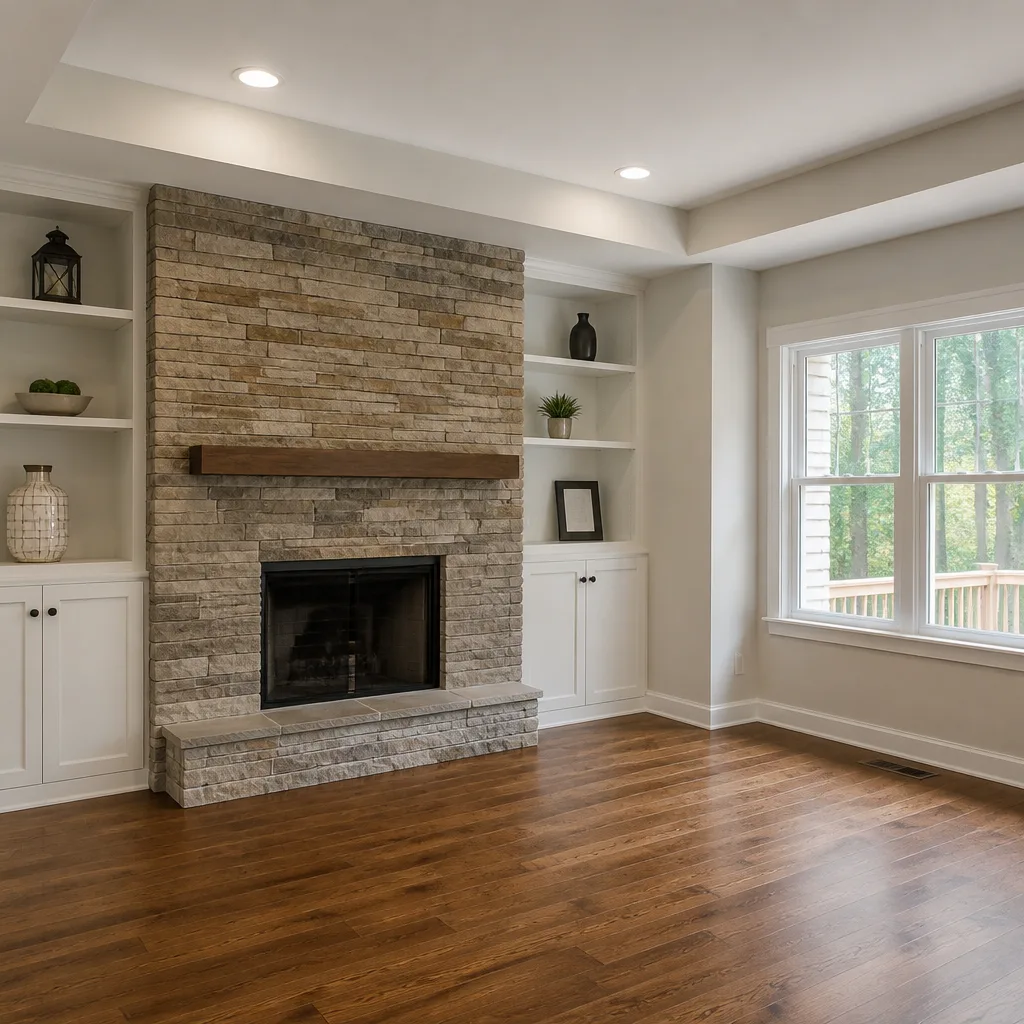
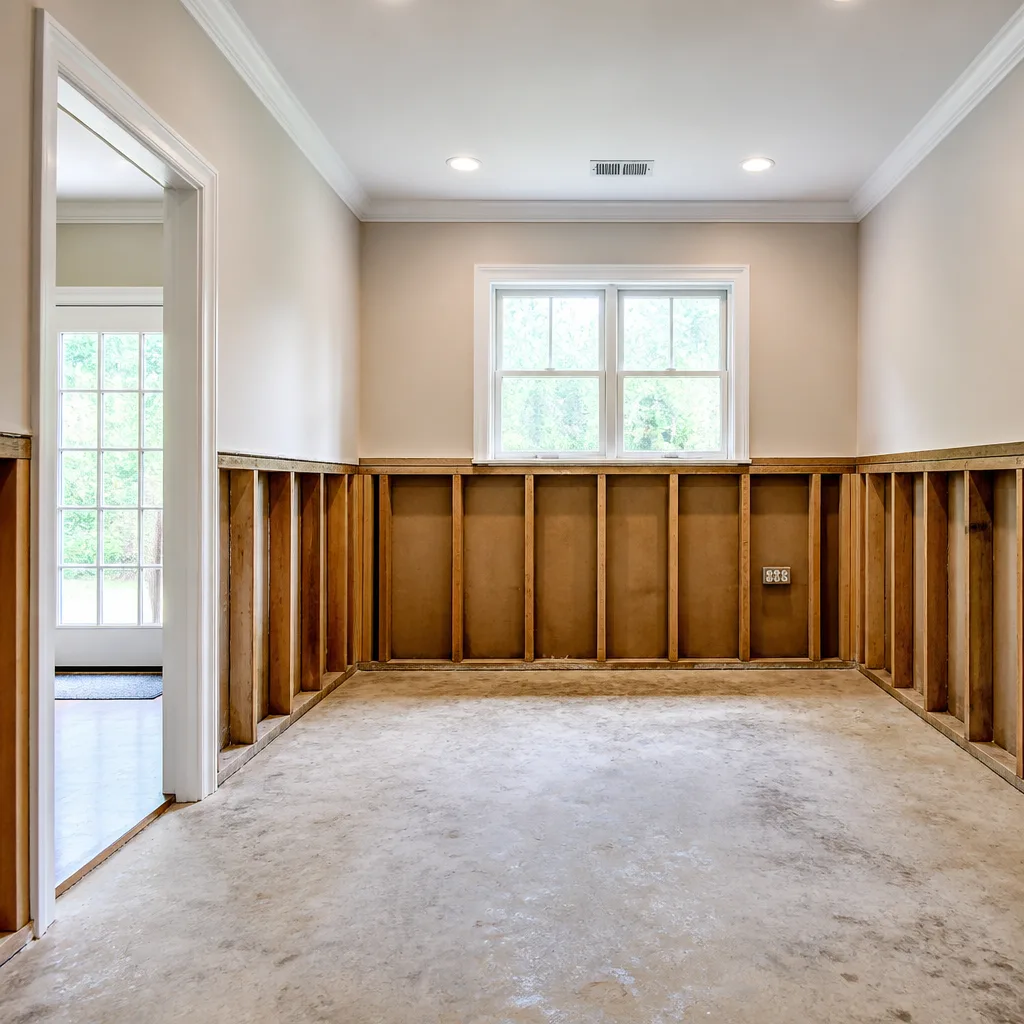
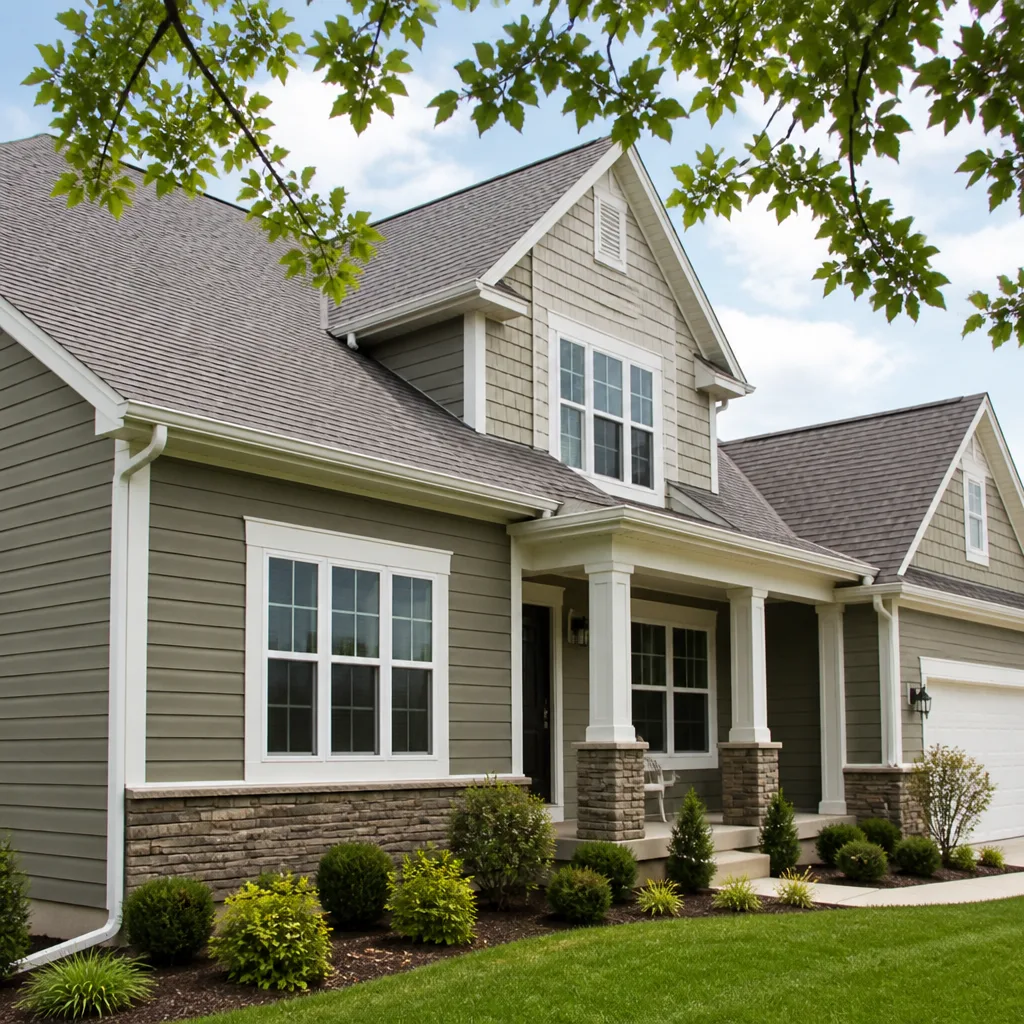
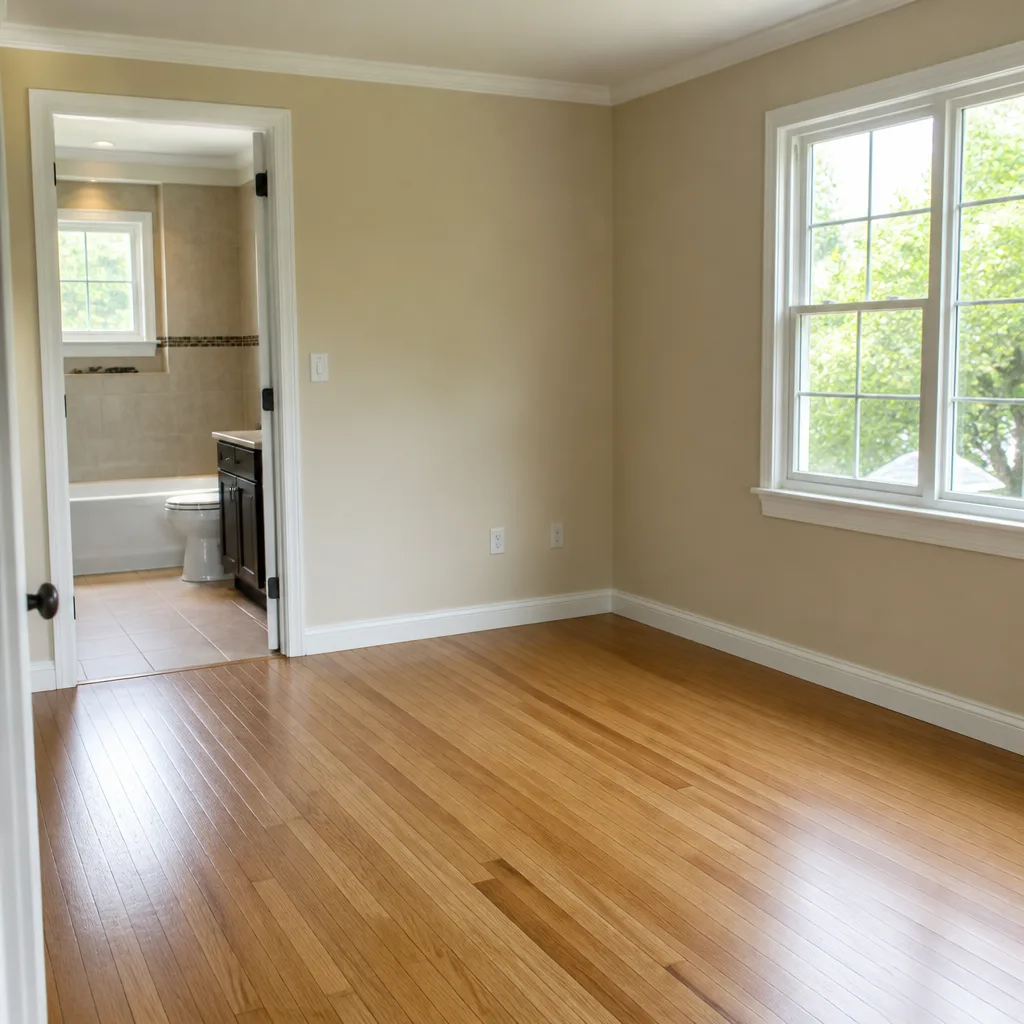
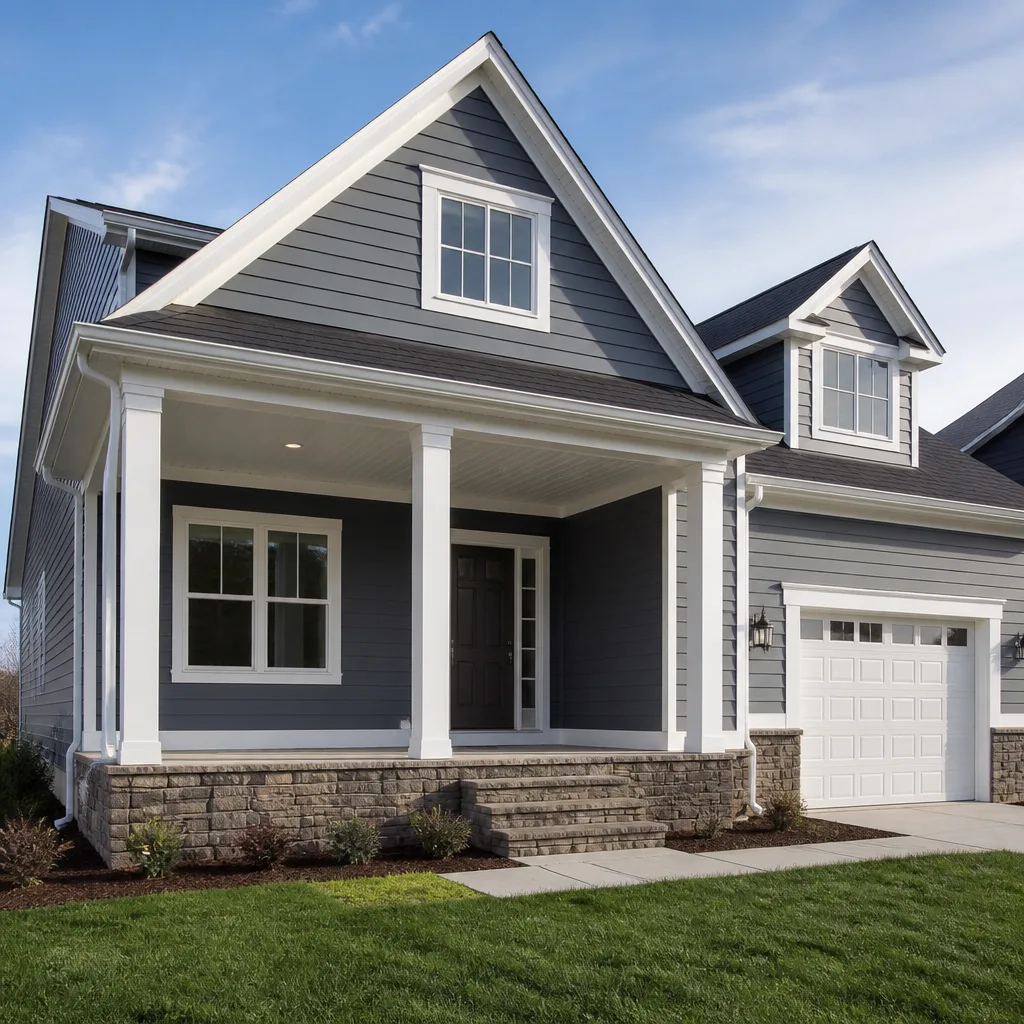
 Before
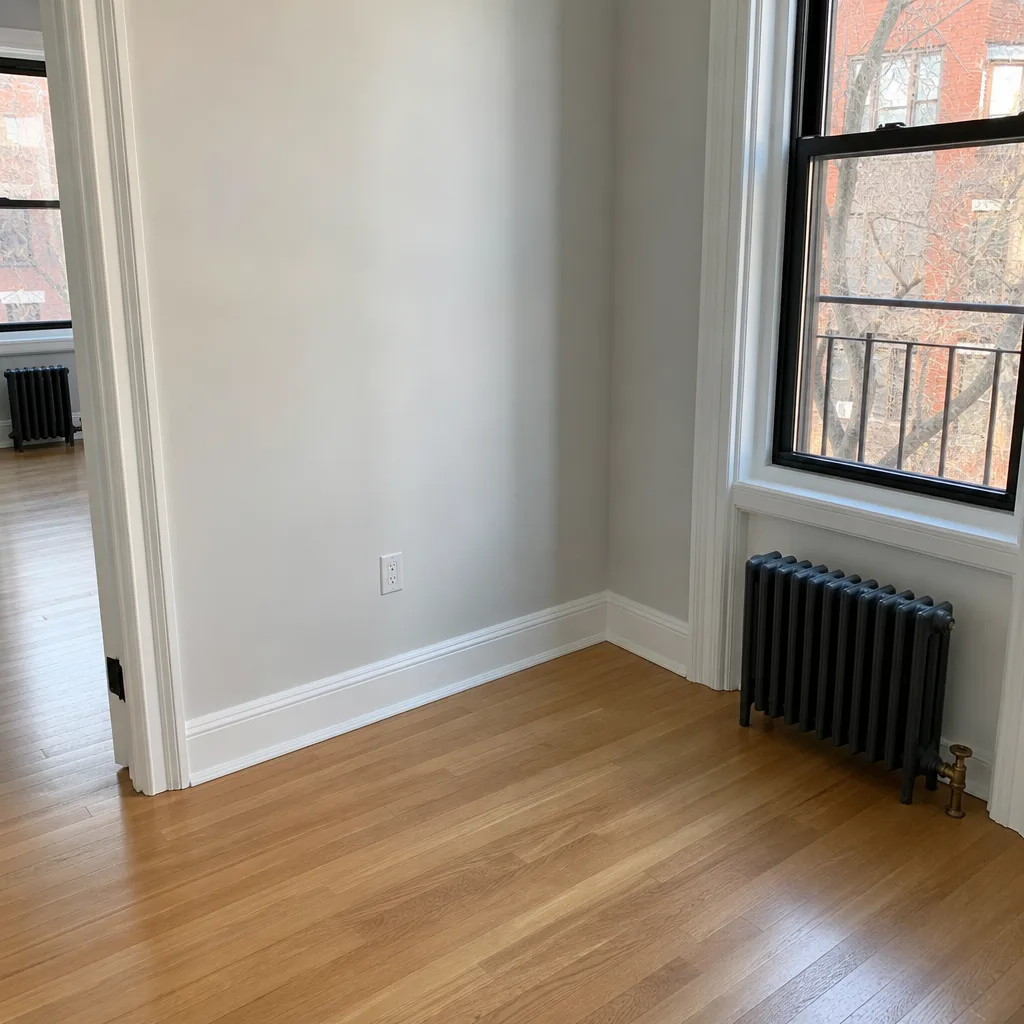 After
After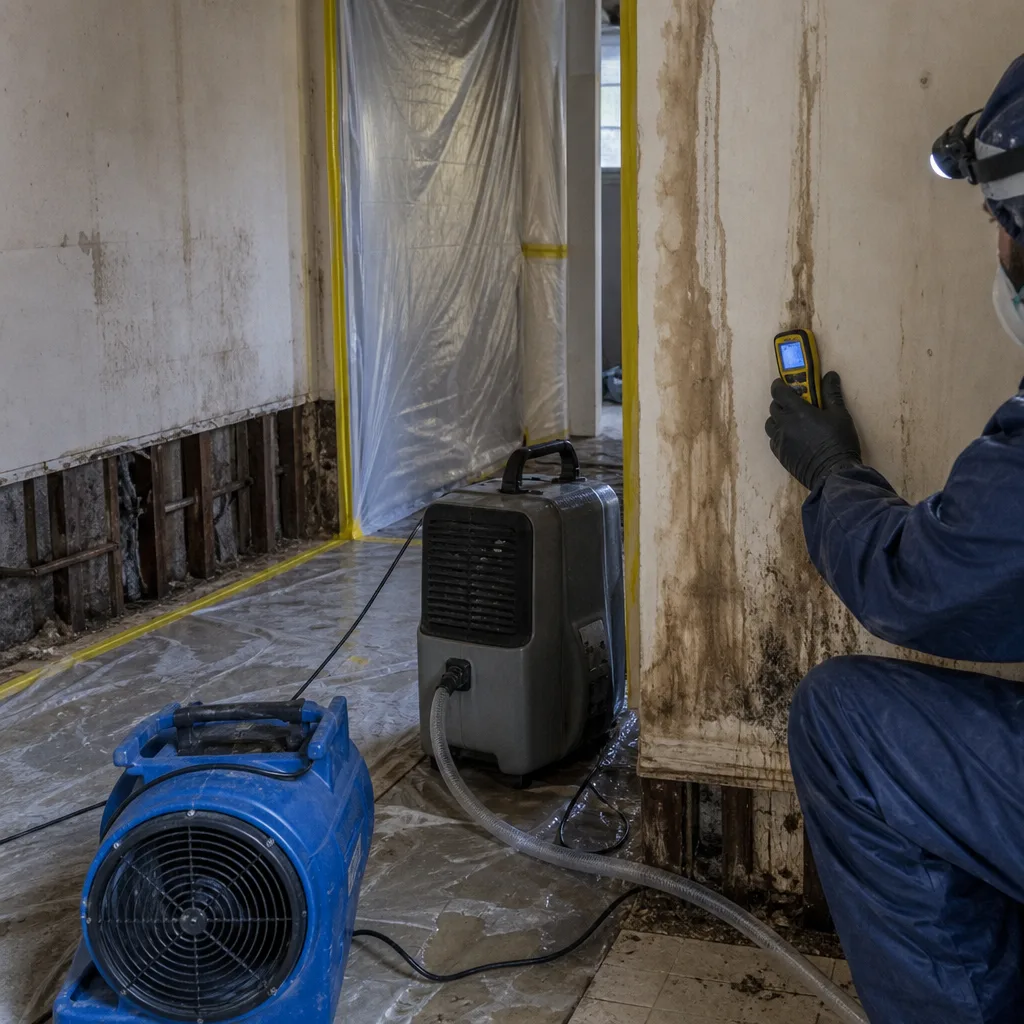 Before
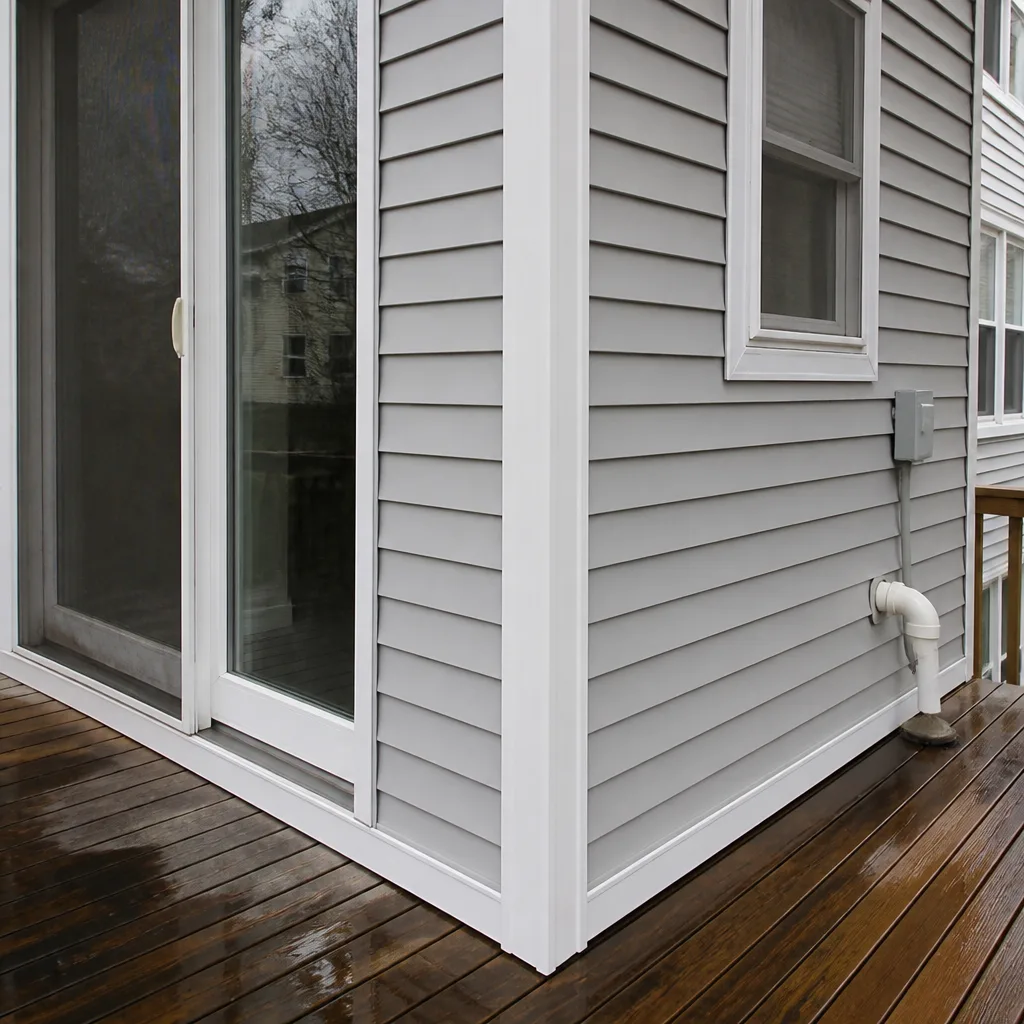 After
After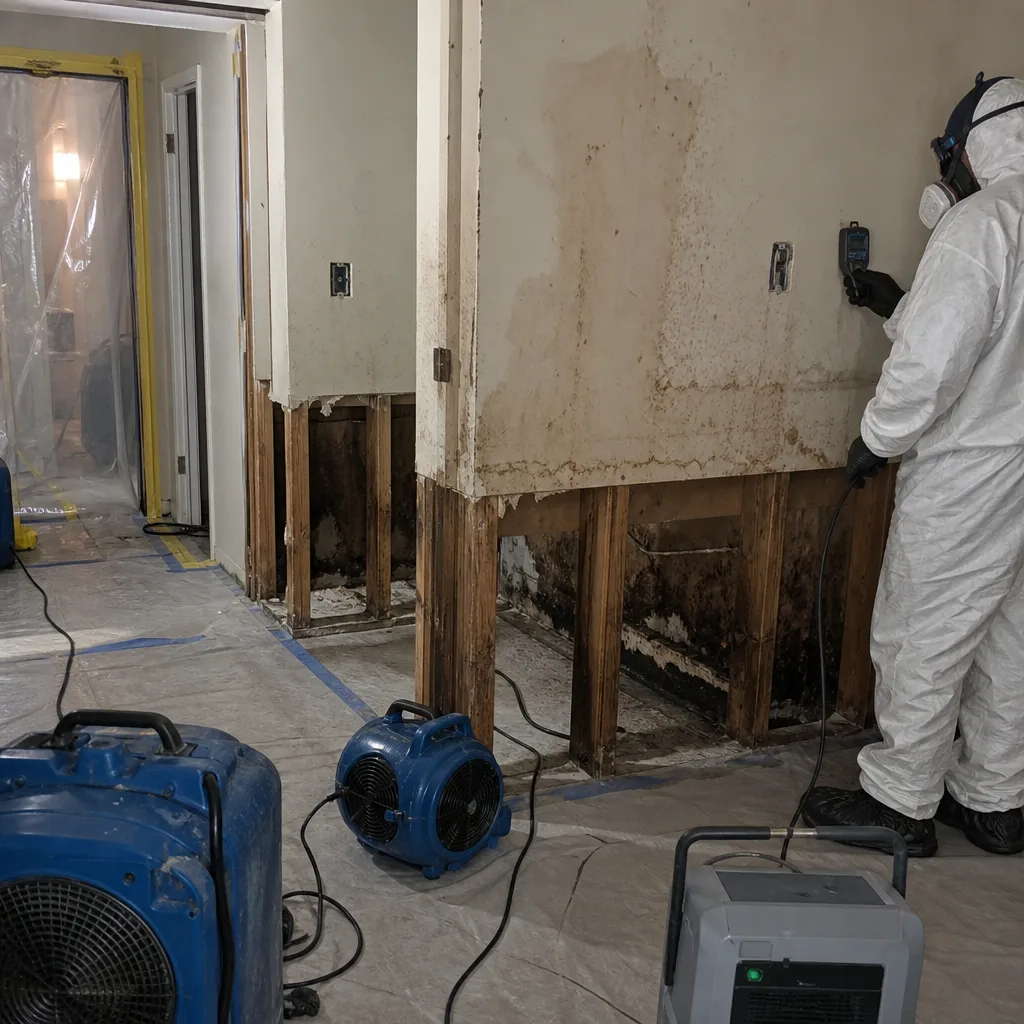 Before
 After
After24/7 Emergency Biohazard & Crime Scene Cleanup in Bellerose
Biohazard and crime scene cleanup in Bellerose typically costs $1,800-$4,500 for a contained blood or bodily fluid cleanup, $2,500-$7,000 for an unattended death with wall or flooring removal, and $3,500-$12,000+ for hoarding remediation depending on structural damage. Most jobs we handle in Bellerose are started within hours of the call, not days, because delaying containment in these 1920s-1940s attached brick homes lets contaminants migrate through shared party walls into neighboring units. If you’re standing in the middle of a scene right now, call (917) 924-4221. A live dispatcher answers at any hour, and a certified crew from our Biohazard & Crime Scene Cleanup division can be on the way to Bellerose within 45 minutes.
We’re Floodline Restoration Co. of Manhattan, founded in 2010 by Curt Bowman. We’ve built our whole company around showing up when we say and doing the job in writing, every time. For Bellerose specifically, that means knowing the Queens-Nassau line the way only a crew that works this neighborhood weekly can. More on that below, because it matters more than you’d think.
Understanding Biohazard & Crime Scene Cleanup Severity in Bellerose Properties
Biohazard cleanup isn’t one category of work. It’s a spectrum, and severity dictates everything from containment strategy to whether original plaster stays or goes. In Bellerose’s housing stock, that spectrum runs into a hard truth: the homes themselves make containment harder. Semi-detached and row-style brick Capes and Tudors built between the 1920s and 1940s were framed with shared party walls, original plaster and lathe, and no modern vapor barriers between units. Blood, bodily fluid, and decomposition byproducts don’t stop at the wall line. They wick laterally through plaster keys, settle into floor joist bays, and travel along the same knob-and-tube wiring chases that haven’t been touched in eighty years.
We classify every Bellerose biohazard scene by the source material: bloodborne pathogens (Category A, requiring full OSHA-compliant containment and disposal), decomposition fluids (Category B, requiring atmospheric monitoring and often structural removal), and hoarding or long-term neglect conditions (Category C, requiring debris removal, air scrubbing, and pest or mold remediation alongside the biohazard work). A contained bathroom scene might be a one-day job. An unattended death in an upstairs bedroom of a Bellerose semi-detached home that’s migrated into the ceiling cavity below is a multi-day structural project involving both units and, often, two permit offices. Honest severity assessment in the first hour is what keeps a $3,000 cleanup from becoming a $15,000 reconstruction.
Why Bellerose Property Owners Choose Floodline Restoration Co. of Manhattan
- 45-minute response commitment, live verified. When you call Bellerose dispatch, a real person answers. The crew is rolling within the hour, not the next morning. That’s the whole point of a 24/7 board.
- 24/7 live answer, never an automated system. At 2 a.m. on a Sunday, our dispatcher picks up. You never leave a message in a biohazard situation. That’s a guarantee in our company, not a marketing line.
- IICRC-certified crews with the right codes. Our technicians carry IICRC WRT (Water Damage Restoration Technician), FSRT (Fire & Smoke Restoration Technician), and AMRT (Applied Microbial Remediation Technician) certifications, plus RIA and IFA training. Background-checked and uniformed on every job.
- Free visual inspection with a written scope. Before any work starts, you get a line-item scope in writing. No surprises on the bill, ever. The price we agree to is the price you pay.
- Direct insurance billing. We bill your carrier directly, handle the adjuster communication, and keep the paperwork off your kitchen table. You don’t play messenger.
- One team from containment to reconstruction. No mid-job handoff to a different company. The same certified crew that sets the containment barrier handles the drying log and rebuilds the wall if it needs rebuilding. 90-Day Done Right Promise on every job, in writing.
Our Biohazard & Crime Scene Cleanup Process
1. Inspection & Assessment
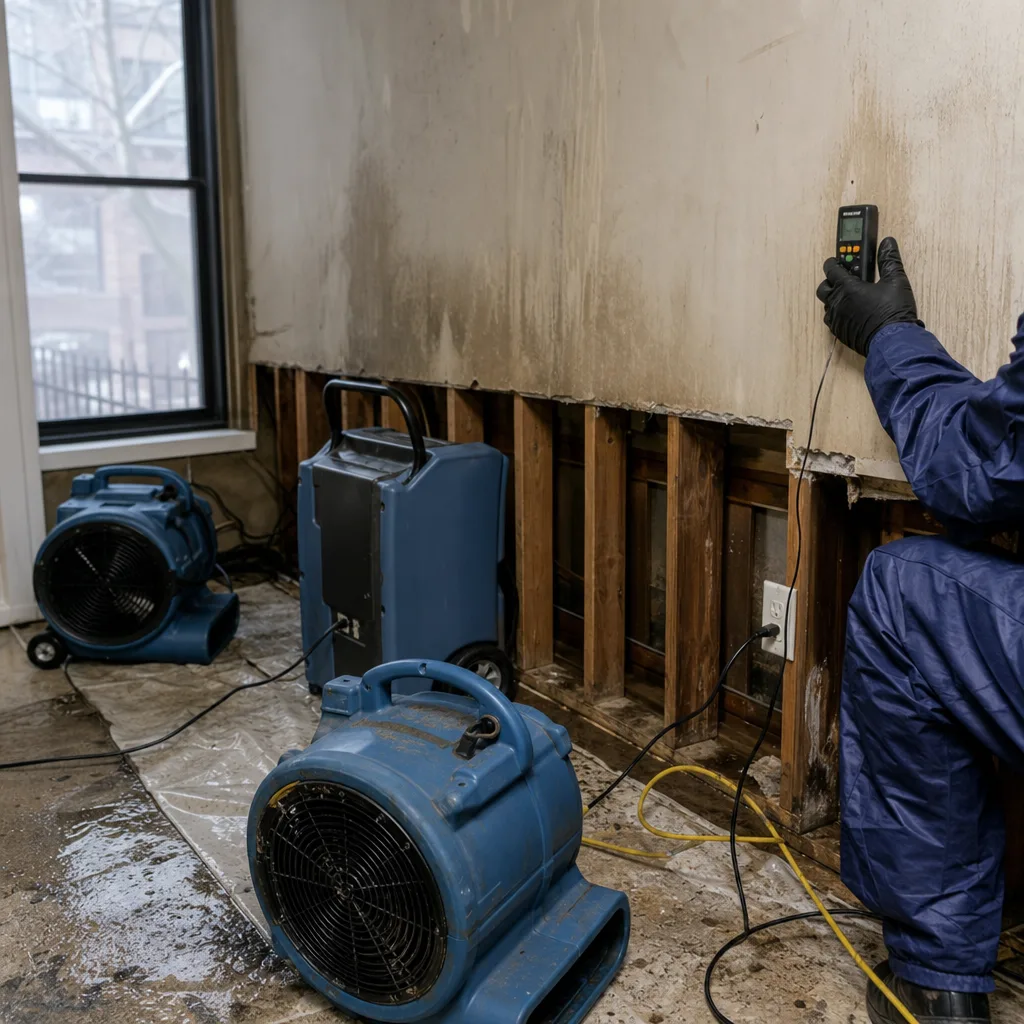
We arrive at your Bellerose property, photograph everything, and assess the scene’s source material, affected area, and migration path. Using thermal imaging and moisture meters, we map where fluids have traveled inside wall cavities and floor systems. You get a clear explanation of severity and scope before anything is touched.
2. Containment & Stabilization
For Bellerose’s attached homes, this step is non-negotiable and starts immediately. We build physical containment barriers with negative air pressure, seal shared party-wall penetrations, and place HEPA air scrubbers to stop airborne contaminants from reaching neighboring units. This is also when dual-county permit coordination begins if the structure crosses the Queens-Nassau line.
3. Biohazard Removal & Material Extraction
Contaminated porous materials (plaster, lathe, carpet, padding, drywall) are cut out and bagged for regulated medical waste disposal. Non-porous surfaces get hospital-grade disinfection. In older Bellerose homes, this is where original plaster and lathe that absorbed decomposition fluids are removed rather than dried, because category 3 contamination cannot be salvaged from porous century-old material.
4. Cleaning, Sanitization & Odor Neutralization
We treat every affected surface with EPA-registered disinfectants, run hydroxyl generators and ozone where safe, and scrub the air continuously. Odor from decomposition lives inside wall voids, so in Bellerose’s attached construction we treat both the source unit and the shared cavities in the adjacent dwelling.
5. Clearance Verification
We document final moisture readings, air sampling results, and visual clearance photos. You get a written record showing the space meets the dry standard and that no biological contamination remains. That documentation goes to your insurer as part of the claim file.
6. Repairs & Reconstruction
If structural material was removed, our reconstruction team handles the rebuild: new drywall, plaster repair, flooring, paint, and trim. The same company that started the job finishes it. No handoff, no inherited crew, no arguing about who was responsible for what.
Need Emergency Biohazard & Crime Scene Cleanup in Bellerose Now?
Crews minutes away, answering live 24 hours a day. The sooner we start, the less it costs.
Working With Your Insurance Company
Most biohazard cleanup in Bellerose is at least partially covered by homeowners insurance, especially for crime scenes, unattended deaths, and covered water or fire events that led to contamination. The key is documentation from the first hour. We photograph the scene before any work begins, map moisture and contamination spread, and produce a line-item scope that speaks the language adjusters expect. Our team communicates directly with your carrier, sends photos and logs, and handles the back-and-forth so you’re not on hold with a claims department while standing in a compromised room. Direct insurance billing means the carrier pays us for covered work, and you’re not fronting thousands of dollars waiting on reimbursement. For anything not covered, you’ll know the exact out-of-pocket cost before we start. That’s the square deal we’ve operated on since 2010.
What We Provide Your Insurer
- Thorough documentation of the loss
- Photos of all damage, room by room
- Moisture readings and drying logs
- A detailed, line-item scope of work
- Direct coordination with your carrier
Built for Bellerose’s Loss Calendar
Bellerose runs on a predictable rhythm of biohazard-related events, and we plan our local dispatch around it. January and February bring the freeze-thaw cycle that bursts the older galvanized supply lines still common in pre-war homes, and a burst pipe in a vacant or lightly used upstairs unit can go unnoticed for days, creating water conditions that lead to mold and, in the worst cases, the kinds of unattended discoveries that require full biohazard response. Spring brings basement seepage as the water table rises and the combined sewer system struggles with seasonal rain. Summer thunderstorms overload the flat, densely built streetscape, and the aging combined infrastructure backs up into basements across Bellerose, producing category 3 water that mixed with sewage and whatever else came up with it. Each of these events carries the same risk in attached housing: damage and contamination that migrates sideways into the adjacent dwelling before anyone realizes how far it has gone. We know this calendar because we work it every year, and our crews are staged to respond to Bellerose addresses within 45 minutes when the call comes in.
Biohazard & Crime Scene Cleanup Across Bellerose’s Neighborhoods
Bellerose isn’t one uniform grid. The blocks north of Jericho Turnpike, including the streets running toward Queens Village and Little Neck, are dense Queens-side attached brick homes where a single biohazard scene can push contaminants through shared party walls and into two or three adjacent properties before containment goes up. Response time on these blocks is everything, and our crews know the one-way streets and narrow driveways well enough to stage equipment without blocking the block. South toward Floral Park and the Nassau side, the Village of Bellerose and the unincorporated streets around it carry their own permit office and a different inspector’s phone number, which changes the job timeline before a single bag of contaminated material is removed. The blocks along Braddock Avenue, 88th Road, and the 114xx ZIP codes span both counties, and we’ve done jobs where the same structure required sign-off from NYC DOB on one side and Nassau County Building on the other. That’s not a complication we discover on day three. We plan for it on day one, because we’ve worked this neighborhood for years and know which side of Jamaica Avenue you’re on before the truck parks. West toward Glen Oaks, the housing stock shifts slightly but the attached pattern holds, and the same containment-first protocol applies. Bellerose is one name for what is functionally a dozen sub-neighborhoods with different inspectors, different sewer laterals, and different shared-wall realities.
Specialized Biohazard & Crime Scene Cleanup Services We Offer in Bellerose
Crime Scene Cleanup
After law enforcement releases the scene, we handle the full cleanup: blood, bodily fluid, fingerprint dust, and any other biohazard material left behind. In Bellerose’s attached homes, we contain the scene and treat the shared wall cavities as part of the affected area from the start, because blood can travel through flooring and into joist bays faster than most people expect. Documentation is thorough and immediately ready for your insurance claim.
Trauma & Unattended Death Cleanup
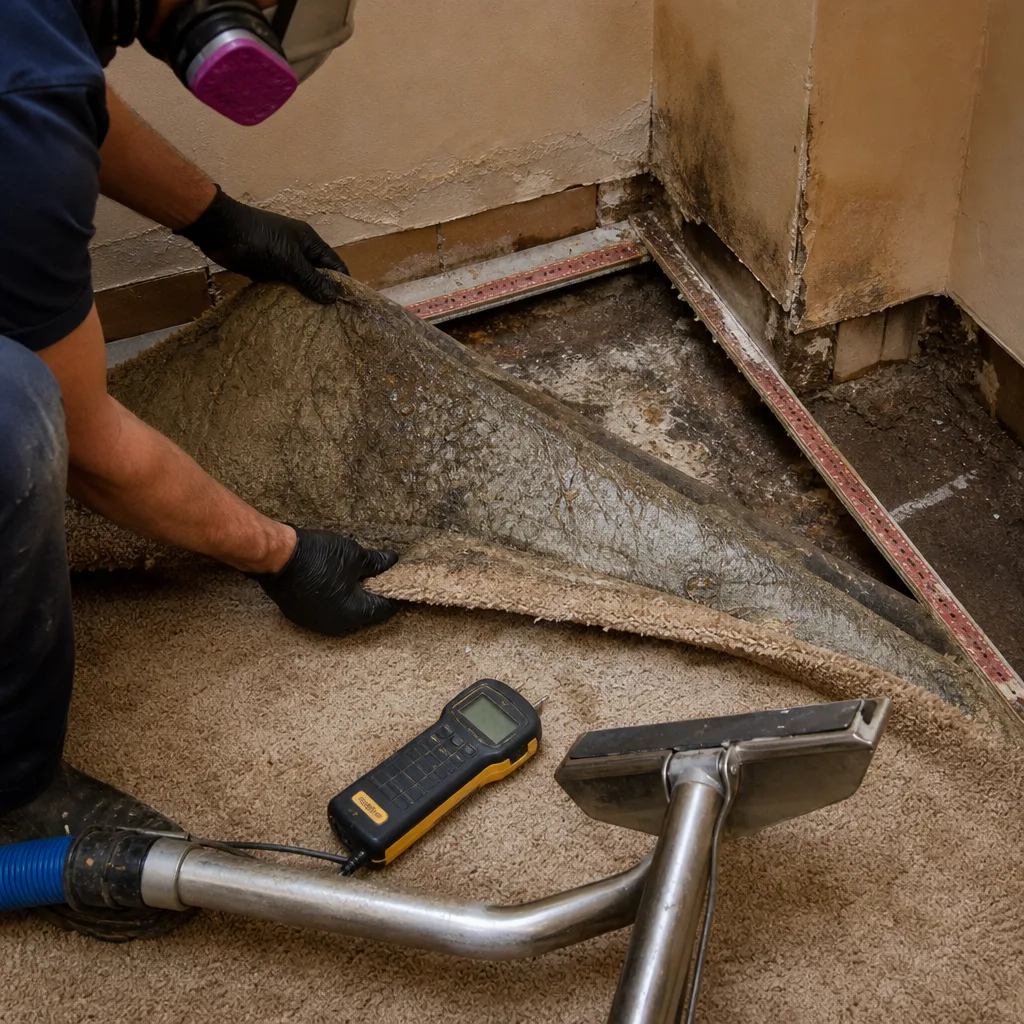
This is the hardest call a Bellerose homeowner ever has to make, and we answer it with steady, respectful work. Unattended deaths in closed-up pre-war homes create decomposition fluids that soak through original plaster, into subflooring, and down through ceiling cavities. Our job is to remove the contamination cleanly, treat the air, and restore the space without turning the whole house into a construction zone. We’ve done this for neighbors on both the Queens and Nassau sides of the line, and we handle the permits so you don’t have to.
Hoarding Cleanup
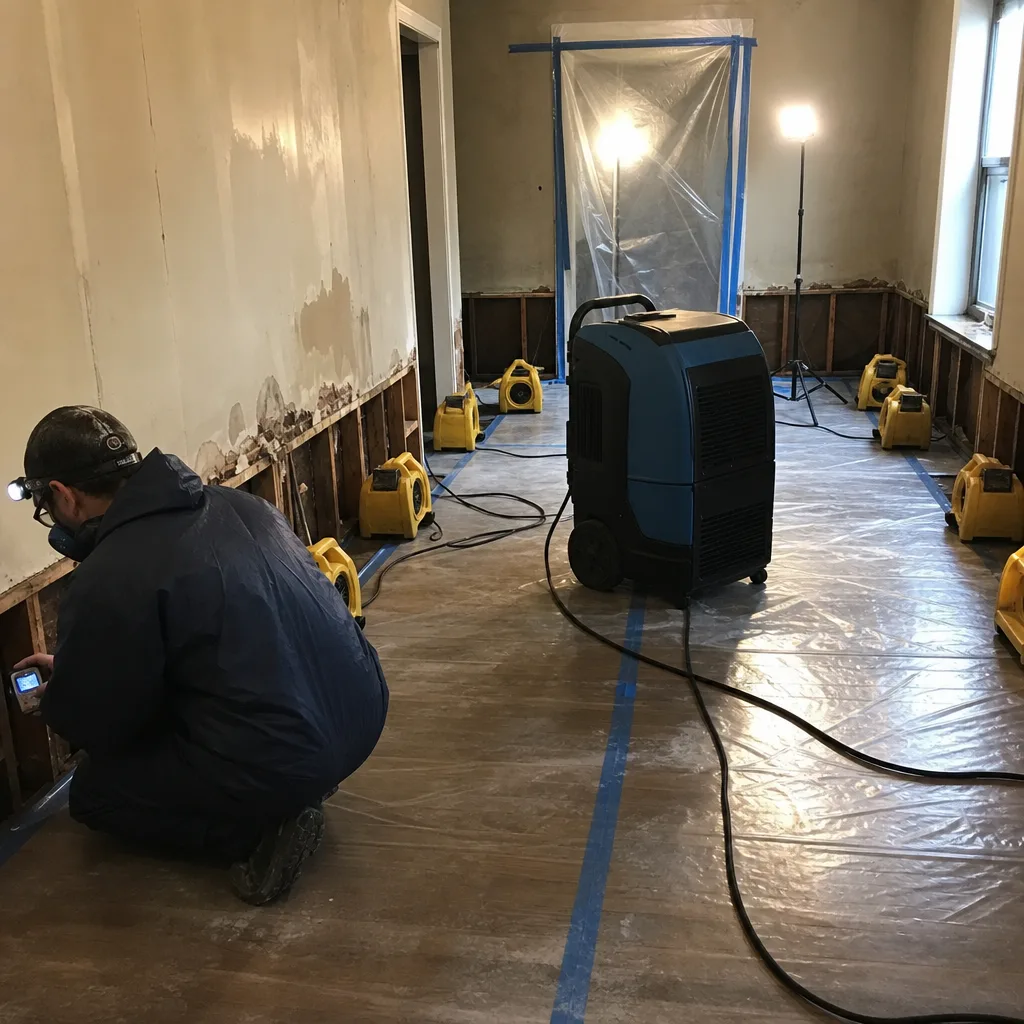
Hoarding remediation in Bellerose’s attached homes requires patience and a hard containment perimeter, because the work almost always disturbs years of accumulated material and creates airborne dust, dander, and sometimes mold that cannot be allowed into the attached unit. We work room by room, sort salvageable items with the homeowner, and remove debris in sealed containers. When the hoarding condition has concealed water damage, pest activity, or structural compromise, we document everything for the insurer and handle the rebuild after cleanup.
Blood & Bodily Fluid Cleanup
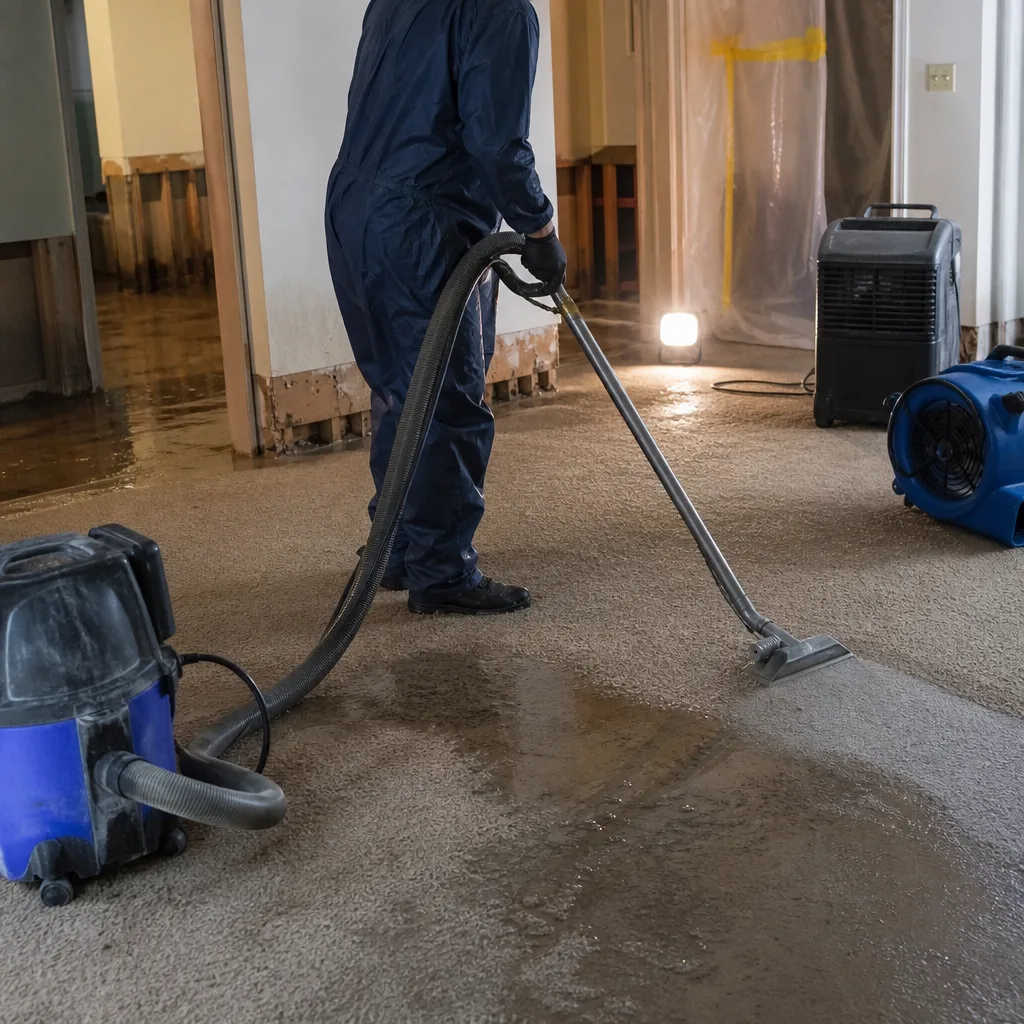
Bloodborne pathogens require OSHA-compliant handling, proper PPE, and regulated disposal. In Bellerose’s older homes, the concern expands beyond the visible scene: fluids penetrate original wood flooring, wick into plaster, and settle in cavities that have no modern vapor barrier to slow them. We treat the full migration path, not just the visible surface, and verify clearance before we leave.
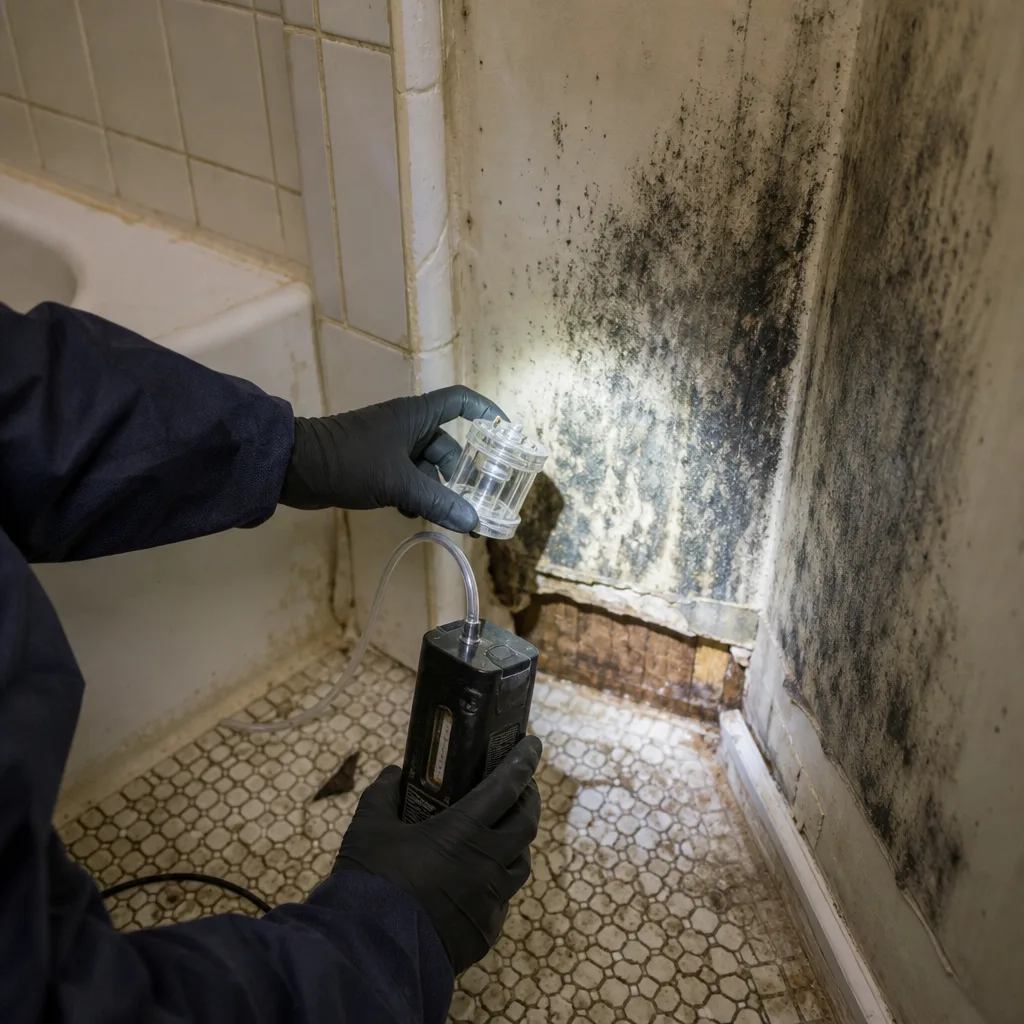
Infectious Disease Disinfection
When a Bellerose household faces a confirmed infectious disease situation, from a hospital discharge to a broader exposure, we provide full-surface disinfection using EPA-registered products, including fogging and ULV application in inaccessible areas. The attached housing stock means we treat shared ventilation pathways, party wall penetrations, and common entry points as part of the scope, not as an afterthought.
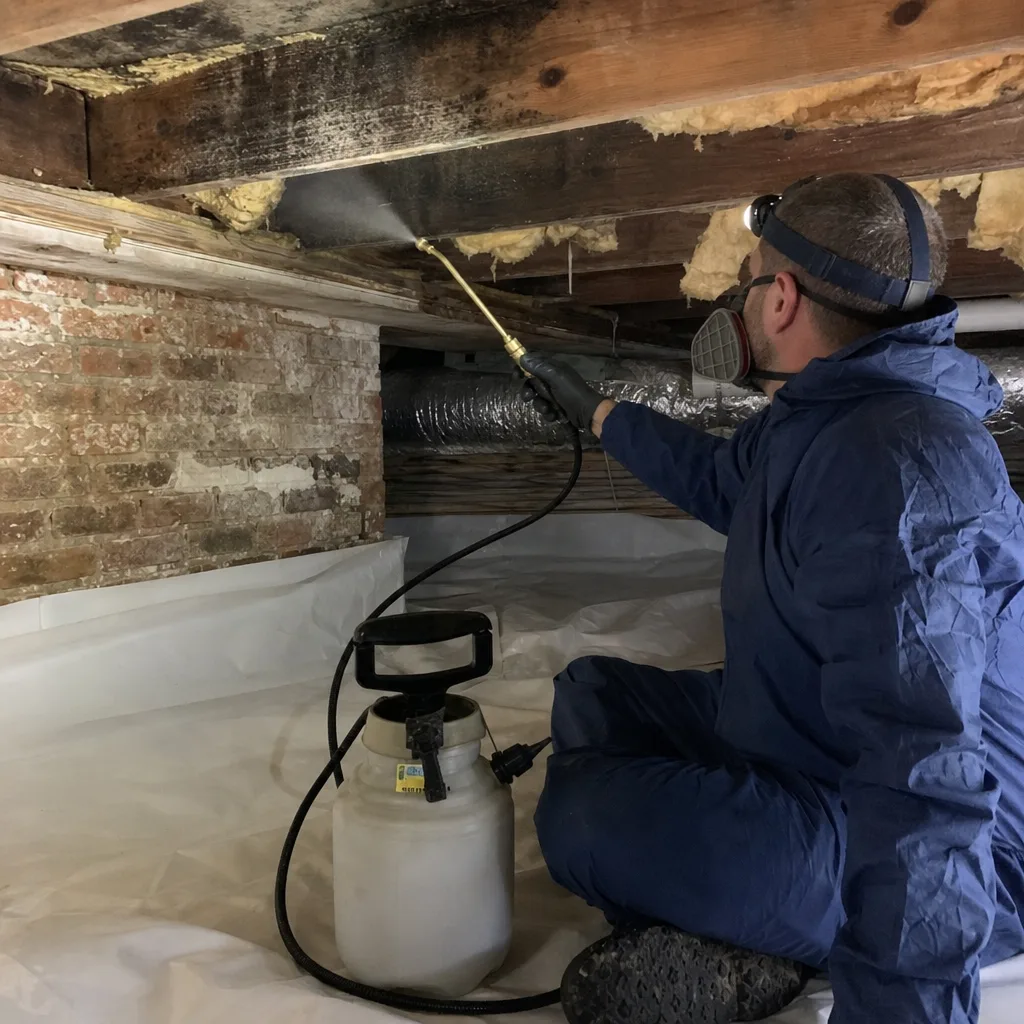
Tear Gas & Chemical Cleanup
Less common but not rare in Queens and Nassau, tear gas and chemical residue from law enforcement actions or accidents requires specialized neutralization and surface treatment. The residue is microscopic and persistent, and in Bellerose’s plaster-walled homes it embeds in porous surfaces and lingers without proper treatment. We handle it with the same containment-first protocol as every other biohazard scene.
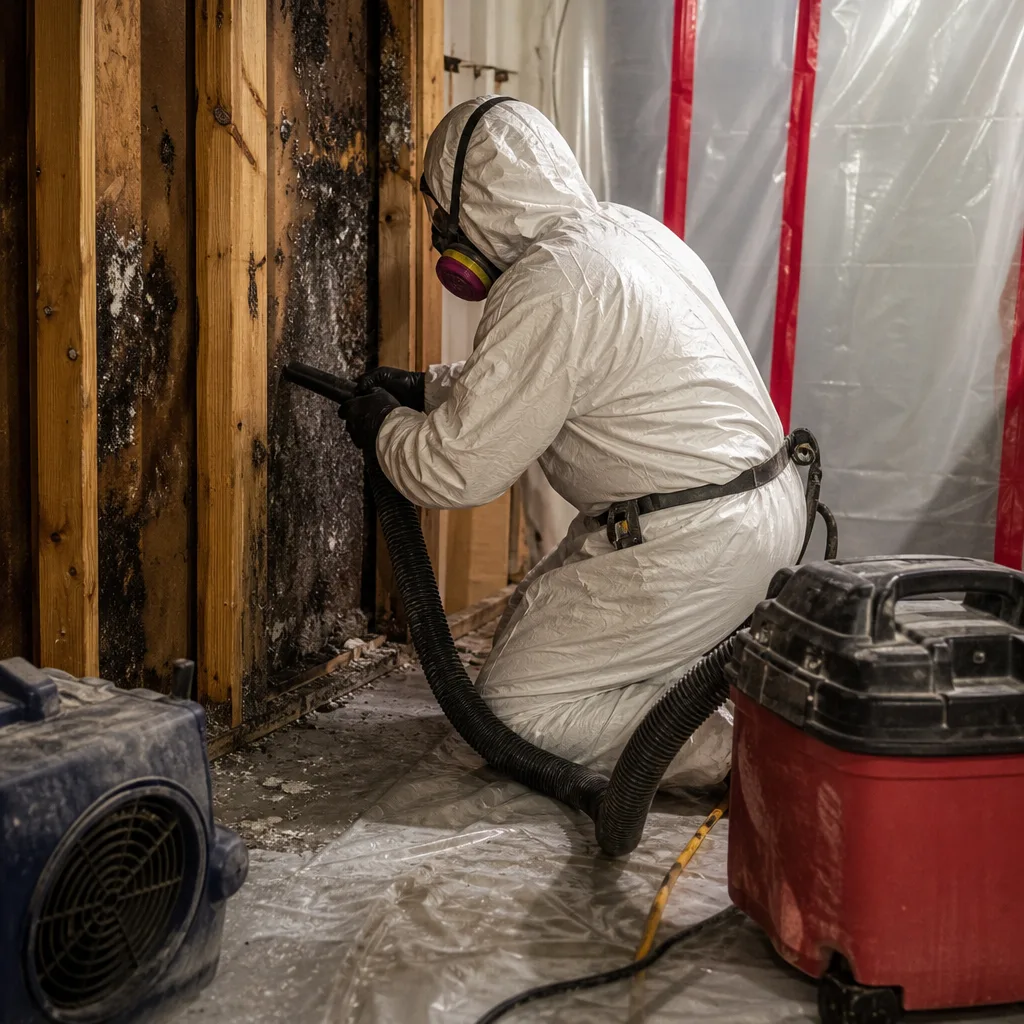
What happens when you call
- 1
A real person answersNo phone trees - you reach a local pro.
- 2
You get an upfront price rangeHonest numbers before anyone is dispatched.
- 3
A background-checked tech heads outLicensed & insured, dispatched right away.
- 4
You approve before work beginsNothing starts until you say go.
Biohazard & Crime Scene Cleanup Costs in Bellerose, NY
A straightforward blood cleanup in a Bellerose bathroom or hallway typically runs $1,800 to $3,200. An unattended death requiring plaster and flooring removal lands between $2,500 and $7,000, depending on how far decomposition fluids have migrated and which building materials must come out. Hoarding cleanup projects in Bellerose generally start around $3,500 and climb based on volume, duration, structural damage, and whether the adjacent unit requires containment. Infectious disease disinfection for a standard attached home runs $1,500 to $3,000. What moves these numbers in Bellerose specifically: dual-county permit coordination (the Queens-Nassau line adds inspection and sign-off time), shared party wall containment (you’re protecting the neighbor’s side too), and the age of the original plaster and lathe, which almost always requires removal rather than drying after category 3 contamination. Most homeowners insurance policies cover biohazard cleanup from crime scenes, unattended deaths, and water or fire events that led to contamination. Our free visual inspection gets you a written scope and a firm number before any work starts. Call (917) 924-4221 to schedule one.
We Also Serve Cities Near Bellerose
Our Bellerose response area extends naturally into the surrounding blocks of Glen Oaks, Floral Park, Queens Village, and Little Neck. Same 45-minute commitment, same certified crews, same written guarantee on every job. If you’re a few blocks past the line, you’re still in our neighborhood.
Serving Bellerose, NY - Our Local Coverage Area
We’re based in the Bellerose area and know this community well. Use the map below to see our service coverage - if you’re nearby, we can almost certainly help.
Bellerose Biohazard & Crime Scene Cleanup Questions, Answered
Do you need permits from both Queens and Nassau County for biohazard cleanup in Bellerose?
Yes, in many cases. If the affected attached structure straddles the Queens-Nassau line, or if structural material removal triggers building-code review, you can need sign-off from both NYC DOB and Nassau County Building Department. We handle this coordination as part of our standard Bellerose process, and we plan for it on day one so emergency containment isn’t delayed while paperwork sorts out.
How does an unattended death in a Bellerose semi-detached home affect the neighbor’s unit?
More than most people expect. Decomposition fluids travel down through flooring, along joist bays, and into the shared party wall cavity. Without immediate containment, airborne contaminants and odor move into the attached unit through electrical penetrations, plumbing chases, and the microscopic air gaps all old construction has. We treat the adjacent unit as part of the scene from the first hour, placing barriers and HEPA scrubbers before removal begins.
What is the risk of mold after a biohazard cleanup in older Bellerose brick homes?
High if the wrong approach is used. Original plaster and lathe in 1920s-1940s Bellerose homes absorb decomposition fluids and category 3 water. Trying to dry these porous materials instead of removing them seals moisture and biological material inside wall cavities, where mold grows within 48 to 72 hours. Our protocol removes contaminated porous material rather than attempting to salvage it, which is the only reliable way to prevent hidden mold in pre-war construction.
Can hoarding cleanup in Bellerose be done without displacing the attached neighbor?
In most cases, yes. We run negative air pressure and full containment barriers along the shared party wall before opening any rooms. Air scrubbers run throughout the job, and debris is bagged inside the containment zone before leaving the building. The attached neighbor should not need to relocate, though we may ask them to avoid shared stairwells or entryways during the heaviest removal hours for their own safety.
How long does a crime scene cleanup take in Bellerose considering the dual-permit requirement?
A contained blood cleanup in one room is usually completed in 4 to 8 hours. An unattended death requiring structural removal, dual-county permit sign-off, and reconstruction can run 3 to 7 days from first call to final clearance. The permit piece typically adds 1 to 3 days depending on which side of the line the structure sits on and whether both offices need to inspect. We start containment immediately, regardless of permit status, because holding the scene until paperwork clears is how small problems become structural ones.
How fast can someone actually get to my Bellerose address?
Our dispatch commitment is 45 minutes from call to arrival for Bellerose addresses. That’s a real number we track, not a marketing range. A live dispatcher answers at any hour, and the crew that arrives is certified, background-checked, and equipped for full containment on arrival. Call (917) 924-4221 and we’ll give you an arrival window before you hang up.
Are your technicians certified for biohazard work specifically?
Yes. Our crews carry IICRC certifications including AMRT (Applied Microbial Remediation Technician), WRT (Water Damage Restoration Technician), and FSRT (Fire & Smoke Restoration Technician), plus RIA and IFA training. Biohazard handling follows OSHA bloodborne pathogen standards, and every technician is background-checked and uniformed. We don’t send subcontractors into your home. The name on the truck is the company doing the work.
What should I do in the first 30 minutes after discovering a biohazard situation in my Bellerose home?
Do not touch or move anything. Shut doors to contain the area if it’s safe to do so, keep children and pets away, and call our dispatch at (917) 924-4221. Don’t attempt to clean blood, bodily fluids, or decomposition material yourself. Bloodborne pathogens and decomposition byproducts require professional containment, PPE, and regulated disposal. Don’t use household fans or open windows that could push airborne contaminants through shared walls into the attached unit. Secure the area and wait for the crew. We’ll be there within 45 minutes.
Written by Curt Bowman, Owner at Floodline Restoration Co. of Manhattan, serving Bellerose and surrounding communities since 2010.