
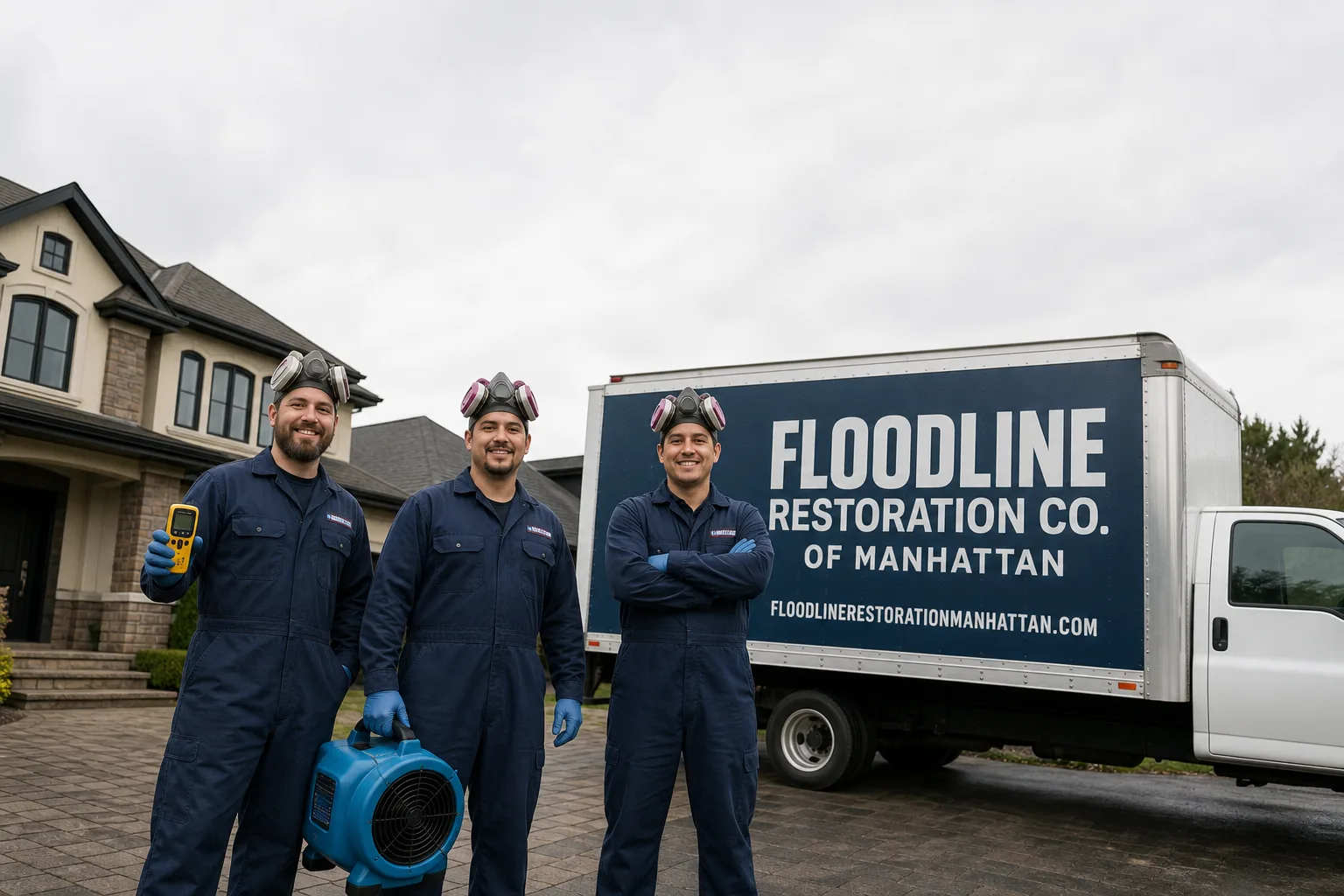
Free visual inspection and a written scope of work before any mitigation begins - photos, moisture readings, and drying logs go in your claim file
The scope we write is the scope we bill. Anything new gets shown to you, in writing, before we touch it.
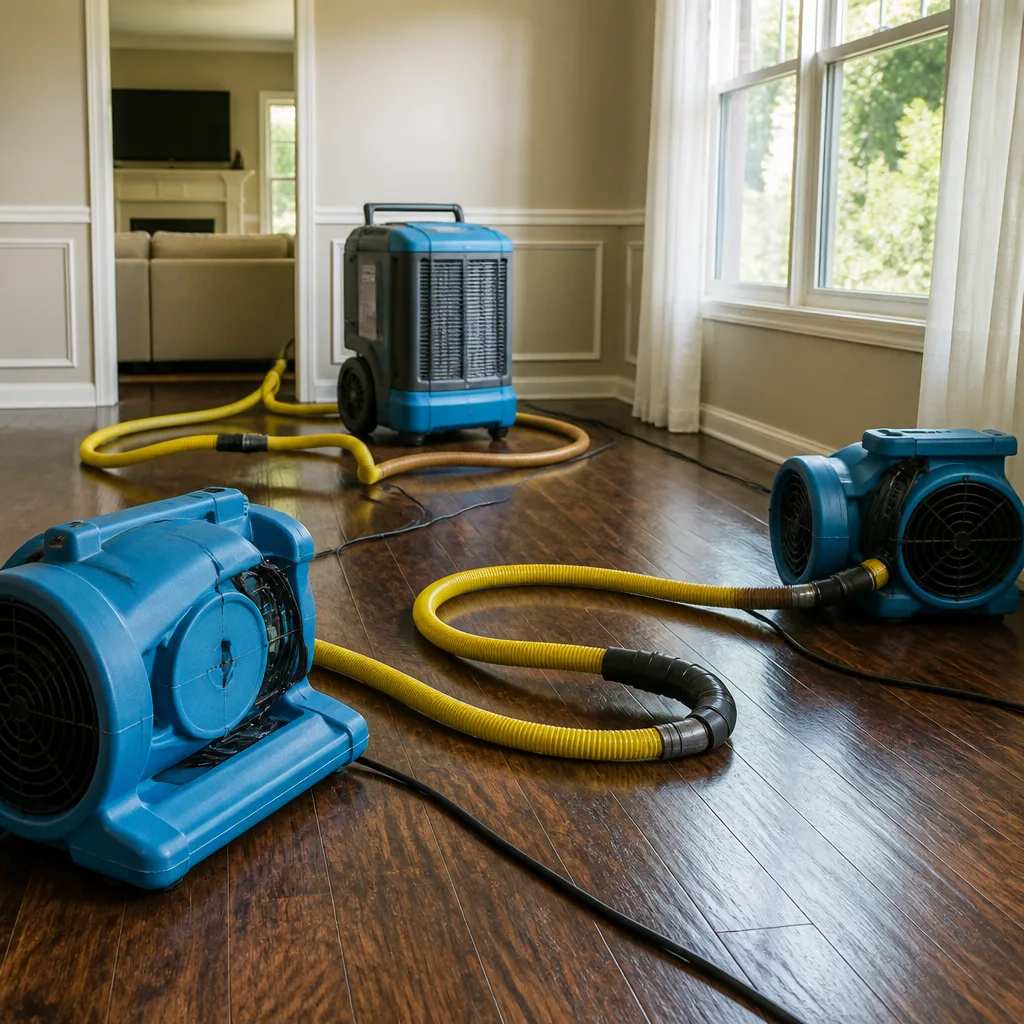
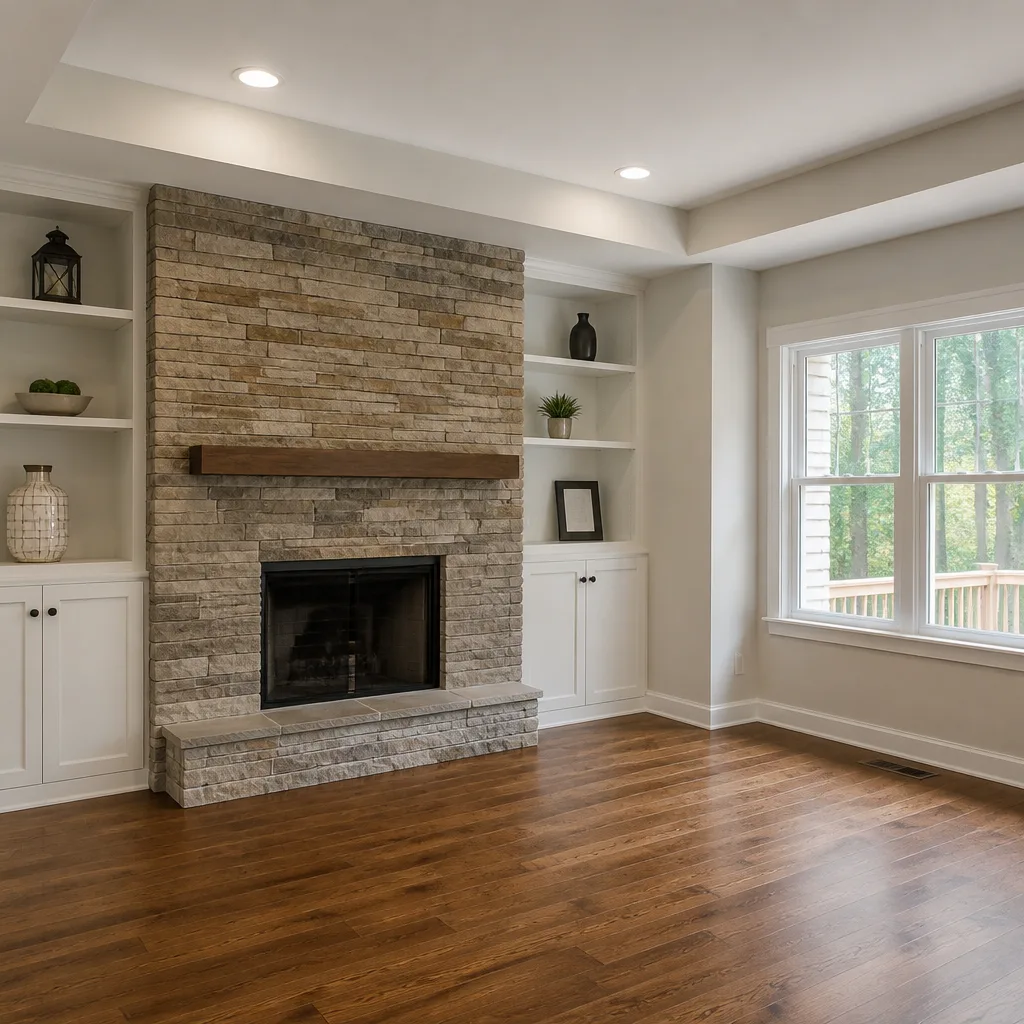
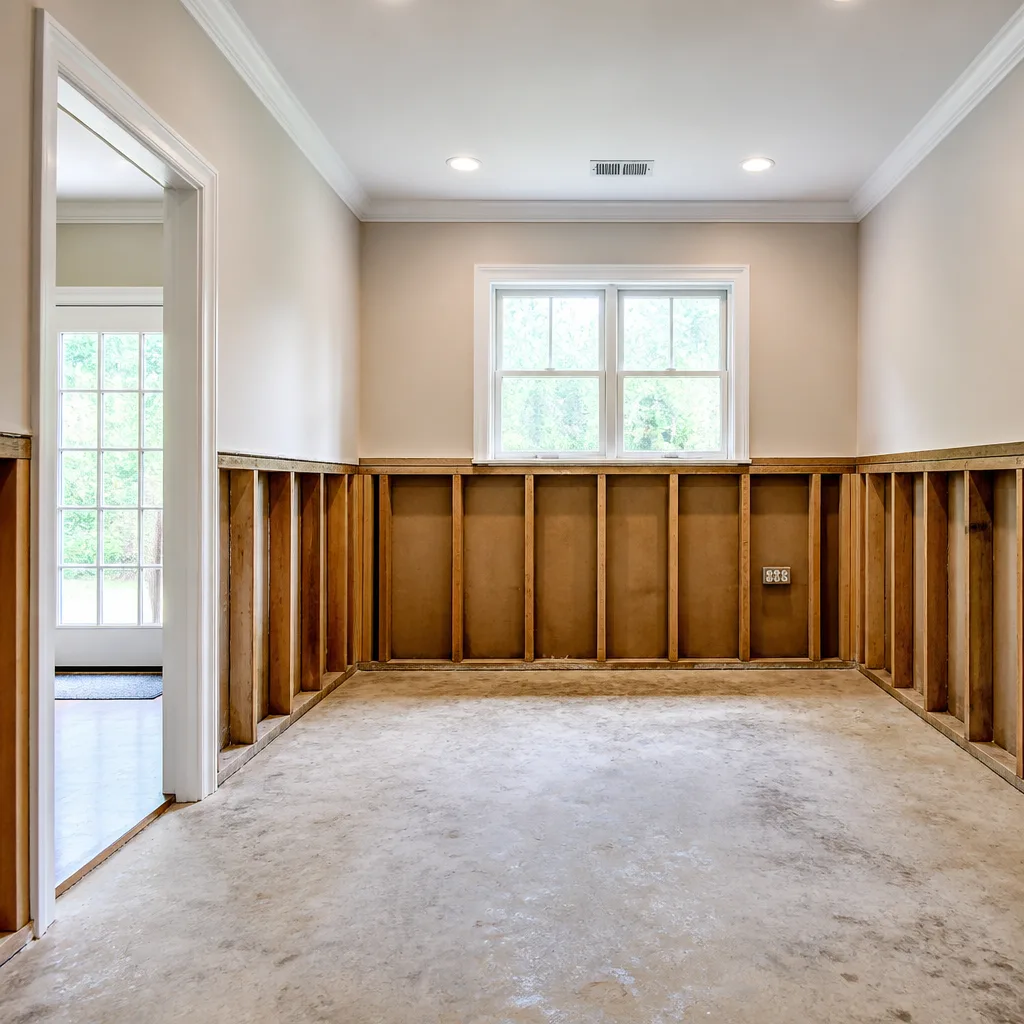

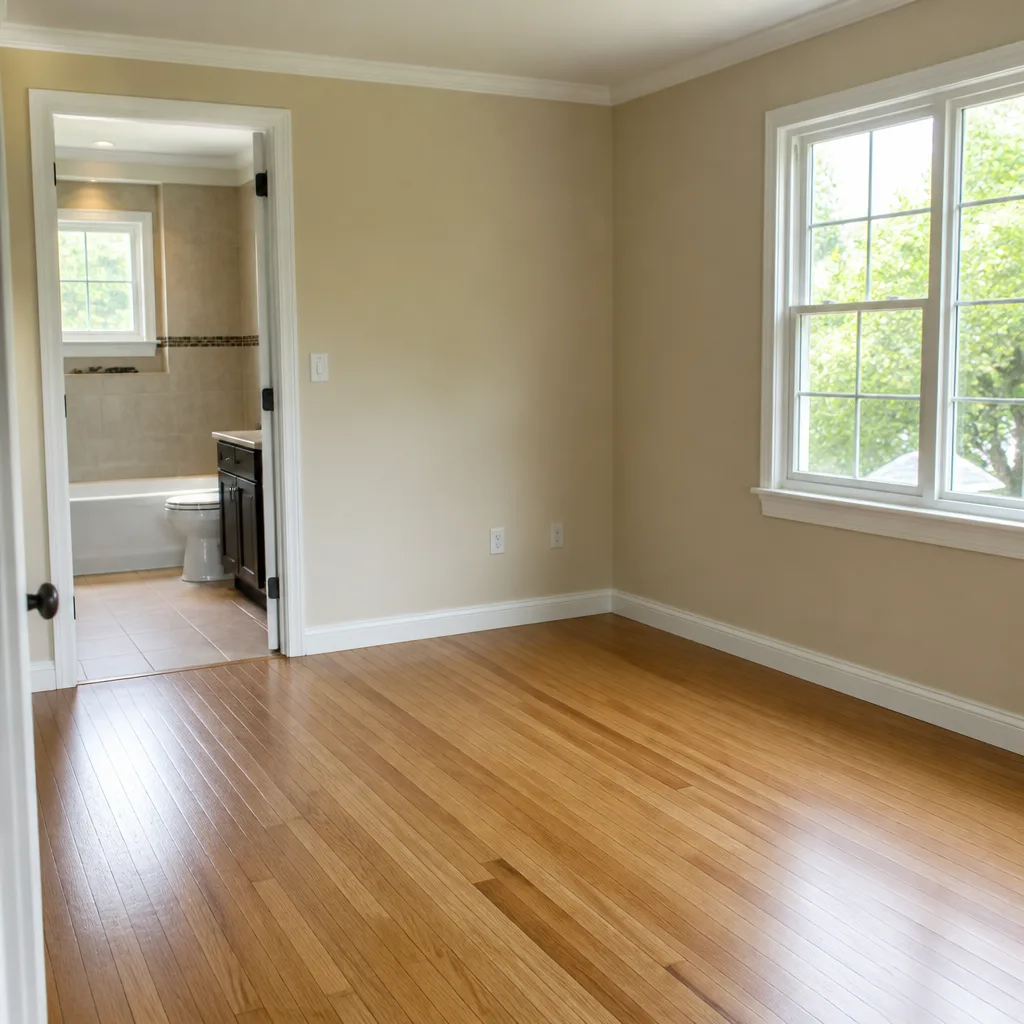
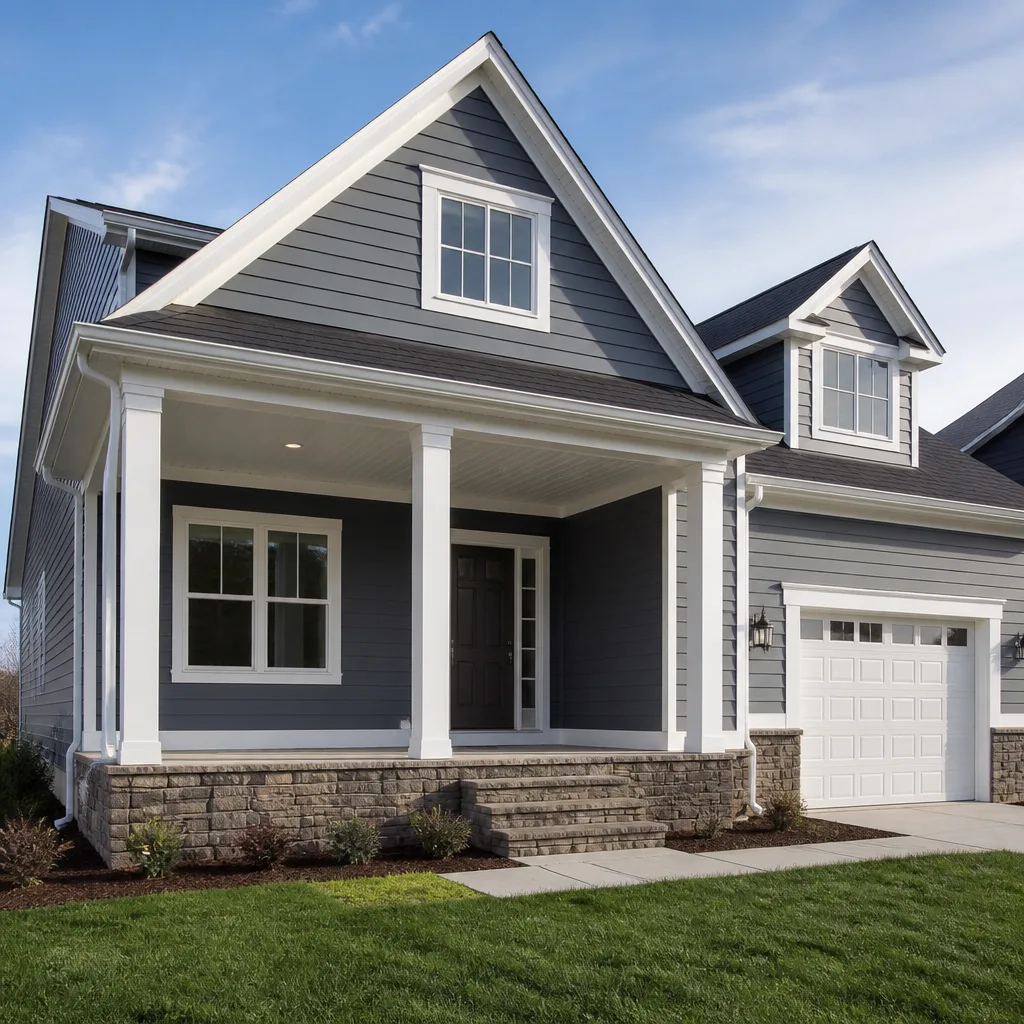
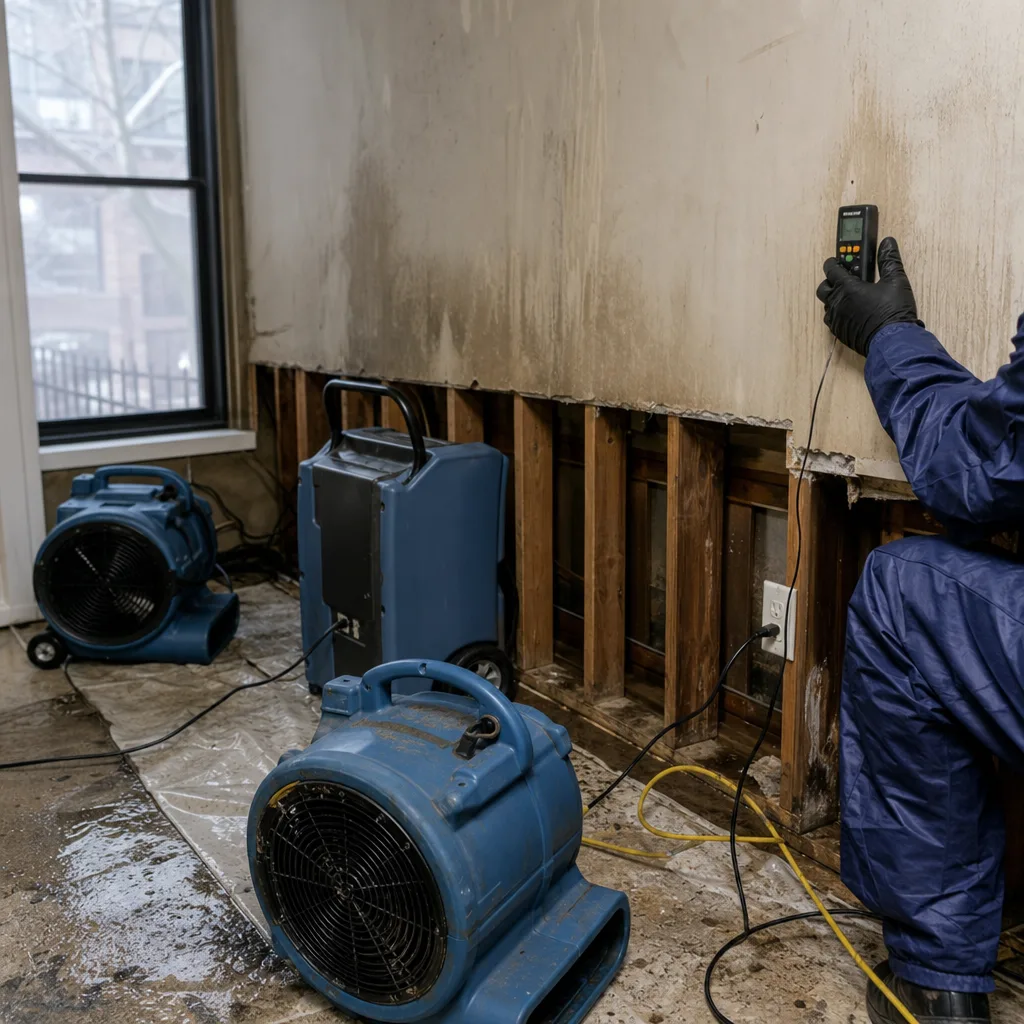 Before
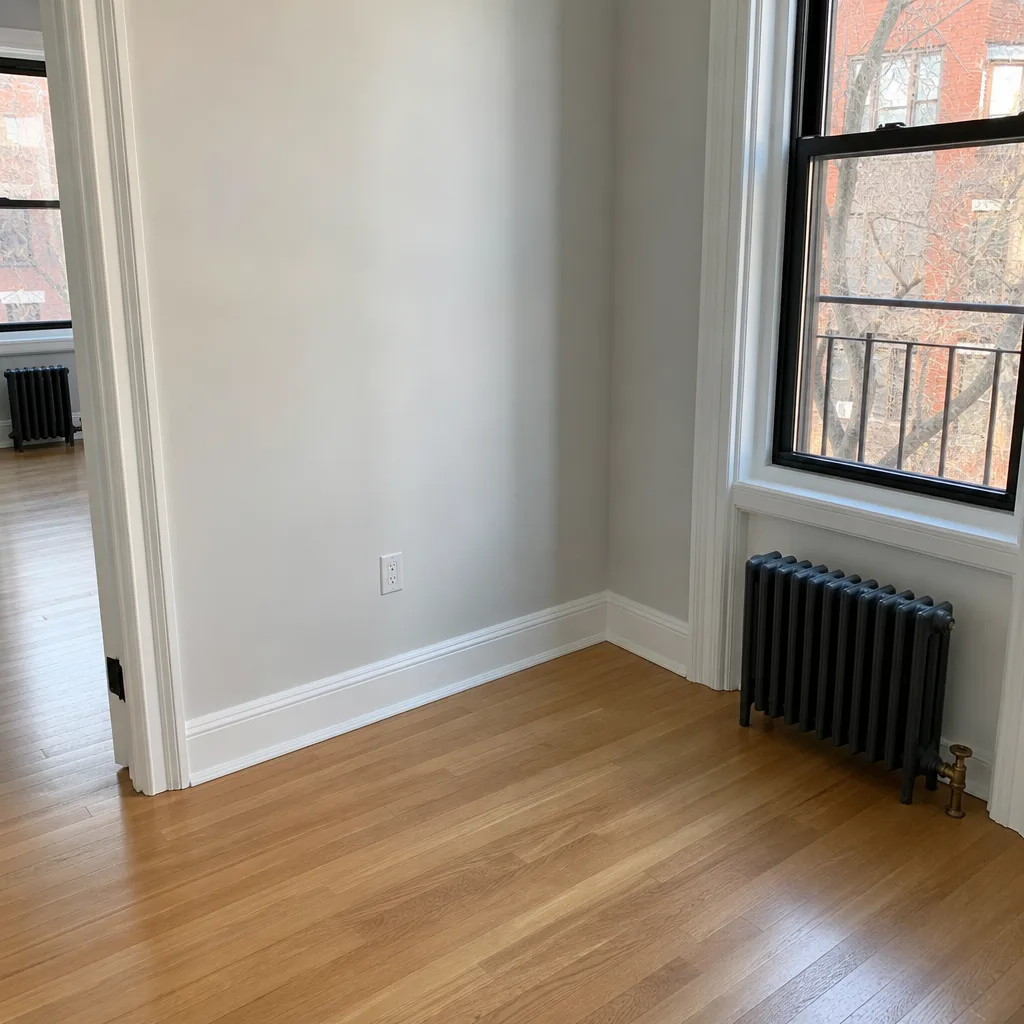 After
After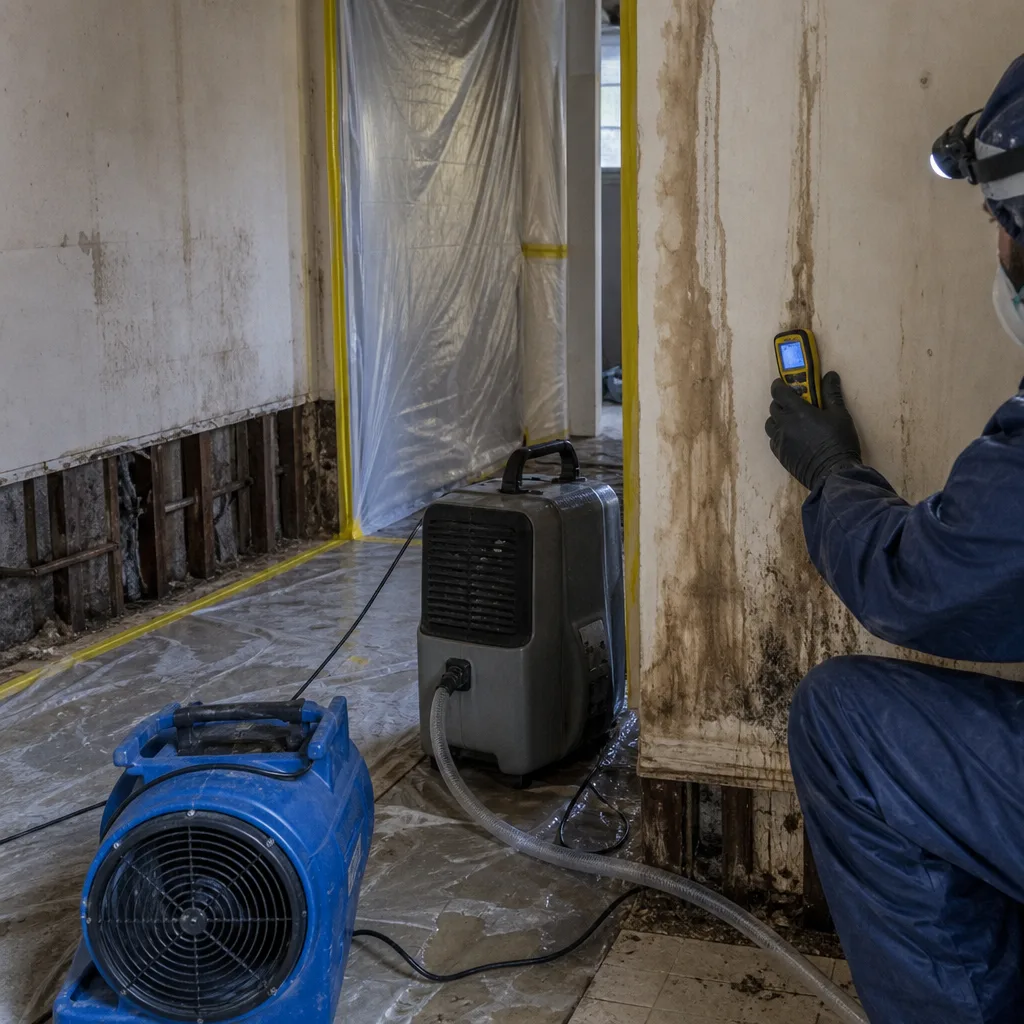 Before
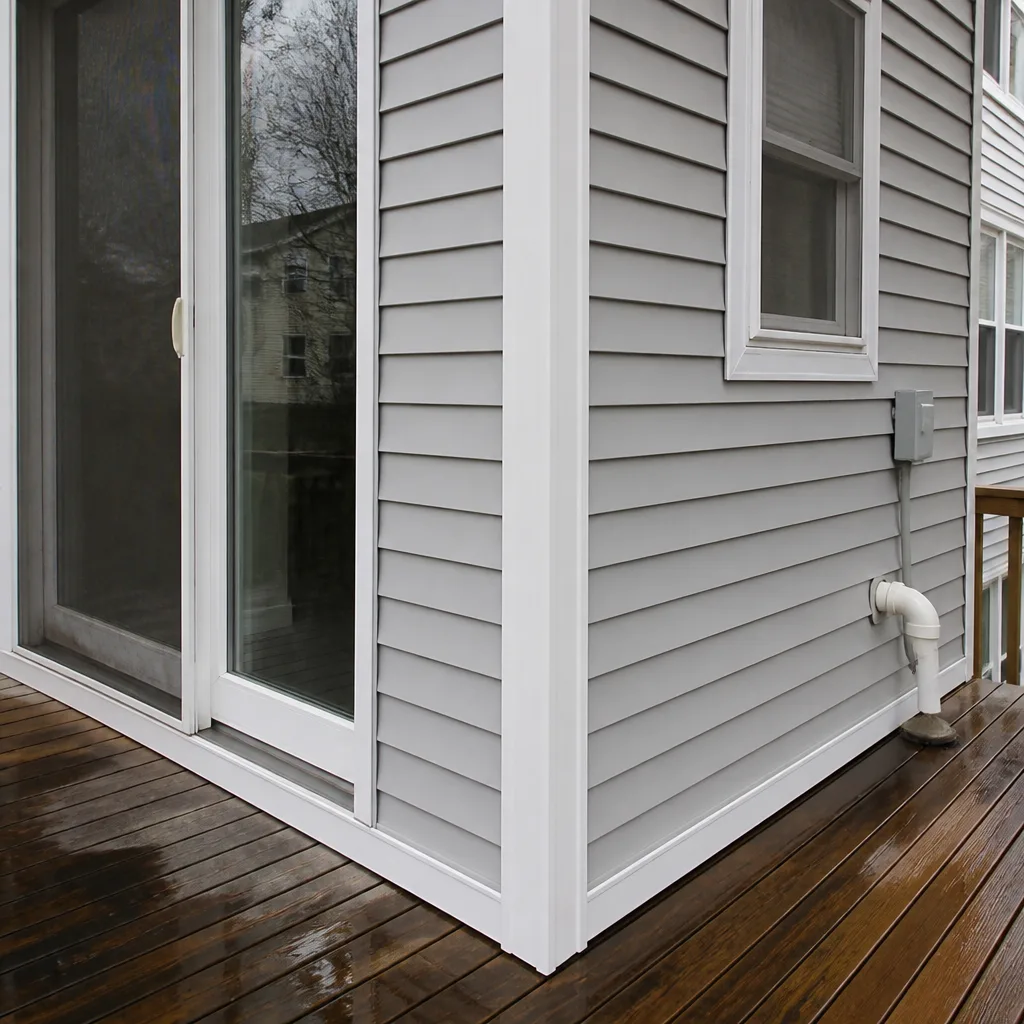 After
After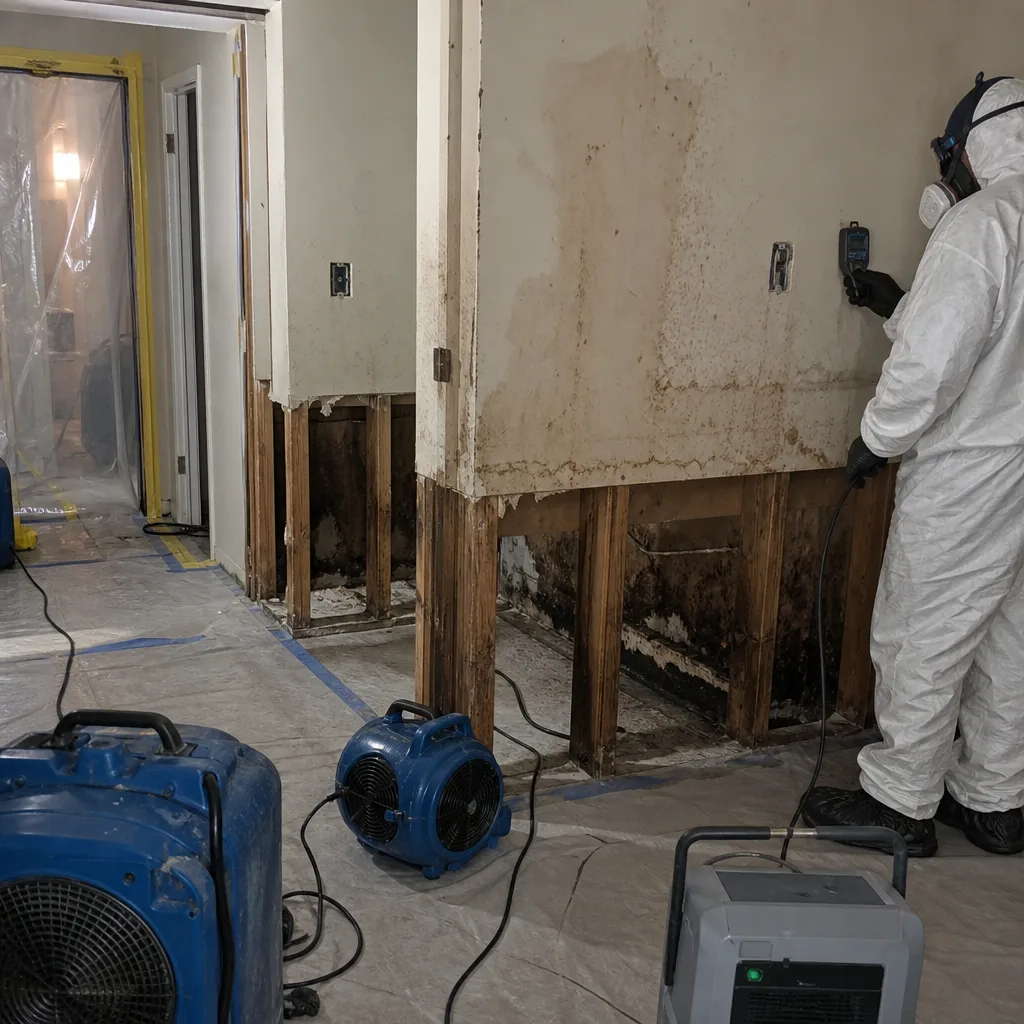 Before
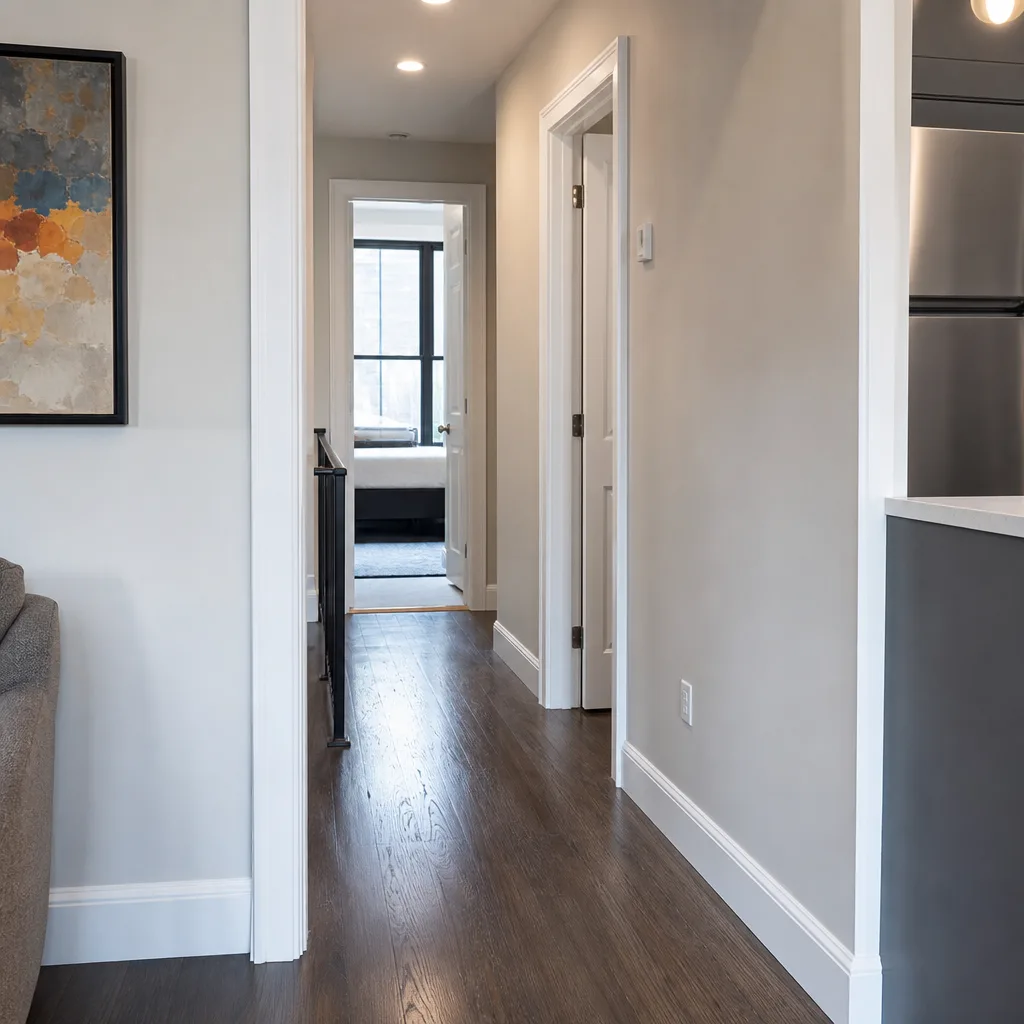 After
After24/7 Emergency Biohazard & Crime Scene Cleanup in College Point
When a biohazard event happens in College Point, the clock starts immediately. Blood, bodily fluids, and decomposition materials begin breaking down within hours, releasing pathogens into the air and soaking into porous surfaces. Floodline Restoration Co. of Manhattan answers live at (917) 924-4221 around the clock and can dispatch a certified crew to College Point the same day. If you’re standing in a home on 14th Avenue or near Hermon A. MacNeil Park right now, call us before you touch anything. The first hour determines how much flooring, drywall, and framing we can save, and every hour after that expands the affected zone.
Understanding Biohazard & Crime Scene Cleanup Severity in College Point Properties
Biohazard contamination doesn’t stay where it starts. Blood seeps into subflooring, wicks up drywall, and settles into the gaps between floorboards. In College Point’s 1930s-to-1960s Cape Cods and brick semi-detached homes, original plaster walls and old-growth wood framing absorb fluids differently than modern gypsum board. Plaster is alkaline, which buffers some breakdown byproducts initially, but it also holds moisture longer, extending the window where bacteria and odor compounds remain active. Semi-finished basements, common across College Point, create a secondary problem: fluids travel downward through finished flooring into the concrete slab or crawlspace below, and without containment, foot traffic and air movement spread contaminated dust through the entire house. We classify every biohazard scene by contamination depth, not just surface area, because a small visible stain often means a much larger invisible zone beneath the floor.
Why College Point Property Owners Choose Floodline Restoration Co. of Manhattan
- Live answer, every hour, every day: A real person picks up the phone at 2 a.m. Not a recording. We dispatch from our New York City office to College Point within the hour.
- IICRC-certified crews on every job: Our technicians carry WRT, FSRT, and AMRT certifications, plus RIA and IFA training. They know the difference between a surface clean and a full containment protocol.
- Background-checked, uniformed technicians: We send people you can identify at the door. No subcontractor roulette on a trauma scene.
- Free visual inspection before any work: We walk the property, map the contamination, and hand you a written scope. No pressure, no surprise line items.
- Direct insurance billing: We talk to your adjuster so you don’t have to translate technical cleanup language into claim language. Photo documentation from the first hour goes straight to the carrier.
- One team from first extraction to final repair: The same Floodline crew that sets containment handles the rebuild. No mid-job handoff, no inherited crew that never saw the original scene.
Our Biohazard & Crime Scene Cleanup Process
Inspection & Assessment
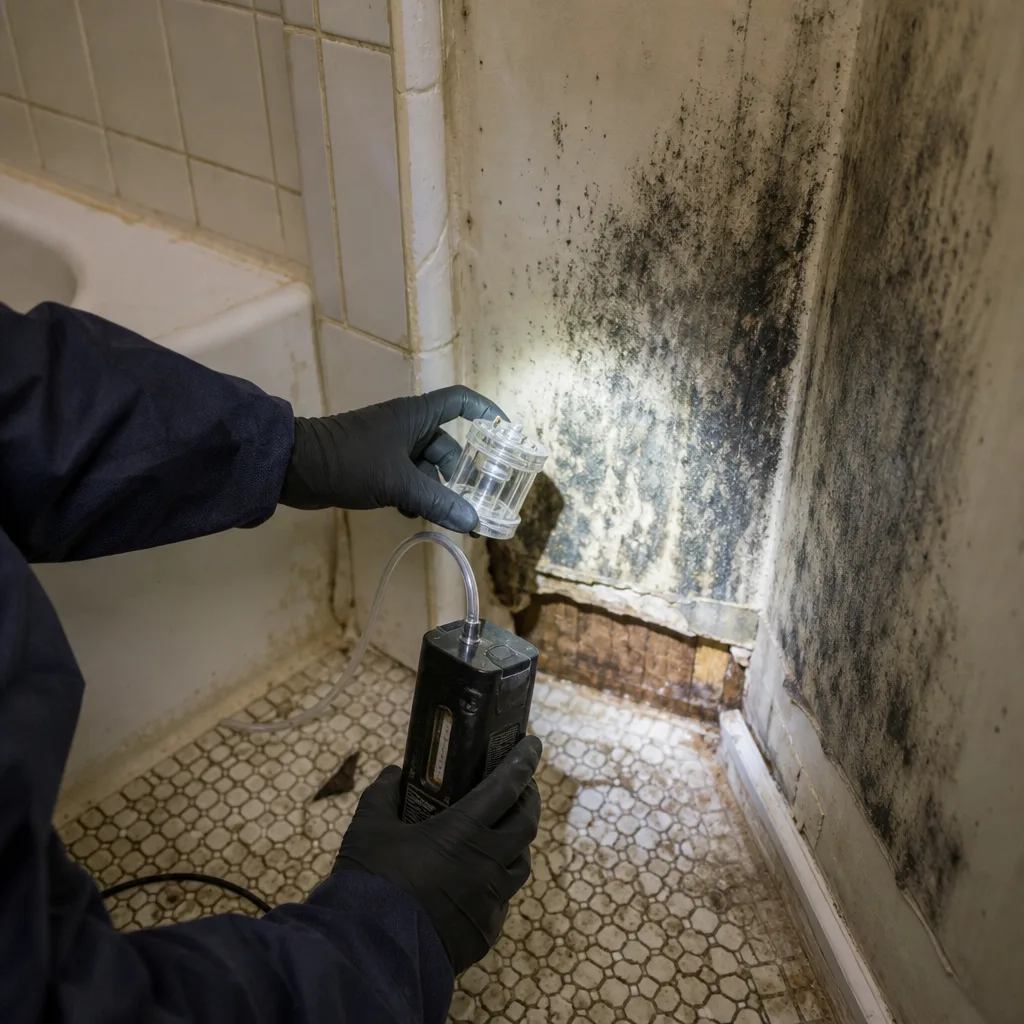
We map the full contamination zone using moisture meters, thermal imaging, and visual inspection of all porous surfaces. On a College Point basement scene, that includes checking for pre-existing water intrusion from the peninsula’s flood exposure. You get a written scope before we touch anything.
Containment & Source Removal
Before any air mover runs, we build containment with negative air pressure and seal off unaffected rooms in your College Point home. We remove contaminated materials like carpet, padding, and affected drywall in sealed bags, following disposal regulations for biohazardous waste.
Surface Decontamination
Using hospital-grade disinfectants and HEPA-vacuuming, we treat every affected surface including subflooring, framing, and the spaces behind baseboards. In older College Point homes with original plaster, this includes treating the plaster’s porous surface layer rather than just wiping it down.
Drying & Humidity Control
If fluids saturated structural materials, we run professional-grade Dri-Eaz and Phoenix dehumidifiers with daily moisture readings. In College Point’s coastal air, ambient humidity slows natural drying, so mechanical drying is faster and prevents secondary mold growth.
Odor Neutralization
Biological breakdown leaves volatile compounds that simple cleaning can’t remove. We use hydroxyl generators and thermal fogging to neutralize odor at the source, including inside wall cavities and under flooring where decomposition gases settle.
Repairs & Restoration
After the contamination is cleared and verified, the same Floodline crew rebuilds what we removed: drywall, flooring, trim, paint, and any structural repairs needed. We don’t hand you a stripped-down shell and tell you to find a contractor. We finish the job, and the 90-Day Done Right Promise backs it in writing.
Need Emergency Biohazard & Crime Scene Cleanup in College Point Now?
Crews minutes away, answering live 24 hours a day. The sooner we start, the less it costs.
Working With Your Insurance Company
Most homeowner policies in College Point cover biohazard cleanup when the event is sudden and accidental, including crime scenes, unattended deaths, and bursts that release sewage or blood. Floodline documents everything from the first hour: photos room by room, moisture readings, drying logs, and a line-item scope that matches the carrier’s estimating format. We communicate directly with your adjuster so you’re not the one explaining why a Category 3 contamination needs full containment rather than a mop. If your College Point home carries flood insurance through the NFIP because of the FEMA Zone AE designation, we handle that claim path too. The goal is that you never play messenger between us and your carrier.
What We Provide Your Insurer
- Thorough documentation of the loss
- Photos of all damage, room by room
- Moisture readings and drying logs
- A detailed, line-item scope of work
- Direct coordination with your carrier
Built for College Point’s Loss Calendar
College Point’s biohazard calls follow a pattern you won’t see in Flushing or Whitestone. The peninsula’s three-sided Flushing Bay exposure means nor’easters and tropical systems push saltwater through the streets and into basements from multiple directions at once. When a nor’easter hits in late fall or early spring, we see an uptick in sewage backup and Category 3 floodwater contamination across the neighborhood. Winter brings frozen supply lines in the older housing stock, and a burst pipe in an unoccupied home on 23rd Avenue can sit for days before anyone notices, creating an unattended-water scene that requires biohazard-grade drying. Summer thunderstorms dump enough water in an hour to overwhelm the storm drains along College Point Boulevard, flooding ground floors that haven’t flooded since Sandy. We plan our College Point response around that calendar because the damage type changes with the season.
Biohazard & Crime Scene Cleanup Across College Point’s Neighborhoods
College Point isn’t one uniform housing block. Up near Hermon A. MacNeil Park and the waterfront streets, the older pre-war homes sit closest to the flood zone, and we regularly see basements there with a history of tidal backflow. Over by 14th Avenue and 15th Avenue, the 1950s brick semi-detached houses have finished basements where contamination travels under vinyl flooring and behind wood paneling, which means more demolition and more careful containment. The section around College Point Boulevard and 18th Avenue mixes commercial storefronts with attached homes, and those shared wall assemblies can transfer odor and airborne pathogens from one unit to another. Down near Powell’s Cove Park, the streets slope toward the water, so groundwater intrusion after heavy rain can resurface a biohazard scene that was thought to be dry. We dispatch crews who know these streets because a biohazard call on 119th Street needs a different approach than one on the water side of the neighborhood.
Specialized Biohazard & Crime Scene Cleanup Services We Offer in College Point
Crime Scene Cleanup
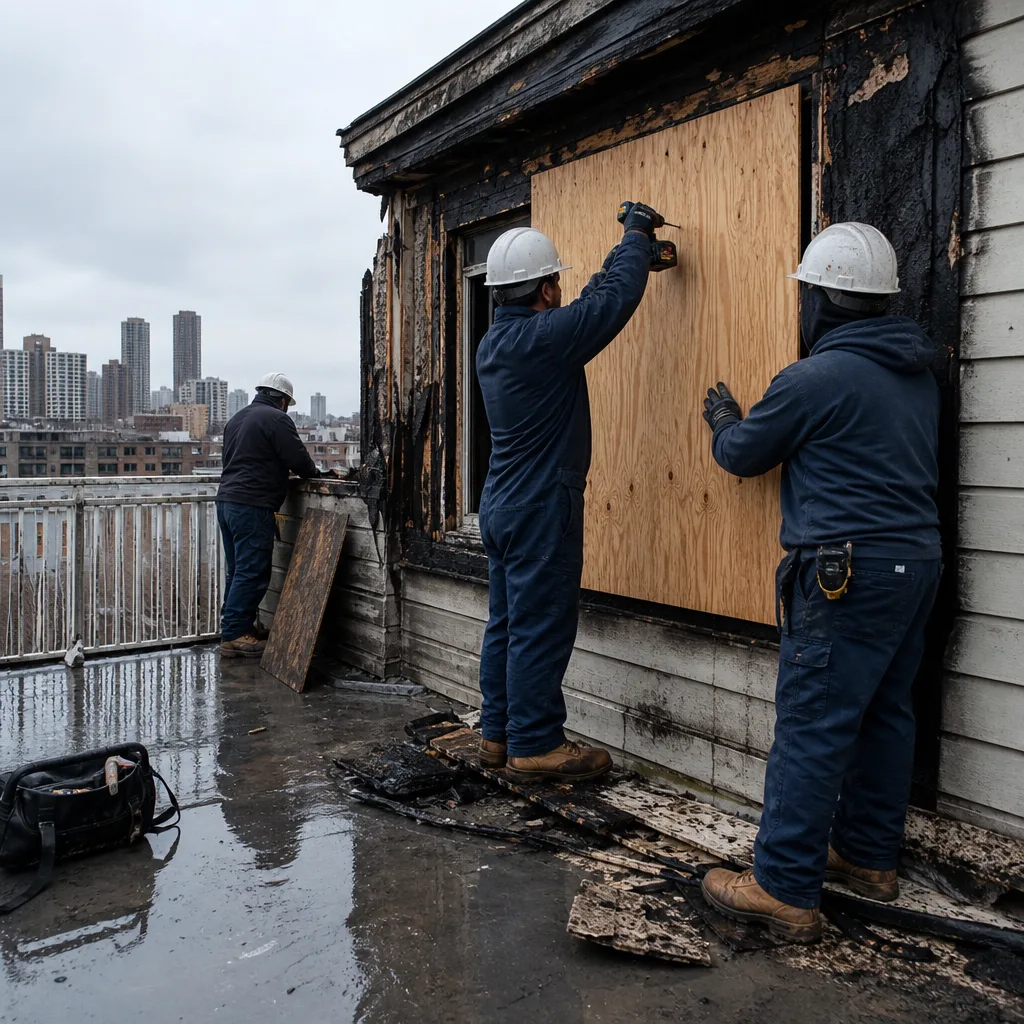
After law enforcement releases the scene, we step in to remove blood and other biological material from floors, walls, and furnishings. In College Point’s older homes, that often means pulling up hardwood or carpet, treating the subfloor, and checking the joists below for seepage.
Trauma & Unattended Death Cleanup
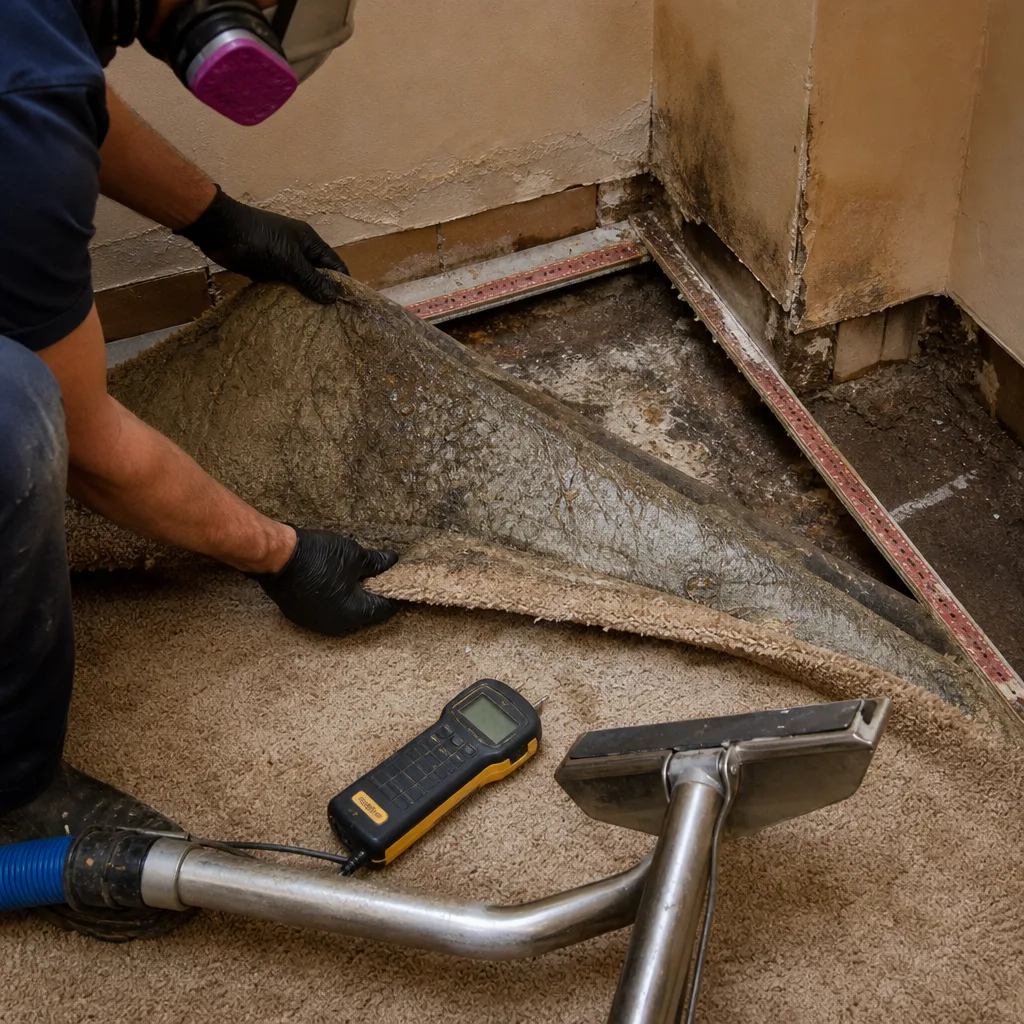
Decomposition fluids travel downward through flooring and into structural cavities. We handle the full process from source removal through odor neutralization to rebuild, including the difficult reality of a scene in a home that may also have floodwater intrusion from the peninsula’s coastal exposure. We treat both contamination sources in the same protocol.
Hoarding Cleanup
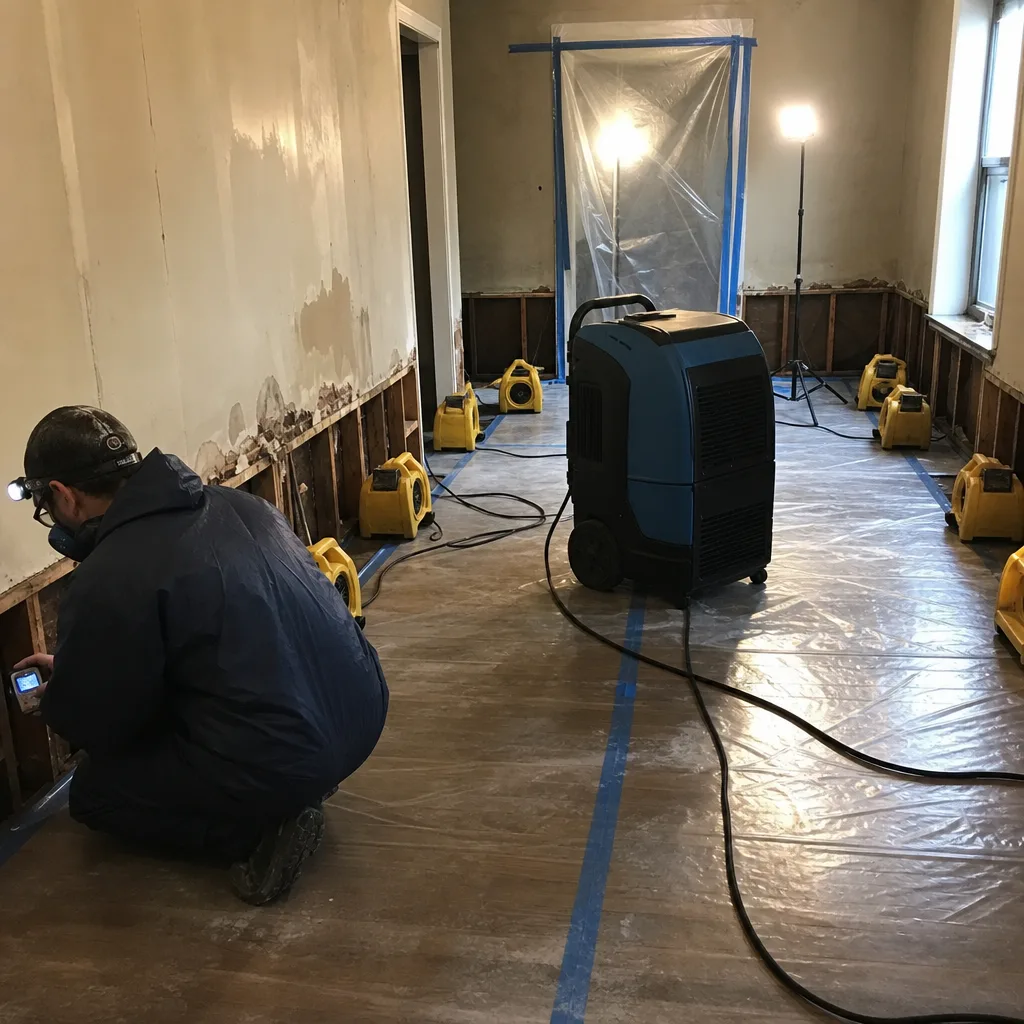
Hoarding conditions in College Point often mean decades of accumulation in basement-heavy homes, and if the pile has been exposed to floodwater from a nor’easter, the contamination goes beyond the biohazard layer into structural saturation. We sort, remove, decontaminate, and rebuild.
Blood & Bodily Fluid Cleanup
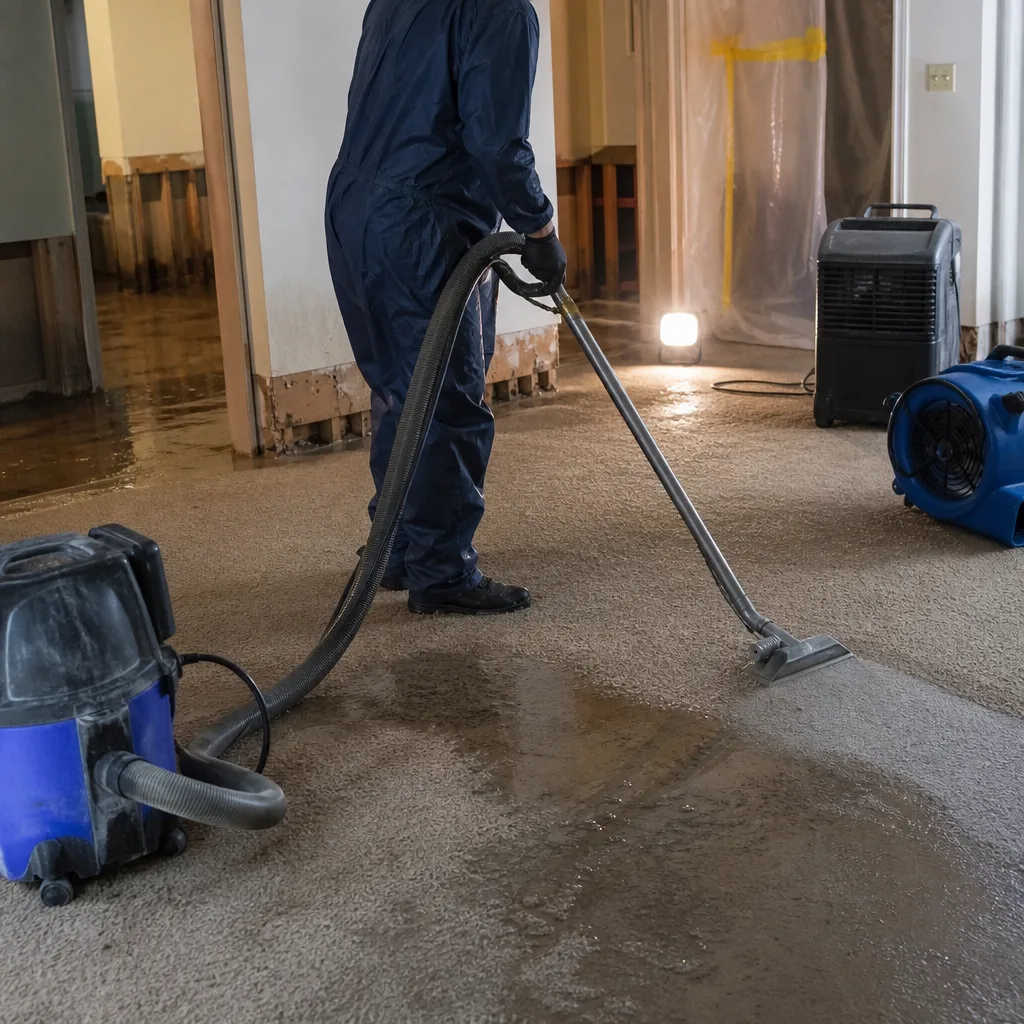
Bloodborne pathogens present a specific risk, and we follow OSHA-compliant handling and disposal every time. In College Point homes where a blood scene sits on top of previous water damage, we treat both the visible biological material and the hidden moisture in the substrate.
Infectious Disease Disinfection
After an illness in the home, we disinfect hard and soft surfaces using EPA-registered products with proper dwell times, not a quick wipe-down. On porous surfaces in older College Point plaster and wood construction, we use fogging and air scrubbing to reach what surface cleaning misses.
What happens when you call
- 1
A real person answersNo phone trees - you reach a local pro.
- 2
You get an upfront price rangeHonest numbers before anyone is dispatched.
- 3
A background-checked tech heads outLicensed & insured, dispatched right away.
- 4
You approve before work beginsNothing starts until you say go.
Biohazard & Crime Scene Cleanup Costs in College Point, NY
Biohazard cleanup in College Point typically runs between $1,500 and $5,000 for a contained scene like a bathroom or single bedroom, while a full basement trauma cleanup with demolition and rebuild can run $8,000 to $20,000 or more depending on the contamination depth and whether floodwater from the FEMA Zone AE exposure is part of the scene. A hoarding situation with biohazard layers usually falls between $4,000 and $15,000 in College Point, driven by dumpster costs, crew time, and whether the clutter is saturated. What moves the price: whether we’re removing flooring and drywall or just cleaning and disinfecting, how long the contamination sat before we arrived, and whether saltwater intrusion from Flushing Bay added a Category 3 water component. Insurance commonly covers the cleanup portion of a covered loss. The free visual inspection gives you a firm written scope before anyone starts, so there’s no guessing when the bill arrives. Call (917) 924-4221 and we’ll walk the property with you.
If you’re a senior or veteran in College Point, the 5% discount applies. And if any repair portion of the job exceeds $250, the $50-off offer stacks on top.
We Also Serve Cities Near College Point
Our Biohazard & Crime Scene Cleanup crews also respond across the surrounding neighborhoods: Flushing, Whitestone, East Elmhurst, and Corona. When you call from any of those areas, the same live dispatcher answers and the same certified crew arrives, with the same written scope and the same 90-Day Done Right Promise behind the work.
If you’re looking for a local team that knows College Point specifically, we’re already on the ground here.
Serving College Point, NY - Our Local Coverage Area
We’re based in the College Point area and know this community well. Use the map below to see our service coverage - if you’re nearby, we can almost certainly help.
College Point Biohazard & Crime Scene Cleanup Questions, Answered
Does Floodline Restoration handle biohazard cleanup in College Point basements that have also flooded with saltwater from Flushing Bay?
Yes. We treat the two contamination sources as one scene: the biohazard material and the Category 3 saline floodwater are both handled with full containment, extraction, disinfection, and drying logs. Saltwater contamination changes the drying protocol because saline residue retains moisture and accelerates corrosion on metal framing and fixtures, so we run longer dry times and document everything for your flood claim.
How do you prevent mold from post-Sandy Build It Back renovations from contaminating a crime scene cleanup in College Point?
Before we start any biohazard work on a pre-2015 basement or ground floor renovation in College Point, we run moisture mapping and a visual cavity inspection. If we find legacy mold behind finished walls, we build full containment, remove the mold-harboring drywall, and apply antimicrobial treatment before we address the biohazard layer. Treating them in the right order prevents the mold from becoming airborne during the biohazard phase.
What does it mean for our College Point home if a trauma cleanup involves Category 3 water from a nor’easter?
Category 3 water is grossly contaminated, meaning it carries sewage, bacteria, and whatever was washed in from outside. When a trauma scene in a College Point basement also has saltwater intrusion from a nor’easter, the standing water spreads bloodborne pathogens further through the space. That shifts the protocol from a localized cleanup to a full containment and extraction job, with disposal of all saturated porous materials and a longer drying phase. It’s a bigger job, and it’s one most policies cover when the water entered suddenly from outside.
Can Floodline Restoration handle a hoarding cleanup in College Point where the clutter is soaked from a coastal flood?
Yes, and we approach it as a biohazard job with a debris-removal component. The soaked clutter is Category 3-contaminated material and gets bagged and disposed accordingly. The space beneath the clutter, which may have been hidden for years, gets assessed for structural saturation and mold. We coordinate the dumpster, the crew, and the disinfection so the homeowner doesn’t have to manage multiple vendors on a difficult scene.
Do we need a permit in College Point for biohazard cleanup after an unattended death?
Biohazard cleanup itself doesn’t require a city permit, but if the cleanup involves structural demolition or rebuilding beyond surface cleaning, the rebuild portion may need NYC Department of Buildings permits. We handle the permit path for you when our crew does the repair work, and we’ll tell you upfront if your specific College Point job needs one. The cleanup and disposal itself follows state and federal biohazardous waste regulations, not city permitting.
How fast can you actually get to a College Point home?
We’re already serving College Point and the surrounding neighborhoods from our New York City dispatch office. A live person answers the phone at (917) 924-4221 any hour, and we can typically have a certified crew on a College Point property within the hour. The exact arrival time depends on where in the neighborhood you are and current call volume, but we don’t put you on a call-back list for a biohazard scene.
Will my insurance cover biohazard cleanup in my College Point home?
Most standard homeowner policies in New York cover biohazard cleanup when it results from a covered peril, such as a crime scene, a sudden sewage overflow, or an accidental death in the home. If the contamination is tied to saltwater flooding from a nor’easter, your flood insurance through the NFIP may be the relevant policy because of College Point’s Zone AE designation. We work directly with your adjuster and provide the documentation they need, so you’re not assembling claim paperwork on your own.
What should I do in the first 30 minutes after discovering a biohazard scene in my College Point home?
Do not enter the area if you can avoid it. If you must enter, wear gloves and a mask, and do not turn on fans, HVAC, or any air-moving equipment. Do not attempt to clean blood or bodily fluids yourself. Call us at (917) 924-4221 and describe what you see. We’ll tell you whether it’s safe to stay in the home and what to do while our crew is on the way. The most important thing in those first 30 minutes is limiting how many people walk through the contamination and how much air circulates through it.
Written by Curt Bowman, Owner at Floodline Restoration Co. of Manhattan, serving College Point and the surrounding area.