
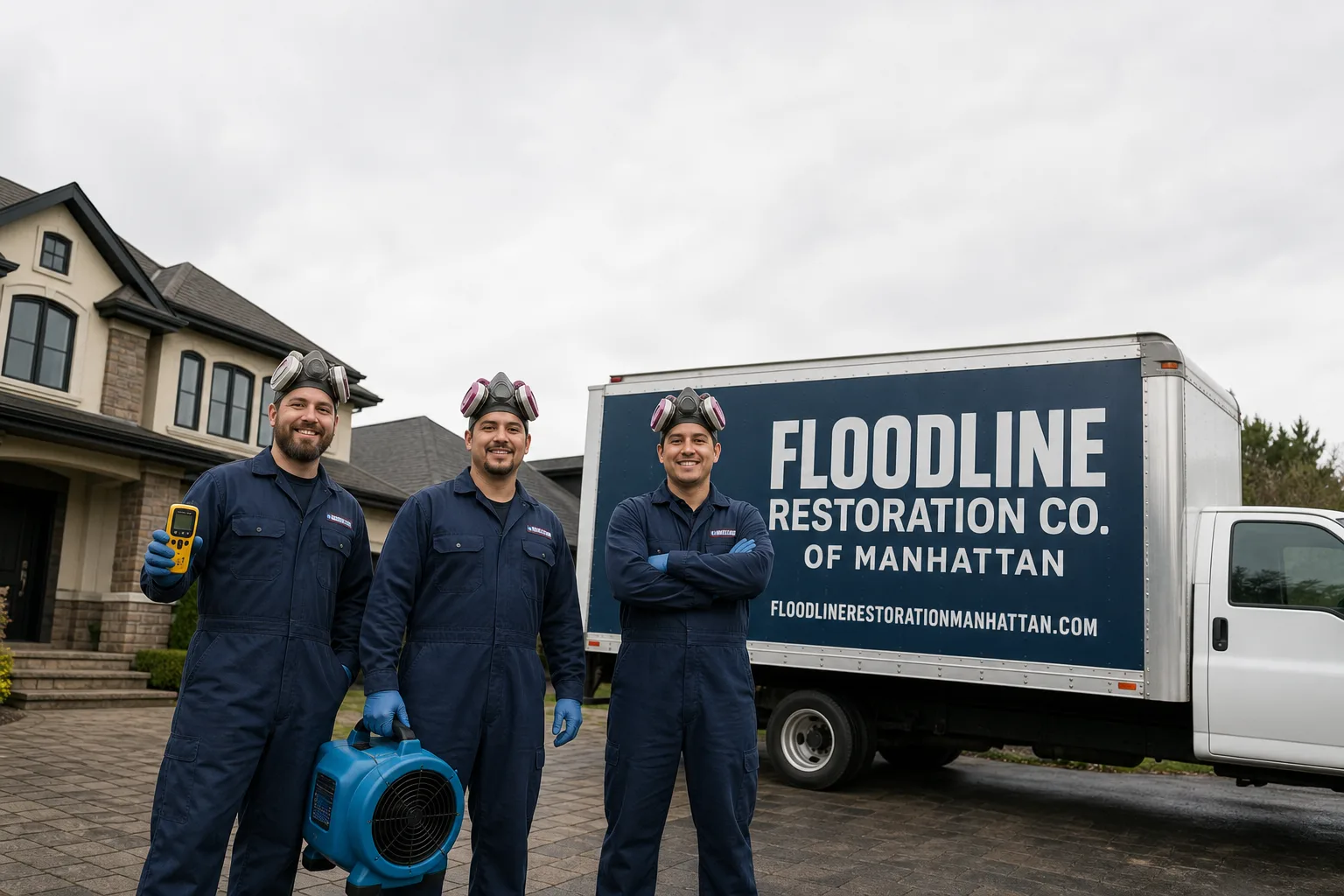
Free visual inspection and a written scope of work before any mitigation begins - photos, moisture readings, and drying logs go in your claim file
The scope we write is the scope we bill. Anything new gets shown to you, in writing, before we touch it.






 Before
 After
After Before
 After
After Before
 After
After24/7 Emergency Biohazard & Crime Scene Cleanup in Forest Hills
Biohazard and crime scene cleanup in Forest Hills requires immediate, discreet, and legally compliant action, and our crews are on call 24 hours a day with live dispatch. If you’re facing a trauma scene, unattended death, hoarding condition, or infectious disease exposure in a Forest Hills home or apartment, call (917) 924-4221 right now and a real person answers, any hour, any day. The first hour after a biohazard event matters because blood, bodily fluids, and other pathogens begin to soak into porous surfaces immediately, and inside Forest Hills’s older lath-and-plaster and hardwood construction, the contamination travels deeper and faster than in newer drywall-and-carpet builds. We dispatch background-checked, uniformed technicians from our New York City office directly into the Forest Hills area, with a 45-minute response commitment for emergency calls. You get a free visual inspection, a written scope of work, and a crew that starts containment the same visit so the contamination stops spreading while you wait.
Understanding Biohazard & Crime Scene Cleanup Severity in Forest Hills Properties
Biohazard contamination isn’t a surface problem; it’s a porosity problem, and Forest Hills housing stock makes it more complicated than most. The pre-war brick apartment buildings along Queens Boulevard and the attached rowhouses throughout the surrounding blocks were built with lath-and-plaster interiors, original hardwood flooring, and cast-iron steam-heating systems. Blood and bodily fluids seep through wood flooring, into plaster, and along the gaps around cast-iron pipes, creating contamination reservoirs that a standard cleaning will miss but a forensic-grade remediation will find. In Forest Hills Gardens, the landmarked Tudor Revival homes add another layer: horsehair-reinforced plaster walls absorb fluids differently than modern gypsum board, and original millwork, quarter-sawn oak flooring, and custom staircases require material-specific treatment, not generic chemical application. We assess every loss by locating the true extent of contamination, often using moisture mapping and hygrometers to trace fluid migration through subfloors and wall cavities. Severity is categorized by pathogen exposure risk, surface porosity, and the length of time the material sat saturated. A bathroom unattended-death scene in a 1930s co-op unit on Austin Street will almost always require more aggressive removal than a similar event in a newer building, because the original materials simply hold more. That’s why our Biohazard & Crime Scene Cleanup team treats Forest Hills properties as a distinct technical challenge, not a template job.
Why Forest Hills Property Owners Choose Floodline Restoration Co. of Manhattan
- 45-minute response commitment to Forest Hills. When contamination is spreading, every hour increases the scope. Our crews stage locally and move fast, day or night.
- A live person answers, 24/7, not a recording. At 2 a.m. on a Sunday, you’ll speak to a dispatcher who can send a crew, not an answering service that takes a message for Monday.
- IICRC-certified, background-checked technicians. Our biohazard crews train to IICRC standards for trauma and crime scene cleanup, follow RIA restoration protocols, and hold IFA certifications where applicable. Uniformed, identifiable, and accountable.
- Free visual inspection with a written scope. You’ll know what we found, what we’ll do, and what it costs before work starts. No vague estimates, no surprises on the bill.
- Direct insurance billing and adjuster coordination. We document everything from the first hour, file industry-standard estimates, and talk to your carrier so you don’t have to play messenger.
- One crew from containment to reconstruction. We don’t hand you off to a sub after the biohazard work. The same certified team handles the rebuild, including plaster matching in landmarked Forest Hills Gardens interiors.
Our Biohazard & Crime Scene Cleanup Process
Inspection & Assessment
We walk the entire affected area, identify all contamination sources, and map fluid migration through flooring, walls, and cavities. In pre-war Forest Hills buildings, this means checking beneath original wood floors and around steam risers for hidden reservoirs. You get a written assessment and a firm price before any work begins.
Containment & Stabilization
Before removal starts, we seal the affected area with 6-mil polyethylene containment and negative air pressure to prevent cross-contamination into adjacent rooms, hallways, and common areas. In apartment buildings along Queens Boulevard, this protects neighboring units and common corridors from exposure.
Removal of Contaminated Materials
We remove affected porous materials: carpet, padding, sections of plaster or drywall, insulation, and subflooring that absorbed blood, bodily fluids, or chemicals. In Forest Hills Gardens, removal is surgical, preserving original millwork, doors, and decorative plaster wherever restoration is possible.
Cleaning, Sanitization & Odor Neutralization
Using hospital-grade EPA-registered disinfectants and HEPA air scrubbers, we treat all remaining surfaces, including framing, joists, and subfloors. We deploy hydroxyl generators and ozone treatments where appropriate to neutralize odors that penetrate deep into original wood and plaster.
Specialty Treatment for Forest Hills Materials
Where contamination touched horsehair plaster, original hardwood, or period millwork, we use material-specific cleaning agents and, where needed, bring in a horsehair-plaster artisan to rebuild surfaces to match the original texture and profile. No generic patches, no visible scars.
Repairs, Restoration & Clearance Testing
We restore damaged surfaces to pre-loss condition, verify cleanliness with ATP surface testing, and provide a written clearance report. If your property sits inside the Forest Hills Gardens landmark district, we coordinate all required LPC documentation before, during, and after the work.
Need Emergency Biohazard & Crime Scene Cleanup in Forest Hills Now?
Crews minutes away, answering live 24 hours a day. The sooner we start, the less it costs.
Working With Your Insurance Company
Most biohazard and crime scene cleanup in Forest Hills is covered under standard homeowners or co-op insurance policies, and we handle the claim from the first phone call. We photograph everything before, during, and after removal, document every material we cut out and why, and compile moisture readings and containment logs that your adjuster can verify. Our line-item estimates follow industry-standard pricing your carrier recognizes, which means fewer disputes and faster approval. When we’re inside a landmarked Forest Hills Gardens property, we also document LPC-required material matches and any compliance steps, because your insurer needs that paper trail to process the full claim. You never play messenger between us and the carrier. We send the documentation, we take the calls, and we answer the adjuster’s questions directly.
What We Provide Your Insurer
- Thorough documentation of the loss
- Photos of all damage, room by room
- Moisture readings and contamination mapping logs
- A detailed, line-item scope of work
- Direct coordination with your carrier
Built for Forest Hills’s Loss Calendar
Biohazard cleanup in Forest Hills doesn’t follow a single season, but the underlying causes do shift through the year. January’s deep freezes burst cast-iron and galvanized supply lines in pre-war buildings across Rego Park and Forest Hills, and when that water sits, it becomes a mold and bacteria reservoir that requires Category 3 biohazard protocols, not just drying. Spring thaw brings basement seepage into the older attached rowhouses near Metropolitan Avenue and Union Turnpike, saturating stored belongings and creating conditions where hoarding cleanup and biohazard work overlap. Summer’s intense downpours strain Queens’s combined sewer system, which backs up into Forest Hills basements and turns a nuisance into a sewage-loss biohazard event. Autumn’s nor’easters pound the flat roofs of pre-war apartment buildings on Queens Boulevard, and the water that drips through original plaster ceilings often carries decades of accumulated dust, rodent residue, and other contaminants. Curt Bowman, founder of Floodline Restoration Co., built our dispatch around these neighborhood-specific patterns, so our Forest Hills crews are ready for what actually happens here, not what a generic restoration playbook predicts.
Biohazard & Crime Scene Cleanup Across Forest Hills’s Neighborhoods
Forest Hills isn’t one neighborhood; it’s a patchwork of building types, and each one shapes how a biohazard cleanup goes. Around Austin Street, the 1920s and 1930s co-op and rental buildings along the commercial corridor hide original steam risers and lath-and-plaster walls that complicate containment and demand careful demolition. Over in the Van Court area and the attached brick rowhouses south of Queens Boulevard, shared wall cavities mean contamination from one unit can migrate into a neighbor’s wall, which changes how we set up negative air pressure and where we sample for residue. Forest Hills Gardens, with its landmarked Tudor Revival homes and carriage houses, requires pre-approval from the Landmarks Preservation Commission for any exterior-visible work, and interior remediation must match original period materials. Along Yellowstone Boulevard and the blocks around MacDonald Park, mid-century brick buildings with newer renovations often hide water-damaged subfloors beneath updated finishes, meaning what looks like a small blood stain on the surface may have migrated far beyond what’s visible. We know these blocks, these buildings, and their specific failure modes because we work them every week, driving the routes from Metropolitan Avenue to 71st Avenue and everywhere between.
Specialized Biohazard & Crime Scene Cleanup Services We Offer in Forest Hills
Trauma & Unattended Death Cleanup
Unattended death scenes in Forest Hills apartments and homes require both technical remediation and real human discretion. We work quietly, in unmarked vehicles when requested, and we treat every home with the dignity the family deserves. In pre-war Forest Hills co-ops, we’re especially careful with shared wall cavities and original floors, and in Forest Hills Gardens we handle the LPC documentation so the family never has to think about paperwork.
Hoarding Cleanup
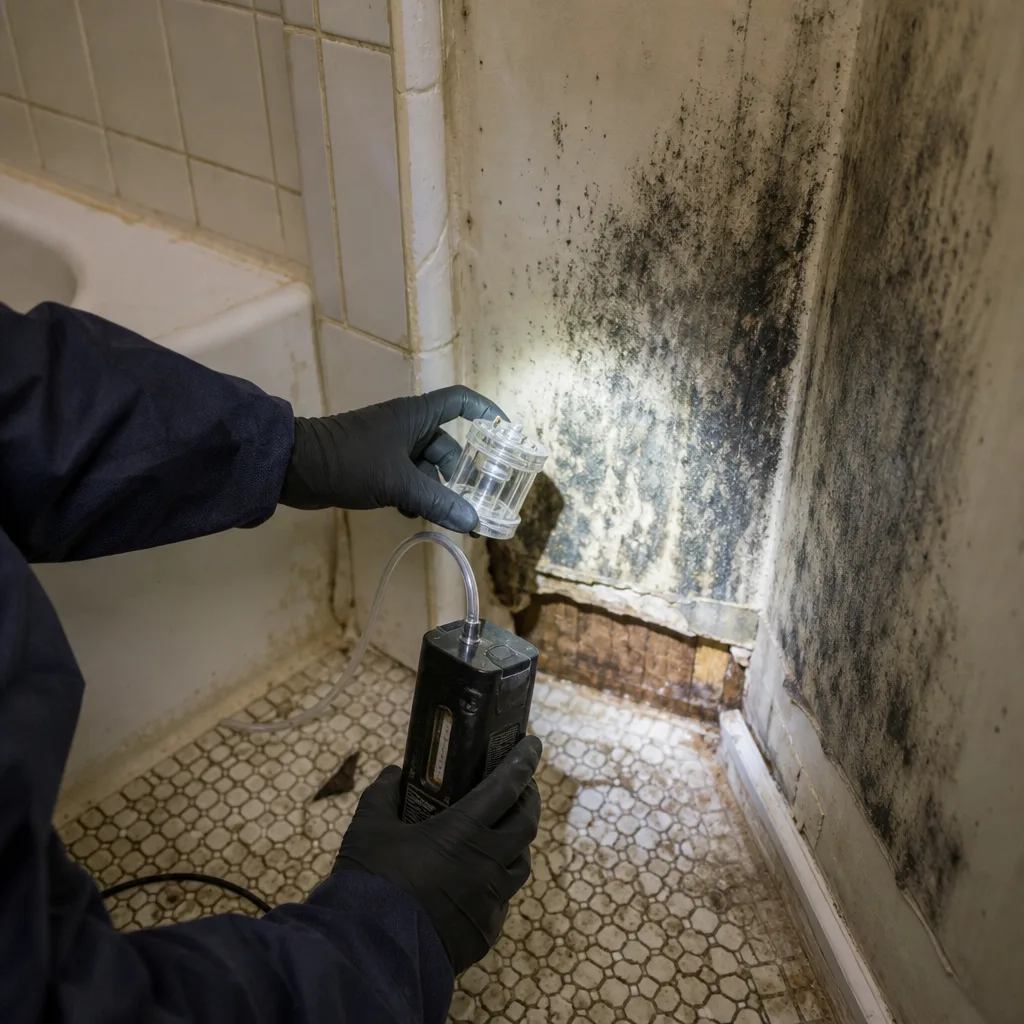
Hoarding cleanup in Forest Hills often means working inside old buildings where decades of accumulated material sits on original wood floors and against horsehair-plaster walls. We sort, remove, and sanitize room by room, preserving valuables and documents when requested, and we coordinate with structural assessment when weight load has stressed older floor joists. After the cleanup, we treat the underlying surfaces for mold, rodent residue, and insect infestation, then restore walls and floors to a clean, usable condition.
Infectious Disease Disinfection
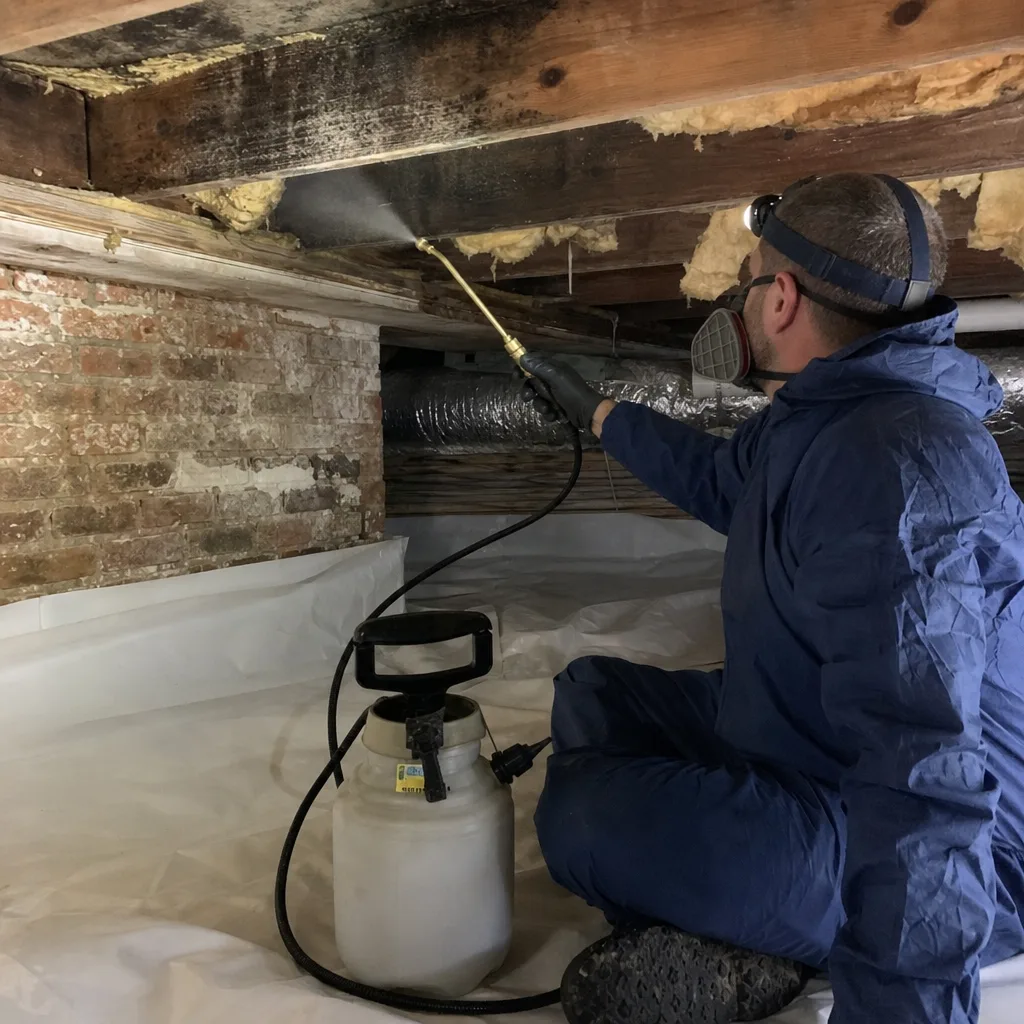
When a Forest Hills household faces an infection such as MRSA, C. difficile, norovirus, or COVID-19, we deploy full-room disinfection using EPA-registered hospital-grade disinfectants applied with fogging, wiping, and HEPA air scrubbing. In rowhouses and attached buildings, we test adjacent shared spaces for airborne transmission risk and treat those too. Our technicians document every step, which matters for boards, landlords, and family members who need written proof the space is safe to reoccupy.
Blood & Bodily Fluid Cleanup
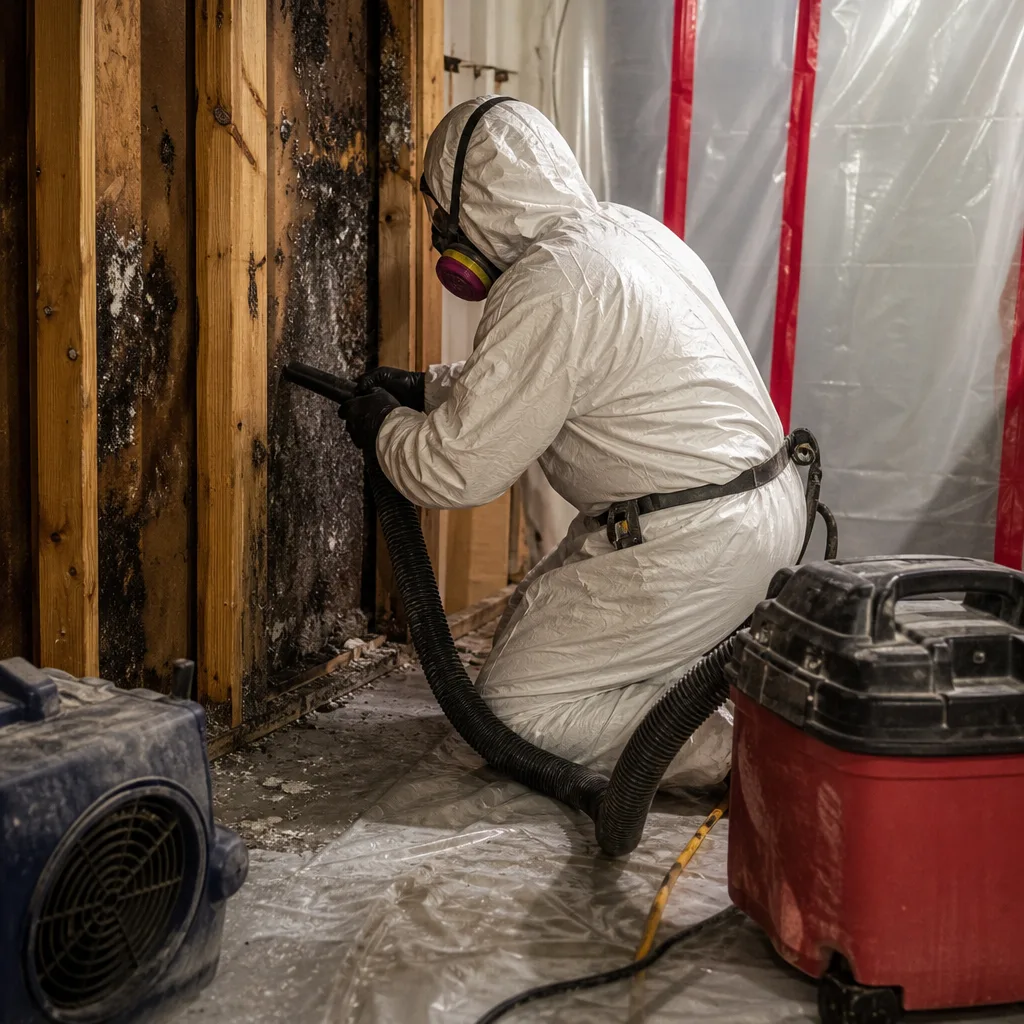
Blood and bodily fluids carry bloodborne pathogens regulated by OSHA, and the cleanup is not a job for household cleaners or untrained labor. In Forest Hills properties with original hardwood and plaster, the fluids penetrate quickly, which means we often cut out sections of subfloor and wall cavity well beyond the visible stain. We remove, disinfect, and restore to pre-loss condition, and we test for remaining protein residue before we call the job done.
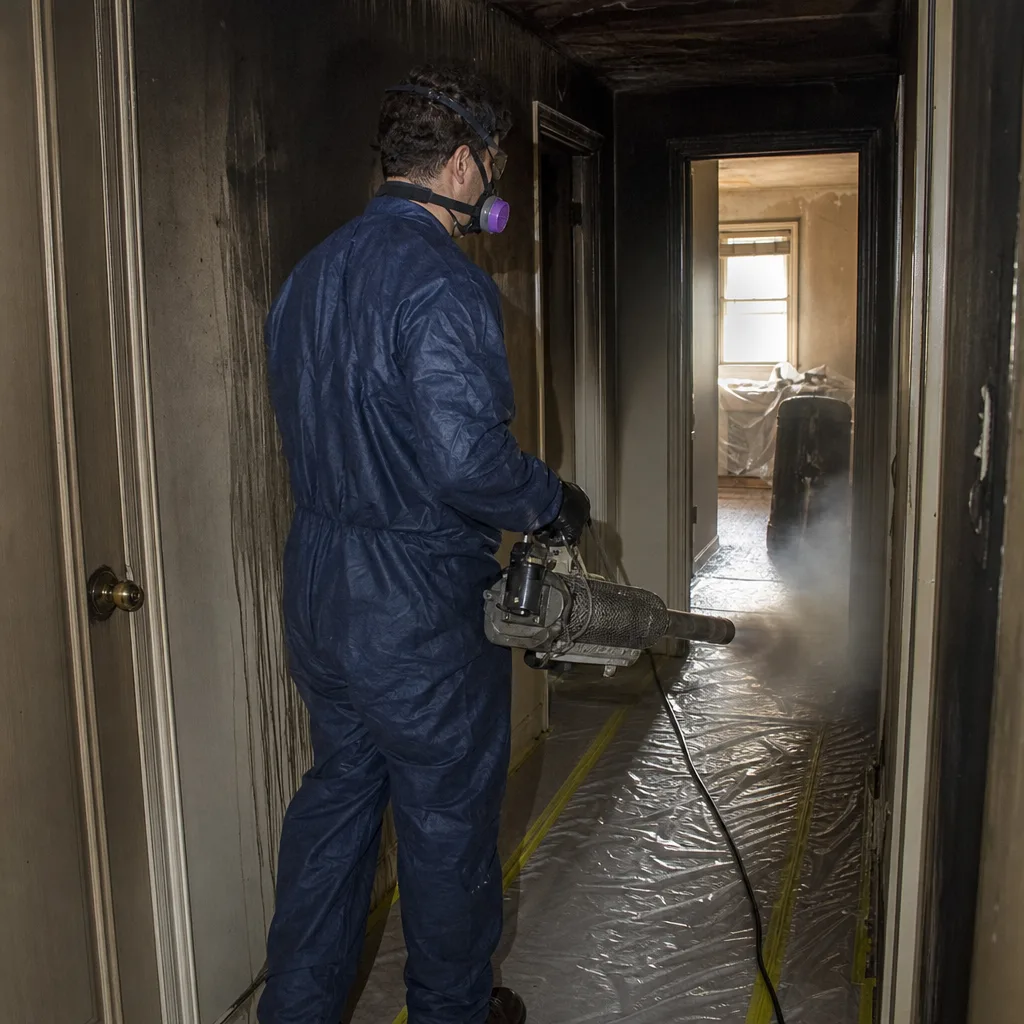
Crime Scene Cleanup
After the police and coroner release a crime scene in Forest Hills, the family is left with a biohazardous space that no one should have to clean alone. We respond fast, secure the area, and work with law enforcement protocols and any property management requirements. Our crews are trained in bloodborne pathogen safety, and we handle everything from the initial removal to the final coat of paint on the restored wall.
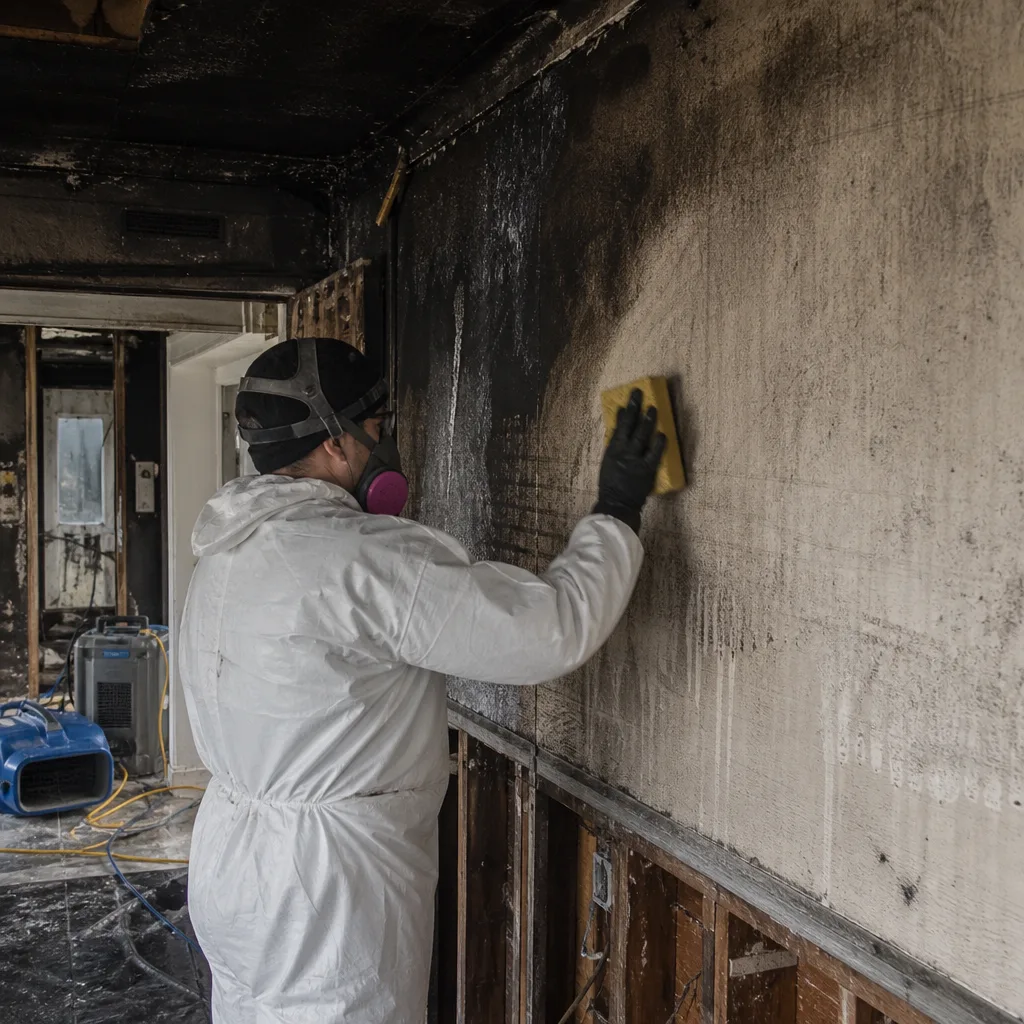
What happens when you call
- 1
A real person answersNo phone trees - you reach a local pro.
- 2
You get an upfront price rangeHonest numbers before anyone is dispatched.
- 3
A background-checked tech heads outLicensed & insured, dispatched right away.
- 4
You approve before work beginsNothing starts until you say go.
Biohazard & Crime Scene Cleanup Costs in Forest Hills, NY
Biohazard and crime scene cleanup in Forest Hills typically runs between $1,500 and $15,000 depending on the size of the affected area, the porosity of the materials involved, and whether reconstruction is needed. A small blood-spill cleanup in a single bathroom of a pre-war co-op might run $1,500 to $3,500. Trauma and unattended death remediation across multiple rooms, including subfloor removal, plaster cutting, and HEPA air scrubbing, usually falls between $4,000 and $9,000 in Forest Hills’s housing stock. Hoarding cleanup in a full pre-war basement or a two-bedroom apartment can range from $5,000 to $15,000 once sorting, removal, sanitization, and surface restoration are counted. Inside Forest Hills Gardens, expect to add 10 to 20 percent for LPC documentation and period-correct material matching, because horsehair plaster and original millwork cost more than drywall and standard trim. Most homeowners’ or co-op insurance policies cover these losses, and we bill your carrier directly. Call (917) 924-4221 for a free visual inspection and a firm, written scope, so you know the exact number before work begins.
We Also Serve Cities Near Forest Hills
Our Forest Hills crews also handle biohazard and crime scene cleanup across the surrounding Queens neighborhoods, including Rego Park, Kew Gardens, Corona, and Middle Village. The same live dispatch, the same certified technicians, and the same written scope apply whether your building sits on a landmarked Forest Hills Gardens block or a busy Rego Park street.
Serving Forest Hills, NY - Our Local Coverage Area
We’re based in the Forest Hills area and know this community well. Use the map below to see our service coverage - if you’re nearby, we can almost certainly help.
Forest Hills Biohazard & Crime Scene Cleanup Questions, Answered
What extra steps are required for biohazard cleanup inside Forest Hills Gardens’ landmark district?
Any work that affects the exterior or structural elements of a Forest Hills Gardens property requires approval from the NYC Landmarks Preservation Commission, and interior work that opens walls must be documented and restored with period-correct materials. We file the LPC paperwork, source matching horsehair plaster and original-profile millwork, and keep a complete documentation trail for your insurer and the LPC. Call (917) 924-4221 and we’ll walk you through the specifics for your block.
How do Queens’s combined sewer backups affect hoarding cleanup in Forest Hills basements?
When heavy rain overwhelms the combined sewer system, raw sewage backs up into basement drains, and for a hoarded Forest Hills basement, that Category 3 black water saturates stored materials and makes the entire cleanup a biohazard job. We remove the contaminated contents, cut out saturated flooring and wall sections, disinfect the framing, and restore the space to a clean, dry condition. This is a recurring call in the rowhouse blocks south of Queens Boulevard.
Can your crew match original plaster textures after trauma cleanup in a pre-war Forest Hills apartment?
Yes. When we cut out contaminated plaster in a pre-war Forest Hills apartment, we bring in a skilled horsehair-plaster artisan to match the original texture, whether that’s a smooth Venetian finish, a sanded surface, or a classic skip-trowel profile. Standard restoration crews patch with drywall and move on; we make the wall disappear. It costs a bit more and it’s the only way to preserve the home’s value and character.
What containment protocol do you use for infectious disease disinfection in Forest Hills rowhouses?
We seal the affected area with 6-mil polyethylene, establish negative air pressure with HEPA-filtered exhaust to the exterior, and fog the contained space with EPA-registered hospital-grade disinfectant. In attached rowhouses, we test adjacent shared wall cavities and treat those spaces when airborne transmission risk is present. We finish with ATP surface testing and a written clearance report.
How quickly can you respond to a crime scene cleanup in Forest Hills Gardens?
Our commitment is 45 minutes to any Forest Hills address, including properties inside the landmark district. Once the authorities release the scene, call (917) 924-4221 and a live dispatcher sends a crew immediately. The sooner containment goes up, the less contamination spreads through the original plaster and hardwood.
Will my homeowners insurance cover biohazard cleanup in Forest Hills?
Most standard homeowners, co-op, and condo policies in Forest Hills cover biohazard and crime scene cleanup, including unattended death, blood cleanup, and infectious disease disinfection. We document the entire loss from the first inspection, file a line-item estimate your carrier recognizes, and talk directly to your adjuster. You never deal with the insurance paperwork alone.
Is biohazard cleanup different from regular deep cleaning?
Yes, completely. Regular cleaning removes visible dirt; biohazard remediation removes pathogens, bloodborne contaminants, and fluids that have soaked into porous surfaces, then restores the area to a verified clean condition. OSHA regulates bloodborne pathogen handling, and in Forest Hills’s pre-war buildings, the contamination reservoirs are often hidden inside walls and subfloors that only a certified crew with the right equipment will find.
What should I do in the first 30 minutes after discovering a biohazard situation in Forest Hills?
Do not touch or clean anything. Close the door to the affected area, keep people and pets away, and call (917) 924-4221 immediately. If the situation involves a death, call the authorities first and then us. Every hour the contamination sits, it penetrates deeper into original wood and plaster, which increases the scope and the cost.
Written by Curt Bowman, Owner at Floodline Restoration Co. of Manhattan, serving Forest Hills since our founding in 2010.