

Free visual inspection and a written scope of work before any mitigation begins - photos, moisture readings, and drying logs go in your claim file
The scope we write is the scope we bill. Anything new gets shown to you, in writing, before we touch it.
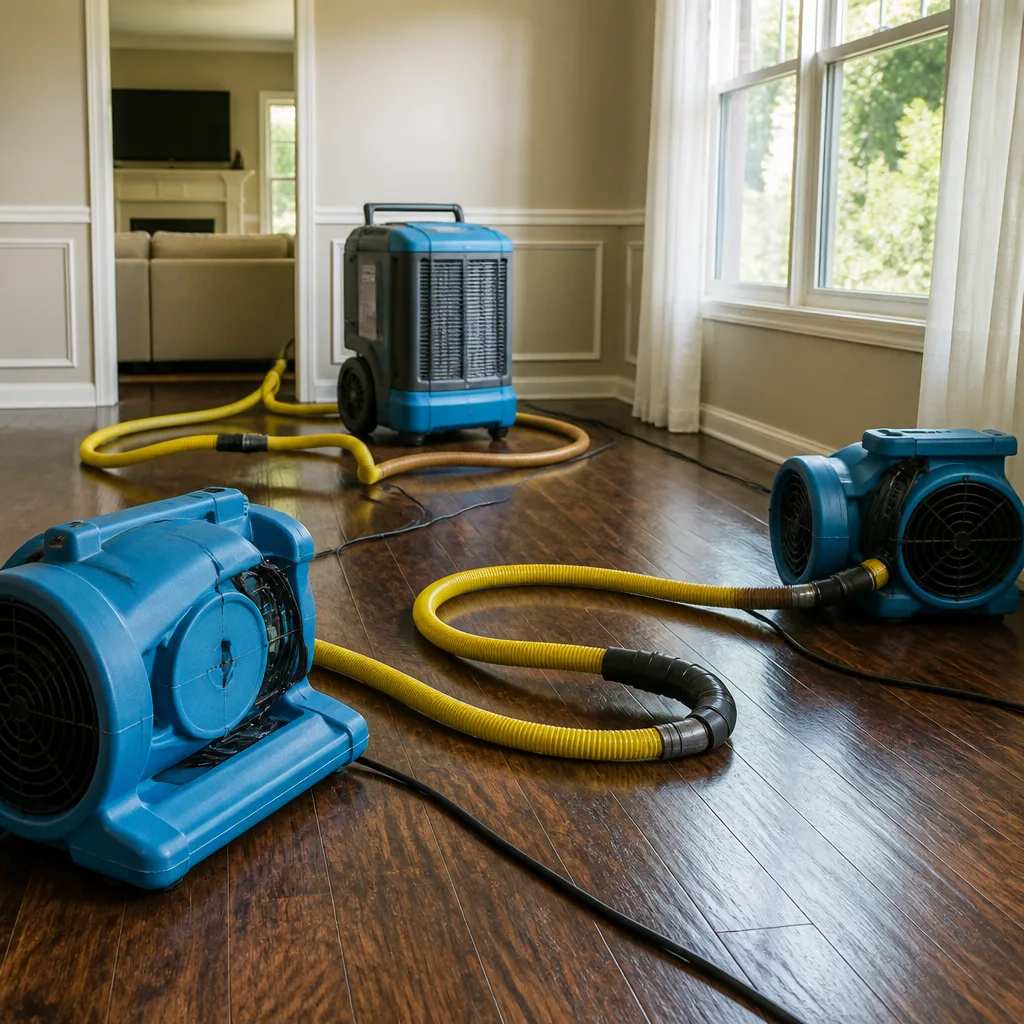
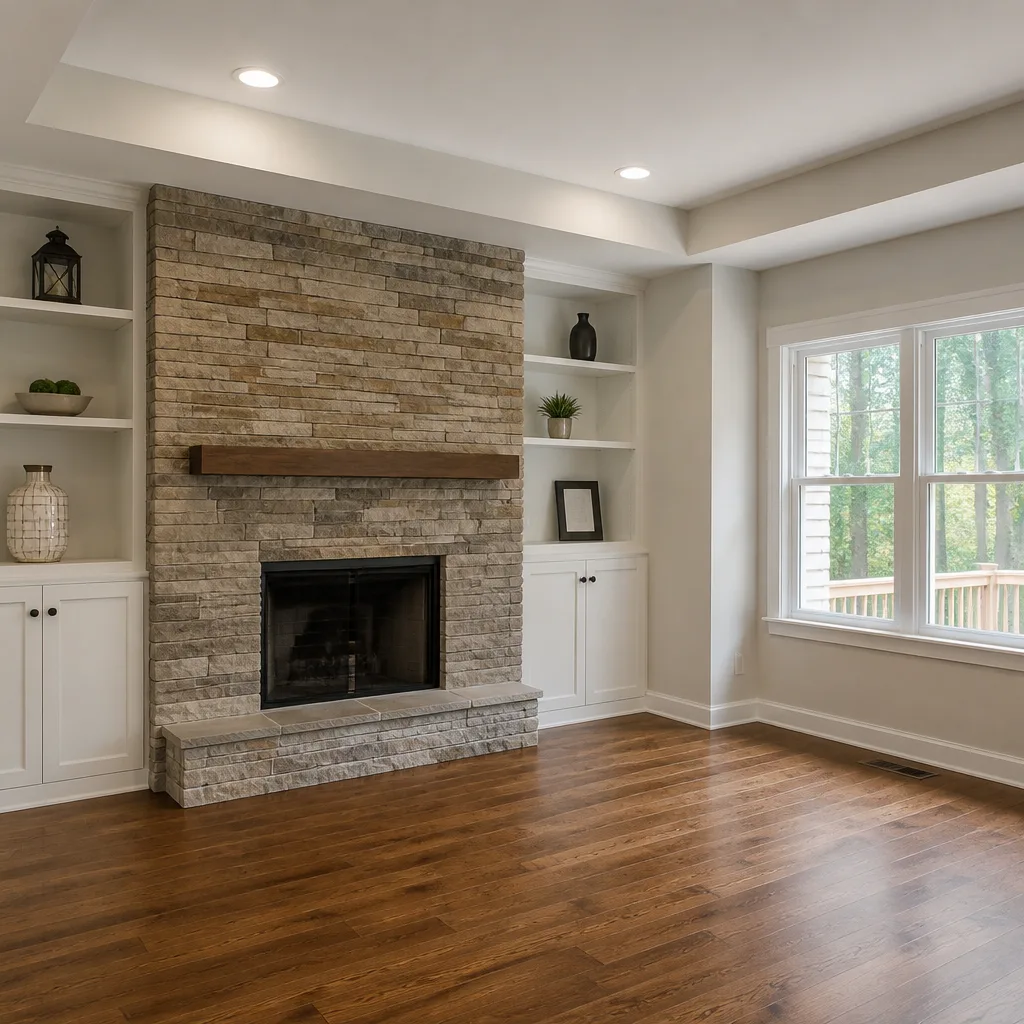
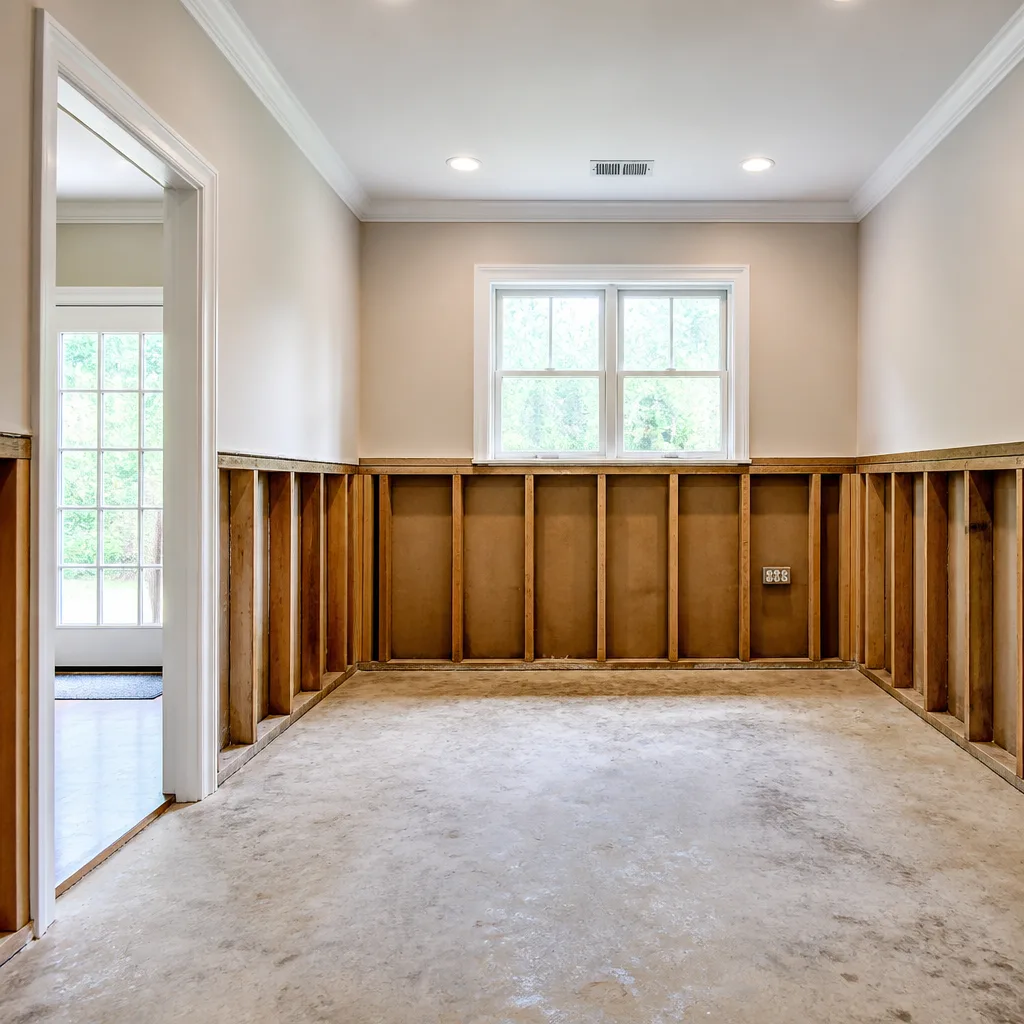
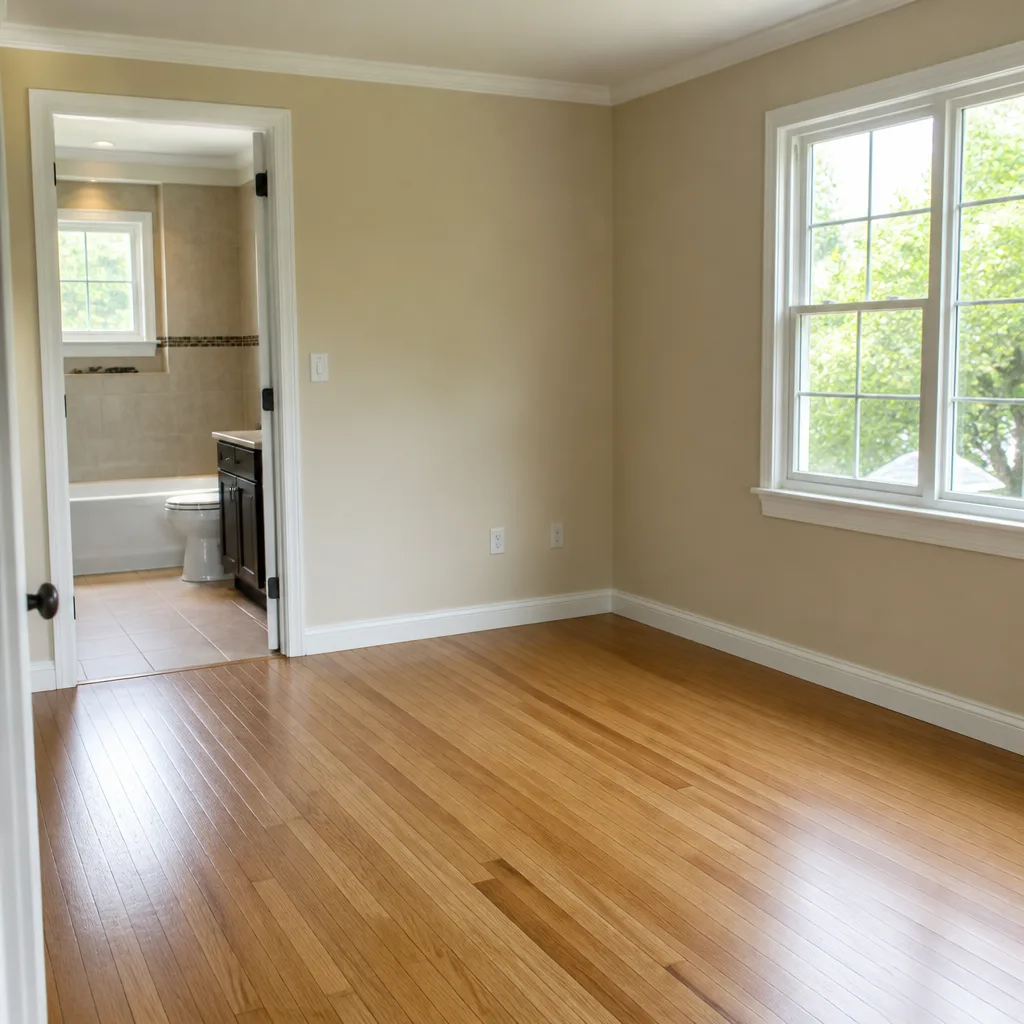
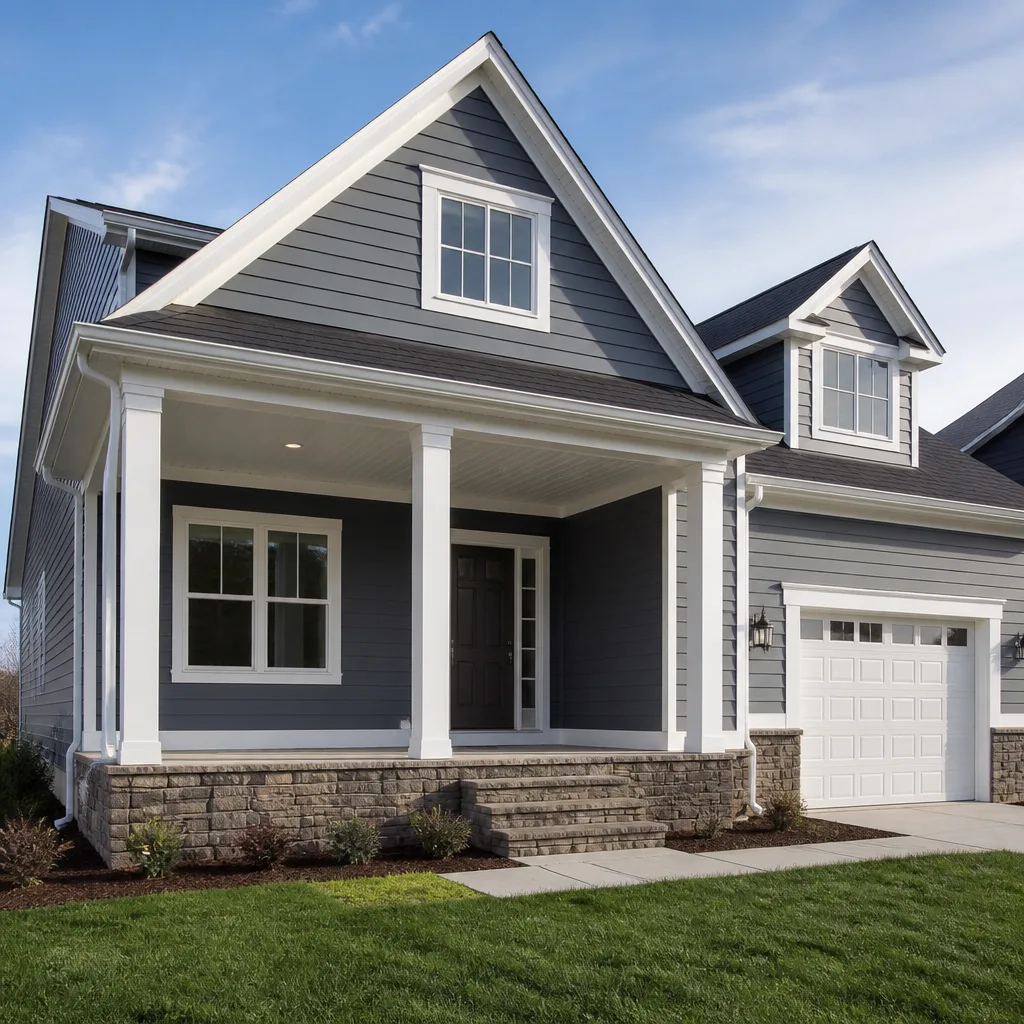
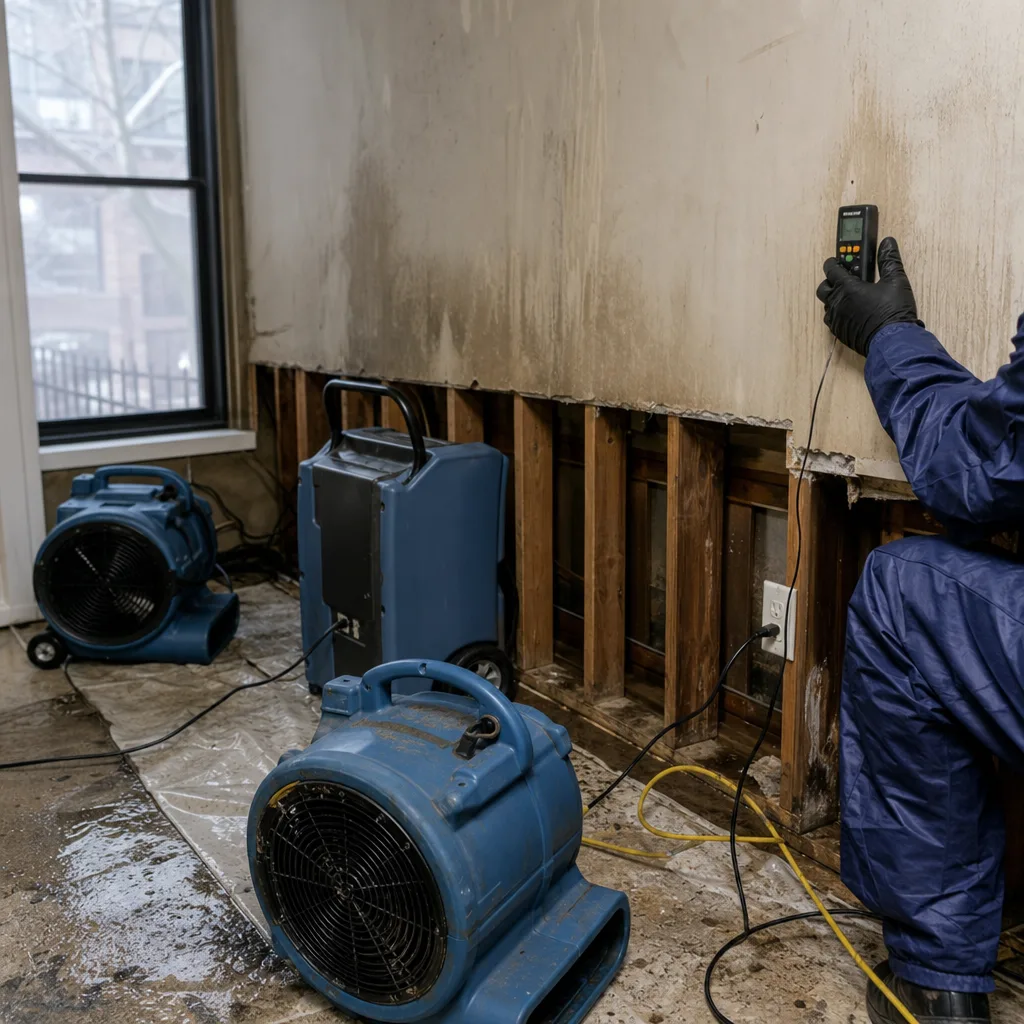 Before
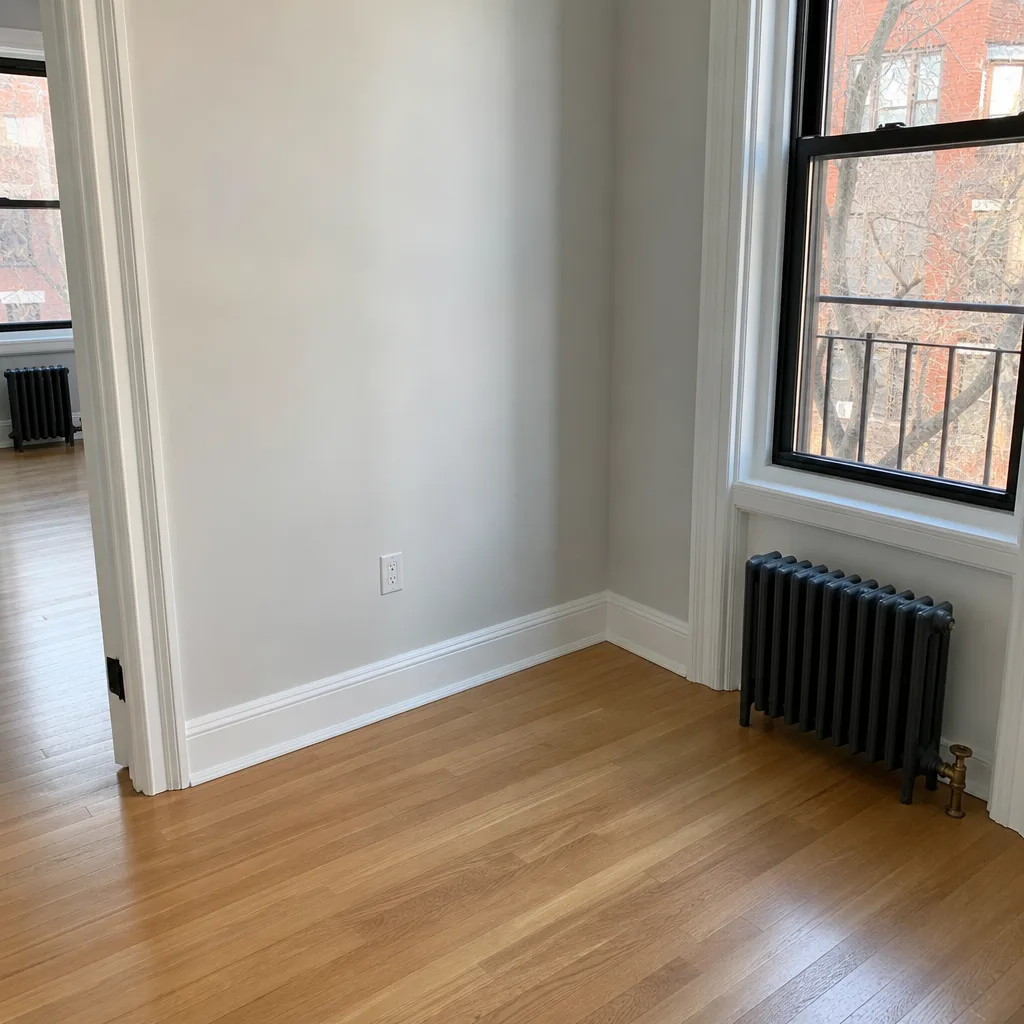 After
After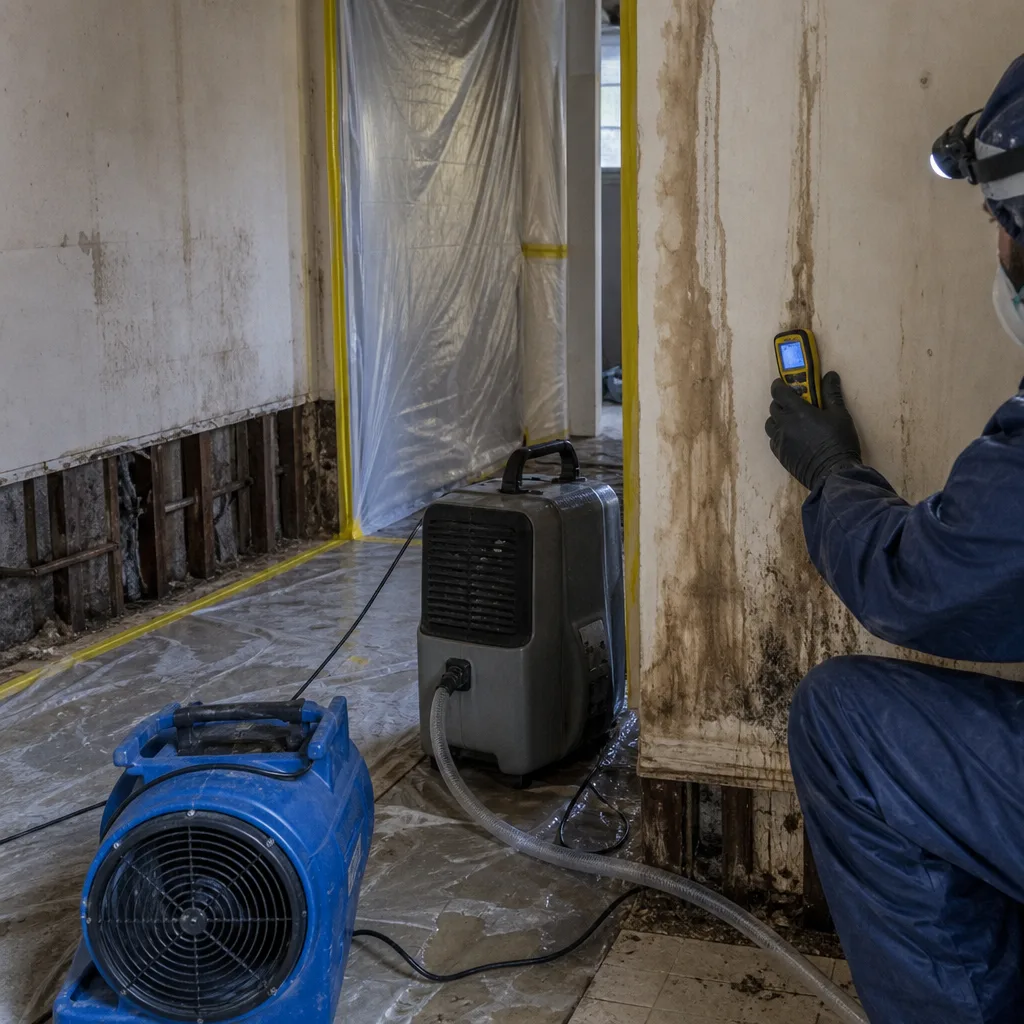 Before
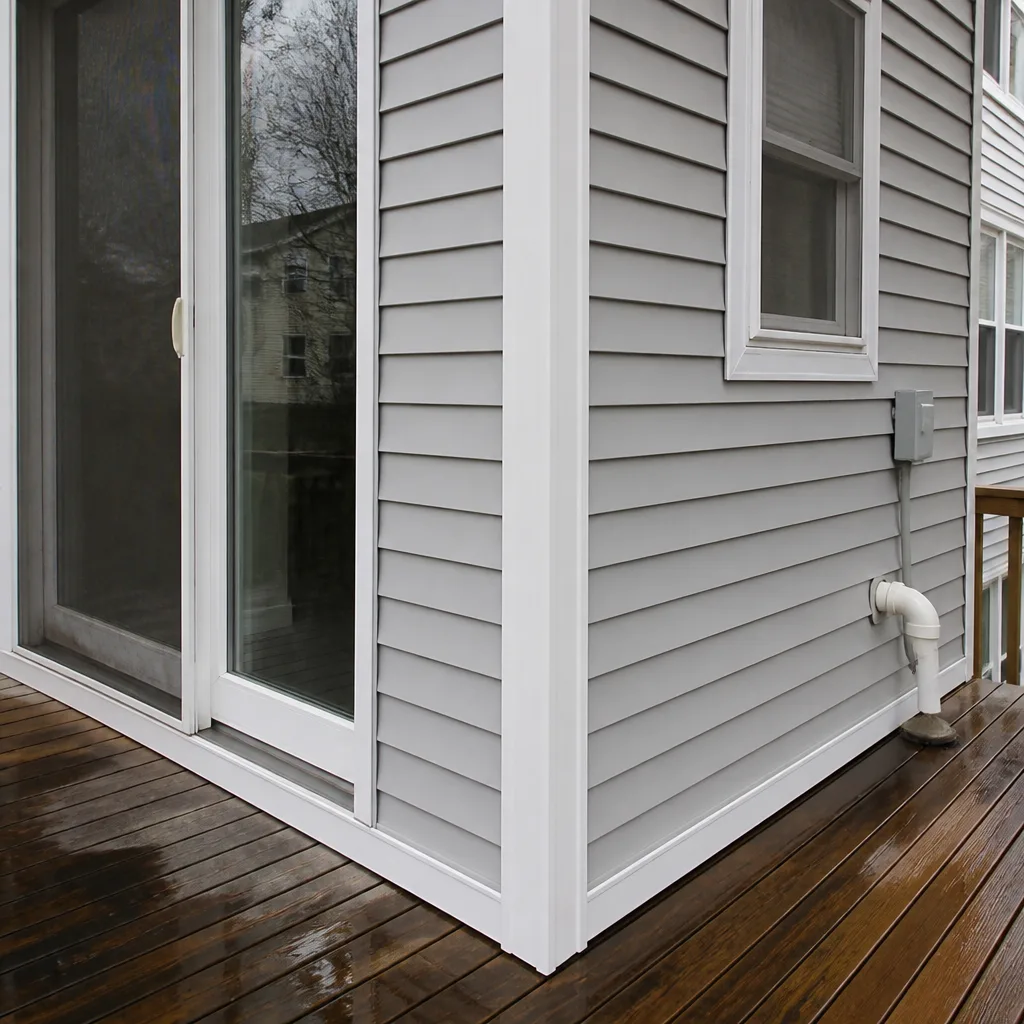 After
After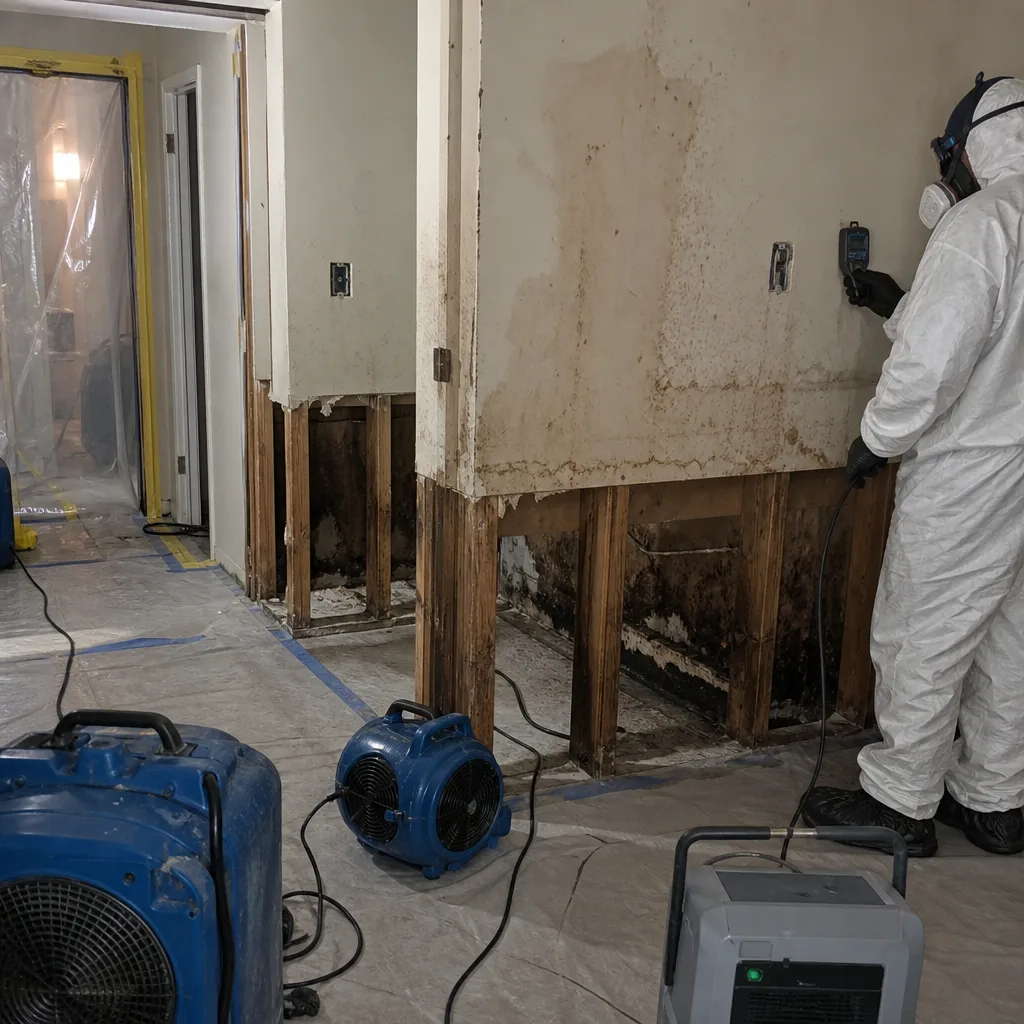 Before
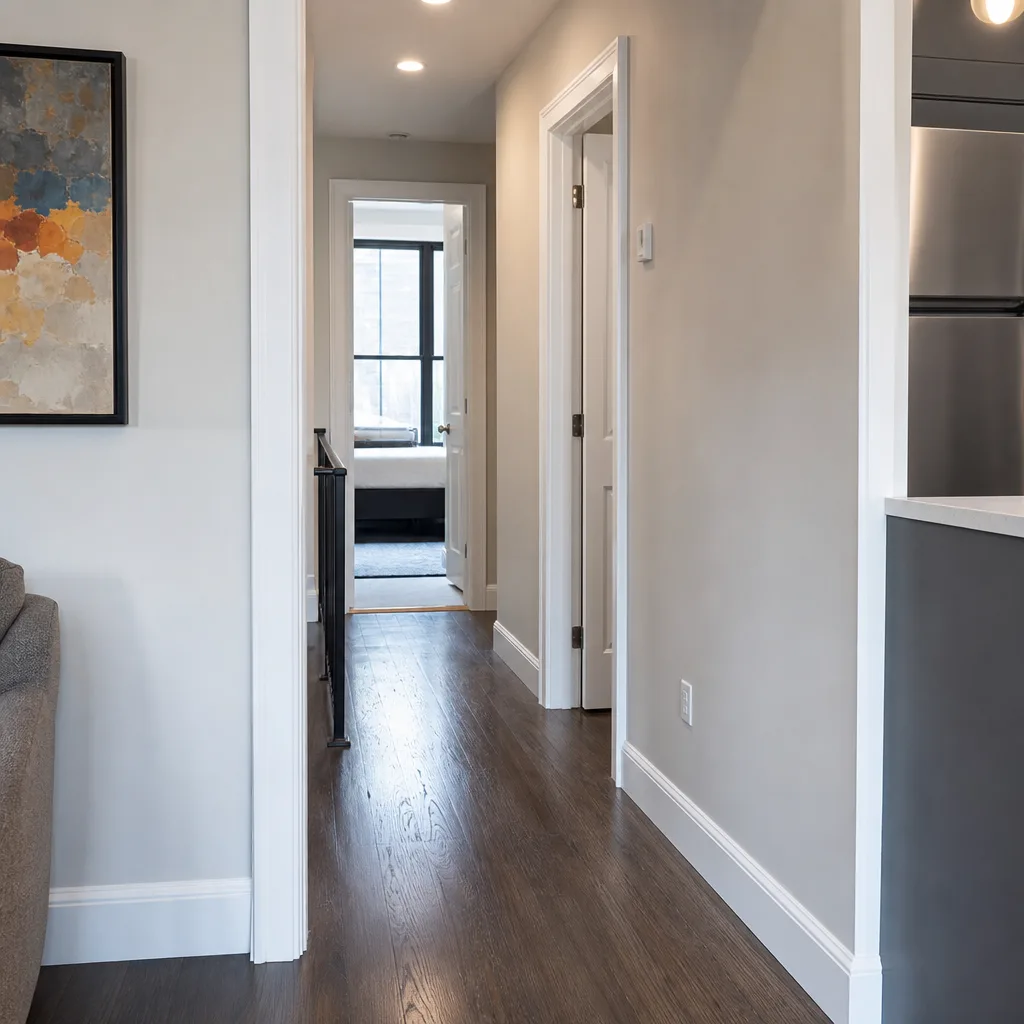 After
After24/7 Emergency Biohazard & Crime Scene Cleanup in Glendale
Biohazard and crime scene cleanup in Glendale typically runs $1,800-$7,500 depending on scope, containment needs, and whether the incident crossed into a neighboring unit through a shared party wall. We answer the phone live, around the clock, and dispatch crews into Glendale the same day. If you’re dealing with blood, bodily fluids, an unattended death, or a hoarding situation, call (917) 924-4221 right now. The first hour matters because biological material bonds with porous surfaces, odor migrates through wall cavities, and each day of delay widens the containment zone.
Floodline Restoration Co. of Manhattan keeps a live dispatcher on the line 24 hours a day, seven days a week. No answering service. No pager. A person picks up at 2 a.m., and a background-checked, uniformed crew reaches your Glendale block the same visit. Every biohazard job starts with a free visual inspection and a written scope before any work begins, so you know exactly what we’re doing and what it costs.
Understanding Biohazard & Crime Scene Cleanup Severity in Glendale Properties
Biohazard severity is classified by the type of material, the surface it contacted, and how long it sat. Bloodborne pathogens require OSHA-compliant handling under 29 CFR 1910.1030, including regulated waste disposal and hospital-grade disinfection. Unattended death scenes introduce decomposition fluids that penetrate hardwood, concrete, and plaster, demanding containment and air scrubbing before any attempt at odor neutralization. Hoarding conditions compound the problem: layered debris hides biological material, rat or insect activity spreads contamination, and structural compromise makes entry unsafe until we stabilize the workspace.
Glendale’s housing stock changes the math. Most homes are attached or semi-detached brick two-family row houses built between 1920 and 1945, sharing masonry party walls with no meaningful vapor barrier. In a standard severity case, containment is one room. In a Glendale row house, we routinely find biological fluids or odor migrating through the party wall into a neighboring owner’s unit, which means we’re now running containment, air scrubbers, and deodorization on both sides of the wall while coordinating two separate insurance claims. Hidden basement apartments, many finished informally without permits, add a second layer: a biohazard incident in a basement unit can go unnoticed until the neighbor upstairs complains about odor coming through the floor joists.
Why Glendale Property Owners Choose Floodline Restoration Co. of Manhattan
- 45-minute response commitment: When you call (917) 924-4221 from Glendale, we commit to having a crew en route within 45 minutes, every hour of the day, every day of the week.
- A live person answers, always: No phone trees, no automated prompts. A dispatcher who knows Queens picks up and starts coordinating your job immediately.
- IICRC-certified crews: Our technicians hold IICRC certifications including WRT and ODOR, and we train to RIA and IFA standards. Background checks and uniforms are standard on every job.
- Free visual inspection: We walk the scene, assess the scope, and give you a written plan before any work starts. You approve the scope, then we begin.
- Direct insurance billing: We document the loss from the first hour, bill your carrier directly, and handle the adjuster communication. You don’t play messenger.
- One team, start to finish: From first containment through final reconstruction, the same certified crew handles your job. We don’t subcontract and we don’t hand off.
Our Biohazard & Crime Scene Cleanup Process
Inspection & Assessment
We arrive, walk the full property with you, and map every surface and cavity that may be affected. In Glendale row houses, we check both sides of every party wall. You get a written scope and a firm price before any work begins.
Containment & Stabilization
We seal off the affected area with 6-mil polyethylene and establish negative air pressure with HEPA-filtered air scrubbers. This stops odor and pathogens from spreading through the shared wall cavities, stairwells, and floor systems that connect Glendale units.
Removal & Extraction
We remove all contaminated material using OSHA-compliant methods, including blood, bodily fluids, tissue, and affected porous materials like carpet, pad, drywall, and insulation. Regulated waste is double-bagged, labeled, and disposed through licensed biohazard transporters.
Cleaning & Sanitization
Hard surfaces are cleaned with hospital-grade disinfectants registered with the EPA for bloodborne pathogen decontamination. We use HEPA vacuuming on all remaining surfaces and treat wall cavities and subfloor spaces that fluids may have reached.
Odor Reclamation
For unattended death and hoarding scenes, odor is the hardest thing to remove. We use thermal fogging, hydroxyl generators, and, where needed, ozone treatment to break down odor molecules inside wall cavities, floor joists, and the plaster-and-lath assemblies common in Glendale’s older row houses.
Repairs & Restoration
Once containment is lifted and the space passes a post-remediation verification, we rebuild what we removed. Drywall, trim, flooring, paint. The same crew that started the job finishes it, and the 90-Day Done Right Promise goes in writing before we leave.
Need Emergency Biohazard & Crime Scene Cleanup in Glendale Now?
Crews minutes away, answering live 24 hours a day. The sooner we start, the less it costs.
Working With Your Insurance Company
Most biohazard and crime scene cleanup in Glendale is covered by homeowner’s insurance, though the exact coverage depends on your policy language and the cause of loss. We’ve handled hundreds of these claims, and we know what adjusters need. From the first hour on site, we document everything: photos of every room, moisture readings, containment boundaries, and the full chain of work. Our estimates use industry-standard line-item formatting, so your adjuster recognizes every charge, and we communicate directly with the carrier so you don’t have to translate what we did into what they’ll pay. A written scope agreed before work starts protects you from surprise charges, and direct billing means the carrier pays us, not you.
What We Provide Your Insurer
- Thorough documentation of the loss
- Photos of all damage, room by room
- Moisture readings and drying logs
- A detailed, line-item scope of work
- Direct coordination with your carrier
Built for Glendale’s Loss Calendar
Glendale’s weather and aging utilities combine to create a predictable pattern of biohazard-adjacent losses. January and February deep freezes push through the freeze-thaw cycle that splits original cast-iron and galvanized supply lines behind 1920s brick walls. When those lines rupture, the water is Category 3: it carries sewage, soil bacteria, and whatever else sat in the wall for decades. That contaminated water migrates through party walls and floor systems, turning a plumbing failure into a biohazard response.
Spring thaw brings basement seepage through the mortar joints of Glendale’s century-old foundations. Summer thunderstorm season produces flash flooding that overwhelms the neighborhood’s combined sewer system, backing waste into basement drains and the finished basement apartments hidden behind the original two-family layout. Nor’easters in the fall and winter drive wind-driven rain through flat-roofed rear kitchen extensions, and ponding water on those 1950s-era roofs grows mold that complicates every hoarding cleanup beneath them. Knowing what Glendale throws at a house each season means we know where to look for the damage no one saw coming.
Biohazard & Crime Scene Cleanup Across Glendale’s Neighborhoods
Glendale is compact, but the response differs block by block. Around Myrtle Avenue and its commercial spine, we see more apartment-over-storefront configurations, where a biohazard scene on the second floor means running containment inside wall cavities that drop straight into retail space below. That’s a coordination question most companies never face.
The residential blocks between Cooper Avenue and Central Avenue are the heart of the 1920s brick two-family row house stock. Here, every party wall is a shared liability. A crime scene in one unit means odor testing and containment on the neighbor’s side of the wall, because decomposition gases travel through the same wall cavities that carry soil pipes. Over near Forest Park, the homes get roomier but the basements are bigger too, and many have been finished into informal apartments where an unattended death can go unreported for days or weeks.
Closer to the railroad tracks on the north side of Glendale, semi-detached homes share one common wall, and the rear kitchen extensions face each other across narrow yard alleys. We’ve run decontamination jobs where odor moved from one rear extension, across the alley, and into the neighbor’s open window. Glendale’s density means biohazard containment is never just one address.
Specialized Biohazard & Crime Scene Cleanup Services We Offer in Glendale
Crime Scene Cleanup
Crime scenes in Glendale are usually inside attached row houses, which means the affected area often isn’t just the room where the incident happened. Blood seeps through wood floors into the joist bays below, and in a two-family house, that joist bay is often the neighbor’s ceiling. We contain, remove, and decontaminate on both sides of the assembly. You’ll have a written verification that the space is safe to occupy again.
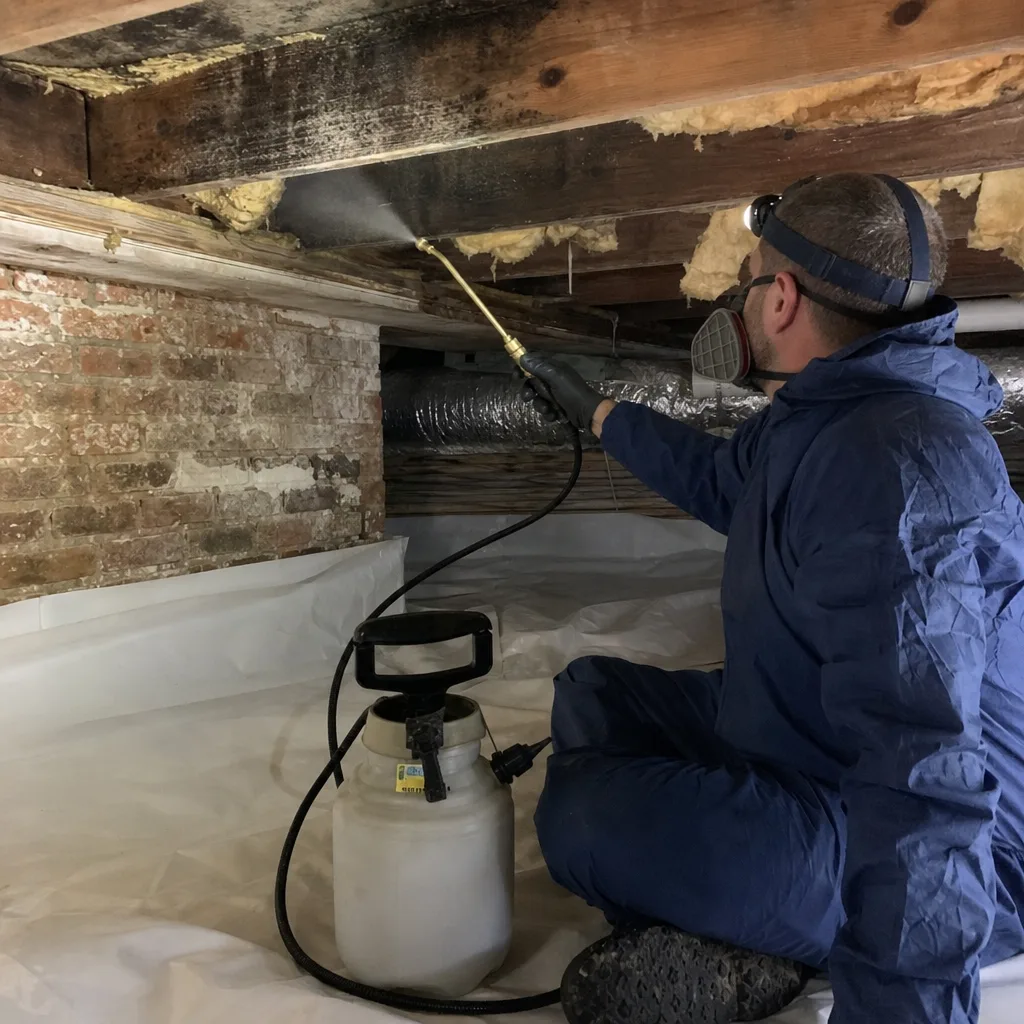
Trauma & Unattended Death Cleanup
When someone passes away and isn’t found for days or weeks, decomposition fluids reach deep into flooring, baseboards, and wall plaster. In Glendale’s older homes, original tongue-and-groove oak floors and gypsum-over-wood-lath walls soak up far more than modern materials would. We remove affected material to the point of stable, non-porous substrate, treat the framing, and restore the space fully, including trim and paint, so the homeowner never has to call a second contractor.
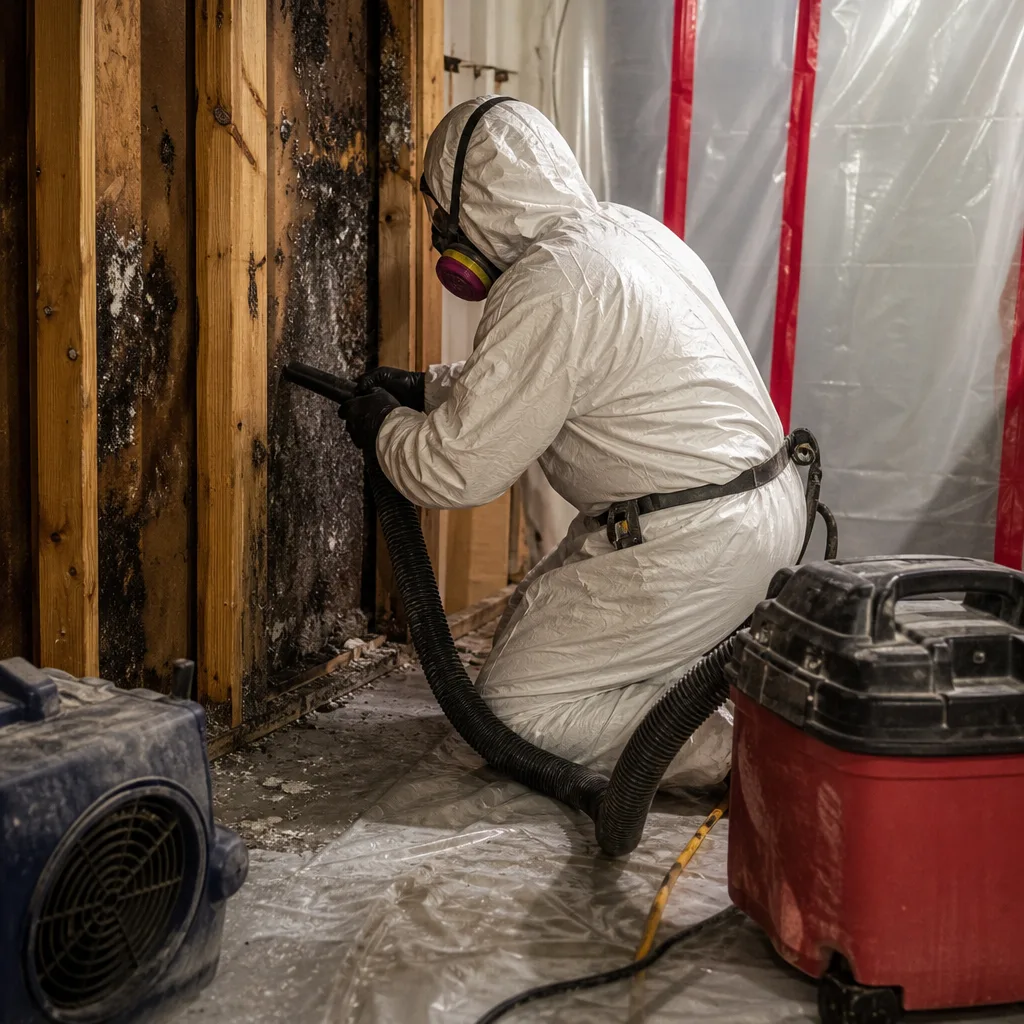
Hoarding Cleanup
Hoarding in a Glendale row house creates a specific risk: the sheer weight of accumulated material stresses floors that are often original 1920s framing. We work with the homeowner to sort, preserve what matters, and remove the rest, while watching for structural issues and hidden biohazardous material like animal waste, expired food, or mold from blocked ventilation. The rear kitchen extensions common in Glendale are particularly vulnerable, and we approach those rooms with structural caution before loading trucks.
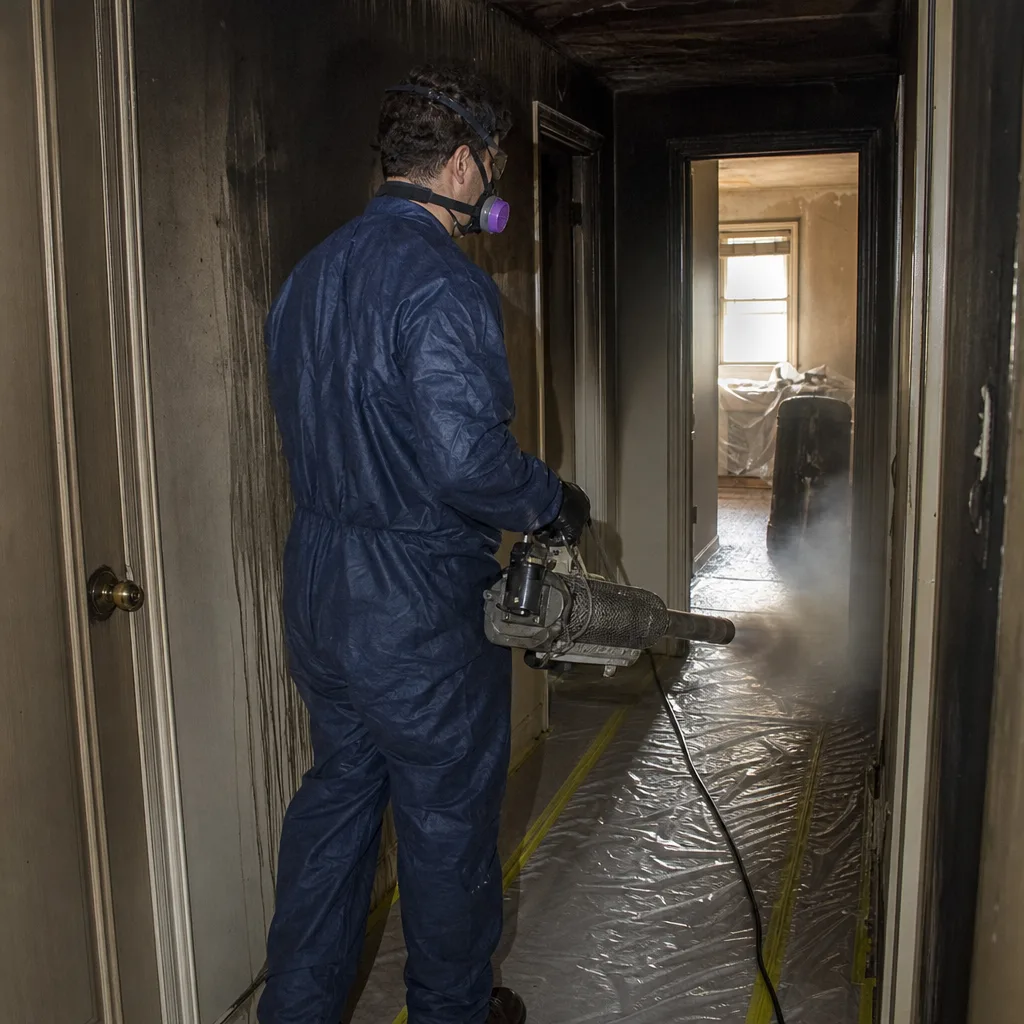
Blood & Bodily Fluid Cleanup
This is the most common biohazard call we handle in Glendale, and almost always it’s from a medical event, an accident, or a crime in a first-floor unit. Blood contamination on porous surfaces almost always means removal, not cleaning. Carpet and pad go. Affected drywall goes. We treat what remains with EPA-registered disinfectants, verify with ATP testing, and dispose of all regulated waste through licensed channels.
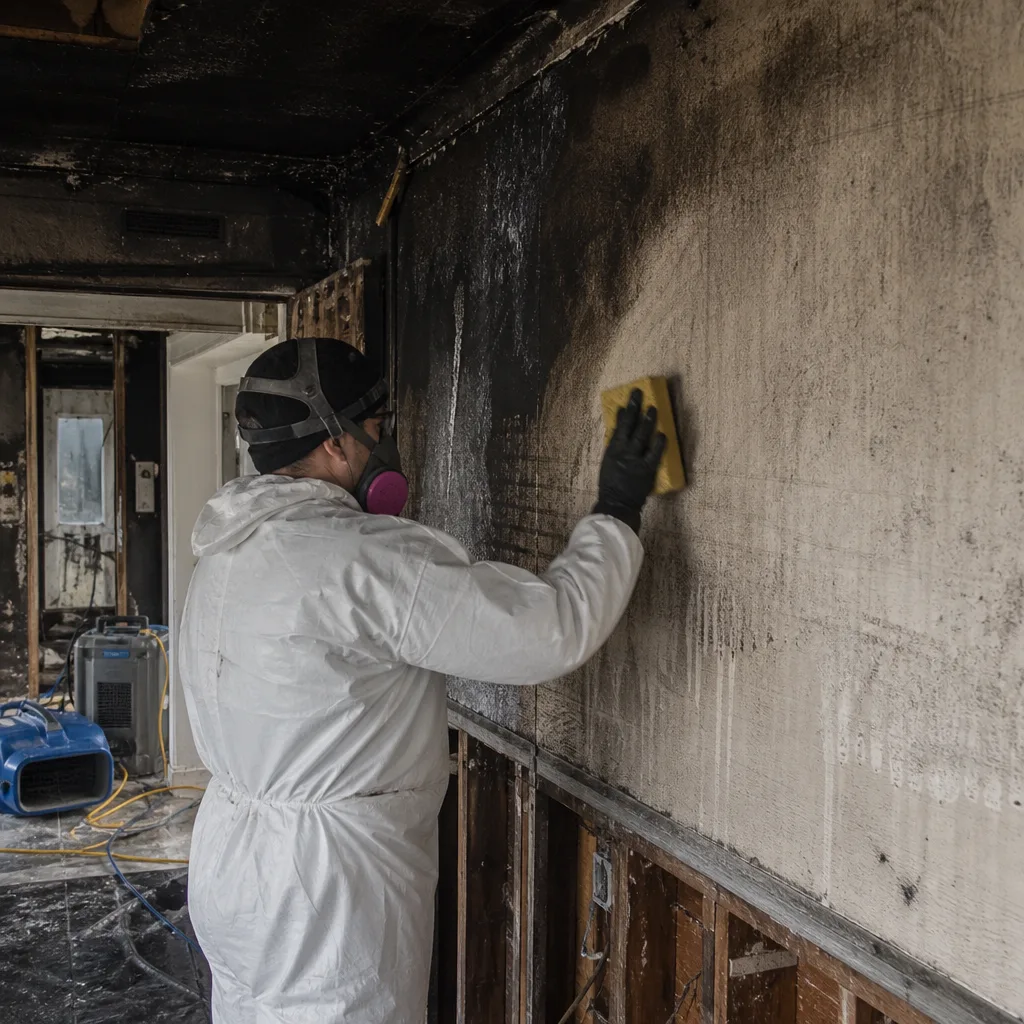
Infectious Disease Disinfection
When a household has been affected by MRSA, C. diff, norovirus, or another serious pathogen, standard household cleaners don’t touch it. We fog and wipe every surface with hospital-grade antimicrobials, including the wall cavities and floor systems in row houses where air and moisture travel between units. This service is frequently requested for Glendale properties where an illness occurred in a basement apartment and the homeowner above wants confirmation the rest of the house is clean.
What happens when you call
- 1
A real person answersNo phone trees - you reach a local pro.
- 2
You get an upfront price rangeHonest numbers before anyone is dispatched.
- 3
A background-checked tech heads outLicensed & insured, dispatched right away.
- 4
You approve before work beginsNothing starts until you say go.
Biohazard & Crime Scene Cleanup Costs in Glendale, NY
A straightforward blood cleanup in a single Glendale room typically runs $1,800-$3,500. An unattended death cleanup, where decomposition fluids require floor and wall removal, runs $4,000-$7,500. Hoarding cleanup with biohazardous debris removal lands between $2,500 and $12,000 depending on volume and whether structural repairs are needed. The big price driver in Glendale is the party wall: when contamination crosses into a neighboring unit, you’re running double containment, double labor, and two insurance scopes, which can push an incident into the $10,000-$20,000 range when multiple rooms on both sides are involved.
Most of these jobs are covered by homeowner’s insurance, and we bill directly. Out-of-pocket scenarios are rare, but when they happen, the free visual inspection gives you a firm written number before anything starts. No allowances, no open-ended estimates.
We Also Serve Cities Near Glendale
Beyond Glendale, our crews run the same 24/7 dispatch into Fairview, Harrison, East Bronx, and Hunts Point. Same live answering, same written scope, same 90-Day Done Right Promise.
Glendale Biohazard & Crime Scene Cleanup Questions, Answered
How do you handle a crime scene cleanup in a Glendale row house where the biohazard has seeped into a shared masonry party wall?
We open the wall from the affected side, remove contaminated insulation and lath, treat the masonry substrate with antimicrobials, and run containment on both sides of the wall until post-remediation verification clears both units. This typically adds 1-2 days to the job and often requires a separate insurance claim for the neighbor’s side.
What hidden living spaces in Glendale basements make unattended death cleanup more complicated?
Many Glendale basements have been informally finished as rental units without permits, which means we often find finished ceilings and walls concealing the original plumbing and framing. Decomposition fluids travel through those concealed floor joists, requiring us to remove finished surfaces before we can fully map the contamination.
Can you clean a hoarding situation in Glendale without triggering a building department violation for the rear kitchen extension?
Our work is private remediation, not a code inspection. We don’t report unpermitted work to the city. However, if we find structural conditions that pose an immediate safety risk, we will tell you directly and recommend a structural assessment before we put crew members inside. The written scope protects what we’re doing from any adjacent enforcement action.
Why do freeze-thaw cycles in Queens make blood cleanup from a burst pipe worse in Glendale?
When a cast-iron or galvanized supply line splits behind a Glendale party wall in January, the escaping water carries rust, soil bacteria, and whatever it picks up inside the wall cavity. That water is Category 3 by definition, and because it moves unseen through wall cavities and floor systems, it spreads contamination far beyond the visible leak point before anyone notices the ceiling stain.
What does ‘Category 3 water’ mean for a biohazard cleanup in a Glendale basement, and why does it matter legally?
Category 3 water is grossly contaminated, containing sewage, pathogens, or other hazardous substances. It requires full removal of porous materials, antimicrobial treatment of structural framing, and proper PPE for anyone entering the space. Legally, you’re responsible for disclosing a Category 3 incident to any future buyer if remediation isn’t properly documented, which is why our written verification matters.
How fast can you actually get to a biohazard scene in Glendale?
Our 45-minute response commitment applies to Glendale every day of the year. A live dispatcher takes your call, coordinates the nearest available crew, and that crew is en route within 45 minutes. We don’t use answering services, and we don’t schedule callbacks.
Will my insurance cover biohazard cleanup, or am I paying out of pocket?
Most Glendale homeowner’s policies cover biohazard cleanup when the cause is a covered peril, like a crime, an accident, or a sudden plumbing failure. We bill your carrier directly and handle adjuster communication. If your policy has a high deductible or an exclusion, you’ll know before we start because the written scope includes a clear cost breakdown.
What should I do in the first 30 minutes after finding a biohazard situation in Glendale?
Call (917) 924-4221. Then, if it’s safe, close the door to the affected room and open a window. Don’t attempt to clean blood or bodily fluids yourself. Don’t turn on fans, which spread aerosolized pathogens through the connected spaces of a row house. Don’t touch anything you don’t have to. Keep people and pets out of the area and wait for our crew.
Serving Glendale, NY - Our Local Coverage Area
We’re based in the Glendale area and know this community well. Use the map below to see our service coverage - if you’re nearby, we can almost certainly help.
Start Biohazard & Crime Scene Cleanup in Glendale Today
If you’re standing in a Glendale home facing a biohazard situation, call (917) 924-4221 now. A live person answers, a certified crew responds within 45 minutes, and you get a free visual inspection with a written scope before any work begins. We’ve been handling the worst days in New York homes since 2010, and we stand behind every job with the 90-Day Done Right Promise. Done right, and backed in writing.
Written by Curt Bowman, Owner at Floodline Restoration Co. of Manhattan, serving Glendale since 2010.