
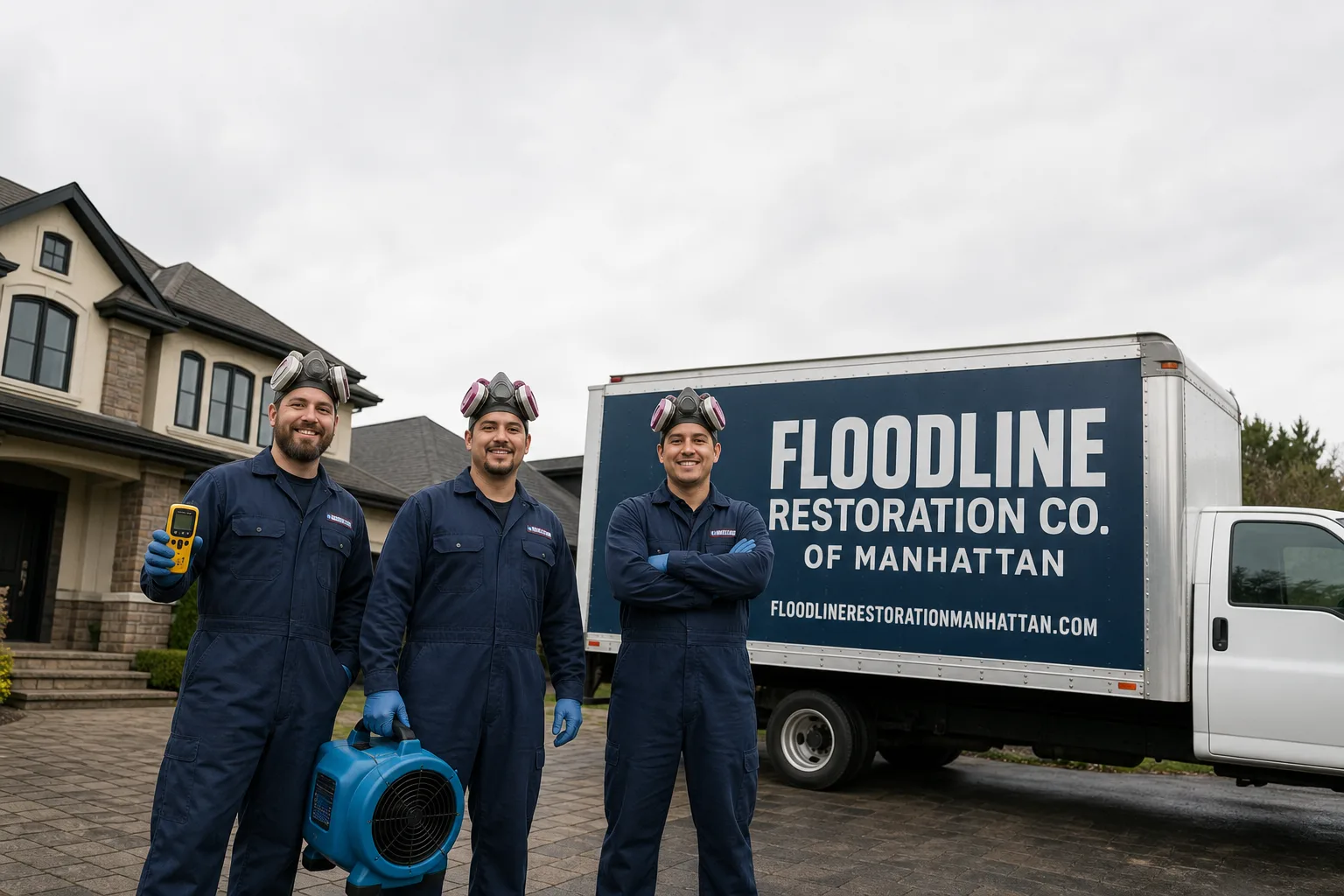
Free visual inspection and a written scope of work before any mitigation begins - photos, moisture readings, and drying logs go in your claim file
The scope we write is the scope we bill. Anything new gets shown to you, in writing, before we touch it.






 Before
 After
After Before
 After
After Before
 After
After24/7 Emergency Biohazard & Crime Scene Cleanup in Glenville
Biohazard and crime scene cleanup in Glenville typically runs $1,800-$5,500 depending on the scope, and a crew can usually be on-site within 45 minutes of your call. We answer the phone live at (917) 924-4221, every hour of every day, and dispatch directly into the Glenville area. The first hour matters because blood, bodily fluids, and other biological material begin breaking down quickly, soaking into flooring, wicking behind baseboards, and creating conditions that get harder and more expensive to remediate the longer they sit.
We’re Floodline Restoration Co., led by Curt Bowman. Our Biohazard & Crime Scene Cleanup team handles trauma scenes, unattended deaths, hoarding conditions, and infectious disease disinfection with the same steady, documented approach we bring to every restoration job. You’ll deal with one crew from the first assessment to the final rebuild. No handoffs, no subcontractors you never approved, no surprises in writing.
Understanding Biohazard & Crime Scene Cleanup Severity in Glenville Properties
Not every biohazard scene is the same, and the difference usually shows up in what you can’t see. Surface blood on a tile floor is one thing. Blood that has seeped into carpet padding, saturated the subfloor, and wicked up into plaster-over-lath walls behind baseboards is something else entirely. That second scenario is common in Glenville because so many of the homes here were built in the 1950s and 1960s with original plaster and lath construction. Plaster is porous. It absorbs liquid. It holds moisture in ways drywall doesn’t. When we open a wall in a 1962 ranch and find staining behind the baseboard, the containment and tear-out scope changes immediately.
The other Glenville-specific variable is flood history. Homes in the lower-lying streets near the Mohawk River, around Scotia, have often been through multiple flood events. That means microbial conditions already existed inside wall cavities long before a biohazard event occurred. We treat those as combined scopes: biological contamination plus pre-existing moisture and mold risk. That’s not a sales pitch. It’s what the moisture meter and thermal imaging show us before we ever pick up a scraper.
Why Glenville Property Owners Choose Floodline Restoration Co. of Manhattan
- 45-minute response commitment: we dispatch from a local staging point, not across three counties. When you call about a trauma scene, the clock is already running. We move like it.
- 24/7 live answer: a real dispatcher picks up at 2 a.m. You won’t fight an automated menu or leave a voicemail while a scene sits unattended.
- IICRC-certified crews, trained to IFA standards: our technicians hold the certifications that matter for trauma and biohazard work, and they follow written protocols for containment, removal, and disposal.
- Free visual inspection: we walk the scene, document what’s there, and give you a written scope before work starts. You know what you’re paying for.
- Direct insurance billing: we handle the adjuster, the paperwork, and the line-item documentation. You don’t play messenger.
- One team from cleanup to reconstruction: if contaminated drywall or plaster has to come out, we rebuild what we remove. The job doesn’t split into two companies.
Our Biohazard & Crime Scene Cleanup Process
Inspection & Assessment
We walk the entire property, not just the visible scene. Thermal imaging and moisture meters tell us how far contamination traveled. In Glenville homes with plaster construction, that usually means checking stud bays and subfloor cavities, not just wiping surfaces.
Containment & Stabilization
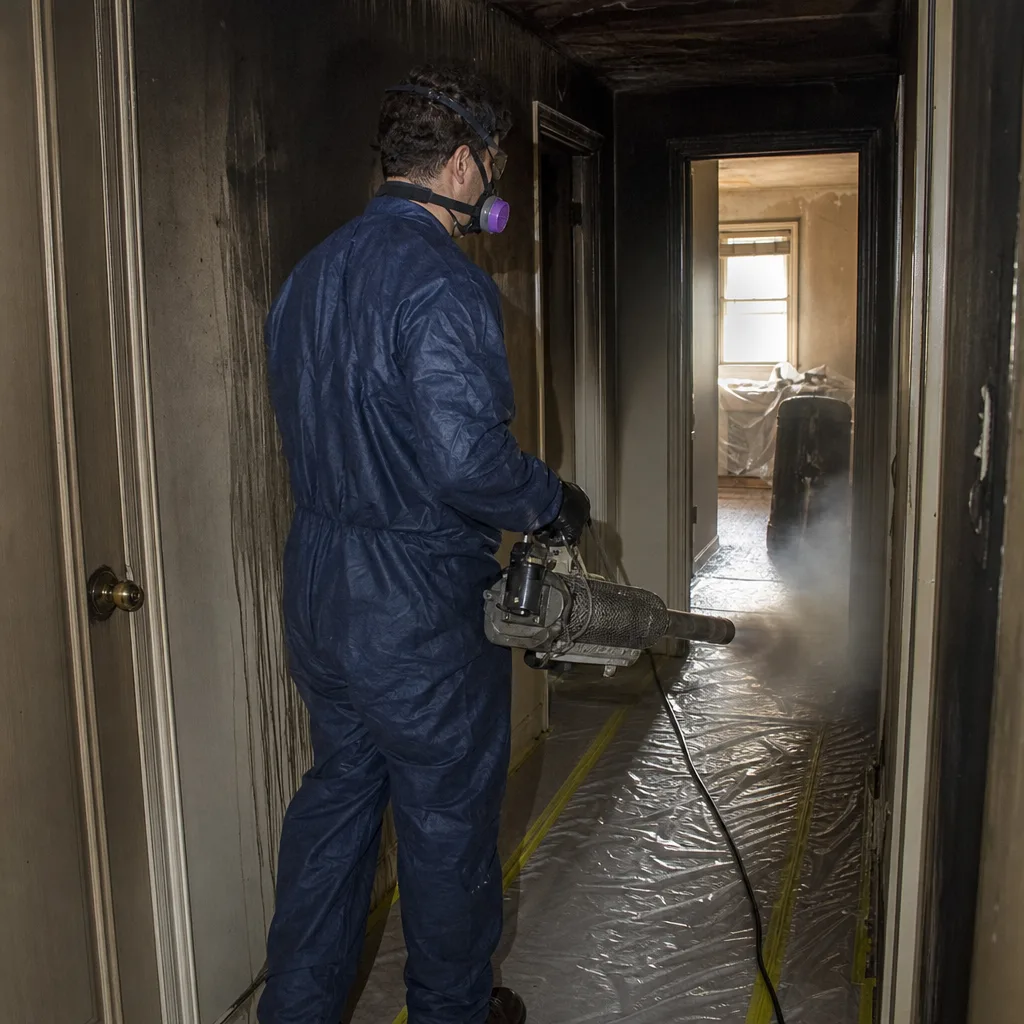
We establish negative air pressure with HEPA air scrubbers and seal off affected zones. This keeps airborne contaminants from migrating to clean rooms. On a Category 3 water-and-biohazard combined scene, this step happens before any removal begins.
Removal of Contaminated Materials
Blood-soaked carpet, padding, drywall, plaster, insulation, and any porous material that can’t be fully sanitized is removed under containment. Non-porous surfaces are treated differently. We follow IICRC and IFA disposal protocols every time.
Cleaning & Sanitization
Hard surfaces are cleaned with hospital-grade disinfectants rated for bloodborne pathogens. We run air scrubbers continuously during this phase. Every surface gets documented treatment, not a quick wipe-down.
Odor & Residue Treatment
Trauma scenes leave odors that standard cleaning won’t touch. We use professional-grade treatments and sealants where appropriate. In older Glenville homes, this often means sealing porous plaster that absorbed odor before any rebuilding starts.
Repairs & Restoration
Once testing confirms the space is clean, we rebuild. New drywall, paint, flooring, trim. The same crew that did the cleanup finishes the job. That’s how we keep the scope whole, from first containment to final walk-through.
Need Emergency Biohazard & Crime Scene Cleanup in Glenville Now?
Crews minutes away, answering live 24 hours a day. The sooner we start, the less it costs.
Working With Your Insurance Company
Most biohazard and crime scene cleanup claims are covered under standard homeowner policies, but the claim has to be documented correctly from the first hour. We photograph everything before we touch it. We log every moisture reading, every containment boundary, every item removed and why. That documentation goes directly to your adjuster in the format insurance carriers expect. You’ll get a line-item scope of work you can actually read, not a vague estimate with a round number at the bottom. If your Glenville home has a prior flood claim or repeated-loss history, we pull those records into the current claim so the adjuster sees the full picture before week three.
What We Provide Your Insurer
- Thorough documentation of the loss
- Photos of all damage, room by room
- Moisture readings and drying logs
- A detailed, line-item scope of work
- Direct coordination with your carrier
Built for Glenville’s Loss Calendar
Glenville sits in the Mohawk Valley, and the weather here writes its own schedule. January and February bring deep freezes that burst original cast-iron plumbing in the mid-century ranches along Route 50 and the side streets off St. Anthony Lane. When a pipe lets go in an unoccupied home, the water sits. If a death or trauma event overlaps with that, the cleanup scope doubles: Category 3 water plus biological contamination. March brings ice dam thaw on the low-pitched roofs that define Glenville’s 1950s and 1960s housing stock. Water comes through ceilings, saturates insulation, and drips down through wall cavities. Spring and summer thunderstorms move through quickly, but the streets near the Mohawk River and down toward the Scotia line see standing water fast. By late summer, we’re handling biohazard work complicated by months of intermittent moisture. Every season in Glenville has a predictable pattern, and we plan dispatch around it.
Biohazard & Crime Scene Cleanup Across Glenville’s Neighborhoods
Glenville stretches from the commercial corridor along Route 50 up into quieter residential blocks off Maple Avenue, and the housing stock changes block by block. In the neighborhoods clustered around St. Anthony Lane and the streets north of the former St. Anthony’s school, you’ll find the classic 1950s Cape Cods and ranches built for Schenectady’s industrial workforce. Original plaster, galvanized plumbing, and low-pitched roofs. Those homes tear out slower and rebuild more carefully than newer construction, and our crews know the wall systems before we open them.
Closer to the Mohawk River, around the low-lying streets near Scotia and the floodplain boundary, the picture changes. These properties sit inside documented FEMA flood zones. That means biohazard and crime scene work here often runs alongside NFIP repeated-loss documentation, elevation certificate reviews, and subfloor containment requirements that never come up in hilltop Glenville blocks. A trauma scene in a flood-prone Cape Cod on Swaggertown Road is a different job than the same scene three miles north near Indian Meadows Park. The homes along the southern edge of Glenville have history in the walls, and we read that history before we start cutting.
Specialized Biohazard & Crime Scene Cleanup Services We Offer in Glenville
Trauma & Unattended Death Cleanup
Unattended deaths in Glenville homes are often discovered days or weeks after the fact. In a 1960s ranch with original baseboard heat and plaster walls, decomposition fluids penetrate flooring and wick upward into wall cavities. Surface cleaning won’t correct that. We handle full containment, removal, and structural remediation. Our crews treat every scene with respect and discretion, and we work quietly. Neighbors won’t know we’re there unless you tell them.
Blood & Bodily Fluid Cleanup
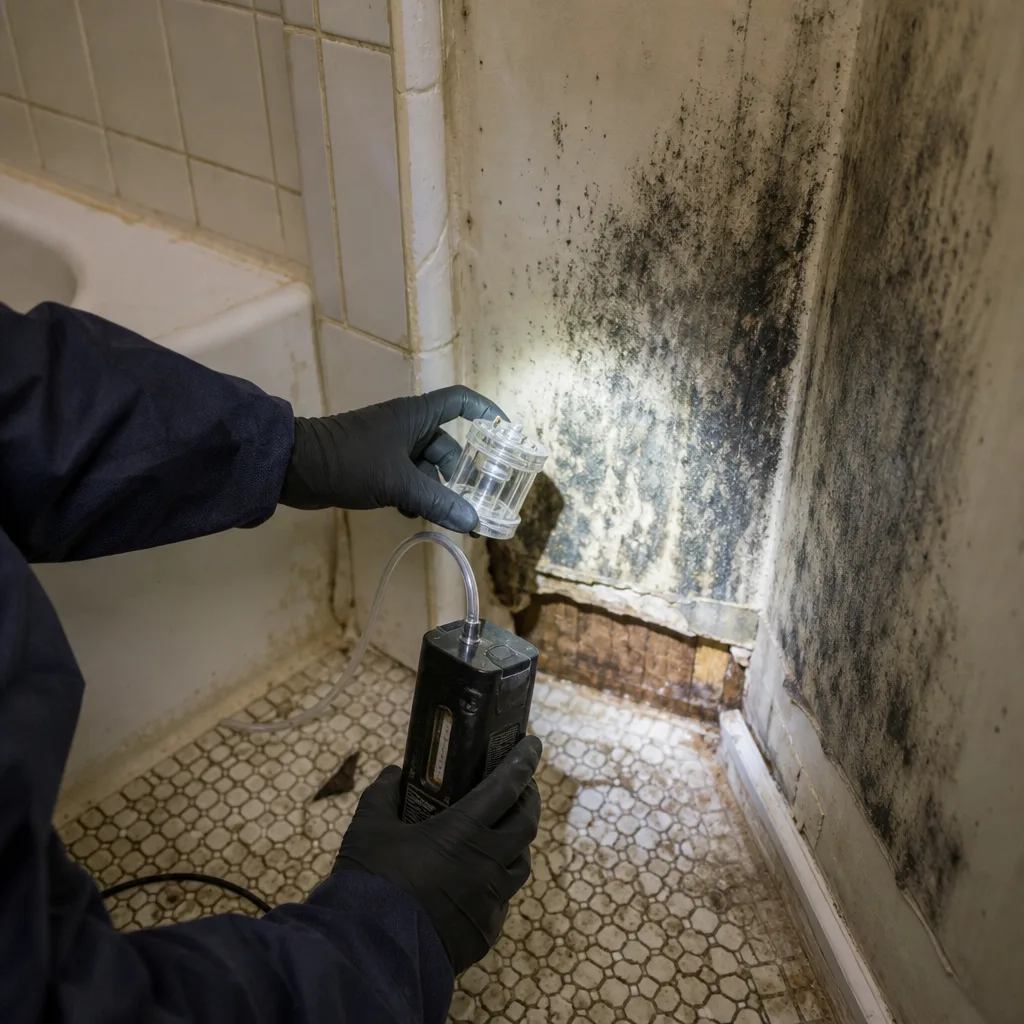
Blood is classified as a biohazard because it can carry bloodborne pathogens for days after exposure. Whether the scene is a kitchen floor or a carpeted bedroom, the cleanup protocol is the same: containment first, removal of saturated materials, hospital-grade disinfection, and verification testing. In Glenville’s older homes, blood that has soaked into wood subfloors or porous plaster requires cutting, not just cleaning. We make that call based on what the substrate tells us.
Infectious Disease Disinfection
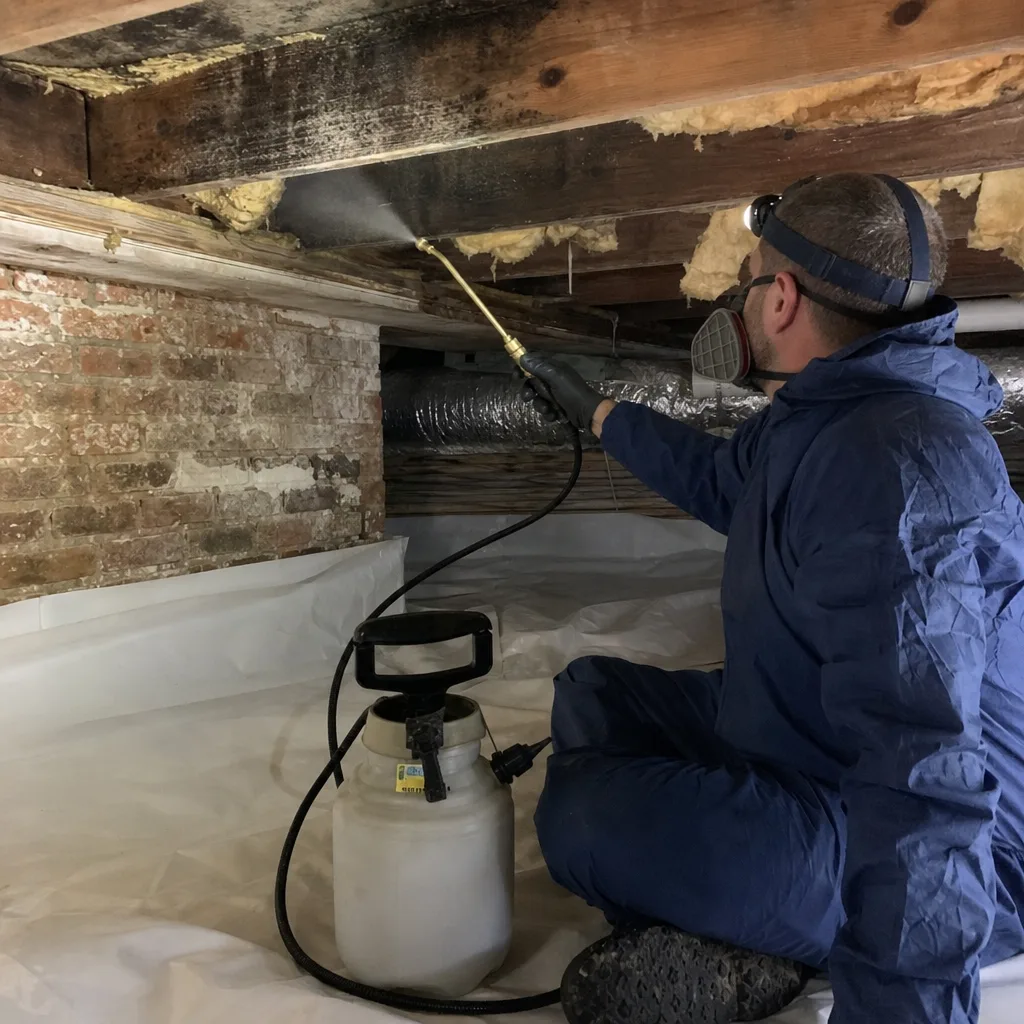
When a Glenville home needs disinfection after a contagious illness, we follow the same containment and treatment standards we use for trauma scenes. HEPA air scrubbing, hospital-grade disinfectants, and documented treatment of every touched surface. For homes in the Mohawk flood zone with prior water damage, we pay particular attention to moisture readings before disinfection begins. A wet wall cavity undermines the whole process.
Hoarding Cleanup
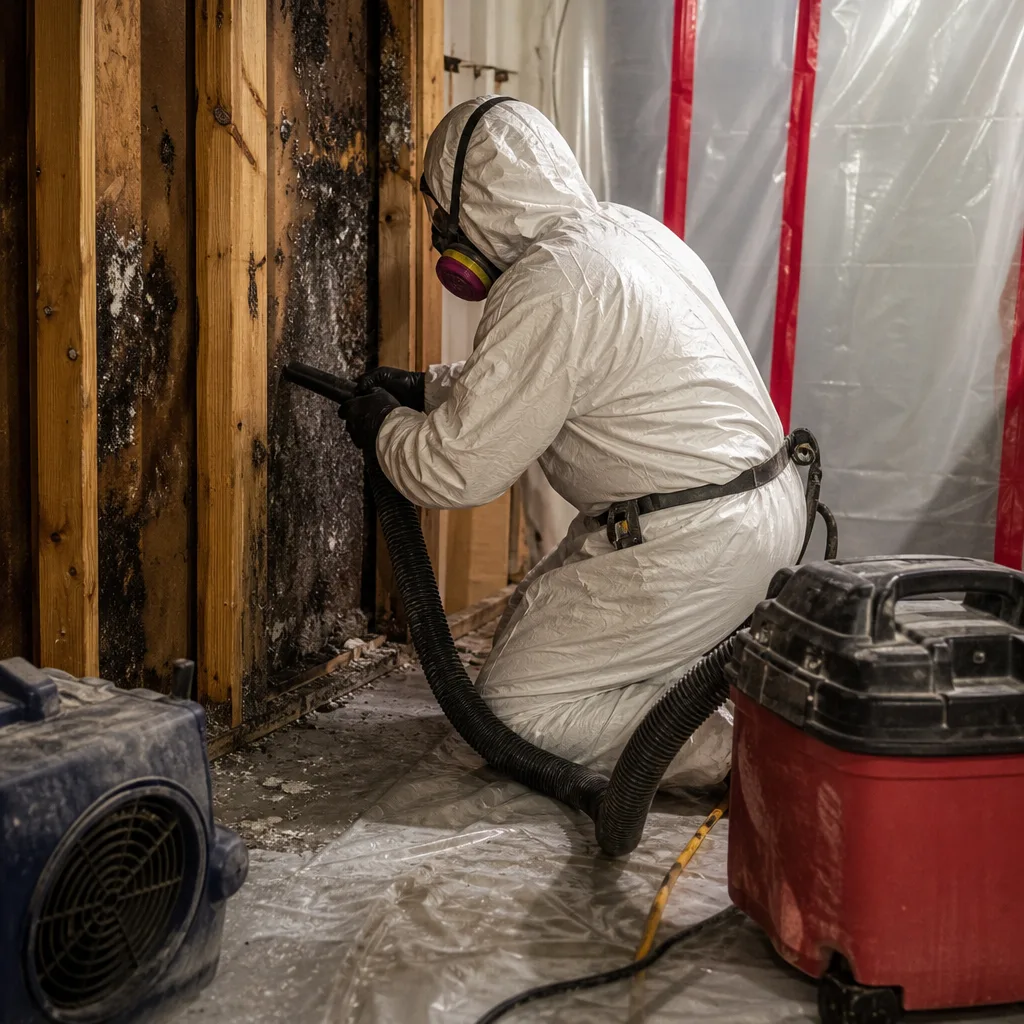
Hoarding conditions in Glenville’s mid-century homes create unique hazards: blocked exits, compromised floor structure, and biological contamination hidden under accumulated material. Original cast-iron plumbing in these 60-year-old houses has often leaked multiple times over the decades, which means the cleanup isn’t just about removing items. It’s about stabilizing the structure underneath. We handle the sorting, disposal, and full sanitization, working with family members and property owners who are usually carrying a heavy load already.
What happens when you call
- 1
A real person answersNo phone trees - you reach a local pro.
- 2
You get an upfront price rangeHonest numbers before anyone is dispatched.
- 3
A background-checked tech heads outLicensed & insured, dispatched right away.
- 4
You approve before work beginsNothing starts until you say go.
Biohazard & Crime Scene Cleanup Costs in Glenville, CT
Crime scene and trauma cleanup in Glenville runs $1,800-$4,500 for a contained single-room scene. Blood cleanup in a bathroom or small kitchen typically falls in the $1,200-$2,800 range. Unattended death cleanup is broader: $3,000-$8,000 depending on how long the scene sat, how much flooring and wall material has to come out, and whether odor sealing is required. Hoarding cleanup runs $3,500-$12,000 based on volume, access, and structural damage underneath the accumulation. Infectious disease disinfection for a whole home is $1,500-$4,000.
What moves the price most in Glenville is construction type. Original plaster-over-lath walls and wood subfloors require more tear-out and rebuild than a newer drywall home with a concrete slab. If your property is in the Mohawk flood zone and has a repeated-loss file, expect additional documentation and possible subfloor containment line items. The free visual inspection gives you a firm, written scope before any work starts. That’s how we keep the bill predictable. Call (917) 924-4221 and we’ll walk you through it.
We Also Serve Cities Near Glenville
Beyond Glenville itself, our crews respond regularly to Biohazard & Crime Scene Cleanup in Glenville and the surrounding communities: Byram, Greenwich, Indian Field, and Pemberwick. The same live dispatch, the same 45-minute response commitment, and the same written scope before work starts.
Serving Glenville, CT - Our Local Coverage Area
We’re based in the Glenville area and know this community well. Use the map below to see our service coverage - if you’re nearby, we can almost certainly help.
Glenville Biohazard & Crime Scene Cleanup Questions, Answered
Does biohazard cleanup in a Glenville home inside the Mohawk flood zone require different documentation than a house on higher ground?
Yes. Flood-zone properties near the Mohawk River, particularly those around Scotia with FEMA repeated-loss files, require additional documentation that includes moisture readings tied to the property’s NFIP history, elevation certificate review when structural work is involved, and subfloor containment verification. We handle that paperwork directly with your carrier. A house on higher ground doesn’t carry those requirements, so the claim moves faster. Call (917) 924-4221 and we’ll tell you what your specific property needs.
What do we do when an unattended death in a 1960s ranch on the low-lying streets near the Mohawk involves both bodily fluids and old burst plumbing?
We classify the water as Category 3 and treat the entire scene as both a biohazard and a sewage-water loss. That means full containment before any removal, HEPA air scrubbing, and tear-out of saturated plaster and flooring that would otherwise harbor contamination. Old burst cast-iron plumbing and decomposition fluids together require a demolition scope, not a cleaning scope. We document everything for your insurer from the first hour.
After a violent crime in a Glenville Cape Cod with original plaster walls, can we just clean the visible blood?
No. Blood that reaches original plaster wicks into the material and spreads behind baseboards and into stud bays. What you can see on the surface is usually a fraction of what’s actually contaminated. We cut out affected plaster, treat the framing, and rebuild. Cleaning only the visible blood in a 1950s Cape Cod leaves biological material inside the wall, which creates odor and health risks later. Don’t let anyone tell you a surface wipe is enough.
Is hoarding cleanup in a 1950s Glenville ranch different from a newer suburban home?
It usually is. Older Glenville ranches have original cast-iron plumbing that may have leaked for years under accumulated material, plus plaster walls that absorb moisture and odor. The structural load of hoarding on 60-year-old floor joists is also a concern in ways it isn’t with newer engineered framing. We inspect before we remove, and we price the structural work into the scope.
If a Glenville home has been flooded before and now needs crime scene cleanup, do we treat it as a first-time biohazard job?
No. Any home with prior flood damage, especially in the Mohawk flood zone near Scotia, carries a pre-existing microbial history inside its walls and subfloor. That changes the containment protocol from day one. We check the property’s FEMA and NFIP records, run moisture readings, and treat the scene as a combined loss. It’s more work, but it’s the only way to do the job correctly.
How fast can a crew actually get to my Glenville home?
Our response commitment in the Glenville area is 45 minutes. We keep crews staged close by so we’re not driving from across the county. When you call (917) 924-4221, a live dispatcher gives you a real arrival window, not a recording.
Will my insurance cover biohazard and crime scene cleanup?
Most standard homeowner policies cover biohazard cleanup after a covered event, including trauma, unattended death, and crime scenes. The key is documentation. We photograph everything before removal, log every step, and bill your carrier directly with line-item detail. If you’re unsure about your coverage, call us and we’ll help you understand your policy before any work begins.
What should we do in the first 30 minutes after discovering a biohazard scene?
Do not enter the space. Do not attempt to clean anything. Keep children and pets away from the area. Close the door if you can without stepping into the contamination. Then call (917) 924-4221. What you do in the first hour determines how much of the home can be saved. Let trained crews handle the rest.
Written by Curt Bowman, Owner at Floodline Restoration Co., serving Glenville and the surrounding communities. Proudly serving local communities for over 42 years, with the 90-Day Done Right Promise on every job.