
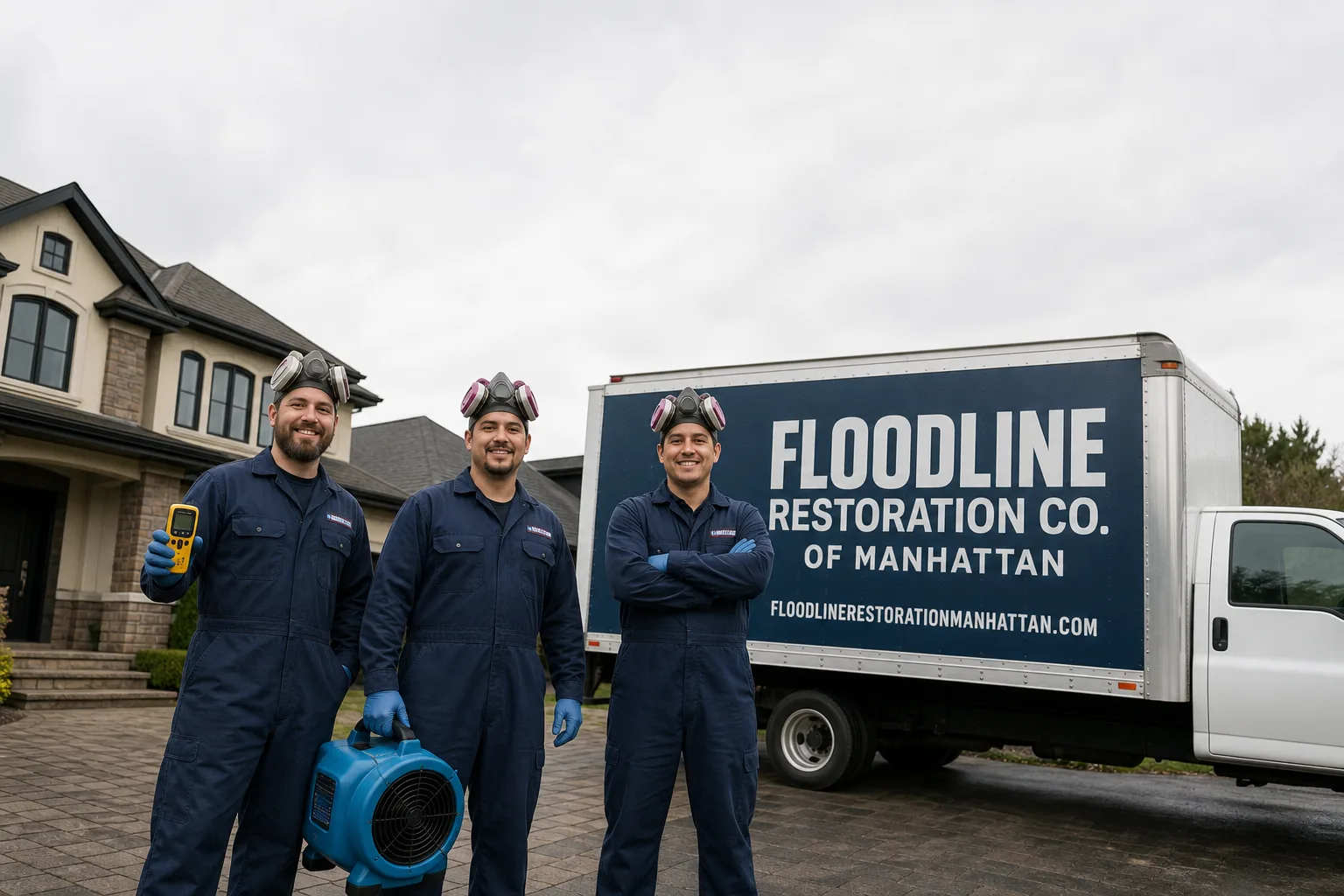
Free visual inspection and a written scope of work before any mitigation begins - photos, moisture readings, and drying logs go in your claim file
The scope we write is the scope we bill. Anything new gets shown to you, in writing, before we touch it.






 Before
 After
After Before
 After
After Before
 After
After24/7 Emergency Biohazard & Crime Scene Cleanup in Irvington
Biohazard and crime scene cleanup in Irvington requires immediate containment. Blood, bodily fluids, and decomposing organic matter create bacterial hazards that spread through the air and seep into porous building materials within hours, not days. Our crew answers live at (917) 924-4221 around the clock, and a certified technician can be on site in Irvington within 45 minutes of your call. The first hour after a trauma, unattended death, or sewage release determines how much of your home’s original plaster, wood, or stone can be saved. We start with a free visual inspection, run moisture mapping when fluids have wicked into walls or floors, and hand you a written scope of work before any removal begins.
Irvington’s steep Hudson River bluff and century-old housing stock change how we approach every biohazard job. Blood seeps behind original baseboards into rubble-stone foundations faster than most homeowners realize. Category 3 water from a sewer backup or failed radiator valve follows the same path. That’s why we treat every call as a containment emergency, even when the visible stain looks small.
Understanding Biohazard & Crime Scene Cleanup Severity in Irvington Properties
Biohazard severity in Irvington breaks into three classes, and the building’s age matters as much as the visible contamination. A Category 1 release means clean water from a supply line, typically a burst pipe in an upper-ridge Victorian. Category 2 is gray water, usually from a washing machine or dishwasher overflow. Category 3 is black water, sewage, floodwater, or any liquid mixed with blood, decomposition fluid, or infectious material. In Irvington’s pre-war homes, Category 2 and 3 fluids behave differently than in modern construction. Horsehair plaster and lath act as a wick, drawing contaminated moisture upward and sideways through wall cavities. Rubble-stone foundations hold that moisture for weeks. What looks like a twelve-square-foot blood stain in a Main Street hallway often means contaminated plaster behind the baseboard, saturated lath beneath the floor, and microbial growth already active in the foundation joint.
We use moisture mapping, not guesswork, to find the true wet zone. Thermal imaging reads temperature differences behind original plaster. Hygrometers measure humidity inside wall cavities. When Category 3 water or blood has penetrated a century-old wood floor, the contamination zone routinely measures two to three times larger than the visible stain. That’s the difference between a cleanup and a full remediation. Irvington homeowners who’ve lived in their houses twenty years know these walls hide things. Our job is to find what’s hiding before it spreads further.
Why Irvington Property Owners Choose Floodline Restoration Co. of Manhattan
- 45-minute response commitment: We dispatch certified biohazard crews from our New York City office to Irvington immediately, with a live person confirming your address and ETA on the phone before the crew rolls.
- 24/7 live answer, never an automated system: The dispatcher who picks up at 2 a.m. is a real person who knows Irvington’s streets and can route the nearest crew without putting you on hold.
- IICRC-certified technicians: Our biohazard and trauma cleanup crews hold certifications including IICRC Water Damage Restoration Technician (WRT), Applied Microbial Remediation Technician (AMRT), and Fire & Smoke Restoration Technician (FSRT) credentials, plus RIA and IFA training.
- Free visual inspection: We walk the affected area, run moisture readings, and give you a written scope before any wall is opened or any remediation begins.
- Direct insurance billing: We document every loss from the first hour, coordinate with your adjuster directly, and bill the carrier for covered work. You’re never stuck playing messenger between us and the insurance company.
- One team from extraction to reconstruction: The same crew that sets containment and removes contaminated plaster handles the structural drying, antimicrobial treatment, and the rebuild. No mid-job handoff to a subcontractor who’s never seen your home.
Our Biohazard & Crime Scene Cleanup Process
Inspection & Assessment
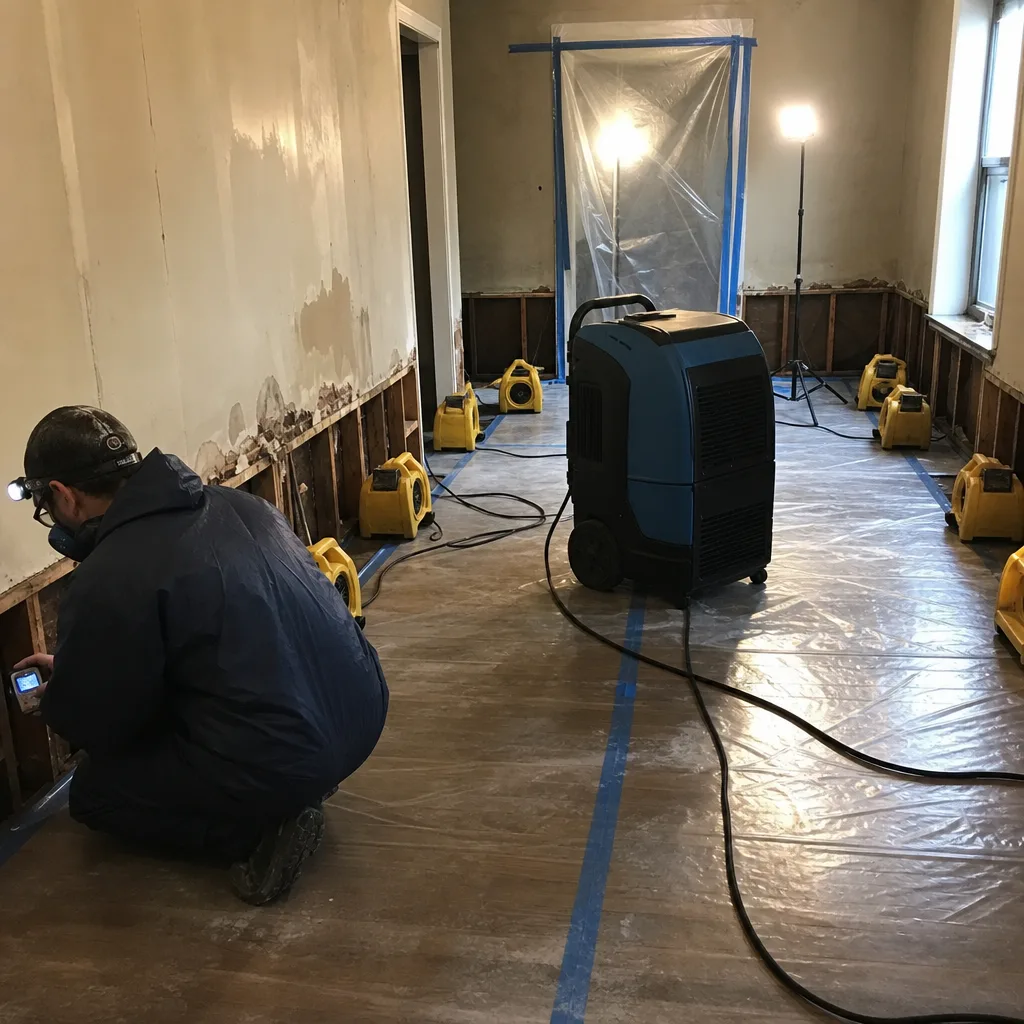
We arrive in Irvington within 45 minutes, identify the biohazard source, and contain the affected area. Moisture mapping and thermal imaging show us how far contamination has traveled behind original plaster, baseboards, and into foundation stone. We write a scope before we touch anything.
Extraction & Stabilization
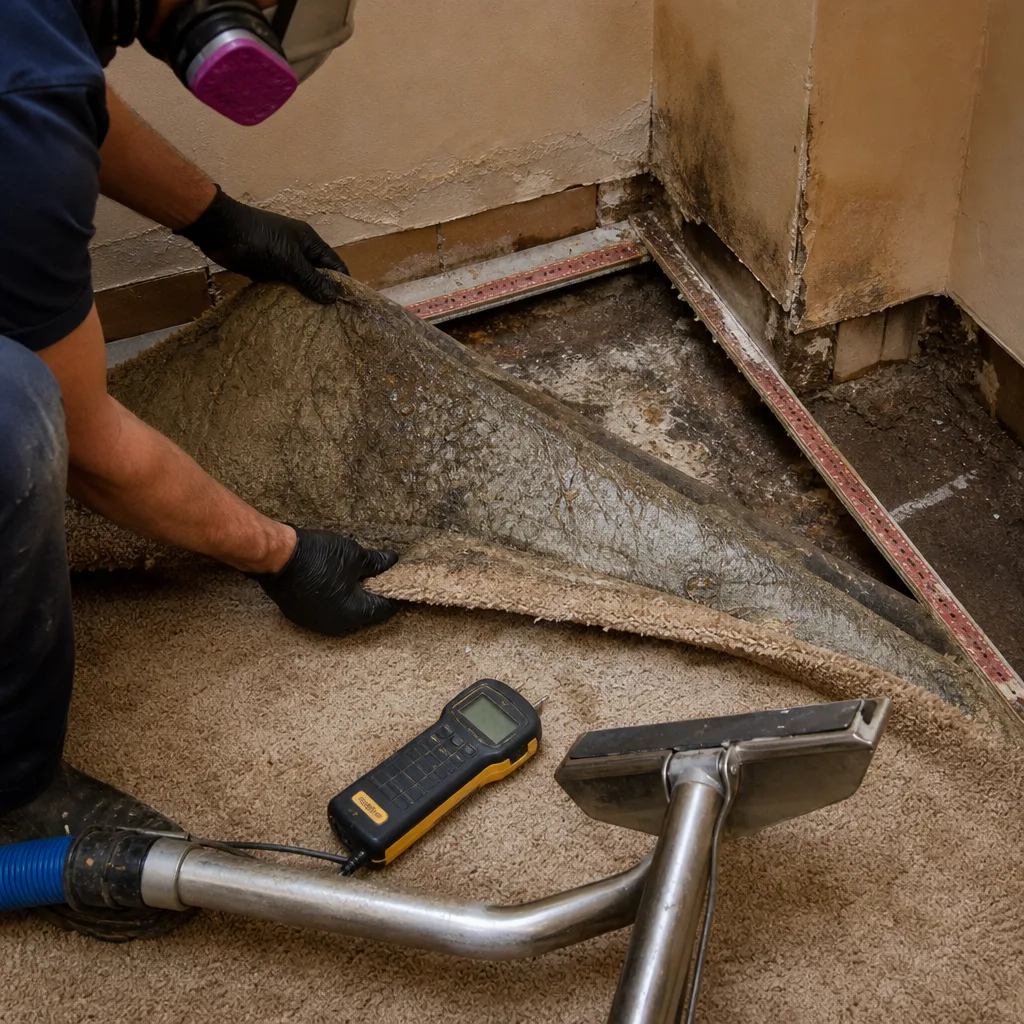
Blood, bodily fluids, and Category 3 water are extracted using professional-grade equipment. Porous materials that absorbed contamination, carpet, damaged sections of plaster, saturated lath, are removed to prevent secondary contamination. We bag and dispose of all biohazardous waste under regulated protocols.
Drying & Dehumidification
Structural drying in Irvington’s plaster-and-lath homes takes longer than in modern drywall construction. We run Dri-Eaz LGR dehumidifiers and air movers inside sealed containment, logging daily moisture readings until the wood and plaster reach the dry standard. Trapped moisture in rubble-stone foundations gets extended drying cycles.
Cleaning & Sanitization
All affected surfaces receive antimicrobial treatment and broad-spectrum disinfection. HEPA air scrubbers run continuously during remediation to capture airborne pathogens. We clean and treat wall cavities, floor joists, and foundation joints, not just visible surfaces.
Odor & Contamination Control
In Irvington’s older homes, decomposition odor penetrates plaster, wood, and even stone. We use hydroxyl generators and ozone treatment where appropriate, seal treated surfaces, and verify clearance with post-remediation air sampling so the home doesn’t smell like the incident months later.
Repairs & Restoration
Our reconstruction team rebuilds what was removed. We match original trim profiles, restore plaster surfaces, refinish oak floors, and address whatever the biohazard touched. One Floodline Restoration Co. crew handles everything from first extraction to final coat, and the 90-Day Done Right Promise covers it all in writing.
Need Emergency Biohazard & Crime Scene Cleanup in Irvington Now?
Crews minutes away, answering live 24 hours a day. The sooner we start, the less it costs.
Working With Your Insurance Company
Most Irvington homeowners never expected to file a claim for a biohazard cleanup. When it happens, the paperwork shouldn’t be yours to carry. We document the loss from the first hour, using photographs, moisture readings, and a detailed line-item scope that meets insurance carrier standards. Our team coordinates directly with your adjuster, sends the documentation, and handles follow-up questions. If you have a carrier that resists coverage for biohazard remediation, we write the scope in the language they understand. Your job is not to argue with an adjuster. Your job is to get your home safe again. We handle the rest, and we bill the carrier directly for covered work.
What We Provide Your Insurer
- Thorough documentation of the loss
- Photos of all damage, room by room
- Moisture readings and drying logs
- A detailed, line-item scope of work
- Direct coordination with your carrier
Built for Irvington’s Loss Calendar
Irvington’s biohazard and trauma cleanup calls follow a pattern tied to the Hudson River and the village’s aging infrastructure. January and February bring frozen supply lines that burst in unheated upper-ridge homes, sending Category 3 water through original plaster ceilings. Spring thaw saturates the ground behind rubble-stone foundations, pushing groundwater into basements where sewage backups follow. Summer thunderstorms drop three inches of rain in an hour, overwhelming drainage on the steep grade and flooding low-lying properties near the Metro-North Hudson Line. Nor’easters and tropical remnants, the same systems that hit Irvington waterfront properties during Hurricane Sandy, bring storm surge into riverside homes, mixing floodwater with whatever the river carried.
Trauma and unattended death calls don’t follow the weather. But they arrive with the same urgency, and they hit harder in Irvington because the village is small enough that neighbors know each other. When a death occurs in a home off Main Street or near the old Barney Park carriage trails, our crew treats the family with the same quiet competence we’d want for our own. We handle the biohazard, the Category 3 water from a failed valve or a burst pipe, the odor that follows an unattended death, and we do it without adding to what the family is already carrying.
Biohazard & Crime Scene Cleanup Across Irvington’s Neighborhoods
Irvington is a village of roughly fourteen hundred households, but its three distinct zones produce very different biohazard situations. The upper-ridge estates along Mountain Road and down toward the old Barney Park carriage trails sit on steep lots where hillside drainage has been silently infiltrating stone foundations for decades. When blood or bodily fluids reach those foundations, they move through moisture channels that have been forming for fifty years. The response route from our dispatch takes us north along Route 9, then west up the ridge, where narrow drives and tight turnarounds mean our crews arrive with smaller, more maneuverable equipment.
Down along Main Street and the central village core, homes date from the 1870s to the 1920s and were built with original plaster-and-lath over rubble-stone or brick. These homes hide contamination behind baseboards and inside wall cavities, where a visible trauma scene on the first floor means contaminated plaster above, below, and behind the room. The waterfront properties near the Irvington train station and along the Hudson River carry Category 3 floodwater risks after storms, and a nor’easter that pushes river water into a basement changes the scope of a trauma cleanup entirely. Everything the river water touched becomes a biohazard, not just the original scene.
Specialized Biohazard & Crime Scene Cleanup Services We Offer in Irvington
Trauma & Unattended Death Cleanup
When a death goes undiscovered for days or weeks in an Irvington home, decomposition fluids penetrate wood, plaster, and fabric deeply. In a Victorian home, these fluids wick into horsehair plaster and oak flooring, requiring removal of affected material down to the substructure, not just surface cleaning. We handle the full scope: containment, material removal, antimicrobial treatment, odor control, and restoration of the room to pre-loss condition. Families in Irvington trust us to handle this work quietly and thoroughly, without cutting corners on the parts nobody sees.
Blood & Bodily Fluid Cleanup
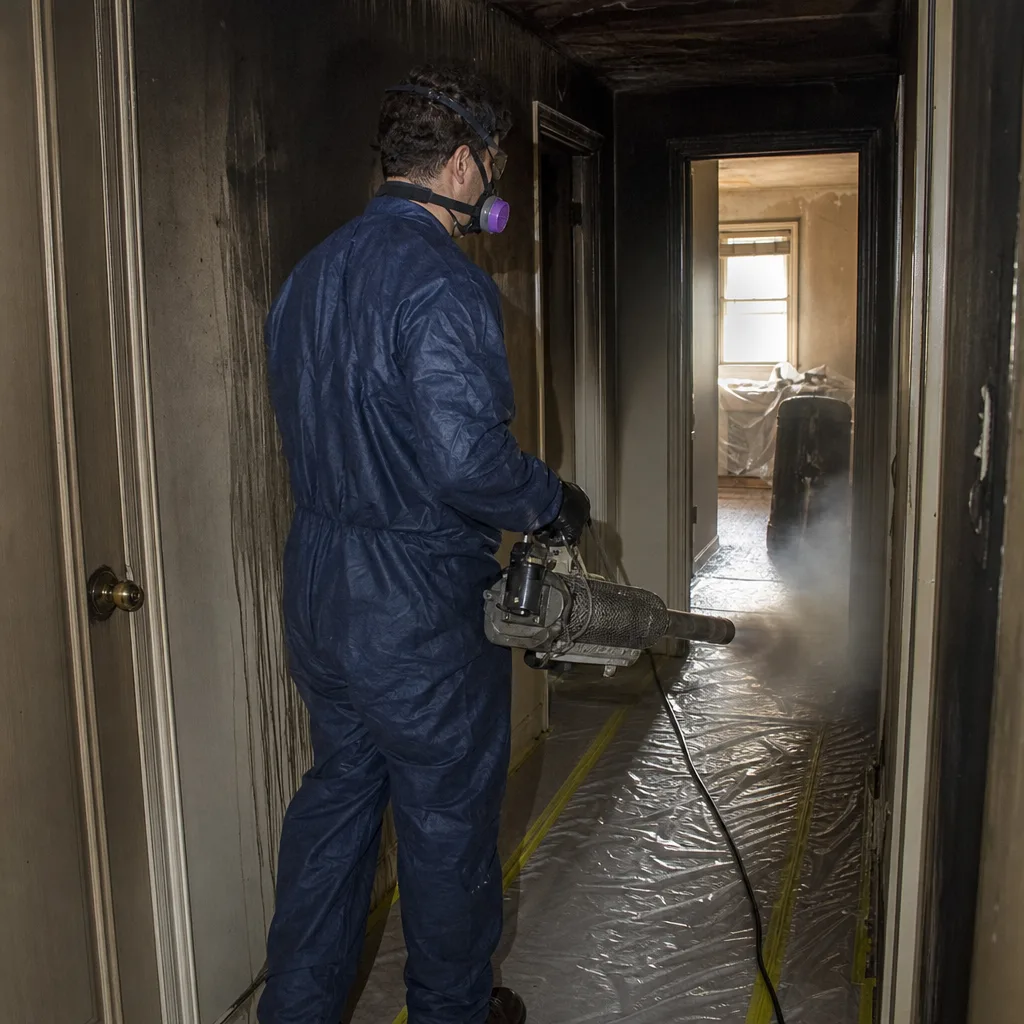
Blood spills in an Irvington home are regulated biohazard materials. State and federal guidelines govern their removal and disposal. Our IICRC-certified technicians follow AMRT protocols, wearing appropriate PPE, setting containment, and removing all contaminated porous materials. In century-old homes, this often means removing baseboards, cutting into plaster walls, and treating floor joists. Visible blood is never the full story. Moisture mapping finds what wicked into hidden cavities.
Infectious Disease Disinfection
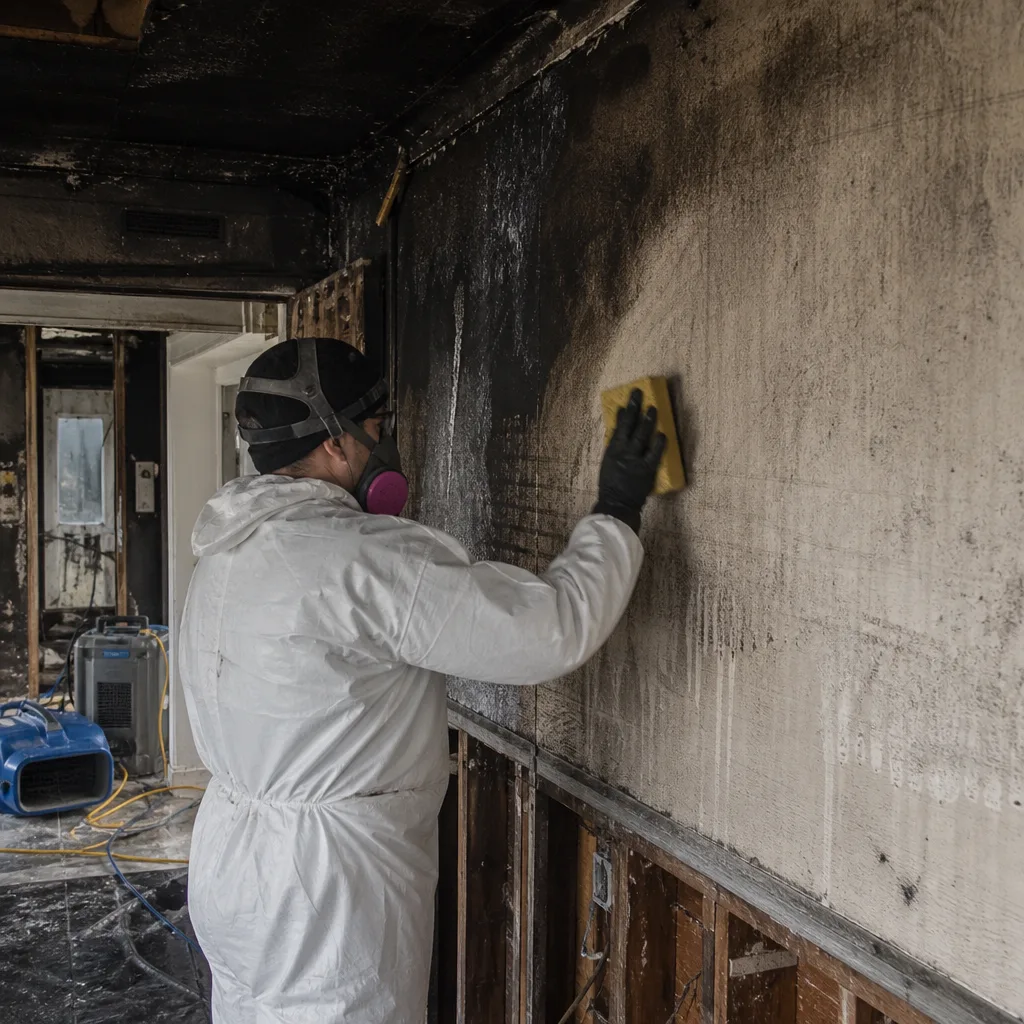
When a home in Irvington has been exposed to MRSA, C. difficile, norovirus, or another infectious agent, standard household cleaning is not enough. We use hospital-grade disinfectants registered with the EPA for the specific pathogen, following contact-time requirements and post-treatment verification. In older homes, pathogens hide in porous plaster, soft wood, and seams between original floorboards. Our disinfection protocol treats those surfaces, not just the visible ones.
Hoarding Cleanup
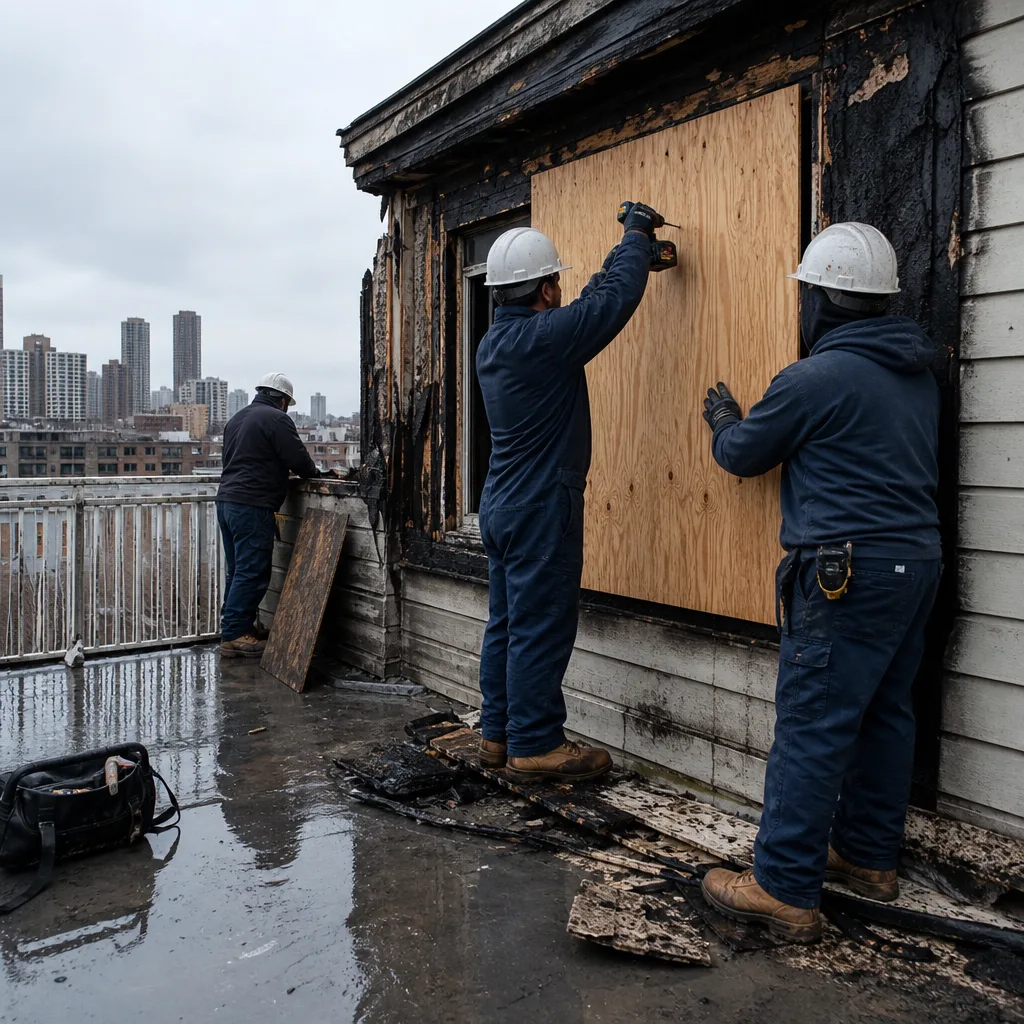
Hoarding situations in Irvington’s upper-ridge estates often mean decades of accumulated material in homes with narrow stair access and original architectural details buried beneath the clutter. We approach hoarding cleanup as a biohazard remediation because animal waste, mold, and decomposing organic material are almost always present. Our crew sorts what needs to be kept, documents valuables for the family, removes contaminated material, and treats the space. The steep access on Irvington’s hillside streets means we bring equipment sized for narrow drives and tight turns.
Crime Scene Cleanup
After Irvington police release a scene, the property owner is responsible for the cleanup. Blood, fingerprint dust, tear gas residue, and other evidence-related contamination remain. We coordinate with law enforcement to ensure the scene is released before we arrive, then treat the full spectrum of biohazards present. Our Biohazard & Crime Scene Cleanup team works methodically through affected rooms, treating behind walls and under floors, not just the surfaces that show.
What happens when you call
- 1
A real person answersNo phone trees - you reach a local pro.
- 2
You get an upfront price rangeHonest numbers before anyone is dispatched.
- 3
A background-checked tech heads outLicensed & insured, dispatched right away.
- 4
You approve before work beginsNothing starts until you say go.
Biohazard & Crime Scene Cleanup Costs in Irvington, NY
Irvington biohazard cleanup costs depend on what fluid is involved, how far it traveled, and what material it saturated. A small blood spill on a tile floor in a Main Street home runs $400 to $900. A trauma or unattended death cleanup in a Victorian with plaster walls typically runs $2,800 to $6,500. A Category 3 sewage backup in a waterfront basement runs $1,800 to $4,200 for extraction, drying, and antimicrobial treatment. Hoarding cleanup with biohazard contamination in an upper-ridge estate runs $3,500 to $15,000 depending on volume and access. Full infectious disease disinfection of a multi-room Victorian runs $1,500 to $4,000.
What moves the price: whether contaminated plaster must be removed and rebuilt, whether original floors require refinishing, whether the foundation needs extended drying, and whether odor control requires multiple treatment cycles. Homeowners insurance covers most biohazard and trauma cleanup when the cause is a covered peril. We offer free visual inspections, write a firm scope before work begins, and bill your carrier directly. Call (917) 924-4221 for an exact quote, and ask about our current standing offers: $50 off any repair over $250, the $89 seasonal tune-up, and the Senior & Veteran 5% discount.
We Also Serve Cities Near Irvington
Floodline Restoration Co. of Manhattan provides Biohazard & Crime Scene Cleanup in Irvington and the surrounding villages, including Dobbs Ferry, Ardsley, Elmsford, and Hartsdale. Same 45-minute response commitment, same live 24/7 dispatch, same written scope before any work begins.
Serving Irvington, NY - Our Local Coverage Area
We’re based in the Irvington area and know this community well. Use the map below to see our service coverage - if you’re nearby, we can almost certainly help.
Irvington Biohazard & Crime Scene Cleanup Questions, Answered
How does Irvington’s hillside drainage affect biohazard cleanup in an old stone foundation home?
Hillside drainage in Irvington pushes groundwater through and around rubble-stone foundations year-round, which means blood, bodily fluids, or Category 3 water that reaches a foundation travels along pre-existing moisture channels. The contaminated zone is routinely two to three times larger than the visible stain because the stone and mortar have been saturated for decades before the biohazard event. We map the moisture, not the stain, and treat the full wet zone with antimicrobials before drying begins. Call (917) 924-4221 for an inspection if you suspect foundation contamination.
Do you need to remove original plaster walls after an unattended death in a Victorian Irvington home?
Usually yes, in the affected room and often in adjacent cavities where decomposition fluid wicked through plaster and lath. Horsehair plaster absorbs liquids and holds them against the wood lath, creating a microbial growth zone inside the wall. Our crew removes contaminated plaster in controlled sections, treats the framing and lath that remain, and rebuilds with materials matched to the home’s original character. The goal is pre-loss condition, not a visible patch.
What does Category 3 water from a sewer backup mean for a biohazard cleanup near the Irvington waterfront?
Category 3 water is grossly contaminated with sewage, bacteria, and often floodwater from the Hudson. In Irvington waterfront homes, a nor’easter or tropical remnant can push river water into basements, mixing with whatever the sewer system carried. Everything the water touched becomes a biohazard. Porous materials, drywall, carpet, insulation, and any wood that absorbed contaminated water, must be removed. Remaining surfaces need antimicrobial treatment and structural drying before rebuilding. A standard flood cleanup is not sufficient.
How do you handle a hoarding cleanup in an Irvington upper-ridge home with only narrow stair access?
We bring smaller extraction and drying equipment that fits narrow stairs and tight driveway turnarounds on the upper ridge. Material removal is staged through the home in bagged, sealed containers to control odor and contamination spread. Our crew documents any valuables found during sorting, works with the family on a keep-discard plan, and treats the underlying floors, walls, and subfloor for biohazard contamination. The steep grade on Irvington’s hillside streets means we plan access routes before the crew ever arrives.
What makes infectious disease disinfection different in Irvington’s older homes compared to newer construction?
Original plaster, soft old-growth wood, and gaps between pre-war floorboards hold pathogens in ways that modern sealed drywall and tight construction don’t. We treat wall cavities, floor cracks, and trim profiles with hospital-grade disinfectants, following EPA contact-time requirements for the specific pathogen. Newer homes have tighter envelopes and fewer hidden cavities. Irvington’s Victorians have dozens of places pathogens hide, and our disinfection protocol accounts for every one.
How fast can you actually get to an Irvington biohazard emergency?
We commit to a 45-minute response time for Irvington calls. Our dispatch coordinates from the New York City office and routes the nearest certified crew. A live person confirms your address and ETA on the phone before the crew rolls. Nights, weekends, holidays, same response. Call (917) 924-4221 and a dispatcher answers.
Will my homeowner’s insurance cover biohazard or crime scene cleanup in Irvington?
Most standard homeowners policies cover biohazard and trauma cleanup when the cause is a covered peril, such as a burst pipe, a covered accident, or a storm that pushed Category 3 water into the home. We document the loss thoroughly, write a carrier-standard scope, and coordinate with your adjuster directly. You never have to negotiate with the insurance company alone. If coverage is denied, we’ll explain why and help you understand your options.
What should I do in the first 30 minutes after discovering a biohazard situation in my Irvington home?
Don’t touch anything. Don’t attempt to clean blood, bodily fluids, or sewage yourself. Open no walls and pull no trim. Keep people and pets out of the affected area. Shut off the water if the source is a leaking pipe or appliance. Call our 24/7 dispatch at (917) 924-4221. Containment and documentation are the two things that determine how much of your home can be saved, and both start the moment we arrive.
Written by Curt Bowman, Owner at Floodline Restoration Co. of Manhattan, serving Irvington and the Hudson River villages with certified biohazard and crime scene cleanup since 2010.