
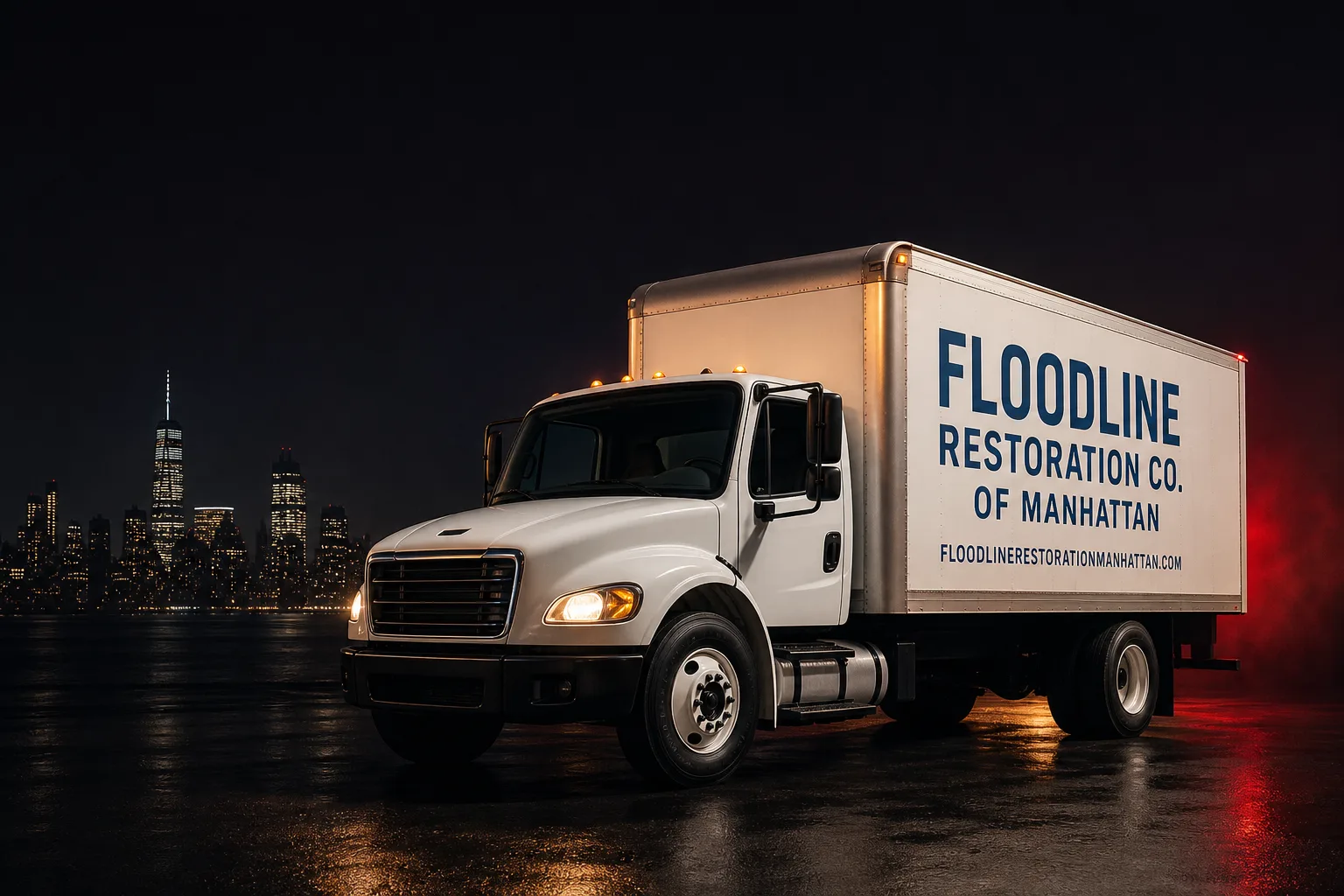
Free visual inspection and a written scope of work before any mitigation begins - photos, moisture readings, and drying logs go in your claim file
The scope we write is the scope we bill. Anything new gets shown to you, in writing, before we touch it.






 Before
 After
After Before
 After
After Before
 After
After24/7 Emergency Biohazard & Crime Scene Cleanup in Lower Manhattan
Biohazard and crime scene cleanup in Lower Manhattan requires a crew that understands this neighborhood’s buildings, not just the chemistry of contamination. We answer live at (917) 924-4221, every hour of every day, and dispatch crews into Lower Manhattan immediately. The first hour after a traumatic event or hazardous spill matters because biological fluids, pathogens, and contaminated water move through old masonry walls, plumbing chases, and sub-grade spaces faster than most property owners realize. Our Biohazard & Crime Scene Cleanup team arrives ready to contain the affected area, document the scene, and stop contamination from spreading through your property.
Understanding Biohazard & Crime Scene Cleanup Severity in Lower Manhattan Properties
Lower Manhattan’s building stock is unlike anywhere else in the city. Most structures are 19th- and early 20th-century masonry commercial and warehouse buildings, many with cast iron facades in TriBeCa, converted to residential lofts and condos alongside the planned 1980s and 90s residential towers of Battery Park City built on Hudson River landfill. These buildings share deep sub-grade basements at or near the water table, thick masonry walls that trap moisture and biohazard residues for weeks, and legacy industrial-era building systems like oversized plumbing chases and mechanical rooms. When blood, bodily fluids, or trauma-related contamination enters these spaces, it doesn’t stay where it happened. Fluids follow gravity through floor assemblies, old pipe chases, and wall cavities, often emerging two or three floors below the original site. Improper containment in converted warehouse lofts allows aerosols to spread through legacy ductwork, forcing costly pack-out and re-clean of adjacent units. We see this pattern in Lower Manhattan repeatedly: a fourth-floor incident migrates down a plumbing chase to the sub-grade basement, and the contamination pathway has nothing to do with obvious surface damage.
Why Lower Manhattan Property Owners Choose Floodline Restoration Co. of Manhattan
- 45-minute response commitment: Our Lower Manhattan crews are minutes away, not an hour across a bridge. We commit to a 45-minute arrival window for emergency biohazard calls in Lower Manhattan.
- 24/7 live answer, never an automated system: A real dispatcher picks up at 2 a.m. in Lower Manhattan, not a recording. You’ll speak to a person who can dispatch a crew immediately.
- IICRC-certified crews: Our technicians hold IICRC certifications in trauma and crime scene cleanup, water damage restoration (WRT), and applied microbial remediation (AMRT), and follow RIA and IFA standards on every Lower Manhattan job.
- Free visual inspection: Before any work begins, we walk the affected area with you and a written scope in hand. No surprises on the bill, no vague estimates.
- Direct insurance billing: We bill your carrier directly and provide the documentation adjusters require: photos, moisture readings, line-item scopes, and daily logs. You never play messenger between our crew and your insurer.
- One team from first response to final repair: The same Floodline Restoration Co. of Manhattan crew that contains the biohazard also handles drying, cleaning, and any necessary reconstruction. No mid-job handoff to a crew you’ve never met.
Our Biohazard & Crime Scene Cleanup Process
Inspection & Assessment
We arrive in Lower Manhattan, walk the property, and map contamination pathways using thermal imaging and moisture meters. Our technicians were trained on post-Sandy building retrofits in this neighborhood, so we know to check upper-floor mechanical rooms and relocated systems, not just the obvious spill site.
Extraction & Stabilization
We remove bulk blood, bodily fluids, and contaminated materials using medical-grade extraction equipment and proper personal protective equipment. Containment is established before any disturbed air can migrate through legacy ductwork or open stairwells common in converted loft buildings.
Drying & Dehumidification
Lower Manhattan’s thick masonry walls hold moisture for weeks if not properly managed. We deploy professional-grade Dri-Eaz, Phoenix, and XPOWER equipment with daily moisture readings logged until the dry standard is met, preventing secondary contamination and odor problems.
Cleaning & Sanitization
All affected surfaces are cleaned with EPA-registered antimicrobials and hospital-grade disinfectants. We use HEPA air scrubbers to capture airborne pathogens and follow IICRC trauma scene standards for final clearance.
Infectious Disease Disinfection
For bloodborne pathogen exposure, tear gas residue, or infectious disease concerns, we perform full-room disinfection using electrostatic sprayers and ATP testing to verify surface hygiene. This is critical in Lower Manhattan high-rises with central air systems where pathogens can circulate between units.
Repairs & Restoration
Once the scene is clean, we repair or replace affected drywall, flooring, and any structural elements. Because we’re a full-cycle restoration company, the same crew handles this phase, and it’s all backed by the 90-Day Done Right Promise in writing.
Need Emergency Biohazard & Crime Scene Cleanup in Lower Manhattan Now?
Crews minutes away, answering live 24 hours a day. The sooner we start, the less it costs.
Working With Your Insurance Company
We’ve handled biohazard and crime scene claims in Lower Manhattan long enough to know what carriers require. From the first hour, we document everything: the scene as we found it, every contaminated surface, every moisture reading, every gallon of contaminated material removed. We prepare industry-standard estimates using Xactimate, so your adjuster sees numbers in the format their system understands. Direct communication with your carrier means we explain our scope in their language and push back when a line item gets questioned. You don’t sit on hold with your insurer. You don’t translate between our crew and a claims department. That’s our job. The 90-Day Done Right Promise covers the work we perform, and if an adjuster challenges it, we stand behind our scope in writing.
What We Provide Your Insurer
- Thorough documentation of the loss
- Photos of all damage, room by room
- Moisture readings and drying logs
- A detailed, line-item scope of work
- Direct coordination with your carrier
Built for Lower Manhattan’s Loss Calendar
Biohazard cleanup demand in Lower Manhattan doesn’t follow a tidy seasonal pattern the way water damage does uptown. This neighborhood’s unique geography and building stock create year-round exposure. The low-lying peninsula flanked by the Hudson, East River, and New York Harbor means nor’easter and hurricane storm surge funnels directly into sub-grade spaces with little geographic buffer. Battery Park City and the Financial District waterfront sit on landfill barely above sea level, designated FEMA Flood Zone AE, and the high water table beneath those landfill sections creates chronic baseline groundwater intrusion into basements and parking structures even between named storms. After a storm surge event like Hurricane Sandy, contaminated Category 3 black water deposits biohazards, sewage, and chemical residue throughout sub-grade spaces. The damage pathway is predictable to us now, and it’s why we maintain live dispatch coverage in Lower Manhattan every day of the year.
Biohazard & Crime Scene Cleanup Across Lower Manhattan’s Neighborhoods
Lower Manhattan stretches from the Battery to Chambers Street, and each neighborhood within it presents different access and contamination challenges. In Battery Park City, the residential towers built on landfill have relocated mechanical systems in upper floors since Sandy, which means we frequently trace contamination from mechanical rooms on the eighth or twelfth floor rather than a flooded basement, a pathway no uptown crew would think to check. TriBeCa’s cast iron and masonry loft buildings have oversized mechanical rooms and open floor plans that allow aerosols to travel fast, requiring aggressive containment and HEPA air scrubbing before any disturbance. In the Financial District, narrow streets and co-op building rules complicate equipment staging; we coordinate with building management and use compact professional-grade equipment like the Dri-Eaz and Phoenix units that fit into older freight elevators. Along the South Street Seaport corridor, where historic structures sit at the water’s edge, chronic dampness beneath grade means biohazard residues linger longer and require extended drying cycles, which we monitor with daily moisture readings until the dry standard is met. A few blocks south in the Civic Center area, government and commercial buildings demand discreet, fast work with minimal disruption to adjacent offices, and our uniformed, background-checked crews handle that every week.
Specialized Biohazard & Crime Scene Cleanup Services We Offer in Lower Manhattan
Crime Scene Cleanup
When law enforcement releases a scene, you need a certified crew that knows the IICRC trauma scene standards and won’t hesitate. We remove blood, bodily fluids, and any biohazardous materials from crime scenes in Lower Manhattan residential units, common areas, and commercial spaces. We work directly with property managers and co-op boards to restore the space discreetly and thoroughly.
Trauma & Unattended Death Cleanup
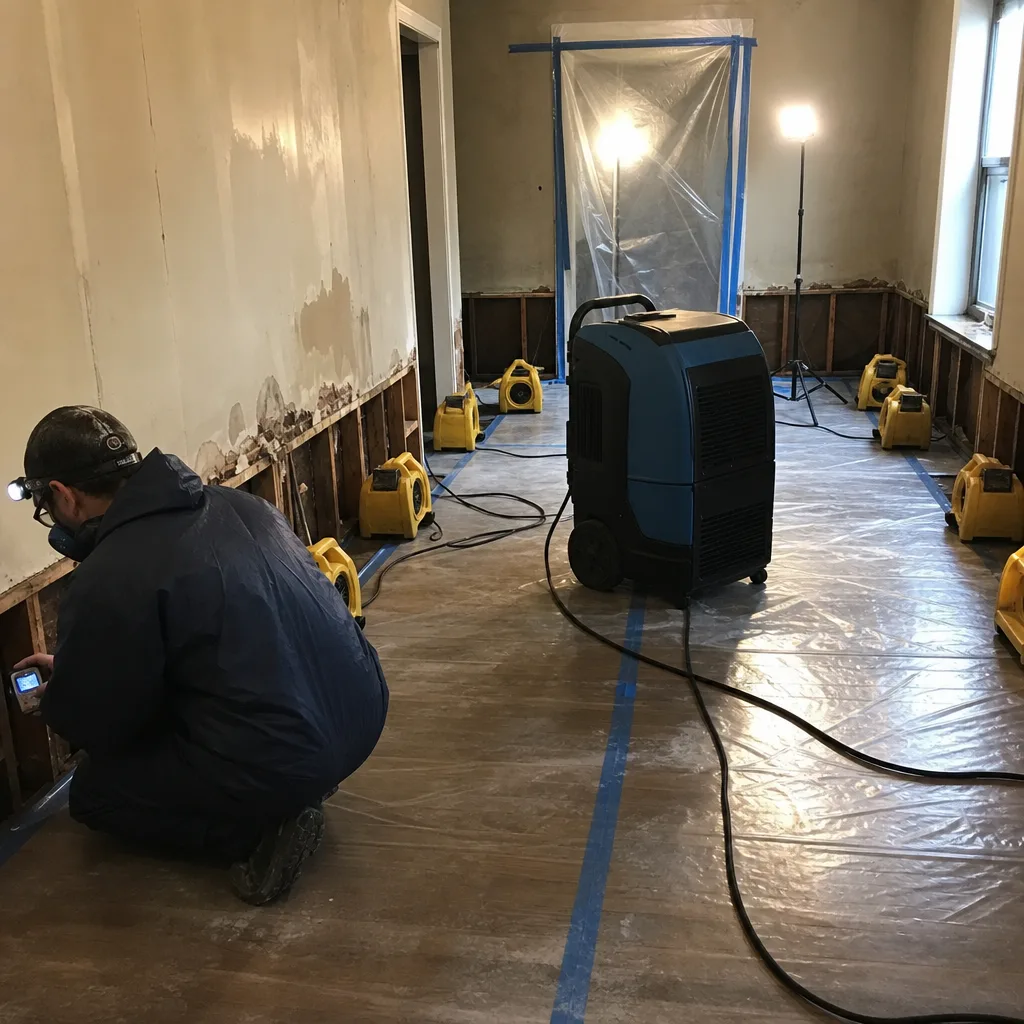
When a cast-iron TriBeCa loft suffered an unattended death, our crew used moisture mapping to confirm fluids had migrated from the fourth-floor living space down an old plumbing chase to the sub-grade basement, then set containment at both openings before beginning blood and bodily fluid cleanup, dehumidification, and antimicrobial treatment. We brought the space back to pre-loss condition without disturbing the building’s landmark finishes. That’s the kind of pathology-based approach that Lower Manhattan’s older buildings require.
Hoarding Cleanup
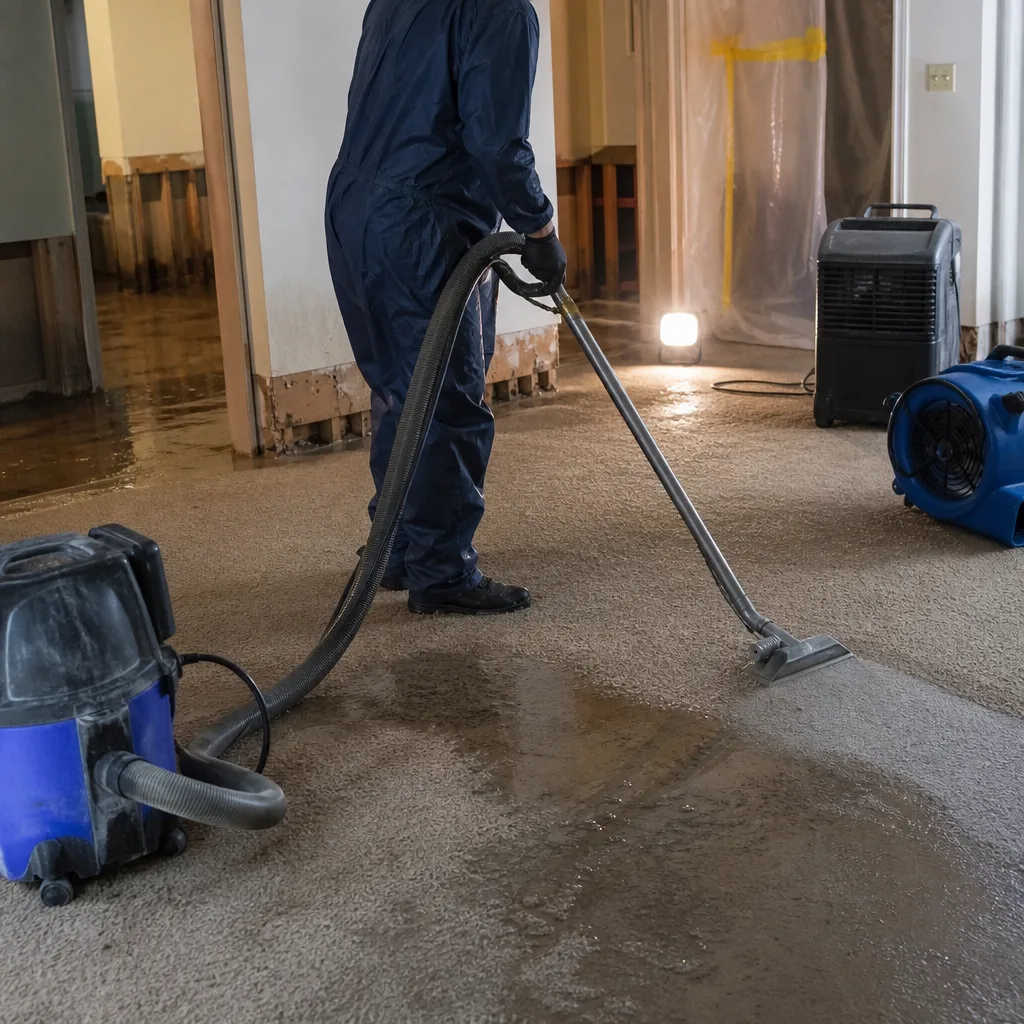
Hoarding cleanup in Lower Manhattan co-ops and condos is not junk removal. We sort through items with the resident or property manager, identify valuables and documents, and remove contaminated material under proper containment. In Financial District co-ops with older plumbing and limited ventilation, we coordinate with building management to schedule waste removal through service elevators and freight entrances without disrupting neighbors.
Blood & Bodily Fluid Cleanup
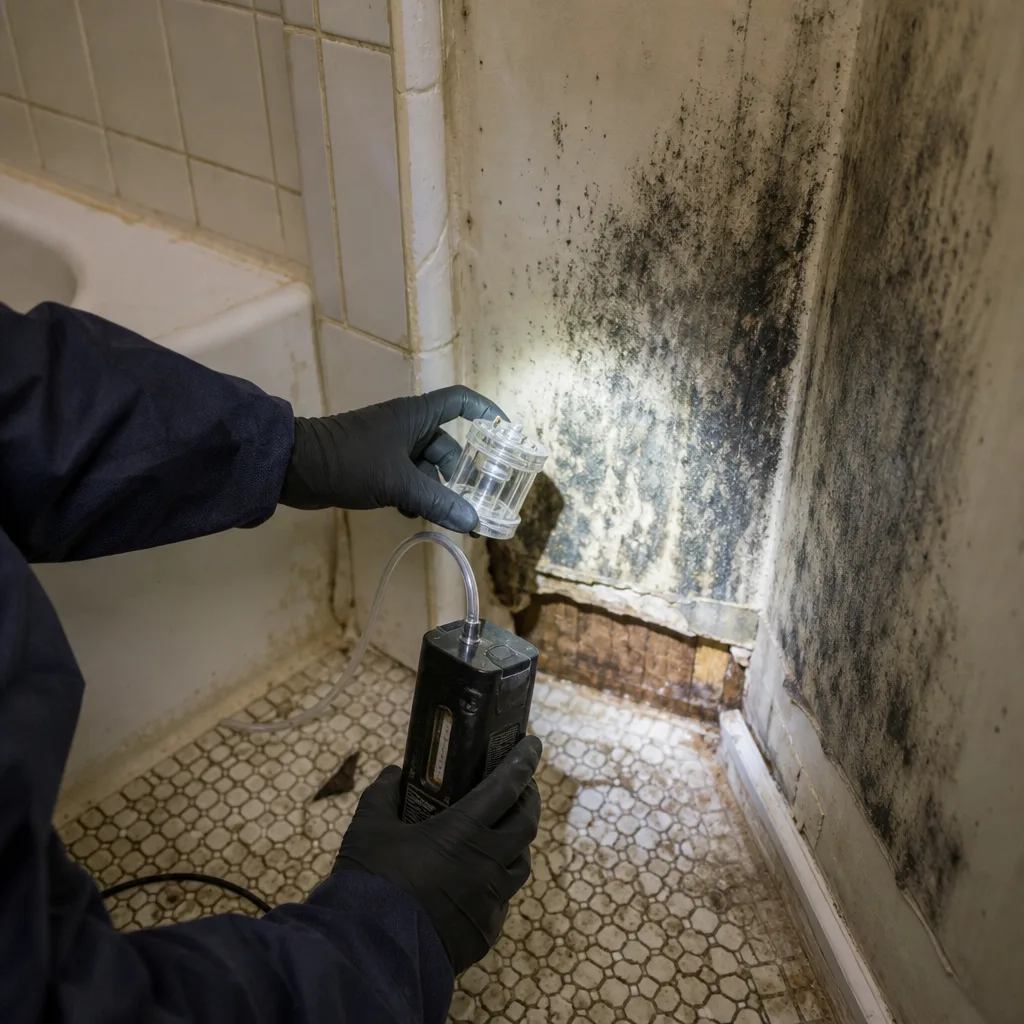
Bloodborne pathogens require more than bleach and elbow grease. We use EPA-registered disinfectants, proper PPE, and HEPA-filtered air scrubbers to remove all traces of blood and bodily fluids from surfaces, flooring, and any materials that absorbed them. In Lower Manhattan’s converted lofts, that often means cutting out sections of original wood flooring or subfloor that would hold pathogens indefinitely.
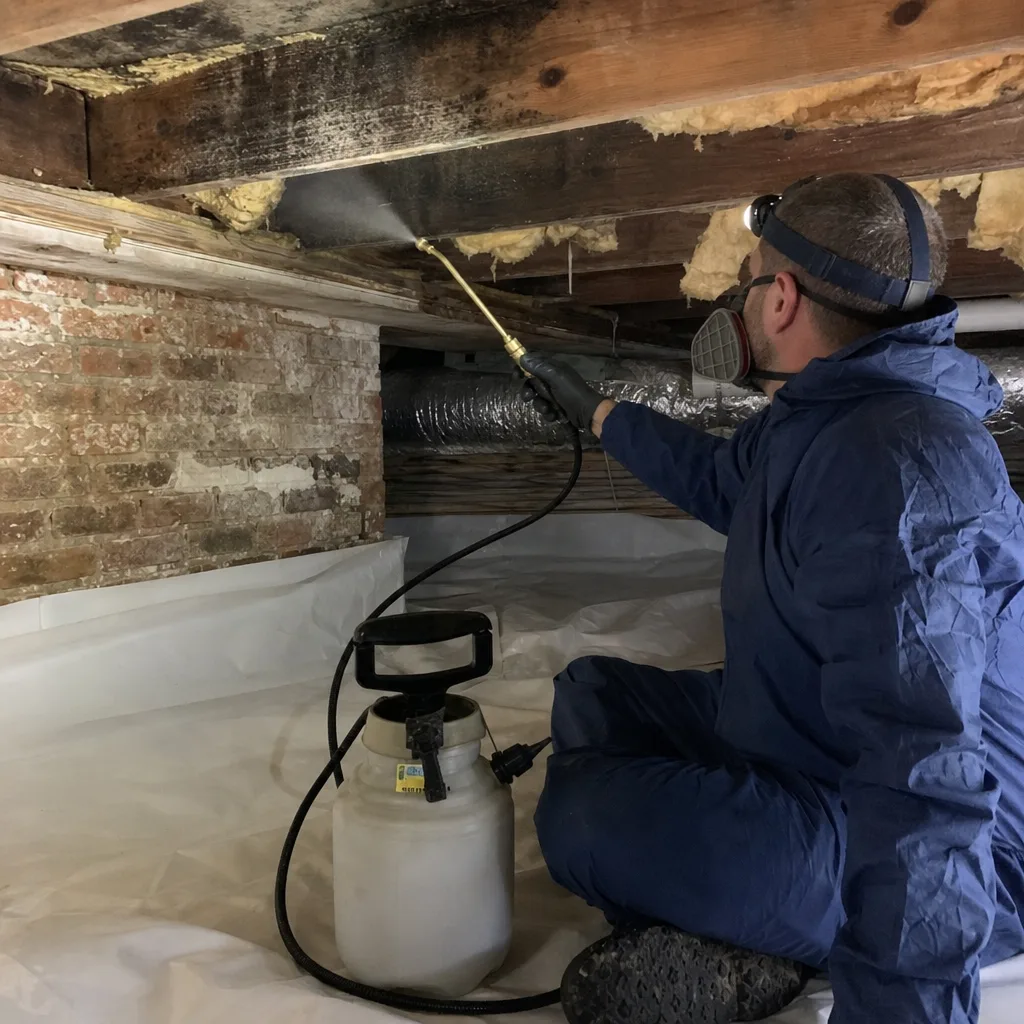
Infectious Disease Disinfection
For confirmed or suspected infectious disease exposure in a Lower Manhattan high-rise, we perform full-coverage disinfection using electrostatic sprayers and ATP testing to verify surfaces are actually clean. Central air systems in these buildings can circulate pathogens between units, so we coordinate with building engineers to isolate HVAC zones before we begin. This is not standard cleaning. It’s verified disinfection with third-party testing documentation your co-op board can review.
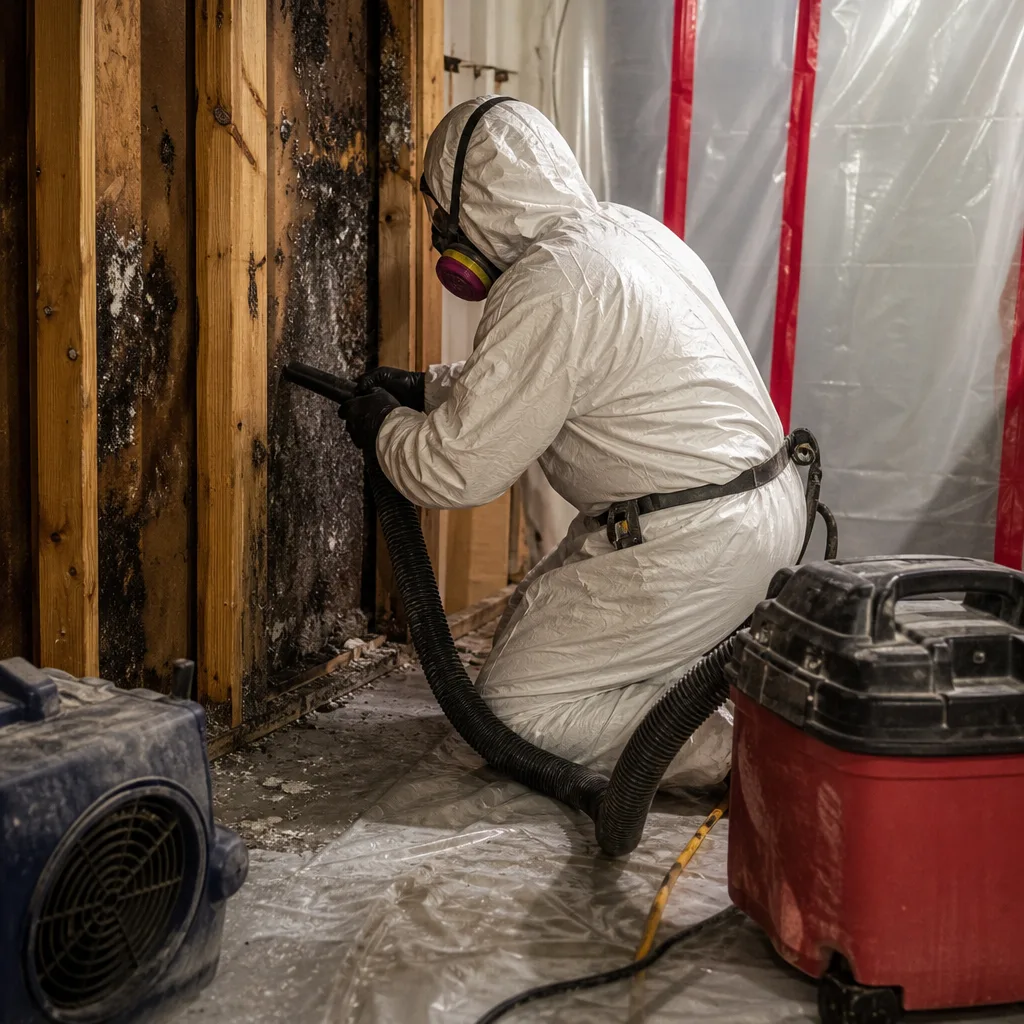
Tear Gas & Chemical Cleanup
Tear gas residue in an enclosed Lower Manhattan apartment or commercial space is a chemical contaminant that settles into every porous surface. We neutralize the active compounds and remove affected materials, then run HEPA air scrubbers until airborne particle counts return to baseline. This is especially difficult in older loft buildings with high ceilings and exposed brick, where gas particles embed deeply.
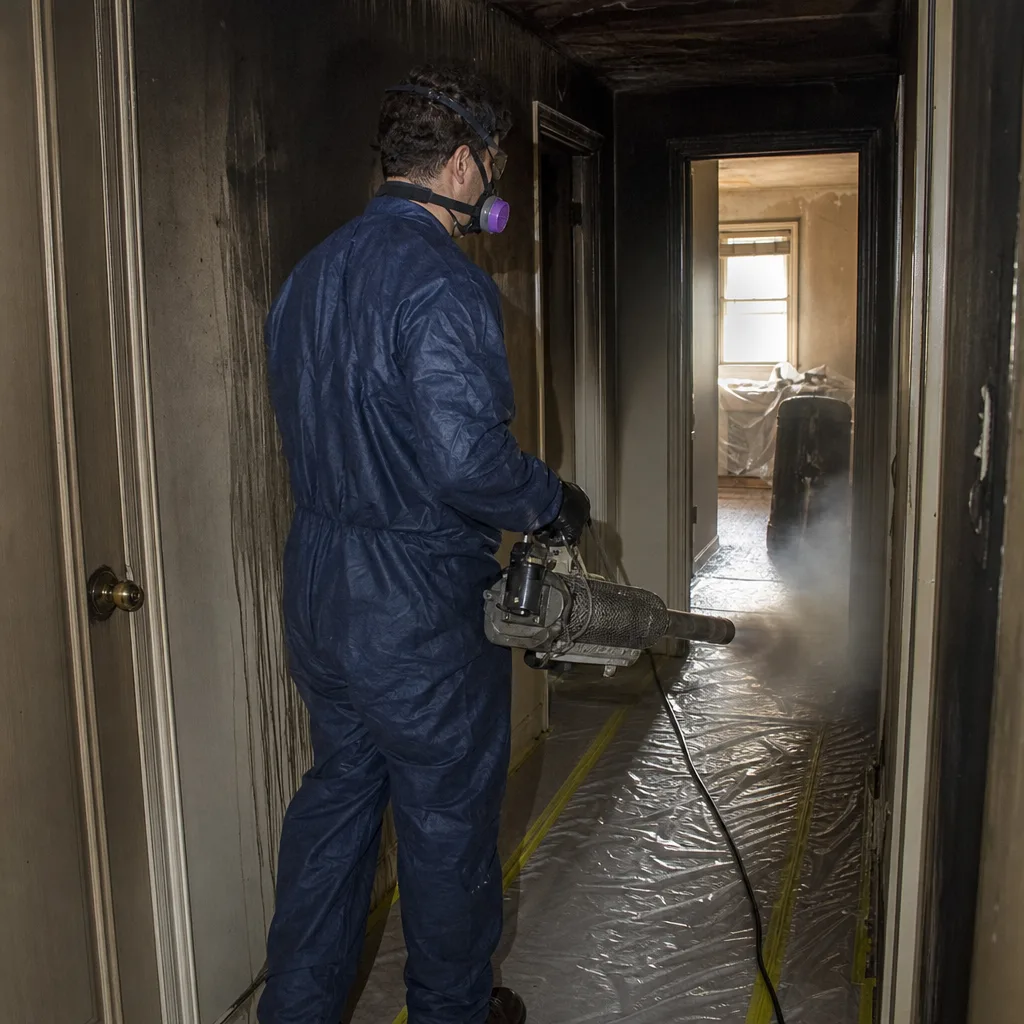
What happens when you call
- 1
A real person answersNo phone trees - you reach a local pro.
- 2
You get an upfront price rangeHonest numbers before anyone is dispatched.
- 3
A background-checked tech heads outLicensed & insured, dispatched right away.
- 4
You approve before work beginsNothing starts until you say go.
Biohazard & Crime Scene Cleanup Costs in Lower Manhattan, NY
A typical trauma or unattended death cleanup in Lower Manhattan runs $1,200 to $5,000, depending on the size of the affected area and how far contamination has migrated. Blood and bodily fluid cleanup in a confined area like a single bathroom or entryway typically runs $800 to $2,000. Infectious disease disinfection for a full apartment in a Lower Manhattan high-rise typically runs $1,500 to $4,500, with ATP testing included in our scope. Tear gas or chemical cleanup in a loft with high ceilings and exposed brick typically runs $2,000 to $6,000. Hoarding cleanup in a Financial District co-op is often quoted by volume and staffing hours; most jobs land between $2,500 and $12,000. What moves the price in Lower Manhattan specifically is building access, masonry wall absorption, and whether contamination traveled through plumbing chases or legacy ductwork. Insurance covers most biohazard and crime scene claims when a covered peril caused the loss. Call (917) 924-4221 for a free visual inspection and a firm written scope. No obligation, no pressure.
We Also Serve Cities Near Lower Manhattan
Our Lower Manhattan crews also respond to biohazard and crime scene cleanup calls in Fairview, Harrison, East Bronx, and Hunts Point. If your property is near Lower Manhattan in any of these communities, the same live dispatcher at (917) 924-4221 can have a crew on the way.
Serving Lower Manhattan, NY - Our Local Coverage Area
We’re based in the Lower Manhattan area and know this community well. Use the map below to see our service coverage - if you’re nearby, we can almost certainly help.
Lower Manhattan Biohazard & Crime Scene Cleanup Questions, Answered
How does Lower Manhattan’s post-Sandy building retrofitting affect biohazard cleanup in residential towers?
Post-Sandy retrofits moved boilers, electrical switchgear, and elevator machinery from basements to upper floors or rooftops, which means biohazard contamination can now originate from mechanical rooms many floors above where the water entered. Our crews know to trace contamination upward, not just to the basement, and we locate shutoffs faster because we understand these non-standard building configurations.
What is the risk of category 3 water contamination in Battery Park City basements during biohazard cleanup?
Battery Park City is built on Hudson River landfill barely above sea level and sits in FEMA Flood Zone AE. Basement spaces there are chronically wet from the high water table, and storm surge brings Category 3 black water carrying sewage, bacteria, and chemical residue. When biohazard cleanup intersects with this water, our technicians treat it as a combined biohazard and Category 3 water loss, using full containment and antimicrobial protocols.
Why is moisture mapping critical for biohazard cleanup in converted TriBeCa lofts?
TriBeCa loft buildings have thick masonry walls and old plumbing chases that allow fluids to travel far from the visible scene. Moisture mapping with thermal imaging and hygrometers tells us where the contamination actually went, not just where it looks bad. In one TriBeCa loft, we confirmed fluids had migrated from a fourth-floor living space to a sub-grade basement through a plumbing chase, which changed the entire scope of containment and drying.
How do you handle infectious disease disinfection in a Lower Manhattan high-rise with central air?
We coordinate with building engineers to isolate the HVAC zones serving the affected unit before we begin. Then we use electrostatic sprayers to apply EPA-registered disinfectants to every surface, followed by HEPA air scrubbing and ATP testing to verify the space is hygienically clean. Central air in these buildings can circulate pathogens between units, so isolation is step one.
What makes hoarding cleanup in Financial District co-ops different from standard junk removal?
Financial District co-ops have strict building rules, service elevators, and neighbors on every side. Hoarding cleanup requires containment, odor control, and coordination with building management about waste removal routes and times. We also sort through items with the resident or family to preserve valuables and documents, which a junk removal crew would simply throw away.
How fast can a crew actually get to my Lower Manhattan property?
We commit to a 45-minute arrival window for emergency biohazard calls in Lower Manhattan. Our crews are based in the area, not dispatched from an outer borough or New Jersey. Call (917) 924-4221 and a live dispatcher will confirm a crew is on the way.
Will my insurance cover biohazard and crime scene cleanup in Lower Manhattan?
Most homeowner and co-op policies cover biohazard and crime scene cleanup when a covered peril caused the loss. We bill your carrier directly and provide the documentation adjusters require: photos, moisture readings, line-item scopes, and daily logs. If your claim is denied or underpaid, we’ll explain your options and stand behind our scope in writing.
Can I stay in my Lower Manhattan apartment during the cleanup?
For bloodborne pathogen exposure or infectious disease disinfection, we recommend vacating the unit until containment is removed and clearance testing is complete. For less severe jobs like small blood spills on hard surfaces, you may be able to remain in an adjacent room while we work. We’ll tell you straight what’s safe and what isn’t.
How long does biohazard cleanup and drying take in Lower Manhattan’s older buildings?
Most Lower Manhattan biohazard cleanup jobs complete in one to three days of active work. But masonry walls in this neighborhood’s older buildings hold moisture longer than drywall, so we monitor drying with daily readings and may keep equipment running for a week or more before final clearance. We don’t rush this. The 90-Day Done Right Promise means we’d rather take two extra days now than have you call us back.
If you’re facing a biohazard or crime scene situation in Lower Manhattan, call (917) 924-4221 now. A live dispatcher answers 24 hours a day, every day. We’ll have a background-checked, uniformed crew at your door within 45 minutes, and you’ll get a free visual inspection with a written scope before any work begins. Done right, and backed in writing.
Written by Curt Bowman, Owner of Floodline Restoration Co. of Manhattan, serving the New York City area since 2010.